More Revealing Than It Looks.
Networked workplace chargers legitimately collect session data to manage access, energy use, billing, and reimbursement, but displaying an identifiable employee’s charging history to coworkers is a separate privacy question.
The Charger Really Is Collecting A Data Trail
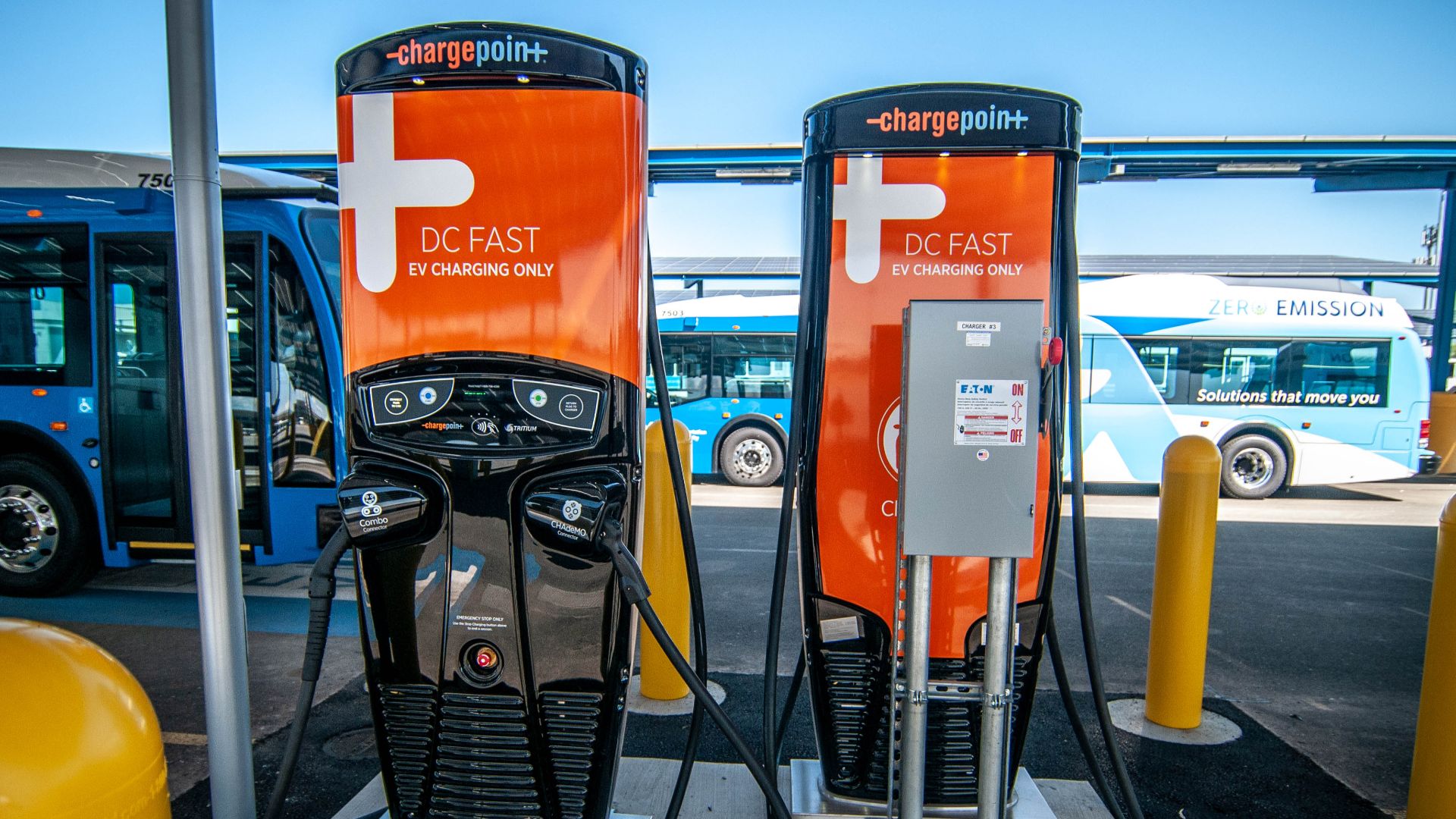
Networked chargers can record much more than whether electricity is flowing. ChargePoint says its network may collect the station location, charging date, start and end times, duration, energy dispensed, parking time, authorization details, fees, current, and voltage. Once an account identifies the driver, those records can become associated with a particular person.
 Santa Clara Valley Transportation Authority, Wikimedia Commons
Your Employer May Legitimately Need Some Of It
Workplace chargers are not always free-for-all electrical outlets. Employers may need usage information to allocate costs, manage limited charging spaces, reimburse business charging, or understand overall electricity demand. ChargePoint markets workplace systems specifically around managing driver groups, fees, station use, energy costs, and emissions data.
Energy Use Is Useful Operational Data
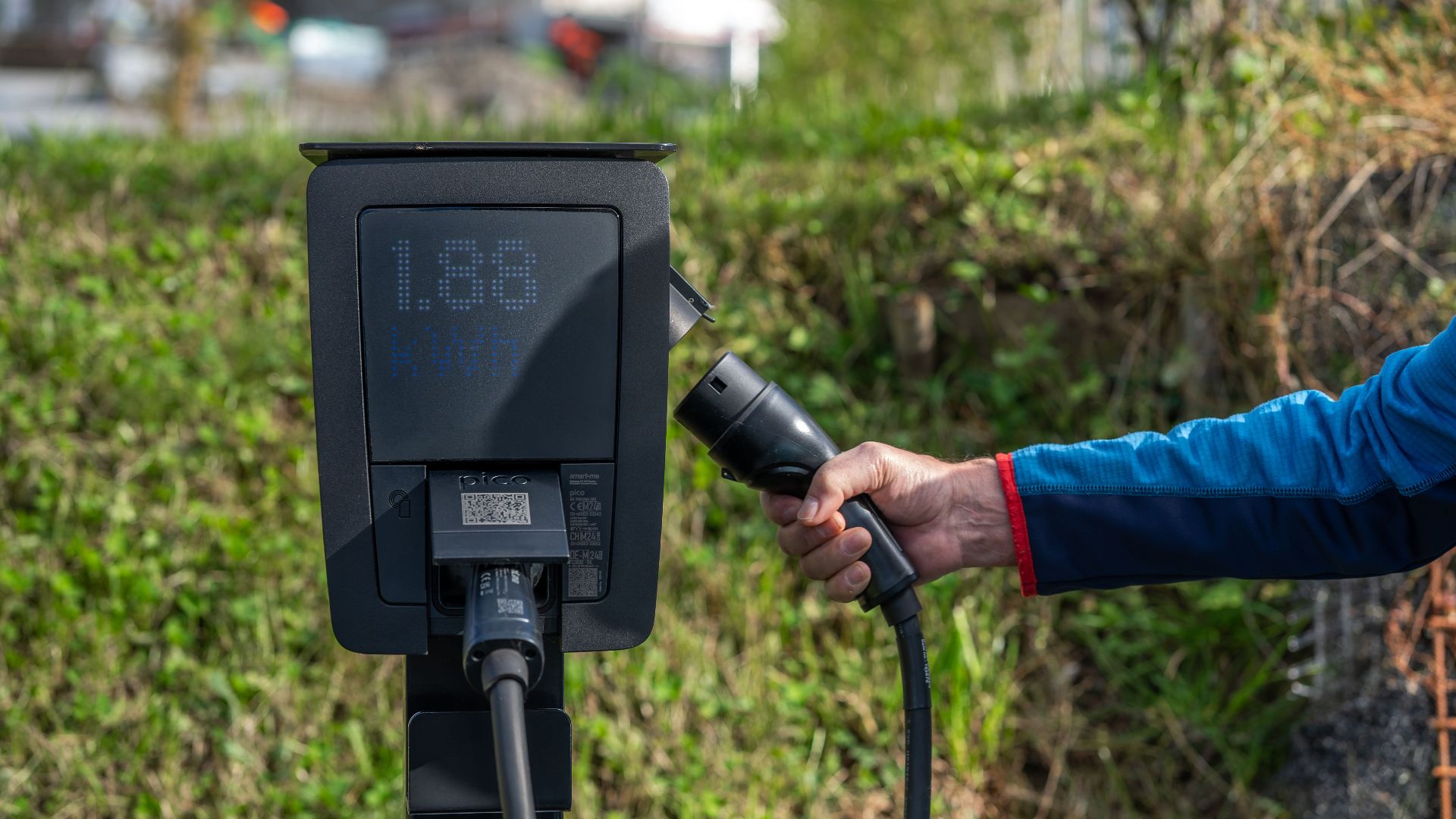
Knowing how many kilowatt-hours a workplace charging program consumes helps an employer understand operating costs and electrical demand. The Department of Energy says networked charging stations can track electricity consumed during individual sessions and send those records to a management system. For fleet vehicles, that information can be important enough to become part of formal energy reporting.
 Summit Art Creations, Shutterstock
Your Name Is A Different Kind Of Data
A driver's name is not necessary for every purpose that requires an energy total. A facilities manager may need to know which authorized employee used a station, but the person charging two spaces away generally does not need that information to determine whether a plug is occupied. Identifying the employee turns ordinary charging statistics into personal information.

The Combination Reveals More Than Each Field Alone
A name by itself says little about workplace behavior. Add a start time, end time, charging duration, and repeated historical sessions, and coworkers may be able to infer patterns about when someone tends to arrive or leave. Those inferences will not always be accurate, but identifiable session history can reveal more than a simple “charger occupied” indicator.

Parking Time Can Add Another Clue
ChargePoint's privacy policy specifically lists parking time among the information that can be collected during a charging session. That can be useful for enforcing charger etiquette or preventing a fully charged vehicle from occupying a scarce space all day. It can also create a surprisingly detailed record when paired with an employee identity.
This Is Normal Charger Technology
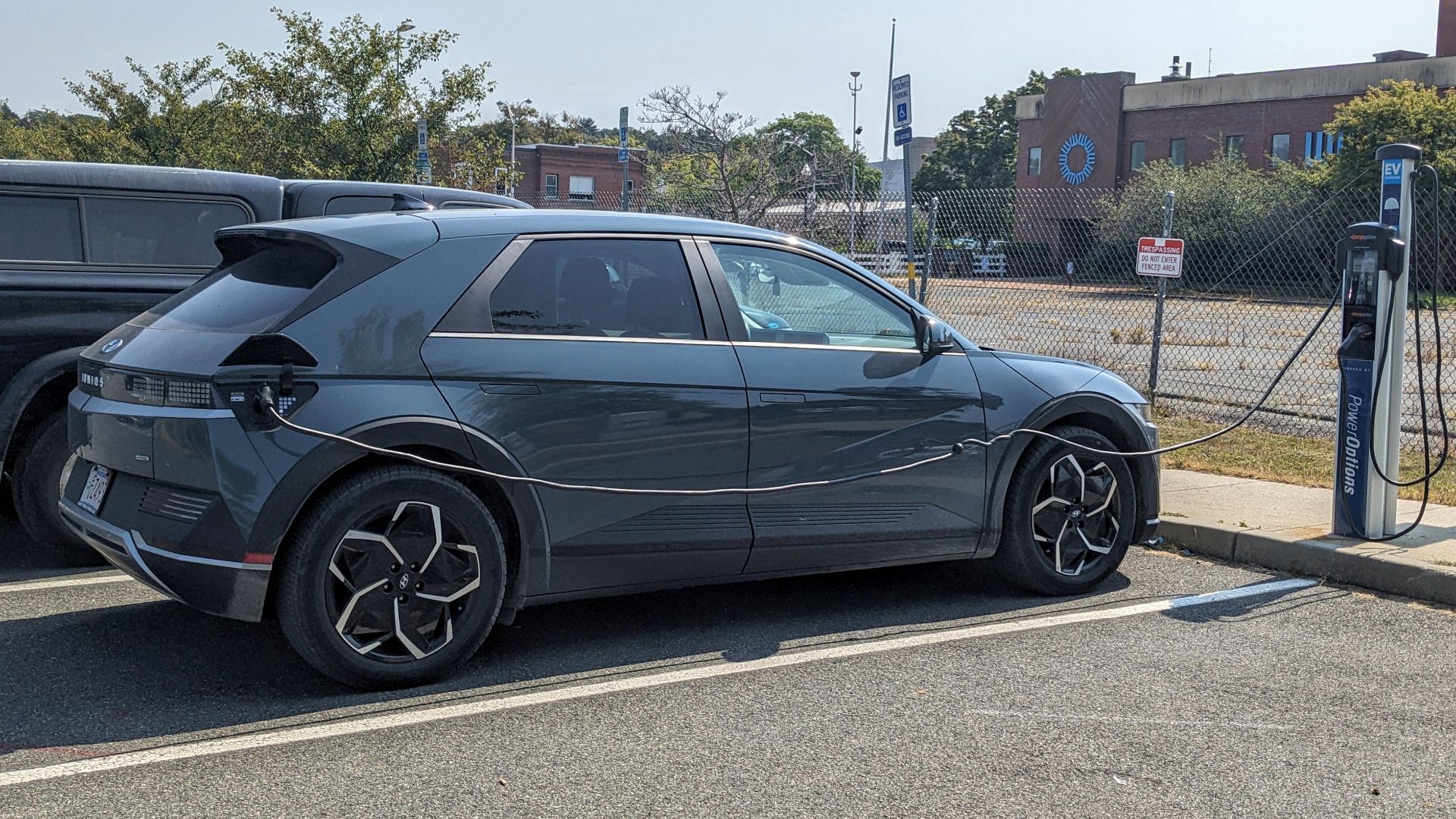
None of this means your employer secretly installed unusual surveillance hardware. Networked EV charging platforms are designed to identify users, authorize access, meter electricity, track sessions, and provide management dashboards. The privacy question is not whether those functions exist, but who can see the resulting information and why.

Workplace Access Often Requires Identification
ChargePoint allows employers to create restricted groups so only approved employees can use particular stations. Its documentation shows that organizations can verify users through information such as employee IDs and then apply access policies to those groups. Identifying the driver can therefore have a perfectly legitimate access-control purpose.

The Employer May See Your Sessions Anyway
ChargePoint states that when an employer or other provider supplies charging benefits, that provider can have access to the driver's charging session and, in some cases, certain account data. That is especially understandable when the employer is paying for the electricity. Private administrative access, however, is different from showing the same information to an entire workplace.

Billing Can Require Individual Records
Suppose employees receive a certain amount of free charging and pay after exceeding it. The system needs some method of associating usage with the correct user. ChargePoint also supports arrangements that distinguish business charging from personal charging, which again requires session-level information.

Reimbursement Makes Identification Even More Necessary
Some companies reimburse employees for charging company vehicles at home or in public. ChargePoint says reimbursement policies can determine which sessions count as business charging and how much the employer covers. A system cannot reliably reimburse a specific employee without linking qualifying charging to that person's account.

But Coworkers Usually Need Far Less
Another employee waiting for a station may need to know that Port 2 is occupied and perhaps when the current session is expected to finish. They do not necessarily need the driver's full name, total energy consumption, or historical charging behavior. Good interface design can separate operationally useful information from personally identifiable information.

The FTC Recommends Data Minimization
The Federal Trade Commission has long urged businesses to collect and retain only information they actually need. Its security guidance says organizations should think deliberately about what personal information they collect, how long they keep it, and who can access it. Limiting data exposure also reduces the consequences when information is misused or compromised.

“Need To Know” Is A Useful Test
FTC guidance for mobile and connected services recommends limiting access to personal information on a need-to-know basis. Applied to workplace charging, that would support giving an administrator enough data to run the program without automatically exposing the same data to every employee. The person maintaining the charger and the person simply waiting for it do not have the same information needs.

Collecting Data And Displaying It Are Separate Decisions
A charging network may need to store your identity internally so it can authenticate you. That does not mean the station display, workplace app, or employee dashboard must broadcast that identity to other users. Privacy can often be improved by changing what is displayed rather than disabling useful metering altogether.

Anonymous Status Could Solve Much Of This
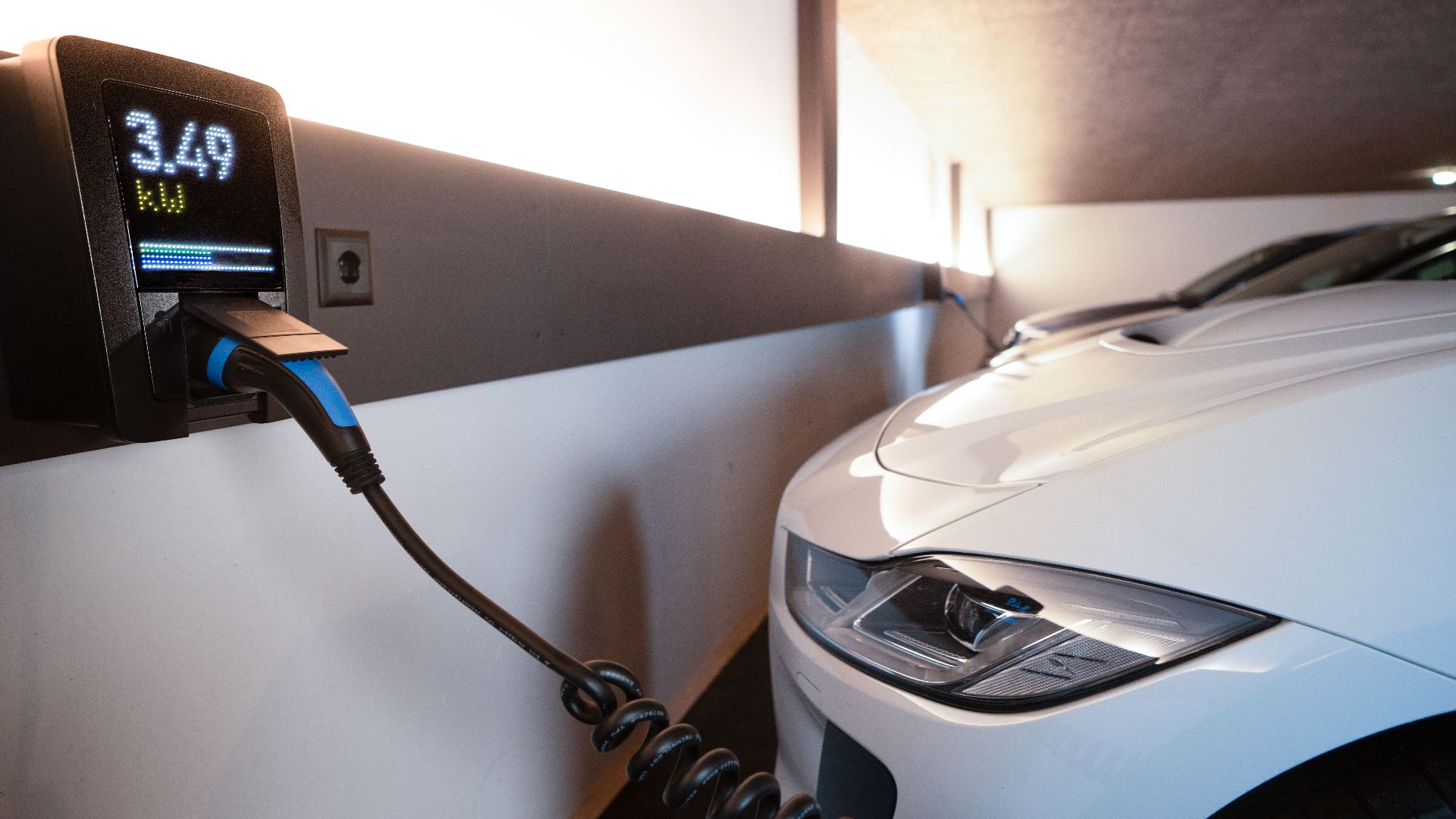
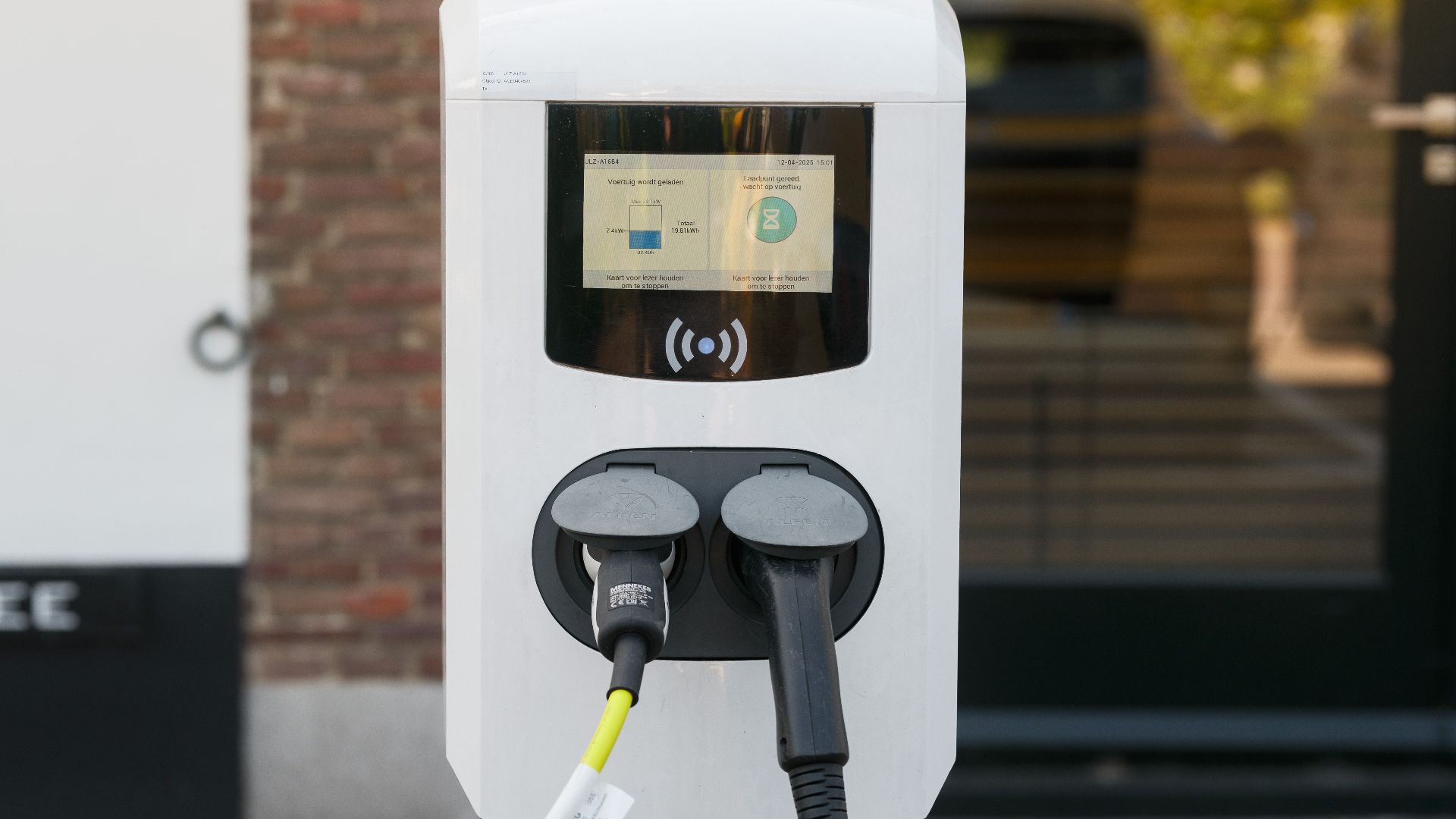
A workplace could display “occupied,” “charging,” or “available after 3:15” without attaching a person's name. If charger turnover is the goal, the interface could show session duration without identifying the driver. Aggregate energy totals can likewise help facilities staff understand demand without publishing individual consumption to coworkers.
Initials Are Not Always Anonymous
Replacing “Jennifer Smith” with “J. Smith” may reduce exposure slightly, but coworkers can often identify one another easily from context. The same is true of employee numbers when those numbers are commonly visible elsewhere. Genuine minimization means asking whether an identifier needs to appear at all.
 Haberdoedas Photography, Pexels
A Charging Schedule Can Resemble Attendance Data
Repeated charging times can sometimes align with a person's workplace schedule. A record showing that someone typically plugs in at 8:10 a.m. and disconnects around 4:45 p.m. could invite assumptions about attendance or routines. Those assumptions may be wrong because cars can remain plugged in after employees arrive or leave for unrelated reasons, which is another reason casual workplace visibility can be problematic.

Energy Consumption Can Invite Unhelpful Judgments
Kilowatt-hours do not tell coworkers why a particular employee needed more energy on a given day. Battery size, commute length, weather, charging efficiency, prior state of charge, and vehicle type can all affect the number. Turning that figure into a publicly visible employee scorecard risks creating conclusions the raw data does not support.
Employers Should Explain What They Collect
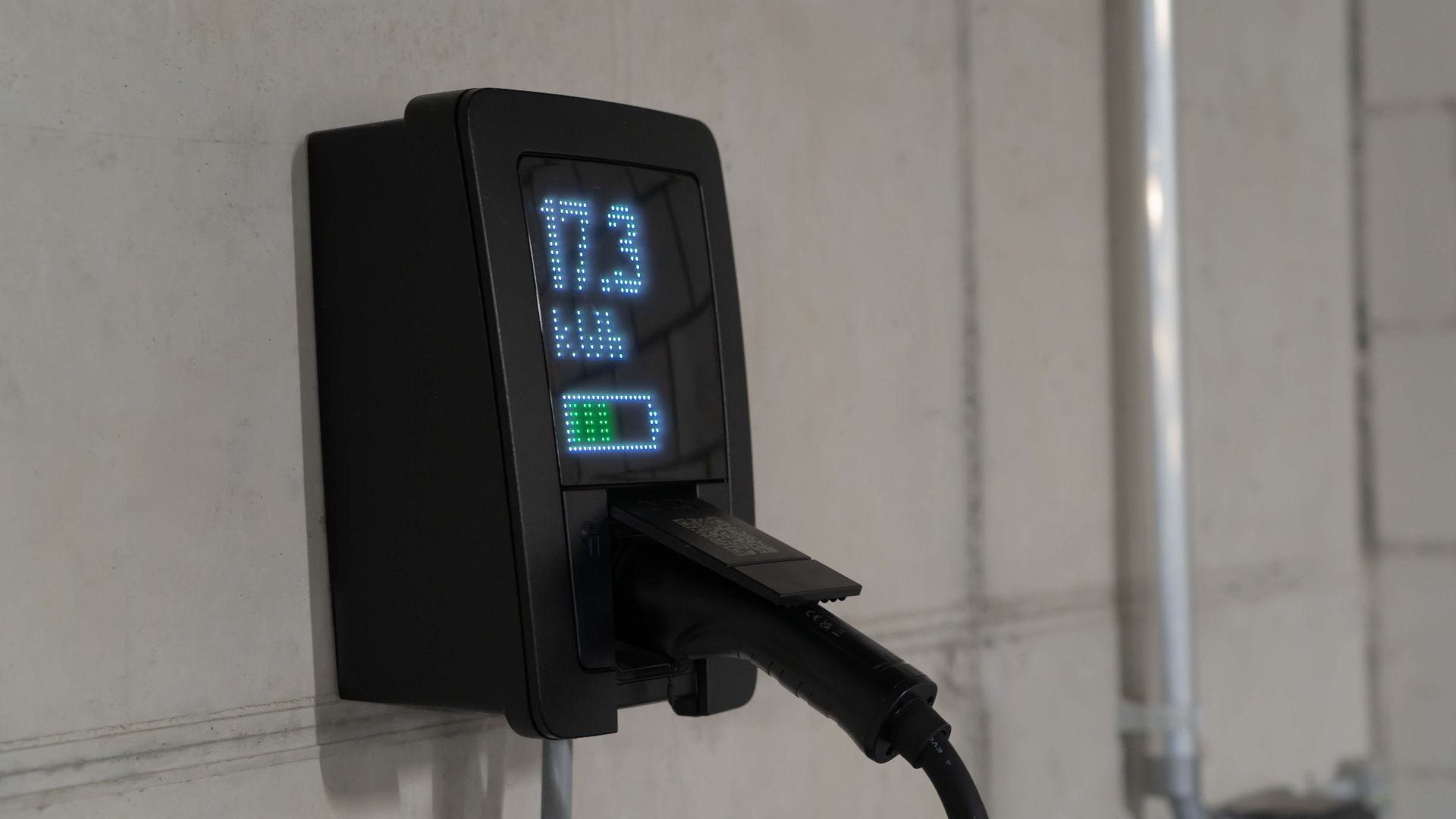
The FTC has emphasized transparency about why personal information is collected, how it will be used, and how it will be protected. A workplace charging program should therefore have a clear policy explaining what the employer and charging provider can see. Employees should not have to reverse-engineer the privacy rules from a charger screen.

The Network Provider Has Its Own Privacy Policy
Your employer may not be the only organization processing the data. ChargePoint says a workplace provider and ChargePoint can act as separate or joint controllers depending on their agreement, while EV Connect says it can collect information including a driver's name, employment details, charging timing, frequency, and location. Reading the charger operator's privacy policy can reveal information that a short workplace notice leaves out.

Site Administrators Can Have Powerful Dashboards
ChargePoint's commercial platform lets site hosts manage access, pricing, driver groups, and usage. Department of Energy guidance similarly describes networked charger dashboards that allow program managers to review historical session information and energy consumed. Those capabilities make sensible access controls important because administrative tools can contain far more data than an ordinary driver should see.

Data Retention Matters Too
A live status board may need information for only a short period, while accounting records could require longer retention for legitimate reasons. FTC security guidance recommends keeping personal information only as long as there is a legitimate business need. Indefinitely preserving identifiable charging history simply because storage is cheap increases exposure without necessarily improving the charging program.

Security Matters Once Names Are Attached
Charging data may not seem as sensitive as payroll or medical information, but identifiable employee records still deserve protection. The FTC advises businesses to inventory personal information, limit access, protect what they keep, and dispose of unnecessary data securely. NCSL reports that numerous states also impose reasonable security obligations on businesses holding personal information.

State Privacy Law Can Change The Answer
The United States does not have one simple workplace privacy rule governing every EV charger. State privacy laws differ substantially in scope, and some exclude employment data while others protect it. NCSL specifically notes that California's comprehensive privacy law covers employment-related personal information, illustrating why location matters.

California Employees Have CCPA Rights
The California Privacy Protection Agency says California residents who are employees or job applicants are included within CCPA protections. The previous exemption for employment-related personal information expired at the end of 2022. Covered businesses must therefore take employee personal information into account when meeting their CCPA obligations.

A Name Plus Charging Records Can Be Personal Information
California defines personal information broadly as information that identifies, relates to, or can reasonably be linked to an individual or household. A named charging record plainly links activity with a particular employee. Whether a specific employer is subject to the CCPA depends on statutory coverage requirements, so the law should not be assumed to apply to every workplace.

Ask Who Can Actually See The Information
Before assuming that every employee has access to a complete history, determine exactly where the information appears. Ask whether coworkers can see only active sessions, whether past sessions remain searchable, and whether supervisors or administrators see a different dashboard. The scope of exposure matters as much as the fields being collected.

Ask Why Your Full Name Is Necessary
A useful question for facilities or HR is not simply, “Why are you collecting charging data?” Ask why your identity must be visible to other employees rather than restricted to authorized administrators. If the purpose is merely queue management, charger availability can usually be communicated with far less personal information.

Request A Less Identifiable Display
You do not necessarily need to demand that the company stop tracking charging altogether. Suggest hiding names from the shared interface, limiting historical session visibility, and displaying only current charger status or an anonymous queue position. That preserves most of the practical benefits while reducing unnecessary exposure.

Too Much Information Depends On Who Sees It
Tracking your charging time and energy consumption can be reasonable when an employer needs to operate, bill, reimburse, or plan its charging program. Showing your name alongside those details to coworkers is harder to justify when anonymous availability information would accomplish the same purpose. The technology is useful, but workplace charging should not turn a parking perk into a public log of employee behavior simply because the software makes that possible.

You May Also Like:
The Five Most Stolen Cars In North America
Minivans That Are Actually Cool
Sources: 1, 2, 3, 4, 5, 6, 7, 8, 9, 10, 11, 12, 13, 14, 15, 16, 17, 18, 19, 20, 21, 22, 23