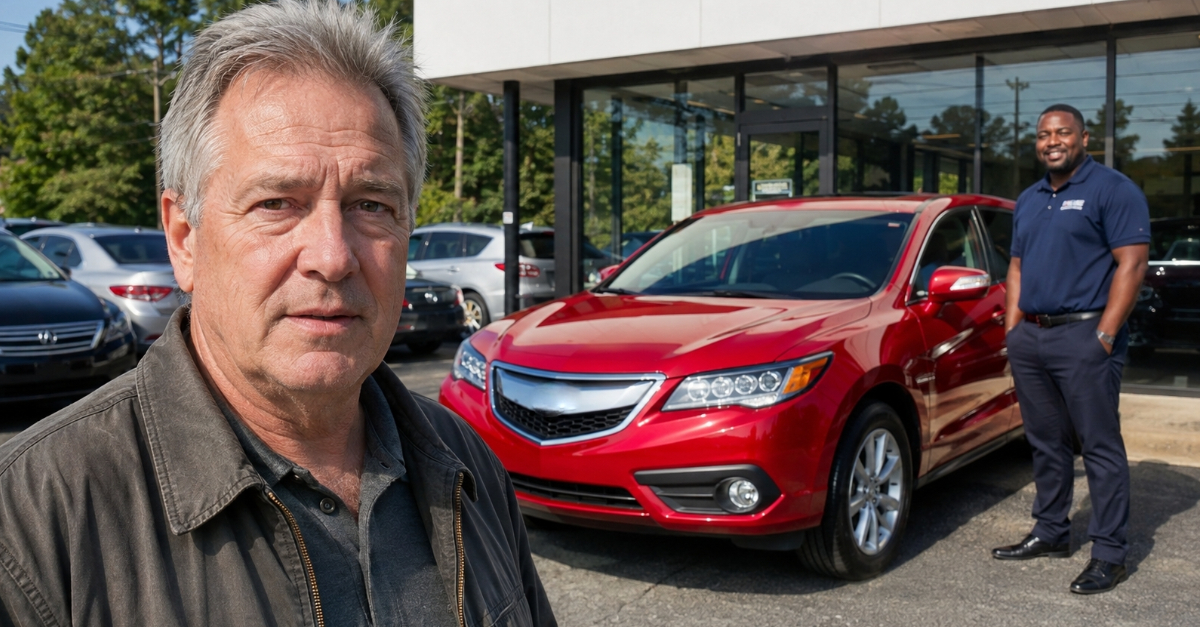
The Check Engine Light Came On Early
The price was settled. The money was sitting in the bank. All that remained was handing over a check and driving home.
Instead, the dealer rejected the payment and started pushing a loan nobody had asked for. That may be perfectly normal—or the moment this deal stopped smelling right.
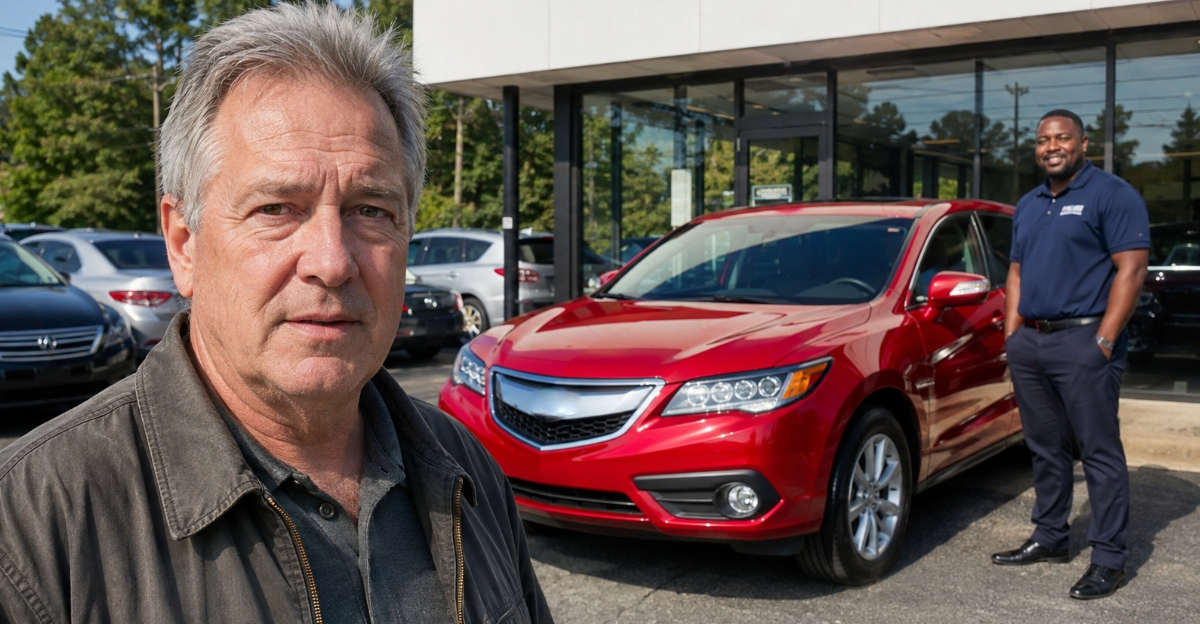
Something About This Felt Wrong
The buyer was not asking for monthly payments, negotiating a smaller down payment or waiting for loan approval. The full $10,500 was available. Yet the dealership seemed far more interested in creating a debt than collecting money that was already sitting in the buyer’s account.

Was It Because The Check Was Over $10,000?
That number immediately raises suspicions. Banks report certain large transactions, businesses face special cash-reporting rules and almost everyone has heard some version of the “$10,000 rule.” So was the dealership avoiding government paperwork—or was something else happening?

There Are Really Two Questions Here
The rejected check and the financing push need to be examined separately. One may be a routine policy designed to protect the dealership. The other may be a profitable sales tactic—and depending on what the dealer advertised or promised, potentially a deceptive one.

A Personal Check Is Still A Promise
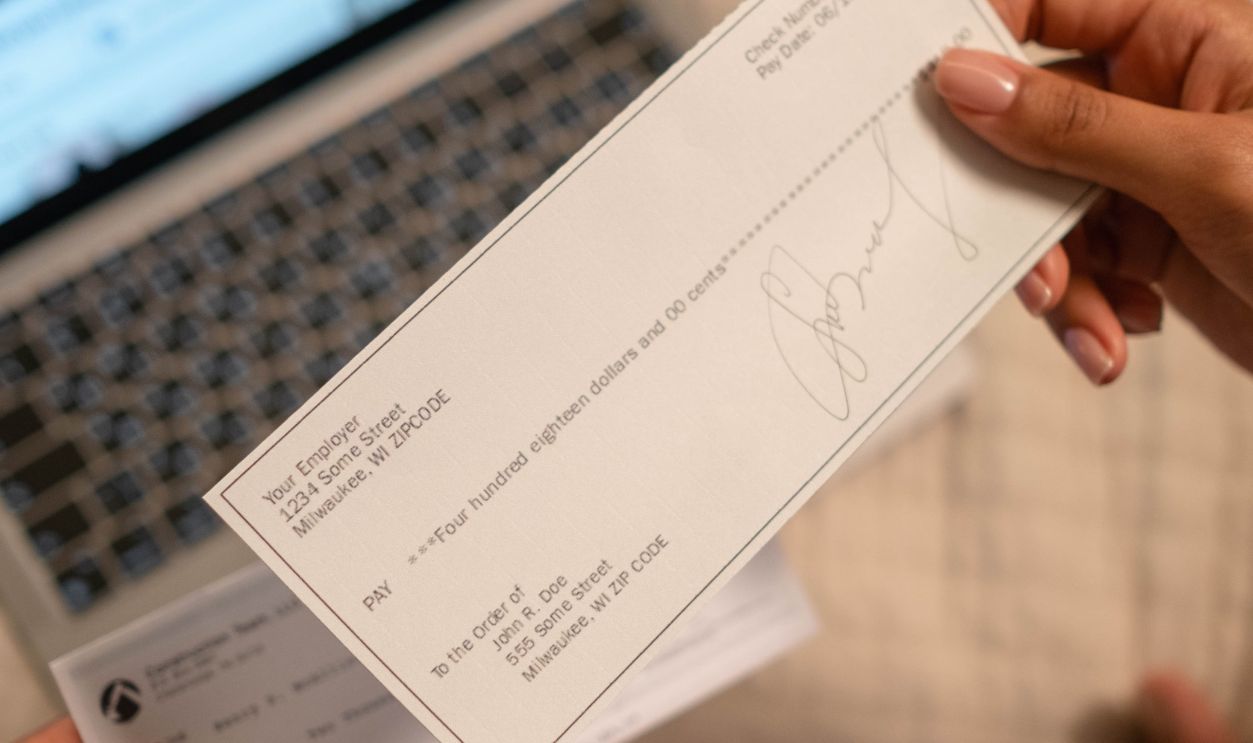
The money may be in the account, but the dealership cannot see that by looking at the check. Checks can bounce, be stopped or later turn out to be fraudulent—sometimes after the vehicle has already disappeared down the highway. Even a check that initially appears to clear can later be identified as fake.
Yes, The Dealer Can Usually Refuse It
A dealership generally gets to establish which payment methods it will accept, subject to state and local law. There is no special federal protection requiring a private business to accept a personal check simply because the buyer has written it for the full purchase price.

So The Check Refusal Is Not The Scandal
Had the dealer simply said, “We do not accept personal checks, but we will take verified funds,” there would be little mystery here. That is an understandable fraud-prevention policy. The more interesting question is why the conversation immediately turned toward a loan the buyer did not need.

A Cashier’s Check Was The Obvious Question
The buyer should have asked whether the dealership would accept a cashier’s check issued by the bank. That gives the dealer more certainty than a personal check, although counterfeit cashier’s checks exist, so dealers may still contact the issuing institution and verify it before releasing the car.

A Wire Transfer Could Work Too
A dealership may also accept a bank wire, which transfers the money directly between financial institutions. The buyer should independently verify the wiring instructions before sending anything. One altered email or changed account number can turn a car purchase into a spectacularly expensive mistake.

Now About That $10,000 Rule
The proposed $10,500 personal check would not trigger Form 8300 merely because it crossed five figures. IRS instructions specifically say a check drawn on the payer’s own account—such as a personal check—is not treated as cash for Form 8300 purposes, regardless of the amount.

What If The Buyer Brought A Bag Of Cash?
Walking in with $10,500 in bills would be different. If the dealer accepted it, the payment would generally trigger a Form 8300 report—but that would not make the purchase illegal. Multiple smaller money orders totaling $10,500 could also count as cash under the rule, while a personal check would not.

The Cashier’s Check Rule Is Surprisingly Backward
One cashier’s check for $10,500 would generally not be treated as cash under the Form 8300 rules either. Strangely, certain cashier’s checks of $10,000 or less can count as cash in designated transactions, while one with a face value above $10,000 generally does not.

That Brings Us Back To The Financing Push
If the dealer rejected only the personal check, this was probably normal. If it also rejected a cashier’s check, wire transfer and every other reasonable form of verified payment while insisting the buyer take its loan, the concern is no longer whether the check might bounce.
The Advertised Price Changes Everything
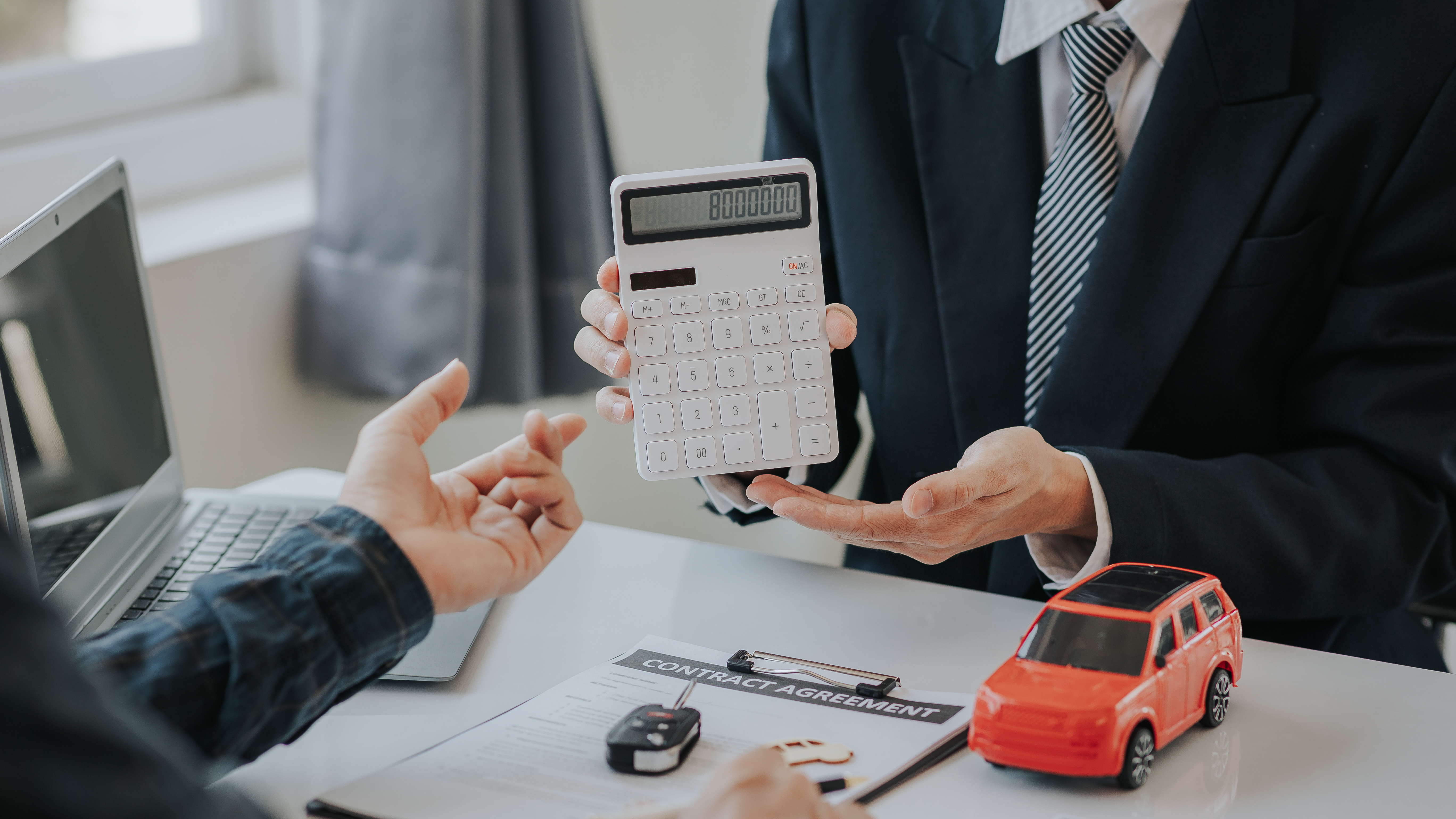
Suppose the car was advertised for $10,500 without clearly stating that the price depended on dealer financing. If the buyer arrived and was suddenly told that paying in full would cost more—or that the advertised price would disappear without a dealership loan—that could be deceptive advertising.

The FTC Has Specifically Warned Dealers About This
In March 2026, the FTC warned 97 auto dealership groups about deceptive pricing. Among the practices the agency identified as illegal was conditioning an advertised vehicle price on the consumer using dealer financing. In other words, that little financing surprise is already on the government’s radar.

This Happens At Real Dealerships
In a case against Lindsay Automotive Group, a survey cited by the FTC found that more than one-third of shoppers said they were told dealer financing was mandatory to buy the car or receive the advertised price. Under a proposed 2026 settlement, Lindsay would also pay a $3.1 million civil penalty in Maryland.

Why Dealers Like Financing So Much
A lender may quote the dealership one interest rate, known as the buy rate, while the dealer offers the buyer a higher contract rate. That difference can compensate the dealership. The CFPB says comparing outside offers may save a buyer hundreds or even thousands of dollars over the loan.

Financing Also Opens Another Door
Once the buyer enters the finance office, the conversation may expand beyond the loan. That department also commonly sells extended warranties and other optional add-ons. Each one can increase the amount financed—and turn a simple $10,500 car into something considerably more expensive.

Buyers Do Not Have To Use Dealer Financing
The CFPB is direct about this: buyers are not required to obtain their auto loan through the dealership. They can use a bank, credit union or another lender. And someone prepared to pay the entire purchase price may not need a loan from anyone.

But Can The Dealer Refuse To Sell?
Generally, a dealer can decline a transaction when the buyer will not follow its legitimate payment policies. It does not have to hand over the keys in exchange for a personal check it refuses to accept. The problem begins when the dealership misrepresents the price or hides a financing condition until the last moment.

Ask One Very Specific Question
The buyer should ask, “Can I purchase this vehicle for the advertised out-the-door price using a cashier’s check or bank wire?” Then get the answer in writing, along with the vehicle price, taxes, dealer fees, registration charges, required add-ons and any financing restrictions.

A Separate Financing Offer Is Different
A dealer may advertise a separate financing offer with clearly explained qualifications. What it should not do is present a price as generally available and reveal only after the buyer arrives that dealer financing, an additional down payment or some other hidden condition is required to receive it.

The Buyer Has A Right To See The Real Loan Cost
Before the buyer becomes obligated on an auto loan, federal Truth in Lending rules require disclosures including the APR, finance charge, amount financed, payment schedule and total of payments. The documents must also reveal important terms such as late fees and whether the loan permits a prepayment penalty.

Do Not Sign Just To End The Conversation
After several hours at a dealership, accepting the loan may start to feel easier than arguing. That is exactly when the buyer should slow down. The APR, loan term, total payments and add-ons matter far more than whatever monthly payment the finance manager has circled with a pen.

“You Can Pay It Off Tomorrow” Is Not A Complete Answer
The dealer may suggest taking the loan and immediately paying it off. Before agreeing, the buyer needs to confirm whether there is a prepayment penalty, when the account can actually be paid, how much interest will accrue and whether the promised $10,500 price appears in the signed contract.

The Final Verdict
The dealer can refuse a personal check and offer financing instead. Neither is automatically illegal.
But if the advertised $10,500 price suddenly disappears unless the buyer takes the dealer’s loan, the problem is no longer the check. It may be deceptive pricing.
 cornerstone accounting, Unsplash
You Might Also Like: