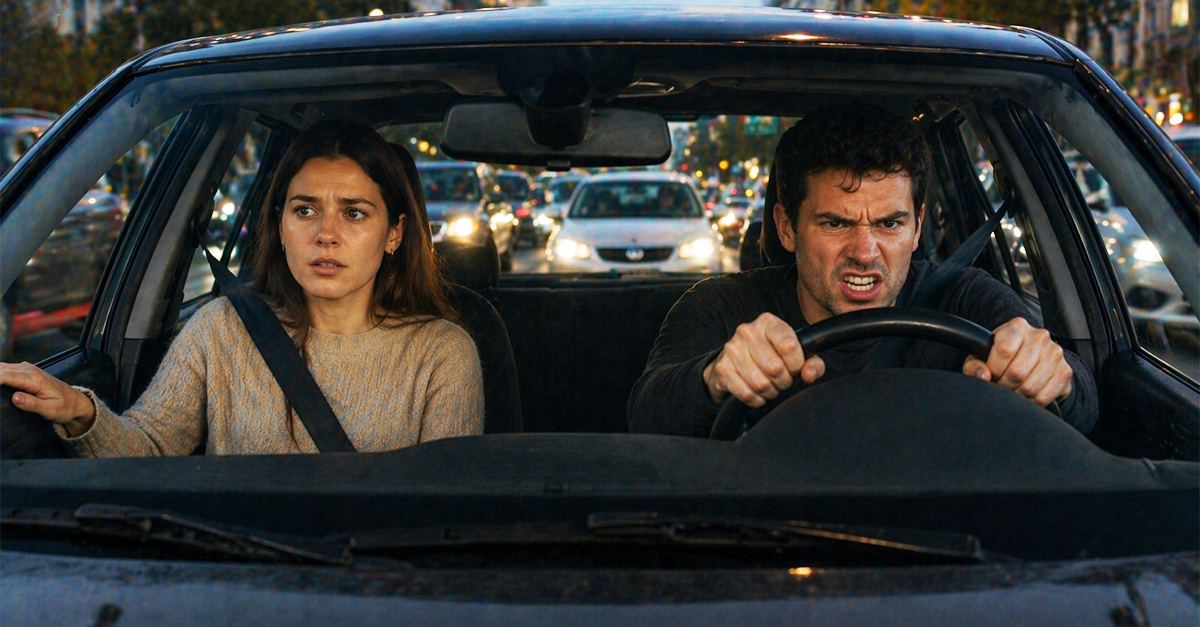
A Driving Debate That Feels Personal
You’re caught between two very different pieces of driving advice. Your boyfriend insists that weaving through traffic and pushing lights will get you home faster. Your dad says that barely makes a difference and only adds risk. Now you are wondering which approach actually saves time and which one just feels faster.
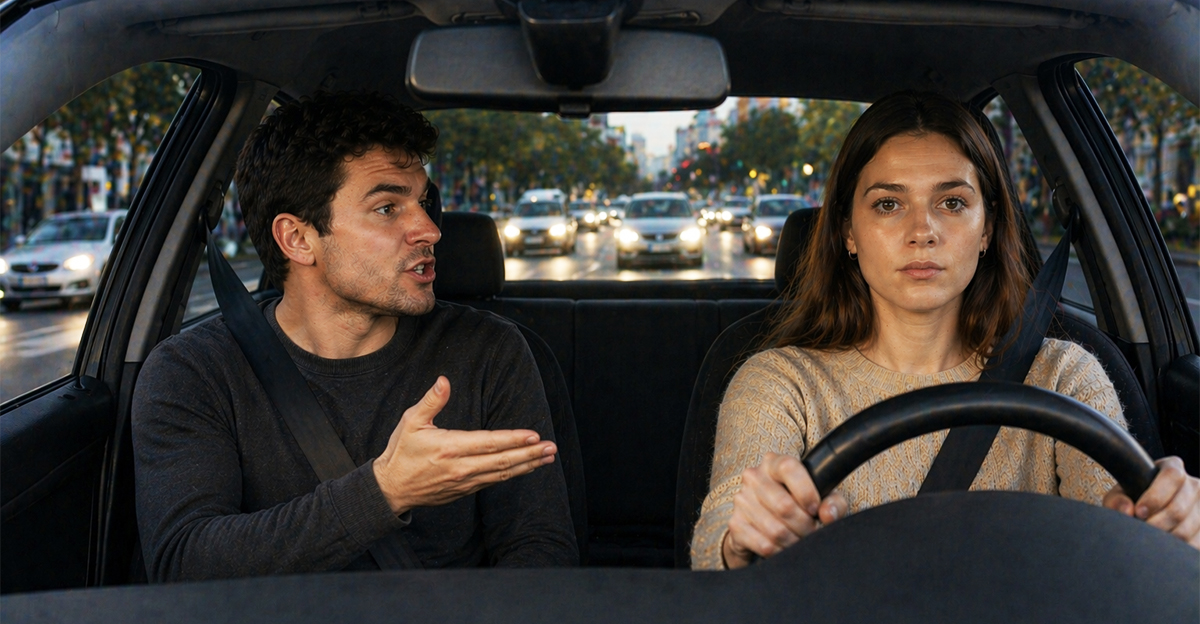
Why Aggressive Driving Feels Faster
When you change lanes often or accelerate quickly, it gives you a sense of momentum. Passing other cars can make you feel like you’re making a lot of progress. That’s a powerful feeling, even if the actual real time savings are small. Your brain tends to equate that sense of movement with efficiency.
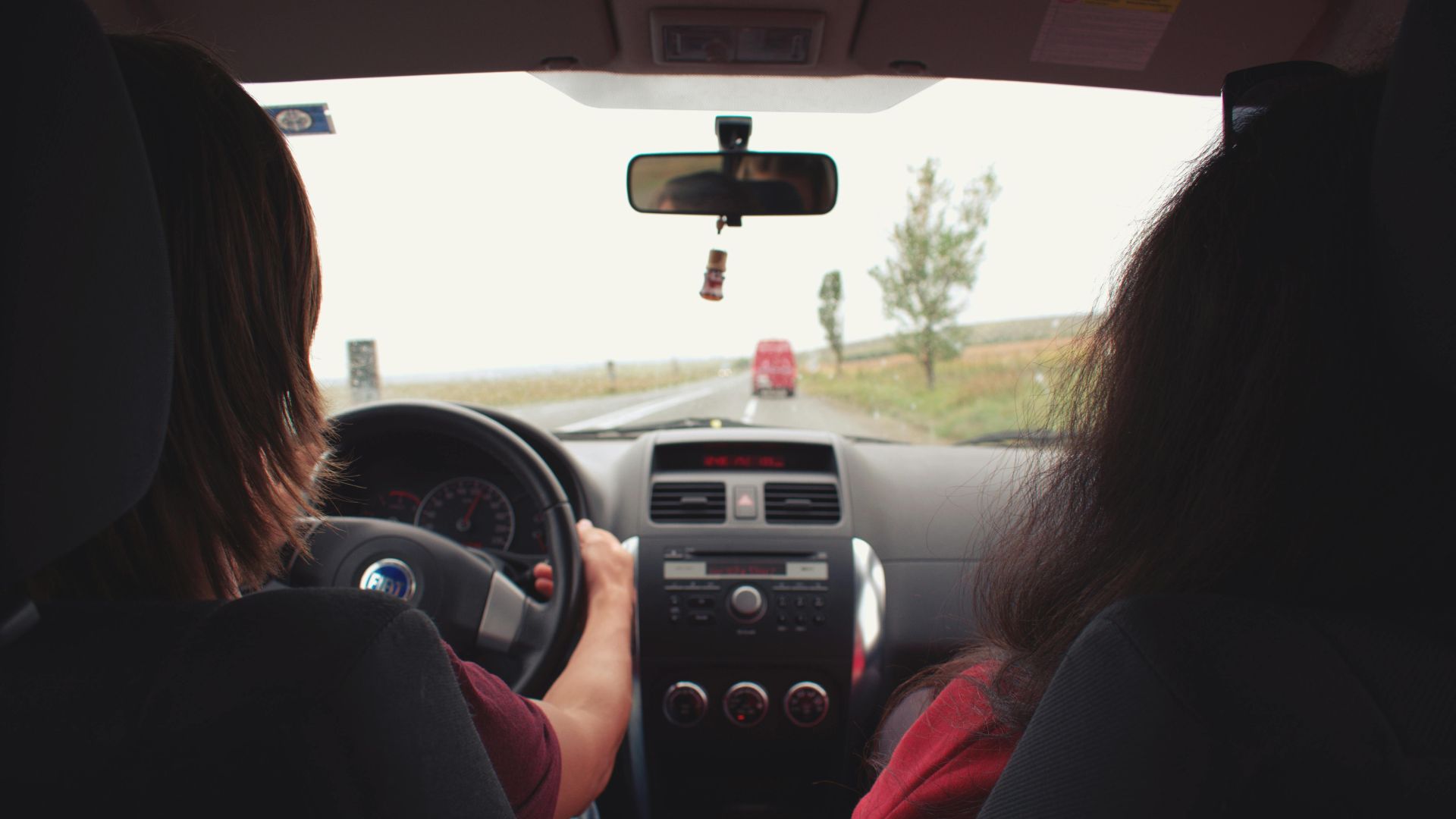
The Reality Of Urban Traffic Flow
City driving is governed by traffic signals, congestion, and unpredictable delays. No matter how aggressively you drive, you’re inevitably still limited by red lights and bottlenecks. This means that even the most aggressive urban road warriors often end up stopping at the same intersections as everyone else does.
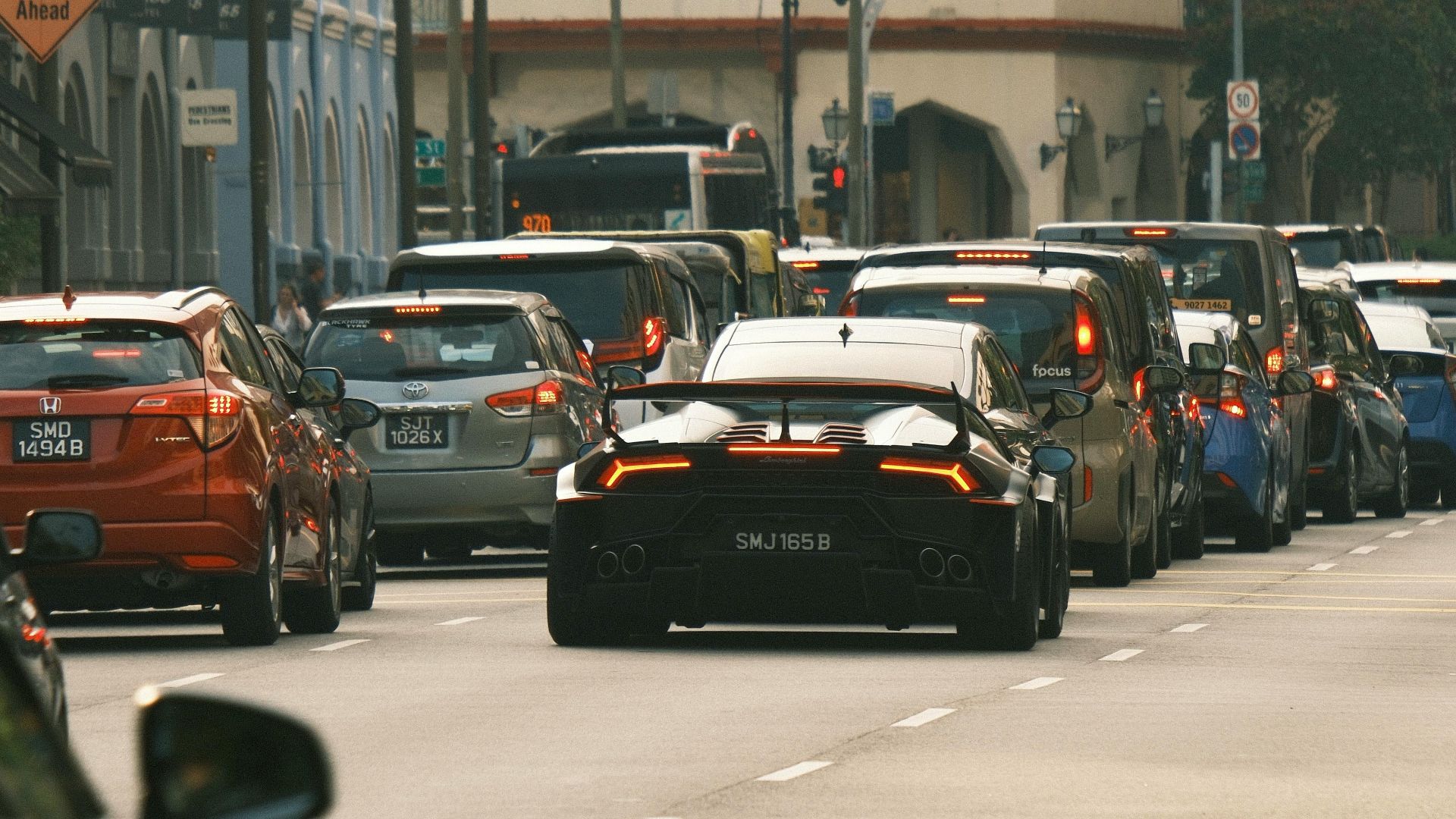
The Myth Of The Fast Lane Advantage
Many drivers believe that constantly switching lanes helps them move ahead. In reality, studies show that lane changes rarely produce much in the way of meaningful time savings in congested conditions. You may move ahead briefly, only to slow down or stop again moments later.
What Research Says About Time Savings
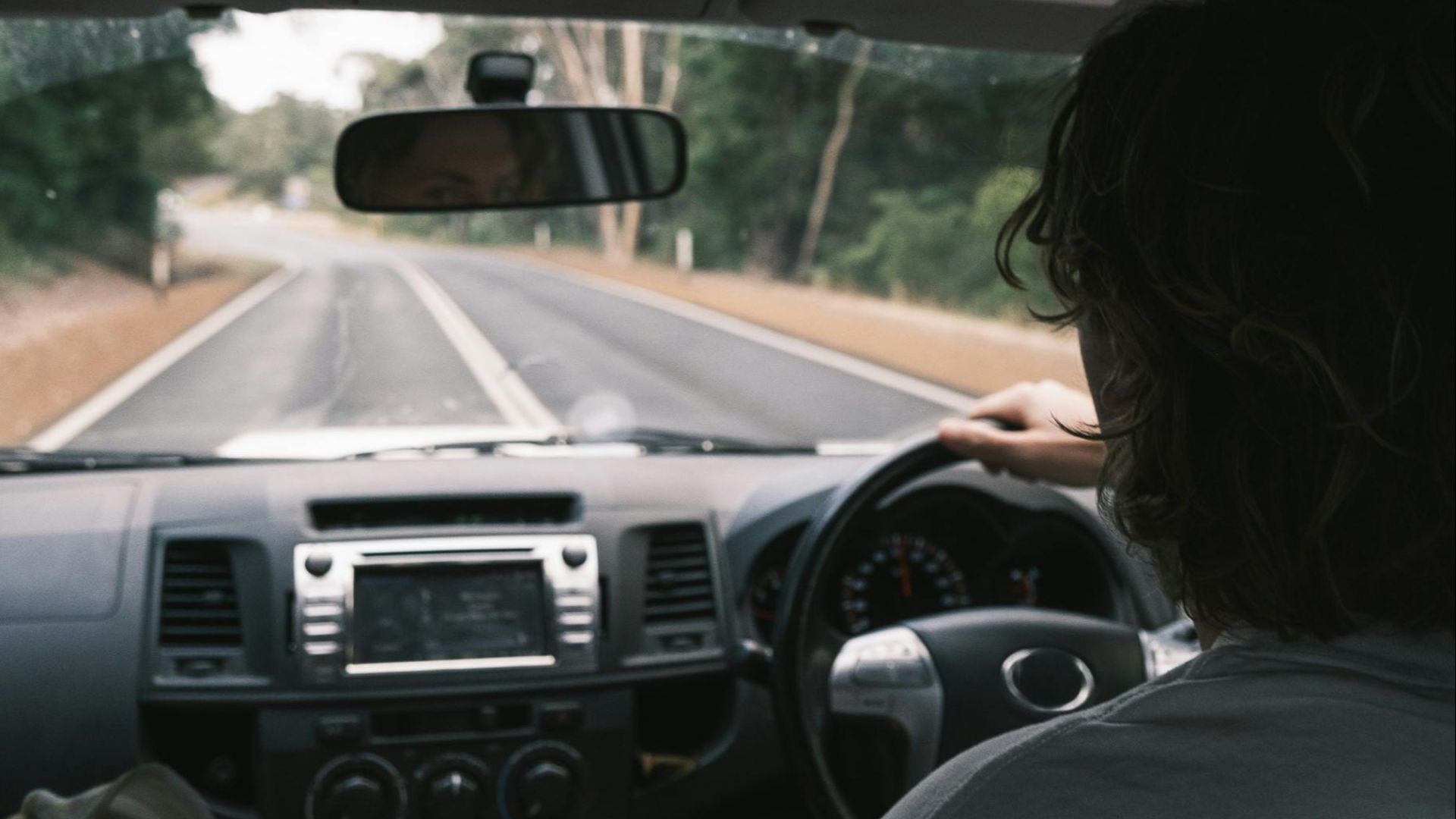
Traffic studies have consistently found that aggressive driving saves only a small amount of time in most urban trips. In many cases, the difference is measured in seconds or at most a minute or two over the period of an entire commute. The gains are often far smaller than drivers expect.
Why You Often Meet The Same Cars
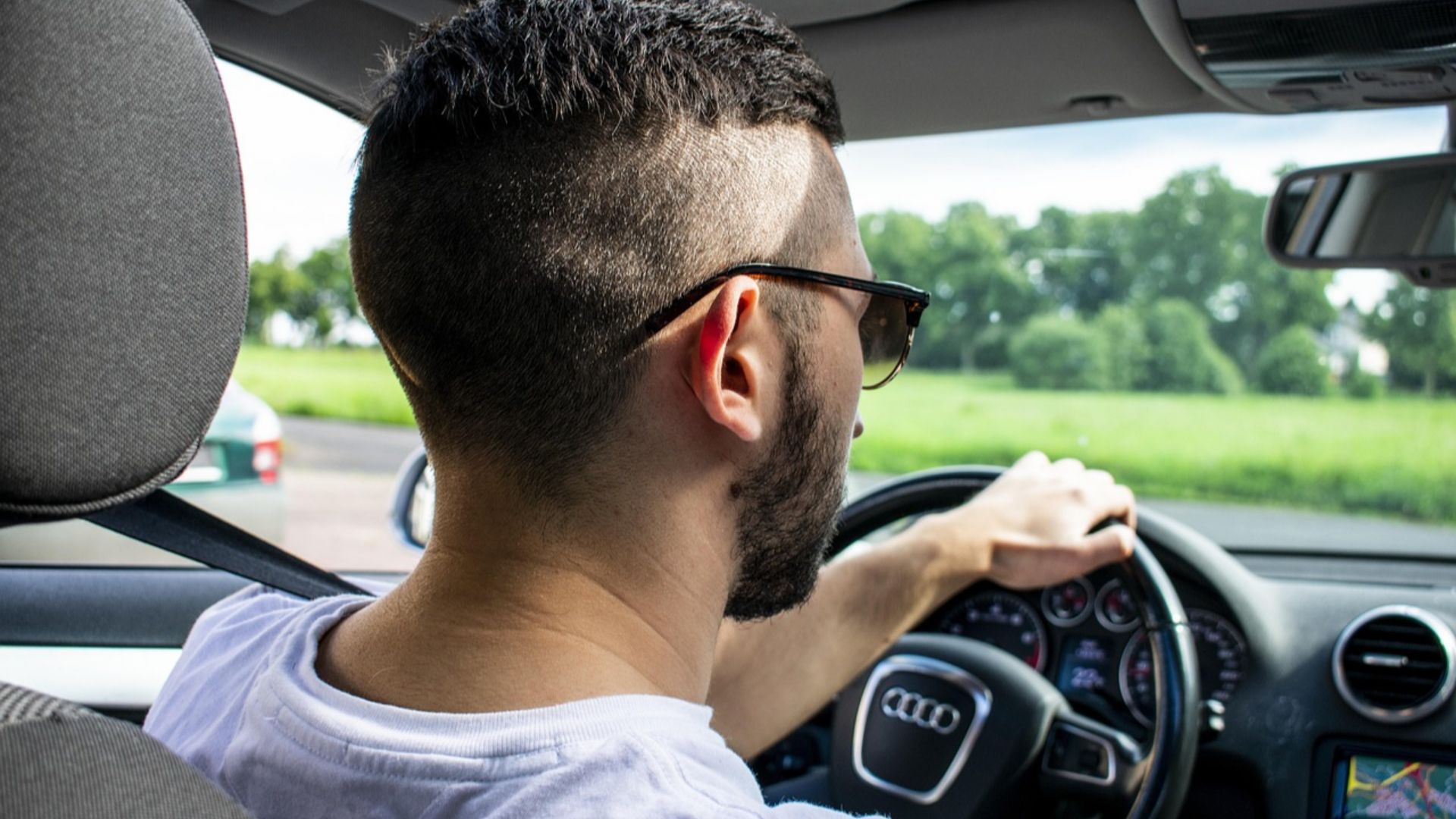
Have you ever sped past a group of cars, only to see them pull up beside you at the next light? This happens because traffic flow evens out over distance. Signals and congestion tend to compress traffic patterns, neutralizing any temporary advantage you may gain. Of course, you’re not really supposed to be seeking an advantage over other drivers as city driving isn’t intended to be a race.
The Cost Of Constant Lane Changes
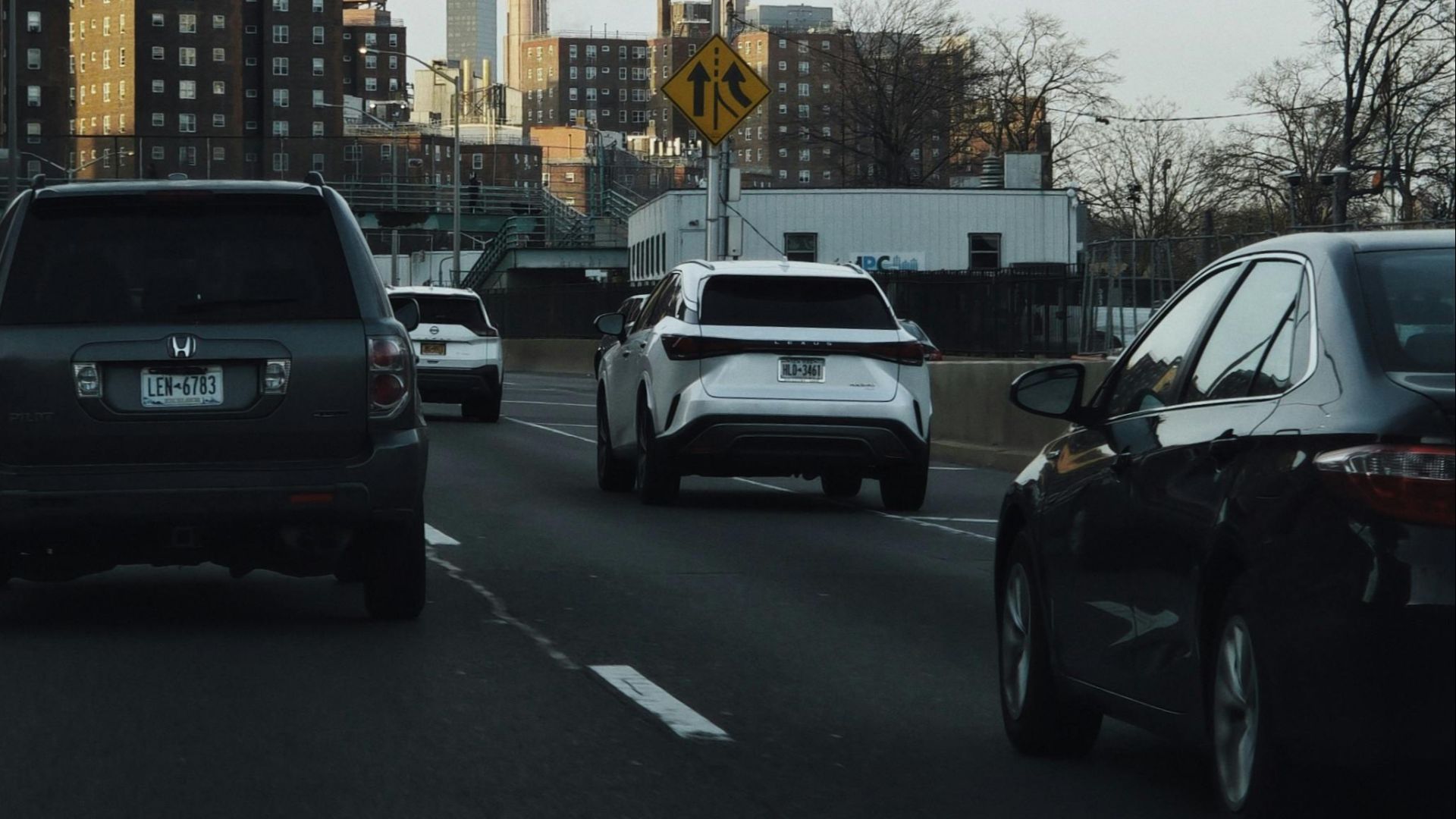
Frequent lane changes require focused attention, timing, and risk assessment. Each move introduces another chance for misjudgment or conflict with other drivers. Over time, this increases stress and fatigue, even if the trip feels more active or engaging.
Speeding And Traffic Lights
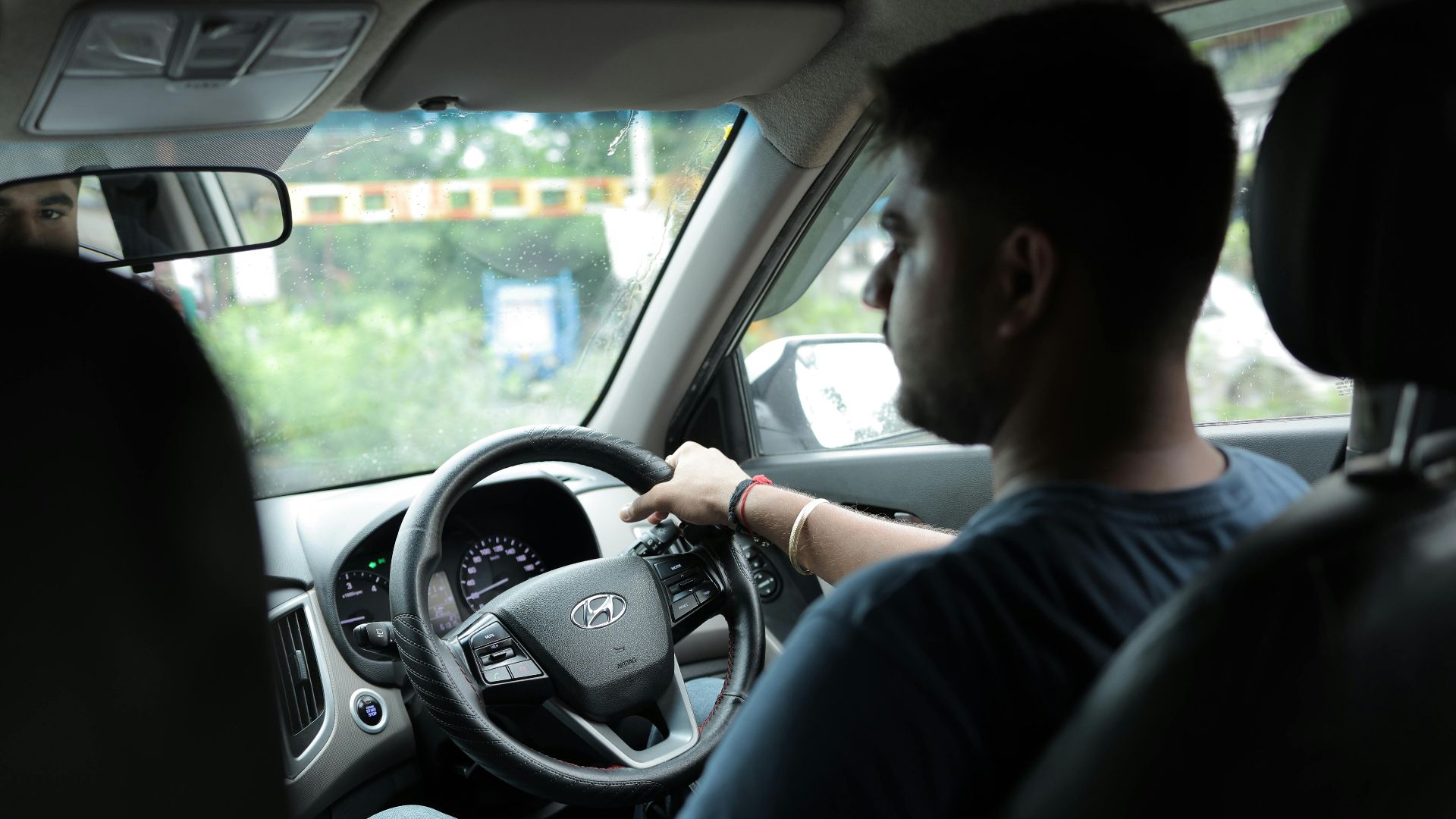
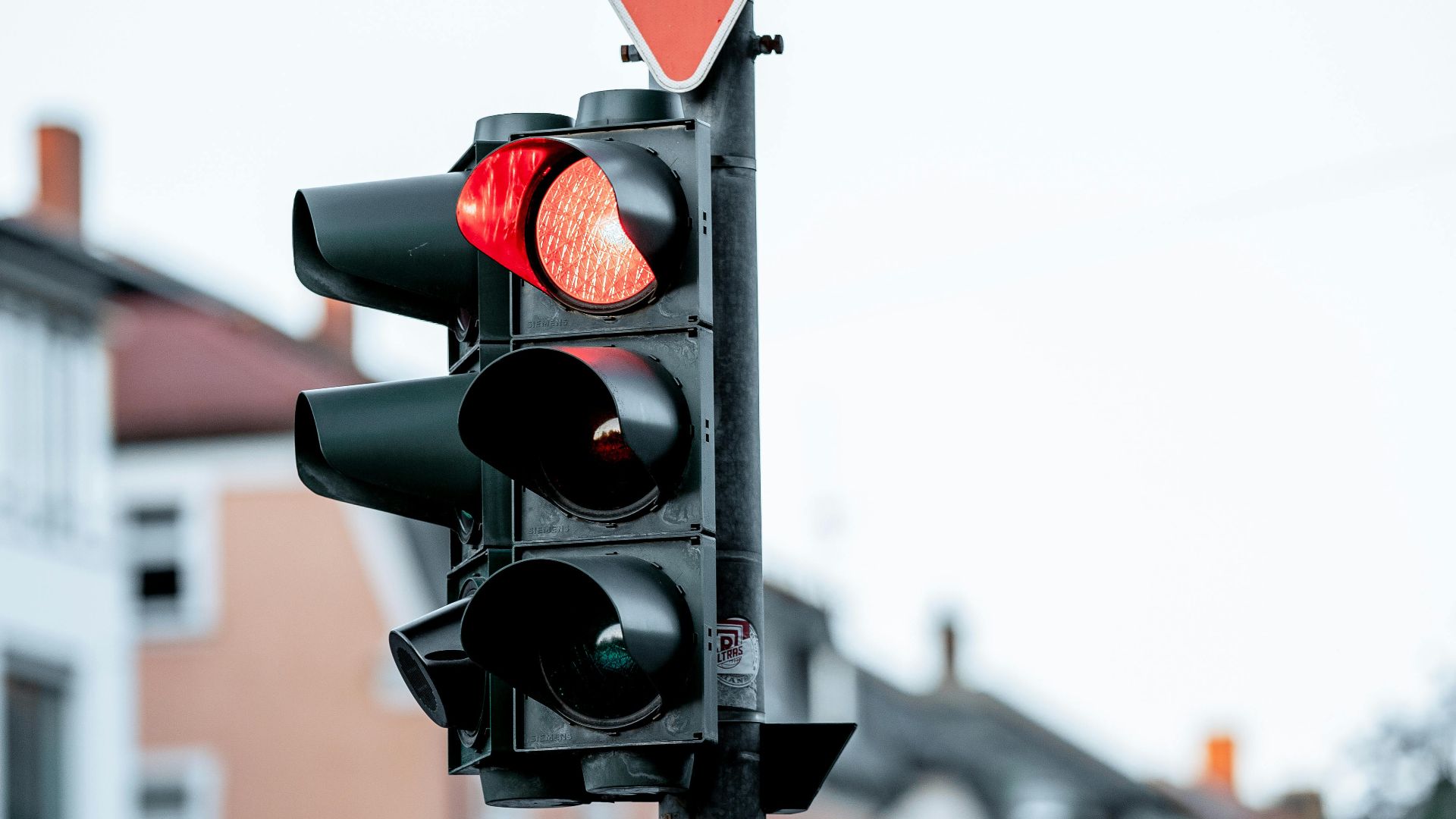
Speeding when approaching lights may feel productive, but it often leads to arriving at red lights faster. Unless you can perfectly time every signal, which is unlikely, the benefit of speeding is reduced or even gone completely by the next stop.
The Risk Factor You Can’t Ignore
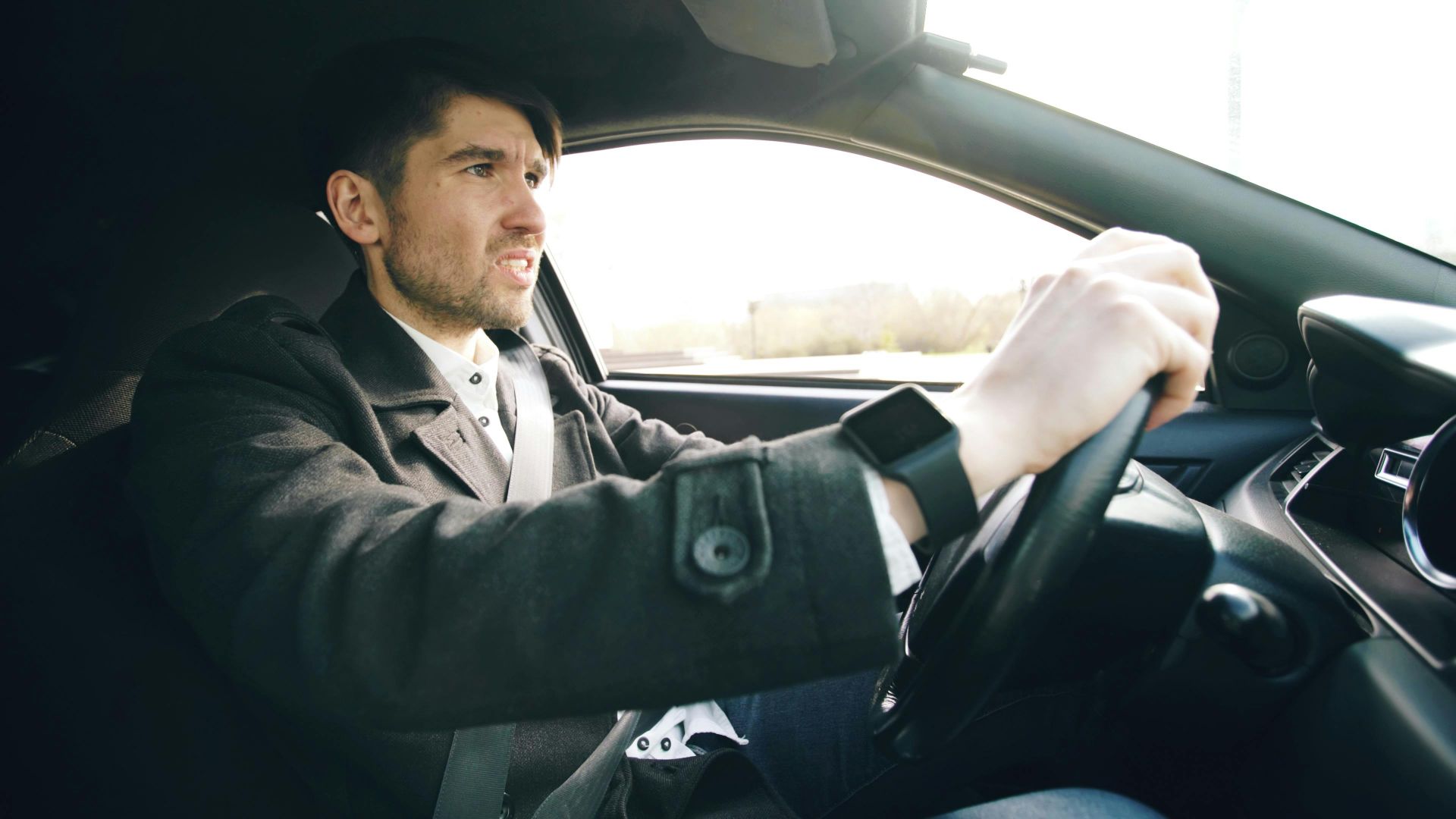
No matter what anybody may try to tell you, aggressive driving is proven over and over again to significantly increase the risk of accidents. Quick lane changes, tailgating, and speeding reduce your margin for error. Even if you get to where you’re going slightly earlier, the potential increased risk of a collision far outweighs whatever small amount of time you saved.
Fuel Consumption And Wear
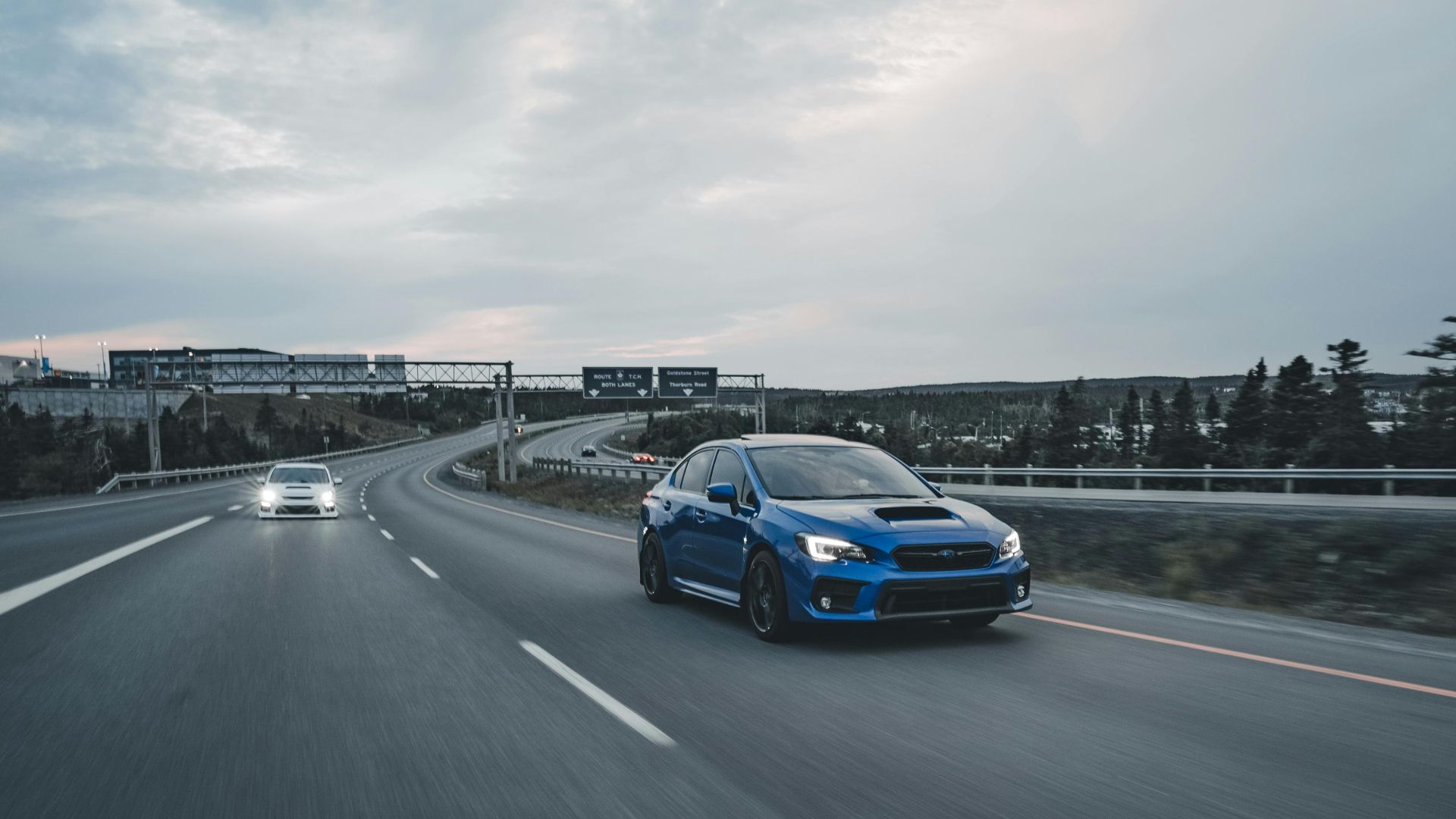
Driving aggressively also has a negative on your wallet. Rapid acceleration and braking increase fuel consumption and puts a lot more wear on your vehicle. Over time, this can bring higher maintenance costs and reduced efficiency.
Stress Behind The Wheel
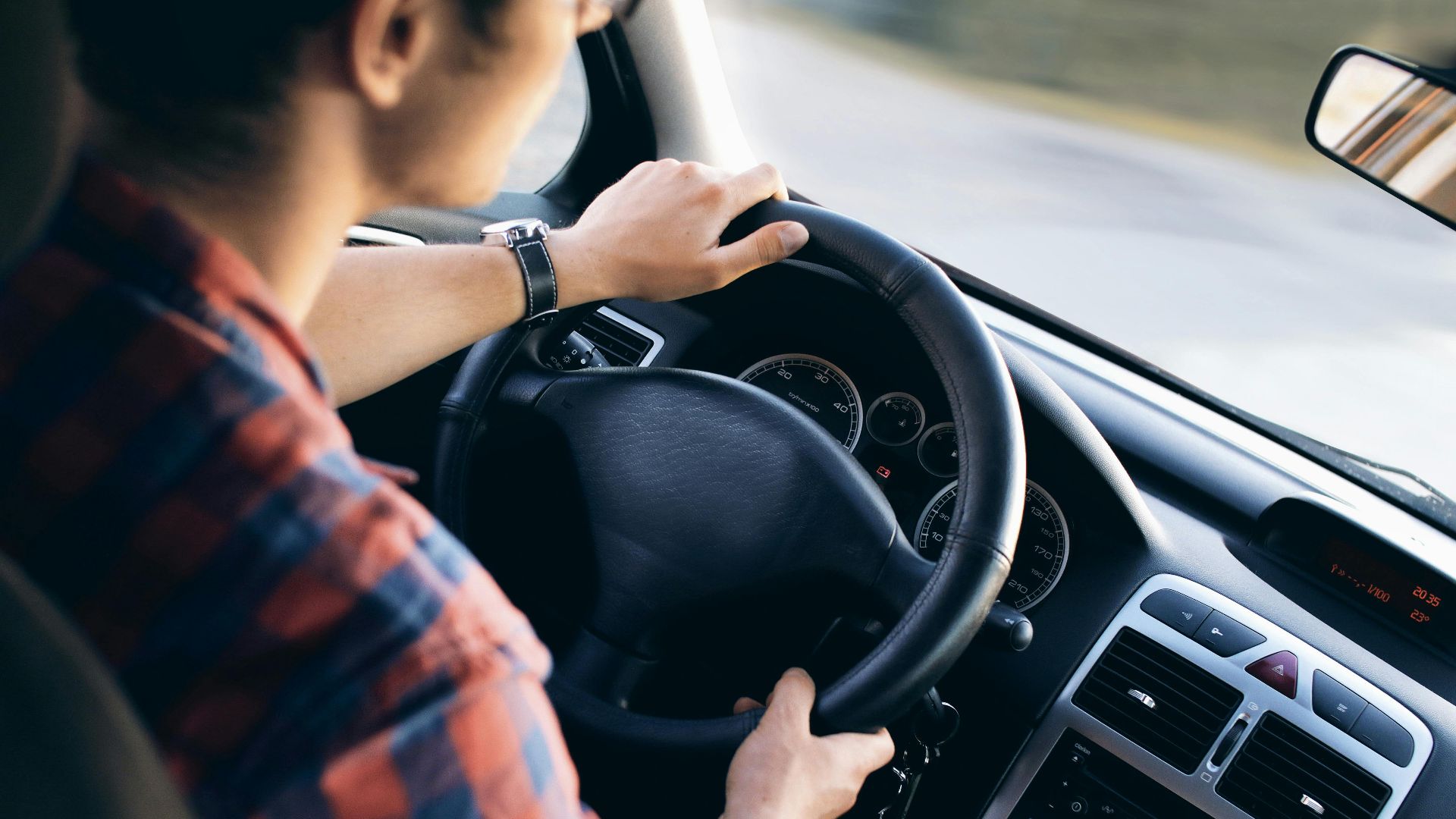
Aggressive driving can elevate your stress levels. Constantly scanning for gaps, reacting quickly, and impulsively competing with other drivers can make the trip mentally exhausting. A calmer driving style often leads to a generally more relaxed experience overall.
The Case For Driving With The Flow
Driving with the natural flow of traffic tends to be a lot smoother and more predictable. It pretty much does away with the need for sudden movements and helps you to maintain a consistent spacing. This approach often results in a more stable and less stressful journey.
When Aggression Might Help Slightly
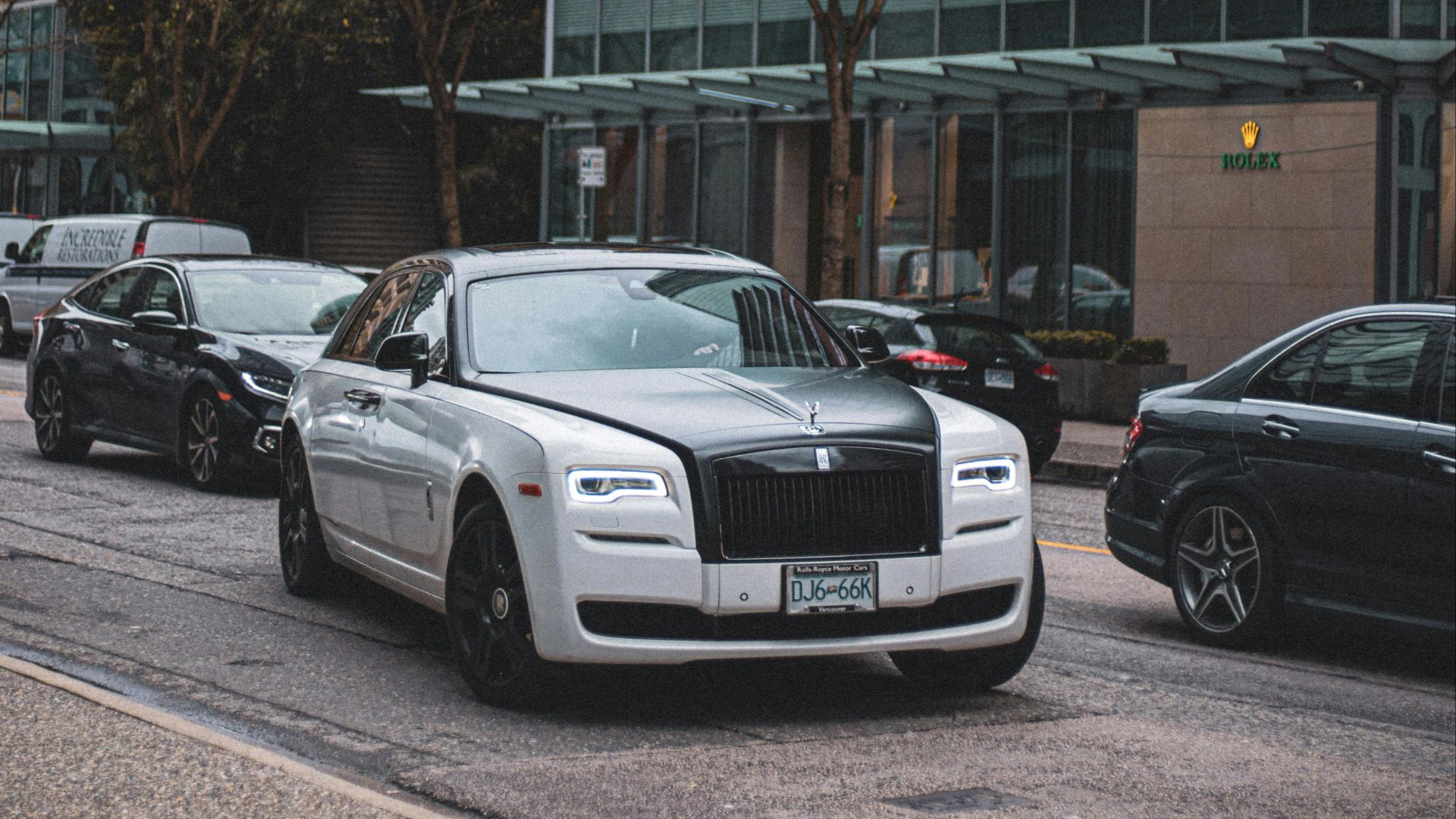
There are those rare situations where more assertive driving can save you a bit of time, such as in light traffic with few signals. Even then, the difference is usually minimal. In dense urban environments, those advantages quickly evaporate.
Perception Vs Reality
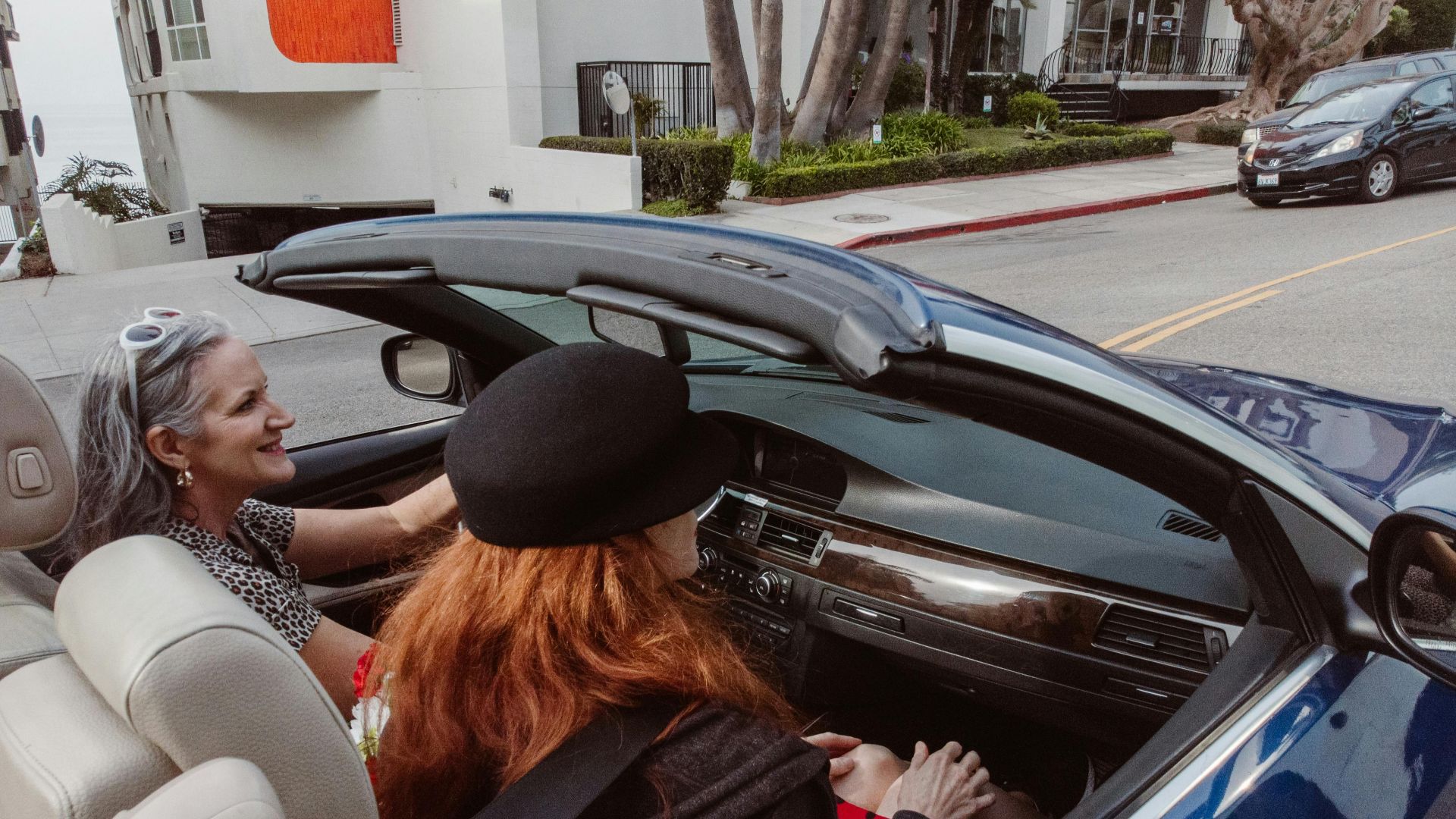
Your boyfriend’s perspective is based on how driving feels in the moment. Your dad’s perspective is based on his own long-term observation. The feeling or sensation of speed can be misleading, while the actual hard data almost always supports a more measured approach.

The Illusion Of Control
Aggressive driving can give you the illusion that you are in control of your arrival time. In reality, external factors like traffic lights, congestion, and other drivers have a far greater influence on how quickly you get home.
 Stefan Kloo from Los Angeles, Wikimedia Commons
Safety Should Come First
No matter how small the potential time savings, safety should be always your top priority. Driving in a way that minimizes risk protects you, your passengers, and everyone else on the road. This is the key factor you need to take into account when deciding how to approach your commute.
Balance Efficiency And Comfort
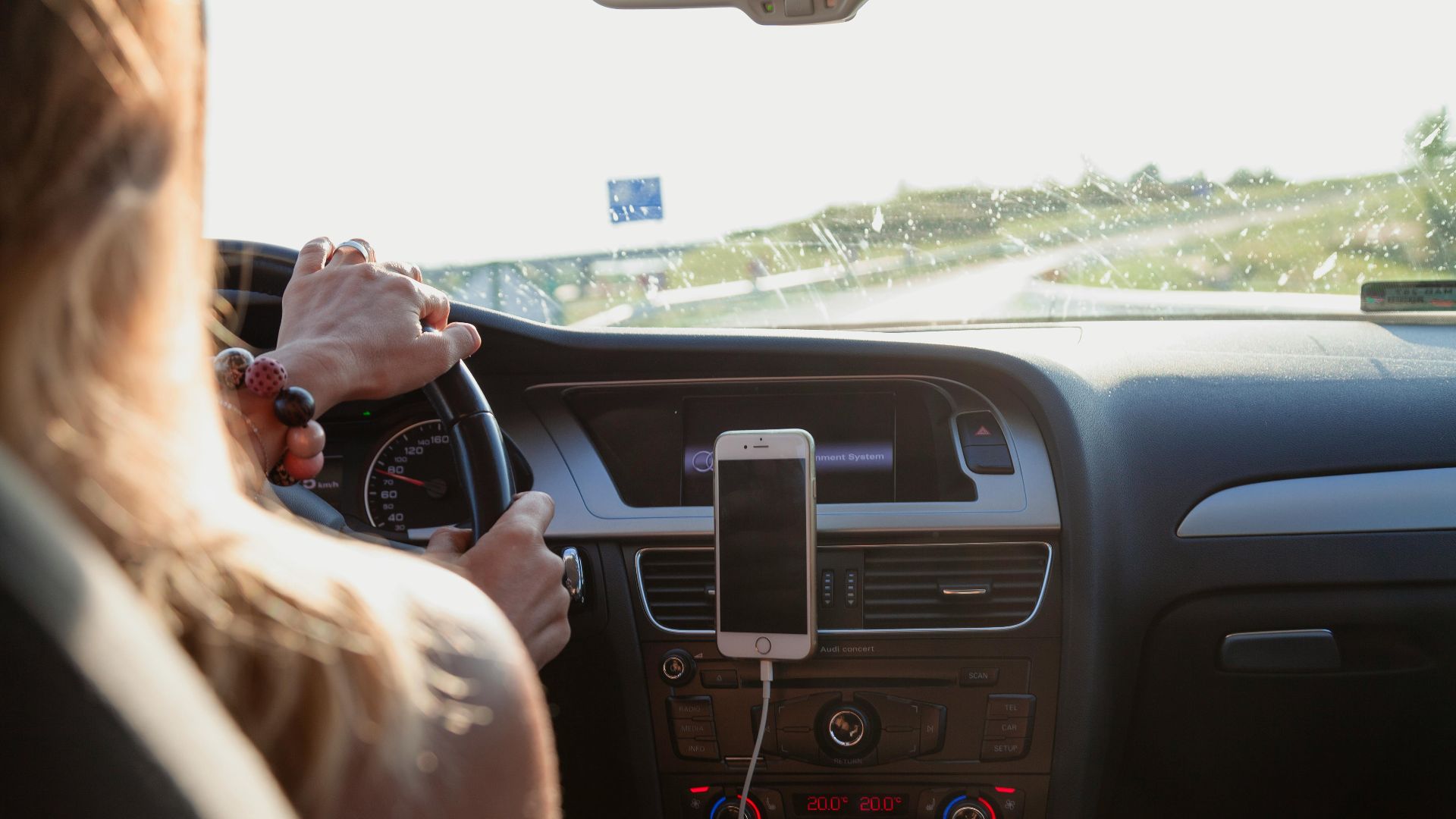
The goal isn’t just to arrive quickly, but to arrive safely and comfortably. A steady pace with fewer abrupt maneuvers often strikes the best balance between efficiency and ease. This approach also generally gives you more predictable and consistent results.

Make Your Own Driving Choice
Ultimately, you’re the one behind the wheel. You can choose whatever driving style that fits with your comfort level and priorities. You certainly don’t have to adopt someone else’s habits if they don’t feel right to you.

What Now?
In most city driving situations, your dad’s philosophy is closer to the truth. Aggressive driving rarely saves you much time and often increases risk and mental aggravation. Going with the flow may feel slower, but it’s usually just as effective and far safer in the long run.
You May Also Like:
Cars That Boomers Grew Up Driving That Wouldn't Pass Today's Safety Standards
The Best Cars For New Drivers—And The Worst