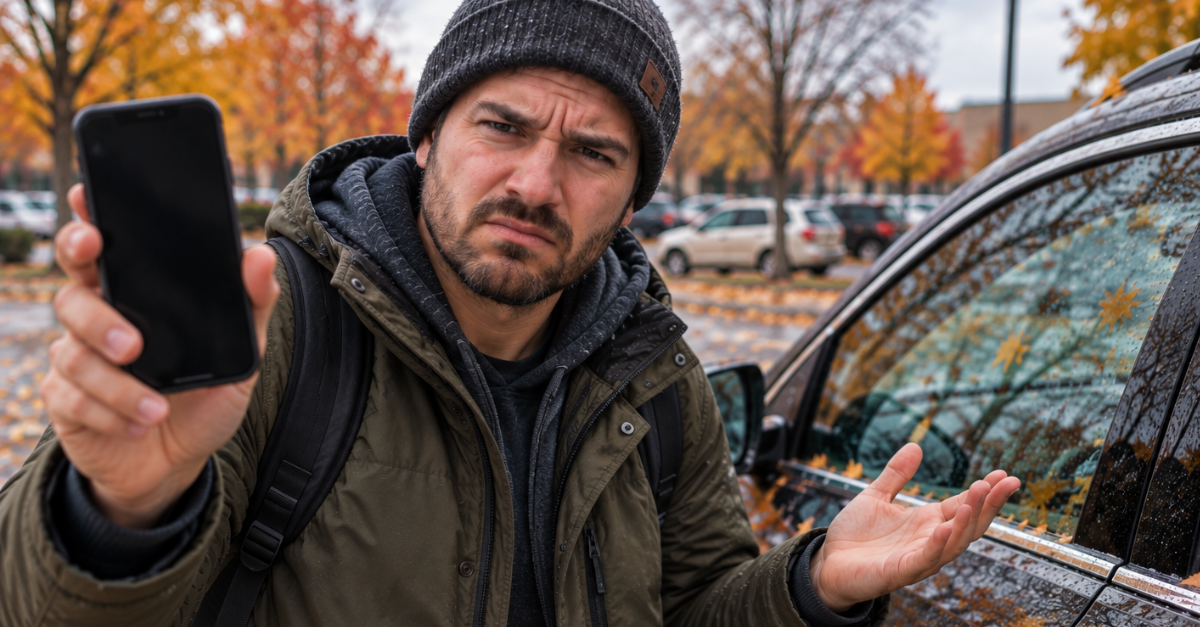
Your Phone Just Became Another Car Part.
Digital keys can unlock, start, and share access to a vehicle without a traditional fob, but changing phones can force owners through pairing, authentication, compatibility, and account-security steps all over again. The technology is becoming more standardized and secure, yet the smartest approach is still to keep a physical backup close enough to save you when the digital convenience suddenly stops being convenient.
Your New Phone Is Not Automatically The Same Key
A digital car key is normally a security credential tied to a particular device rather than merely your phone number or app login. Apple explains that moving a car key to a new iPhone requires a transfer process, while other automakers require the replacement phone to be registered again with the vehicle. That deliberate friction helps prevent someone from simply signing into your account on another phone and driving away.
Changing Phones Can Trigger A Fresh Pairing
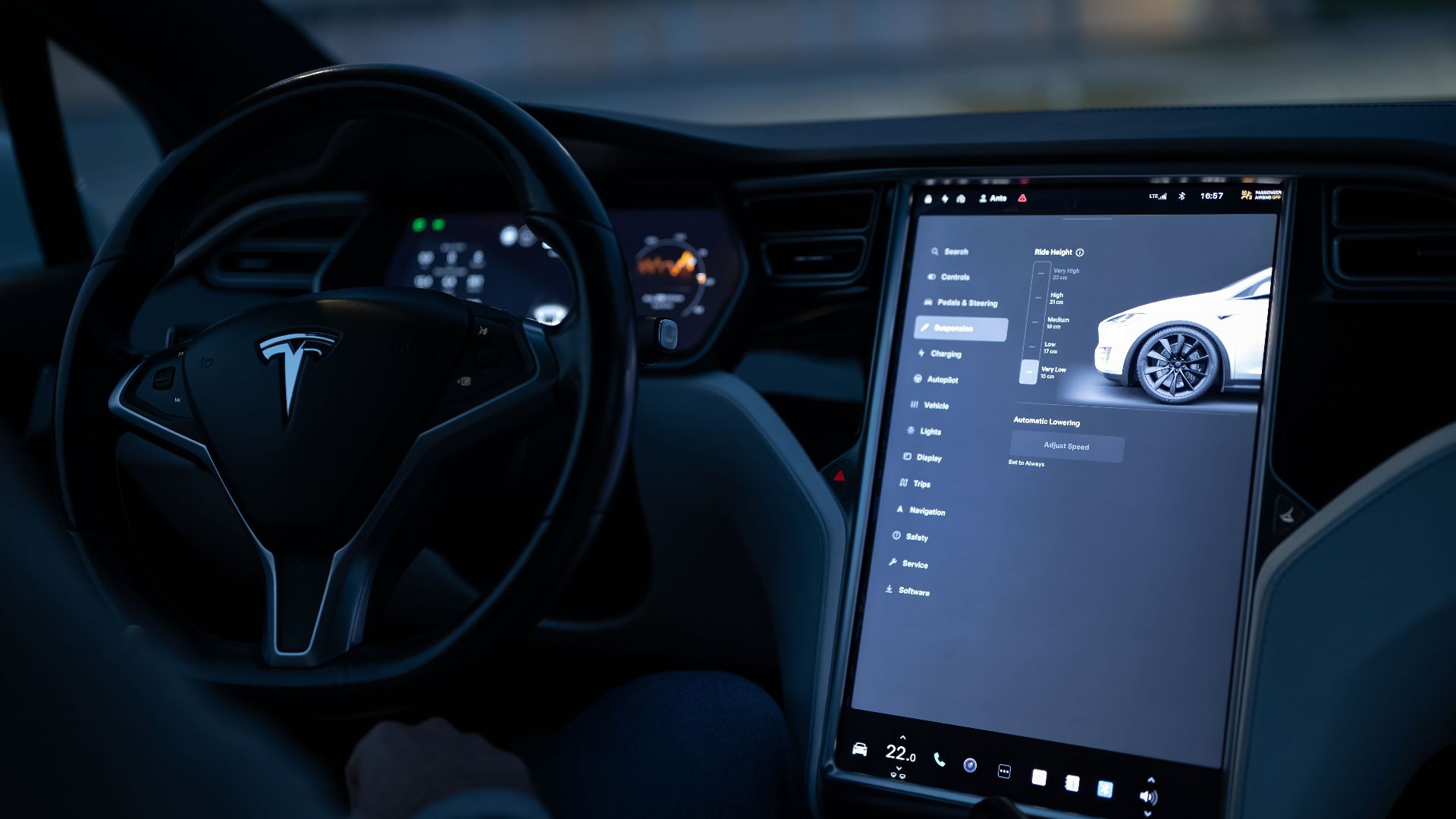
Tesla requires owners to set up Phone Key on the new device using the Tesla app and Bluetooth. Ford's Phone as a Key system similarly requires authorization and setup through the Ford app. Kia and Hyundai also use registration procedures connecting the smartphone, account, and vehicle before the phone becomes an authorized key.
Apple Can Transfer A Compatible Car Key
Apple added a specific process for transferring eligible car keys during new-iPhone setup. The driver selects the car key in Wallet and confirms the transfer from the previous device. Apple says the old phone must be nearby and connected to the internet for that transfer to complete.
Losing The Old Phone Makes Things Harder
A smooth device-to-device transfer assumes you still possess the previous phone. Apple says a digital car key deleted from a device cannot simply be restored, and reprovisioning on another device requires new pairing or sharing. Security is doing exactly what it was designed to do, even if the timing is frustrating.

The App Login Is Only One Layer
Signing into an automaker's app establishes who you claim to be, but it does not necessarily authorize that phone to start the car. Digital-key systems can separately authenticate the physical device and store a cryptographic credential on it. That is why reinstalling an app may restore vehicle information without instantly restoring key functionality.
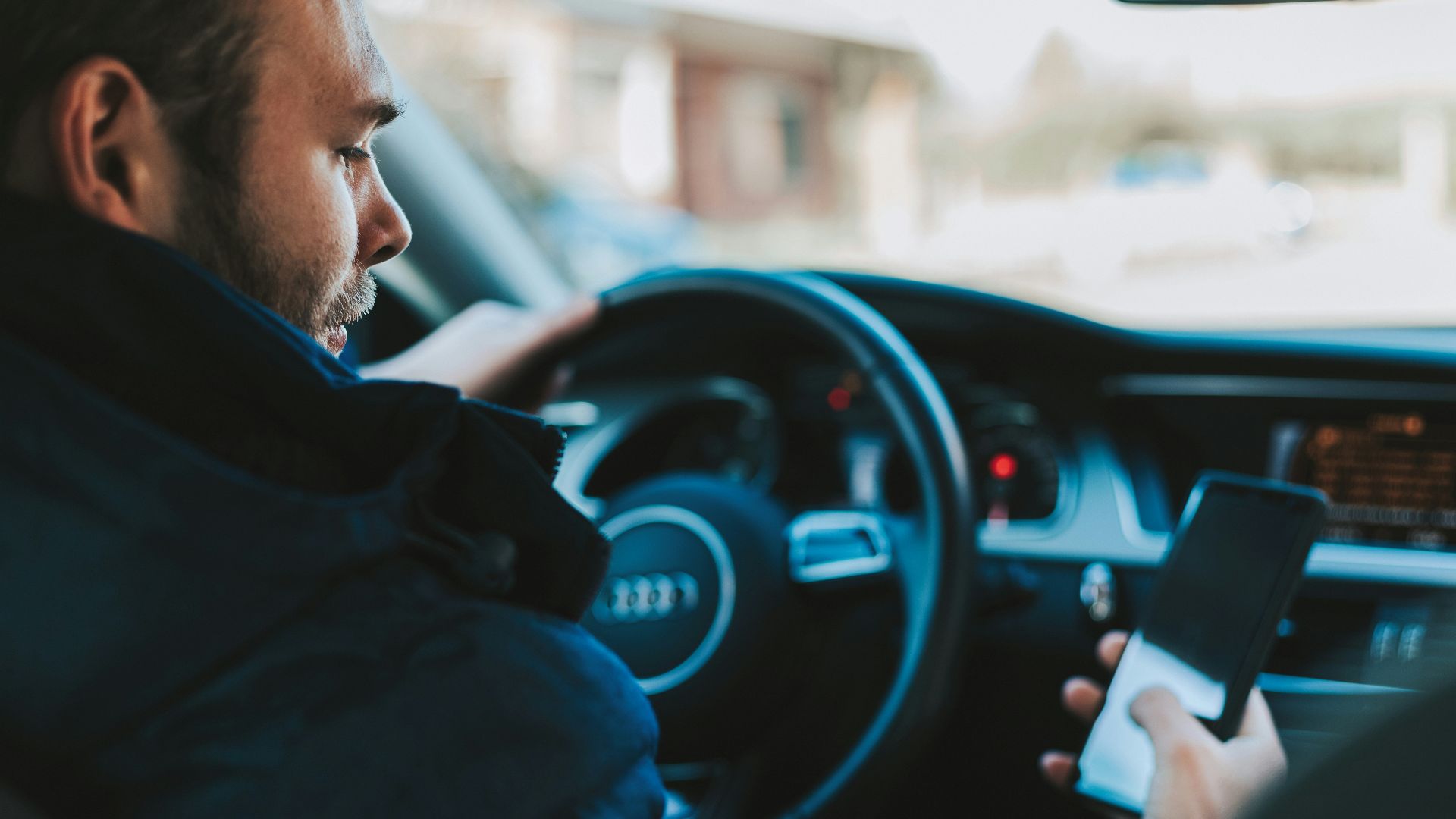
Bluetooth Is Often Part Of The Puzzle
Tesla uses Bluetooth for its Phone Key on most compatible vehicles. Ford's system and newer standardized digital-key implementations also rely on short-range wireless communication for proximity-based operation. If Bluetooth permissions did not carry over correctly to your new phone, the app can appear normal while passive entry fails.
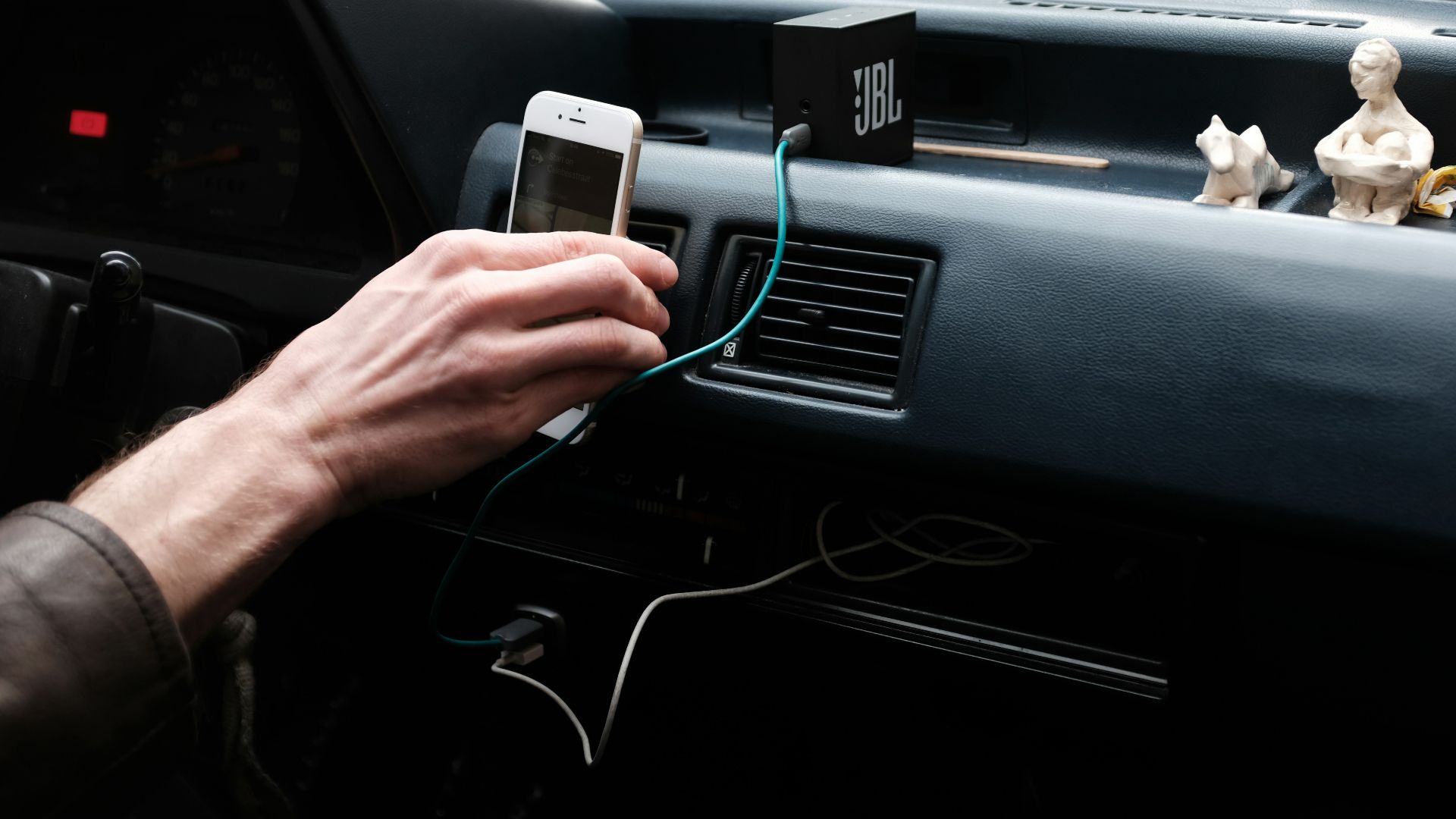
Ultra Wideband Makes Newer Keys Smarter
The Car Connectivity Consortium's newer Digital Key standard combines Bluetooth Low Energy with Ultra Wideband on compatible hardware. UWB can measure the phone's position relative to the vehicle much more accurately than ordinary Bluetooth proximity. That allows a car to distinguish whether the authorized device is outside the door, inside the cabin, or farther away.
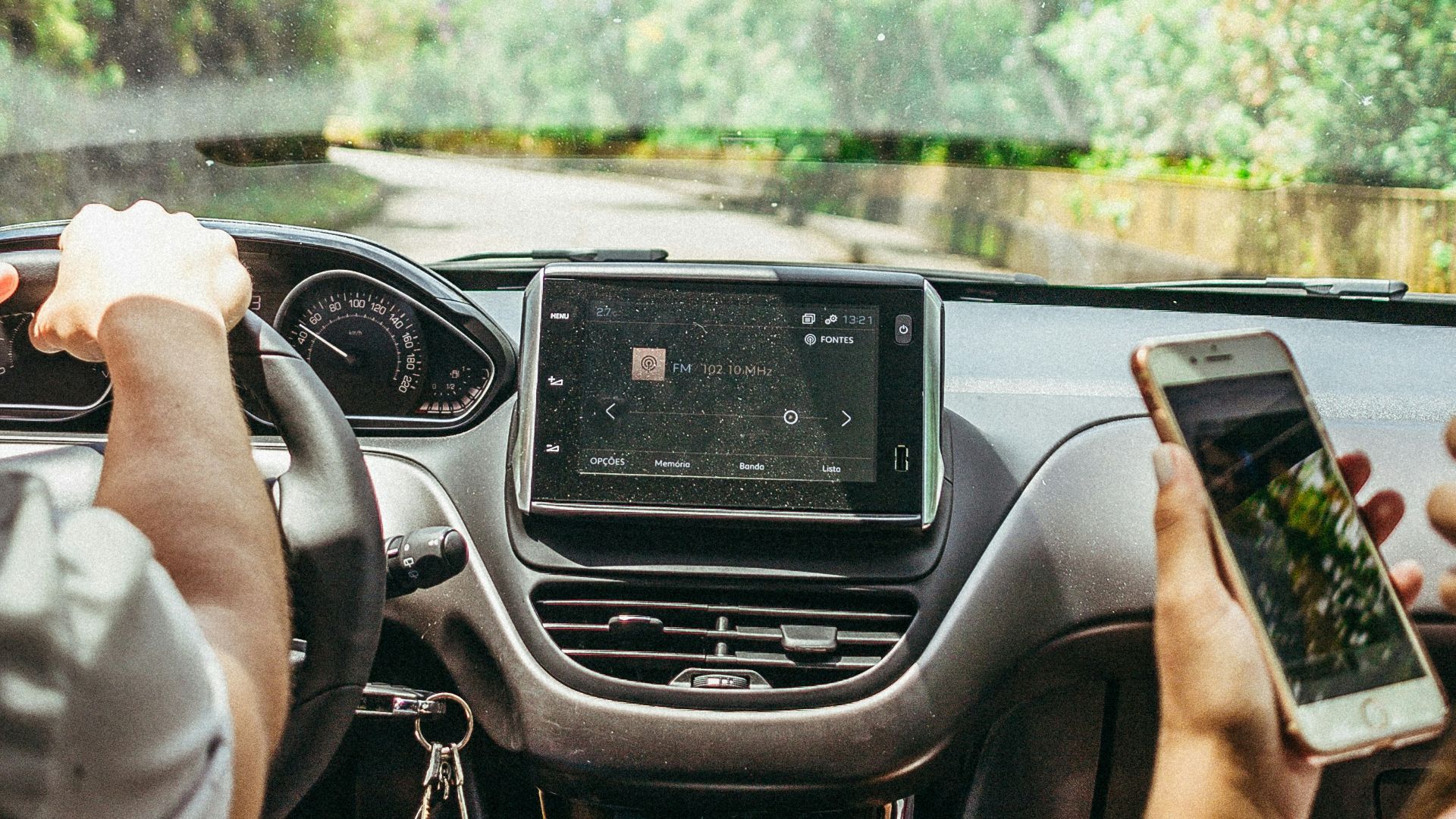
NFC Provides Another Fallback
CCC Digital Key also retains Near Field Communication support. Compatible systems can let a driver tap the phone against a designated part of the vehicle rather than relying entirely on passive wireless detection. That simpler short-range method is particularly useful when another part of the digital-key system is unavailable.
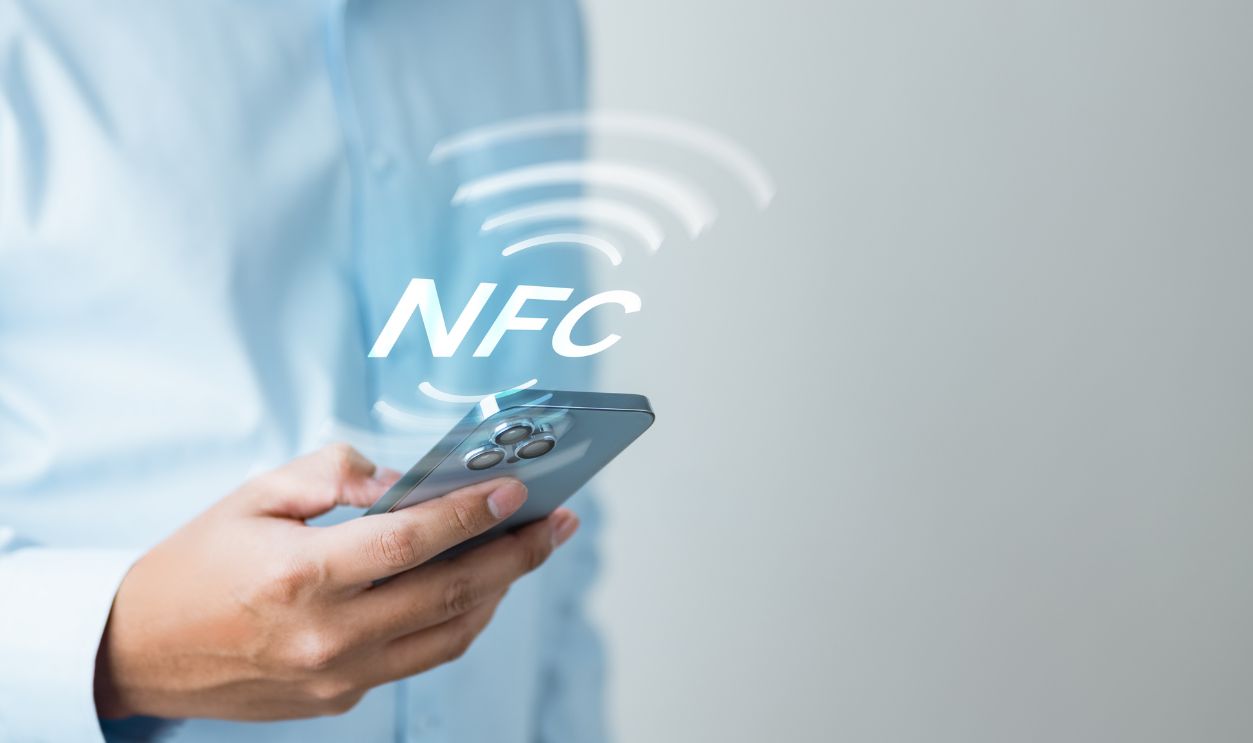
Some Keys Even Work With A Nearly Dead Phone
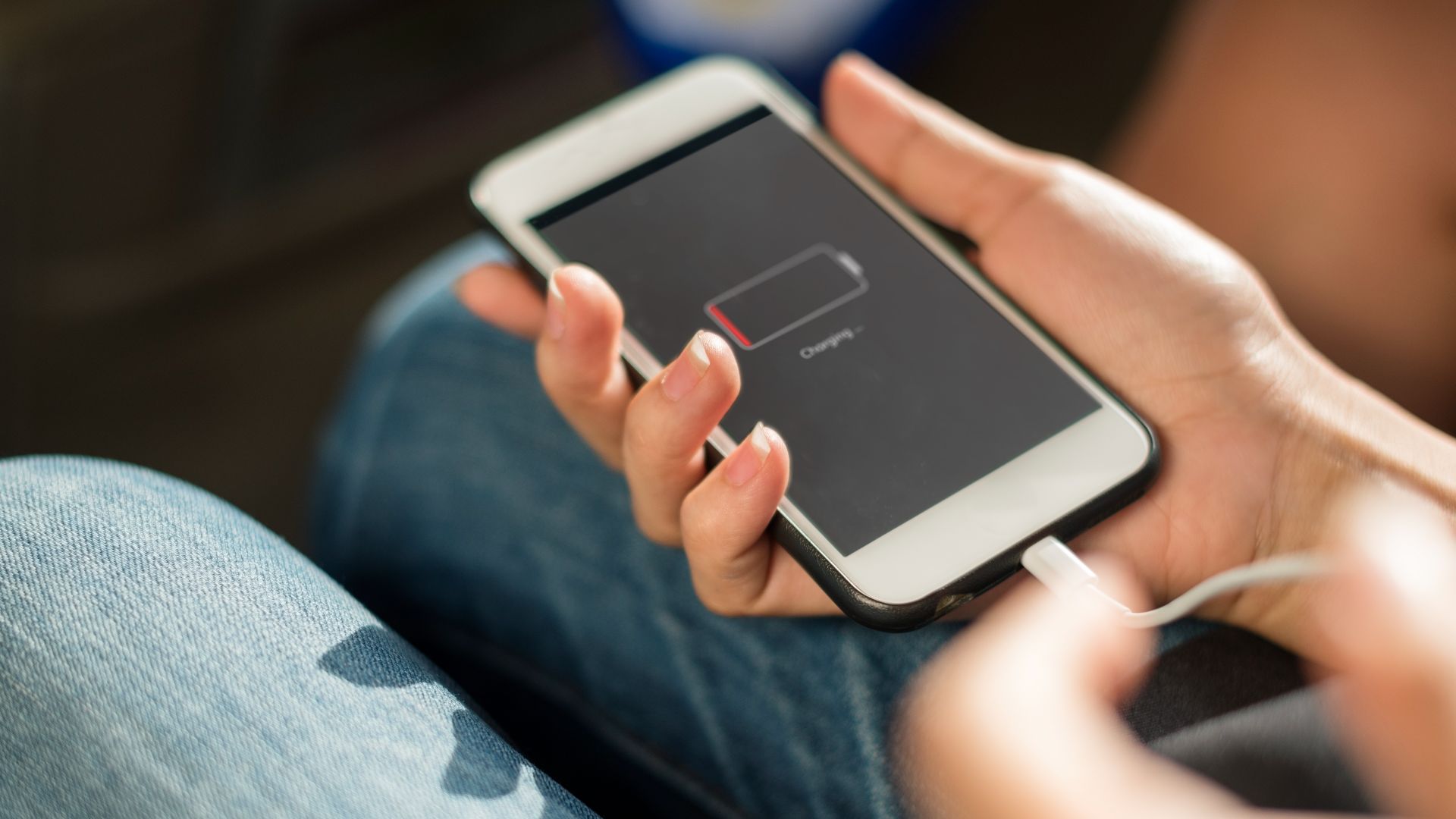
Apple's Express Mode can keep certain digital keys usable for a limited period after an iPhone's battery becomes too low for normal operation. The CCC standard was also designed with low-battery access in mind. That reduces one of the most obvious problems with replacing a metal key with a smartphone.
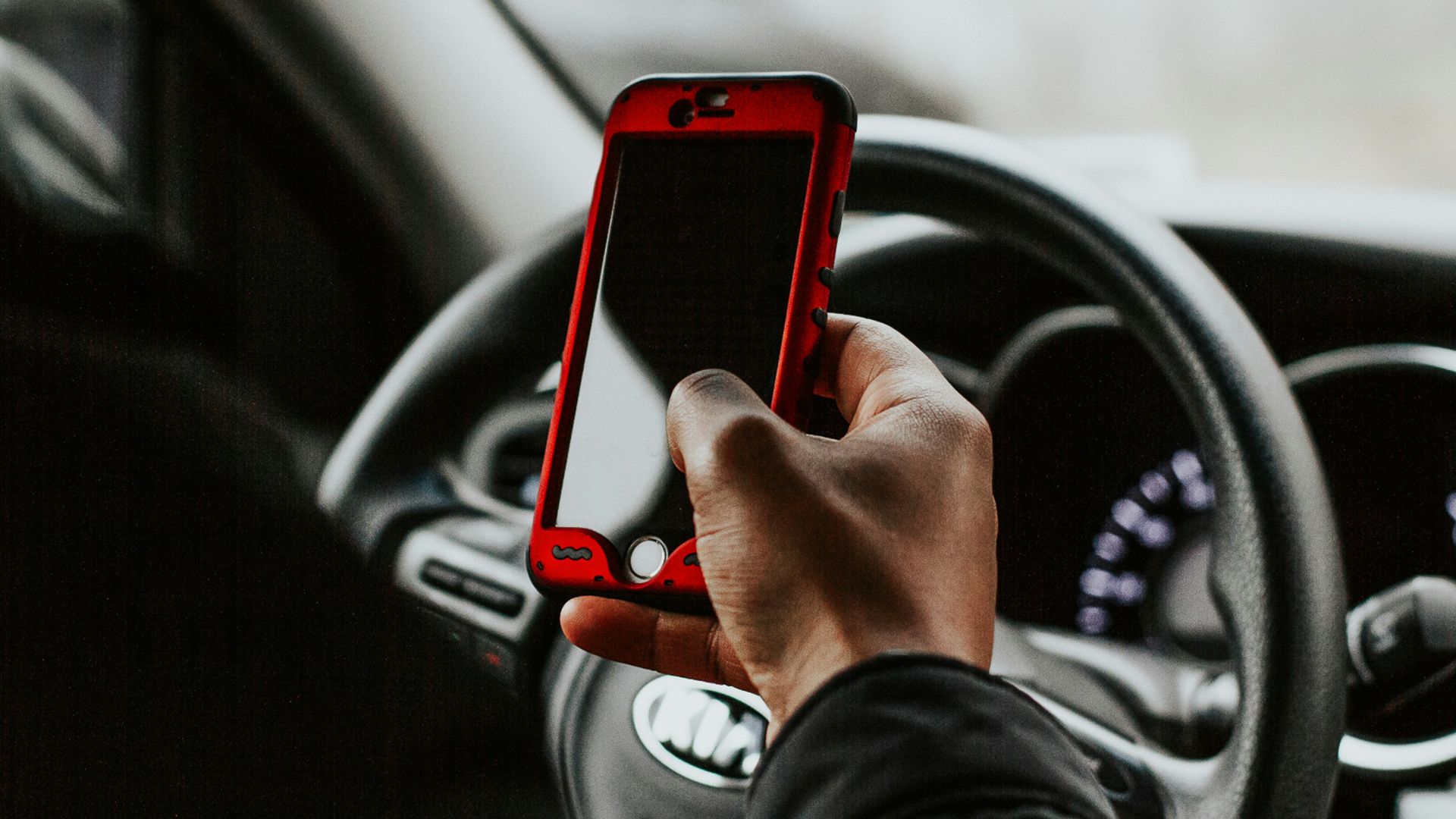
A Completely Dead Phone Is Still A Problem Eventually
Battery reserve is not unlimited. Apple says power reserve can continue supporting some Express Mode credentials for up to five hours after the phone needs charging, depending on the credential and device. Once that reserve is exhausted, another form of access becomes very important.
 rawpixel.com rawpixel, Wikimedia Commons
Tesla Explicitly Provides A Backup Card
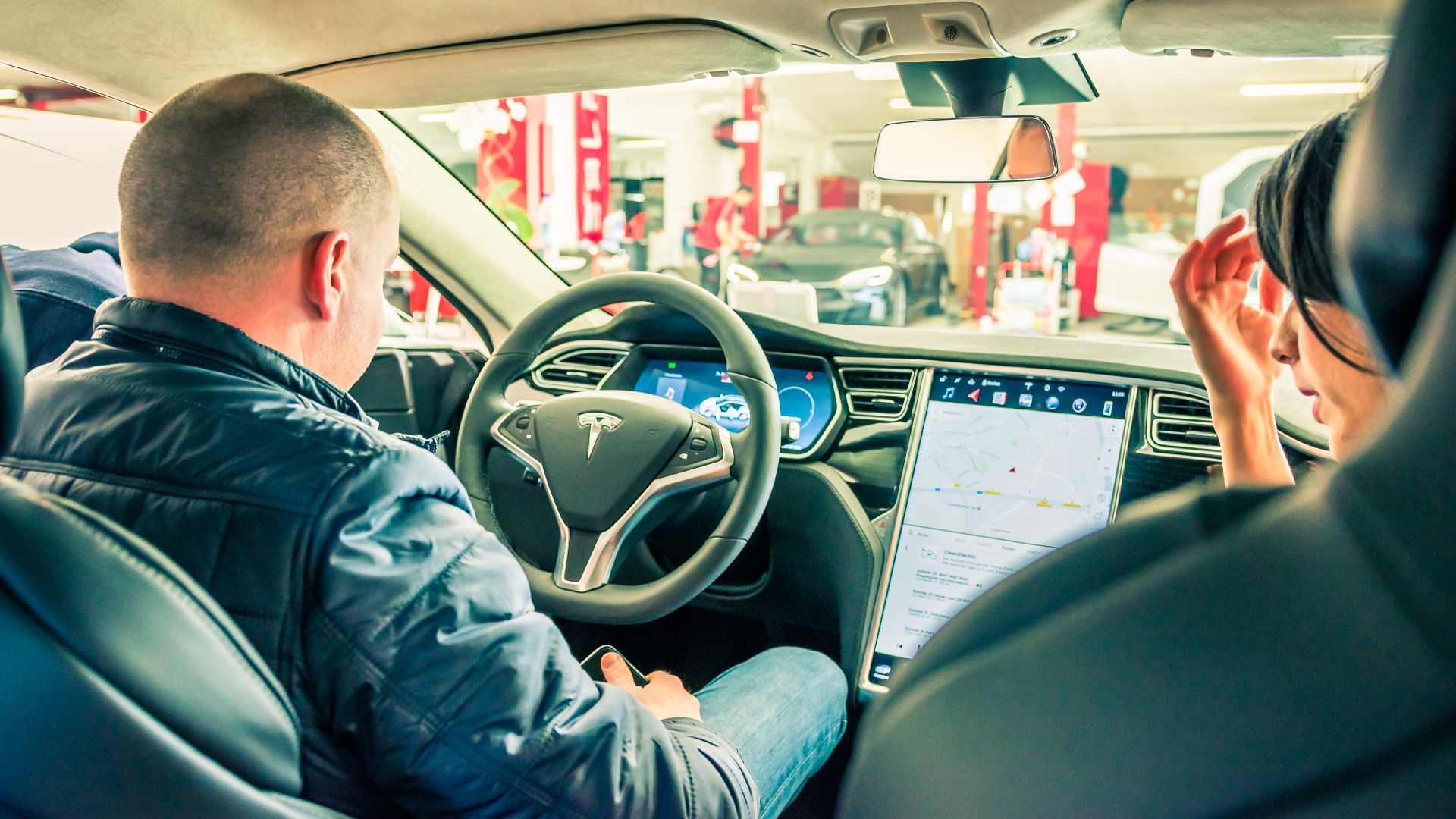
Tesla tells owners that compatible vehicles support phone keys, key cards, and optional key fobs. If automatic phone-key setup fails, the app can direct the owner to complete pairing with the backup key card. The card is therefore not pointless clutter in the glove box.
 Jakob Harter, Wikimedia Commons
Kia Still Wants The Smart Key During Setup
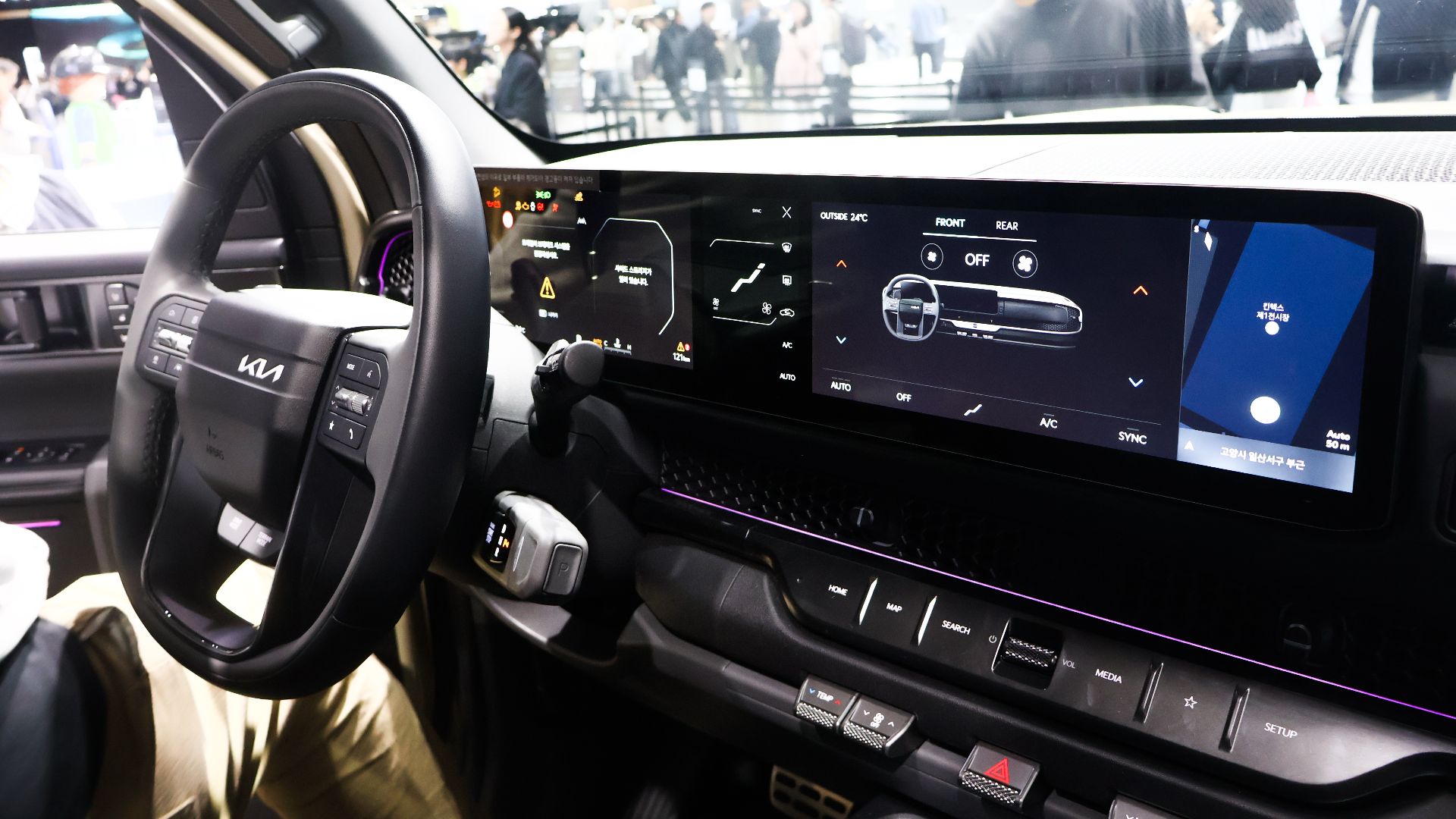
Kia's Digital Key 2 registration procedure instructs owners to have the physical smart key inside the vehicle while registering the smartphone. That prevents an app login alone from being enough to create a new vehicle key. It also illustrates why abandoning the physical key entirely can make recovery unnecessarily difficult.
BMW Uses Physical Authentication Too
BMW's current Digital Key setup can involve a dedicated Setup Card and the physical vehicle key during activation. The smartphone then receives its credential into the supported wallet. The process is more involved than copying an app from an old phone, because the phone is being trusted with actual access to the vehicle.
Hyundai Requires Compatible Hardware
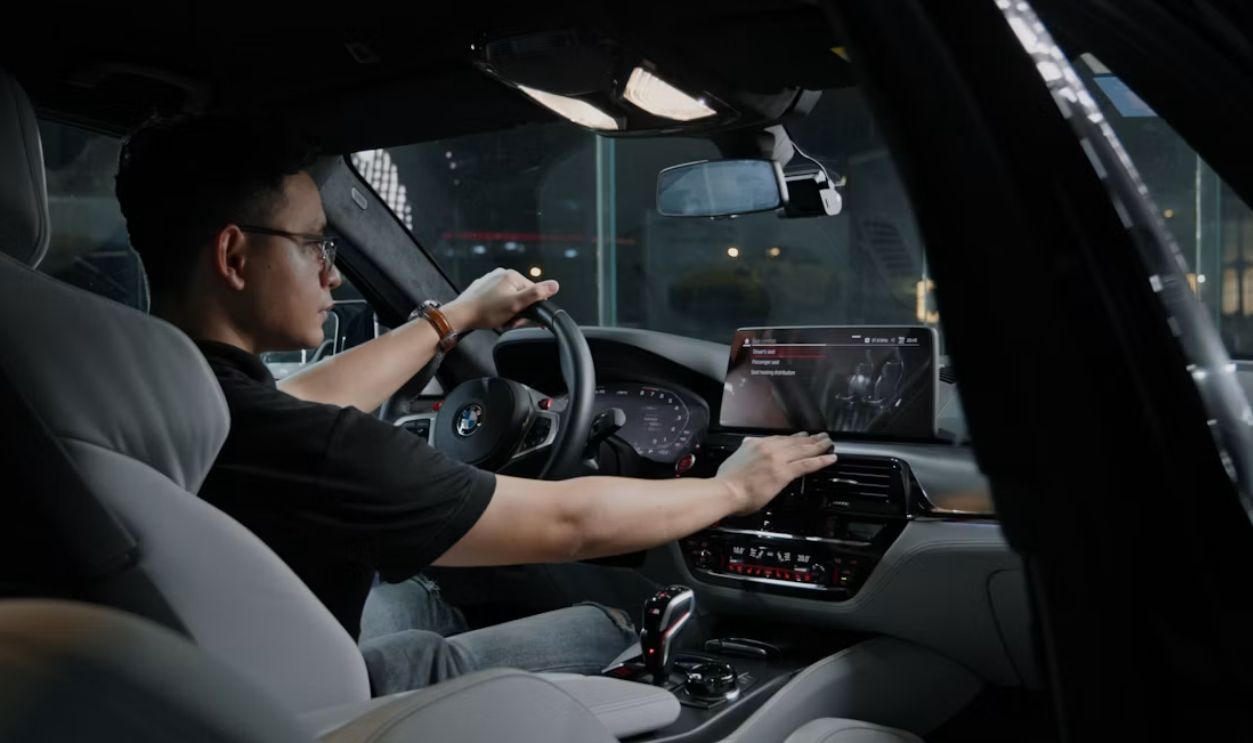
Hyundai's Digital Key system does not work identically on every smartphone. Its instructions distinguish between devices supporting technologies such as NFC and more advanced wireless functions. A phone upgrade can therefore become a key downgrade if the new device lacks the hardware required by your particular vehicle.
Compatibility Is Still Messier Than A Metal Key
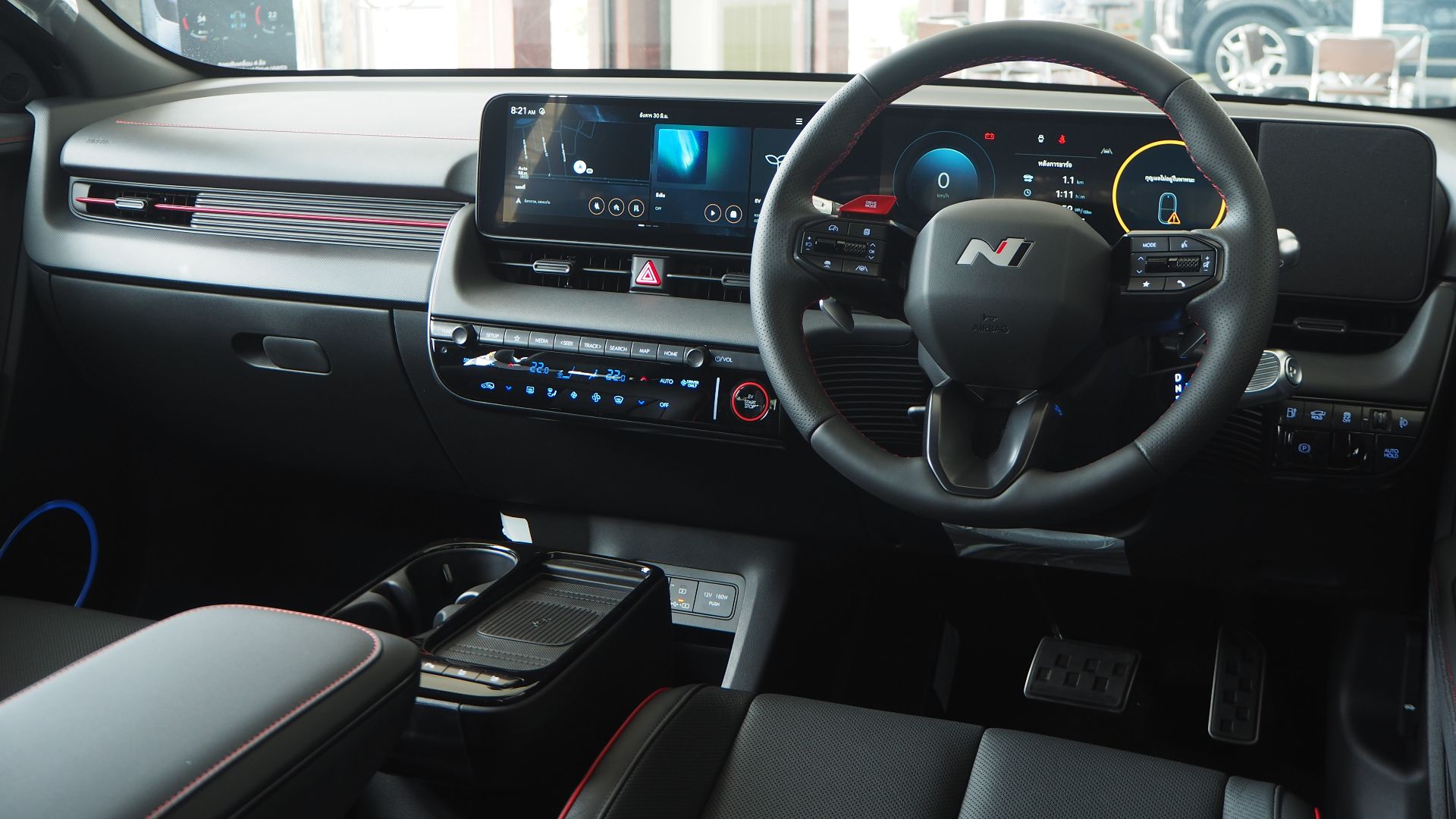
A physical key does not care whether its owner prefers iOS or Android. Digital keys can depend on phone model, operating-system version, automaker software, wallet support, Bluetooth, NFC, UWB, and geographic availability. The industry is working toward interoperability, but the experience is not yet universal.
That Is What The CCC Is Trying To Fix
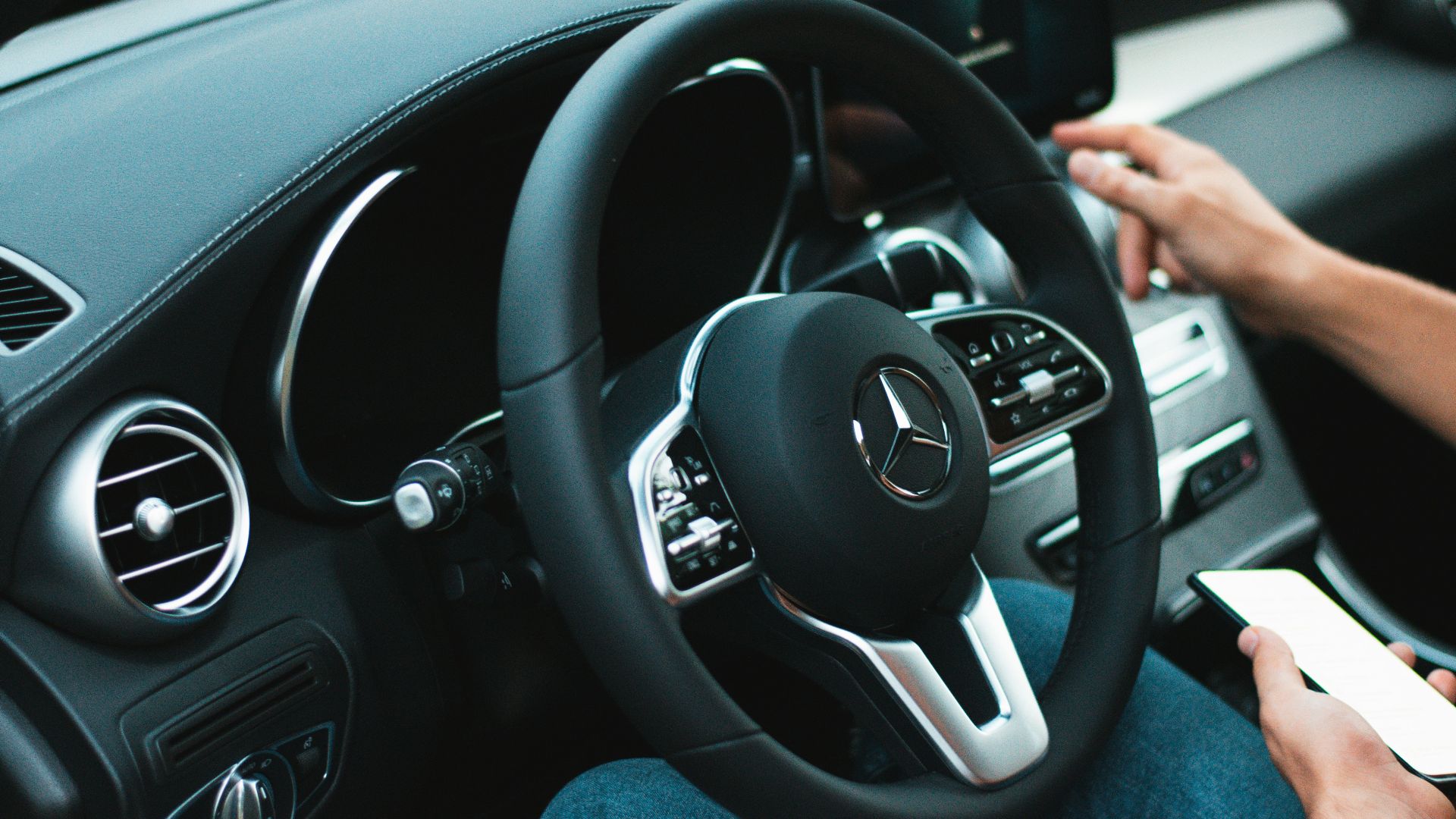
The Car Connectivity Consortium brings automakers, smartphone companies, and technology suppliers together around a common Digital Key specification. Its stated goal is a standardized ecosystem that can securely store, authenticate, and share vehicle keys across devices and operating systems. Certification testing is intended to make compatible products behave more consistently.
Security Explains Some Of The Annoyance
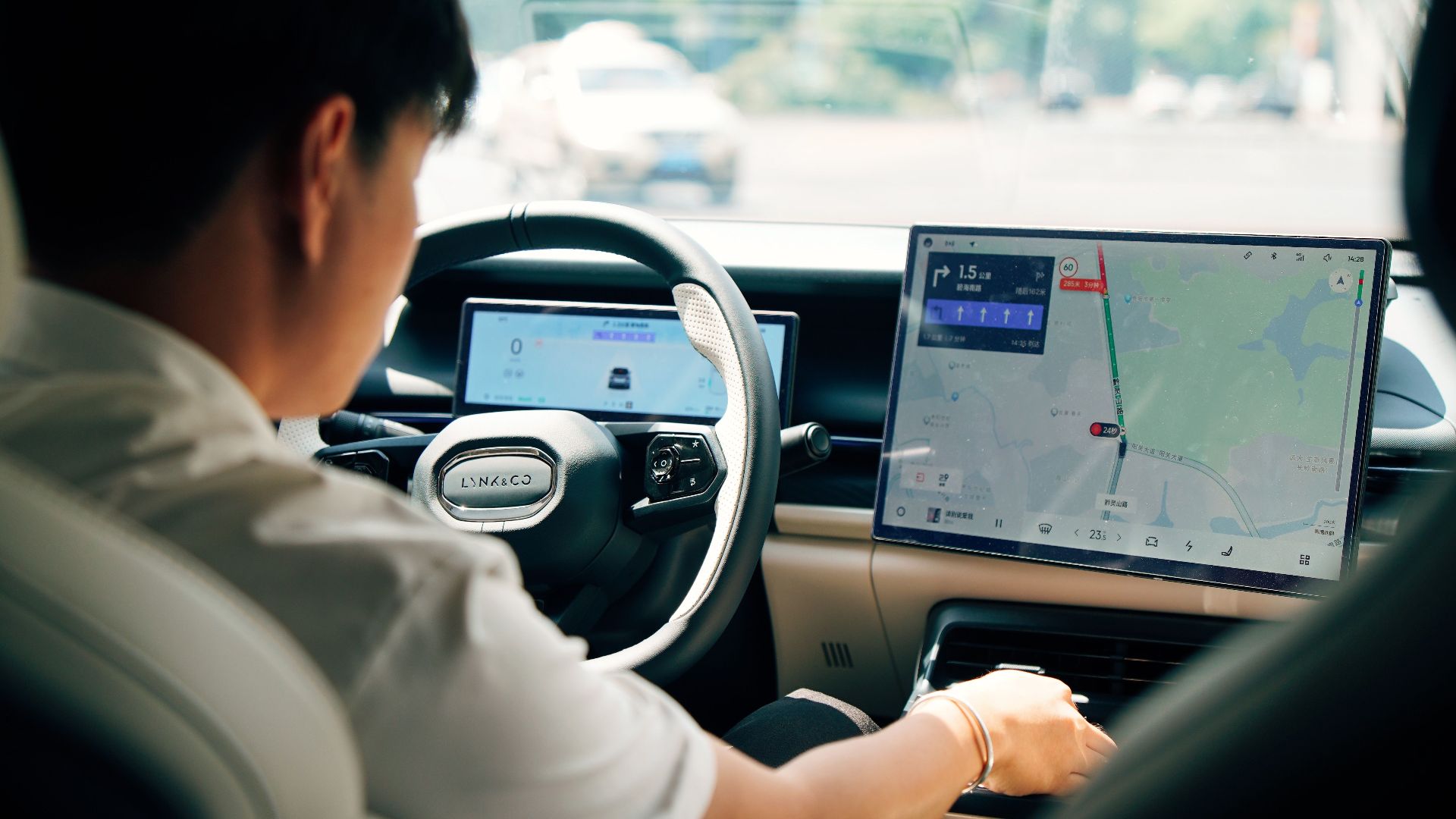
Digital keys are intentionally difficult to copy casually. Apple stores its car-key private credentials inside the device's Secure Element, while the CCC specification also relies on secure hardware and public-key cryptography. A replacement phone therefore cannot simply clone the old credential like copying a photograph.
A Lost Phone Can Be Revoked Quickly
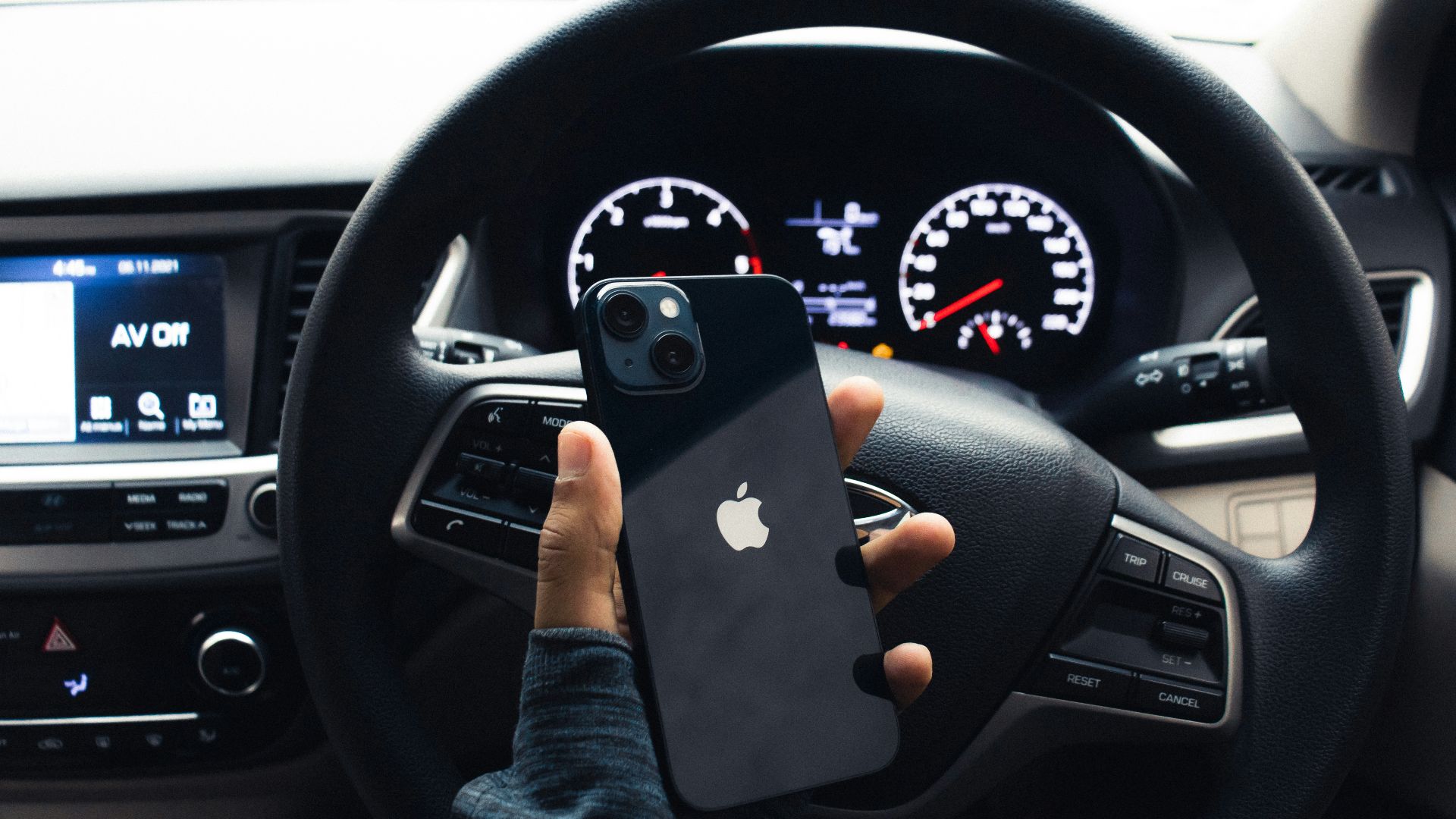
Digital keys have one major security advantage over a missing physical fob. Apple allows a lost iPhone to be marked as lost, which disables the car key on that device. CCC's architecture also supports termination or suspension of digital keys rather than requiring owners to physically recover the missing device.
Shared Keys Can Be Revoked Too
Digital access is particularly useful when several people occasionally use the same vehicle. CCC Digital Key allows owners to share access while placing limitations on duration and permitted functions. The owner can later terminate that access without chasing down a borrowed metal key.
That Makes Lending A Car Easier
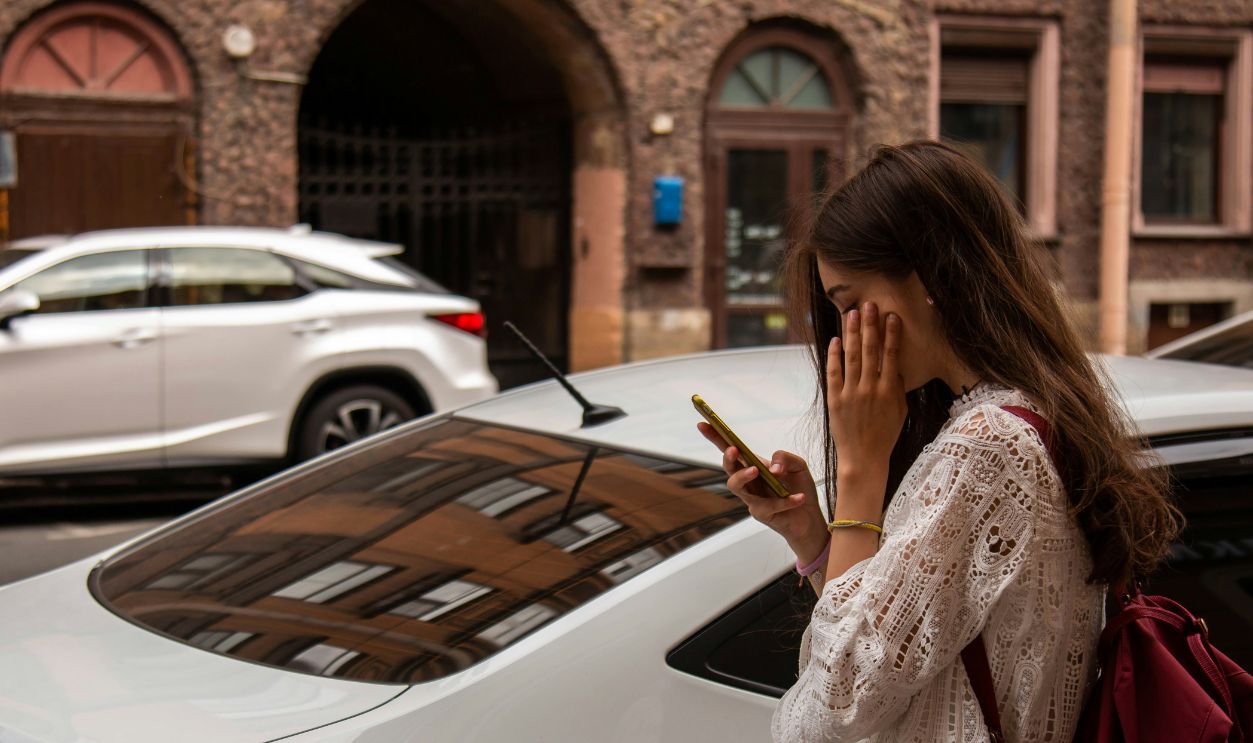
A family member or friend may no longer need to meet you simply to collect a spare key. Supported digital-key systems can send authorized access remotely to another compatible device. Some implementations can even define whether the recipient receives full vehicle use or more limited access.
The Phone Can Become A Bigger Single Point Of Failure
Putting navigation, payment cards, communications, tickets, and the car key on one smartphone is extremely convenient. It also means one broken, stolen, reset, or malfunctioning device can interrupt several parts of your day simultaneously. A traditional fob may feel primitive, but its job is wonderfully narrow.
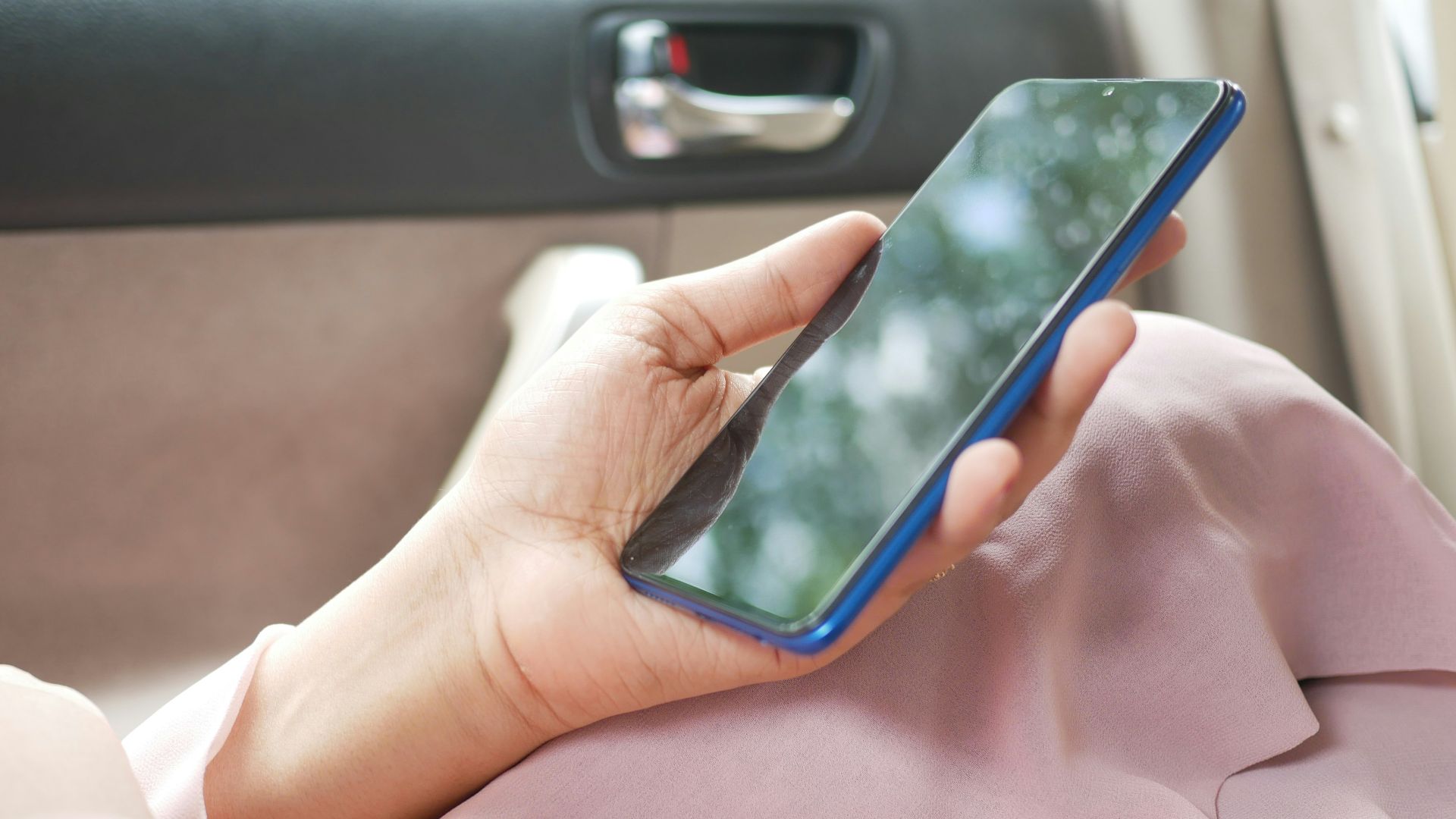
App Connectivity And Phone Key Are Not Always The Same
Tesla provides a useful example of the distinction. Its app can perform remote functions through an internet connection, while the normal Phone Key uses Bluetooth near the vehicle. Losing cellular service does not necessarily prevent the local phone key from working, even though some remote app commands may become unavailable.
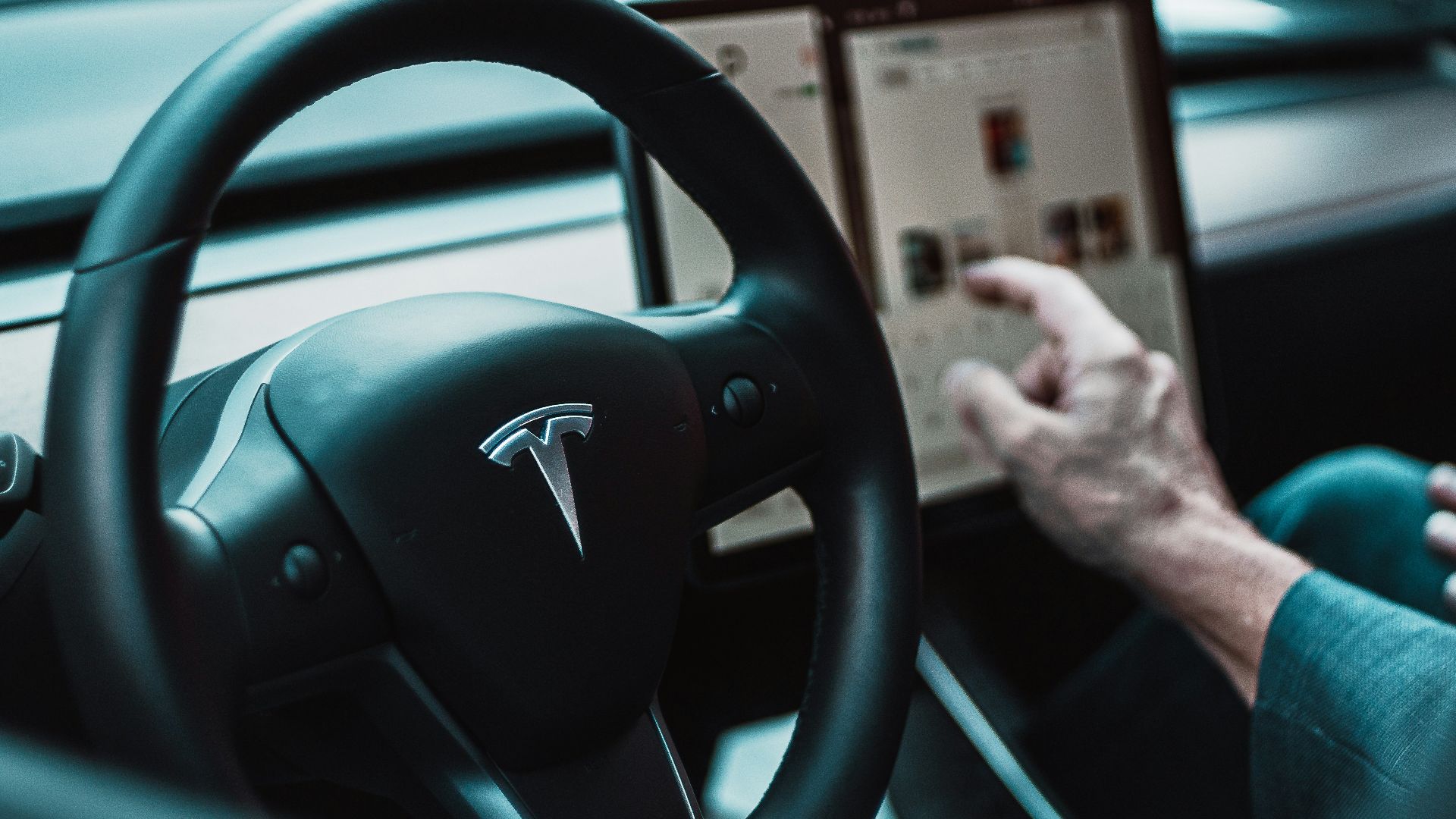
Internet Failure Should Not Always Lock You Out
The CCC Digital Key specification was designed so core vehicle access can work without an active internet connection once the key is properly provisioned. Internet connectivity is useful for issuing, sharing, terminating, and managing credentials. Everyday door unlocking should not have to wait for a remote server every single time.
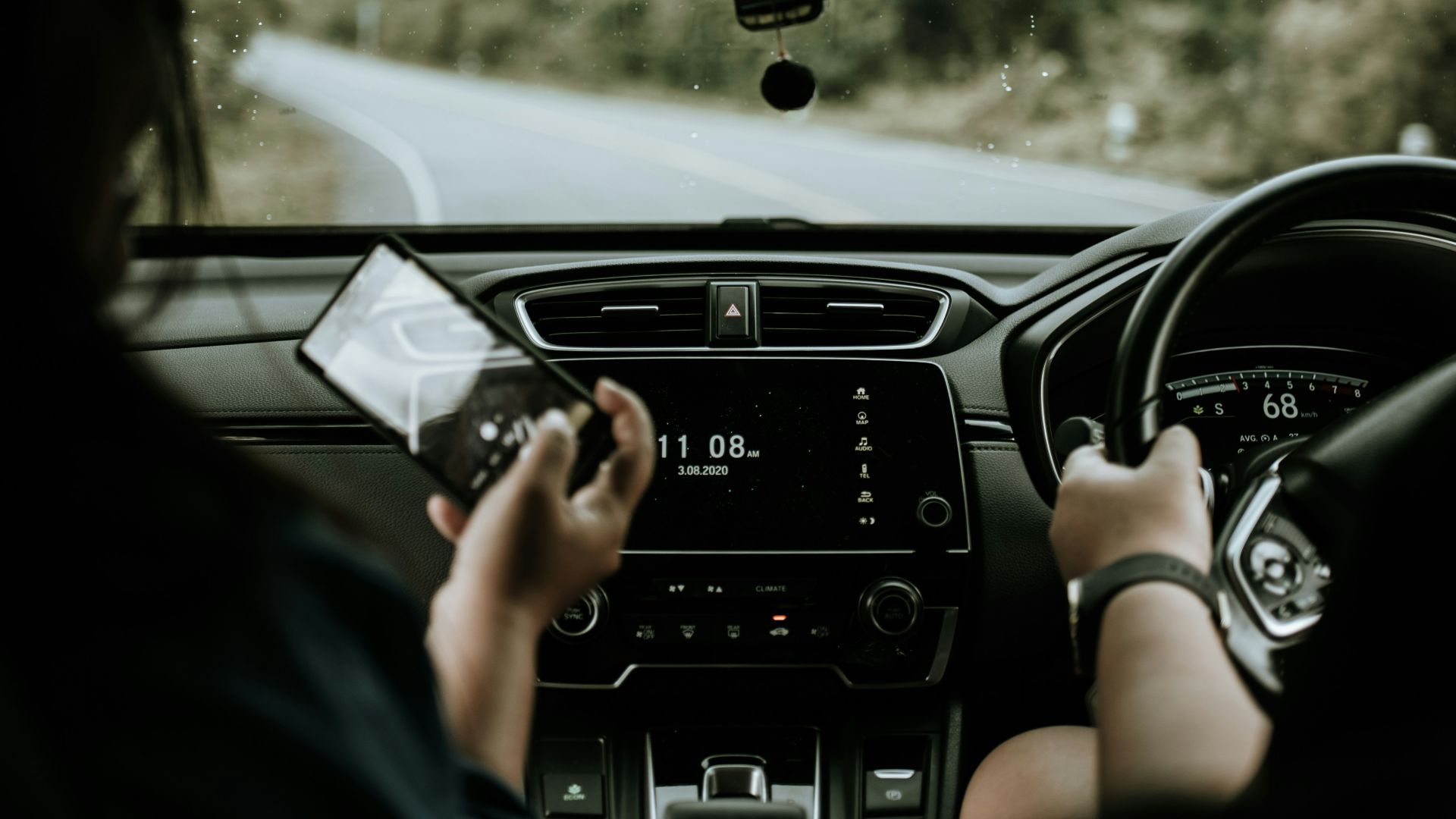
Account Sign-Out Can Break Access
Apple warns that signing out of the Apple Account on a device causes loss of access to its car key. Automaker systems can also depend on account authorization through their own apps. Something as routine as troubleshooting an account after buying a new phone can therefore have unexpectedly automotive consequences.
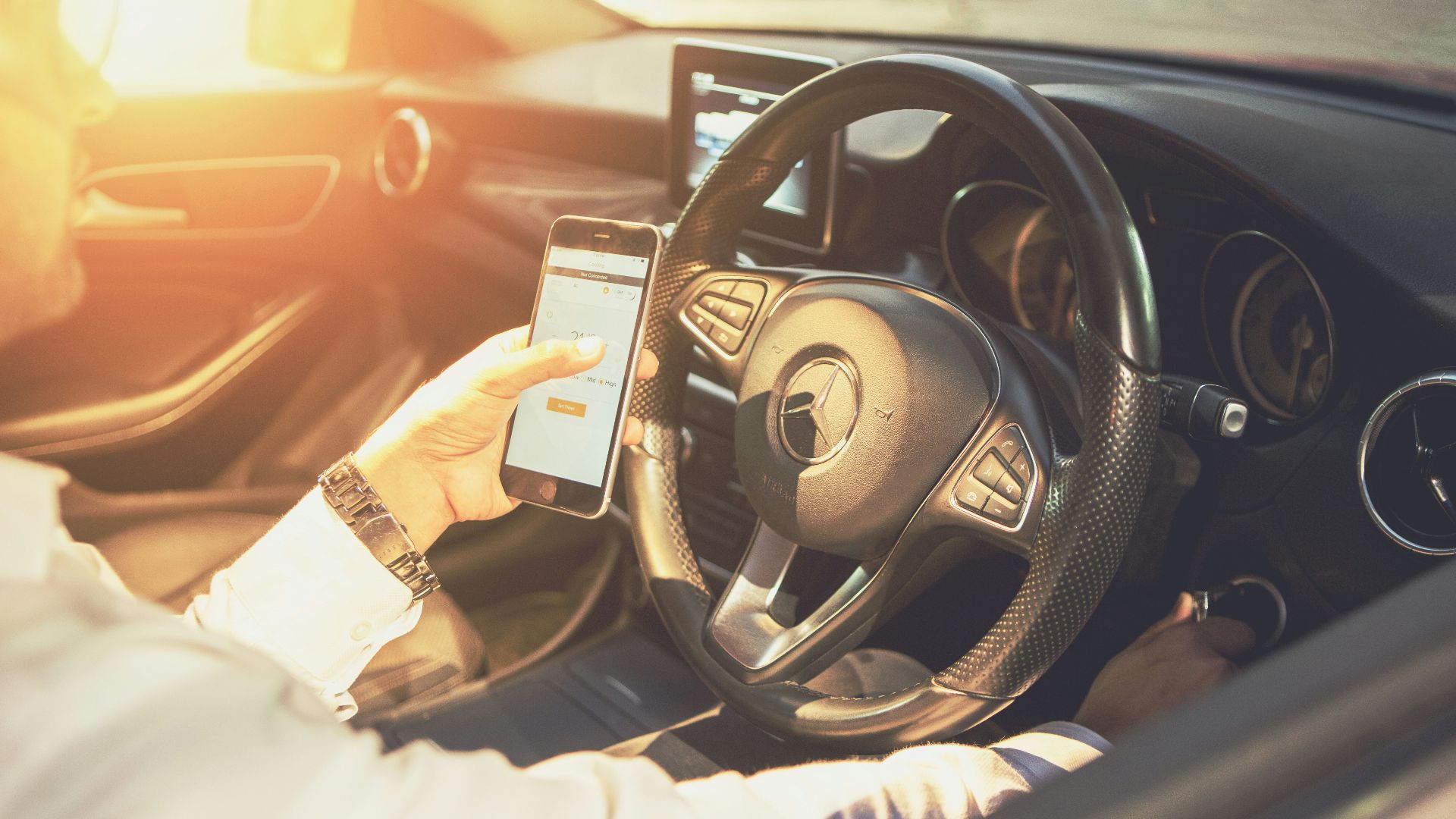
Permissions Can Change During Migration
New-phone setup does not always reproduce app permissions exactly as they worked before. Bluetooth access, background operation, location permissions, battery optimization, and notification settings can affect various vehicle-app features. When passive unlocking stops after a phone change, checking permissions is a sensible early troubleshooting step before assuming the car is defective.
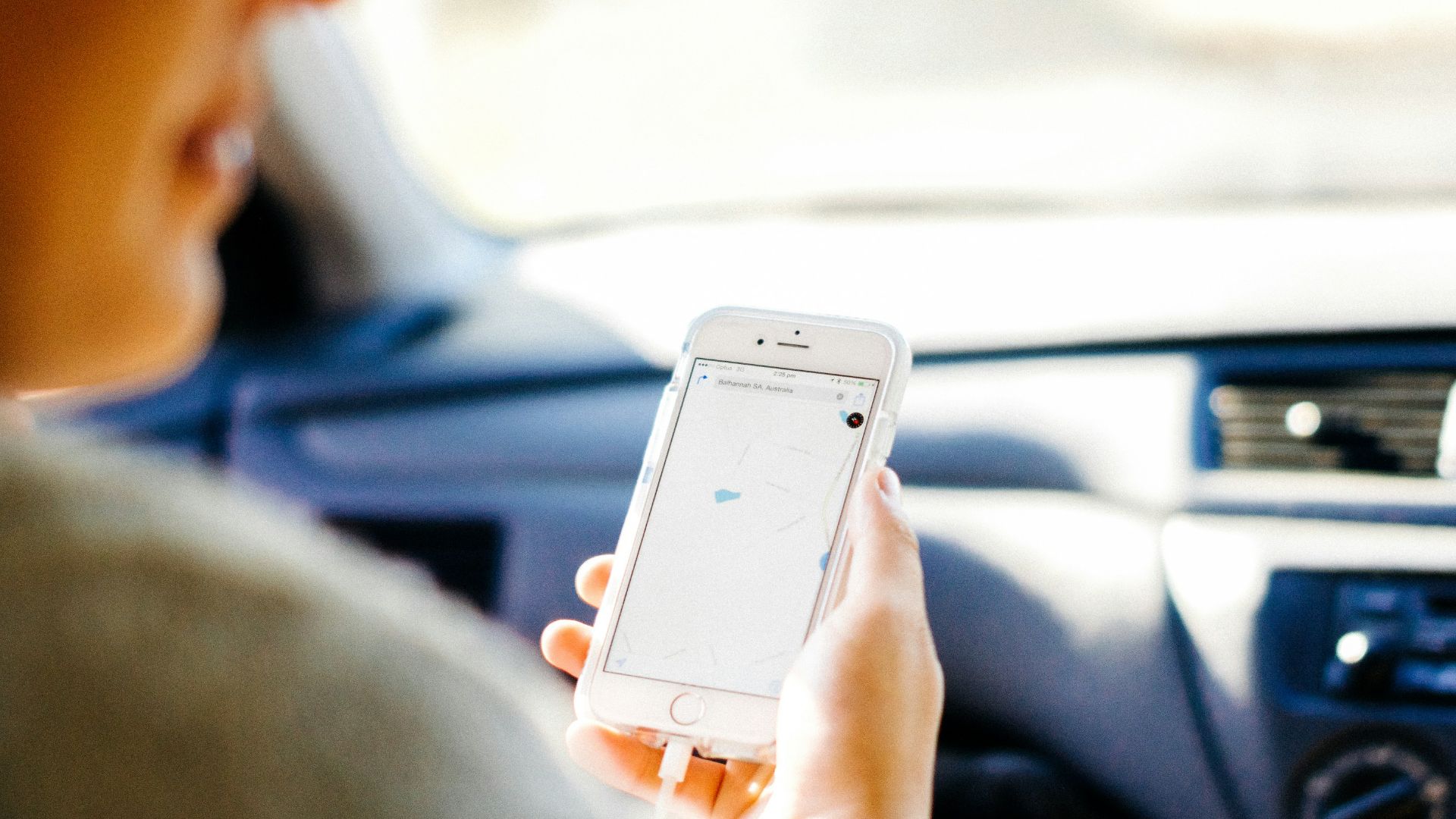
Update The App Before Re-Pairing
Tesla specifically advises owners to use the latest version of its app when setting up Phone Key. Kia and other manufacturers also integrate digital-key functionality with vehicle apps that evolve over time. An outdated app on a brand-new phone can create a surprisingly backwards problem.
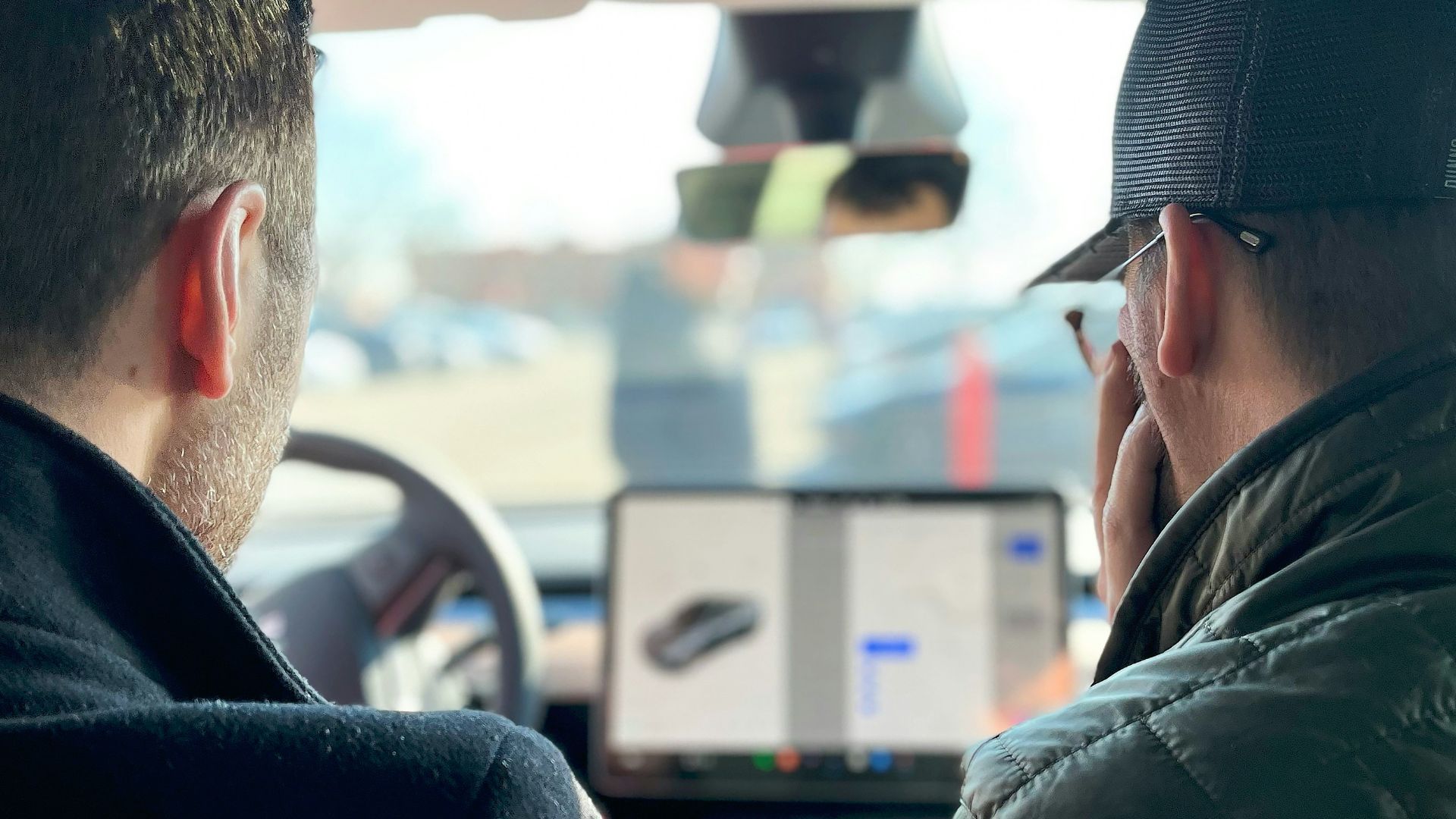
Remove The Old Device When You Are Done
Once the new phone works reliably, check which digital keys remain authorized. Apple supports local and remote key deletion, while CCC digital-key architecture is built around issuing and terminating individual device credentials. Removing devices you no longer own reduces both clutter and potential security exposure.
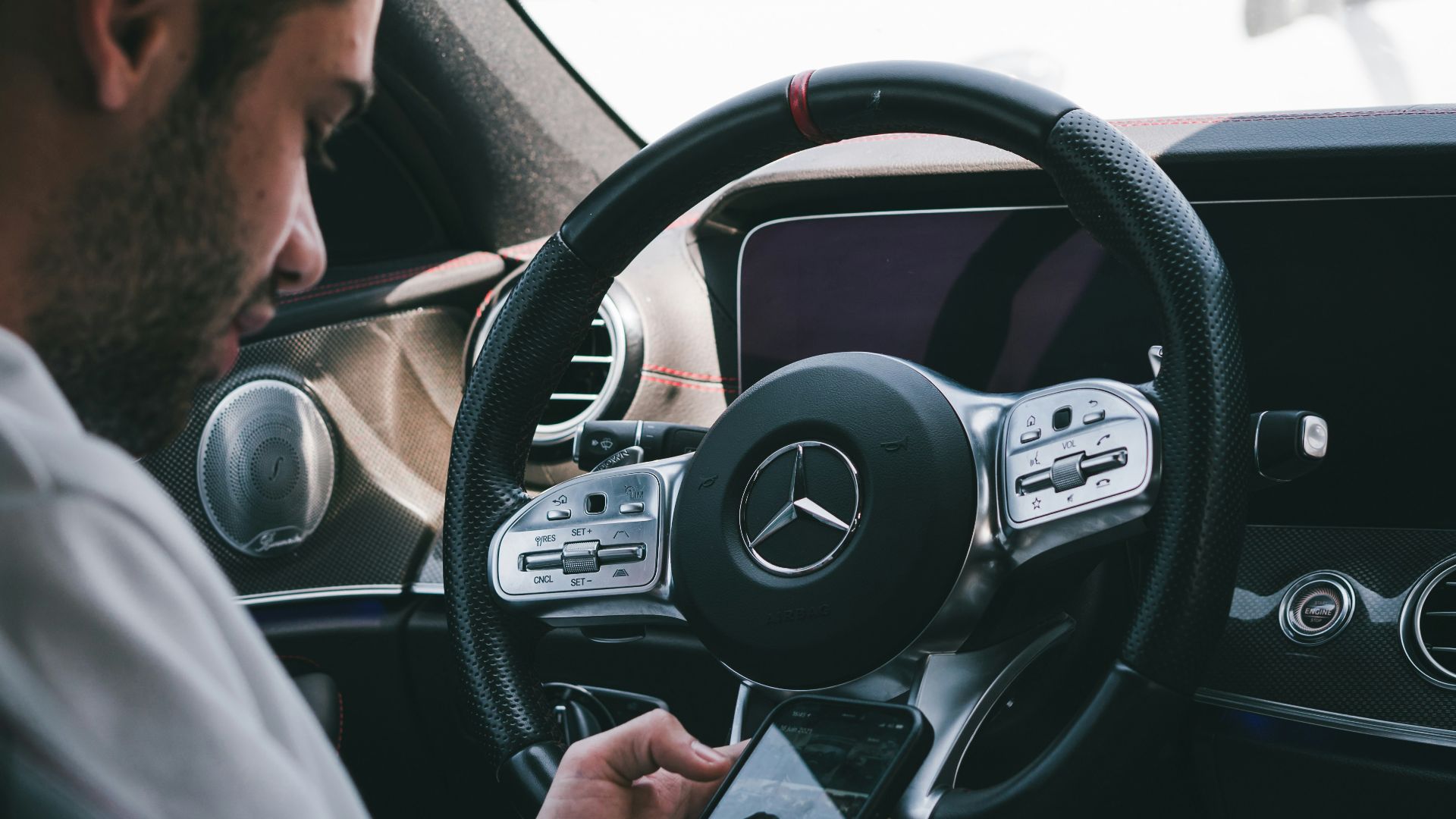
Keep At Least One Non-Phone Backup
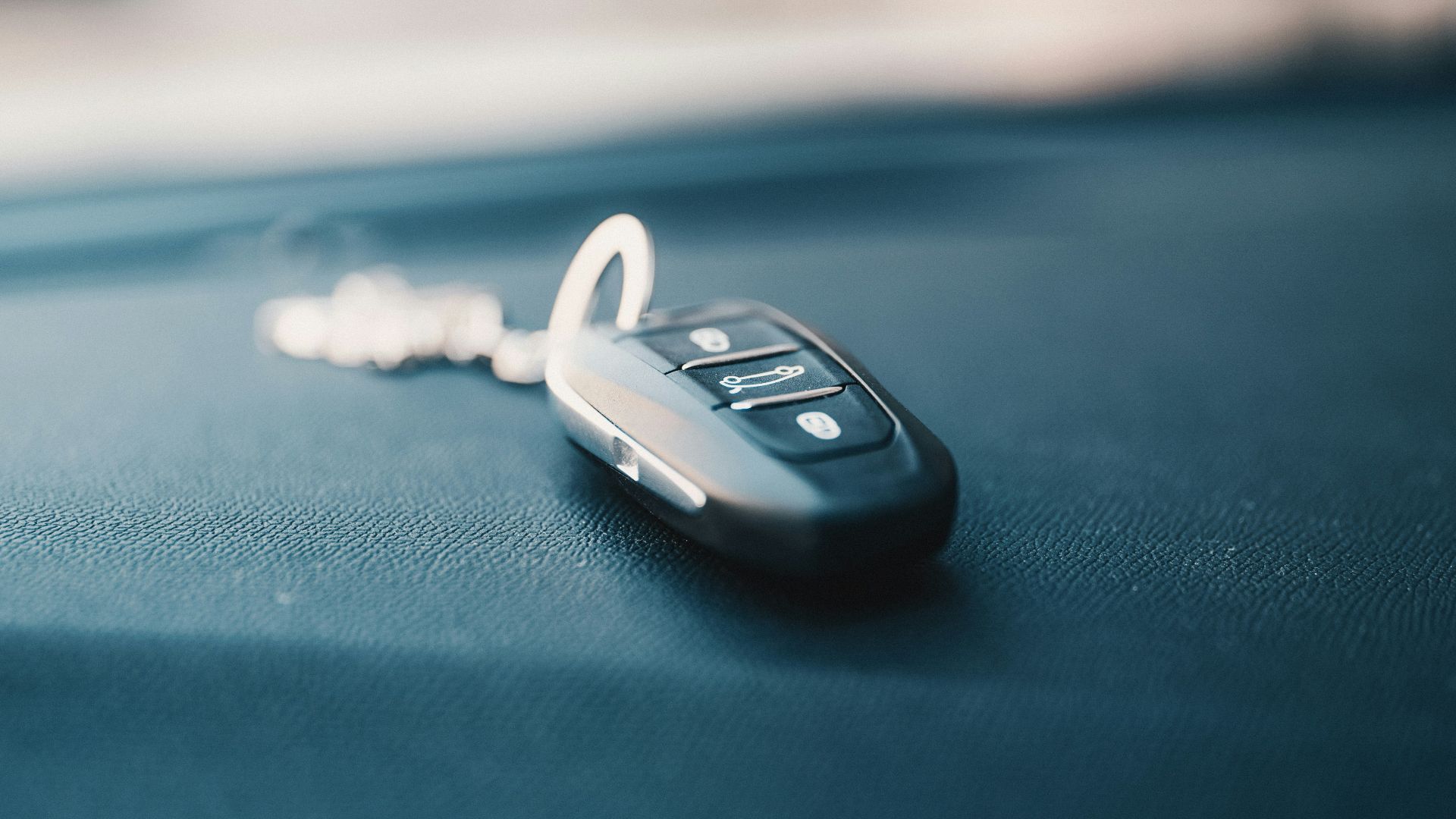
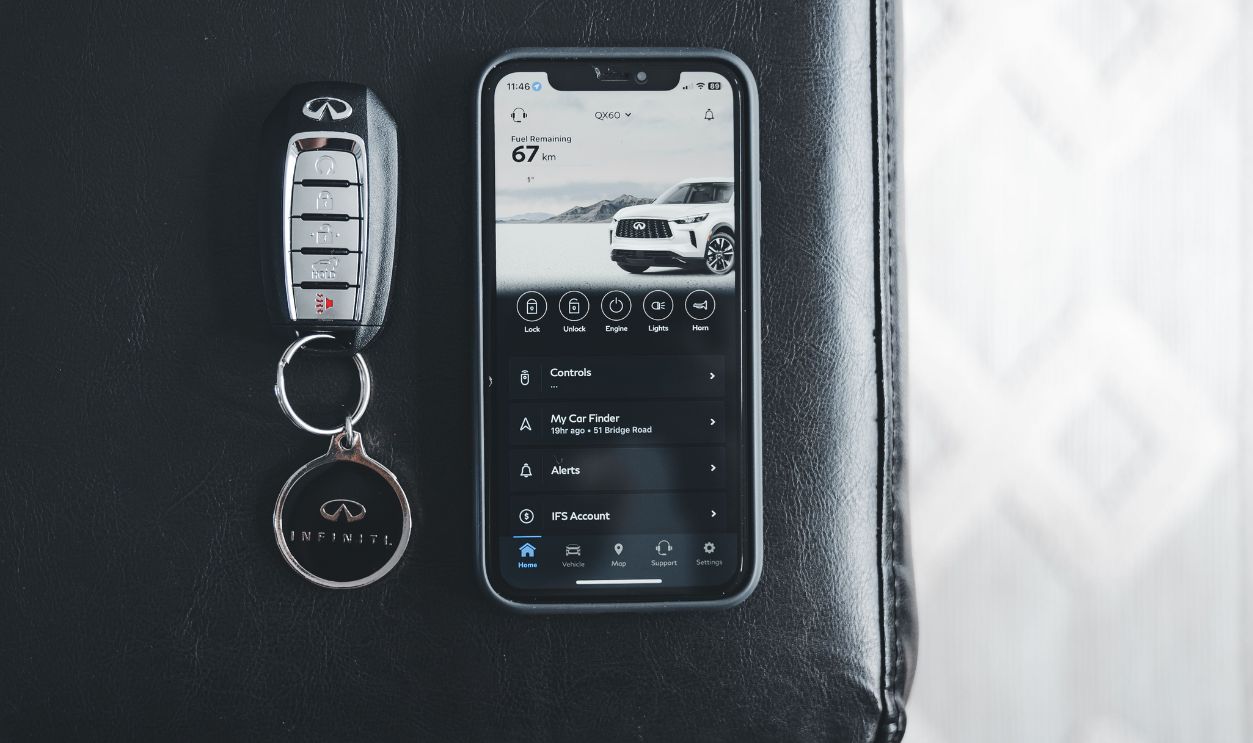
The most practical answer to digital-key frustration is redundancy. Keep the physical fob, key card, or other manufacturer-approved backup somewhere accessible rather than assuming your smartphone will work forever. Ford even recommends configuring a backup start passcode on vehicles equipped with Phone as a Key.
 Bence Balla-Schottner, Unsplash
Do Not Leave The Only Backup Locked Inside
A backup card stored permanently in the glove box is not much help when the phone refuses to unlock the doors. The exact strategy depends on the vehicle, but at least one independent access method should be available outside the locked car. Digital convenience becomes far less stressful when failure does not strand you.
Test The New Phone Before Retiring The Old One
Pair the replacement device while the previous phone and physical key are still available. Verify passive unlocking, locking, vehicle starting, NFC fallback if supported, and any digital-key sharing you rely on. Only erase or trade in the previous phone after the new device has successfully handled the full routine.
Digital Keys Are Useful, But They Need A Plan B
The technology is not becoming worthless simply because phone upgrades can be awkward. Standardized digital keys offer strong security, easy sharing, revocation, hands-free entry, and even limited low-battery operation that a traditional fob cannot match. The mistake is treating the phone as the only key rather than one particularly capable key in a small set of backups.
 Potashev Aleksandr, Shutterstock
You May Also Like:
Mechanics Say They Hate It When Customers Do These Things—So Don’t Do Them
Forgotten Sports Sedans That Deserve More Respect Than They Get
Classic Cars That Were Found In Barns, Then Set Auction Records