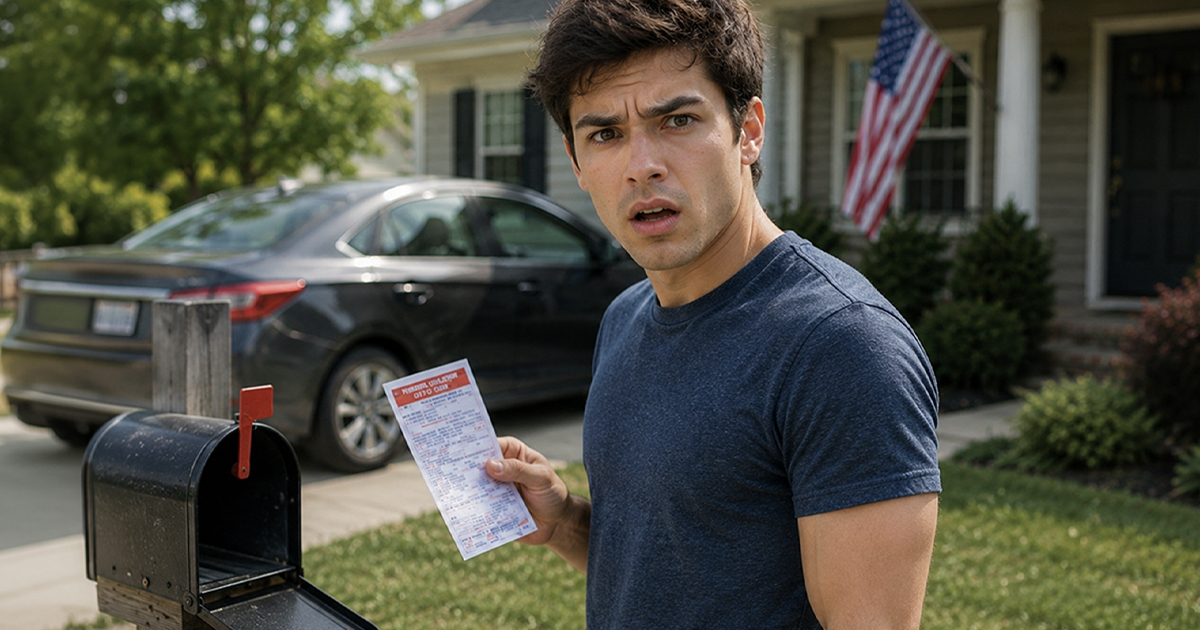
That Camera Flash Might Not Be The End Of The Story
You’re driving along, minding your business, maybe singing badly to the radio, when suddenly a camera flashes like you just walked a red carpet. Weeks later, a speeding ticket shows up in the mail. But here’s the twist: the warning sign for the traffic camera was completely hidden. So…can you actually fight it?
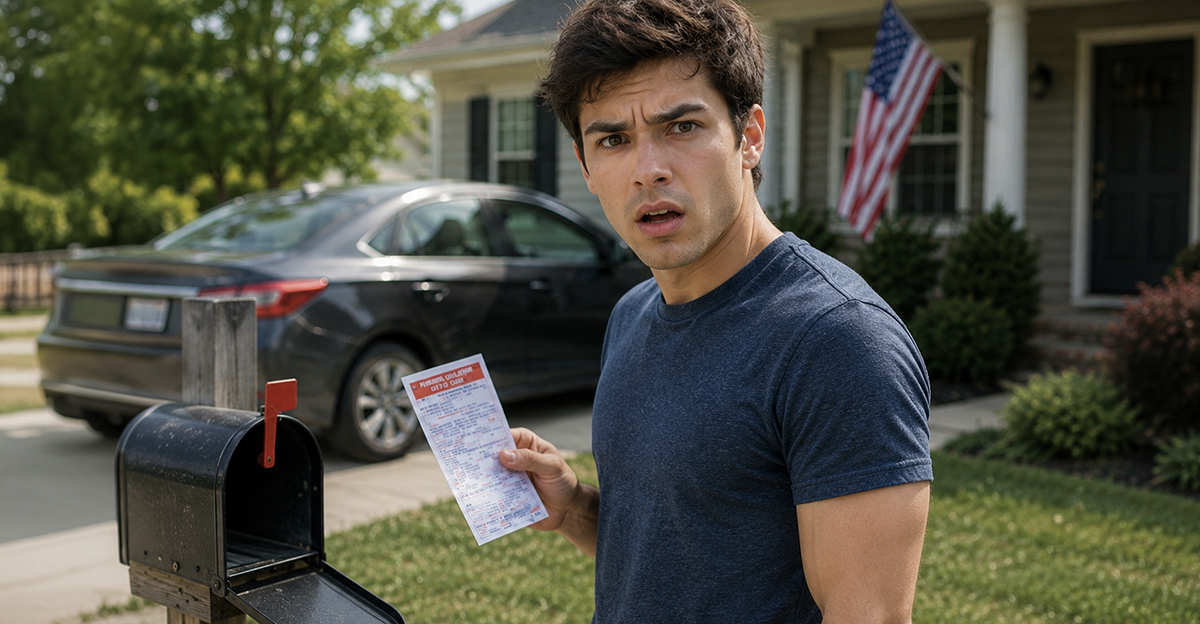
Traffic Cameras Are Everywhere Now
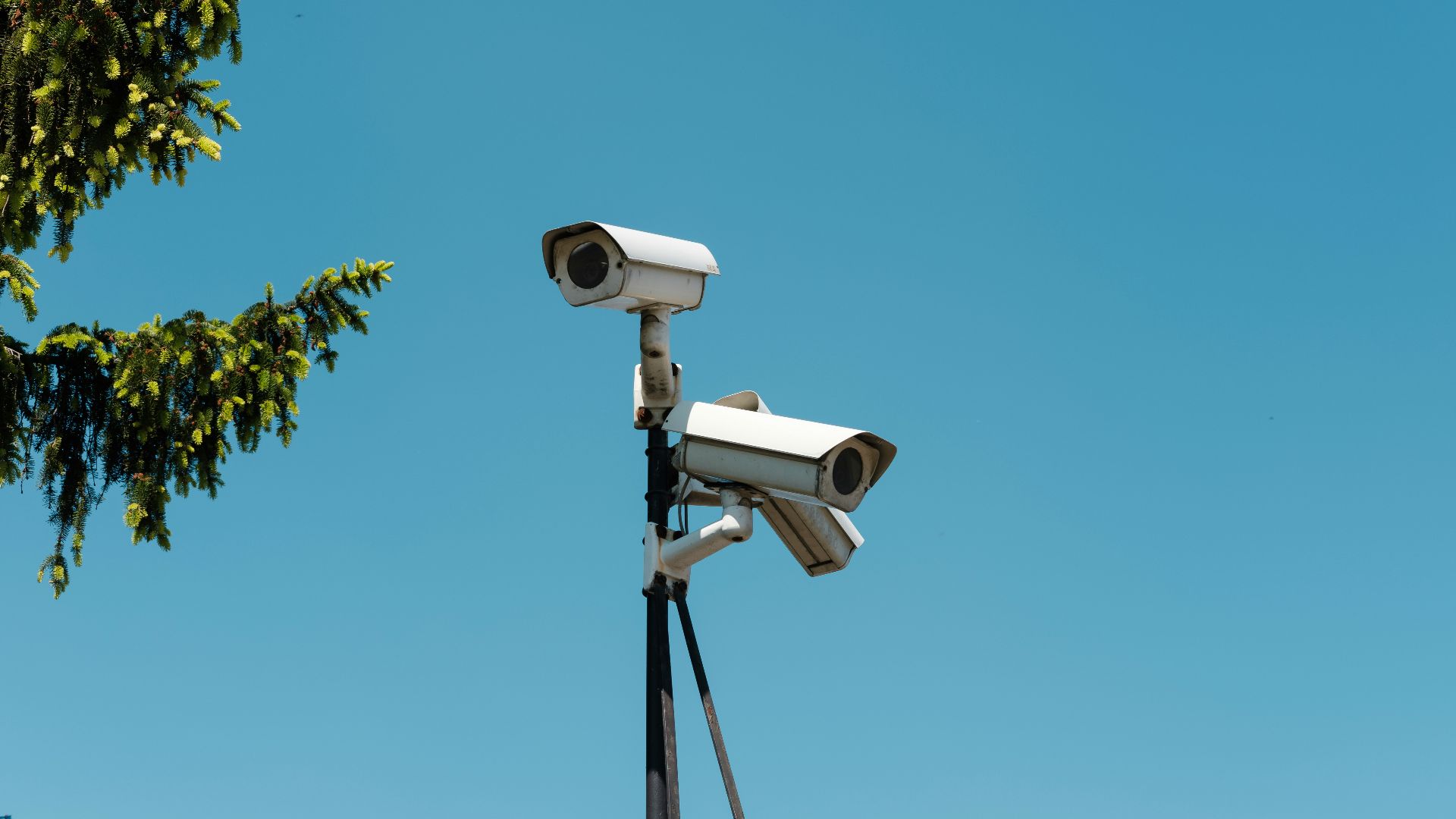
Traffic cameras have become incredibly common in many cities. Local governments use them to catch speeding, red-light violations, and dangerous driving without needing officers stationed everywhere.
The problem is that not every camera setup is perfectly maintained. Sometimes signs get blocked, damaged, or hidden by trees and construction equipment.
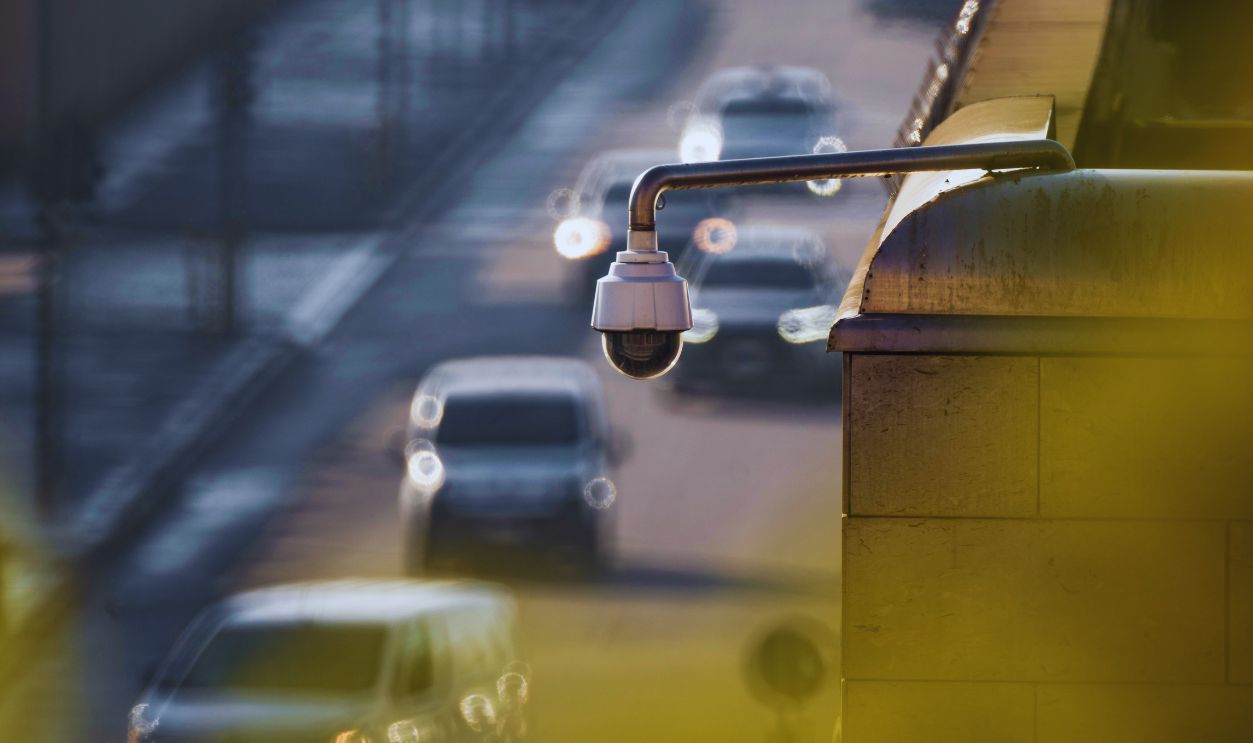
Warning Signs Usually Matter
In many areas, traffic camera laws require warning signs before drivers enter monitored zones. These signs are supposed to notify drivers that automated enforcement is being used.
If the sign is missing or impossible to see, that can sometimes become an important detail when fighting the ticket.
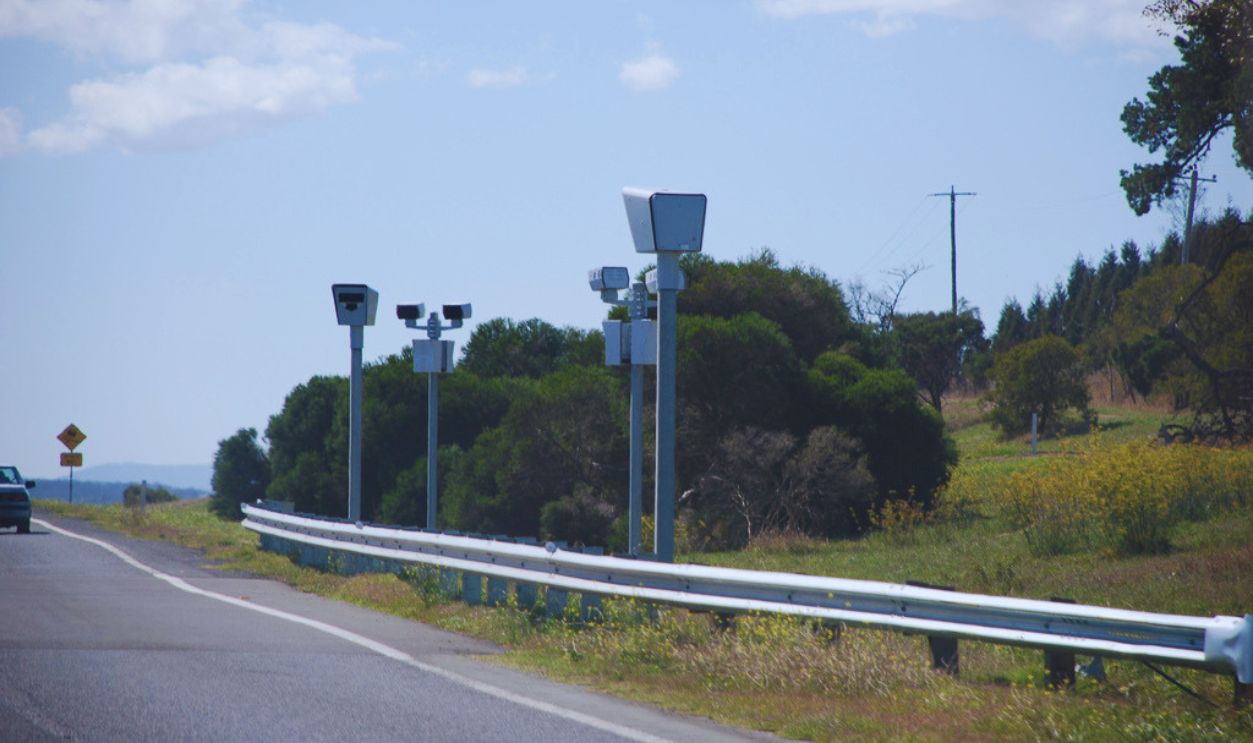
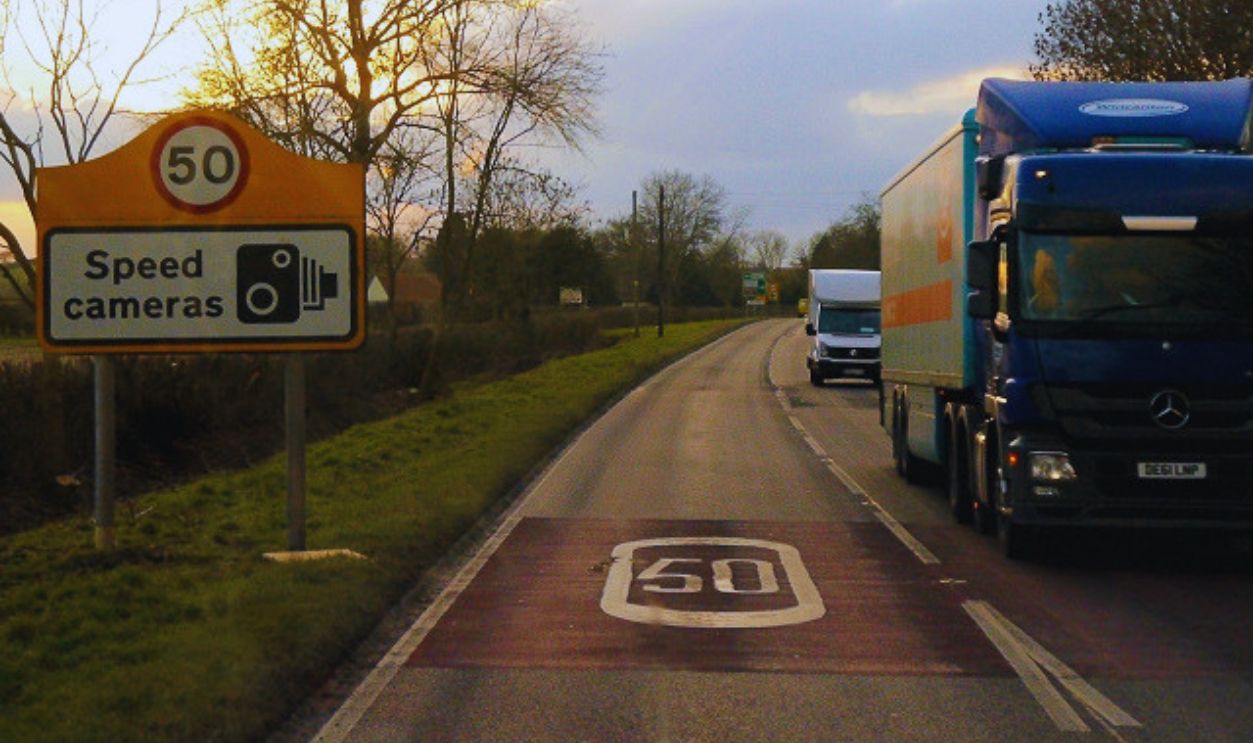 Speed camera Warning, A46 near Beckford by David Dixon, Wikimedia Commons
Not Every State Has The Same Rules
This is where things get complicated quickly. Traffic camera laws vary wildly depending on the state, province, or city where the ticket happened.
Some places require highly visible signs. Others only require cameras to exist legally somewhere within the area. Local law matters a lot here.
Your Mom Might Actually Be Right
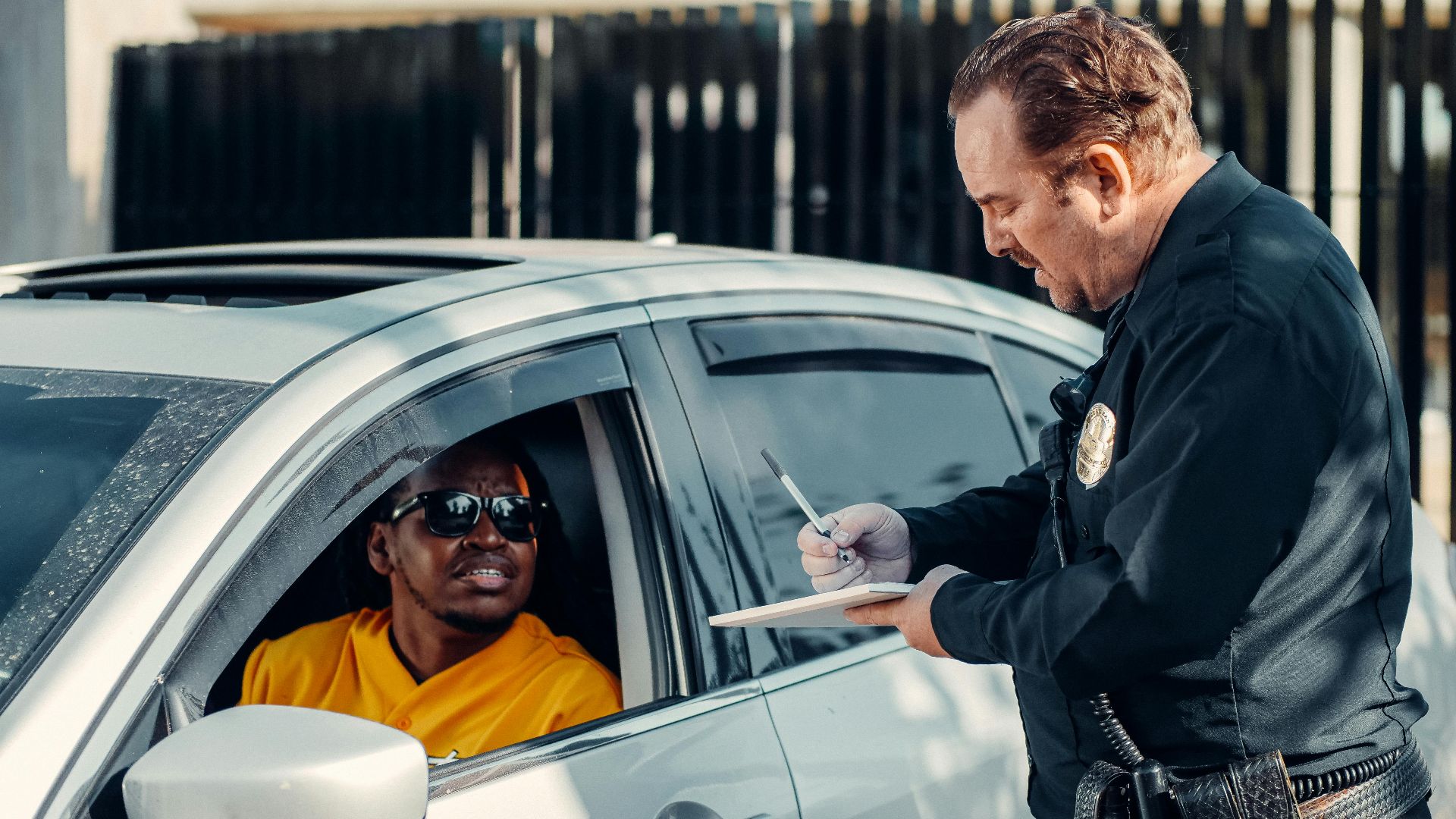
Believe it or not, people successfully challenge traffic camera tickets more often than many drivers realize. Hidden signage has become one of the more common arguments in some cases.
That doesn’t mean the ticket automatically disappears. But it may give you something worth investigating before paying immediately.
The Camera Itself Usually Isn’t The Problem
Most challenges don’t focus on the camera existing at all. Instead, drivers often question whether the city followed proper legal procedures when setting up the enforcement area.
Hidden or obstructed signs can sometimes suggest those procedures weren’t properly followed.
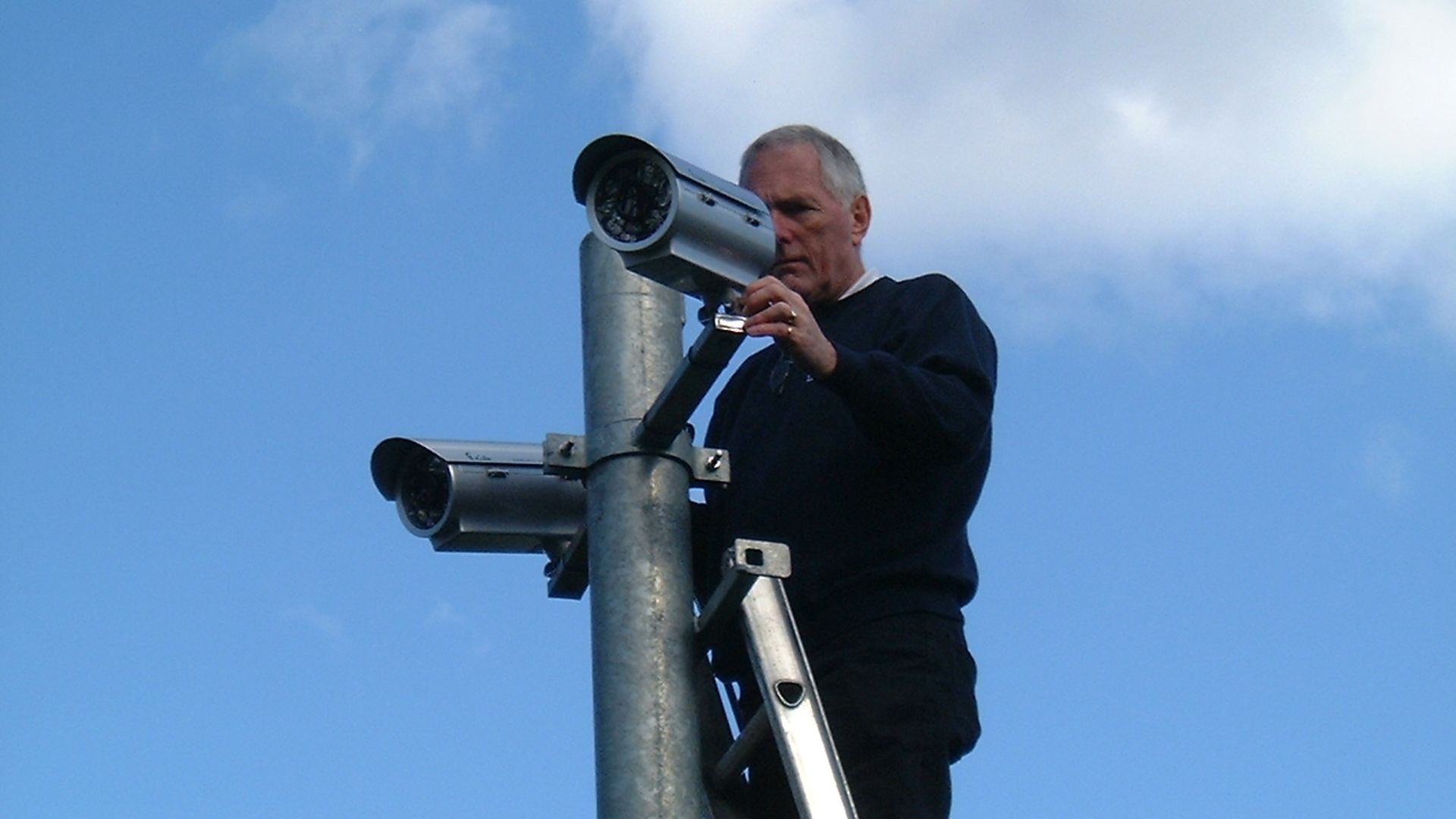 Tekno electro solutions pvt ltd, Wikimedia Commons
Photos Become Extremely Important
If you think the sign was hidden, your first step is gathering evidence quickly. Go back to the location and take clear photos from the driver’s perspective.
Don’t just photograph the sign itself. Show how difficult it actually was to see while driving normally on the road.

Trees Cause More Problems Than You’d Think
One of the most common issues is overgrown trees or bushes blocking warning signs. Cities don’t always maintain roadside vegetation consistently.
A sign technically existing doesn’t help much if it’s buried behind enough leaves to hide a small dinosaur.
Construction Zones Create Confusion Too
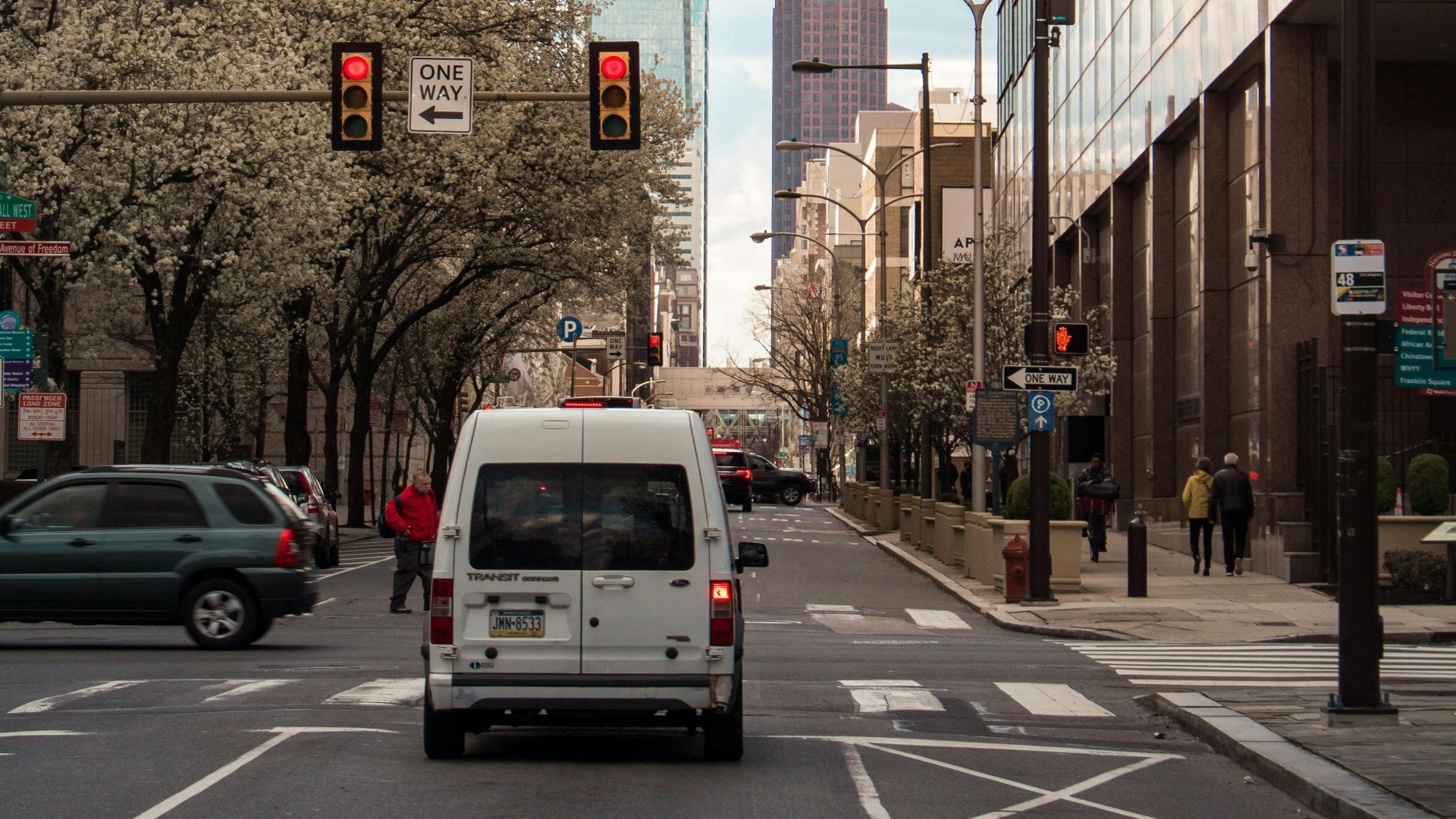
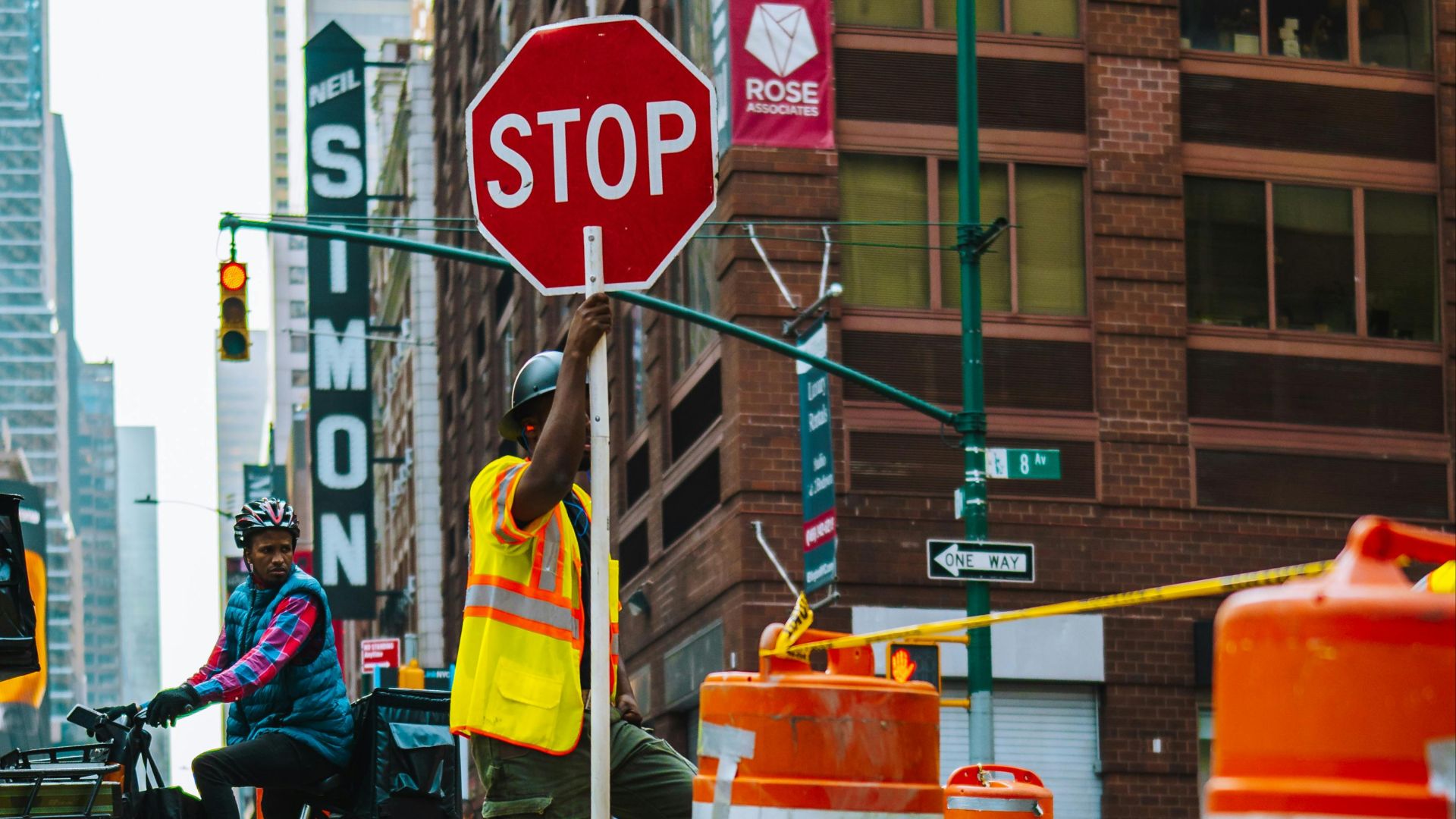
Temporary road work sometimes blocks traffic camera signs without anyone realizing it. Orange barriers, equipment, and detour signs can accidentally hide important warnings.
In some cases, drivers later use construction photos as part of their challenge against the ticket.
Timing Matters When Gathering Evidence
This part is important: take photos as soon as possible. Cities may trim trees, move barriers, or repair signs later, making it harder to prove what conditions looked like during the violation.
The longer you wait, the weaker your evidence may become.

Check The Exact Ticket Details
Many camera tickets include information about the location, speed, date, and enforcement zone. Review everything carefully for mistakes or inconsistencies.
Sometimes tickets contain incorrect details that strengthen a challenge even before the sign issue gets discussed.

Some Drivers Request Camera Records
Depending on local laws, drivers may sometimes request maintenance records, calibration reports, or enforcement documentation related to the traffic camera.
If equipment wasn’t properly maintained, that can occasionally become part of a broader defense strategy.

Calibration Issues Occasionally Happen
Traffic cameras aren’t magical devices that work perfectly forever. They require maintenance and testing to ensure accuracy.
While calibration defenses don’t always succeed, some drivers still investigate whether the equipment was functioning properly at the time of the ticket.
Courts Usually Want Evidence, Not Anger
Showing up furious and yelling about “government traps” rarely works well in court. Judges usually respond much better to organized evidence and calm explanations.
Clear photos, timelines, and documentation often matter far more than emotional frustration.

Online Photos Can Sometimes Help
Believe it or not, Google Street View occasionally becomes useful in traffic camera disputes. Older street images may show how signs were positioned around the time of the violation.
It’s not perfect evidence, but it can sometimes support your argument.

Some Cities Dismiss Tickets Quickly
In certain areas, cities may dismiss tickets if drivers provide convincing evidence that signage was hidden or obstructed.
Other cities fight these cases aggressively. The outcome often depends on local laws and how strong your documentation is.
 LinkedIn Sales Solutions, Unsplash
Paying The Ticket Usually Ends The Fight
This surprises some people. In many places, paying the ticket is treated as admitting responsibility, even if you later realize the sign was hidden.
That’s why drivers often research their options before immediately paying online.

Traffic Camera Tickets Usually Don’t Mean Jail
The good news is that camera tickets are often treated differently than officer-issued moving violations. Some don’t add points to your license at all.
But they can still become expensive, especially if ignored completely.

Ignoring The Ticket Can Backfire
Some drivers assume camera tickets aren’t enforceable and toss them aside like junk mail. That can become a costly mistake.
Depending on local rules, unpaid tickets may trigger late fees, collections, registration problems, or court actions later.

Lawyers Sometimes Handle These Cases
For expensive fines or repeat violations, some people hire traffic attorneys. Lawyers familiar with local traffic camera laws may spot defenses drivers miss completely.
Of course, hiring legal help also costs money, so people usually weigh the fine against the legal fees first.

Sometimes The Sign Was Technically Visible
Here’s the frustrating reality: a sign doesn’t always need to be perfectly visible to every driver for the ticket to hold up legally.
If the city can show the sign was reasonably present, courts may still side with enforcement officials.
But Hidden Signs Still Matter
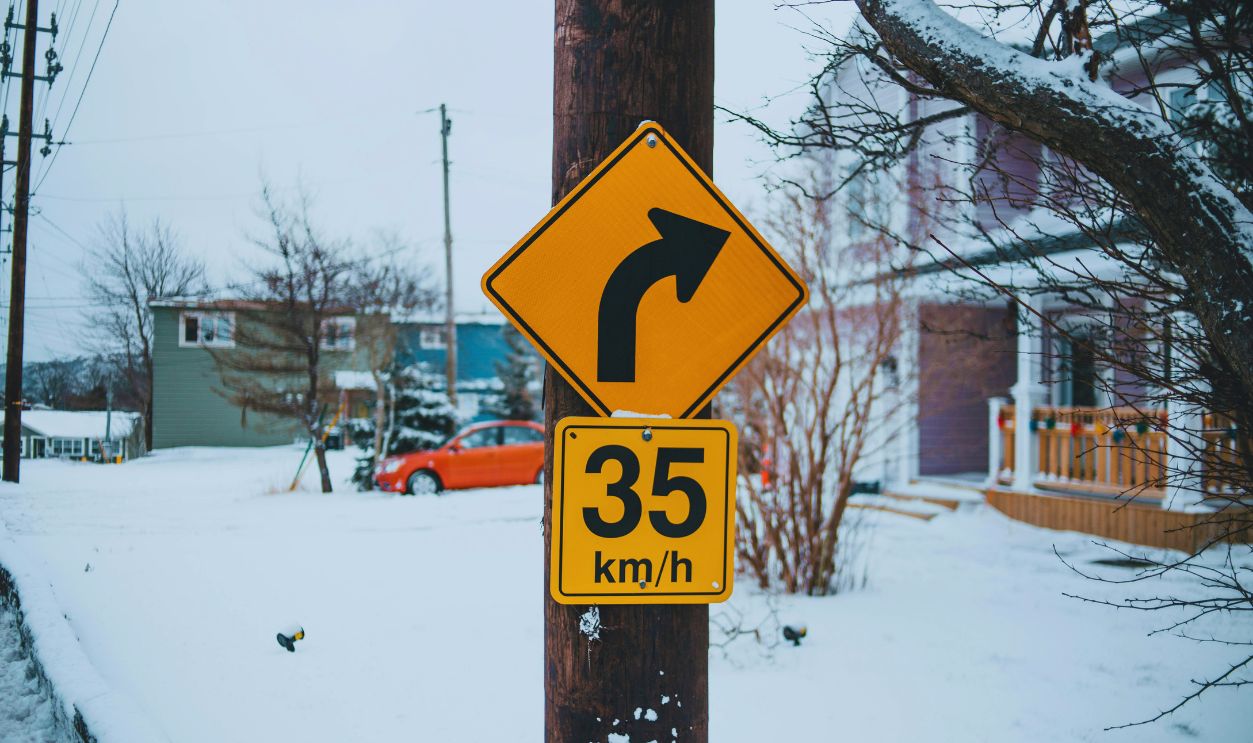
Completely blocked signs are harder for cities to defend. If a driver genuinely had no reasonable chance to see the warning, some judges may view the enforcement as unfair.
That’s especially true if multiple drivers complained about the same location.

Local Laws Can Completely Change The Outcome
This is the part many people overlook. Some states heavily regulate traffic cameras, while others give cities broad enforcement powers.
The exact same hidden-sign argument might succeed in one city and fail completely in another.

So…Can You Actually Fight The Ticket?
Yes, sometimes you absolutely can. If the warning sign was genuinely hidden, blocked, or impossible to see, you may have a reasonable argument depending on local traffic camera laws.
The key is evidence. Photos, timing, and understanding your local rules matter far more than simply saying, “I didn’t see the sign.” Your Mom may not always be right—but this time, she might actually have a point.

You May Also Like: