It Sounds Permanent.
In reality, automakers use very different transmission-fluid schedules, and some explicitly shorten those intervals when vehicles tow, climb mountains, run hot, or spend their lives in severe service. Your mechanic may have a point, but the smartest answer starts with your exact transmission, factory schedule, driving conditions, and the transmission maker’s own recommendations.
“Lifetime” Does Not Mean The Fluid Is Immortal
Transmission fluid works in an environment filled with heat, friction, pressure, and moving components. Even ZF, one of the world’s largest transmission manufacturers, describes many of its automatic transmissions as factory-filled with lifetime oil while also recommending regular oil changes under demanding conditions. The word therefore does not mean that fluid chemistry somehow stops aging.
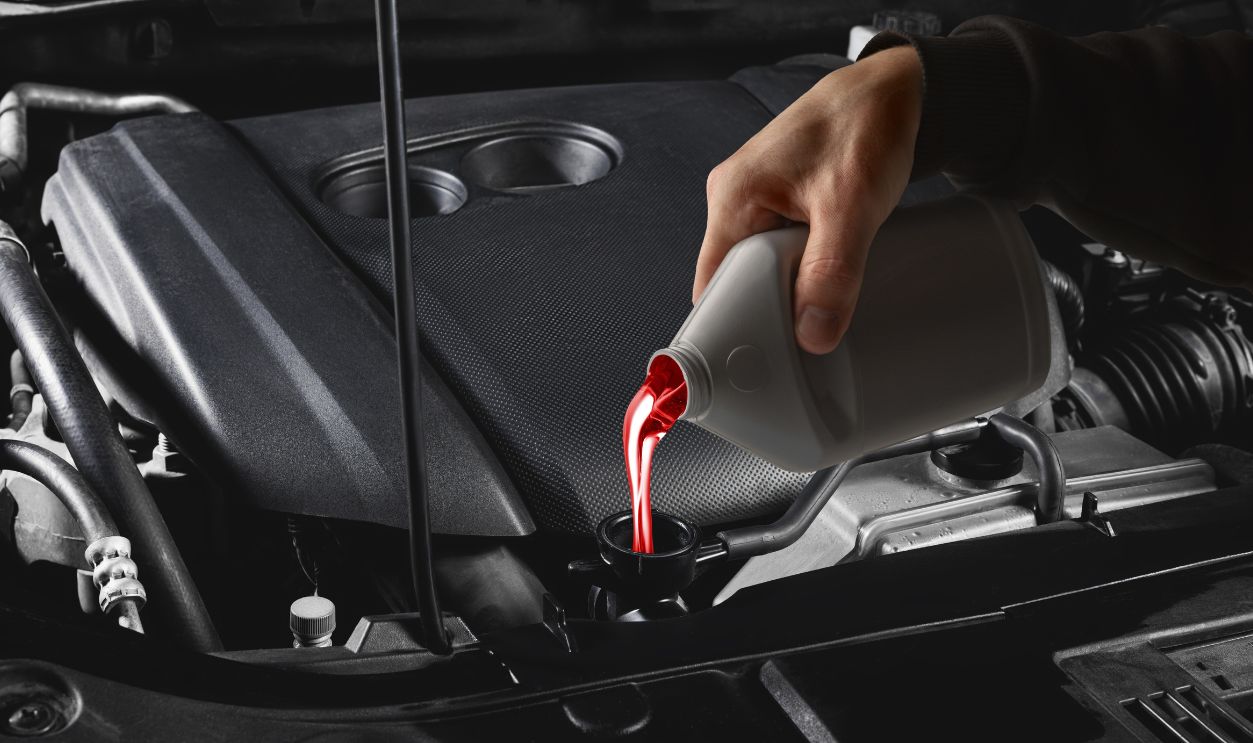
Sometimes It Means No Scheduled Change
BMW provides a particularly clear example of how the term is used. Technical material for several BMW transmissions describes a “lifetime oil filling” and says routine fluid changes are not scheduled at certain normal service points. That is very different from promising that the fluid will remain chemically unchanged forever.
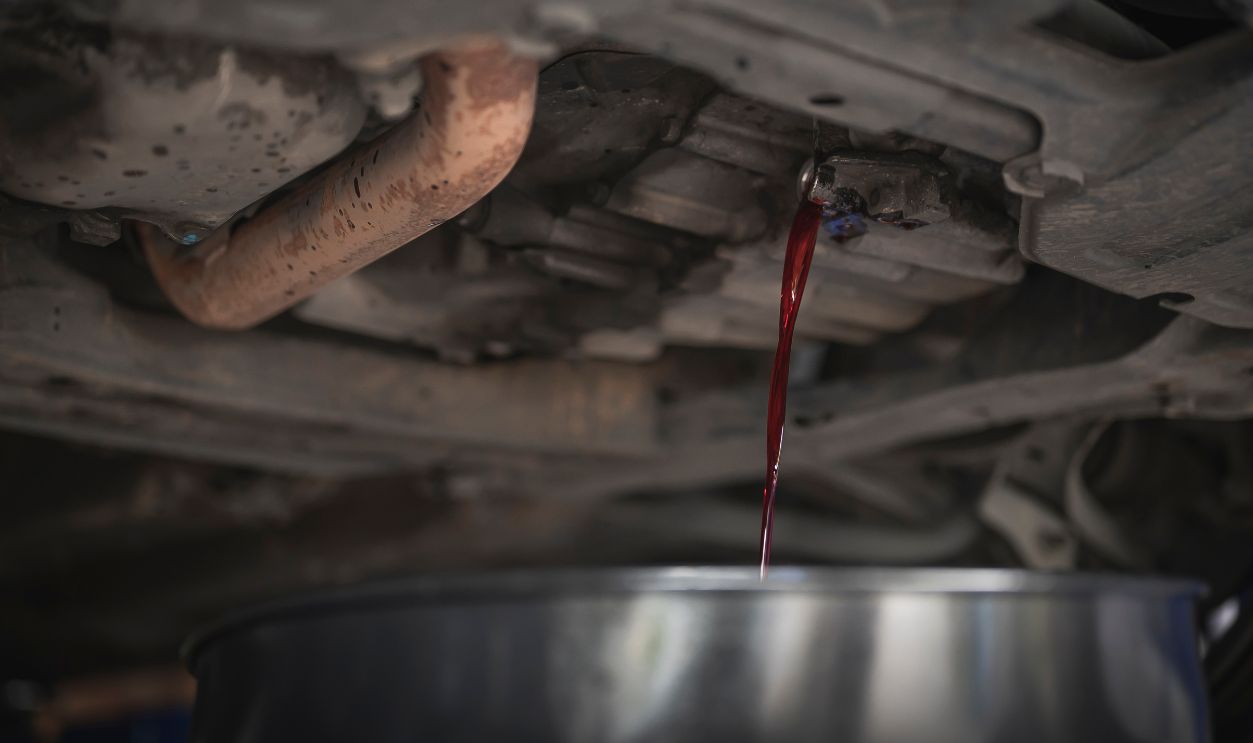
The Transmission Manufacturer May Be More Cautious
ZF supplies transmissions to numerous automakers and says its units are generally filled with lifetime oil. Yet ZF Aftermarket recommends regular oil changes, particularly when the transmission experiences high temperatures, heavy loads, or an uncertain previous service history. That difference helps explain why an independent transmission specialist may recommend maintenance that is absent from your carmaker’s normal schedule.
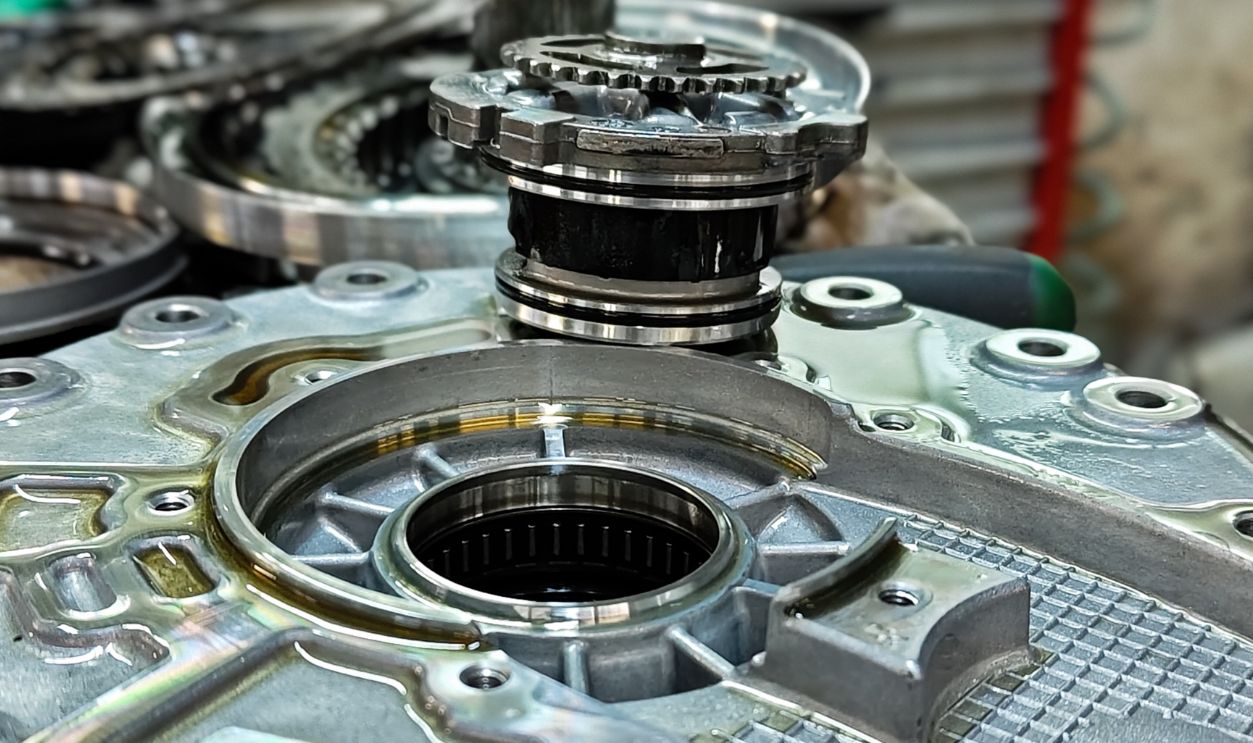
Your Mechanic Is Not Necessarily Contradicting The Manual
A factory maintenance chart describes what the manufacturer prescribes for a particular vehicle and operating category. A mechanic looking at an older, high-mileage car may be considering age, use, symptoms, and future ownership plans that a generic schedule cannot fully capture. Those two viewpoints can produce different recommendations without either side automatically being dishonest.

Automakers Already Admit Driving Conditions Matter
Severe-service schedules exist precisely because one interval cannot suit every vehicle. Ford, Honda, Toyota, Subaru, and Mazda all publish maintenance guidance that changes under specific demanding operating conditions. The disagreement often comes down to whether your driving really qualifies as normal.

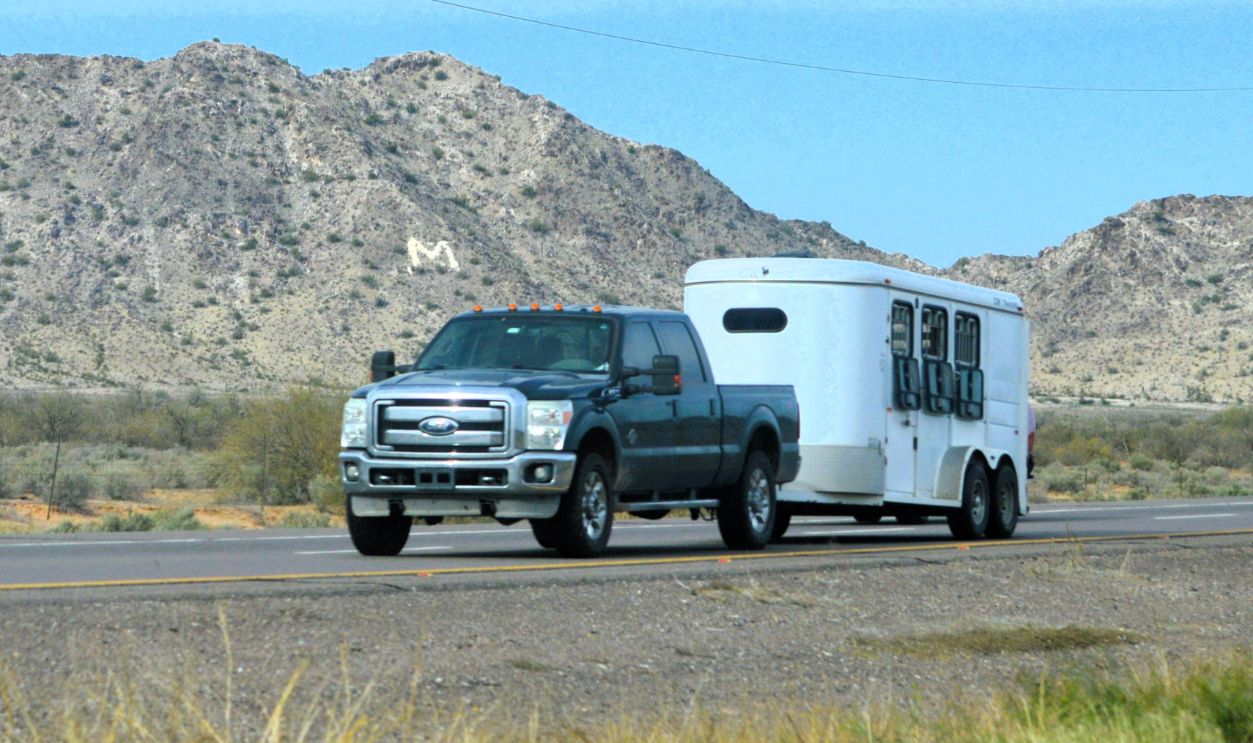
Towing Can Dramatically Shorten The Interval
Some Ford schedules call for automatic transmission fluid changes every 30,000 miles when the vehicle regularly tows a trailer or carries certain heavy loads. That is dramatically shorter than the 150,000-mile normal-service interval listed for some Ford vehicles. The fluid did not suddenly become different simply because a trailer was attached. The operating stress changed.
 Around the World Photos, Shutterstock
Heat Is The Enemy Behind Many Severe Schedules
Transmissions generate additional heat when they work hard. Honda specifically says sustained low-speed mountain driving increases transmission temperatures enough to require more frequent fluid replacement. ZF likewise singles out high temperatures and loads when recommending regular oil changes.

Honda Can Call For 25,000-Mile Changes
Honda’s Maintenance Minder normally determines when transmission fluid service is due on many models. However, Honda says vehicles regularly driven in mountainous areas at very low speeds should have the transmission fluid changed every 25,000 miles. That is a remarkably short interval compared with the impression created by modern extended-maintenance schedules.

Subaru Makes A Similar Exception
Subaru’s current hybrid maintenance material calls for CVT fluid replacement every 24,855 miles, or 40,000 kilometers, when the vehicle is frequently operated under specified severe conditions. Under ordinary schedules, Subaru may call only for periodic CVT-fluid inspection. The difference again shows how misleading one universal “lifetime” rule would be.

Toyota Also Changes The Rules Under Hard Use
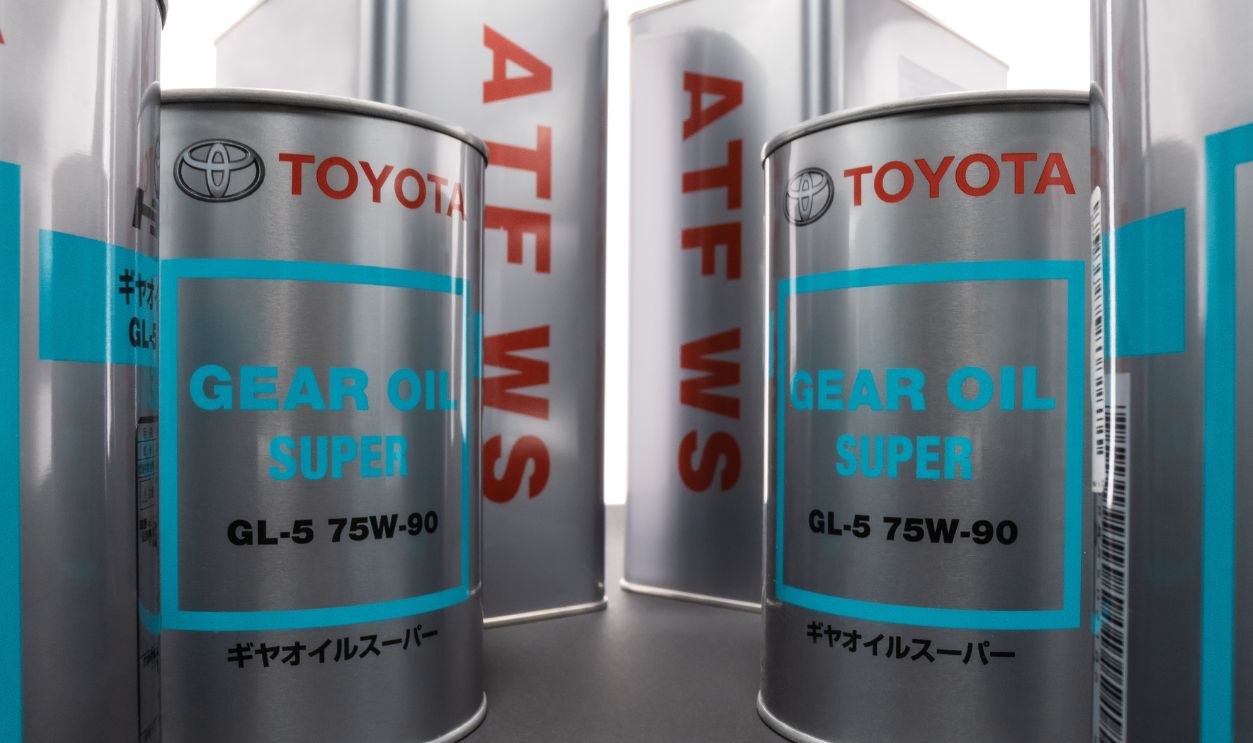
Toyota maintenance guides can list automatic transmission fluid replacement specifically under special operating conditions. The 2025 Crown maintenance guide, for example, calls for replacement at 60,000 miles under applicable special-use categories. Toyota otherwise treats its sealed transmission differently during normal service.
“Sealed” Does Not Mean Untouchable
Modern transmissions are often described as sealed because owners are no longer expected to check fluid with a traditional dipstick. Toyota’s maintenance material still instructs technicians to inspect sealed transmissions for signs of leakage. A sealed unit can therefore still be serviced or repaired when manufacturer procedures call for it.
Removing The Dipstick Changed Owner Perception
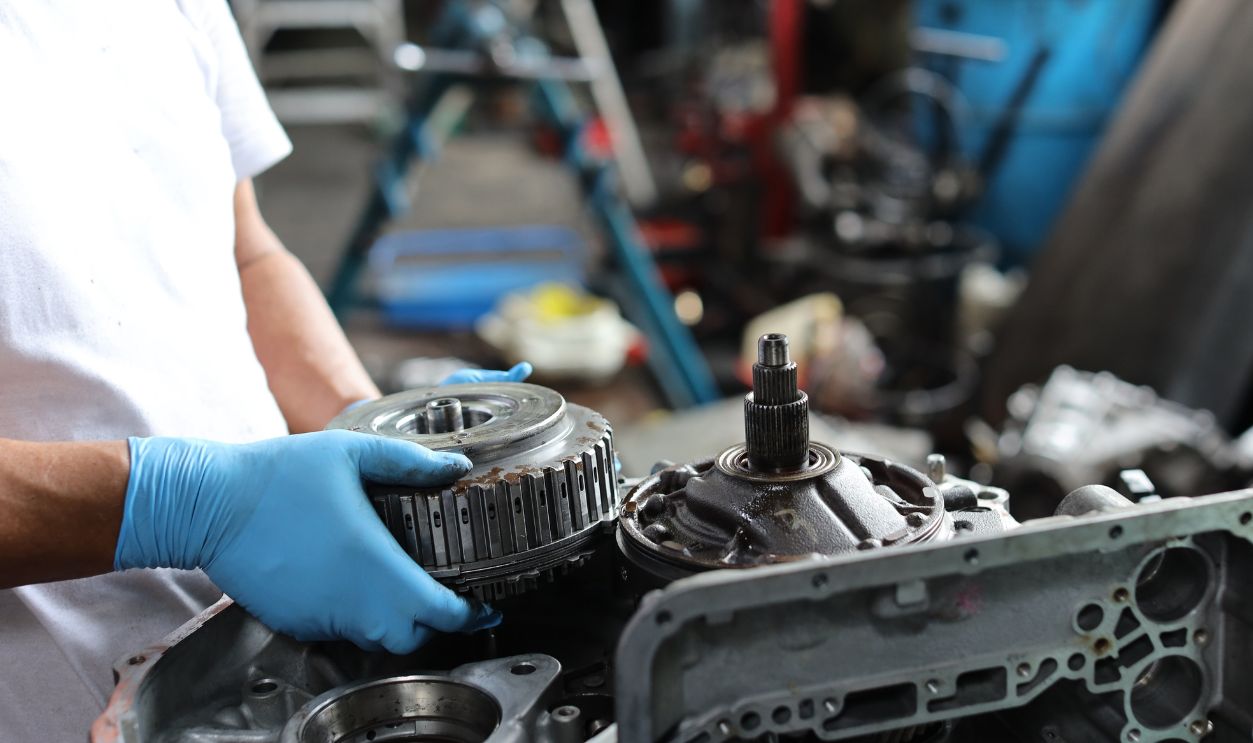
Older cars often encouraged owners to check automatic transmission fluid themselves. Many newer designs require specific fluid temperatures, fill procedures, diagnostic equipment, or access from underneath the vehicle. That complexity can make fluid seem maintenance-free even when professional servicing remains possible.

Ford Shows How Long Normal Intervals Became
Some Ford maintenance schedules list automatic transmission fluid replacement at 150,000 miles under normal conditions. That is far beyond the intervals many drivers remember from older vehicles. The same manufacturer can then specify far shorter replacement periods under severe operation.
Long Intervals Are Not Automatically Bad Engineering
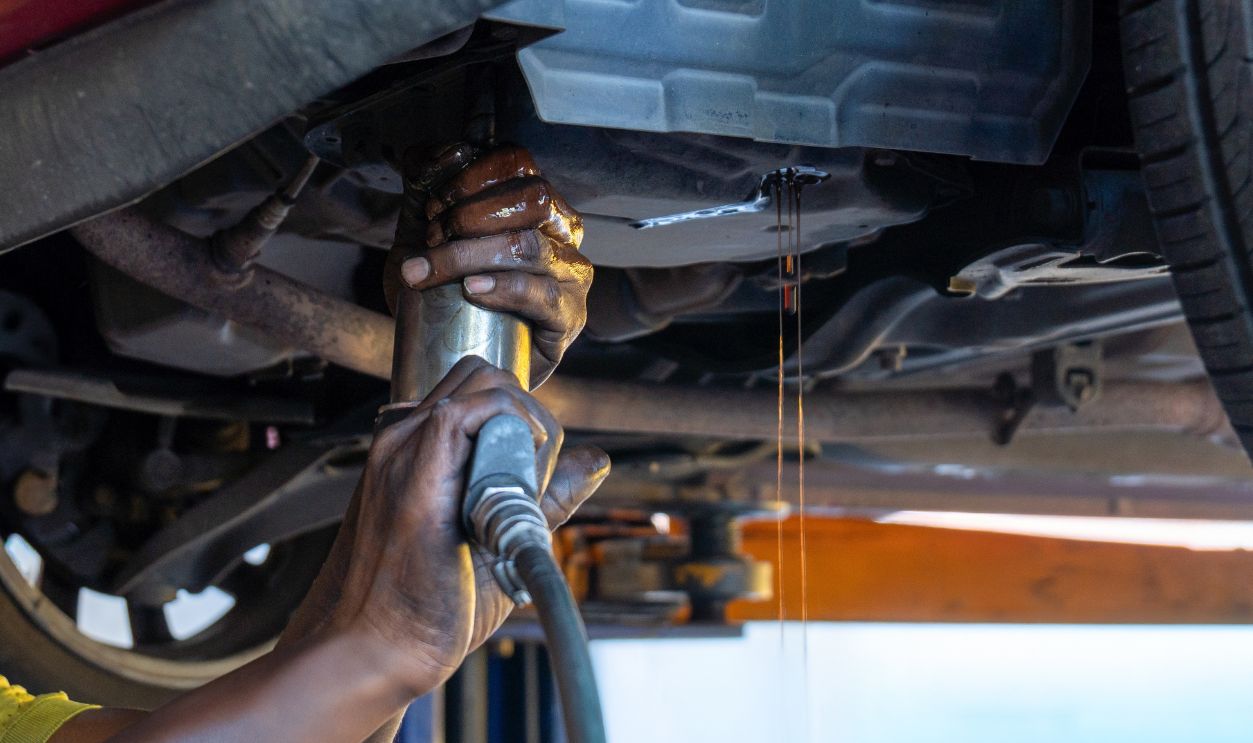
A long factory interval does not prove that an automaker is trying to shorten the life of the transmission. Modern fluids, cooling systems, controls, manufacturing tolerances, and transmission designs have improved substantially. Engineers can legitimately specify much longer service periods than were common decades ago.

But “Normal” Driving Can Be Hard To Define
Manufacturers describe severe use differently. Examples can include towing, extensive low-speed operation, repeated short trips, mountain driving, extreme temperatures, dusty roads, and commercial use. A driver may think of a daily commute as gentle while the maintenance schedule categorizes parts of it as severe.

Stop-And-Go Use Can Raise The Workload
Low-speed driving can create conditions very different from steady highway cruising. Ford lists extensive idling and low-speed commercial driving among special operating conditions on some vehicles. Honda specifically identifies slow mountain use because of the additional transmission heat it generates.

Used Cars Add Another Complication
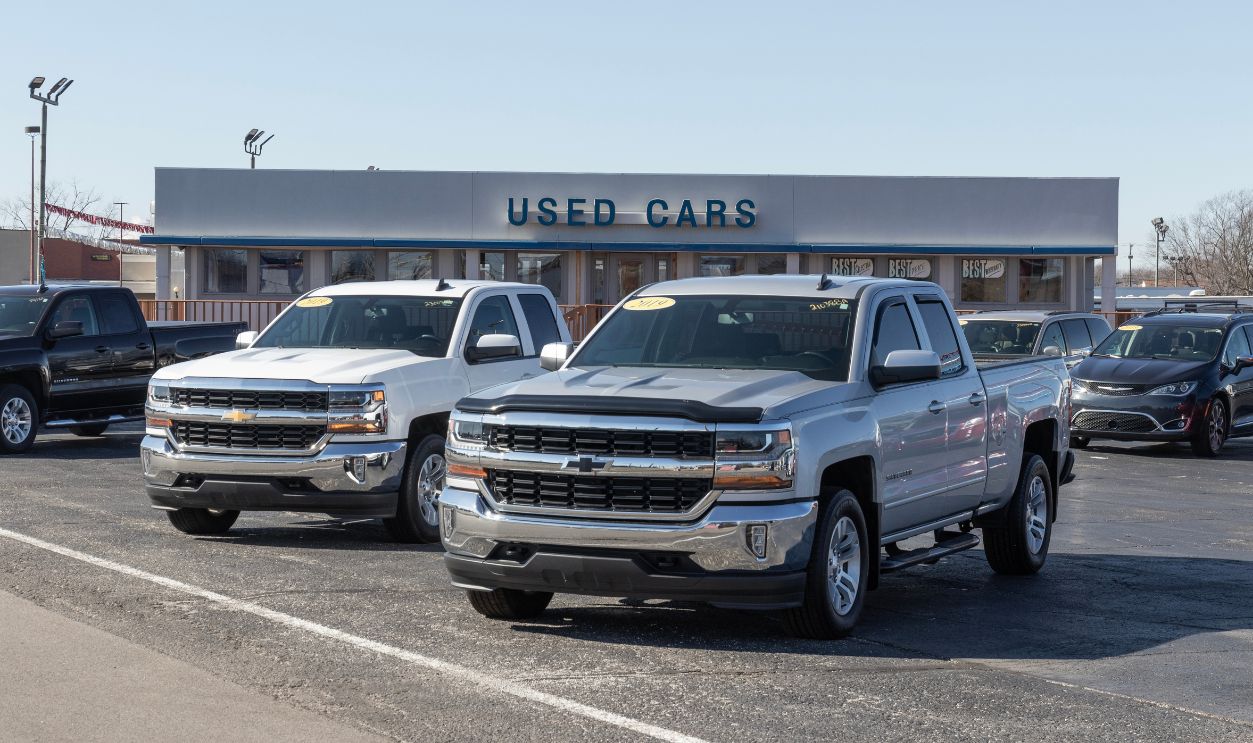
You may know how you treated the car for the last two years but have no idea what happened during the previous eight. ZF specifically recommends oil changes when a vehicle’s past usage is unknown. That makes preventive service more defensible on a used car with incomplete records than on a nearly new car with a documented history.
Mileage Is Only Part Of The Story
Two transmissions with 80,000 miles can have lived completely different lives. One may have spent most of that distance cruising gently on highways, while the other towed, climbed grades, idled in traffic, or worked in extreme heat. Maintenance decisions make more sense when operating conditions are considered alongside the odometer.

Fluid Has Several Jobs At Once
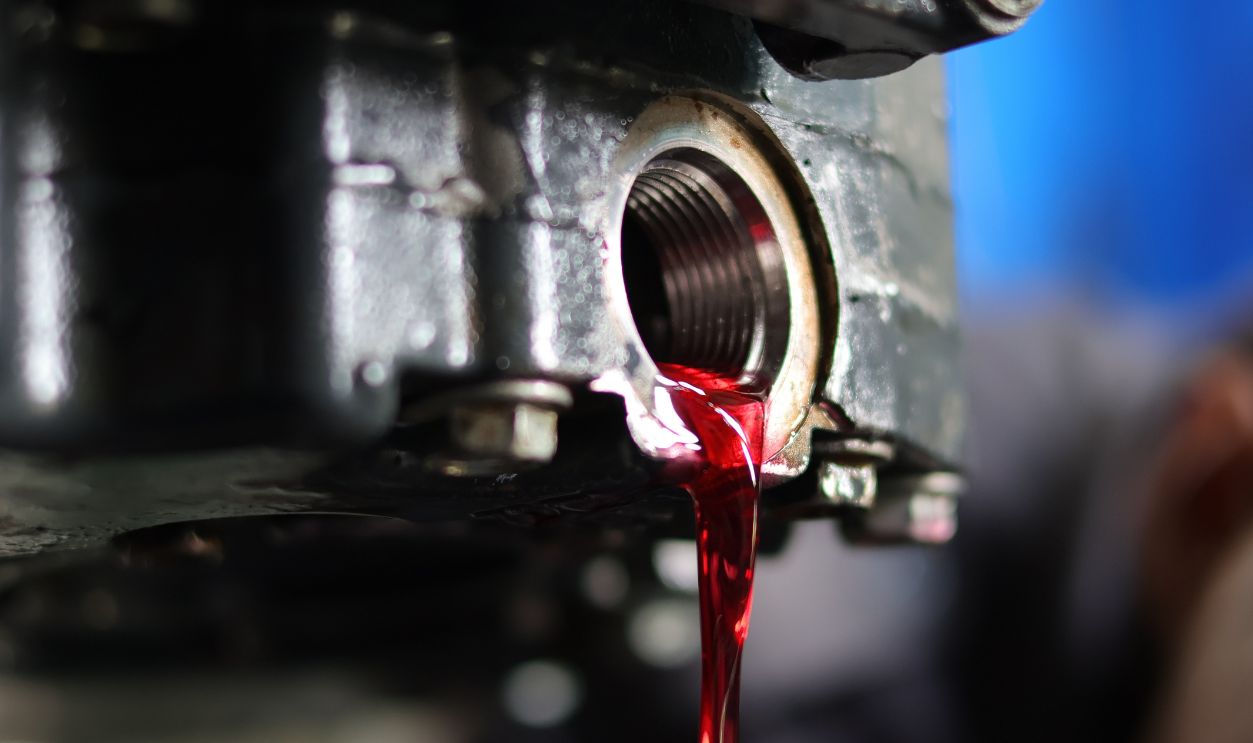
Automatic transmission fluid is not merely a lubricant. It also participates in hydraulic control, cooling, clutch operation, and power transfer in conventional automatic transmissions. Fluid condition can therefore influence more than simple metal-on-metal wear.
Shift Quality Depends On The Correct Fluid
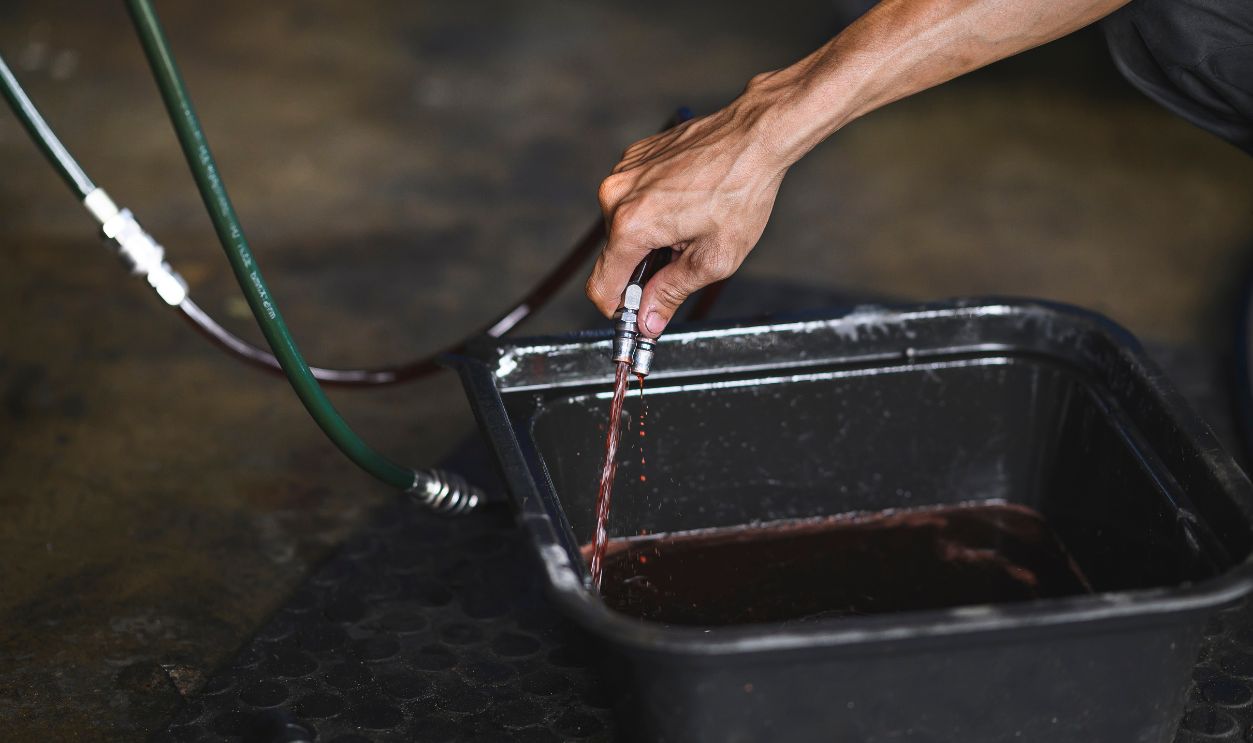
ZF says its transmission oils are engineered as part of the transmission system itself and emphasizes using the proper specification. It also says regular changes can help maintain expected shift characteristics, component protection, and driving comfort at higher mileage. Pouring in a generic fluid because it is cheaper can undermine the very maintenance you were trying to perform.
A CVT Is Not Just Another Automatic
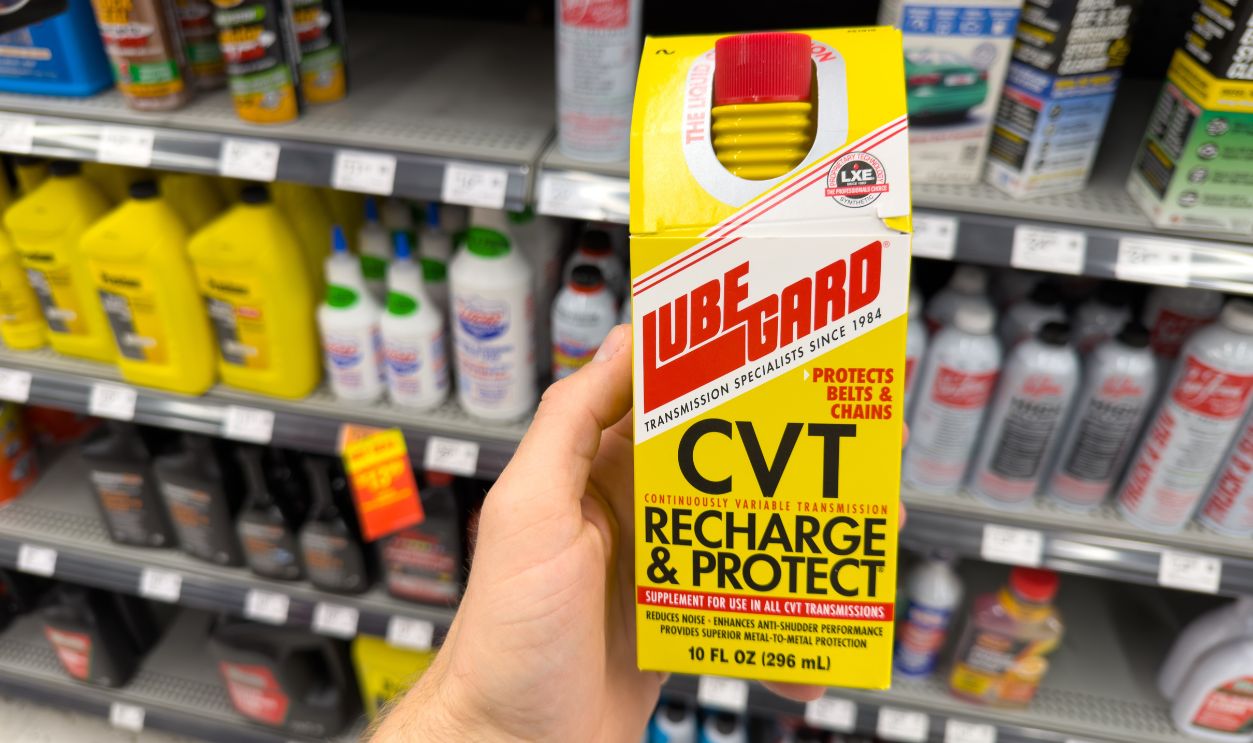
Continuously variable transmissions use different hardware and fluid requirements from conventional stepped automatics. Subaru separately identifies CVT fluid in its maintenance schedules, while Honda’s fluid-replacement requirements depend on the transmission installed. Service advice should therefore start with the exact transmission type rather than the badge on the trunk.
Dual-Clutch Transmissions Are Different Again
Dual-clutch transmissions use their own combinations of clutches, gears, hydraulics, and specialized lubricants. BMW technical material shows that some DCT applications are described as lifetime-fill units, while other manufacturers may publish scheduled fluid services for their designs. The phrase “automatic transmission” covers several very different mechanical systems.
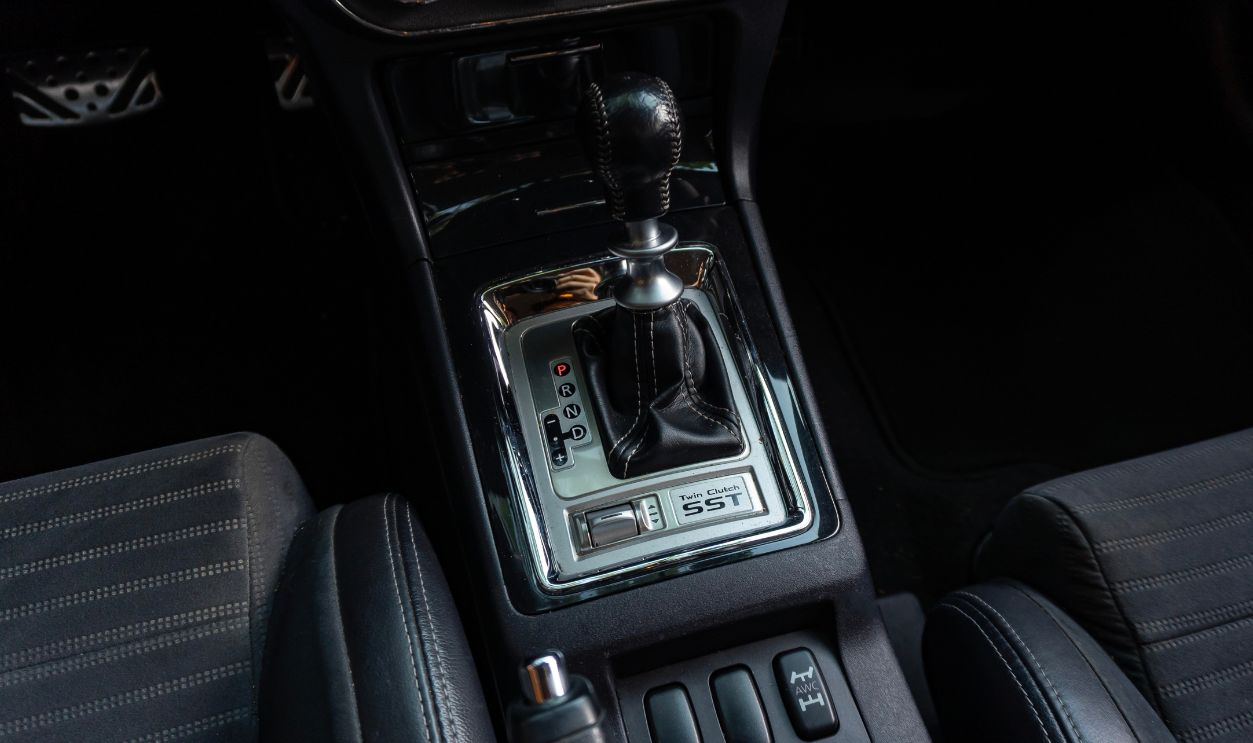
Do Not Confuse A Change With A Flush
Honda makes an important distinction between replacing transmission fluid and performing a transmission flush. American Honda says transmission flushing is generally unnecessary except in rare circumstances, while fluid replacement should follow the intervals specified for the vehicle. A mechanic recommending maintenance should tell you exactly which procedure is being proposed.
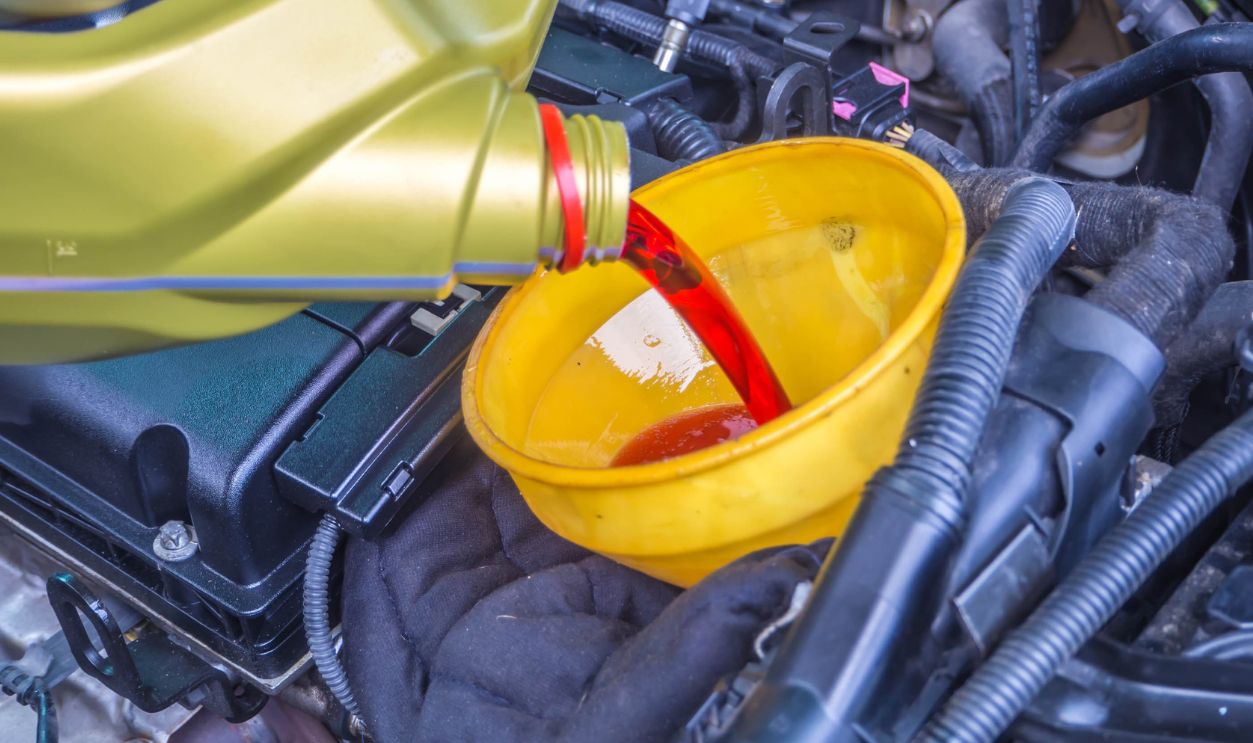
More Service Is Not Automatically Better
There is a temptation to assume that changing every fluid constantly must be safer. Honda explicitly pushes back on unnecessary maintenance procedures and says transmission fluid replacement should follow the specified intervals. Preventive maintenance should be based on engineering guidance and vehicle condition rather than fear.

The Wrong Procedure Can Create Problems
Modern transmissions can be sensitive to fluid level, specification, cleanliness, and temperature during servicing. BMW technical instructions stress extreme cleanliness whenever transmission oil circuits are opened. A poorly executed service can be worse than leaving properly functioning fluid alone.
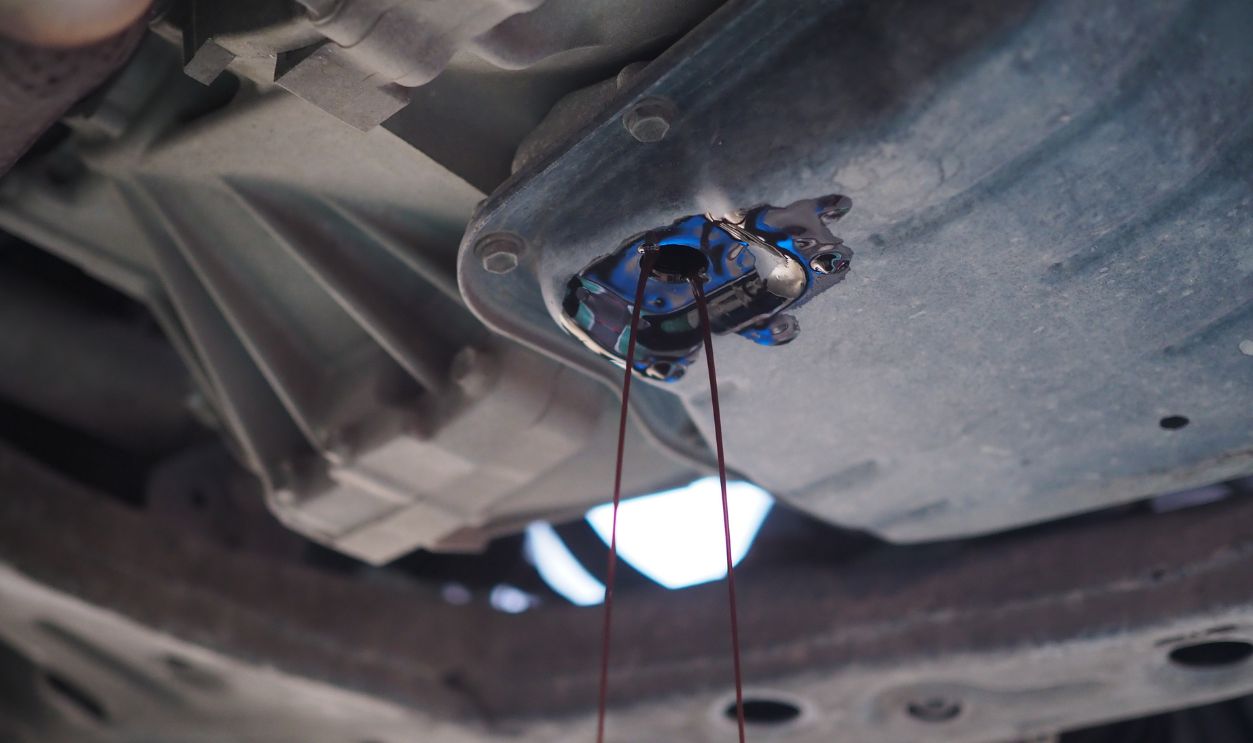
Ask Why Your Mechanic Recommends It
A good recommendation should be more specific than “all lifetime fluid is nonsense.” Ask whether the mechanic is responding to mileage, towing history, transmission temperature, fluid condition, manufacturer severe-service guidance, or experience with your particular transmission. The answer should tell you whether this is evidence-based maintenance or simply a blanket upsell.

Check The Exact Factory Schedule Yourself
Do not rely on a generic internet chart or what another owner says about a different model year. Toyota, Subaru, Honda, Ford, and Mazda all provide model-specific maintenance information through official owner resources. The exact transmission and drivetrain can change the required schedule even within the same model line.

Then Read The Severe-Service Section
The normal schedule is only half the story. Look for sections labeled special operating conditions, severe service, severe driving, towing, commercial use, or similar wording. That is where manufacturers often reveal substantially shorter fluid-change intervals.

Transmission-Maker Guidance Can Add Context
If your vehicle uses a transmission supplied by a company such as ZF, the transmission manufacturer’s published service guidance can be useful context. ZF openly says many transmissions have lifetime factory fills while still recommending periodic oil changes in demanding use or when vehicle history is unknown. That is a much more nuanced position than either “never change it” or “change it every 30,000 miles no matter what.”
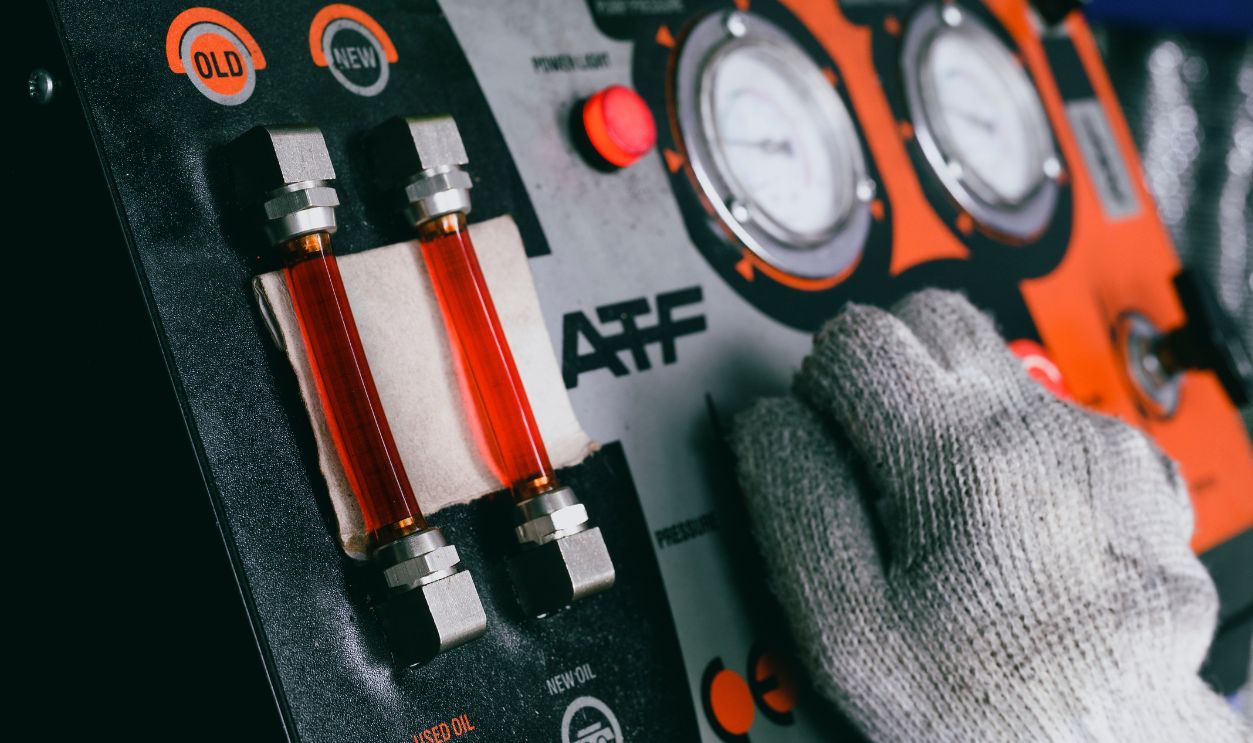
Symptoms Deserve Diagnosis, Not Just Fresh Fluid
Delayed engagement, slipping, harsh shifts, unusual noises, overheating warnings, or fault messages are reasons to investigate the transmission itself. Subaru, for example, warns that an illuminated transmission-oil-temperature light can indicate excessive fluid temperature, while a flashing light can indicate a control-system problem. Fresh fluid should not be used as a substitute for diagnosing an actual malfunction.

Preventive Service Is Easier Before Trouble Starts
A fluid change is maintenance, not a rebuild in a bottle. If a transmission already has serious mechanical damage, replacing its fluid cannot reverse worn clutches, damaged bearings, or failed electronic components. The strongest case for scheduled fluid replacement is preserving a healthy transmission rather than trying to rescue one that has already begun failing.
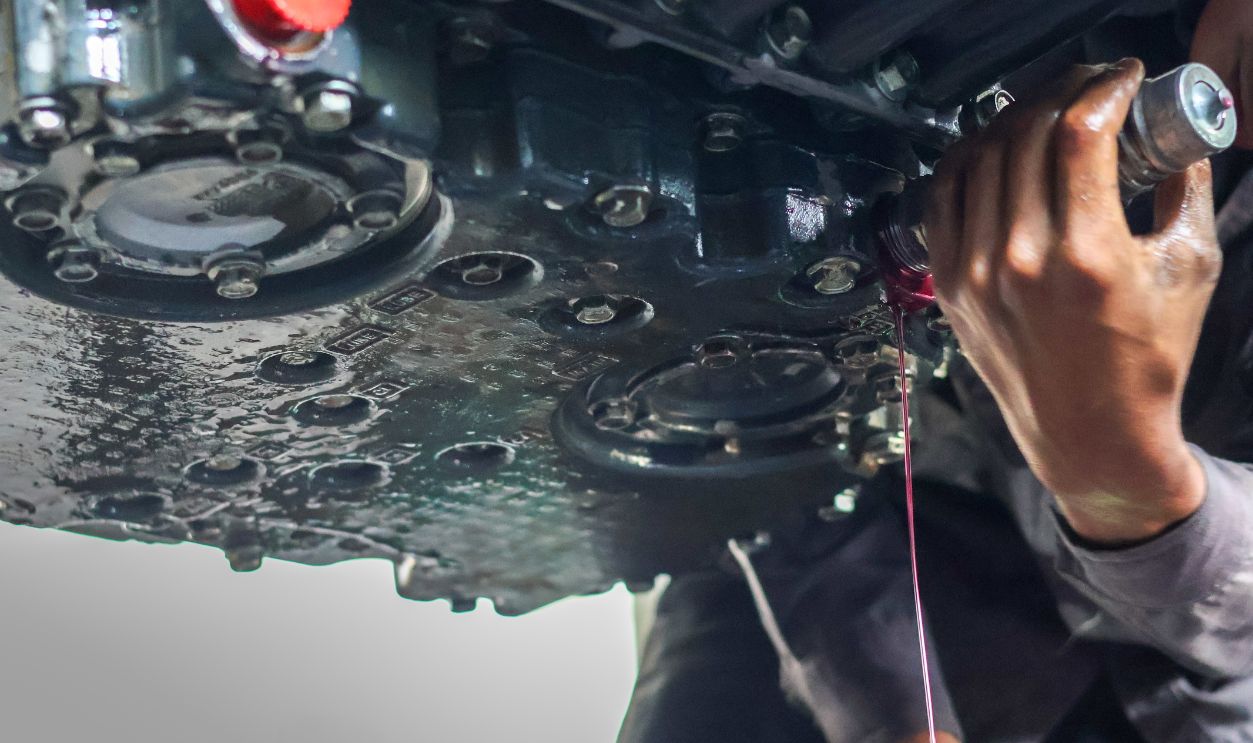
Automakers Are Not All Equally Optimistic
The evidence does not support one industry-wide rule. Ford can specify 150,000 miles for normal service on some vehicles and 30,000 miles under certain severe conditions, Honda can call for 25,000-mile changes in demanding mountain use, and ZF can describe fluid as lifetime-fill while still recommending regular changes in harsher operation. Maintenance schedules are conditional documents, not promises that every transmission will experience the same life.
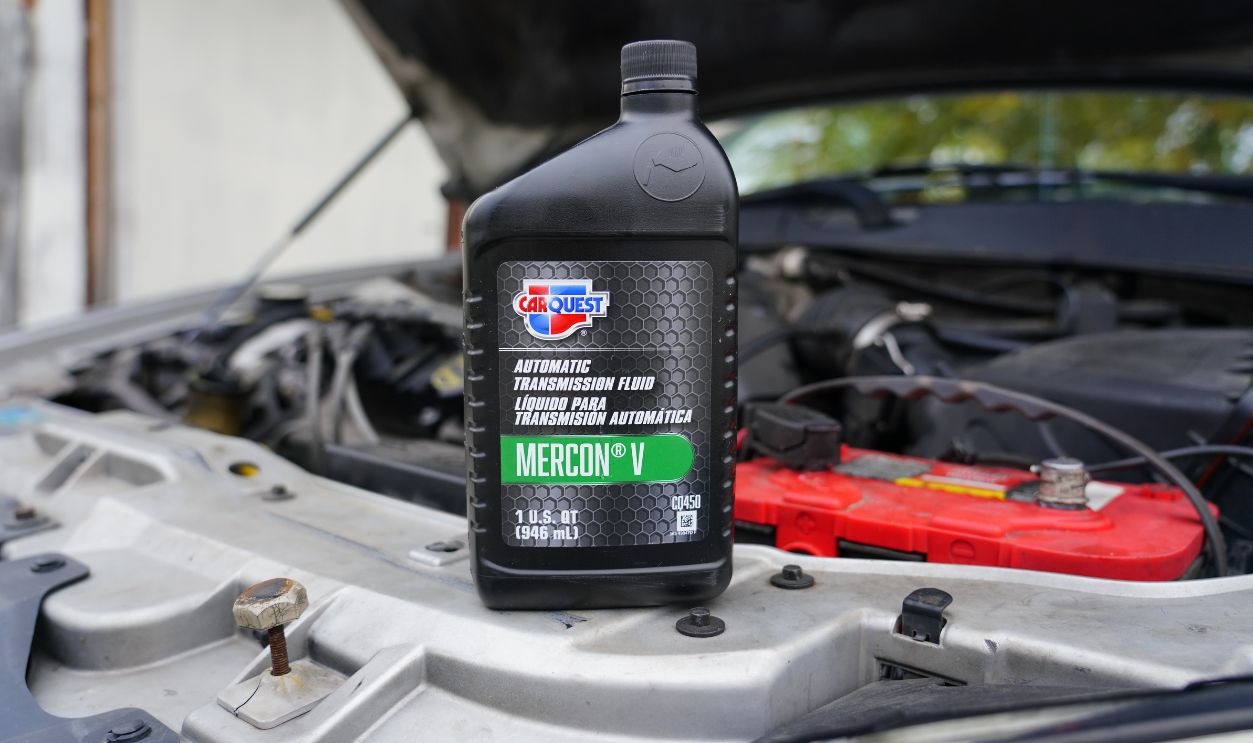 Aaron of L.A. Photography, Shutterstock
Your Mechanic May Be Right For Your Car
Do not replace supposedly lifetime fluid simply because somebody says all manufacturers are wrong. Check the exact factory schedule, determine whether your driving qualifies as severe, identify the transmission itself, review the transmission maker’s guidance, and insist on the correct fluid and procedure. “Lifetime” may legitimately mean no routine change under normal use, but even manufacturers and transmission suppliers acknowledge plenty of situations where normal use stops being normal.

You May Also Like:
Four Of The Best New Family-Friendly Cars
Mechanics Say They Hate It When Customers Do These Things—So Don’t Do Them