
The Flat Tire Was Manageable, The Replacement Bill Was The Real Surprise
Run-flat tires promise something genuinely useful: if one loses pressure, the driver may be able to continue for a limited distance instead of immediately stopping beside the road. But that convenience can feel less impressive when replacement time arrives and the price is considerably higher than expected.
Run-flats aren’t automatically better than conventional tires, but for certain drivers, their advantages are worth the extra cost. Here’s how to figure out if they’re worth it for you.
Run-Flats Are Still Pneumatic Tires
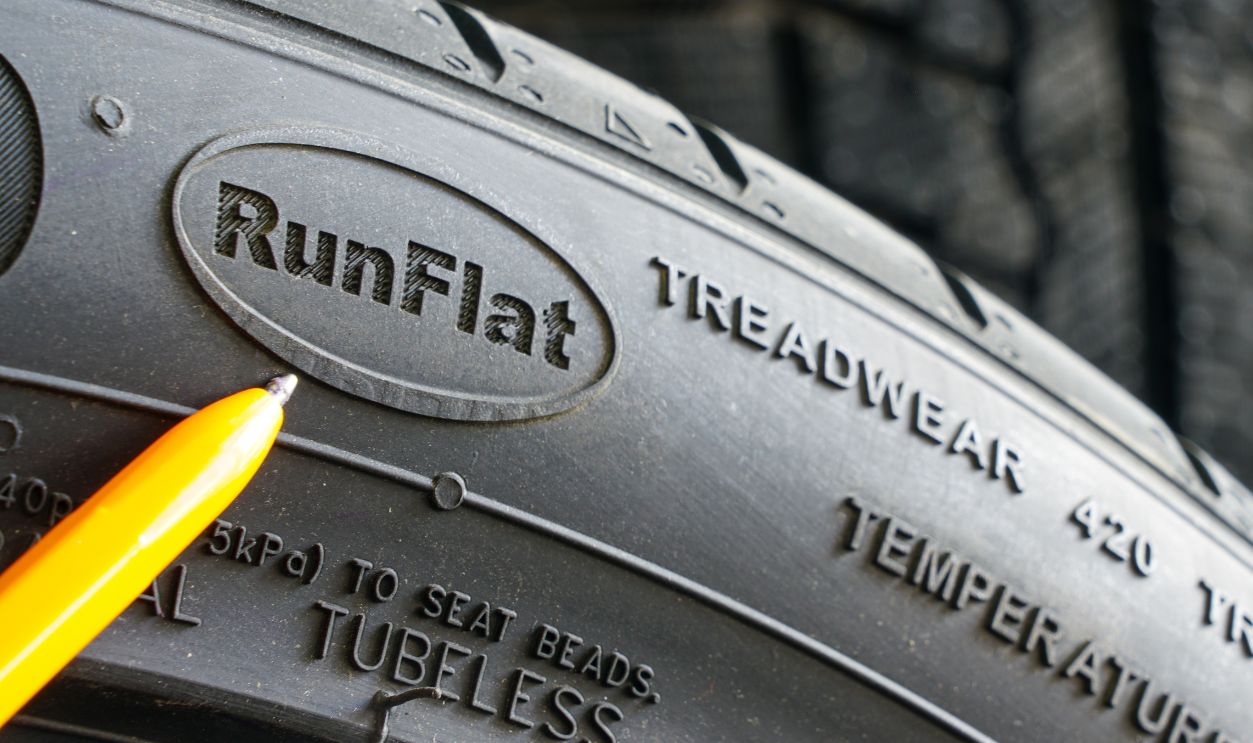
Despite the name, run-flat tires aren’t solid or puncture-proof. They still contain pressurized air, and they can still be damaged by nails, potholes, debris, or worn tread. Their special construction simply allows them to support the vehicle temporarily after much or all of that pressure has been lost.
 Zigmunds Dizgalvis, Shutterstock
Reinforced Sidewalls Do Most Of The Work
Most passenger-vehicle run-flats use thick, reinforced sidewalls that can temporarily carry the vehicle’s weight without normal air pressure. Conventional tire sidewalls would quickly collapse under the same conditions. That added structure is one of the main reasons run-flat tires cost more and often feel different on the road.
You Can’t Drive On Them Indefinitely
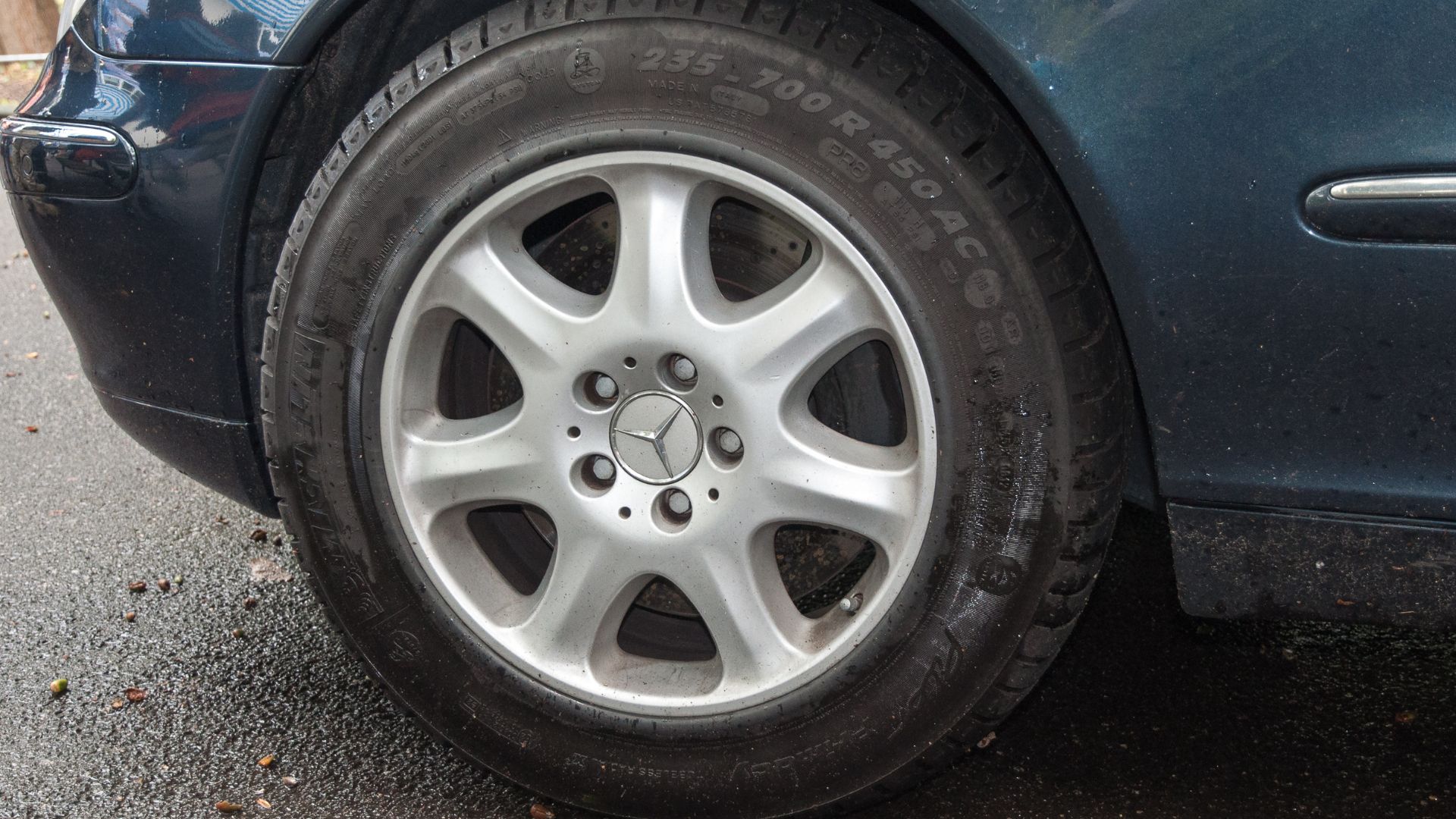
A run-flat tire is meant to help a driver reach a safe location or repair facility, not finish an entire road trip. Many are designed for roughly 50 miles of reduced-pressure driving at speeds no higher than about 50 mph, although the exact limit varies by tire and vehicle. Owners should always follow the instructions provided by the tire and vehicle manufacturers.
The Biggest Benefit Is Avoiding A Dangerous Stop
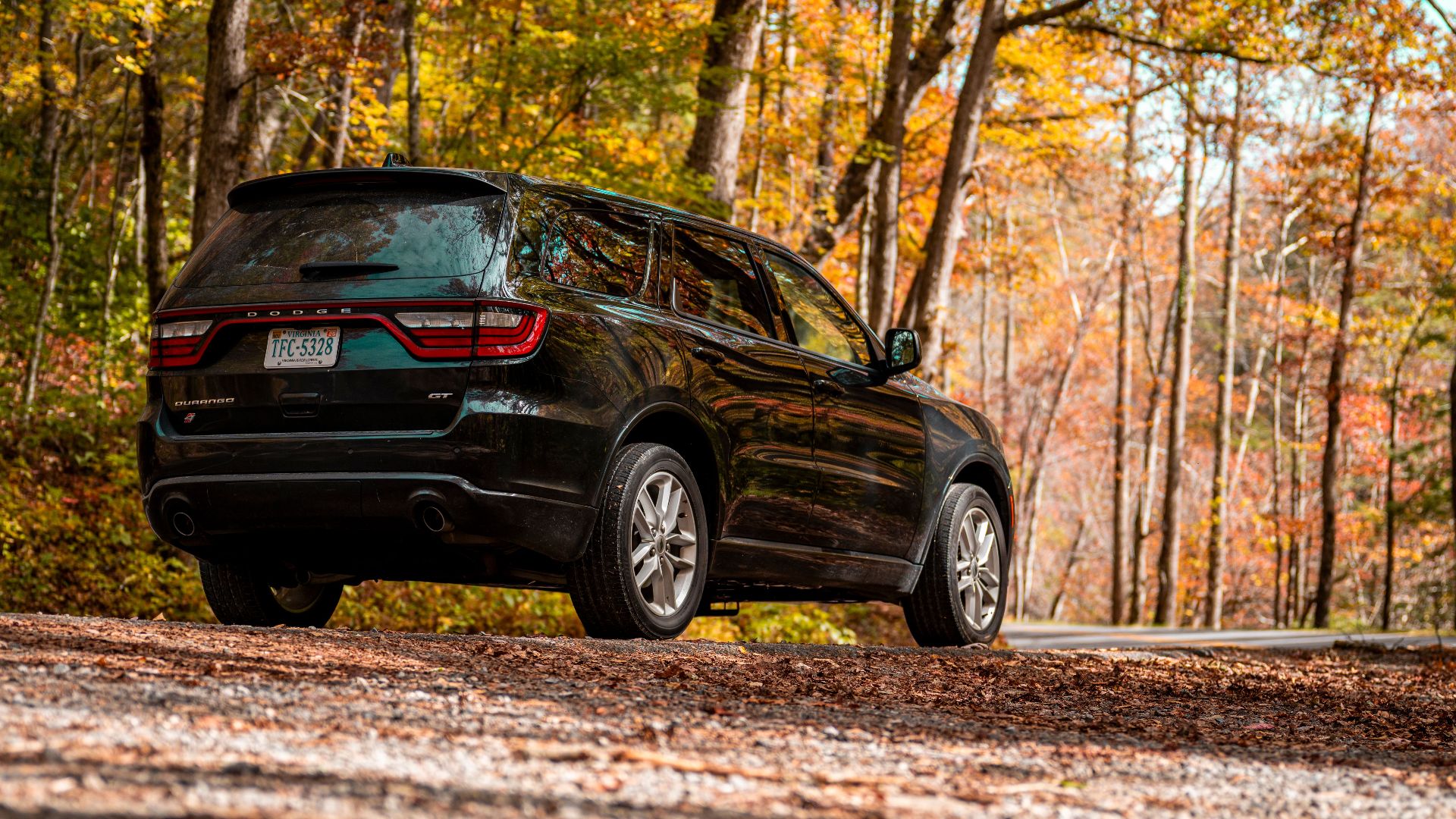
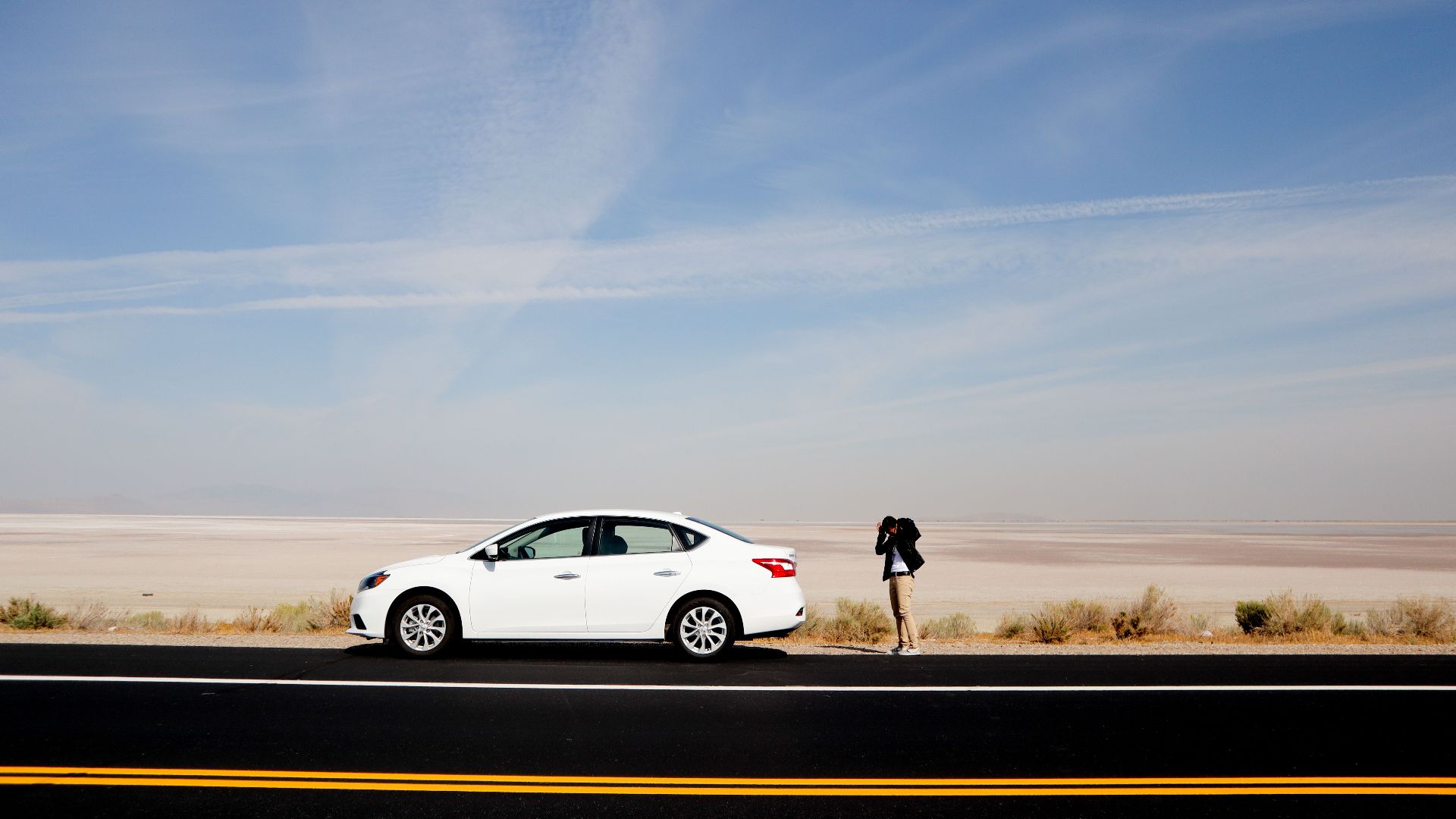
A puncture on a dark highway, narrow shoulder, or isolated road can put a driver in a dangerous position. Run-flat tires may allow the vehicle to leave that area without requiring an immediate roadside tire change. For drivers who frequently travel alone, at night, or on busy highways, that added mobility can be genuinely valuable.
Sudden Pressure Loss May Feel More Controlled
Because the reinforced sidewall helps keep the tire’s shape, the vehicle may remain more stable after a pressure loss than it would with a rapidly collapsing conventional tire. That doesn’t mean every failure will be gentle or easy to manage, but run-flat construction can give the driver more time to slow down and find a safer stopping place.

They Can Eliminate The Spare Tire
Many vehicles equipped with run-flats don’t include a spare tire, jack, or lug wrench. Removing that equipment creates more cargo space and reduces some vehicle weight. Automakers have increasingly used run-flats and inflator kits as alternatives to conventional spare tires.
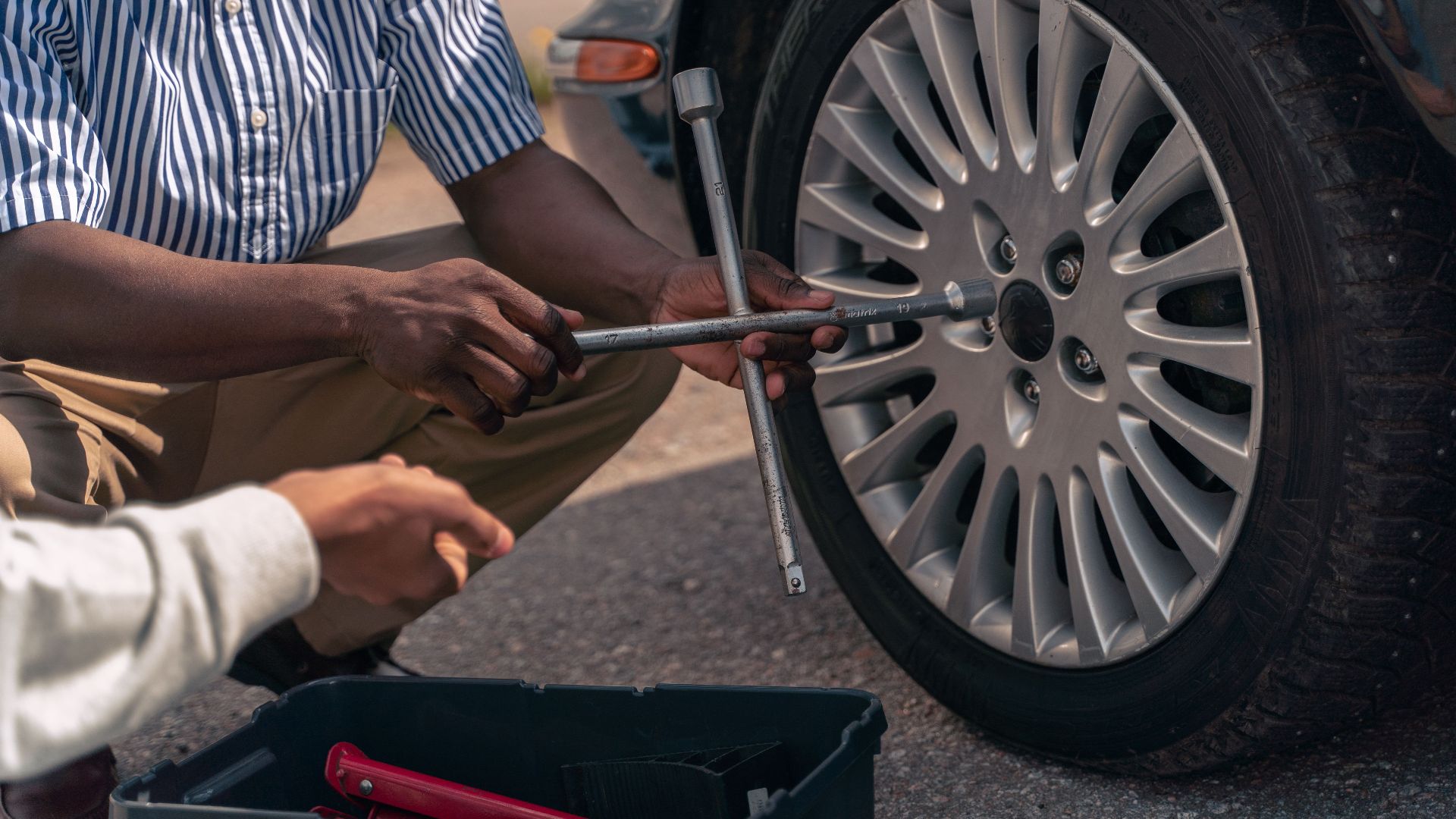
The Missing Spare Is A Mixed Blessing
Extra cargo room is convenient until a tire suffers damage that prevents continued driving. A severe sidewall tear, wheel damage, or complete tire failure may still leave the vehicle stranded. Run-flat capability improves the odds of reaching help, but it doesn’t guarantee that every tire problem can be driven on.
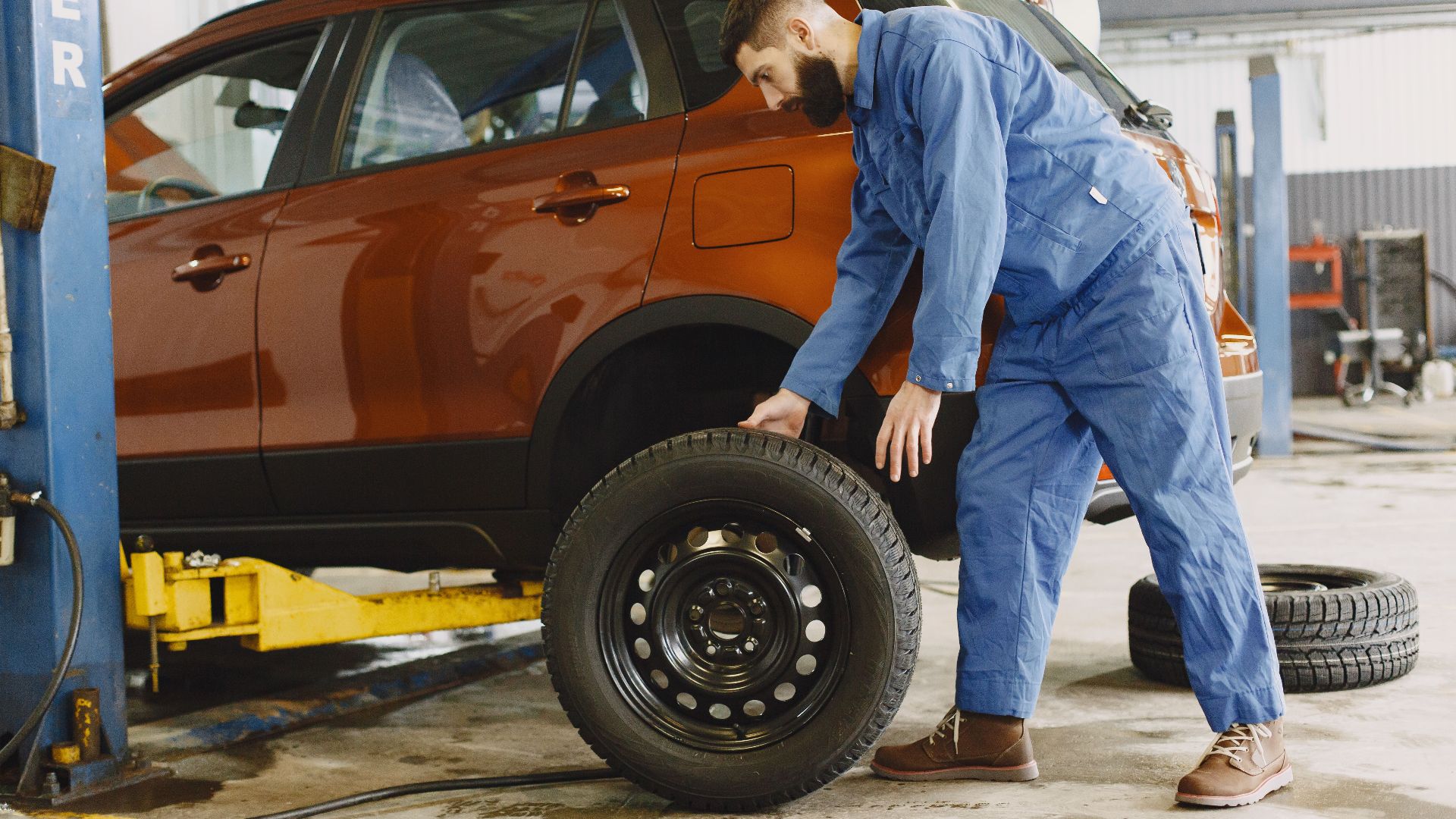
Replacement Prices Are Usually Higher
Run-flat tires require more material, specialized construction, and reinforced internal components. They’re also produced in lower volumes than many conventional tires, limiting the number of budget-friendly choices. Depending on the size, brand, and performance rating, a replacement can cost substantially more than a comparable standard tire.
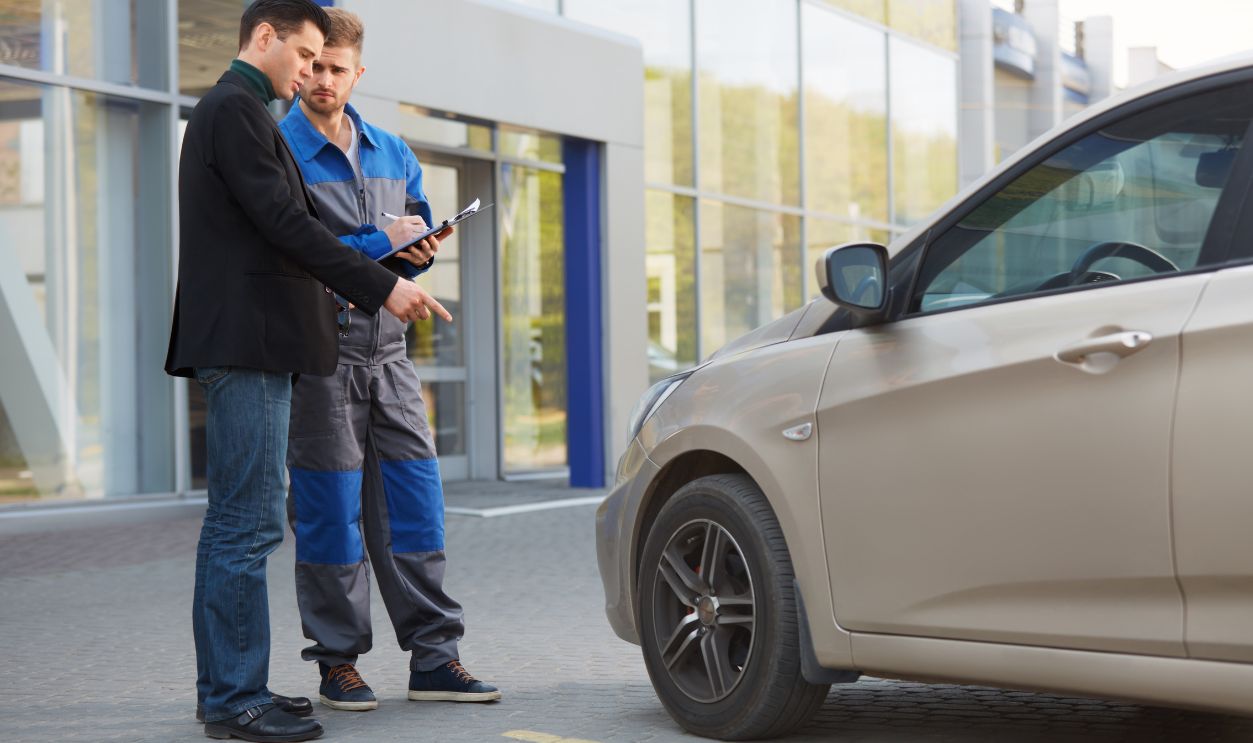
Luxury-Sized Wheels Make The Bill Worse
Many run-flats are fitted to luxury vehicles with large wheels and low-profile tires. Those sizes are already expensive before run-flat technology is added. A 19-, 20-, or 21-inch performance run-flat can produce serious sticker shock, especially when more than one tire needs replacement.
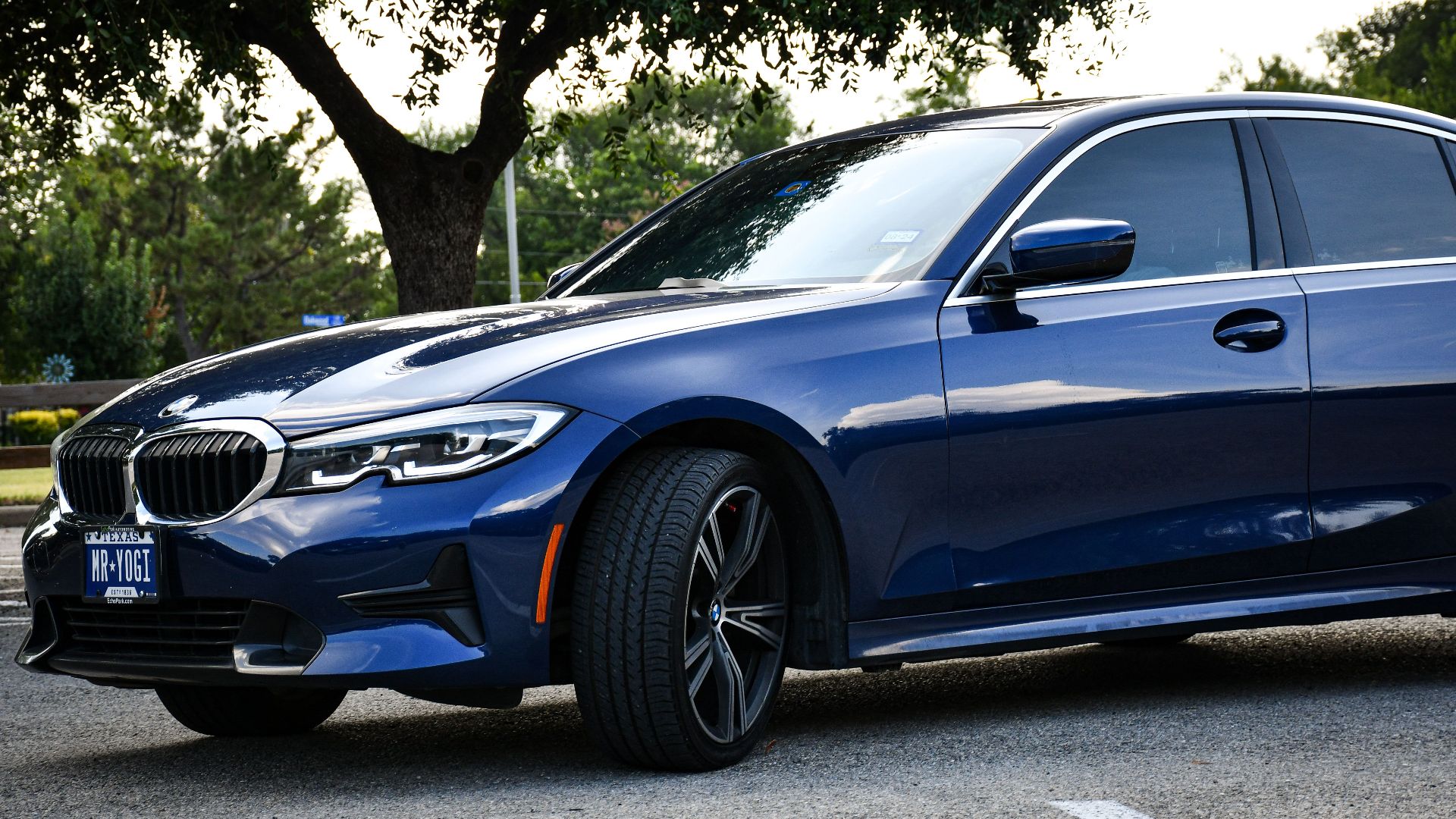
Availability Can Be A Problem
Conventional tire sizes are usually stocked by numerous local shops, while a specific run-flat model may need to be ordered. That can become frustrating if a tire fails during a road trip or on a weekend. The ability to drive temporarily after a puncture is less useful if the correct replacement remains difficult to find.
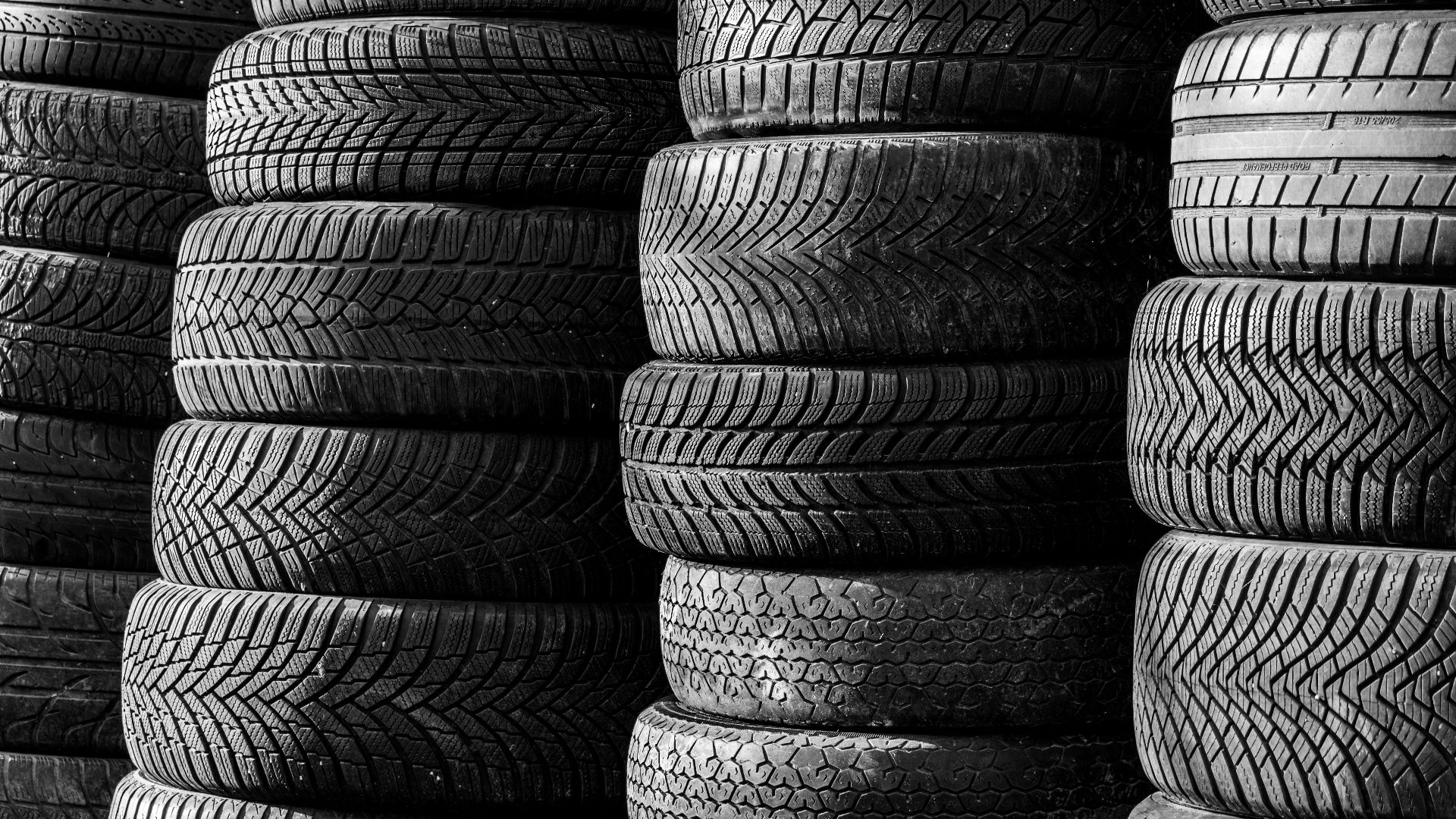
Some Run-Flats Deliver A Firmer Ride
The reinforced sidewalls that support the vehicle after pressure loss don’t flex as easily as conventional tire sidewalls. On rough roads, that can transmit more bumps and impacts into the cabin. Newer run-flat designs have improved considerably, but ride comfort still varies by tire, wheel size, suspension tuning, and road surface.
 OWS Photography, Wikimedia Commons
Low-Profile Tires Compound The Problem
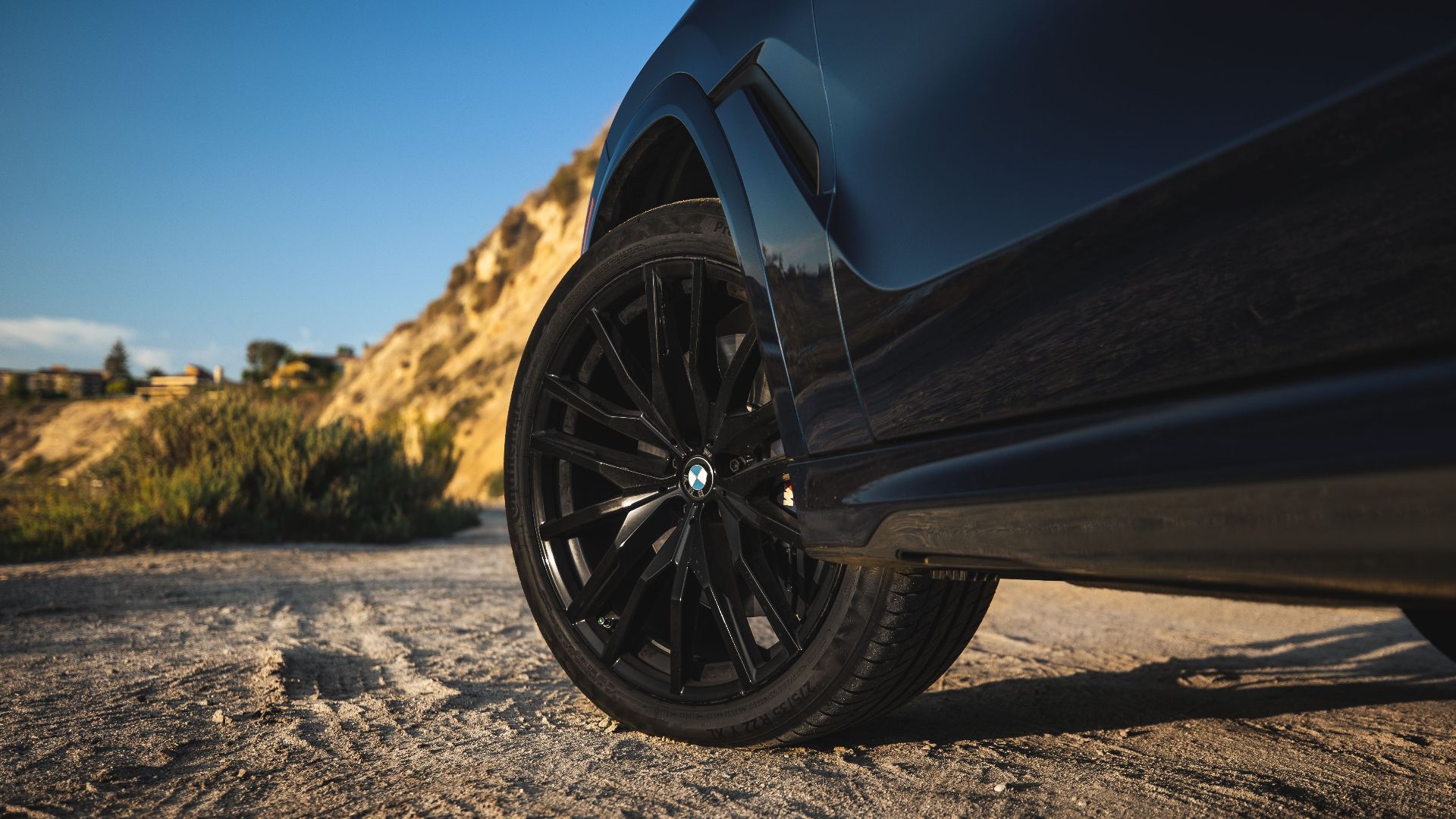
Run-flats often receive all the blame for a harsh ride, but wheel and tire dimensions matter too. A low-profile tire has less sidewall available to absorb potholes and broken pavement. Combining a short sidewall with run-flat reinforcement can make road imperfections feel especially sharp.
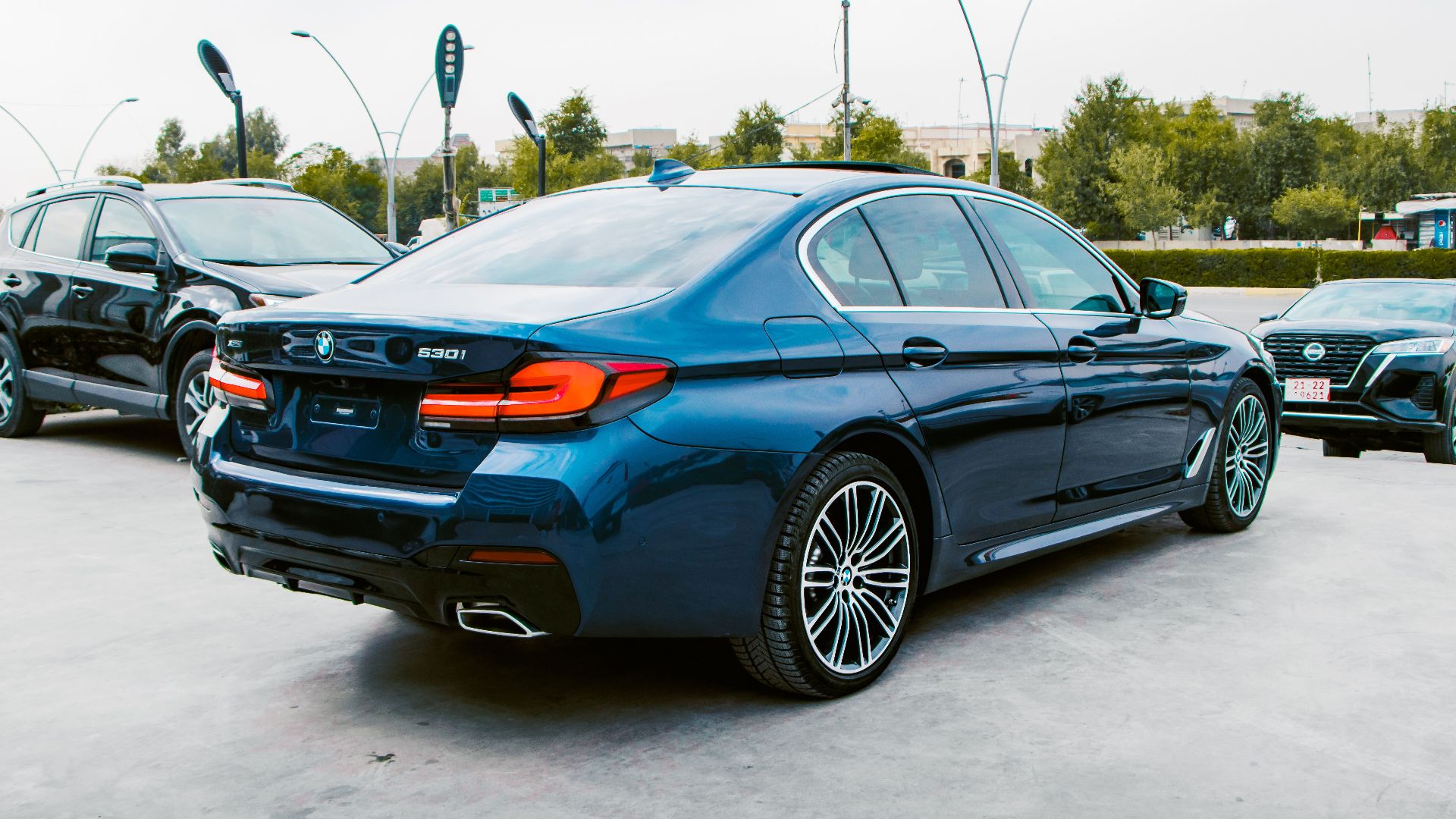
Road Noise Depends On The Specific Tire
Some owners report that their run-flats produce more tire noise than conventional alternatives, while others barely notice a difference. Tread pattern, rubber compound, vehicle insulation, and pavement type all affect cabin noise. It’s better to compare individual tire models than assume every run-flat will be loud.
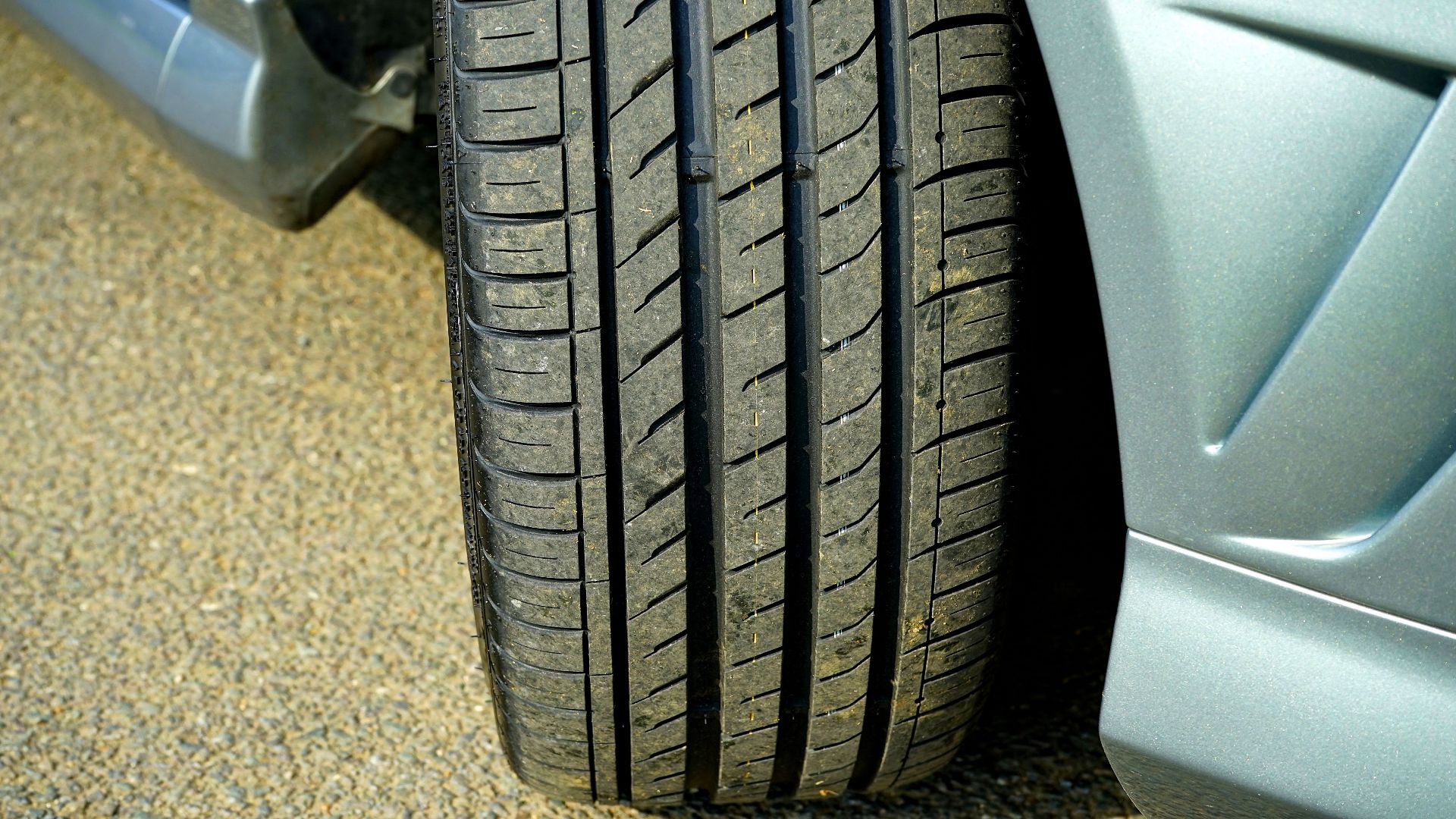
Tire-Pressure Monitoring Is Essential
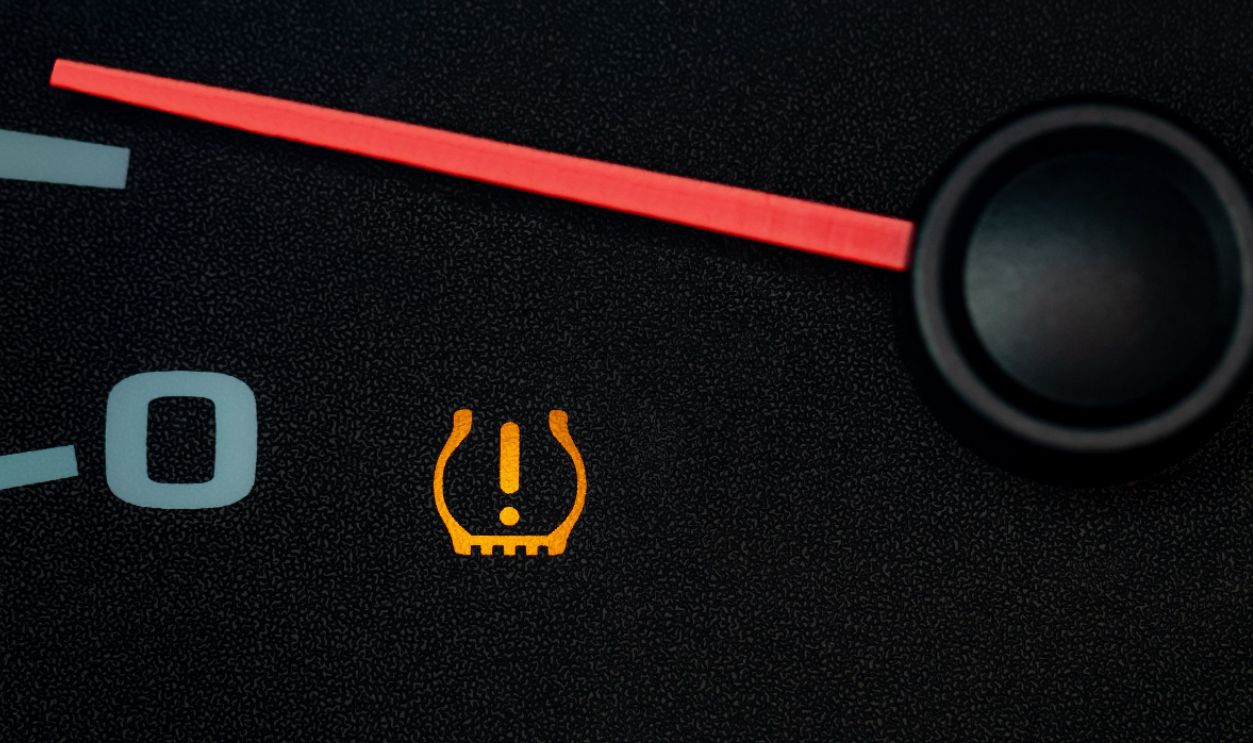
A deflated run-flat may not look dramatically different from a properly inflated one because its stiff sidewalls help maintain its shape. Drivers may not realize pressure has been lost without a dashboard warning. That’s why vehicles using run-flats generally depend heavily on a functioning tire-pressure monitoring system.
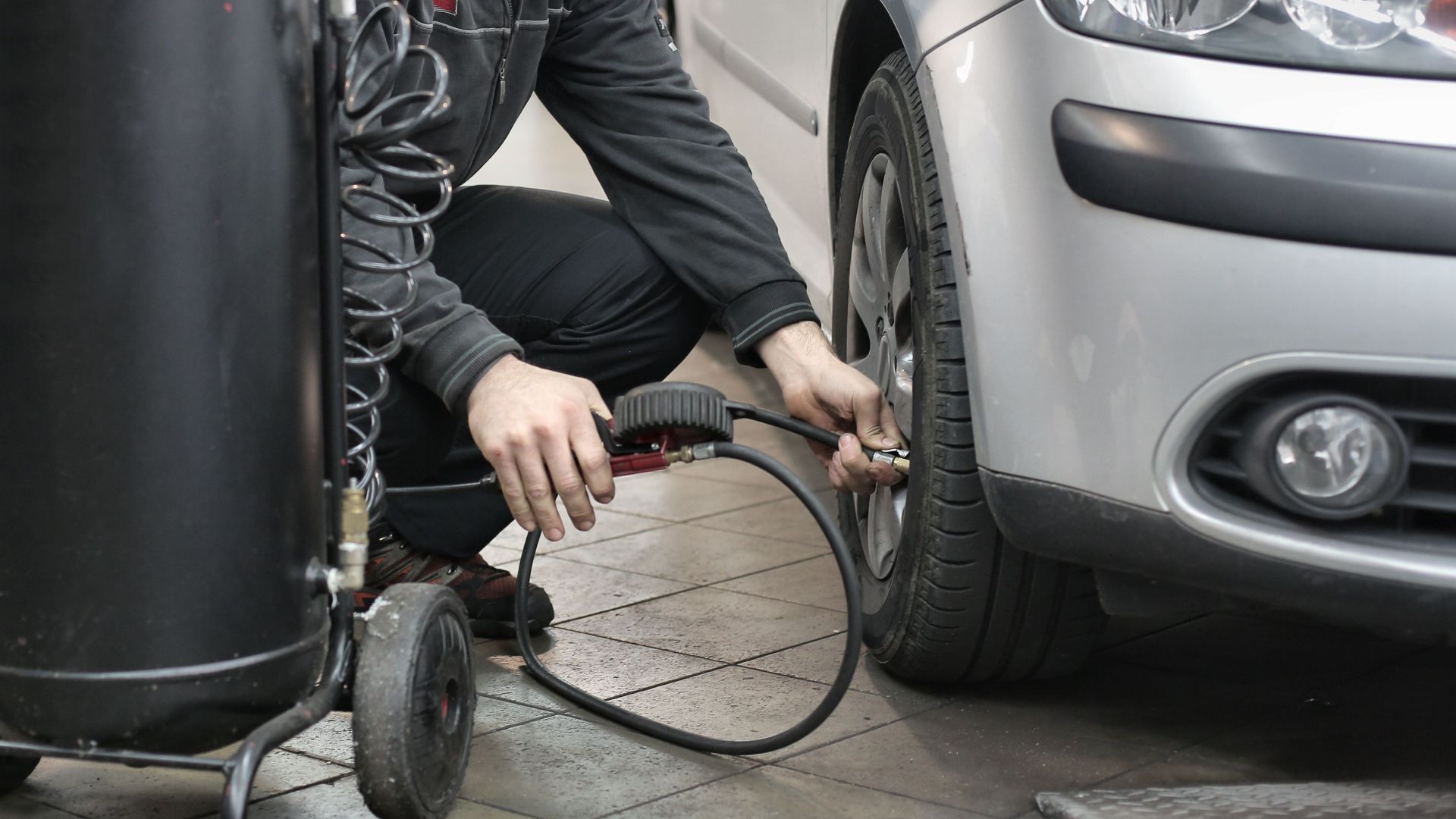
Driving While Flat Can Ruin The Tire
The fact that a run-flat can operate without normal pressure doesn’t mean it will remain repairable afterward. Driving on the reinforced sidewalls generates heat and may damage the tire internally. Even when the original puncture looks minor, a technician may determine that replacement is the only safe option.
Repairs Depend On The Manufacturer
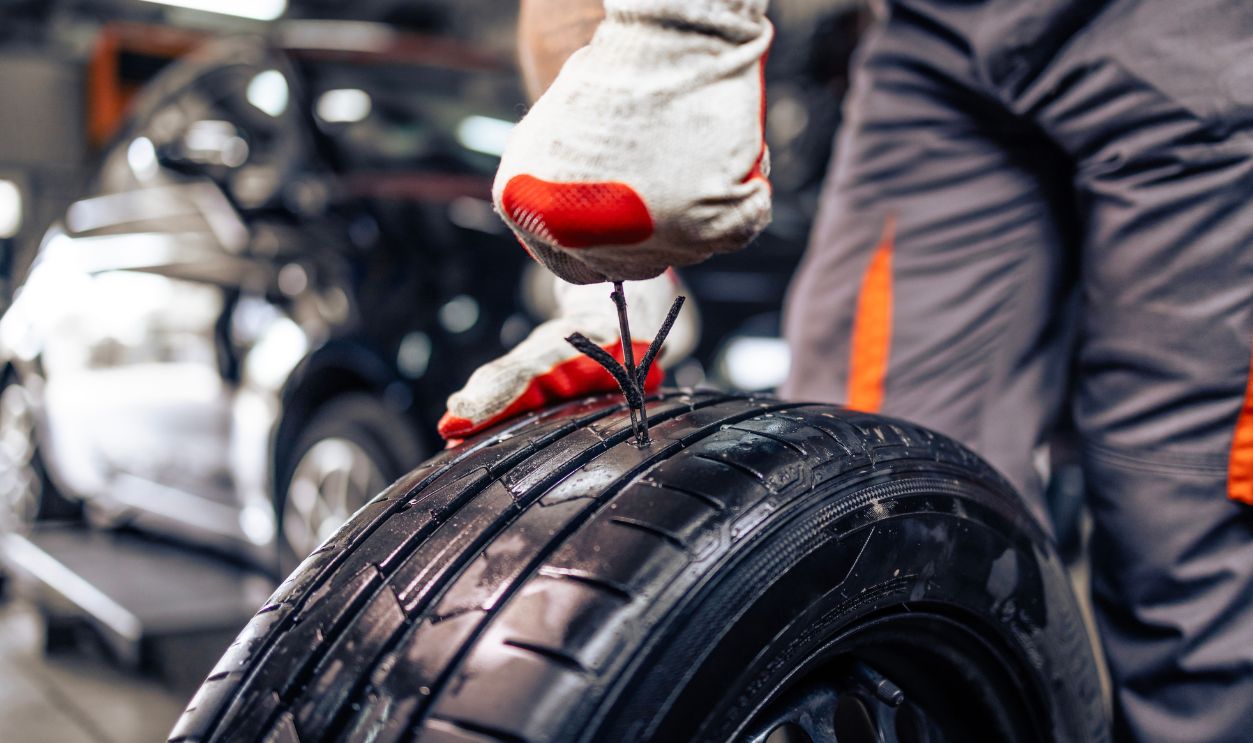
Some tire manufacturers permit repairs to certain run-flat tires when the puncture is limited to the repairable tread area and the tire hasn’t been driven too far without pressure. Others apply stricter limits or discourage repairs once the tire has operated in its run-flat condition. A qualified shop should inspect the tire internally rather than relying only on its exterior appearance.
 Aleksandar Malivuk, Shutterstock
Sidewall Damage Usually Means Replacement
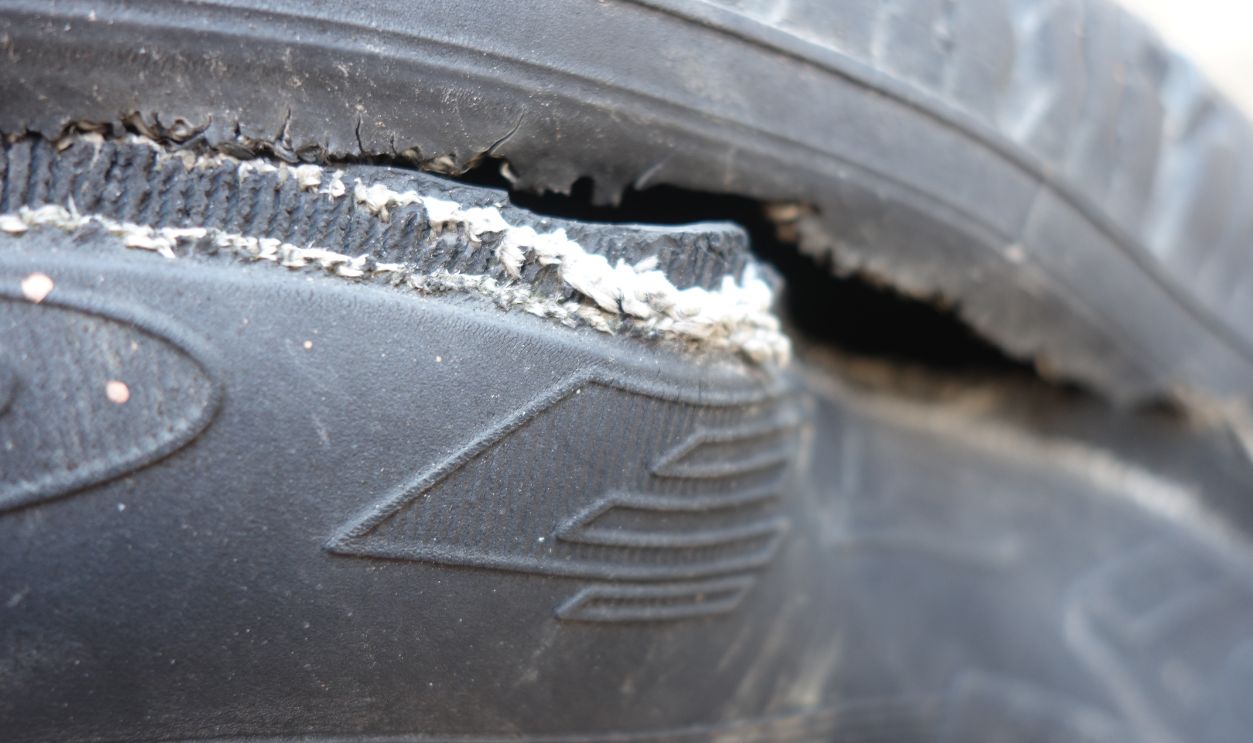
As with conventional tires, punctures or cuts in the sidewall generally can’t be safely patched. This is especially important with run-flats because their reinforced sidewalls are structural components. Once those areas are damaged, the tire may no longer support the vehicle as designed.
You May Need To Replace Tires In Pairs
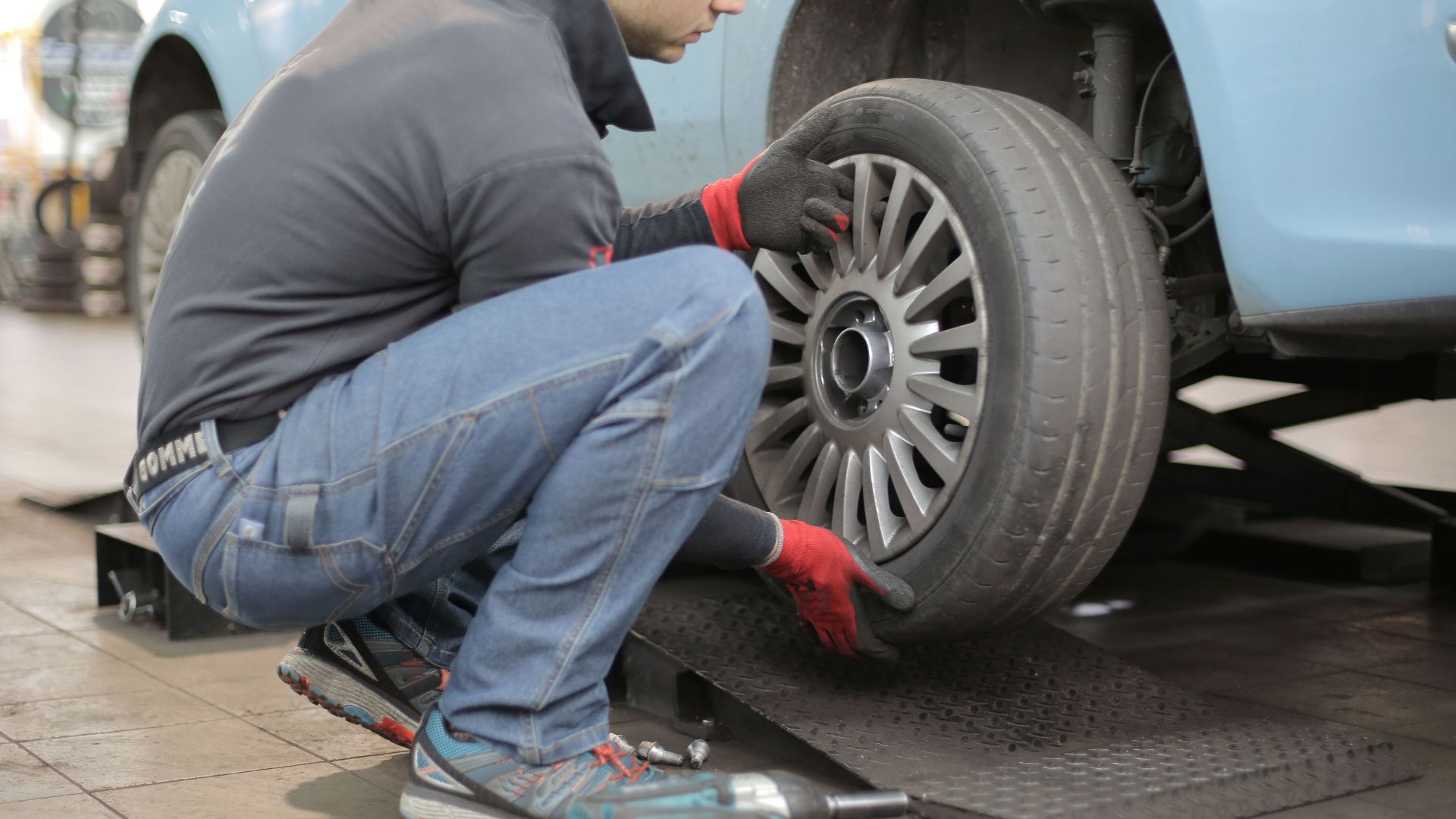
If one tire fails after the set has accumulated significant wear, replacing only that tire can create a tread-depth difference across the axle. Depending on the vehicle and drivetrain, a shop may recommend replacing two tires. On some all-wheel-drive vehicles, larger tread differences can create additional concerns and may lead to replacing all four.
Switching To Conventional Tires May Be Possible
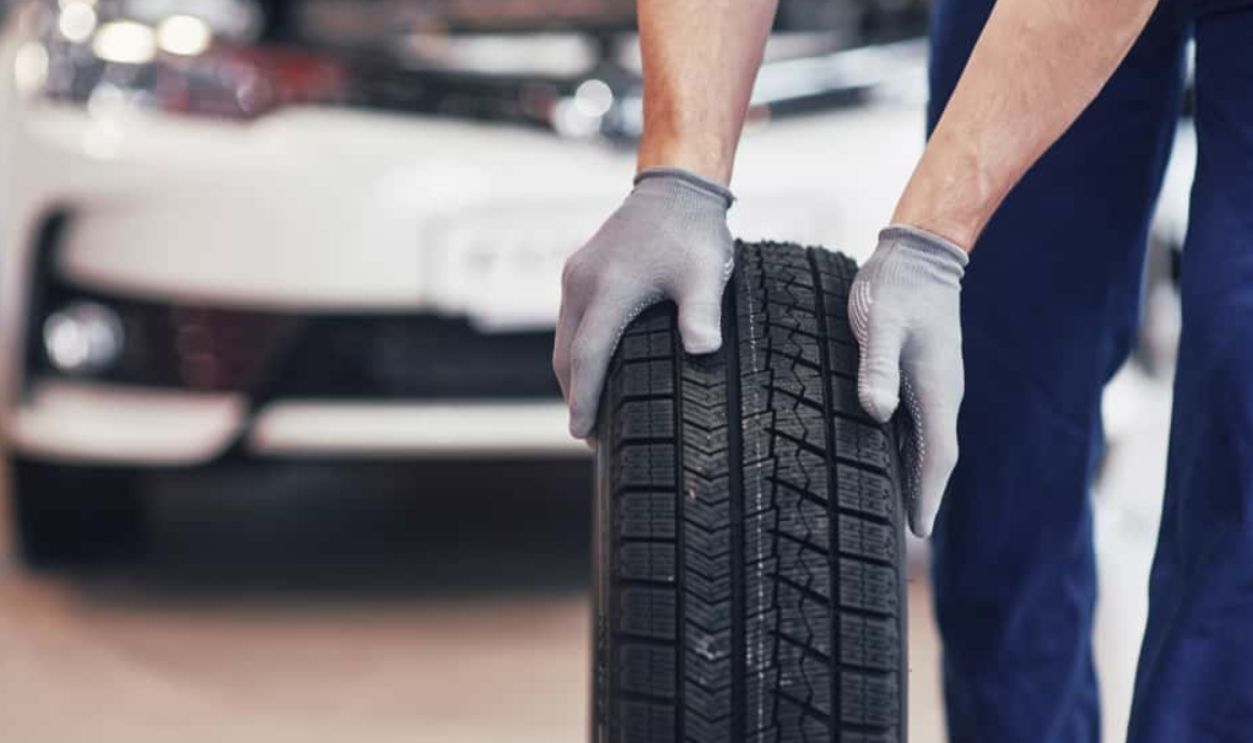
Many owners consider replacing all four run-flats with conventional tires to reduce cost and improve ride comfort. This may be possible if the replacements have the correct size, load rating, speed rating, and other required specifications. A knowledgeable tire shop should confirm compatibility with the vehicle before the switch is made.
Don’t Mix Tire Types Casually
Installing one conventional tire alongside three run-flats can create differences in handling, sidewall response, and traction. Even when the physical size matches, the tires may behave differently during braking or emergency maneuvers. Converting away from run-flats is generally best done as a complete set rather than one tire at a time.
A Conventional-Tire Conversion Needs A Backup Plan
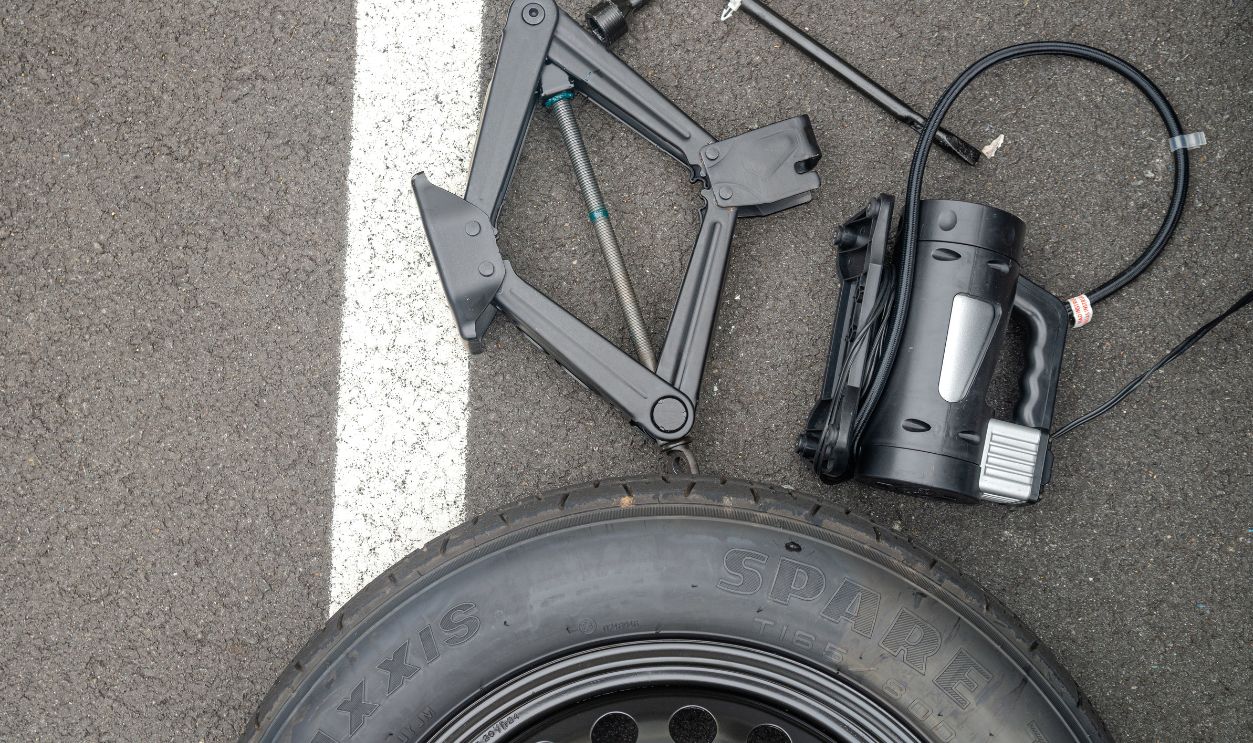
A vehicle designed without a spare won’t suddenly gain one when conventional tires are installed. Owners who convert should consider carrying a compatible spare, jack, inflator kit, or roadside-assistance membership. Otherwise, a simple puncture may leave them waiting for a tow.
Check Whether A Spare Will Actually Fit
Before buying a spare-tire kit, make sure the wheel clears the brakes and is approved for the vehicle. Large brake components can prevent some compact spares from fitting. The kit also needs an appropriate jack, lug wrench, secure storage location, and instructions the driver understands.
 Hryshchyshen Serhii, Shutterstock
The Vehicle Was Tuned With Run-Flats In Mind
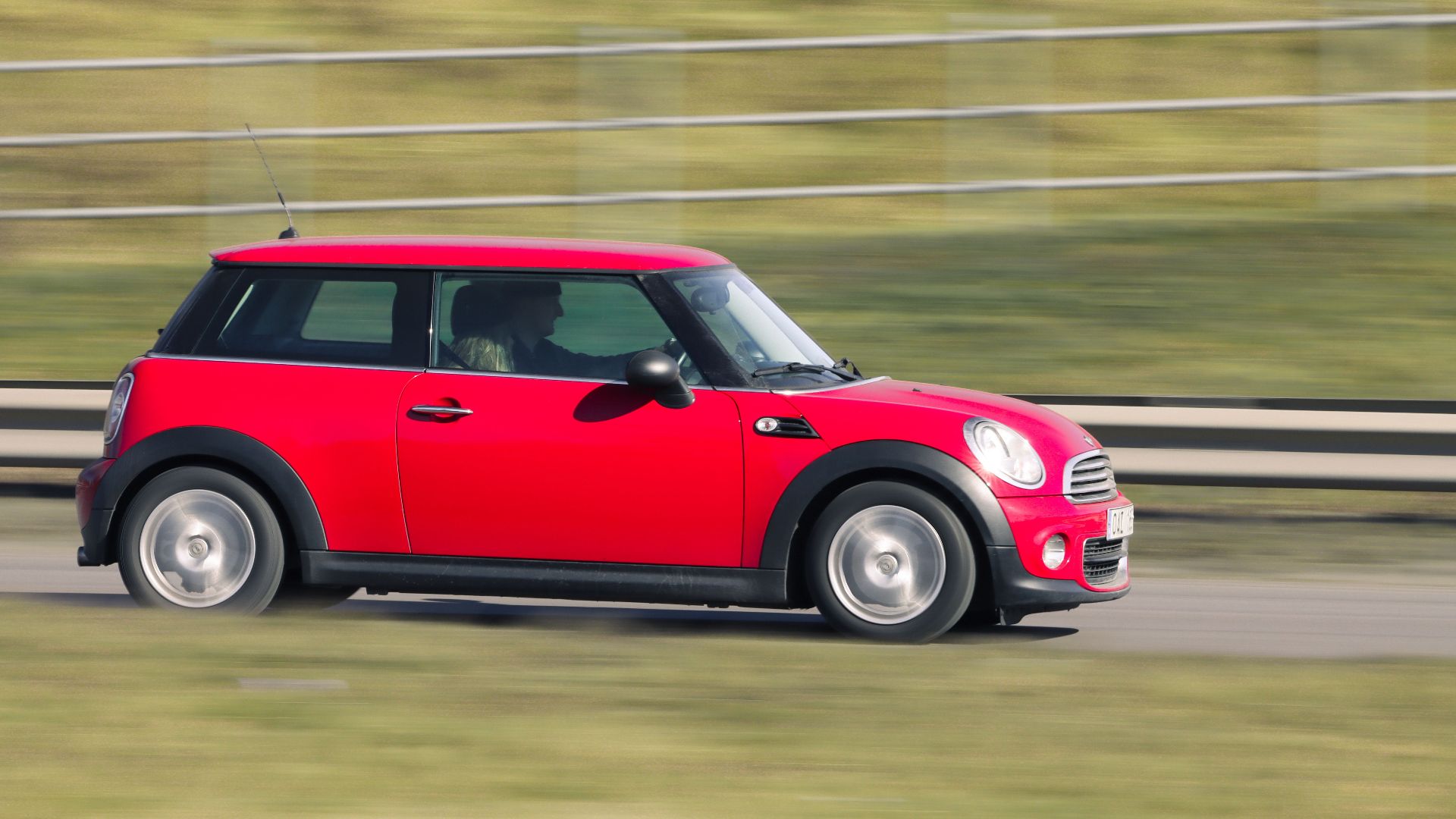
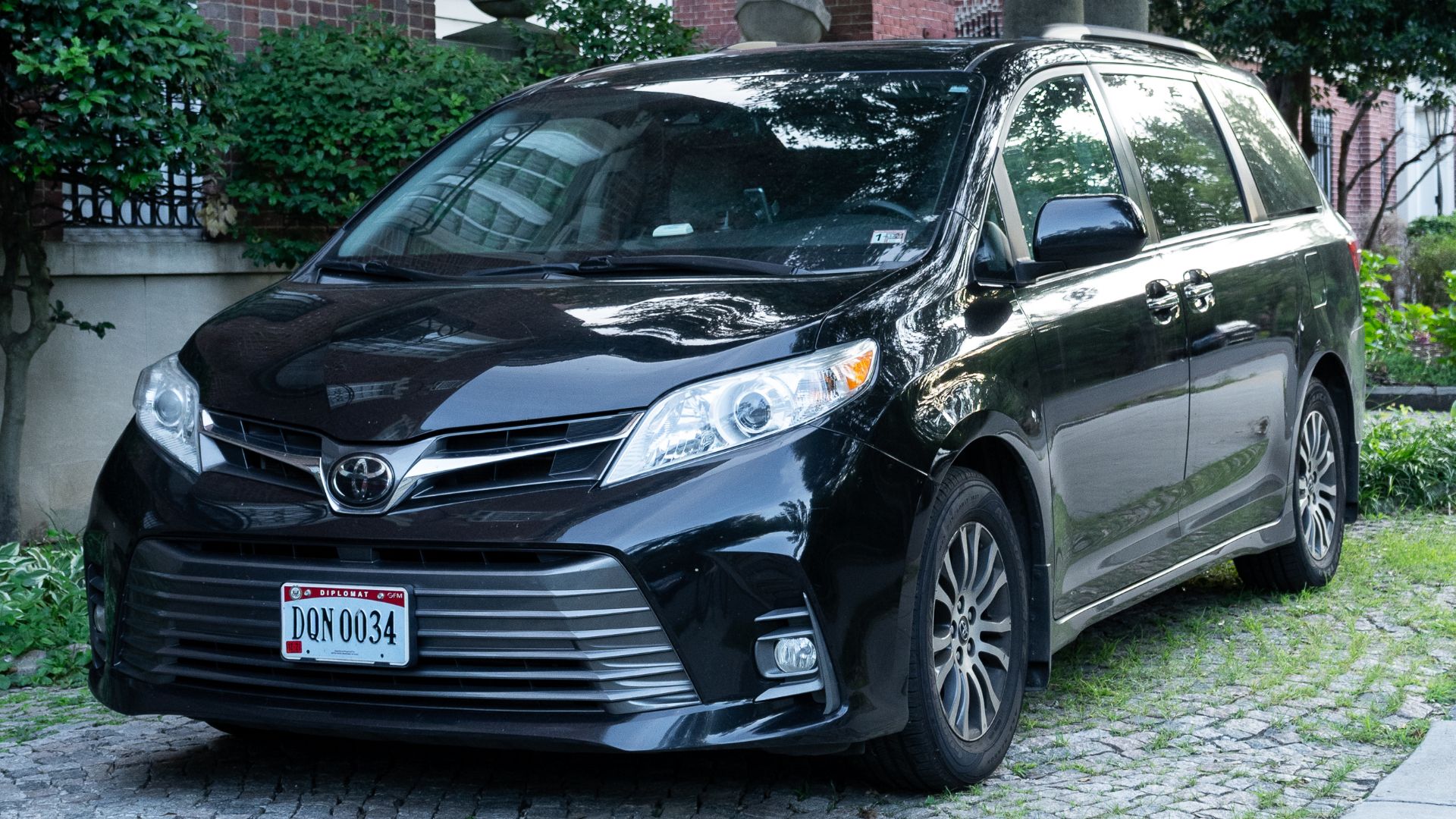
Automakers may calibrate suspension, steering, and stability-control systems around the original tire characteristics. Changing to conventional tires doesn’t necessarily make the vehicle unsafe, but it may alter how the steering responds or how firmly the suspension feels. Choosing suitable premium replacements is more important than simply buying the cheapest matching size.
 OWS Photography, Wikimedia Commons
Conventional Tires Often Offer More Choices
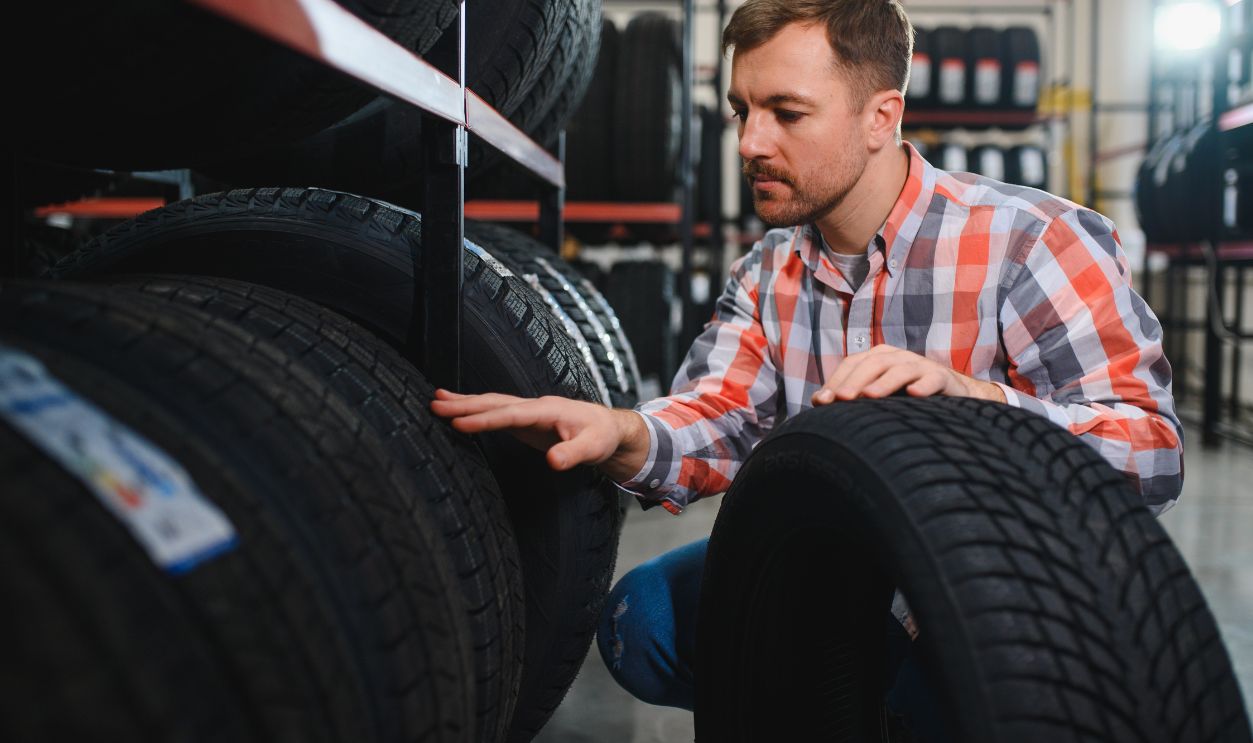
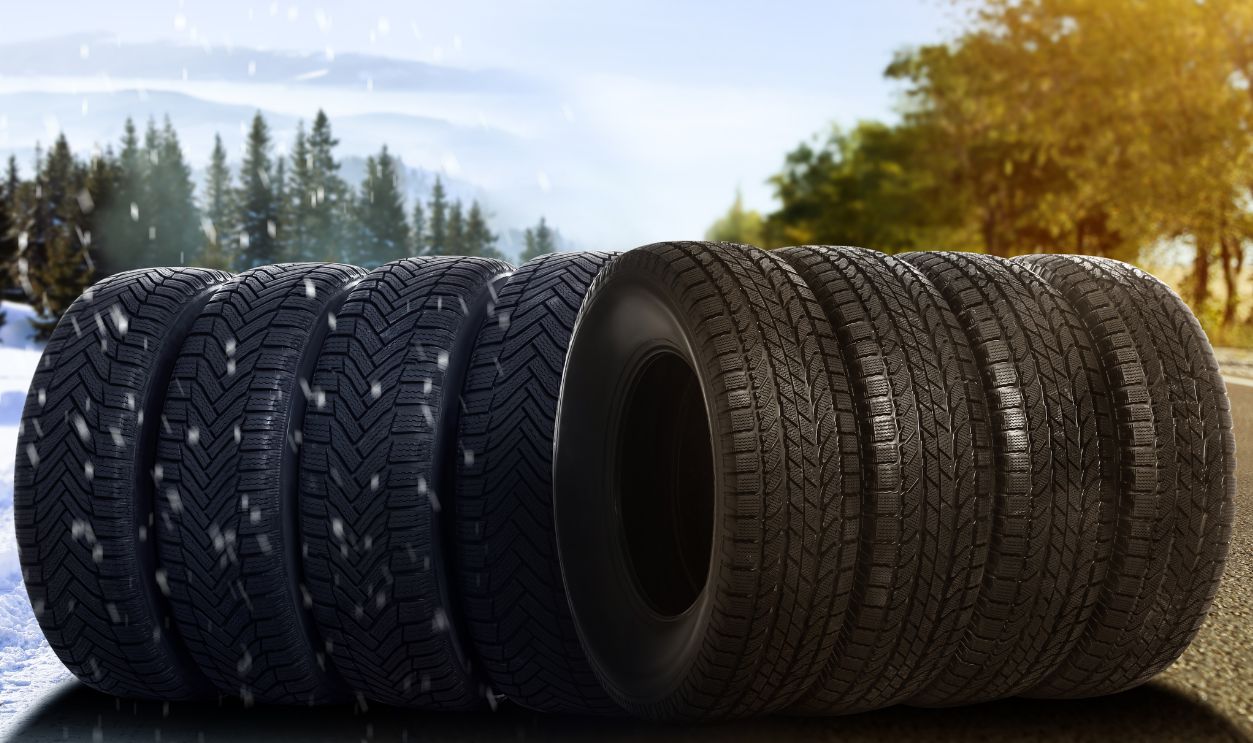
Drivers who move away from run-flats may find a wider selection of touring, performance, all-season, and winter tires. That can make it easier to prioritize quietness, tread life, snow traction, or price. Competition among more brands may also produce better discounts and faster local availability.
Price Isn’t The Only Ownership Cost
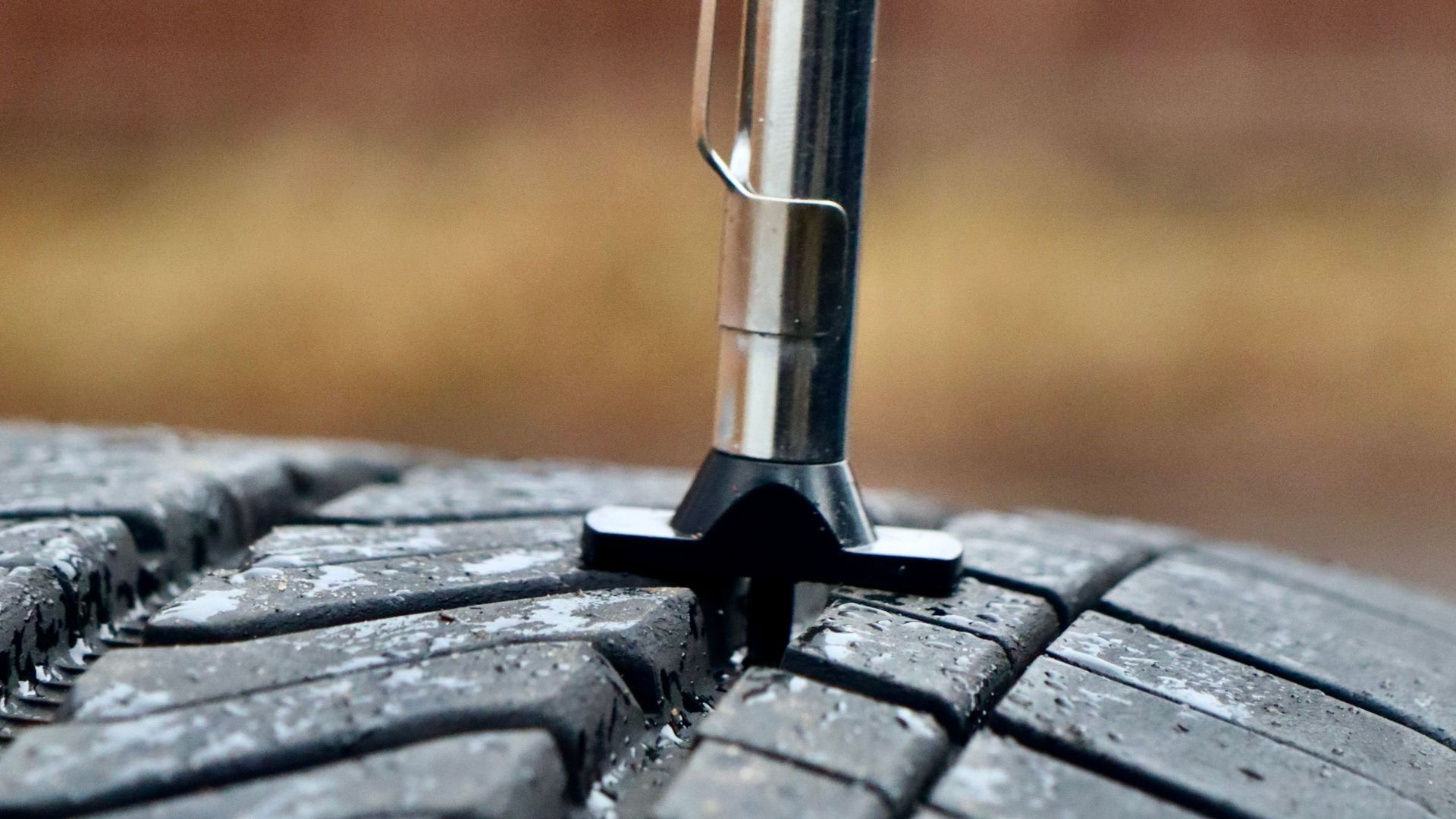
A cheaper tire isn’t necessarily a better value if it wears quickly, increases road noise, or performs poorly in local weather. Compare treadwear warranties, wet braking, winter capability, ride quality, and expected lifespan. The best choice is the tire that fits the vehicle and the way it’s actually driven.
Run-Flats Are Better For Some Drivers, Not Everyone
Run-flat tires make the most sense for drivers who strongly value the ability to leave a dangerous area after a puncture, don’t want to change a tire, or lack room for a spare. They’re less attractive to drivers who prioritize low replacement costs, maximum ride comfort, broad availability, or easy repairability. Their main advantage is temporary mobility, not superior performance in every category.

Expensive Doesn’t Mean Pointless
The unexpectedly high replacement price doesn’t mean run-flat tires are a gimmick. They provide a real safety and convenience benefit by letting many drivers continue briefly after losing pressure. Still, that benefit comes with higher prices, possible ride compromises, repair restrictions, and limited availability. Before buying another set, compare the cost of staying with run-flats against a properly planned conventional-tire conversion, then choose the option that best matches your driving habits and comfort with roadside emergencies.
You May Also Like: