My Car Knew More Than I Expected
Buying a new vehicle felt like a major upgrade. It came with navigation, smartphone integration, remote features, and driver assistance systems that promised to make every trip easier. Then I discovered the car was also recording far more information about my driving than I ever realized.
Modern Cars Are Basically Rolling Computers
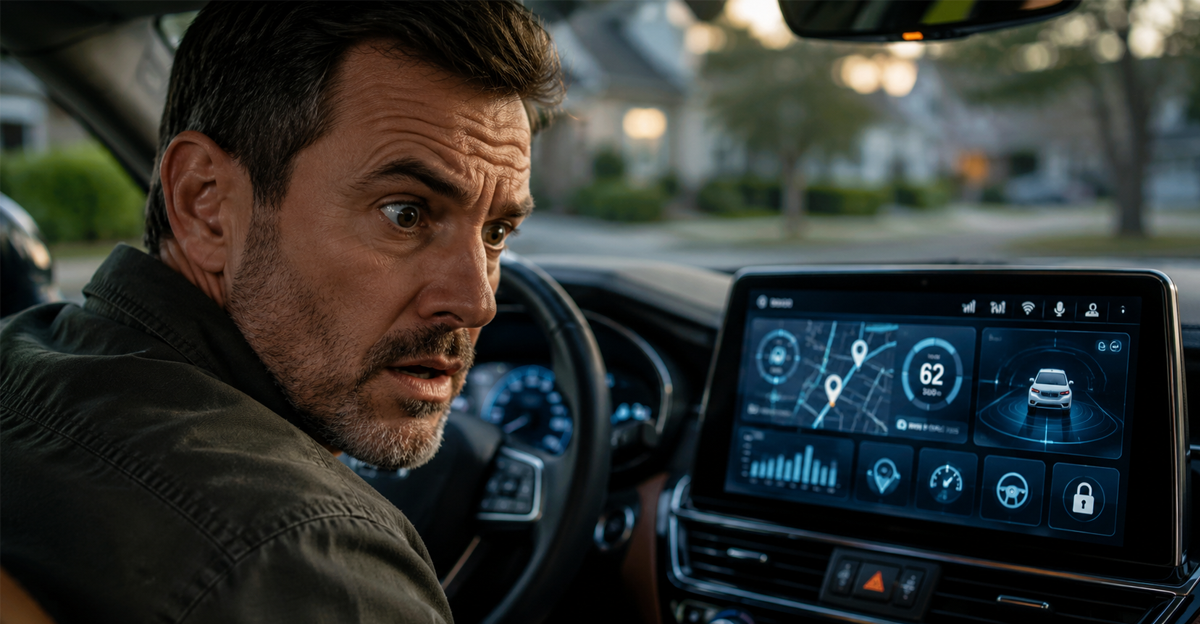
Today's vehicles contain dozens of computers that constantly communicate with one another. They collect information to operate safety systems, diagnose problems, and power connected services. Many newer models also send certain data back to the manufacturer through built in cellular connections.
What Kind Of Data Is Being Collected?
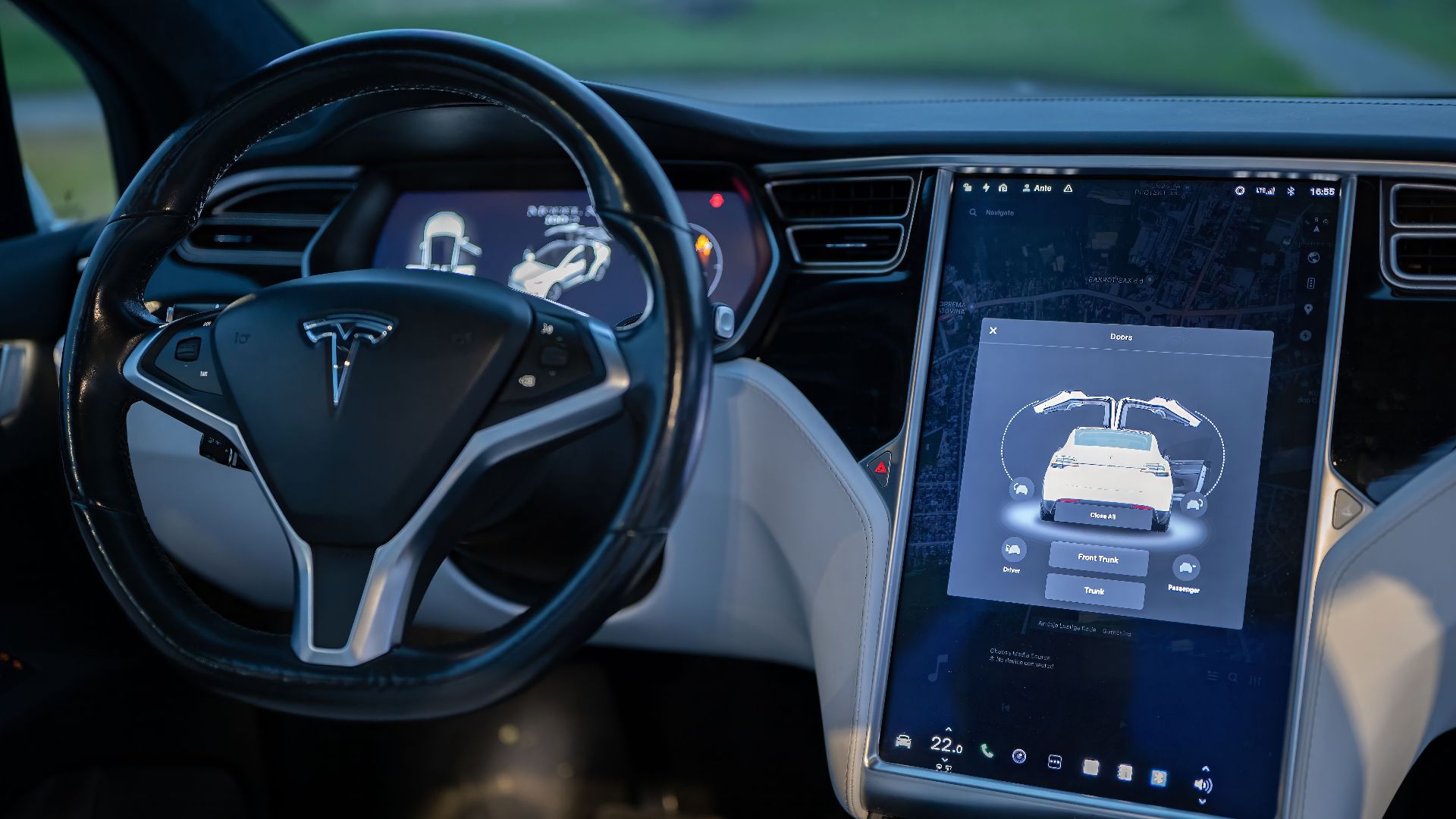
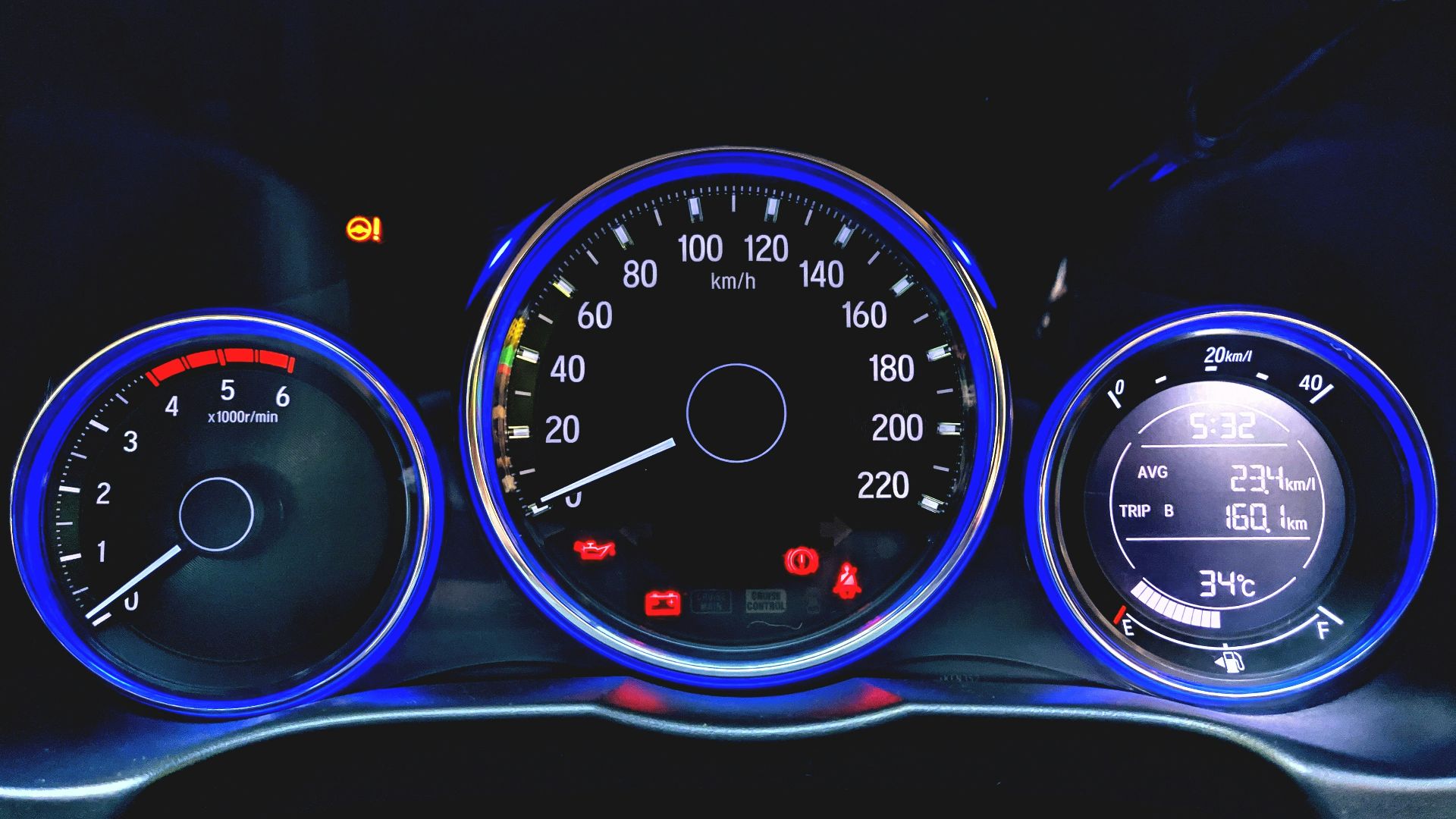
The exact information varies by manufacturer and model. Common categories include vehicle speed, acceleration, braking, steering inputs, seat belt use, fuel or battery status, maintenance information, location, and trip history. Connected features may also collect voice commands, app usage, and infotainment settings.
Some Data Makes Your Car Work Better
Not every piece of information is collected for marketing or analytics. Automakers rely on diagnostic data to identify software bugs, improve safety systems, and notify owners about maintenance issues. Connected services such as remote start and stolen vehicle recovery also require certain information to function.
Driving Behavior Can Also Be Recorded
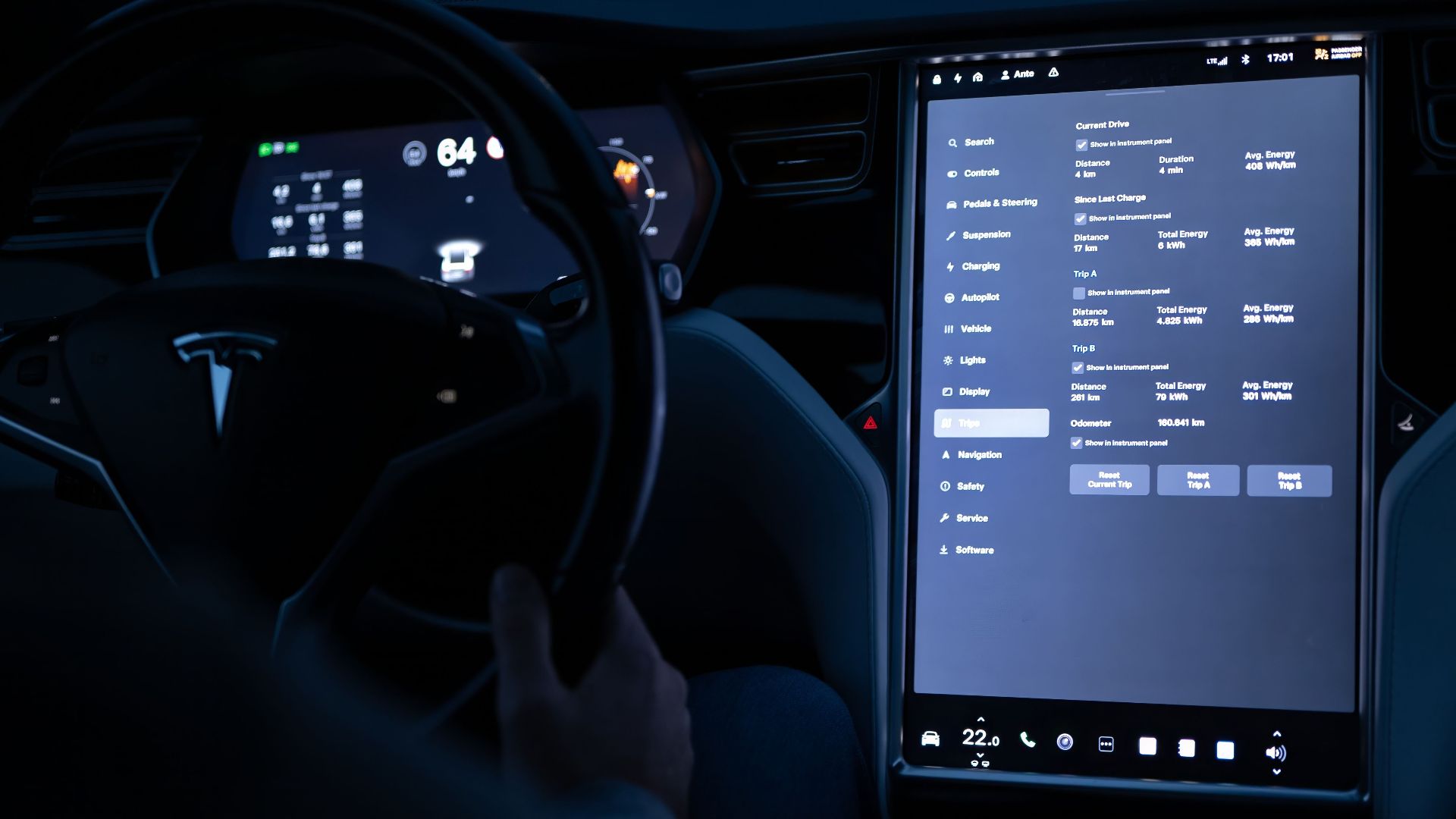
Many connected vehicles can measure driving habits over time. Hard braking, rapid acceleration, sharp cornering, speeding, and late night driving may all be recorded if certain connected features or driver scoring programs are enabled. The exact categories differ from one manufacturer to another.

Connected Services Open The Door
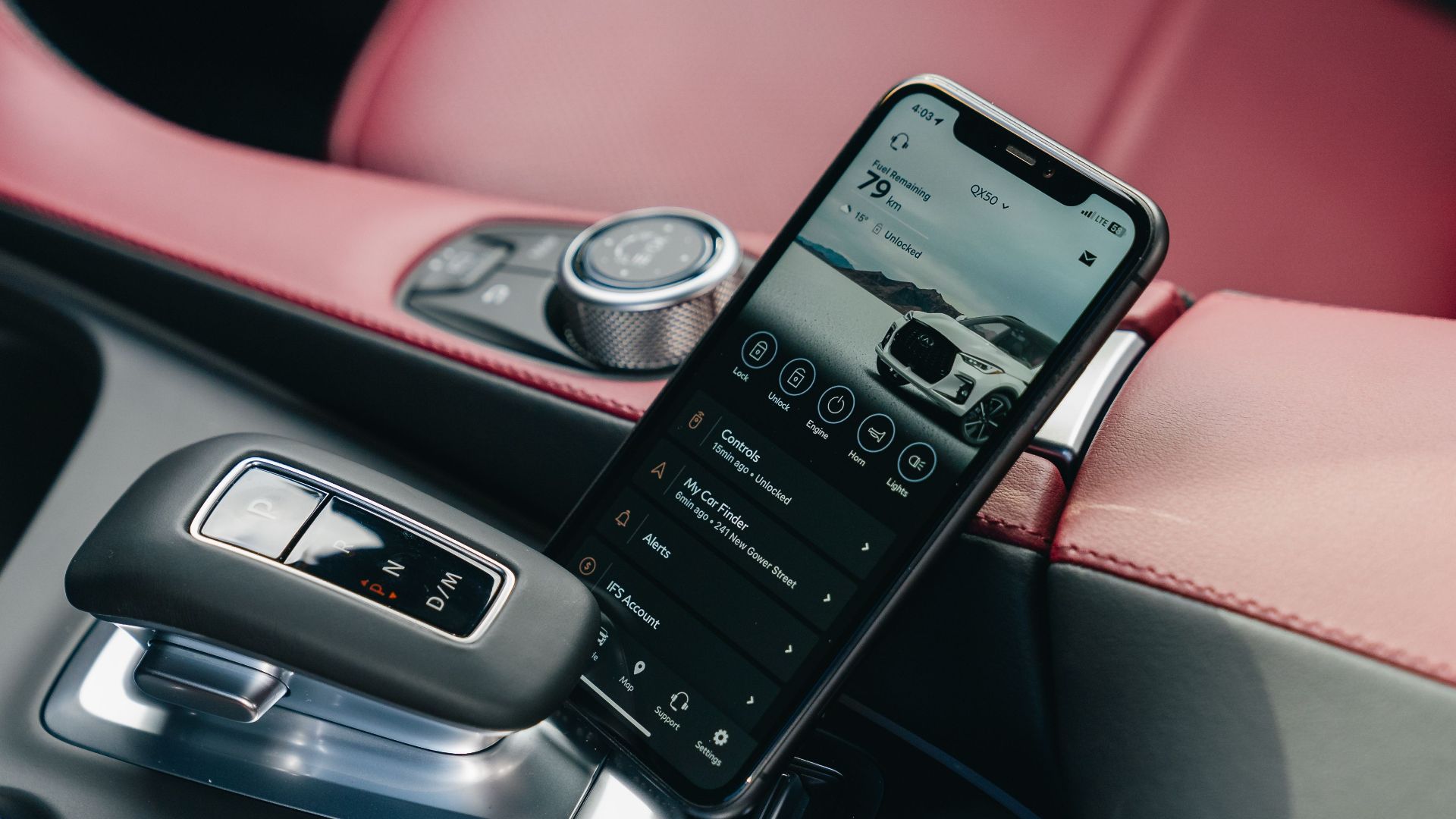
Many data collection features are tied to connected vehicle subscriptions or companion smartphone apps. Signing up for remote services often involves agreeing to privacy policies and terms of service. Those agreements may authorize additional data collection beyond basic vehicle operation.
Insurance Programs Changed The Conversation
Usage based insurance has become increasingly common. Some drivers voluntarily share driving information with insurers in exchange for possible discounts. Other controversies have involved manufacturers sharing driving behavior data through connected vehicle programs without drivers fully understanding how the information would be used.

The GM Case Drew National Attention
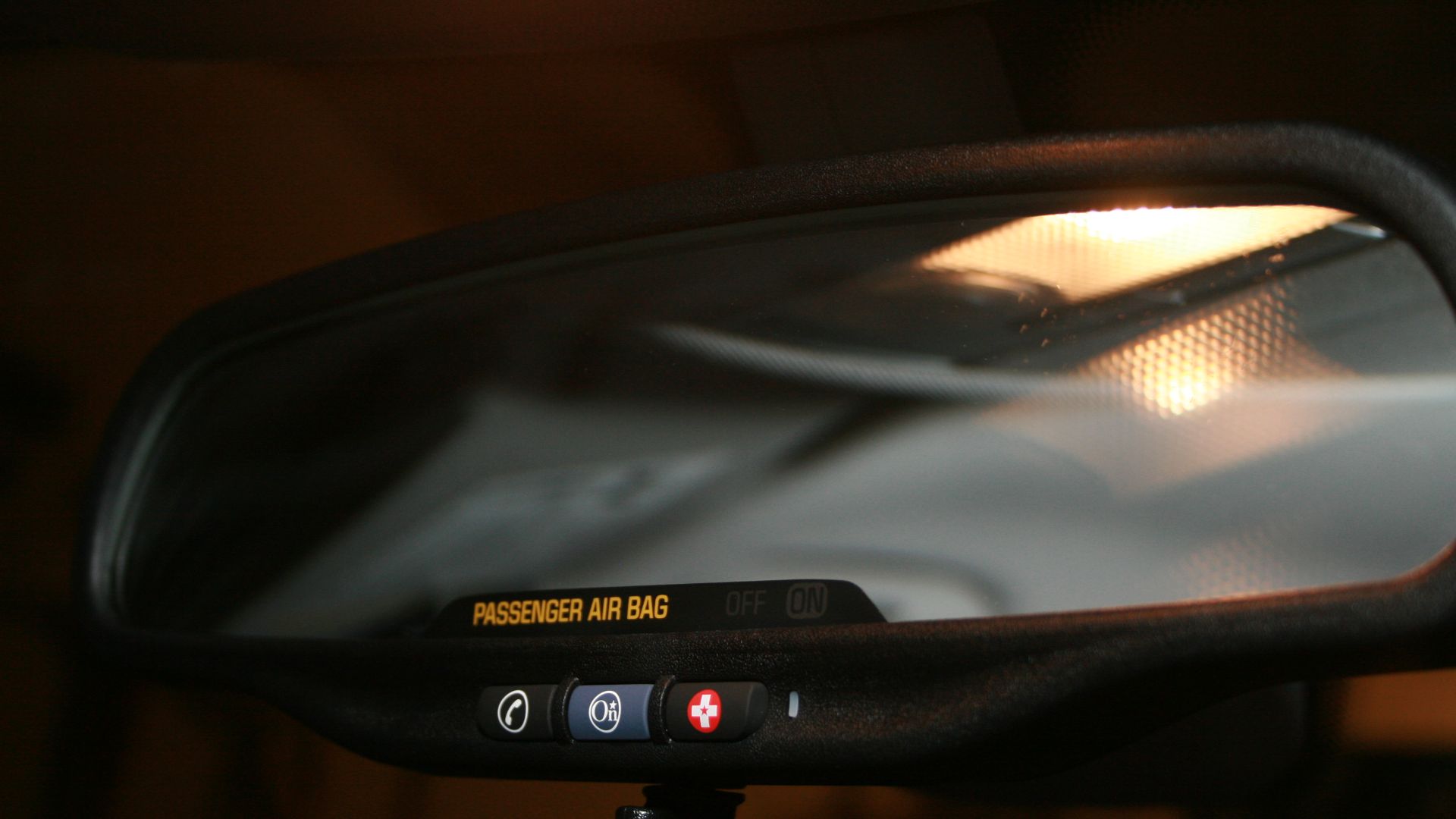
General Motors faced intense scrutiny after reports revealed that driving behavior and location information collected through its OnStar Smart Driver program was shared with consumer reporting agencies that insurers could use. Federal regulators alleged many drivers were not adequately informed about the collection and sharing of this data.
 Tyler from Riverside, USA, Wikimedia Commons
Regulators Stepped In
The Federal Trade Commission reached a settlement with GM and OnStar over these practices. Among other requirements, GM must provide greater transparency, obtain affirmative consent for certain data collection, and give consumers ways to access, delete, and opt out of eligible connected vehicle data collection.
 Carol M. Highsmith (born 1946), Wikimedia Commons
Not Every Automaker Handles Data The Same Way
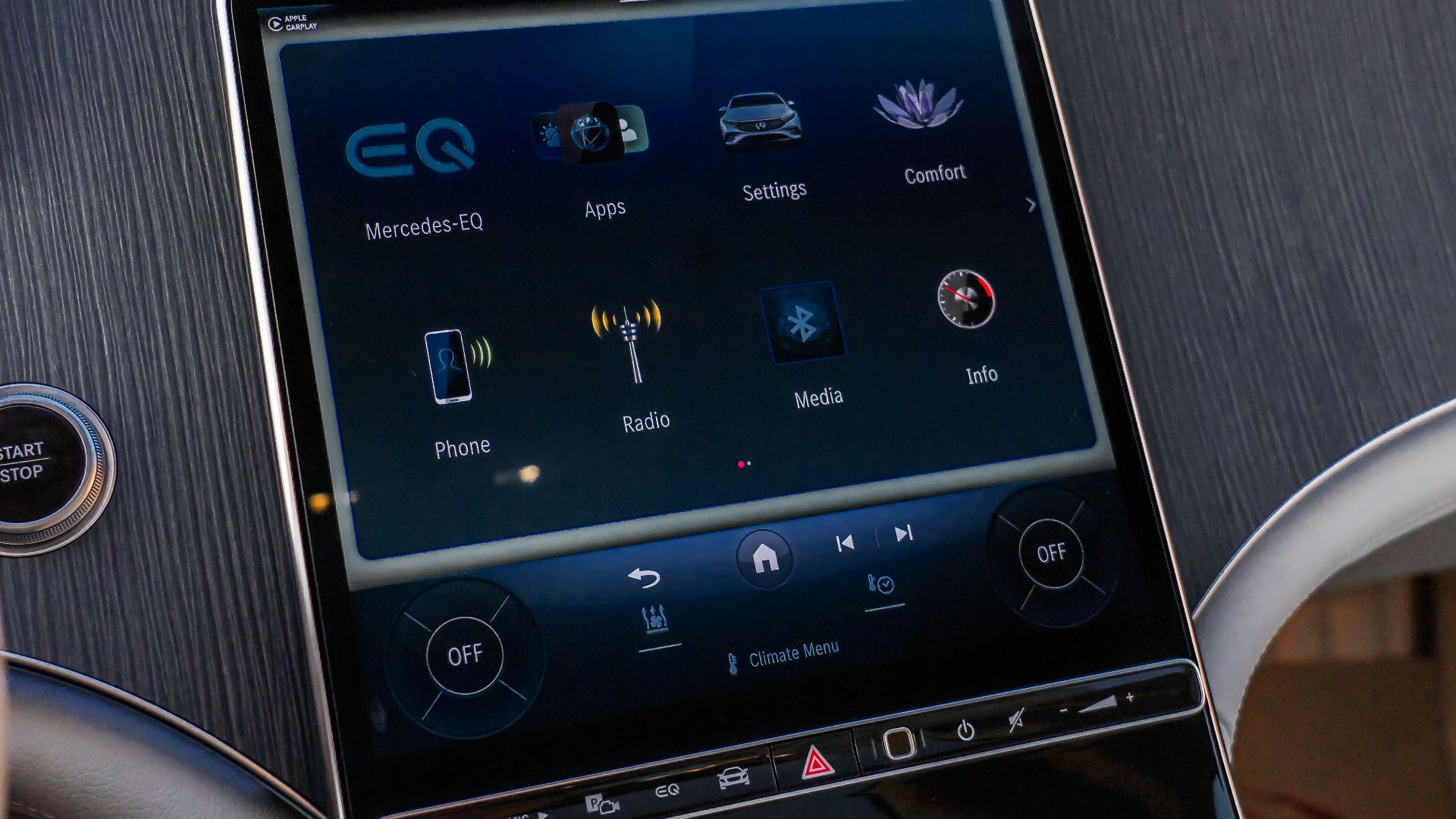
Privacy practices vary widely across the industry. Some companies offer detailed privacy dashboards and opt out controls. Others require owners to dig through multiple menus or account settings before finding relevant options.
Can You Actually Opt Out?
In many cases, yes, but it depends on the vehicle and the feature involved. Some connected services can be disabled entirely, while others allow only partial opt outs. Certain safety related or legally required data collection may continue even after other features are turned off.

Start With Your Privacy Settings
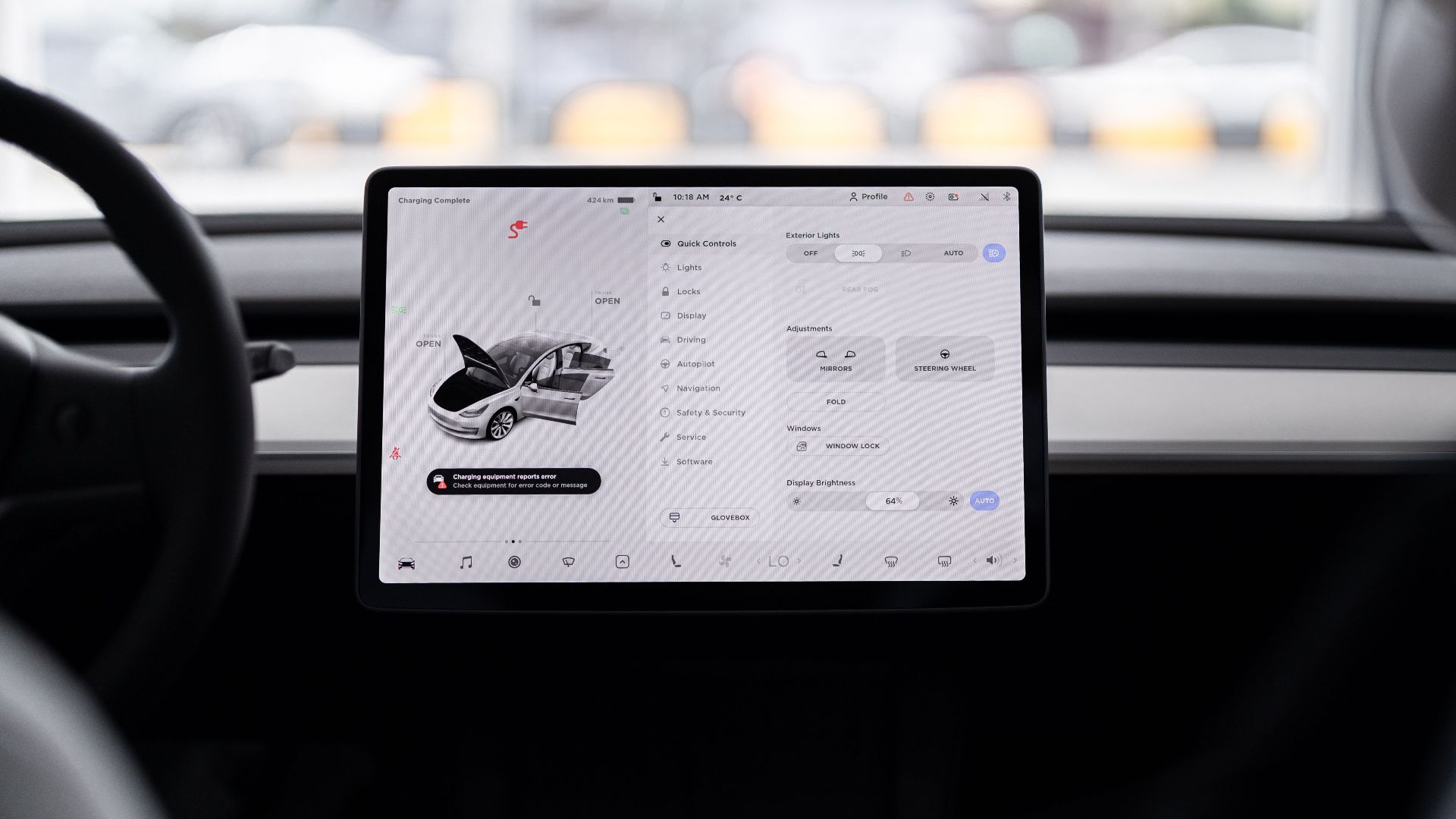
The easiest place to begin is your manufacturer's mobile app or owner account website. Many brands include privacy controls under account, connected services, or data preferences. Some settings are also available directly through the vehicle's infotainment system.
Read The Connected Services Agreement
Few people enjoy reading lengthy agreements, but this is where important details often appear. The documents explain what categories of information are collected and how they may be used. They also describe any available privacy choices.

You May Need To Disable Specific Features
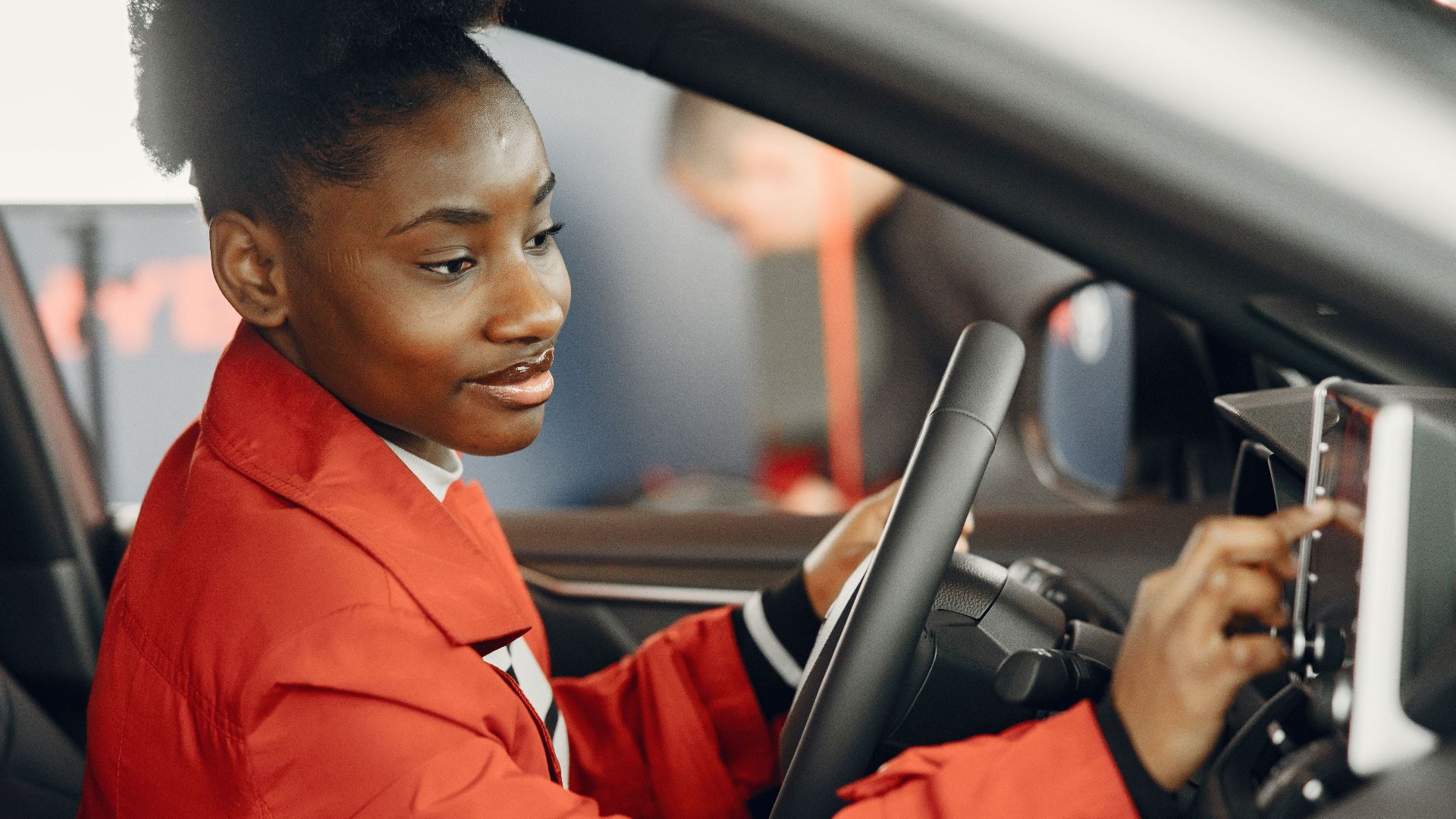
Some driver scoring programs operate separately from general connected services. Turning off one feature may not disable another. Review every connected service individually rather than assuming a single switch covers everything.
Smartphone Apps Collect Data Too
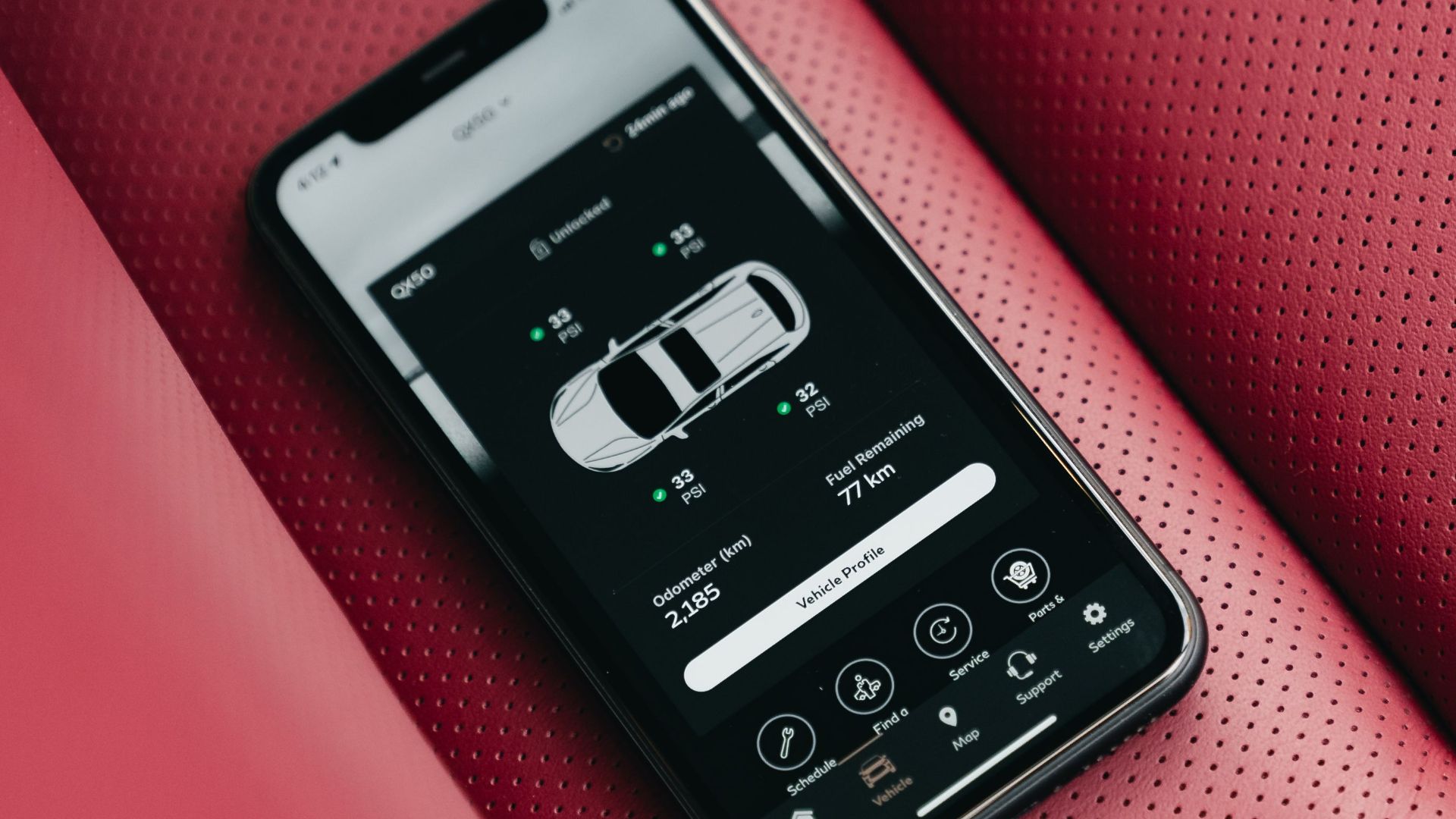
Many automaker apps gather information independently of the vehicle itself. The app may collect location, diagnostic information, or usage statistics through your phone. Reviewing both your app permissions and vehicle settings provides the most complete picture.
Shared Drivers Matter Too
Families often share one connected vehicle. That means multiple people may generate information linked to the same account. Anyone with access to the account should understand what settings are enabled.
Selling The Car Creates Another Privacy Issue
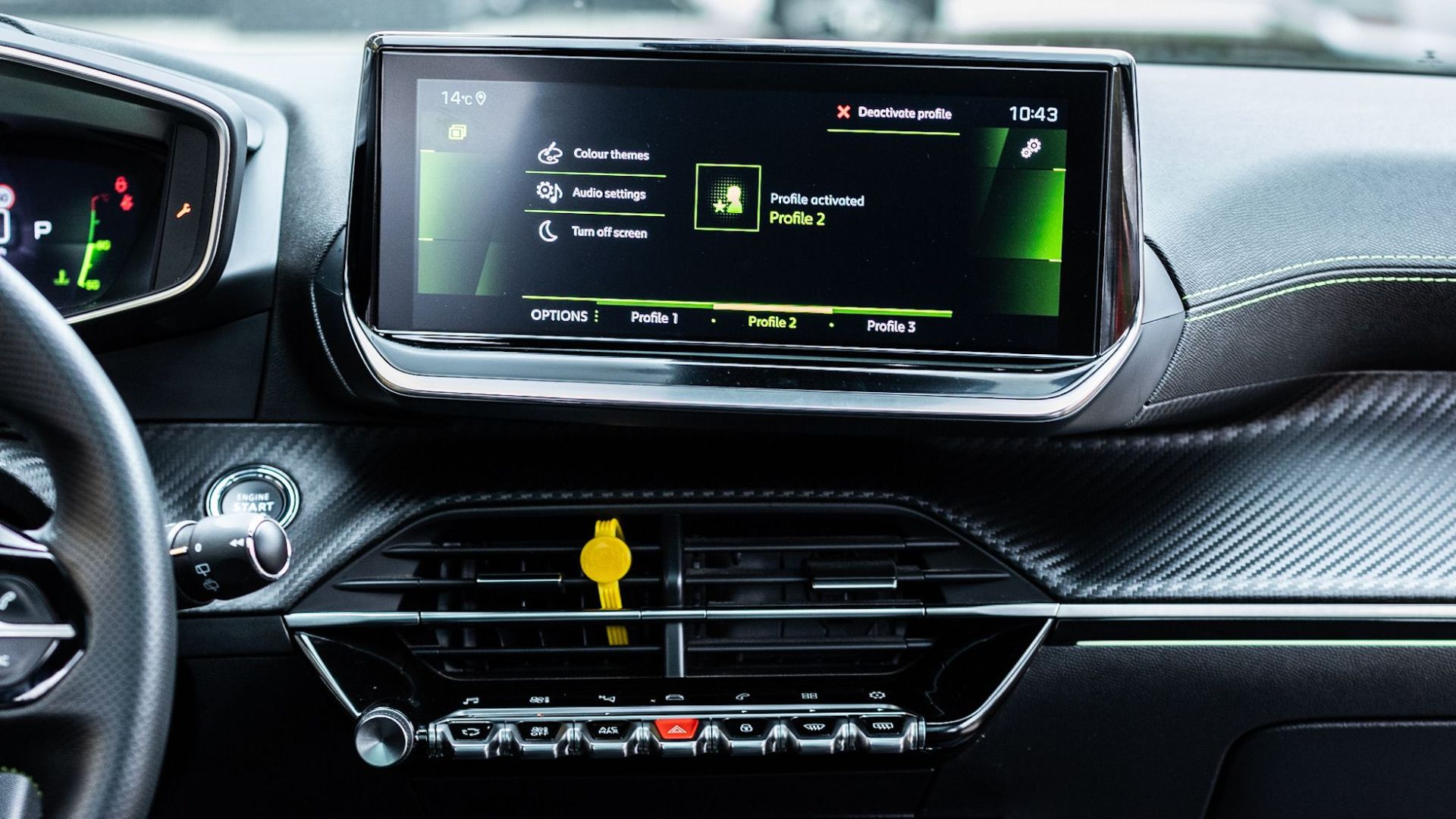
Modern vehicles often retain personal information long after a trip ends. Navigation destinations, paired phones, garage door codes, and contact lists may remain stored inside the vehicle. Performing a factory reset before selling or trading in the car helps remove much of that information.

State Privacy Laws Can Help
Several states have adopted stronger consumer privacy protections in recent years. Depending on where you live, you may have rights to access, delete, or request limits on certain personal information held by companies. Those rights vary by state and by the applicable privacy law.

California Drivers Have Additional Rights
California's Consumer Privacy Act gives many residents the ability to request access to certain personal information and ask businesses to delete qualifying data. Some connected vehicle information may fall within these protections, although exceptions can apply.

Does Turning Off Cellular Service Solve It?
Not necessarily. Disconnecting a subscription or losing cellular service does not automatically erase information already stored in the vehicle. Some systems continue recording data locally even when it is not being transmitted immediately.
What About Safety Features?
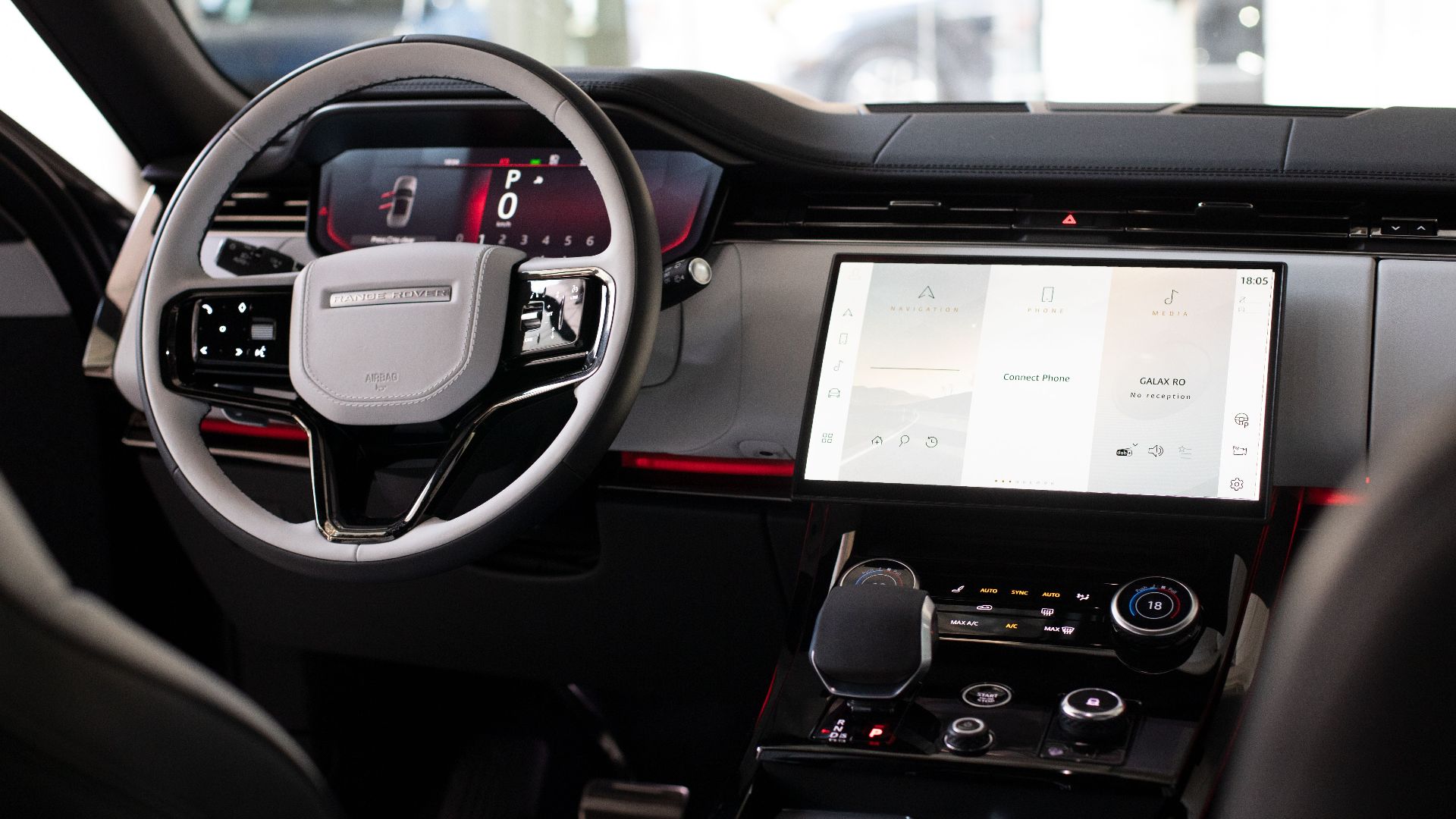
Automatic crash notification and emergency assistance rely on data sharing to work properly. If you disable certain connected services, you could lose access to features that contact emergency responders after a serious collision. Consider the tradeoffs before opting out.

Ask Questions At The Dealership
Privacy discussions rarely receive as much attention as horsepower or financing. Ask the salesperson which connected services are activated at delivery. Also ask whether any optional data sharing programs can be declined during setup.

Review Your Owner Account Every Year
Manufacturers occasionally update their privacy policies and connected services. New software updates can also introduce additional features. Checking your account once a year helps ensure your preferences still match your expectations.

Request A Copy Of Your Data
Some manufacturers now allow customers to request copies of certain information associated with their connected vehicle accounts. Reviewing that information can provide a better understanding of what is actually being retained. The FTC settlement with GM also requires such a process for eligible consumers.
Privacy Is Becoming A Bigger Selling Point
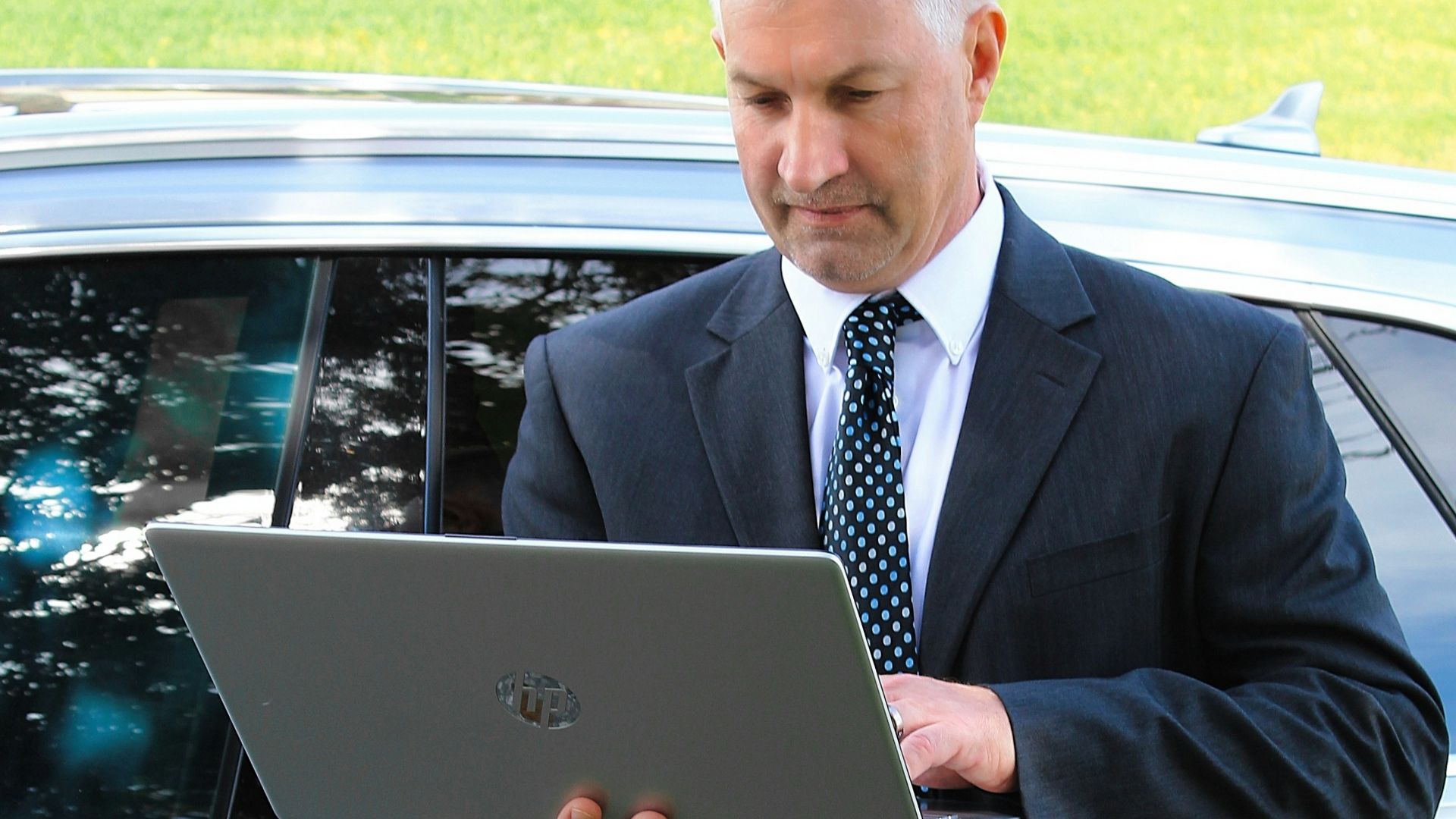
As consumers become more aware of connected vehicle data practices, manufacturers face growing pressure to offer clearer disclosures and easier privacy controls. Regulators have also signaled that deceptive or confusing data collection practices will receive greater scrutiny.

The Bottom Line
Your new vehicle probably collects more information than you realize, but that does not mean you are powerless. Many drivers can limit or disable at least some forms of data collection by reviewing connected services, privacy settings, and account preferences. Spending a few minutes exploring those options can give you much greater control over what your car knows about you.
You May Also Like: