A Sudden Scare
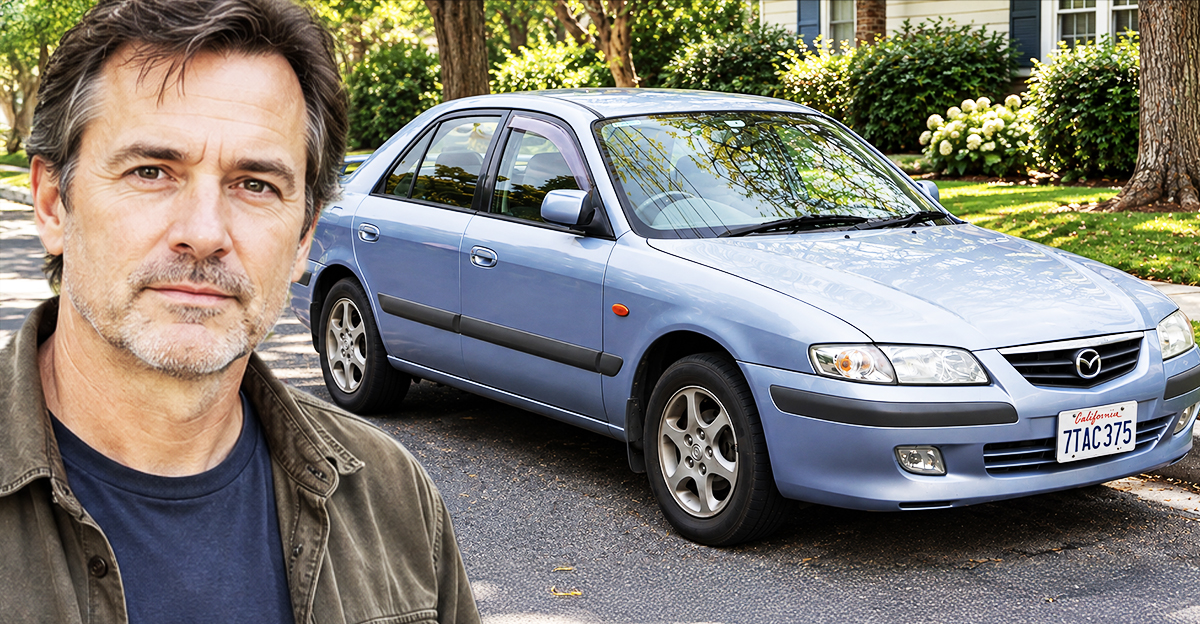
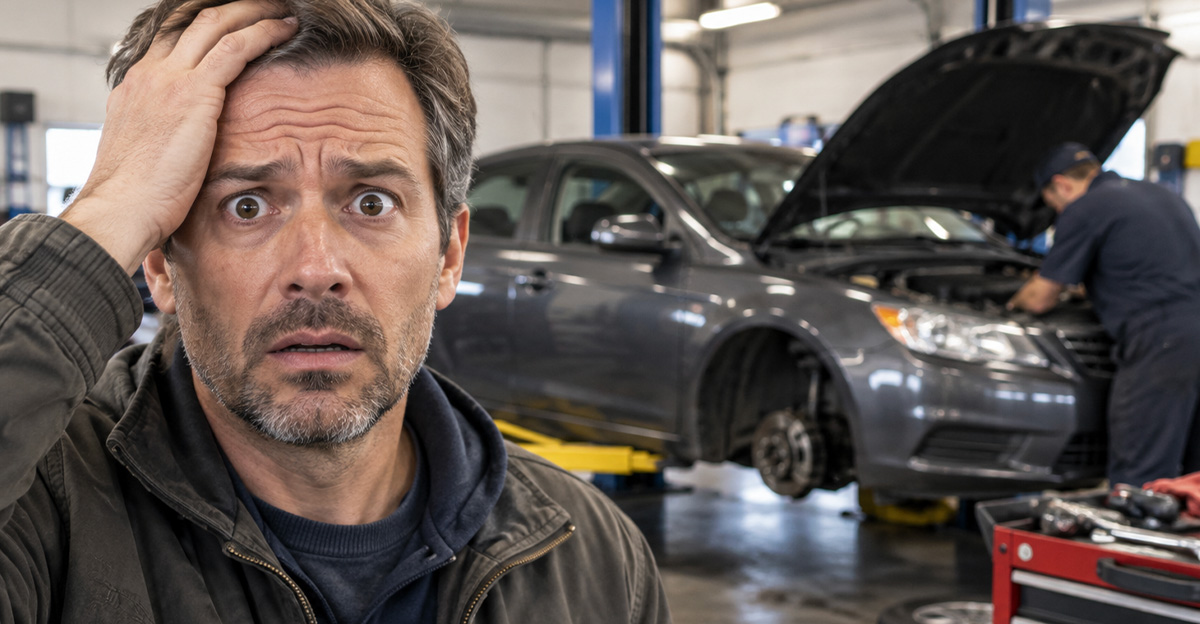
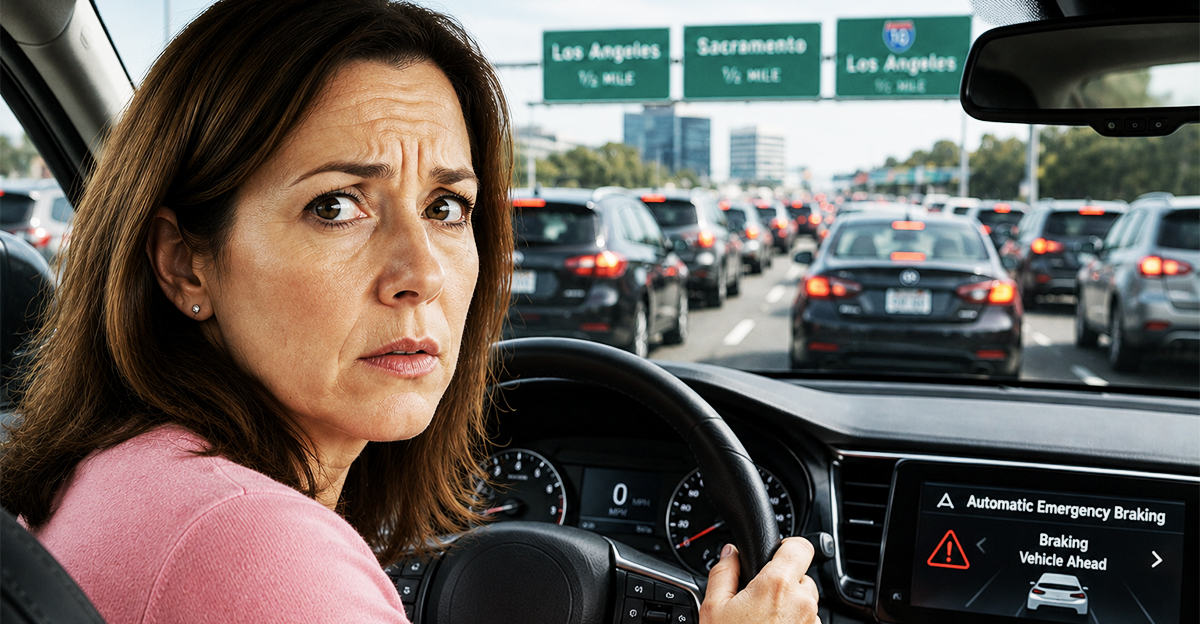
Your new car suddenly slams on the brakes even though the road ahead is clear. A driver behind you crashes into your bumper. Was the other driver following too closely, did your vehicle malfunction, or could the automaker share responsibility? The answer depends on both the facts and the evidence.
Understanding Automatic Braking
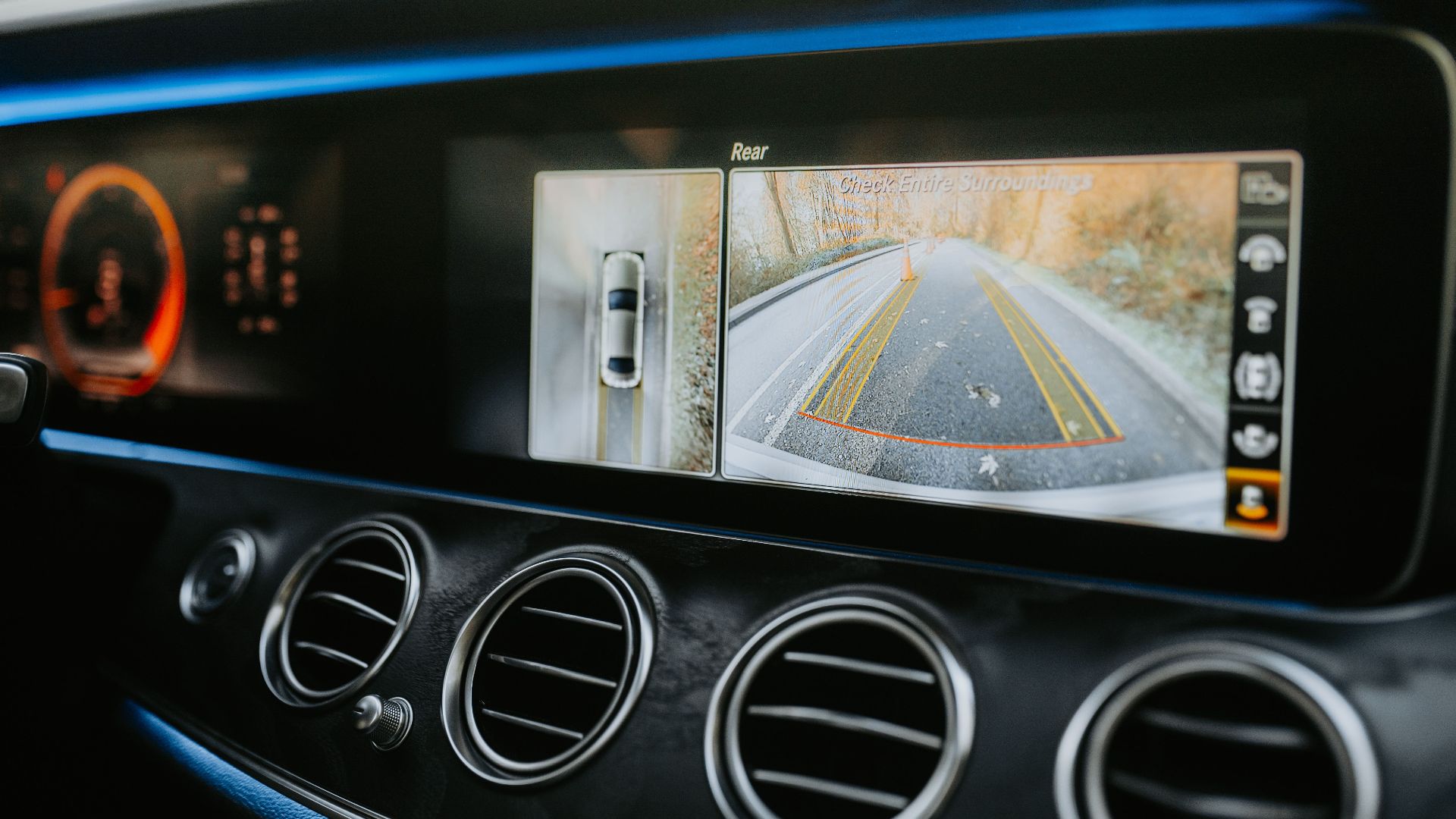
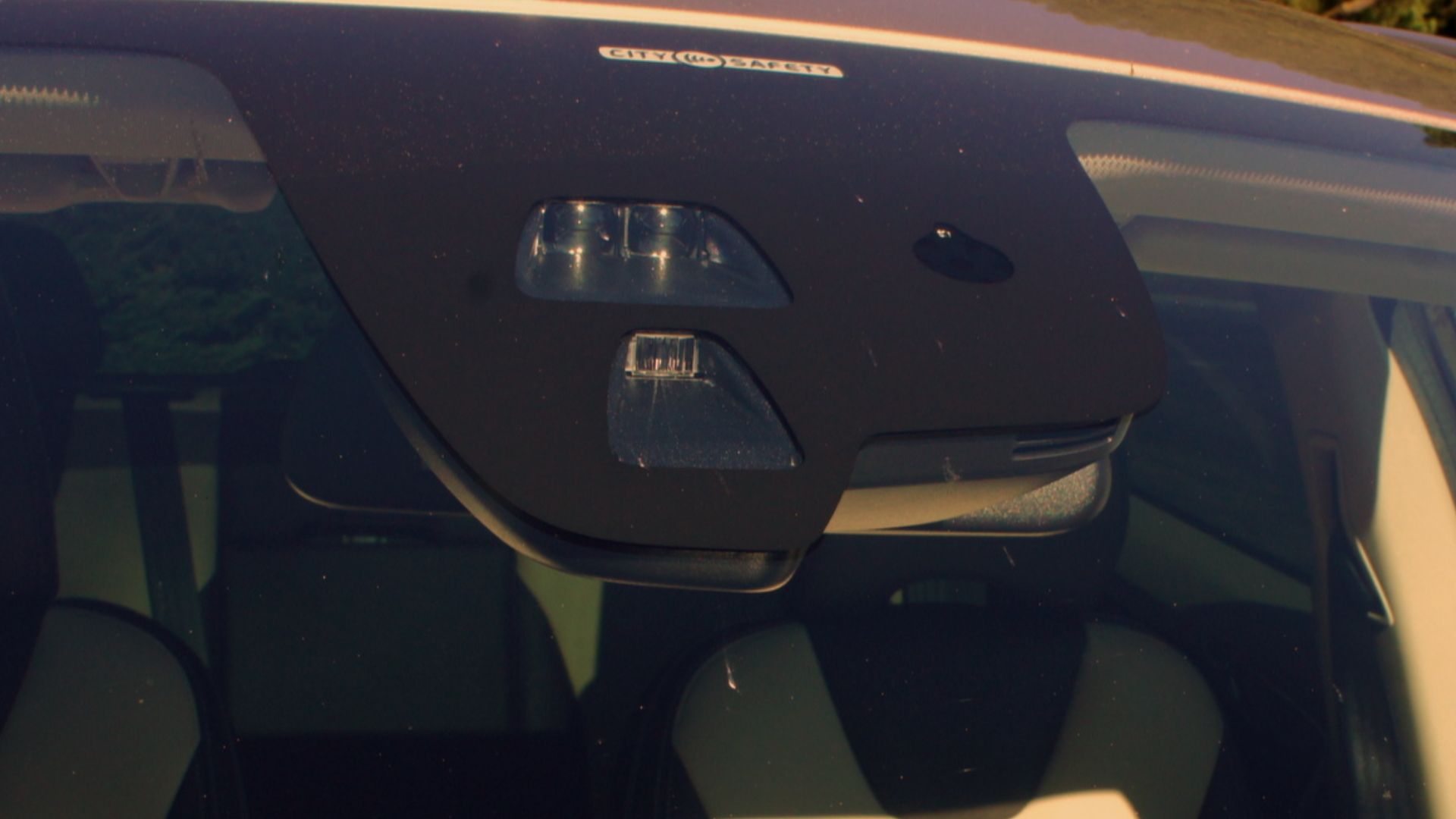
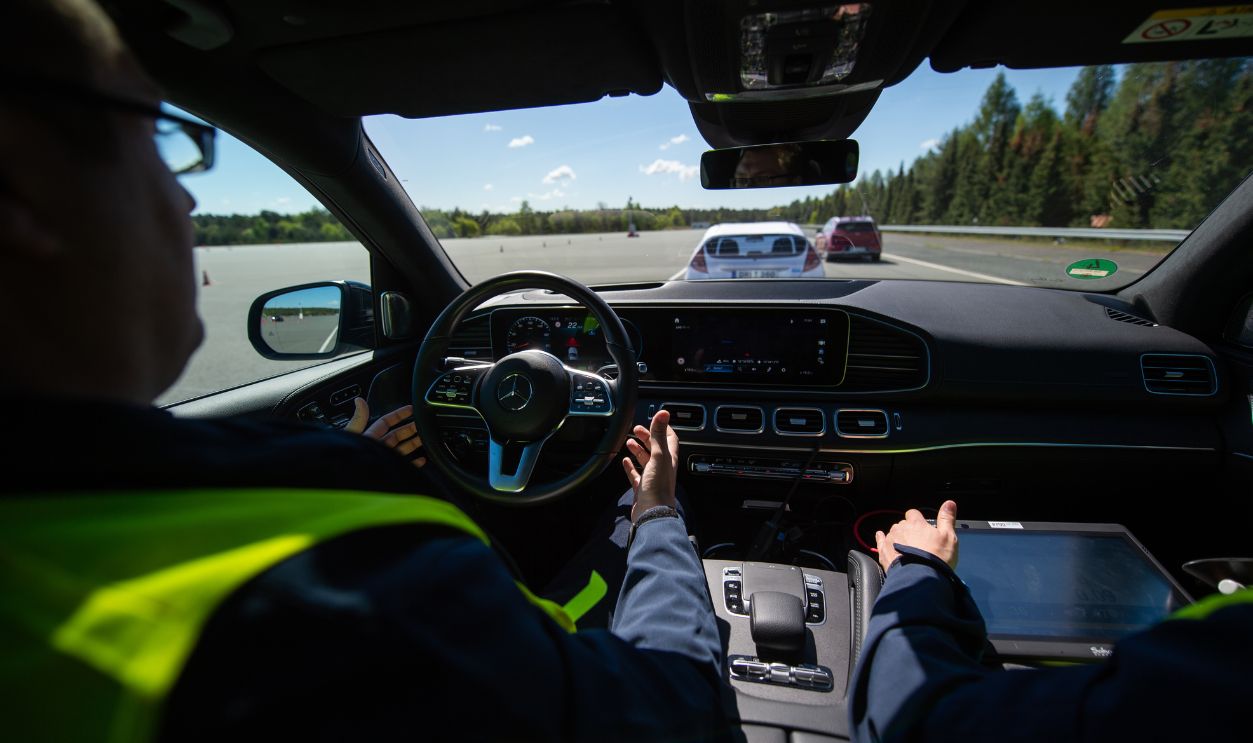
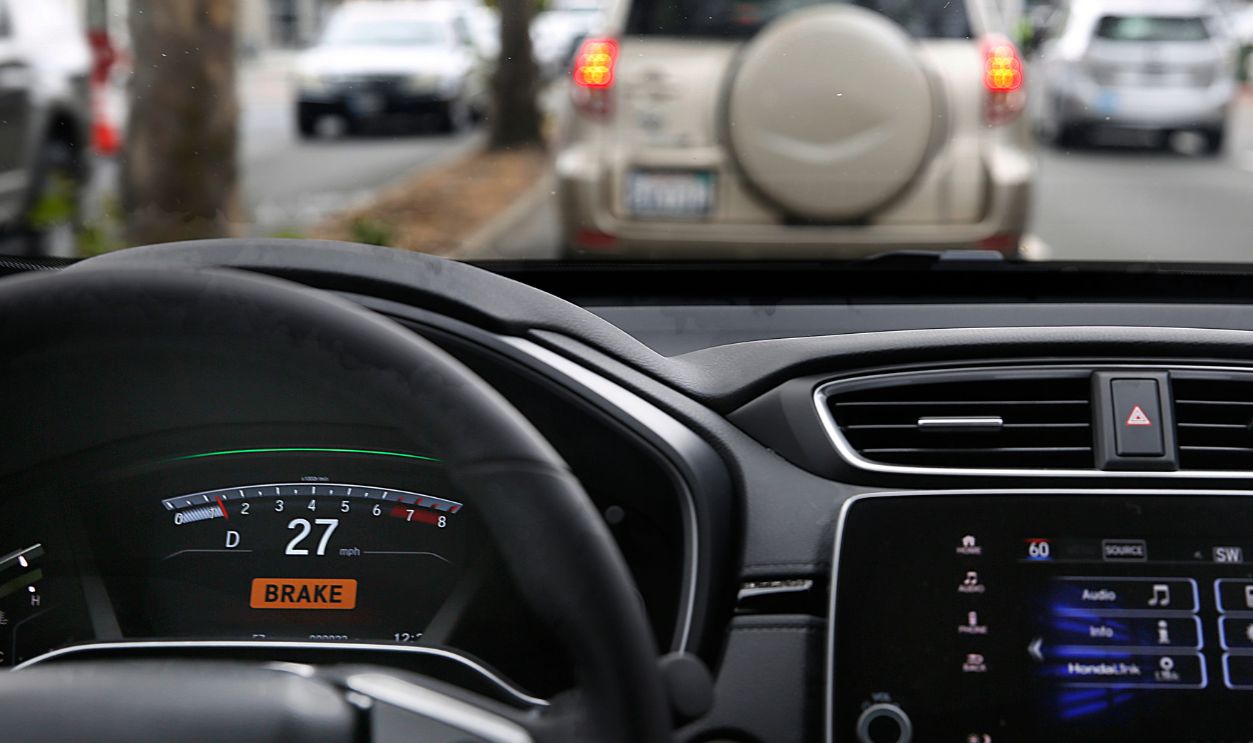
Automatic Emergency Braking, often called AEB, uses cameras, radar, lidar, or a combination of sensors to detect an imminent collision. If the driver does not react quickly enough, the system can automatically apply the brakes to reduce crash severity or avoid a collision altogether.
A Proven Safety Benefit
Despite occasional complaints, AEB has a strong safety record. Multiple studies have found that these systems significantly reduce rear end crashes, with some estimates showing reductions of roughly 25 to 50 percent depending on the vehicle and driving conditions.
 Michael Sheehan, Wikimedia Commons
Phantom Braking
Drivers sometimes report "phantom braking," where the system mistakenly identifies a hazard and brakes unexpectedly. Shadows, overpasses, road signs, unusual pavement markings, or sensor errors have all been cited as possible contributors to false activations.

The Rear End Problem
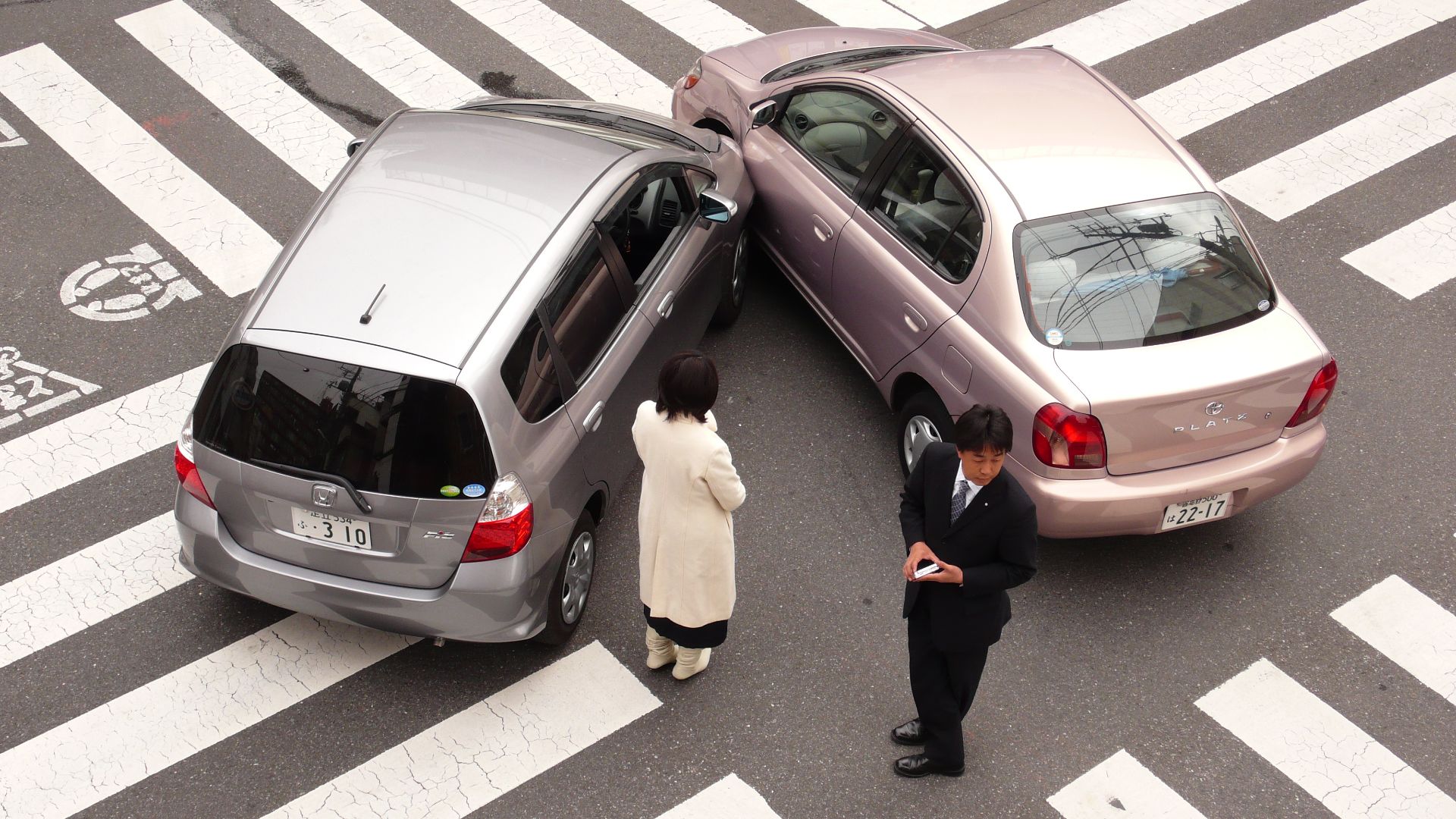
A sudden unnecessary stop can create its own danger. A following driver may not have enough time to react, leading to a rear end collision. That raises difficult questions about whether the fault lies with the driver, the technology, or both.

Driver Responsibility Remains
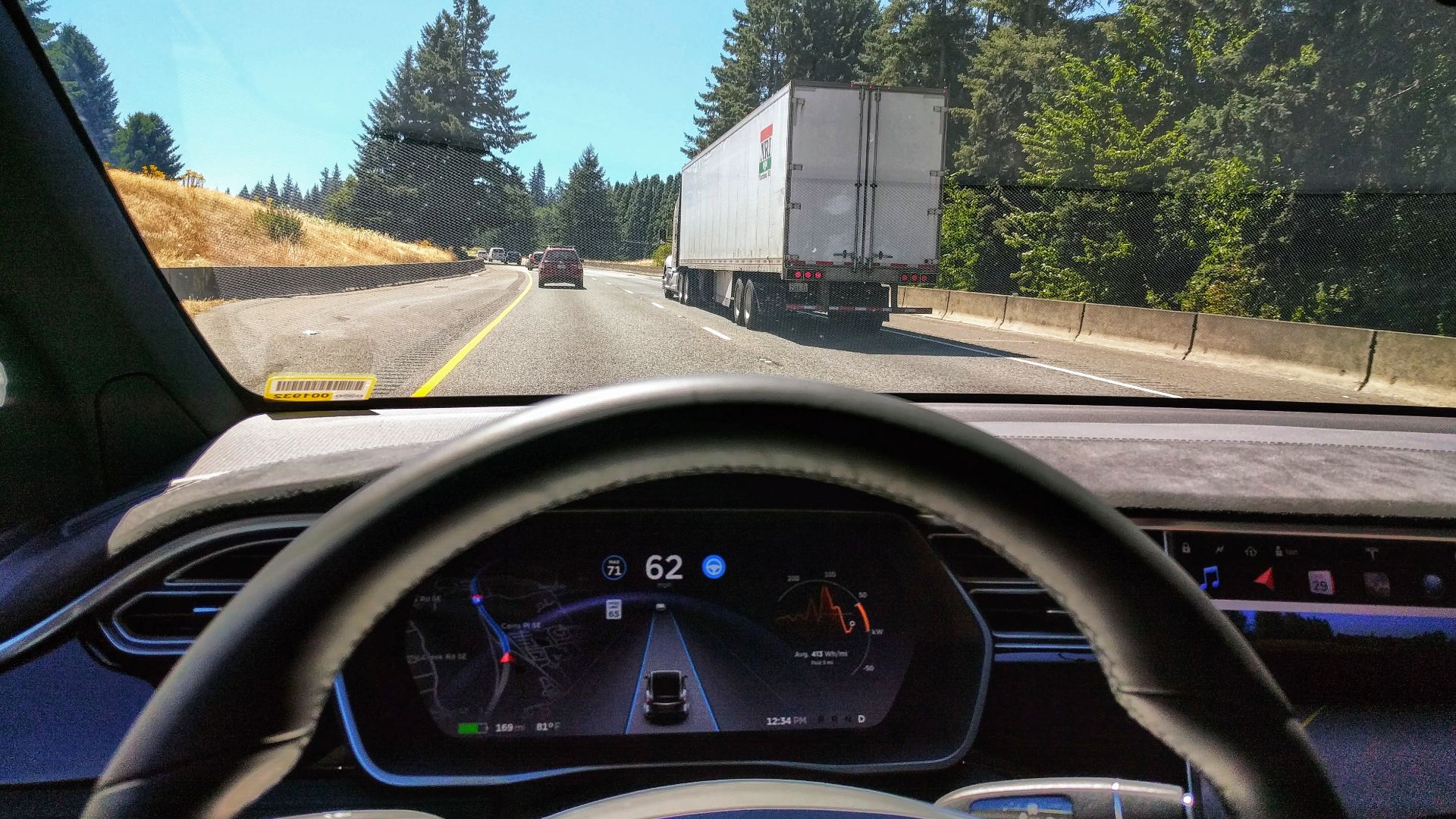
In the United States, AEB is considered a driver assistance feature, not a substitute for attentive driving. Drivers are still expected to maintain control of the vehicle and remain responsible for operating it safely under normal driving conditions.
 Ian Maddox , Wikimedia Commons
Rear Driver Presumption
Many states presume that the driver who rear ends another vehicle was following too closely. That presumption can often be challenged, however, if evidence shows the lead vehicle stopped unexpectedly because of a mechanical defect or technology failure.
 picture alliance, Getty Images
Could The Automaker Pay?
If a defective braking system caused the crash, the manufacturer could potentially face product liability claims. Success depends on proving that the system malfunctioned, that the defect caused the accident, and that the defect existed when the vehicle left the manufacturer.

Proving A Malfunction
Simply saying the brakes activated unexpectedly usually is not enough. Investigators may examine crash data, diagnostic records, recall history, software versions, maintenance records, and witness statements to determine whether the AEB system actually malfunctioned.
Event Data Recorders
Many modern vehicles contain Event Data Recorders, sometimes called black boxes. These devices can capture information such as vehicle speed, brake application, steering input, seatbelt use, and other operating data immediately before and during a collision.
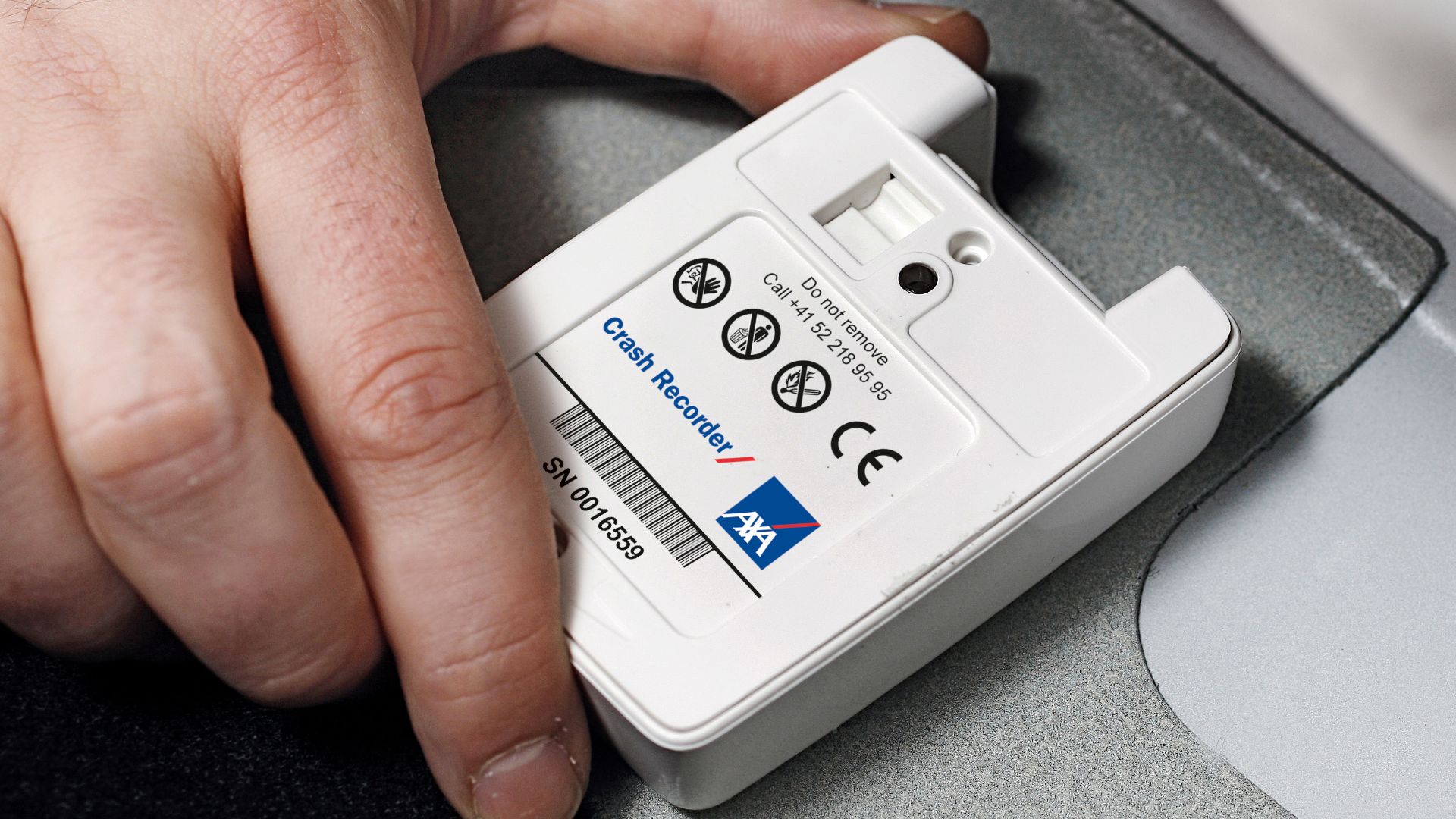 The original uploader was AXAWinterthur at German Wikipedia., Wikimedia Commons
Camera Footage Helps
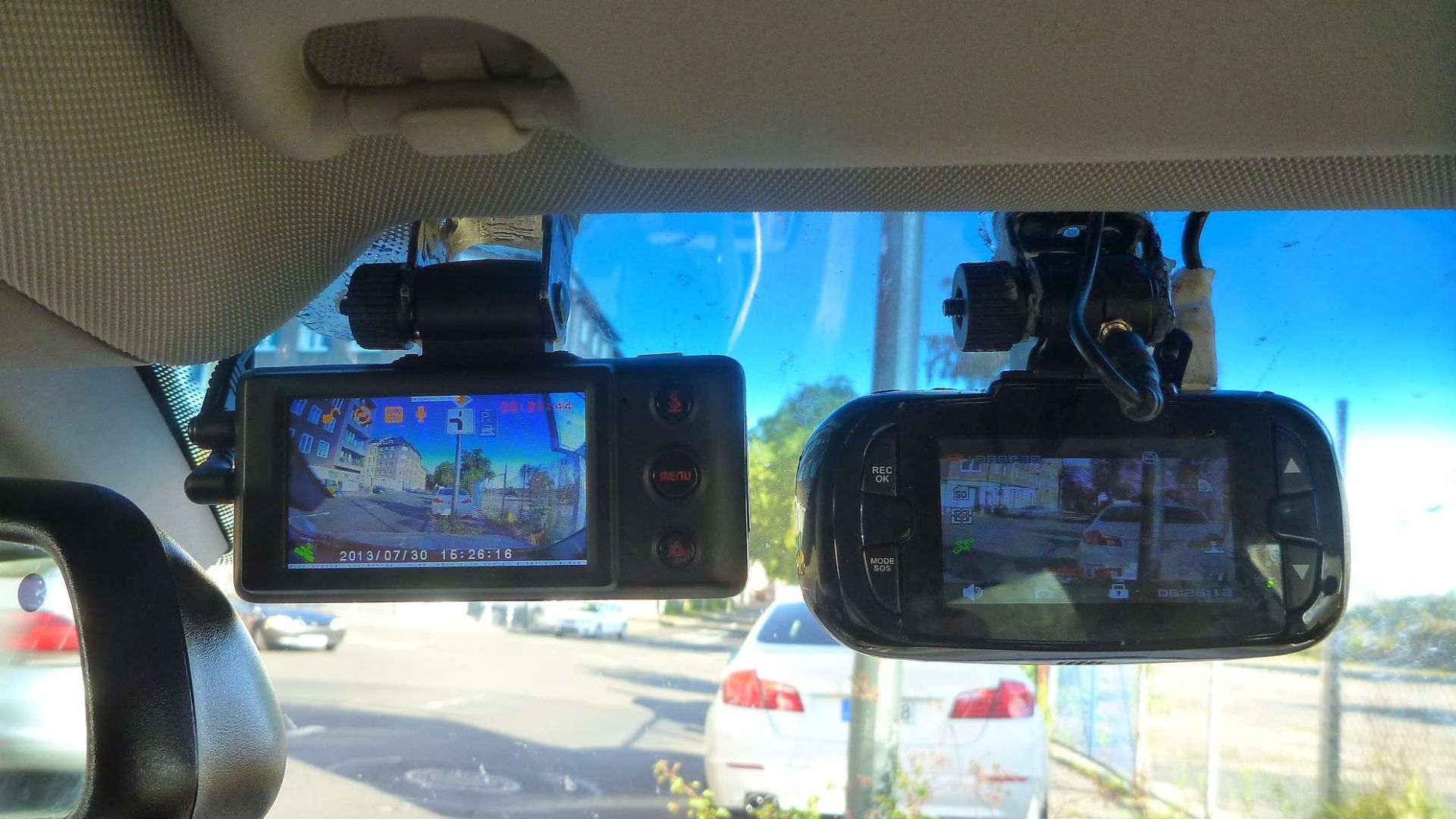
Dash cameras can become some of the strongest evidence in phantom braking cases. Video showing an empty roadway immediately before sudden braking may help establish whether the AEB system reacted to a nonexistent hazard.
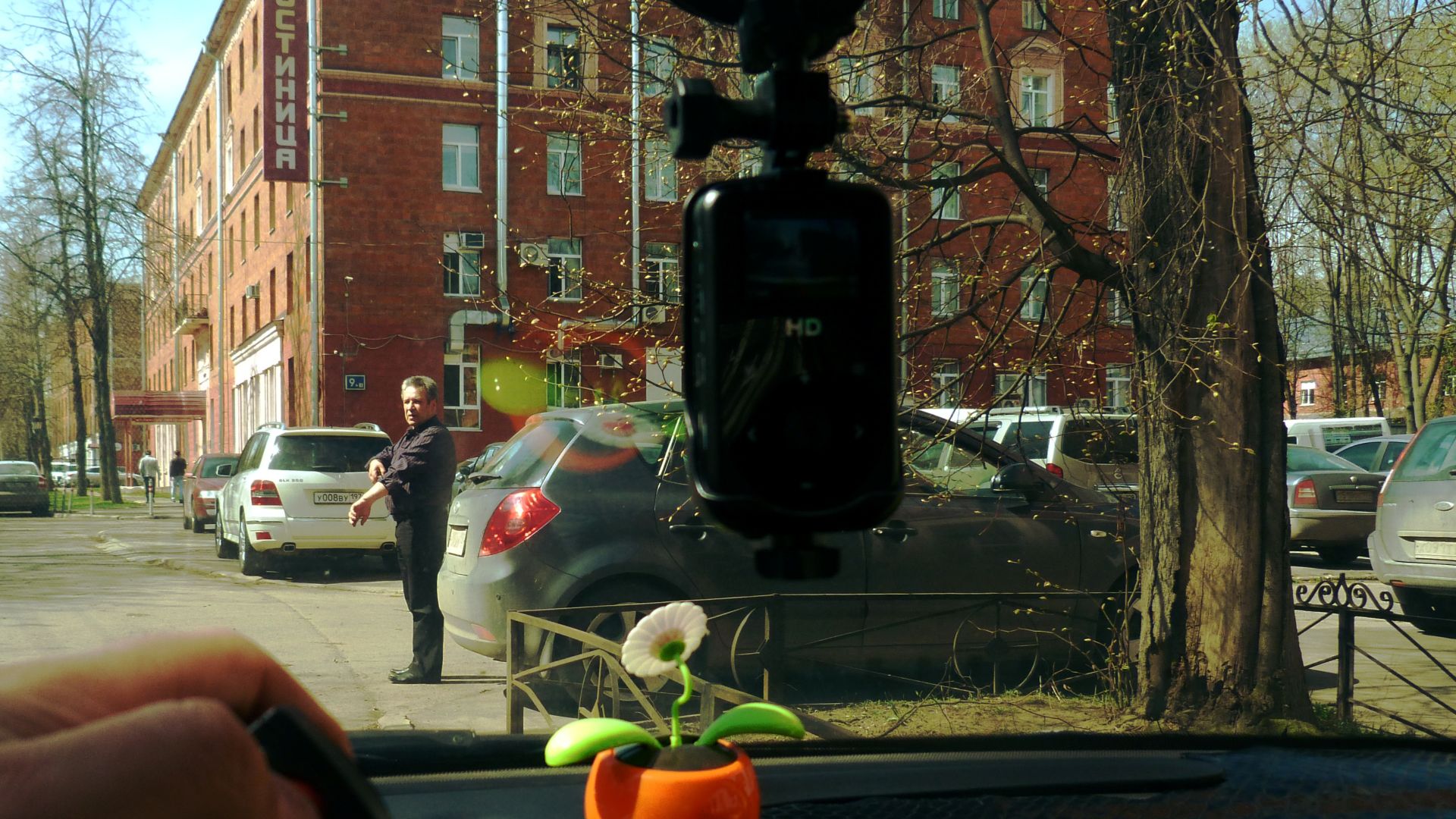 Sergey solom, Wikimedia Commons
Check For Recalls
Some AEB problems have resulted in manufacturer recalls or government investigations. If your vehicle has an outstanding recall involving its braking or driver assistance system, that information could become important after a crash.
Sensor Problems
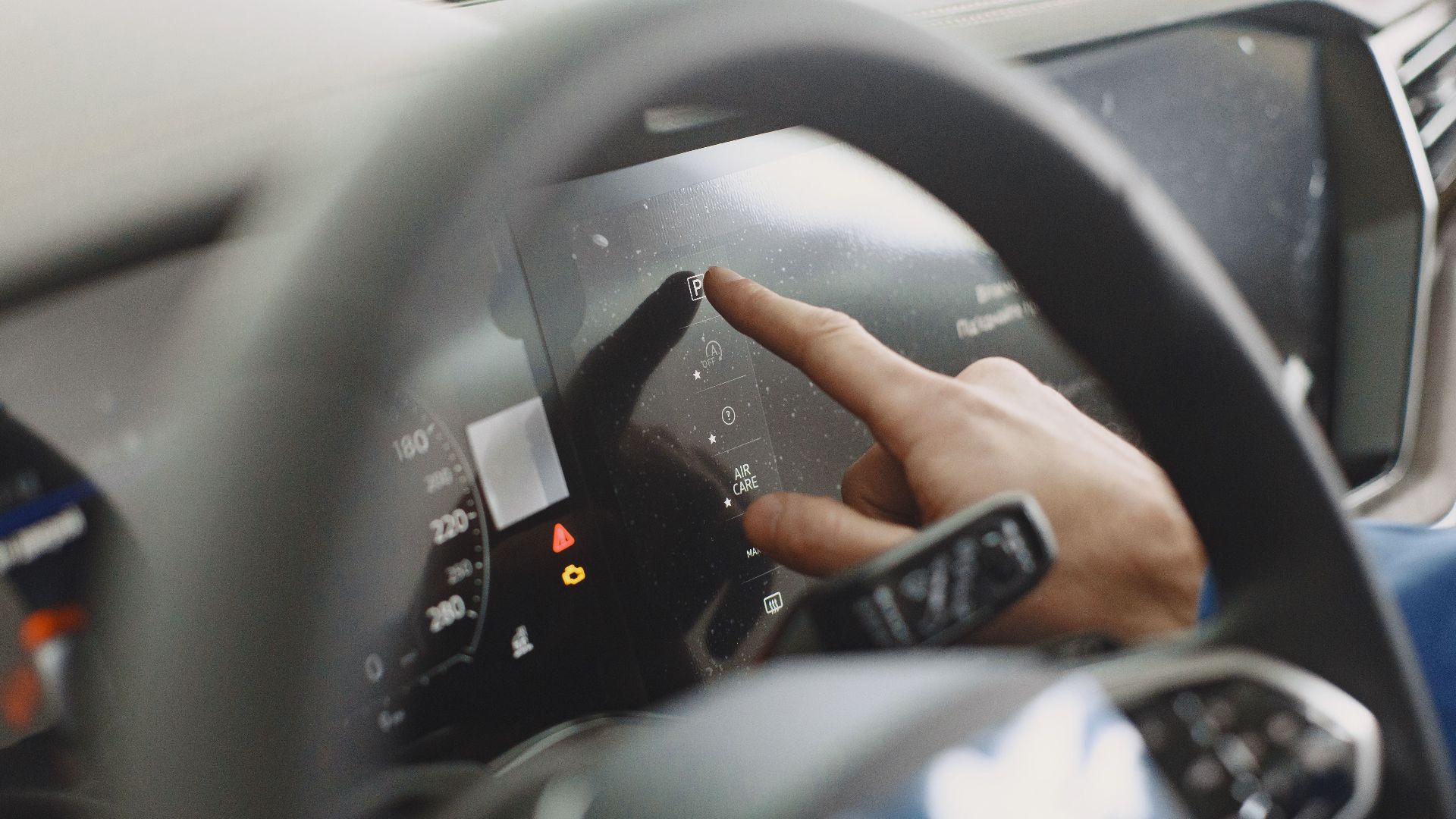
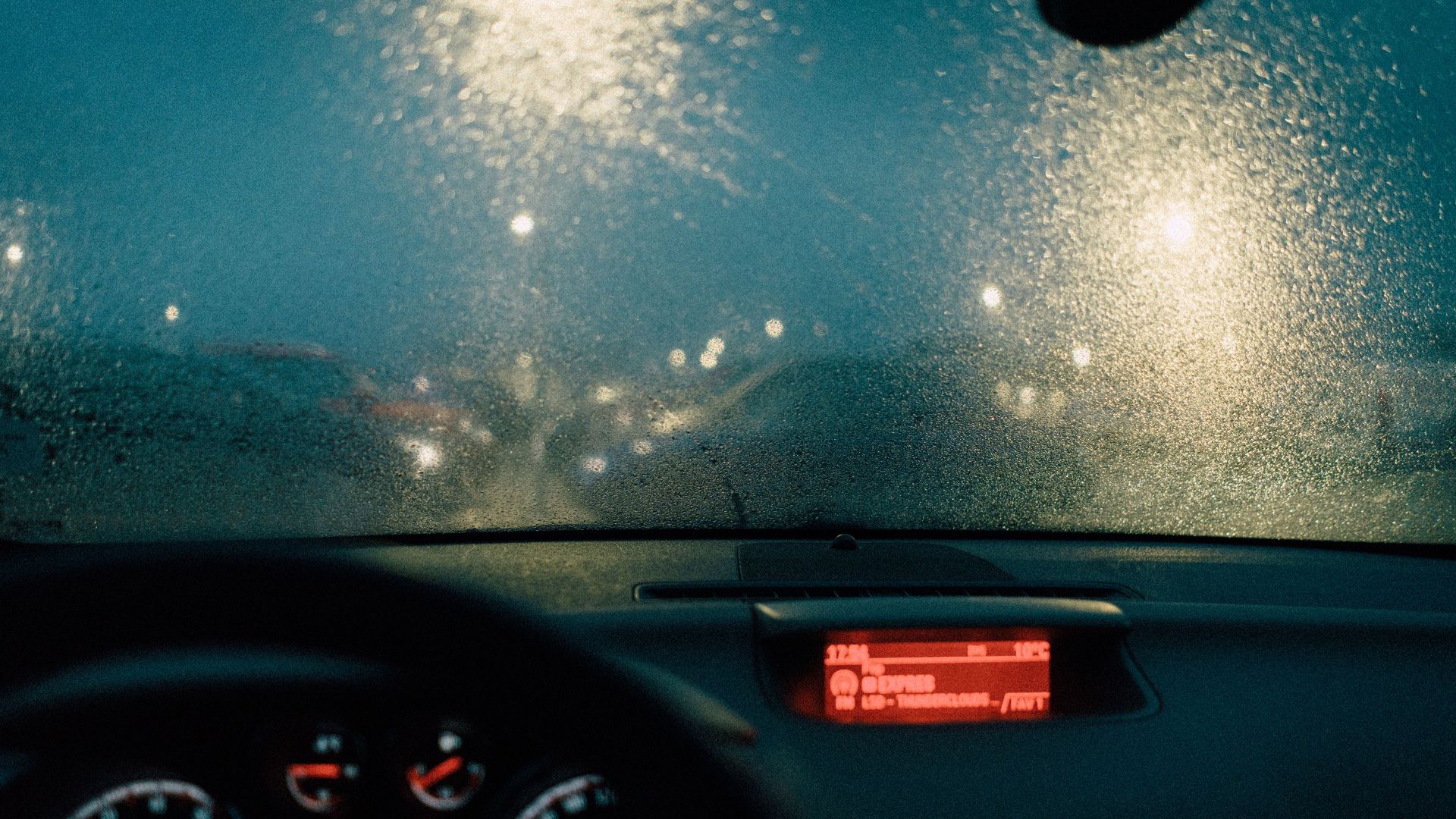
Dirty cameras, snow, heavy rain, misaligned radar sensors, windshield replacements, or collision repairs can interfere with AEB performance. Even a properly designed system may behave unpredictably if its sensors are obstructed or improperly calibrated.
Insurance Investigation
Insurance companies generally investigate these claims like any other accident. Adjusters may review police reports, repair records, photographs, onboard data, and statements from both drivers before deciding whether liability should be shared or assigned to one party.

Comparative Fault
Many states follow comparative negligence rules. Even if an AEB malfunction contributed to the collision, another driver who was speeding, distracted, or following too closely may still bear some percentage of responsibility for the resulting damages.

Preserve The Evidence
If you suspect phantom braking caused a collision, avoid deleting vehicle data if possible. Save dashcam footage, photograph the roadway, record weather conditions, and obtain contact information for any witnesses before memories begin to fade.
Request Dealer Inspection
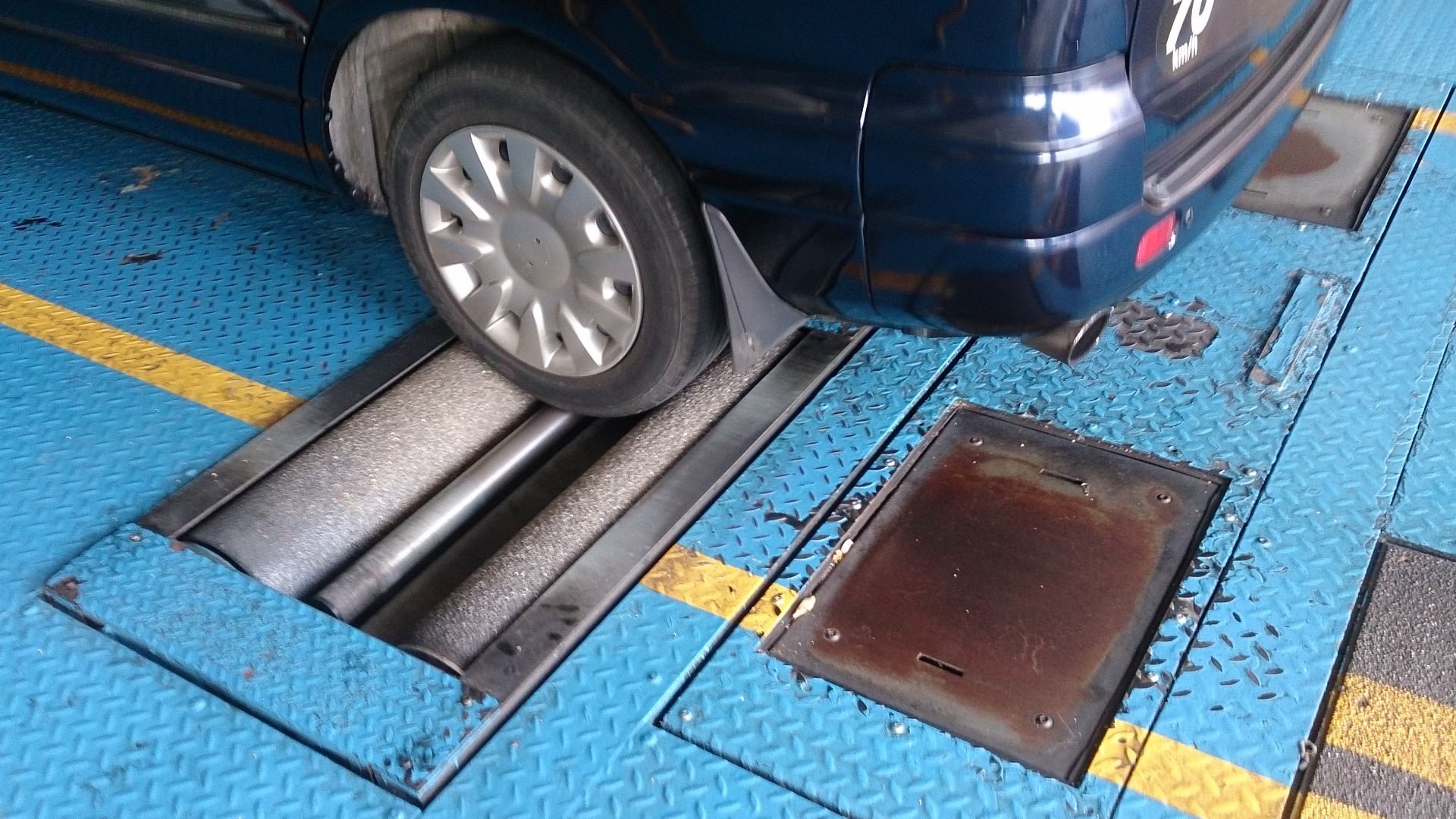
Have the vehicle inspected by the dealership as soon as practical. Ask for written documentation of any diagnostic trouble codes, software updates, sensor calibrations, or repairs performed during the inspection.

Software Matters
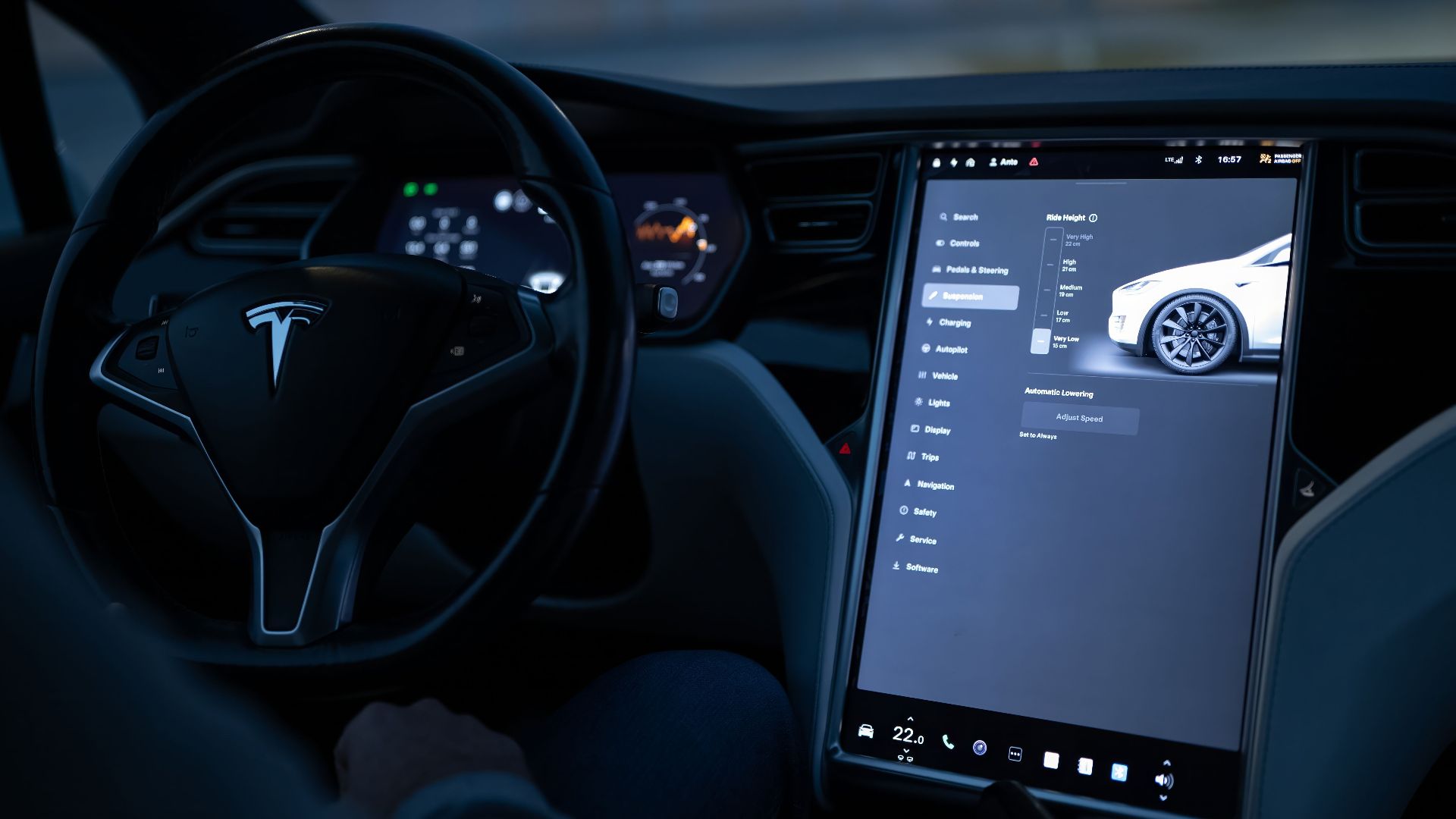
Modern driver assistance systems rely heavily on software. Manufacturers periodically release updates that improve object recognition, reduce false braking events, or address known defects identified through customer complaints and engineering analysis.
Lawsuits Exist
Several manufacturers have faced lawsuits alleging phantom braking defects. These cases do not automatically prove a defect in every vehicle, but they demonstrate that courts are increasingly being asked to evaluate accidents involving advanced driver assistance technology.

Human Factors
Drivers may also misinterpret what happened during a stressful event. Independent reconstruction experts often compare vehicle data, video evidence, physical damage, and roadway conditions before concluding whether the AEB system actually initiated the braking.
 Shuets Udono, Wikimedia Commons
Future Improvements
Federal regulators continue pushing for more capable AEB systems while recognizing that false activations remain an engineering challenge. Manufacturers are improving sensor fusion, software, and testing to reduce both missed hazards and unnecessary braking.
 ProjectManhattan, Wikimedia Commons
Prevention Tips
Keep sensors clean, replace damaged windshields with proper calibration, install software updates promptly, and remain alert even when driver assistance systems are active. Technology works best when combined with attentive driving rather than replacing it.
Seek Legal Advice
If serious injuries or significant property damage result from suspected phantom braking, consider consulting an attorney experienced in automotive product liability. The legal issues often extend beyond a routine insurance claim and may require expert technical analysis.

Responsibility Depends
There is rarely a single answer. Responsibility may rest with the following driver, the driver using the AEB-equipped vehicle, the vehicle manufacturer, or some combination of all three. Careful investigation usually determines how liability is ultimately divided.
 San Francisco Chronicle/Hearst Newspapers, Getty Images
You May Also Like:
My mechanic says I need new brake fluid every two years. Is that really necessary?