My Lifted Truck Just Became A Legal Problem
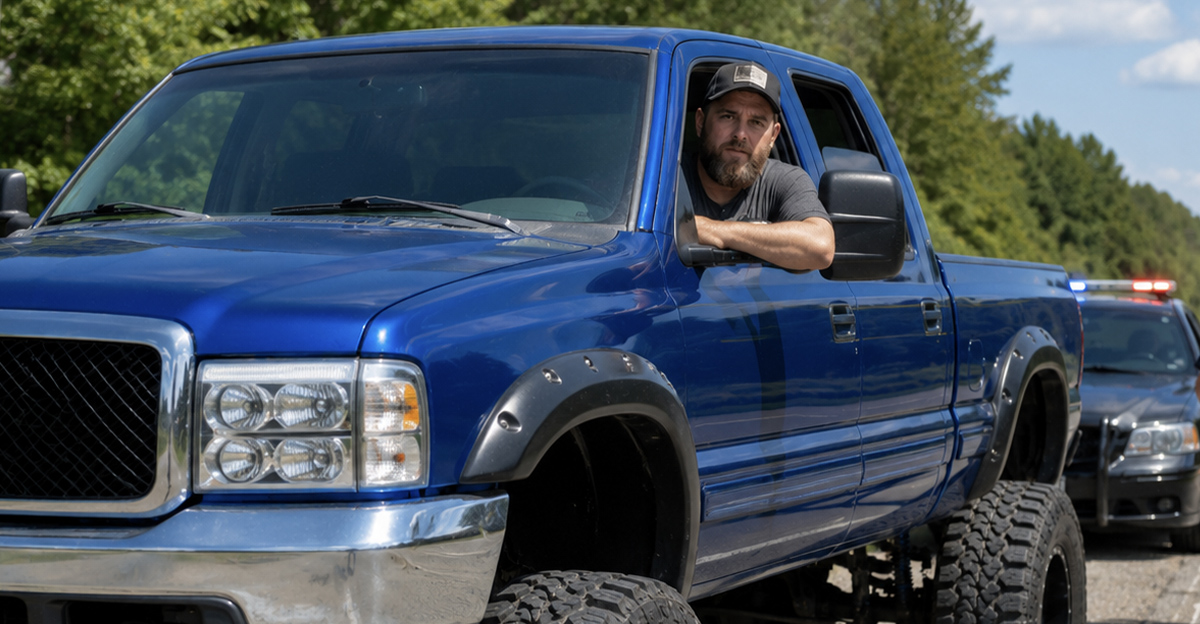
Lifted trucks are everywhere, which is why many drivers assume moderate modifications won’t cause legal problems as long as the vehicle passed inspection. Then one traffic stop changes everything. Suddenly the officer is measuring tire coverage, questioning bumper height, or claiming the truck is unsafe despite the fact it was previously approved. But while police absolutely can enforce vehicle equipment laws after inspections, that doesn’t necessarily mean every ticket automatically holds up if challenged.

Vehicle Laws Often Go Beyond Basic Inspections
Many drivers assume inspections are the final word on legality. In reality, inspections and roadside enforcement are often treated separately under the law. A truck may pass inspection initially but still later attract attention if officers believe modifications violate height limits, visibility rules, tire coverage requirements, or safety standards.

Lifted Trucks Frequently Receive Extra Attention
This part frustrates many truck owners because modified vehicles naturally stand out more during traffic stops. Lift kits, oversized tires, wheel spacers, aftermarket lighting, and altered suspension setups often draw closer scrutiny from law enforcement officers looking for potential equipment violations.

Inspection Standards Can Vary Widely
Depending on where you live, inspection requirements may differ significantly between provinces, states, counties, or individual inspection facilities. Some inspectors interpret modification rules more strictly than others, which can lead to situations where a truck passes one inspection but later gets questioned by police.

Officers Usually Have Independent Enforcement Authority
Passing inspection does not necessarily eliminate an officer’s ability to issue citations later. If law enforcement believes the vehicle currently violates equipment regulations or creates safety concerns, they often still have authority to stop the vehicle and issue tickets regardless of prior inspections.

Lift Height Laws Exist In Many Areas
A lot of jurisdictions regulate bumper height, suspension lift limits, headlight height, or frame clearance. Some laws are extremely specific, while others rely more heavily on broad “unsafe vehicle” standards that give officers considerable discretion during traffic stops.

Tire Coverage Rules Surprise A Lot Of Drivers
Oversized tires sometimes create separate issues involving exposed tread or mud flaps. In many places, tires cannot extend excessively beyond the fenders because debris, rocks, or water spray may create hazards for surrounding drivers.

“Unsafe Vehicle” Citations Can Be Subjective
This is one reason these situations become so frustrating. Some equipment violations involve exact measurements and clear rules, while others depend heavily on officer judgment. Terms like “unsafe modification” or “unsafe equipment” can leave significant room for interpretation and disagreement.

Headlights And Visibility Often Become Part Of The Issue
Lifted trucks sometimes face complaints involving headlight height or visibility concerns. Officers may argue that altered suspension changes headlight alignment or affects how the driver sees surrounding traffic, pedestrians, or road hazards.

Passing Inspection Earlier Can Still Help Your Case
Even though prior inspections do not automatically block tickets, inspection records may still support your argument later. If the truck recently passed a formal inspection with the same modifications present, that history may raise questions about whether the alleged violations are actually clear-cut.

Modifications After Inspection Change Things
This is important because timing matters. If additional modifications were installed after the inspection occurred, officers may reasonably argue the truck’s condition changed substantially since it was originally approved.

Some States And Provinces Crack Down More Aggressively
Enforcement trends vary enormously depending on location. Certain jurisdictions aggressively target lifted trucks and modified vehicles, while others rarely focus on them unless the modifications appear extremely unsafe or reckless.

Officers Sometimes Misunderstand Modification Laws Too
Law enforcement officers are not always mechanical experts or modification specialists. Occasionally tickets are issued based on misunderstandings about what specific local regulations actually allow. That’s one reason reviewing the exact wording of the law matters so much.

Documentation Can Become Extremely Helpful
Inspection certificates, alignment reports, installation receipts, manufacturer specifications, and photographs of the vehicle may all become useful if you choose to challenge the ticket later. The more documentation you have showing the truck was professionally modified and previously approved, the stronger your position may become.

Professional Installations Often Carry More Weight
A properly installed suspension system from a reputable shop generally creates a stronger defense than obvious DIY modifications performed poorly. Courts and inspectors often care heavily about whether the modifications appear professionally installed and mechanically safe.

Some Violations Are “Fix-It” Tickets
In certain areas, equipment citations may allow drivers to correct the issue and avoid larger penalties afterward. These “fix-it” or compliance tickets sometimes disappear once the vehicle passes reinspection after modifications are adjusted or repaired.

Insurance And Liability Concerns Sometimes Influence Enforcement
Lifted trucks receive additional scrutiny partly because modified vehicles can become major liability issues after accidents. Officers, insurers, and regulators often worry about altered handling, braking performance, rollover risk, and visibility concerns tied to extreme modifications.

Fighting The Ticket May Still Be Worth Considering
Many drivers simply pay equipment citations immediately without reviewing whether the alleged violation actually applies. Depending on the circumstances, it may sometimes make sense to challenge the citation, especially if the vehicle recently passed inspection or the measurements appear questionable.

Judges Often Focus On The Actual Safety Risk
In court, the issue may ultimately become less about whether the truck looks unusual and more about whether the modifications genuinely created measurable safety problems. Clean installation work, proper documentation, and compliance records may help significantly in those situations.

Modifying Trucks Legally Usually Requires Ongoing Attention
One frustrating reality for truck owners is that modification laws evolve constantly. What passed inspection years ago may later receive stricter enforcement as regulations, inspection standards, or local enforcement priorities change over time.

So What Should You Do Right Now?
Start by reviewing the exact violation listed on the ticket and comparing it against your local equipment laws carefully. Gather inspection records, photographs, modification receipts, and any documentation showing the truck previously passed safety requirements. If the citation appears questionable or overly subjective, speaking with a traffic attorney or contesting the ticket may help clarify whether the officer’s interpretation actually matches the law.

Final Thoughts
Passing inspection previously does not always prevent officers from later ticketing a lifted or modified truck if they believe it currently violates equipment or safety laws. But that also does not mean every ticket is automatically valid or impossible to challenge. Much depends on the exact local regulations, how the truck was modified, and whether the alleged safety concerns can actually be supported with evidence. The key now is determining whether the truck truly violates the law, or whether the situation comes down more to interpretation and discretion than clear illegality.

You May Also Like:
I got a traffic ticket, but I didn’t think I broke any rules. What's the best way to fight it?