Stopped Dead In Your Tracks
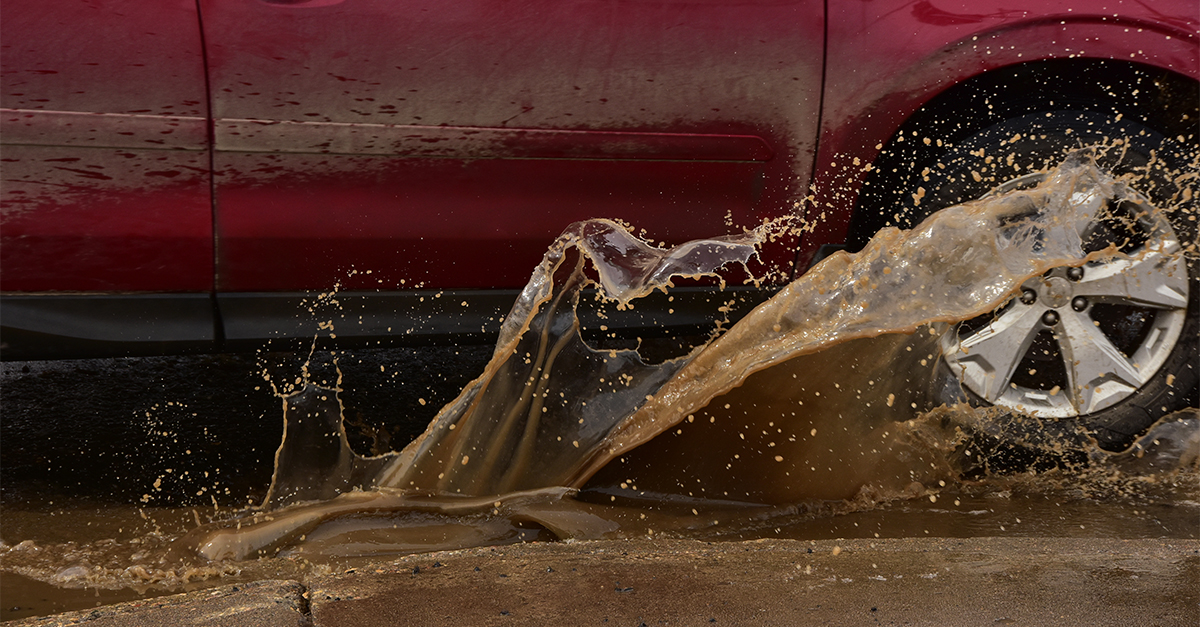
You hit a massive pothole, blew out two tires, damaged the rims, and all of a sudden everyone is pointing fingers. The city says potholes aren’t their responsibility, and your insurer says it’s wear-and-tear or normal road hazard damage. But you’re the one stuck with the bill, at least for the time being. Before you give up hope, there are several avenues worth exploring.

Why Cities Deny Responsibility
Cities typically claim immunity unless negligence can actually be proven. That means you have to show the pothole was there long enough that the city should have known about it and fixed it. Without any prior complaints or inspection records, municipalities usually deny claims automatically, even if the damage done is obvious for everyone to see.

Document Everything
Take photos of the pothole from multiple angles, showing depth, width, and location. Capture the damage to your tires and wheels. Mark down the date, time, and exact location. This documentation will be essential if you want to have any hope of reimbursement through the city, insurance, or small claims court.

Was The Pothole Already Reported?
Many cities track pothole complaints through 311 systems or public works logs. If the pothole did have prior reports, your claim will be on much more solid ground. Request city records that would show how long the pothole was there and whether repairs were delayed.

Review Your Car Insurance Policy
Some policies don’t include pothole damage unless you carry collision coverage. Others may cover tires, but only if the wheels themselves are also damaged. Don’t depend on the first arm-waving denials; ask your insurer to specifically point to the exact policy language that justifies their decision.

Ask About Collision Coverage And Deductibles
If you do have collision coverage, pothole damage may now be on the table. However, the deductible could exceed the repair cost. You’ll need to decide whether filing a claim makes sense financially, especially if it could bump up your future premiums.

Ask Your Insurer For A Reconsideration
If the denial was informal or verbal, request a written reconsideration. Give them all your photos, repair invoices, and a detailed description and timeline of the incident. Insurers sometimes will reverse decisions if they’re presented with a sufficient quantity of clear documentation.

Check For Tire Warranty Or Road Hazard Protection
Some tire manufacturers and retailers offer road hazard warranties that cover pothole damage. It’s a long shot, but if the tires were still relatively new, you could qualify for partial or full replacement, even if your insurance and the city refuse all responsibility.
File A Formal Claim With The City
Cities often deny claims, but filing formally preserves your rights. Many municipalities have strict deadlines, some as short as thirty days. By missing that window you lose any chance of reimbursement.

Understand Municipal Claim Caps
Even when cities do accept liability, payouts are often capped and might not cover the full cost of the repair. Knowing these limits will help you make a more informed decision on whether pursuing the claim is worth your time and the paperwork involved.

Small Claims Court
If the city ignored known hazards or just didn’t bother to repair a reported pothole, small claims court may be your best bet. Keep in mind that you’ll need evidence showing negligence, not just bad luck. Courts vary widely in how they view roadway liability cases.

Check Whether Construction Crews Were Involved
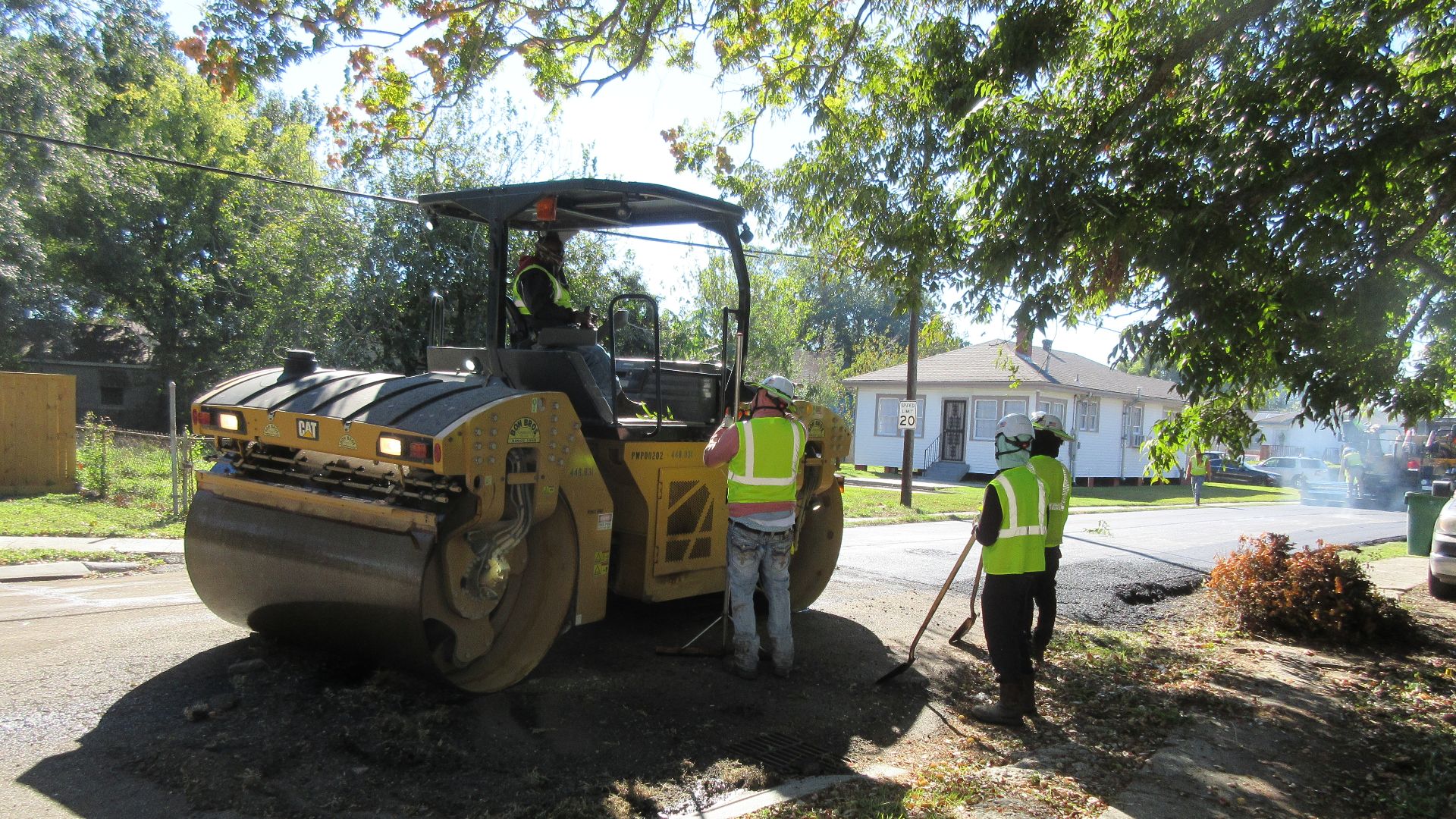
If the pothole came about as the result of recent roadwork, the responsibility may fall on a contractor rather than the city itself. Construction permits and signage, or a lack thereof, can make a big difference when determining liability.
 Infrogmation, Wikimedia Commons
Look Into State Or Provincial Laws
Road maintenance liability varies from one jurisdiction to another. Some states offer stronger protections for drivers, while others heavily shield municipalities. Understanding local law will help you decide whether you’re fighting a losing battle or have a realistic chance.

Does Comprehensive Apply?
While uncommon, some policies cover road hazards under their comprehensive coverage depending on the circumstances. Making an inquiry is at least worth a try, especially if debris or sudden collapse contributed to the damage rather than gradual deterioration.

Get Multiple Repair Estimates
Having multiple quotes allows you to demonstrate reasonable repair costs and avoids any confusion or disagreement over inflated bills. This helps build your case whether you’re dealing with insurance, the city, or a court.

Track Out-Of-Pocket Costs
Keep your receipts for the towing, tire replacement, wheel repairs, and alignments. Even if you only recover part of the cost, detailed records improve your chances of reimbursement. Even a partial reimbursement is a moral victory.

Escalate Politely But Firmly
Regardless of whether you’re dealing with insurers or city offices, being persistent matters. Ask supervisors, request written explanations, and keep all communications professional. Many claims fall through simply because people give up and throw in the towel too early.

Cost Vs Stress
Sometimes the cost of pursuing reimbursement can surpass the cost of the repair itself. Be honest with yourself and decide whether the time, effort, and stress justify continuing down this road, especially if legal success is by no means a sure thing.

Take Preventive Steps Going Forward
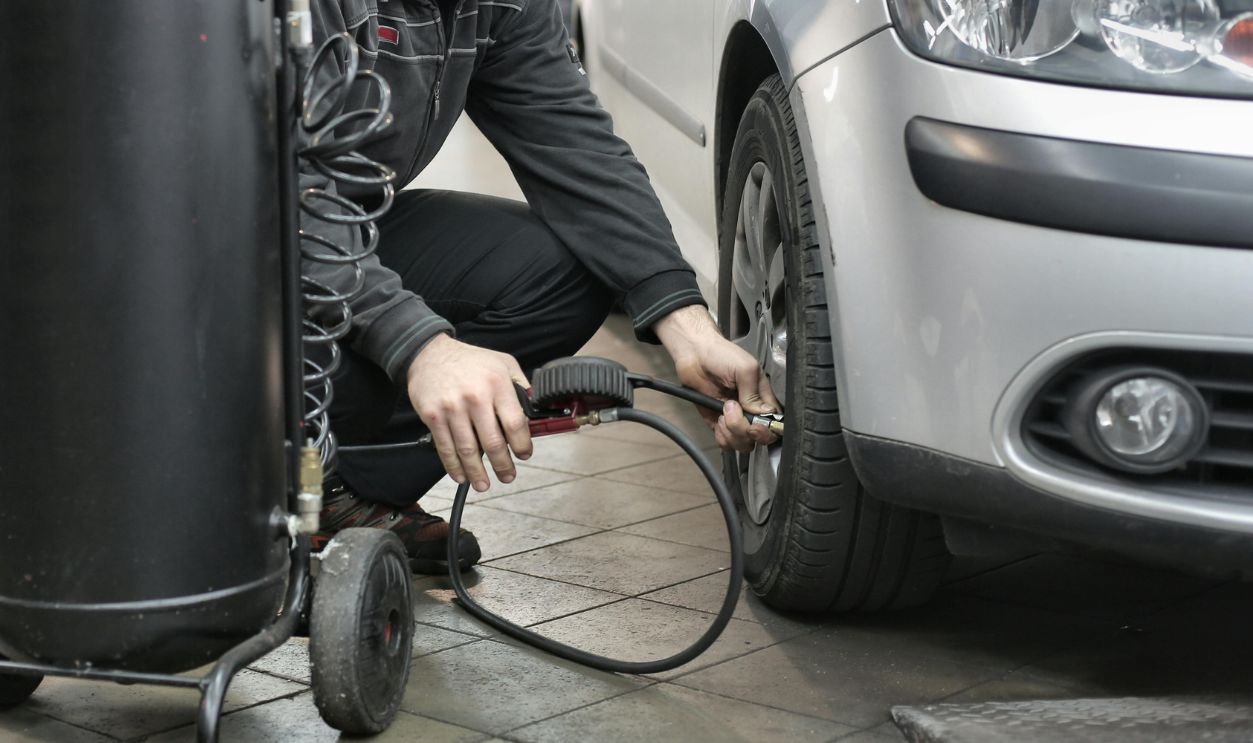
It isn’t always possible to avoid potholes, but keeping proper tire pressure and slowing down in poor road conditions can limit the damage. Dash cams can also help document incidents clearly.
Denials Aren’t The Last Word
Initial “no” responses are sadly common. Reconsiderations, appeals, and supplemental evidence change outcomes surprisingly often when done properly. Always treat the first denial as only the start of the process, and not the end.

Take Things As Far As You Can
When pothole damage leaves you caught between an opaque city bureaucracy and an unresponsive insurer, liability isn’t always obvious, but the situation is far from hopeless. With documentation and persistence, you can often recover at least some or maybe even all of your costs.

You May Also Like:
The Best Quick Guide To Buying Tires
If You Plan To Drive Anywhere This Winter, These Maintenance Tips Could Save Your Life
My extended warranty won’t cover a known defect. Isn’t that what extended warranties are for?