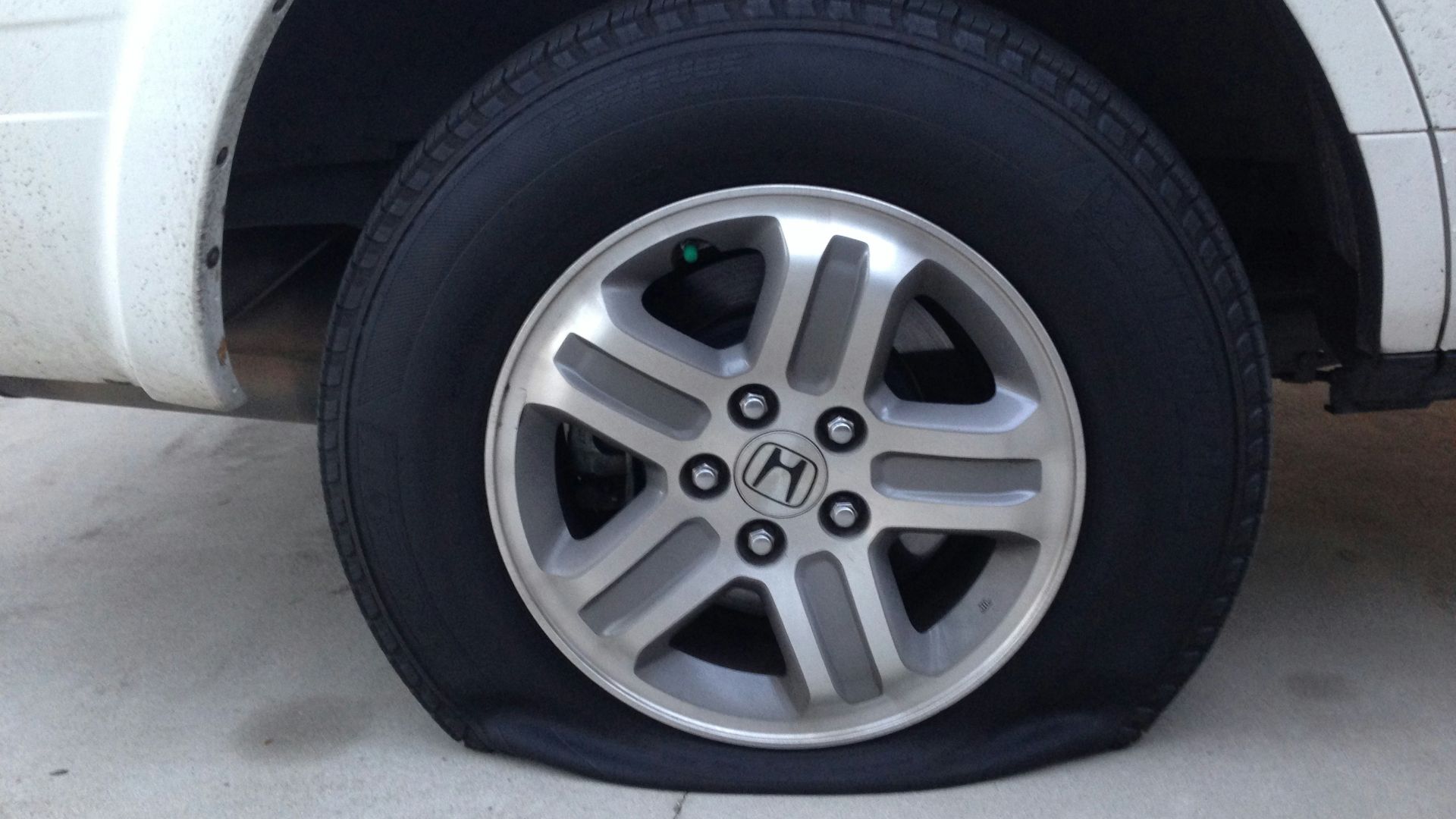
The Flat Tire Was Only The First Surprise
You expected the repair kit in your vehicle to get you moving again. Instead, it failed and left you stranded without a spare tire. That experience understandably raises questions about whether automakers are providing drivers with enough protection against a common roadside problem.

A Spare Tire Is Not Federally Required
In the United States, federal safety regulations do not require automakers to include a spare tire with every new vehicle. A manufacturer can legally provide a tire repair kit, run-flat tires, roadside assistance, or another mobility solution instead. The absence of a spare therefore is not automatically considered a safety defect under federal law.
Legal Does Not Always Mean Reassuring
The fact that a spare tire is optional does not make your concern unreasonable. Tire damage can occur on highways, rural roads, and other locations where waiting for assistance may expose occupants to additional risk. A system that works only with certain punctures can feel inadequate when it is the vehicle’s only built-in solution.

Spare Tires Have Quietly Disappeared
Many modern vehicles now leave the factory without a traditional spare. Automakers frequently substitute a compact inflator and sealant kit, while some vehicles use run-flat or self-sealing tires. AAA has reported that nearly one-third of newer vehicles may lack a spare tire.
Automakers Have Several Reasons
Removing the spare reduces vehicle weight and creates additional cargo or component space. That space can be especially valuable in small cars, hybrids, and electric vehicles carrying large battery packs. Even modest weight reductions can also help manufacturers pursue fuel-economy targets across their vehicle fleets.

The Kit Is Built For One Specific Problem
Most factory tire mobility kits combine a small electric compressor with a container of liquid sealant. The sealant enters through the valve stem and is intended to plug a relatively small puncture. The compressor then reinflates the tire enough for limited travel to a repair facility.
It Is Not A Universal Flat-Tire Fix
A repair kit cannot handle every reason a tire loses air. AAA testing found that these kits work as described only under specific conditions. They are generally intended for small punctures in the central tread area, not major structural damage.
Sidewall Damage Usually Ends The Attempt
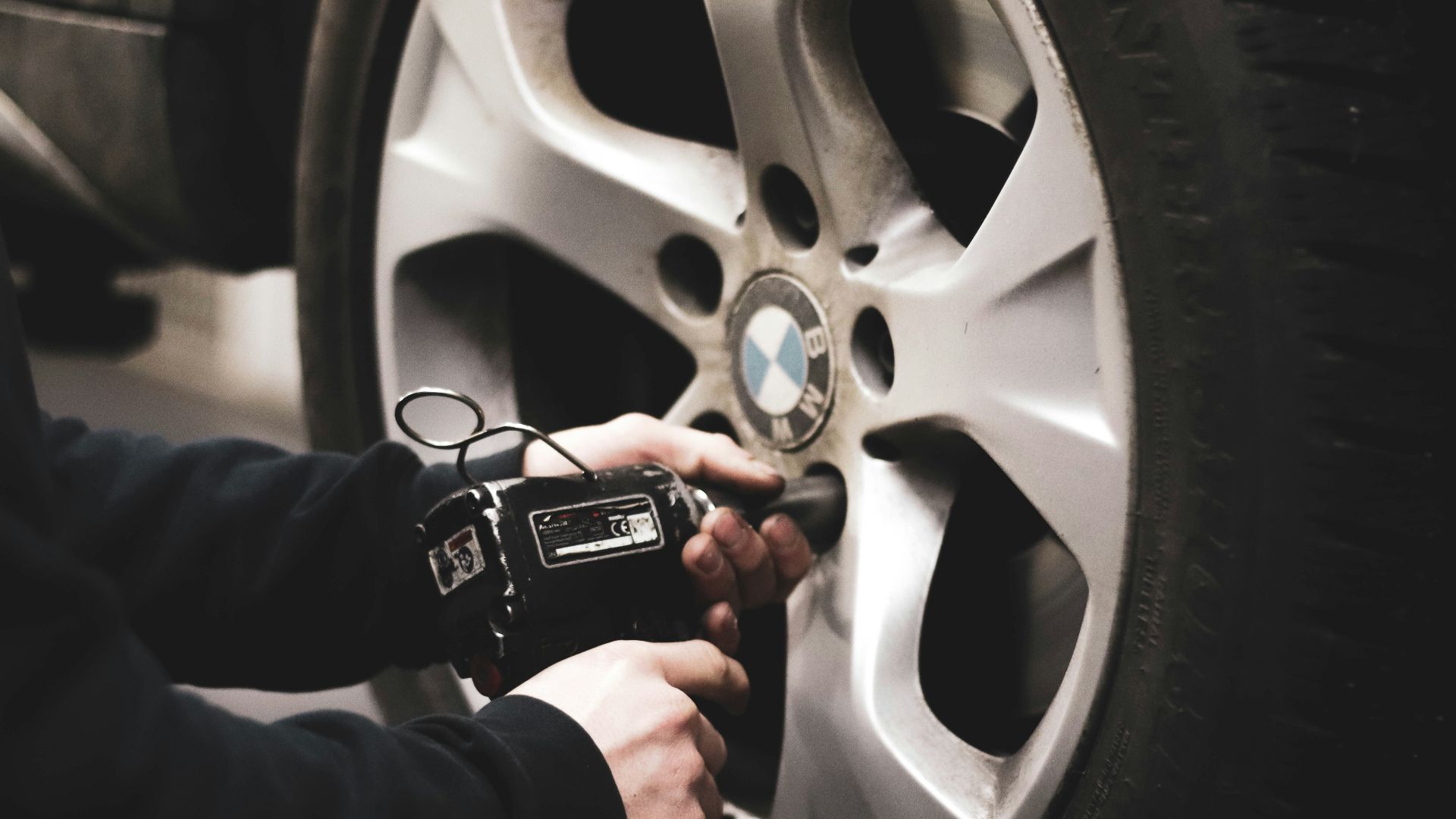
Sealant kits generally cannot repair a cut, puncture, or rupture in the tire’s sidewall. The sidewall flexes constantly and carries loads differently from the tread. Tire manufacturers do not consider damaged sidewalls suitable for standard puncture repairs.
Blowouts Are Beyond The Kit’s Abilities
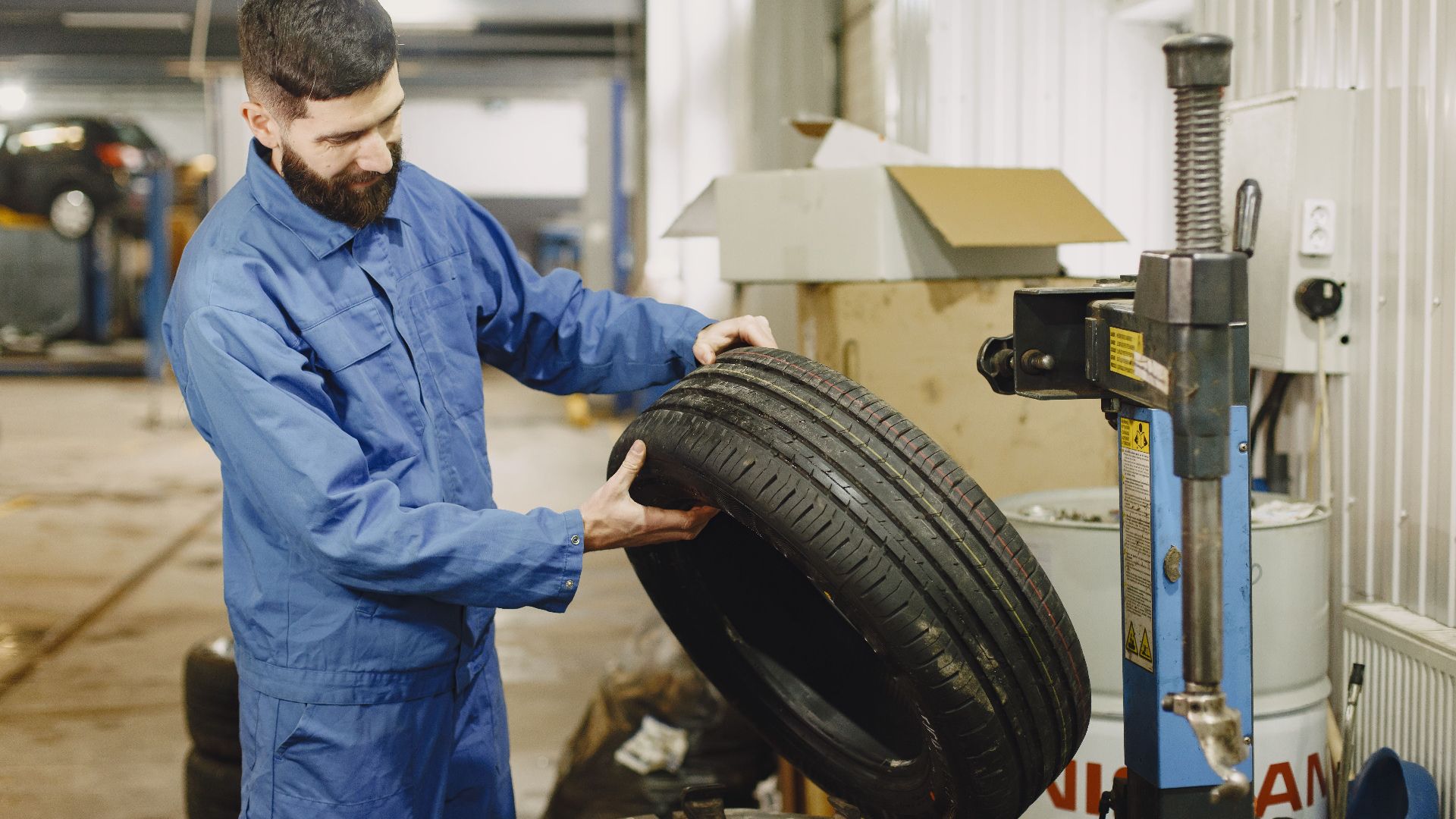
A shredded tire or sudden blowout leaves openings far too large for liquid sealant. The compressor may run, but it cannot restore a tire that no longer holds air. In that situation, the vehicle will require a usable spare wheel or a tow.
Pothole Damage Creates Another Problem
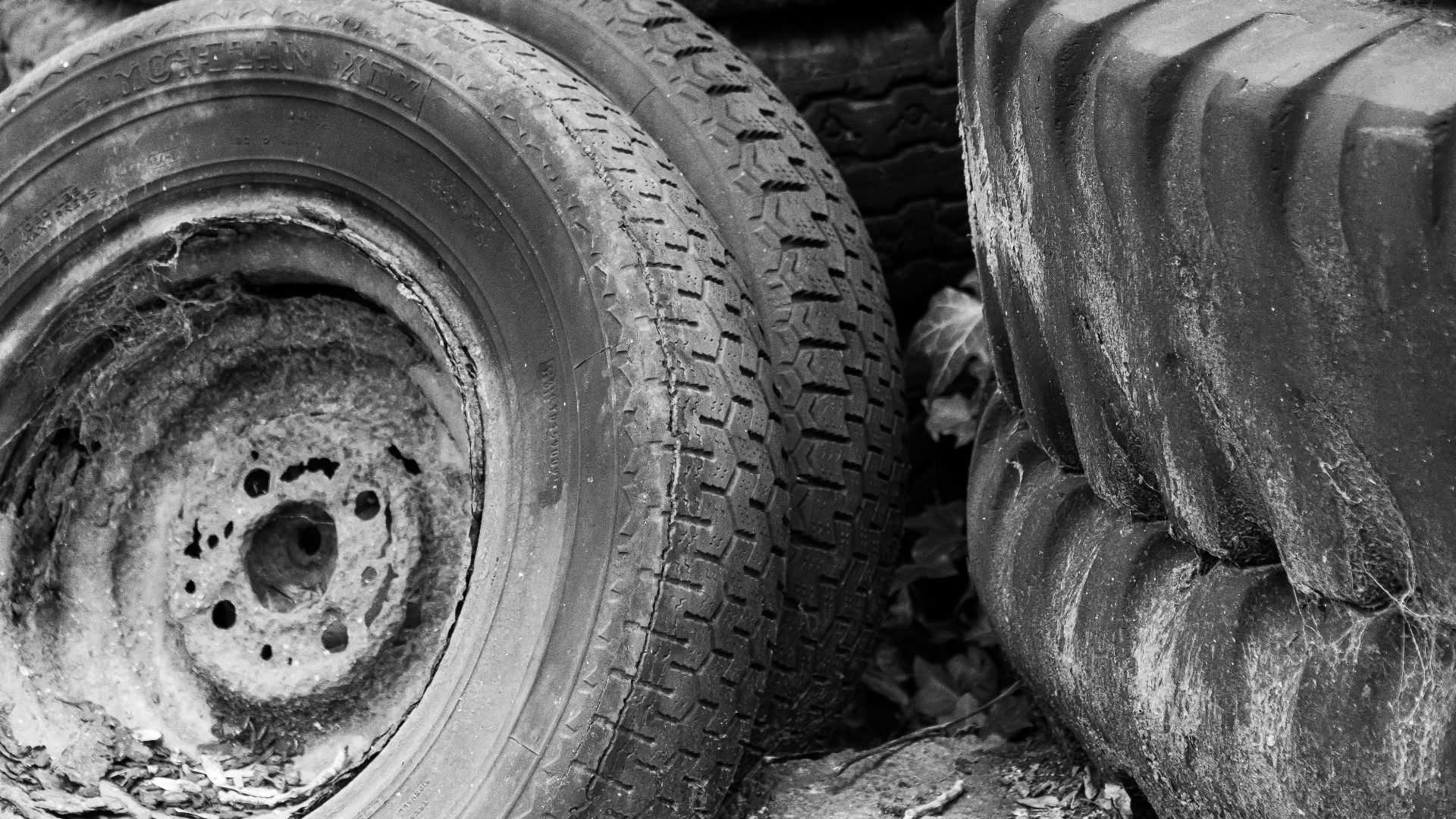
Hard contact with a pothole or curb can split a sidewall, bend a wheel, or damage the tire internally. A sealant kit cannot straighten a bent rim or repair structural tire damage. AAA specifically identifies pothole and curb-related damage among the situations these kits cannot address.

Even A Small Puncture Can Be Complicated
A kit may fail if the puncturing object has fallen out and left an opening that the sealant cannot close. It may also struggle when the puncture is too large, located near the shoulder, or accompanied by hidden internal damage. The apparent size of a hole does not always reveal the full condition of the tire.

Driving While Flat Can Ruin The Tire
Continuing to drive after pressure is lost can damage the sidewall and inner structure. Michelin advises that a tire driven flat may need replacement rather than repair. By the time you find a safe place to stop, a previously repairable puncture may have become a destroyed tire.

The Sealant Has An Expiration Date
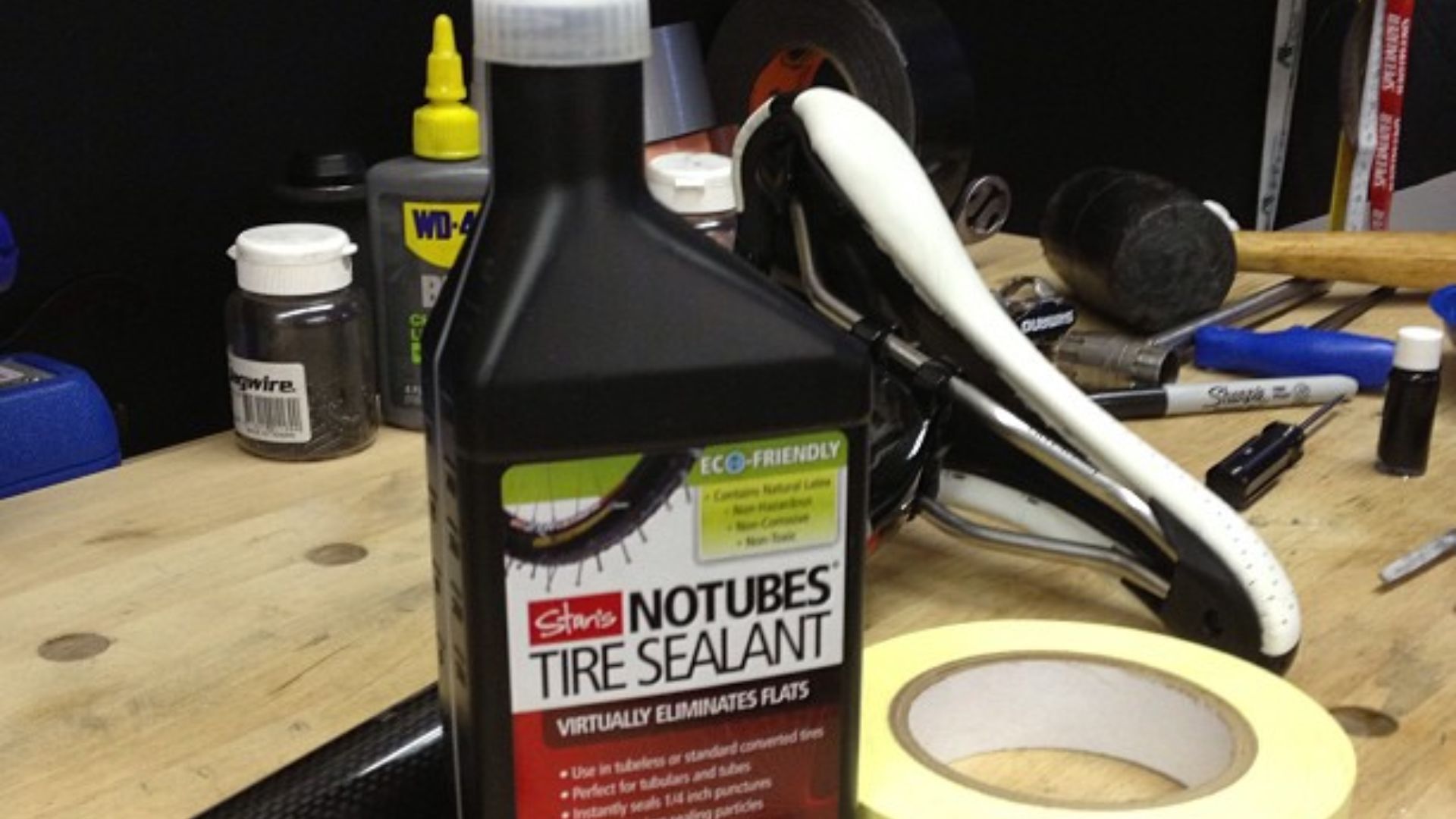
Factory sealant bottles do not remain usable forever. AAA says replacement intervals commonly range from four to eight years, depending on the product. A kit that looks untouched and complete may still fail because its sealant has expired. Even before the expiration date, extreme heat, cold, and years of storage can also affect the condition of the kit's components.
 Glory Cycles, Wikimedia Commons
The Compressor Needs Electrical Power
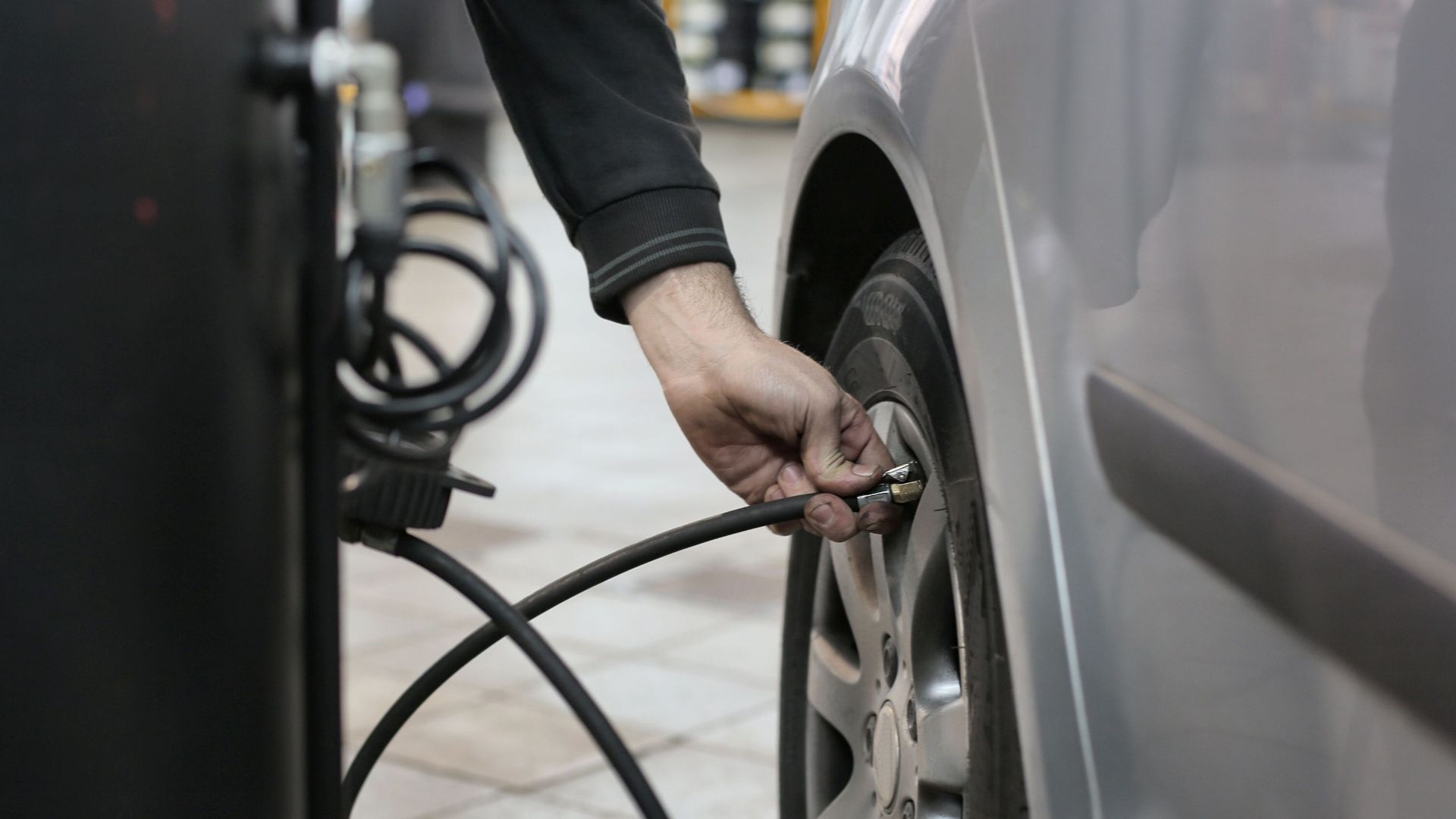
Most factory compressors plug into a 12-volt accessory outlet. A weak battery, damaged outlet, blown fuse, or poor connection can prevent the compressor from operating. The system therefore depends on both the condition of the kit and the vehicle’s electrical supply.
Following The Instructions Matters
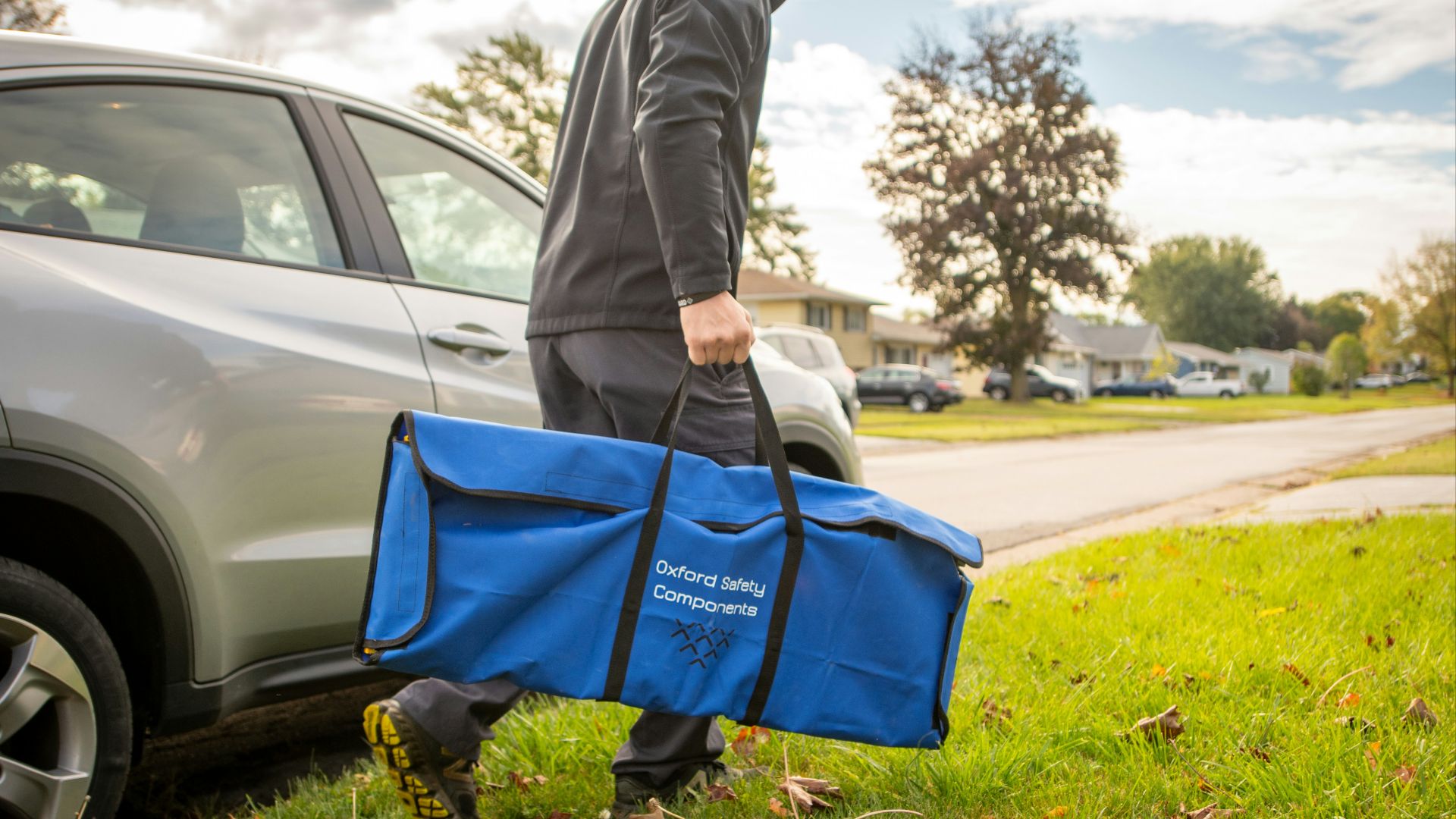
Using a mobility kit may involve more than attaching a hose and pressing a button. Drivers may need to connect the sealant bottle, inflate the tire, drive a short distance to distribute the sealant, and check the pressure again. Skipping a step or using the wrong mode can prevent the kit from working properly.
 Marketing Department, Unsplash
A Successful Repair Is Still Temporary
Tire sealant is designed to restore short-term mobility rather than permanently repair the tire. The driver must follow the vehicle manufacturer’s limits for speed and distance. The tire should then be inspected promptly by a qualified professional.
Proper Repairs Require More Work
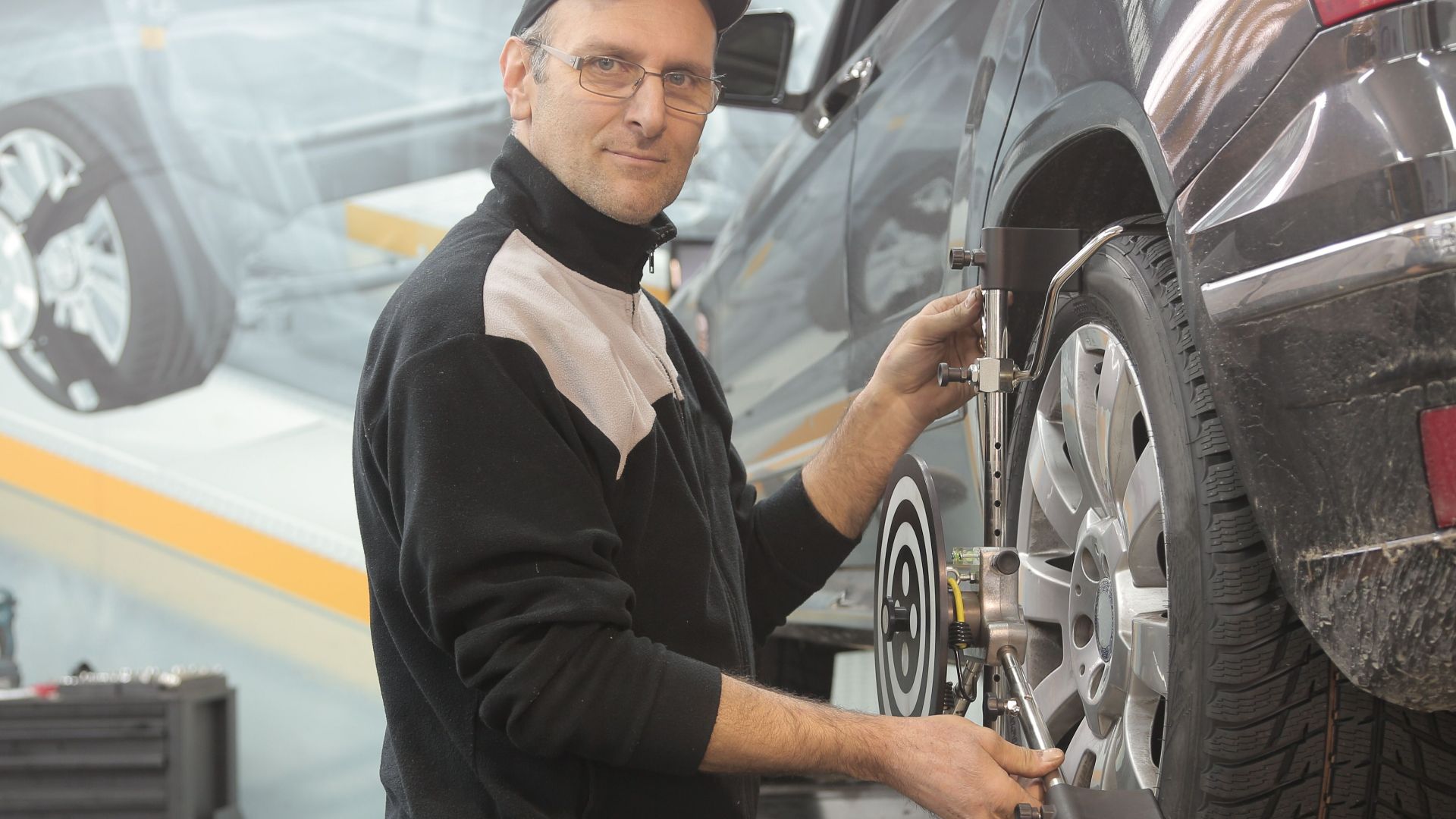
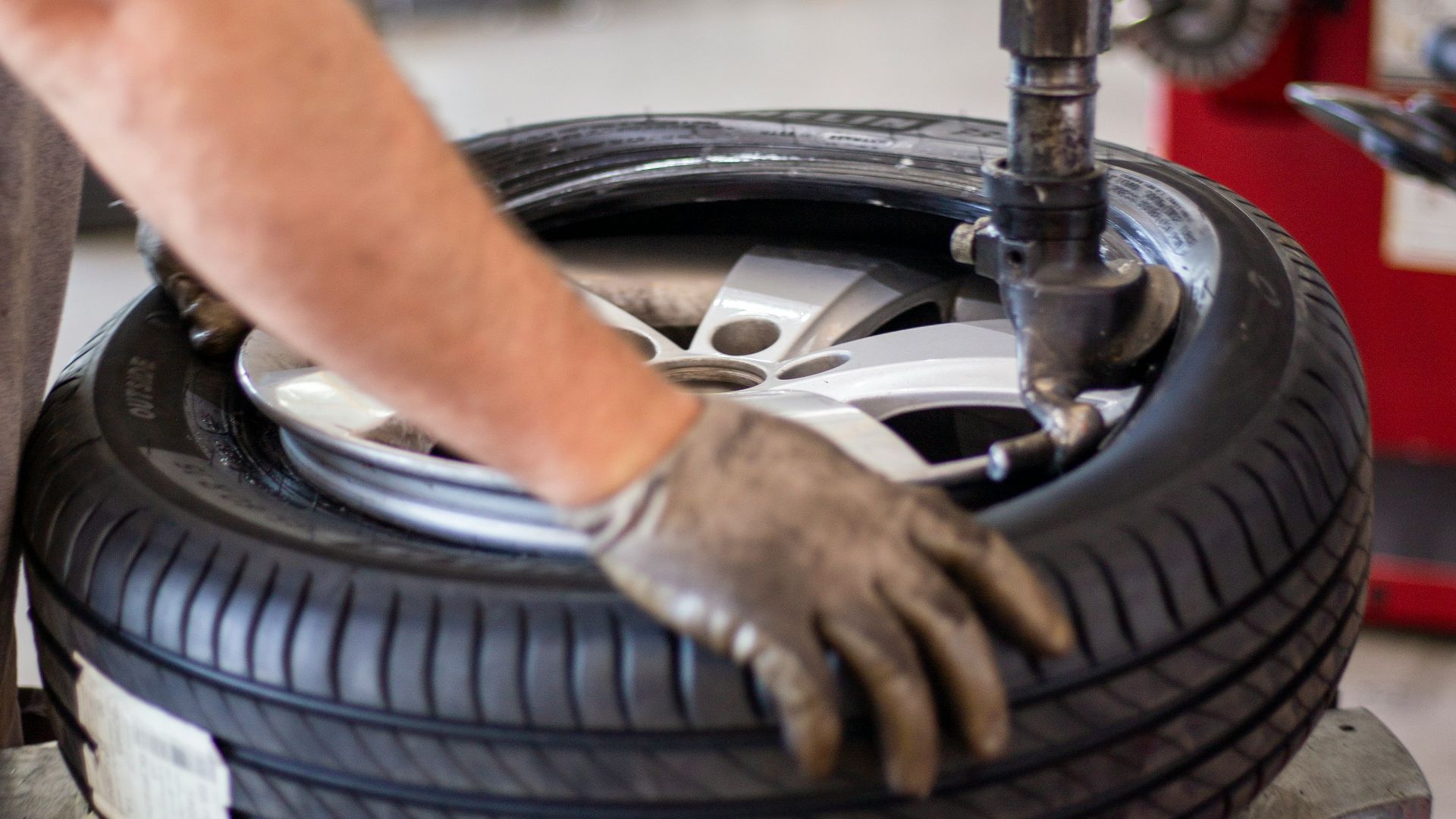
Industry guidance says a repairable tire should be removed from the wheel and inspected internally. A proper repair normally uses both a rubber stem to fill the injury and a patch to seal the inner liner. A plug or patch used alone is not considered an acceptable complete repair.

Not Every Puncture Is Repairable
The U.S. Tire Manufacturers Association limits recommended repairs to the tread area. The puncture should generally be no larger than one-quarter inch, or six millimeters, in diameter. Damage extending into the shoulder or sidewall requires a different response, often including tire replacement.

Sealant Can Complicate The Shop Visit
Technicians need to know that sealant has been injected into the tire before they begin working. Depending on the product, cleanup may be required before the tire can be inspected or serviced. Some sealants may also affect repair decisions, warranties, or tire-pressure monitoring components.
Using The Kit Can Become Expensive
After the sealant has been discharged, the bottle usually needs replacement. AAA notes that some replacement kits can cost hundreds of dollars. Additional costs may include towing, tire replacement, cleanup, or servicing a contaminated tire-pressure sensor.
A Spare Tire Is More Versatile
A correctly sized and properly maintained spare can restore mobility after many punctures that defeat a sealant kit. It may also help when the original tire has sidewall damage or cannot hold pressure. A spare cannot solve every wheel or suspension problem, but it covers a broader range of ordinary tire failures.

Temporary Spares Have Limits Too
A compact spare is not designed to perform like a normal full-size tire. It usually carries restrictions on speed, distance, and vehicle use. Drivers should follow the instructions in the owner’s manual and replace the damaged road tire as soon as possible.
Spare Tires Also Need Maintenance
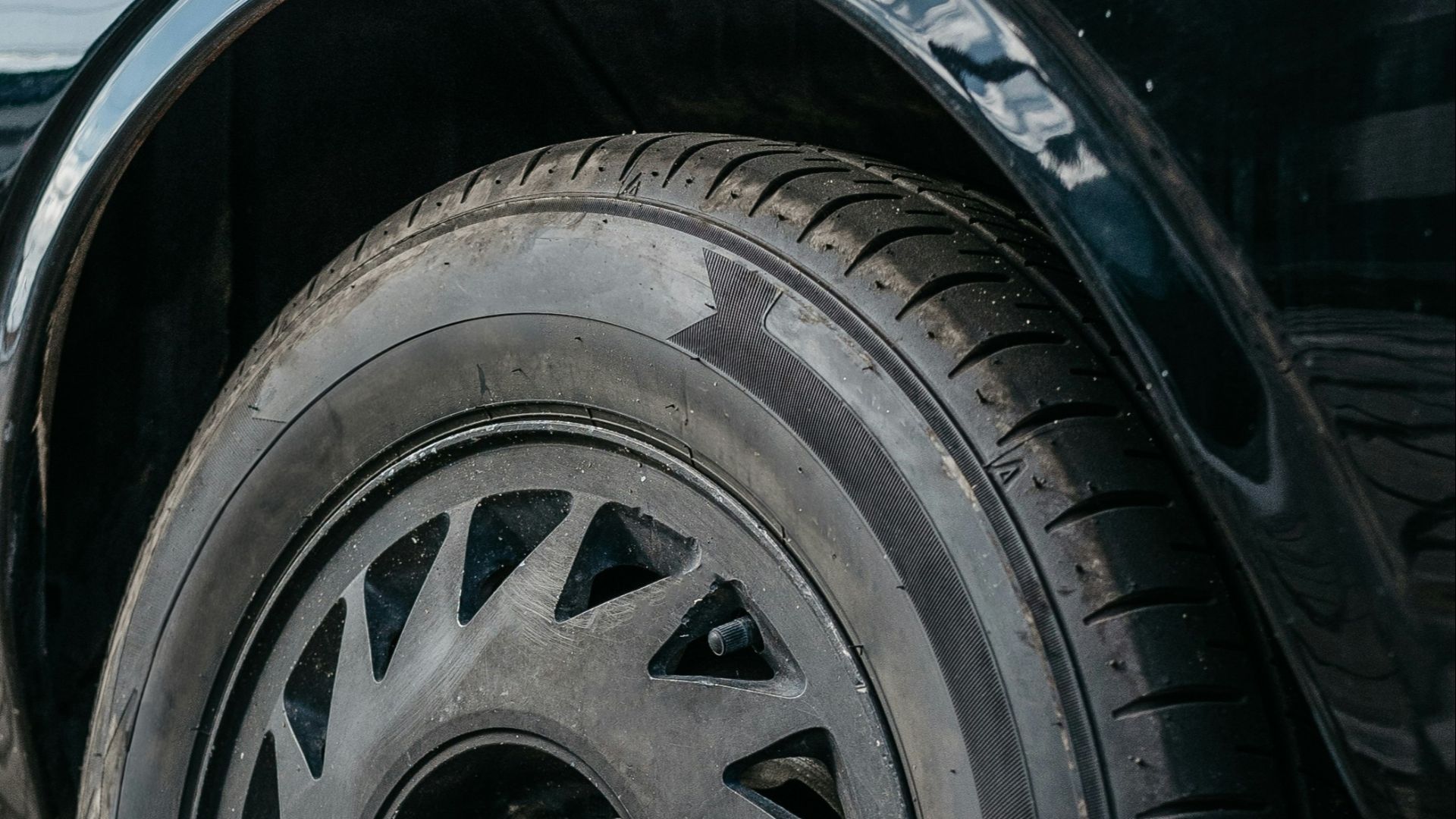
A spare tire can lose pressure even when it has never touched the road. Its rubber also ages while stored in the trunk or beneath the vehicle. Drivers who add a spare should inspect its pressure, condition, tools, and mounting hardware regularly.

You May Be Able To Add One
Some dealers and aftermarket companies sell spare-wheel packages for vehicles originally equipped with repair kits. A complete package may include the wheel, tire, jack, lug wrench, storage hardware, and instructions. Compatibility must be confirmed because brake size, wheel diameter, drivetrain layout, and cargo-floor design can affect whether a spare fits safely.

Roadside Assistance Is Useful But Not Immediate
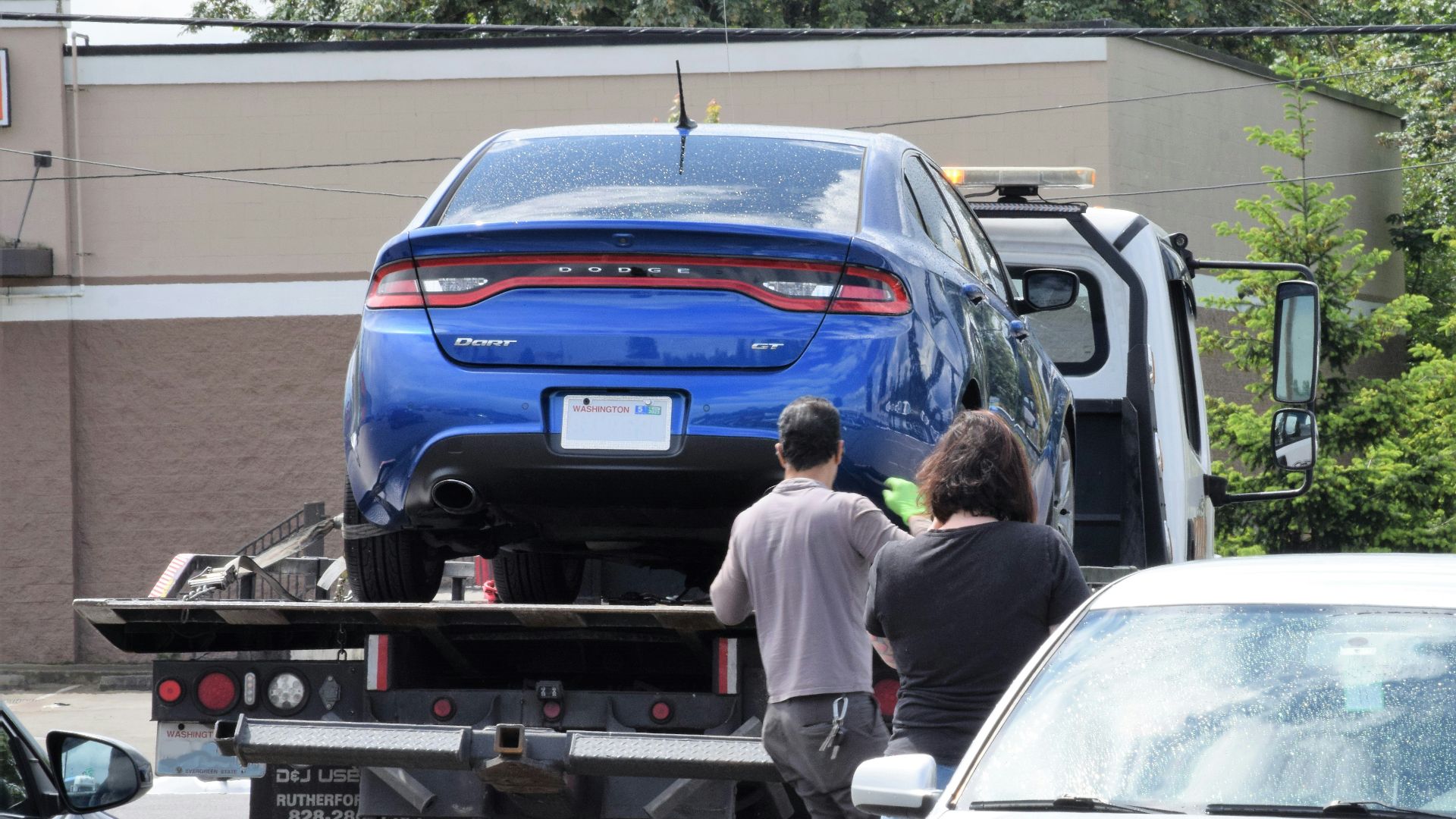
A towing or roadside-assistance plan provides an important backup when the kit cannot repair the damage. However, response times can vary with location, traffic, weather, and demand. Cell coverage may also be unreliable in remote areas, so assistance should not be your only form of preparation.
Report A Suspected Equipment Defect
A kit that failed because of a defective compressor, bottle, hose, or other component may warrant a complaint to the manufacturer. Owners in the United States can also report potential safety problems to the National Highway Traffic Safety Administration. Checking the vehicle identification number for recalls can reveal whether the equipment is already covered by a safety campaign.

The Real Problem Is Limited Preparedness
Selling a vehicle without a spare tire is generally legal, but the replacement kit offers much narrower protection. Your experience shows why drivers should not assume the supplied equipment can handle every flat. Inspect the kit, understand its limitations, consider adding a compatible spare, and keep a dependable roadside-assistance plan before the next tire problem occurs.
 Seyed Amir Mohammad Tabatabaee, Unsplash
You May Also Like:
Sources: 1, 2, 3, 4, 5, 6, 7, 8, 9, 10, 11, 12, 13, 14, 15, 16