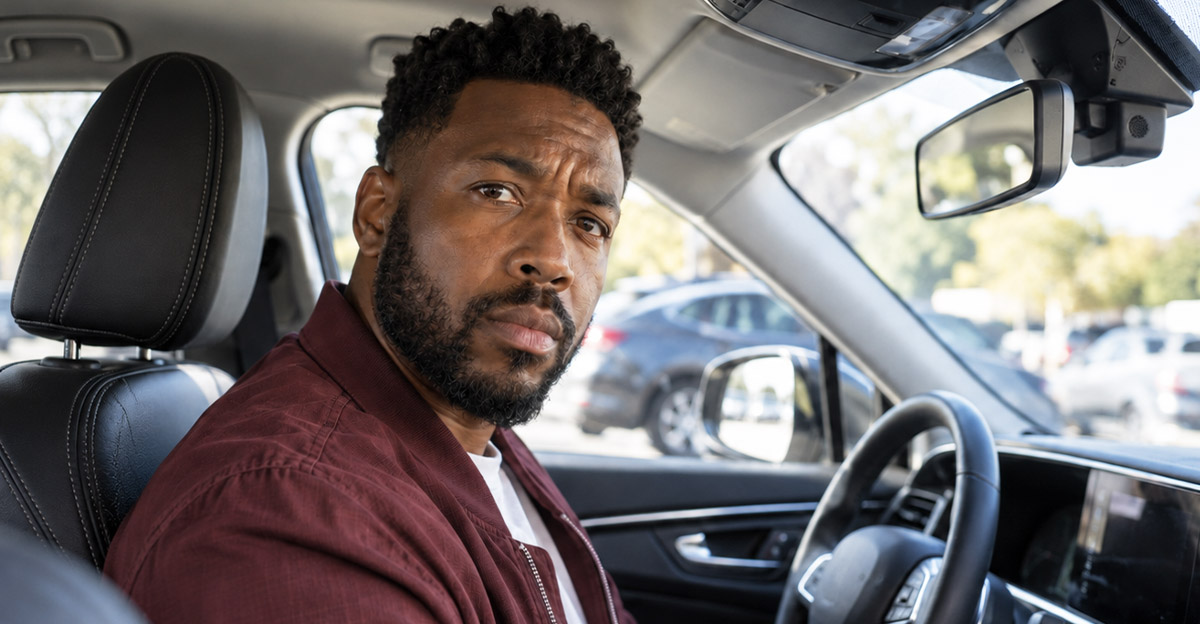
The Car Heard More Than You Expected
You knew the new car had cameras, parking sensors, and a microphone for voice commands. You probably didn’t expect to discover an actual recording after somebody bumped it in a parking lot. That raises a much bigger question about what modern cars are noticing even when their owners aren’t thinking about it.
First, Find Out What Actually Made The Recording
Don’t assume the car’s main computer was secretly recording everything around it. The audio could have come from a factory dashcam, parking-security feature, connected accessory, aftermarket camera, or another system entirely. Check the recording details and owner’s manual before deciding what happened.
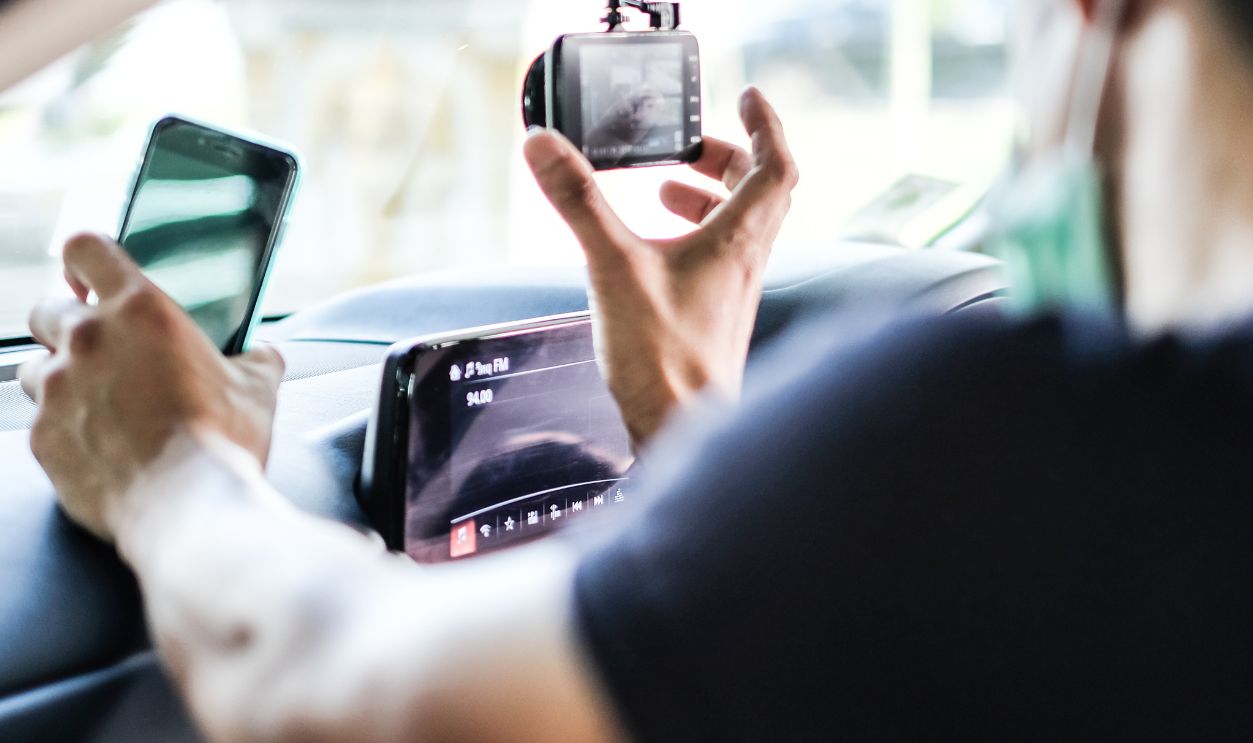
Some Factory Dashcams Really Can Record Sound
Built-in dashcams are becoming more sophisticated. Hyundai, for example, has offered systems that can record while driving or parked, save clips when an impact is detected, and include audio on certain recordings when that setting is enabled. Owners may have more recording capability built into the car than they realized when they bought it.
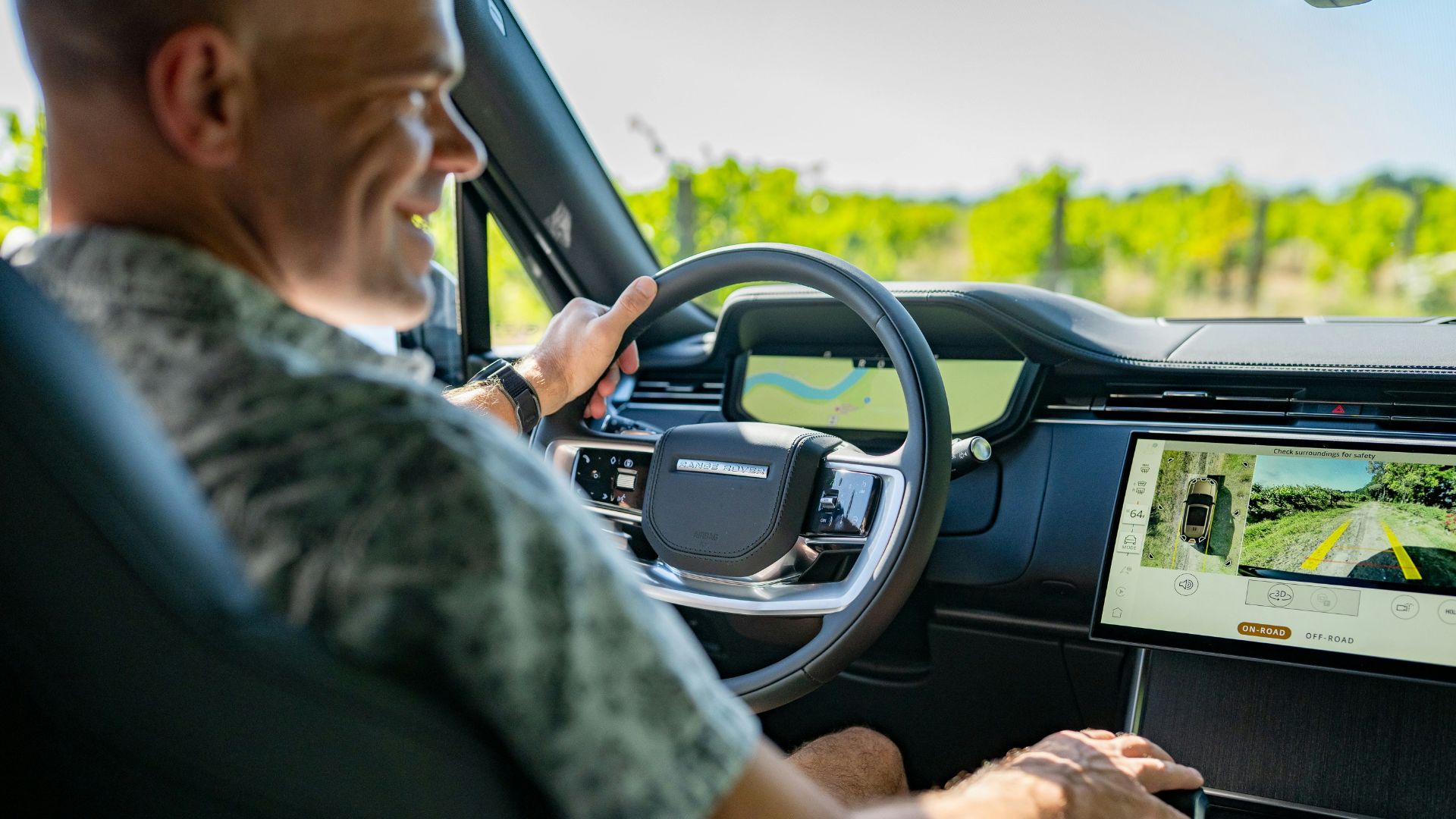
Parking Mode Can Stay Awake After You Leave
Turning off the ignition doesn’t necessarily put every vehicle system to sleep. Some cars can continue watching for impacts or movement after they’re locked. If something bumps the vehicle, the system may wake, save footage, and sometimes send an alert to the owner’s phone.

Exterior Cameras Have Multiplied
A modern vehicle may have cameras at the windshield, grille, mirrors, rear hatch, bumpers, or elsewhere around the body. They can support automatic emergency braking, lane keeping, parking assistance, 360-degree views, and other features. In some vehicles, those same cameras can also supply footage to security or recording systems.
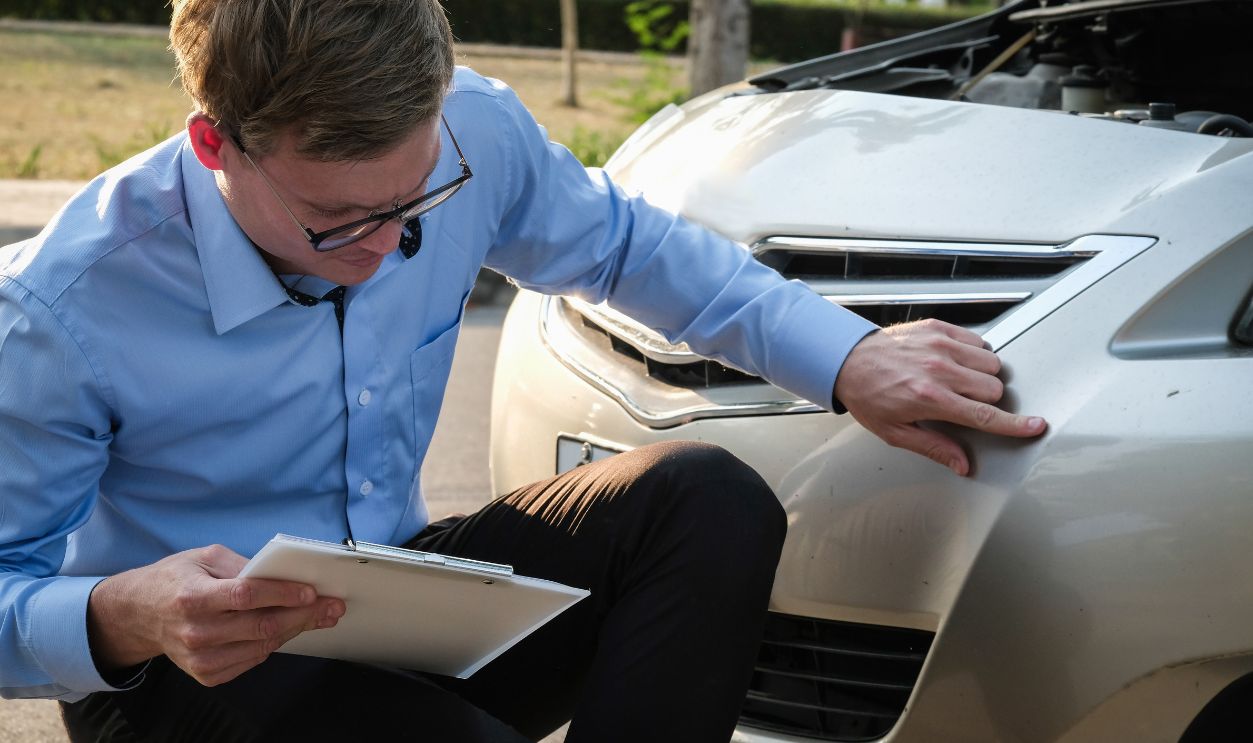
But A Camera Sensor Isn’t Automatically A Security Camera
This distinction matters. Many driver-assistance cameras continuously analyze what they see so the car can recognize lane markings, vehicles, pedestrians, and road signs. That doesn’t necessarily mean the vehicle is permanently saving a watchable recording of every drive.
Some Cars Do Save Exterior Video
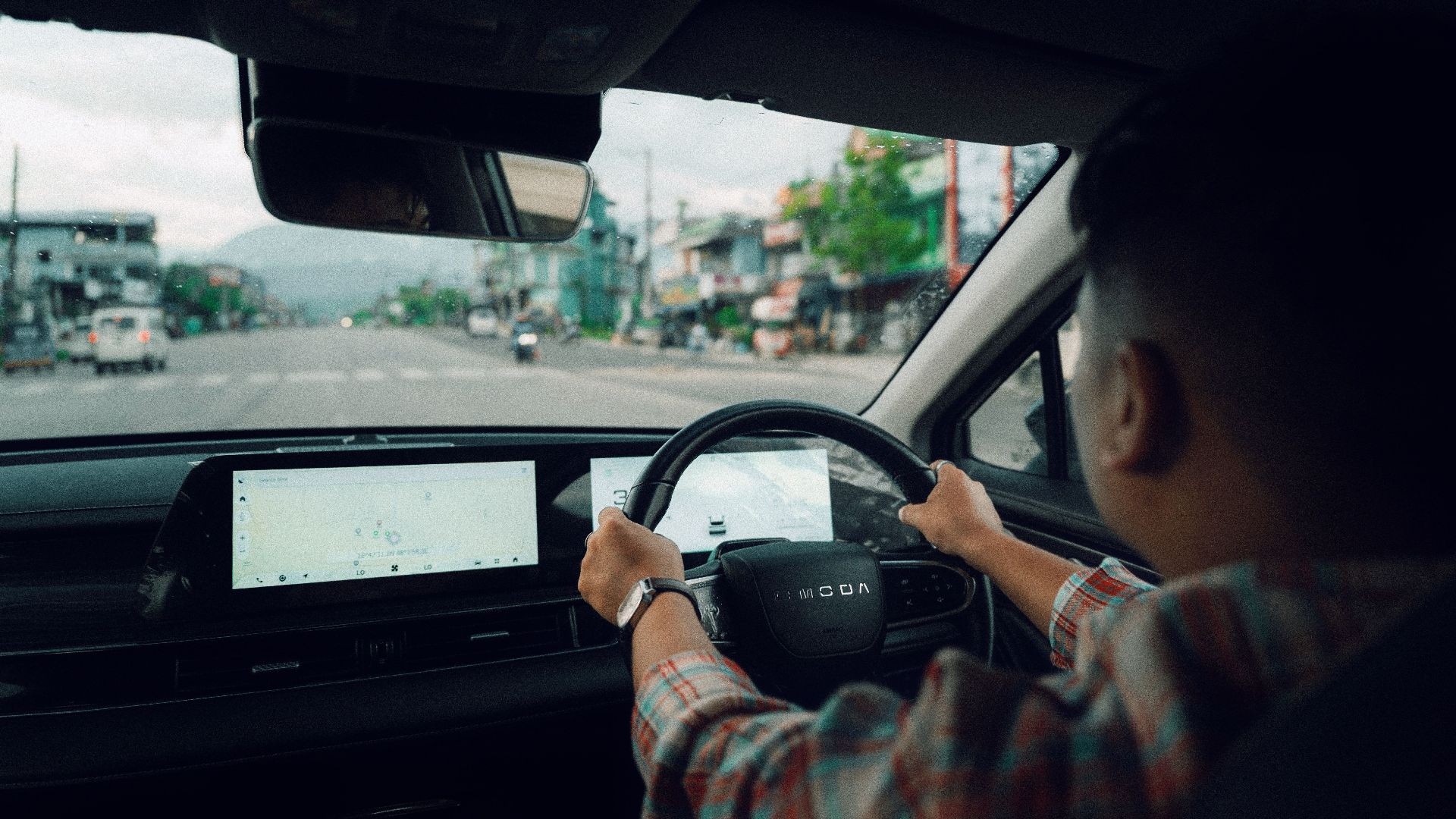
Other systems deliberately cross that line because recording is the feature. Tesla’s Sentry Mode, BMW’s Parking Collision Recorder, and factory dashcams available on some other vehicles can preserve exterior footage surrounding parking events. The exact storage method and triggering conditions vary significantly.
Microphones Are Already Common Inside Cars
Voice assistants, hands-free calling, emergency services, and speech recognition require microphones. In some vehicles there may be multiple microphones so the system can distinguish voices around the cabin. Having those microphones doesn’t automatically mean every conversation is being stored.
Voice Recognition Still Creates Data
When someone says a navigation destination or asks an in-car assistant a question, the system has to process that speech somehow. Depending on the automaker and feature, voice information may be processed locally, sent to servers, or handled by a third-party service. The privacy notice should explain the general arrangement.
Driver-Monitoring Cameras Are Another Layer
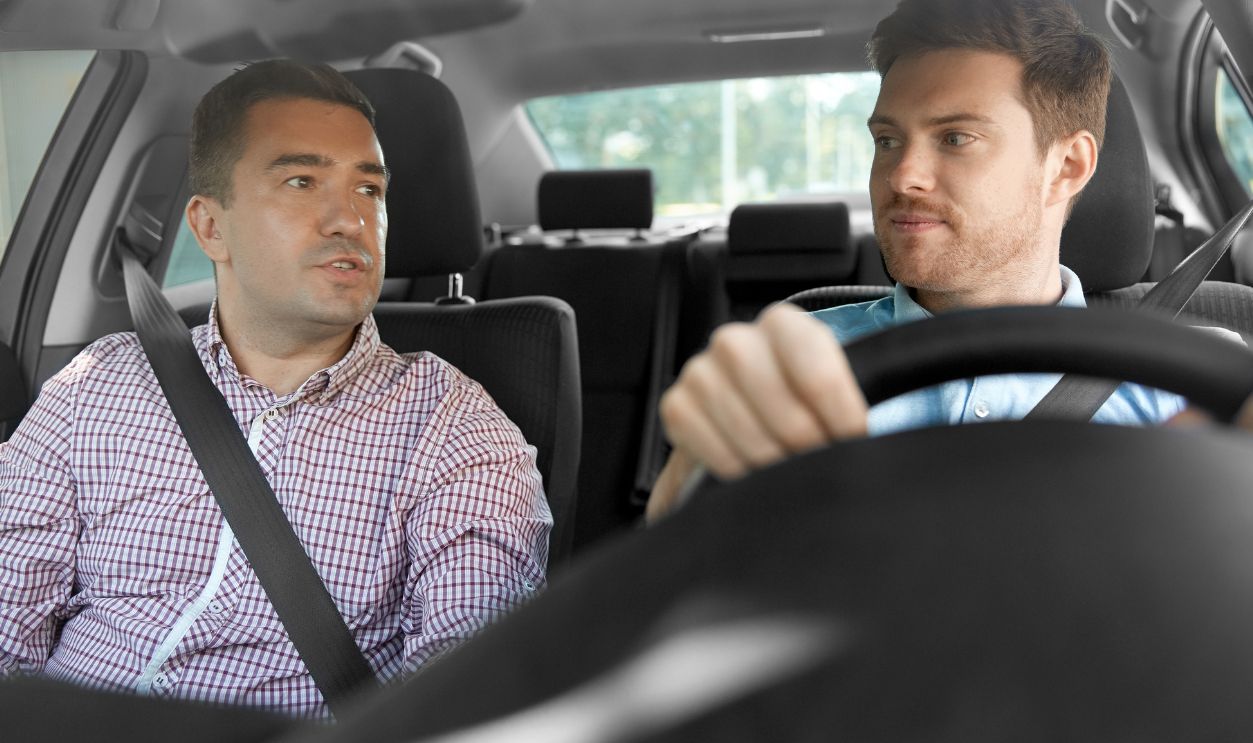
Hands-free and advanced driver-assistance systems increasingly use cameras pointed at the driver to determine whether someone is watching the road. Consumer Reports notes that some systems use infrared cameras to track head position or eye movement. That can sound unsettling, but some are designed as closed-loop systems that analyze the driver without saving or transmitting ordinary video.
Not Every Cabin Camera Works The Same Way
One manufacturer might process camera information entirely inside the car. Another might allow limited clips to be transmitted after specific safety events or when the driver has opted into data sharing. Owners shouldn’t assume that knowing how one brand handles its camera tells them how another brand works.
Tesla Offers A Useful Example
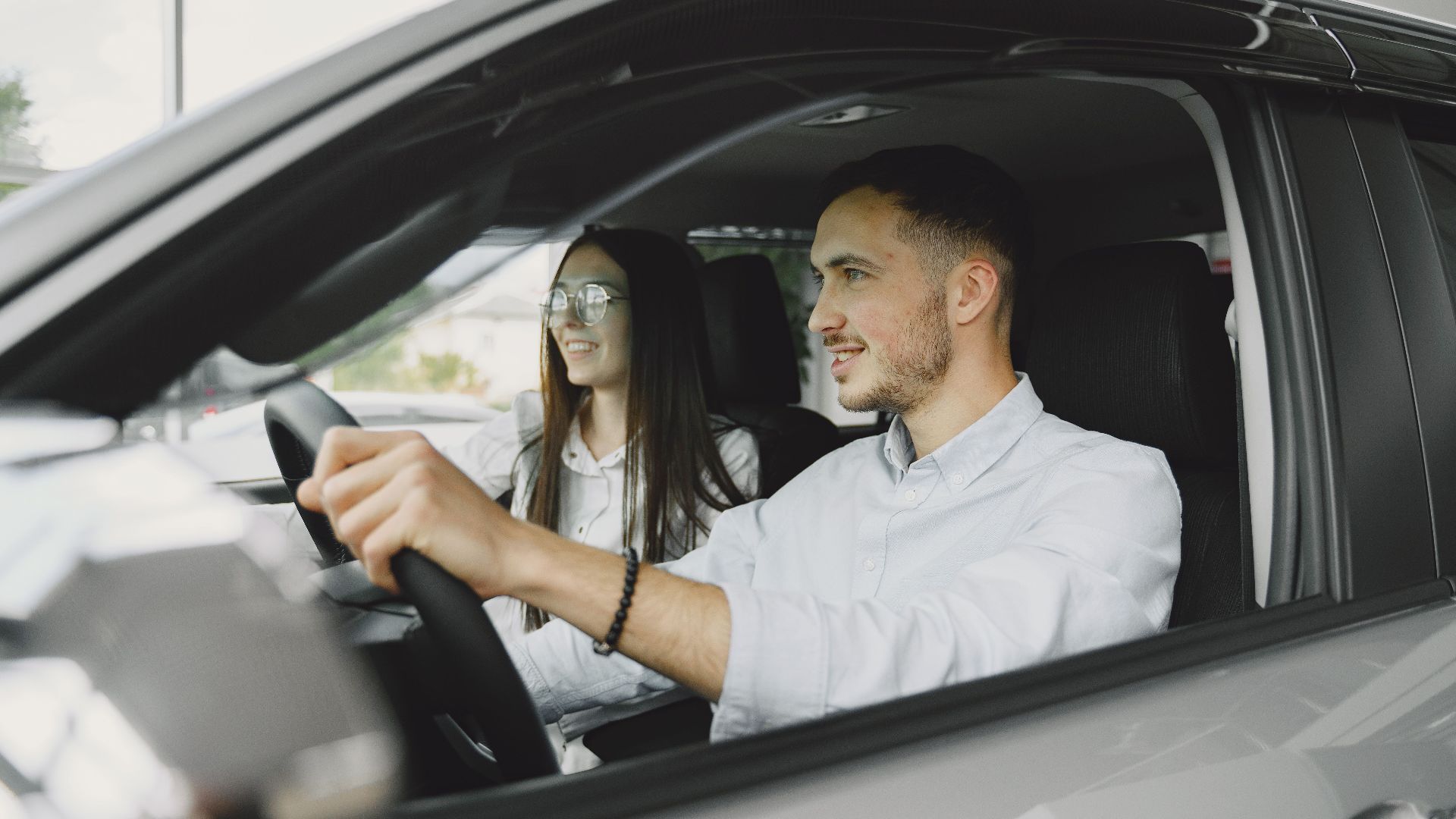
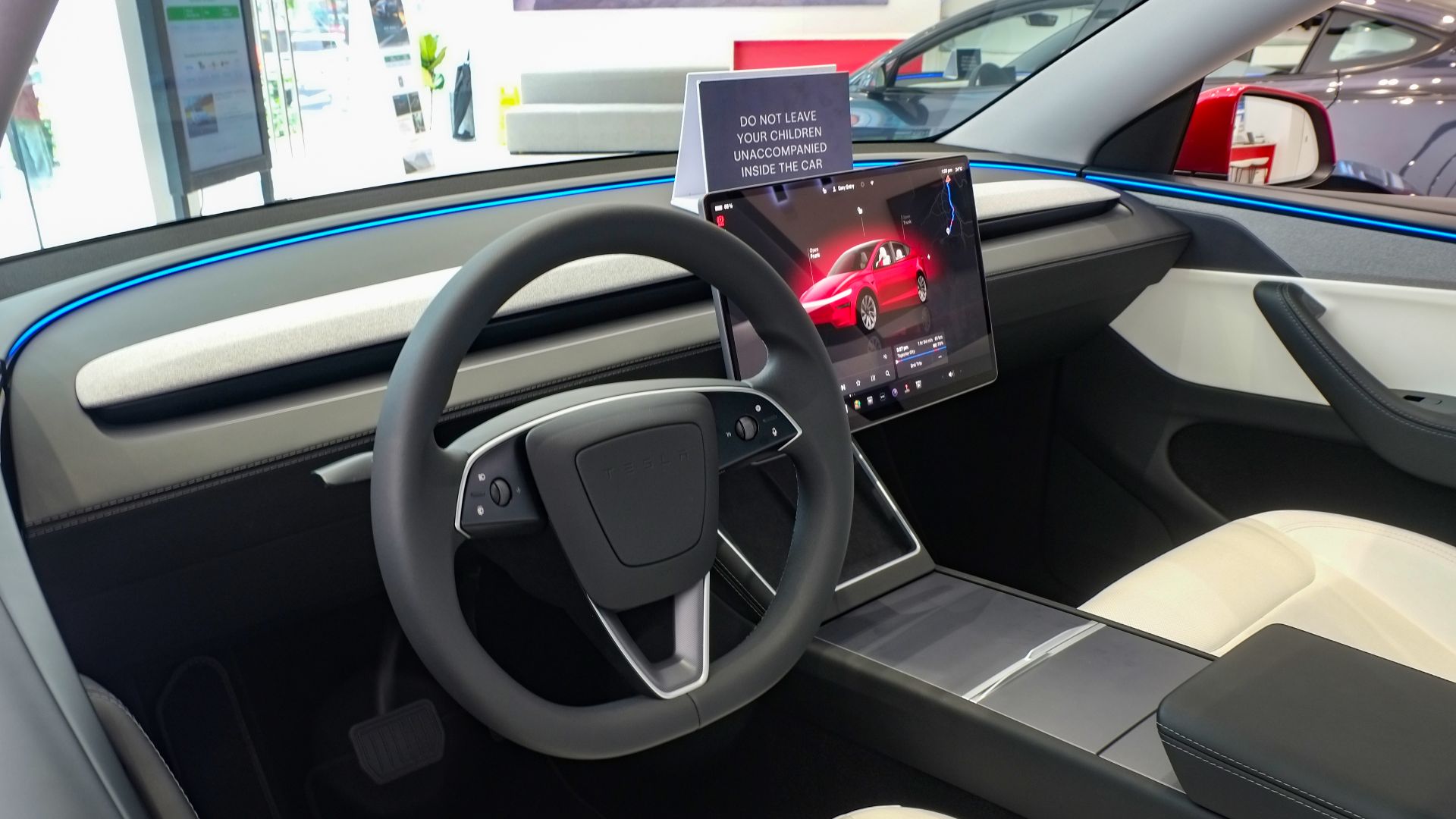
Tesla says its cabin-camera processing normally takes place directly on the vehicle. According to the company, cabin images or video only leave the vehicle under specified circumstances, including when certain data-sharing settings are enabled and qualifying safety events occur. Its Sentry and Dashcam recordings, meanwhile, are generally stored locally rather than automatically sent to Tesla.
 Ethan Llamas, Wikimedia Commons
The Traditional “Black Box” Is Something Else Entirely
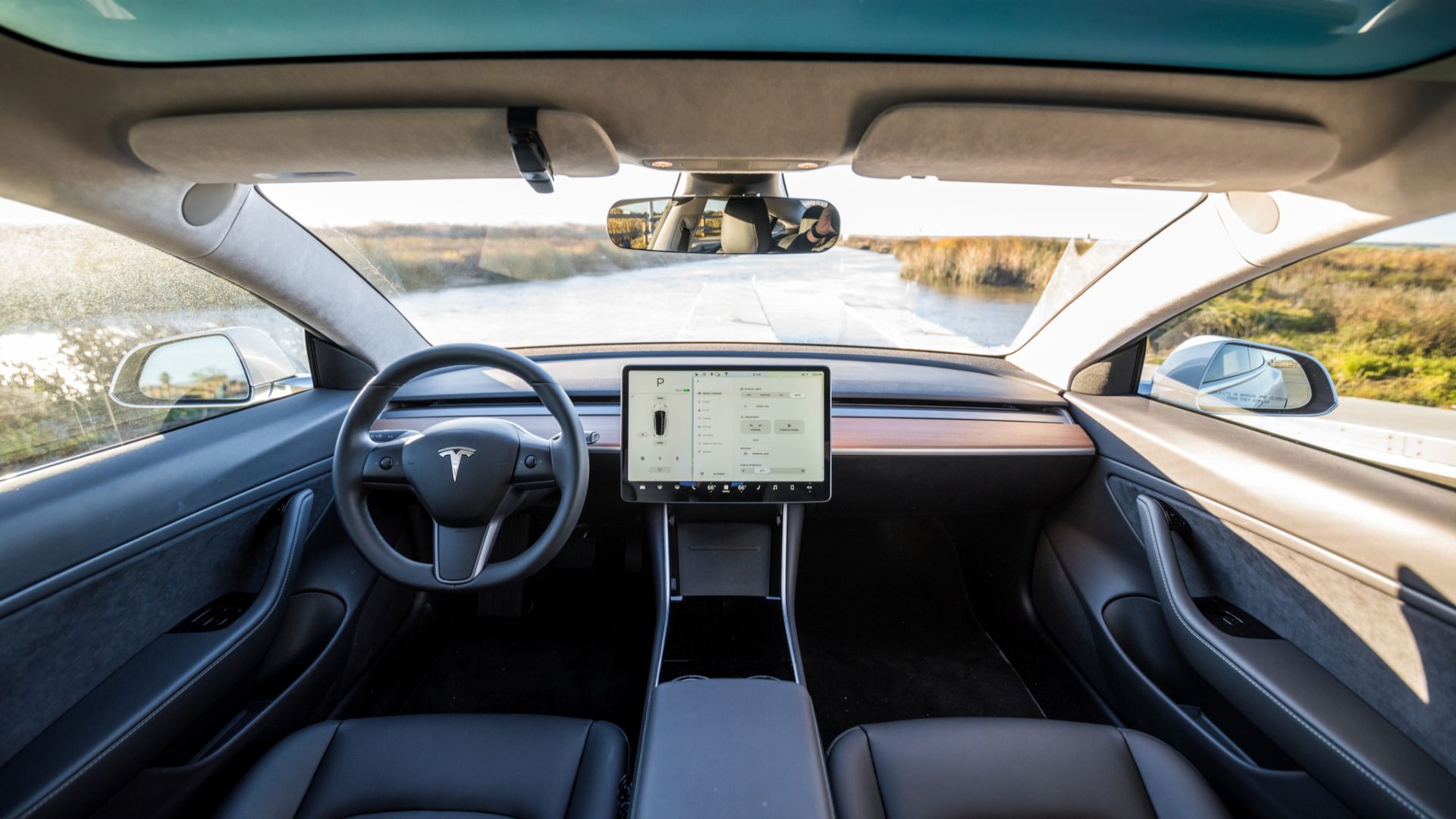
Cars have also had event data recorders, commonly called EDRs, for years. These devices can record technical information surrounding a serious crash, including vehicle speed, braking, accelerator use, seat-belt status, and airbag information.
An EDR Is Not Recording Your Conversations
Federal regulations specifically distinguish EDR information from audio and video. NHTSA also makes clear that the event data recorder it describes isn’t an airplane-style voice recorder. If you found an audio clip, the ordinary crash EDR wasn’t the device that made it.
Connected Cars Can Track Location
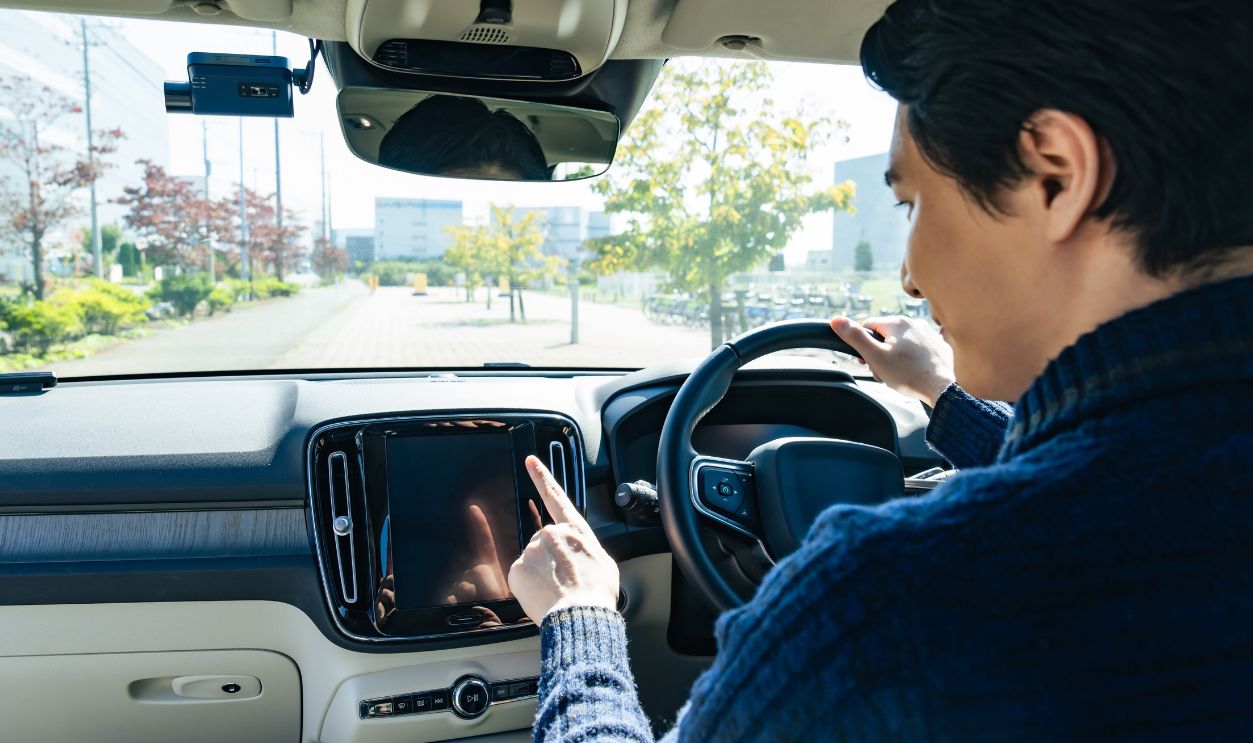
The bigger privacy issue often isn’t a microphone at all. Connected vehicles can collect precise location information as part of navigation, emergency assistance, remote-control features, and other services. Over time, location histories can reveal surprisingly detailed patterns about where a vehicle and its occupants go.
Cars Can Also Measure How You Drive
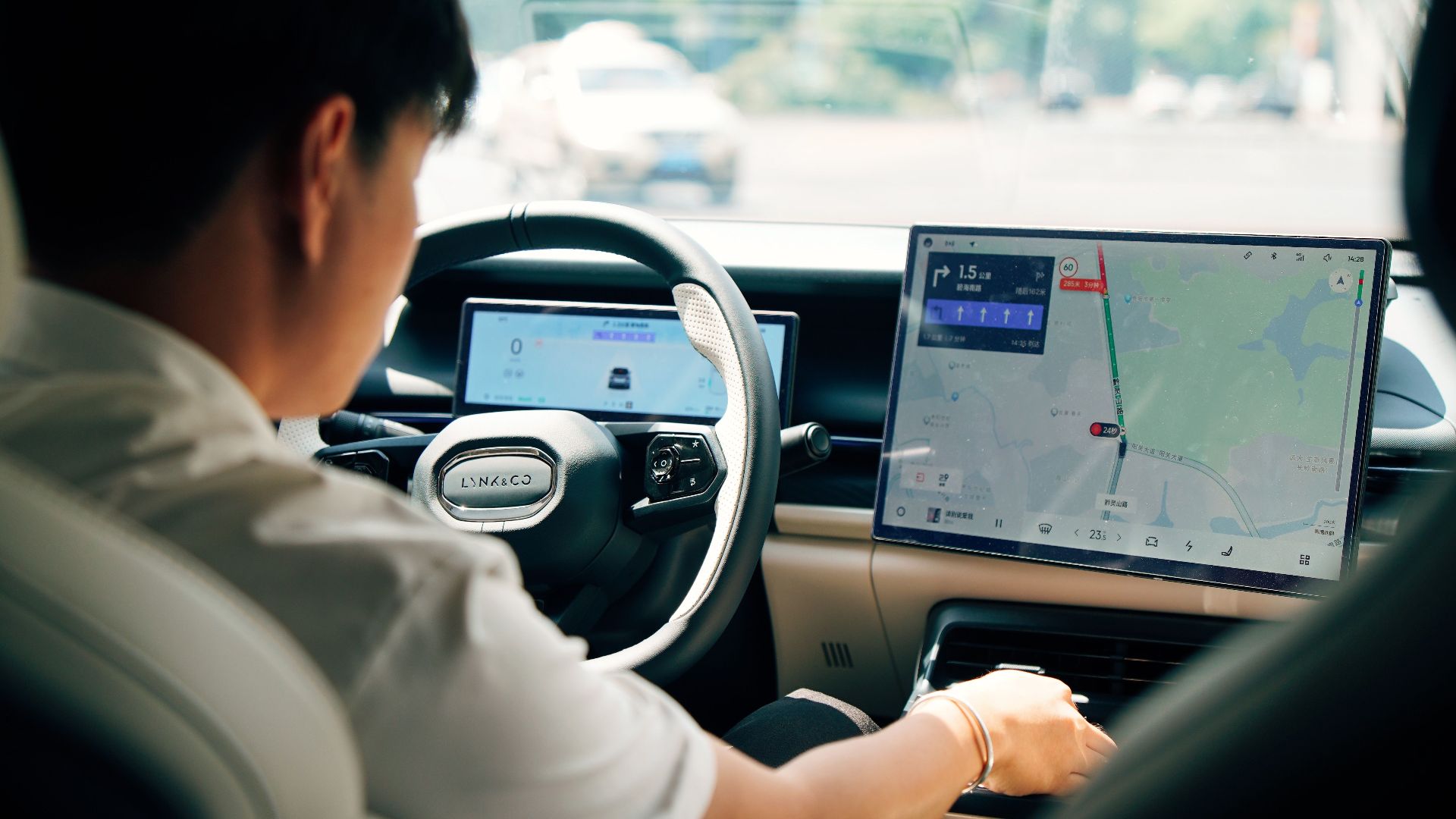
Speed, acceleration, braking, cornering, mileage, and other vehicle behaviors can all be measurable through modern telematics. Much of that information has legitimate uses, from diagnostics to safety research. The controversy begins when drivers don’t understand who else can receive it or what it may eventually be used for.
The GM Case Showed Why People Are Concerned
In 2026, the FTC finalized an order involving General Motors and OnStar after alleging that the companies collected and shared precise location and driving-behavior data without adequate notice and affirmative consent. The order requires stronger consent and consumer controls and restricts certain sharing with consumer reporting agencies.
Insurance Is Part Of The Privacy Conversation
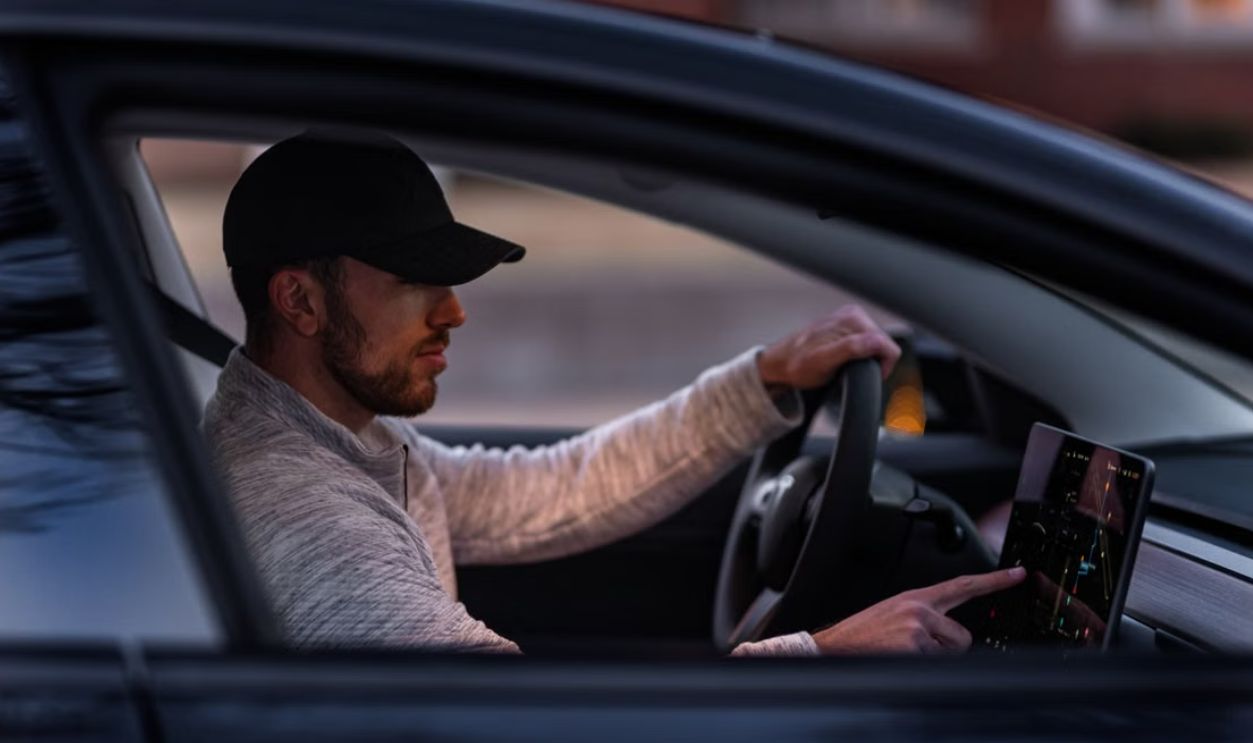
Telematics has long been used voluntarily by drivers seeking usage-based insurance discounts. More recently, concerns have grown about automaker-generated driving data reaching companies involved in insurance risk assessment. Consumer Reports has advised drivers to investigate exactly which connected-car programs they’ve joined.

Your Phone Can Add Another Huge Layer
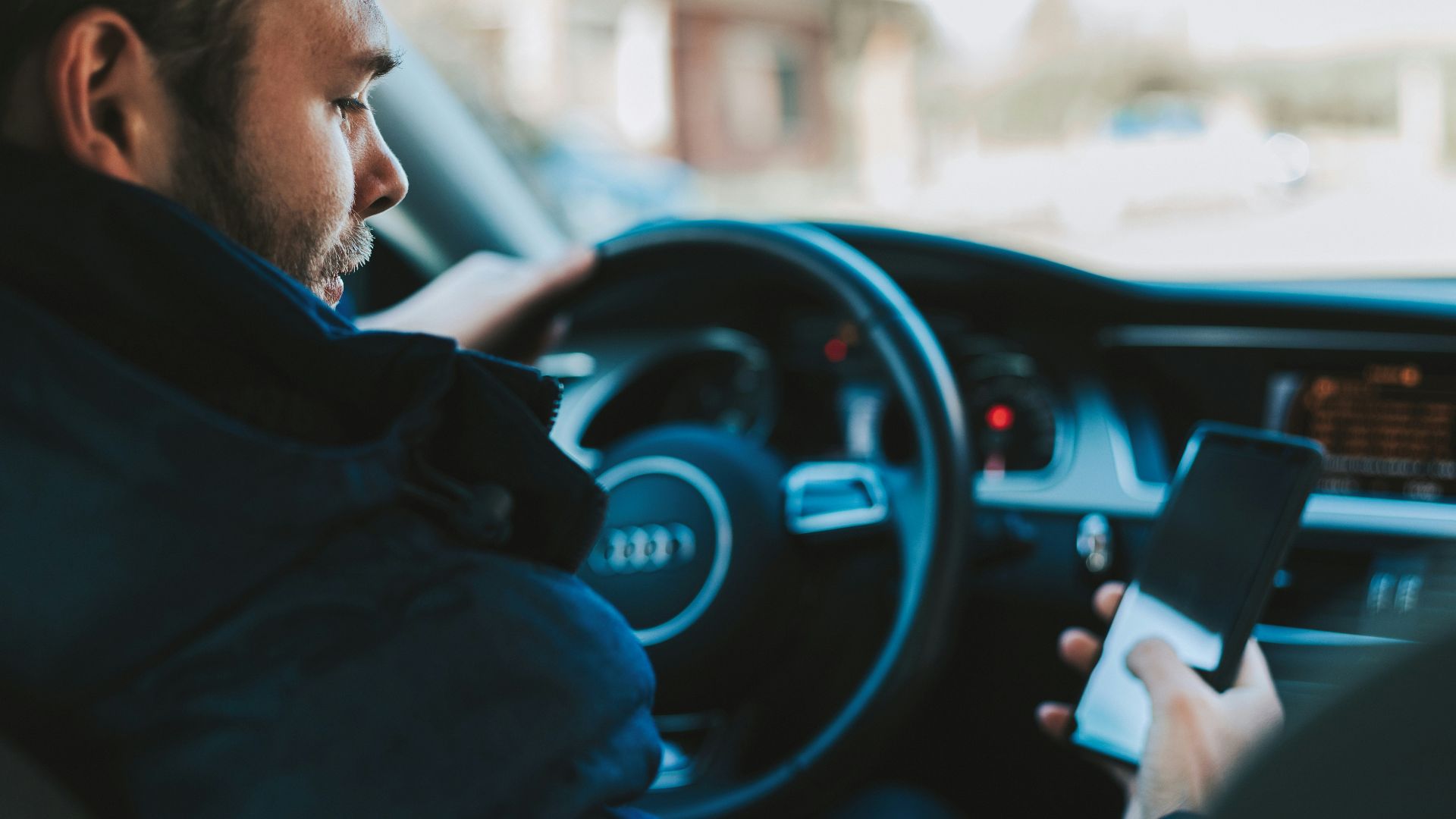
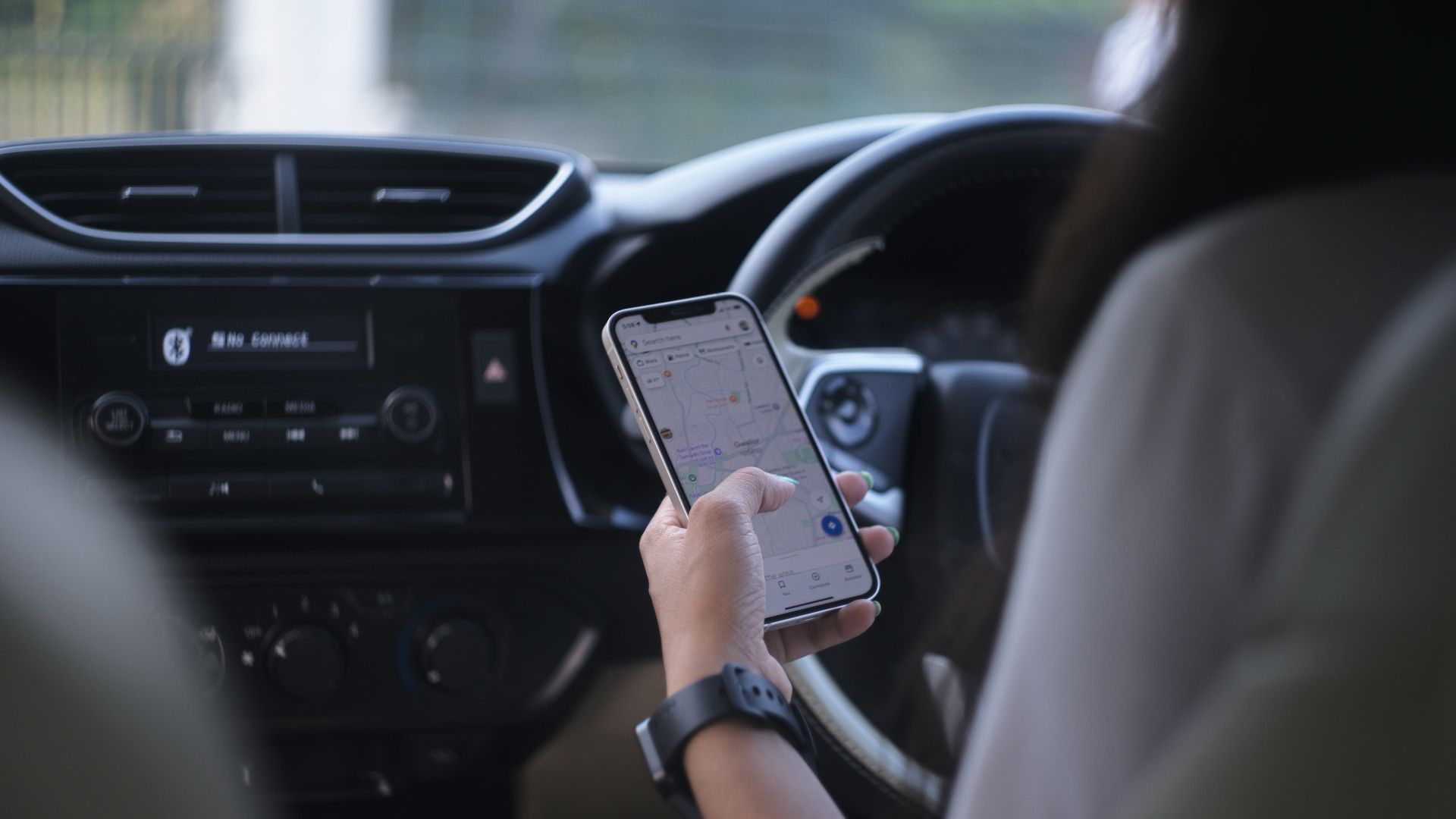
Pairing a smartphone with a vehicle can expose contacts, call history, messages, navigation destinations, music information, and other data depending on the system and permissions. The car doesn’t have to collect everything independently when the device in your pocket is already providing information.
Companion Apps Expand The Connection
Remote-start apps, digital keys, charging apps, vehicle locators, maintenance alerts, and remote-lock functions are convenient because the vehicle remains connected when nobody is sitting inside it. That same connectivity means account settings and app permissions deserve the same attention people already give their phones.

Local Storage And Cloud Storage Aren’t The Same
A camera saving footage to an SD card or USB drive inside the vehicle creates different privacy concerns from footage automatically uploading to company servers. When checking a recording feature, find out where the files live, how long they remain there, and whether anyone outside the vehicle receives them.
Check Whether Clips Delete Themselves
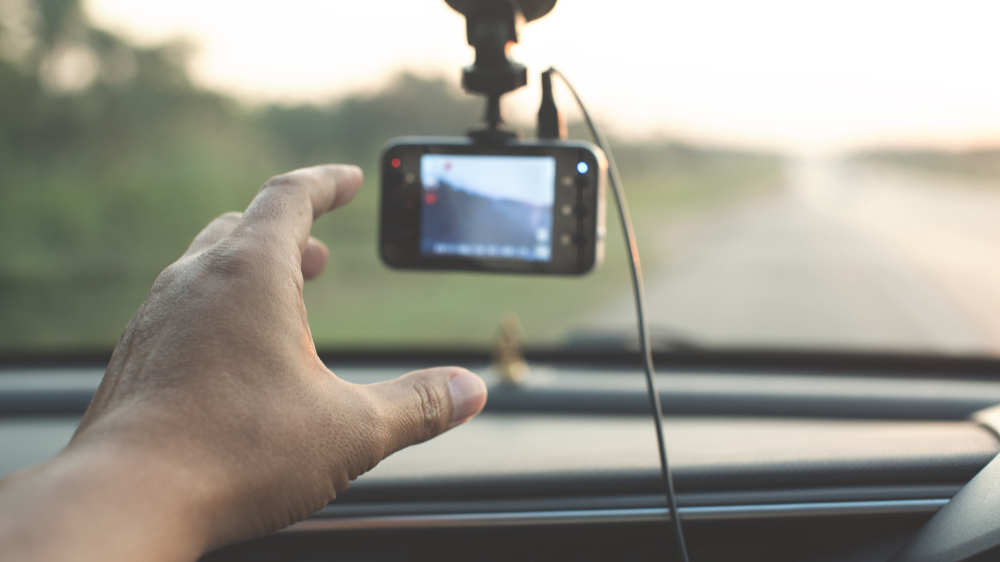
Some recording systems continuously overwrite older material unless an event causes a clip to be protected. Others retain recordings until storage fills or the owner deletes them. If privacy matters, learn the retention rules instead of assuming footage disappears when the car is turned off.
Go Through The Car’s Privacy Menu
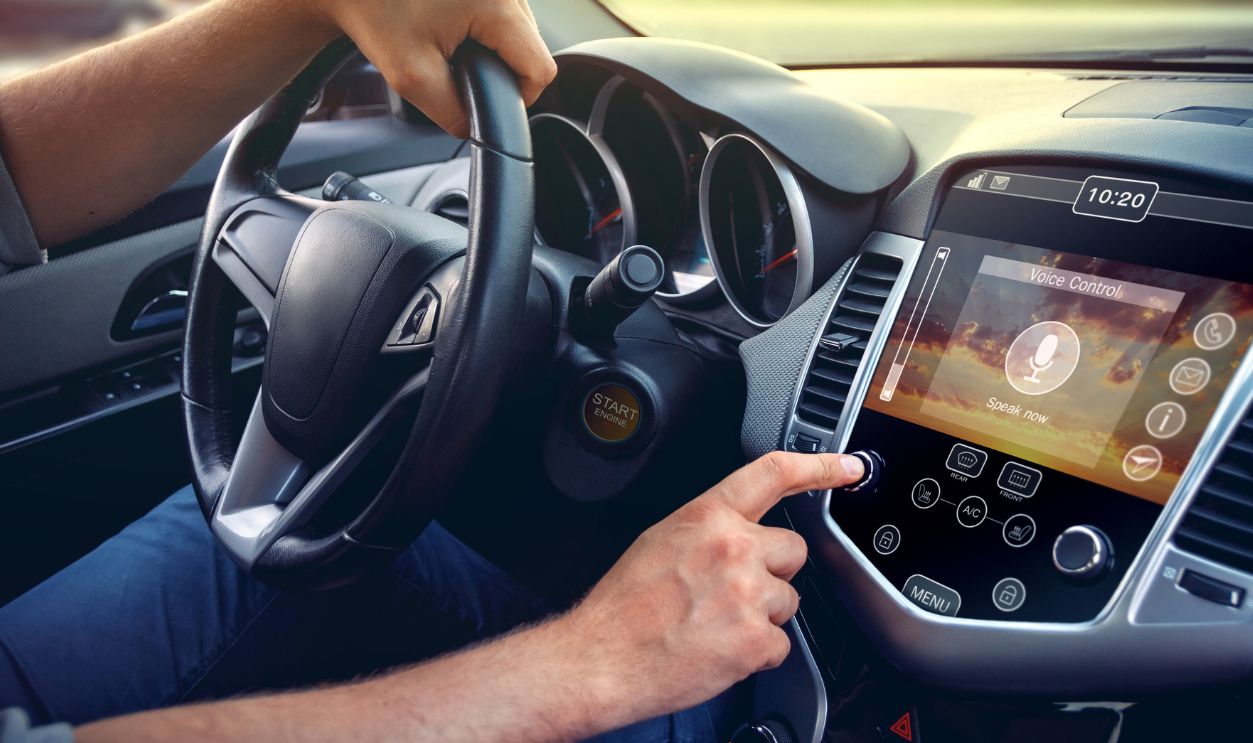
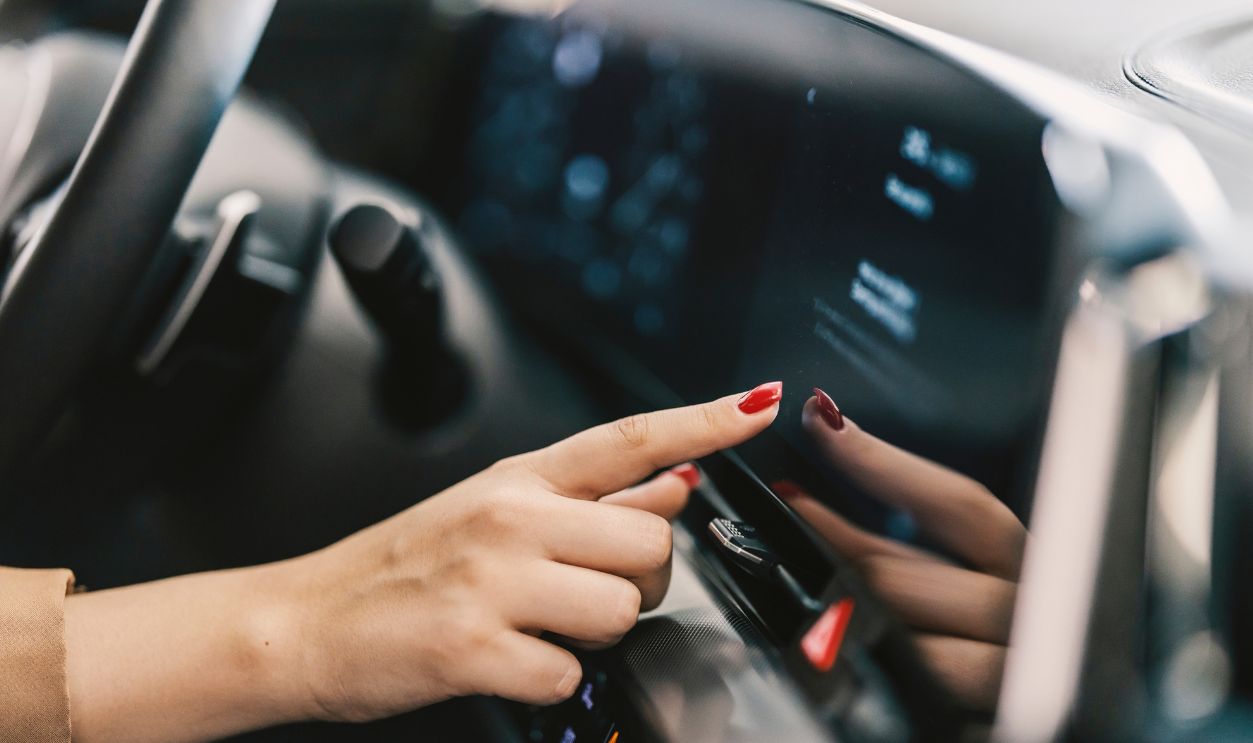
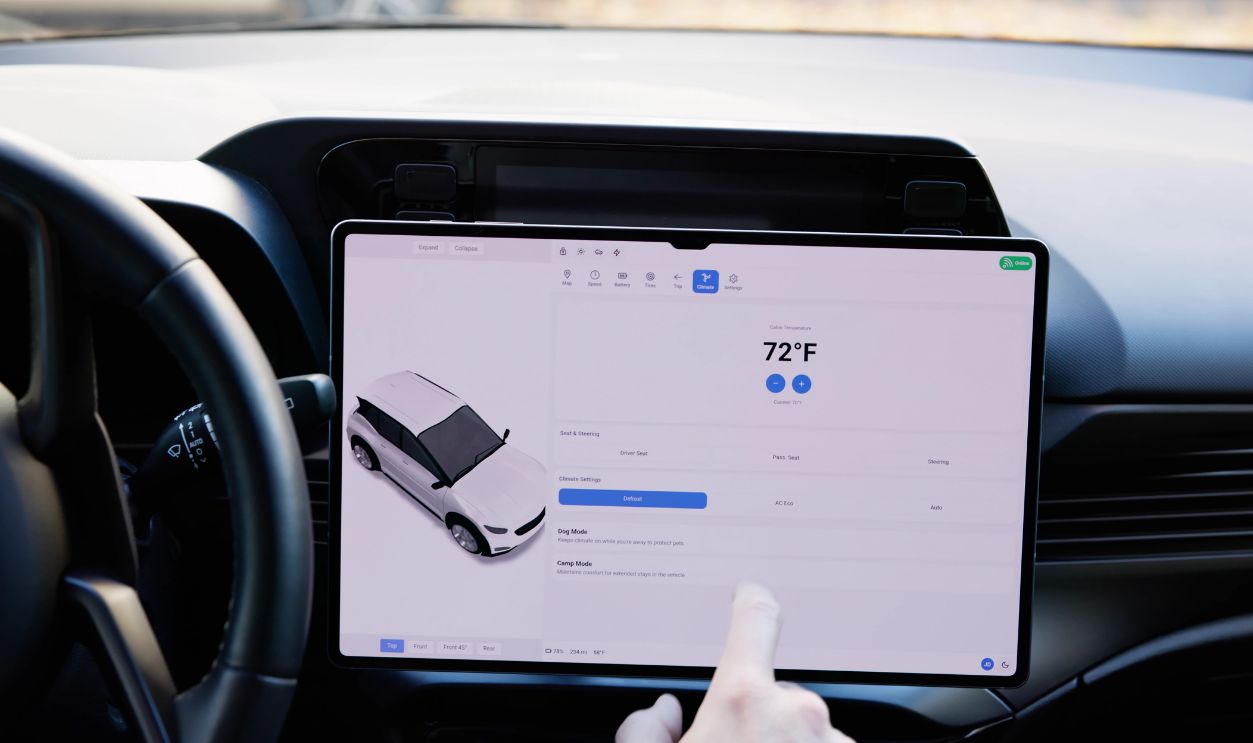
Modern infotainment systems can contain settings for connected services, location sharing, driver analytics, voice recognition, camera sharing, and personalized data. Consumer Reports recommends reviewing both the in-car menus and the automaker’s connected app because privacy controls may be split between the two.
Some Privacy Choices Come With Trade-Offs
Turning off connected data may disable features people actually bought the vehicle for. Remote unlocking, stolen-vehicle recovery, crash notification, live traffic, app control, and certain driver-assistance functions can depend on connectivity. The goal doesn’t have to be eliminating all data collection, but understanding what you’re trading for those services.
Remember That Passengers Didn’t Buy The Car
The owner may have clicked through the privacy agreement, but friends, relatives, rideshare passengers, and valets probably didn’t. Tesla explicitly tells owners using its cabin-camera data-sharing features that they’re responsible for informing passengers. The broader lesson applies to any system capable of capturing people inside the vehicle.
 https://kaboompics.com/, Pexels
Audio Recording Can Raise Separate Legal Questions
Recording video and recording private conversations aren’t always treated the same way legally. Federal law generally permits recording a conversation when one party consents, but several states impose broader consent requirements in certain situations. Exactly where the conversation occurs and whether people reasonably expect privacy can matter.
Be Especially Careful With Automatic Audio Around Other People
A parking camera that captures a stranger shouting next to the car may present a different situation from a microphone recording a private conversation among passengers inside it. Because state recording laws differ, owners who intentionally leave audio recording enabled should understand the rules where they live rather than assuming that owning the car automatically settles the issue.
Vehicle Data Can Become Evidence
Stored video can be extremely helpful after vandalism, a hit-and-run, or a disputed crash. But information can potentially work against the owner too. WIRED has documented growing law-enforcement interest in data generated by connected vehicles and the legal processes used to obtain information from automakers and service providers.
Security Features Are A Genuine Benefit
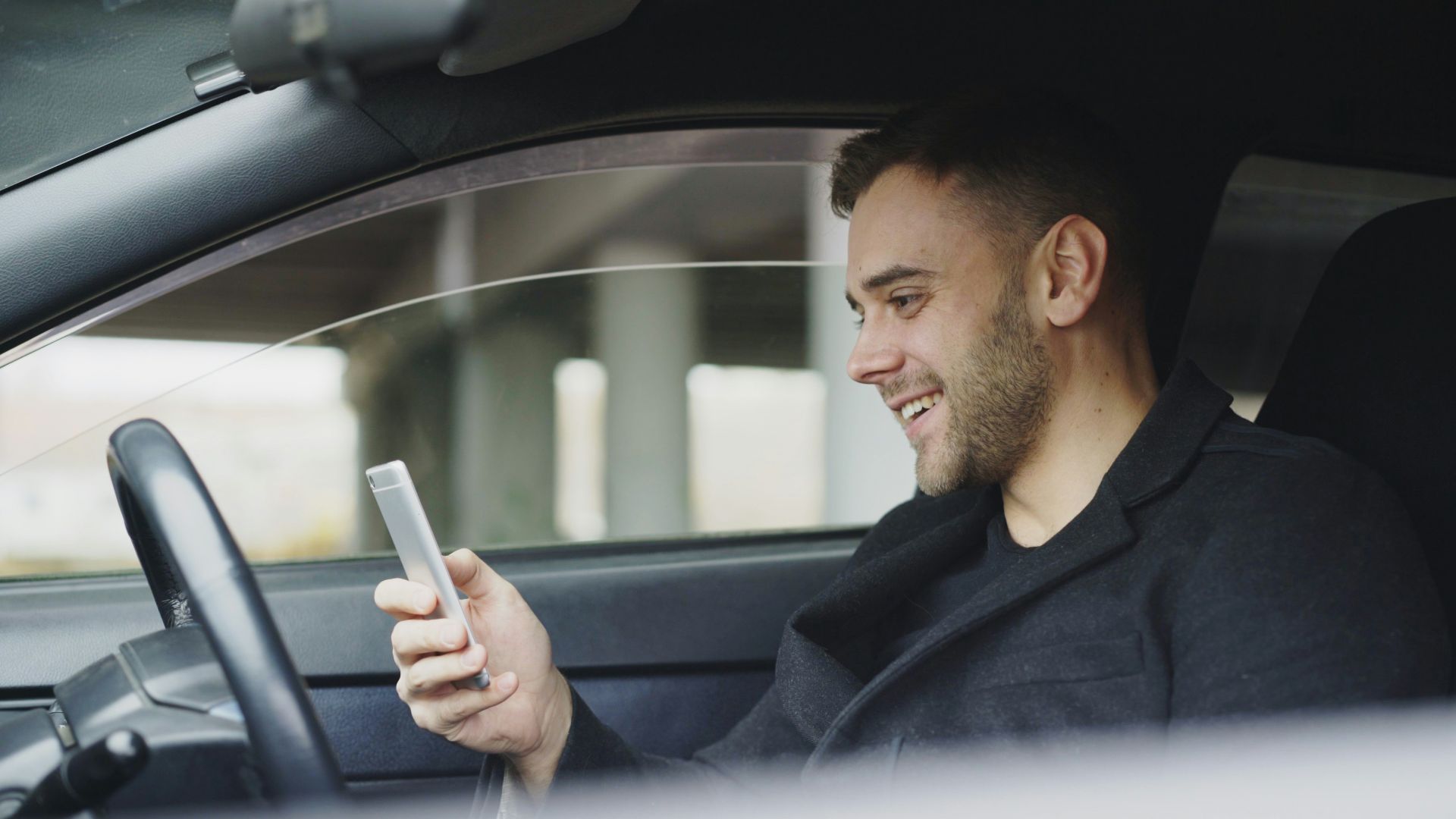
None of this means cameras and connected systems are inherently bad. A parking recording can identify someone who damaged the car and drove away. Automatic crash notification can summon emergency assistance, while cameras and sensors support safety systems that prevent collisions in the first place.
Know What Your Particular Car Is Capable Of
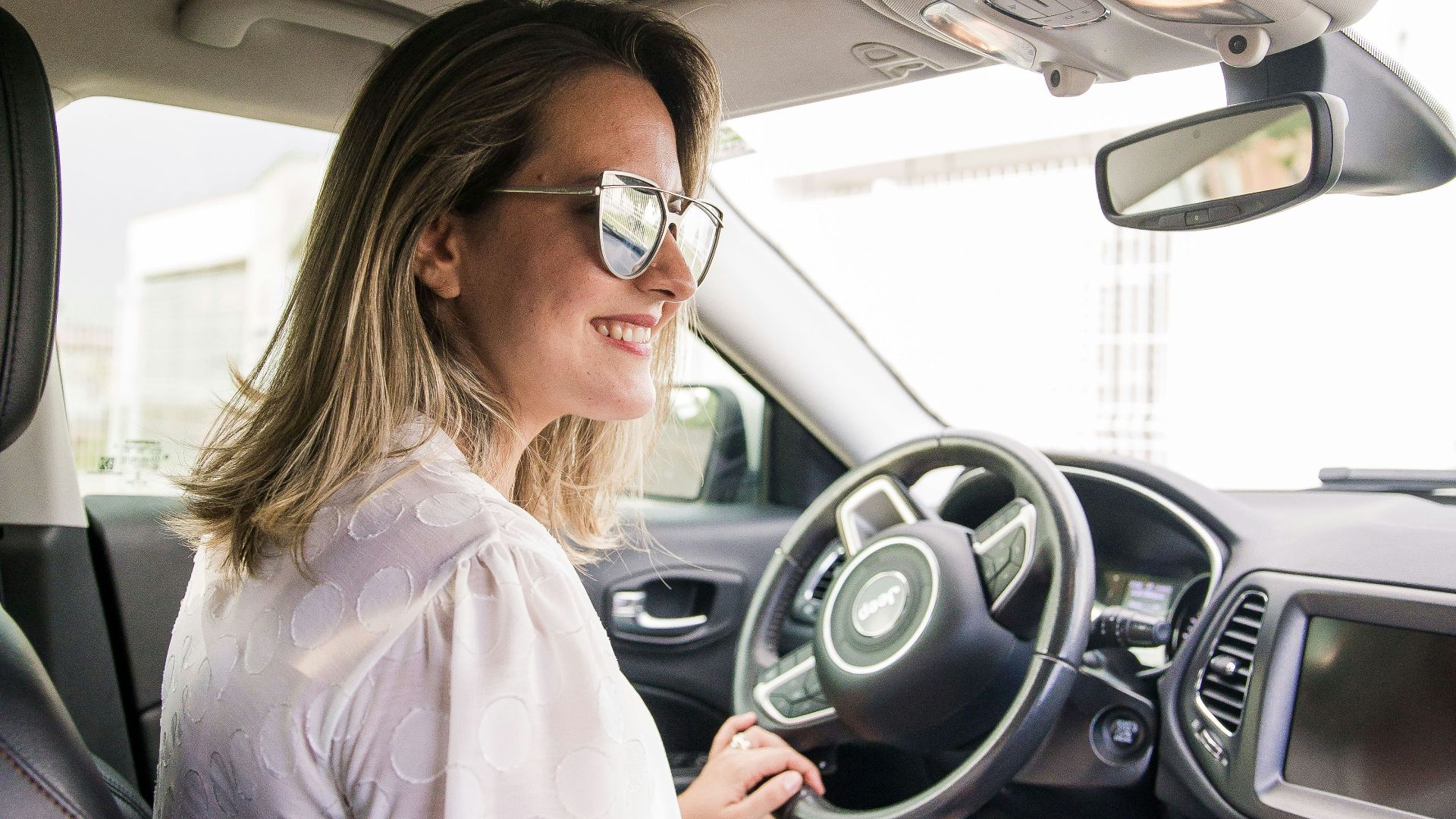
There isn’t one master list of what every new vehicle records. Read the owner’s manual sections on dashcams, parking security, driver monitoring, voice recognition, connected services, event data recording, and privacy. Then check the manufacturer’s online privacy notice because software updates can change capabilities after the vehicle leaves the factory.
Ask The Manufacturer For Your Data
Depending on the automaker, account, and applicable state privacy law, owners may be able to request a copy of certain personal information, ask for deletion, or limit particular types of collection and sharing. Consumer Reports maintains guidance for finding privacy controls offered by numerous major automakers.

Check The Settings Again After Software Updates
Modern vehicles can gain features through over-the-air updates. A privacy choice made when the car was purchased may not be the last one an owner ever encounters. New apps, driver-assistance capabilities, and connected services are good reasons to periodically revisit the settings.
Modern Cars Watch A Lot, But Not Everything Is Being Recorded
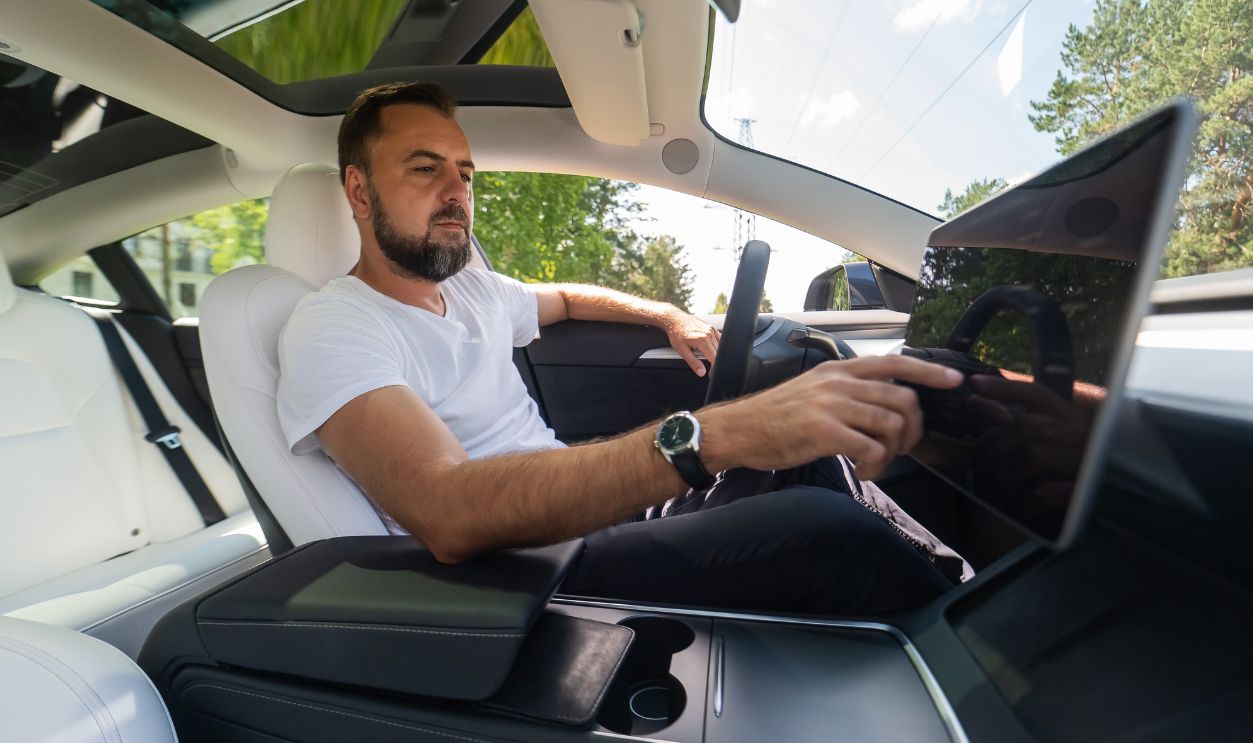
New vehicles can contain an extraordinary collection of cameras, microphones, radar, GPS, telematics, driver-monitoring systems, and connected apps. What matters is separating sensors that momentarily process information from systems that save recordings or transmit personal data elsewhere. If a parking incident unexpectedly revealed an audio recording, use it as a reason to explore the car’s privacy settings rather than assuming the vehicle has been secretly archiving every conversation. You may discover a lot more technology than you expected, but you may also have considerably more control over it than the first surprise suggested.
You May Also Like: