That Odometer Reading Can Kill the Mood Fast
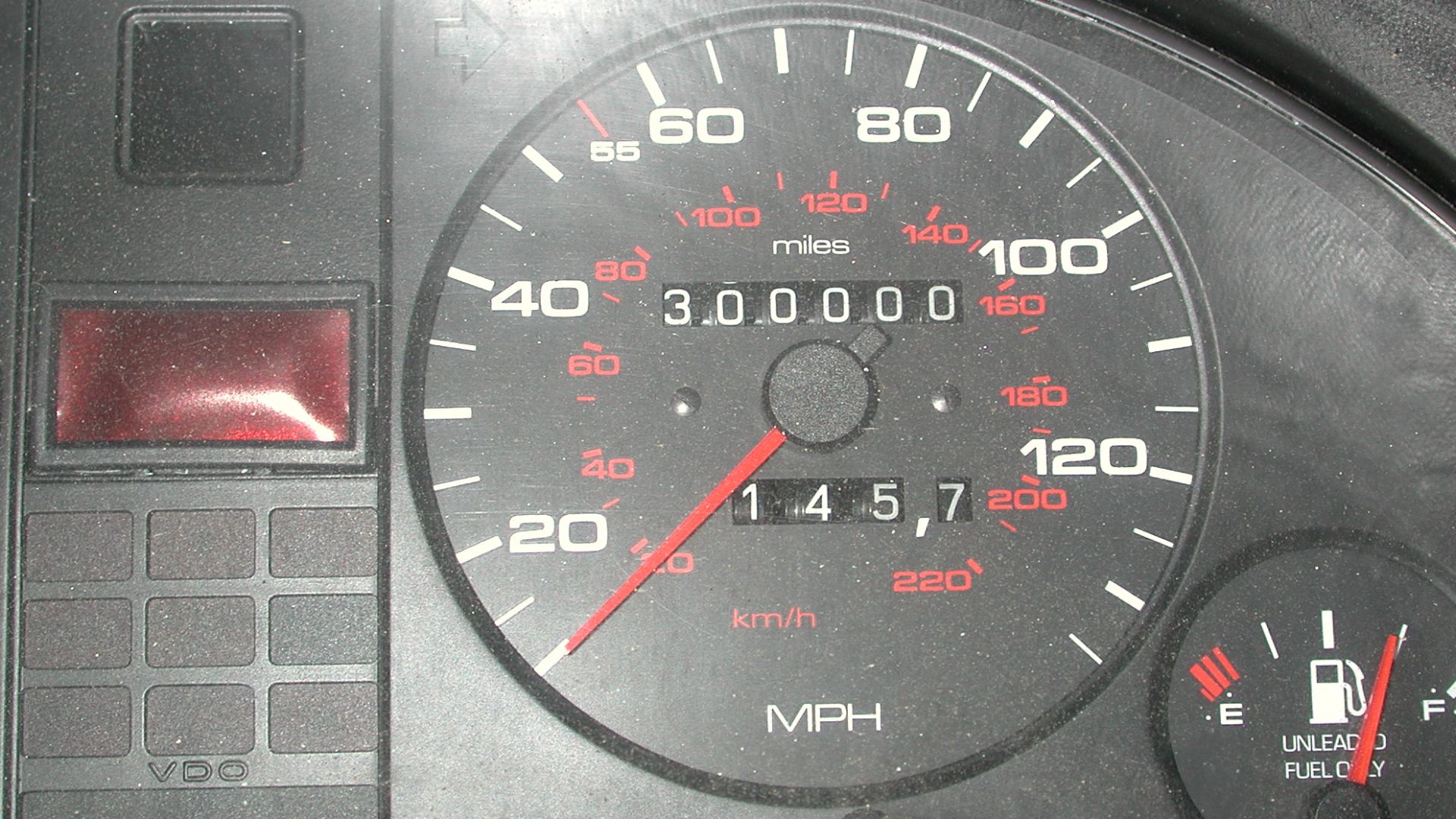
You show up expecting a factory-fresh car, then spot 700 miles on the odometer. That can feel like a bait and switch, especially if the dealer still calls the car “new.” The tricky part is that there is no single nationwide mileage cutoff that automatically turns a new car into a used one.

Why This Gets Confusing So Fast
Most shoppers assume “new” means zero miles, but that is almost never how it works. New cars pick up miles during factory checks, shipping, moving around the lot, and customer test drives. Legally, what often matters more is title status, registration status, and whether the car has ever been sold at retail, not just the mileage.
 Hryshchyshen Serhii, Shutterstock
Federal Law Leaves a Lot of Wiggle Room
The Federal Trade Commission’s Used Car Rule generally applies to used vehicles, and it specifically does not cover new cars. So federal law does not give you a clean mileage rule for when a new car stops being new. In most cases, the real answer comes down to state law and the details of the sale.
 Harrison Keely, Wikimedia Commons
There Is No Universal 700-Mile Rule
If you want a simple answer like “over 500 miles means used,” federal law does not give you one. A dealer can often still market an untitled, never-registered vehicle as new, even if it has a lot of miles on it. That does not always make it fair, but it does mean the label often depends more on paperwork than on what most buyers would expect.
 Downtowngal, Wikimedia Commons
What Usually Makes a Car “New” Legally
In many states, a car is considered new if it has never been titled to a retail owner. If the dealer still has the Manufacturer’s Certificate of Origin and the vehicle has not been registered before, it may still count as new under the law. That is why some dealer demos and heavily test-driven cars stay “new” on paper longer than buyers expect.

But Mileage Still Matters in the Real World
Even if the paperwork says new, 700 miles is not minor. That is well beyond the few delivery and lot miles most shoppers expect. It can affect resale value, add wear to tires and brakes, and make buyers wonder what they are really getting.

State Law Is Where the Real Answer Usually Is
The National Automobile Dealers Association has pointed out that whether a vehicle is new or used is largely a state-law question. Some states focus mainly on whether the car has been titled or registered. Others also have rules about disclosure or spell out categories like demonstrator vehicles, executive vehicles, or used vehicles in more detail.
 ajay_suresh, Wikimedia Commons
California Shows How Specific These Rules Can Get
California’s Vehicle Code defines a “new motor vehicle” broadly enough to include some dealer demonstrators and vehicles sold on a Manufacturer’s Certificate of Origin instead of a prior retail title. In other words, a car can be driven and still count as new under state law. That does not remove the need for honest disclosure, but it shows why mileage alone does not always decide the issue.
Florida Also Ties It to Title Status
Florida law defines a new motor vehicle in part by whether it has been transferred to an ultimate purchaser. That is another example of a state focusing on ownership history instead of a hard mileage cap. So a car that has been on lots, on test drives, or used as a demo may still be sold as new if it has not crossed the legal title line.

Texas Takes a Similar View
Texas rules also focus on whether a vehicle has already been sold at retail and titled before. The details matter, but the bigger pattern is the same in many states. Mileage can raise red flags, but title history often matters more legally than the odometer by itself.
Test Drives Do Not Automatically Make a Car Used
On one narrow point, the dealer is usually right. A test drive by itself normally does not turn a new car into a used one under state law. If it did, almost every popular showroom car would be used by the end of a busy weekend.

But 700 Miles Is Not a Normal Test-Drive Story
This is where the dealer’s explanation starts to sound weak. A normal test drive might add 5, 10, or 20 miles, not hundreds. At 700 miles, it is fair to ask whether the car was a demo, a dealer trade, a service loaner, or a vehicle used by staff.
Dealer Demonstrators Are the Gray Area Buyers Hate
A demonstrator is usually a vehicle used by dealership staff or offered again and again for customer drives. In some states, a demonstrator can still legally be sold as new if it has not been titled to a retail buyer. But to most shoppers, a demo is worth less than a truly low-mile new car.

That Makes Disclosure the Real Issue
The big consumer question is often not “Is it technically legal to call this new?” but “What was I told before I signed?” If the dealer clearly disclosed the mileage, explained any demo use, and offered a discount, that is one thing. If the 700 miles came as a surprise at delivery, that is a very different story.

Advertising Rules Still Apply
The FTC requires truthful advertising, and dealers cannot make deceptive claims about a vehicle’s condition or history. Even if a car is legally new under state definitions, advertising that gives a false impression can still create consumer protection problems. A buyer who was led to believe the car had only delivery miles may have a stronger complaint than a buyer who knew exactly what they were getting.

Odometer Law Is About Accuracy, Not “Newness”
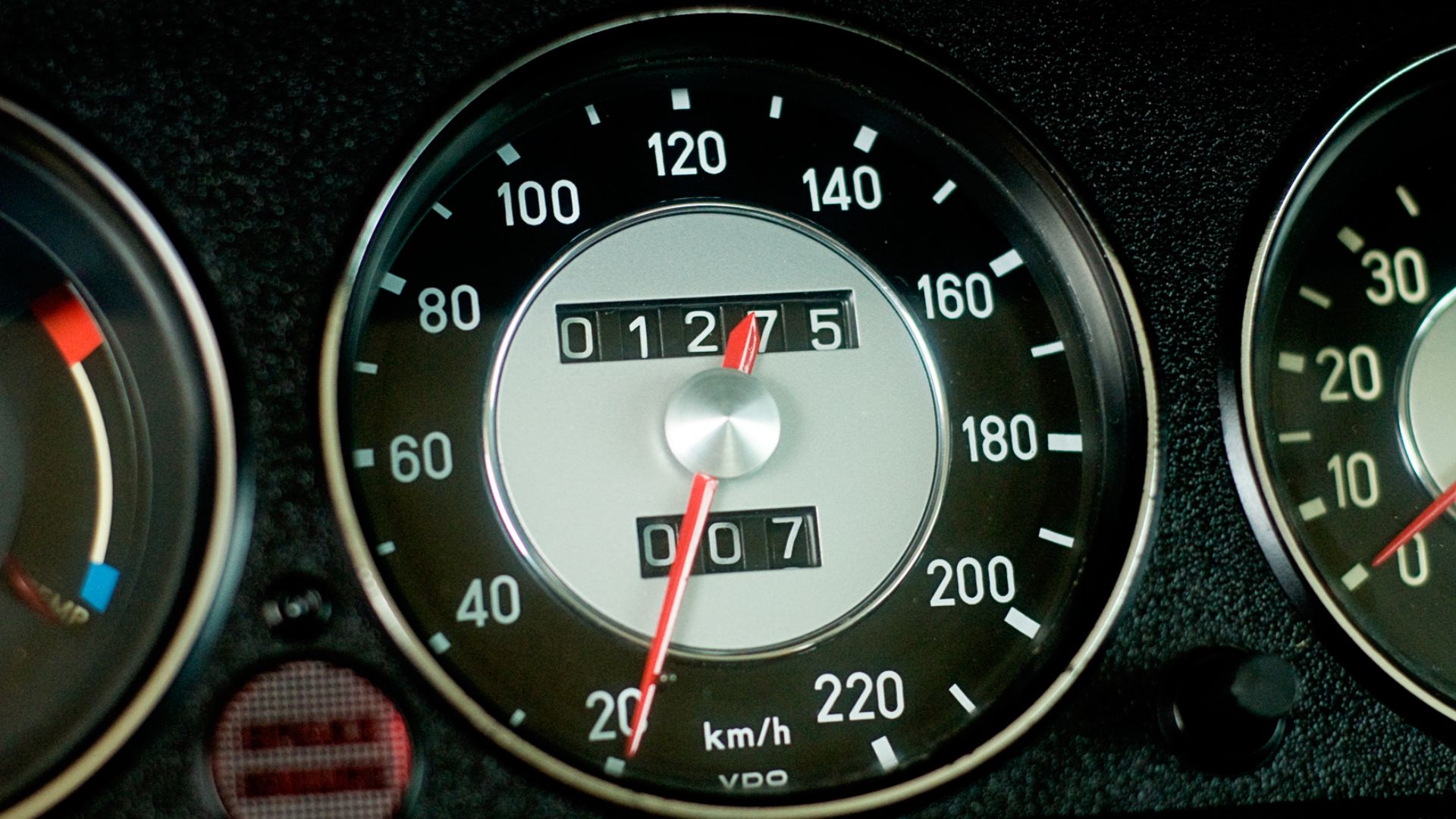
Federal odometer law is meant to stop mileage fraud and require accurate mileage disclosure. It does not create a national cutoff for when a vehicle stops being new. So the odometer matters, but mostly because the reading has to be disclosed honestly and not hidden.
 Kim from Sherwood Park, Canada, Wikimedia Commons
The Warranty Usually Starts at First Retail Sale
One practical reason this matters is warranty coverage. New-vehicle warranties usually begin at the first retail sale or when the car first goes into service, not when the odometer is at zero. A 700-mile new car may still come with the full new-car warranty, but you should confirm the in-service date so you know no coverage has already been used up.

Ask Whether It Was Ever Put Into Service
A car can look new, be sold as new, and still have an earlier warranty start date if it was used in a way that triggered in-service status. That can happen with demos or service loaners. Ask the dealer to show the warranty start date in writing, because 700 miles is one issue and lost warranty time is another.

Resale Value Does Not Care About Legal Fine Print
When you sell or trade the car later, the market will care that it already had 700 miles when you got it. Buyers and appraisers often see a difference between a low-mile new car and a heavily driven “new” one. Even if the dealer’s label is legal, those early miles can still cost you money.

This Is Why the Price Should Change
If a dealer wants to call a 700-mile car new, the buyer should expect a real discount. Those miles have value, and that value is already gone. A fair price usually lands somewhere between spotless new inventory and a lightly used or demo vehicle.

What to Ask Before You Sign
Ask for the out-the-door buyer’s order, the exact odometer disclosure, and written confirmation of whether the car was a demo, loaner, dealer trade, or staff vehicle. Ask whether it has ever been titled, registered, or put into service for warranty purposes. Get every answer in writing, because verbal promises get slippery once the deal is done.

What to Do If You Already Bought It
Start by gathering your purchase contract, window sticker, odometer statement, and any ads or messages that described the car as new. Then compare what was promised with what was disclosed. If the mileage or prior use was not clearly revealed, raise the issue with the sales manager in writing and keep records of every response.

When to Escalate the Dispute
If the dealership brushes you off, contact the manufacturer’s customer care line and your state attorney general or consumer protection office. You can also check with your state motor vehicle dealer licensing agency. The strongest complaints are specific, documented, and tied to what the dealer advertised or failed to disclose.

A Lawyer May Be Worth a Call
If the dollar difference is serious or you think the dealer misled you, a consumer law attorney in your state can tell you whether you may have a claim. The laws vary too much from state to state for a one-size-fits-all answer. A short consultation can quickly tell you whether this is just annoying, a pricing fight, or a real misrepresentation case.

So When Is a New Car No Longer New?
The most accurate answer is this: usually when state law says it is no longer new, often after a retail sale, title transfer, or registration, not at a specific mileage number. But from a buyer’s point of view, “new” starts to sound shaky once the miles go from delivery distance to road-trip distance. At 700 miles, the dealer may still be legally right, but you are right to question the label and push for either a better explanation or a better price.

The Bottom Line for Shoppers
Do not get stuck on the idea of a national mileage cutoff, because there usually is not one. Focus on title history, warranty start date, prior use, and whether the price reflects the miles already on the car. A 700-mile “new” car is not automatically used, but it absolutely deserves a closer look before you hand over your money.
 Hryshchyshen Serhii, Shutterstock