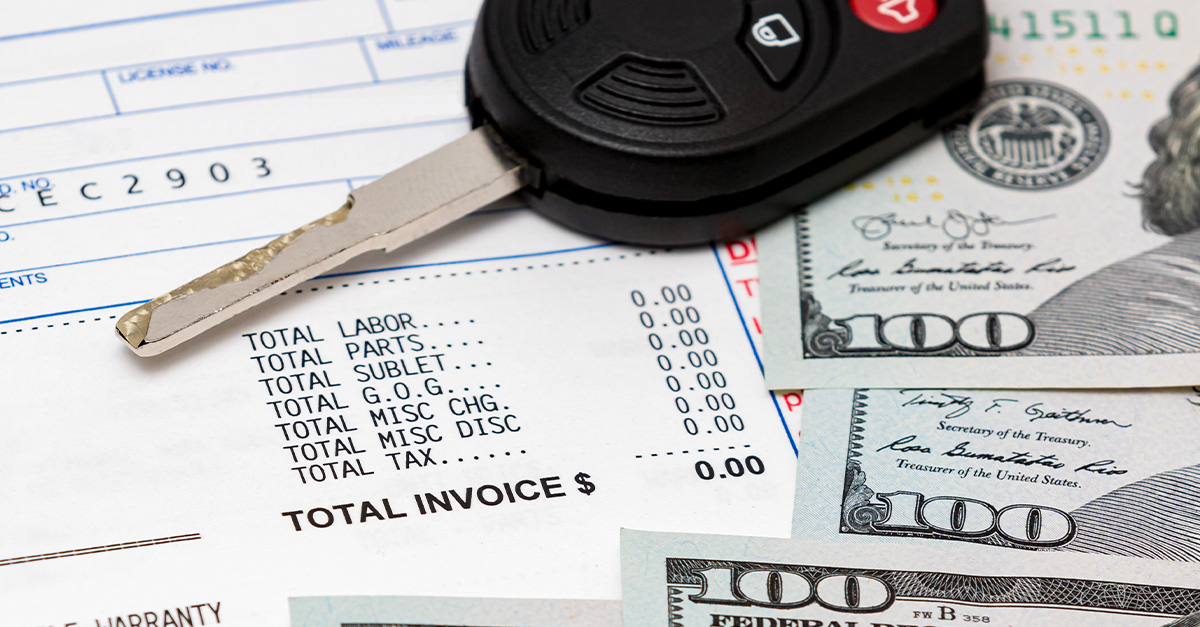
When Your Warranty Feels Like A Decorative Accessory
I’ll be honest with you—few things spike a driver’s blood pressure like the moment a service advisor leans across the counter, gives a sympathetic smile, and explains that the repair you desperately need is “not covered” under your extended warranty. Especially when the issue you’re dealing with isn’t just some random fluke—it’s a known defect, the kind entire forums have been screaming about for years. If you’ve found yourself asking, “Isn’t that literally what warranties are for?”, congratulations: you’re having the same emotional meltdown I had when my own warranty shrugged its shoulders at me. So let’s break it all down—so you can understand what’s happening, why it’s happening, and what you can actually do about it.

What Warranties Are Actually Supposed To Do
You'd think warranties cover anything that breaks, right? Not exactly. Warranties—especially extended ones—are designed to cover unexpected failures, not always manufacturer mistakes. It’s a small but crucial distinction that comes back to haunt many of us.

The Difference Between A Warranty & A Known Defect
A known defect means the manufacturer is aware of an issue, has documented it, and may even have issued service bulletins. But that doesn’t automatically mean your warranty will cover it. Why? Because warranties aren’t the same as recalls, and that’s where the confusion starts.

Why Known Defects Aren’t Automatically Covered
Extended warranty companies—whether independent or manufacturer-backed—frequently exclude known defects because the failure is considered “predictable” rather than “unexpected.” It’s twisted logic, but it’s the logic they use.

The Recall Vs. TSB Confusion
Drivers often assume that a known defect equals a recall. Not true! Many defects only generate a Technical Service Bulletin (TSB), which informs technicians of an issue but does not require the automaker to pay for the repair.

Recalls Are Mandatory; TSBs Are Not
Recalls are federally regulated and must be completed free of charge. TSBs, on the other hand, are simply guidelines—suggestions, really—on how to address a known issue. Warranties aren’t obligated to follow them.
Extended Warranties: The Wild West Of Fine Print
Extended warranties vary wildly. Some are comprehensive; others are basically expensive paperweights with a deductible. And the fine print usually includes long lists of exclusions you didn’t notice when you signed your life away.

The “Wear & Tear” Escape Clause
One of the biggest traps is the “wear and tear” clause. Companies love using this phrase to claim your defect is simply “normal degradation.” Your transmission exploding at 60,000 miles? Wear and tear. Your infotainment screen going black? Wear and tear. Your sanity evaporating? Definitely wear and tear.

The Infamous Pre-Existing Condition Clause
Some warranties exclude anything that showed symptoms before you bought the plan. Even if the manufacturer caused the defect, the warranty company may argue you “should’ve known,” which is about as comforting as being told you should’ve predicted the lottery numbers too.

When The Manufacturer Points Fingers
Manufacturers often say: “This is the warranty company’s responsibility.” Warranty companies counter with: “This is the manufacturer’s responsibility.” Meanwhile, your bank account quietly sobs in the corner.

When The Dealer Points Fingers
Dealerships sometimes distance themselves completely, claiming they’re “just the middleman.” Until you need to buy a car, at which point suddenly they know you by name again.

Why Your Defect Might Not Qualify As A Recall
Manufacturers only issue recalls for defects that affect safety. If it won’t kill you, burst into flames, or interfere with braking, the manufacturer may decide the issue is “inconvenient but safe,” even if the problem is outrageously common.

The Emotional Stages Of Warranty Denial
Shock → Annoyance → Rage → Determination → Googling “lemon law attorney near me” at 1 a.m.
It’s a journey.

Document Everything Like A Crime Investigator
If your defect is widespread, you need proof. Photos, videos, receipts, diagnostic codes—collect it all. Warranty companies love documentation almost as much as they love denying claims.

Why You Should Always Request The Denial In Writing
A verbal “no” can’t help you. A written denial? That's leverage. That’s evidence. That’s your golden ticket if you decide to escalate.

Using TSBs To Support Your Case
You can use technical service bulletins as ammo. Even though they don’t guarantee coverage, they do confirm that the problem isn’t your fault. Some warranty companies fold once you prove the issue is documented.

Maintenance Records Matter More Than You Think
Warranty companies often request maintenance records before authorizing repairs. If you missed oil changes, brace yourself—they will weaponize your gaps in documentation.

When A Second Opinion Saves You
Different service advisors interpret warranty coverage differently. If one dealer denies your claim, another might approve it. It shouldn’t work this way, but it absolutely does.

Calling The Warranty Company Yourself
Never assume the dealership fights for you. Calling the warranty company directly can change everything. You’d be amazed how many claims magically reverse when a human insists.

Why Being Polite Works Better Than Being Furious
Nobody likes dealing with angry customers. A calm, persistent, confident approach gets you farther than a profanity-laced tirade. (Trust me. I’ve tested both.)

Escalating To A Supervisor
If the first representative can’t—or won’t—help, ask for a supervisor. Supervisors have access to override functions that frontline reps don’t.

State Consumer Protection Laws: Your Secret Weapon
Depending on your state, you may have additional protections that force warranty companies to honor claims on known defects. Sometimes simply mentioning your state’s statutes makes them very cooperative.

Filing A Claim With The BBB
The Better Business Bureau isn’t just for angry Yelp reviewers. Warranty companies hate being publicly called out, and a BBB complaint can get your claim reviewed much faster.

Manufacturer Goodwill: The Lifeline No One Talks About
Even if you’re out of warranty, some manufacturers will cover part of the repair as an act of “goodwill.” This usually requires a polite request, a documented history, and sometimes a little luck — but it’s real, and it works.

Social Media Pressure: The Modern Equalizer
Brands care deeply about Instagram and Twitter reputations. A polite, factual post tagging the manufacturer can lead to a customer-service rep sliding into your DMs with surprising speed.

When It’s Time to Call A Lemon Law Attorney
If your issue affects drivability, safety, or has required repeated repair attempts, you may qualify for lemon law protection. Attorneys often work on contingency, meaning they get paid only if you win.

Should You Ever Buy An Extended Warranty Again?
The answer? Maybe. But only if the warranty is manufacturer-backed, has clear coverage definitions, and doesn’t read like a booby-trapped legal maze. Avoid third-party warranties unless they have stellar reputations.

You’re Not Crazy—The System Really Is Confusing
When your extended warranty refuses to cover a known defect, it feels like the whole system is broken. And honestly? Parts of it are. But you’re not powerless. With documentation, persistence, and a clear understanding of how warranties and defects really work, you can push back—and in many cases, you can win. So the next time a service advisor says, “Sorry, that’s not covered,” you won’t panic. You’ll take a breath, square your shoulders, and start climbing the ladder—because now you know exactly which rungs to grab.

You May Also Like: