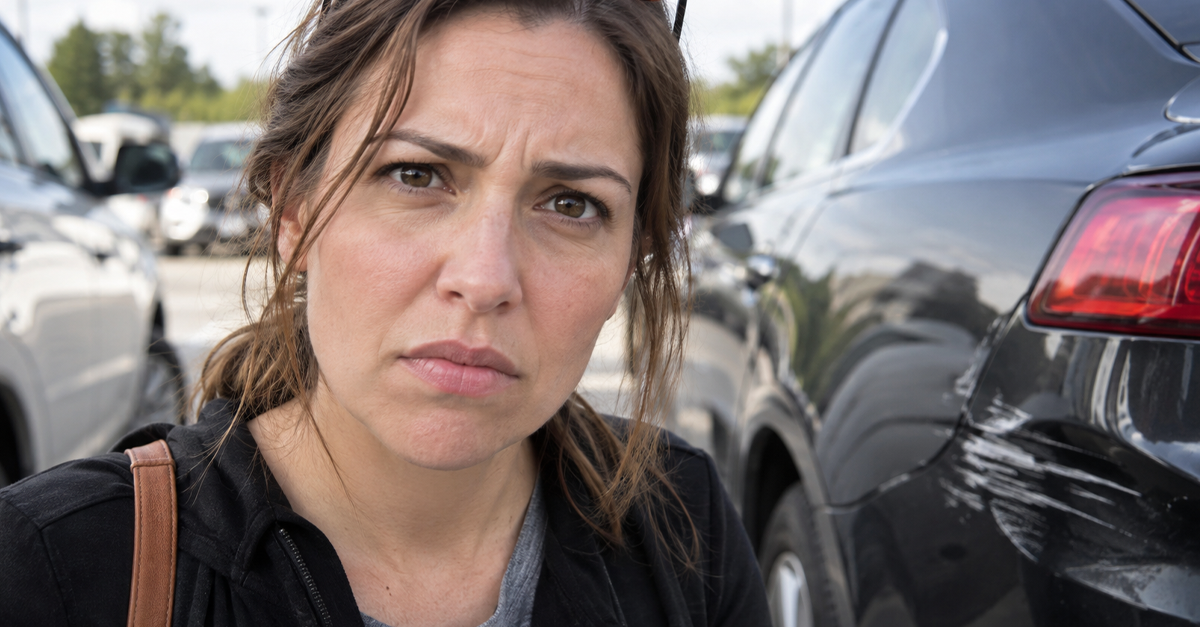
How Bad Did They Get You?
Dashcams are complicated. You can ask the other driver for the video, but your private request normally would not carry legal force. If the dispute becomes a lawsuit, then it's a different story, but the exact procedure depends on your state and court.
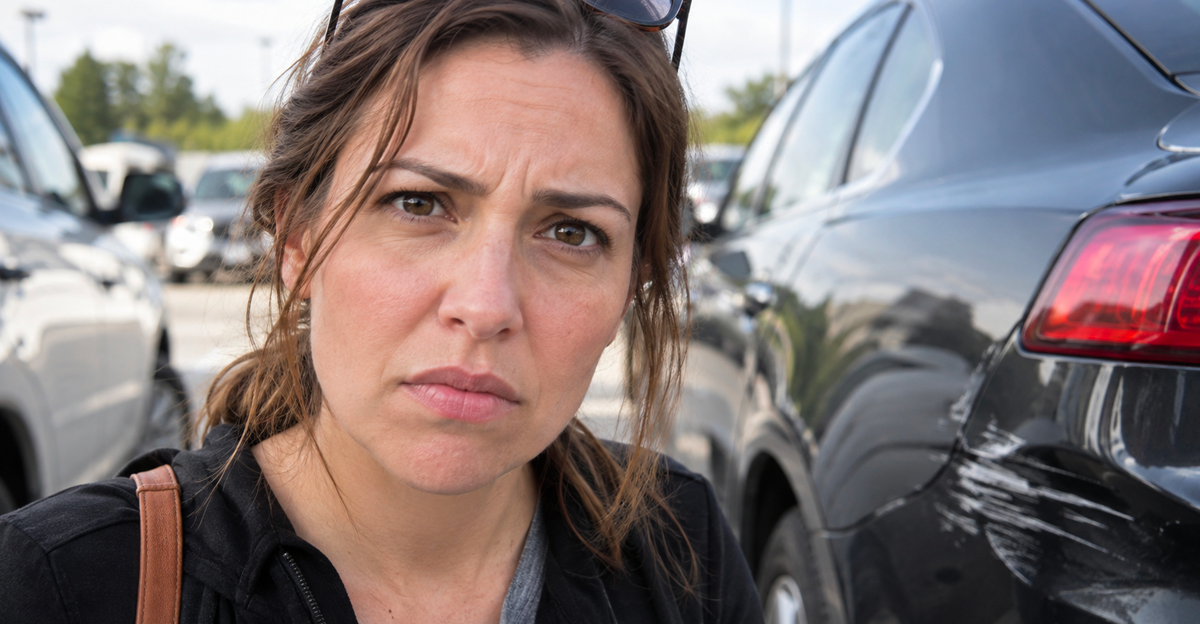
Start By Asking Nicely And Quickly
Before escalating, send a calm written request for the footage and identify the date, approximate time, and location of the parking-lot incident. A narrow request is easier to understand and harder to dismiss as vague. Keep a copy of every message you send and receive.

Tell Your Insurer The Camera Exists
Report the damage promptly and tell your adjuster that the other driver has relevant dashcam footage. Insurance regulators advise drivers to provide photos, witness details, and other available evidence when filing claims. An adjuster may contact drivers and witnesses while investigating what happened.

You Can Also Contact Their Insurer
You do not necessarily have to wait for your own carrier to act. Texas insurance guidance notes that a claim may be filed with your insurer or someone else’s insurer. Give the liability carrier the camera information and ask it to request the recording from its policyholder.

But An Insurer Is Not A Court
An insurance adjuster can investigate, request evidence, and evaluate a claim, but that is different from compelling a reluctant person to produce a private file. If the driver refuses, your practical leverage may be limited. Formal compulsion generally comes through applicable court procedures.
Preservation May Matter Before Production
If a dispute looks likely to become litigation, consider sending a written request asking the driver to preserve the relevant recording. Federal Rule 37 addresses electronic information that should have been preserved once litigation is anticipated. A preservation request is not itself a subpoena or production order.

Make The Request Specific
Identify the vehicle, parking lot, incident date, approximate time window, and the recording you believe exists. Federal discovery rules require requests for documents or electronic information to describe the material with reasonable particularity. Specificity also reduces arguments that your request is unnecessarily broad.

Do Not Demand Their Entire Memory Card
A request for hours or days of unrelated footage may sweep in information that has nothing to do with your damage claim. Federal discovery is limited by relevance and proportionality. A focused time window around the collision is usually a more defensible target than a demand for everything.
If You Sue, Discovery Changes The Equation
In ordinary civil litigation, a party can request documents and electronically stored information within the other party’s possession, custody, or control. Federal Rule 34 expressly includes photographs, sound recordings, images, and other electronic data. State courts have their own procedural rules.

A Dashcam File Fits The Basic Category
Video stored on a dashcam, memory card, phone, or computer is electronic information rather than some special class of evidence. Rule 34 covers electronically stored images and other data stored in any medium. That makes relevant video the kind of material civil discovery can reach.
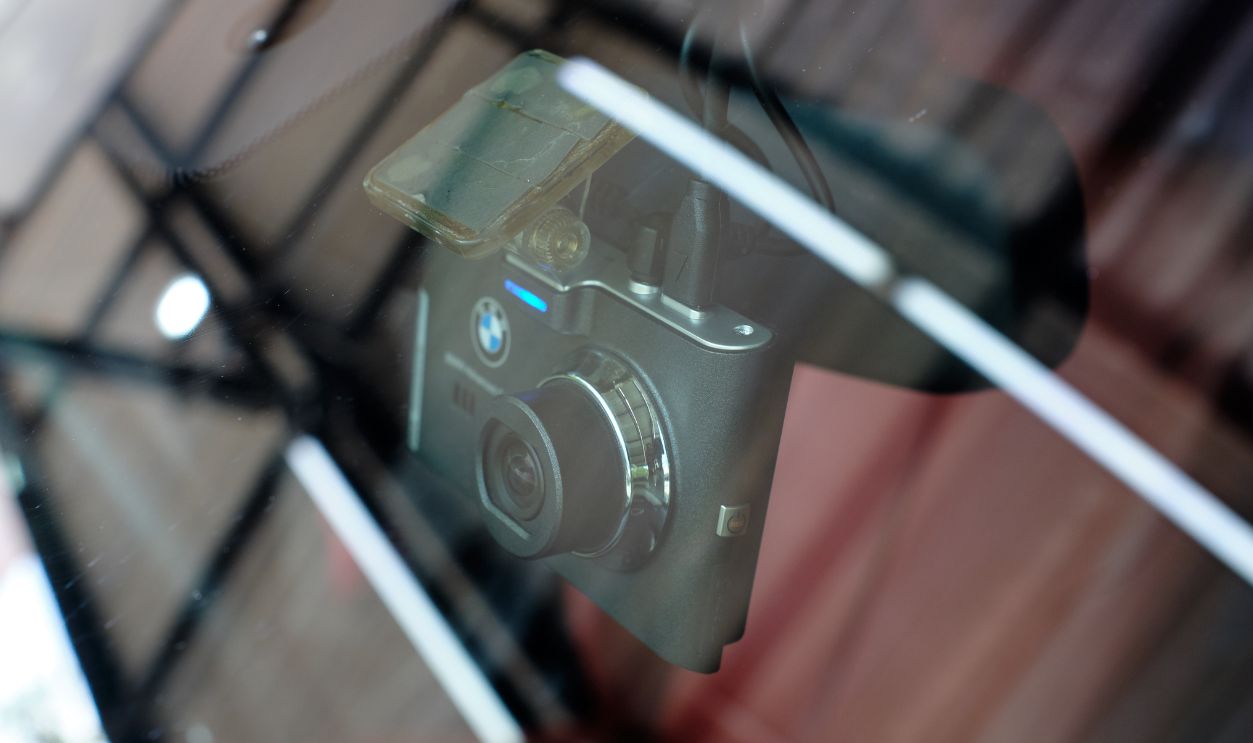 KULLAPONG PARCHERAT, Shutterstock
A Subpoena Can Reach Nonparties Too
If useful footage belongs to a parking garage, store, witness, or other nonparty, a subpoena may be the appropriate tool once court procedure allows it. Federal Rule 45 permits subpoenas for electronically stored information. The recipient can still raise objections permitted by the rules.

Small Claims Does Not Mean No Subpoenas
Small-claims procedures vary, but some courts let litigants subpoena records without full-scale civil discovery. California’s San Mateo Superior Court tells small-claims litigants they can subpoena documents held by someone who will not provide them voluntarily. That makes checking your own local court rules worthwhile.

The Court Process Has Formal Steps
A subpoena is not simply a strongly worded letter. Courts may require an issued form, proper service, deadlines, and other procedural steps. San Mateo County’s small-claims instructions, for example, require litigants to take the subpoena to the clerk for issuance before completing service.

The Other Driver Can Object
Even in litigation, a request is not automatically unlimited. Federal rules allow objections and protective orders when discovery creates undue burden or implicates protected concerns. A judge may narrow a request or impose conditions rather than permitting unrestricted access to someone’s electronic information.
 https://kaboompics.com/, Pexels
Ask For The Actual Relevant Clip
If production becomes formal, ask for the relevant electronic recording in a reasonably usable form rather than only a description of what it supposedly shows. Federal Rules 34 and 45 both address production of electronically stored information. The details of format and delivery can matter in a disputed case.
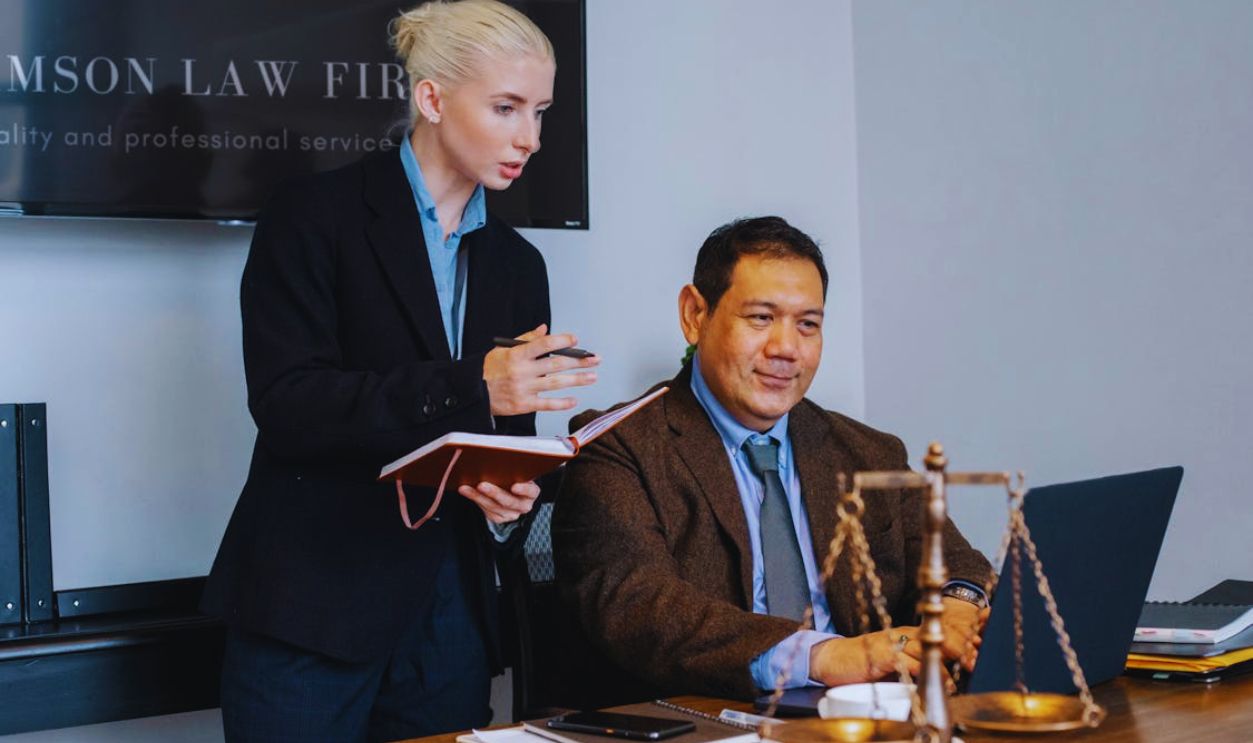
Keep Your Own Evidence Separate
Do not make the dashcam video your only proof. Insurance authorities recommend photographing vehicle damage and the scene, collecting witness information, and keeping accident details. Repair estimates, invoices, messages, and an available police or incident report can strengthen the rest of your claim.

Witnesses Still Matter
An independent witness can be important when drivers disagree about what occurred. Insurance guidance recommends collecting witness names and contact information and providing that information during the claim process. Preserve those details even when you believe the dashcam footage will settle the disagreement.

A Police Report Can Still Help
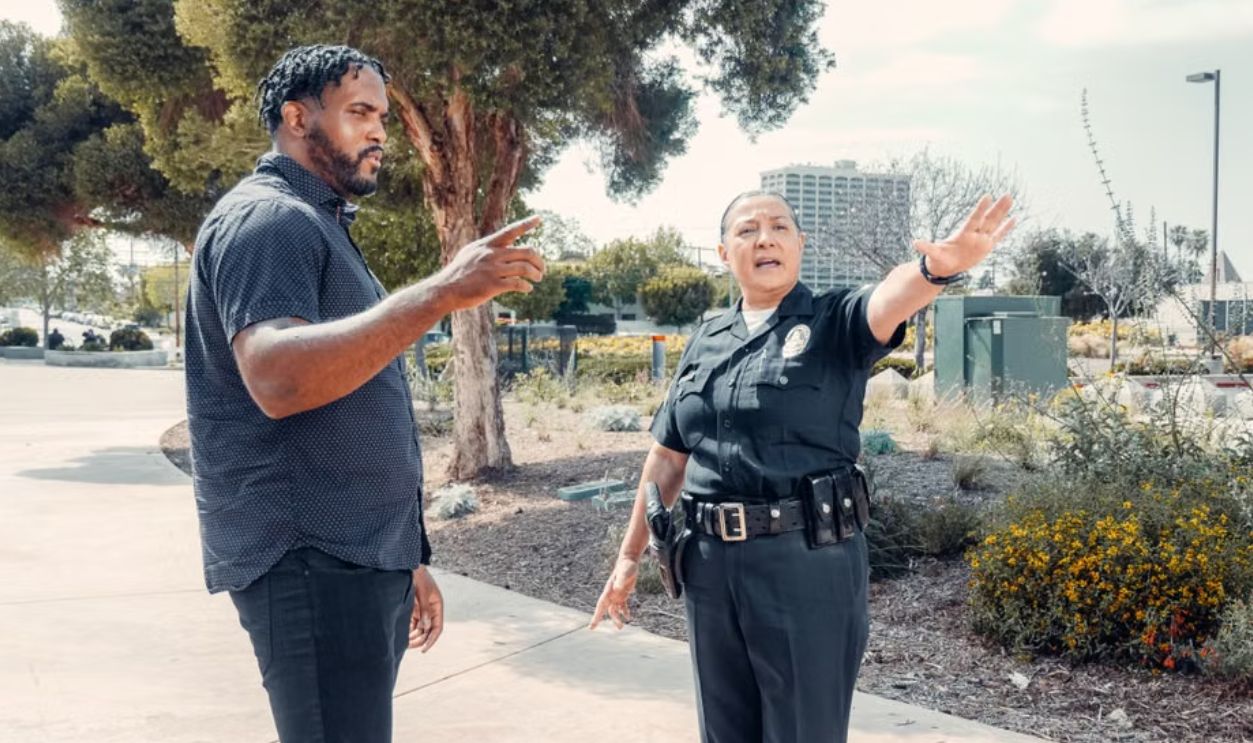
If police respond or you file an incident report, record the report number and officer information. NAIC guidance recommends collecting the responding officer’s details and asking when and where to obtain the accident report. Give the report information to your insurer alongside your other evidence.
Your Own Coverage May Be Faster
If you carry applicable collision coverage, it can cover physical damage to your vehicle subject to the terms and deductible in your policy. Your insurer can later pursue the responsible third party through subrogation after paying a covered loss. Review your policy before choosing this route.

Subrogation Gives Your Insurer A Stake
After paying a covered loss, an insurer may seek reimbursement from the responsible third party. That gives your carrier a financial interest in establishing responsibility for the damage. The handling of recovery, deductibles, and your obligations to cooperate can depend on your policy and applicable state rules.

Deletion Can Become A Serious Issue
Federal Rule 37 provides remedies when electronic information that should have been preserved for anticipated or ongoing litigation is lost because reasonable preservation steps were not taken. Federal civil rules do not govern every state case. The strongest federal remedies require additional findings, including intent in certain circumstances.
That Does Not Guarantee A Punishment
Missing footage does not automatically mean a court will rule against the person who possessed it. Rule 37 considers whether the information should have been preserved, whether reasonable preservation steps were taken, and whether the missing information can be restored or replaced. The surrounding circumstances therefore matter.
 LightField Studios, Shutterstock
Authenticity Matters If The Video Is Used
Getting a clip is only one part of using it in court. Federal Rule of Evidence 901 requires enough evidence to support a finding that an item is what its proponent claims. Witness knowledge, distinctive characteristics, or evidence concerning a recording process can help establish authenticity.

Keep The File As Intact As Possible
If you receive the recording, preserve the file you were given and avoid unnecessary edits. Federal evidence rules distinguish originals and duplicates and generally require an original to prove the contents of a recording, subject to recognized exceptions. Keeping an untouched copy can reduce avoidable evidentiary disputes.

Watch For A Conveniently Short Clip
A few seconds of video may not tell the whole story. If the other side supplies only a selected portion, ask whether additional footage surrounding the incident exists. In formal discovery, relevant additional material may be requested, although the demand still must satisfy applicable scope and proportionality rules.
Weigh The Cost Against The Repair Bill
Formal discovery, subpoenas, court filings, and service can require time and money. Small claims may provide a simpler procedure for qualifying property-damage disputes, depending on local rules. Before escalating, compare the likely recovery with the practical effort required to obtain one piece of evidence.
 Krakenimages.com, Shutterstock
Escalate In A Sensible Order
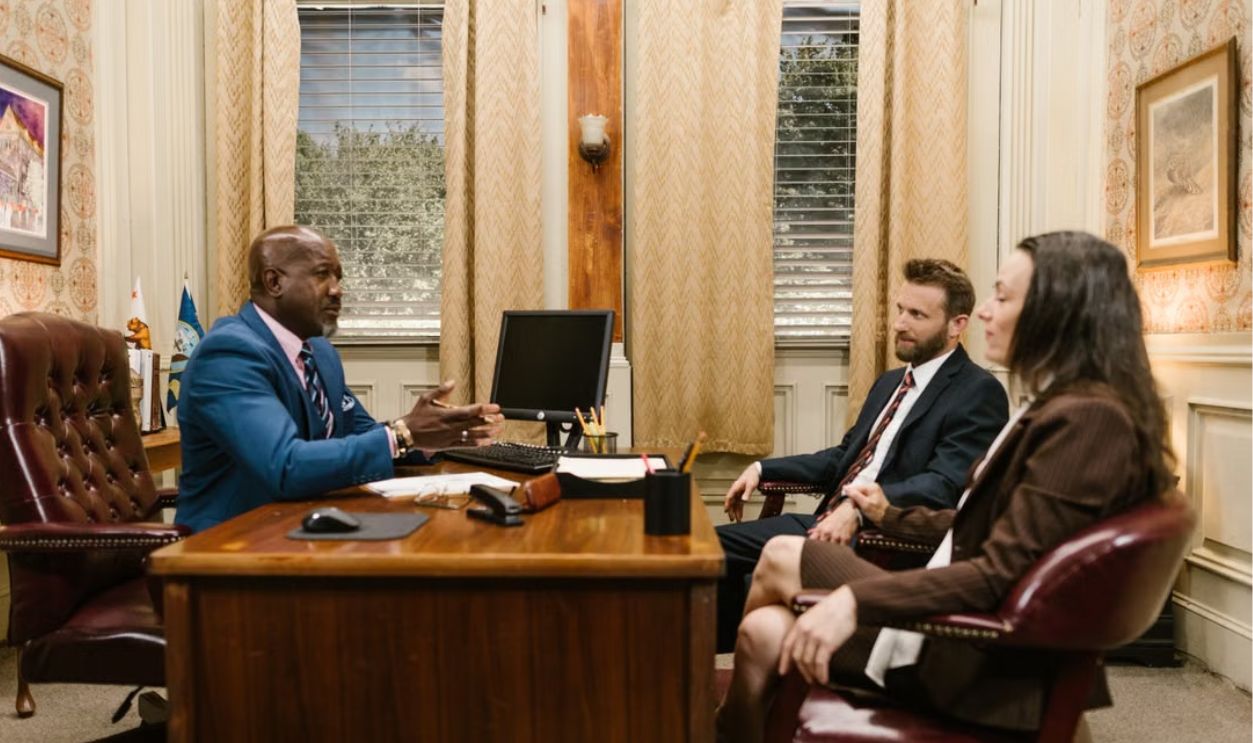
Start with a written request, notify the insurers, preserve your own evidence, and document that the dashcam exists. If the driver refuses and the recording is important, review your local small-claims or civil-court subpoena procedures. For a significant loss, consider advice from a lawyer in your state.

So, Can You Force Them?
Not by simply demanding the video. You may be able to compel relevant footage through a lawsuit, discovery request, or properly issued subpoena, depending on the court and jurisdiction. Move quickly, keep requests narrow, involve insurers early, and build a claim that does not depend on one recording alone.

You May Also Like:
The Dubai Crown Prince’s Off-Road Collection Is Pure Desert Royalty
There's A Hidden Meaning Behind The "98" In The Oldsmobile 98