The Alignment Bill Has Changed
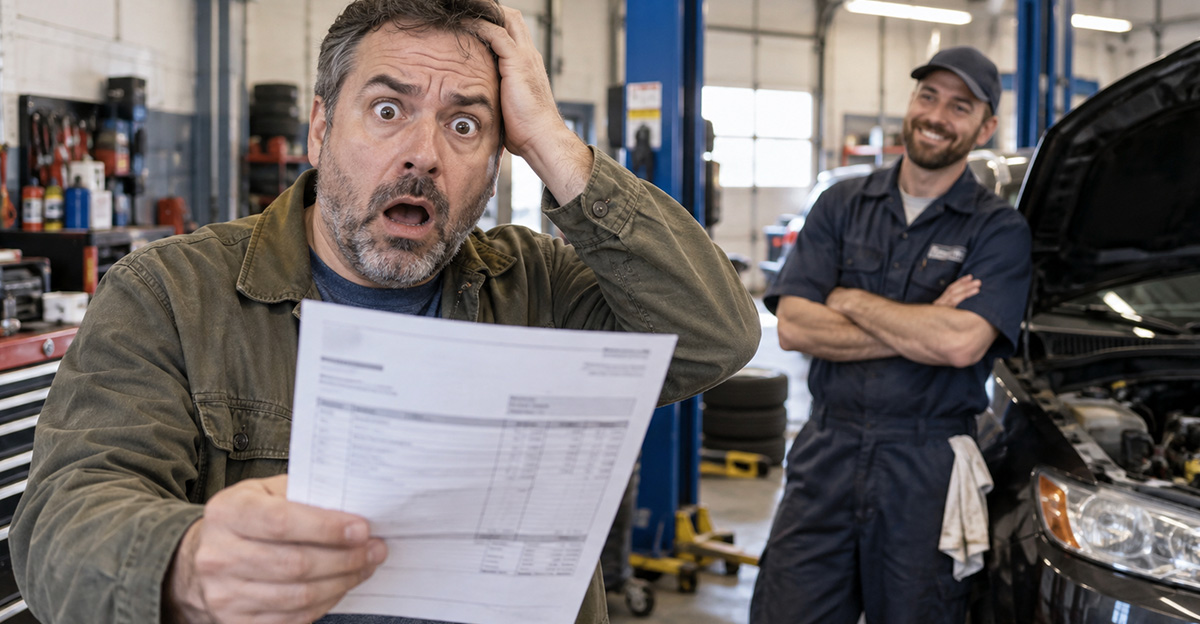
Once upon a time, an alignment meant putting the car on a rack, adjusting a few angles, and handing you the keys. Now your invoice may include something called “ADAS calibration.” If that sounds like a suspiciously expensive computer term, you are certainly not alone.
Yes, This Is Becoming More Common
Sensor calibration after certain alignment work is increasingly normal on newer vehicles. Modern cars may use cameras, radar units, steering-angle sensors, and other electronics to operate lane keeping, automatic braking, adaptive cruise control, and similar systems. Changing wheel alignment can sometimes affect what those systems think “straight ahead” means.
Your Wheels Talk To The Computers
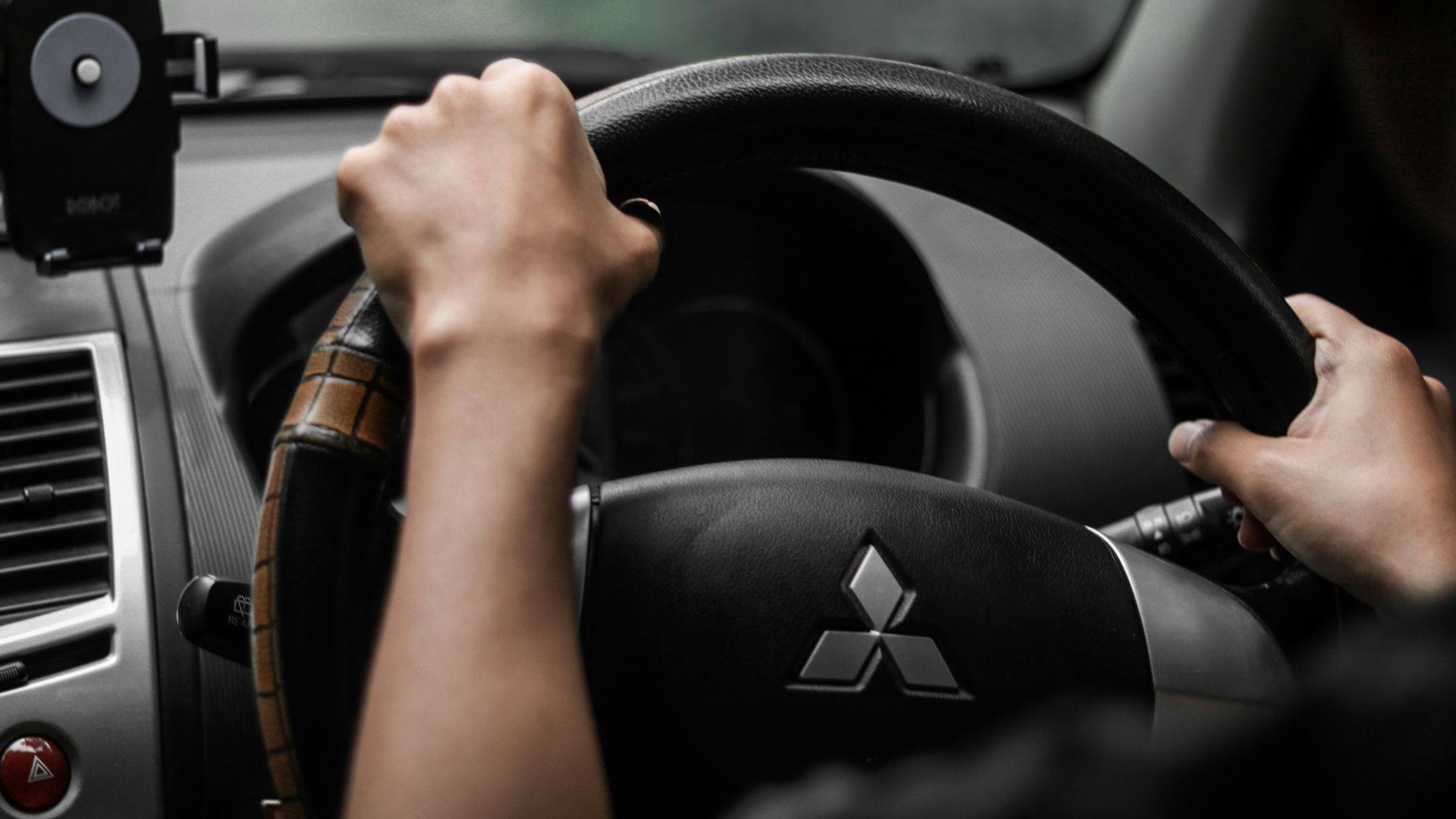
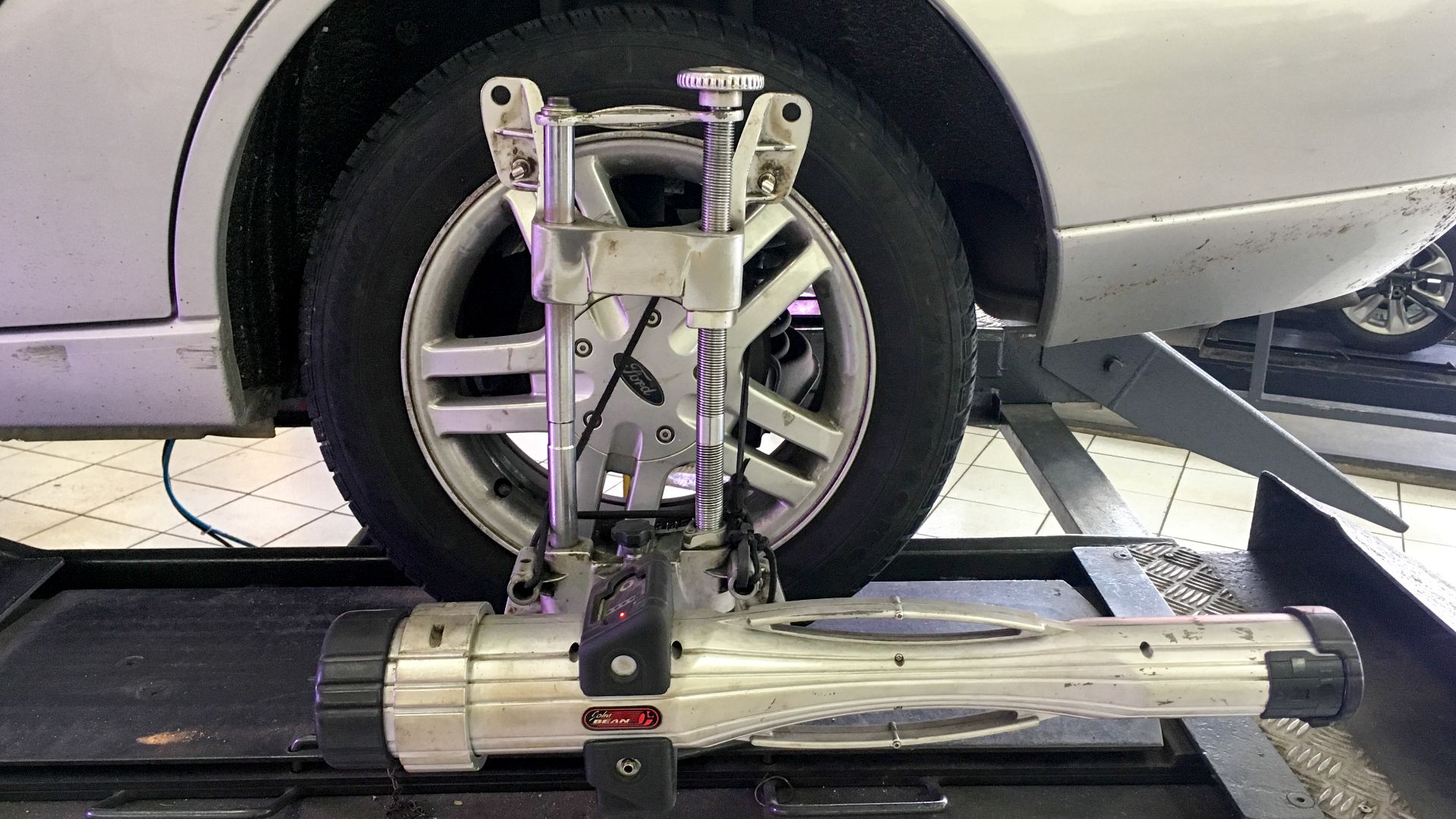
Older cars were wonderfully literal. Point the front wheels straight, center the steering wheel, and everybody went home happy. Newer vehicles can use steering position and wheel-angle information as part of their driver-assistance systems. Change the mechanical alignment, and the electronics may need to learn the new position.
What Exactly Is ADAS?
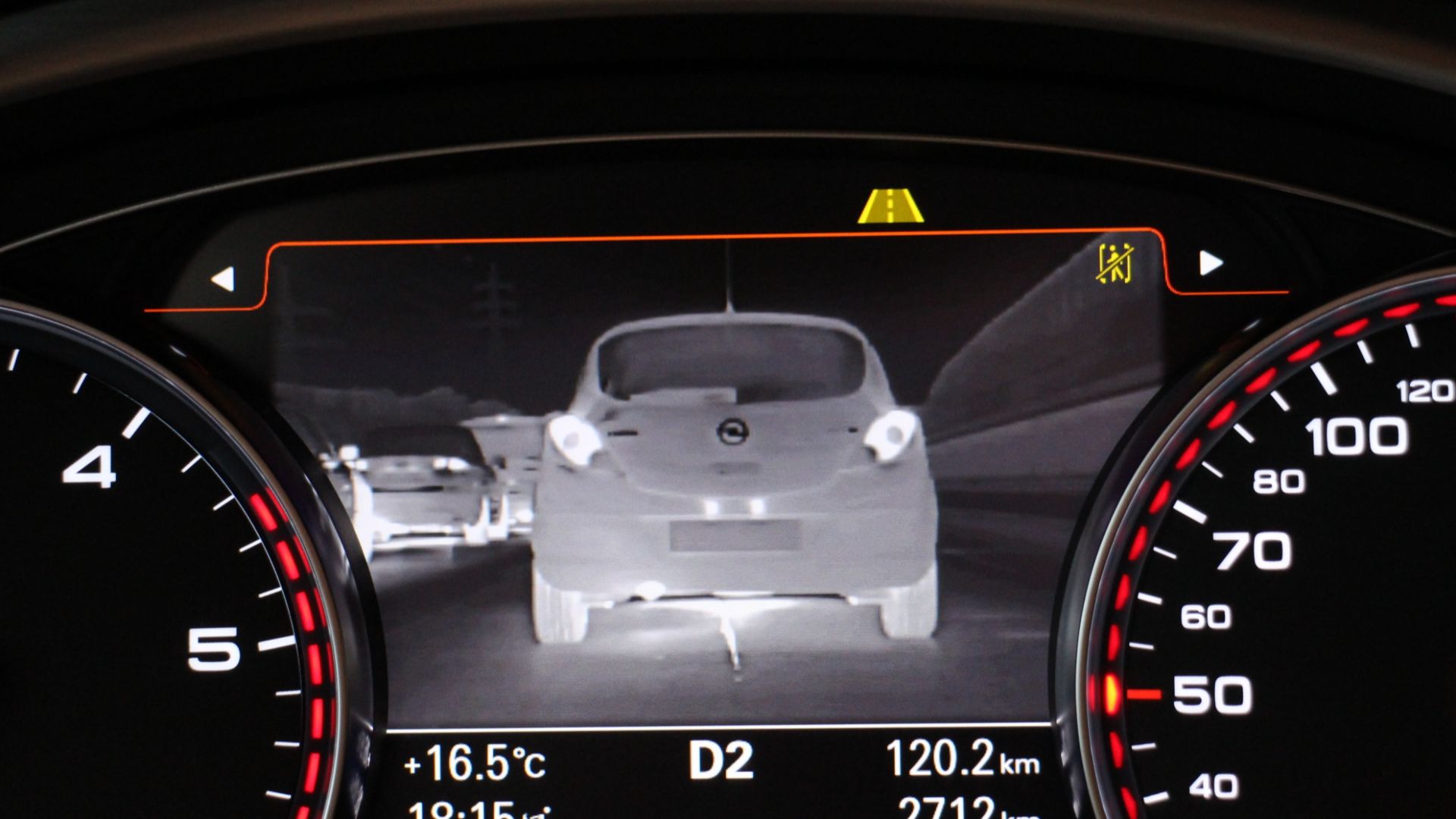
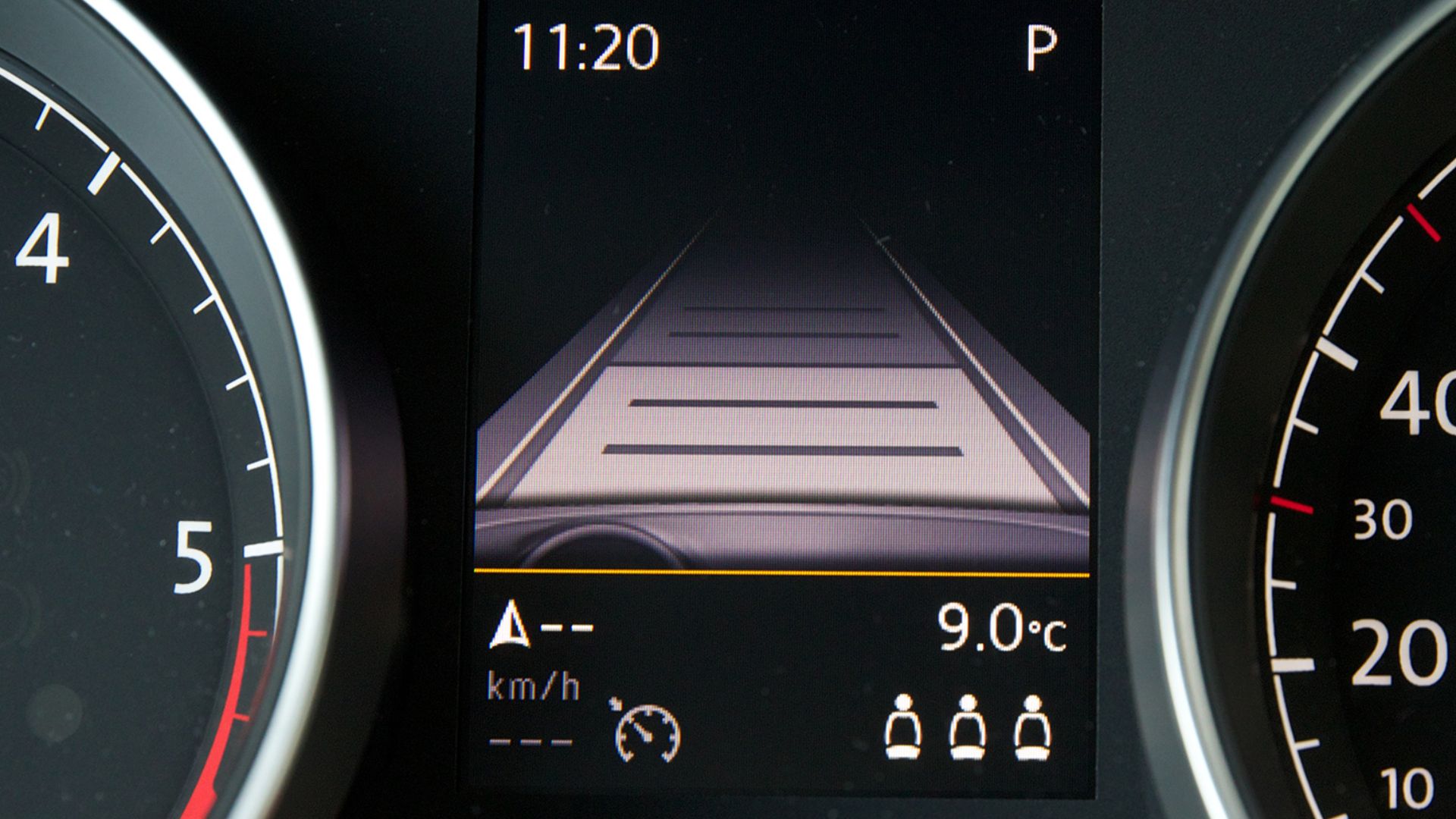
ADAS stands for Advanced Driver Assistance Systems. That intimidating name covers features you probably already know: lane-departure warnings, lane-centering assistance, automatic emergency braking, blind-spot monitoring, and adaptive cruise control. Some rely on cameras. Others use radar or several types of sensors working together.
 Robert Basic from Germany, Wikimedia Commons
Why An Alignment Can Matter
Imagine adjusting the wheels so the car travels perfectly straight while a forward-facing camera or steering sensor still believes the old position is correct. Even a small disagreement may affect how the vehicle interprets lane markings or steering inputs. Calibration helps make sure the electronic system agrees with the newly aligned chassis.
 Car leasing made simple from Slough, UK, Wikimedia Commons
Sometimes The Steering Angle Sensor Is The Issue
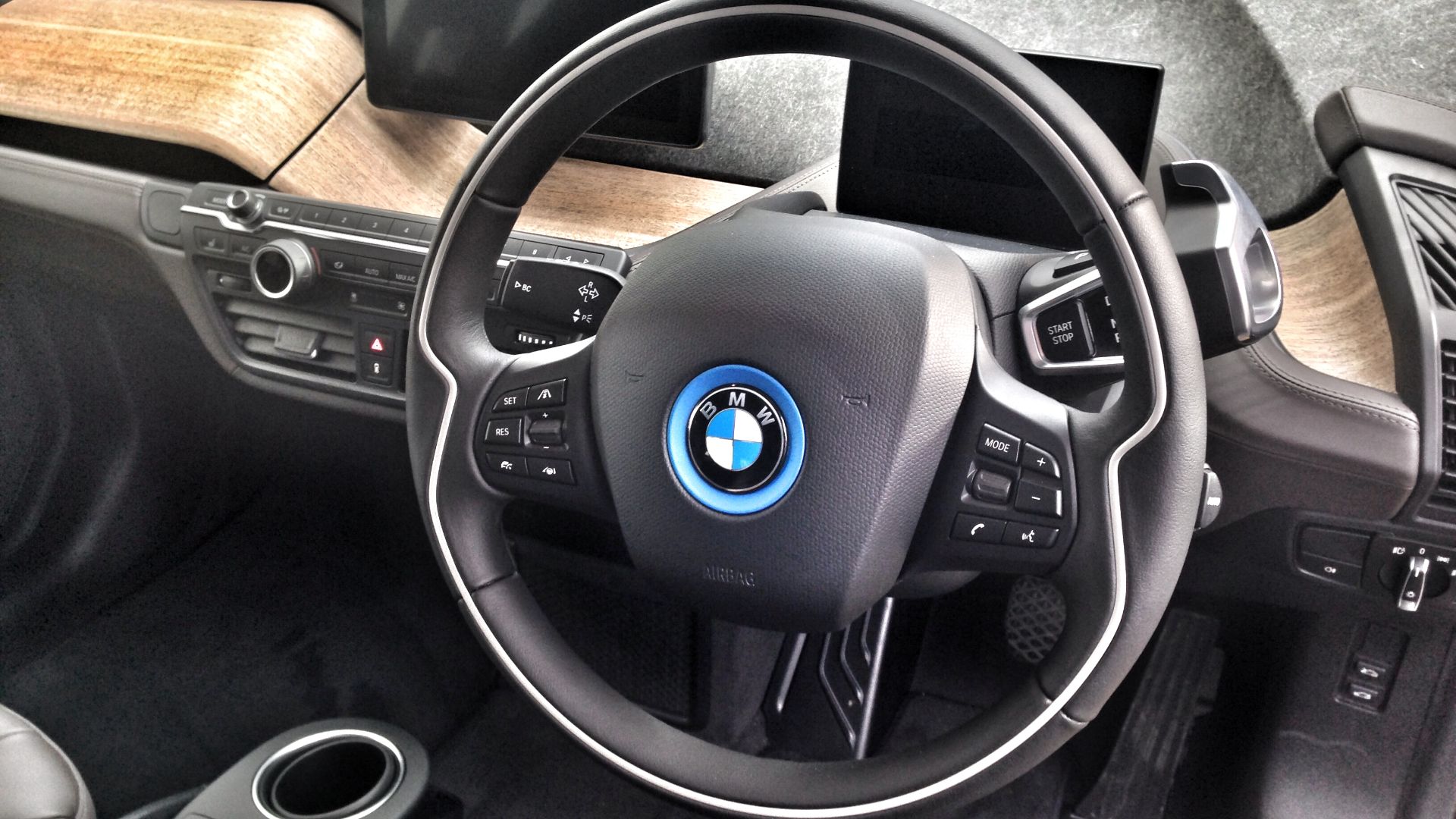
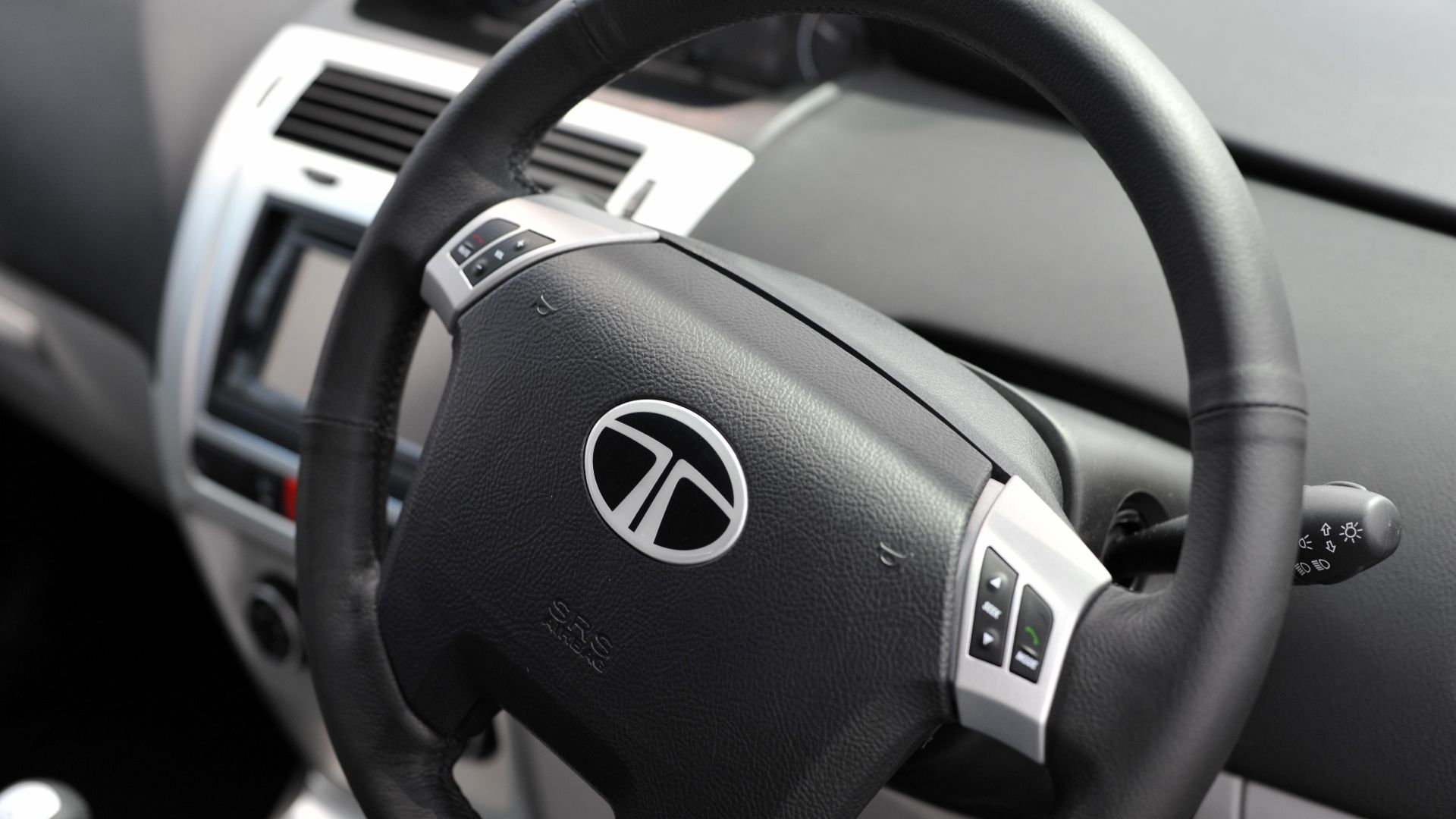
One common concern is the steering-angle sensor. It tells various vehicle systems how far the steering wheel is turned. After an alignment, particularly when the steering wheel's centered position changes, some vehicles require that sensor to be reset or relearned using diagnostic equipment.
The Windshield Camera Can Get Involved Too
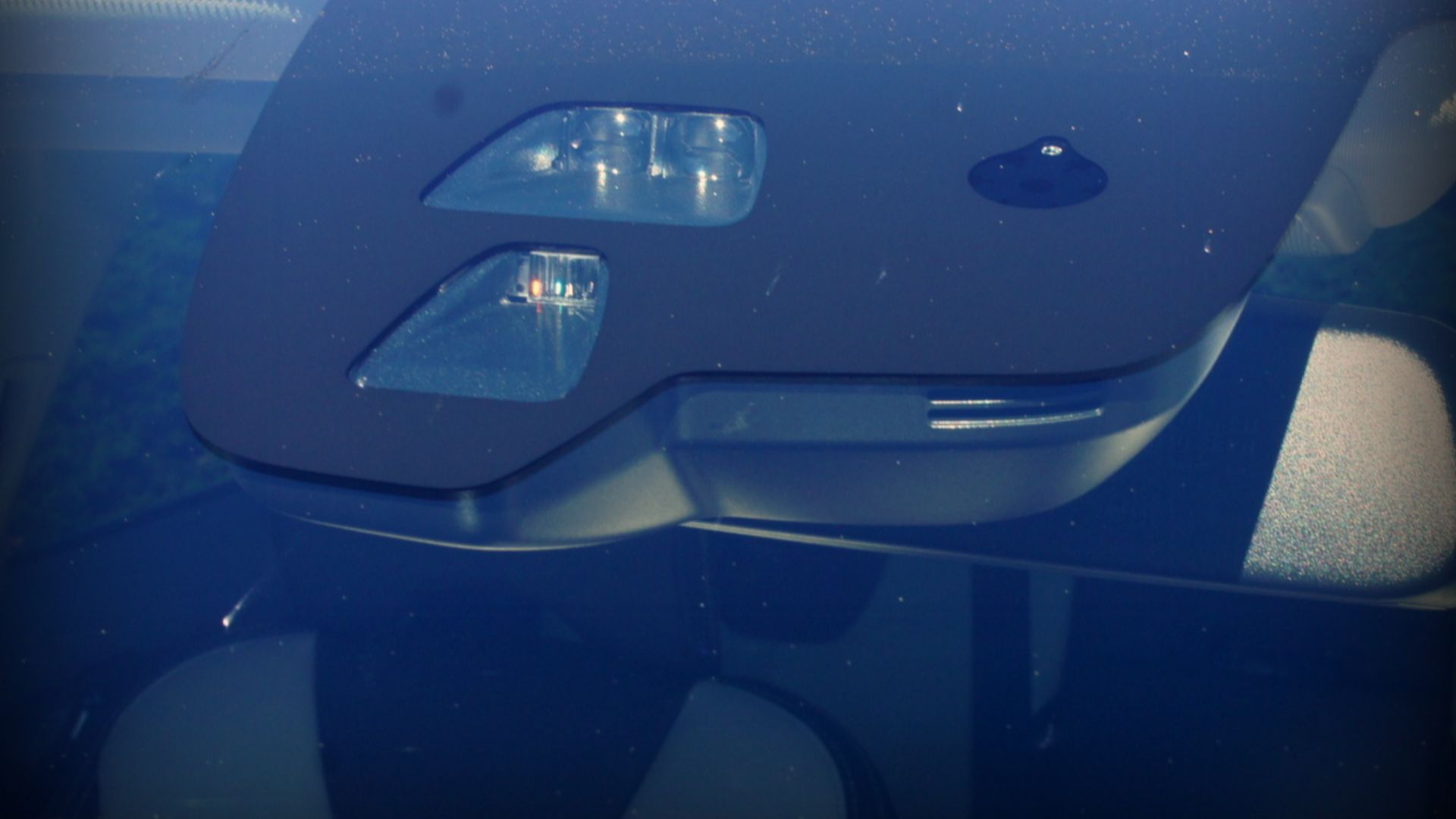
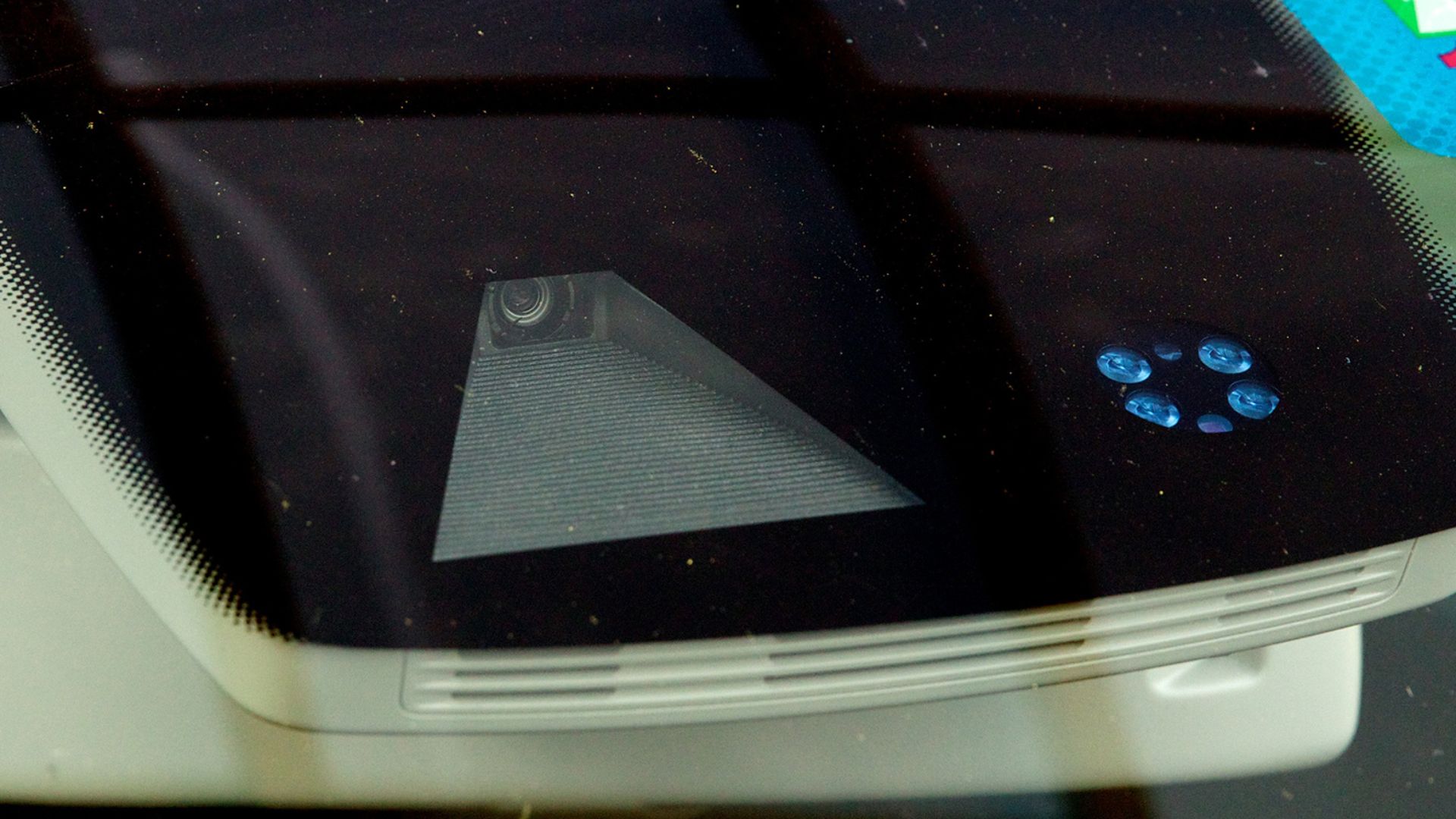
Many newer cars have a camera mounted near the top of the windshield. It may watch road markings, vehicles, pedestrians, or traffic signs. Depending on the manufacturer and repair performed, that camera can require calibration after work that changes vehicle geometry or after other seemingly unrelated repairs.
 Michael Sheehan, Wikimedia Commons
Radar Has Joined The Party
Adaptive cruise control and collision-warning systems often rely on radar sensors mounted in the grille, bumper, or front bodywork. Radar alignment can be surprisingly precise. If suspension height, thrust angle, or other chassis measurements change enough, manufacturers may specify that radar operation be checked or recalibrated.
Not Every Alignment Needs Calibration
This is where things become important. The fact that calibration exists does not mean every car automatically needs it after every alignment. Requirements vary considerably by make, model, year, equipment package, and the type of adjustment performed. A good shop should know the procedure for your specific vehicle.
 Photograph by Mike Peel (www.mikepeel.net)., Wikimedia Commons
Ask Why Yours Needed It
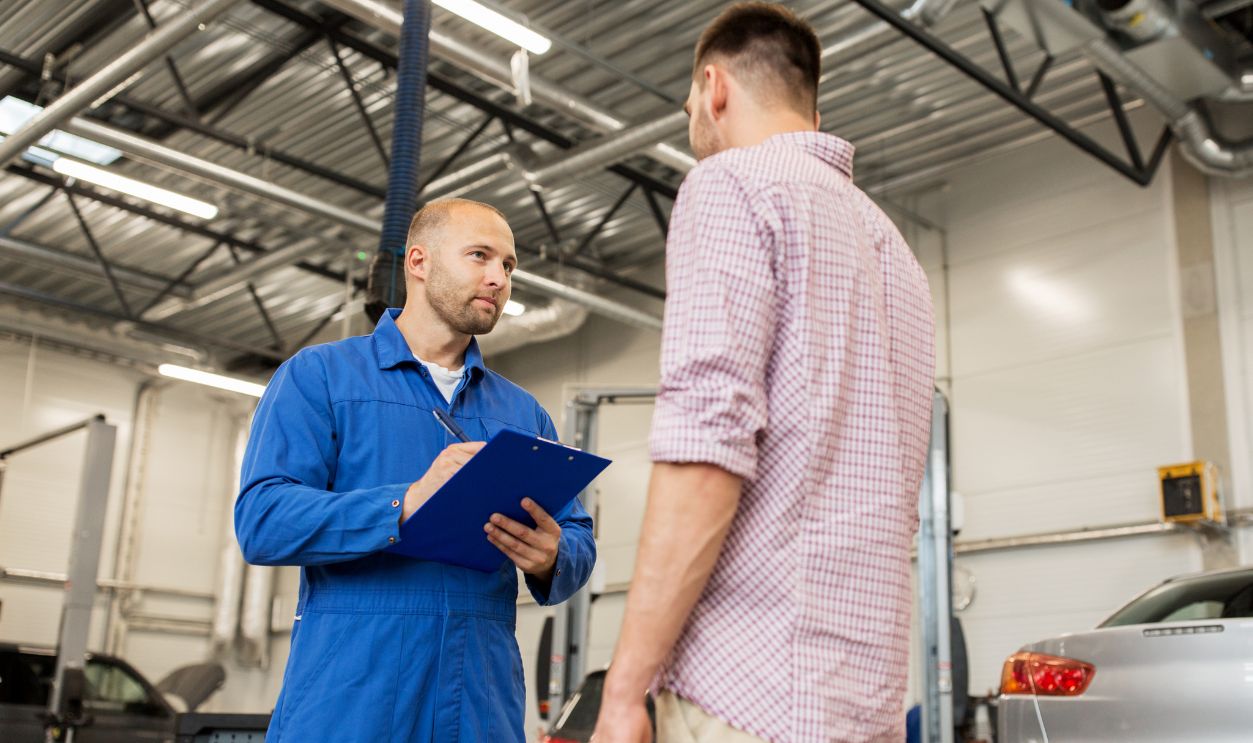
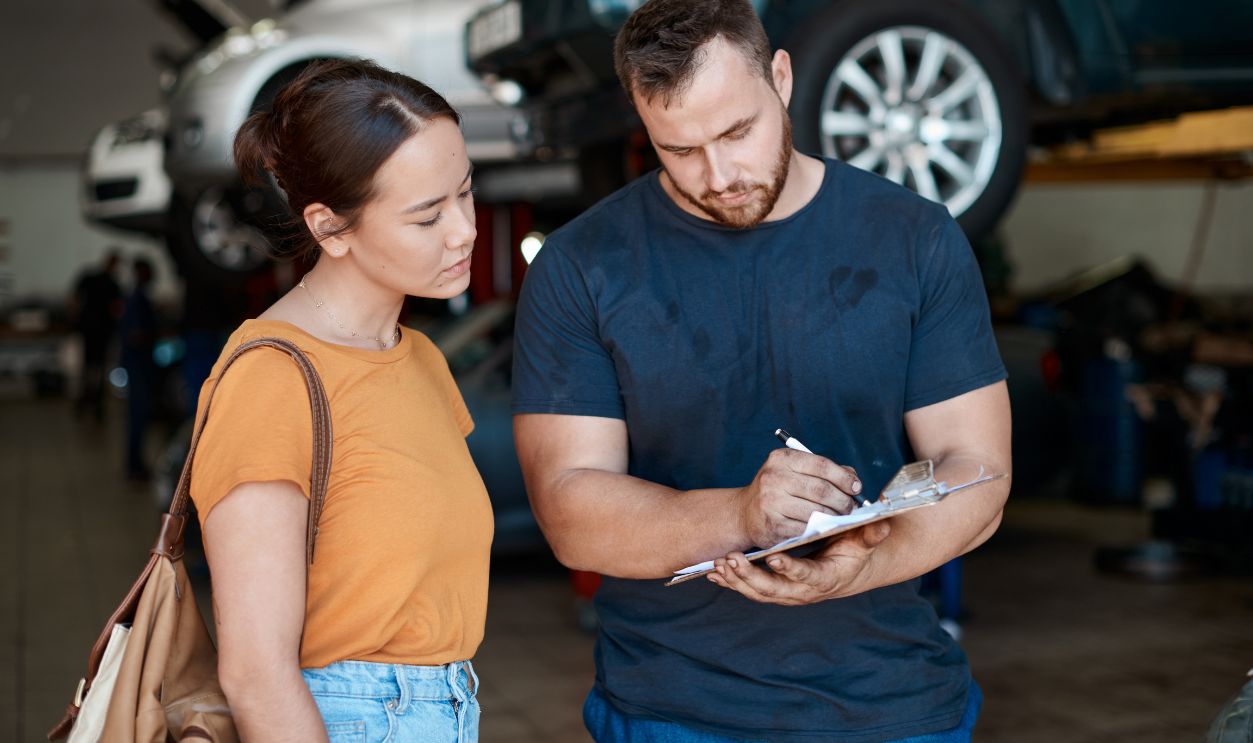
If the bill includes calibration, there is nothing wrong with asking the shop why. A reputable technician should be able to explain which system required calibration and why the alignment triggered that requirement. “Because modern cars need it” is not nearly as useful as a vehicle-specific explanation.
 User Interiot on en.wikipedia, Wikimedia Commons
Manufacturer Procedures Should Set The Rules
Ideally, the shop should be following the vehicle manufacturer's repair information rather than simply adding calibration to every invoice. Automakers publish procedures describing when particular sensors or driver-assistance systems must be checked, reset, or calibrated. Those instructions can differ even between similar models.
There Are Different Types Of Calibration
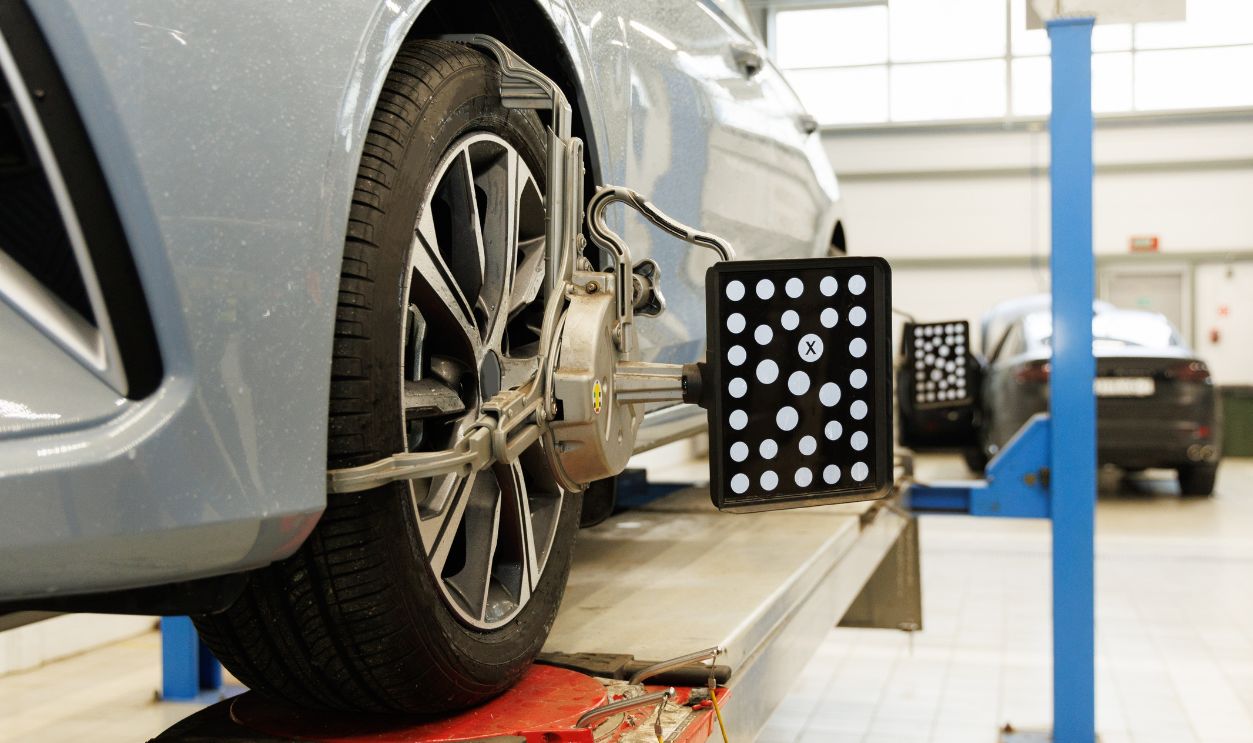
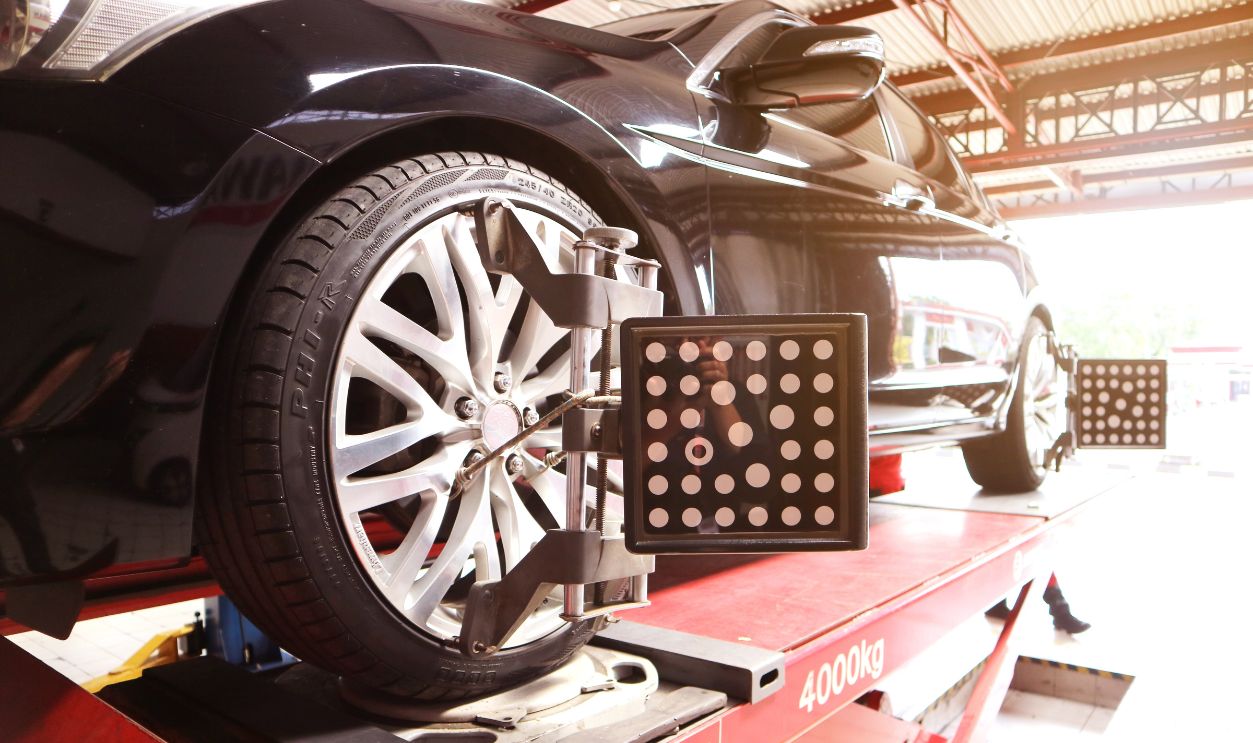
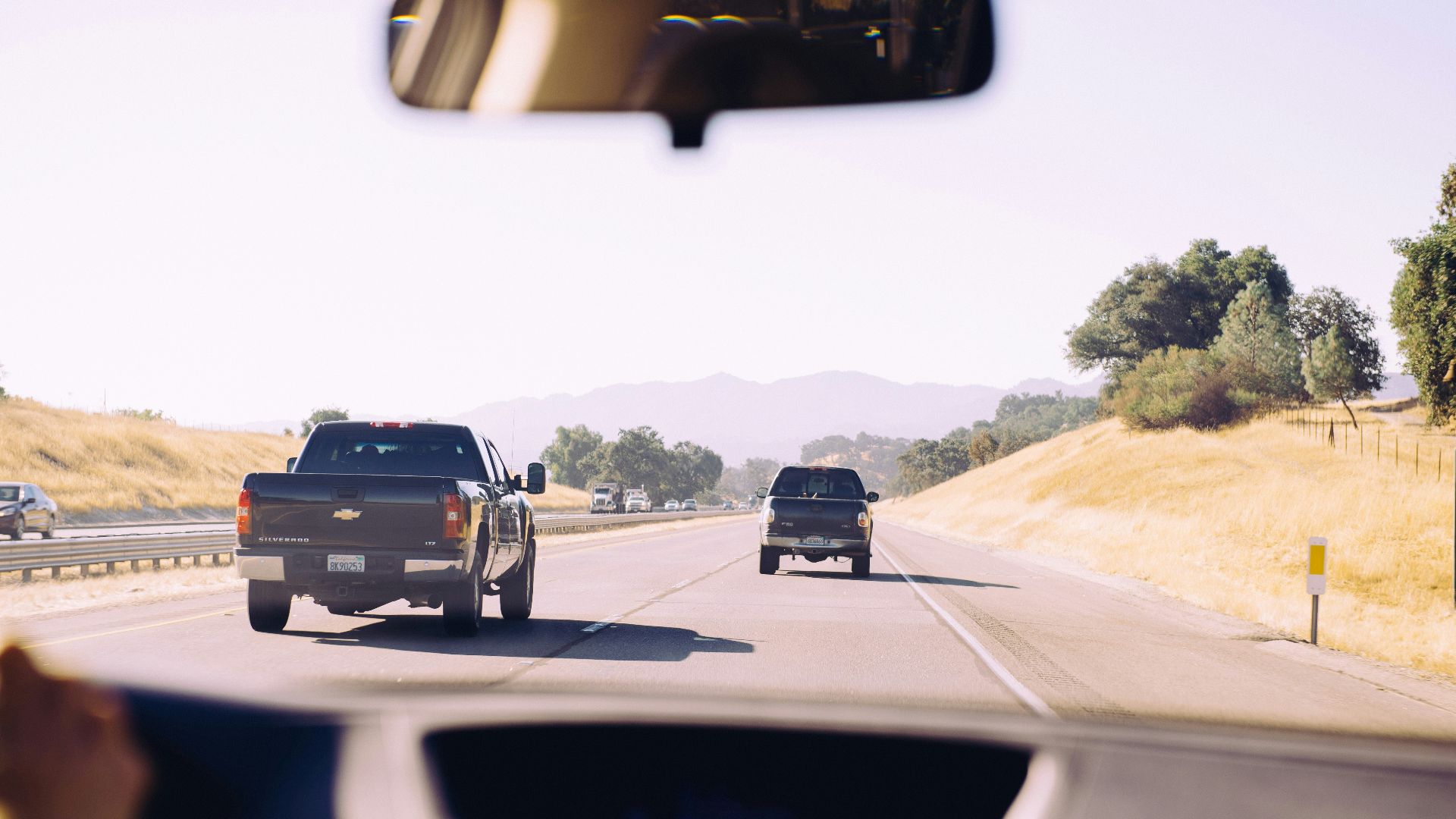
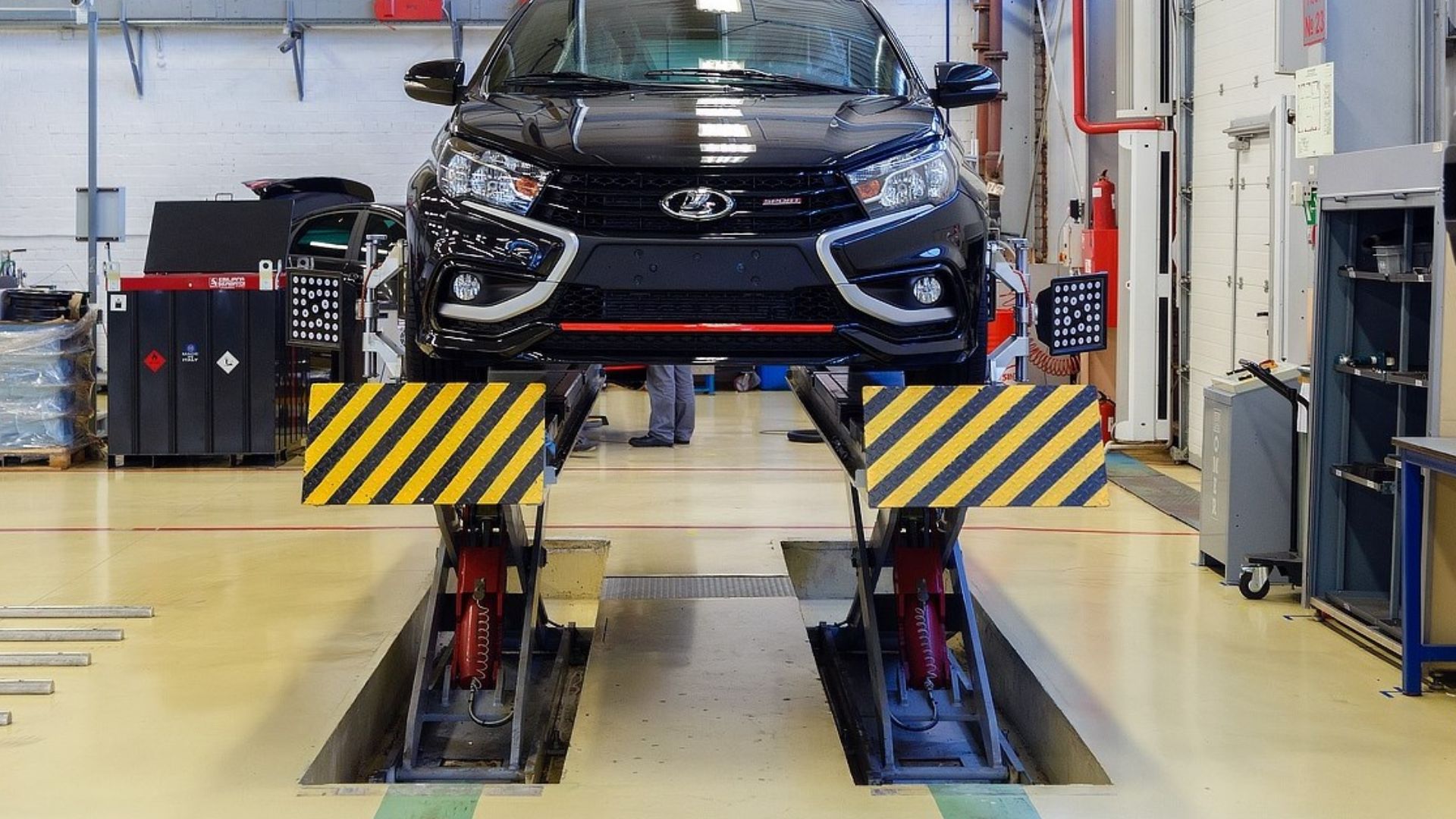
Sensor calibration is not always one simple operation. Some systems use static calibration, performed in the shop with special targets positioned around the vehicle. Others use dynamic calibration, where the car must be driven under particular road conditions while diagnostic software completes the procedure.
Static Calibration Looks Like A Science Experiment
Walk into a properly equipped calibration bay and you may wonder whether NASA has rented the alignment rack. Large patterned targets, laser measuring equipment, carefully measured distances, and perfectly level floors can all be involved. The strange setup explains why calibration is not necessarily a five-minute button push.
Dynamic Calibration Requires Road Time
Certain vehicles complete calibration while being driven. The technician may need appropriate speeds, clear lane markings, suitable traffic conditions, and a specific amount of uninterrupted driving. If weather or road conditions are poor, completing the procedure can take longer than customers might expect.
The Equipment Is Not Cheap
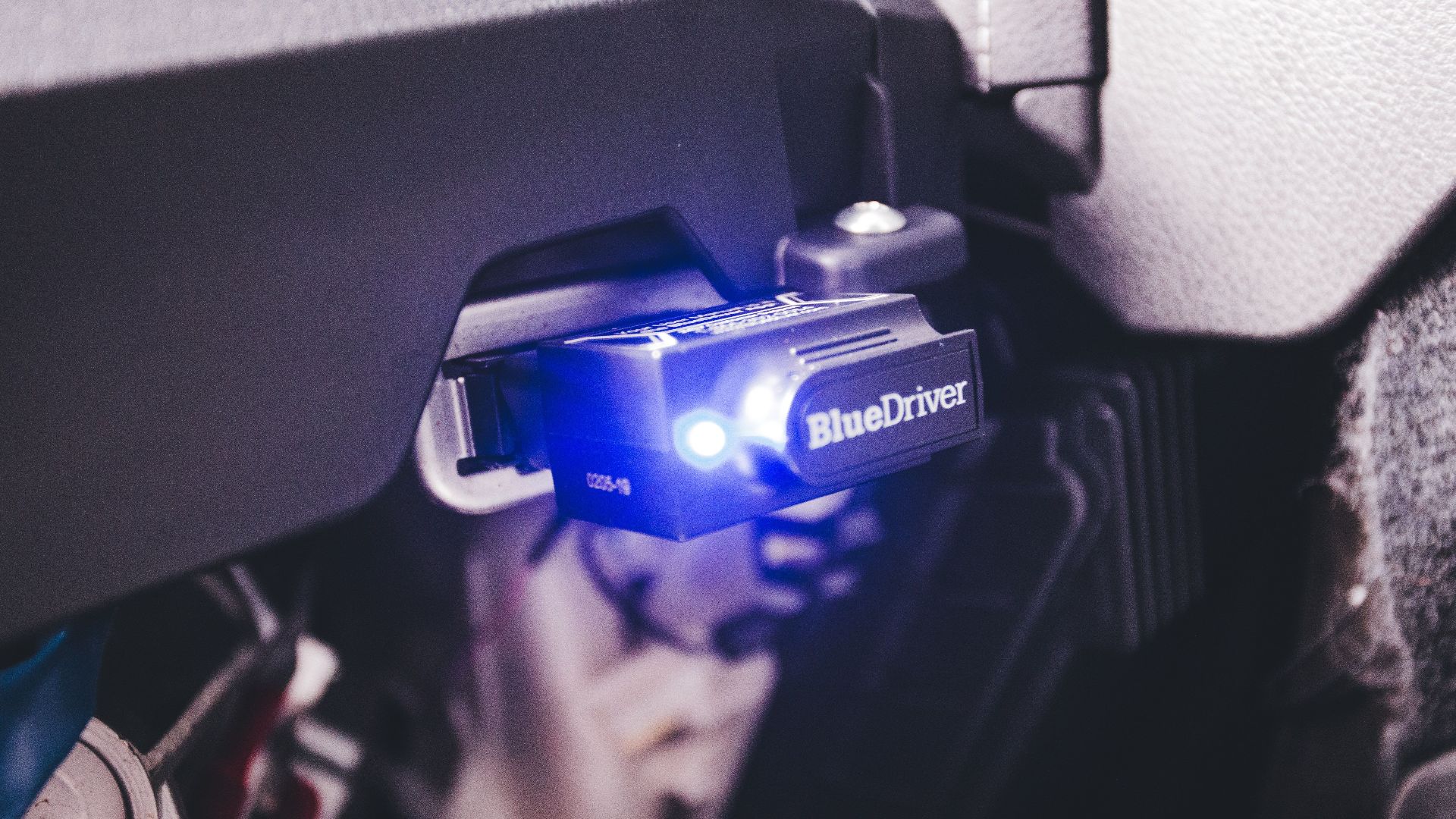
Alignment machines were already substantial investments. ADAS equipment adds another layer of expense. Calibration frames, targets, scan tools, software subscriptions, training, and shop space all cost money. That does not automatically justify every charge, but it does explain why calibration rarely appears on the bill for free.
Independent Shops Face A New Reality
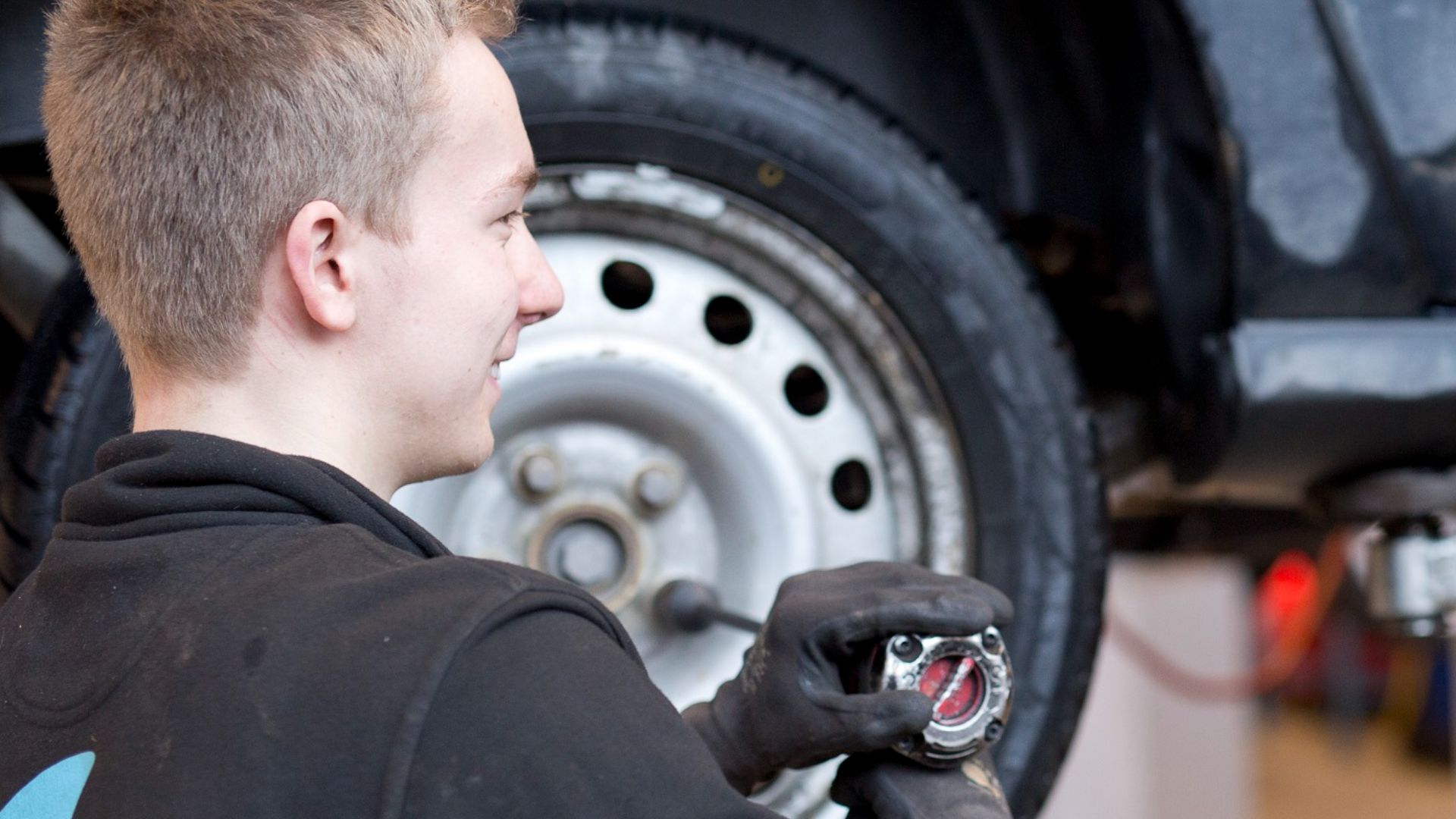
For generations, a talented independent mechanic could handle an enormous range of work with good tools and experience. Today's shops still need that mechanical knowledge, but they increasingly need electronics expertise too. Some smaller facilities perform calibration themselves, while others send the vehicle to a specialist.
Outsourcing Can Increase The Bill
If your shop does not own the necessary calibration equipment, it may subcontract the work. That can add transportation, technician time, and the outside facility's fee to your final invoice. Ask whether the calibration was performed in-house or elsewhere if you want to understand the charge.
A Cheap Alignment May Not Stay Cheap
This is one reason comparing alignment prices has become more complicated. One shop might advertise an inexpensive alignment while another quote includes scans or required calibration work. The cheaper number may still be legitimate, but make sure you are comparing the same services before declaring somebody a highway robber.
 Dmitry Racer, Wikimedia Commons
Warning Lights Are Not The Only Clue
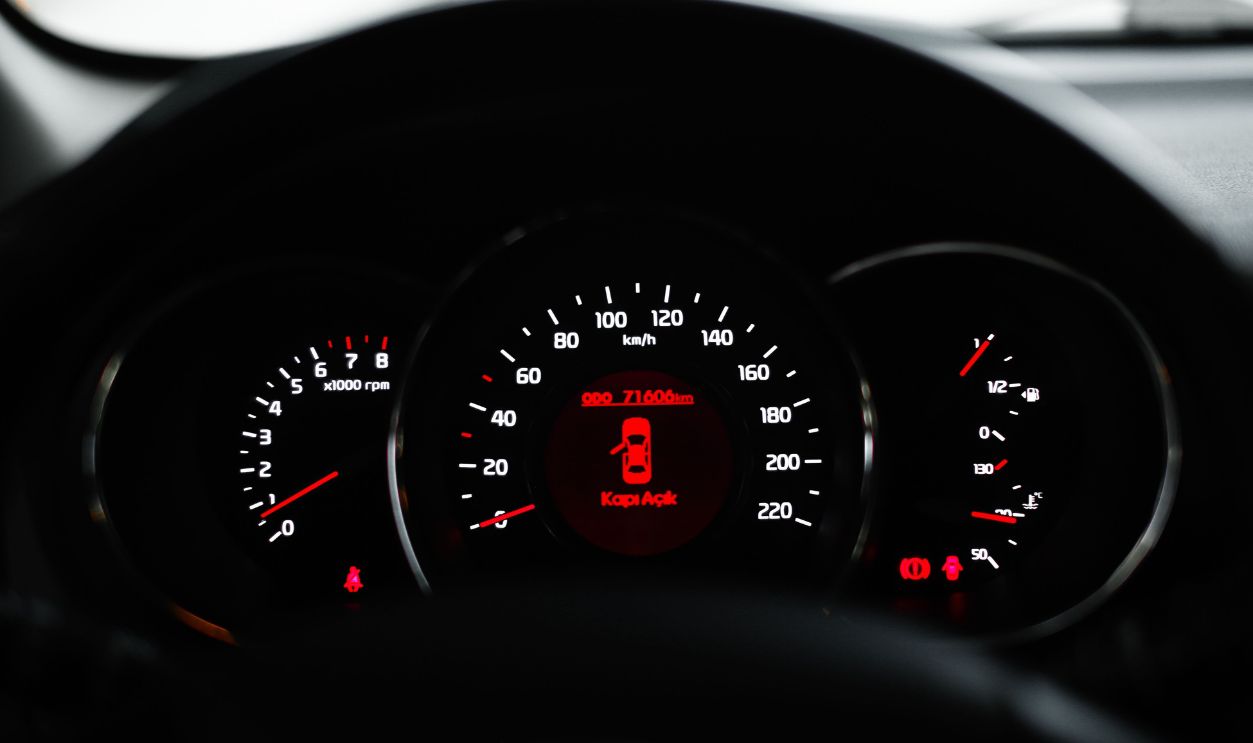
Do not assume calibration is unnecessary just because no dashboard warning appears. Some systems can be slightly out of specification without immediately producing a glowing warning light. Calibration procedures are designed to confirm that the system is aiming and interpreting information correctly, not merely to erase fault codes.
Calibration Is Different From Clearing Codes
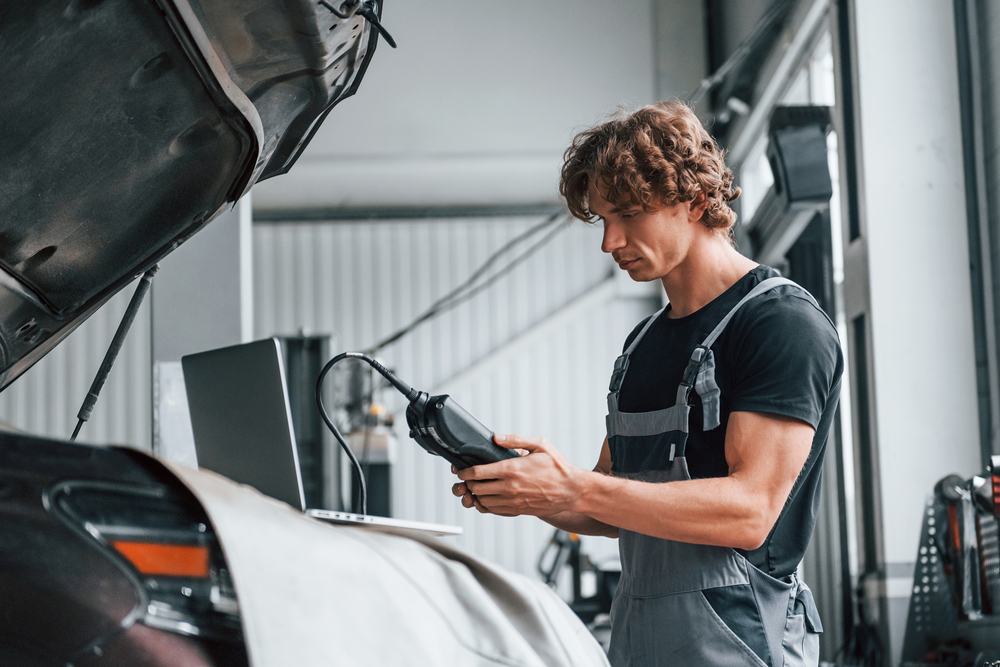
Plugging in a scan tool and pressing “clear” is not the same thing as calibration. A proper procedure may involve measurements, targets, vehicle positioning, steering-angle resets, road testing, or manufacturer-specific routines. If you are being charged a substantial fee, you are entitled to know what work was actually completed.
Ask For Documentation
Many modern calibration systems can produce a report showing measurements or confirming successful completion. If the shop has one, ask for a copy. Mechanics have handed customers alignment printouts for years, and calibration documentation is becoming a similarly useful piece of paperwork to keep with repair records.
When You Should Question The Charge
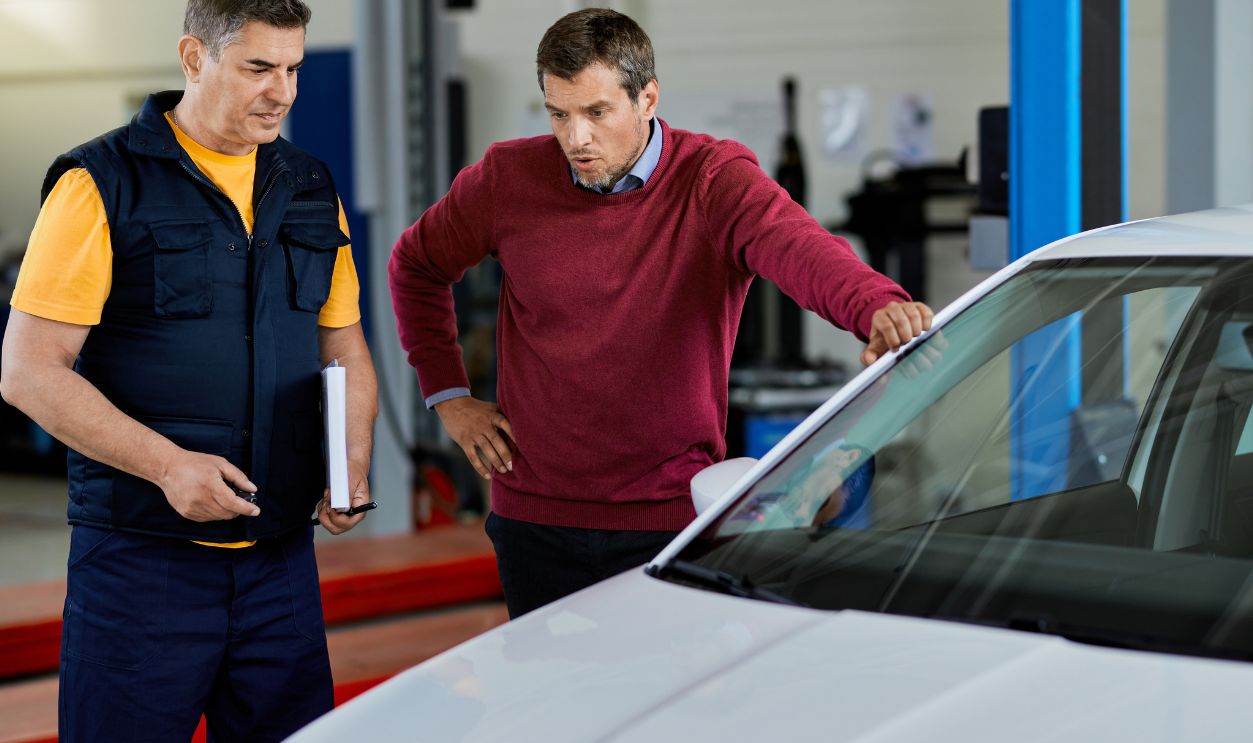
Be cautious if the shop cannot identify which sensor was calibrated, cannot explain why calibration was required, or adds exactly the same expensive procedure to virtually every vehicle. Necessary technology still deserves a clear explanation. Modern electronics should not become a magic phrase that ends every conversation about price.
When Paying Makes Sense
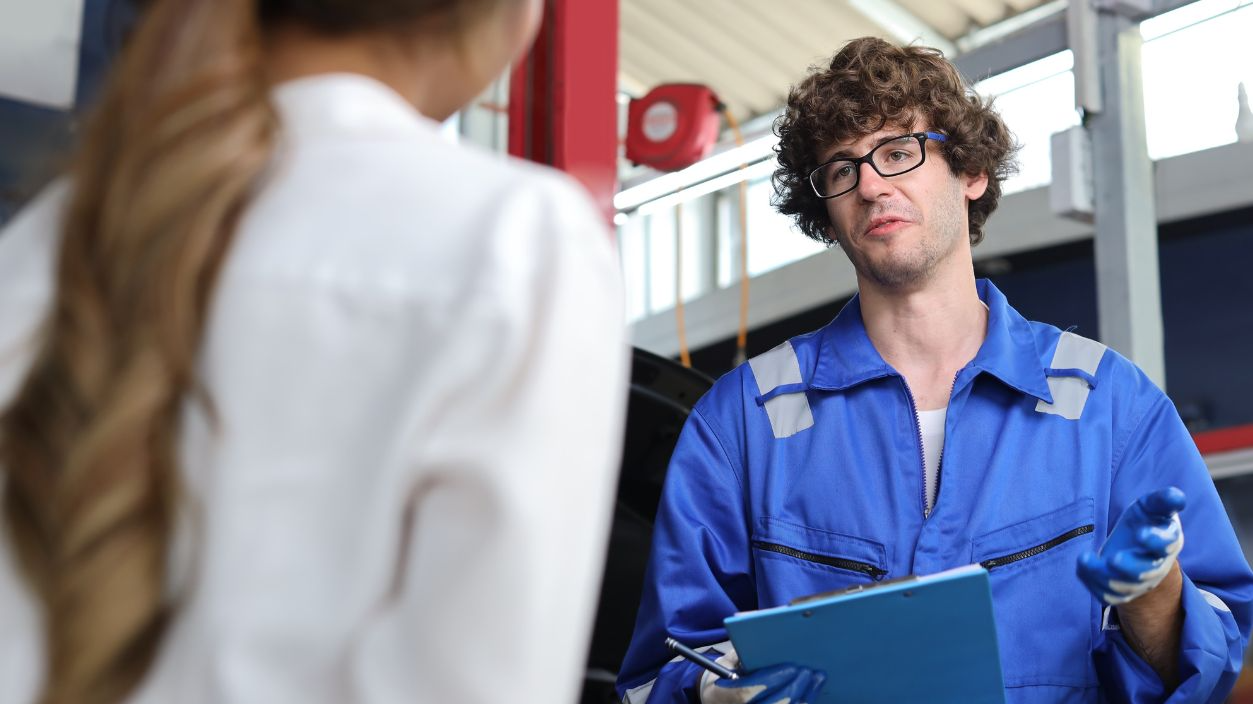
If the manufacturer specifies calibration after the work performed, skipping it merely to save money is difficult to recommend. Features such as automatic emergency braking and lane assistance depend on accurate information. If you paid for those systems, you probably want them looking where the car is actually going.
Older Mechanics Have Seen This Before
The technology may be new, but the basic story is familiar. Anti-lock brakes, electronic fuel injection, airbags, and computerized engine controls all once seemed needlessly complicated to people accustomed to simpler machinery. Eventually, the specialized equipment became another normal part of keeping cars properly repaired.
The Alignment Rack Is Becoming A Computer Lab
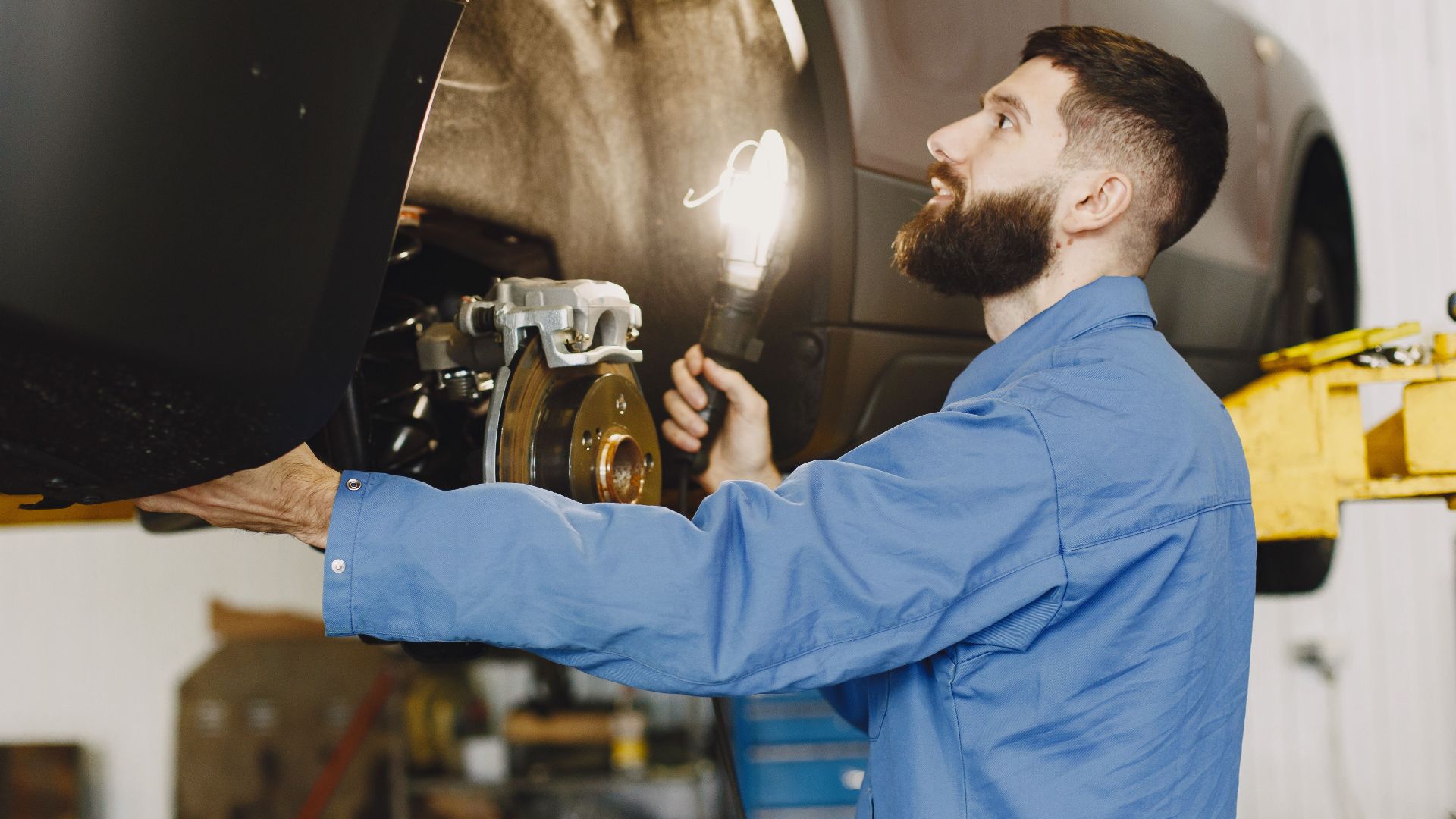
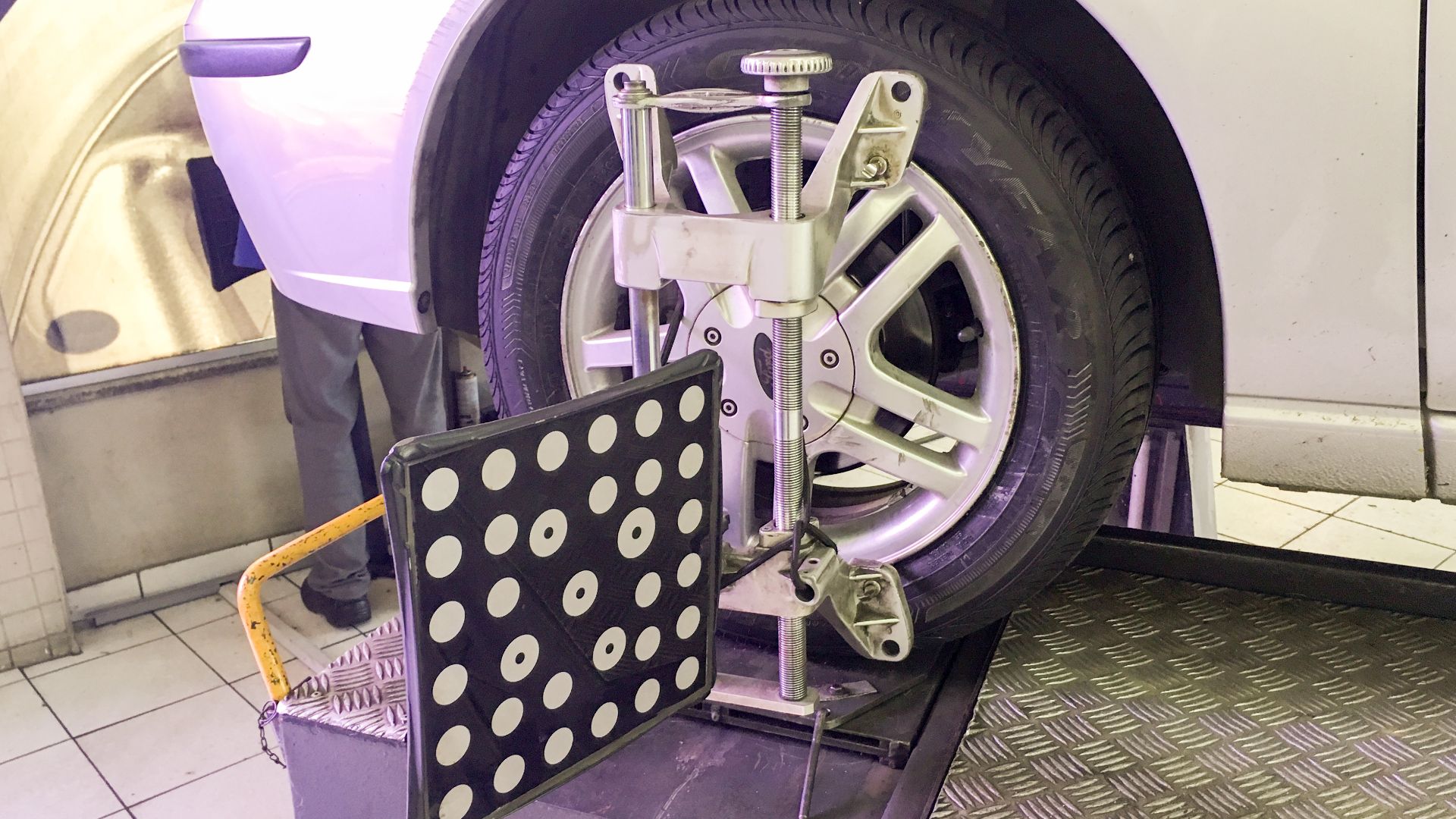
A wheel alignment still involves toe, camber, caster, and good old-fashioned mechanical geometry. What has changed is everything watching those wheels. Today's technician may finish the wrench work and then pick up a scan tool. Welcome to the modern garage, where the toolbox occasionally needs a software update.
 Photograph by Mike Peel (www.mikepeel.net)., Wikimedia Commons
Get The Estimate Before Work Begins
The easiest way to avoid a nasty surprise is to ask about calibration when approving the alignment. Find out whether your particular vehicle requires it and what the additional charge will be. Having that conversation beforehand feels considerably better than discovering another few hundred dollars at the bottom of the invoice.

Small Repair, Bigger Procedure
So yes, an extra calibration charge after a relatively small alignment job can be perfectly normal on a modern vehicle. But it should also be explainable. Ask what system required it, why it was necessary, and what procedure was performed. Cars may be getting smarter, but repair bills should never require detective work.
You May Also Like:
The $3.3 Million Plymouth Is One Of Just Five Ever Made—And They Called It “The White Elephant”