When A Small Bump Becomes A Huge Bill
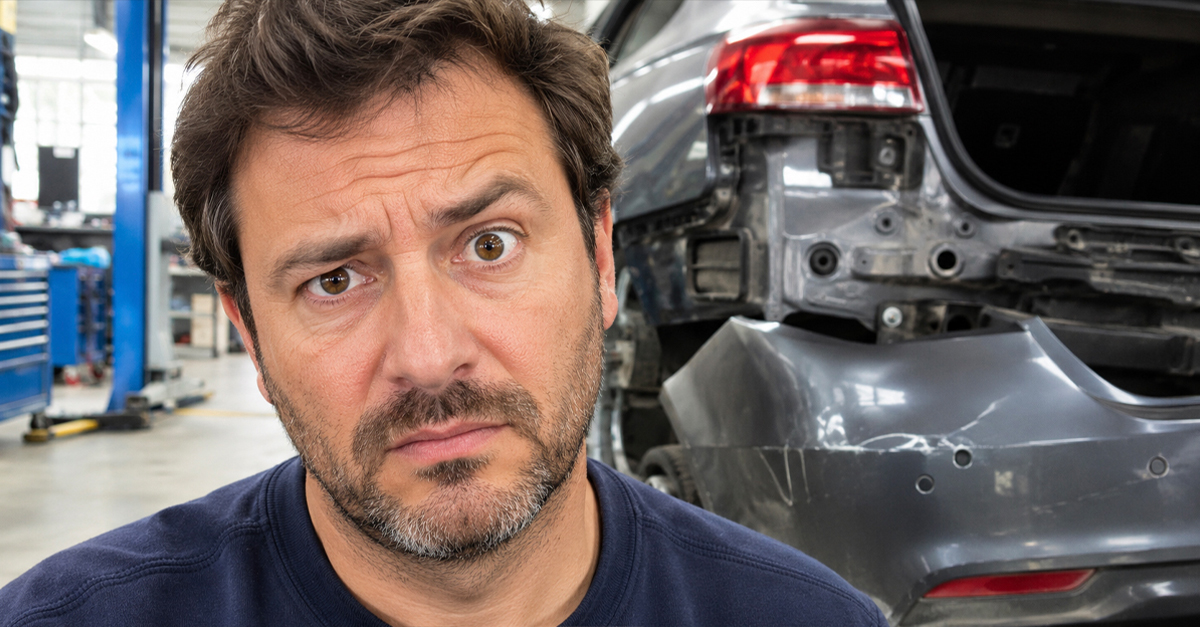
A bumper used to feel like the part of the car designed to take a hit. So when a minor parking lot scrape turns into a repair bill worth thousands, it can feel outrageous. The problem is that modern bumpers often hide parking sensors, cameras, radar units, wiring, brackets, paint work, and calibration needs behind what looks like simple plastic.
Has a car repair price tag ever left you bamboozled?
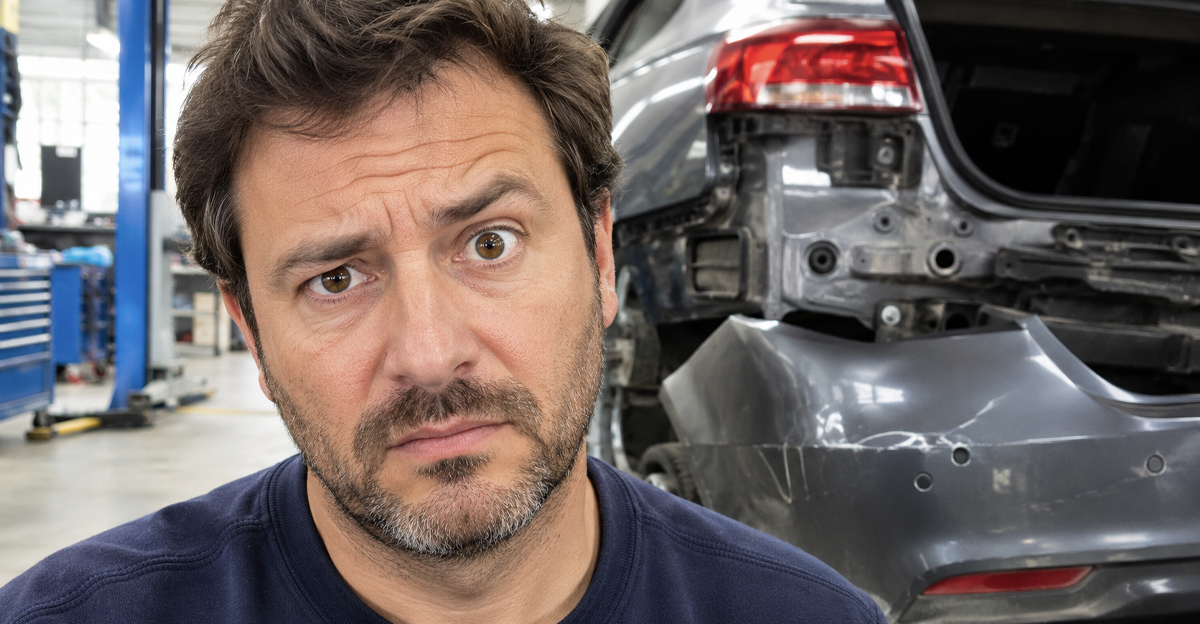
Bumpers Are Not Just Bumpers Anymore
On many newer vehicles, the bumper cover is more like a technology panel than a plain impact shield. It may contain parking sensors, blind-spot components, rear cross-traffic systems, cameras, and radar-related hardware. That means even a low-speed bump can affect safety and convenience systems that drivers barely notice until they break.
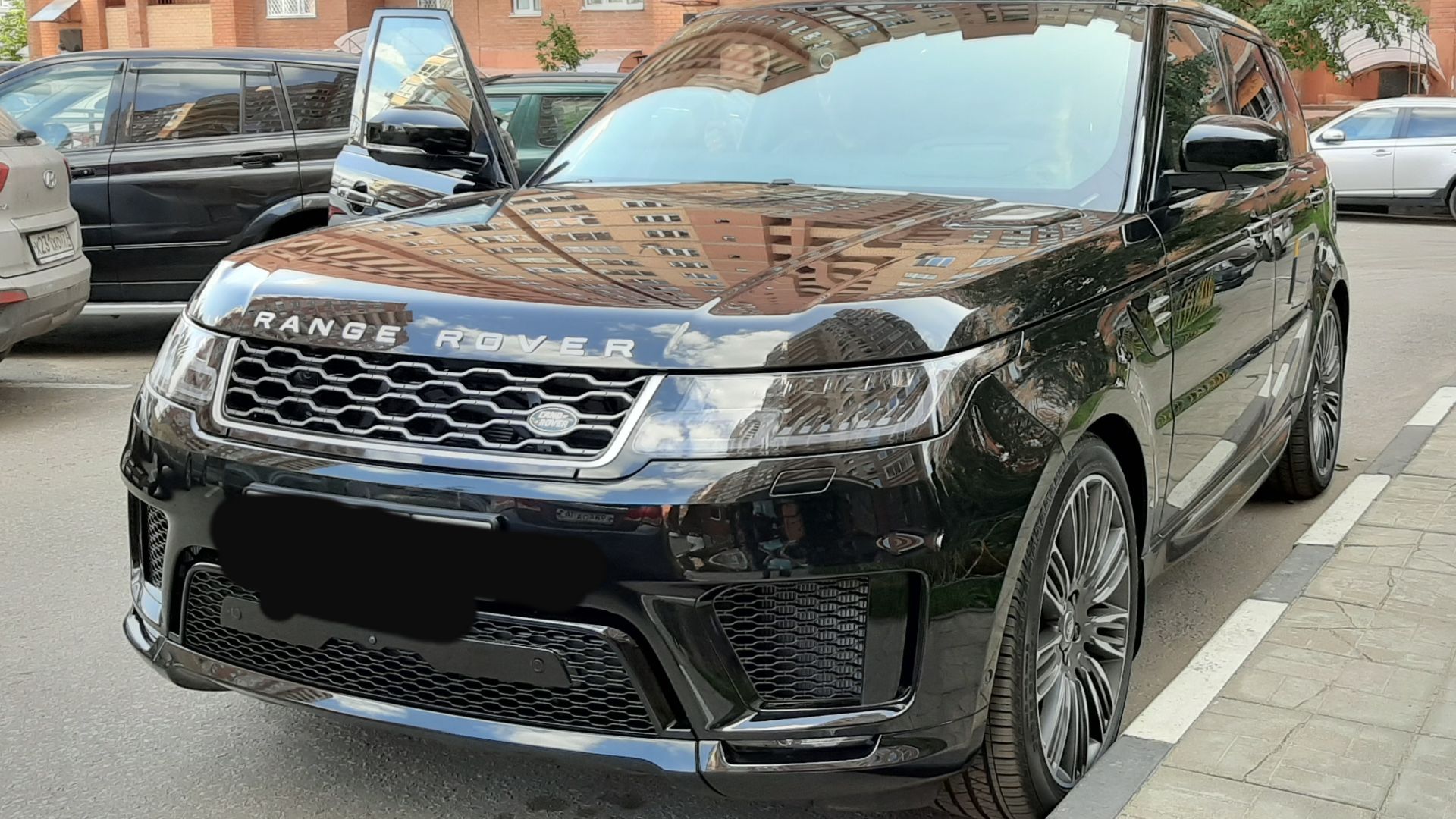
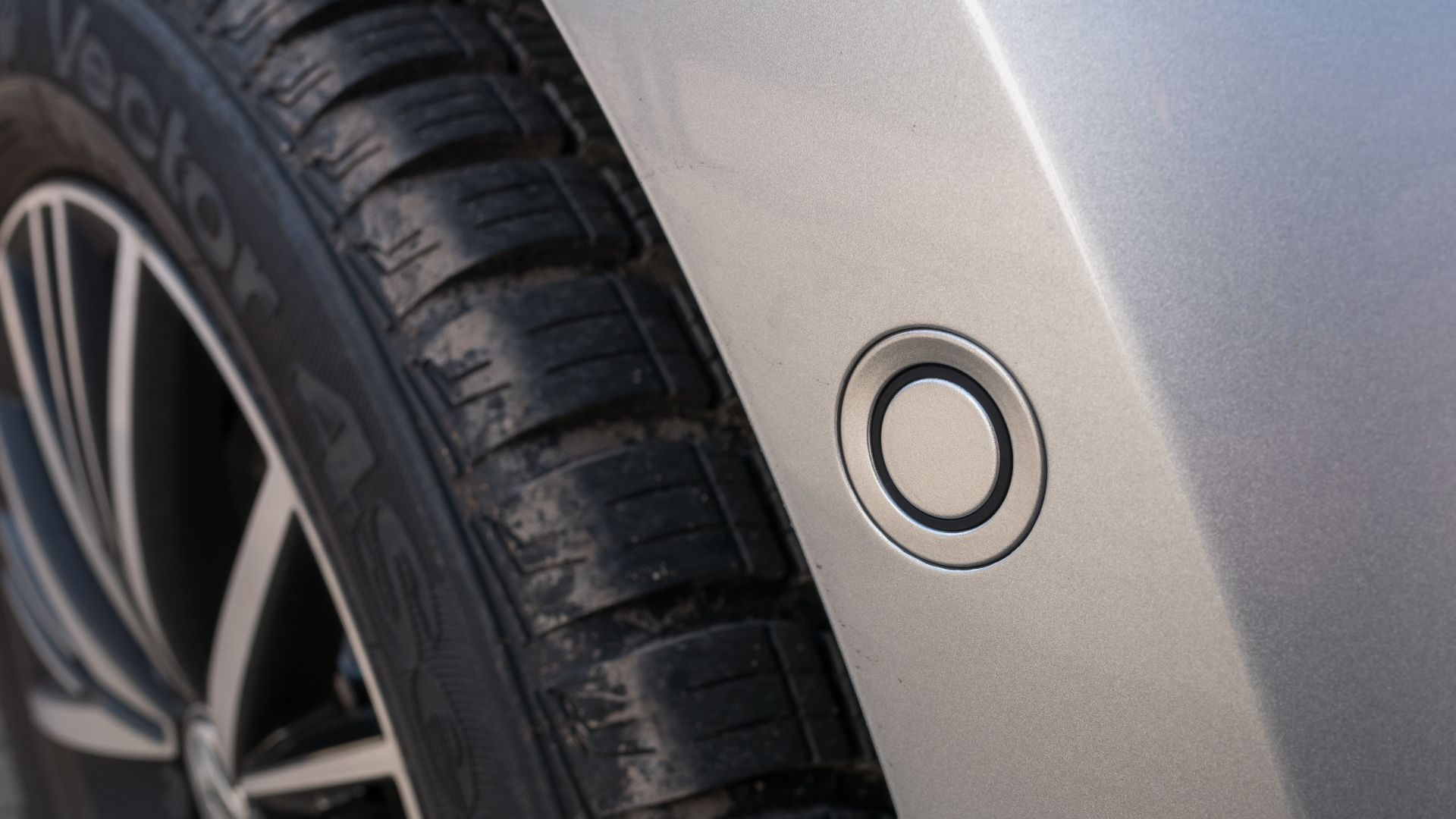
Parking Sensors Are Small But Not Cheap
Those little circles in the bumper may look minor, but they are part of a larger system. If one sensor is cracked, knocked loose, painted over incorrectly, or pushed out of alignment, it may need replacement or testing. The cost is not just the part. It can include diagnostics, removal, installation, paint work, and system checks.
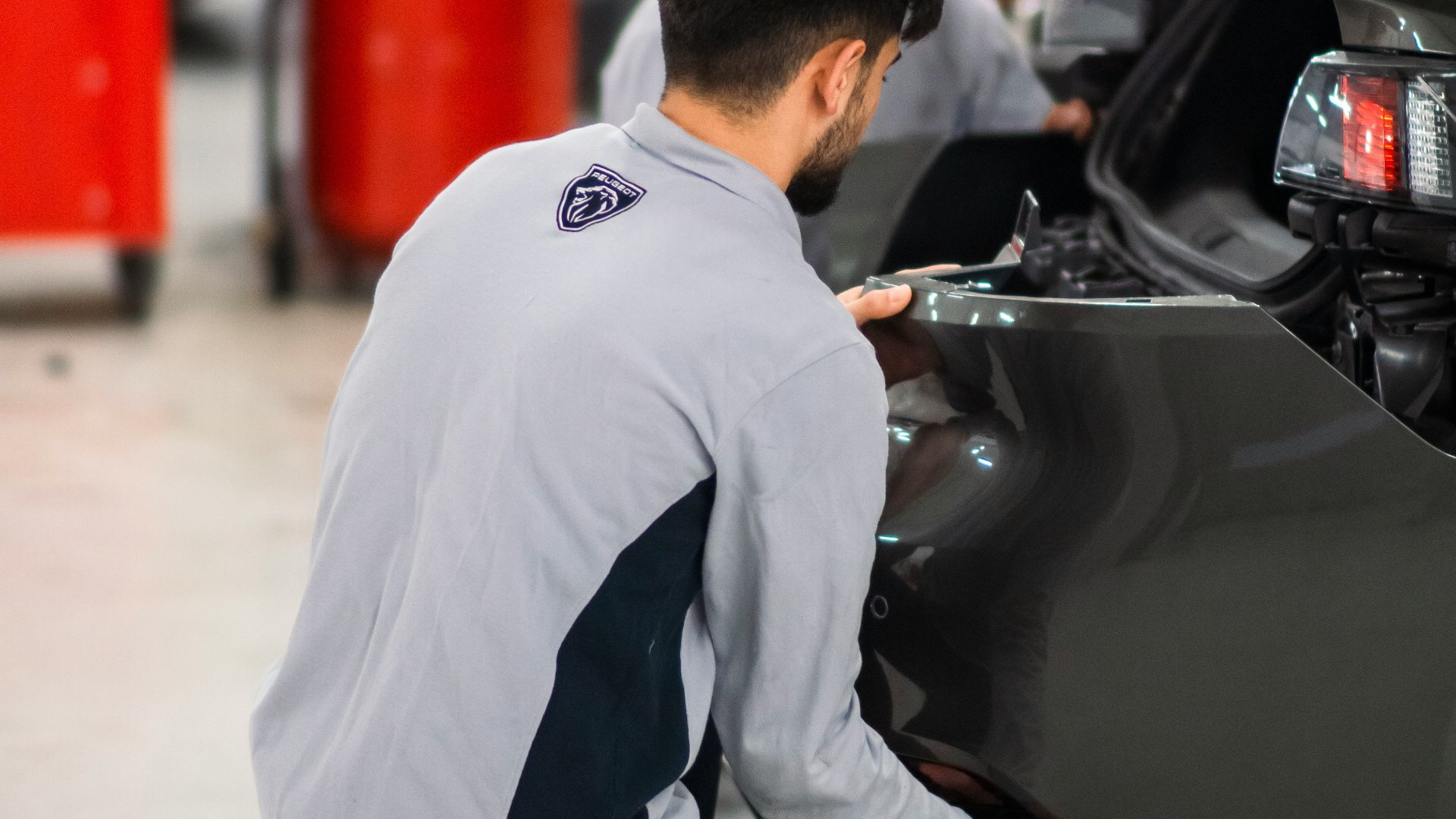
The Hidden Labor Adds Up Fast
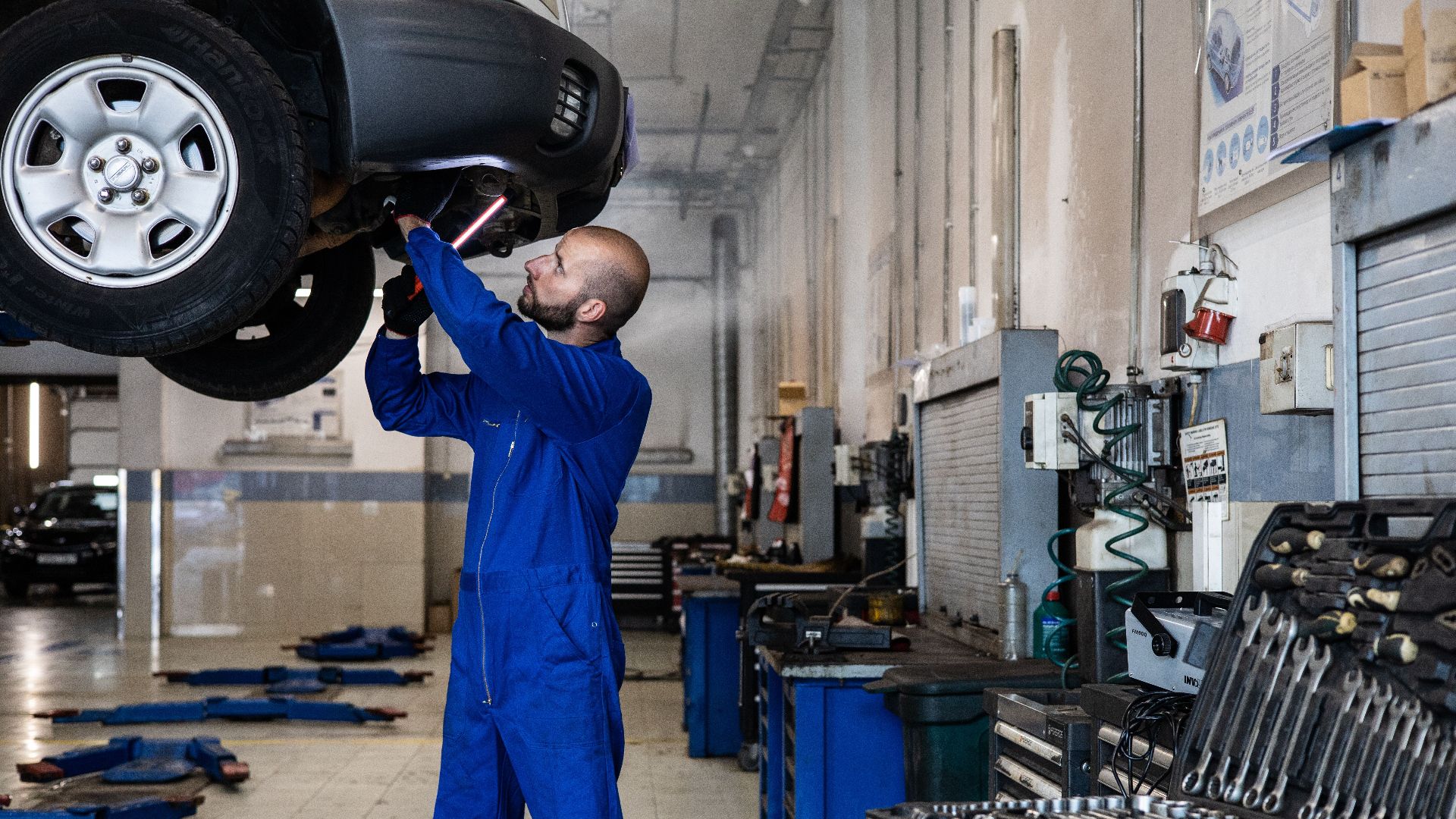
A repair estimate may include far more than replacing a scuffed cover. Technicians may need to remove the bumper, transfer sensors, inspect brackets, check wiring, scan the vehicle, repaint the cover, and verify that warning systems work properly. Each step adds labor, and each labor hour makes a “small” accident feel much larger.
Calibration Can Be The Surprise Expense
Modern driver-assistance systems often need calibration after parts are removed, replaced, or disturbed. That process helps ensure sensors and cameras are aimed correctly. Skipping it may save money upfront, but it can leave parking alerts, blind-spot warnings, or automatic braking systems working incorrectly.
AAA Found Advanced Driver-Assistance Repairs Can Be Expensive
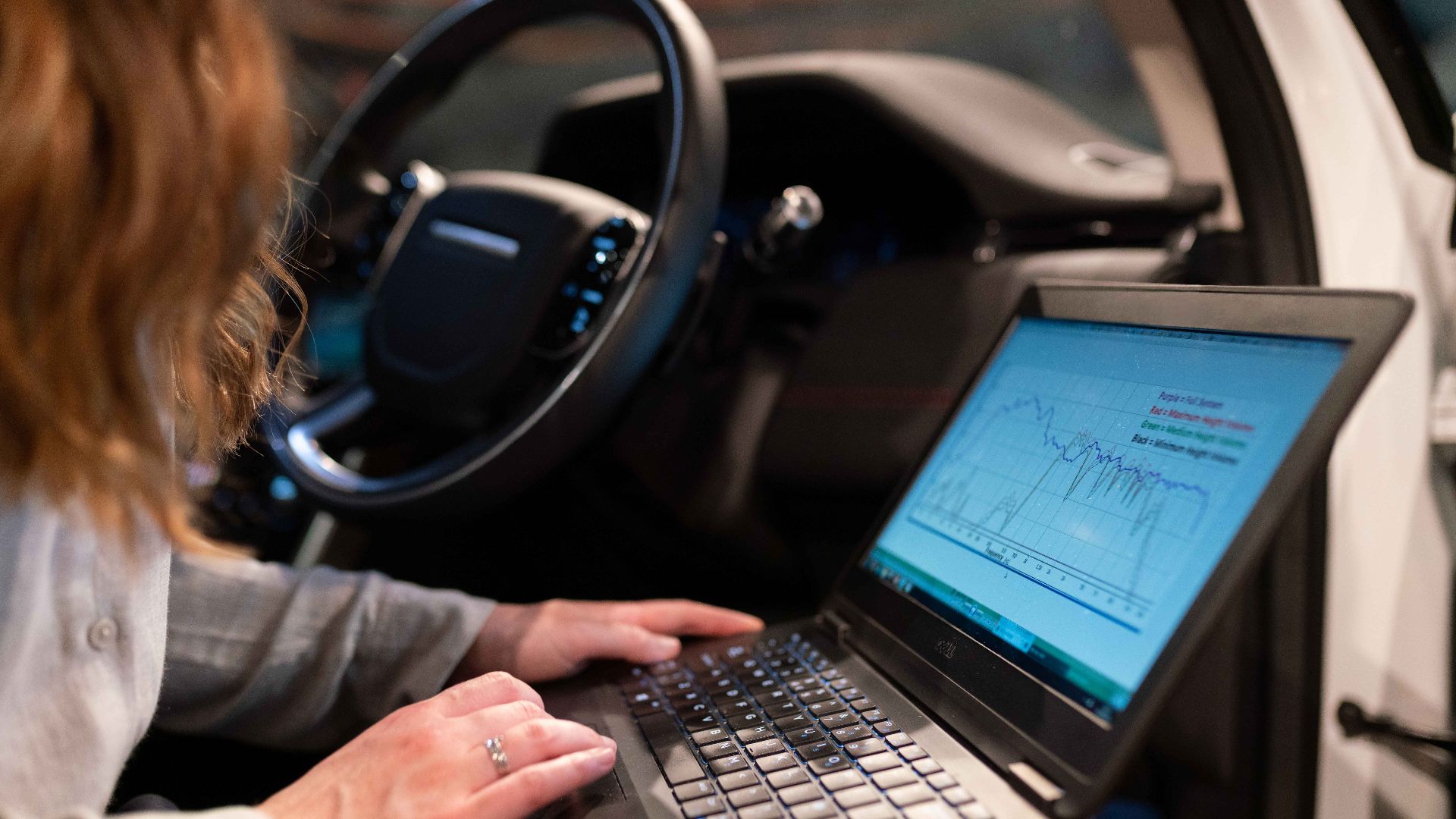
AAA has warned that advanced driver-assistance systems can significantly increase repair costs after crashes. In its research, individual advanced driver-assistance component costs, including parts, labor, and calibration, ranged from hundreds of dollars to well over a thousand. That helps explain why a minor bumper incident can feel financially shocking.
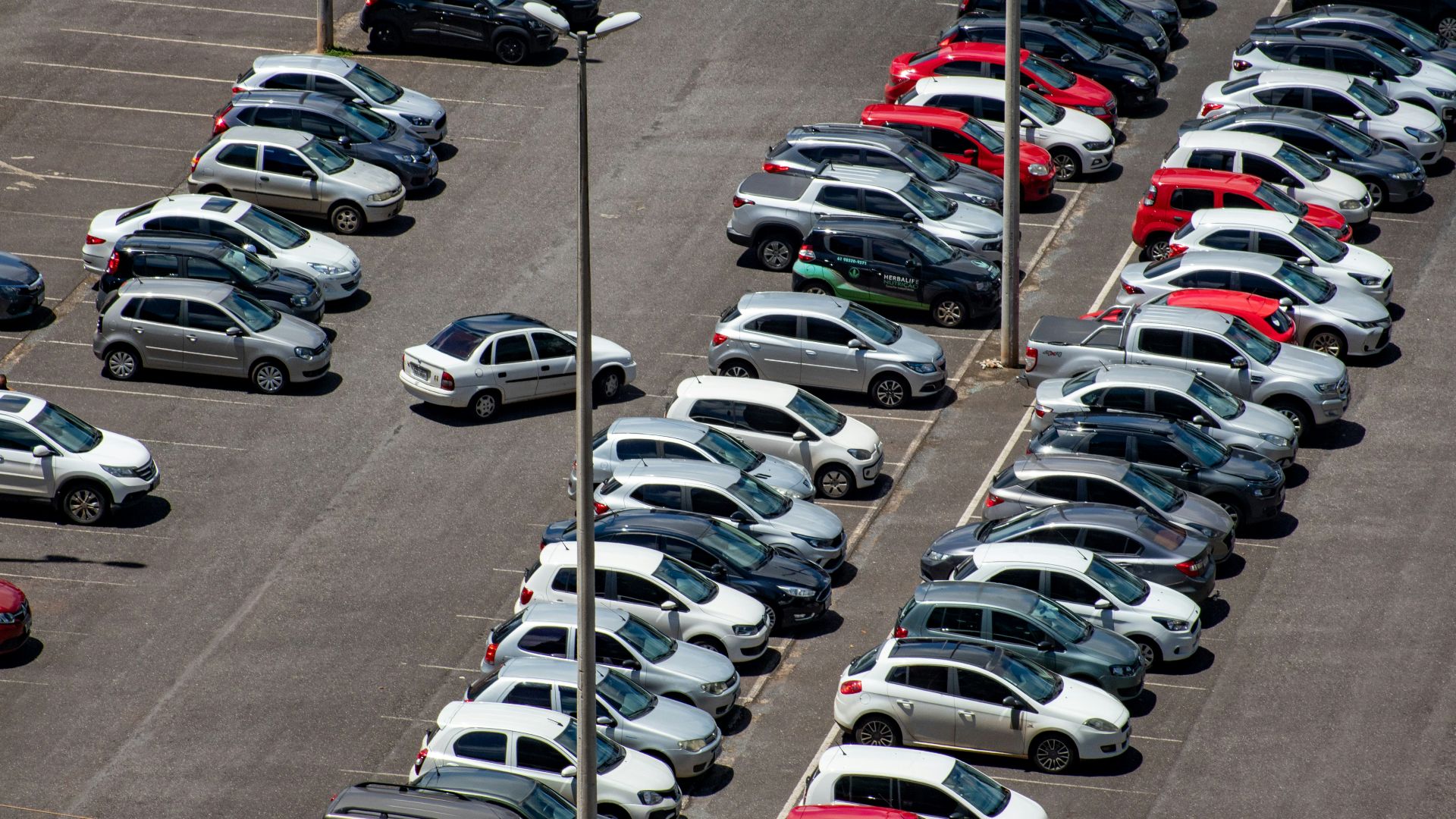
 Jose Ricardo Barraza Morachis, Pexels
It Is Not Always The Sensor Alone
Drivers often blame the parking sensor, but the full repair may include other expensive pieces. A bumper cover may need replacement. Paint may need blending. Mounting tabs may be broken. Wiring harnesses may be damaged. A nearby camera, radar unit, or bracket may also need attention before the system works correctly again.
Paint Can Complicate The Repair
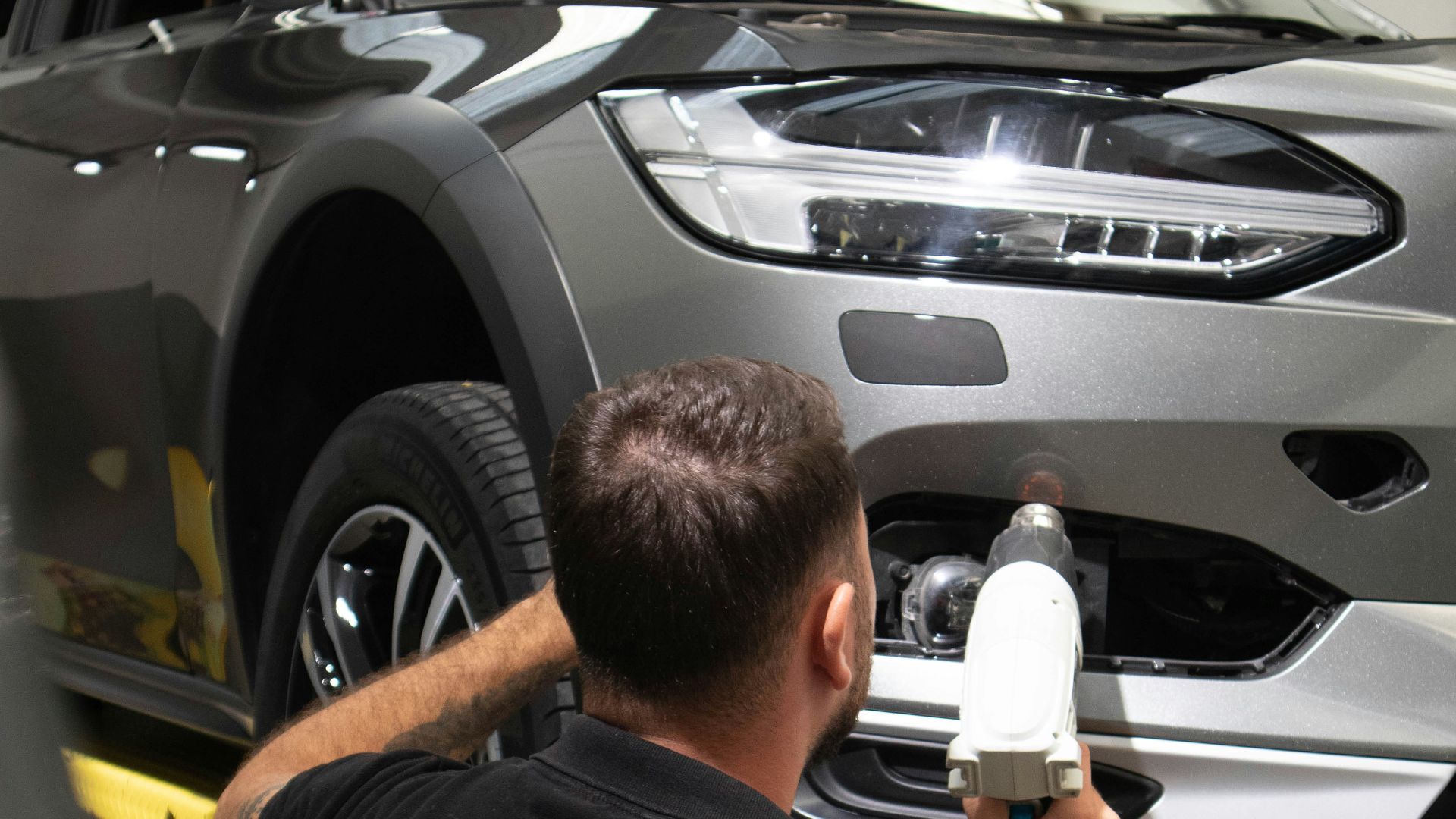
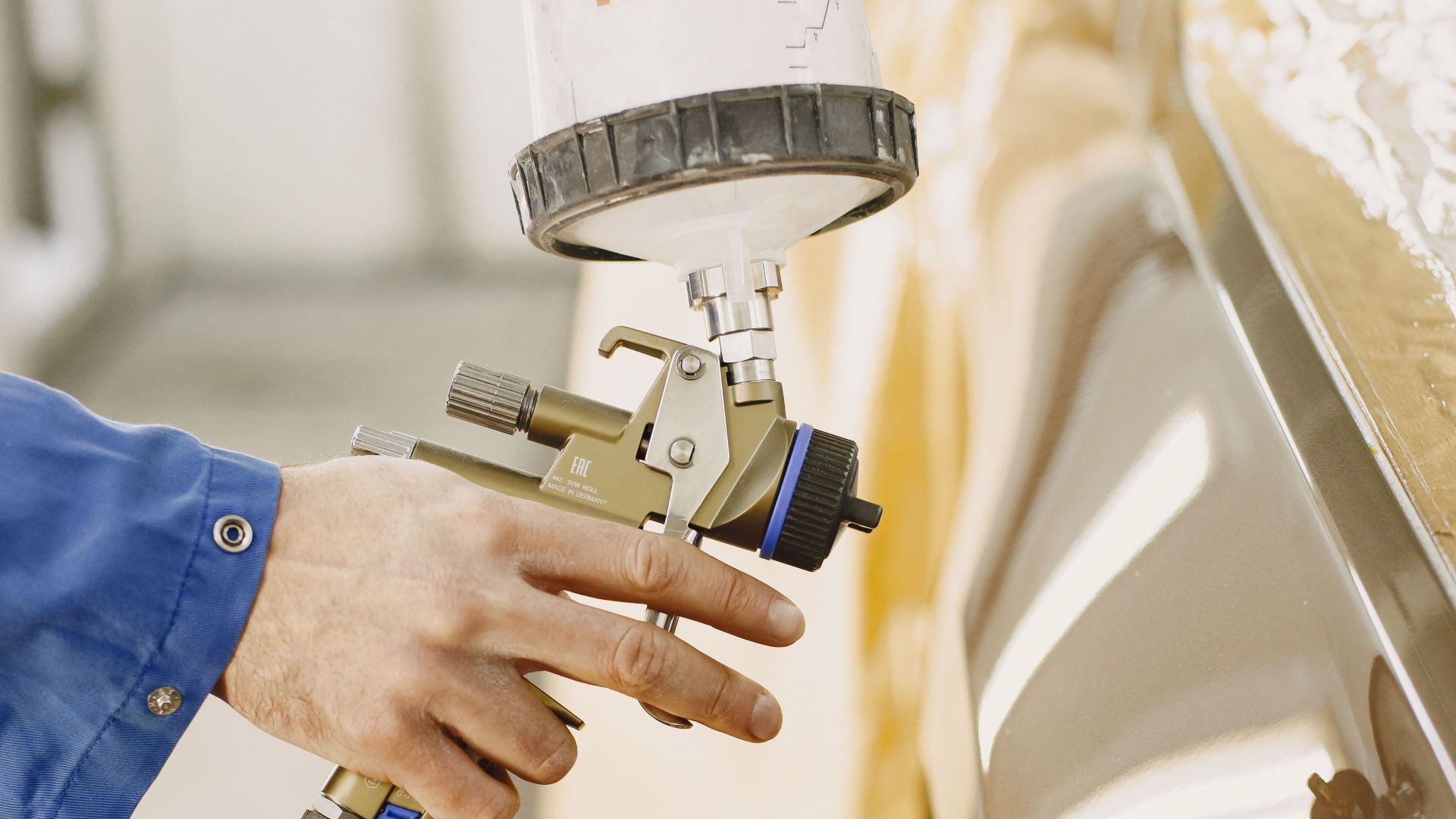
Painting a modern bumper is not always simple. Some sensors must not be covered with too much paint or filler, and the bumper finish may need to match the vehicle closely. Pearl, metallic, matte, or multi-stage paint can raise costs. Even when the damage looks cosmetic, the finishing work may be a big part of the bill.
Insurance May Cover It, But Deductibles Matter
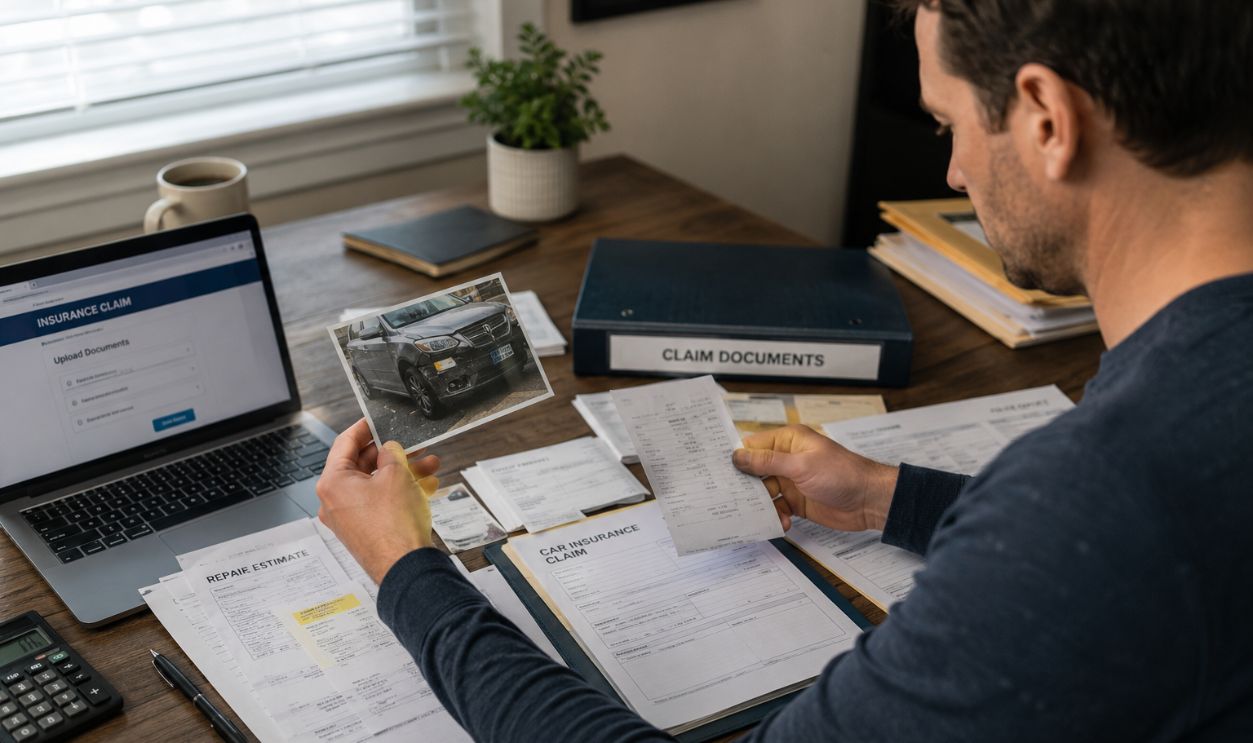
If the damage came from a collision or covered event, insurance may help. The catch is your deductible, possible premium impact, and whether the claim is worth filing. A $2,500 repair may be a clear claim for one driver, but a frustrating out-of-pocket decision for someone with a high deductible.
Small Accidents Can Now Require Scans
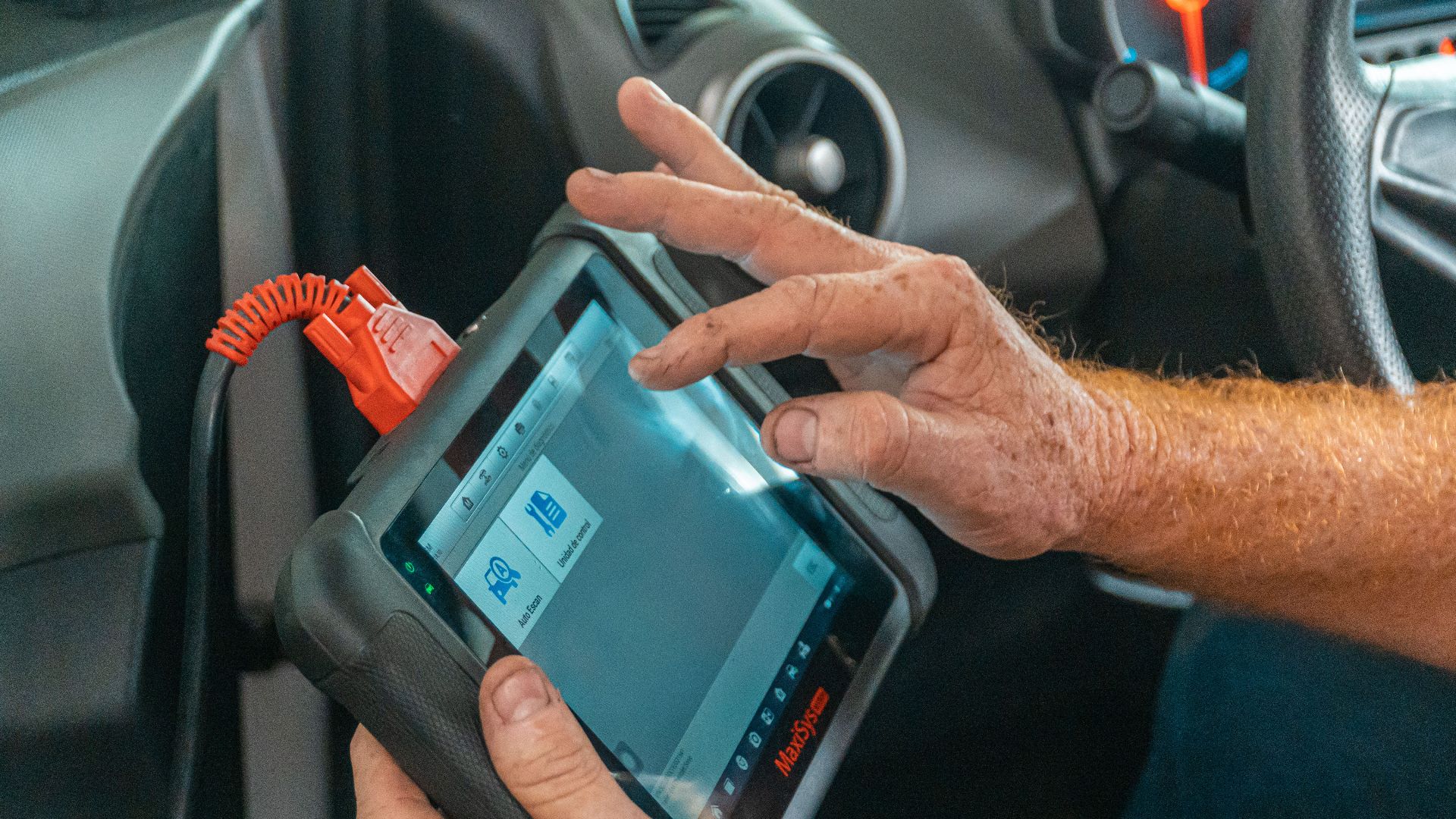
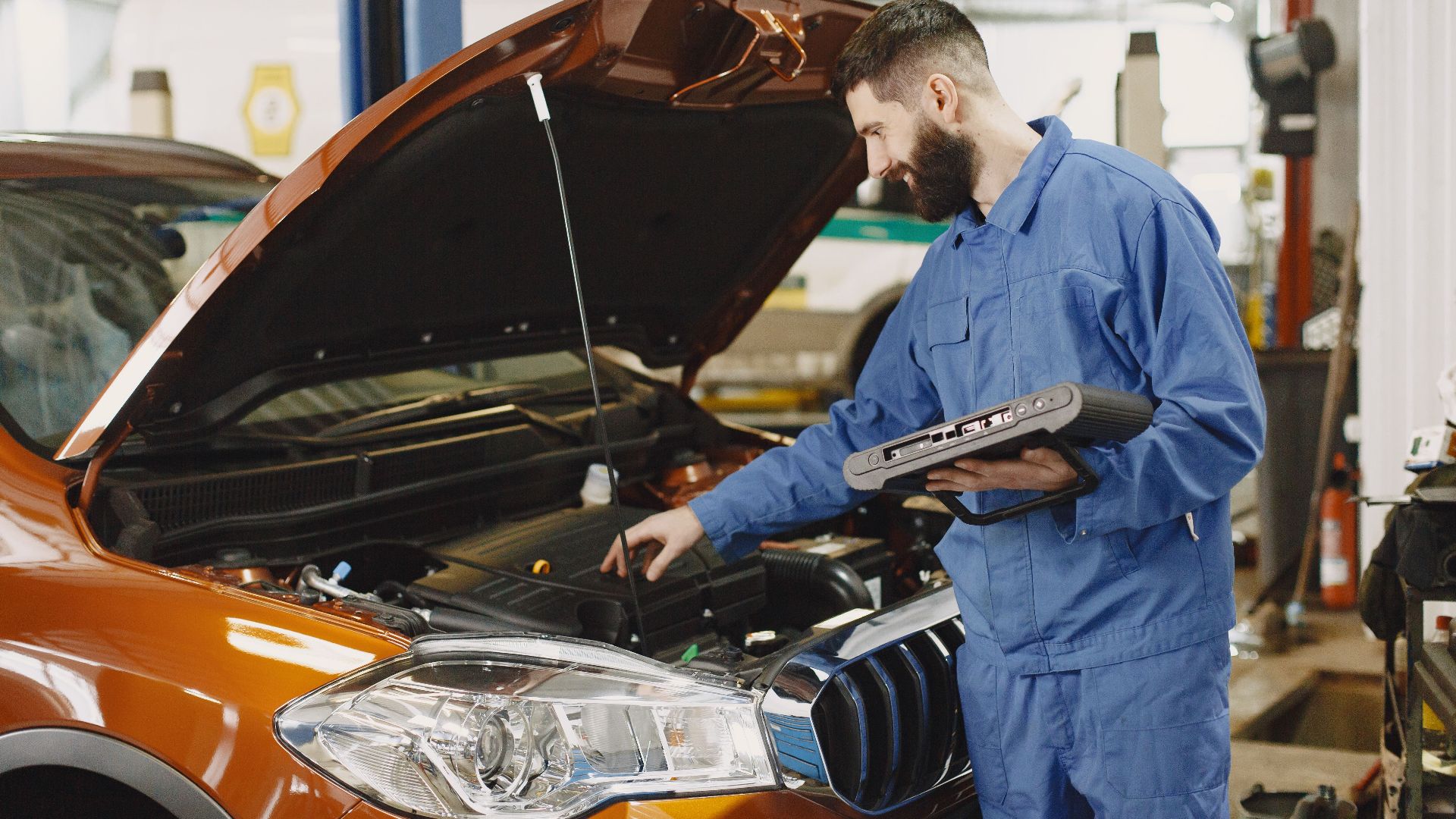
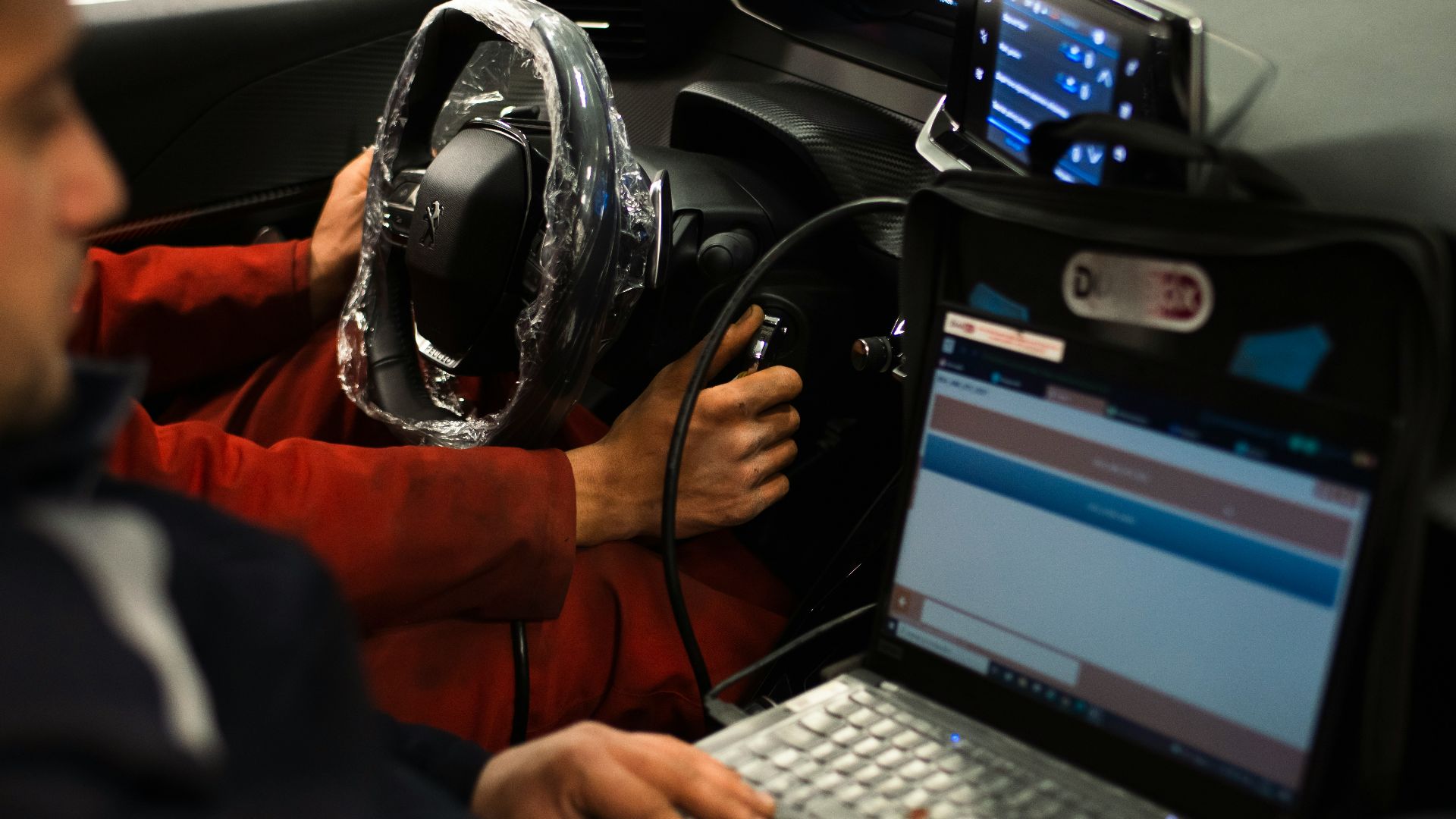
Many repair shops perform pre-repair and post-repair scans on newer cars. These scans can reveal fault codes connected to sensors, cameras, or safety systems. Even if the vehicle seems to drive normally, the scan may show that something behind the bumper is not communicating properly.
Cheap Repairs Can Create Bigger Problems
It is tempting to ask for the cheapest possible fix, especially when the car looks fine from a distance. But if a shop ignores sensors or skips required procedures, the system may give false warnings or fail when needed. Saving money on the repair may leave you with a safety feature you can no longer trust.
Modern Safety Tech Still Has Real Benefits
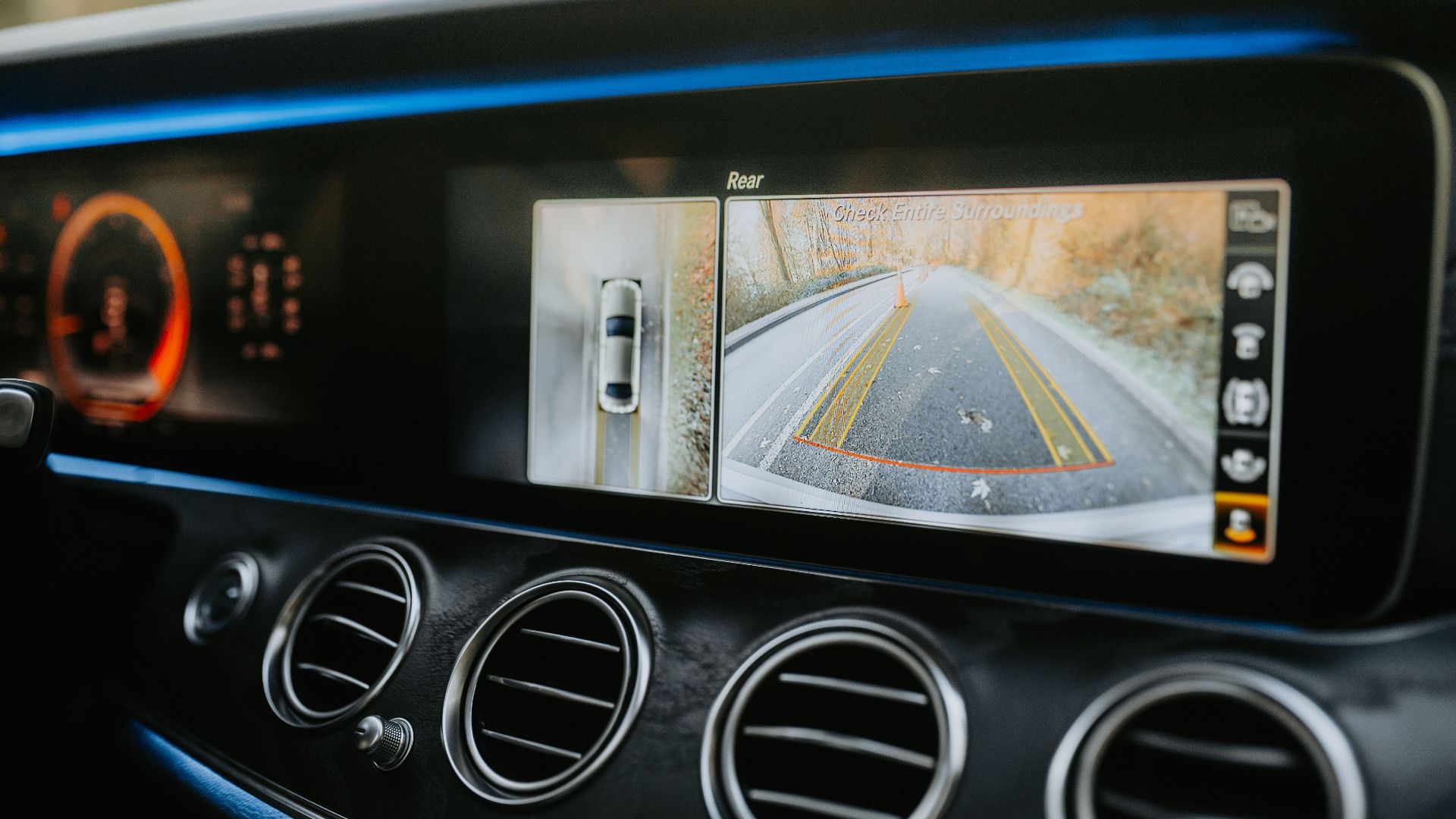
The frustration is real, but the technology is not useless. Parking sensors, rear cameras, rear automatic braking, blind-spot systems, and crash-avoidance features can prevent collisions and reduce injuries. The tradeoff is that when damage does happen, the parts and procedures can make repairs more expensive.
The Math Is Complicated
Modern safety systems can reduce some crashes, which can save money and prevent harm. But when a crash does happen, the claim may cost more because the car has more equipment to repair. That is why the question is not simply whether the technology is bad, but whether repairability has kept up with safety.
Luxury Cars Are Not The Only Problem
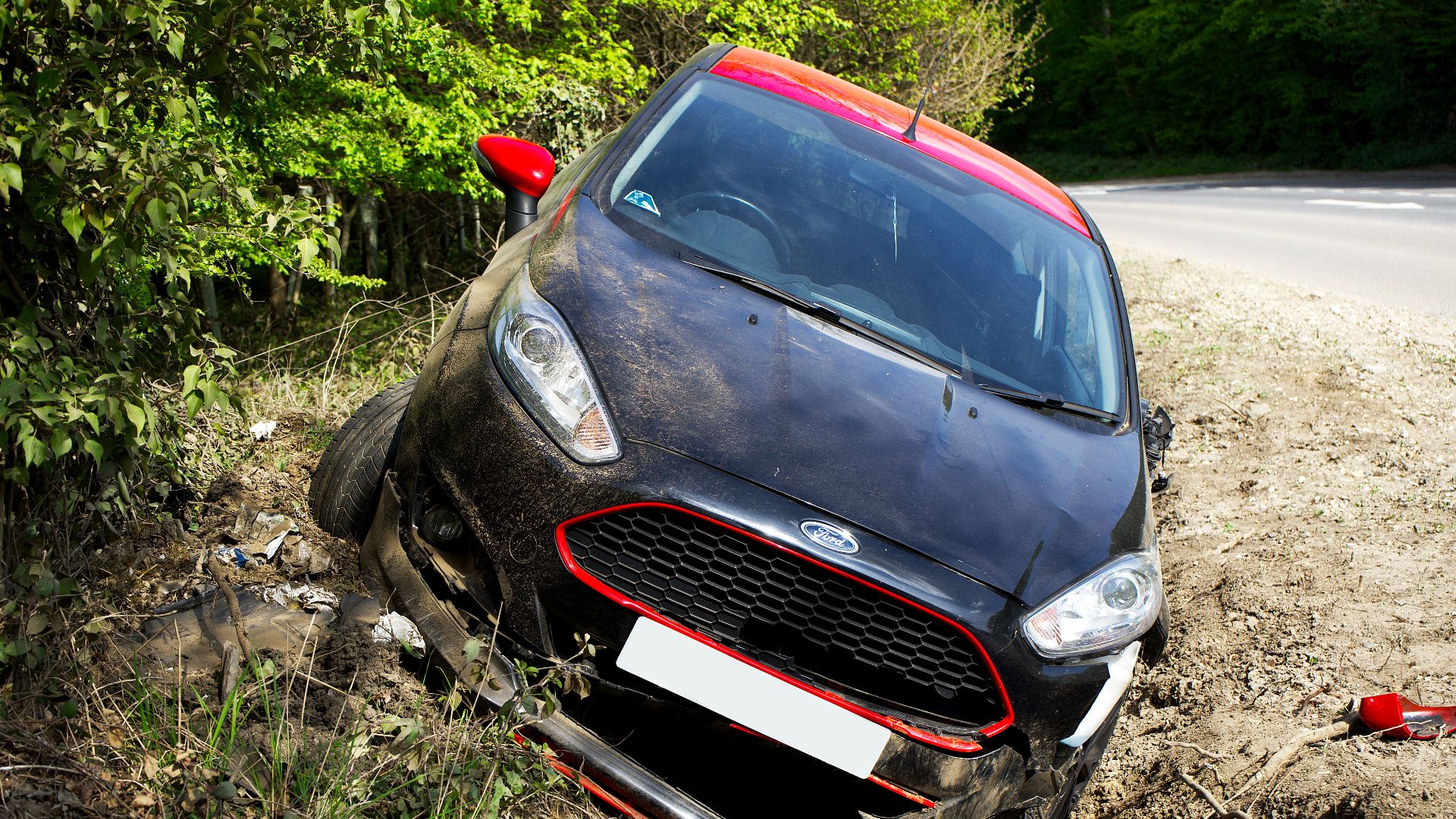
High repair bills are not limited to expensive vehicles. Parking sensors, cameras, and driver-assistance systems now appear on many mainstream cars, SUVs, and trucks. A family vehicle that feels ordinary on the showroom floor may still have sophisticated components hidden behind the bumper.
Parts Availability Can Make It Worse
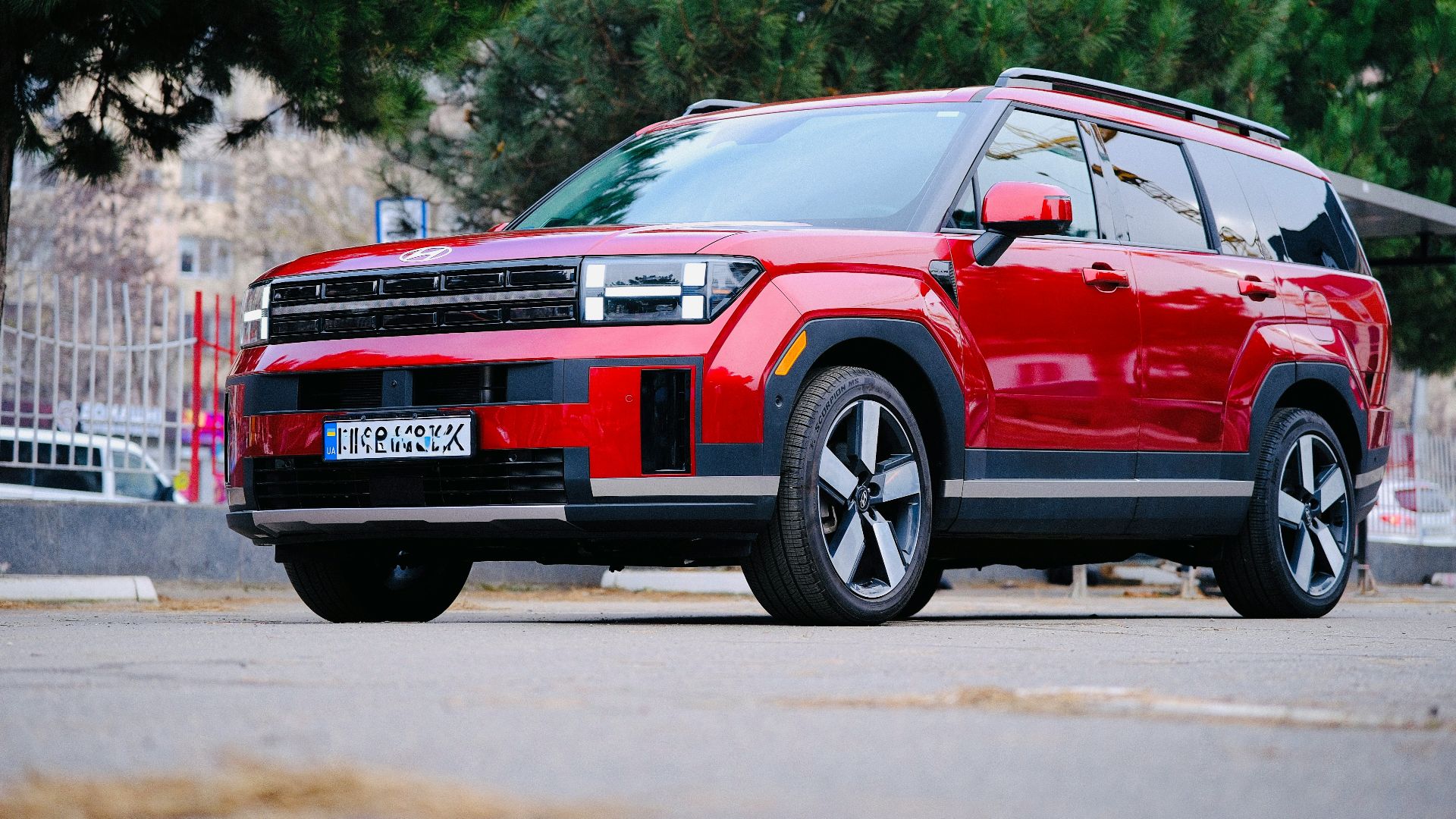
Repair costs are not the only headache. If a sensor, bracket, bumper cover, or electronic module is backordered, the car may sit longer than expected. That can add rental costs, inconvenience, and frustration. A minor parking mishap becomes even more annoying when the repair drags on for weeks.
Ask For An Itemized Estimate
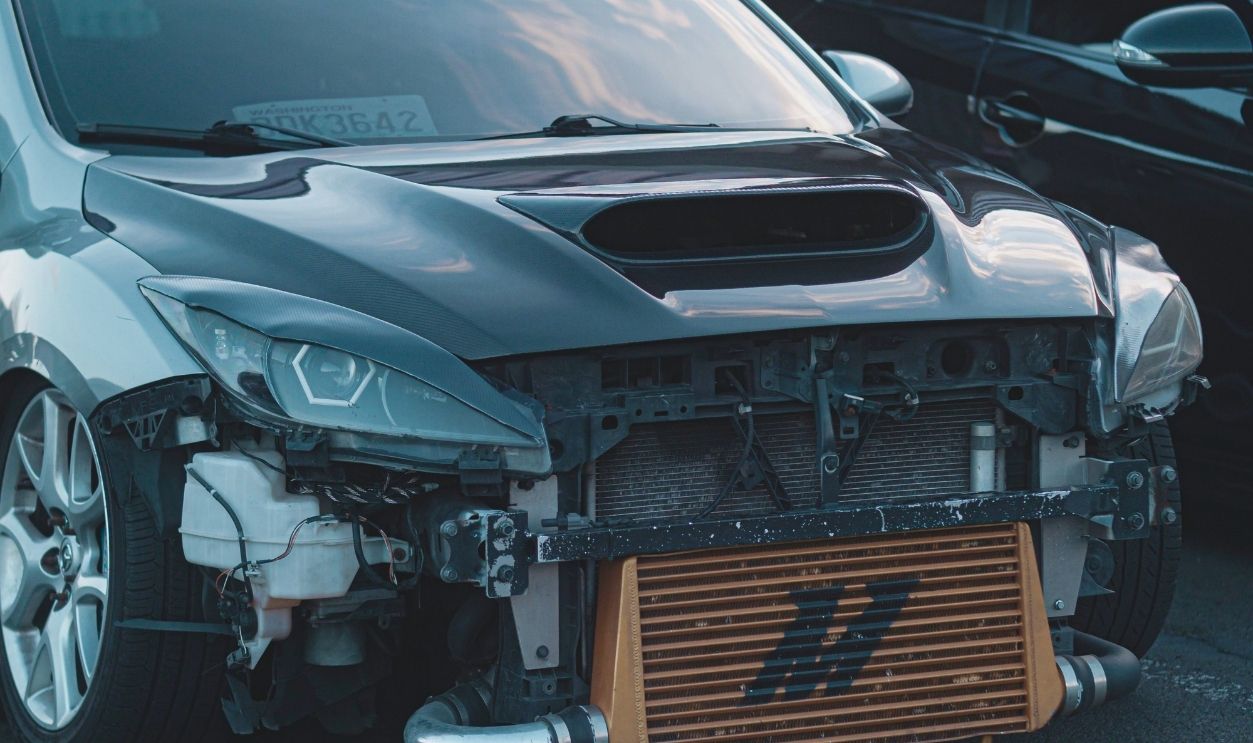
Before assuming you are being overcharged, ask the shop to explain every line. Which parts are being replaced? Which systems need calibration? Is paint blending required? Are there scan fees? A detailed estimate can reveal whether the bill is reasonable, inflated, or missing something important.

Get A Second Opinion Carefully
A second estimate can help, but make sure the shop is qualified to repair your vehicle’s safety systems. A cheaper quote may look appealing if it leaves out calibration, scans, or sensor replacement. Compare the actual repair procedures, not just the final price at the bottom of the page.

Choose Shops That Understand Advanced Driver-Assistance Systems
Not every body shop is equally prepared for modern sensor-heavy vehicles. Ask whether the shop follows manufacturer repair procedures, performs calibrations, documents scans, and uses proper equipment. A reputable shop should be able to explain how it will confirm the parking sensors and related systems work after repair.
Check Your Warranty And Coverage
A crash-damaged sensor usually will not be covered by a basic vehicle warranty, but it is still worth checking your policy, extended coverage, and insurance terms. Some protection plans may cover sensor failures, but not collision damage. Understanding the difference can prevent disappointment when the bill arrives.

Prevention Matters More Than Ever
Because small impacts can be expensive, it pays to be extra cautious in tight spaces. Leave more room when parking, avoid nudging snowbanks or curbs, and do not ignore warning alerts. A bumper tap that once felt harmless can now damage parts that are costly to diagnose and replace.
You May Also Like:
How Much Electric Car Range Do You Need?
Here’s Why You Should Skip The Automated Car Wash