EV Tires Aren't Quite As Special As The Sales Pitch Makes Them Sound
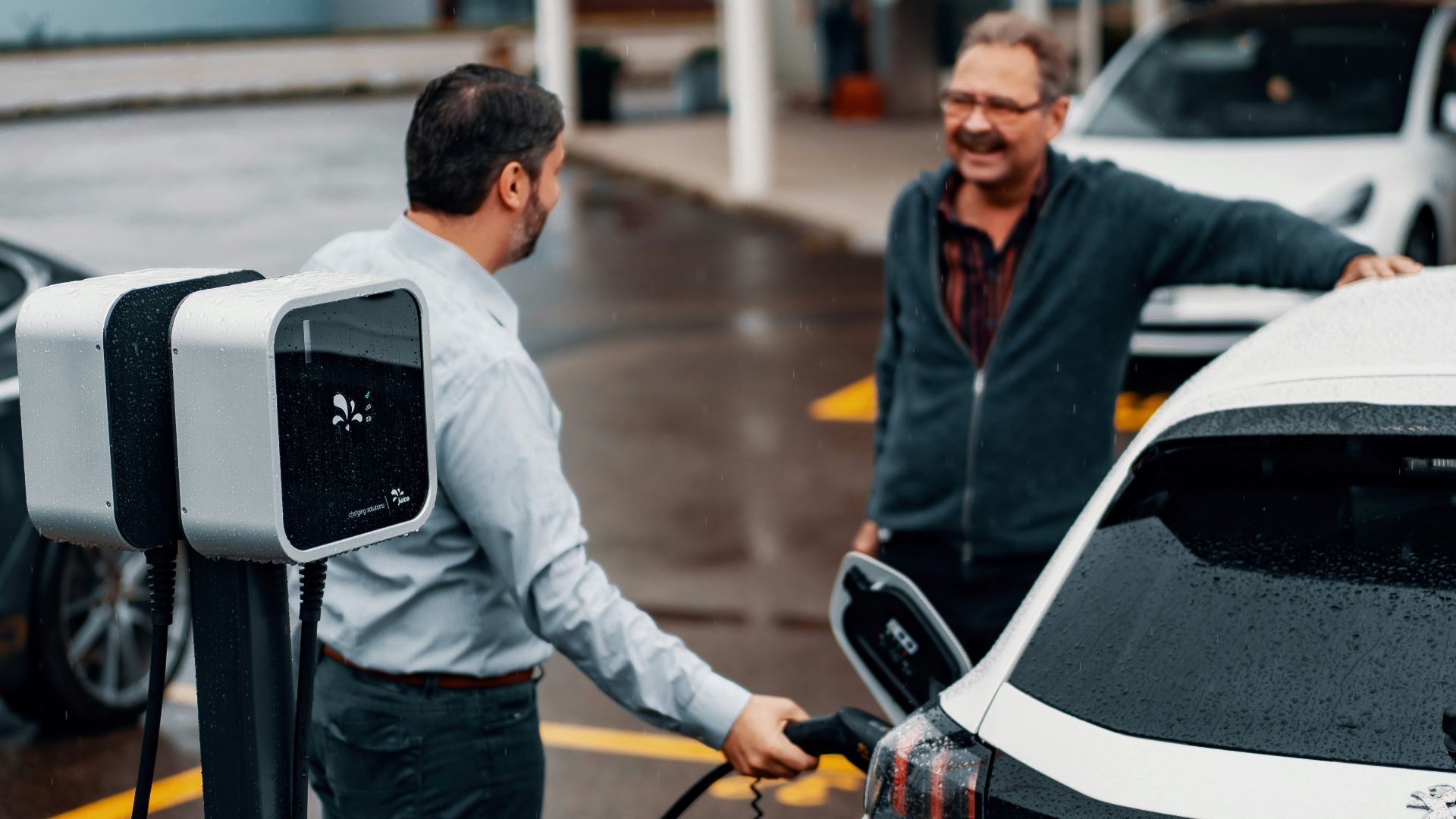
Electric cars really can be harder on tires. They're often heavy, they can deliver tremendous torque immediately, and tire efficiency has a noticeable effect on driving range. But that doesn't automatically mean every EV requires a tire carrying an “EV” label.
Your Mechanic Is Right About The Extra Weight
Battery packs can make electric cars considerably heavier than similarly sized gasoline vehicles. All of that weight ultimately rests on four relatively small tire contact patches. That's why many EVs use tires carrying XL, meaning Extra Load, or sometimes HL, meaning High Load, designations. A tire incapable of safely supporting the vehicle's weight is unsuitable regardless of how inexpensive or highly rated it otherwise is.
Look At The Sticker Inside The Driver's Door
NHTSA recommends checking the Tire and Loading Information label on the driver's door edge or doorpost when selecting replacement tires. It shows the manufacturer's recommended tire size and cold inflation pressure. Your owner's manual and original tire sidewalls can provide additional information about the required load and speed ratings. Those numbers matter more than whether an advertisement calls the tire “EV ready”.

The Correct Size Alone Isn't Enough
Two tires can both say 235/45R18 and still have different load capacities. The load index following the tire size indicates how much weight each tire can safely support. If your EV specifies a higher load rating, installing a lower-rated tire simply because the physical dimensions match isn't a good substitute.
XL And HL Aren't Just Marketing Terms
An XL tire is reinforced to carry more weight than a standard-load version of the same general size. HL tires go further and are intended for vehicles requiring unusually high carrying capacity at a given pressure. Michelin says that if a vehicle requires XL or HL tires, the replacement needs to satisfy that requirement. This is one area where substituting an ordinary passenger-car tire really can be inappropriate.

Instant Torque Does Put More Stress On The Tread
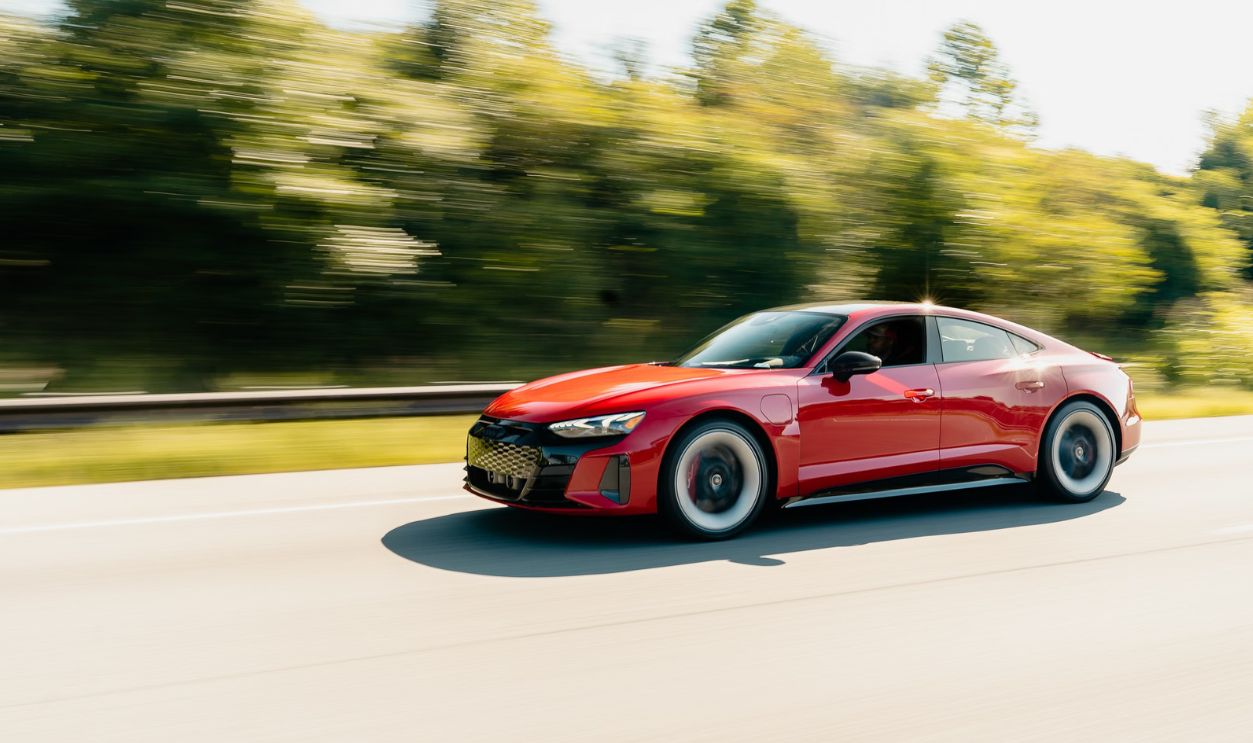
Electric motors can deliver substantial torque almost immediately when you press the accelerator. That strong initial force gets transmitted through the tires. Add the car's extra weight and frequent regenerative deceleration, and EV tires can live a tougher life than tires on some comparable gasoline cars. Consumer Reports and Michelin both point to weight and torque as important reasons EV tires may wear more quickly.
Your Right Foot Matters Too
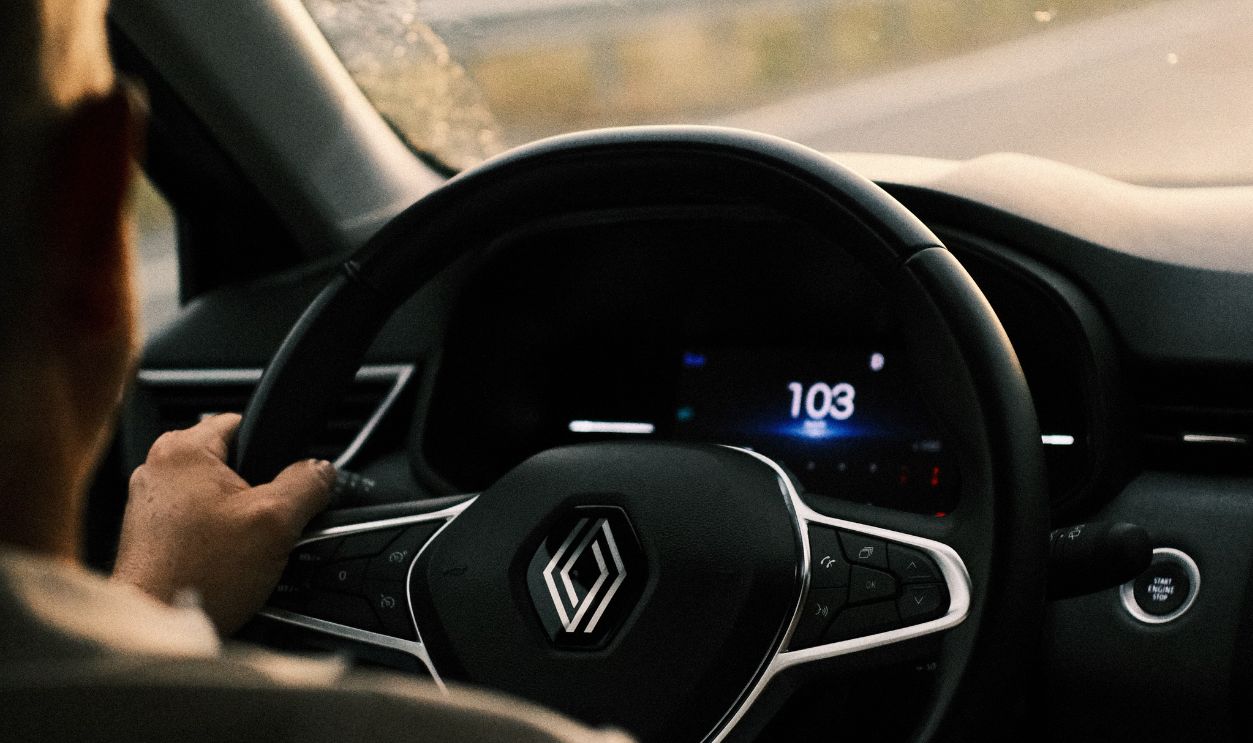
Instant torque doesn't automatically destroy tires every time you leave a stoplight. How you use it matters enormously. Frequent hard launches and aggressive acceleration create much more tire stress than smooth throttle inputs. An owner who drives gently may get dramatically different tread life from the same EV than someone who regularly demonstrates its 0-to-60 time.
 Ceren Busra SEVTEKIN KOKMEN, Pexels
An “EV Tire” Is Usually Optimized Rather Than Fundamentally Different
Manufacturers generally use EV-specific designs to balance several priorities at once: load capacity, durability, low rolling resistance, traction, and quietness. There's no entirely separate category of rubber that only functions when attached to an electric motor. Think of an EV tire as one optimized around common EV characteristics rather than as the only type capable of working on an EV.

Range Is One Reason The Factory Tires Can Be Unusual
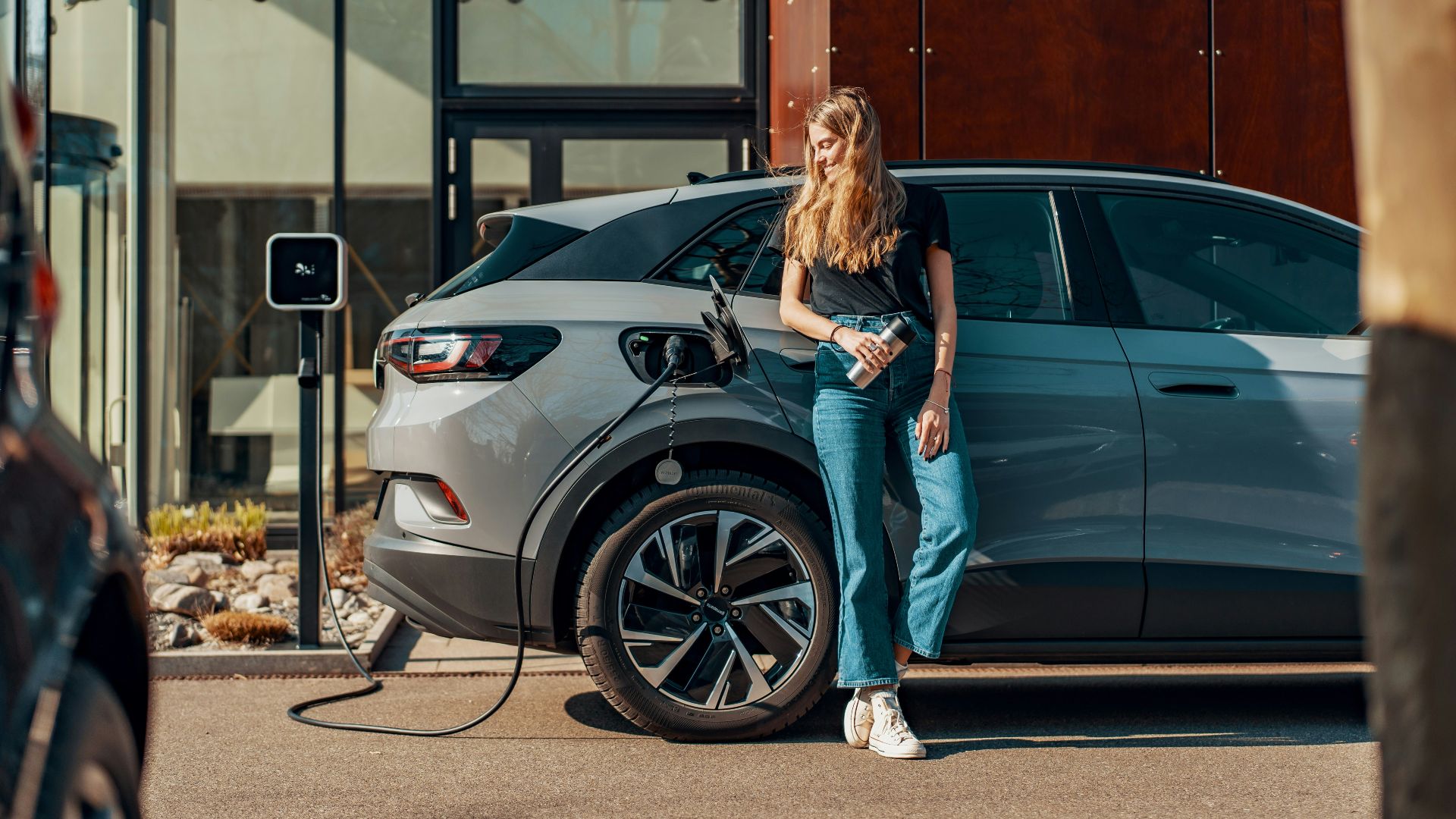
Automakers care intensely about official and real-world EV range. Tires that flex and resist rolling consume energy, so manufacturers frequently select low-rolling-resistance designs. Michelin notes that replacing original EV tires with a different type can change efficiency. A grippier conventional tire may work safely while costing you some miles between charges.
Low Rolling Resistance Comes With Trade-offs
There isn't a tire that simultaneously maximizes range, wet grip, snow traction, quietness, tread life, ride comfort, and performance. A tire designed to minimize energy loss can sacrifice something elsewhere. That's why simply searching for whichever tire promises the most range isn't necessarily the best approach if you regularly drive through heavy rain, snow, or difficult winter conditions.
Consumer Reports Found Conventional Tires Can Sometimes Be Better
Consumer Reports' 2026 EV tire testing reached an important conclusion: the original tires aren't automatically the best replacement choice. It found that conventional, non-EV-specific all-season tires can sometimes offer better poor-weather performance, longer tread life, or lower prices. In other words, choosing an ordinary tire isn't necessarily a downgrade. It may simply represent a different set of compromises.

You Could Lose Some Range
Even when a conventional tire is completely safe for the car, efficiency can change. Tire Rack notes that switching away from EV-focused tires may produce somewhat more rolling resistance and therefore less range. How noticeable that becomes depends on the tire and vehicle. Someone charging at home every night may barely care, while a highway commuter already stretching the battery may care considerably.
New Tires Can Temporarily Make Efficiency Look Worse Anyway
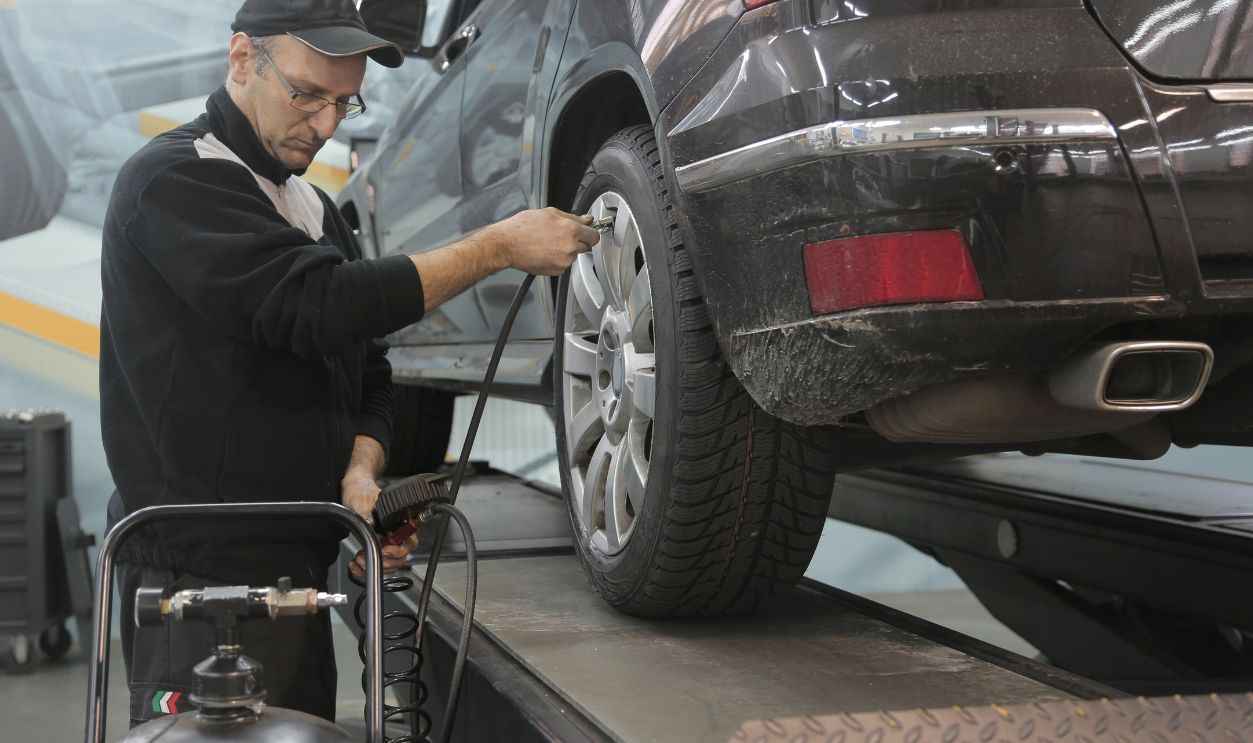
Don't panic if the efficiency display dips immediately after tire replacement. Michelin notes that new tires can produce more rolling resistance than worn ones because they have deeper tread. That effect isn't unique to EVs, but range displays make EV owners particularly aware of it. Comparing a brand-new replacement with a nearly bald old tire can exaggerate the apparent efficiency penalty.
Noise Is Another Reason EV Tires Get Special Attention
Without engine and exhaust noise masking everything else, tire sounds become much easier to hear inside an electric car. Some EV-focused tires use tread designs or internal acoustic foam to reduce resonance. A conventional tire may be completely safe and perform beautifully while simply sounding louder on coarse pavement. Whether that bothers you is a matter of personal preference.

The Factory Tire May Have Been Tuned Specifically For Your Car
Automakers often work with tire manufacturers to develop original-equipment versions of existing tire models. You may notice special letters or manufacturer markings on the sidewall. These versions can be tuned for that vehicle's range, ride, handling, noise, or other priorities. Buying the same brand and model without the exact OE specification doesn't always mean you're getting an identical tire.

Matching The Factory Tire Is The Simplest Choice, Not Always The Best One
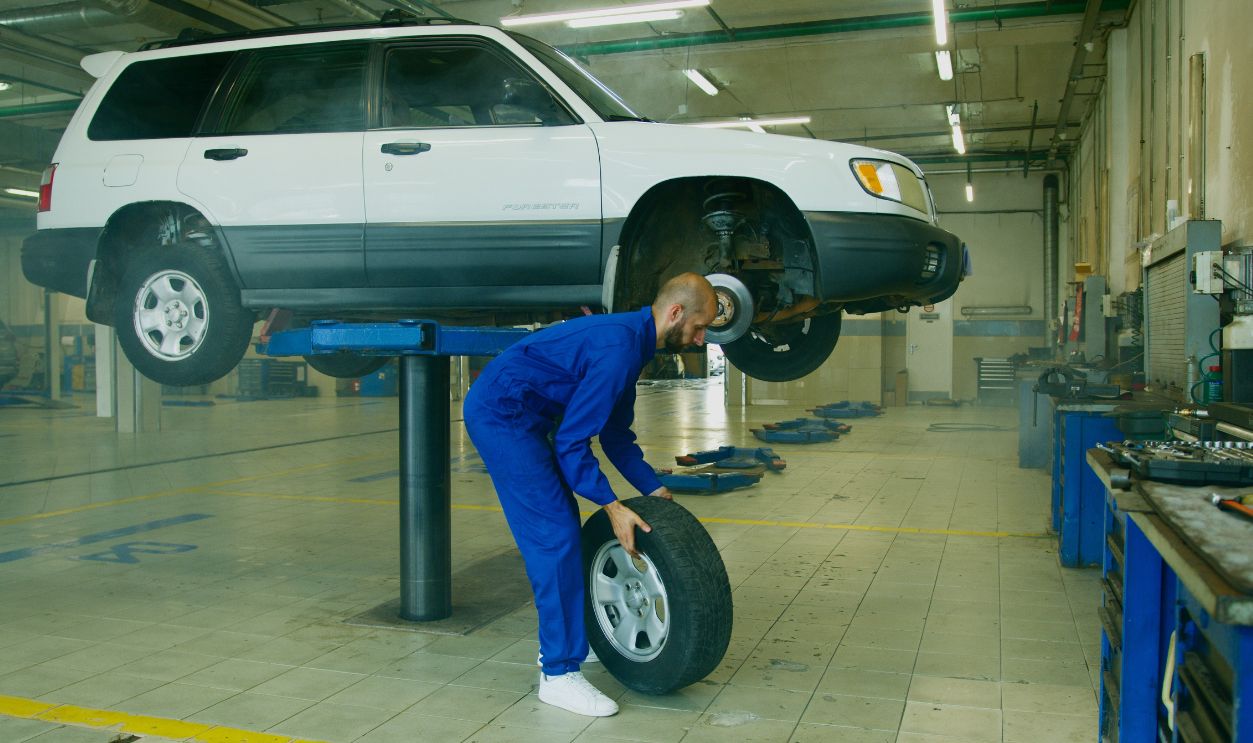
If you loved how the car drove when it was new, replacing the tires with the exact original specification is the low-risk option. You'll preserve something close to the balance the automaker originally intended. But if you disliked the tire's short tread life, winter grip, cost, or ride quality, replacement time is also an opportunity to choose something better suited to your priorities.
Winter Tires Don't Need An EV Badge Either
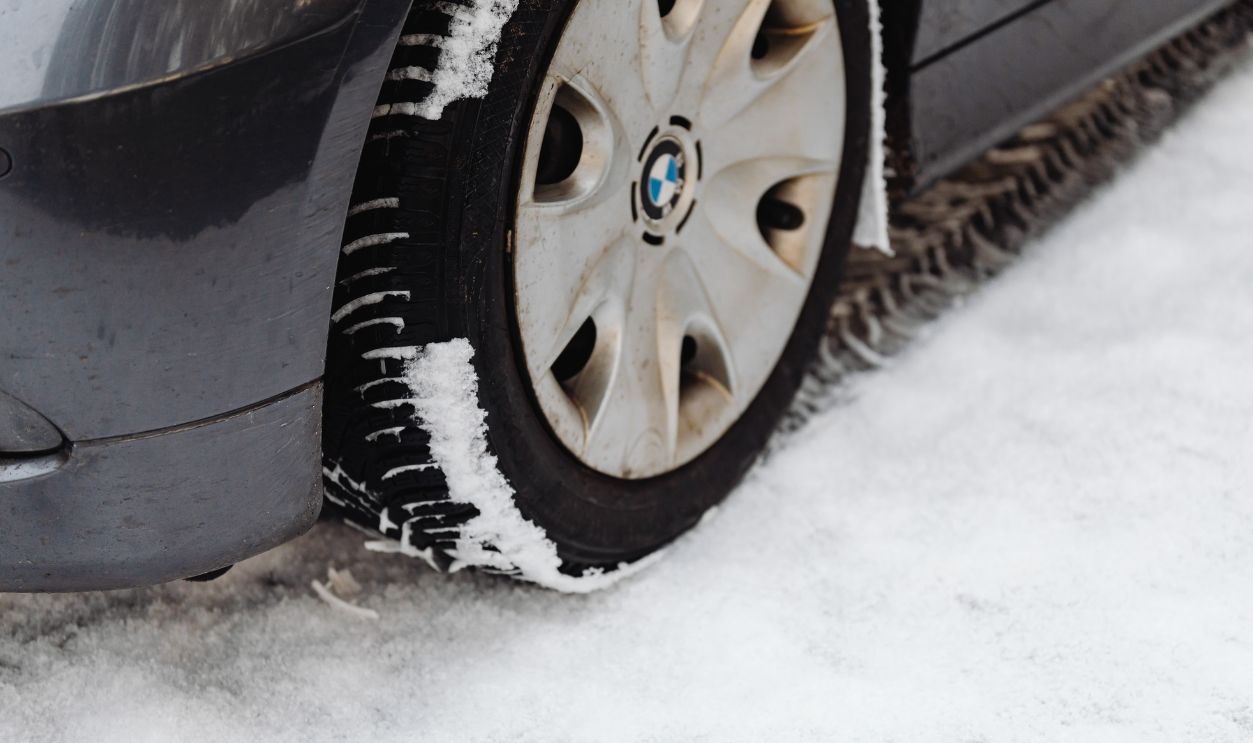
An electric car still needs winter traction for the same basic reason any other car does. Michelin says EV winter tires should have the appropriate cold-weather certification, load capacity, and compound, but they aren't fundamentally a separate category. A suitable conventional winter tire with the proper load rating may be a better choice than an EV-branded all-season tire on snow and ice.
 https://kaboompics.com/, Pexels
Don't Sacrifice Grip Just To Protect Range
A few extra miles of range aren't especially valuable if they come at the expense of stopping or cornering performance in the weather you actually encounter. Consumer Reports' testing underscores that tire choice involves tradeoffs. If you regularly face rain or snow, prioritize tires that perform well in those conditions while still meeting your EV's specifications.

Tire Pressure Matters A Lot On An EV
Underinflation increases rolling resistance, generates additional heat, accelerates wear, and can reduce driving range. NHTSA recommends using the vehicle manufacturer's pressure listed on the door placard rather than the maximum pressure printed on the tire sidewall. Check pressures when the tires are cold and don't rely entirely on the TPMS warning light to tell you when they're slightly low.
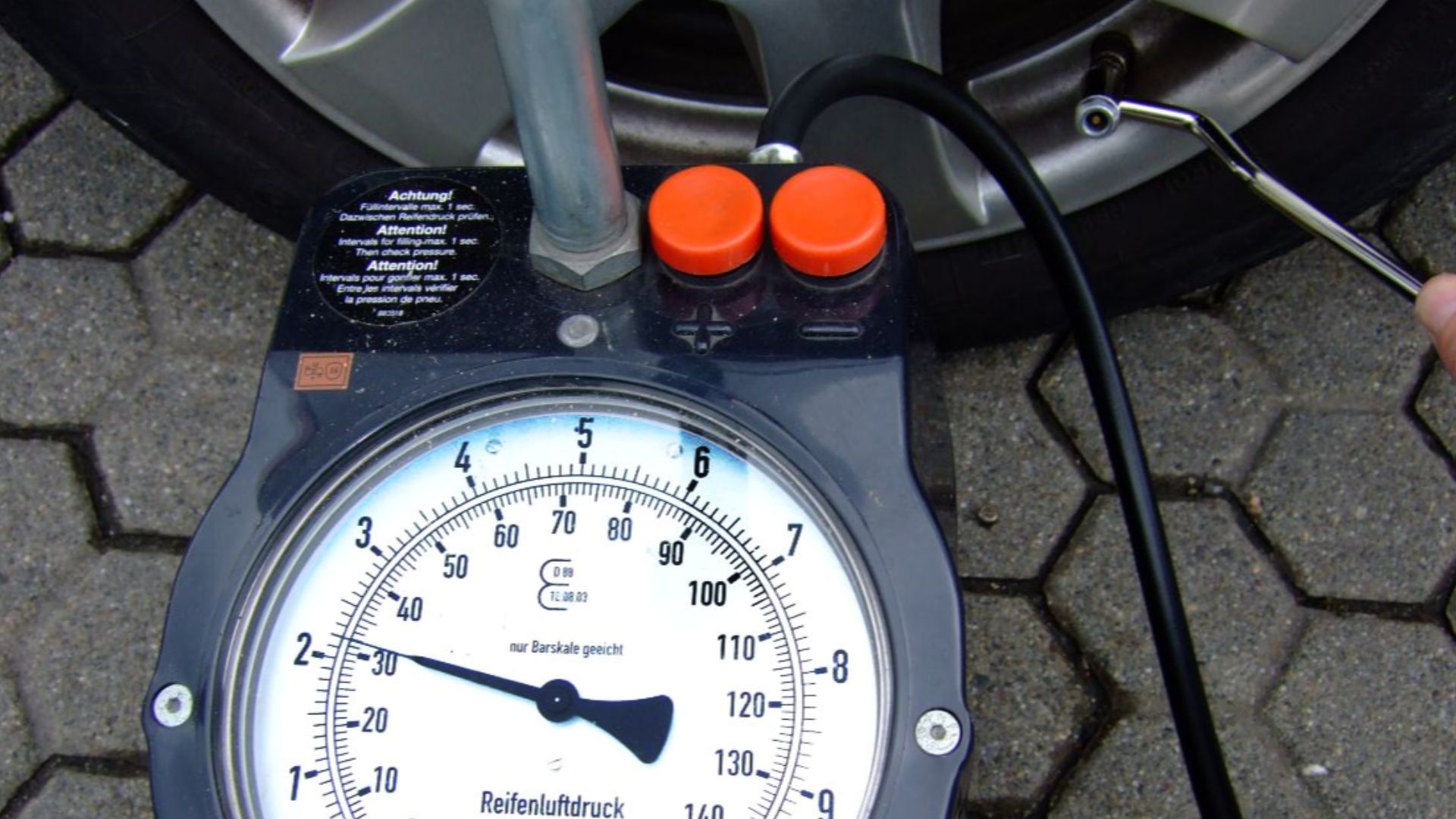
Don't Inflate Them Extra Just Because The Car Is Heavy
The answer to an EV's weight isn't automatically adding more air than the manufacturer specifies. The engineers have already accounted for vehicle load when establishing the recommended cold pressure. Excessive inflation can affect ride, traction, wear, and handling. Follow the placard unless the manufacturer provides different instructions for a particular loading situation.
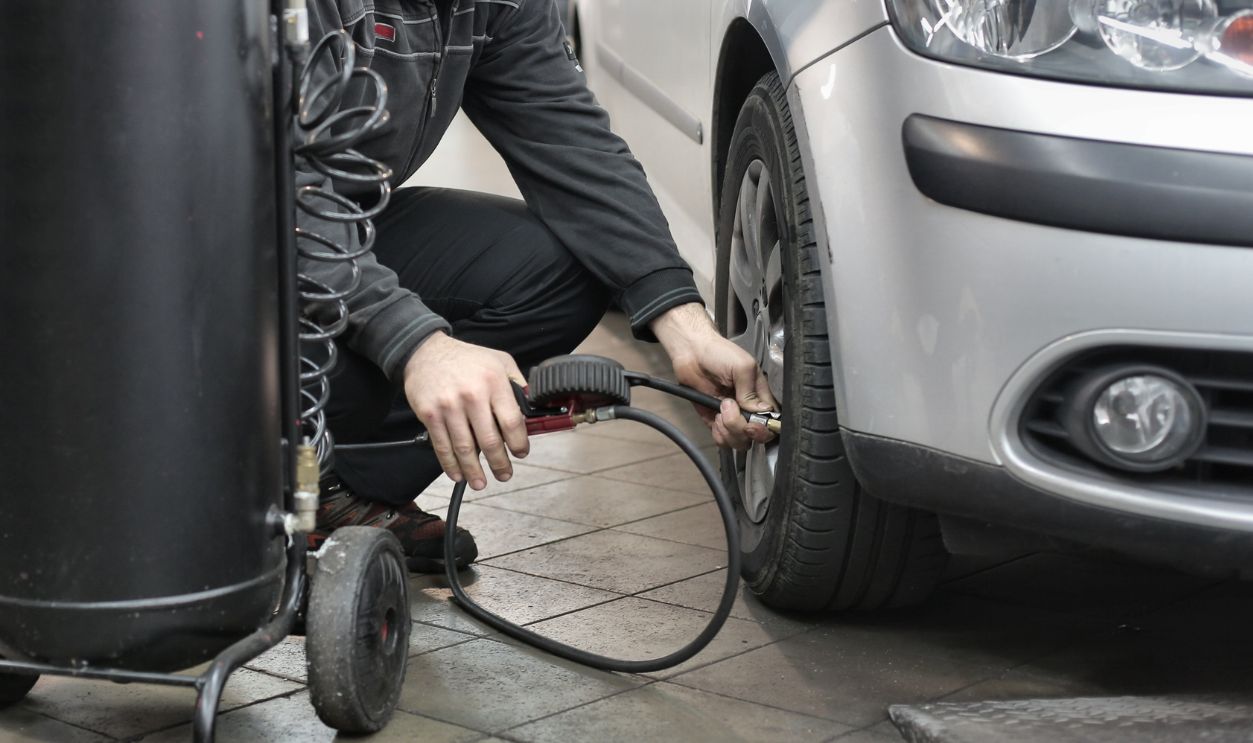
Rotation Can Be Especially Important
EV torque and vehicle layout can cause the driven tires to wear more quickly than the others. Regular rotation can help distribute that wear, assuming the vehicle uses equal-size tires that can actually be rotated. NHTSA advises following the manufacturer's rotation schedule, while Michelin recommends paying particularly close attention to tire maintenance on EVs because of their additional weight and torque.
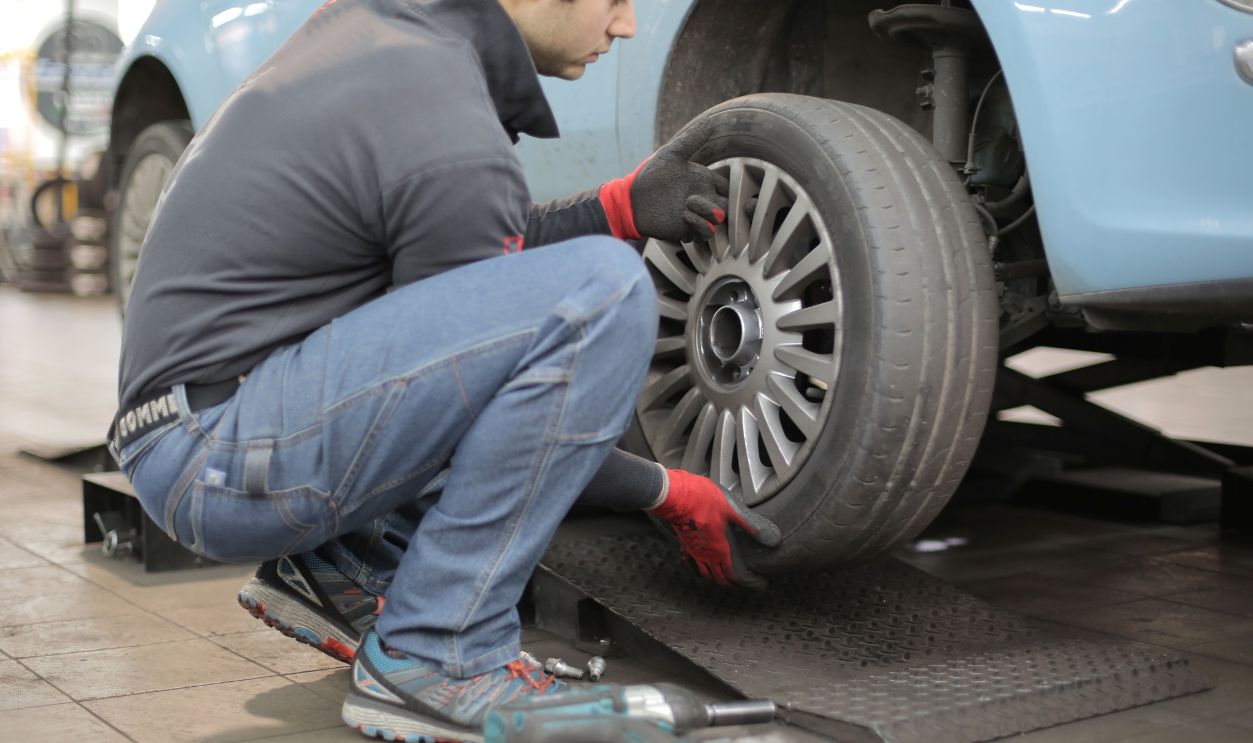
Some EVs Can't Use A Normal Rotation Pattern
Performance-oriented electric cars sometimes use wider rear tires than front tires, or directional designs that restrict where each tire can go. Those vehicles may not permit conventional front-to-rear rotation at all. Check the owner's manual before asking a shop to rotate them. Uneven tire sizes make alignment and maintaining correct pressure even more important.

Consider Cost Per Mile, Not Just The Purchase Price
EV-specific tires can cost more, but a cheaper conventional tire isn't necessarily the better bargain if the car wears through it quickly. Conversely, an expensive low-rolling-resistance OE tire with disappointing tread life may not be the best value either. Compare the purchase price, treadwear warranty, expected longevity, wet and winter performance, efficiency, and how you actually drive.

Ask Your Mechanic What They Mean By “Special”
This question can clear up the entire disagreement. Are they saying the car absolutely requires an HL-rated tire because of its weight? That's important. Are they saying you need the manufacturer's original EV-optimized tire because anything else is unsafe? That's a much broader claim. Ask them to show you the required tire specifications and explain exactly which requirement the proposed replacement satisfies.

Ordinary Tires Can Be Perfectly Reasonable, But They Can't Be Just Any Tires
Your mechanic is right that an EV's weight and instant torque deserve extra consideration, but that doesn't mean every conventional tire is unsuitable. The real non-negotiables are the correct size, adequate load capacity, appropriate speed rating, and a tire suitable for the conditions in which you drive. EV-specific tires can improve efficiency, quietness, or durability, while conventional alternatives may offer better weather performance, tread life, or price. Instead of shopping for an EV logo, shop for a tire that meets your car's requirements and matches what you actually value behind the wheel.

You May Also Like:
My mechanic says my AC compressor is failing, but it still blows cold. Money's tight, can't I wait?