Cold Air Can Cover Up A Bigger Issue
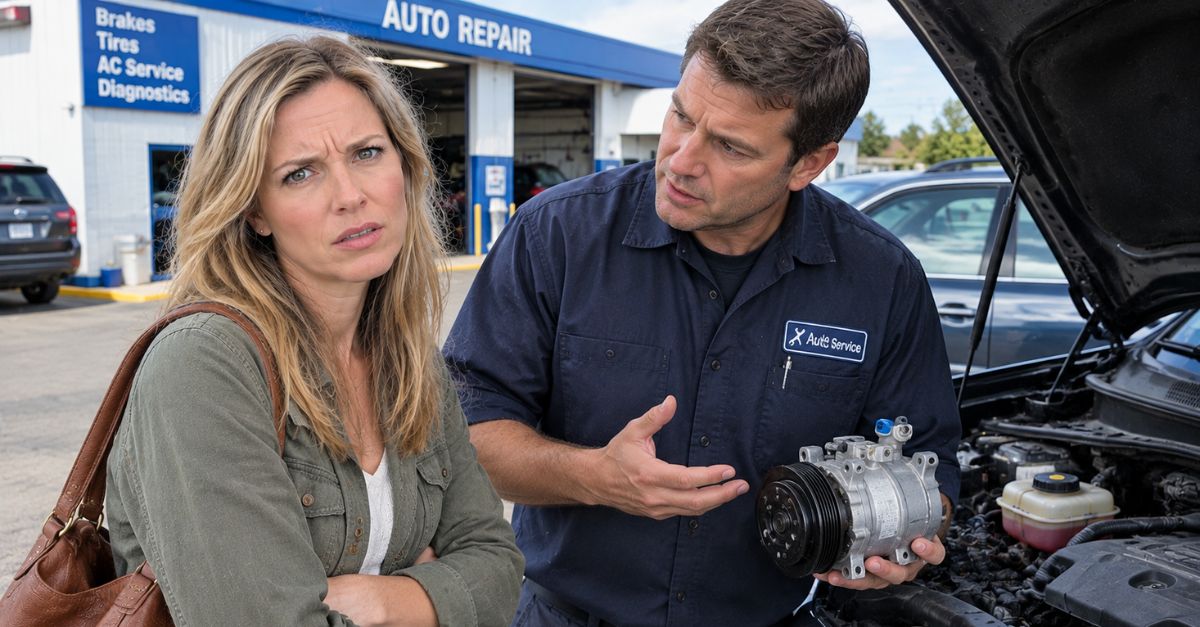
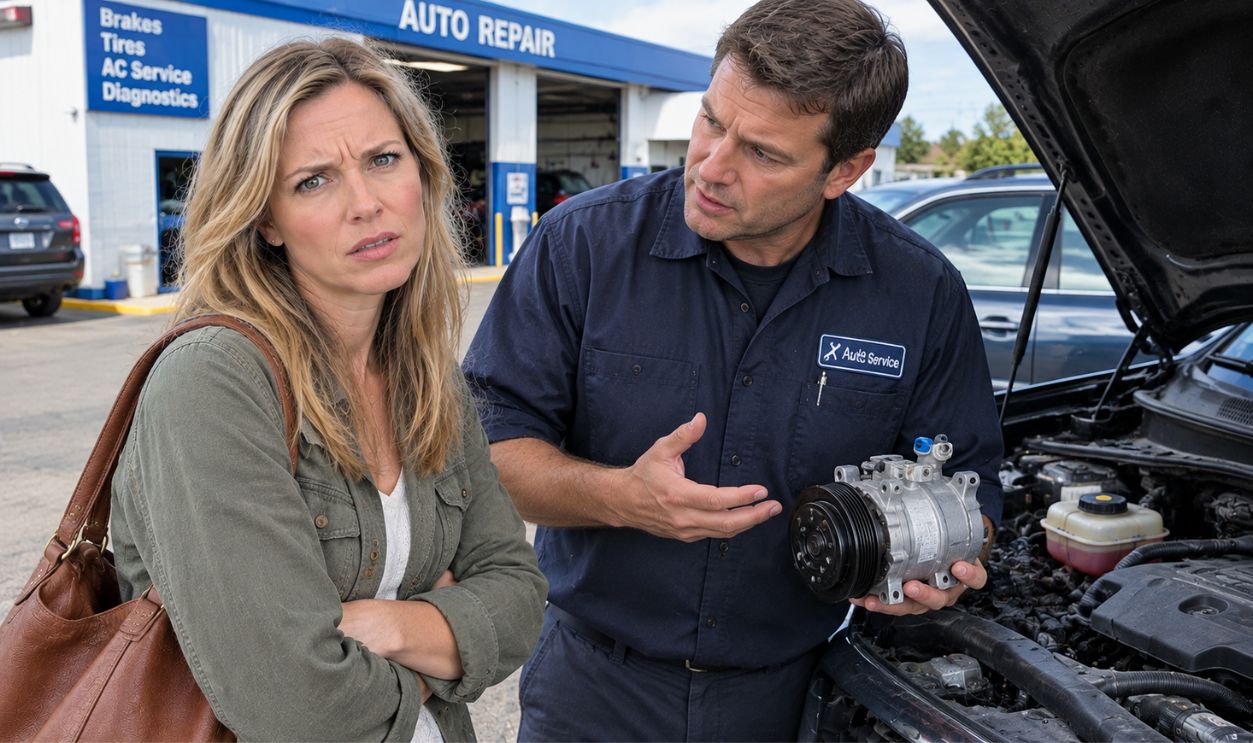
If your mechanic says the AC compressor is failing, the system can still blow cold for a while. Compressors usually do not go from fine to dead all at once. They tend to wear out in stages, so the air at the vents may stay cold even while damage is building inside.
Why This Throws People Off
Most drivers use one simple test for AC: if the cabin gets cold, everything must be fine. But the compressor is a mechanical pump. A worn one can still move refrigerant well enough to cool the car while also making noise, shedding debris, or struggling under load.

What The Compressor Really Does
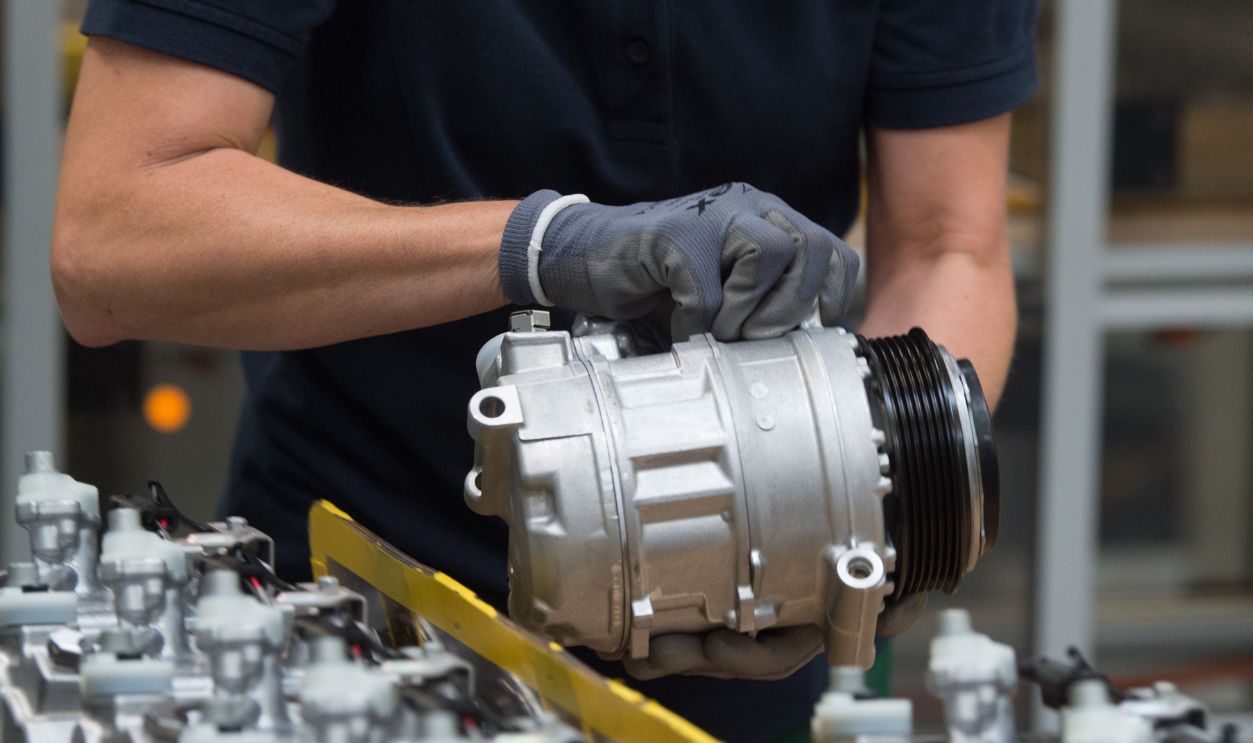
The compressor is the heart of the AC system. It pressurizes refrigerant so the system can move heat from inside the cabin to the outside air. The U.S. Environmental Protection Agency says vehicle AC systems depend on refrigerant moving through key parts like the compressor, condenser, and evaporator.
 picture alliance, Getty Images
Car AC Has Been Around For Decades
Automotive air conditioning is old tech by now. Packard is widely credited with offering one of the first factory-installed car air conditioners in 1939. That long history matters because the basic cooling cycle is well understood, even though compressors, refrigerants, and controls have changed a lot over time.

Refrigerants Changed, But Compressors Still Fail
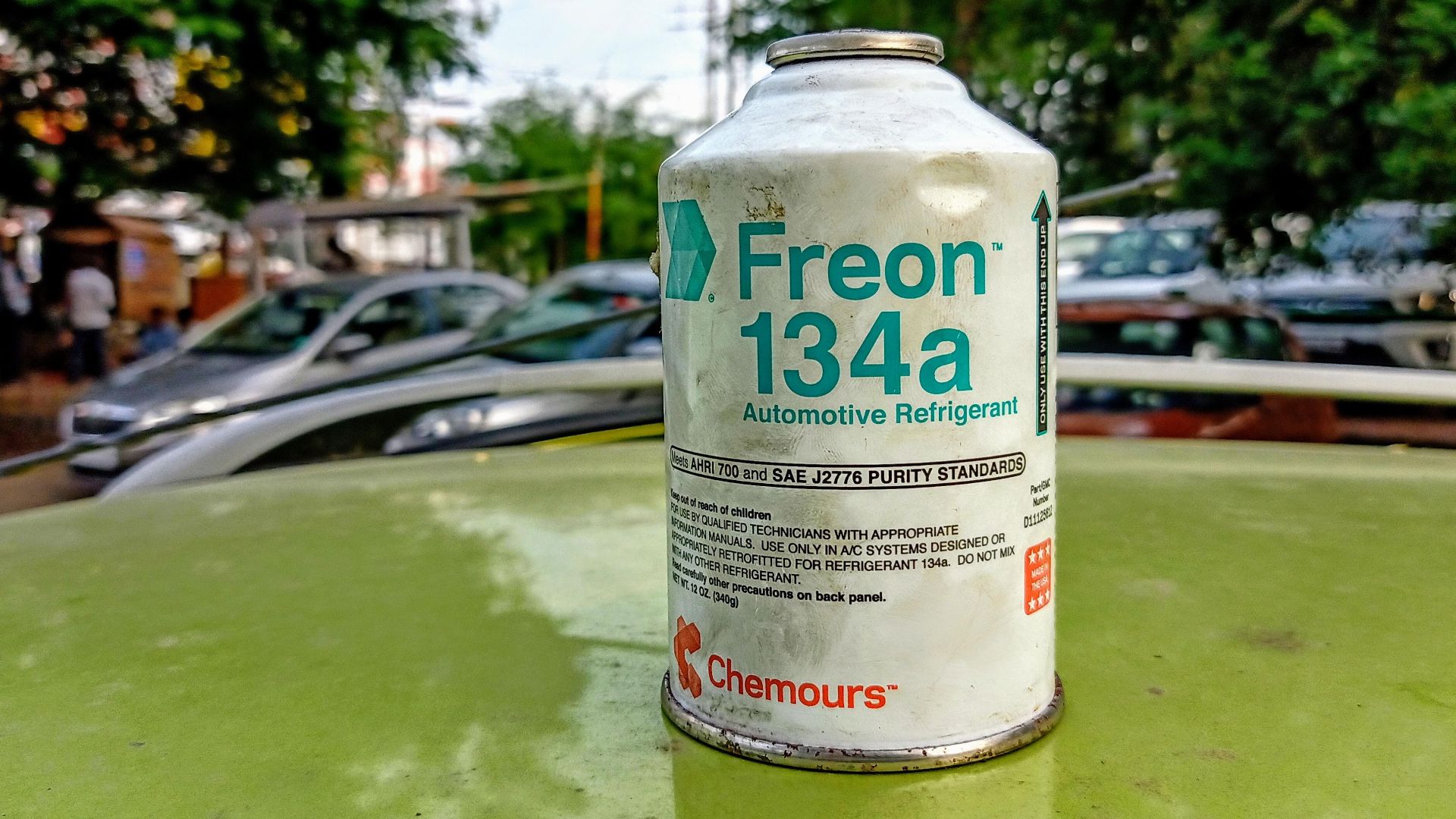
Over the years, some of the biggest changes in car AC have involved refrigerants and environmental rules. The EPA notes that older R-12 systems were replaced by R-134a, and newer vehicles are increasingly using R-1234yf because it has a lower global warming impact. Those changes did not stop compressor failures, but they did change how systems are serviced and how much repairs can cost.
 Suyash.dwivedi, Wikimedia Commons
A Bad Compressor Does Not Always Die On The Spot
This is the main thing to know if your AC still blows cold. A compressor can have worn bearings, internal scoring, a weak clutch, or contamination and still produce normal vent temperatures. That is why a mechanic may spot trouble before you ever lose cooling.

There Are Signs Beyond Cold Air
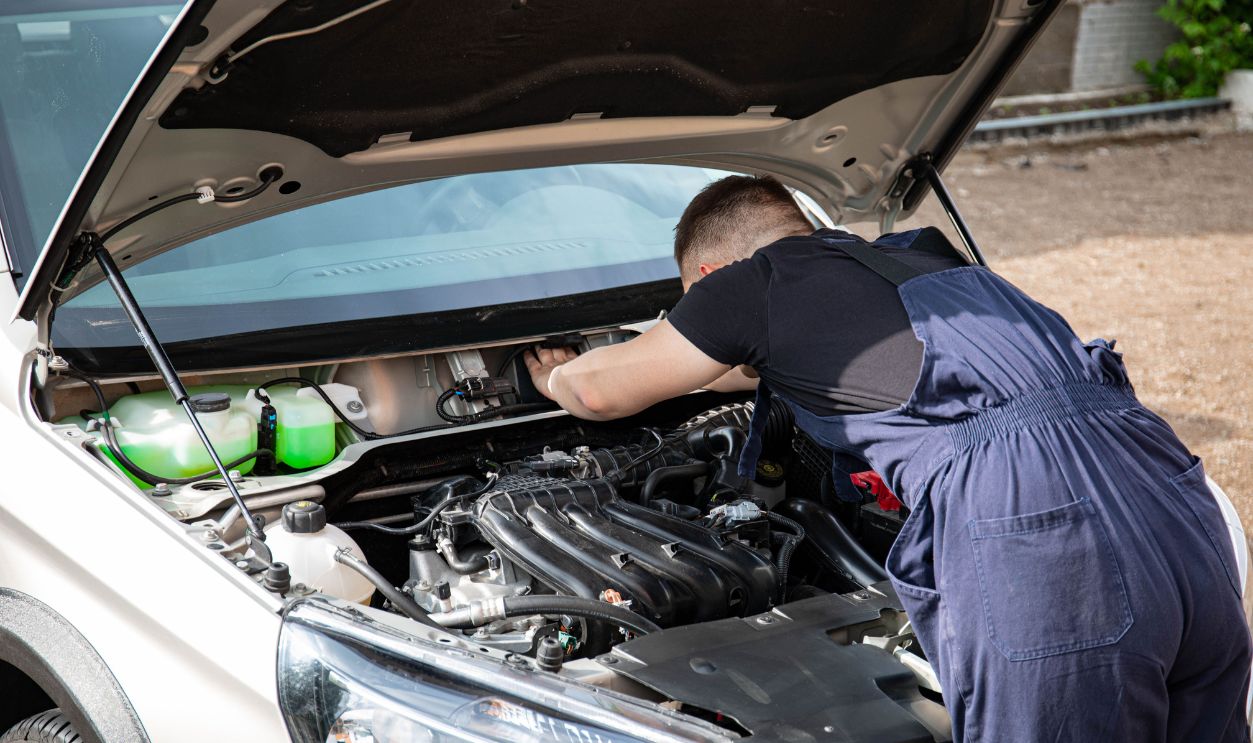
Vent temperature is only part of the story. Technicians also listen for grinding, rattling, squealing, or chirping near the compressor. They may check for metal debris, clutch damage, oil stains, high operating pressures, or trouble codes in cars with electronically controlled climate systems.
Noise Is Often The First Serious Warning
If the AC is cold but sounds rough, do not brush it off. A noisy compressor can point to bearing wear or internal damage that can get worse fast. AAA says unusual sounds during AC operation are a classic sign that service is needed.

The Clutch May Be Part Of The Problem
Many vehicles use a compressor clutch that turns the compressor on and off as cooling demand changes, though some newer systems use variable displacement or electric designs instead. If the clutch slips, drags, or burns, the compressor may still work some of the time. That can create the weird situation where the AC seems mostly fine right up until it stops being fine.

Leaks And Low Refrigerant Can Look Like Compressor Failure
Not every compressor diagnosis means the compressor is the only problem. The National Highway Traffic Safety Administration and the EPA both note that AC performance depends on the right refrigerant charge and sealed components. A leak, a bad seal, or contaminated refrigerant can put extra stress on the compressor and either mimic compressor trouble or help cause the real thing later.

Why Mechanics Get Nervous About Debris
The worst part of compressor failure is contamination. If internal parts start coming apart, metal particles can spread through the AC lines, condenser, and expansion device. That can turn one bad part into a much larger repair, because the system may need to be flushed and other parts may need replacement.
Waiting Can Get Expensive Fast
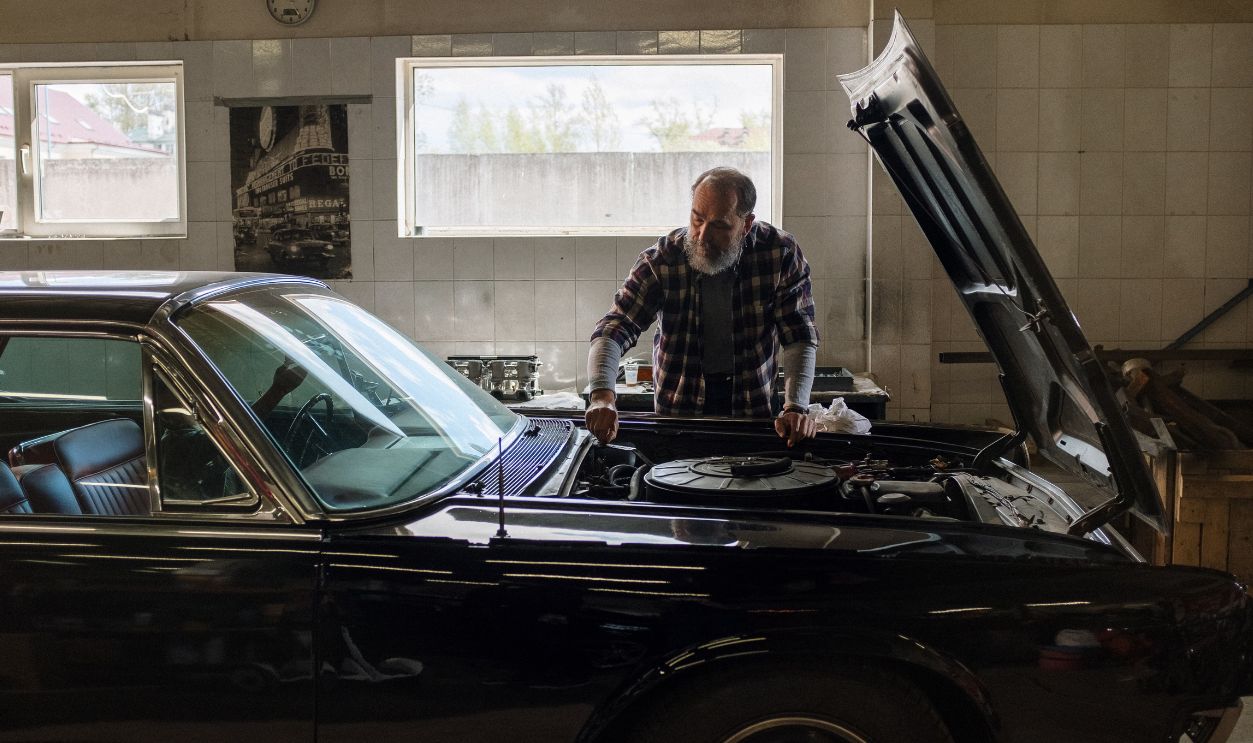
This is why many mechanics tell drivers not to sit on the problem too long. Replacing a weak compressor before it comes apart can sometimes keep debris from spreading through the system. If the compressor fails internally, the final bill can be much higher than it would have been earlier.

But That Does Not Always Mean Replace It Today
There is a middle ground. If the compressor is only showing early signs of trouble, pressures are steady, cooling is normal, and there is no clear sign of heavy contamination, some drivers choose to watch it for a short time. That is different from ignoring it, and it only makes sense if you know what to keep an eye on.

Ask The Shop What They Actually Found
The next step is simple: ask for the evidence. You want to know whether the shop found noise, clutch wear, metal in the oil, abnormal pressure readings, refrigerant leaks, or a scan-tool fault tied to compressor control.

Pressure Readings Beat Guesswork
AC diagnosis should be more than a quick look. A proper check often includes high-side and low-side pressure readings, outlet temperature checks, and an inspection for leaks or compressor noise. If the shop cannot explain what they found, it is reasonable to get a second opinion before approving a big repair.

A Second Opinion Makes Sense On A Big Bill
Compressor replacement is rarely cheap. Depending on the vehicle, labor access, and whether the condenser, receiver-drier, or expansion valve also need to be replaced, the cost can climb quickly. That makes a second opinion especially smart if the system is still cooling well and the first diagnosis sounds thin.

Watch For Weak Cooling At Idle
One common early sign is air that gets warmer when the car is sitting in traffic but cools down again once you are moving. That can point to compressor weakness, but it can also mean poor condenser airflow, like a cooling fan problem. Either way, changes under different driving conditions can help show whether the compressor is really losing its edge.
 Philipp Katzenberger, Unsplash
Burning Smells And Belt Trouble Need Fast Attention
If you notice a burning smell, belt squeal, or visible clutch smoke, stop pushing your luck. A seized compressor or failing clutch can overload the belt drive. On some engines, accessory belt trouble can leave you stranded even though the original issue started with the AC.

Hybrids And EVs Raise The Stakes
On hybrids and EVs, the AC compressor may be electric instead of belt-driven. The EPA and manufacturer service information say these systems can require different oils and different service methods. So if an electrified vehicle is diagnosed with a failing compressor, it is worth finding a technician who knows that system well.

Do Not Blindly Top Off Refrigerant
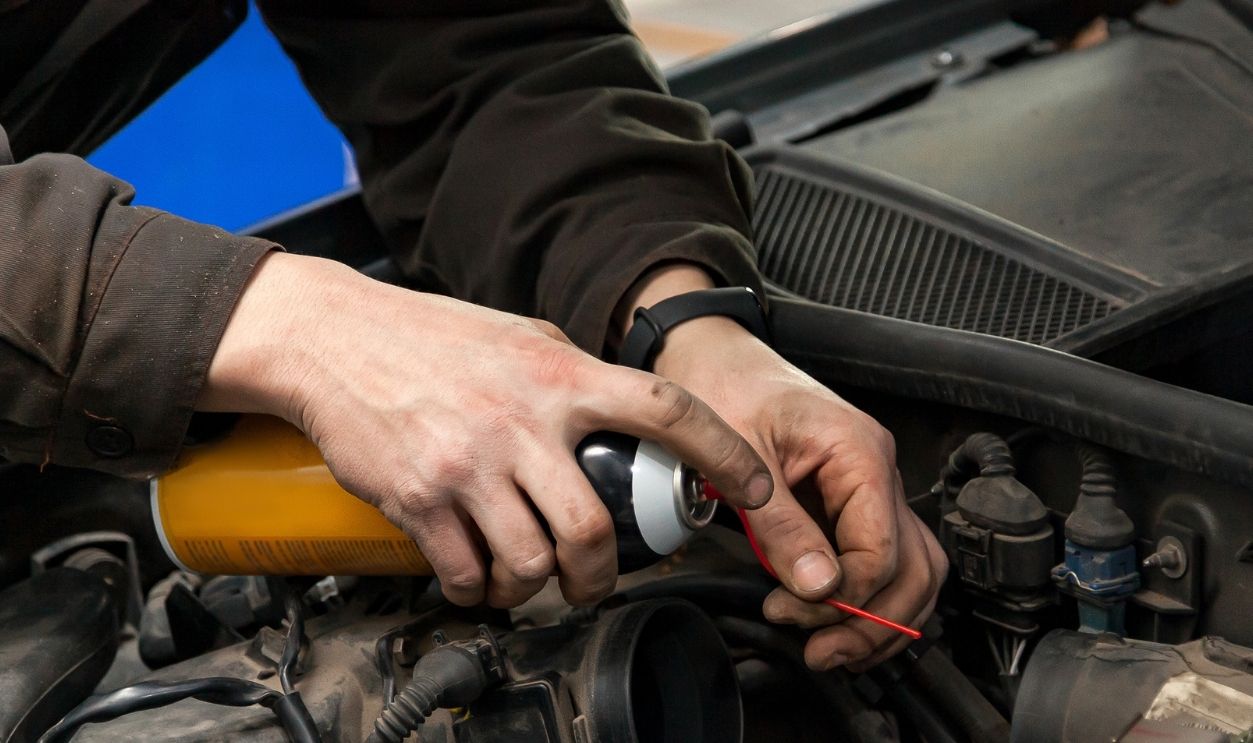
It is tempting to buy a can and hope that fixes it. That can backfire. The EPA warns that overcharging, mixing products, or using sealants can hurt performance and make repairs harder, and leaks should be repaired instead of topped off again and again.
 Aleksandr Kondratov, Shutterstock
Compressor Failure Often Starts Small
Some failures begin with mild wear that only shows up as an occasional noise or a bit of metal in recovered oil. Others happen after the system runs too long with low refrigerant, which can reduce oil circulation and damage internal parts. In both cases, the cold air at the vents can outlast the actual health of the compressor.

How Long Can You Safely Wait
There is no one answer. If the system is still cooling normally and the diagnosis is based on mild noise or early clutch wear, you may be able to wait a short time while you budget for the repair and monitor symptoms. If there is metal debris, heavy noise, slipping, or obvious pressure problems, waiting becomes a much riskier move.

What To Watch If You Decide To Wait
Pay attention to vent temperature, new noises, performance at idle, musty or burning smells, and odd compressor cycling. On belt-driven systems, also watch for changes in belt behavior. If the AC starts struggling on hot days or the noises get harsher, move the repair up your list quickly.

What A Proper Repair Usually Includes
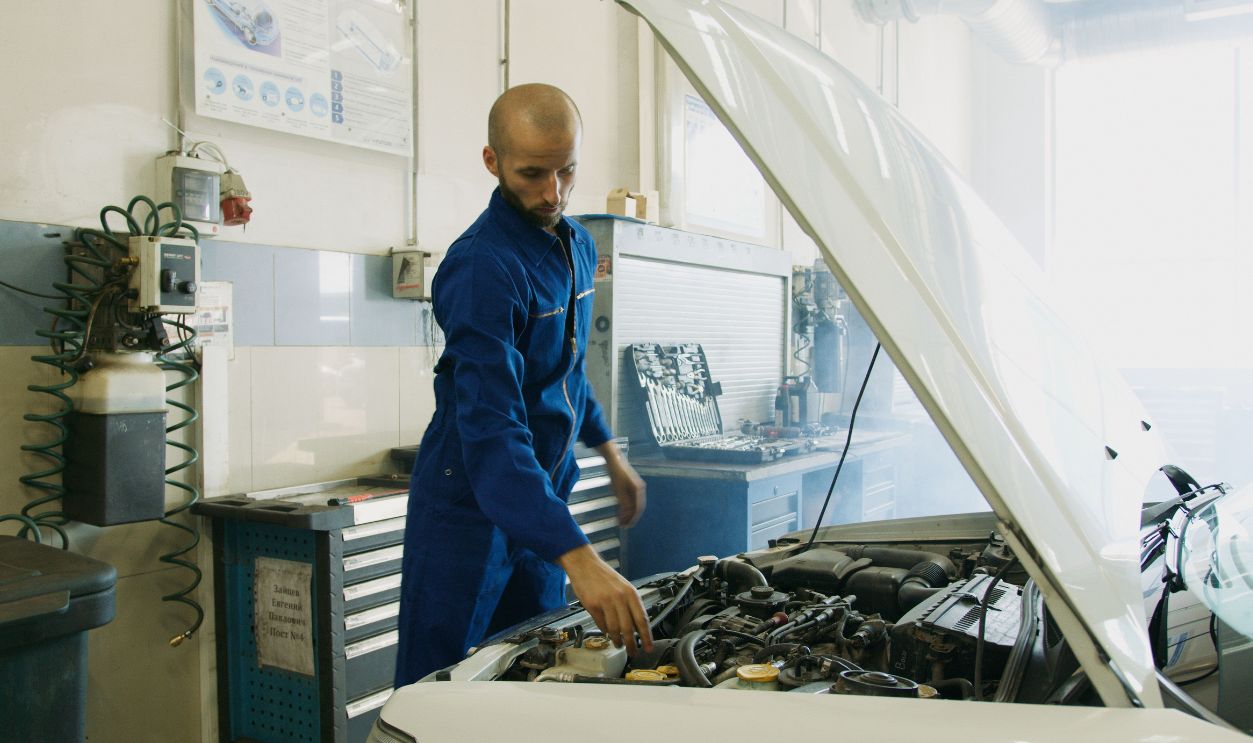
A good compressor repair often involves more than swapping one part. Depending on how the old compressor failed, a shop may replace the receiver-drier or accumulator, inspect or replace the expansion device, evacuate and recharge the system, and make sure the oil charge matches factory specs. If contamination is present, flushing the lines or replacing the condenser may also be needed.
Factory Procedures Matter
Manufacturers and service groups do not treat AC work like a casual add-on. The EPA requires proper refrigerant handling, and automakers specify exact refrigerant and oil amounts. Those details matter because a poor install can ruin a new compressor and bring the same expensive problem right back.

The Best Move Is Usually In The Middle
Most drivers do not need to replace a compressor the second they hear the word failing. But cold air is not proof that everything is fine either. The smart move is to match the urgency to the evidence and the symptoms.

So Should You Wait
If the compressor still blows cold, a short wait can be reasonable only when the diagnosis is early, the symptoms are mild, and the shop can clearly explain why they think the compressor is wearing out. If there is serious noise, slipping, contamination, or unstable pressures, waiting can turn a manageable repair into a much more expensive one. In plain English, cold air feels reassuring, but it does not prove the compressor is healthy.