The Dealer Quote Can Make An Old Hybrid Feel Suddenly Disposable
A hybrid can run great for years and then let out one intimidating warning: the high-voltage battery is failing. The dealer's answer may be to replace the entire pack at a cost of several thousand dollars, which can feel difficult to justify on an older car. Refurbished batteries promise a much cheaper solution, but can you really trust them?
Make Sure The Traction Battery Is Actually The Problem
A hybrid warning light doesn't automatically mean the entire high-voltage battery has failed. Problems with cooling fans, sensors, wiring, battery-control electronics, corroded connections, or even other hybrid-system components can produce symptoms that appear battery-related. Before approving a major repair, get the diagnostic trouble codes and ask what testing confirmed that the pack itself is responsible.
 Damian B Oh, Wikimedia Commons
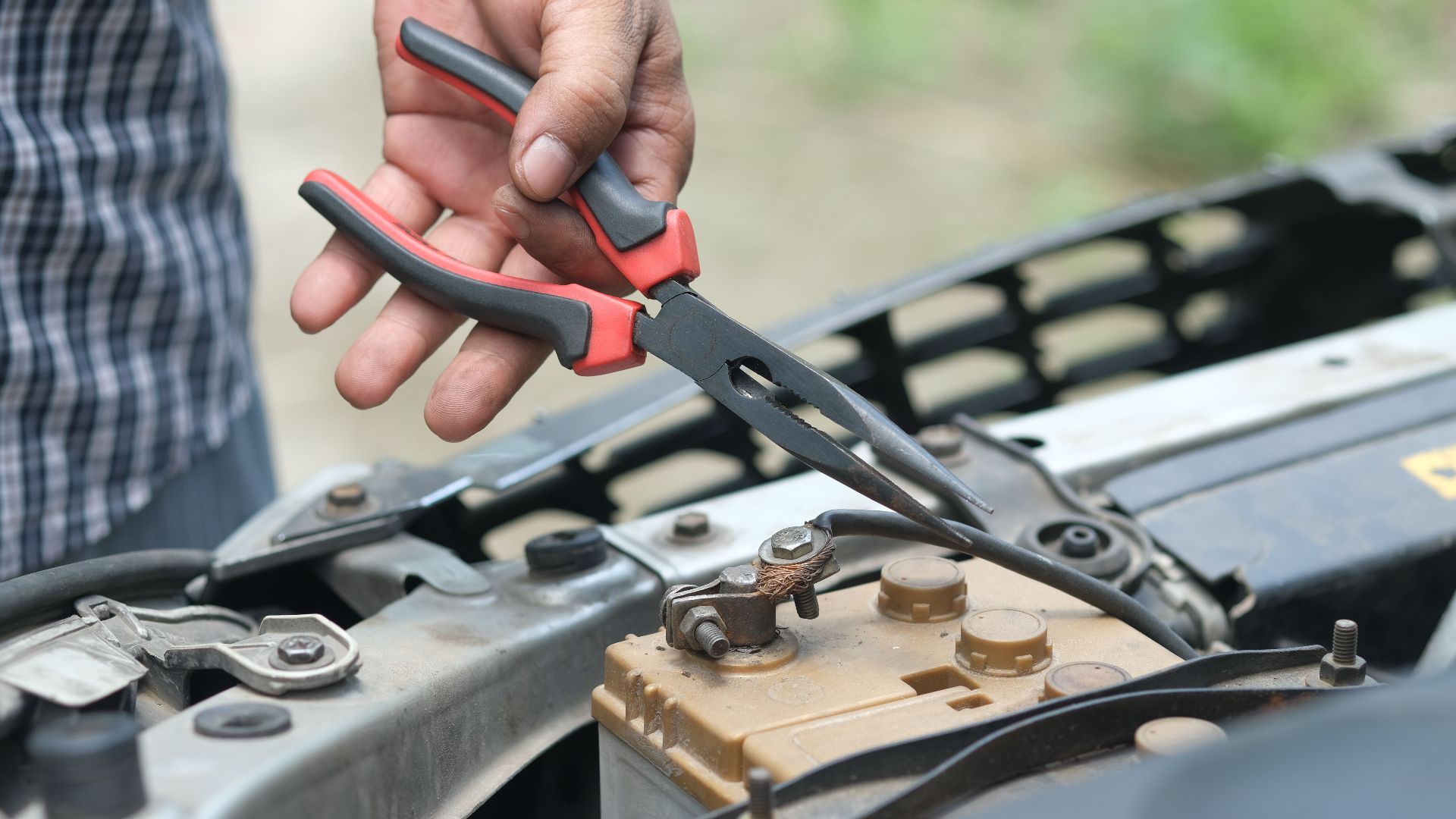
Don't Confuse It With The 12-Volt Battery
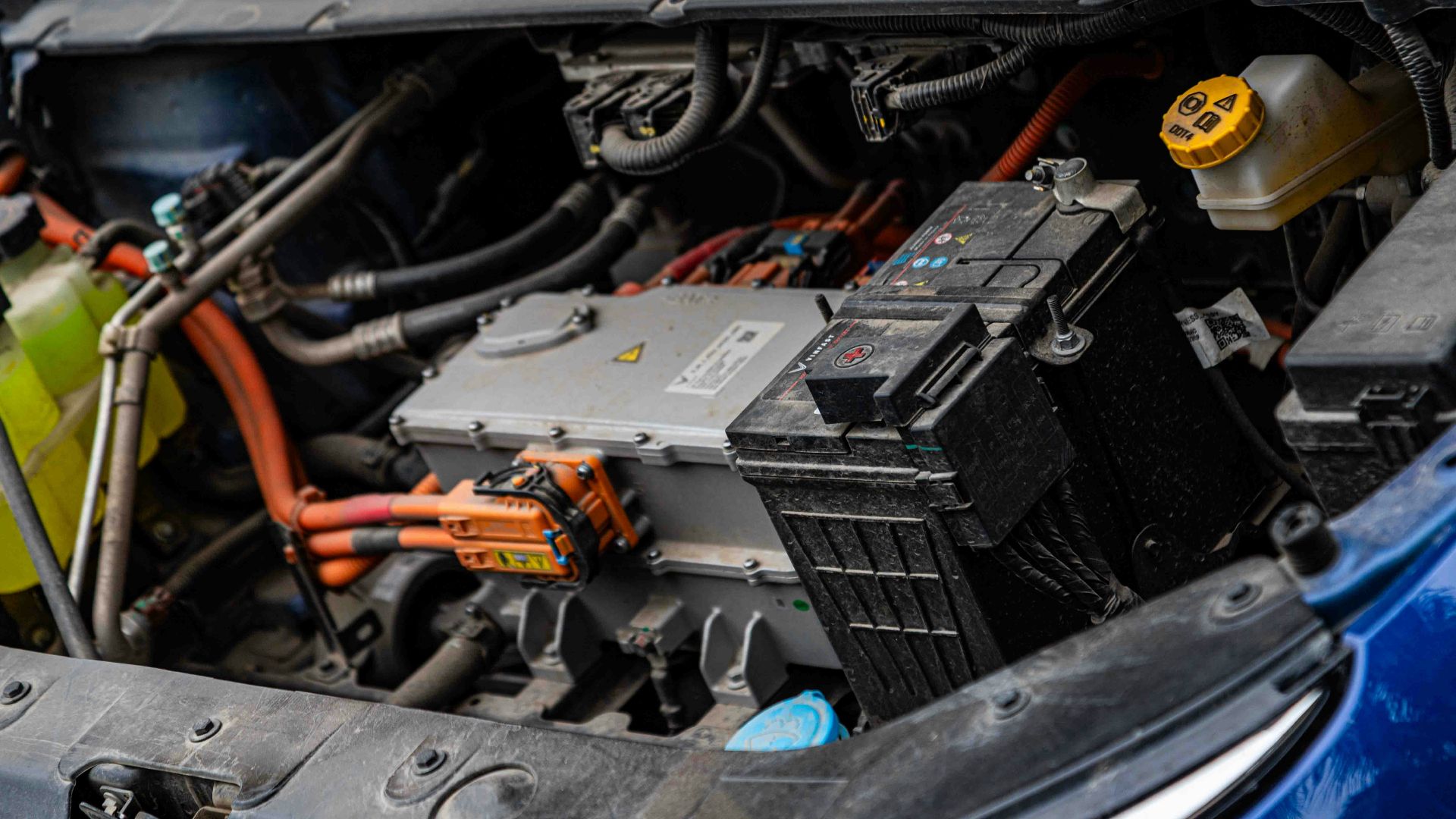
Hybrids still have a conventional low-voltage battery in addition to their large traction battery. A weak 12-volt battery can create strange warning lights, startup problems, and electronic behavior that owners sometimes mistake for a dying hybrid pack. If the diagnosis came from somewhere other than a hybrid specialist, make sure everyone is talking about the same battery before spending thousands.
Dealers Often Replace The Whole Pack For A Reason
Dealership technicians generally follow manufacturer procedures, and those procedures frequently call for replacing a failed battery assembly rather than rebuilding it cell by cell. That provides a known repair, predictable warranty coverage, and less uncertainty about the condition of the remaining modules. It's also why the dealer's solution can be considerably more expensive than what an independent hybrid specialist proposes.
 EZEQUIEL BECERRA, Getty Images
“Refurbished” Doesn't Have One Universal Meaning
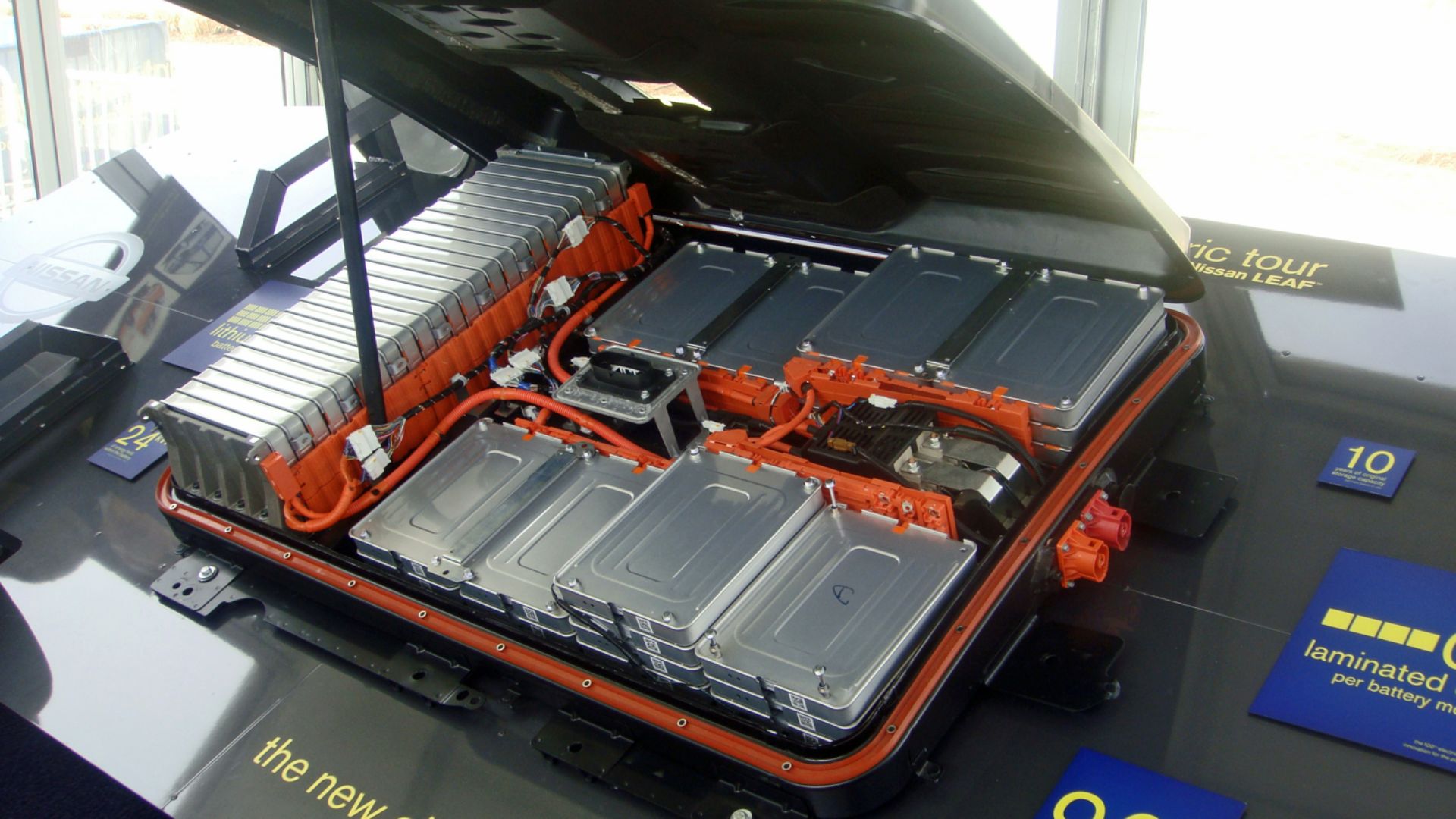
This is the most important thing to understand before shopping. One seller may completely disassemble a pack, test every module, replace weak ones, match their capacities, balance the pack, clean connections, and load-test the finished assembly. Another may simply replace the one module triggering a fault code and call the battery refurbished. The word on the advertisement doesn't tell you how thoroughly the work was done.
 Mariordo Mario Roberto Duran Ortiz, Wikimedia Commons
Hybrid Packs Usually Contain Many Smaller Modules Or Cells
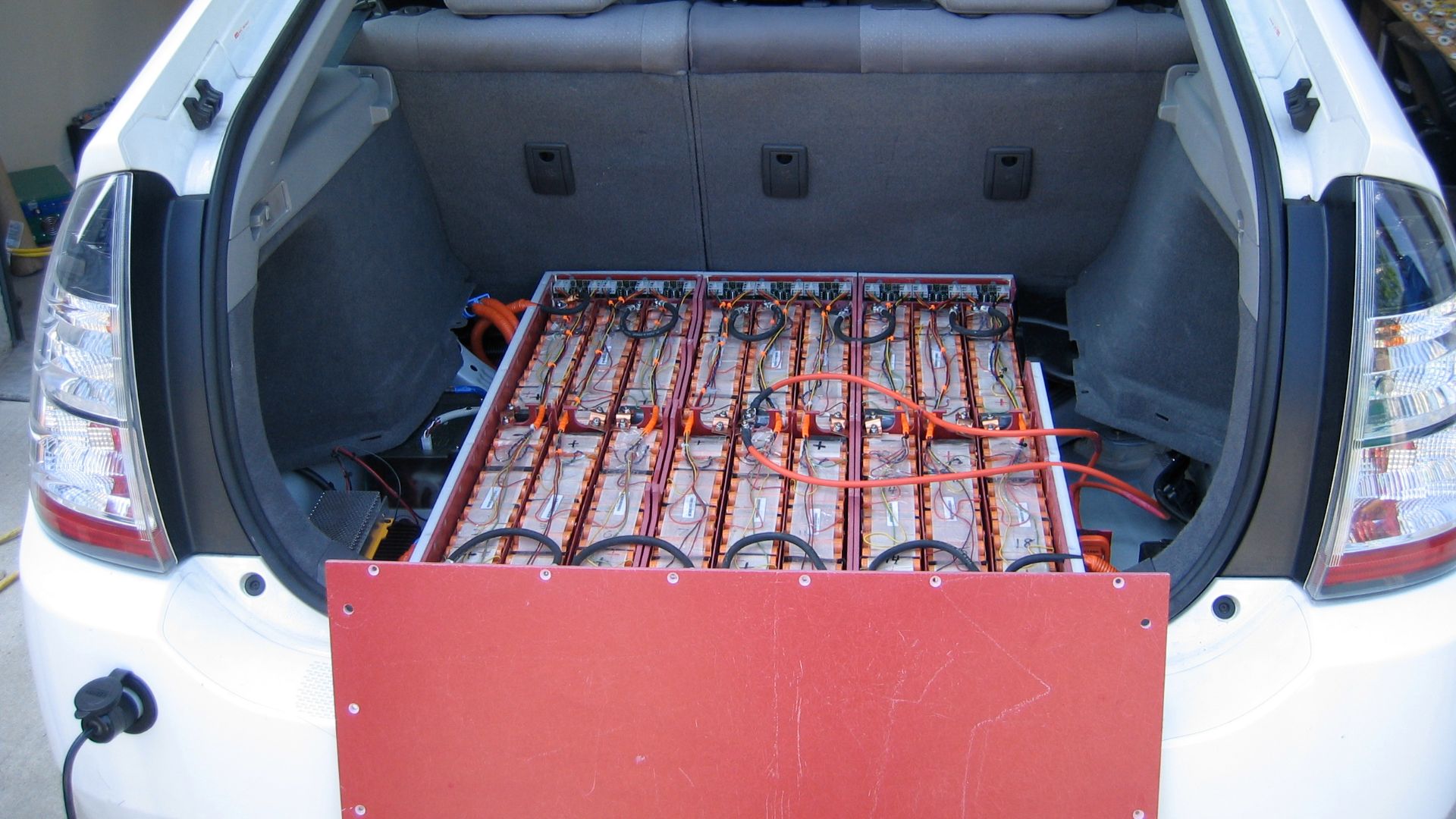
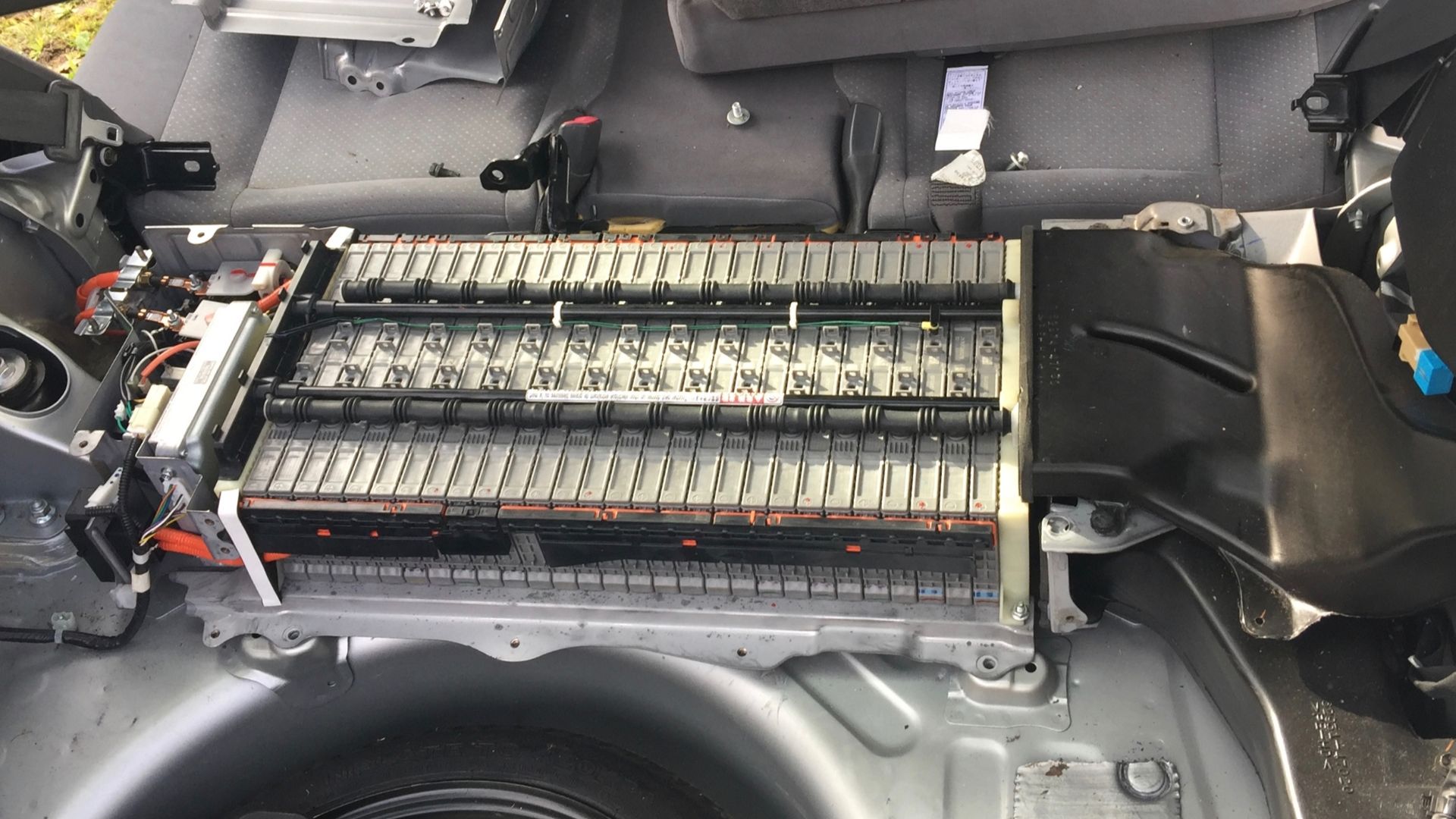
Older nickel-metal-hydride hybrid batteries are commonly assembled from multiple modules working together as one pack. Toyota's early Prius packs, for example, used dozens of individual modules connected in series. When one section weakens more than the others, the battery-management system can detect the imbalance and set a fault. That makes module-level repair technically possible on some designs.
 The original uploader was LossIsNotMore at English Wikipedia., Wikimedia Commons
Replacing One Weak Module Can Be The Cheapest Fix
A specialist may be able to identify a failing module and replace only that section rather than the complete battery. For an inexpensive older hybrid that only needs to remain usable for another year or two, this can be attractive. Green Car Reports has long noted that hybrid specialists can sometimes repair packs at the module level instead of following the dealer's full-replacement approach.
 division, CSIRO, Wikimedia Commons
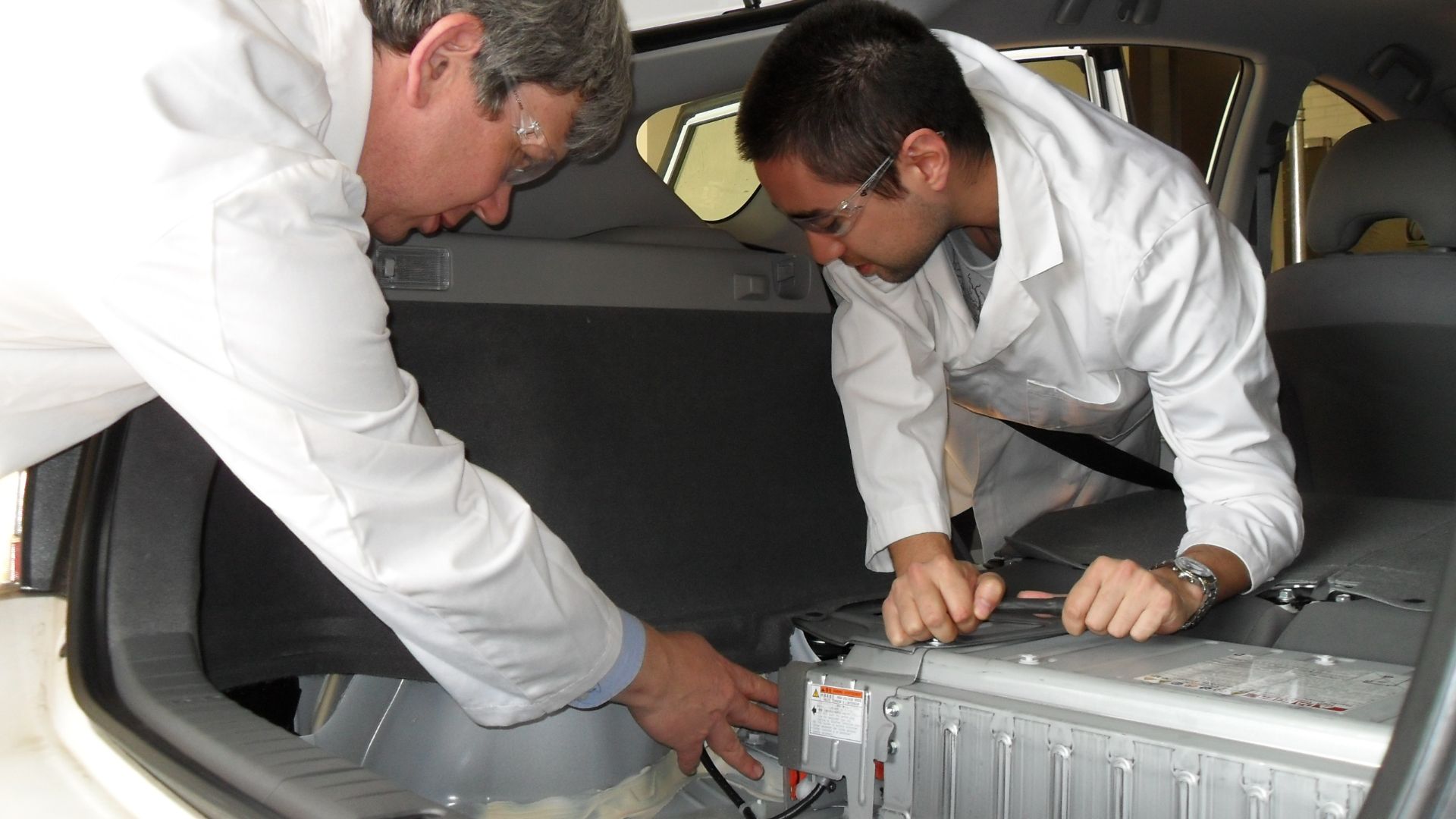
But One Newer Module Doesn't Make The Rest Young Again
This is the weakness of the cheapest repair. If one module failed because the entire pack is 15 years old, neighboring modules may not be far behind. Replacing the weakest one can restore operation while leaving a collection of other aging components in place. The repair may last for years, or another module may trigger a warning months later.

Matching And Balancing Matter
A good remanufacturer doesn't simply install any module that produces the correct voltage. Modules can differ in usable capacity, internal resistance, and how quickly their voltage changes under load. Better rebuilders test and group components with similar characteristics so the pack operates more evenly. Toyota itself has described remanufacturing as testing and grading cells before assembling groups with compatible characteristics.

Ask Exactly What The Rebuilder Does
Before buying, ask how every pack is tested. Are all modules load-tested? Are internal resistance and capacity measured? Are bus bars and connections cleaned or replaced? Is the battery balanced after assembly? Is the cooling system inspected? A company that performs substantial remanufacturing should be able to describe the process more specifically than “we replace bad cells".

A Used Salvage Battery Is Another Option
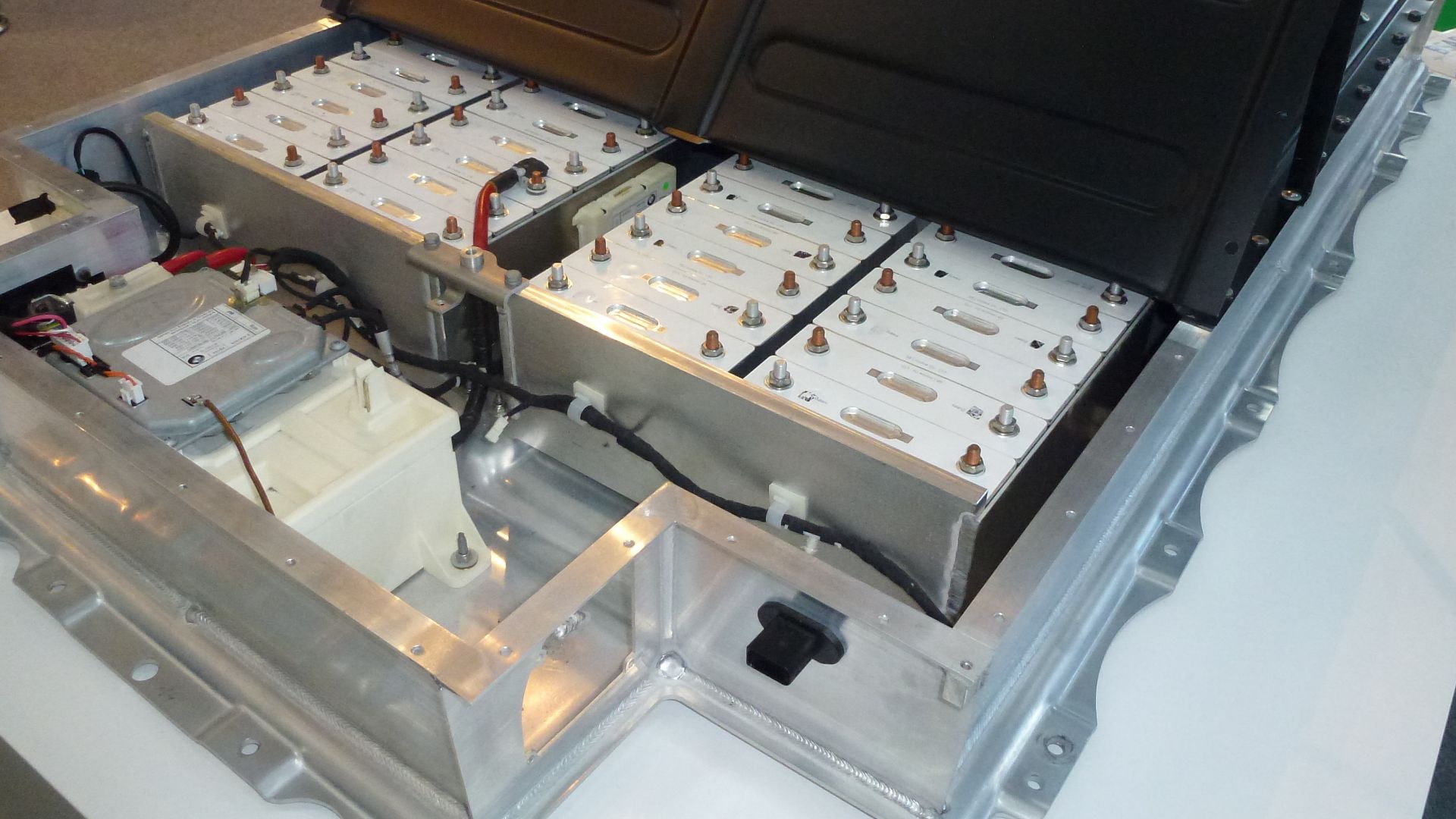
A battery pulled from a wrecked hybrid can sometimes cost less than both a new pack and a professionally remanufactured one. That can work particularly well if the donor vehicle was significantly newer than the car being repaired. The drawback is uncertainty: unless someone has properly tested the battery, you're buying another used component whose remaining life may be difficult to predict.
 RudolfSimon, Wikimedia Commons
Donor Age Matters More Than Donor Mileage Alone
A low-mileage battery isn't automatically young or healthy. Hybrid batteries age with time as well as use, and temperature history matters too. A pack removed from a 15-year-old car with 60,000 miles may not necessarily be a better bet than one from a newer vehicle with higher mileage. Ask for the donor model year and test results rather than focusing solely on the odometer.
A New OEM Pack Offers The Most Predictability
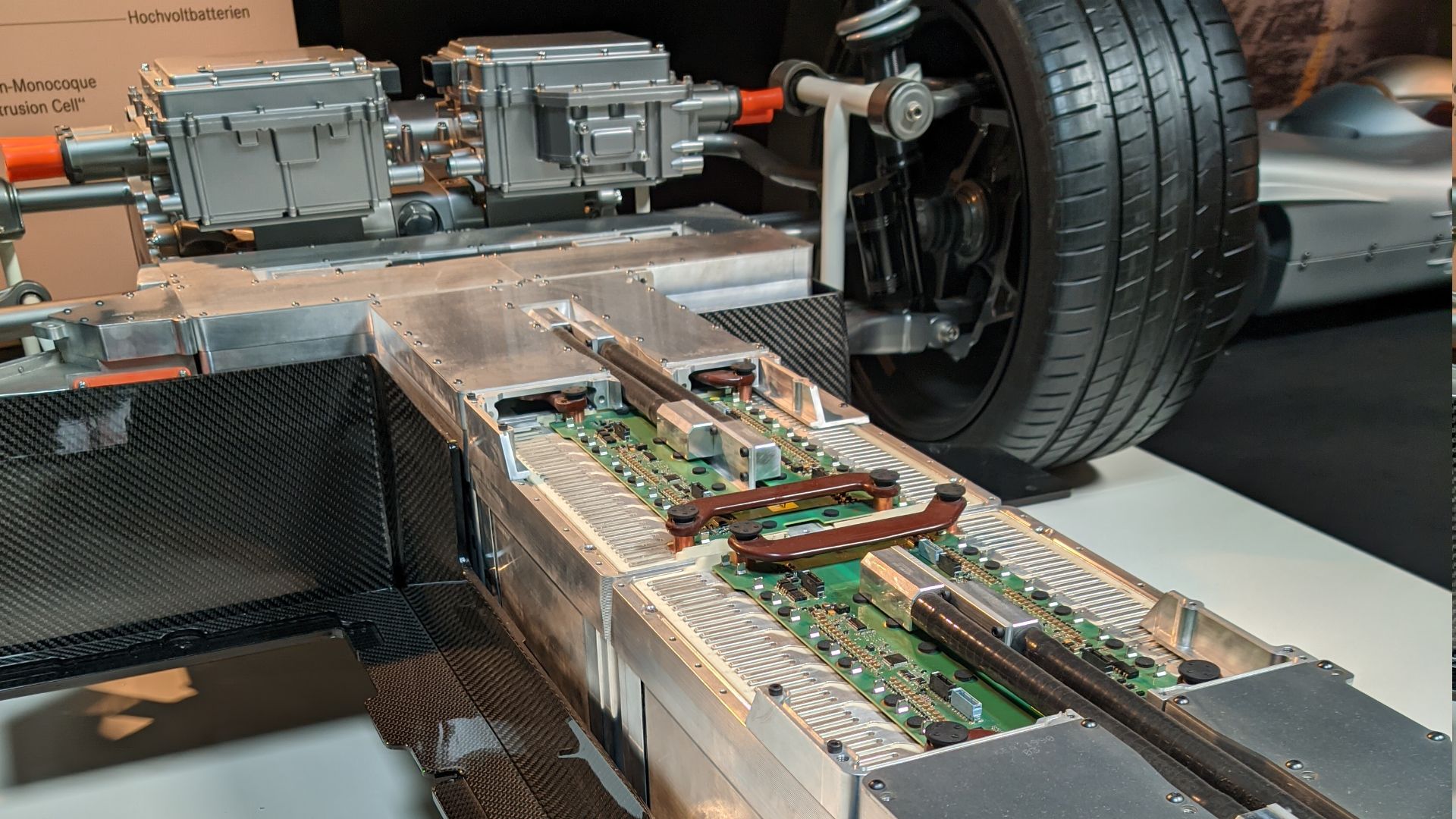
A new manufacturer battery avoids the biggest uncertainty surrounding refurbished packs because its cells or modules haven't already spent years cycling in another vehicle. For someone planning to keep an otherwise excellent hybrid for another five or ten years, paying more upfront can make sense. Kelley Blue Book has cited dealer pricing in the several-thousand-dollar range for some hybrid replacements, although costs vary substantially by model.
Some Aftermarket Batteries Use New Cells
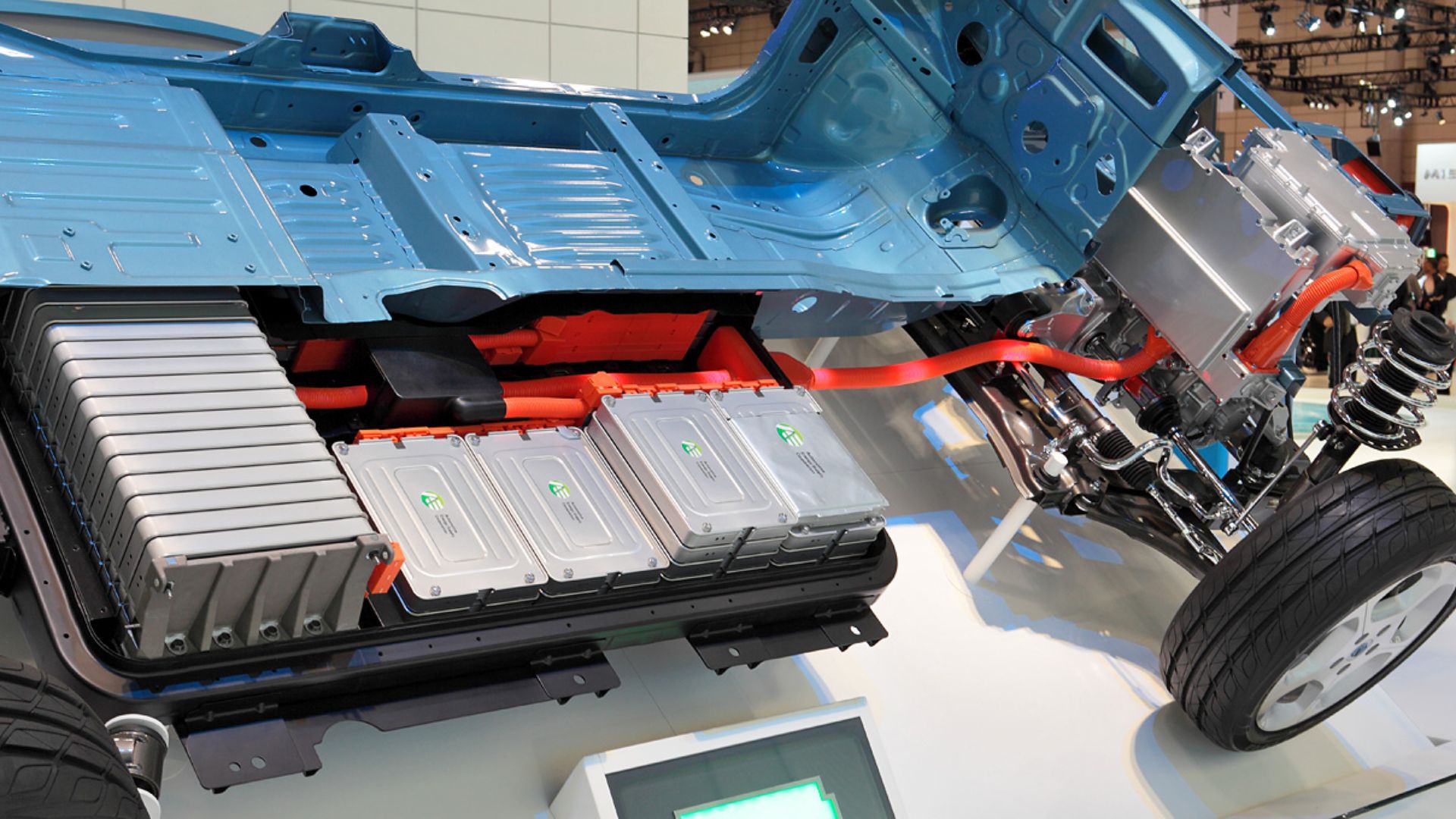
There can also be a middle ground between a dealer battery and a traditional refurbishment. Certain aftermarket suppliers sell replacement packs constructed with new cells or modules rather than reused ones. These may cost less than OEM while avoiding some age-related concerns associated with remanufactured components. Verify exactly what “new” means and whether the design meets the vehicle's original electrical and thermal requirements.
 Unknown authorUnknown author or not provided, Wikimedia Commons
Refurbished Batteries Can Cost Considerably Less
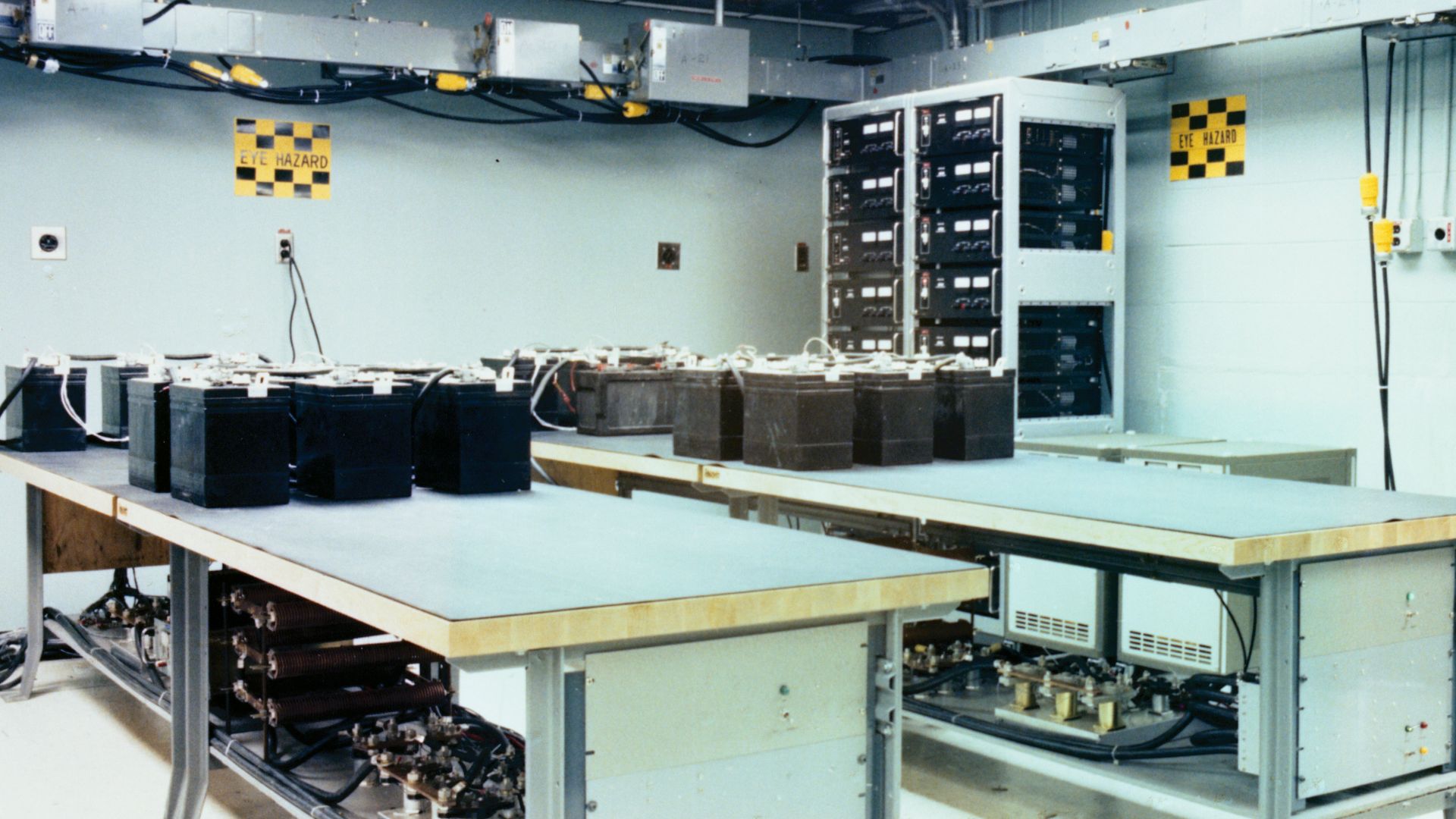
Cost is the strongest argument in their favor. Car and Driver notes that aftermarket replacement packs can be substantially less expensive than dealer replacements, with reconditioned options costing less still. Kelley Blue Book has likewise found refurbished packs available for roughly half the price of a new replacement in some cases. That difference can determine whether repairing a 12-year-old hybrid makes financial sense.
 User:Ww2censor, Wikimedia Commons
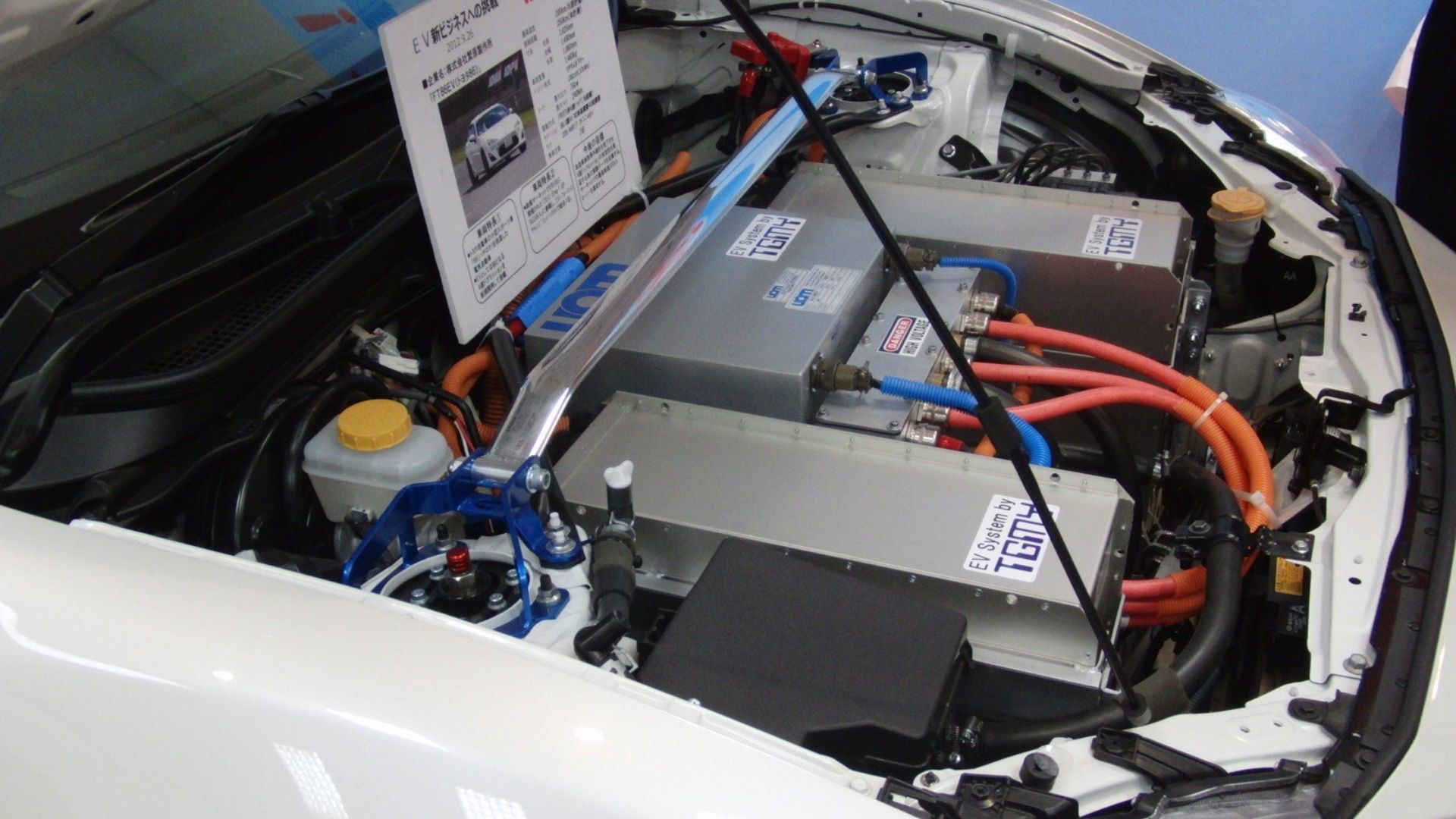
The Warranty May Tell You More Than The Price
A very cheap pack with a 90-day parts-only warranty carries a different risk from a remanufactured battery covered for three years with installation included. Ask how long the warranty lasts, whether mileage is limited, whether it transfers to the next owner, and what happens if the battery fails while you're hundreds of miles from the installer.
 Tokumeigakarinoaoshima, Wikimedia Commons
Find Out Whether Labor Is Covered
“Lifetime battery warranty” can sound impressive until the fine print says the owner pays removal, installation, diagnostics, travel, and shipping every time a replacement is required. Ask specifically whether the company covers labor as well as the battery. Replacing a pack repeatedly isn't much of a bargain if each warranty claim still generates a substantial repair bill.

Read The Warranty Exclusions Carefully
Some warranties require the vehicle's battery cooling system to be maintained, prohibit certain commercial uses, or exclude failures attributed to other electrical problems. Others may offer replacement coverage but prorate the value as the battery ages. Get the full warranty document before paying rather than relying on a salesperson's summary.
 Natallia Ustsinava, Shutterstock
Mobile Installation Can Be Convenient, But Vet The Company
Some hybrid-battery businesses install replacement packs at the customer's home or workplace. That convenience can be useful, particularly if the vehicle is barely drivable, but the same quality questions still apply. Look for a real business address, established history, meaningful warranty, customer references, and technicians who regularly work with high-voltage hybrid systems.
 Harrison Keely, Wikimedia Commons
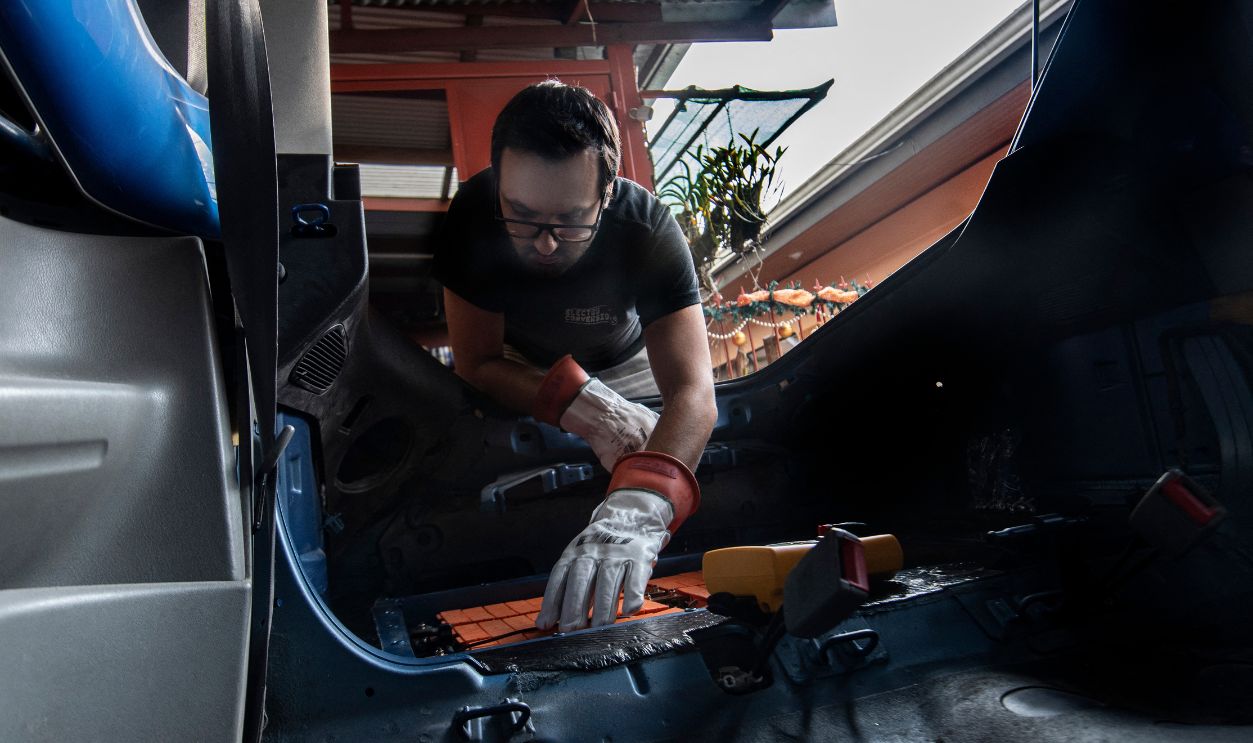
This Is Not A Good DIY Project For Most Owners
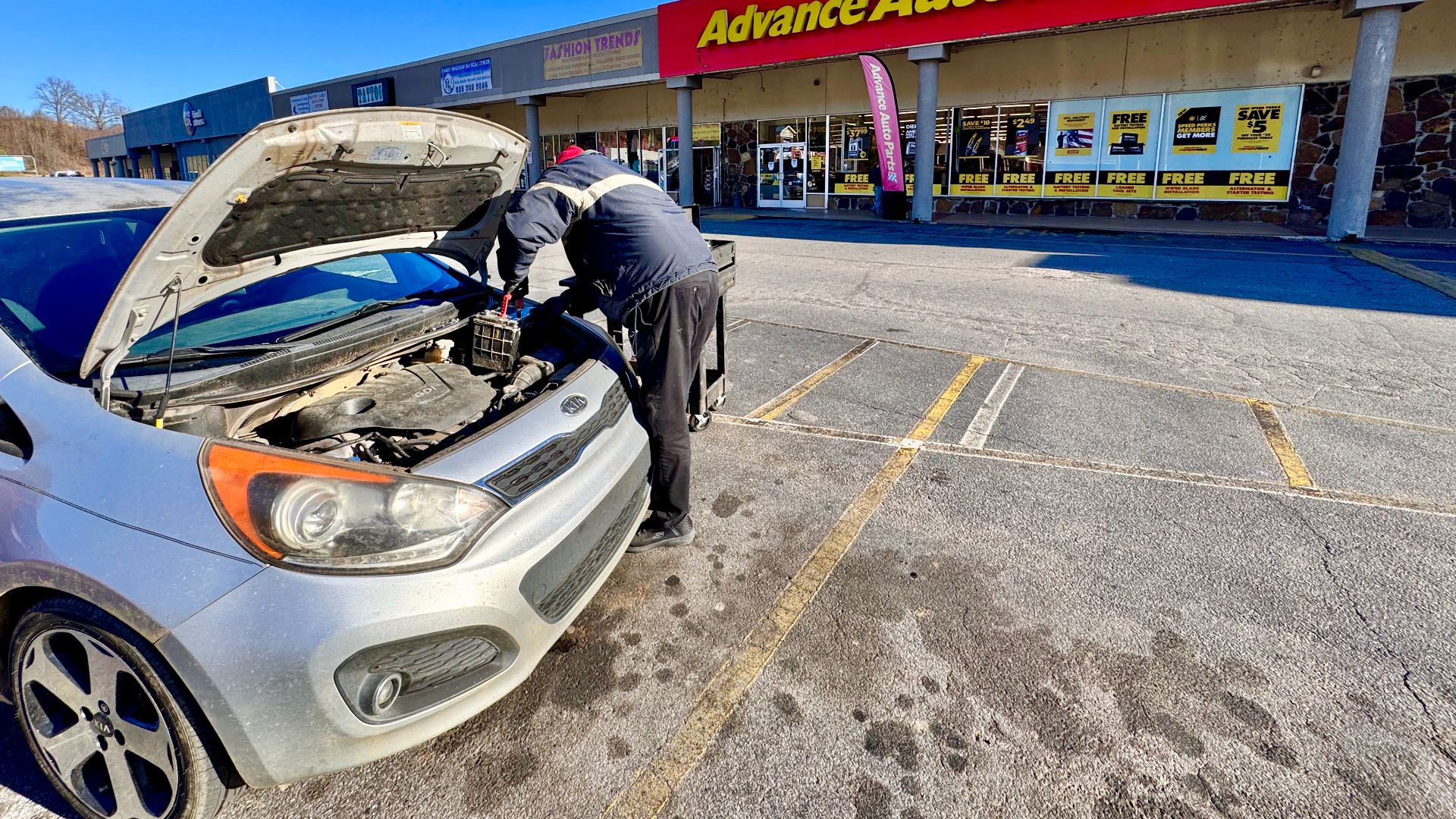
Hybrid traction batteries contain potentially lethal voltage even when the car is switched off. Toyota's emergency and technical documentation treats the high-voltage system with extensive safety precautions for good reason. Replacing modules isn't comparable to swapping a conventional 12-volt battery. Unless you're trained and properly equipped for high-voltage automotive work, leave the pack closed.

Make Sure The Cooling System Gets Inspected
Hybrid batteries often rely on cabin air and dedicated fans or ducts to control temperature. Dust, pet hair, debris, or blocked vents can compromise cooling and potentially contribute to battery problems. If you're spending thousands replacing the pack, have the shop inspect and clean the battery-cooling system so the replacement isn't subjected to the same conditions.
Check The Factory Warranty Before Spending Anything
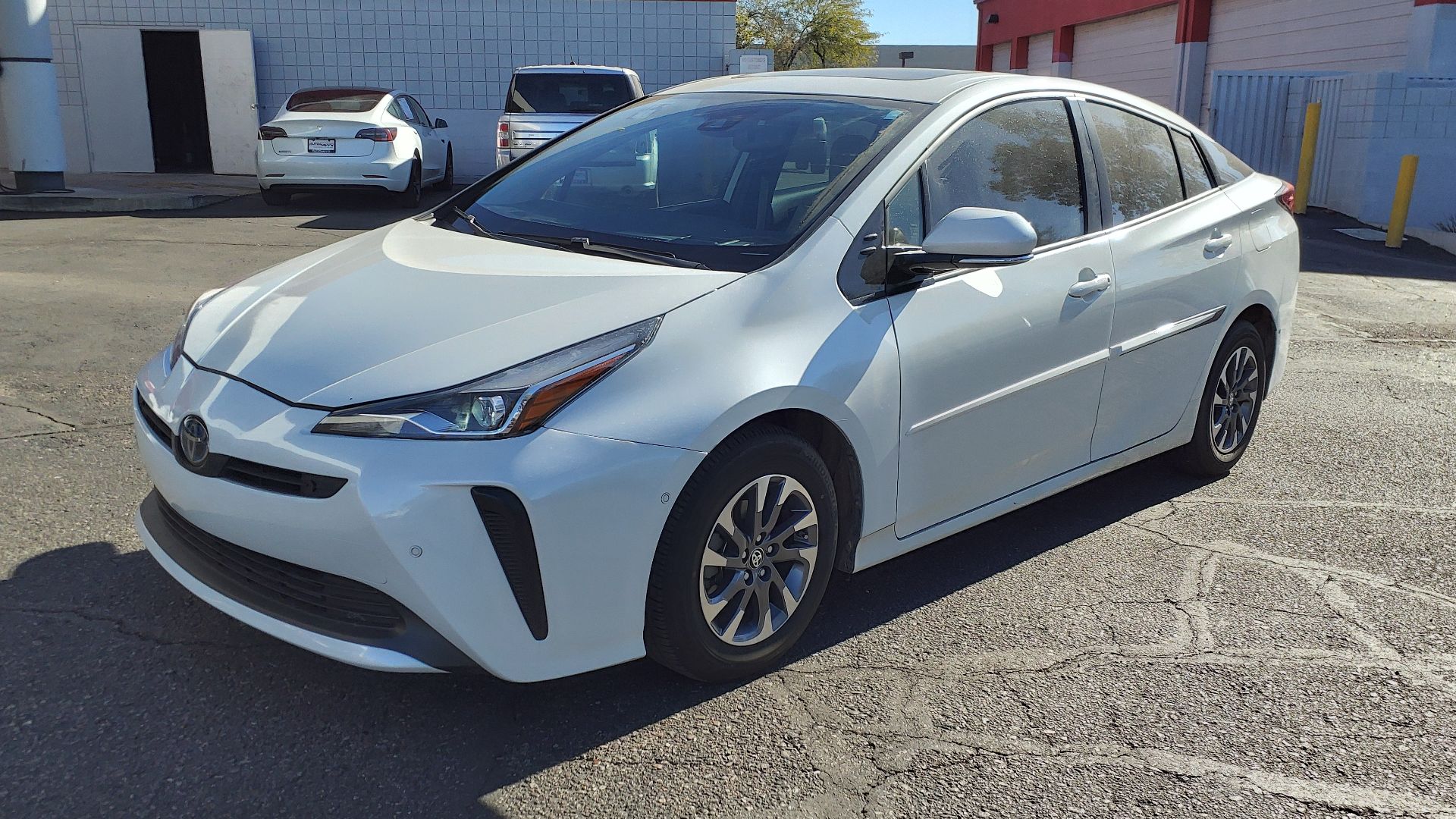
Battery warranties can be much longer than ordinary bumper-to-bumper coverage. Toyota, for example, currently covers the hybrid battery on model-year 2020-and-newer hybrids for 10 years or 150,000 miles, whichever occurs first. Other manufacturers and model years have their own terms. Use the VIN and original in-service date to confirm coverage before assuming an older-looking hybrid is out of warranty.

California-Emissions Vehicles Can Have Different Coverage
Warranty rules can become more complicated for vehicles certified under California emissions standards and operated in states that adopted those requirements. CARB documentation has historically provided extended coverage for certain hybrid energy-storage systems, depending on certification and model year. Check the emissions label and warranty booklet for your exact car rather than relying on a generic statement that “hybrid batteries have a 10-year warranty".
Get A Quote From A Hybrid Specialist Before Deciding
An independent shop that routinely works on hybrids can often provide several choices instead of one. Ask for prices on a new OEM pack, a new aftermarket pack if available, a fully remanufactured battery, and any reasonable module-level repair. Have the shop explain the expected lifespan and warranty of each option. That gives you a much better comparison than dealer price versus the cheapest battery you found online.

Match The Battery To The Remaining Life Of The Car
A $4,000 new battery may make perfect sense in a clean hybrid with 110,000 miles that you intend to drive another decade. The same repair may be difficult to justify on a 250,000-mile car with major rust, an oil-burning engine, worn suspension, and a failing air conditioner. Conversely, installing the cheapest refurbished pack can be false economy if you're otherwise determined to keep an excellent car for years.

Refurbished Can Be Reasonable, But The Rebuilder Matters More Than The Label
A properly remanufactured hybrid battery from a reputable specialist can absolutely be a sensible alternative for an older, out-of-warranty car, particularly when a new OEM pack would approach the vehicle's value. But there's a big difference between a thoroughly tested and balanced pack with strong warranty coverage and somebody swapping one bad module into a collection of equally old ones. Confirm the diagnosis, check factory warranty coverage, compare several replacement options, and ask exactly what you're buying. The cheapest battery may keep the car moving, but the best value is the one likely to keep it moving for as long as you actually plan to own it.
 Matti Blume, Wikimedia Commons
You May Also Like:
I Keep Replacing My Car Battery Every Two Years. What Am I Doing Wrong?