My Insurance Company Wants My Driving Data. Should I Be Worried?
Insurance companies increasingly offer discounts to drivers who agree to share driving data through smartphone apps, plug-in devices, or built-in vehicle telematics systems. The pitch sounds simple, but for many drivers, the offer raises uncomfortable questions about privacy, surveillance, and whether the promised savings are actually worth it. The good news is that these programs can reduce premiums for some people, but it's important to understand exactly what you're agreeing to before signing up.
Usage-Based Insurance Has Gone Mainstream
Programs that track driving behavior have existed for years, but they've become far more common in recent years. Major insurers now offer some form of usage-based insurance or telematics program. These programs use technology to evaluate driving habits rather than relying solely on traditional factors like age, location, vehicle type, and claims history. The goal is to price insurance based on actual driving behavior.

The Discount Is Usually Real
One reason these programs have become popular is that many participants do receive discounts. Some insurers offer an immediate enrollment discount simply for joining. Others calculate savings after collecting driving data for several weeks or months. For safe drivers, the savings can sometimes be significant.

Not Every Driver Saves Money
This is where many people become nervous. Some programs only offer upside, meaning your discount can increase but your premium won't rise because of the collected data. Other programs may allow poor driving scores to affect future rates. Understanding which type of program you're considering is critical before agreeing to participate.
 Cornelius Krishna Tedjo, Shutterstock
The Company Is Collecting A Lot Of Information
Most telematics programs collect far more than mileage. Depending on the insurer and technology involved, they may track acceleration, braking, speed, cornering, time of day, trip length, phone usage, and overall driving patterns. Some programs also use location data. The amount of information involved surprises many drivers.

Hard Braking Gets A Lot Of Attention
One of the most common factors insurers monitor is hard braking. Frequent sudden stops are often viewed as indicators of risky driving behavior. Unfortunately, even careful drivers may trigger hard-braking events because of traffic conditions, aggressive drivers, or unexpected hazards. This can sometimes create frustration among participants.

Late-Night Driving May Affect Scores
Many programs consider nighttime driving riskier than daytime driving because accident rates tend to be higher after dark. Drivers who regularly work night shifts or travel during late hours may find this factor affects their driving score. That doesn't necessarily mean they'll lose money, but it's something worth understanding.

Mileage Often Matters
How much you drive remains an important factor. Drivers who spend fewer hours on the road generally have fewer opportunities to be involved in accidents. As a result, lower annual mileage can sometimes contribute to better telematics scores. People who drive extensively for work may see different results.

Phone Usage Is Increasingly Monitored
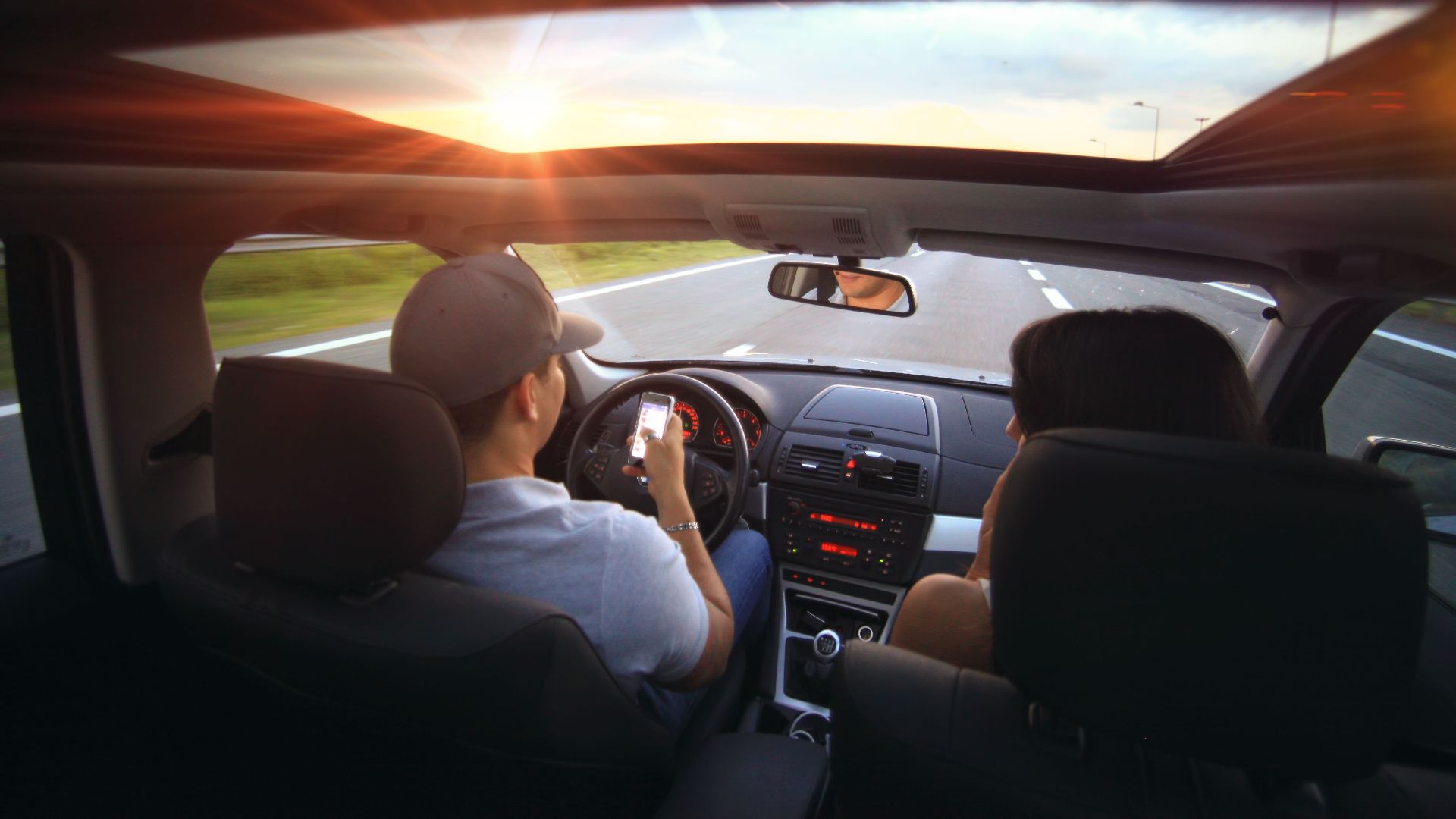
Many modern programs evaluate smartphone use while driving. Texting, app usage, phone handling, and other distractions may affect driving scores. This has become a major focus because distracted driving remains a significant safety concern. Even brief interactions with a phone can sometimes be recorded.
Your Vehicle May Already Be Collecting Data
Many newer vehicles contain built-in telematics systems capable of transmitting driving information. Some insurance programs connect directly to those systems rather than requiring a separate device. Drivers are often surprised to learn how much information modern vehicles can generate. Understanding your vehicle's capabilities can help you make more informed decisions.
Privacy Concerns Are Legitimate
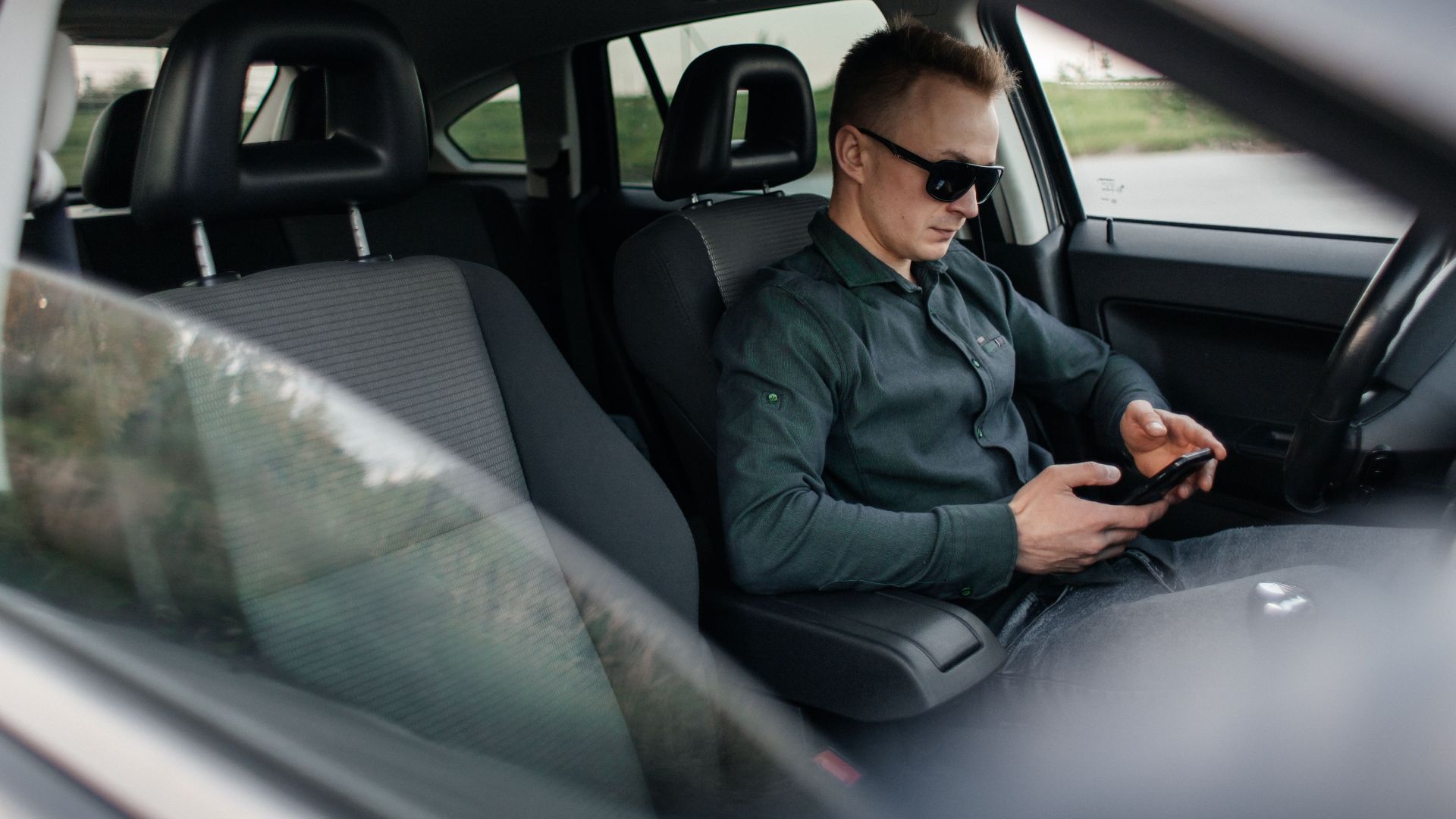
For some people, the issue isn't the discount at all. It's the idea of allowing an insurance company to monitor daily driving habits. Concerns about location tracking, data sharing, cybersecurity, and long-term data storage are understandable. Whether the savings are worth that tradeoff depends largely on your personal comfort level.

Read The Privacy Policy Carefully
Most people never read the privacy policy associated with these programs. That's a mistake. The policy may explain what data is collected, how long it is stored, who can access it, and whether it may be shared with third parties. Those details often matter just as much as the potential discount.

Different Insurers Use Different Rules
There is no universal telematics program. Each insurer uses its own scoring model, data collection methods, discount structure, and privacy practices. A program that works well for one driver may not be attractive under another company's rules. Comparing options can be worthwhile.

Some Drivers Benefit More Than Others
Drivers who avoid hard braking, limit phone use, drive fewer miles, and generally maintain predictable driving habits often perform well in telematics programs. Those with long commutes, frequent night driving, or heavy urban traffic exposure may see smaller benefits. The program's design often determines who comes out ahead.

The Technology Isn't Perfect
Telematics systems can occasionally misinterpret events. A hard stop to avoid an accident may be recorded the same way as an aggressive stop. Passenger phone use may sometimes be confused with driver phone use. While technology continues improving, it is not flawless.
Families Face Additional Challenges
Households with multiple drivers may encounter unique issues. If several people use the same vehicle, everyone's driving behavior may influence the results. A safe driver could potentially be affected by someone else's habits. Understanding how the program handles multiple drivers is important.
Some Programs Use Apps
Many insurers now rely on smartphone apps rather than plug-in devices. These apps are convenient but may require location services, motion detection, and other permissions to function properly. Drivers should understand exactly what permissions they are granting before installation.

Others Use Vehicle Devices
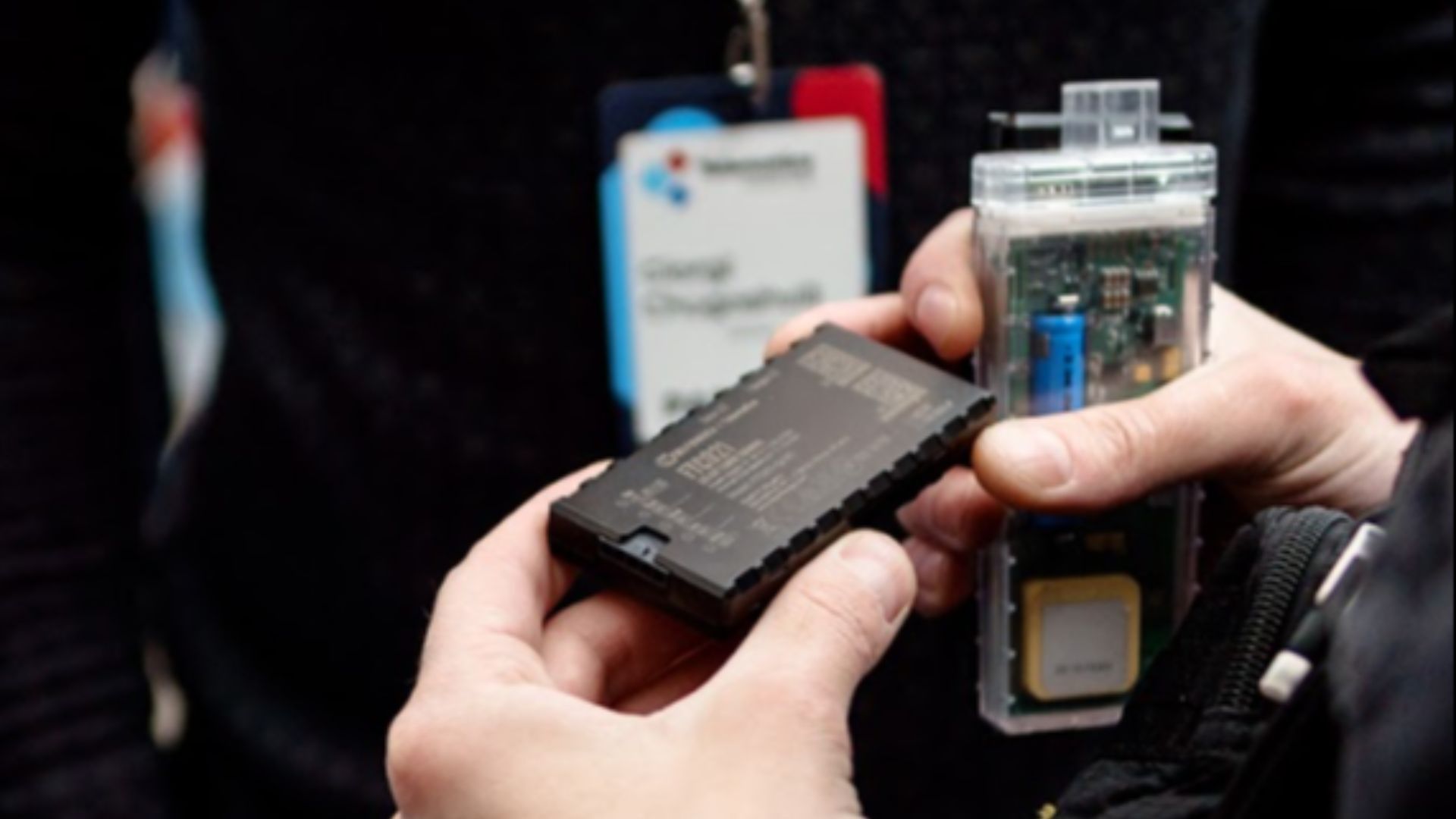
Some programs still rely on devices that plug into the vehicle's diagnostic port. These devices collect information directly from the vehicle and may avoid some of the limitations associated with smartphone tracking. The tradeoff is that they require additional hardware.

Claims And Driving Data Are Separate Issues
Many drivers worry that a single driving event will automatically be used against them after an accident. In most cases, telematics scores and claims investigations are handled separately. However, the specific terms vary by insurer. Reviewing the program details can help clarify how the data may be used.

Discounts Often Grow Over Time
Some insurers offer modest initial discounts that increase as more driving data is collected. Safe driving over several months may produce larger savings than a short trial period. Patience can sometimes improve the financial benefits.

Opting Out May Be Possible
Many programs allow drivers to leave if they become uncomfortable with the arrangement. However, the terms differ from company to company. Before enrolling, check whether participation is voluntary, whether you can withdraw later, and what happens to any collected data if you leave.

Ask Questions Before Enrolling
Many consumers focus entirely on the advertised savings. It's just as important to ask how the score is calculated, whether rates can increase, what data is collected, how long it is stored, and whether the program affects future renewals. Clear answers can prevent unpleasant surprises later.

The Best Candidate Is Often A Safe Driver
People who already drive conservatively tend to benefit the most from these programs. If you rarely speed, avoid distracted driving, limit hard braking, and drive relatively predictable routes, there is a good chance the data will work in your favor. For those drivers, the discount may genuinely reflect lower risk.
It's A Trade-off Between Savings And Privacy
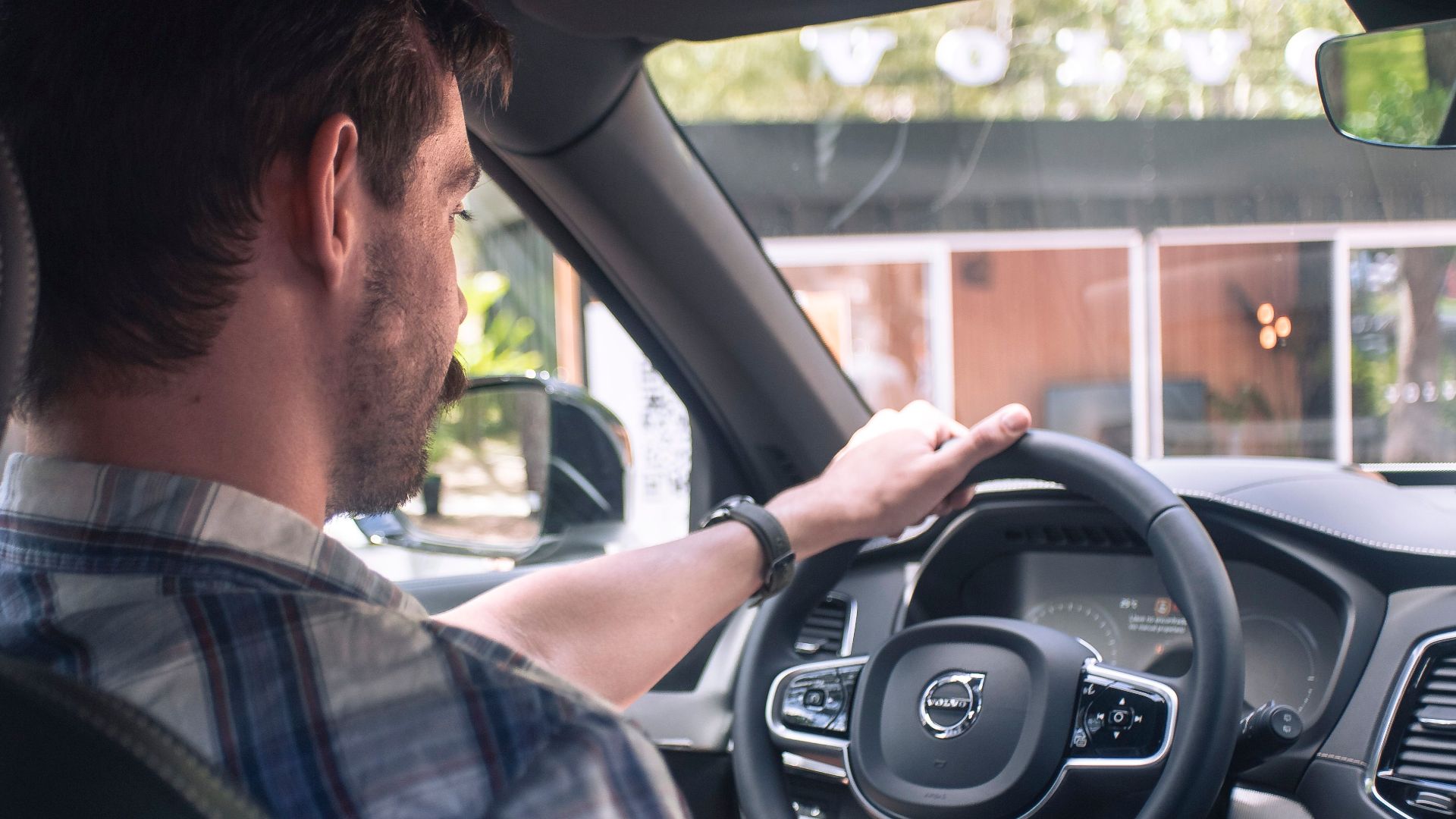
At its core, the decision comes down to a trade-off. Insurance companies are offering potential savings in exchange for access to detailed driving information. Some drivers are perfectly comfortable making that exchange. Others prefer paying a little more to keep their driving habits private.

The Right Answer Depends On Your Comfort Level
If your insurance company offers a driving-data discount, it isn't automatically a bad deal and it isn't automatically a great one either. Many drivers save real money through these programs, especially those with safe driving habits. However, the amount of data being collected is substantial, and privacy considerations are legitimate. Before enrolling, review the rules carefully, understand how the scoring works, and decide whether the potential savings justify the information you'll be sharing.

You May Also Like: