The Repair Bill Shocked Me
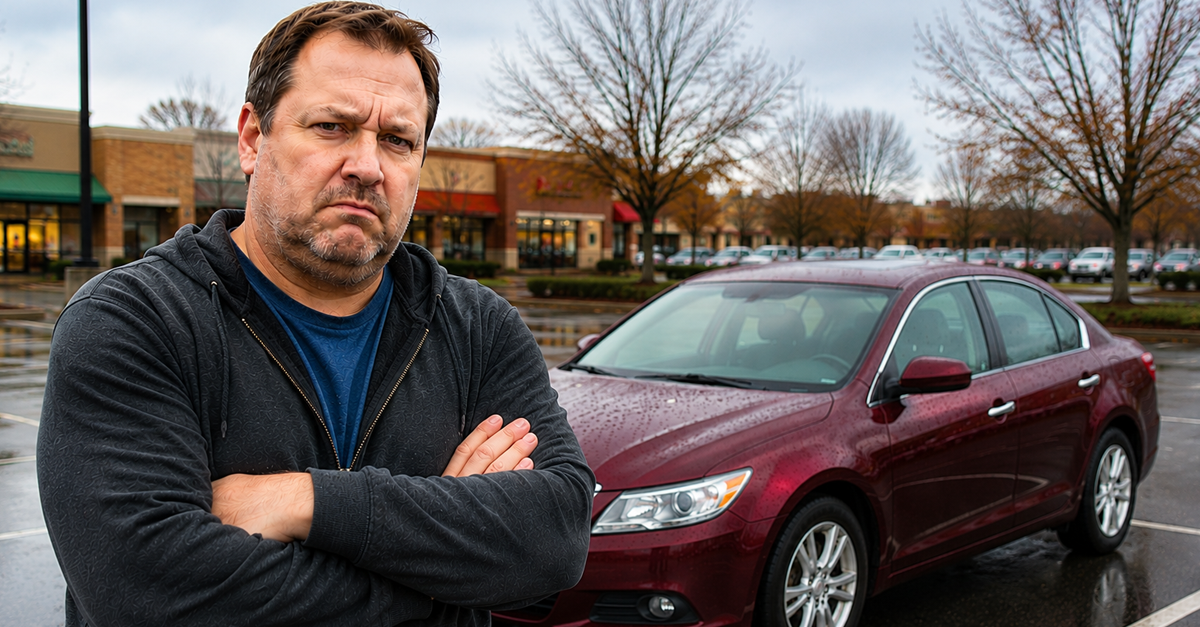
You walk out to your car, start the engine, and suddenly it sounds like a race car. Then comes the bad news. Your catalytic converter has been stolen, and the repair estimate is much higher than expected. Many drivers assume insurance will take care of the problem. Unfortunately, that is not always how things work out. Deductibles and coverage limits can leave you paying a significant portion of the bill.
Why Catalytic Converters Are Such Popular Targets
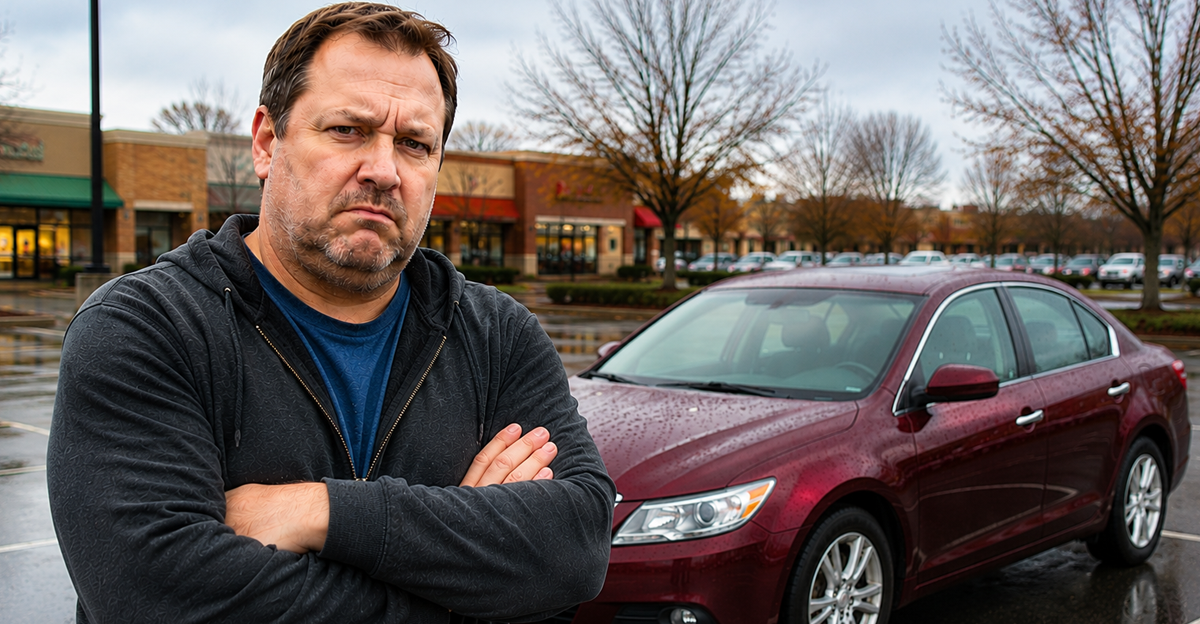
Catalytic converters contain precious metals including platinum, palladium, and rhodium. Those metals can be sold for substantial amounts of money on the black market. Because the part sits underneath the vehicle, thieves can often remove it quickly. Some experienced criminals can steal one in just a few minutes.
 Chalermpon Poungpeth, Shutterstock
A Crime That Exploded Nationwide
Catalytic converter theft surged dramatically in recent years. The National Insurance Crime Bureau reported claims rising from 16,660 in 2020 to 64,701 in 2022. Although theft levels have fluctuated, converters remain attractive targets. Many drivers are still discovering the financial consequences the hard way.

The Insurance Surprise
After a theft, many people assume their auto policy covers everything. Then they learn that coverage depends on the type of insurance they purchased. If you only carry liability coverage, theft of a catalytic converter is generally not covered at all. That means the entire repair bill comes out of your pocket.

Comprehensive Coverage Is Usually The Key
The coverage that typically pays for catalytic converter theft is comprehensive insurance. Comprehensive coverage protects against theft and other non-collision losses. When a converter is stolen, the claim is usually processed under the comprehensive portion of the policy.

What Comprehensive Coverage Actually Pays For
A comprehensive claim often covers more than just the missing converter. It can also help pay for related damage caused during the theft. That may include damaged exhaust pipes, oxygen sensors, heat shields, and other components harmed during removal.

Why Insurance Barely Covered The Repair
The biggest reason is often the deductible. Every comprehensive claim requires you to pay your deductible before insurance contributes. If your deductible is high, your reimbursement may feel disappointing. The insurer is following the policy terms, but the out-of-pocket expense can still be painful.

Understanding Deductibles
A deductible is the amount you agree to pay before insurance starts covering a claim. Common comprehensive deductibles are $250, $500, and $1,000.The higher the deductible, the lower the insurer's share of a claim. That can make a theft feel only partially covered.

A Real-World Example
Imagine your repair bill totals $2,300. If your comprehensive deductible is $1,000, insurance would pay roughly $1,300 while you cover the rest. That is still valuable protection. However, many drivers expect insurance to cover the entire amount and are surprised when it does not.

Repair Costs Can Be Significant
Catalytic converter replacement is rarely cheap. Average replacement costs can exceed $2,000 depending on the vehicle and the parts involved. Luxury vehicles, hybrids, and certain trucks can be even more expensive to repair. Parts shortages can sometimes add to the frustration.
 Quality Stock Arts, Shutterstock
Is There Special Catalytic Converter Coverage?
Most insurers do not sell a standalone catalytic converter insurance policy. Instead, protection is usually included through comprehensive coverage. If you want protection from converter theft, comprehensive coverage is generally the primary solution.

Can You Add Coverage After A Theft?
Insurance generally does not cover losses that occurred before coverage was purchased. Once the converter has already been stolen, it is too late to add protection for that specific incident. However, you can add comprehensive coverage to help protect against future thefts.

How To Check Your Current Coverage
The fastest method is to review your declarations page. Look for comprehensive coverage among your listed protections. If you are unsure, call your insurance company or agent. A quick conversation can clarify exactly what is covered.

Is Filing A Claim Always Worth It?
Not necessarily. The answer depends on the repair cost and your deductible. If repairs are only slightly higher than the deductible, the benefit from filing may be relatively small.

Could A Claim Affect Your Rates?
Comprehensive theft claims are generally treated differently from at-fault collision claims. They often have less impact on premiums. Still, insurers evaluate risk differently. Multiple claims within a short period could influence future rates.

What To Do Immediately After The Theft
Start by filing a police report. Insurance companies commonly require documentation of the theft. Take photos of the damage if possible. Keep copies of repair estimates and receipts.

Contact Your Insurance Company Quickly
After reporting the theft to police, notify your insurer. The sooner the claim process begins, the sooner repairs can move forward. Your insurer can explain coverage, deductible requirements, and any documentation they need.

Why Hybrids Often Get Targeted
Certain hybrid vehicles have become frequent targets. Their catalytic converters can contain valuable amounts of precious metals. That extra value can make them especially attractive to thieves looking for quick profits.

Signs Your Converter Has Been Stolen
The most obvious sign is an unusually loud engine. Many drivers notice it immediately after starting the vehicle. You may also notice warning lights, rough operation, or unusual exhaust odors.

Anti-Theft Devices Are Growing In Popularity
Special shields, cages, and locking devices can make theft more difficult. While no device is perfect, extra protection may encourage thieves to move on. Some drivers find the preventive investment worthwhile after seeing replacement costs.
Consider A Sensitive Alarm System
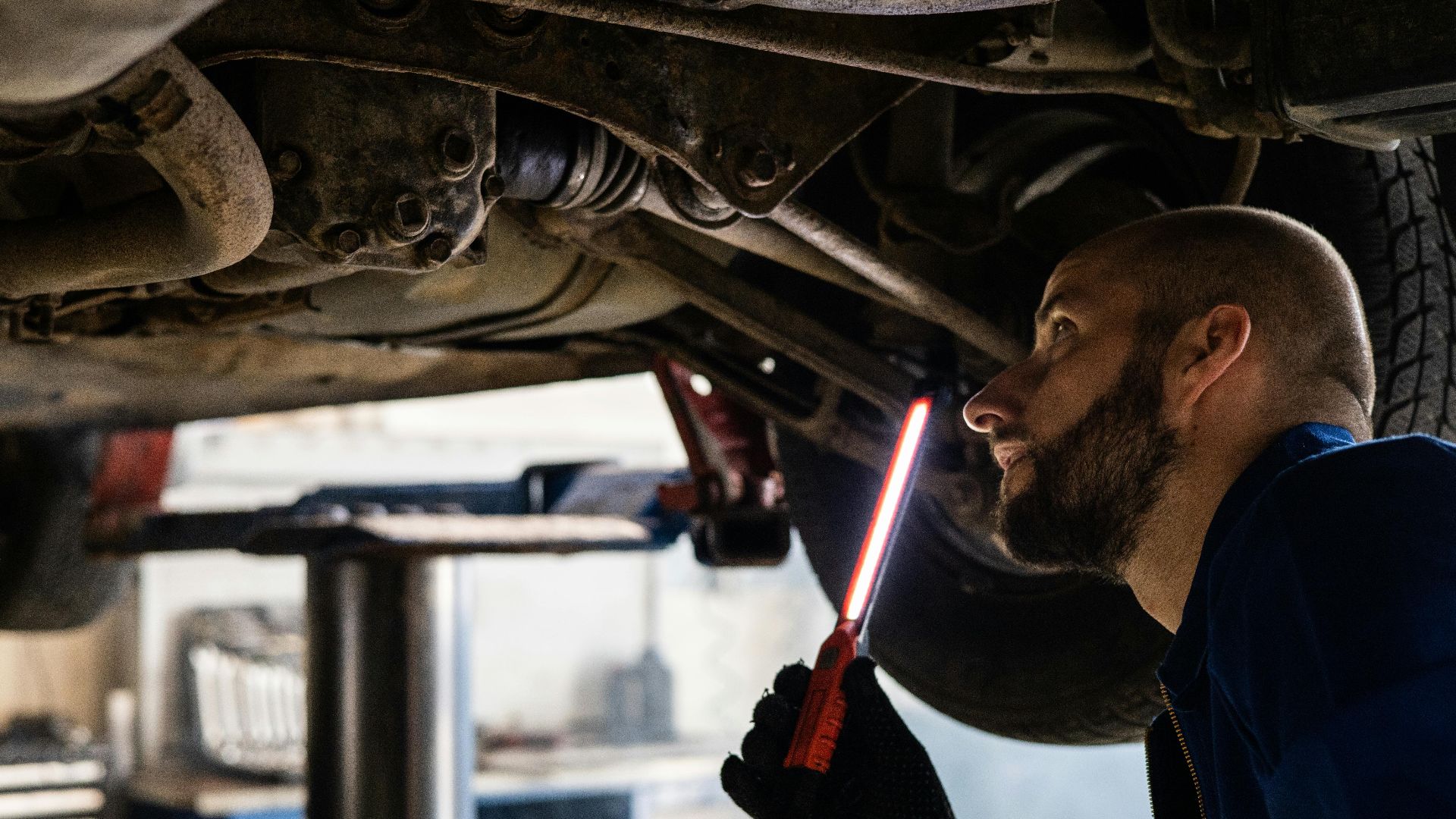
Certain alarm systems can detect vibration or movement beneath the vehicle. If someone begins cutting into the exhaust system, the alarm may sound. An alarm can increase the chances that a thief abandons the attempt.

Parking Choices Matter
Well-lit parking areas can help reduce risk. Secure garages are even better when available. Thieves generally prefer easy targets and locations where they are less likely to be noticed.

VIN Marking Can Help
Some experts recommend engraving the vehicle identification number on the converter. This may help law enforcement identify recovered parts. While it does not prevent theft, it can make stolen parts less attractive to resellers.
Ask About Coverage Options
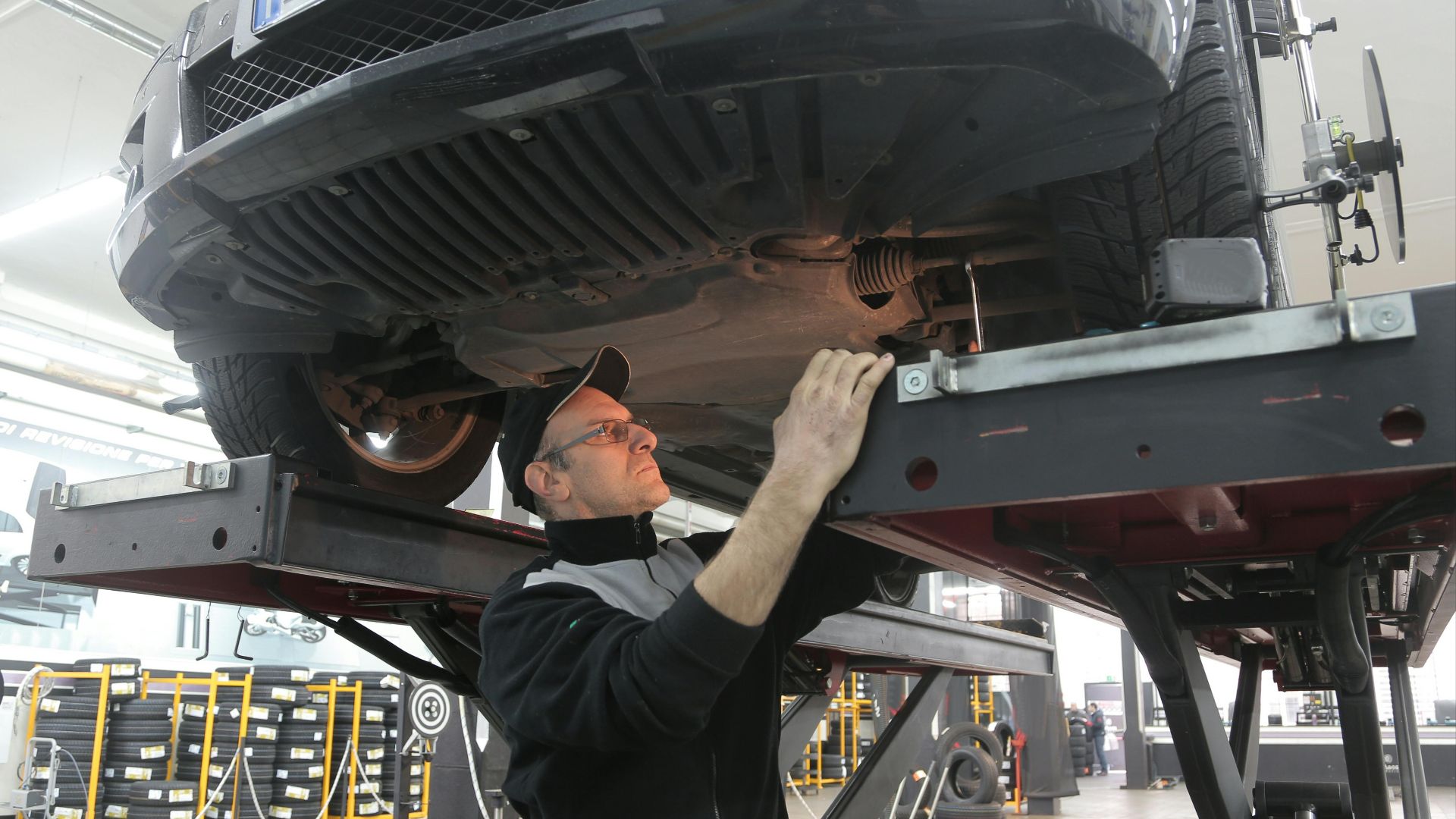
If converter theft is common in your area, talk with your insurer. Ask about comprehensive coverage limits, deductibles, and any available theft-related protections. A lower deductible may increase your premium, but it can reduce out-of-pocket costs after a theft.

Review Your Deductible Carefully
Many drivers focus on monthly premiums and overlook deductibles. That decision becomes important when a claim occurs. A lower deductible usually means paying more for insurance. However, it can provide greater financial relief when repairs are needed.

The Bottom Line
If your catalytic converter was stolen and insurance barely helped, the deductible was probably the main reason. In most cases, comprehensive coverage is the protection that applies to converter theft. There is usually no separate catalytic converter insurance policy. The best defense is making sure your comprehensive coverage and deductible match your comfort level before theft strikes.

You May Also Like: