Your Brand-New Car Is Already Acting Up
Few things ruin the new-car glow faster than a warning light. One minute, your car smells like fresh upholstery and optimism. The next, the dealership is telling you it needs repairs—and no, apparently your trusted local mechanic cannot touch it. So, can they really boss you around?

The Dealer May Sound More Powerful Than They Are
Dealerships often speak in very official voices. That does not mean every rule they mention is carved into stone. When a dealer says, “You have to bring it here,” the first question is simple: are they talking about warranty coverage, paid repairs, maintenance, or something else entirely?

Warranty Repairs Are Their Home Turf
If the repair is covered under the factory warranty, the dealer or manufacturer usually controls how that repair gets handled. After all, they are paying for it. They may require you to use an authorized dealership for that warranty job, especially if factory parts, software, or approval are involved.

But Your Mechanic Is Not Banned From Your Car
Here is the part dealers do not always shout from the showroom roof: you can usually take your car to an independent mechanic for maintenance and non-warranty repairs. Buying a new car does not mean you signed away your right to visit the local shop you trust.

The Magic Words Are Magnuson-Moss
The Magnuson-Moss Warranty Act is the federal law that keeps companies from playing unfair warranty games. In plain English, a dealer generally cannot say your entire warranty is void just because someone else changed your oil, rotated your tires, or fixed something unrelated.

They Cannot Scare You With “Warranty Void”
That old scare tactic—“If anyone else touches it, your warranty is dead”—is usually not how the law works. A manufacturer may deny a specific claim if bad outside work caused the problem. But they cannot nuke the whole warranty just because you went elsewhere.

Bad Repairs Can Still Haunt You
There is one big catch. If your local guy installs the wrong part, skips a step, or causes damage, the manufacturer may refuse to pay for the resulting repair. That is not punishment for using an independent shop. That is them saying, “This problem was not our fault.”
Routine Maintenance Is Your Choice
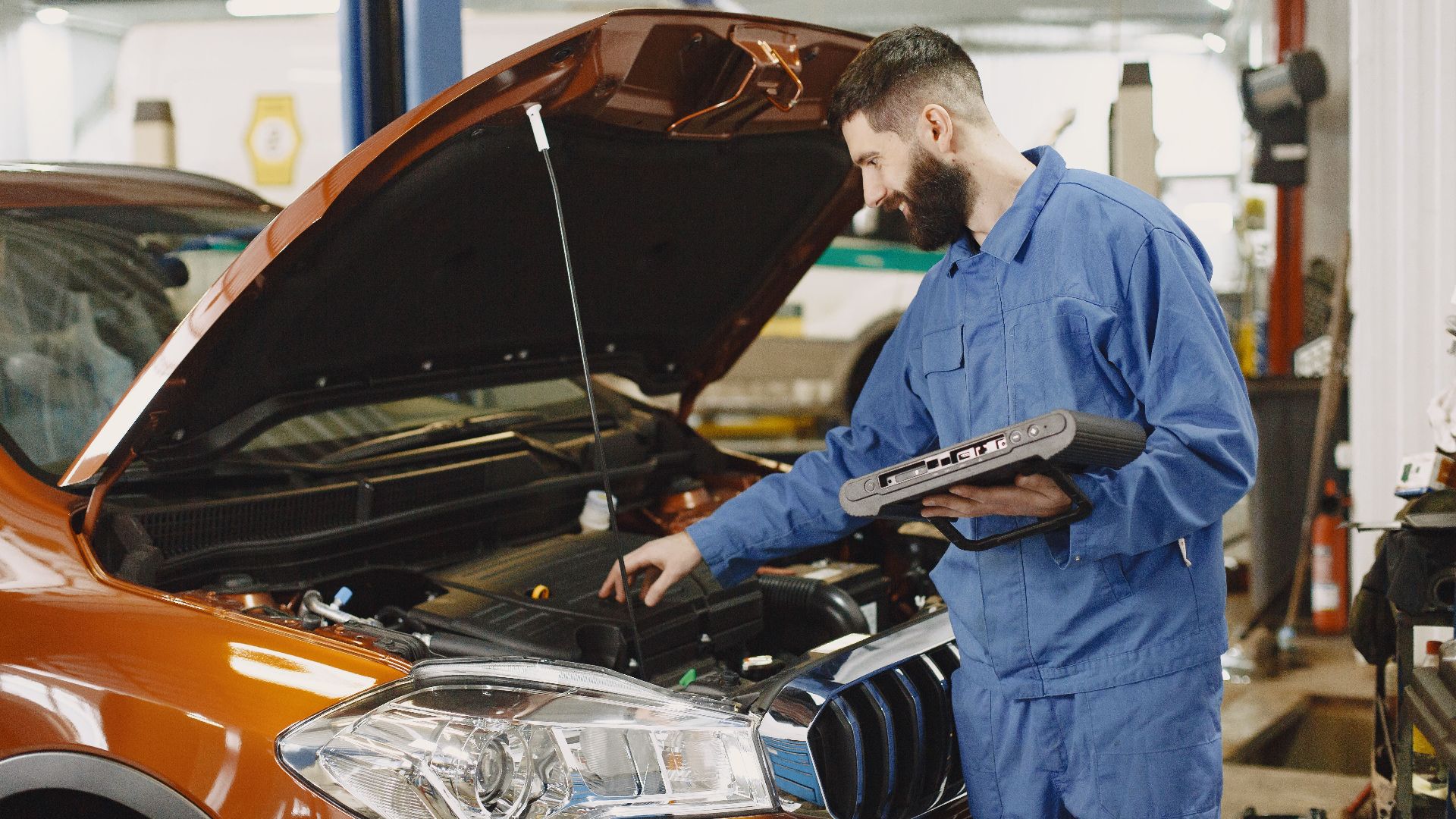
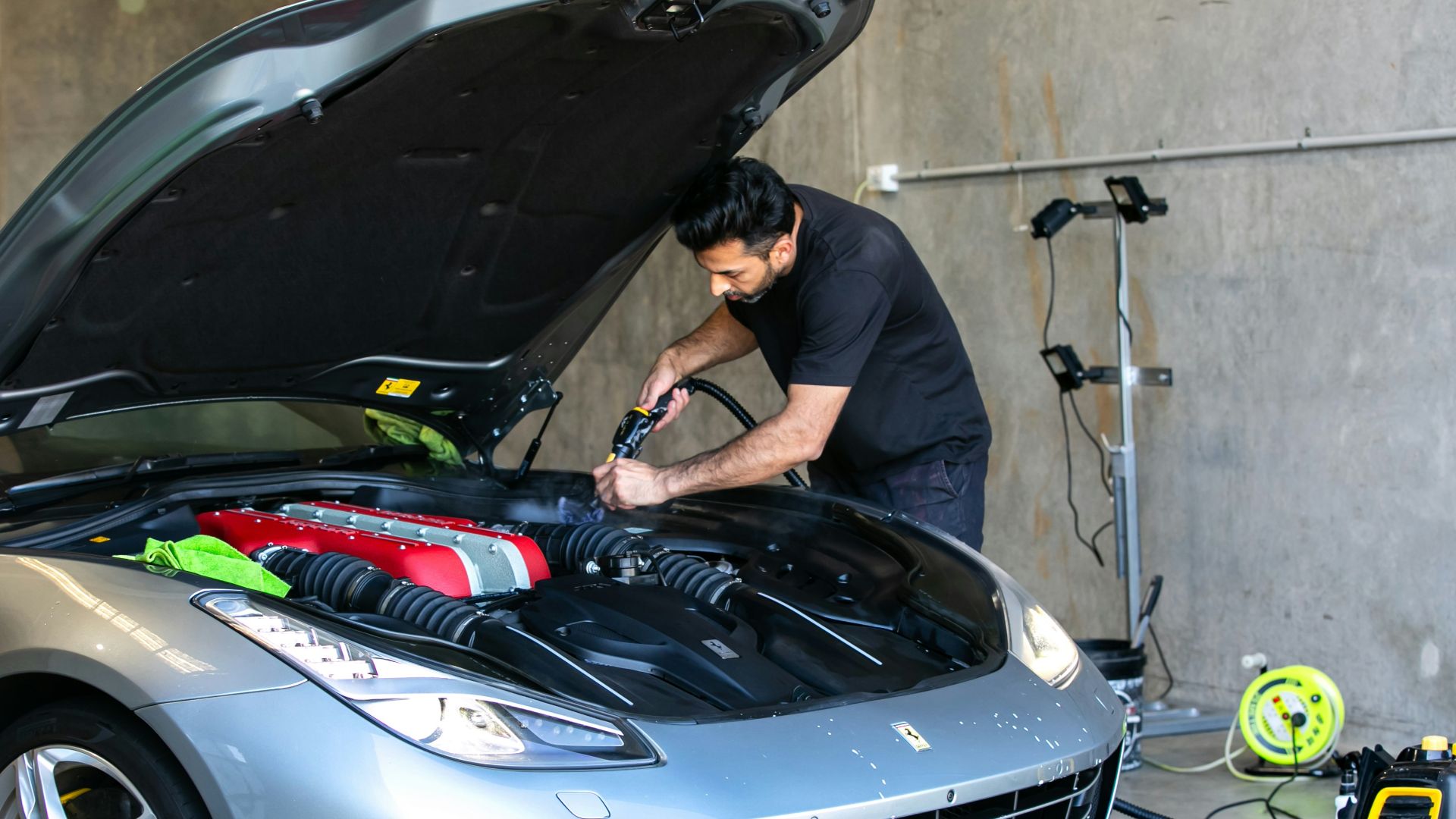
Oil changes, brake pads, tires, filters, alignments, and inspections do not automatically have to happen at the dealership. You can use an independent shop, a chain service center, or even do some work yourself, as long as the job is done correctly and documented.
 Fine Automotive Detailing, Unsplash
Keep Every Receipt Like Treasure
Receipts are your armor. Keep invoices, parts numbers, dates, mileage, and service notes. If a warranty dispute pops up later, you want a paper trail showing the car was maintained properly. A shoebox, folder, app, or glovebox envelope can save a lot of yelling.

Read The Warranty Booklet
Yes, it is boring. Yes, it looks like it was written by a committee of printers. Read it anyway. Your warranty booklet explains what is covered, what is excluded, where covered repairs should happen, and what maintenance schedule you are expected to follow.

“New Car” Does Not Mean “Perfect Car”
Brand-new vehicles can have issues. Parts fail early. Software glitches. Sensors get moody. Assembly-line mistakes happen. That is exactly why warranties exist. A new car needing repairs is frustrating, but it does not automatically mean you bought a lemon.

The Dealer May Need First Crack At It
For a warranty-covered defect, give the dealership a fair chance to diagnose and fix it. That creates a record. It also prevents the dealer from later claiming they never saw the problem or that someone else tampered with the vehicle before they could inspect it.

Your Local Mechanic Can Still Be Useful
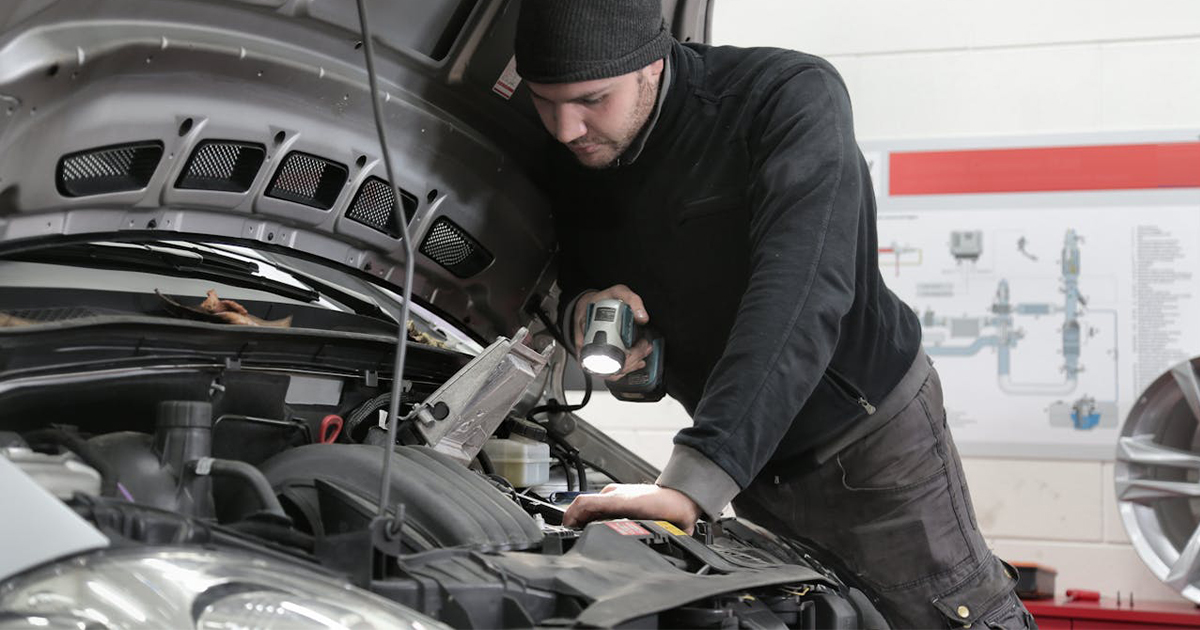
Even if the dealer handles the warranty repair, your mechanic can be a valuable second opinion. They may spot something obvious, explain the issue in plain language, or help you decide whether the dealer’s story smells right or smells like burning clutch.

Ask For The Reason In Writing
If the dealer refuses to let you use your mechanic, ask them to put the reason in writing. Not dramatically. Not angrily. Just calmly. “Can you please show me where the warranty requires that?” A written answer often turns vague scare talk into something more careful.

Watch For The Free-Service Exception
There is an important wrinkle. If the manufacturer provides the repair, part, or service free under warranty, they can generally require you to use their authorized repair process for that covered work. That is different from saying every future service must happen there.

Do Not Approve Paid Work Too Fast
Sometimes a dealer may say the repair is not covered and then offer to fix it at your expense. Slow down. Ask why it is not covered, request the diagnosis, and consider a second opinion before handing over your card. New-car repairs should not be accepted blindly.
 Quality Stock Arts, Shutterstock
Lemon Laws May Enter The Chat
If your brand-new car keeps returning for the same serious problem, spends lots of time in the shop, or cannot be repaired after repeated attempts, state lemon laws may apply. These rules vary widely, so check your state’s consumer protection office or an attorney.

Recalls Are A Different Animal
A recall repair usually needs to be performed through an authorized dealer because the manufacturer is responsible for fixing a known safety or compliance issue. That does not mean the dealer owns your car’s entire future. It just means recall work follows factory channels.
Software Can Complicate Everything
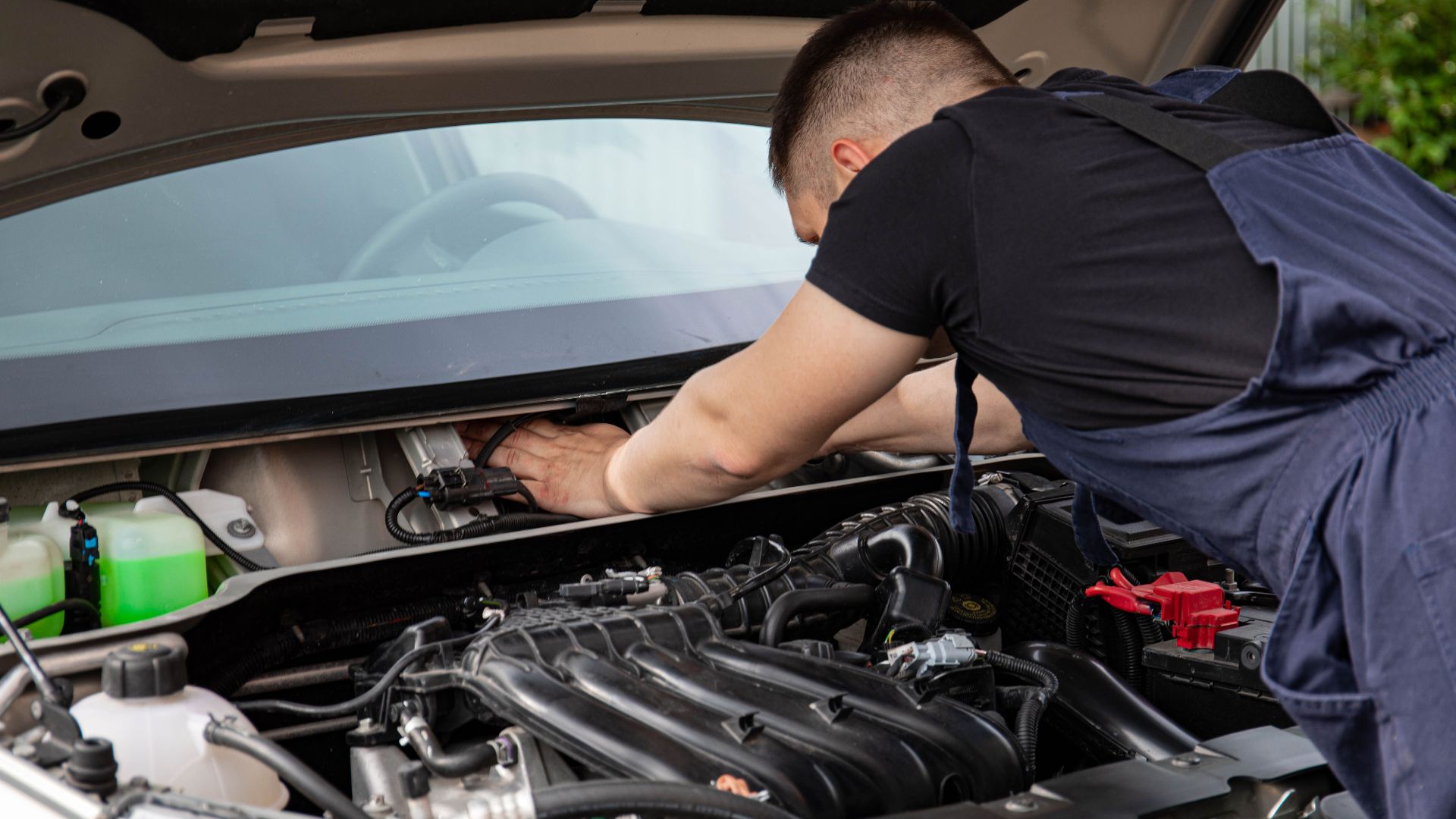
Modern cars are rolling laptops with cupholders. Some repairs require factory scan tools, software updates, module programming, or security access. Your local mechanic may be excellent, but certain jobs may still need dealer equipment or manufacturer authorization.
Independent Shops Are Not Second-Class
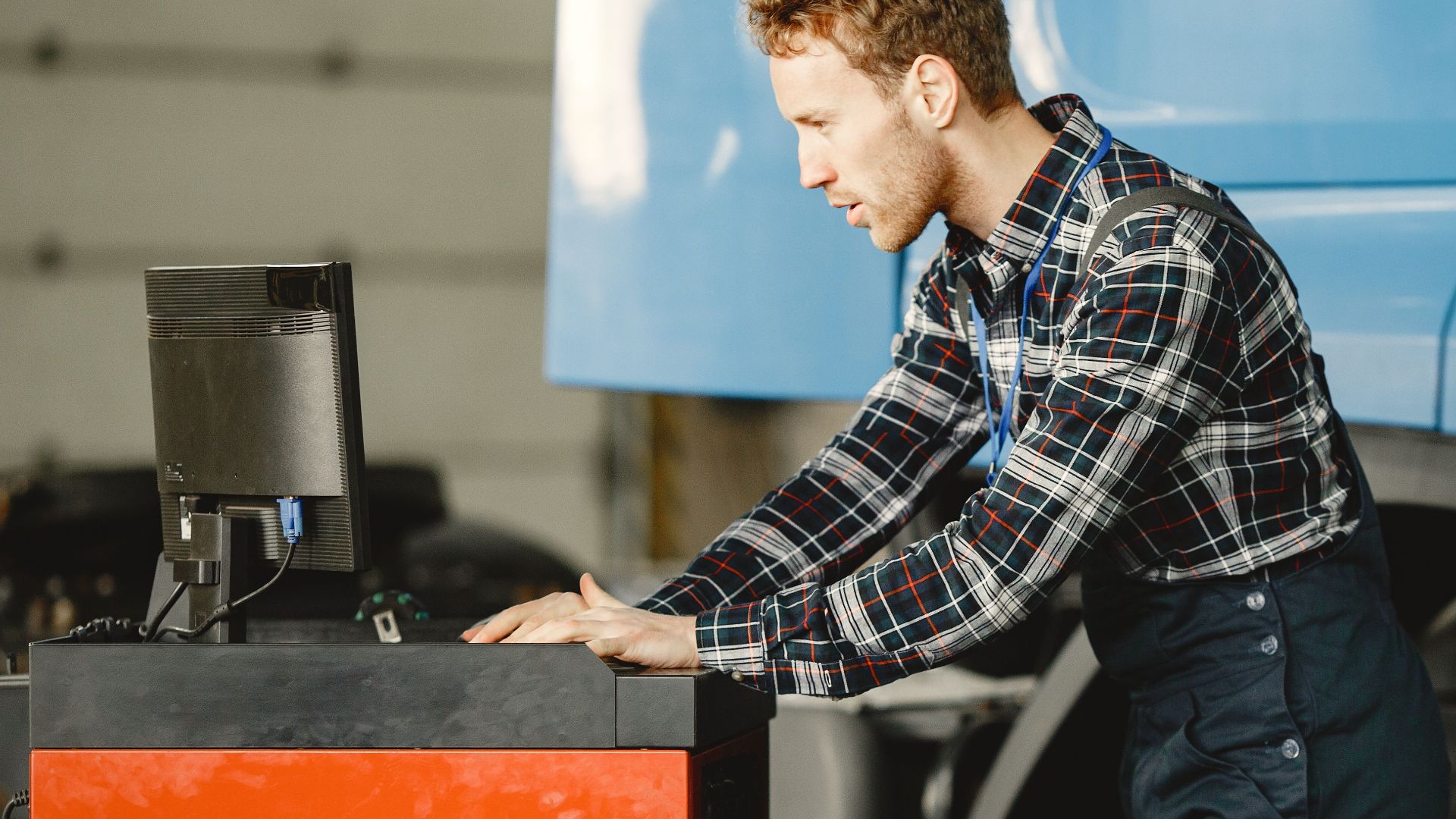
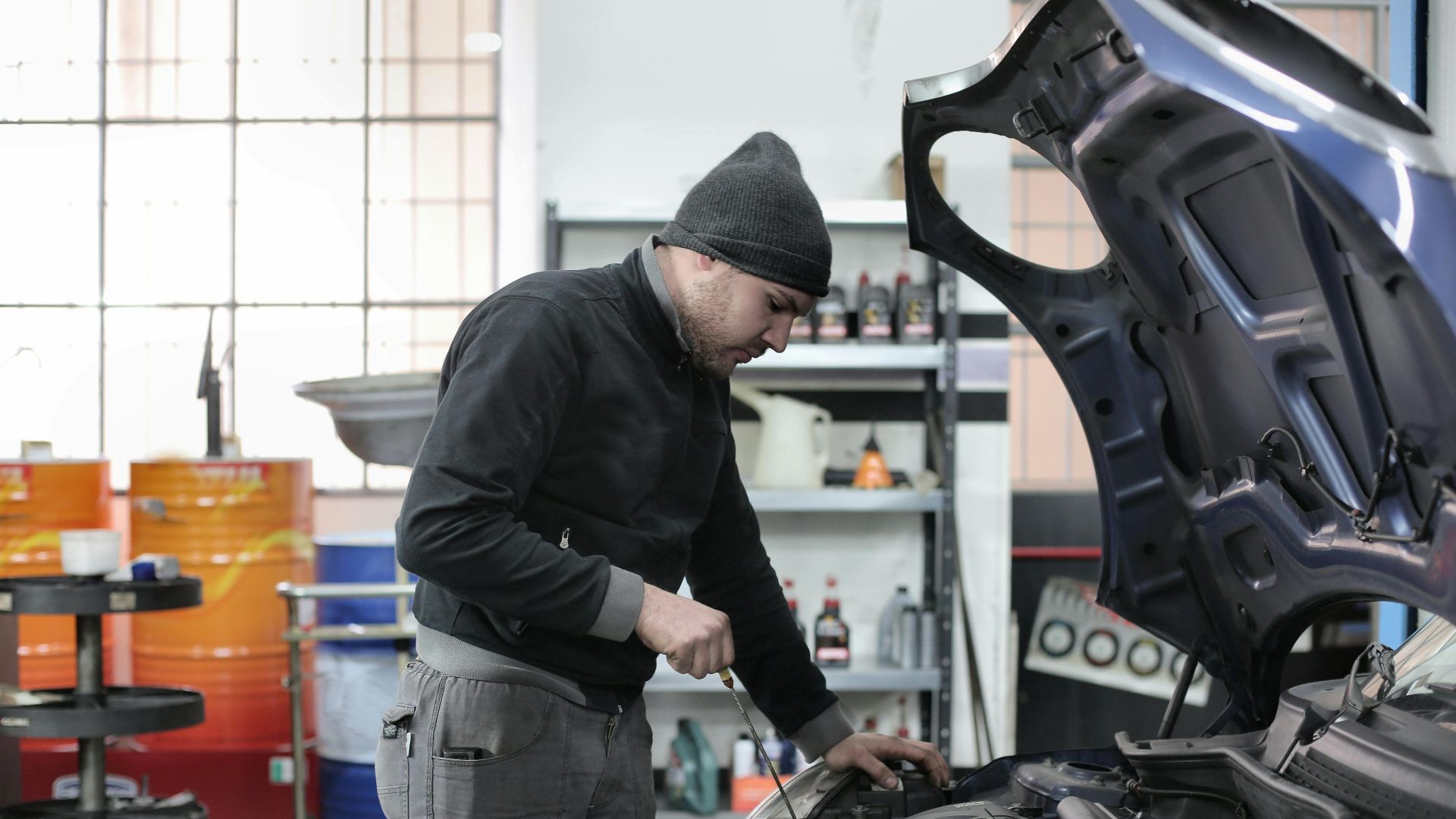
Good independent mechanics can be fantastic, especially for maintenance, brakes, suspension work, diagnostics, and long-term ownership. Many have dealership experience without dealership prices. The smart move is not “dealer or local guy forever.” It is choosing the right shop for the right job.
Be Polite, But Be Annoyingly Organized
When dealing with the dealership, stay calm and keep notes. Write down dates, names, mileage, symptoms, warning lights, and what was promised. Polite customers with documentation are harder to brush off than angry customers with only hand gestures and tire smoke.

Say Exactly What The Problem Is
Do not just say, “It drives weird.” Say, “At 45 mph, the steering wheel shakes under light braking,” or “The warning light appears after ten minutes of highway driving.” Clear symptoms help technicians reproduce the issue and make it harder for anyone to say, “Could not duplicate.”

Do Not Modify First And Argue Later
If your car is already having problems, resist the urge to add a tune, lift kit, lowering springs, huge wheels, or aftermarket electronics. Modifications can muddy the water. Even harmless upgrades may give a reluctant warranty department something to point at.
Escalate Beyond The Service Desk
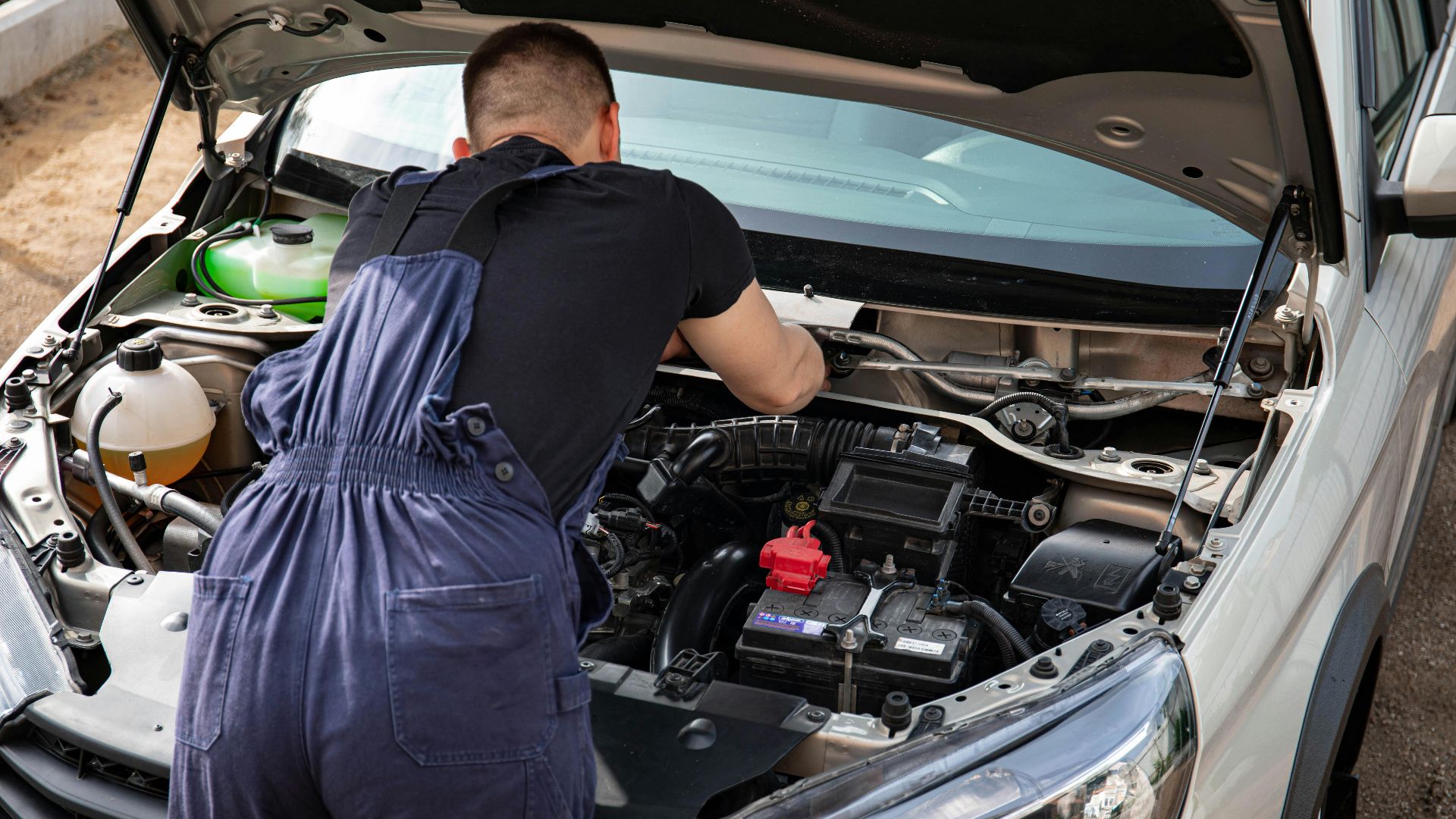
If the dealership will not help, contact the manufacturer’s customer care line. Open a case. Provide repair orders and dates. A manufacturer representative may push the dealer, authorize goodwill coverage, or send the issue to a regional specialist.

Know When To Bring In Backup
If the repair is expensive, the car is unsafe, or the dealer keeps stonewalling, it may be time to contact your state attorney general, consumer protection agency, or a lemon-law lawyer. Sometimes one formal letter does more than six awkward lobby conversations.

The Real Answer Is Usually “It Depends”
Can the dealership force you to use them? For warranty-covered repairs they are paying for, often yes, practically speaking. Can they forbid you from ever using your local mechanic or void your warranty just because you did? Generally, no. That distinction matters.

Keep The Keys And The Receipts
Your new car should feel like freedom, not a hostage situation with floor mats. Let the dealer handle legitimate warranty work, keep your local mechanic in the loop, document everything, and push back on vague threats. You bought the car. You still have rights.

You May Also Like: