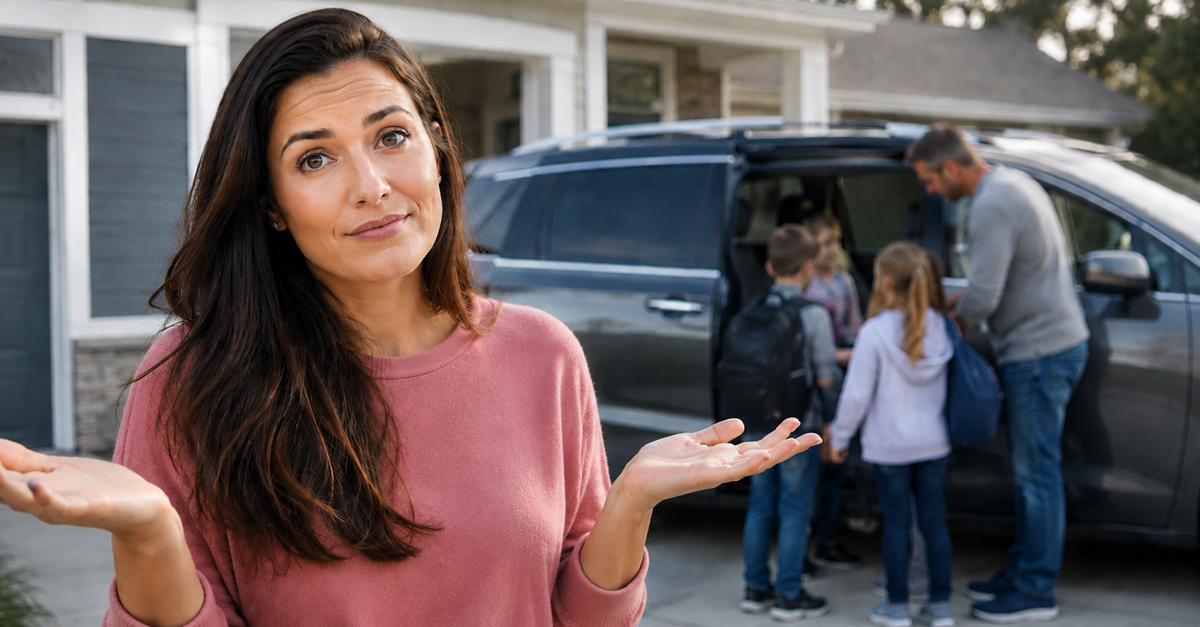
The Family Car Upgrade Surprise
When your family outgrows a compact SUV, buying a minivan can seem like the obvious solution. You gain more space, easier access for child seats, and plenty of room for strollers, sports gear, and road trips. What you might not expect is the insurance conversation that follows.

Why Insurance Changes When You Change Vehicles
Auto insurance premiums are tied directly to the vehicle you drive. Insurers look at repair costs, safety performance, theft rates, replacement value, and claim history. Even if your driving habits stay exactly the same, a different vehicle can trigger a completely different premium.

The Sticker Shock Of A New Policy
Many families assume a minivan will automatically cost less to insure because it is designed for parents. In reality, the answer depends on the specific model and trim level. Some minivans cost more to repair and replace than the vehicle they replaced.

What Insurers Actually Evaluate
Insurance companies do not simply see the word "minivan" and assign a rate. They evaluate the exact make, model, year, and equipment level. Advanced technology and expensive replacement parts can increase claims costs and premiums.

Safety Can Work In Your Favor
Minivans are generally designed with family safety in mind. Many include advanced driver assistance systems, multiple airbags, and collision avoidance technology. These features can help reduce risk and sometimes improve insurance costs.
Minivans Often Have A Safety Advantage
Many popular minivans perform well in crash testing and safety evaluations. Vehicles with strong safety ratings may be viewed more favorably by insurers. Safer vehicles can lead to fewer severe claims over time.

The Surprising Cost Of Modern Technology
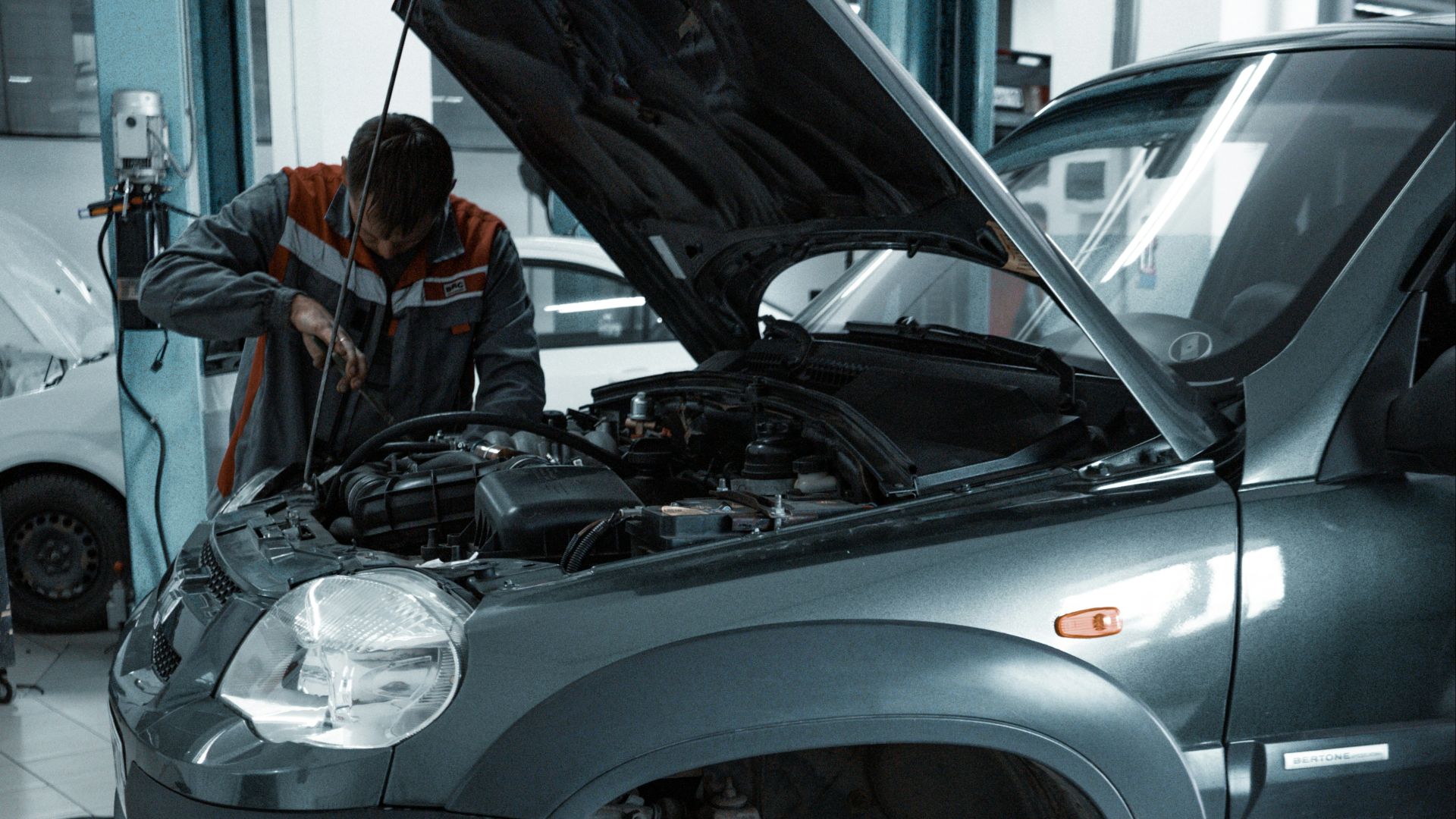
Today's minivans contain cameras, sensors, radar units, and sophisticated electronics. These systems improve safety but can also make repairs more expensive after even a minor collision. Higher repair costs are one factor insurers consider.
Child Seats Change The Equation
Families buying minivans often have young children. Parents frequently increase liability limits and add additional coverage for greater financial protection. Sometimes the premium increase comes from expanded coverage choices rather than the vehicle itself.

Newer Vehicles Usually Cost More To Insure
A brand-new minivan typically costs more to replace than an older vehicle. Insurance companies account for that increased value. Comprehensive and collision coverage premiums often rise accordingly.

Theft Rates Matter More Than You Think
Some vehicles are stolen more frequently than others. Insurers track theft data closely when calculating premiums. If a particular minivan model has elevated theft losses, rates may reflect that risk.

Location Still Plays A Huge Role
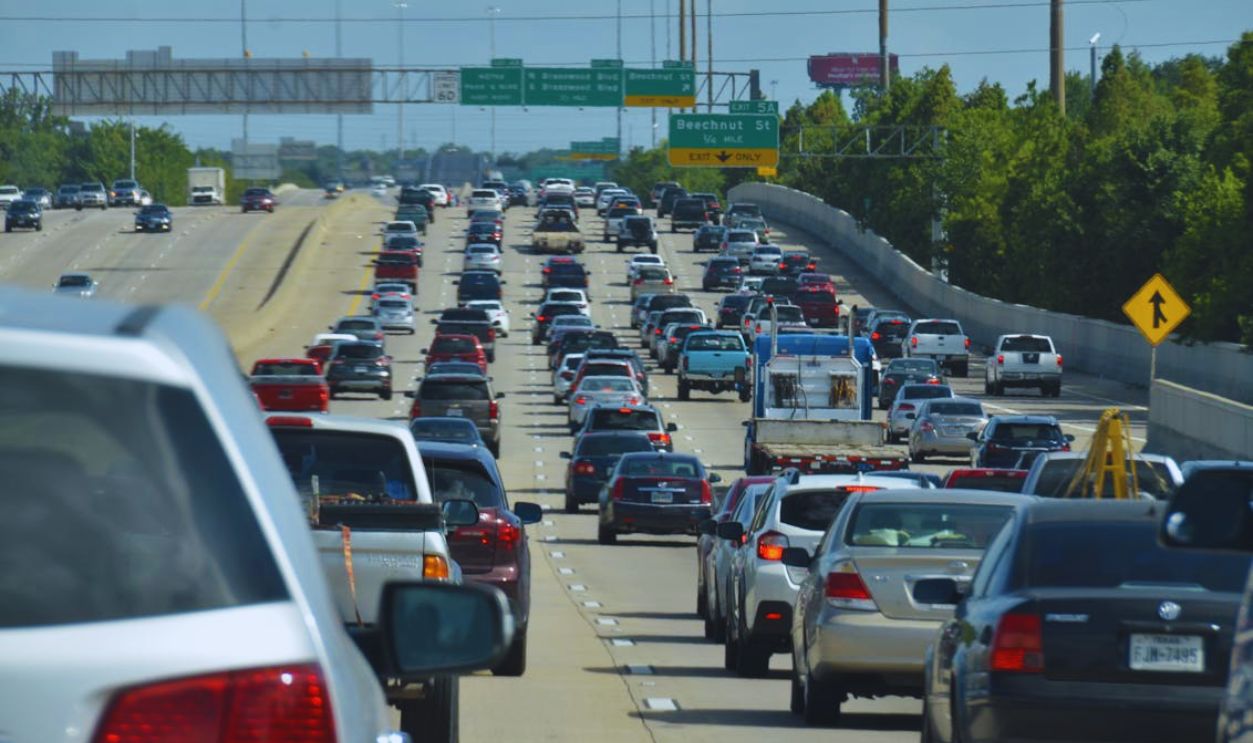
Your ZIP code or postal code remains one of the biggest factors in insurance pricing. Traffic density, repair costs, theft rates, and claim frequency vary significantly by region. Two identical families driving identical minivans can pay very different premiums.
The Driver Still Matters Most
Even after buying a new vehicle, your personal profile remains critical. Driving history, age, years of experience, and previous claims all influence pricing. A clean record can offset some vehicle-related increases.

Not Every Minivan Costs The Same To Insure
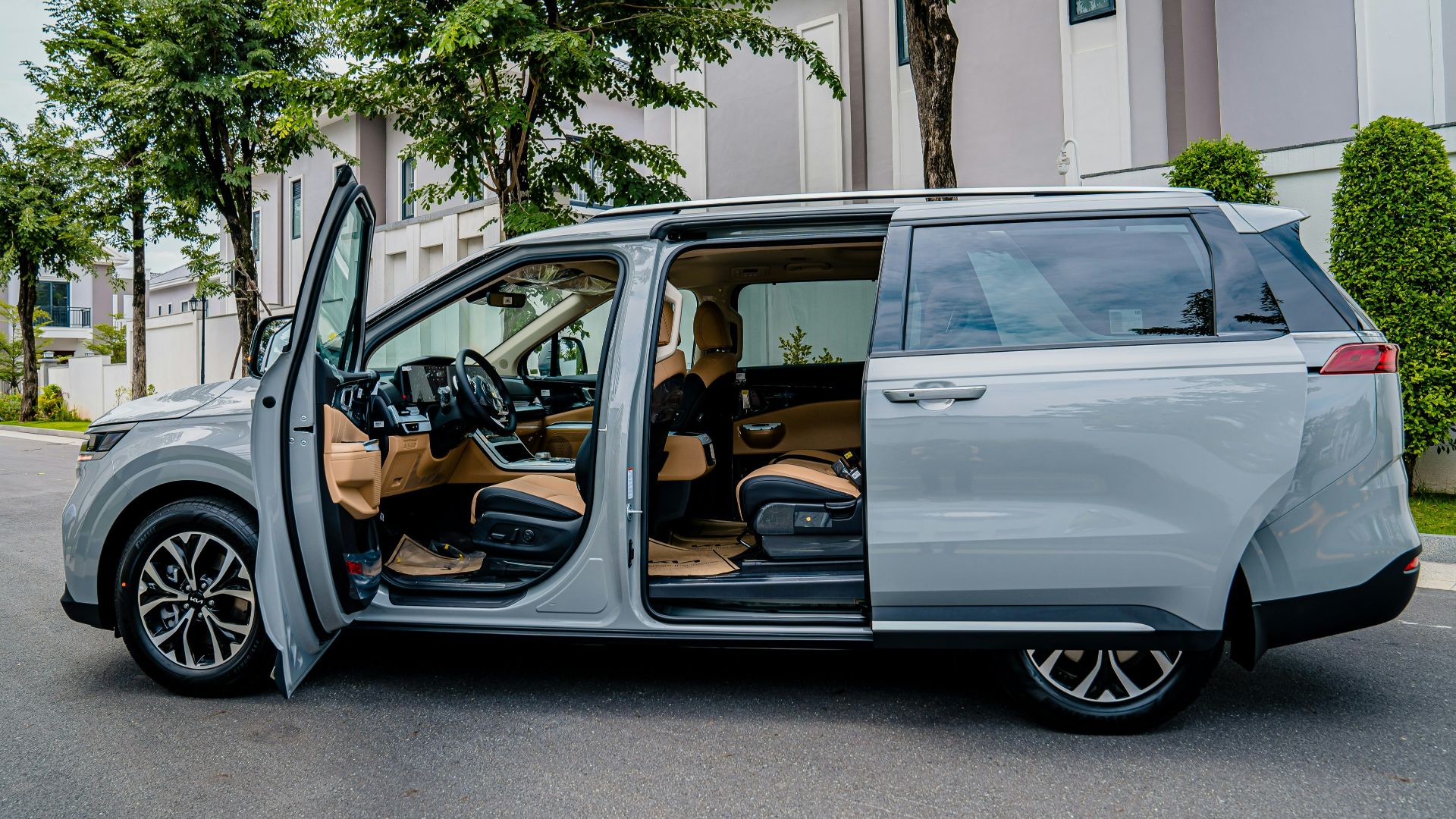
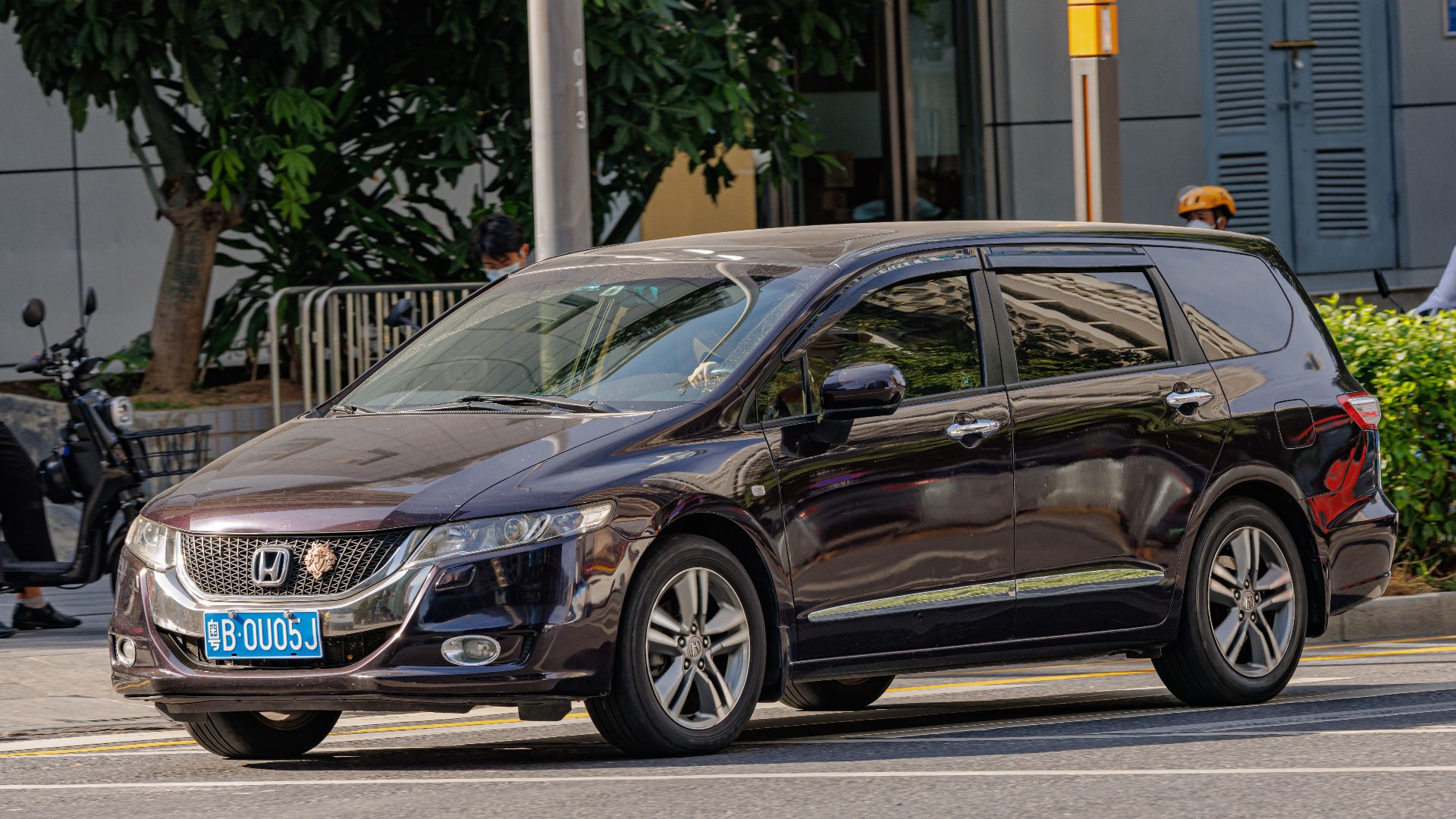
Insurance costs vary substantially between models. A Honda Odyssey, Toyota Sienna, Chrysler Pacifica, or Kia Carnival may all receive different rates. Repair expenses, claim frequency, and replacement costs differ from one model to another.
 Dinkun Chen, Wikimedia Commons
Some Minivans Are Surprisingly Affordable
Industry data shows that certain minivans can cost less to insure than many SUVs and sedans. Family-oriented driving patterns and strong safety records often help these vehicles compare favorably. That is why shopping around is so important.

Why Your SUV May Have Been Cheaper
Many drivers assume a minivan should always cost less than an SUV. However, some SUVs benefit from lower repair costs, better theft performance, or favorable claim histories. Vehicle type alone does not determine insurance pricing.

Coverage Levels May Be The Real Culprit
After a vehicle purchase, many people upgrade their insurance without realizing it. Higher liability limits, rental reimbursement, roadside assistance, and gap coverage all add to the premium. The vehicle may only be part of the increase.

Collision Coverage Gets More Expensive
Collision coverage pays for damage to your vehicle after an accident. The more expensive the vehicle is to repair or replace, the more this coverage may cost. Modern minivans can carry significant repair expenses.

Comprehensive Coverage Can Also Rise
Comprehensive coverage protects against theft, vandalism, weather damage, and other non-collision events. A higher vehicle value generally means higher potential claim costs. That can lead to increased premiums.

Family-Friendly Features Are Not Free
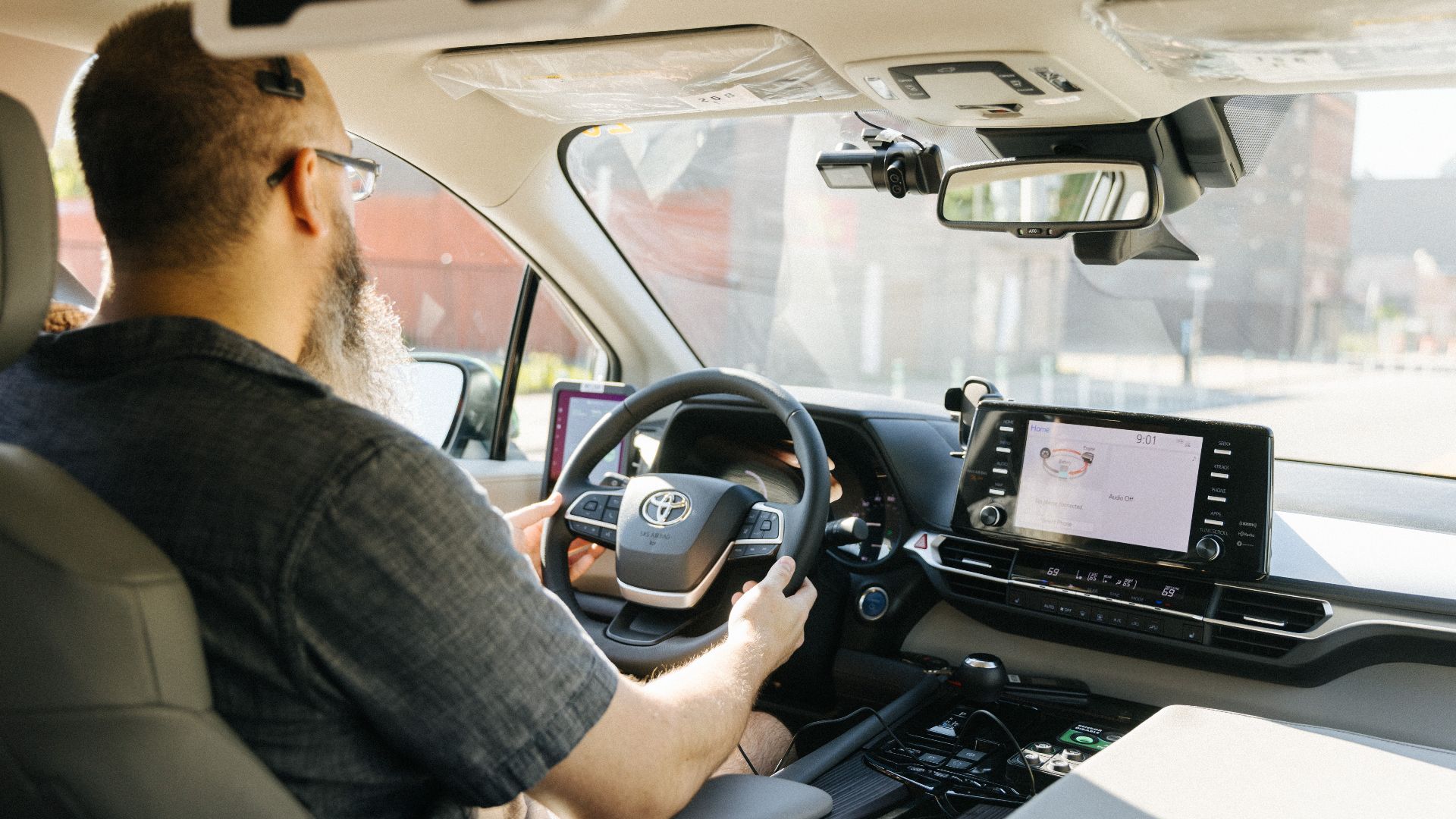
Power sliding doors, entertainment systems, panoramic cameras, and premium interior features are wonderful conveniences. Unfortunately, they can also increase repair bills. Insurance companies factor those costs into their calculations.
 City of Detroit, Wikimedia Commons
Shopping For Insurance Is Essential
One insurer may view a particular vehicle much differently than another. Companies use their own formulas and claim data. Getting multiple quotes is one of the most effective ways to lower costs.

Loyalty Does Not Always Pay
Many drivers stay with the same insurer for years without comparing alternatives. While loyalty discounts exist, they are not always the lowest-cost option. Comparing rates can reveal significant savings opportunities.

Ask About Discounts
Many insurers offer discounts for bundling home and auto policies. Safe driving programs, multi-vehicle policies, and vehicle safety features may also qualify. These discounts can help offset increases associated with a new minivan.

Consider Raising Your Deductible
Increasing your deductible often lowers your premium. However, it also means paying more out of pocket if you file a claim. Families should choose a deductible that fits their emergency savings.

Review Optional Coverages Carefully
Not every optional coverage is necessary for every household. Reviewing endorsements and add-ons can identify areas where savings are possible. The goal is to balance protection with affordability.

Safety Features Still Deliver Value
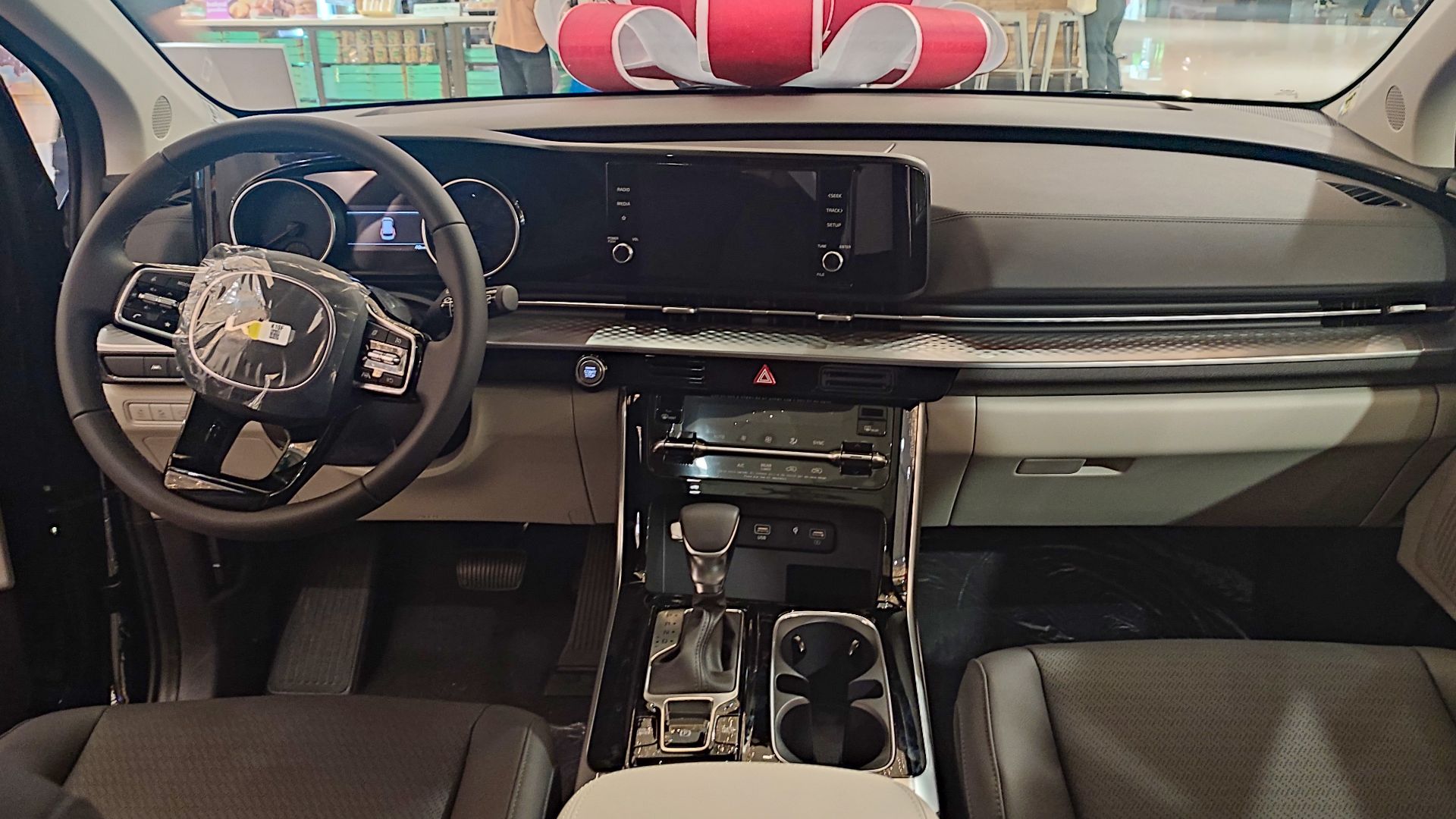
Although advanced safety systems can increase repair costs, they also help prevent accidents. Features such as automatic emergency braking and forward collision warning may reduce crash frequency. Fewer accidents benefit both drivers and insurers.
 Ethan Llamas, Wikimedia Commons
The Good News About Family Vehicles
Minivans continue to be among the most practical family vehicles available. They provide exceptional passenger space, easy child-seat access, and strong safety technology. For many families, the convenience outweighs the insurance adjustment.
Is There Really No Other Option?
The good news is that there is almost always another option. Different insurers, coverage structures, deductibles, and discounts can dramatically change your premium. Before assuming the higher cost is unavoidable, shop around and review your policy carefully.

The Bottom Line For Growing Families
Buying a minivan often changes more than your driveway. It can affect insurance costs, coverage needs, and financial planning. Understanding why rates change is the first step toward finding the right balance between family protection and affordability.

You May Also Like: