I Never Thought Buying A Car From A Family Member Would Cause So Much Trouble...
Buying a vehicle from a relative often feels safer than purchasing from a stranger. After all, there’s usually trust, familiarity, and a shared history involved. But when expensive repairs appear shortly after the sale, that goodwill can quickly disappear. This article explores whether a family member may be legally responsible for those unexpected costs.
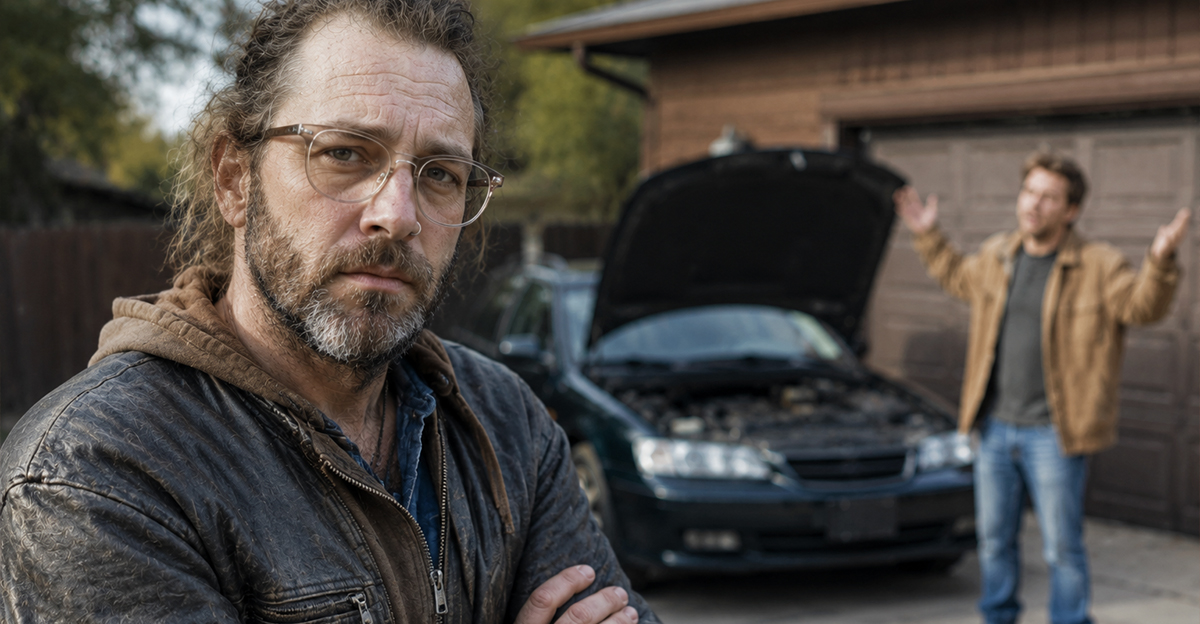
When A Family Favor Turns Into A Family Dispute
Buying a vehicle from a relative often feels safer than purchasing from a stranger. After all, there’s usually trust, familiarity, and a shared history involved. But when expensive repairs appear shortly after the sale, that goodwill can quickly disappear. The key question becomes whether the seller has any legal obligation to help cover those costs.
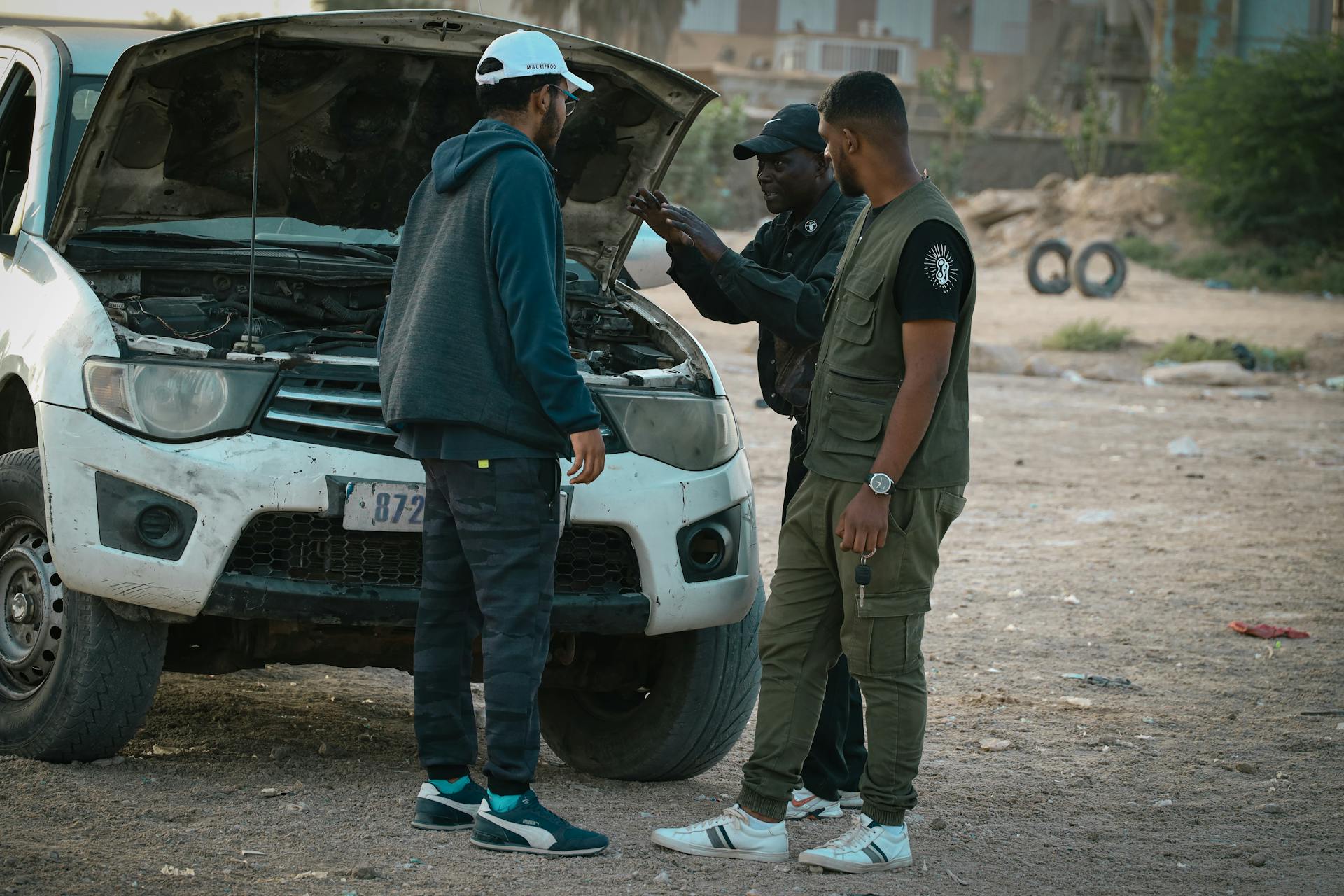
The Answer Usually Starts With The Sale Agreement
Whether your family member is responsible often depends on what was agreed upon before the sale. If the vehicle was sold with specific promises about its condition, those promises may matter. If no guarantees were made and the sale was informal, proving responsibility can become much more difficult.
Most Private Vehicle Sales Are Sold "As Is"
In many jurisdictions, private-party vehicle sales are generally considered "as is" unless the seller explicitly provides a warranty. That means the buyer usually accepts the vehicle in its current condition, including defects that may not become apparent until later. This rule often surprises people who assume fairness automatically creates legal obligations.

Family Relationships Don't Change Contract Law
Many buyers believe courts will view family transactions differently. While family dynamics may influence negotiations, the legal principles governing the sale are usually the same. A sibling, cousin, parent, or uncle who sells a car privately is often treated much like any other private seller under the law.
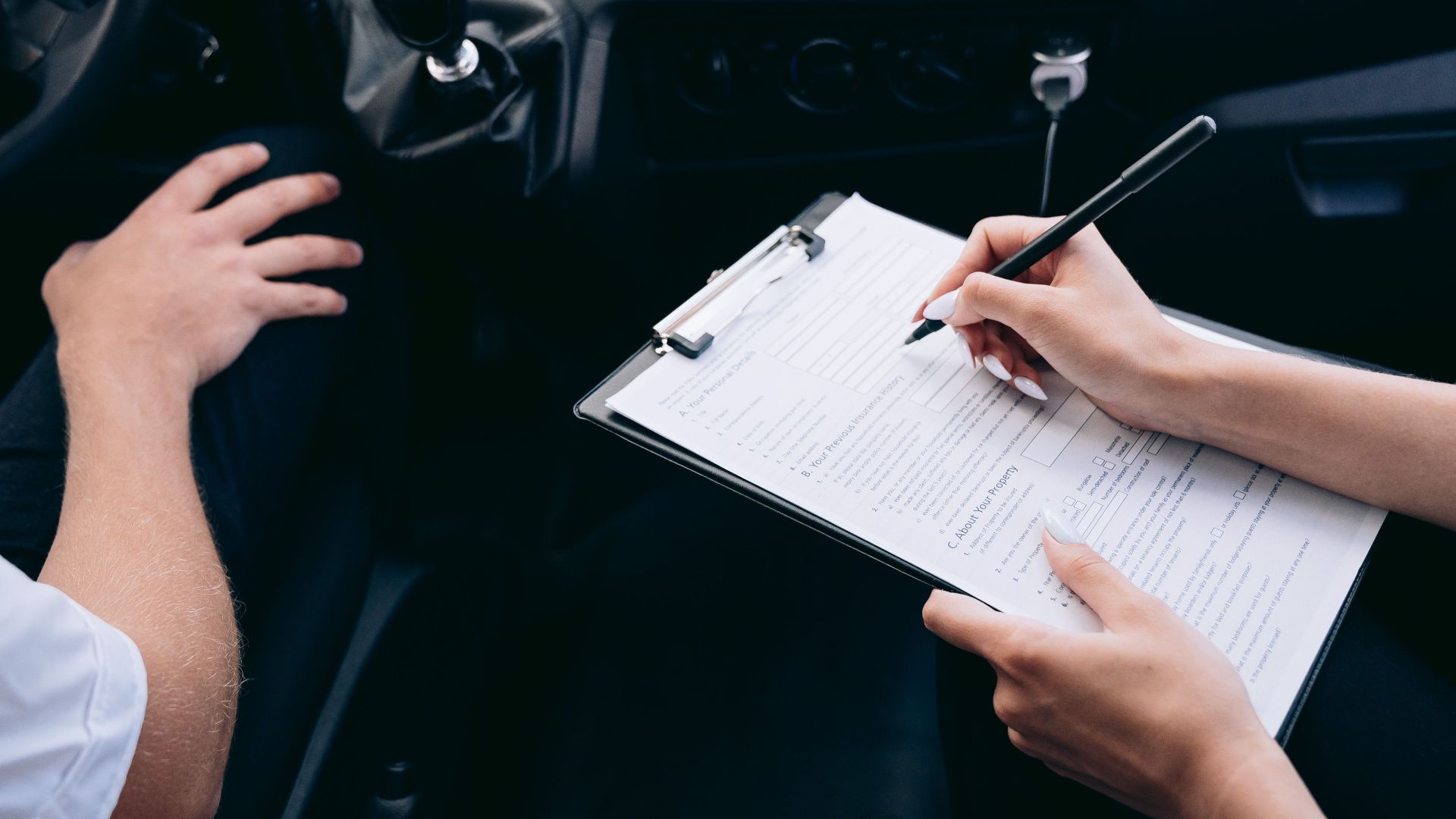
What Did The Seller Actually Say?
The exact statements made before the sale can be important. If your relative specifically claimed the vehicle was in excellent condition or stated that no major issues existed, those representations could become relevant. Written messages, emails, and text conversations may help establish what was promised.

Honest Mistakes Are Different From Misrepresentation
Not every mechanical problem creates liability. A seller who genuinely believed the vehicle was reliable may not be responsible simply because a hidden issue appeared later. The situation changes if evidence suggests the seller knew about a serious problem and deliberately concealed it before the transaction.
Hidden Defects Create The Biggest Disputes
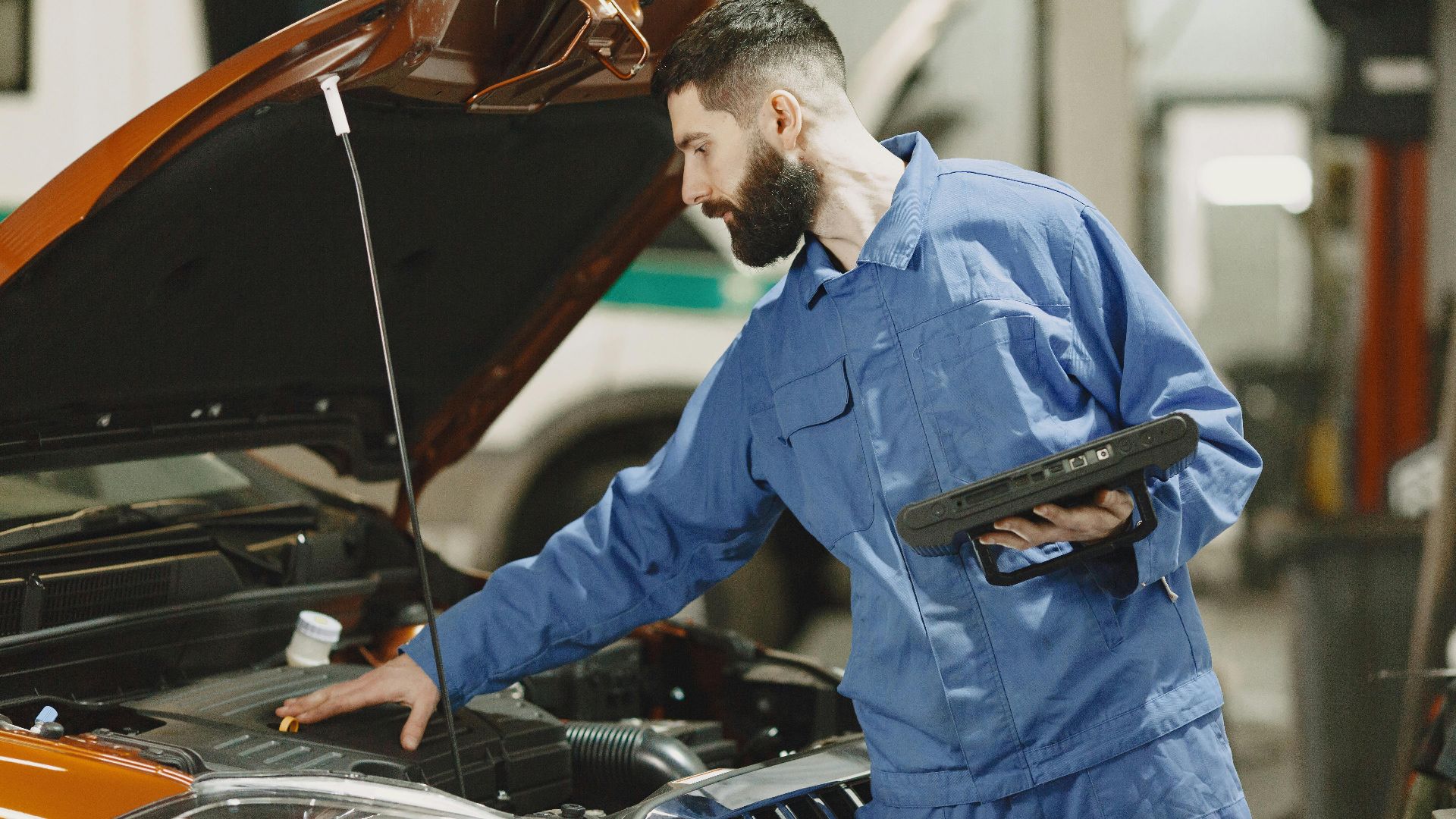
Major disagreements often arise when expensive defects emerge shortly after purchase. Engine failures, transmission problems, electrical issues, or frame damage can lead buyers to suspect the seller knew more than they disclosed. Whether that suspicion can be proven is often the central issue in a dispute.
Maintenance Records May Tell An Important Story
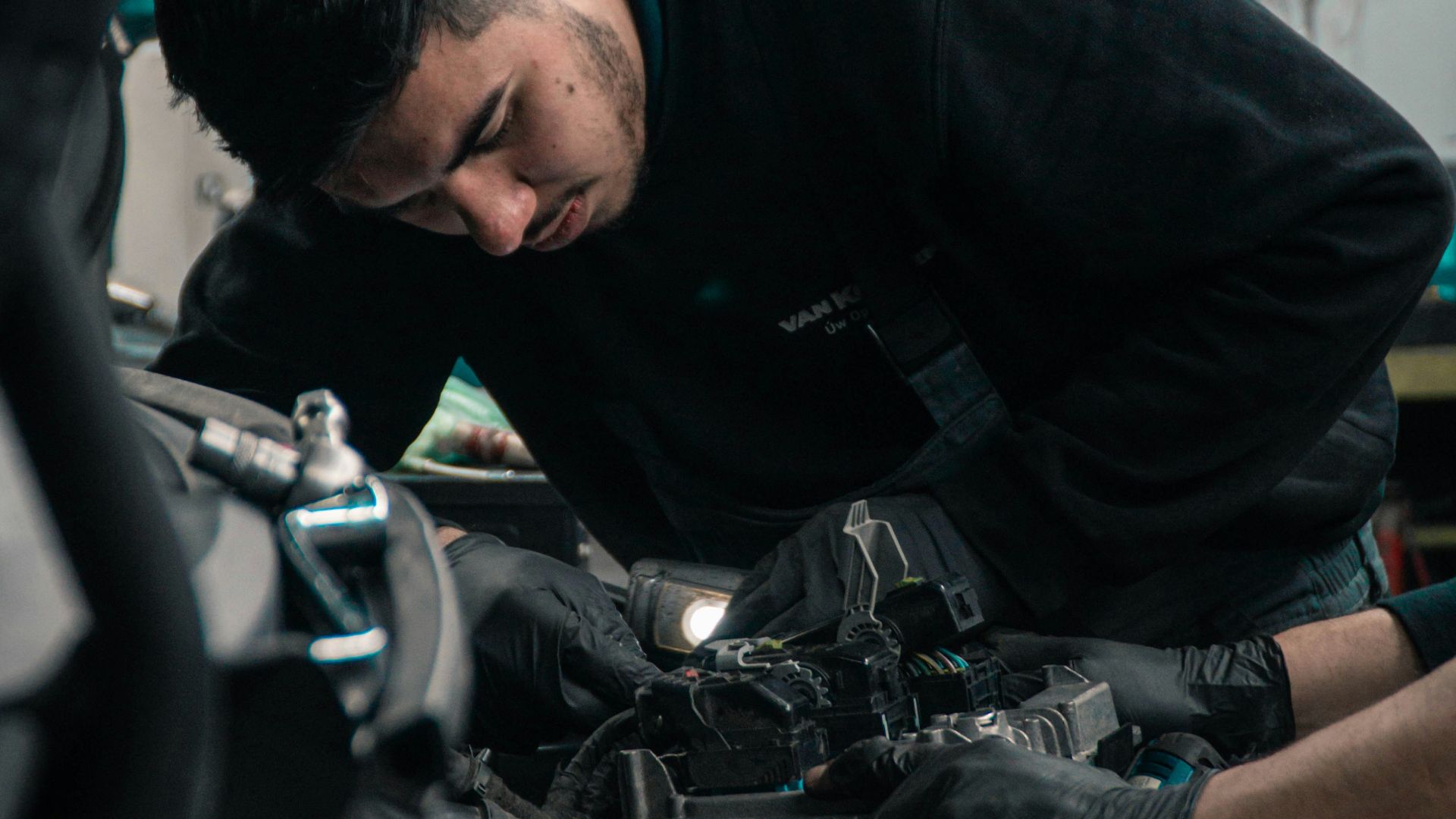
Repair invoices, service records, and inspection reports can reveal whether problems existed before the sale. If records show repeated complaints about the same issue, they may support an argument that the seller was aware of the defect. Conversely, clean maintenance records may strengthen the seller's position.
 TECNIC Bioprocess Solutions, Unsplash
A Pre-Purchase Inspection Matters
Courts often expect buyers to exercise reasonable caution before purchasing a used vehicle. If the buyer chose not to obtain a pre-purchase inspection, that decision may weaken claims that the seller should bear responsibility. An inspection is one of the best ways to identify potential problems before money changes hands.
Verbal Promises Can Be Difficult To Prove
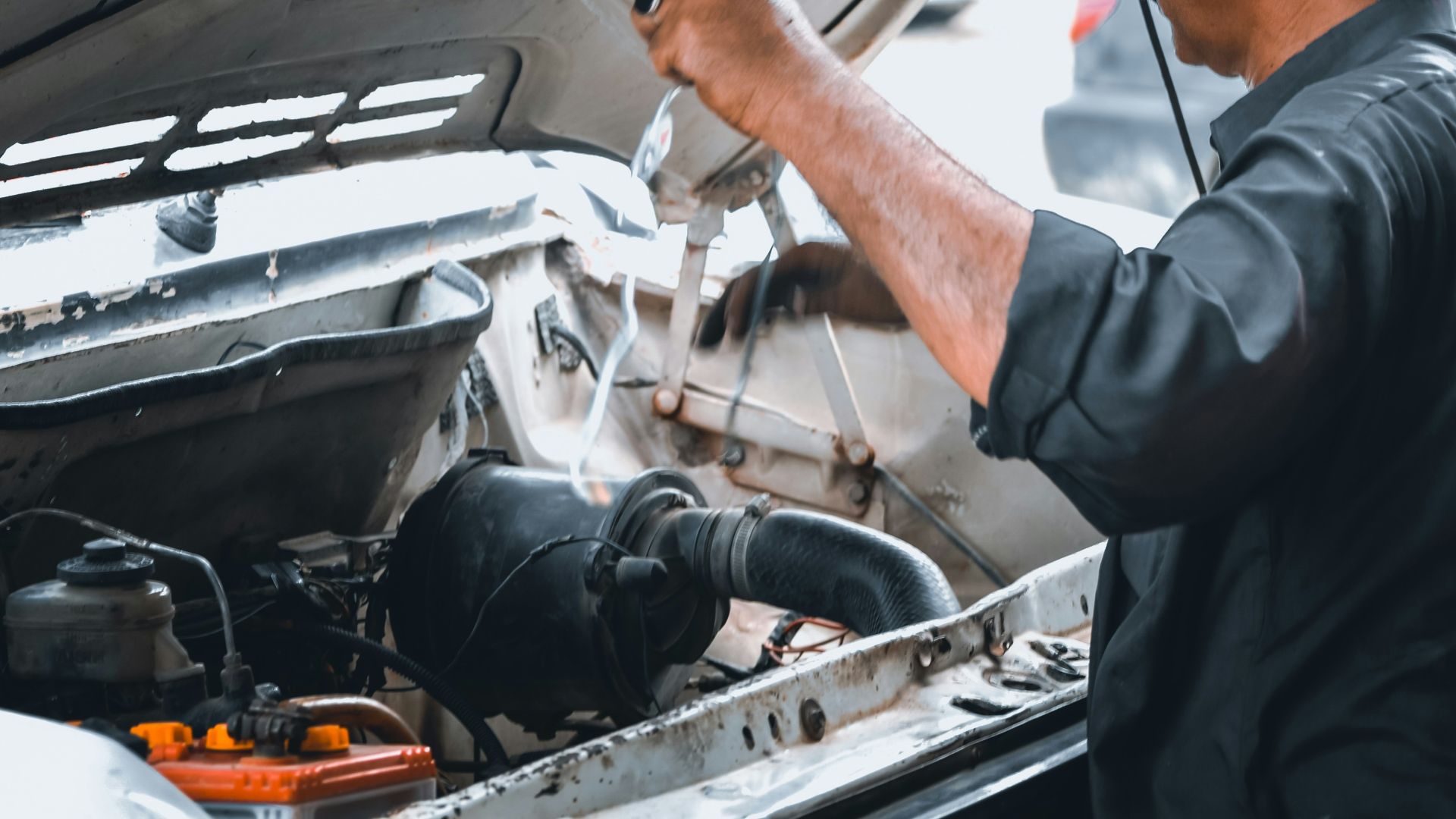
Family sales are often completed with handshakes rather than paperwork. Unfortunately, verbal agreements can create evidentiary problems later. When memories differ about what was said, courts typically prefer written documents, text messages, emails, and other objective evidence over conflicting recollections.

Written Agreements Carry More Weight
A bill of sale containing specific language about the vehicle's condition can significantly affect the outcome of a dispute. Terms describing warranties, known defects, or "as is" status may provide important evidence. Even a simple written agreement often offers more protection than no documentation at all.

Fraud Is A Different Matter Entirely
If a seller intentionally hides known defects or provides false information to induce a sale, the issue may move beyond ordinary contract disputes. Fraud claims can sometimes allow buyers to seek compensation, rescission of the sale, or other remedies, although proving fraudulent intent can be challenging.
Timing Can Influence Perceptions
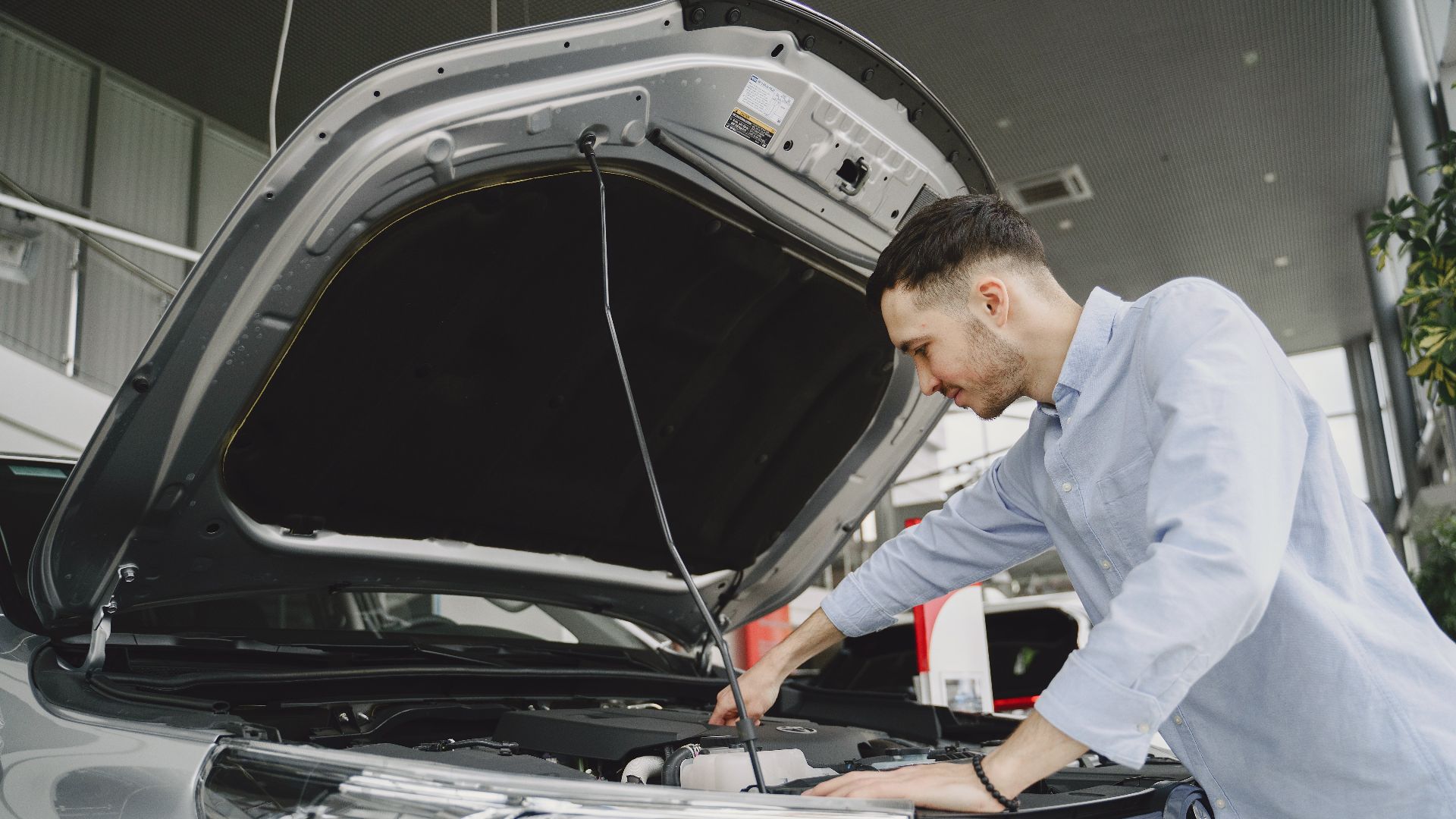
Mechanical failures occurring days after purchase often create suspicion, but timing alone does not establish liability. Vehicles can develop unexpected problems at any time. While a quick breakdown may support questions about prior knowledge, additional evidence is usually needed to prove responsibility.
Text Messages May Become Valuable Evidence
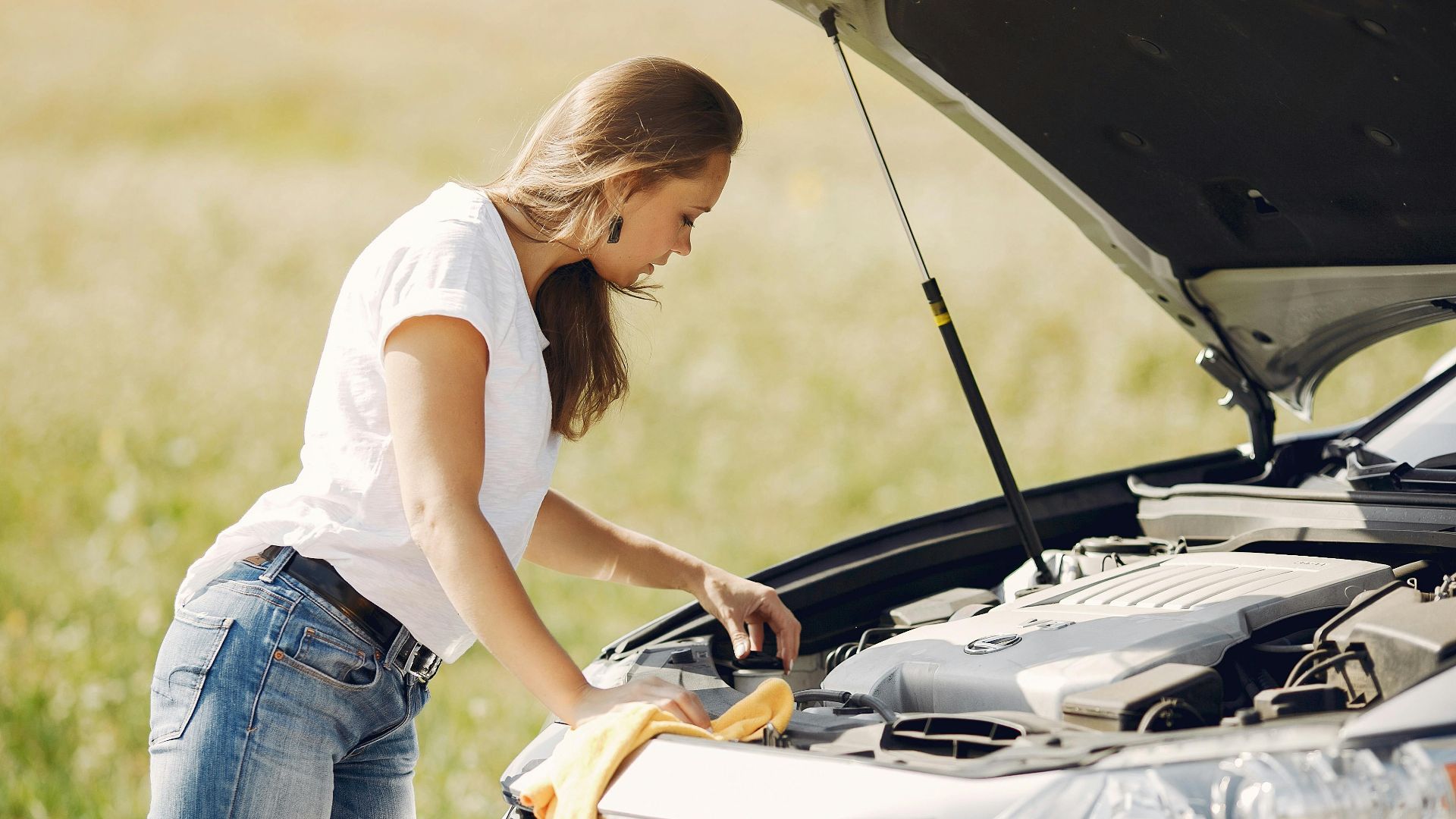
Many vehicle negotiations now occur through text messaging. Discussions about repairs, vehicle condition, warning lights, accidents, or maintenance history can become important evidence. Saving those communications may help clarify what each party knew and represented before the sale.

Small Claims Court May Be An Option
If the repair costs are substantial and negotiations fail, small claims court may provide a practical path for resolving the dispute. These courts typically handle lower-value disagreements without requiring extensive legal procedures. Documentation and evidence often play a critical role in determining the outcome.
 Christian Wasserfallen, Pexels
Family Harmony May Be Worth Considering
Legal rights are only part of the equation. Pursuing a claim against a family member can strain relationships for years. Some buyers and sellers choose to share repair costs voluntarily as a compromise, even when neither side is clearly obligated to do so under the law.

Mediation Can Help Avoid A Bigger Conflict
Mediation offers a less confrontational alternative to litigation. A neutral third party helps both sides discuss the dispute and explore possible solutions. This process often works particularly well in family disagreements where preserving relationships remains an important goal.

Insurance Usually Won't Solve The Problem
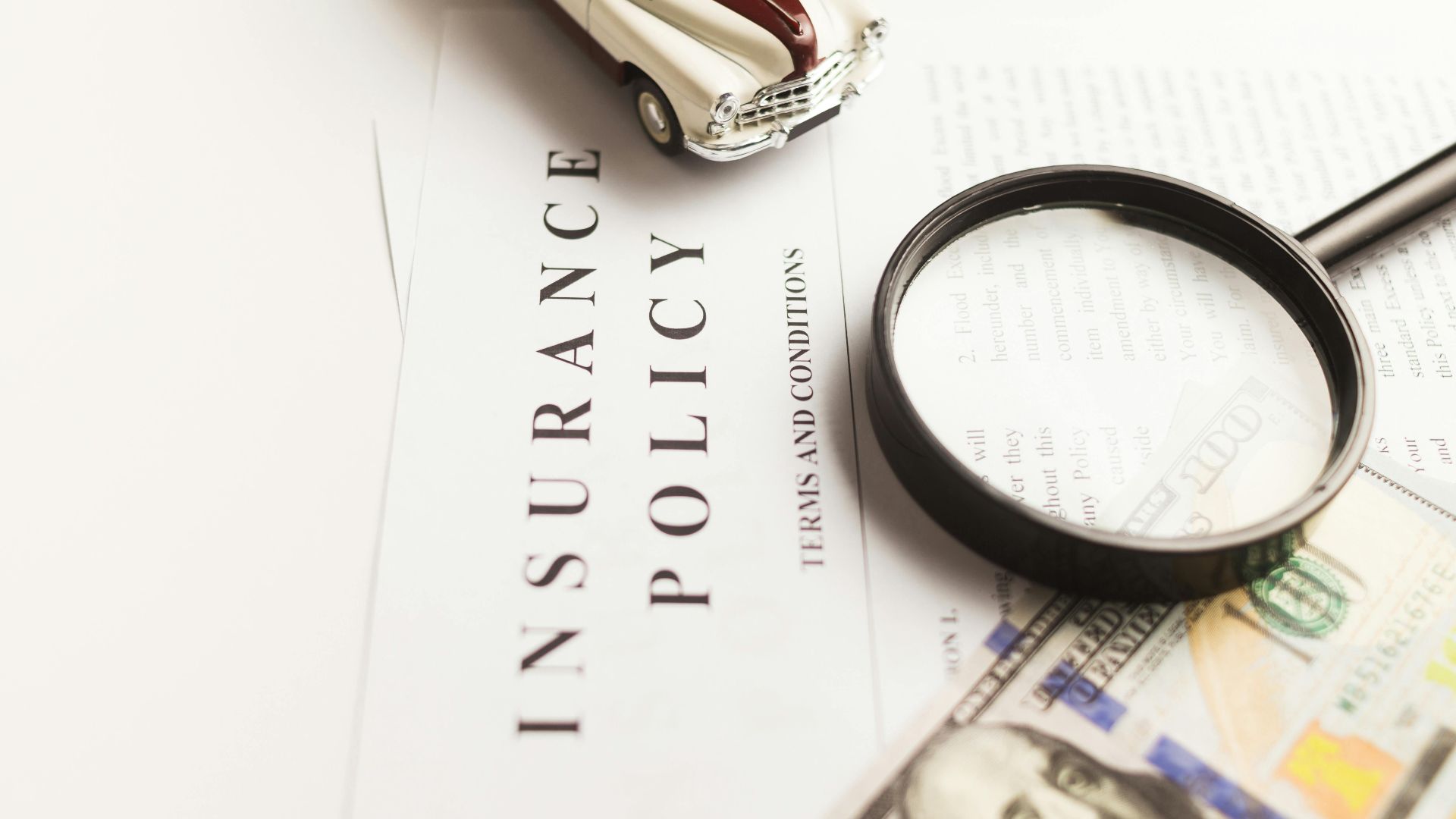
Mechanical failures are generally not covered by standard auto insurance policies. Unless the issue stems from an accident or a covered event, insurers are unlikely to pay for repairs. That means responsibility usually depends on the sale agreement and the facts surrounding the transaction.
Documentation Strengthens Every Position
Whether you're the buyer or seller, keeping records can make a significant difference. Bills of sale, inspection reports, maintenance receipts, advertisements, and communications can help establish what happened and what expectations existed at the time of the transaction.

Every Situation Depends On The Facts
There is no universal answer to whether a family member must pay for post-sale repairs. The outcome often depends on the terms of the sale, the condition of the vehicle, what was disclosed, and whether anyone knowingly misrepresented important information. Small details can make a significant difference.

You May Also Like:
Inside Bill Gates's Garage: These Are His Most Incredible Cars
Car Dealership Tactics That Customers Should Always Question