That Charging Receipt Can Be A Rude Surprise
One reason people buy EVs is the promise of spending less on energy. Then they pull into a public fast charger, add enough electricity for the next leg of a road trip, and discover the session cost more than filling a comparable gasoline car would have. So, are the claims about EV savings wrong?
Public Fast Charging Is The Expensive Version
When studies and ownership calculators show big EV fueling savings, they often assume at least a substantial amount of charging happens at home. The US Department of Energy says drivers normally pay more at public chargers, particularly DC fast chargers, than they do for electricity at home. Fast charging is essentially the convenience-store version of electricity: you’re paying not only for energy but also for expensive equipment, locations, maintenance, networking, and the ability to get back on the highway quickly.

Home Electricity Can Be Dramatically Cheaper
The difference can be substantial. The US Energy Information Administration reported that the average residential electricity rate nationwide was 18.31 cents per kWh in July 2026, although prices varied enormously by state. Public fast chargers can charge considerably more than that. Consumer Reports has found public charging prices that can be two or three times typical home electricity costs in some locations. That difference can completely change the fuel-cost comparison.

Forget The Full-Charge Price For A Moment
Comparing what it costs to “fill” an EV and a gasoline car can be misleading because battery capacities and fuel tanks vary. A much cleaner comparison is cost per 100 miles. Your EV’s efficiency is normally expressed in kWh per 100 miles, while a gasoline vehicle uses gallons per 100 miles based on its mpg. Once both vehicles are reduced to the same distance, it becomes much easier to see which one actually costs less to operate.
Your EV’s Efficiency Matters A Lot
Suppose one EV uses 25 kWh to travel 100 miles while a large electric SUV needs 40 kWh. At the same charger, the SUV needs roughly 60 percent more energy to cover the same distance. Saying “EVs cost X to charge” therefore isn’t particularly useful. Vehicle size, aerodynamics, temperature, speed, tires, and driving style all affect how many expensive public kilowatt-hours you need to buy.

Run The Numbers From Your Charging Receipt
Start with the station’s per-kWh rate and your car’s actual energy consumption. If your EV uses 30 kWh per 100 miles and the charger costs 55 cents per kWh, that works out to $16.50 per 100 miles before any additional session or parking fees. Now compare that with the gasoline vehicle you realistically would have driven instead. This simple calculation tells you far more than a national claim about average EV savings.
Gasoline Has Its Own Cost-Per-Mile Formula
Take the gasoline price, divide it by the comparison vehicle’s mpg, and multiply by 100. A 30-mpg car using $4 gasoline costs about $13.33 to travel 100 miles. In that example, the EV using an expensive public fast charger really would cost more for energy. Change that same EV to inexpensive overnight home electricity, however, and the comparison can swing dramatically back in the EV’s favor.
One Expensive Road Trip Doesn’t Describe The Whole Year
The important question is how often you pay those public rates. Someone who charges at home 90 percent of the time and fast-charges on a few road trips may still have low annual electricity costs despite occasionally expensive sessions. Someone living in an apartment without home charging who relies on DC fast chargers three times a week has a completely different financial equation. The percentage of charging done publicly can matter almost as much as the vehicle itself.
This Is Where Some Savings Claims Get Misleading
An EV savings estimate based on residential electricity isn’t necessarily wrong. It may simply be irrelevant to someone who can’t charge at residential rates. If you rent an apartment, park on the street, or live in a condo without affordable charging, substituting your local public-charging rate into the calculation can produce a much different answer. Any EV cost comparison should match the charging situation the owner will actually have.
Public Charging Prices Are All Over The Place
Gas stations generally make price comparison easy because giant signs advertise the cost per gallon. Public charging is far less standardized. ChargePoint says individual station owners can determine pricing on its network, including per-kWh charges, flat fees, time charges, minimum fees, and overstay fees. EVgo uses pricing that varies by region, plan, and sometimes time of day. A charger five miles away can therefore be meaningfully cheaper than the one you happened to use.
Check The Price Before Plugging In
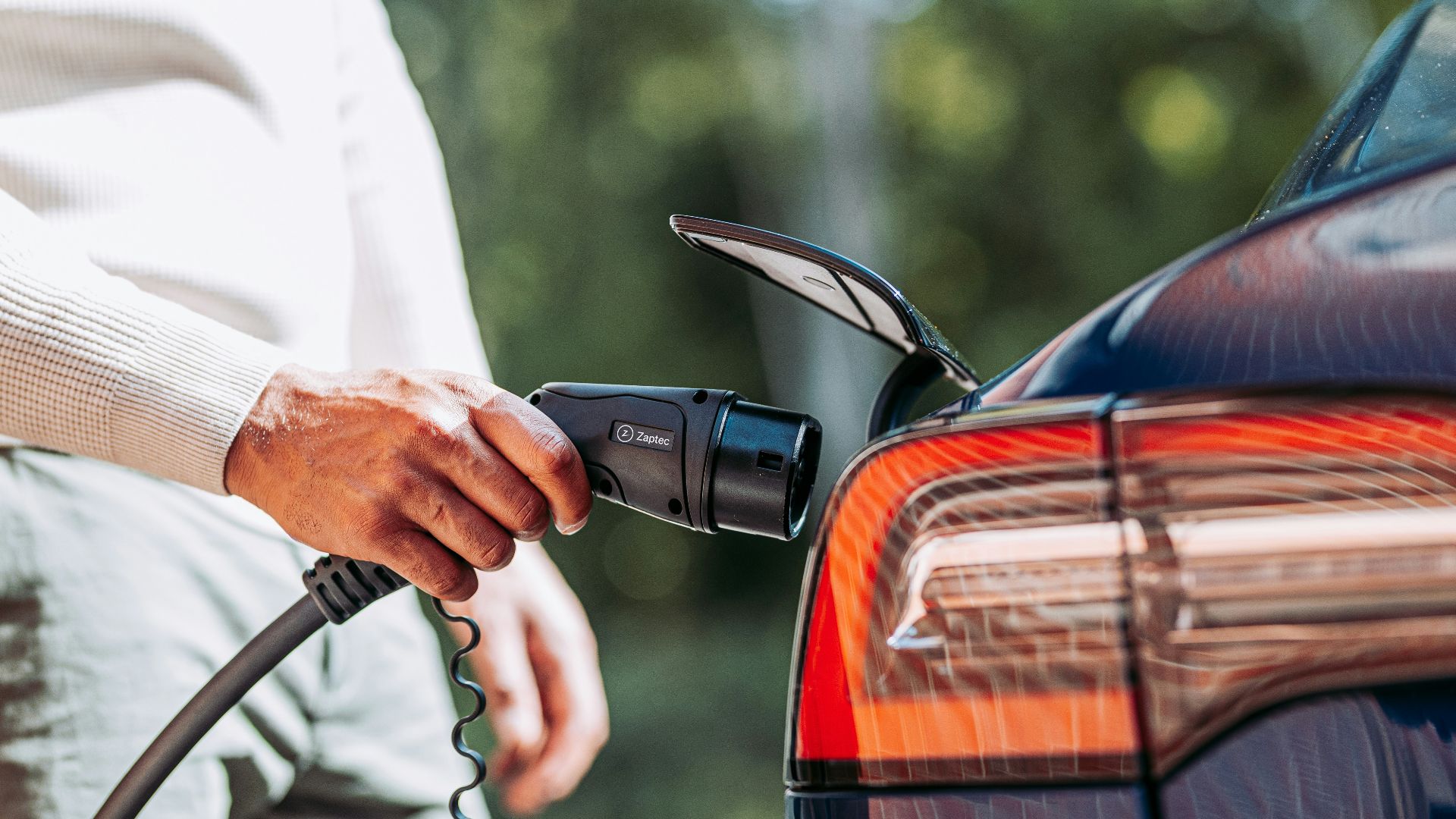
This sounds obvious, but new EV owners sometimes treat public chargers like gas pumps and assume nearby stations will cost roughly the same. Open the network app before starting the session and check the actual price. Also look for session charges, parking fees, service fees, or time-based penalties. When you’re buying 50 or 60 kWh at once, even a modest difference in the per-kWh price can add up quickly.
Peak Pricing Can Make A Bad Deal Worse
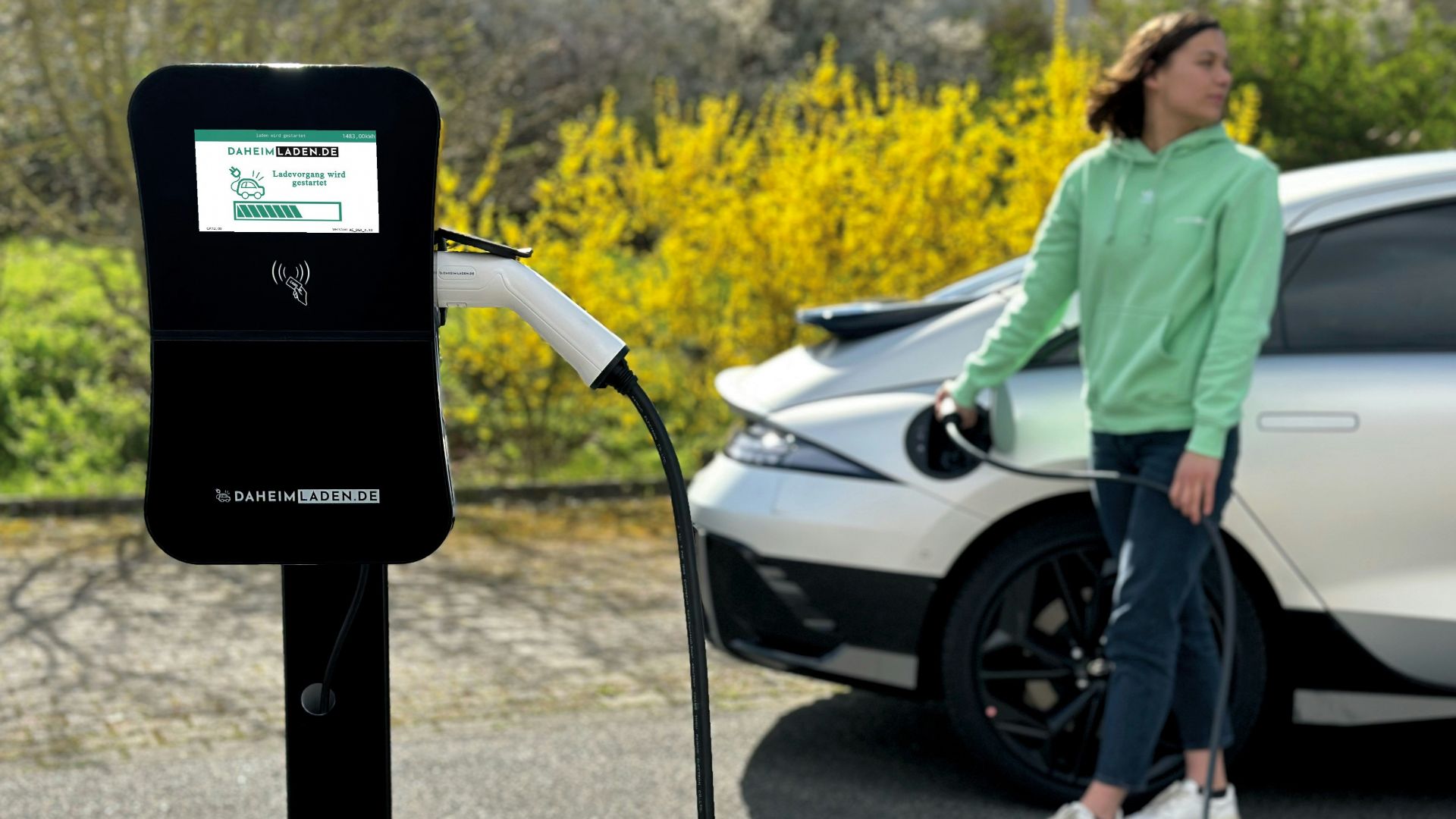
Some charging networks vary prices based on the time of day or site demand. EVgo uses time-of-use pricing in applicable areas, while Tesla now uses dynamic or time-based pricing at certain Supercharger locations. If your schedule is flexible, charging earlier, later, or at a less congested site may materially lower the bill. Road-trip convenience sometimes forces you to take the expensive option, but everyday public charging gives you more room to shop around.
Memberships Can Pay Off For Heavy Users
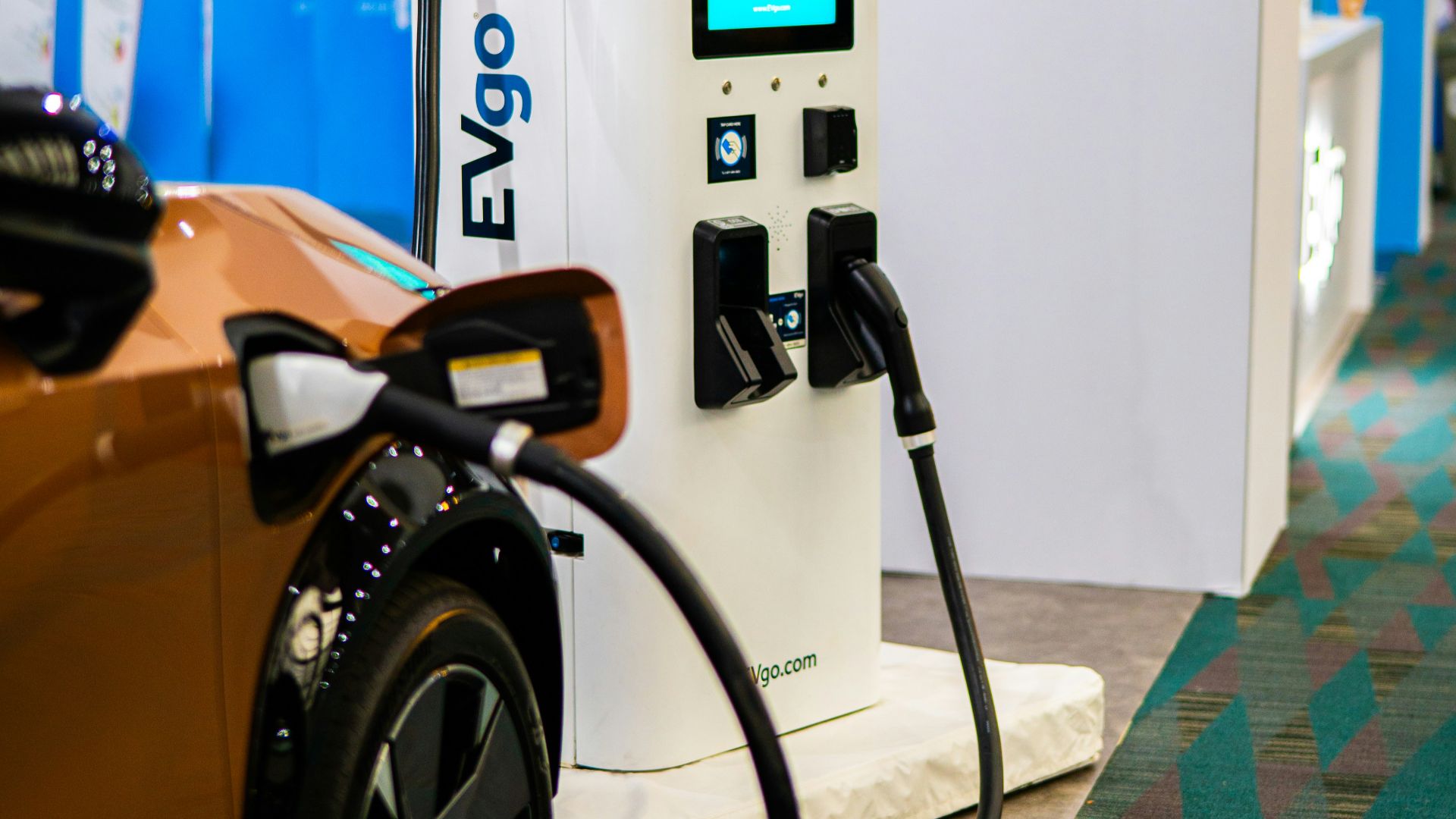
Several networks offer paid memberships that reduce charging rates. EVgo, for example, offers subscription plans designed around different charging frequencies, while Tesla offers a Supercharging membership that can reduce rates for drivers of compatible non-Tesla EVs. A monthly fee makes no sense if you fast-charge twice a year, but someone relying heavily on one network should calculate whether the reduced energy price outweighs the subscription.
Watch The Small Fees Too
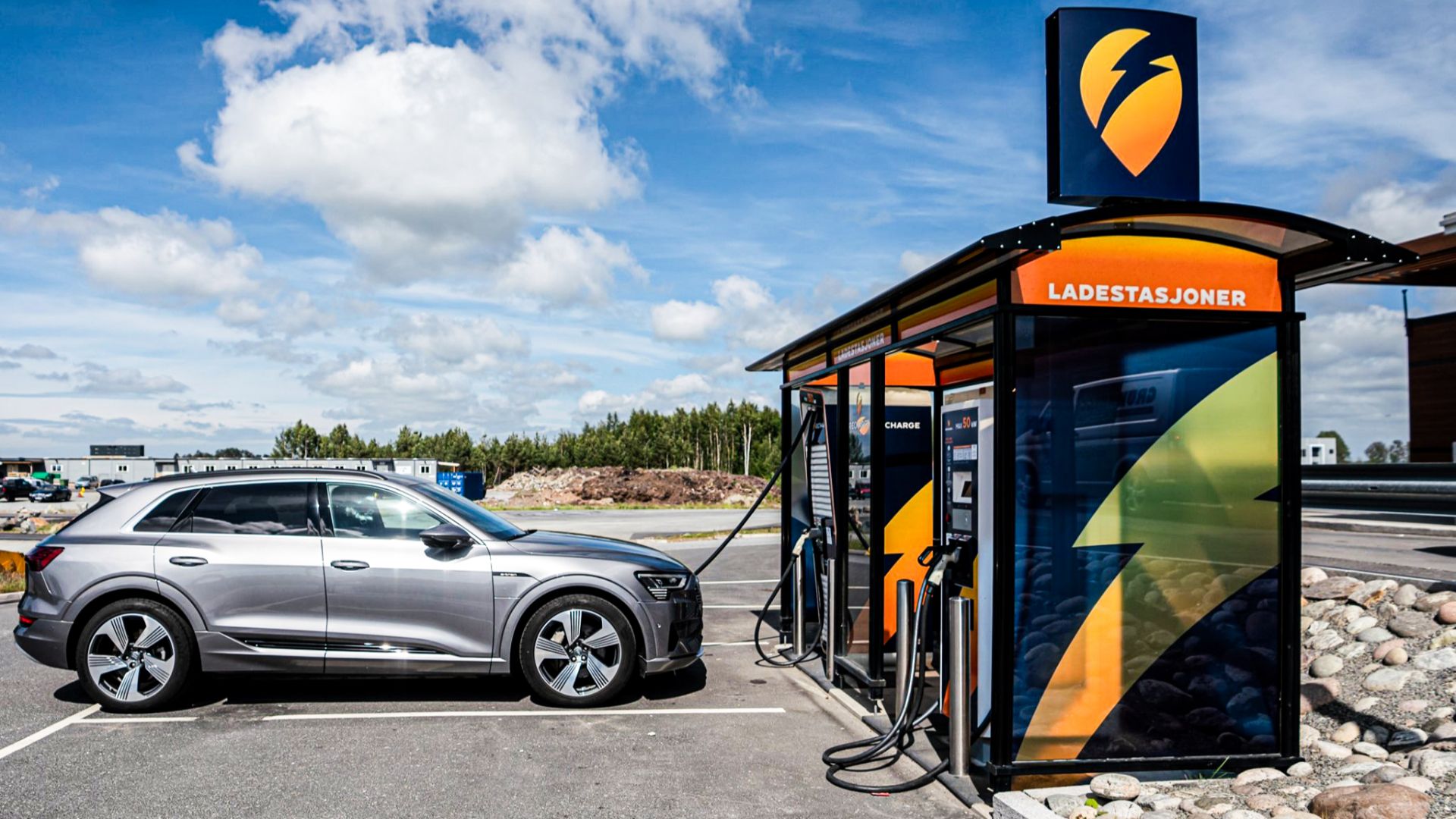
The posted electricity price isn’t always the final bill. Networks and station owners may add session, service, guest, parking, reservation, or overstay fees. ChargePoint, for example, explains that station owners can use several different fee structures, while EVgo’s pay-as-you-go plan can include session-related charges. One small fee won’t destroy the economics of an EV, but repeated several times per week it can turn an already expensive charging routine into a noticeably larger monthly expense.

Don’t Sit At A Fast Charger Longer Than Necessary
Public DC charging usually slows significantly as the battery approaches a high state of charge because the car reduces charging power to protect the battery. If pricing includes time-related fees or congestion penalties, spending a long time forcing the battery from 80 percent toward 100 percent can become particularly expensive. Even with pure per-kWh pricing, stopping earlier can free the charger and get you moving sooner. On road trips, multiple shorter stops can sometimes make more sense than trying to fill completely.
Charging Speed Can Affect What You’re Really Buying
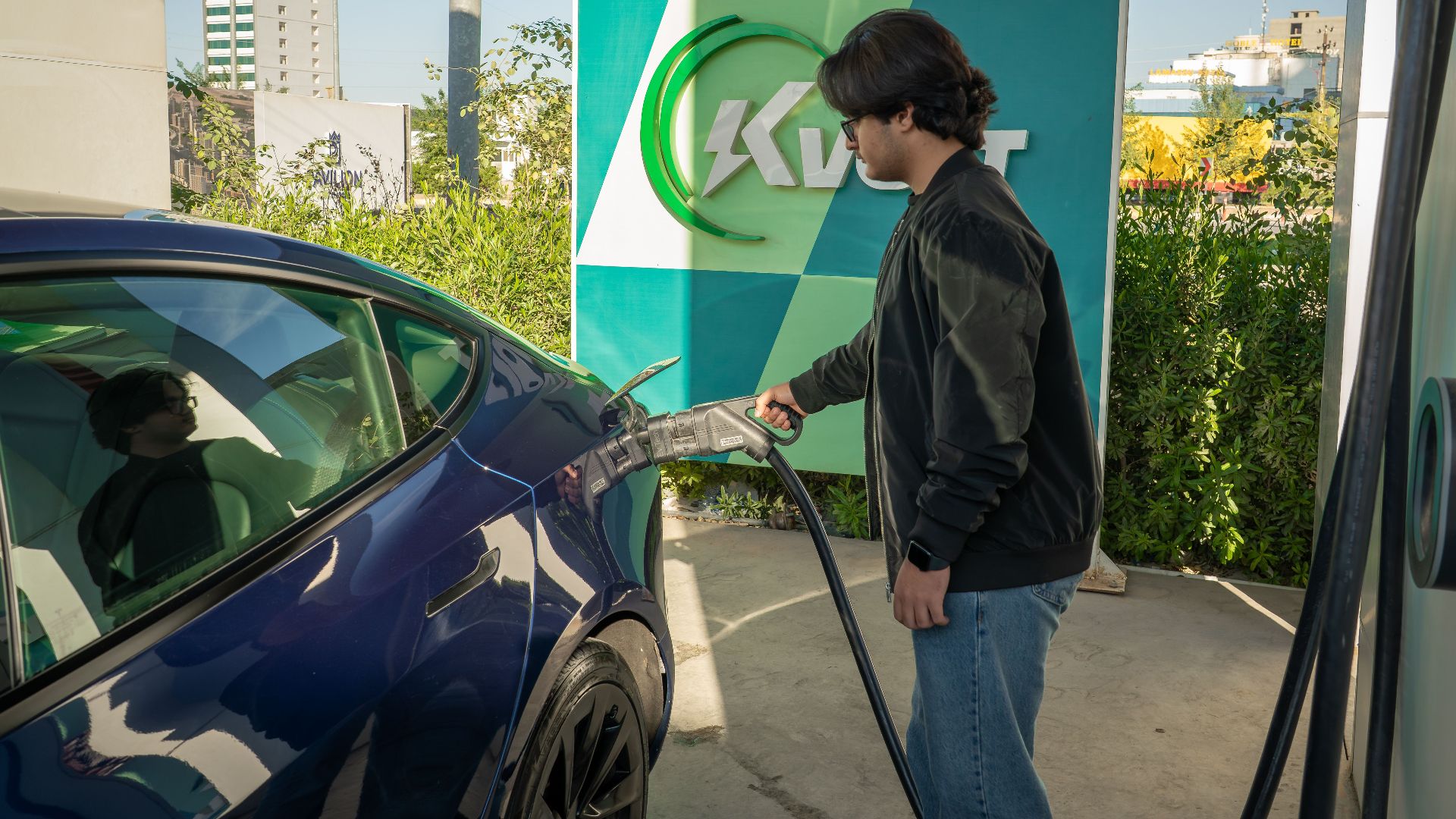
A 350-kW charger doesn’t mean your car will actually accept 350 kW. The vehicle controls its maximum charging rate, and that rate also changes with battery temperature and state of charge. Consumer Reports testing shows substantial differences in how quickly different EVs can add usable driving range. If a station charges by time rather than solely by energy, a slower-charging vehicle can be at a serious disadvantage because it occupies the charger longer to receive the same amount of electricity.
Winter Can Make The Comparison Look Worse
Cold weather can reduce EV efficiency because the battery performs differently and cabin heating consumes energy. It can also affect charging performance if the battery isn’t properly conditioned. That means a driver may need more purchased electricity to cover the same 100 miles in winter than in mild weather. Gasoline cars also lose efficiency in cold conditions, but EV winter range losses can make expensive public electricity particularly noticeable on long cold-weather trips.

Highway Driving Isn’t Usually An EV’s Sweet Spot
Gasoline cars often perform relatively well during steady highway driving, while EV efficiency generally suffers as speed and aerodynamic drag increase. That creates an unfortunate combination on road trips: the EV may be using more electricity per mile precisely when the driver is buying the most expensive electricity available. An EV that is extremely inexpensive to run during a home-charged urban commute can therefore look far less impressive during a fast-charger-heavy interstate journey.

Free And Cheap Level 2 Charging Still Counts
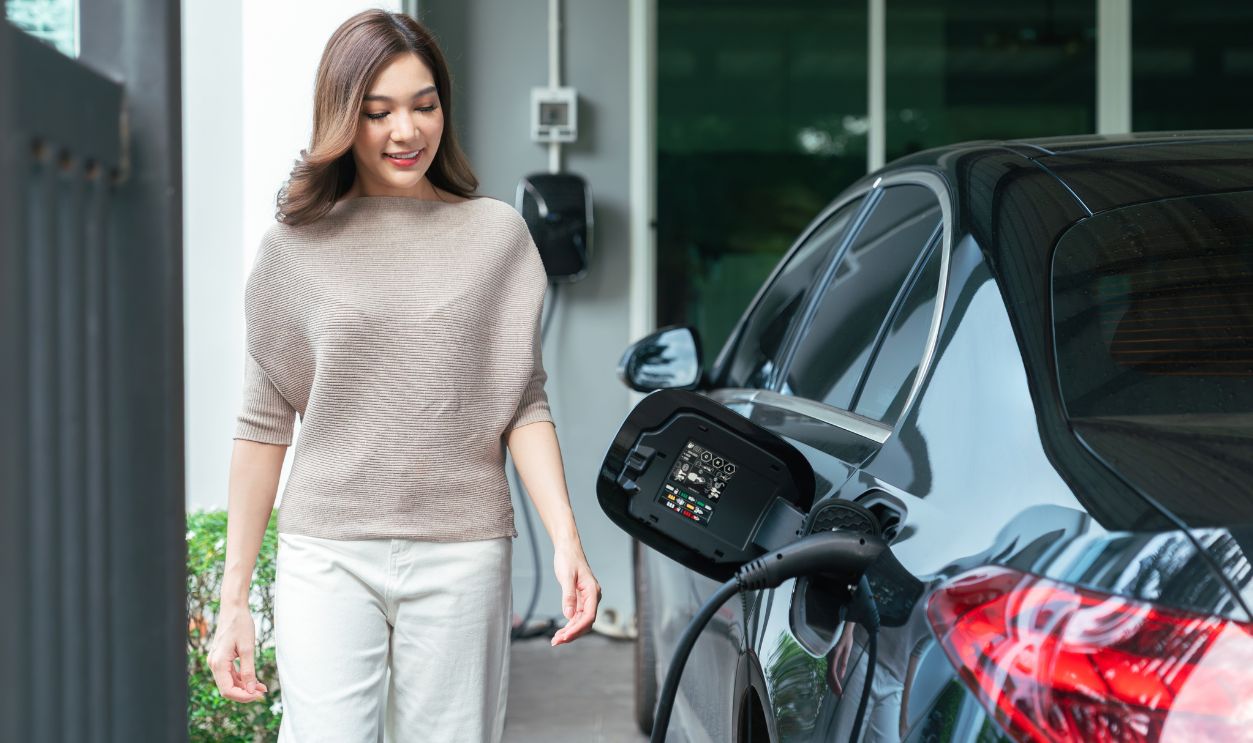
Public charging doesn’t always mean expensive DC fast charging. Workplaces, hotels, shopping centers, parking garages, municipalities, and other locations sometimes offer free or relatively inexpensive Level 2 charging. It’s slower, but if the car will already be parked for several hours, speed may not matter. A driver who regularly charges cheaply at work can have operating costs much closer to a homeowner than someone depending entirely on highway fast chargers.
 DJ Creative Studio, Shutterstock
Even A Regular Wall Outlet Can Change The Math
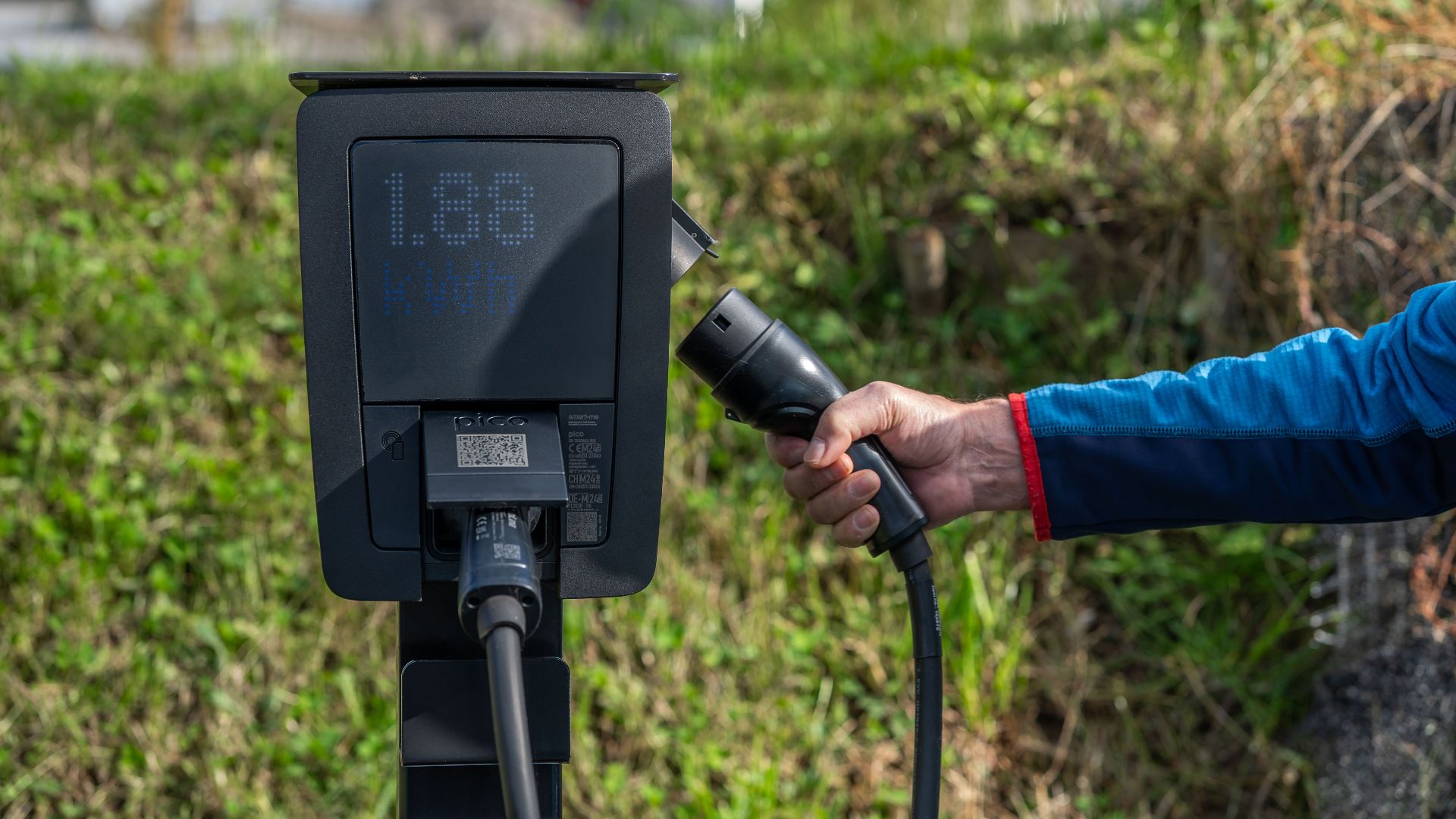
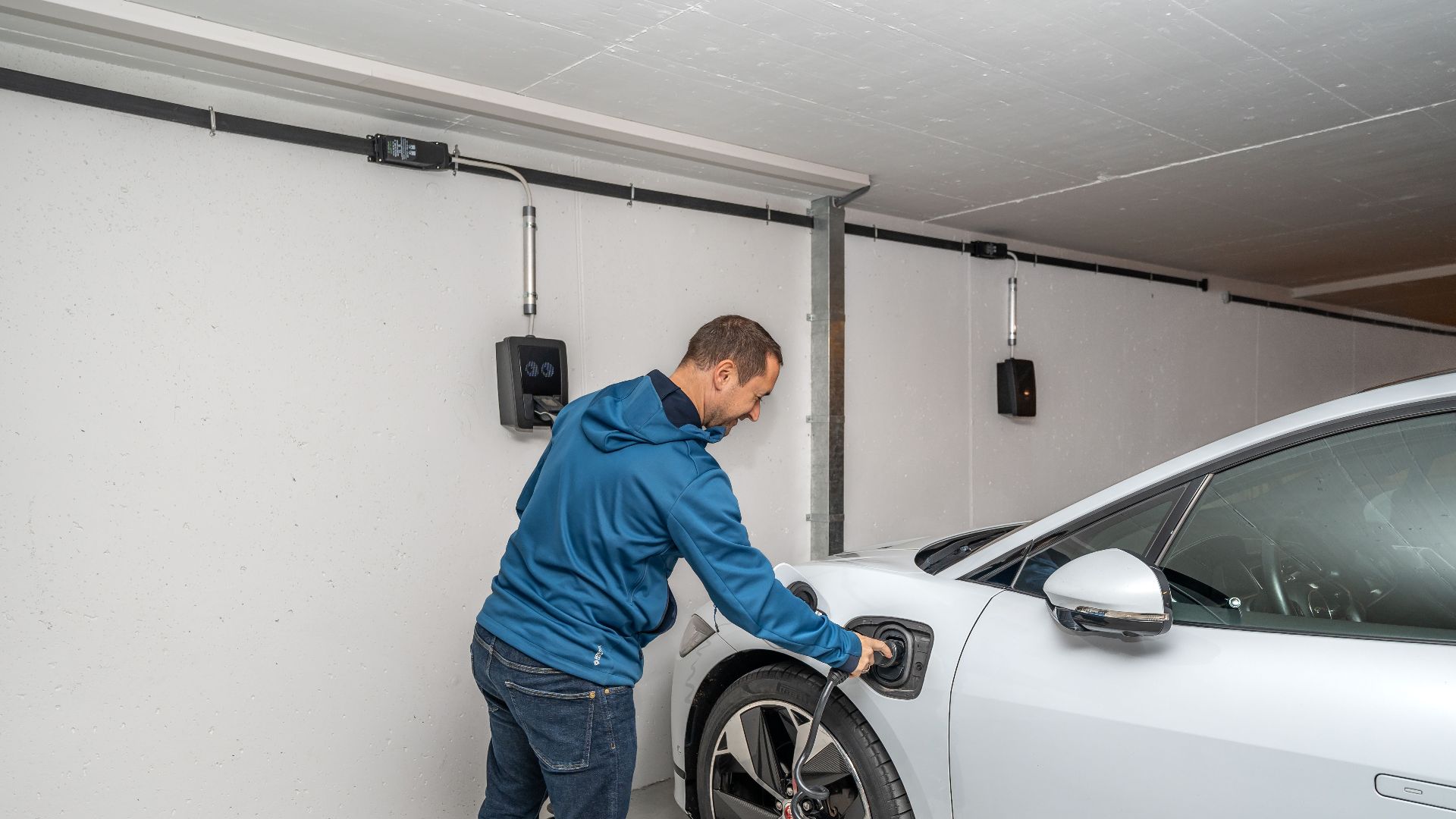
Home charging doesn’t necessarily require an expensive Level 2 installation. DOE notes that many EV owners with modest daily mileage can recover enough range overnight using Level 1 charging from an ordinary 120-volt outlet on an appropriate dedicated circuit. It’s slow, but electricity bought through the household meter can still be dramatically cheaper than frequent DC fast charging. Before deciding you have “no home charging,” check whether basic Level 1 charging would cover most normal driving.
Apartment Dwellers Need A Different EV Calculation
This is where broad claims about EV savings deserve the most scrutiny. Someone with a garage and an inexpensive overnight utility rate has access to an advantage that a street-parking apartment resident may not. Consumer Reports specifically warns that drivers without home charging may wind up spending as much on public electricity as they would have spent on gasoline. Before buying an EV, renters and condo residents should research real nearby charging prices rather than using generic online estimates.
Compare Against The Car You Would Actually Own
An EV SUV shouldn’t necessarily be compared with a tiny 50-mpg hybrid just because both use different fuels. Ask what gasoline vehicle you realistically would have bought instead. If the alternatives are two similarly sized crossovers, compare those. Fuel savings can look absurdly large or disappointingly small depending on which vehicle is chosen as the benchmark, so make the comparison relevant to your actual purchasing decision.

Fuel Isn’t The Entire Ownership Equation
Even if public charging makes the EV slightly more expensive to fuel, that doesn’t automatically mean the gasoline car costs less overall. Maintenance, insurance, depreciation, purchase price, financing, registration fees, incentives, tires, and repair costs all contribute to total ownership cost. EVs avoid oil changes and have fewer conventional powertrain service items, but individual models can have high insurance or depreciation. Fuel savings are only one line on the spreadsheet.

Track Your Own Numbers For A Few Months
The easiest way to escape arguments about EV economics is to stop using averages. Save every public-charging receipt and check how many kWh you add at home each month. Record mileage and calculate your actual electricity cost per mile. Then estimate what the comparable gasoline vehicle would have consumed over the same distance using local gas prices. After a few months, you’ll know whether your EV is saving money under your conditions rather than somebody else’s.
 Mariordo (Mario Roberto Durán Ortiz), Wikimedia Commons
Public Charging Can Erase The Advantage Without Erasing The Bigger Picture
So, are EV charging savings overstated? They can be if someone presents home-charging economics as though every EV driver receives them. Heavy reliance on expensive DC fast charging can shrink the savings, eliminate them, or occasionally make electricity cost more per mile than gasoline. But that doesn’t make the broader savings claim imaginary. It means charging location is one of the most important variables in EV ownership, and the cheapest EV to run is usually the one that spends most of its nights plugged into inexpensive power rather than most of its afternoons at a fast charger.
You May Also Like: