Your Neighbor Leaves Their EV Plugged In All Night—But Everyone Else Is Waiting To Charge
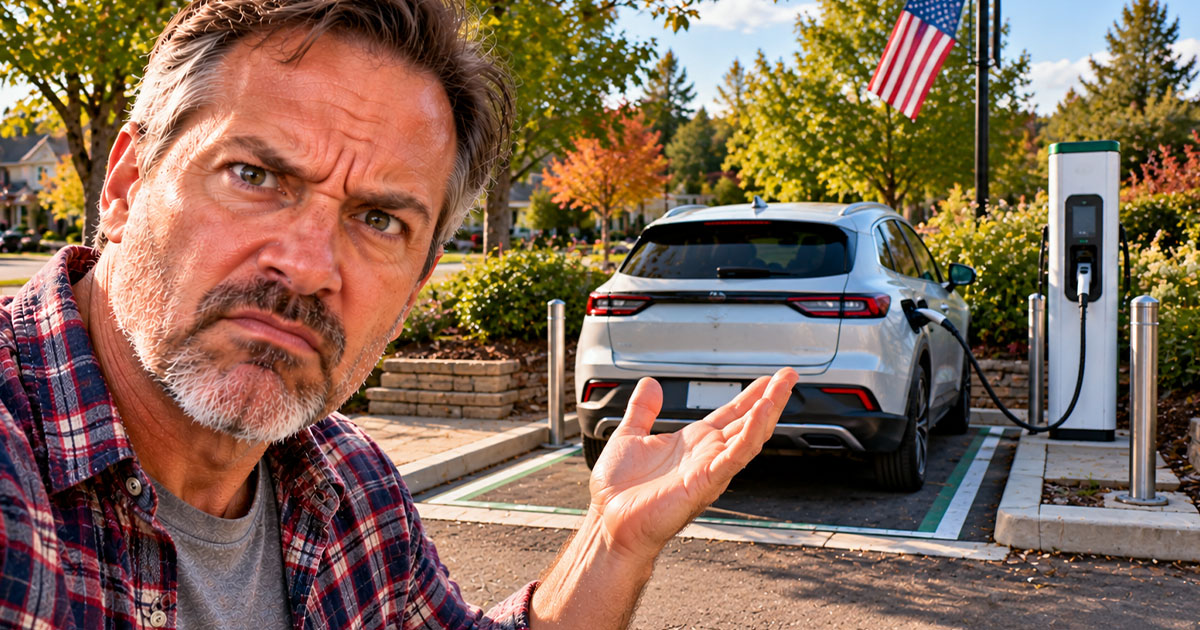
You pull into the public charging station after work only to find the same neighbor's electric vehicle parked there again. It finished charging hours ago, but it's still occupying the only available charger overnight. Meanwhile, other EV drivers are forced to wait—or drive somewhere else entirely.
It raises an understandable question: Are public charging spaces supposed to have time limits, or can someone simply treat them like free overnight parking?
EV Charging Spaces Aren't Ordinary Parking Spots
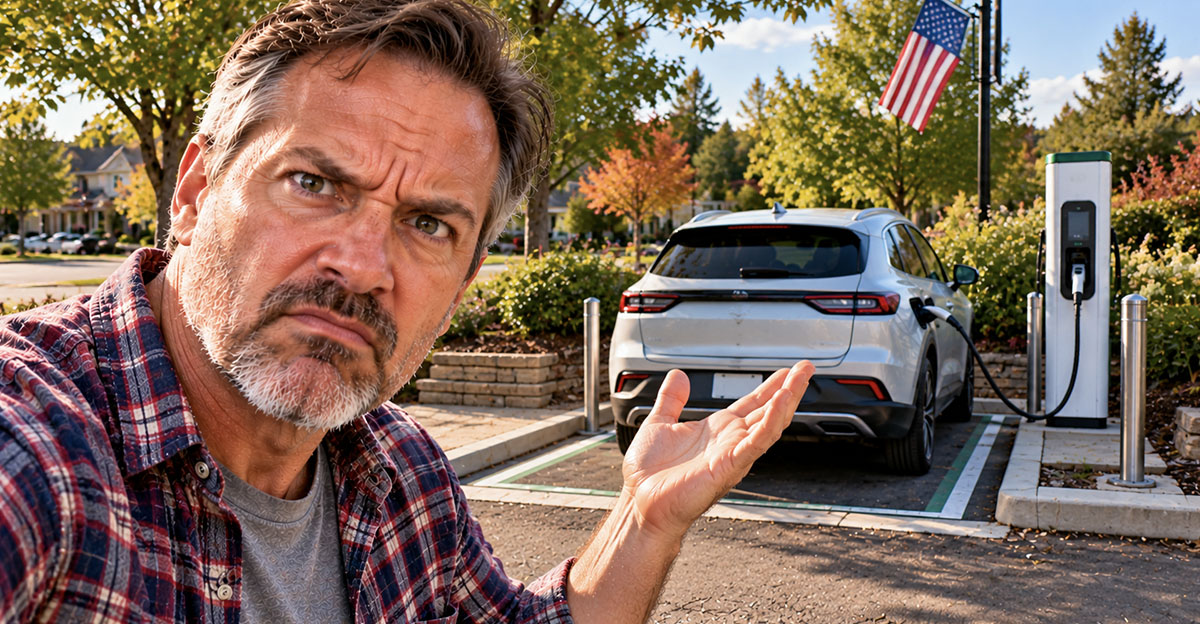
Public charging stations exist for one primary purpose: charging electric vehicles. While they may look like regular parking spaces, they're generally intended to keep chargers available for drivers who actually need electricity—not long-term parking.
The Rules Depend On Who Owns The Charger
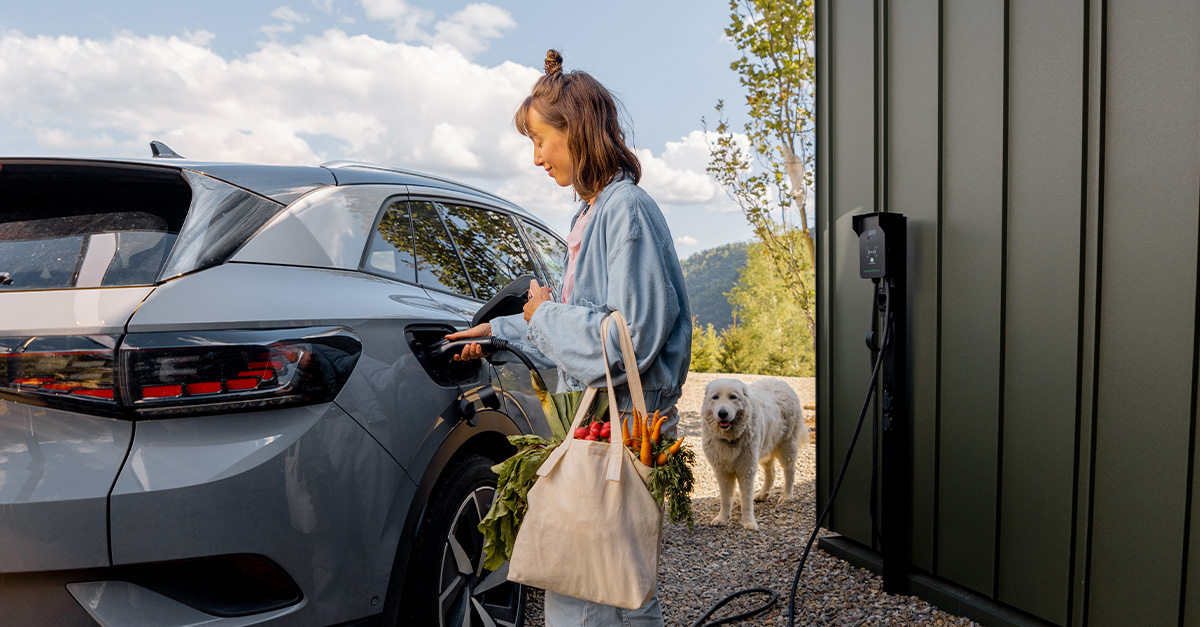
There's no single nationwide rule covering every charging station. A charger owned by a shopping mall, a city, a hotel, or a private charging network may all have different parking rules, time limits, and fees.
Some Stations Have Posted Time Limits
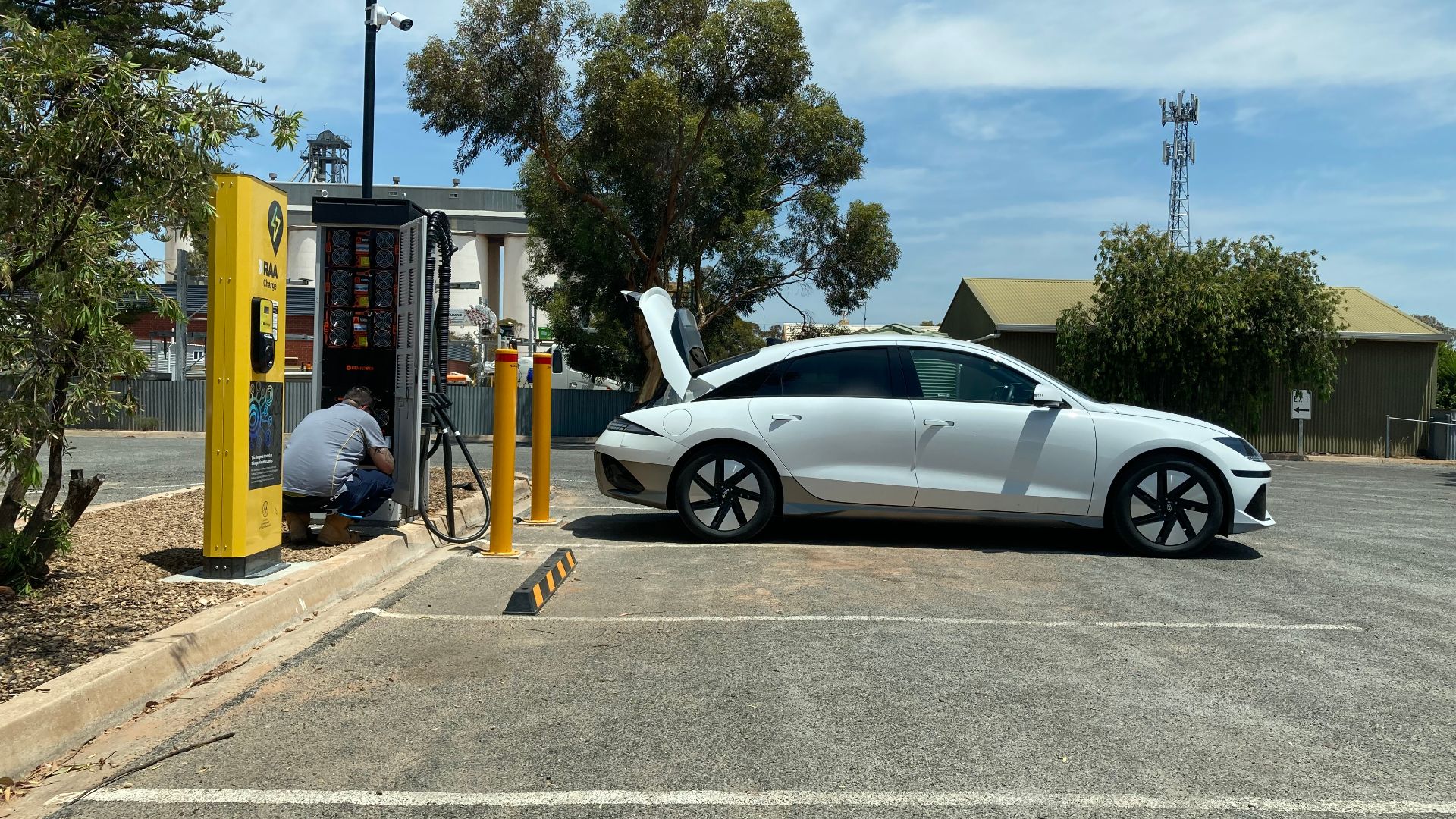
Many public charging locations clearly post maximum parking times, such as two, three, or four hours. Others allow longer stays, particularly where overnight parking is expected. Always check the posted signs before assuming how long a vehicle may remain there.
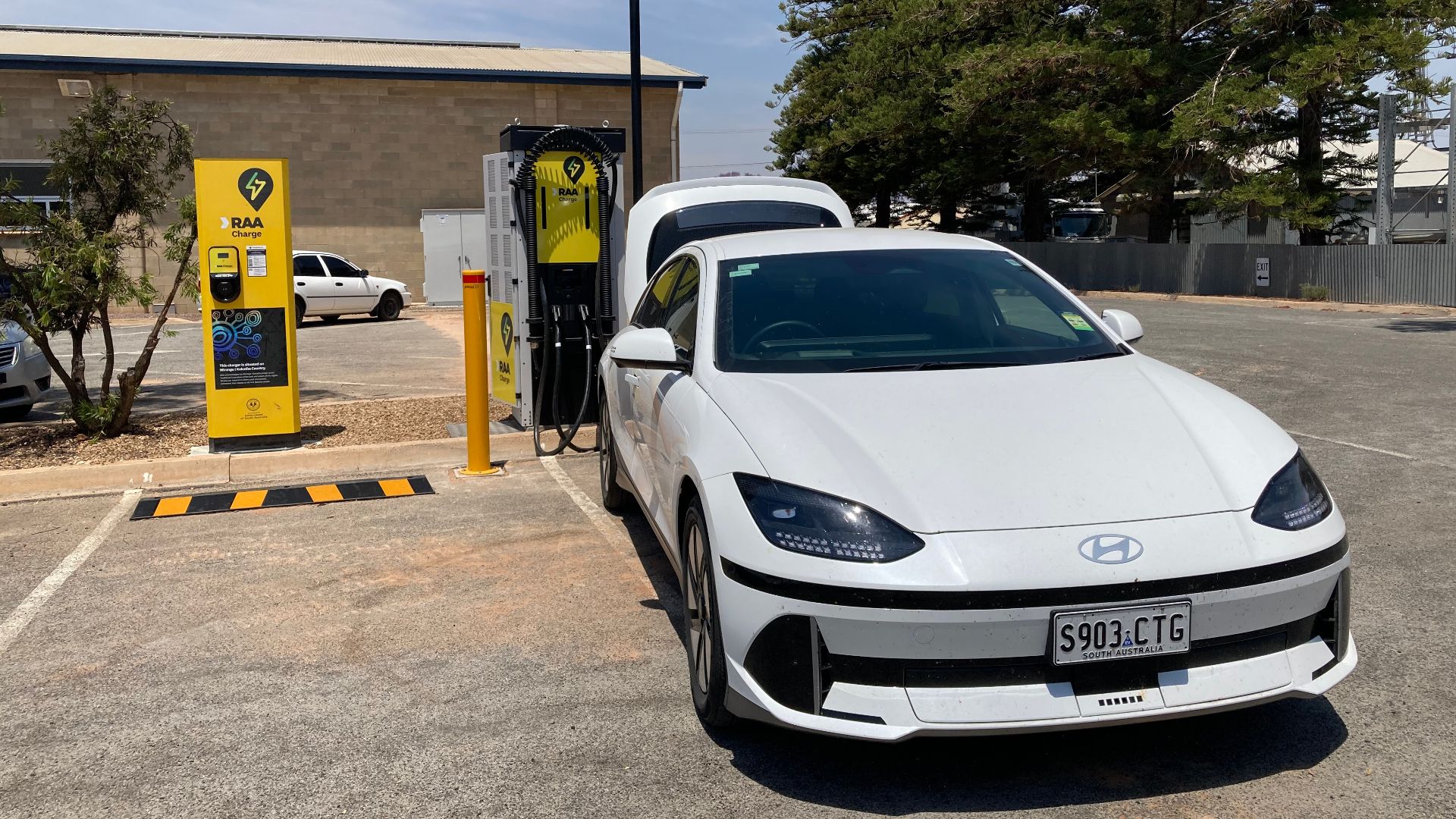
Some Cities Enforce Maximum Charging Times
Certain municipalities go beyond simple signage. For example, some municipal charging stations impose maximum parking periods and can issue fines if drivers exceed them. In Mississauga, Ontario, drivers can face a fine for exceeding a posted 10-hour limit at certain municipal EV charging stations.
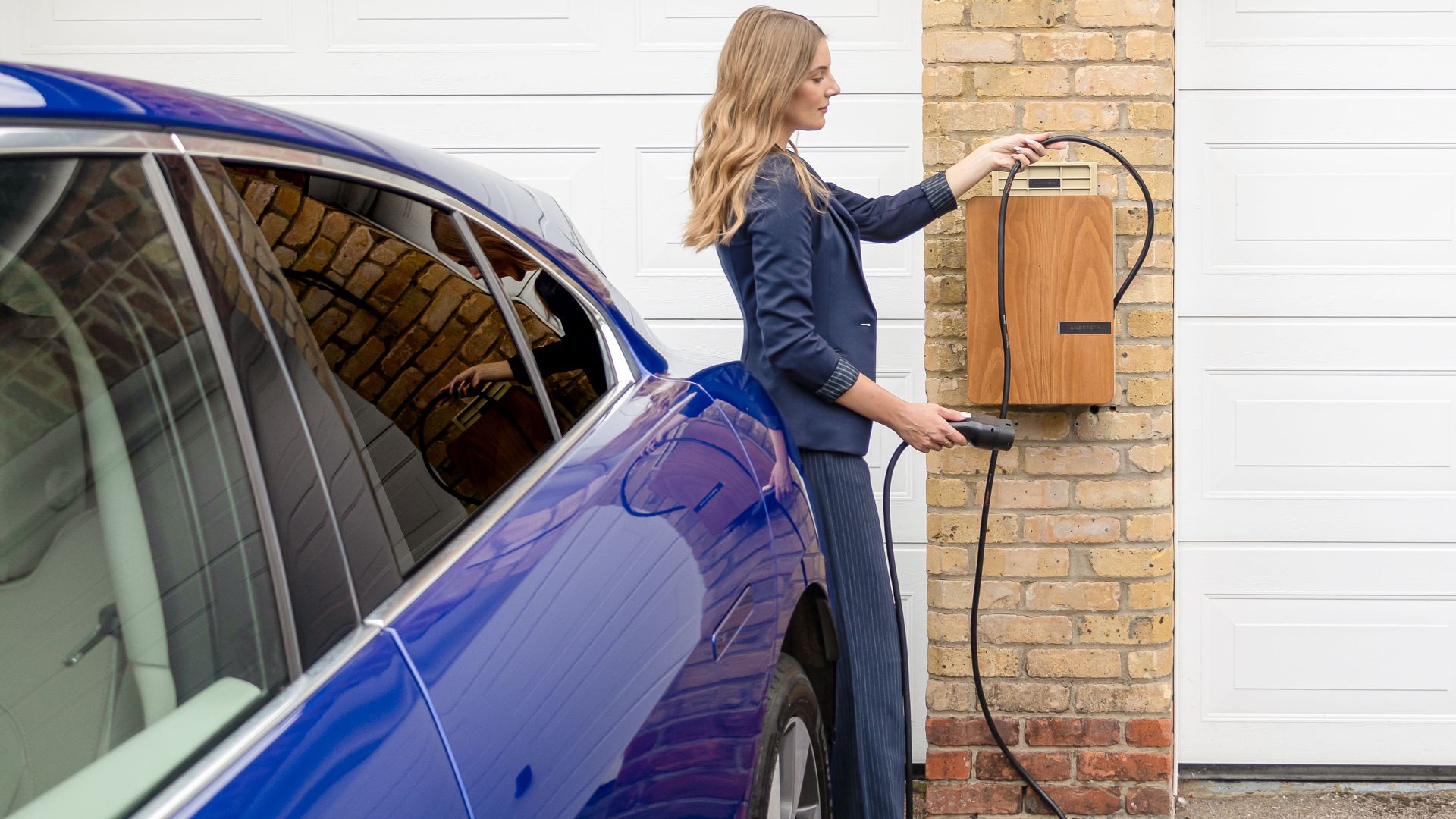
Idle Fees Are Becoming More Common
Many charging networks now charge idle fees after a vehicle finishes charging. The goal isn't to make extra money—it's to encourage drivers to move their vehicles so someone else can use the charger.
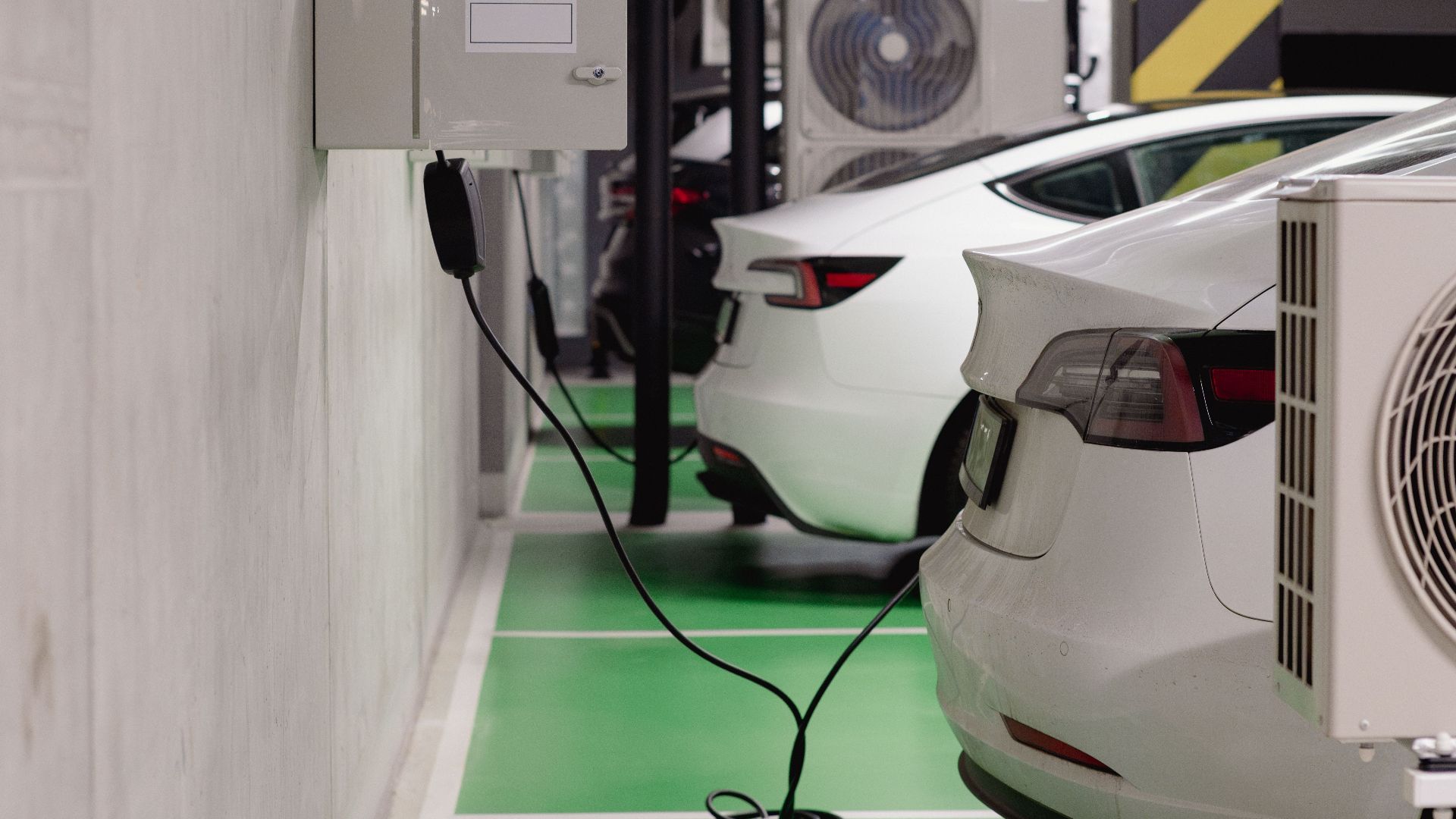
Overnight Doesn't Automatically Mean Unlimited
Just because a charging station operates 24 hours a day doesn't necessarily mean vehicles can stay there all night. Parking rules, property policies, and charging network terms may still apply.
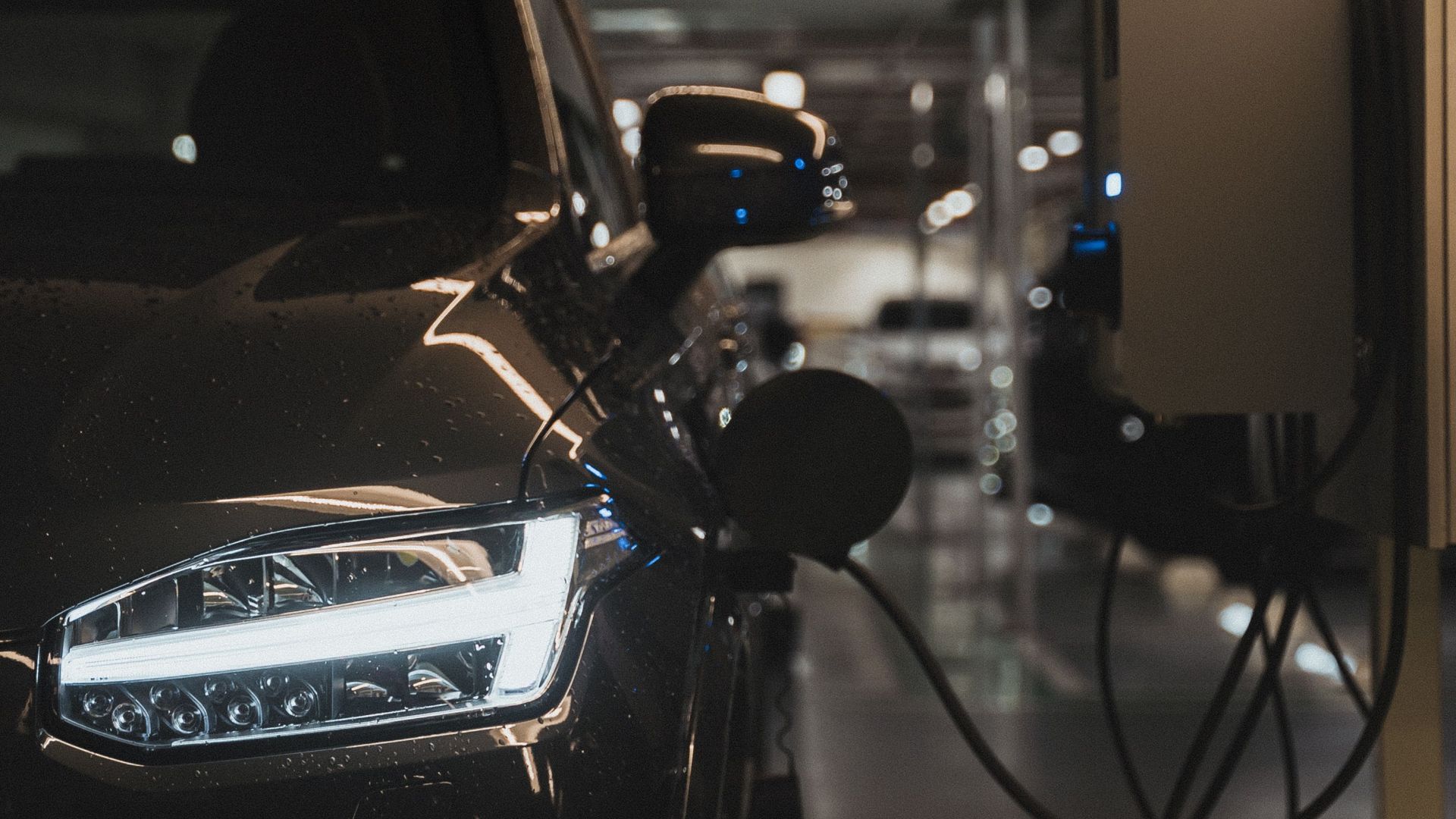
Hotels Are Often Different
Hotels are one of the few places where overnight charging is commonly expected. Guests are often sleeping while their vehicles charge, so many hotel chargers are designed with that in mind. Public chargers at shopping centers, libraries, parks, or municipal lots may operate very differently.
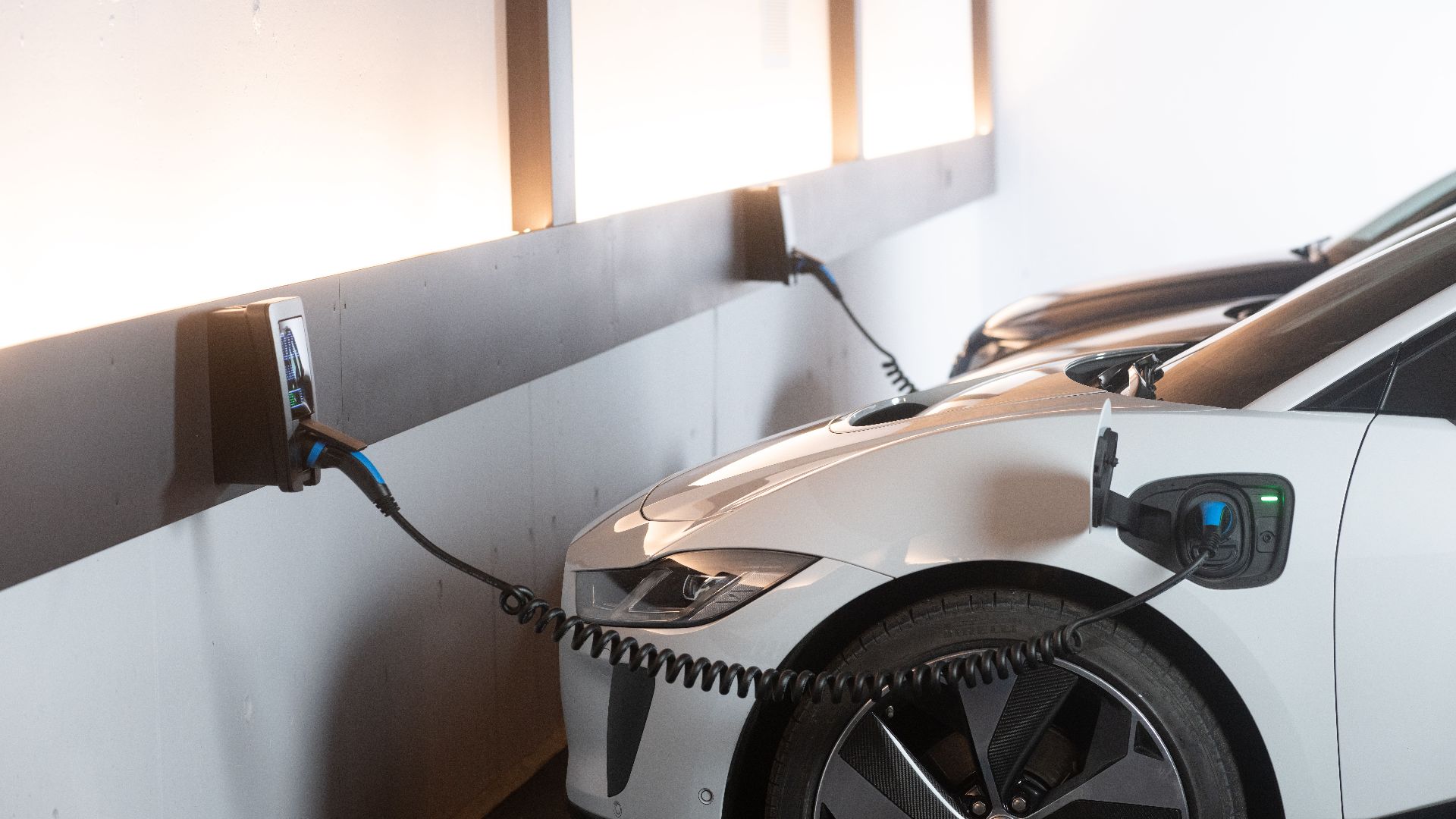
Charging Etiquette Matters
Even where there isn't an official time limit, EV drivers generally consider it courteous to move their vehicle once charging is complete. Leaving a fully charged vehicle connected for hours can prevent someone else from reaching their destination. Community discussions among EV owners consistently describe moving your vehicle after charging as good charging etiquette.
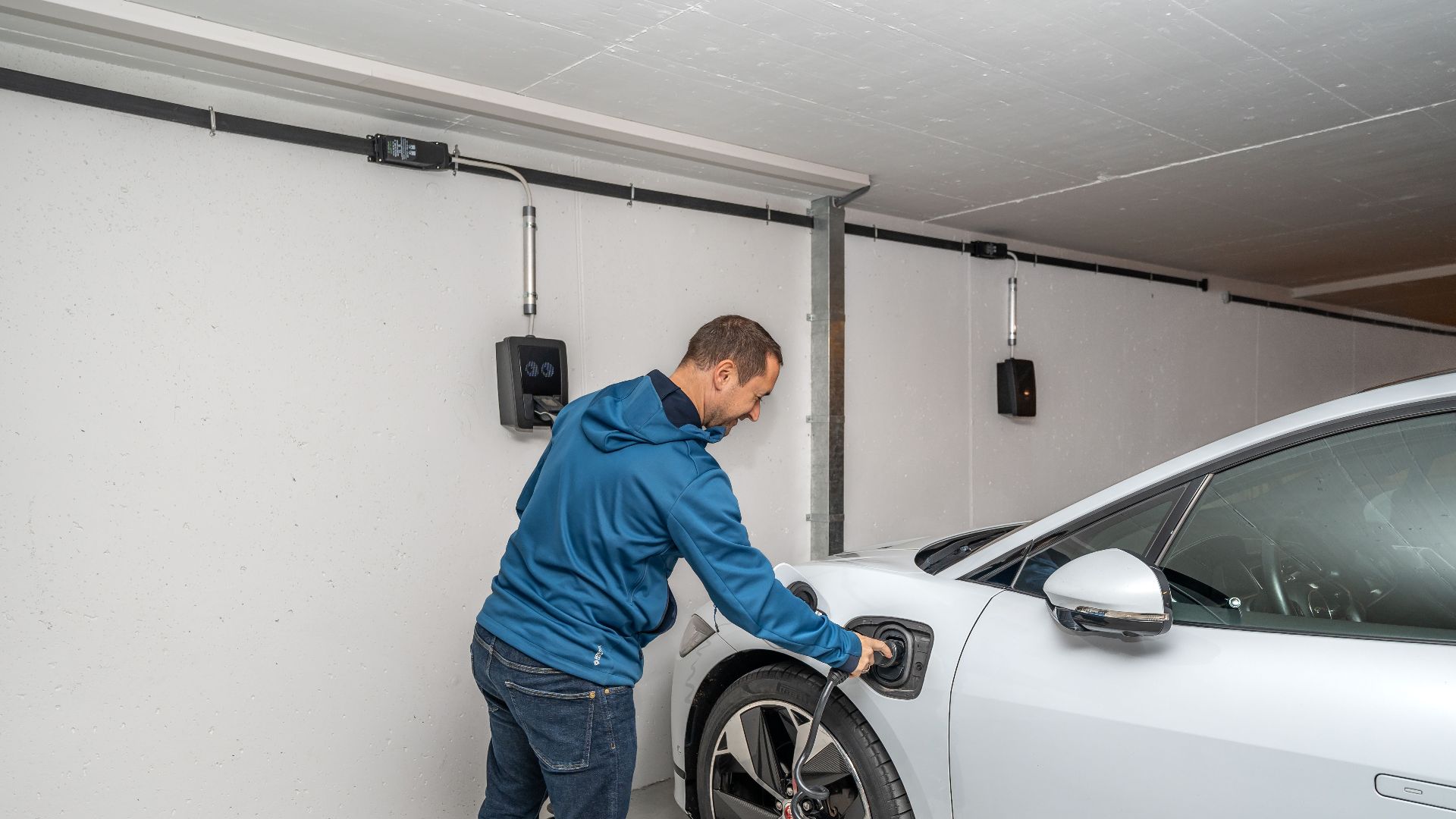
Fast Chargers And Slow Chargers Aren't The Same
DC fast chargers are usually intended for shorter visits, often 20 to 45 minutes. Level 2 chargers, on the other hand, may require several hours to fully charge a vehicle. Reasonable parking times often depend on the type of charger being used.
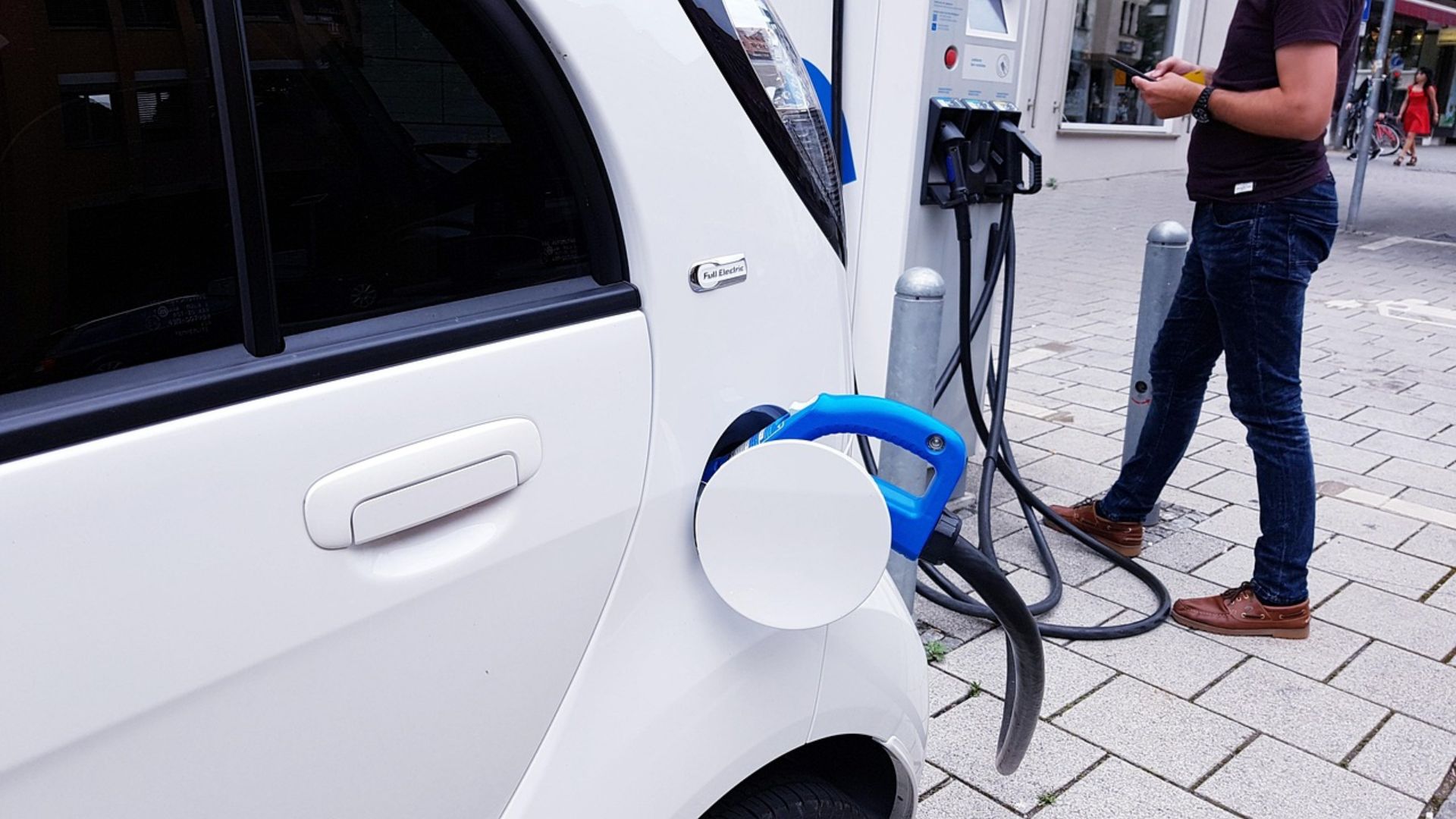
Property Owners Set Many Of The Rules
If the charging station sits on private property, the business or property owner often establishes its parking policies. They may set maximum charging times, require customers to register, or authorize towing for violations.
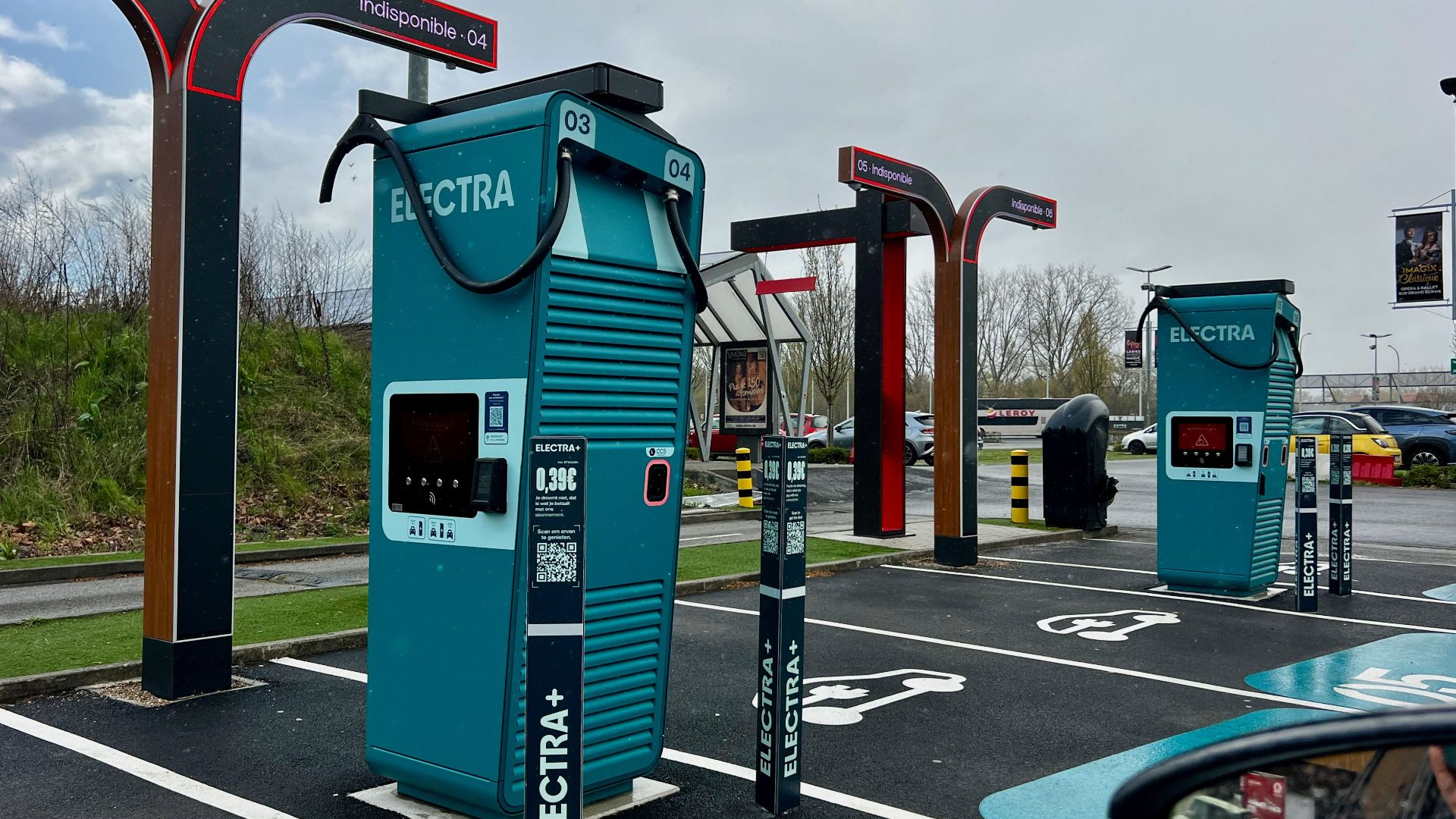
Signs Usually Tell You Everything
Look closely at the posted signs. You might see phrases like "EV Charging Only," "While Charging," "Maximum Four Hours," or "Except While Charging." Those signs often determine whether overnight parking is permitted.
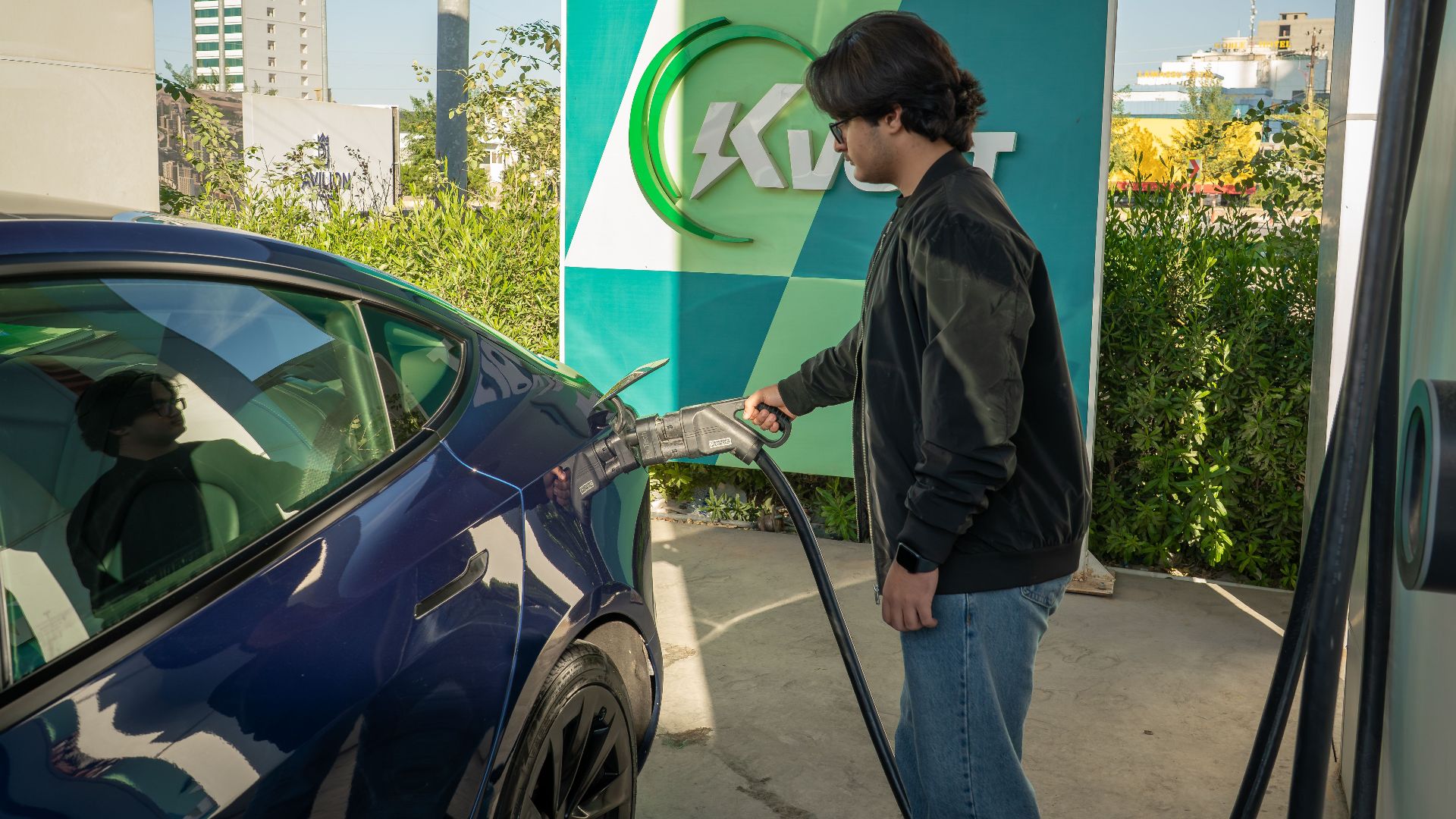
Being Plugged In Isn't Always Enough
In many places, an EV is only allowed to occupy a designated charging space while actively charging. Once charging is complete, continuing to use the space may violate local rules or charging network policies.
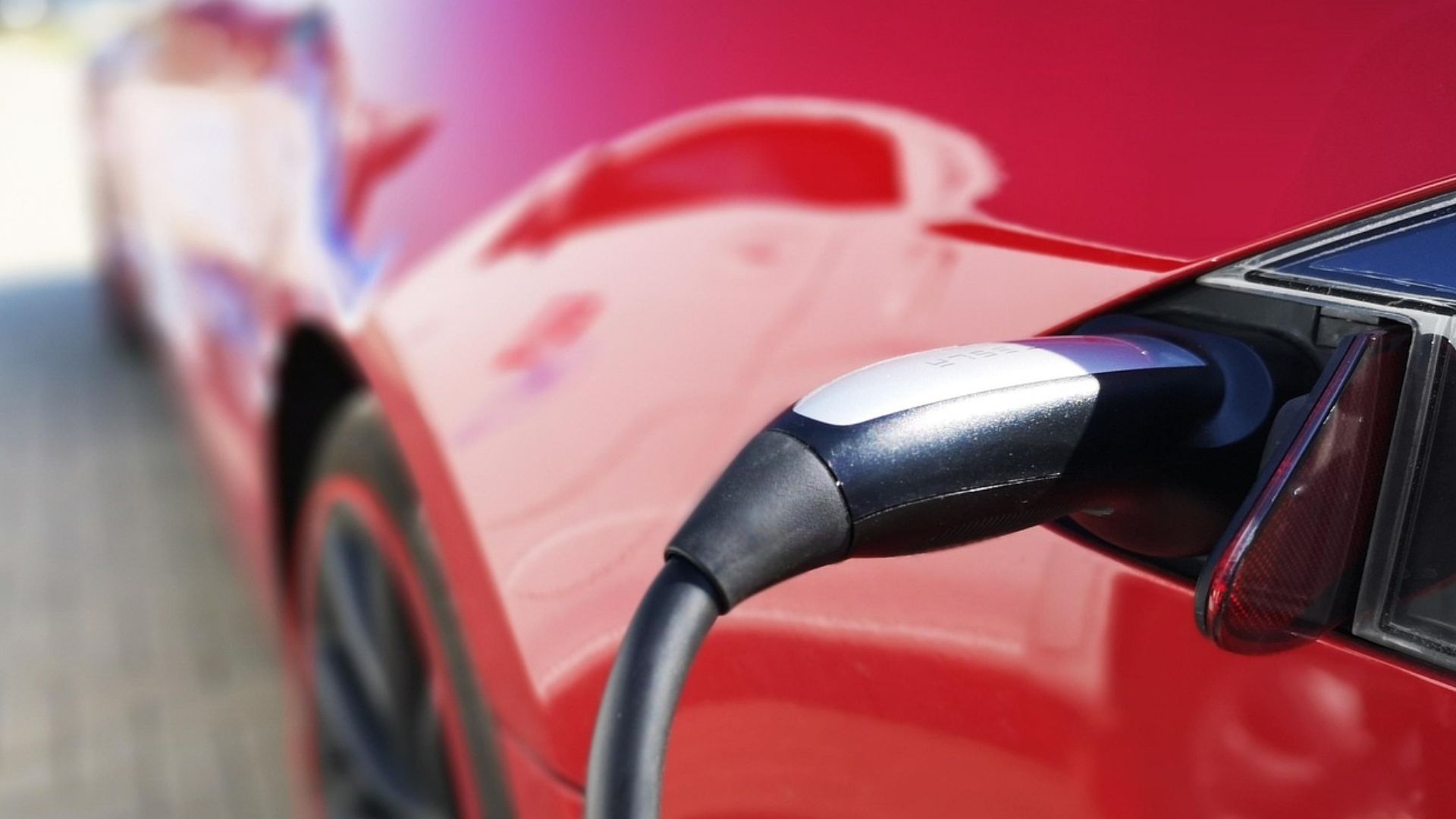
Apps Can Help Monitor Charging
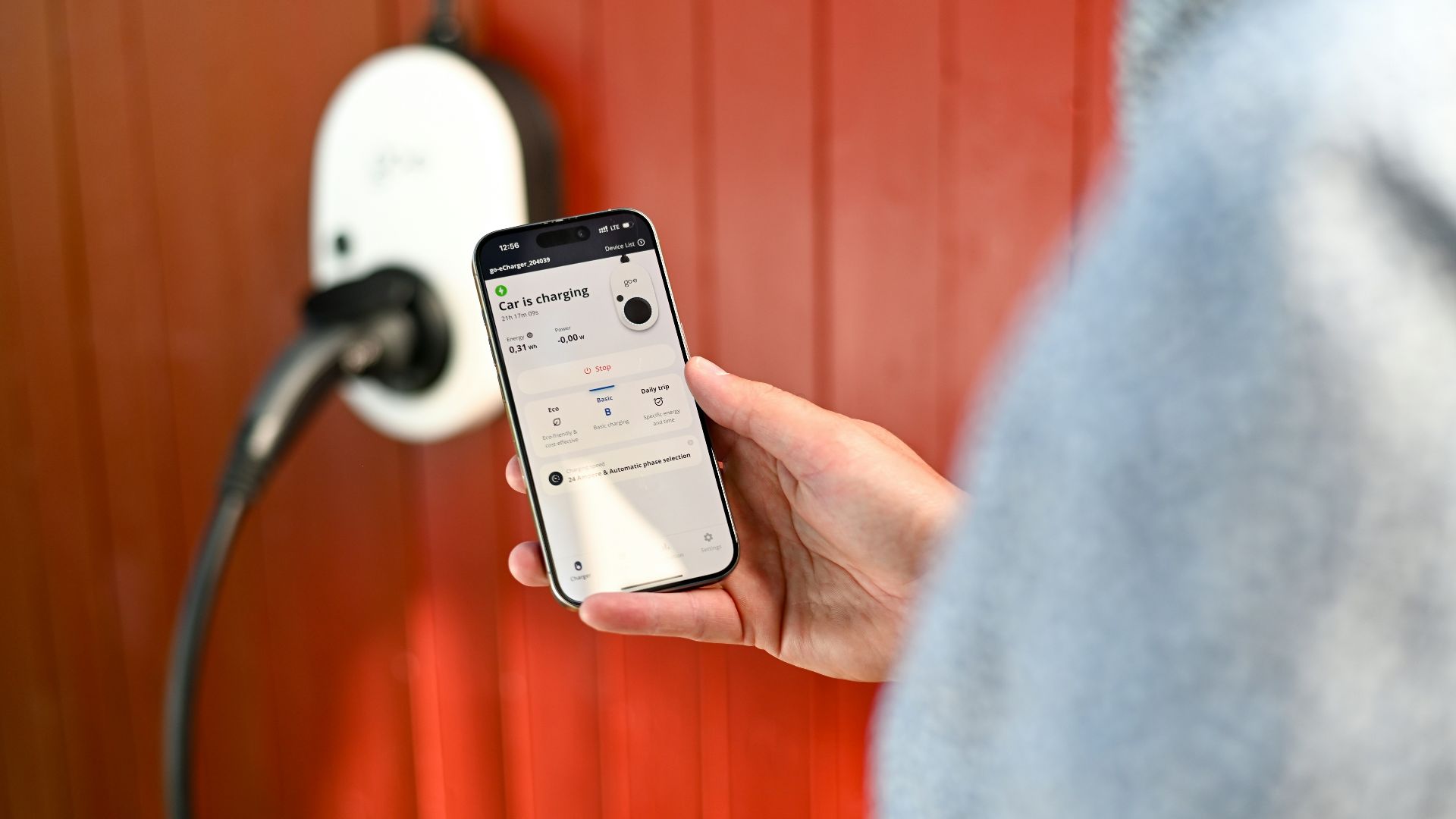
Many charging networks notify drivers when charging is complete. Some even warn when idle fees are about to begin, making it easier to return before additional charges accumulate.

What If Someone Never Moves?
If a vehicle repeatedly blocks a public charger for excessive periods, you may be able to report the issue to the charging network, property owner, parking enforcement, or municipality, depending on who operates the station.
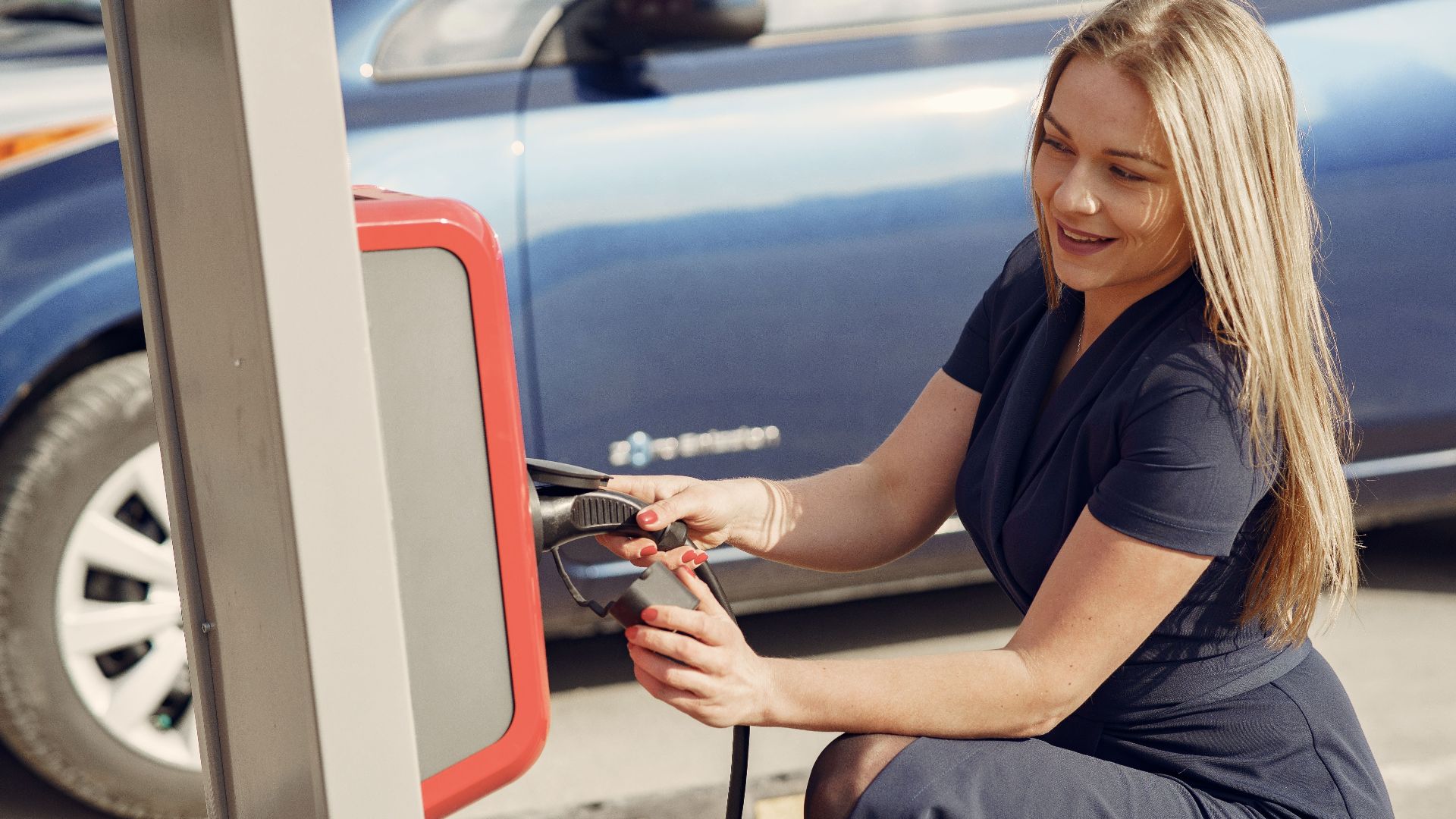
Not Every Situation Is Obvious
Sometimes a vehicle appears fully charged but is actually scheduled to continue charging later due to utility pricing or battery management settings. That's one reason it's worth checking the posted rules before assuming someone is violating them.
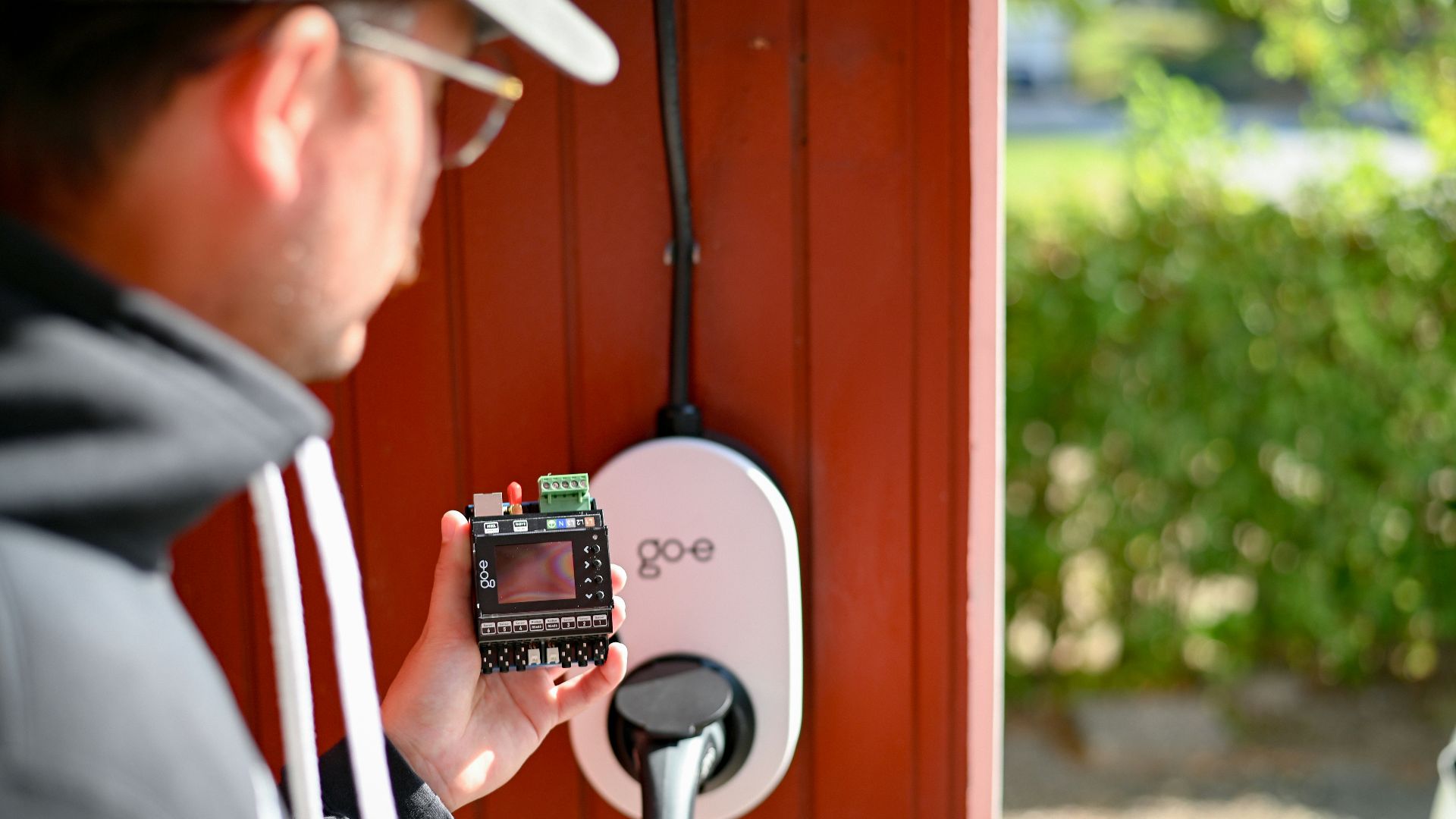
Charging Demand Keeps Growing
As more drivers switch to electric vehicles, public chargers become more valuable community resources. A single vehicle occupying a charger long after charging ends can affect many other drivers throughout the day.
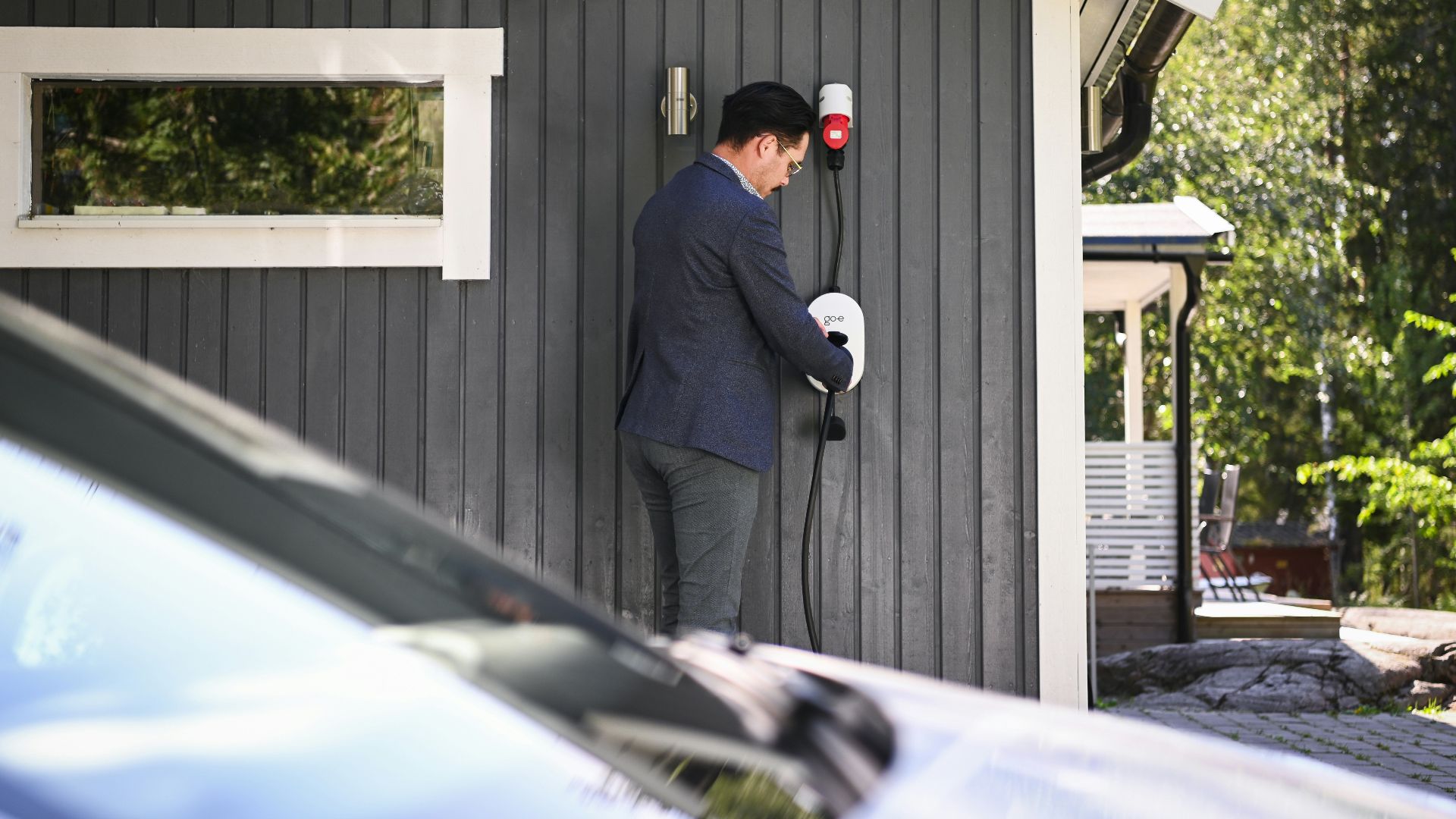
Here's The Question That Really Matters
Is your neighbor using the charger for its intended purpose—or simply using a premium parking space because it's convenient? The answer often depends on the posted rules, whether the vehicle is actively charging, and who owns the charging station.
 Shixart1985, Wikimedia Commons
So... Are EV Charging Spots Supposed To Have Time Limits?
Often, yes—but not always. Many public charging stations have posted parking limits, idle fees, or rules requiring vehicles to move after charging is complete. Others allow longer stays, especially at hotels or locations specifically designed for overnight charging. The best way to know is to check the signs at that specific location and the charging network's policies.
Good Charging Etiquette Keeps Everyone Moving
Public chargers work best when drivers treat them as shared resources instead of reserved parking spaces. Moving your vehicle after charging finishes may take a few extra minutes, but it helps ensure the next driver isn't left waiting for a charger that's technically available—but practically unusable.
You May Also Like: