
The Appeal Of A Cheap V8
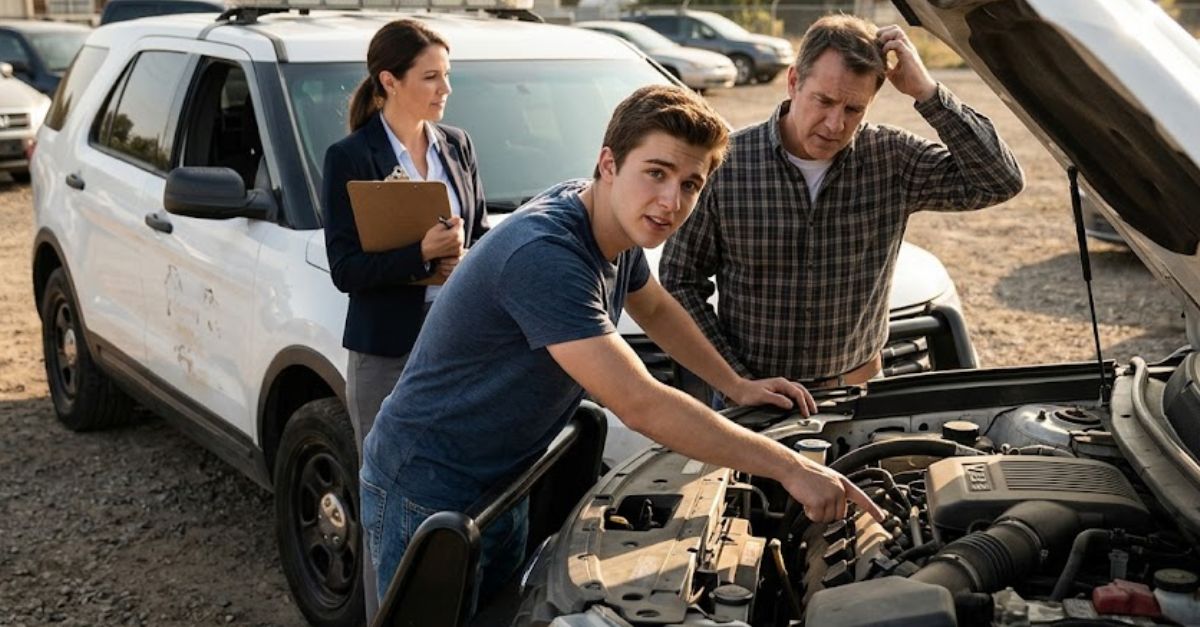
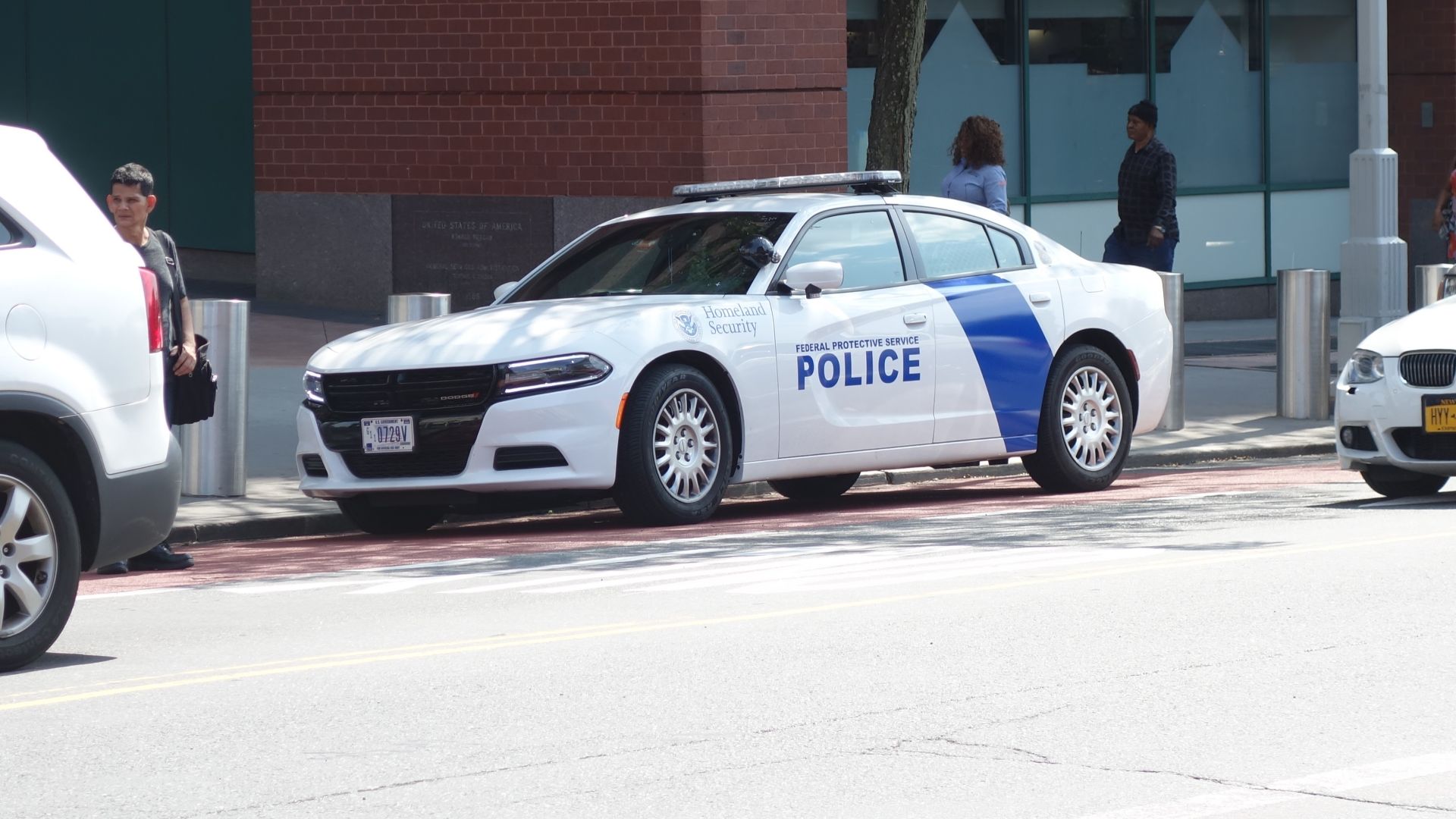
A retired police car can seem like a loophole in the used-car market. You get strong power, heavy-duty parts, and a price that often undercuts civilian versions of the same sedan or SUV. That is why so many families end up asking whether one is actually a smart buy.
Why Former Police Cars Look So Good On Paper
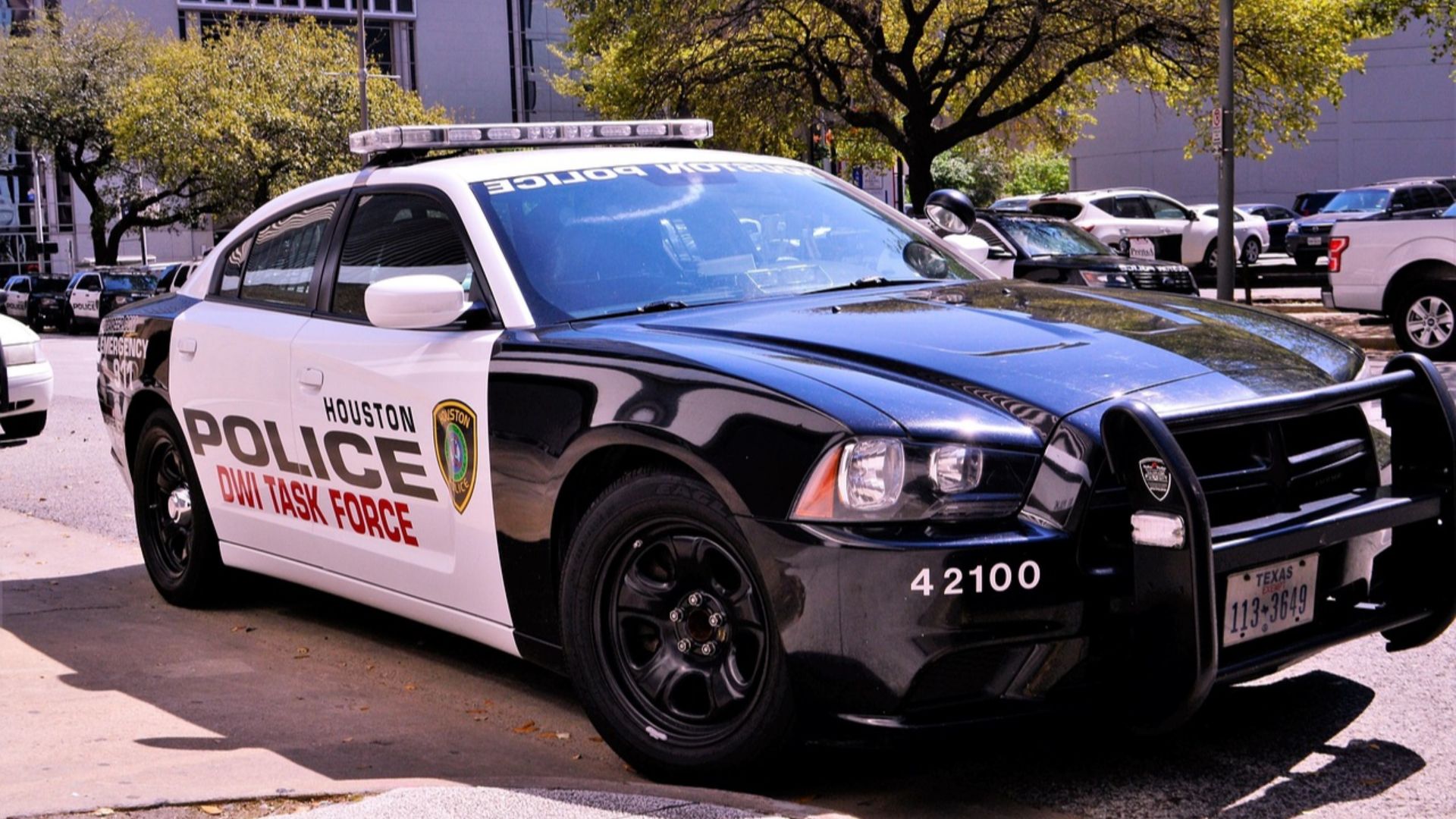
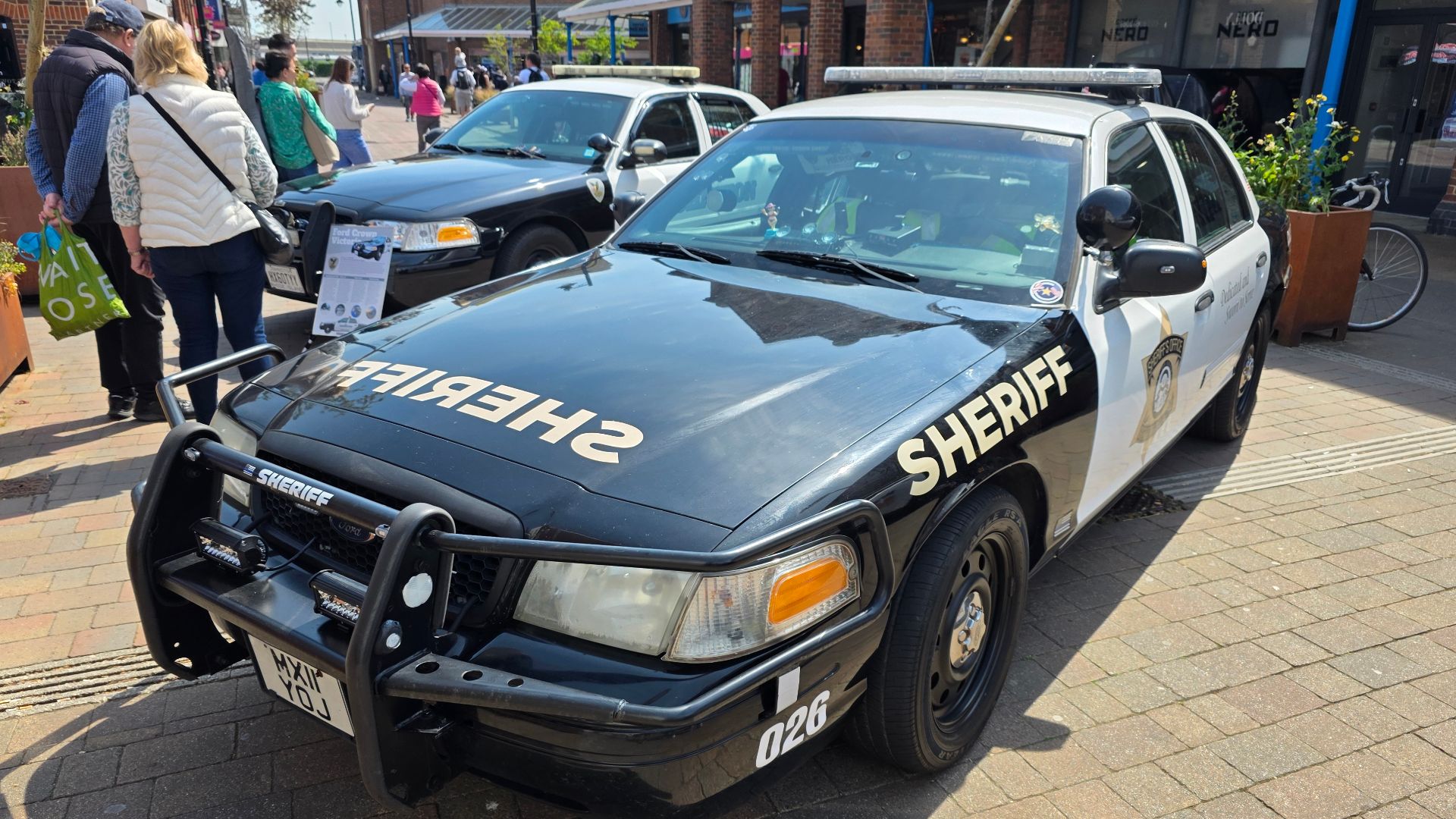
Police interceptors were built for hard use, which usually means better cooling systems, upgraded brakes, and suspension parts made to handle curbs, long idle time, and fast highway driving. Ford, Dodge, and Chevrolet all sold purpose-built police models for years, and Ford’s Police Interceptor Sedan and Utility became especially common after the Crown Victoria era ended. On paper, it looks like the tougher version for less money.
The Low Price Is Real
The bargain is not made up. Government auctions and dealer lots often list retired police vehicles well below comparable retail cars because buyers know they usually come with a rough past and cosmetic issues. Kelley Blue Book notes that ex-police cars can cost less than standard used cars, but also warns that the cheap sticker price can hide expensive wear.
 HJ Mitchell, Wikimedia Commons
The Odometer Does Not Tell The Whole Story
One of the biggest mistakes is assuming mileage tells you everything. Police cars spend a lot of time idling during patrol shifts, traffic stops, and scene work, and that engine time does not always show up in a dramatic way on the odometer. Carfax specifically tells shoppers to look at idle hours because they add wear that mileage alone does not show.
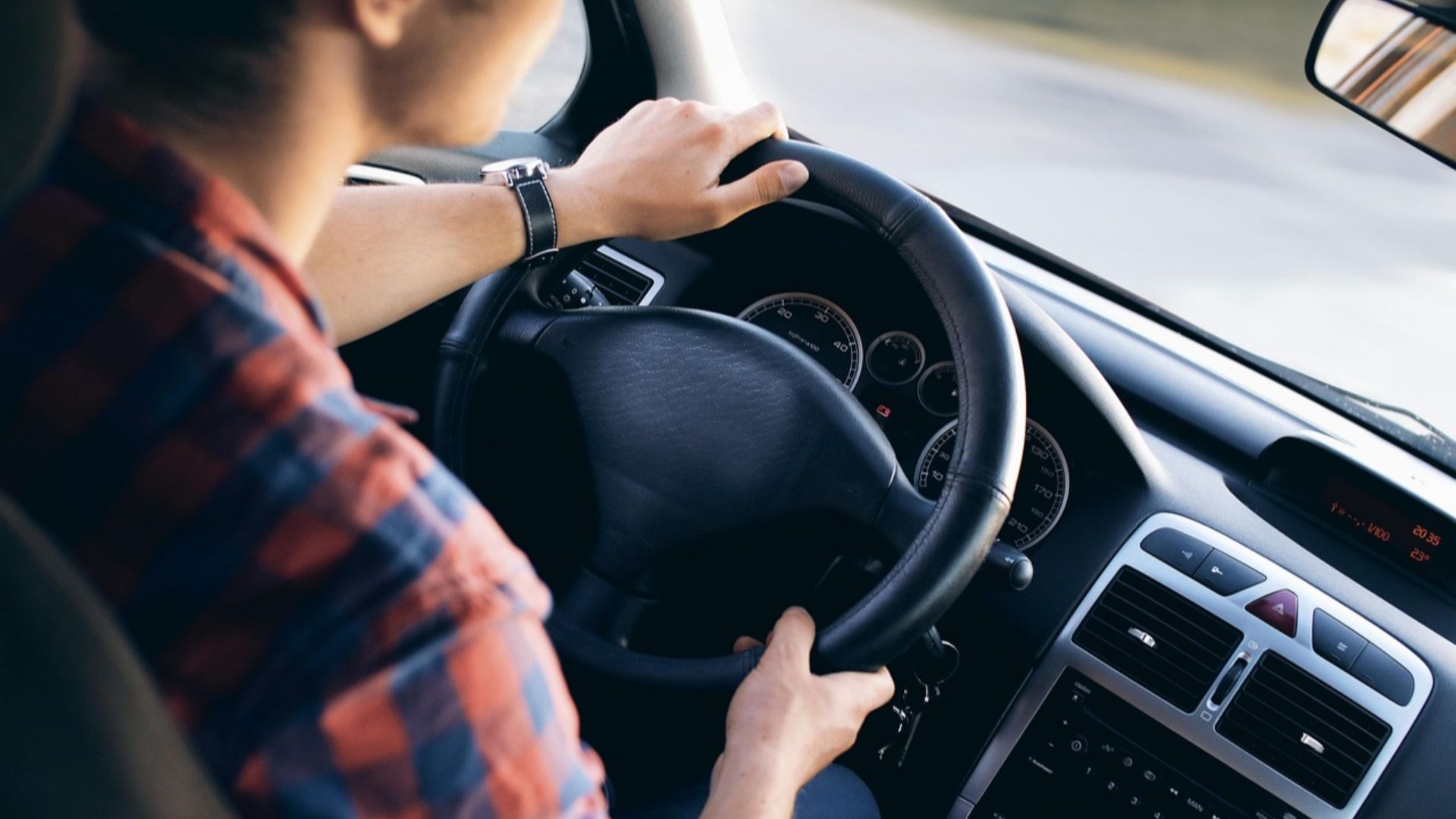
Idle Hours Can Change The Math
Fleet managers and police upfitters have long treated engine hours as a key sign of use, especially on patrol vehicles. A car with 80,000 miles and thousands of idle hours may have had a much harder life than a commuter car with 120,000 mostly highway miles. That does not automatically make the police car a bad buy, but it does change how you should judge it.
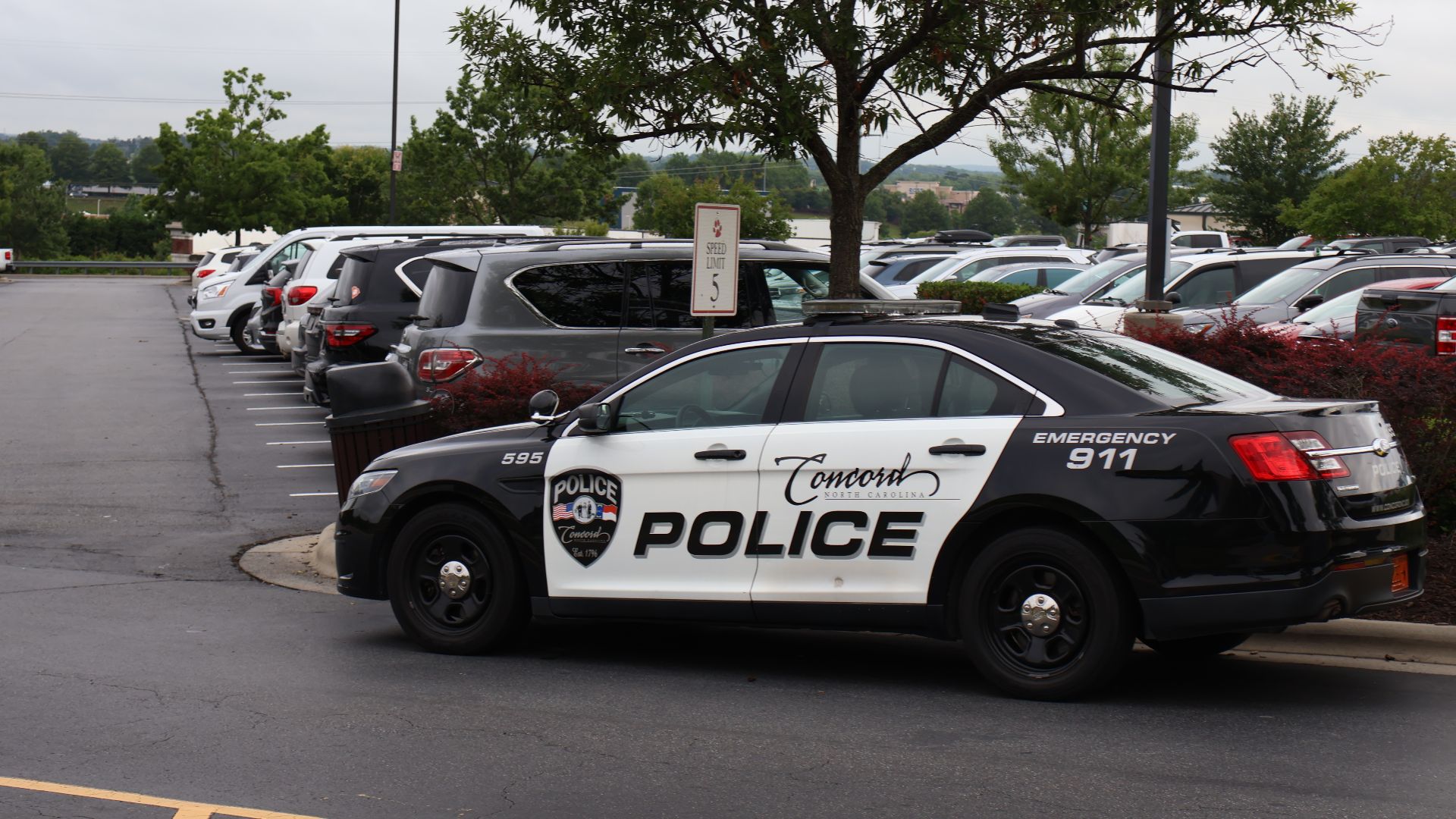
What Police Work Really Does To A Car
Think about the job. These vehicles are started cold, left running for long periods, hopped over medians, packed with gear, and driven by multiple people who do not own them. That can speed up wear on transmissions, brakes, suspension bushings, cooling parts, and interior hardware.
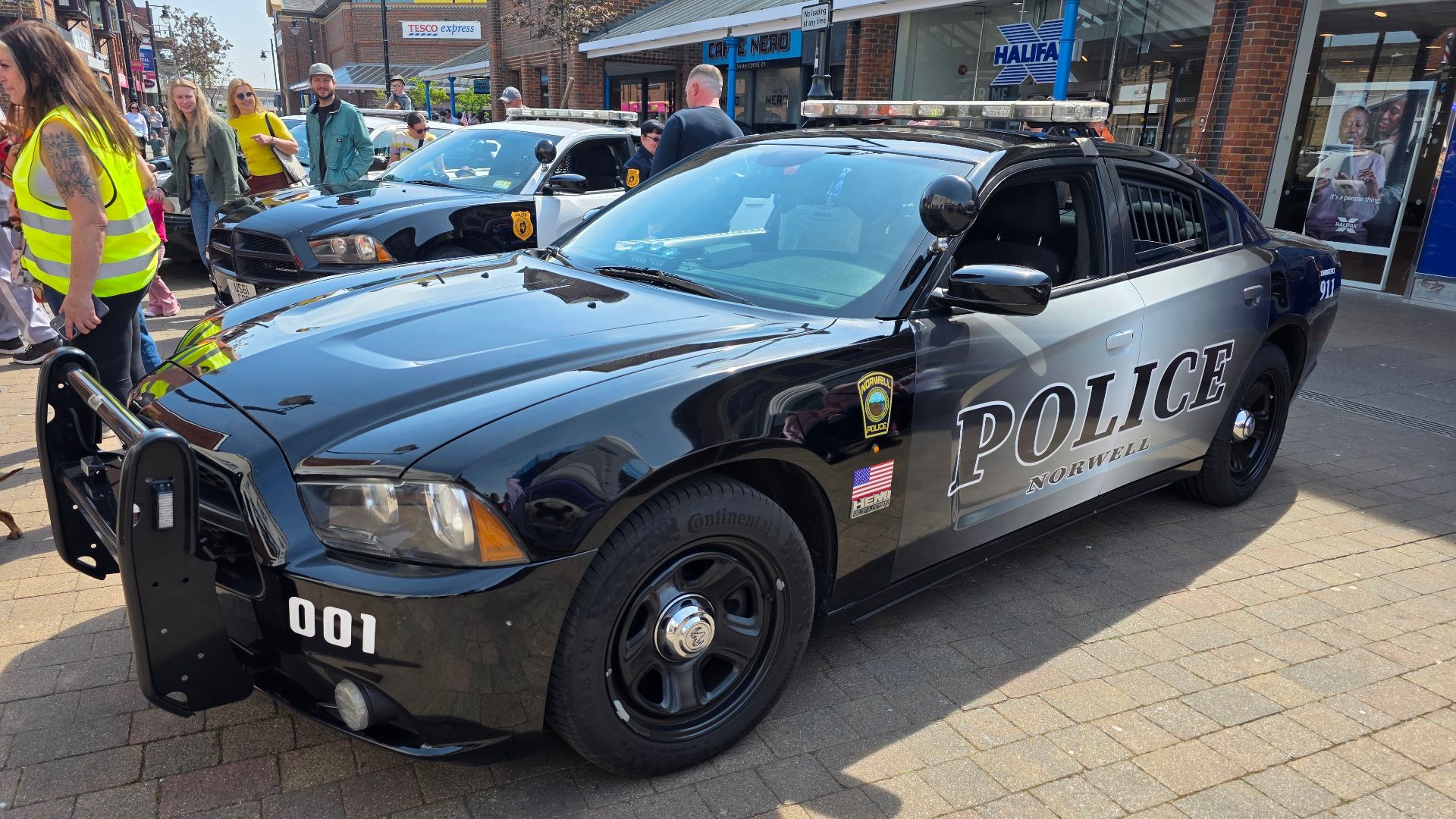 HJ Mitchell, Wikimedia Commons
Ford Built Them To Take Abuse
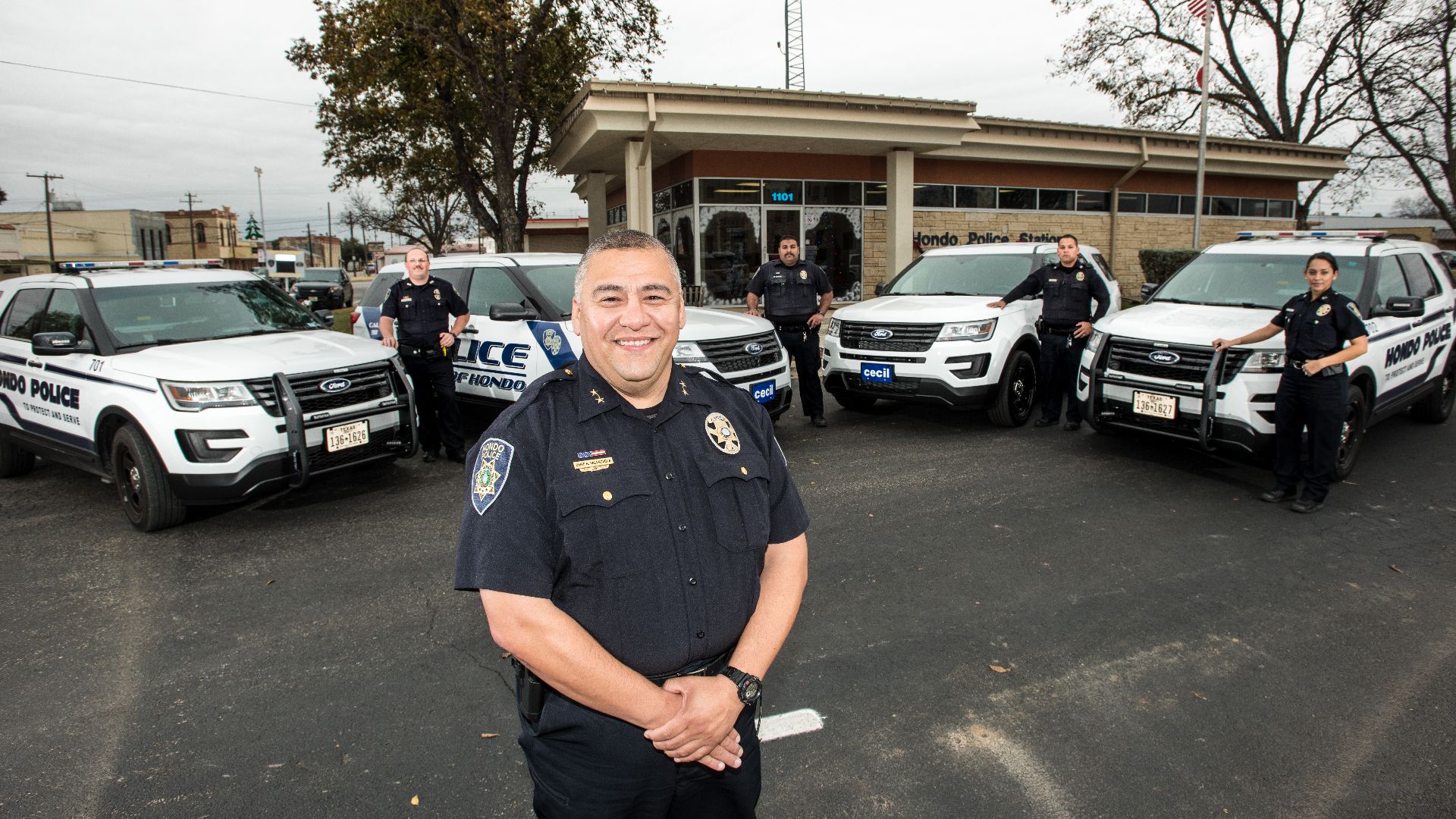
Ford’s Police Interceptor Utility, based on the Explorer, was engineered with law-enforcement-specific features like heavy-duty cooling, reinforced seats, and available all-wheel drive. Ford’s own police vehicle material points to pursuits, curb impacts, and long idle periods as design targets. That is good for durability, but it also tells you what kind of punishment these vehicles were expected to handle.
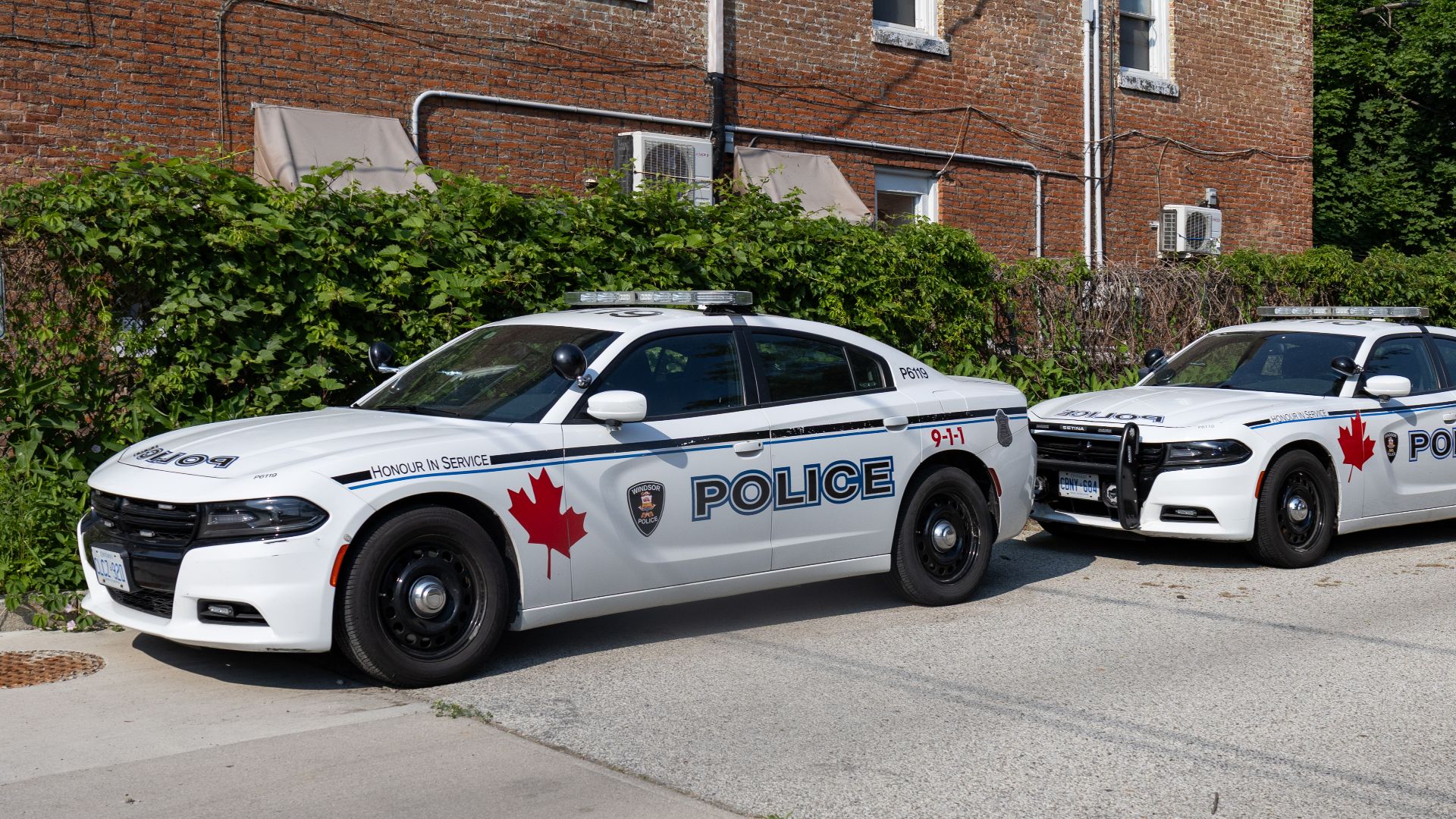 Crisco 1492, Wikimedia Commons
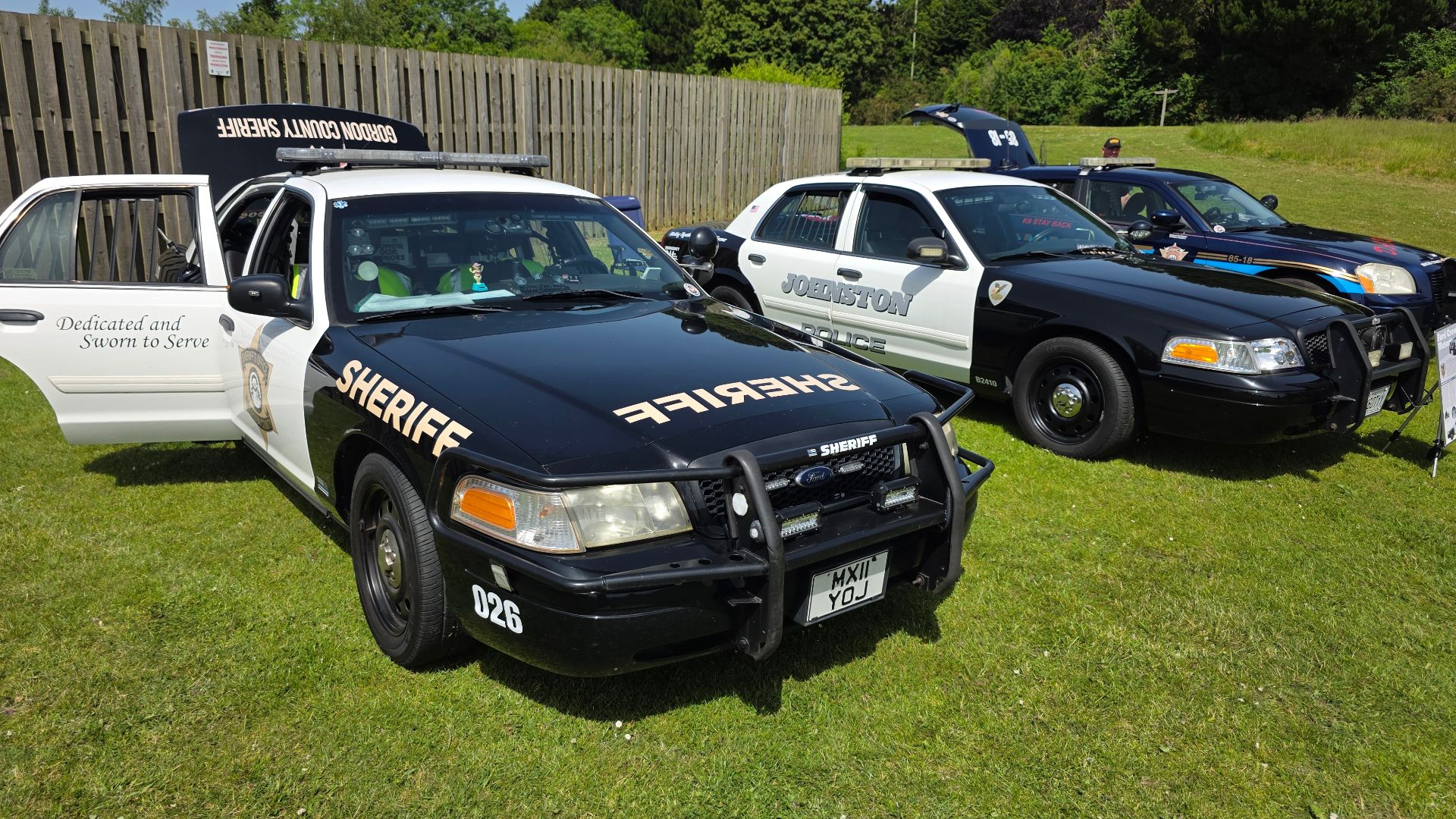
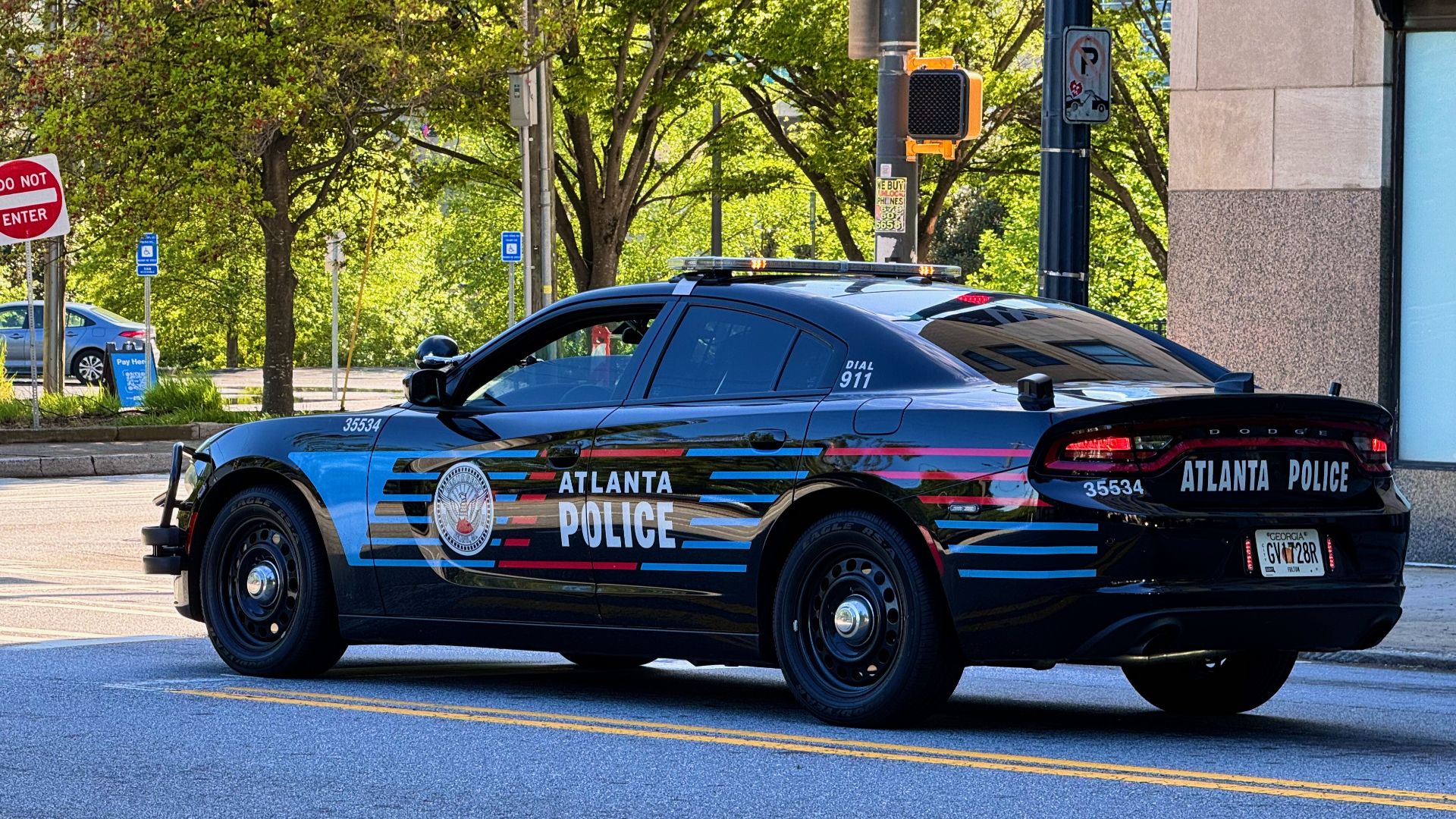
Dodge And Chevy Did The Same
Dodge sold Charger Pursuit models with Hemi V8 power and police-specific cooling and braking upgrades. Chevrolet did the same with the Caprice PPV and Tahoe PPV, both built for fleet duty. These are not just regular family cars with the decals removed, and that is exactly what draws used-car buyers in.
 HJ Mitchell, Wikimedia Commons
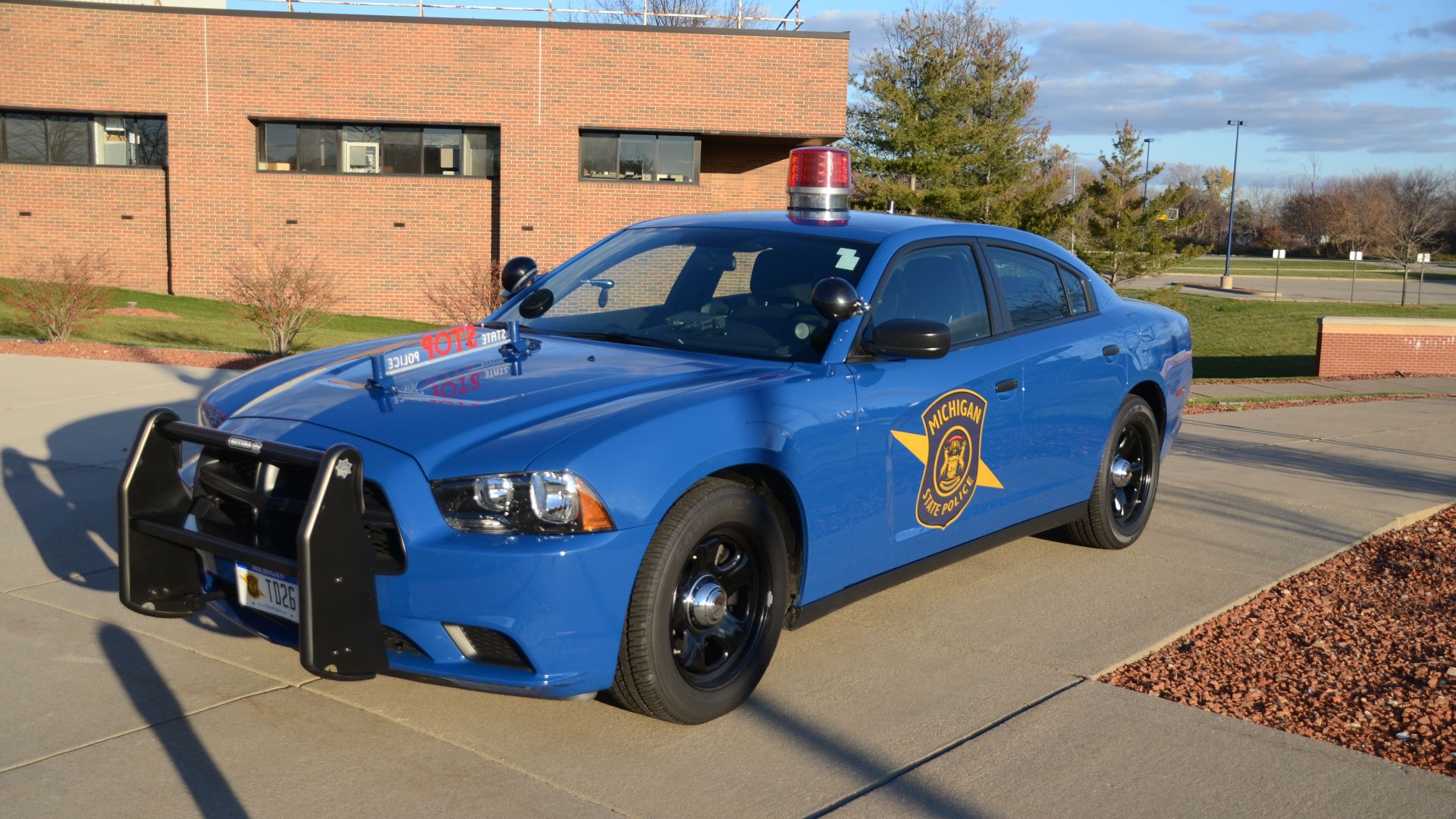
There Is A Real Mechanical Upside
There are real advantages here. Police packages often come with larger alternators, stronger cooling systems, and firmer suspension tuning than civilian trims. If the vehicle was maintained well during its fleet life, those upgrades can make it feel solid and surprisingly capable for the money.
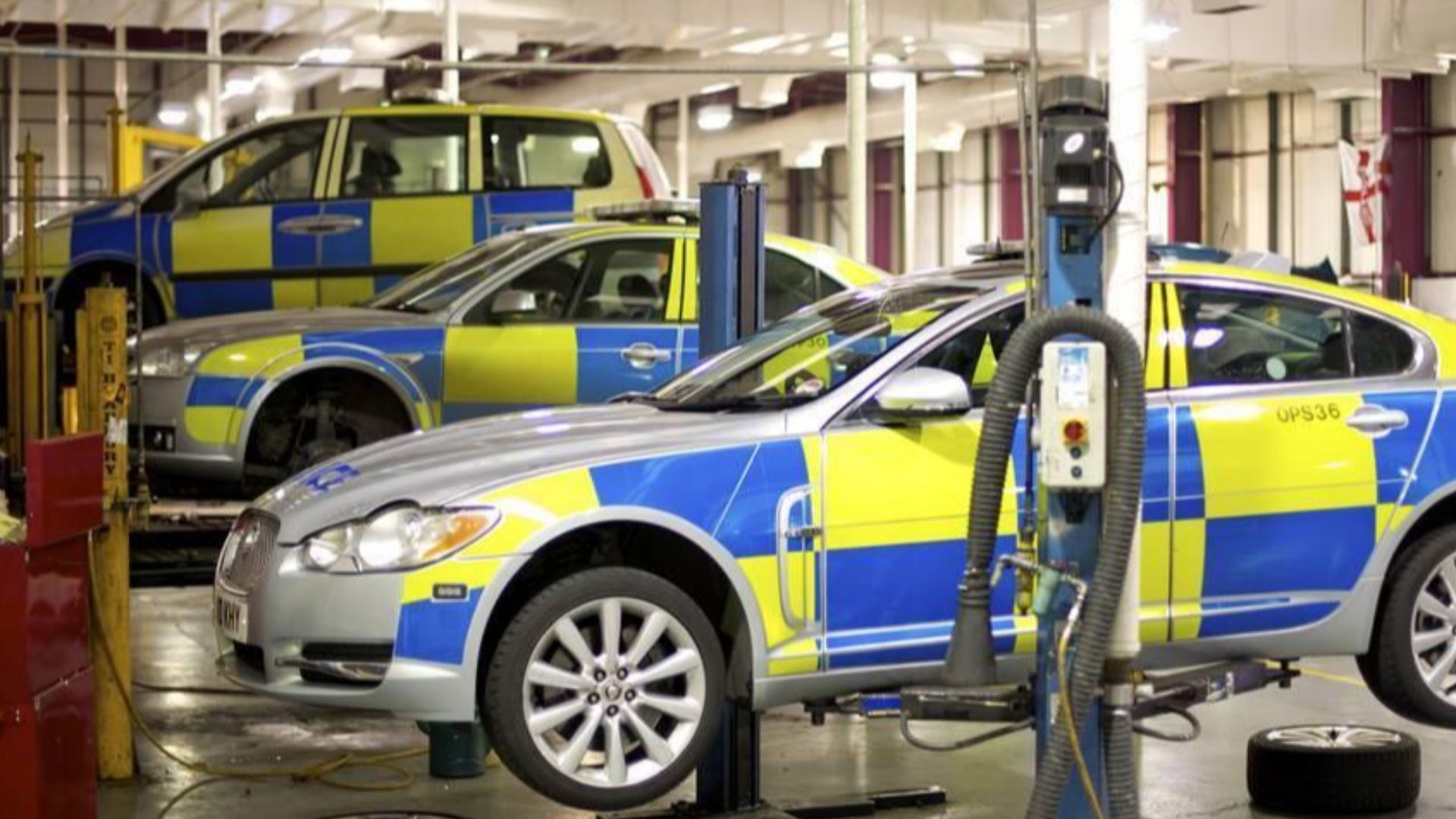
Maintenance Might Be Better Than You Think
Some departments stick to strict service schedules because downtime costs money and reliability matters. Government agencies also tend to keep records, and auction listings sometimes include maintenance details or unit history. A former fleet vehicle with solid records is usually a much safer bet than a mystery car with no paper trail.
 West Midlands Police from West Midlands, United Kingdom, Wikimedia Commons
But The Wear Can Be Worse Than You Think
There is a reason these cars are cheap. Consumer Reports has warned that used police vehicles can carry heavy wear from high-speed driving, curb strikes, long idle time, and repeated hard acceleration. A low purchase price can disappear quickly if the transmission, differential, or cooling system is close to worn out.
 Harrison Keely, Wikimedia Commons
The Interior Usually Gives It Away
Even before a mechanic looks at the car, the cabin often shows how hard it worked. Holes in the dash, missing center console pieces, mismatched trim, and worn seats are common because departments remove radios, cages, lights, and wiring before selling the car. If the interior looks slapped back together, assume the hidden parts may tell the same story.
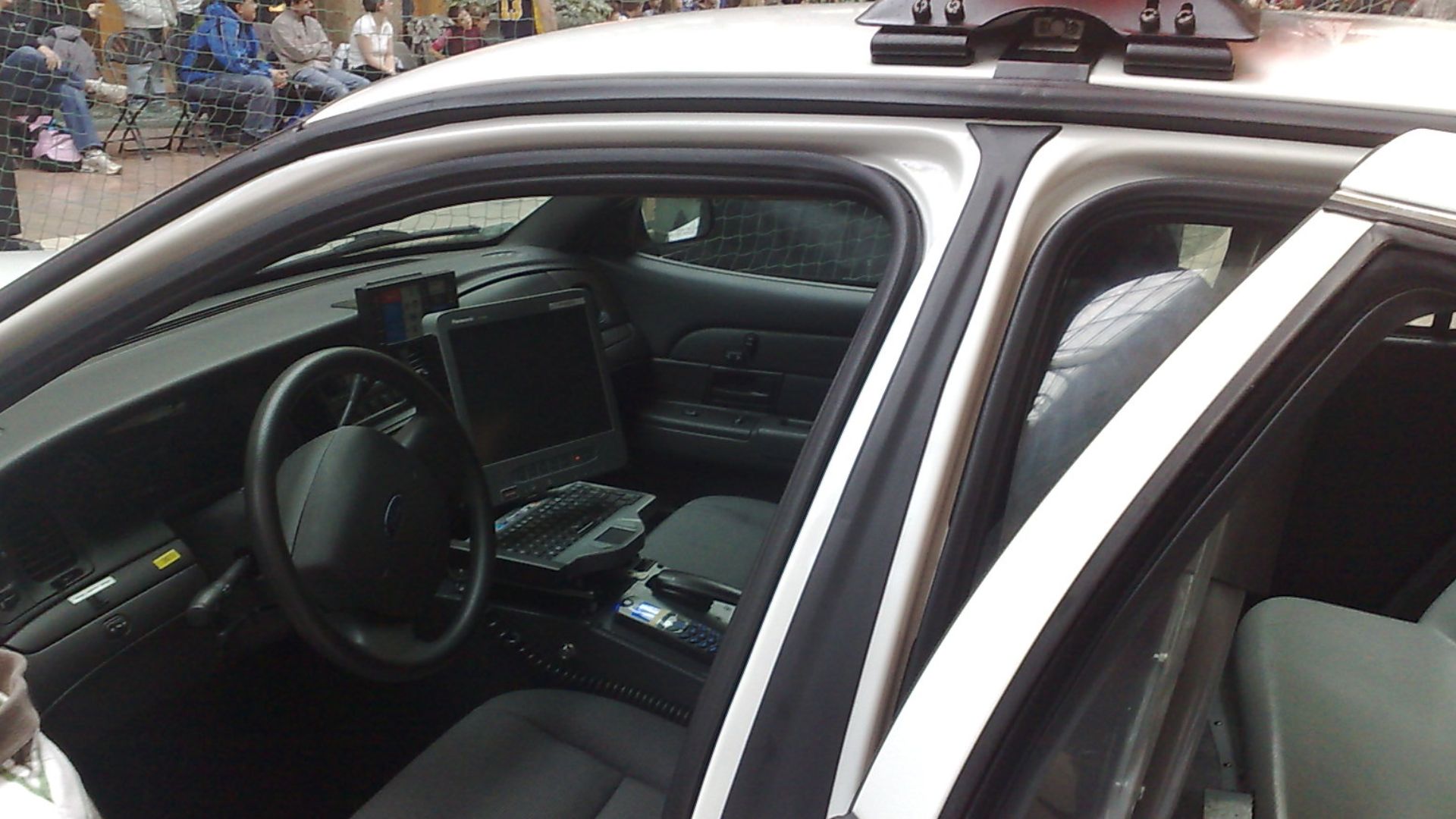 Jason Carter from Quebec, Quebec, Canada, Wikimedia Commons
Electrical Problems Are A Big Risk
This is where a cheap car can get annoying fast. Former police vehicles often have leftover wiring, splices, drilled holes, and removed accessories that can cause battery drain or strange electrical failures. Carfax and other fleet-focused buyer guides specifically flag electrical trouble as one of the biggest risks with ex-police cars.
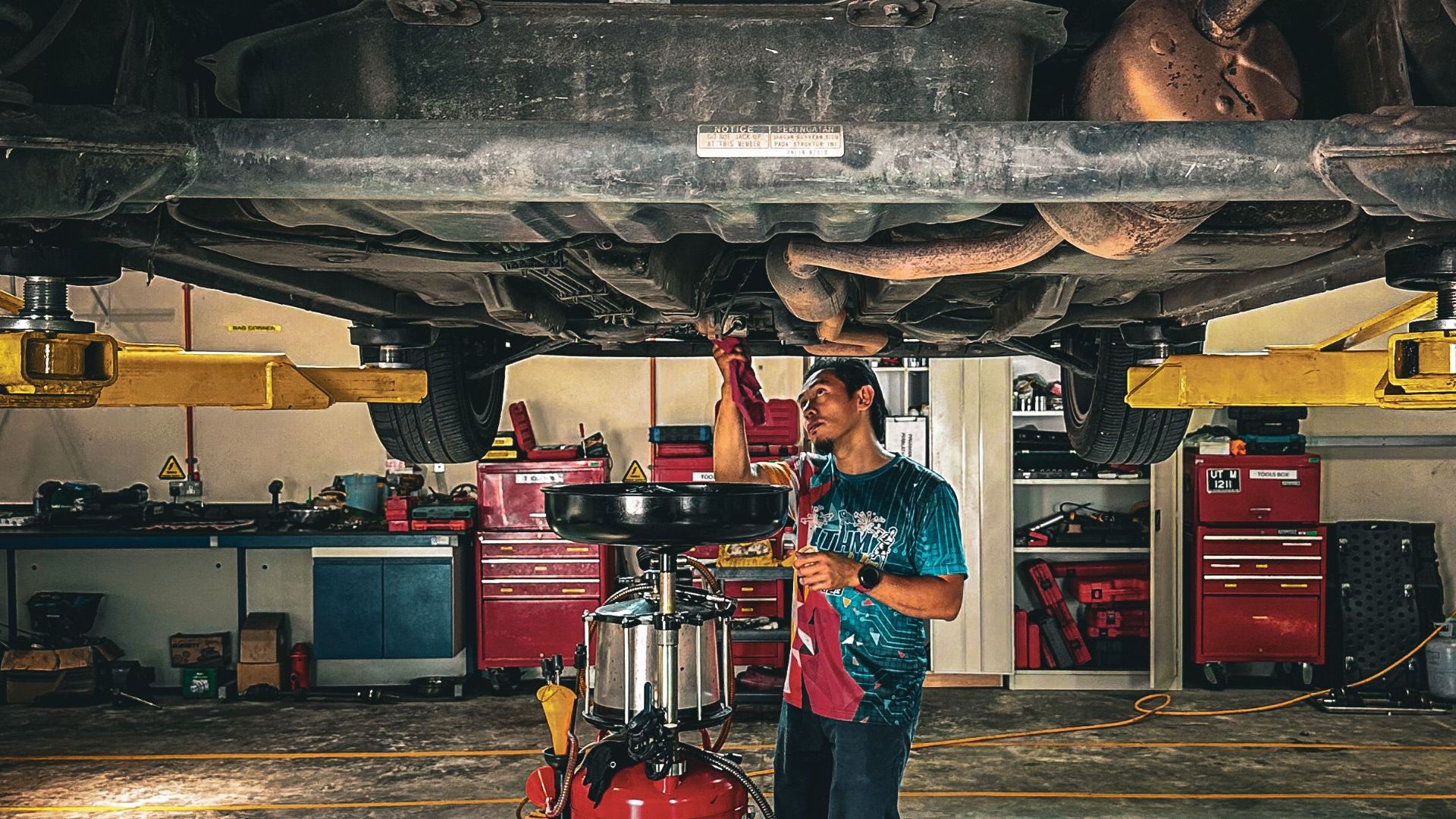
Rust And Body Damage Need A Close Look
Many patrol vehicles live outside all year, and some spend winters in states that use a lot of road salt. Add bumper taps, minor crash repairs, and curb hits, and hidden body or undercarriage damage becomes a real concern. A lift and a bright inspection light can tell you a lot.
The Transmission Needs Extra Attention
Police work is hard on automatic transmissions because it mixes long idle periods with sudden bursts of hard acceleration. That repeated heat cycle can wear out fluid and internal parts faster than normal commuting does. If the service records do not show regular transmission maintenance, be careful with your budget.
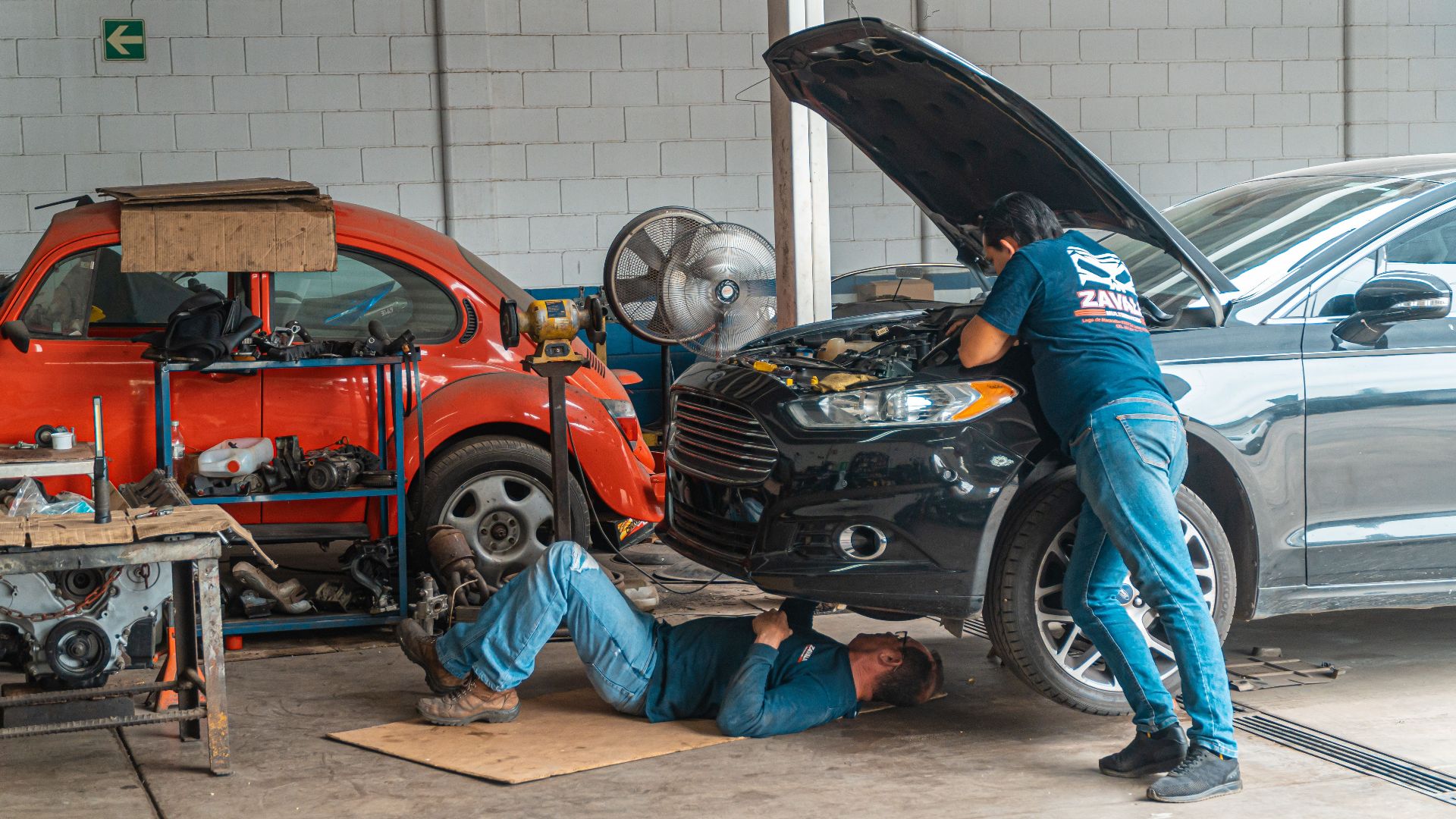 Jose Ricardo Barraza Morachis, Pexels
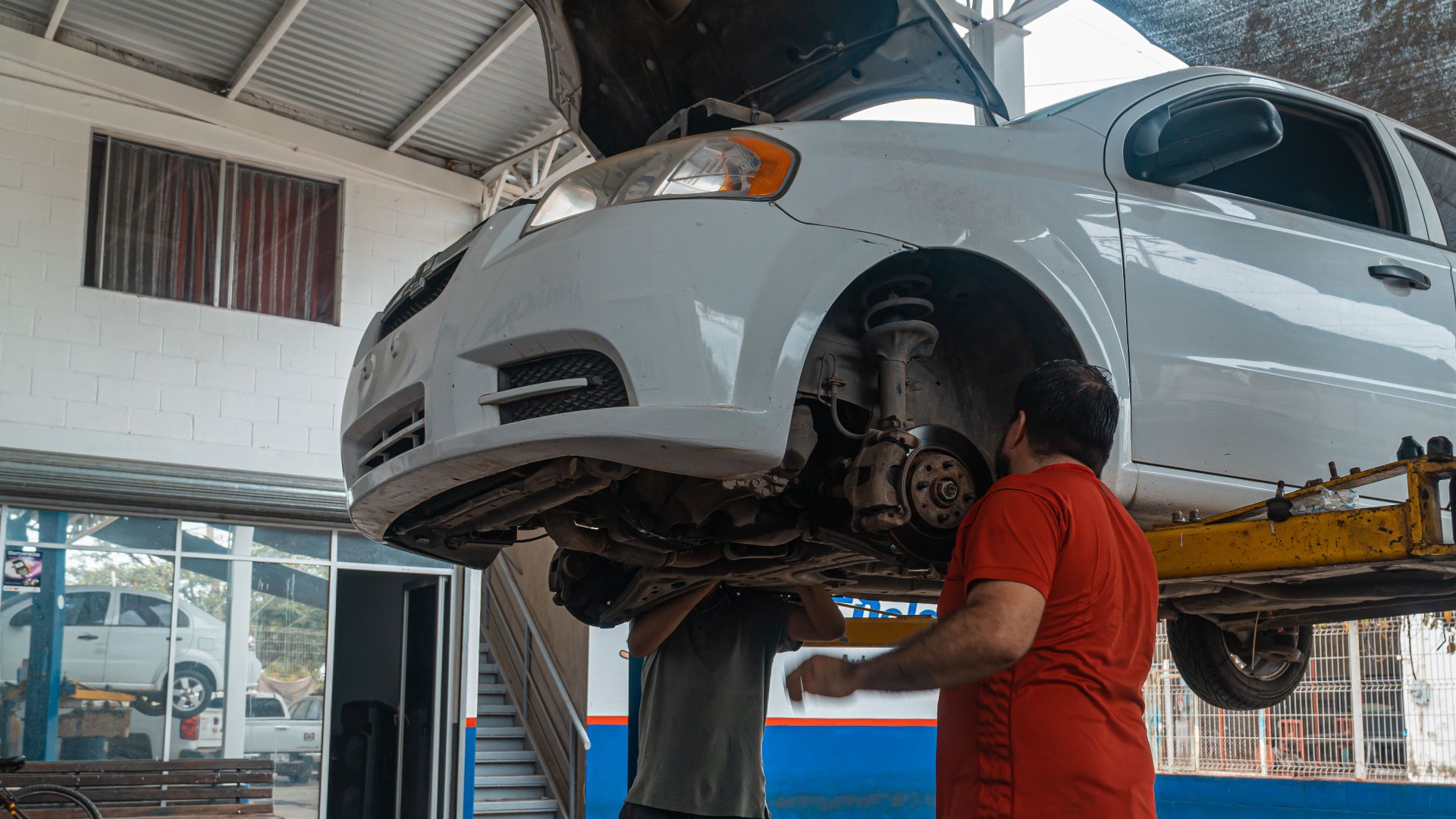
Brakes And Suspension Are Still Used Parts
Yes, the heavy-duty hardware is a plus when the car is new. But by the time the vehicle reaches auction, those brakes, shocks, control arms, and bushings may already have taken years of punishment. Tough parts are still old parts, and buyers sometimes forget that.
 Jose Ricardo Barraza Morachis, Pexels
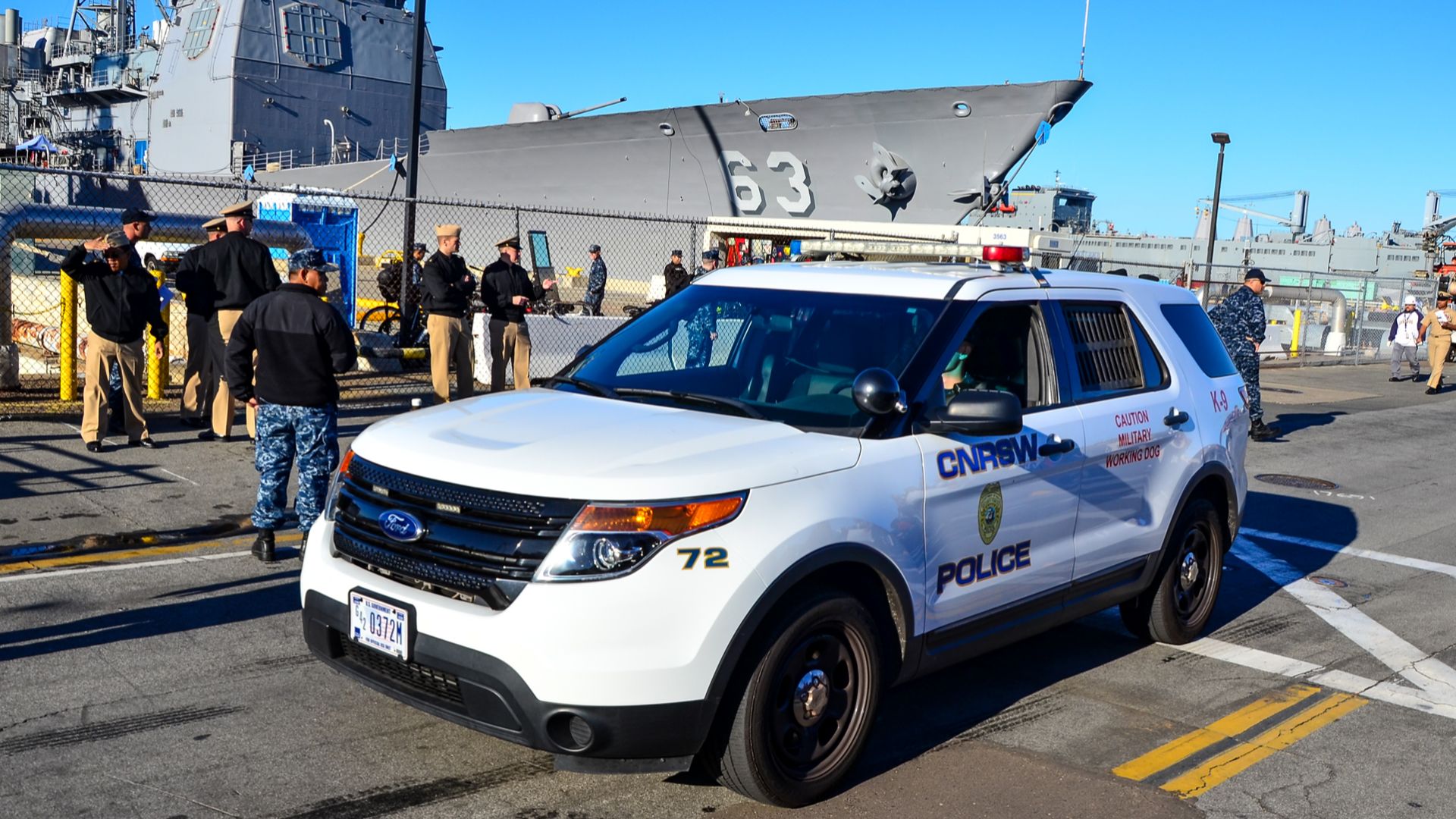
K-9 Units Bring Extra Problems
If a listing mentions a K-9 setup or rear-compartment changes, inspect it even more carefully. These vehicles may have extra ventilation equipment, altered interiors, and wear or odors that are hard to get rid of. They can still be useful, but they are usually not the best starter cars for most families.
 Tomás Del Coro from Las Vegas, Nevada, USA, Wikimedia Commons
Check Insurance Before You Buy
Insurance is not always a deal-breaker, but it is smart to call your insurer with the VIN before you commit. Some companies may treat it like any other used sedan or SUV, while others may want more details about the trim, equipment, or prior use. It is an easy step that can prevent a surprise later.
 Quality Stock Arts, Shutterstock
Resale Value Usually Stays Low
The same things that make ex-police cars cheap to buy can also make them hard to sell. Many private buyers are wary of fleet vehicles, and obvious signs of former service can shrink the market even more. If your son tends to switch cars every few years, that matters.
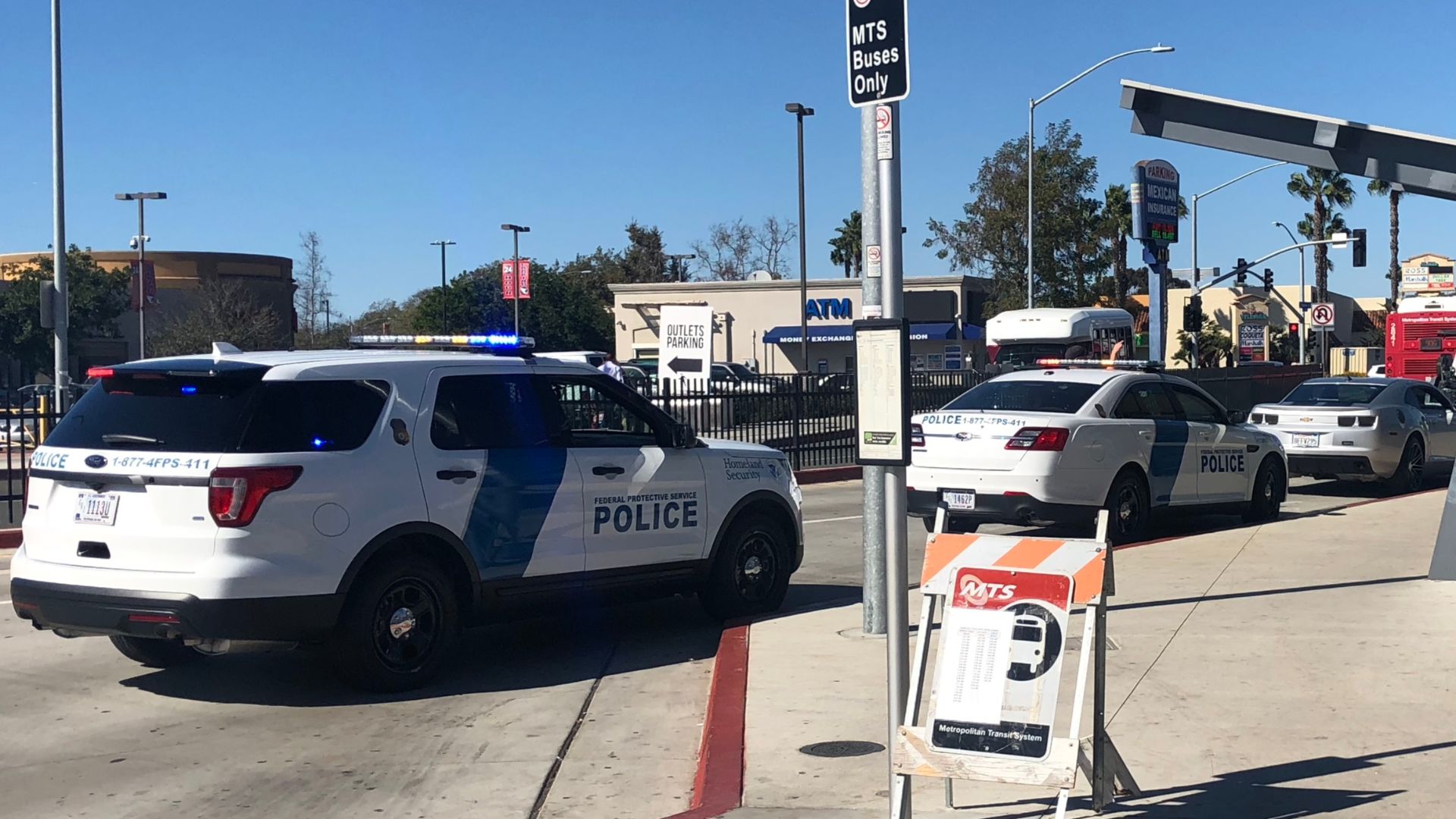
Safety Can Be A Mixed Bag
Some retired police vehicles are based on modern platforms with strong crash-test results, which is a real plus. But buyers should still confirm what safety equipment is still there and whether any modifications affected airbags, rear seats, or seatbelts. A thorough post-service inspection matters just as much as the original design.
 Daniel Schwen, Wikimedia Commons
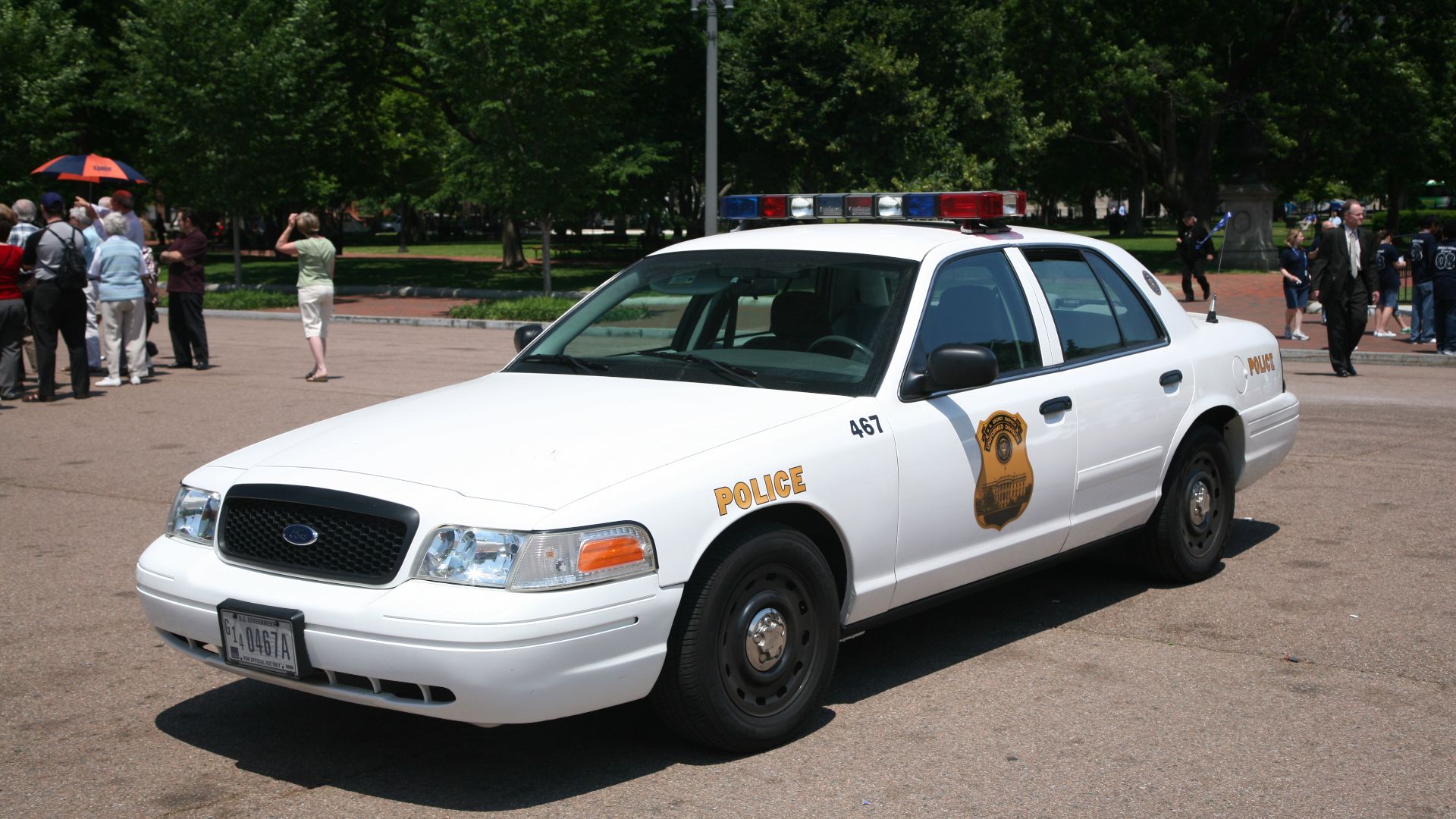
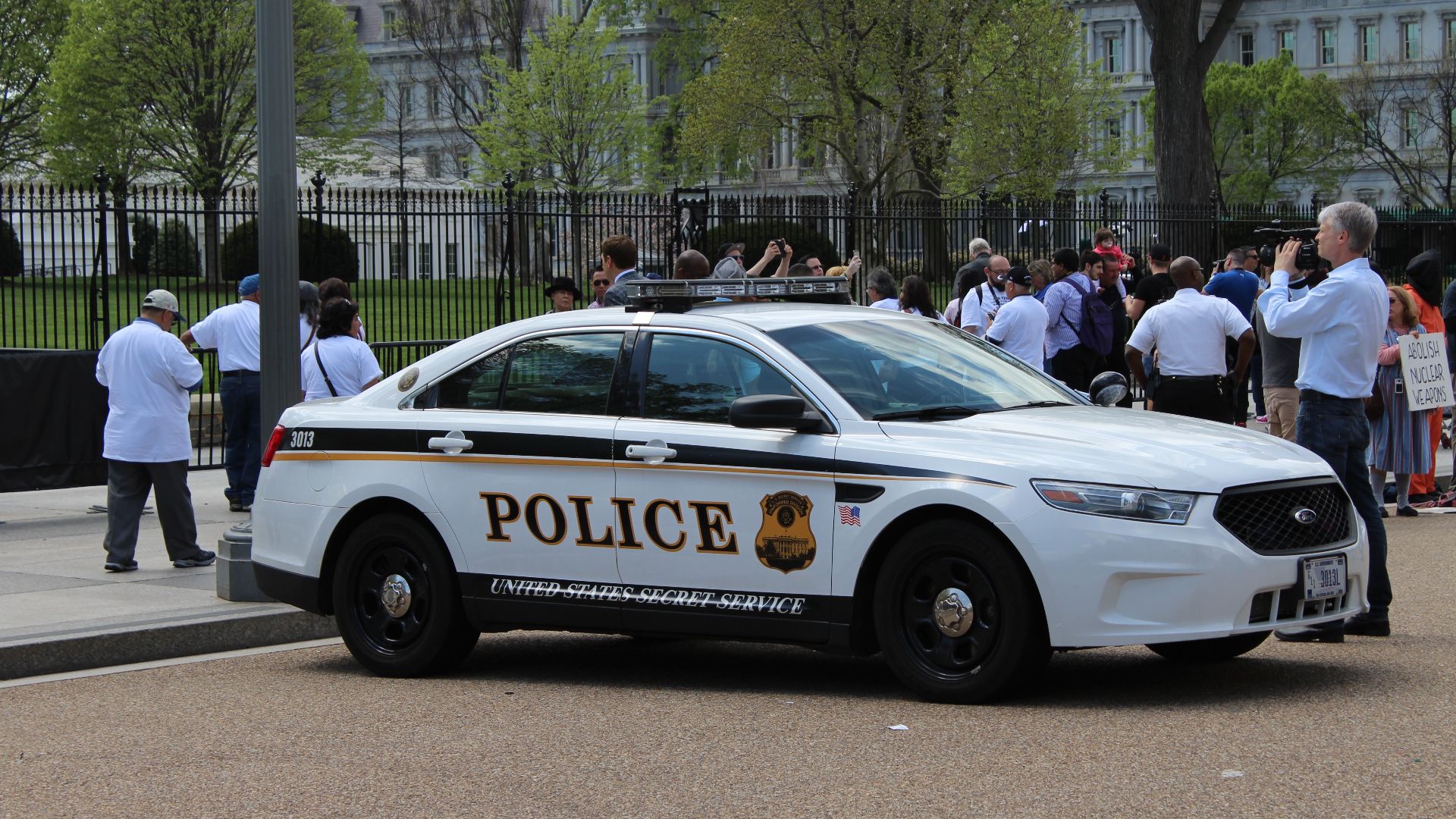
The Best Ones Are Often Detective Or Admin Cars
Not every police vehicle spent its life in high-stress patrol work. Unmarked supervisor, detective, or administrative units may have seen gentler use than marked patrol cars, even if they came with the same heavy-duty package. If you have a choice, buy the one with the fewest duty scars and the best records.
 Alex Smith from Fort Collins, CO, United States, Wikimedia Commons
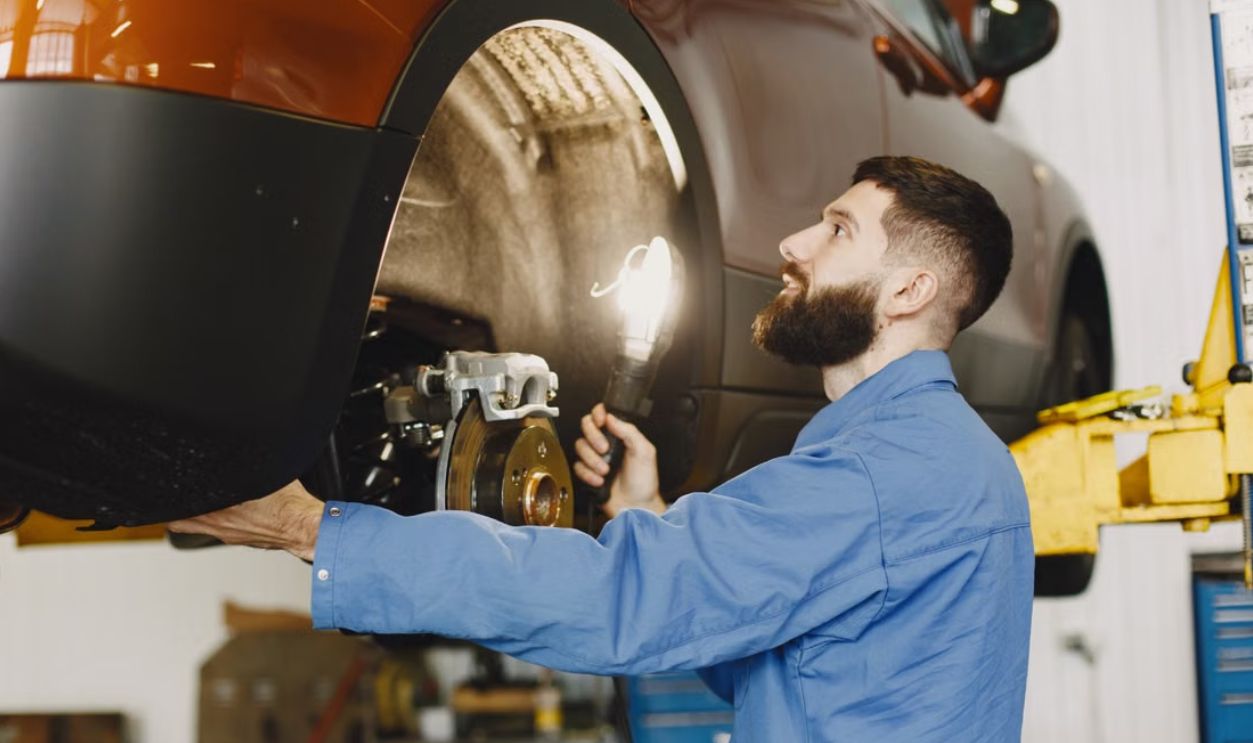
A Pre-Purchase Inspection Is Mandatory
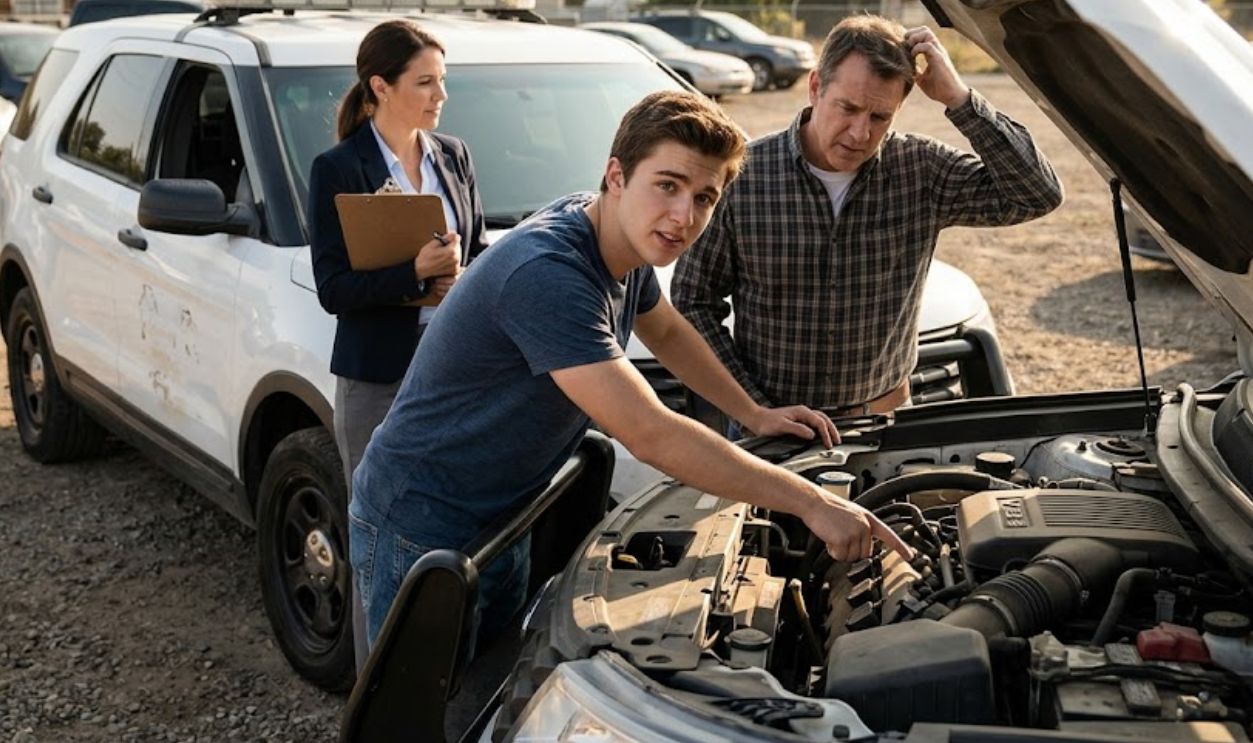
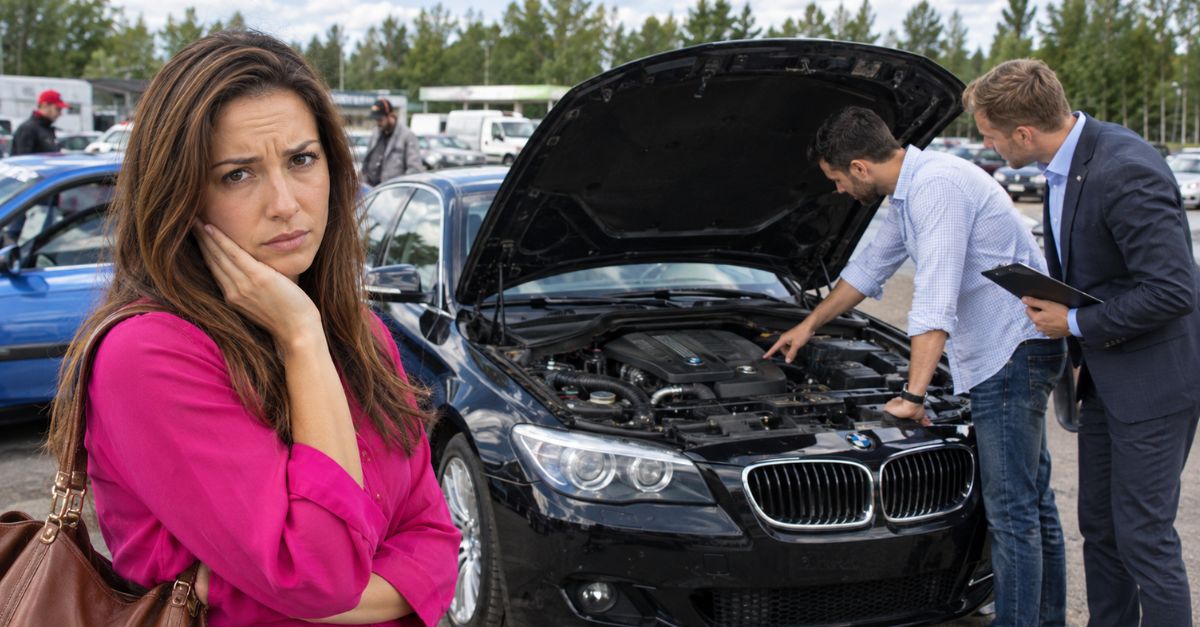
If there is one rule to follow, it is this one. Have an independent mechanic inspect the engine, transmission, suspension, cooling system, brakes, electrical system, and underbody before any money changes hands. With a former police car, skipping that step is a great way to inherit someone else’s repair bill.
What To Ask The Seller First
Ask for service records, engine hours if they are available, auction paperwork, accident history, and details on what equipment was removed. Find out whether it was a patrol car, supervisor vehicle, transport unit, or K-9 unit. Those answers can tell you more than the photos ever will.

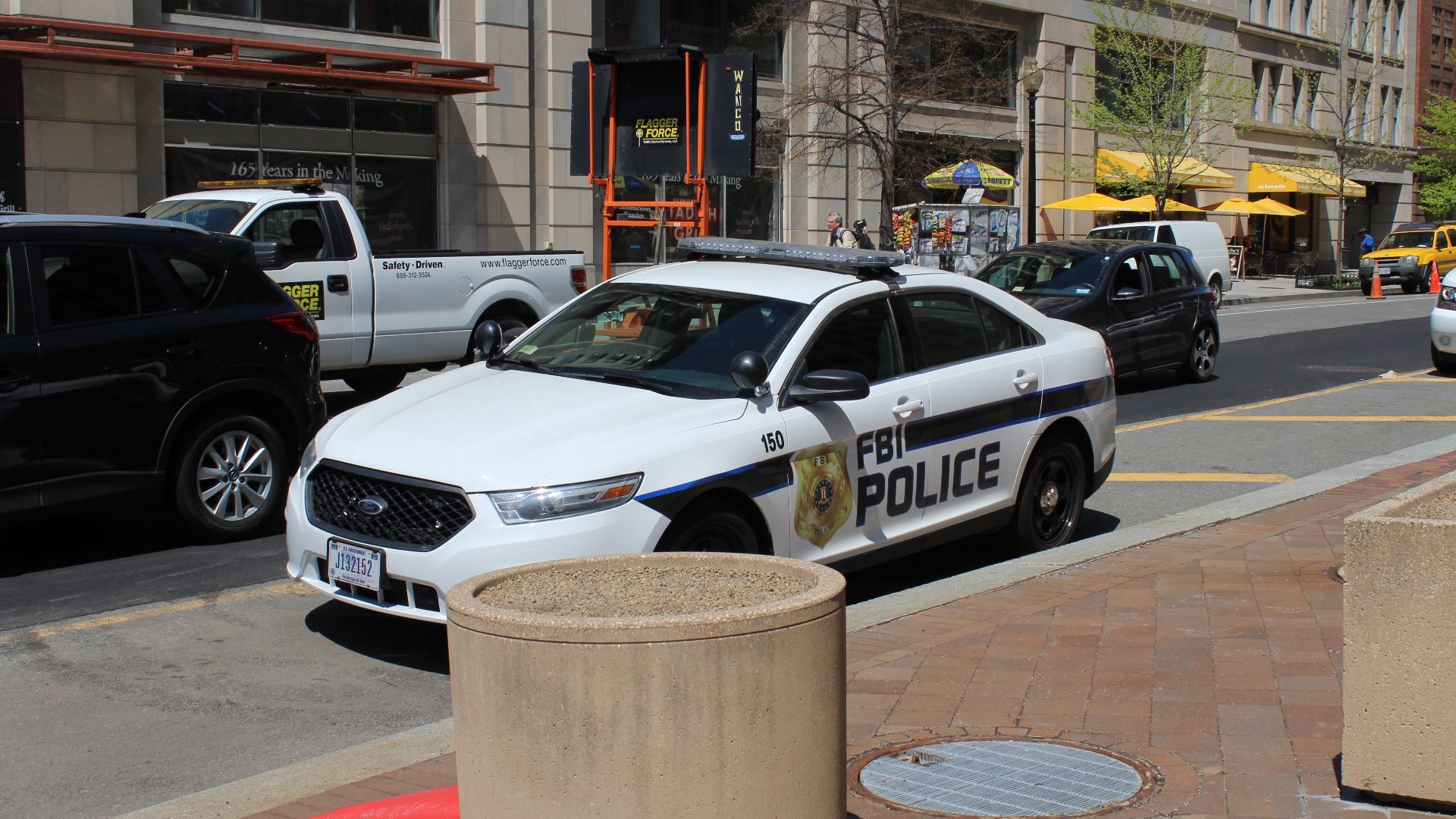
What To Watch For On The Test Drive
Listen for transmission flare, clunks over bumps, loose steering, brake pulsation, wheel-bearing hum, and warning lights that seem freshly cleared. Test every power accessory because electrical leftovers are common. Then let the car idle and watch the temperature, charging voltage, and cooling fan behavior.
 Alex Smith from Fort Collins, CO, United States, Wikimedia Commons
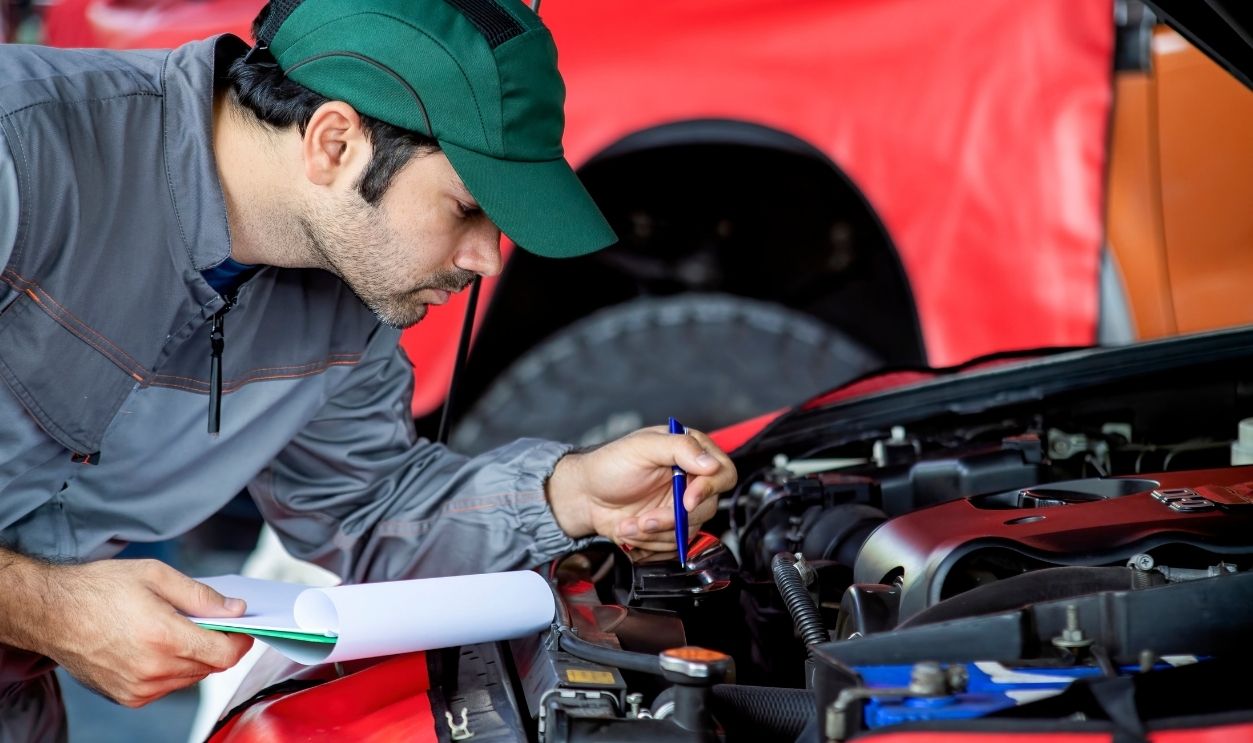
Who Should Actually Buy One
A former police car makes the most sense for someone who understands fleet vehicles, has access to a good mechanic, and cares more about durability than appearance. It can also work for someone who wants a cheap project or winter beater and is realistic about repair costs. It is much less ideal for a first-time buyer who just needs simple, dependable transportation.
 A Santi Wajitdol, Shutterstock
Why It Can Be A Bad Fit For A Young Driver
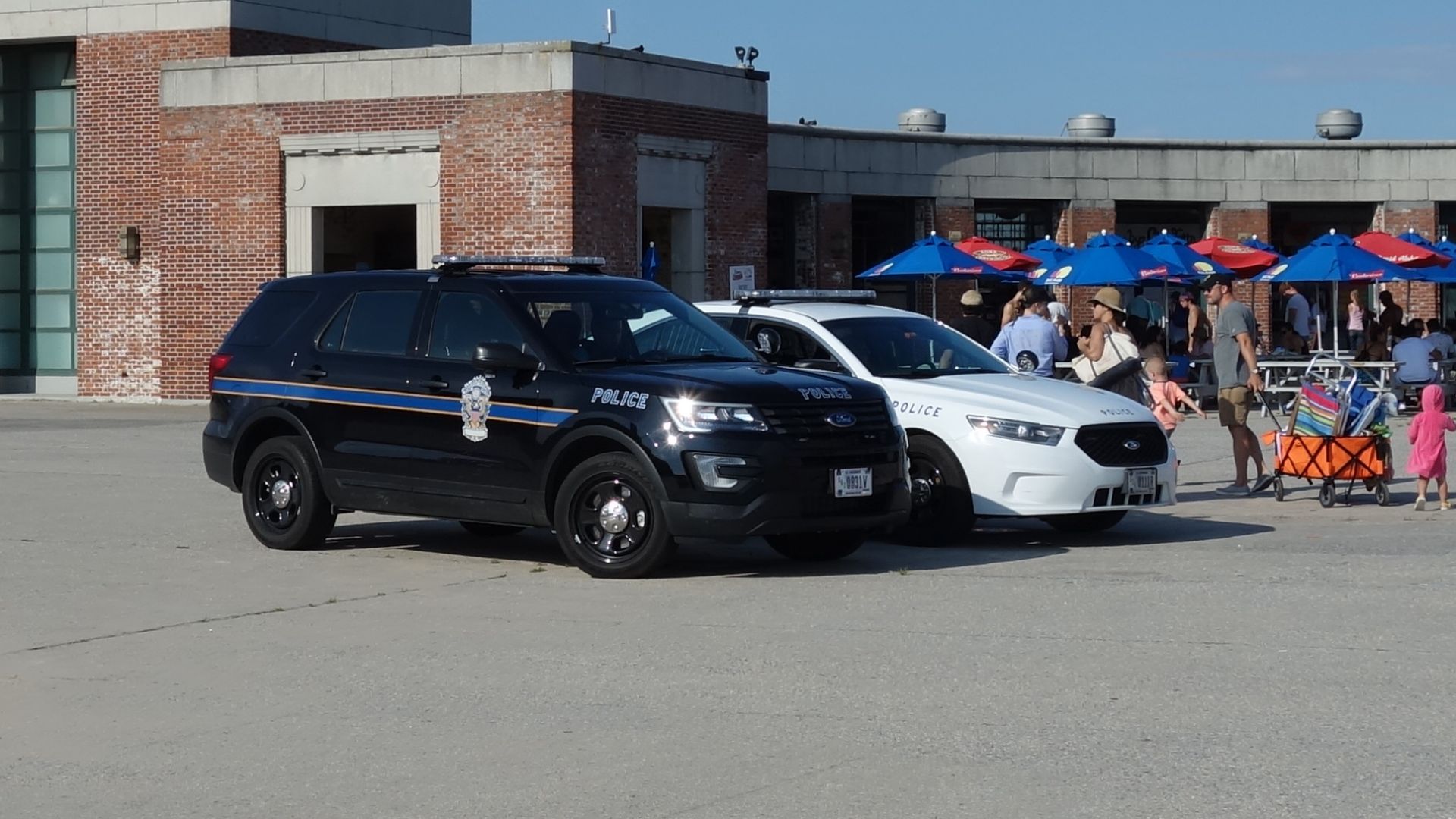
The draw is obvious, especially with V8 Charger Pursuit models and older Crown Victoria Police Interceptors. But cheap horsepower mixed with unknown wear is not always a smart combination for a young driver. Reliability, predictable handling, and manageable repair bills are often worth more than the cool factor.
There Are Better Alternatives
If the goal is a bargain with a little muscle, a civilian fleet sedan or SUV with documented service may be the better move. Think former city administration vehicles, well-kept fleet crossovers, or even retired rental cars with complete records and fewer modifications. They may be less exciting, but they are often much easier to own.

Bargain Or Headache?
The honest answer is that it can be either, and sometimes both. A well-maintained former police vehicle with records, reasonable idle hours, and a clean inspection can be a good value. A rough patrol car with hidden electrical issues and a tired drivetrain can turn that deal into a money pit in a hurry.
The Bottom Line For Your Son
If your son is serious about buying one, treat it like a fleet tool, not a toy with a cool backstory. Only buy with records, a clean inspection, and enough money left over for immediate repairs. When the cheap, powerful option is also a former police car, the smartest approach is simple: assume nothing and check everything.


.jpg)