
The Parking Garage Argument Nobody Expected
For many condo owners, an EV charger is supposed to make life easier. Instead, some find themselves pulled into unexpected disputes with neighbors who believe charging costs should be handled differently. It seems like a silly argument, but the situation can become far more complicated than a simple comparison between electricity and gasoline.
Don’t Start By Arguing About EVs
The quickest way to lose a condo-board discussion is to turn it into a debate about whether EVs are better or worse than gasoline vehicles. That invites opinions instead of solutions. Keep the conversation focused on the building’s finances. You aren’t asking for a special discount or arguing that EV owners deserve cheaper energy. You’re asking the association to base fees on actual costs rather than comparing two completely different fuels.
Ask Your Board For The Current Charging Policy
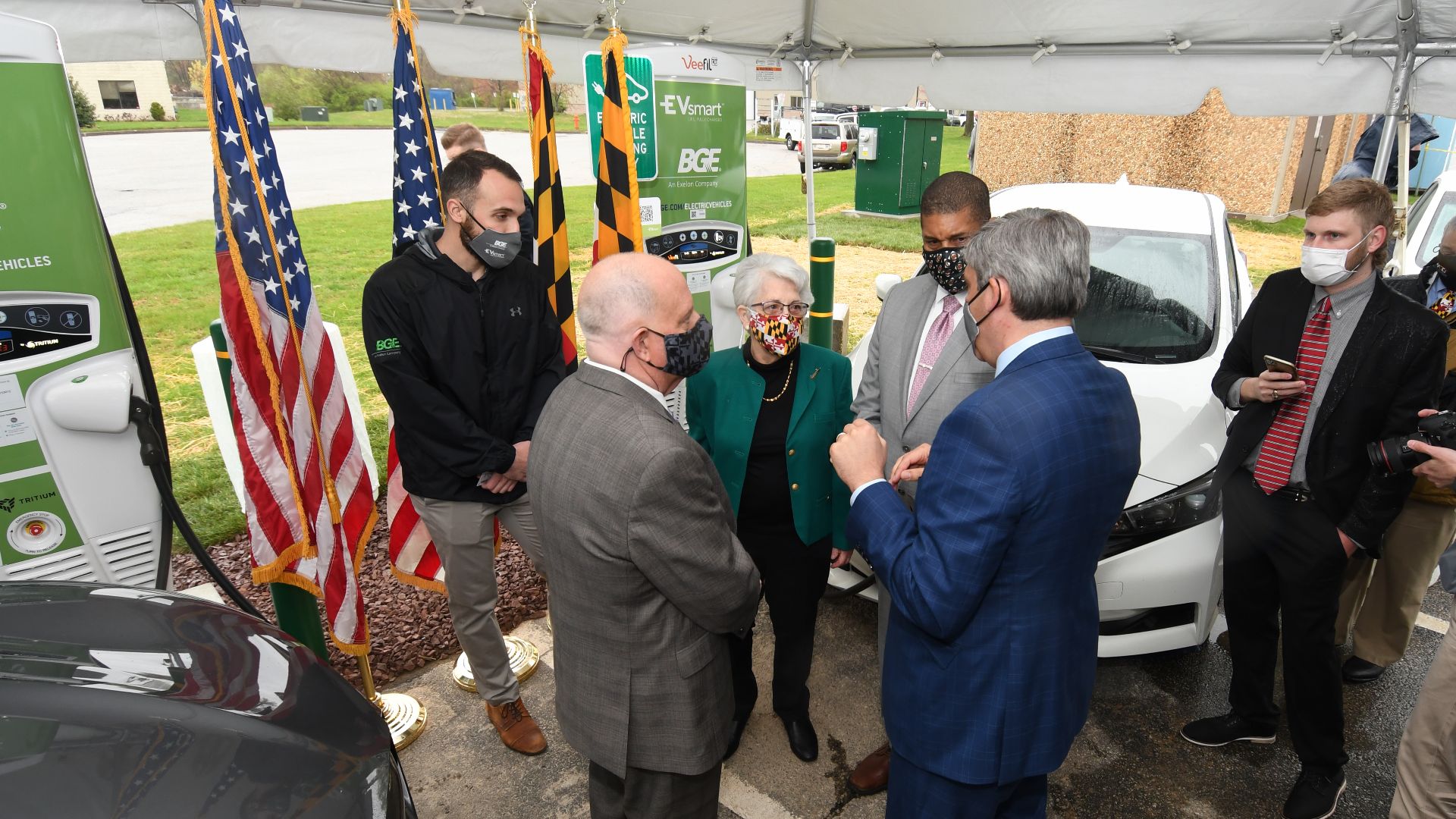
Before responding to neighbors, get a copy of the condo’s existing EV charging rules. Find out how fees are currently calculated, who owns the chargers, who pays for electricity, and whether the association has a written policy for maintenance, repairs, and upgrades. Some disputes happen simply because residents are working from assumptions instead of the actual documents.

Find Out What You Are Actually Paying For
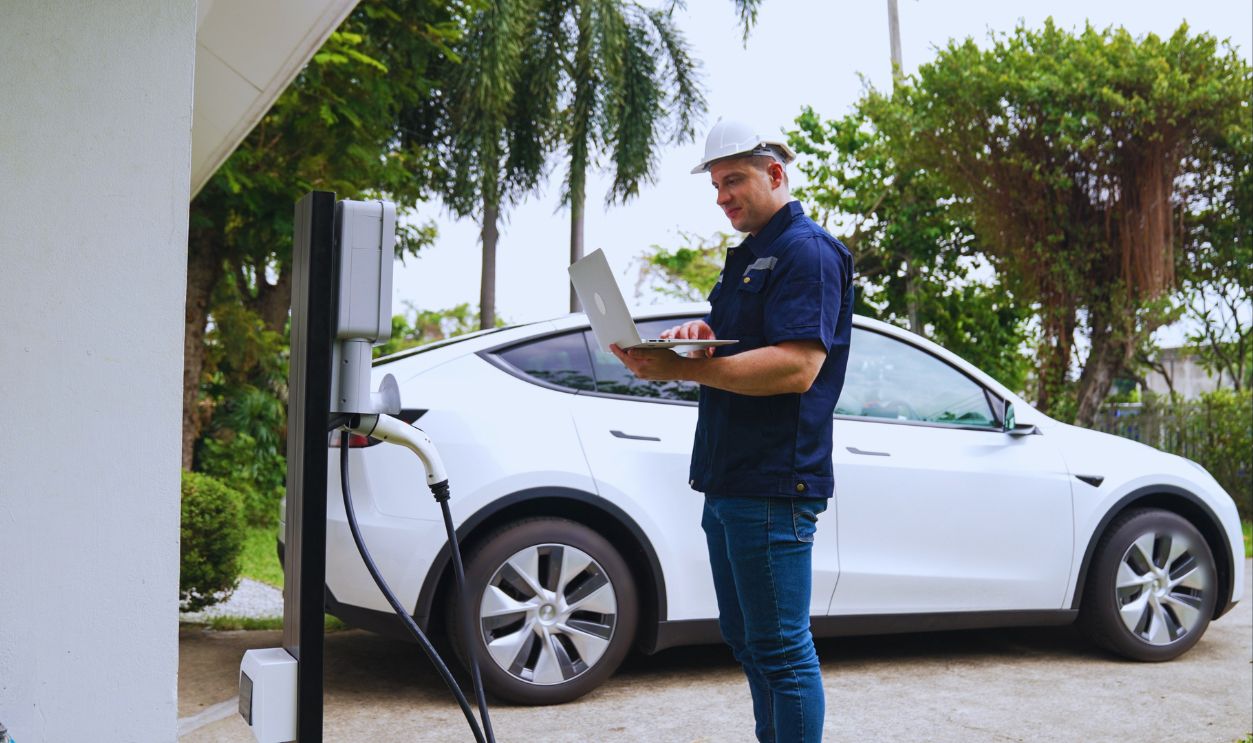
A reasonable charging fee may include more than electricity. It could include the cost of power, billing software, charger maintenance, repairs, administration, or repayment for installation expenses. That doesn’t mean every proposed fee increase is justified. It means the board should be able to explain exactly what the charge covers. A fee based on real expenses is much easier to defend than one based on “EV drivers should pay more”.
 Summit Art Creations, Shutterstock
Ask For The Math Behind Any Proposed Increase
If neighbors are asking the board to raise EV fees, the next question should be: “Based on what calculation?” Ask for specifics. Did the building’s electricity costs increase? Did charger maintenance become more expensive? Are network fees higher? Is the association recovering installation costs? A request based only on gasoline prices isn’t a cost analysis. A request supported by actual invoices and utility data is.

Explain The Difference Between Cost Recovery And Equalizing Fuel Bills
This is often the misunderstanding at the center of the dispute. A condo charging fee exists to recover the cost of providing charging service. It isn’t designed to make every resident’s transportation expenses equal. A person driving a large SUV pays more for gasoline because of the vehicle they chose. Someone driving an EV may pay less for electricity because of the vehicle they chose. Neither situation requires the condo to adjust everyone’s bills until they match.

Suggest A Transparent Charging Formula
Instead of arguing over whether EV owners are paying “enough,” suggest a clear formula everyone can understand. A reasonable policy might include the electricity consumed, applicable utility charges, charging-network costs, maintenance, and any agreed infrastructure repayment. The benefit is that the same formula applies regardless of who owns the EV. If another resident buys an electric vehicle next year, the rules stay the same.
Ask For Individual Metering If Possible
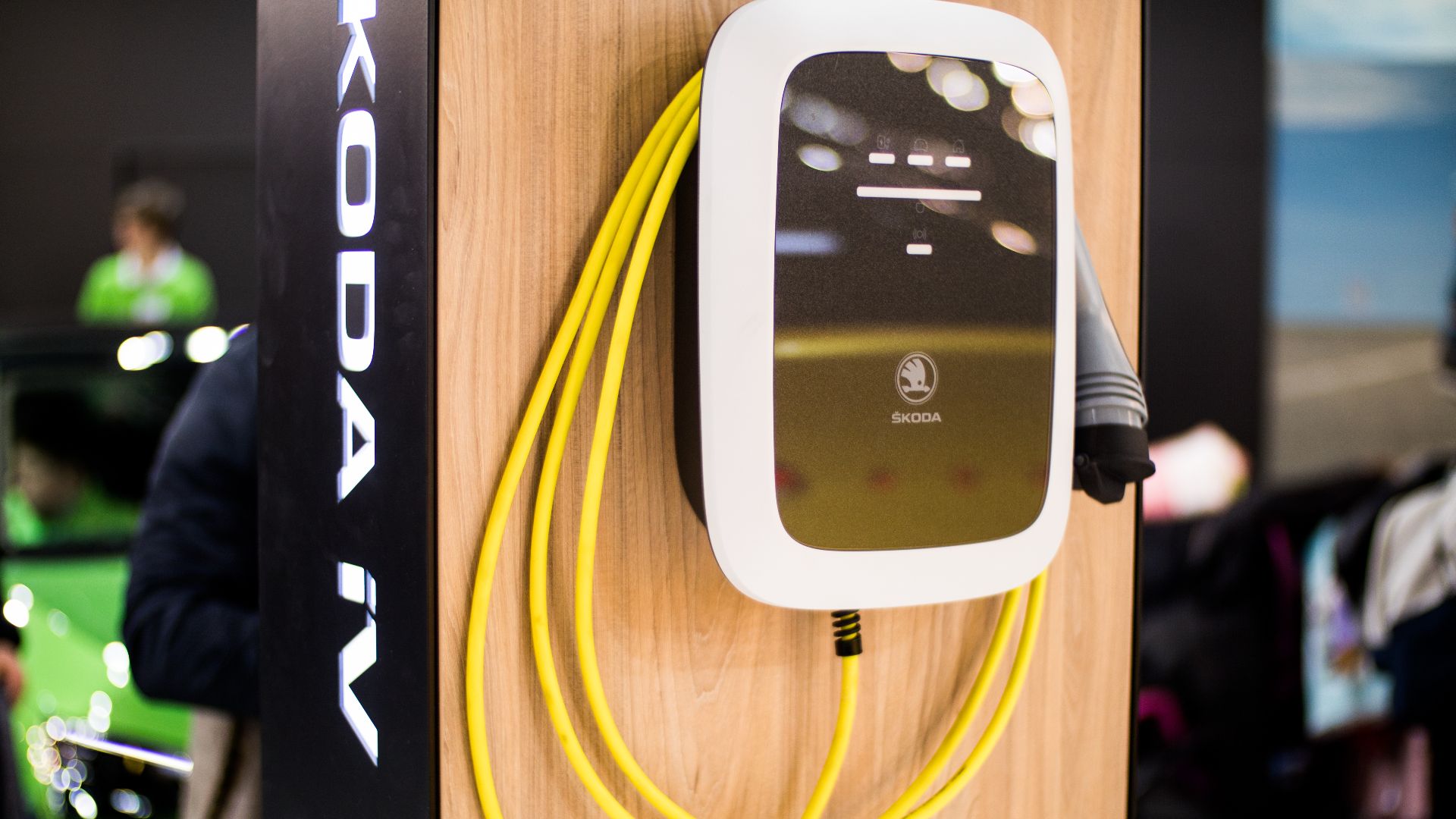
One of the easiest ways to calm these disputes is better tracking. If chargers can record individual usage or are separately metered, residents can pay based on what they actually consume. That avoids arguments about whether one person is using “too much” or whether EV owners are being subsidized. The U.S. Department of Energy identifies metering and submetering as common tools for managing EV charging costs in multifamily buildings.

Don’t Accept “Everyone Should Pay More” Without Evidence
A common argument is that EV charging is a new expense for the building, so EV owners should simply pay extra. But new expenses should still be tied to actual numbers. Ask what the building is spending and what portion is caused by charging. If a charger requires maintenance or a software subscription, that cost is easy to identify. If the argument is simply that EV owners are getting a better deal than gasoline drivers, that’s a different issue entirely.

Keep Conversations With Neighbors Calm And Practical
A neighbor who says “you’re getting cheap fuel while I pay for gas” may not be making a technical argument. They may simply feel like the arrangement is unfair. Responding with a lecture about battery efficiency usually won’t help. A better approach is something like: “I’m happy to pay my share of the charging costs. I just think the fee should be based on what the charger actually costs the building, not what gasoline costs somewhere else".

Move Important Discussions Away From Hallways And Group Chats
Parking garages, community message boards, and resident chat groups are where these disputes often become personal. Try not to negotiate policy in a heated comment thread. Ask that the issue be discussed through the proper condo process, where everyone can review documents, ask questions, and understand the financial reasoning behind any decision. Written, organized discussions usually produce better results than neighbor arguments.

Put Your Concerns In Writing
If you believe a proposed fee increase is unfair, send the board a polite written response. Explain that you support recovering legitimate charging costs but would like the association to provide the calculation behind the proposed amount. Ask for the policy, invoices, utility information, and any documents showing how the fee was determined. A calm paper trail is far more effective than simply saying “I disagree".

Ask Whether Non-EV Owners Are Actually Subsidizing Charging
This is the question that should matter most. If EV charging costs are being paid from general condo funds, non-EV residents may reasonably ask for a correction. But if EV owners are already paying for their electricity and associated charging expenses, increasing fees simply because gasoline costs more does not address a subsidy problem. It addresses a disagreement over whether residents think EV driving should be more expensive.

Separate Electricity Costs From Installation Costs
A lot of confusion comes from mixing different expenses together. The monthly electricity bill for charging is one issue. The cost of installing chargers, upgrading electrical infrastructure, or adding new parking equipment is another. If the condo spent money installing the system, it may have a reasonable argument for recovering that investment. But that should be clearly identified rather than hidden inside an unexplained monthly surcharge.
 Summit Art Creations, Shutterstock
Ask Who Owns And Maintains The Chargers
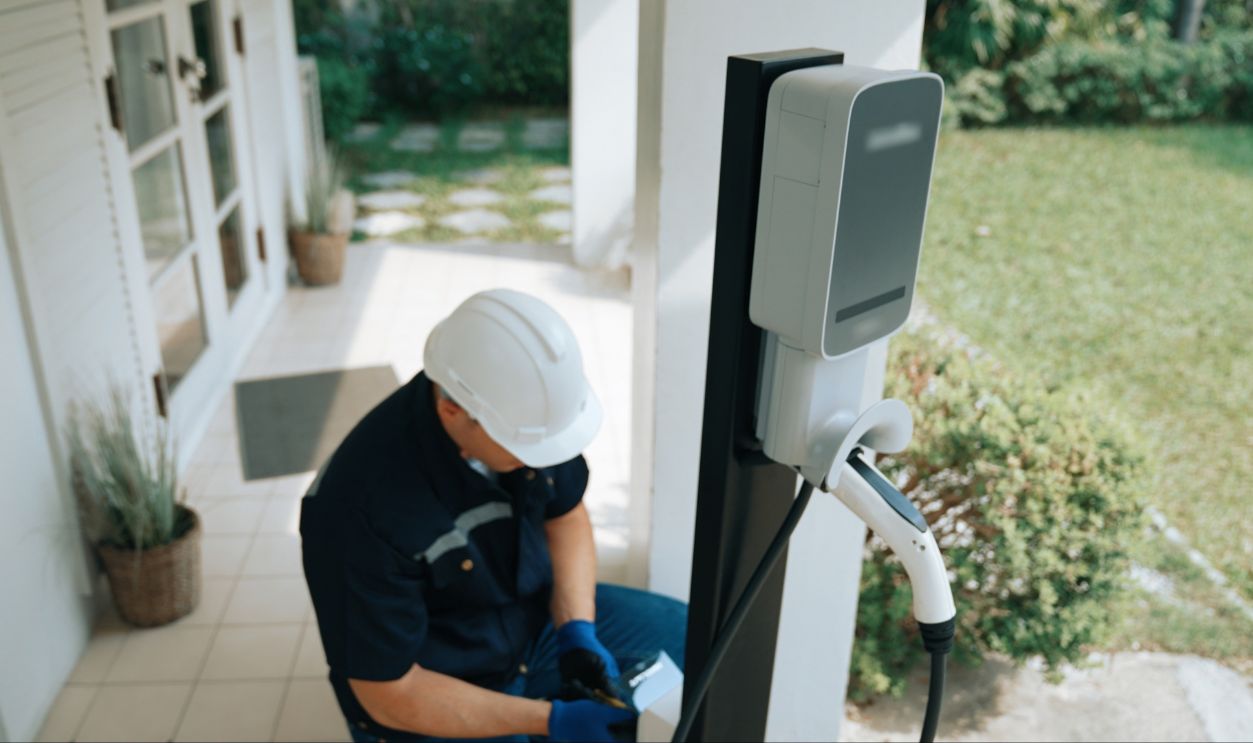
Before debating fees, find out who is responsible for the equipment. Did individual residents buy their own chargers? Did the association install shared stations? Is a third-party company managing billing? The answer changes who should pay for repairs, software, upgrades, and replacements. Many arguments happen because residents are debating prices without first agreeing on who owns the underlying infrastructure.

Review The Condo Declaration And Rules
A board cannot always create whatever fee structure it wants. The declaration, bylaws, parking rules, and state or provincial laws may limit how costs can be allocated. If a new EV surcharge appears suddenly, review the documents that govern the association. Owners should understand whether the board is adjusting an existing policy, creating a new rule, or charging residents in a way that requires additional approval.

Ask For A Trial Period Or Policy Review
If the building is still figuring out EV charging, a permanent fee increase may not be the best first move. Suggest reviewing actual charging data after several months. The board can see electricity usage, maintenance costs, and demand on the chargers before making major pricing decisions. A temporary review period can replace speculation with real information.

Avoid Making It An EV Versus Gasoline Fight
A condo parking dispute can become surprisingly personal when people feel their choices are being criticized. Keep bringing the conversation back to one point: the association is managing a shared utility service. The goal is not to reward EV owners or punish gasoline drivers. The goal is to make sure residents who use the charging system cover the costs they create, while everyone else pays only for the expenses they actually share.

If The Board Approves A Fee Increase, Ask For The Reason
A higher fee is not automatically unreasonable. Electricity prices can rise, equipment can need repairs, and infrastructure costs can change. The important question is whether the increase has a clear connection to those expenses. Ask the board to explain the reason for the change and provide the supporting information. Transparency makes even unpopular decisions easier for residents to accept.
 Mariana Serdynska, Shutterstock
Consider Mediation Before A Bigger Fight
If the disagreement becomes personal or the board and residents are stuck, mediation can sometimes help. Many community associations use mediation or dispute-resolution processes before escalating conflicts. The goal is not to decide whether EVs or gasoline vehicles are “better". It is to help residents agree on a charging policy that is consistent, understandable, and supported by the governing documents.

Keep Records Of Everything
Save emails, notices, proposed rule changes, meeting minutes, fee announcements, and copies of the charging policy. If the dispute continues, a clear timeline helps everyone understand what happened. It also prevents situations where residents are arguing over different versions of what was promised or discussed. Good records are useful whether the final solution is a policy change, a compromise, or simply better communication.

A Fair Policy Should Still Make Sense Five Years From Now
The best charging policy is one that works even as more residents buy EVs. A system based on actual electricity use, maintenance costs, and infrastructure expenses can adapt over time. A system based on “gas costs more” will become harder to defend every time fuel prices change. The building doesn’t need to pick sides in the EV debate. It simply needs a charging policy based on the costs it actually incurs.

The Goal Is A Fair Bill, Not A Punishment
EV owners should pay their share. Non-EV owners shouldn’t be asked to subsidize charging. But the solution is not to increase fees until EV drivers spend the same amount as gasoline drivers. Those are different products with different pricing systems. The strongest argument to bring to a condo board is simple: calculate the real cost of providing charging, charge users appropriately, and make the numbers clear to everyone.

You May Also Like:
My friend says regenerative braking means EVs almost never need brake jobs. Is that actually true?