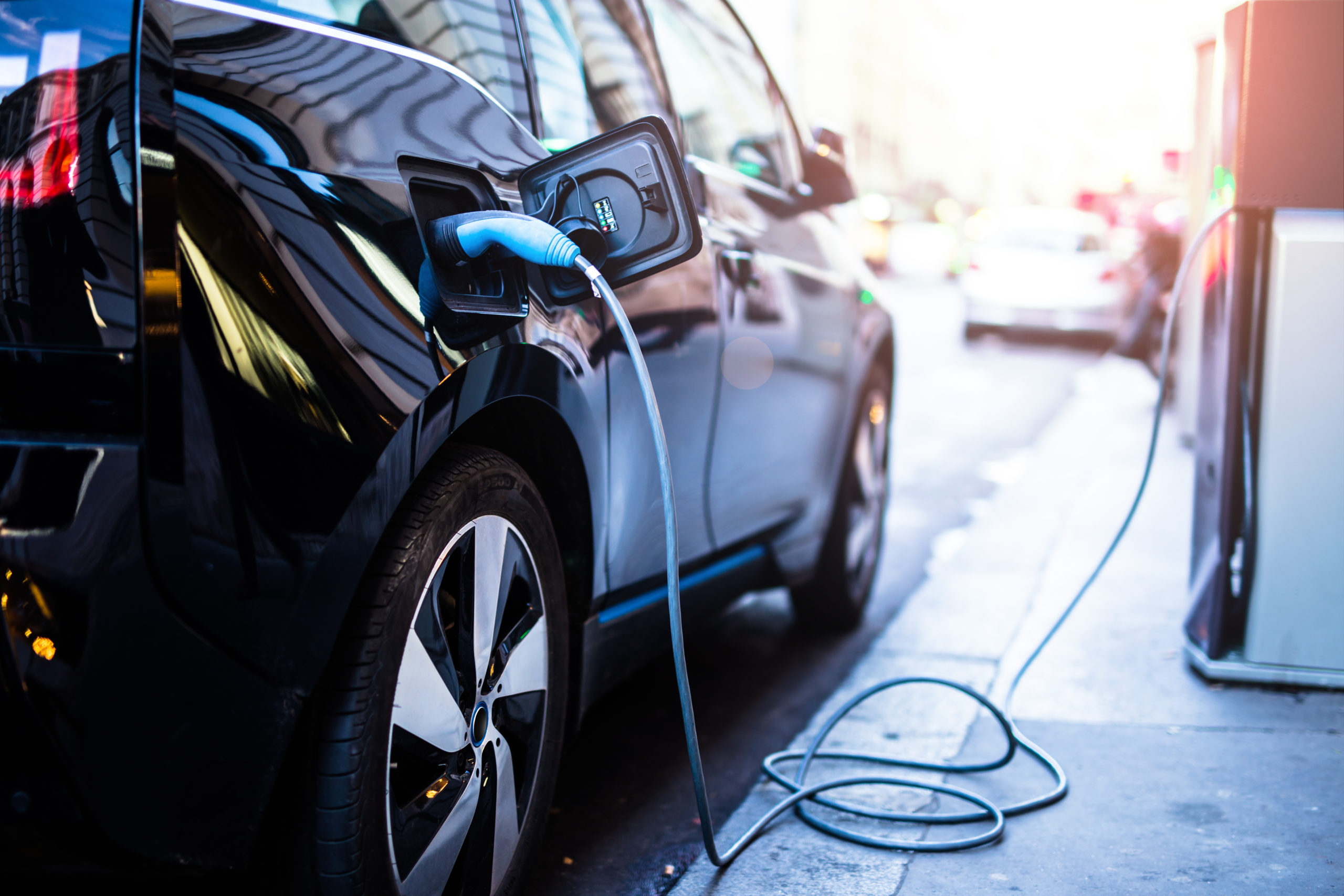
The charger may be working perfectly.
The easiest way to make sense of the bill is to stop thinking in “full charges” and start tracking kilowatt-hours and your real utility rate.
Start With Kilowatt-Hours
Electricity is billed in kilowatt-hours, usually abbreviated kWh. The Department of Energy says the basic home-charging calculation requires knowing both your electricity price per kWh and how much energy the vehicle consumes. Once you have those two numbers, EV charging becomes much easier to separate from the rest of the household.
Your Battery Size Is Not Your Monthly Usage
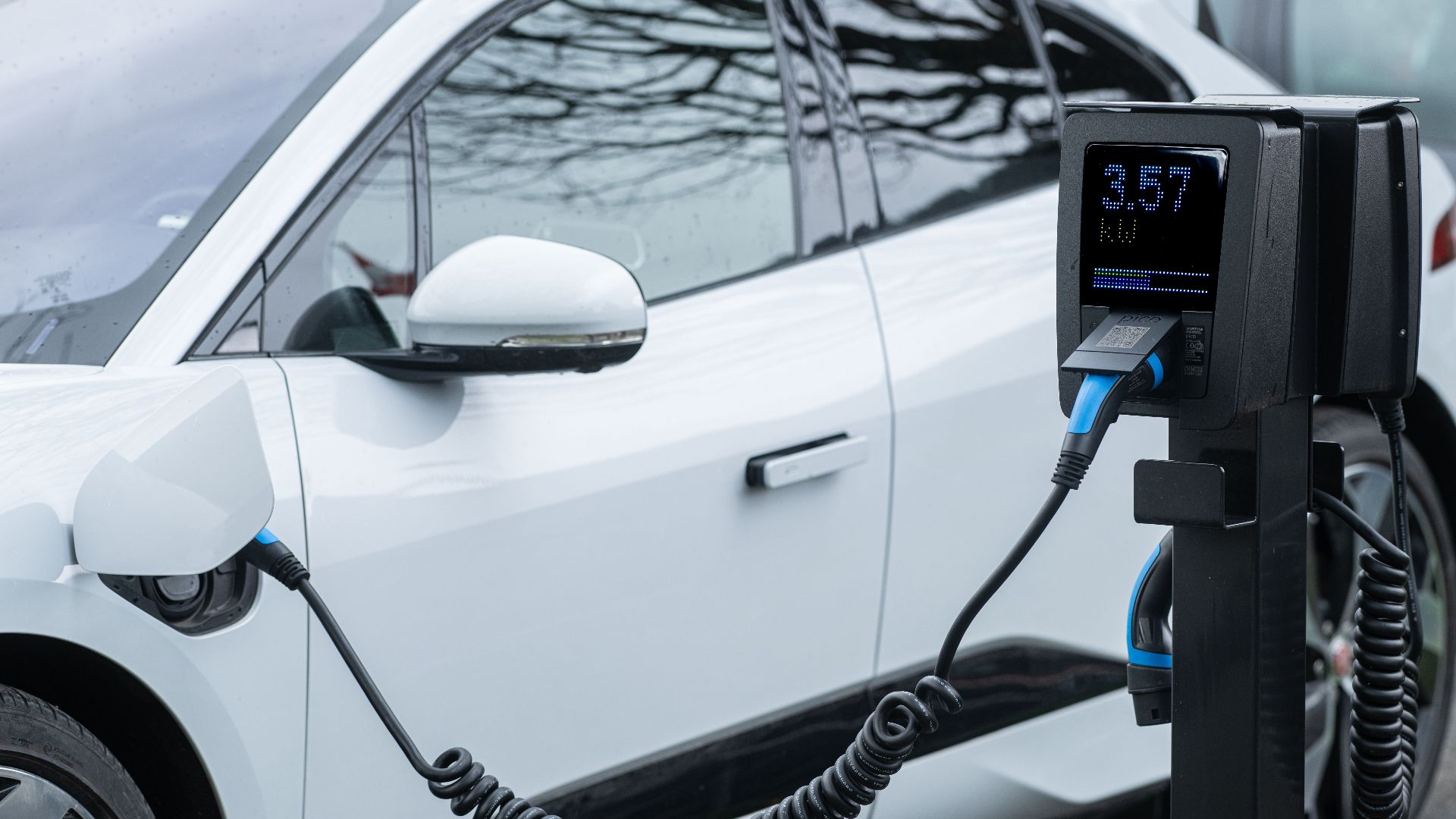
A 75-kWh battery does not mean you consume 75 kWh every time the car plugs in. Most owners recharge only the energy they used since the previous session. A driver replacing 15 kWh each night will have a very different bill from someone repeatedly arriving home nearly empty.
The Charger Can Pull Serious Power
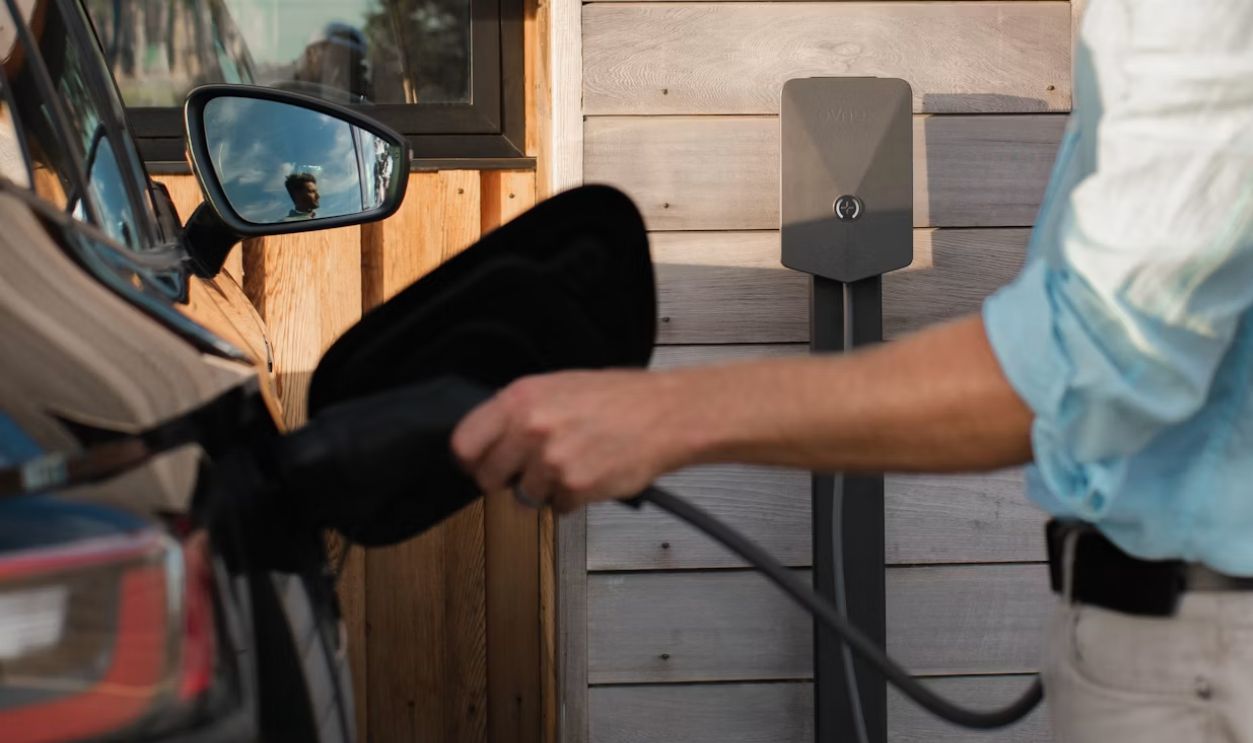
Level 2 chargers operate on 240-volt circuits and can provide substantially more power than an ordinary household outlet. The EPA says Level 2 equipment commonly operates between 16 and 80 amps, depending on the charger and vehicle. That makes the car one of the larger electrical loads in many homes while it is actively charging.
But Power And Energy Are Different
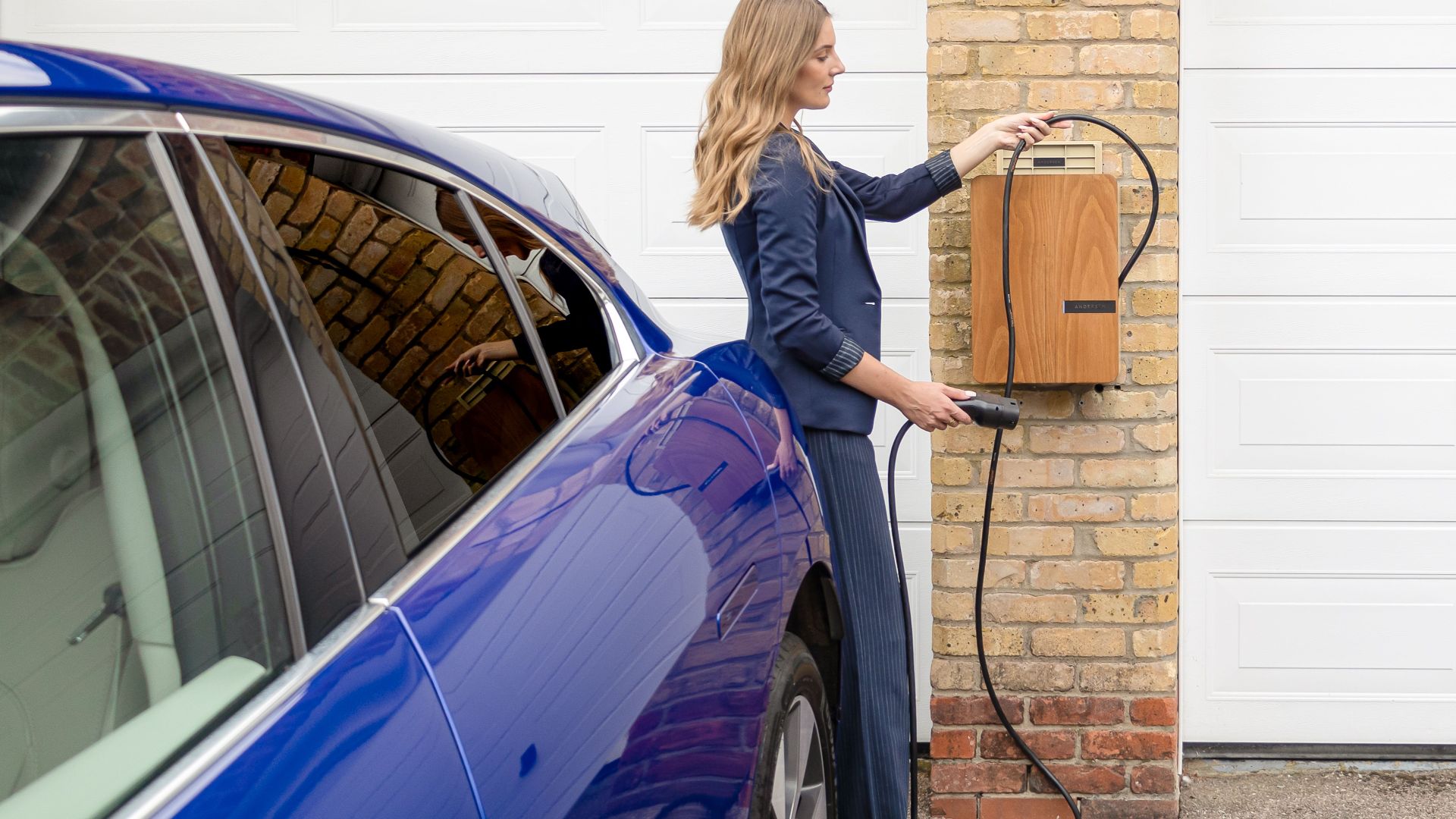
A 9.6-kW charger describes how quickly electricity can flow, not how much your monthly bill will rise. If it operates for one hour near that rate, it uses roughly 9.6 kWh. The same charger running for five hours would consume roughly five times as much energy.
Your Utility Rate Completes The Equation
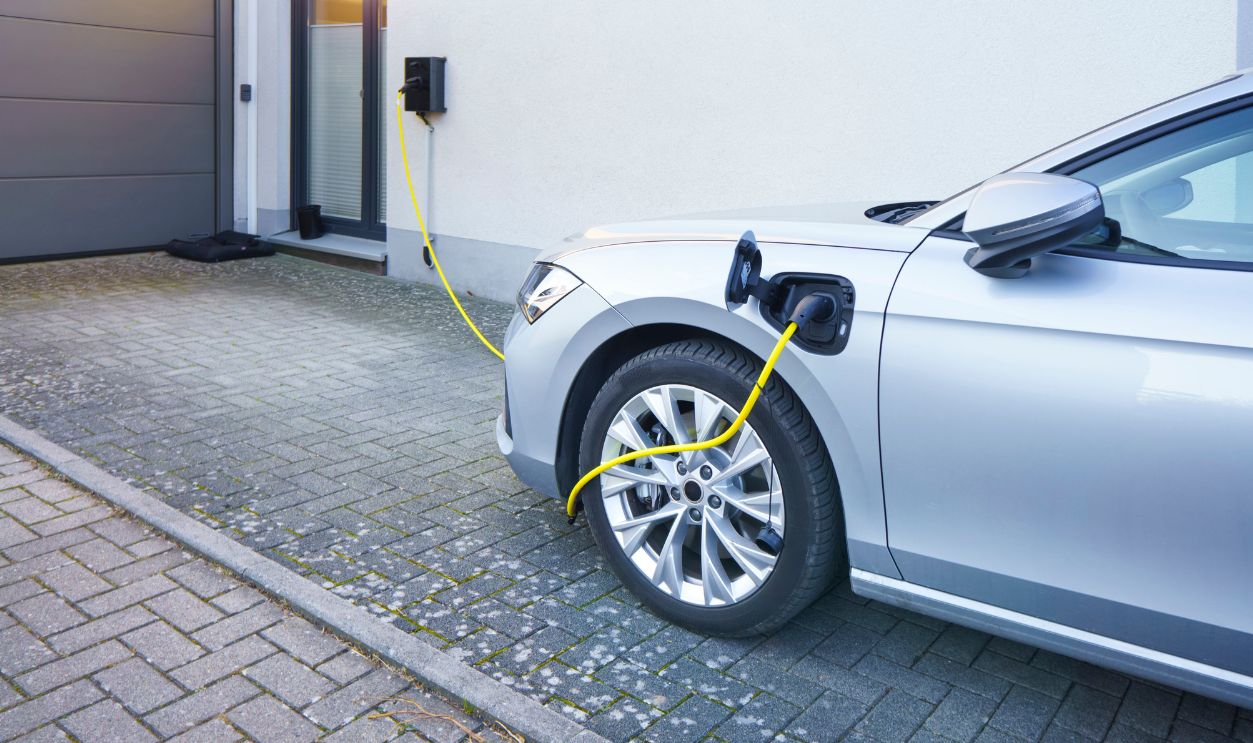
The Department of Energy's Alternative Fuels Data Center explains that charging cost depends on electricity price and vehicle energy use. If your utility charges 20 cents per kWh, 30 kWh of charging costs about $6 before considering any fixed charges or unusual rate structures. Change the rate to 40 cents and the same energy costs $12.

Time Of Day Can Change The Price
Some utilities charge different electricity prices depending on when you use power. These time-of-use plans typically make electricity cheaper during lower-demand periods and more expensive during peak hours. That means two identical 40-kWh charging sessions can cost very different amounts without anything changing in the car.
Overnight Is Often The Sweet Spot
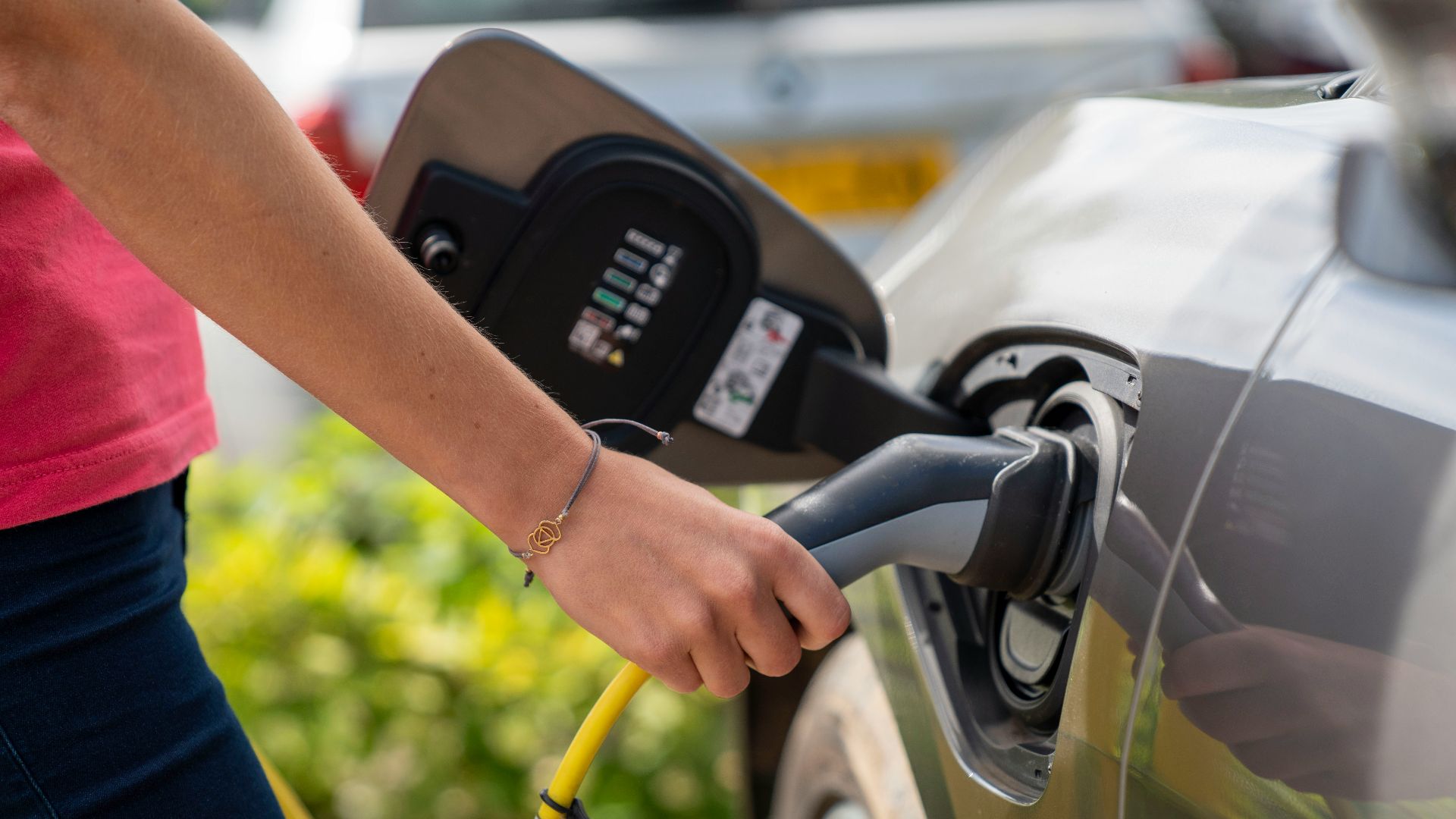
The Department of Energy notes that utilities may offer special time-of-use pricing or EV incentives. Tesla similarly recommends taking advantage of lower overnight electricity pricing where it is available. Scheduling the car after peak hours can reduce charging cost without changing how many miles you drive.
 Taras Valerievich, Shutterstock
But “Overnight” Is Not Universal
Do not assume midnight is automatically the cheapest period everywhere. PG&E's current EV2-A rate, for example, sets its lowest-cost period from midnight through 3 p.m., while its separate-meter EV-B plan has another off-peak schedule. Your own utility's rate sheet matters more than generic EV advice.
Some EV Rates Affect The Whole House
A time-of-use EV plan may change the price of electricity used by more than the vehicle. PG&E's EV2-A plan applies to both the home and EV charging. If you shift the car to cheaper hours but run air conditioning, laundry, or cooking equipment during expensive periods, the total household bill can still move in unexpected ways.
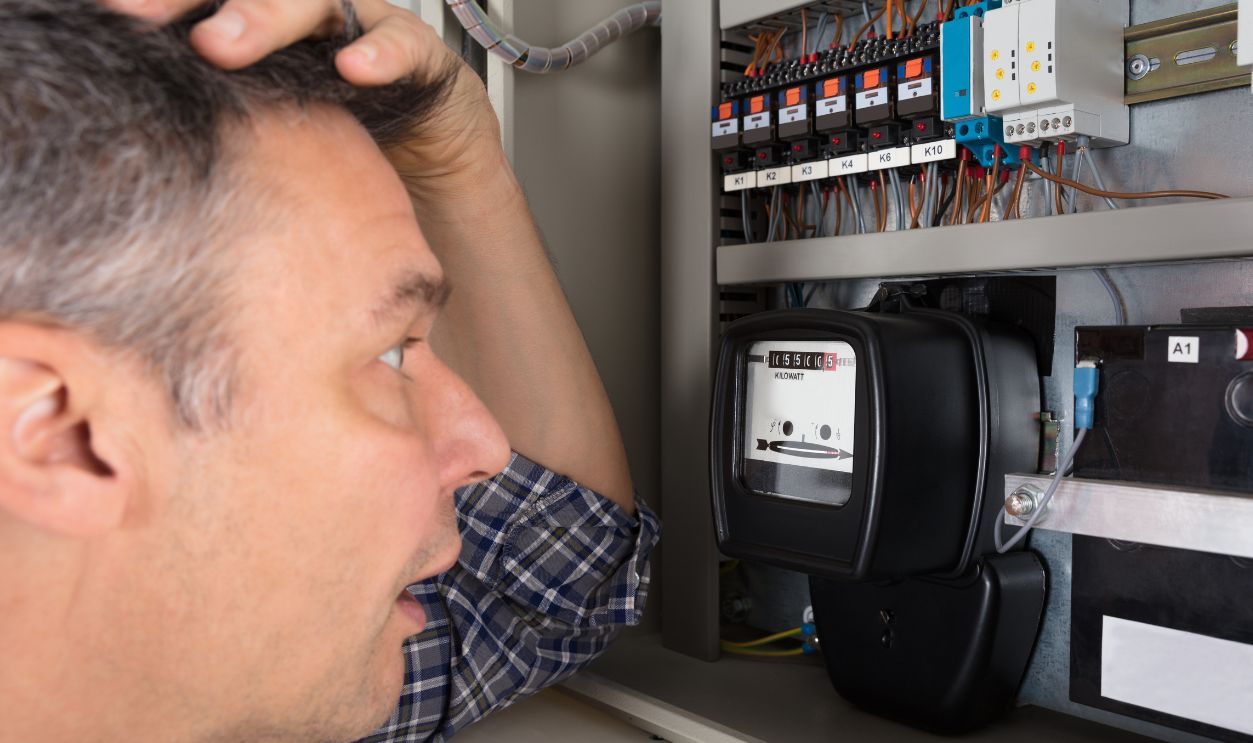
A Separate EV Meter Can Make Tracking Easy
Some utilities offer or require a second meter dedicated to EV charging. PG&E's EV-B program is one example and explicitly separates the vehicle's electricity use from the rest of the home. That arrangement produces one of the clearest possible answers to the question, “How much electricity is my car actually using?”
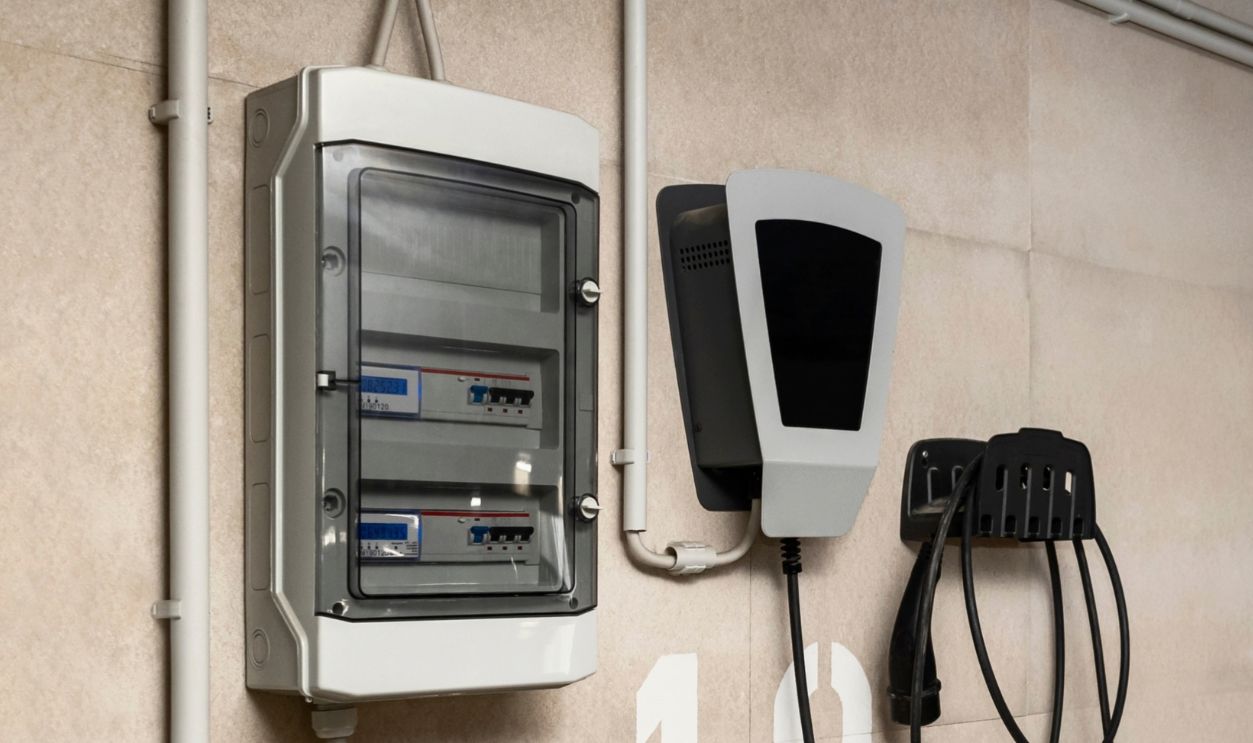 Mariana Serdynska, Shutterstock
A Smart Charger Can Do Much The Same Thing
Networked home chargers can record how much electricity passes through each charging session. ChargePoint lets owners view charging activity by cost, energy, and distance, with monthly statements available through the app. That gives drivers a dedicated EV record without trying to reverse-engineer the entire utility bill.
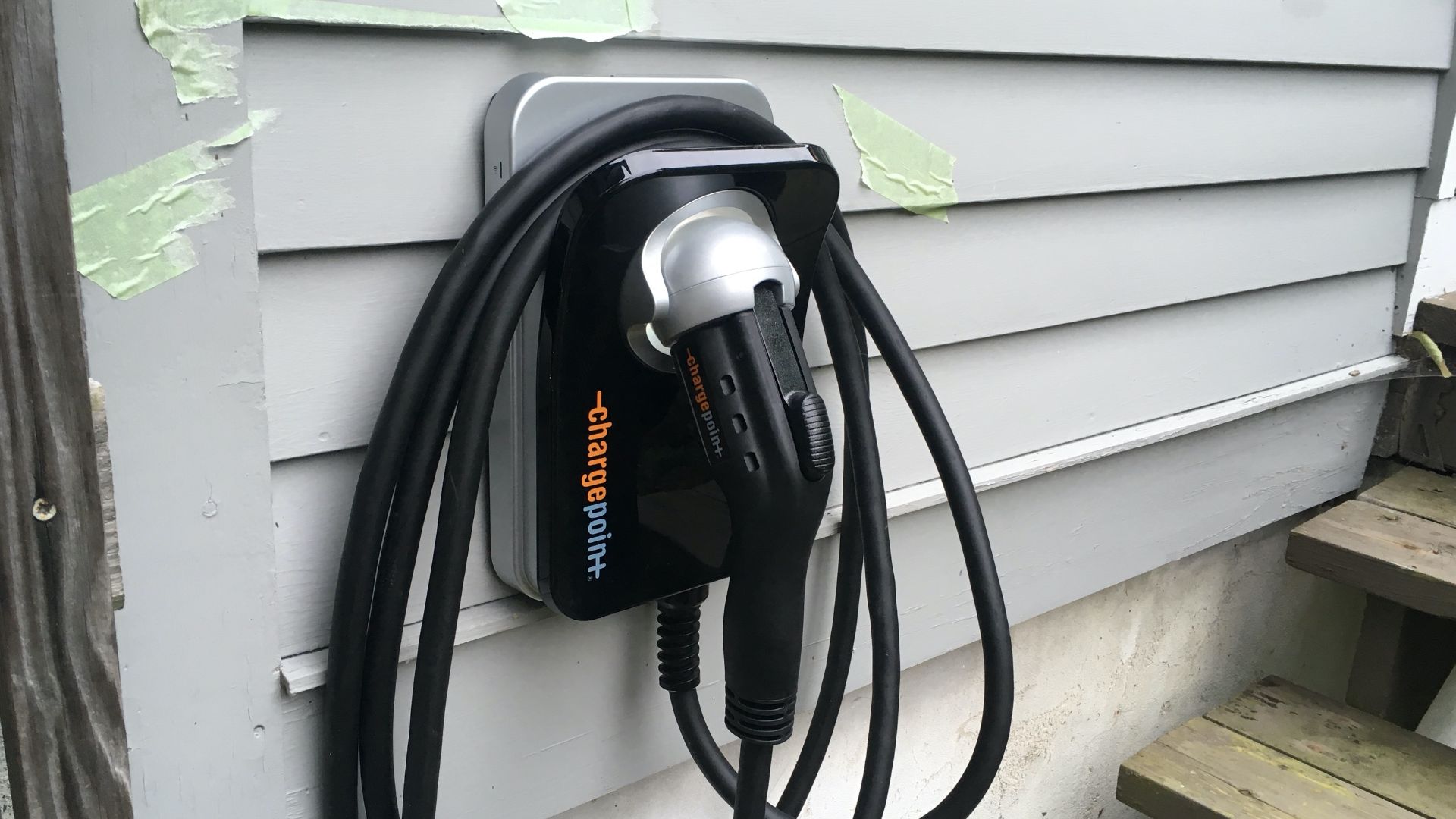
Enter The Correct Rate In The App
A charging app can show beautifully precise-looking cost numbers while still being wrong if the electricity price is wrong. ChargePoint lets owners select a utility plan or manually enter a custom per-kWh rate. The company specifically tells users to verify that number against the utility bill because incorrect rates produce incorrect cost estimates.
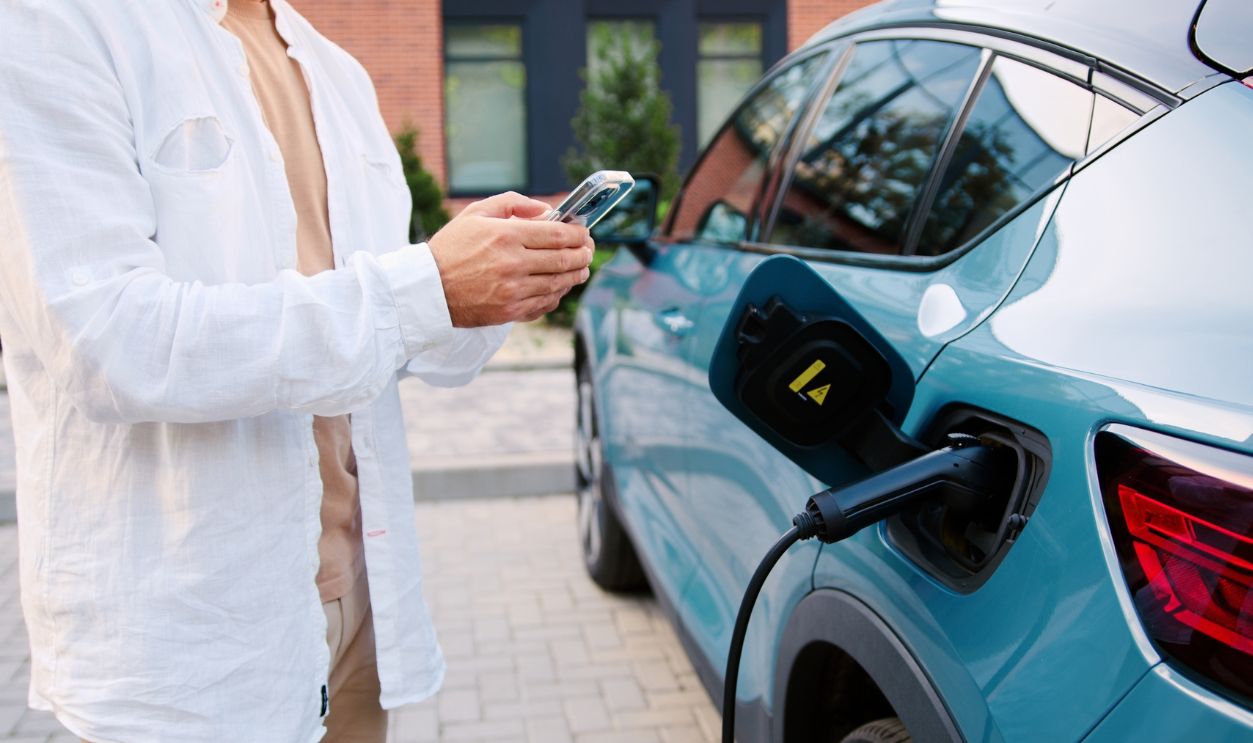
Tesla Can Track Charging By Location
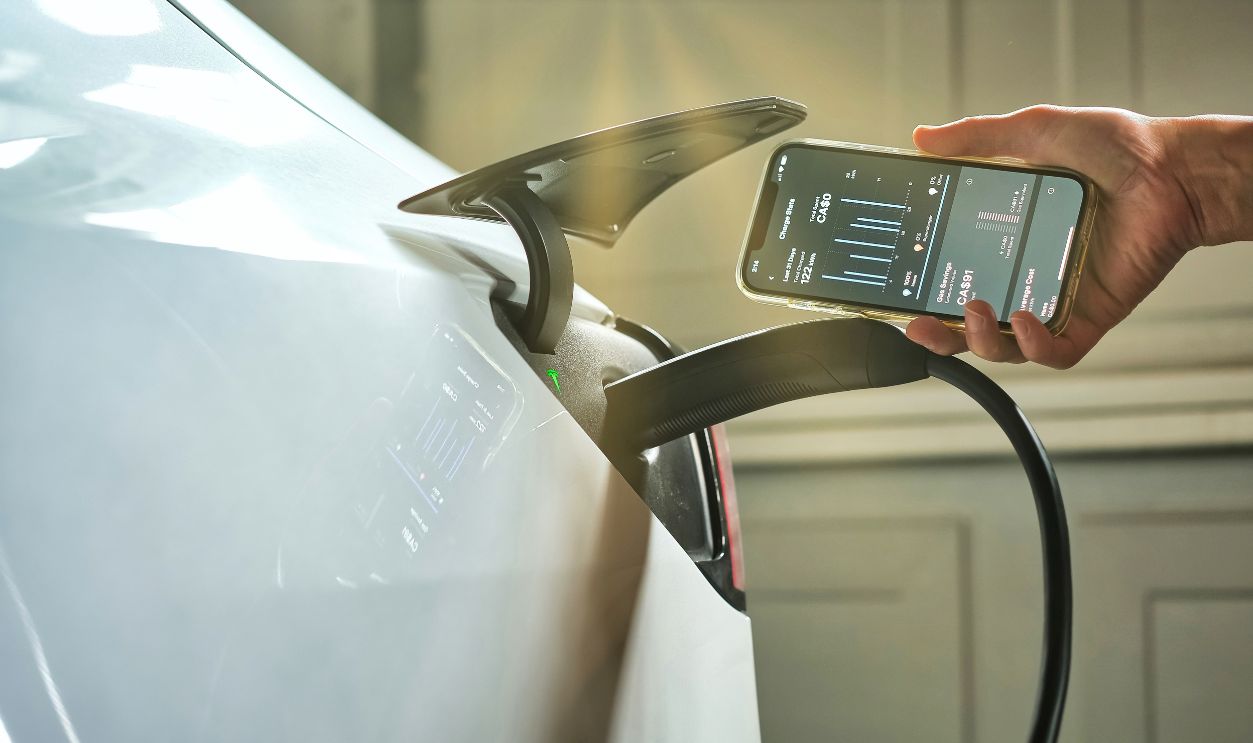
Tesla's Charge Stats separates charging into categories such as Home, Work, Superchargers, and Other. Owners can view energy in kWh or estimated money spent over the selected period. That makes it easier to distinguish home electricity from paid public charging.
Tesla Also Supports Time-Of-Use Rates
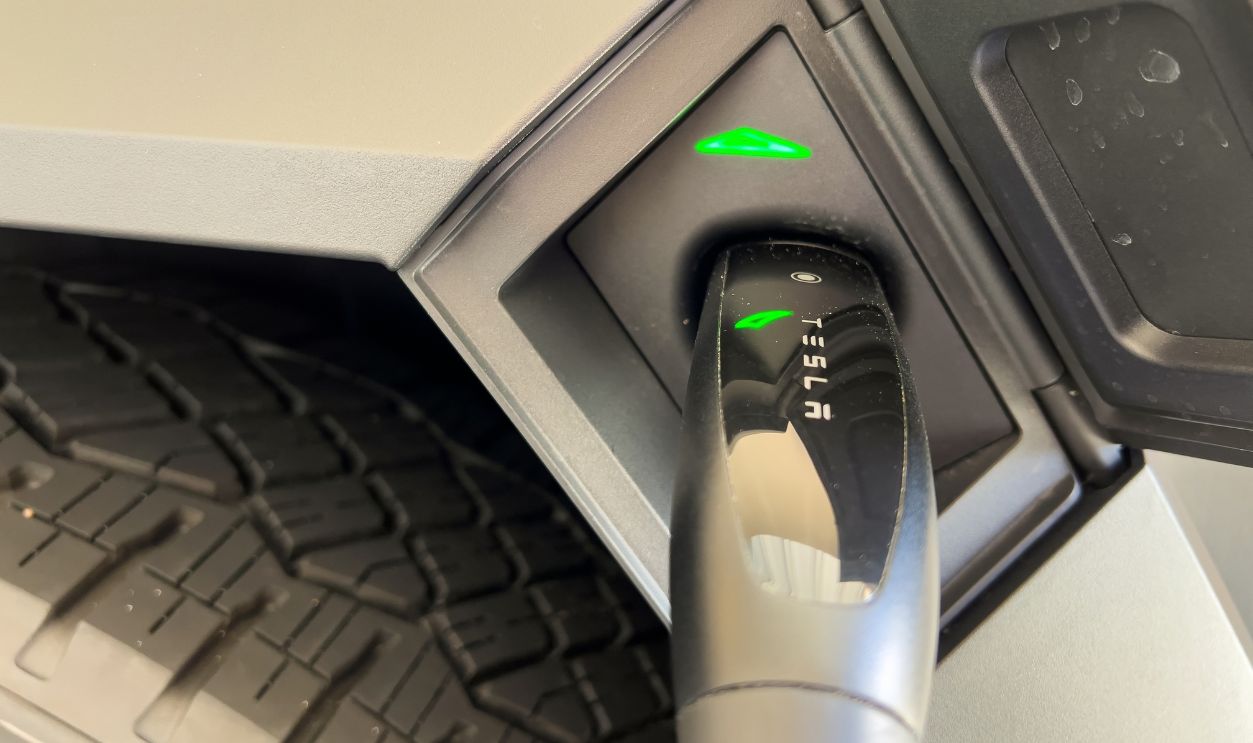
Owners can enter their home utility rate plan into Tesla's charging statistics. The app can then divide home charging between off-peak, mid-peak, and peak periods when the applicable rate structure is configured. That is far more useful than multiplying every kWh by one average electricity price.
The Car And Charger May Report Different Numbers
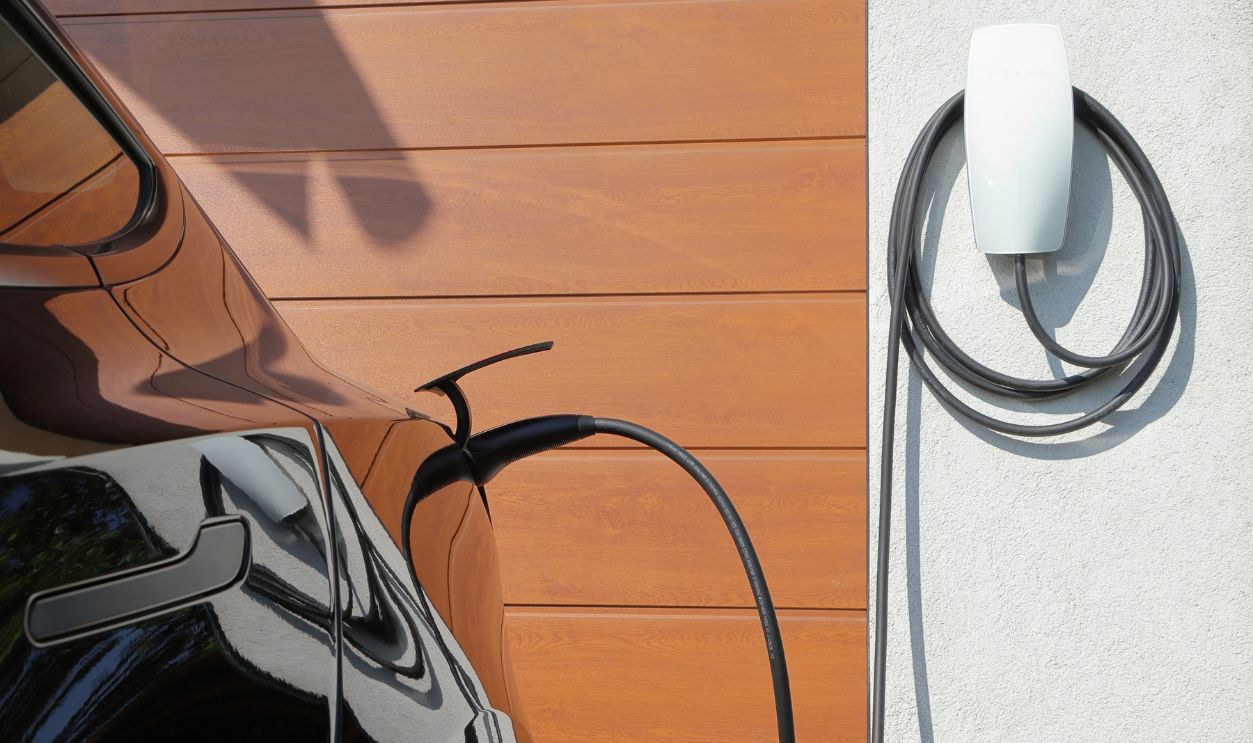
The battery does not receive every kilowatt-hour pulled from the wall. Some energy is lost through the charging process, power electronics, thermal management, and other vehicle systems. An app reporting energy added to the battery may therefore show less energy than the home's electrical meter recorded.
Charging Losses Are Real
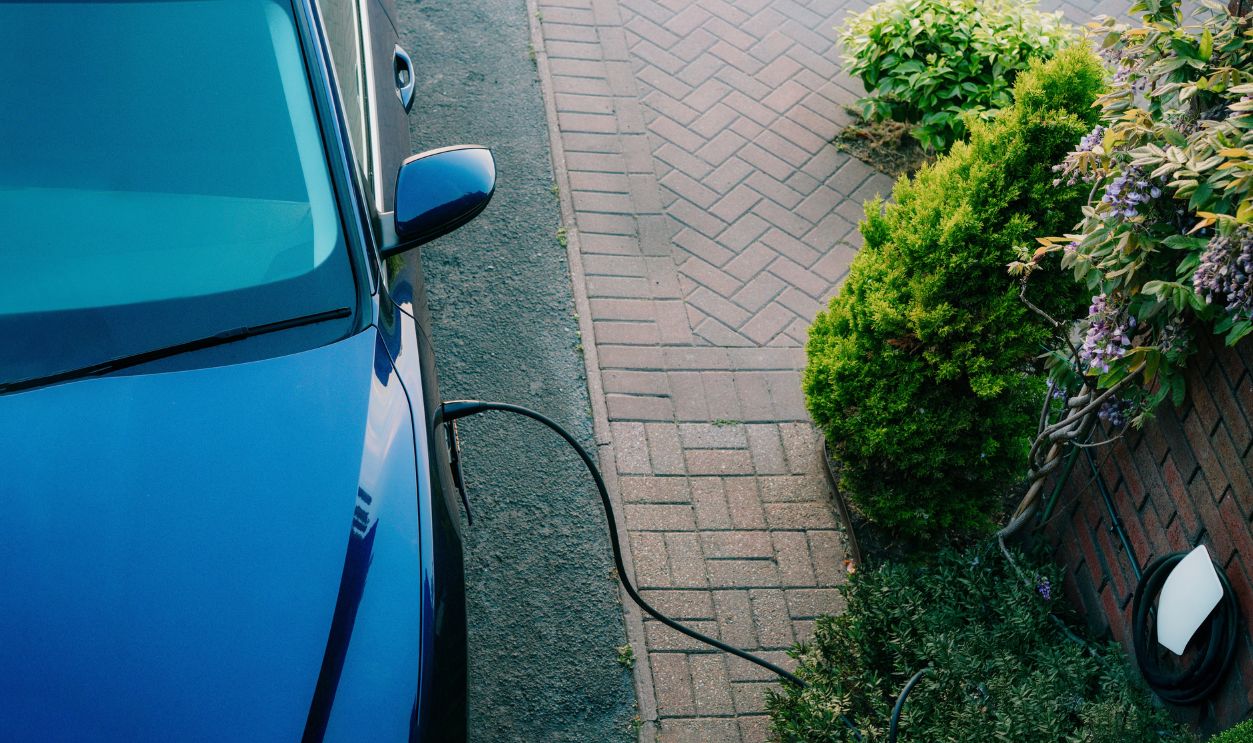
EPA material on outlet-to-battery charging has documented measurable energy loss between the wall and the battery. In one cited analysis, average Level 2 outlet-to-battery efficiency was around the mid-80-percent range, although actual modern vehicles and conditions vary. Your electric bill therefore reflects electricity taken from the grid, not merely the energy stored in the battery.
Level 2 Can Be More Efficient
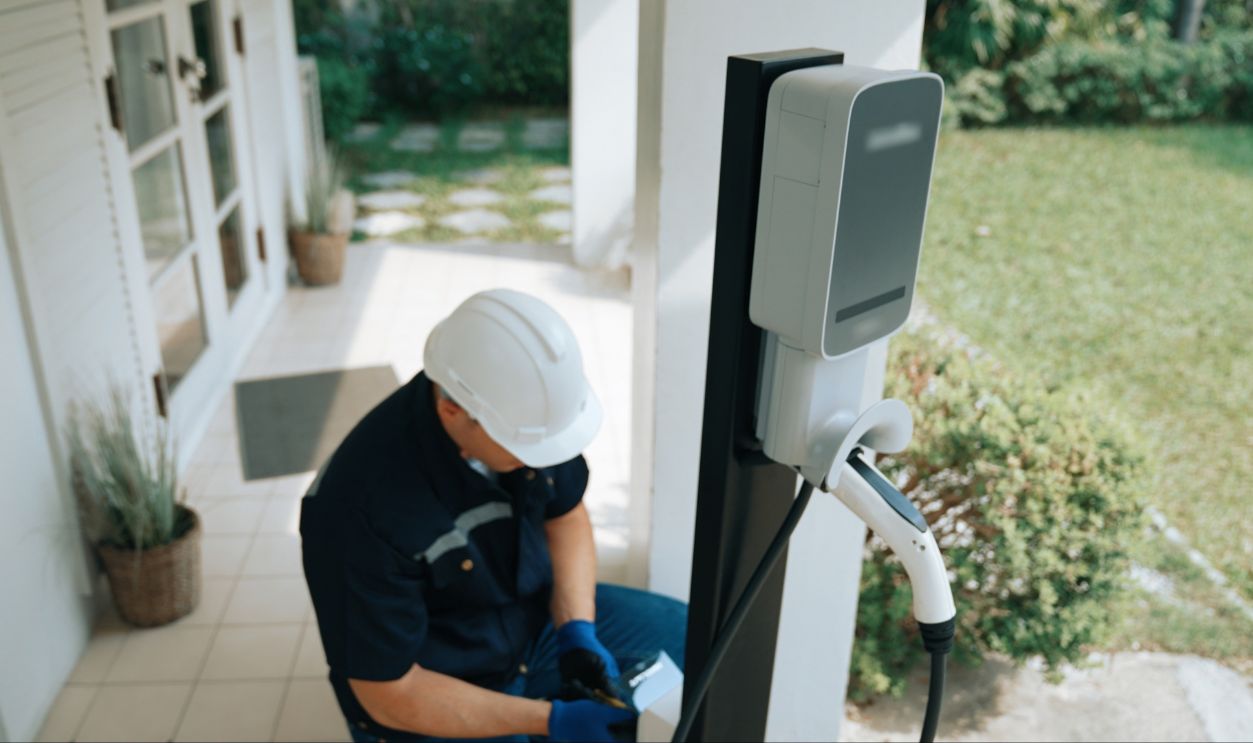
ENERGY STAR says Level 2 charging is on average more efficient than Level 1 charging. The agency currently describes Level 2 as roughly 10 percent more efficient on average while also charging the car much faster. Moving from a standard 120-volt outlet to a properly installed Level 2 system can therefore reduce some charging losses.
 Summit Art Creations, Shutterstock
Cold Weather Can Add More Consumption
An EV may use electricity for battery conditioning and cabin heating as well as propulsion. Charging itself can also involve thermal-management loads depending on vehicle and temperature. If your bill jumped during winter, comparing charging data across seasons can reveal whether colder conditions are contributing to higher energy consumption.

Driving More Is The Obvious Variable
A new EV often changes driving habits. Owners who discover that home charging is convenient may drive more than they did with their previous vehicle or stop noticing short trips because they no longer visit gas stations. Tracking monthly miles alongside charging kWh helps distinguish an expensive rate from simply using the car more.

Efficiency Tells You What Each Mile Costs
The Department of Energy recommends comparing electricity price with the car's energy use, often expressed as kWh per 100 miles. A vehicle consuming 30 kWh per 100 miles at 20 cents per kWh costs about $6 in electricity per 100 miles before charging losses. A less efficient EV or higher electricity rate pushes that number upward.
Winter Can Hurt Efficiency Too
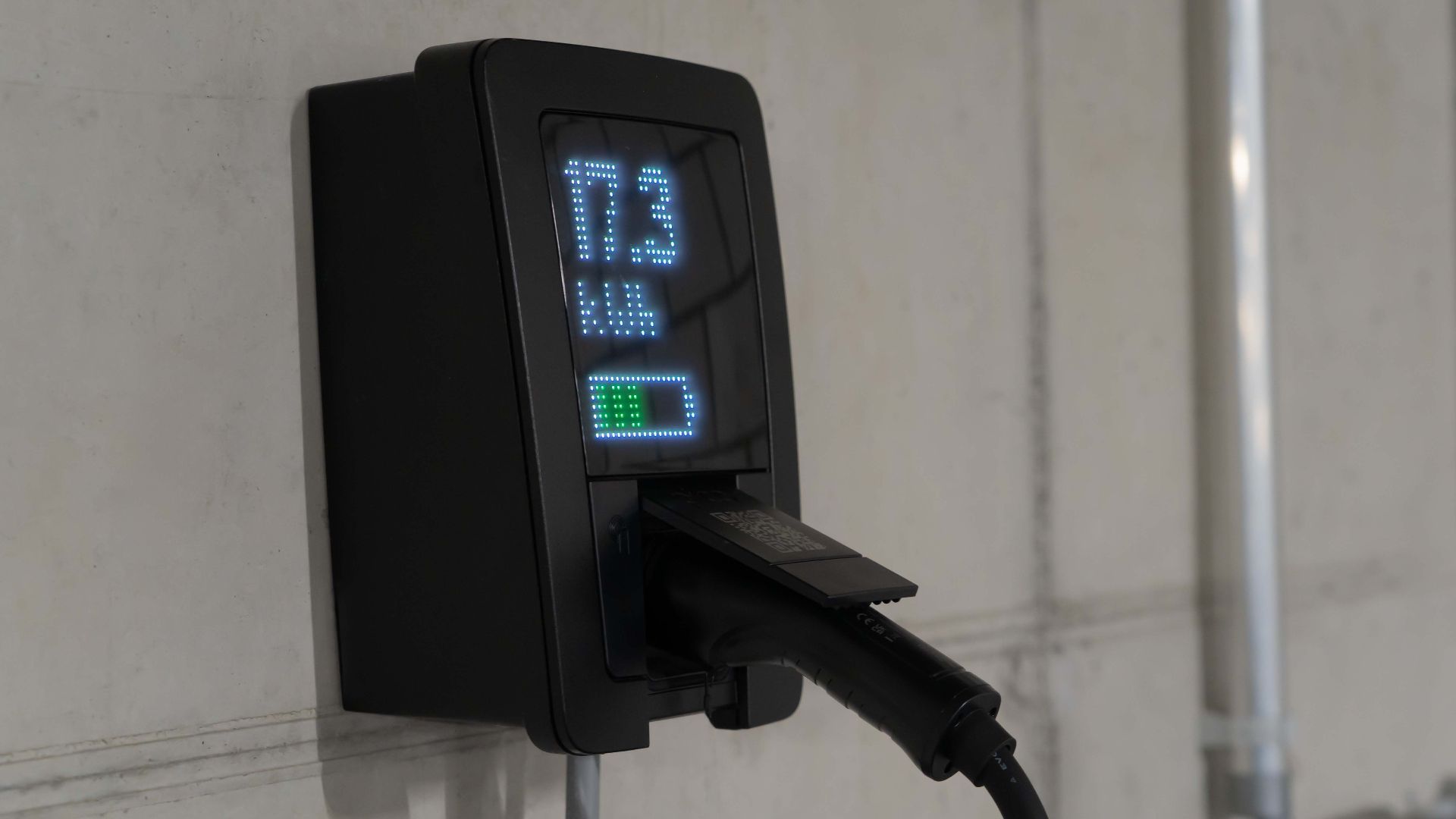
Cold temperatures can increase vehicle energy use because batteries and cabins require heating and battery chemistry is less favorable in low temperatures. That means you may need more wall electricity to cover the same weekly mileage during winter. The charger may be behaving normally even as the monthly consumption climbs.
Big EVs Need More Electricity
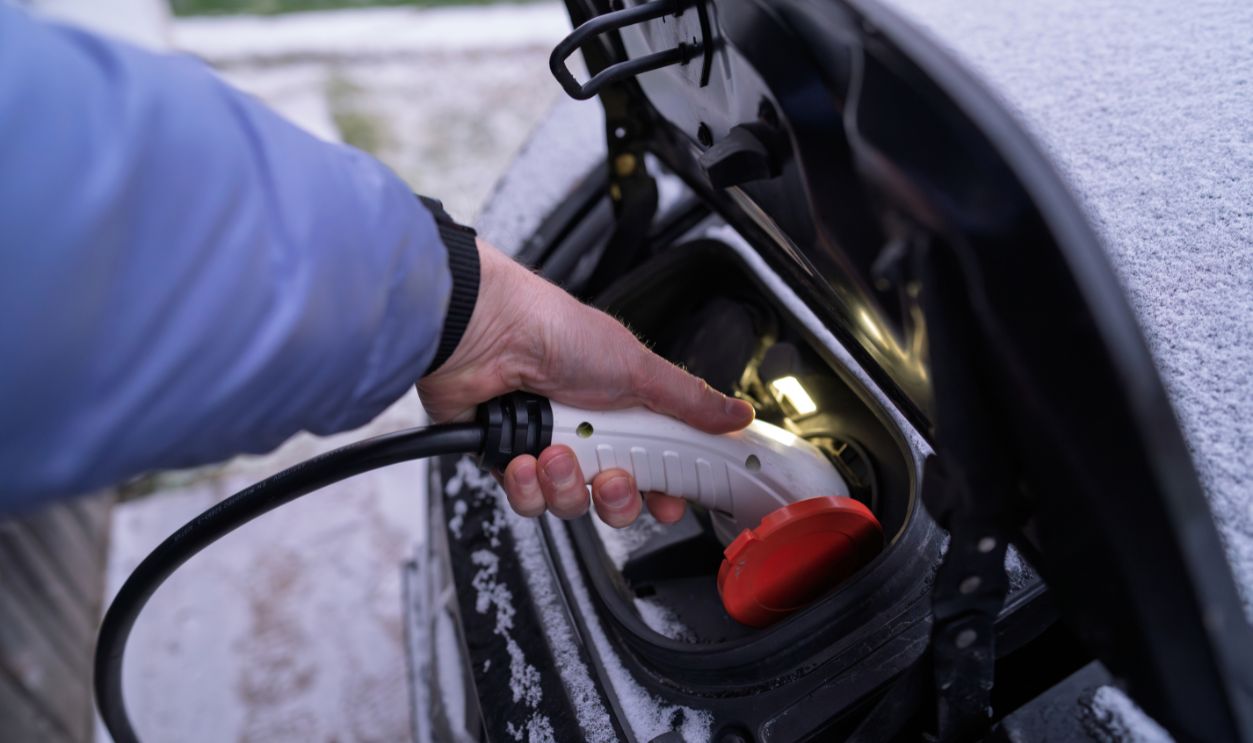
An electric pickup or large SUV typically consumes more energy per mile than a smaller electric sedan. The same commute can therefore require substantially more monthly kWh depending on the vehicle. Looking at the EPA-rated efficiency or your own recent consumption gives better cost insight than comparing battery capacity alone.
Standby Power Exists, But It Usually Is Not The Main Culprit
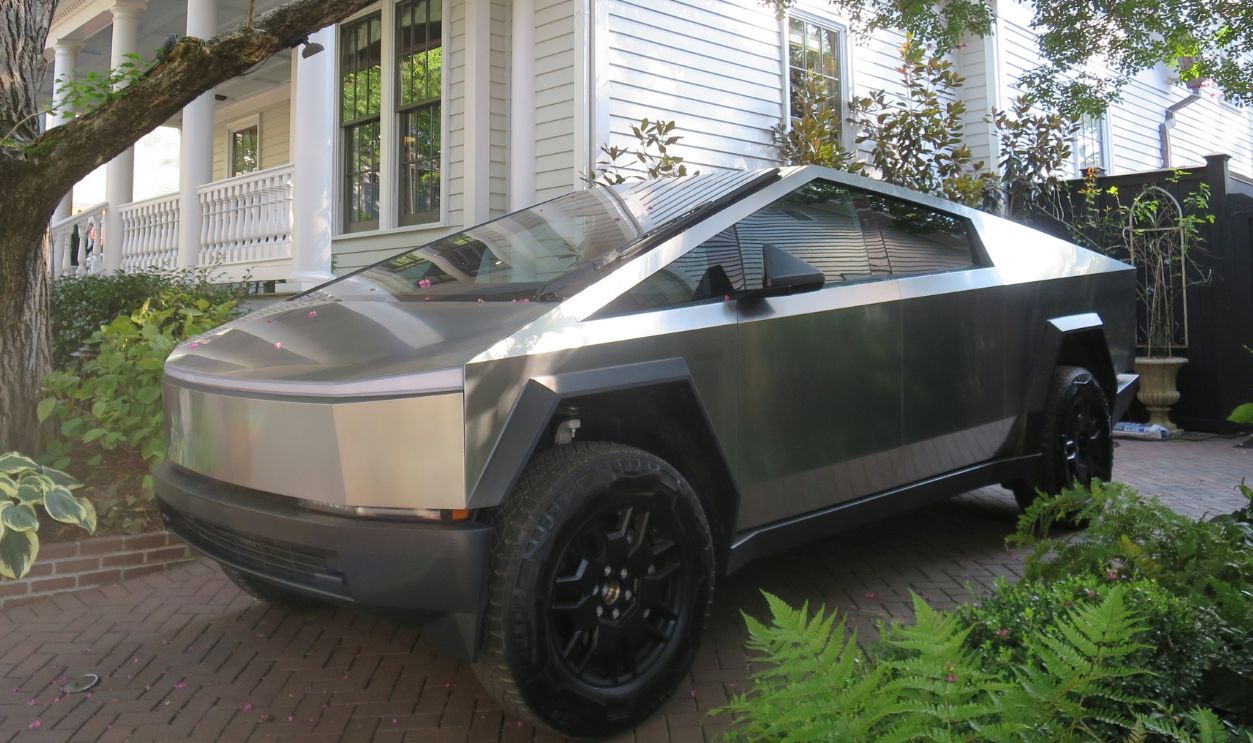
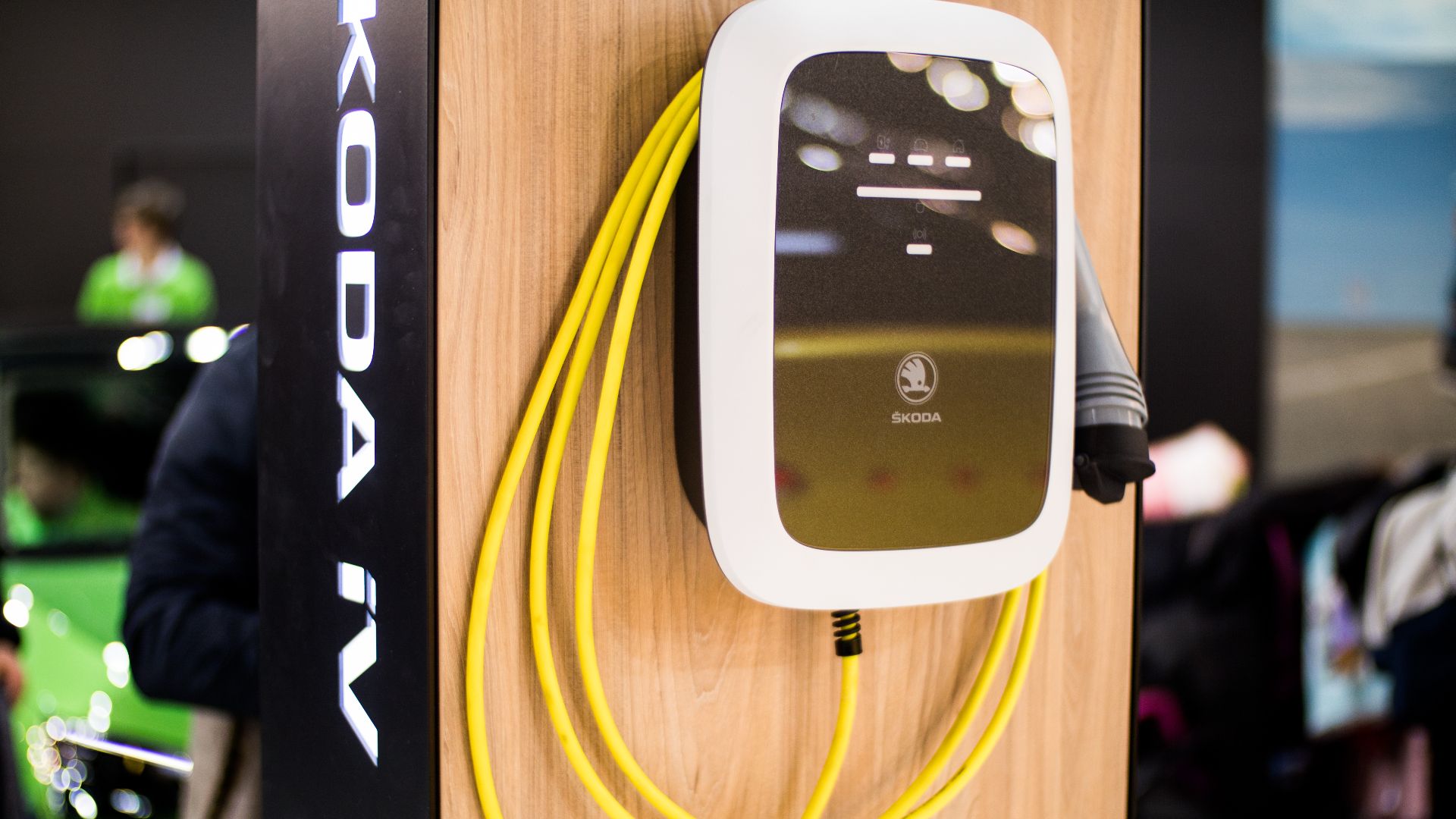
Connected chargers consume a small amount of electricity even when they are not actively charging. ENERGY STAR says EV chargers typically spend about 85 percent of their time in standby mode, and certified units use less standby energy than comparable non-certified equipment. That background consumption is real, but active vehicle charging is normally the much larger load.
ENERGY STAR Can Trim The Small Stuff
ENERGY STAR-certified chargers are designed to reduce energy use while idle. The agency says certified products use about 40 percent less energy in standby mode than non-certified alternatives with similar functionality. That will not erase a large monthly charging bill, but it can reduce wasted electricity over the charger’s lifetime.
Your Utility Bill May Include More Than Energy Charges
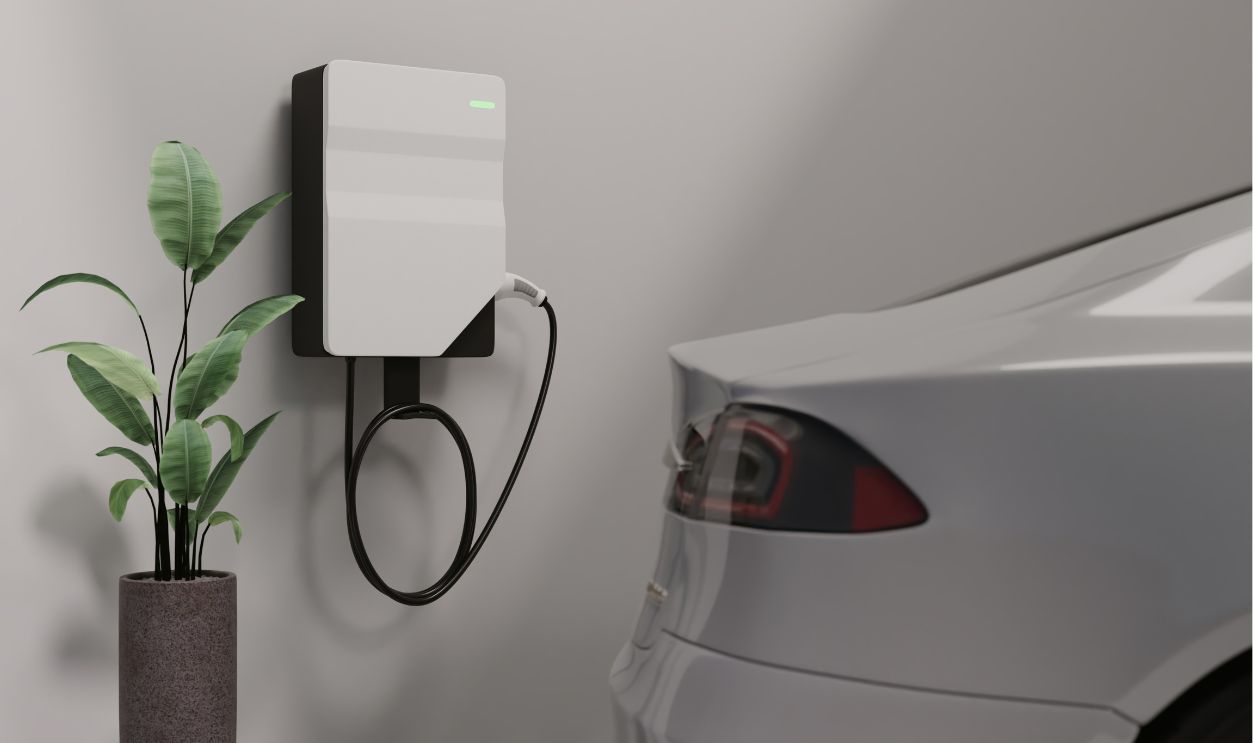
Some electricity bills include fixed monthly charges, taxes, delivery charges, tiered pricing, demand-related components, or other adjustments beyond a simple cents-per-kWh figure. That is why multiplying the vehicle's kWh by one headline rate may not perfectly reproduce the bill increase. Look at the actual rate components that changed between months.

Compare The Same Months If You Can
A month before EV ownership is not always a fair baseline if it came from another season. Air conditioning, electric heat, pool pumps, holiday lighting, and other household loads can move dramatically throughout the year. Compare several months of charging data with utility statements to isolate the car more accurately.
 Krakenimages.com, Shutterstock
The Utility's Usage Portal Can Help
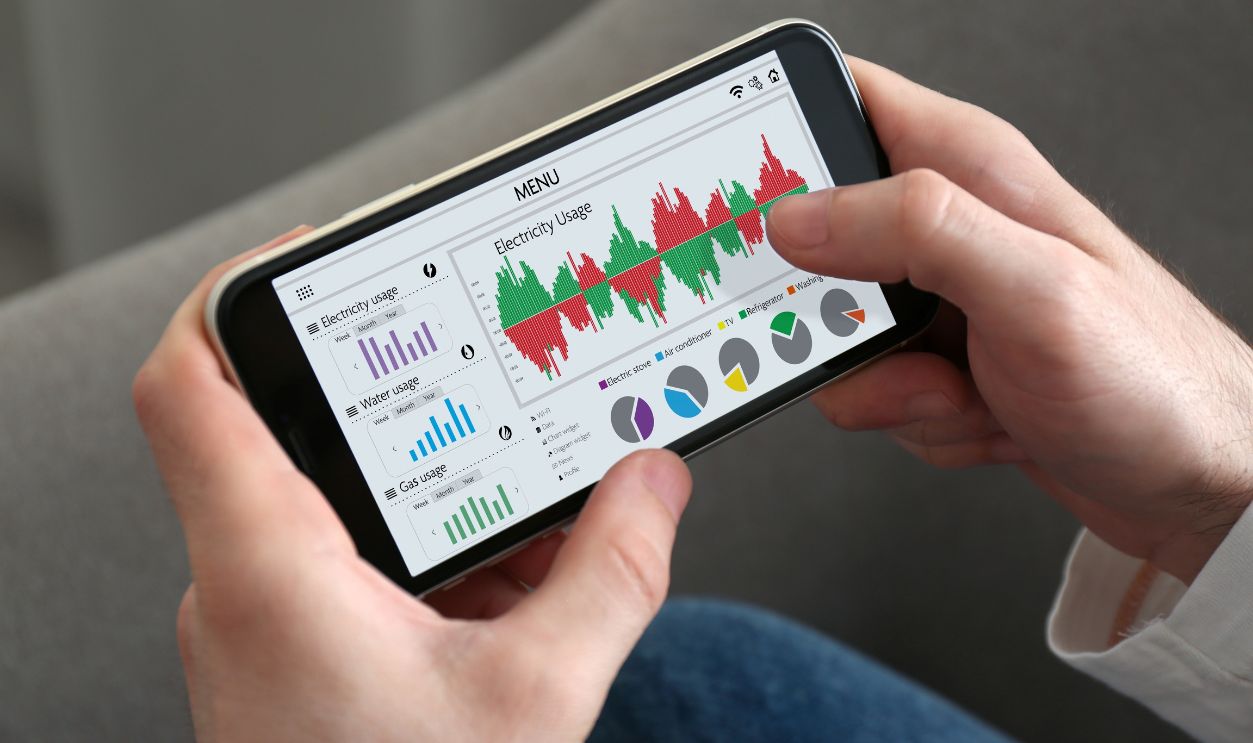
Many utilities provide hourly or daily electricity graphs through an online account. If your car begins charging at 11 p.m. every night, you may see a clear jump during those same hours. Comparing the utility graph with the vehicle or charger history is one of the best ways to verify whether the app's totals are credible.
Schedule Charging Instead Of Plugging In Blindly
Most modern EVs and many smart home chargers allow charging to begin at a preset time. PG&E specifically recommends scheduling charging during lower-cost periods on its time-of-use plans. Scheduling removes the need to remember to walk back into the garage after peak pricing ends.

Do Not Confuse Range Added With Energy Used
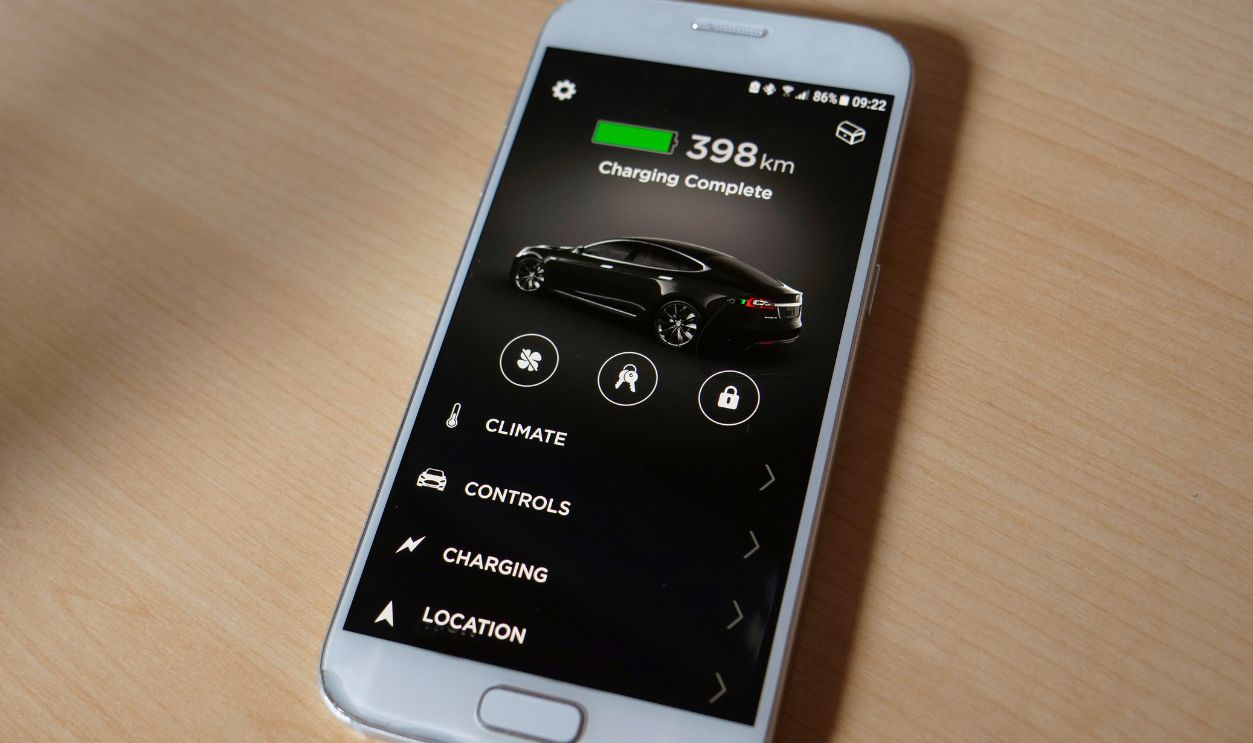
Apps sometimes emphasize miles or kilometers added because that number is intuitive. Tesla notes that its “miles added” figure is an estimate based on energy delivered and the ideal efficiency of a particular model and trim. For cost tracking, actual kWh is the more useful number because that is what the utility ultimately bills.
Build A Simple Monthly Charging Audit
At the end of each billing cycle, write down four numbers: home charging kWh, public charging kWh, miles driven, and the applicable home electricity rate. Compare the charger's recorded home energy with the utility's overall consumption change. After two or three months, you will have a much clearer picture than the headline total on one surprising electric bill.
 Andrii Iemelianenko, Shutterstock
A Doubled Bill Does Not Automatically Mean Charging Is Expensive
A household that previously used relatively little electricity can easily see a dramatic percentage increase after adding a regularly charged EV. The better comparison is the actual dollar cost per mile and what you previously spent on gasoline, not whether the electric bill itself looks twice as large. Track the wall kWh, enter the correct utility rate, charge during cheaper periods where possible, and the mystery quickly becomes ordinary arithmetic.
 DJ Creative Studio, Shutterstock
You May Also Like:
Classic Convertibles Everyone Dreams About
Classic Muscle Cars That Are Impossible To Find Now
Overpriced Classic Cars That Don't Live Up To The Legend
Sources: 1, 2, 3, 4, 5, 6, 7, 8, 9, 10, 11, 12, 13, 14, 15, 16