My Range Was Shrinking, So I Wasn’t Worried
When I bought an EV, the battery warranty sounded like one of the strongest protections on the whole car. Years of coverage made me assume that if the battery noticeably deteriorated, the manufacturer would eventually have to do something about it. Then I started reading what some of those warranties actually promise. The gap between “my car has lost range” and “my battery qualifies for warranty work” can be surprisingly large.
Then I Found The Number That Changed Everything
One number kept jumping out at me: 70%. Ford and Tesla both use a 70% battery-capacity threshold in current U.S. warranty coverage for certain EVs. That means a battery can lose a noticeable amount of capacity while still remaining above the warranty threshold. Suddenly, that reassuringly long battery warranty looked a little different.
Range Loss And Battery Failure Aren’t The Same Thing
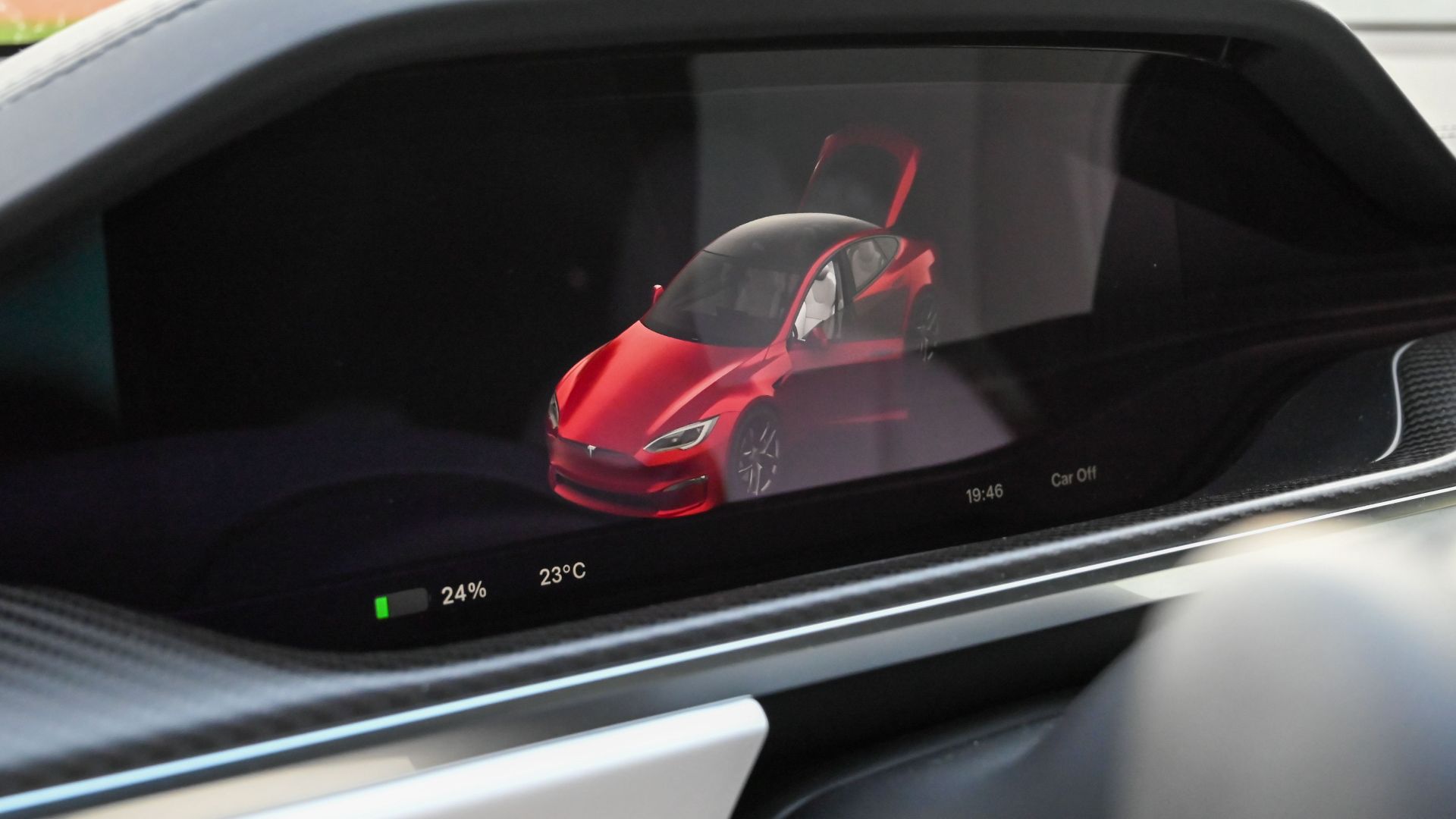
This distinction is where a lot of the confusion begins. A battery can still function normally even after its ability to store energy has declined somewhat with age and use. Ford explicitly describes gradual capacity loss as normal, while separately protecting owners against excessive capacity loss. In other words, deterioration itself does not automatically mean something has failed.
That 70% Figure Needs Some Explaining
A 70% capacity guarantee does not mean a 300-mile EV is automatically covered once its displayed range falls below 210 miles. Battery capacity and real-world driving range are related, but they are not interchangeable measurements. Weather, driving conditions, energy use, and the car’s calculations can all affect the miles displayed to the driver. That leads to another potentially frustrating part of the warranty.
The Dashboard Isn’t Necessarily The Warranty Test
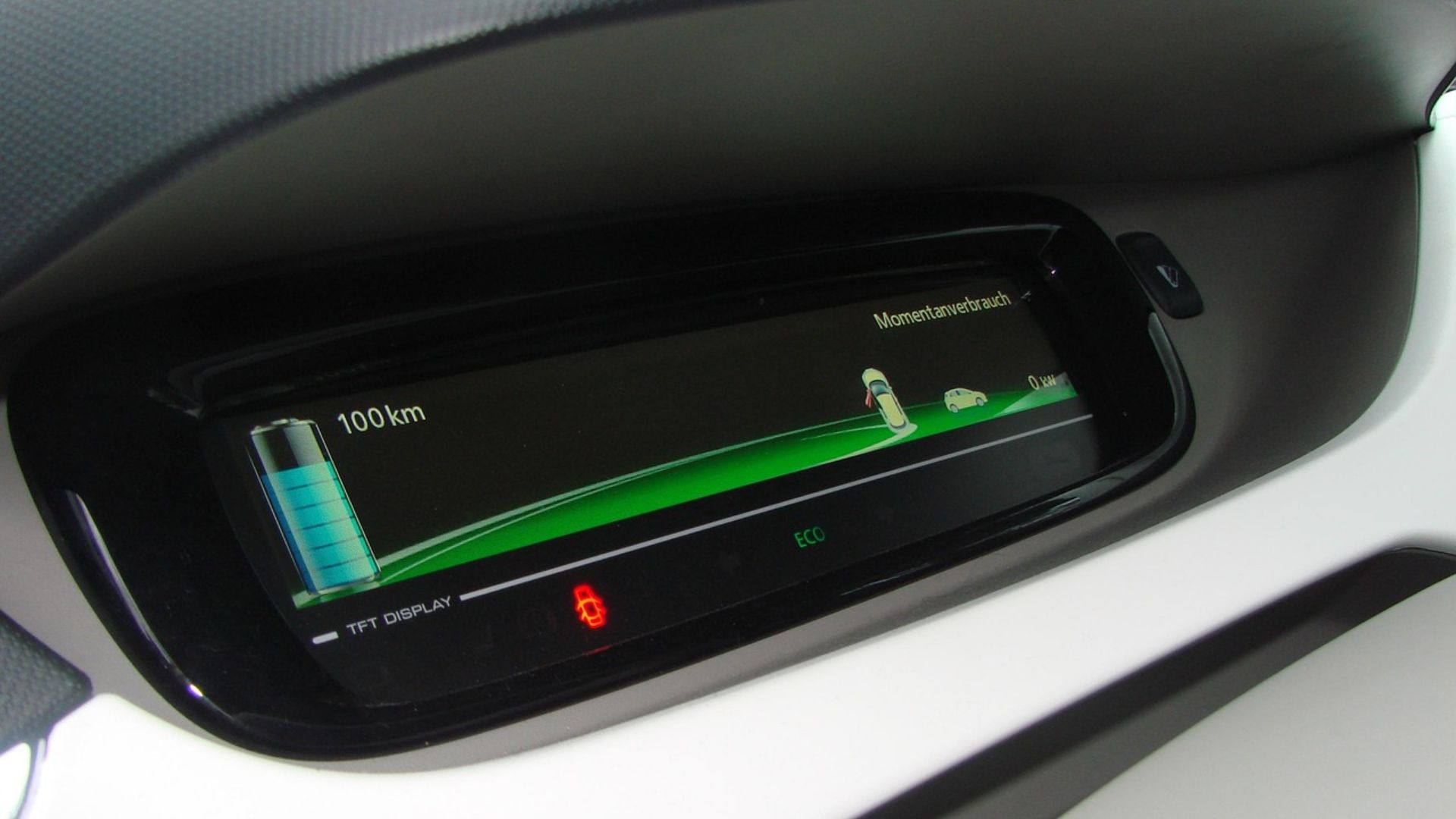
Your EV may display fewer estimated miles than you remember seeing when it was new, but that alone may not prove the battery crossed its warranty threshold. Tesla says battery-capacity claims are evaluated using a measurement method chosen by the company rather than simply relying on the vehicle’s range estimate. Ford likewise says an authorized dealer determines whether the battery has fallen below its applicable capacity threshold. The number behind the steering wheel is not necessarily the number that decides your claim.

Winter Can Make The Problem Look Much Worse
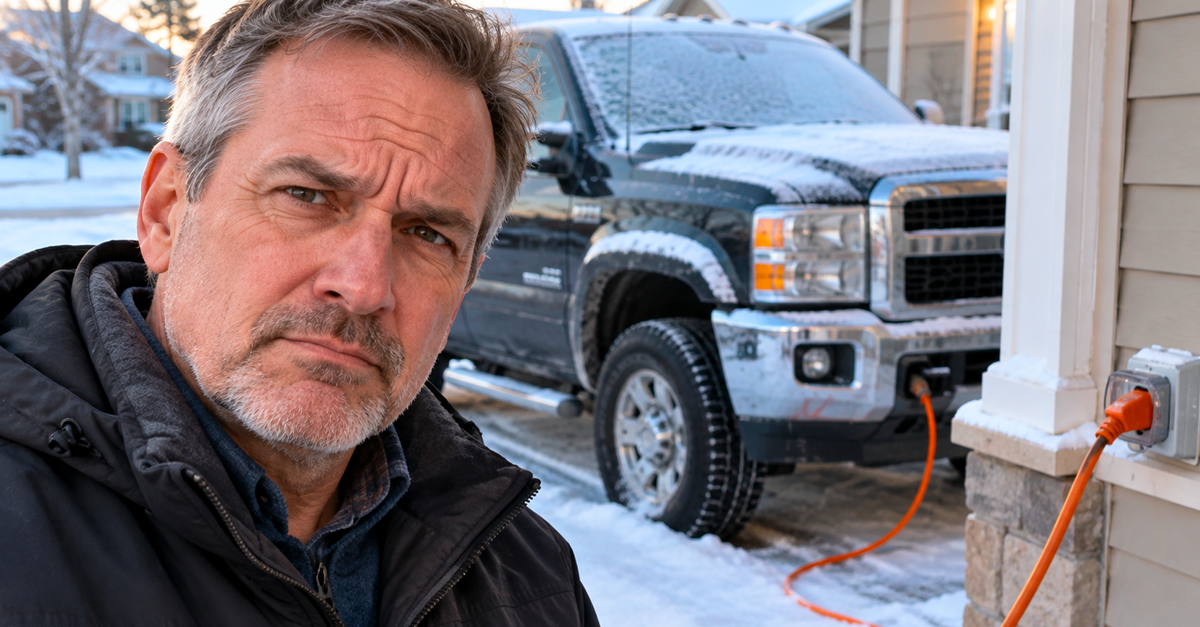
Cold weather can temporarily reduce an EV’s usable range while increasing the energy required to warm the battery and cabin. The U.S. Department of Energy has documented significant cold-weather effects on EV efficiency and range, although the impact varies between vehicles. That does not necessarily mean the battery permanently lost the same amount of capacity. A frightening January range estimate might look considerably healthier when warmer weather returns.

Your Right Foot Changes The Number Too
Real-world range depends on much more than battery age. Speed, weather, heating and cooling, road conditions, and driving habits can all influence how far an EV travels between charges. That makes “I used to get 280 miles and now I get 245” a harder warranty argument than it initially sounds. The manufacturer wants to know what has happened to the battery itself.
Here’s What My Warranty Actually Protected
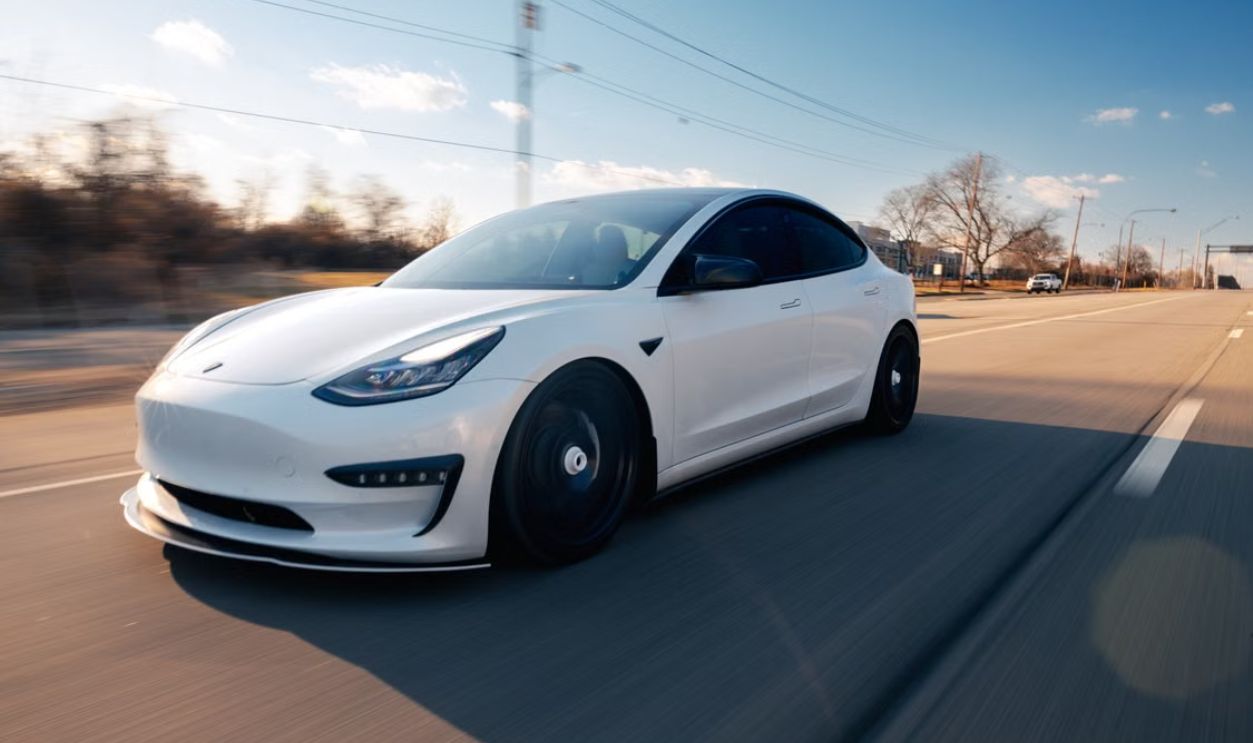
Battery warranties generally protect against actual defects, while some also provide separate protection against excessive capacity loss. A defective battery module or other covered high-voltage component can therefore be a different issue from ordinary aging. Ford, for example, covers several high-voltage components in addition to its battery-capacity protection. “Battery warranty” can actually describe several different protections bundled together.

A Battery Failure Is A Different Story
If a covered battery component actually fails because of a defect, that fits the traditional idea of a warranty claim much more neatly. The murkier cases involve cars that still drive and charge normally but cannot store quite as much energy as they once could. Manufacturers expect lithium-ion batteries to lose some capacity with age and use. The real question is how much deterioration crosses the line from normal to excessive.
Ford Makes That Line Pretty Clear
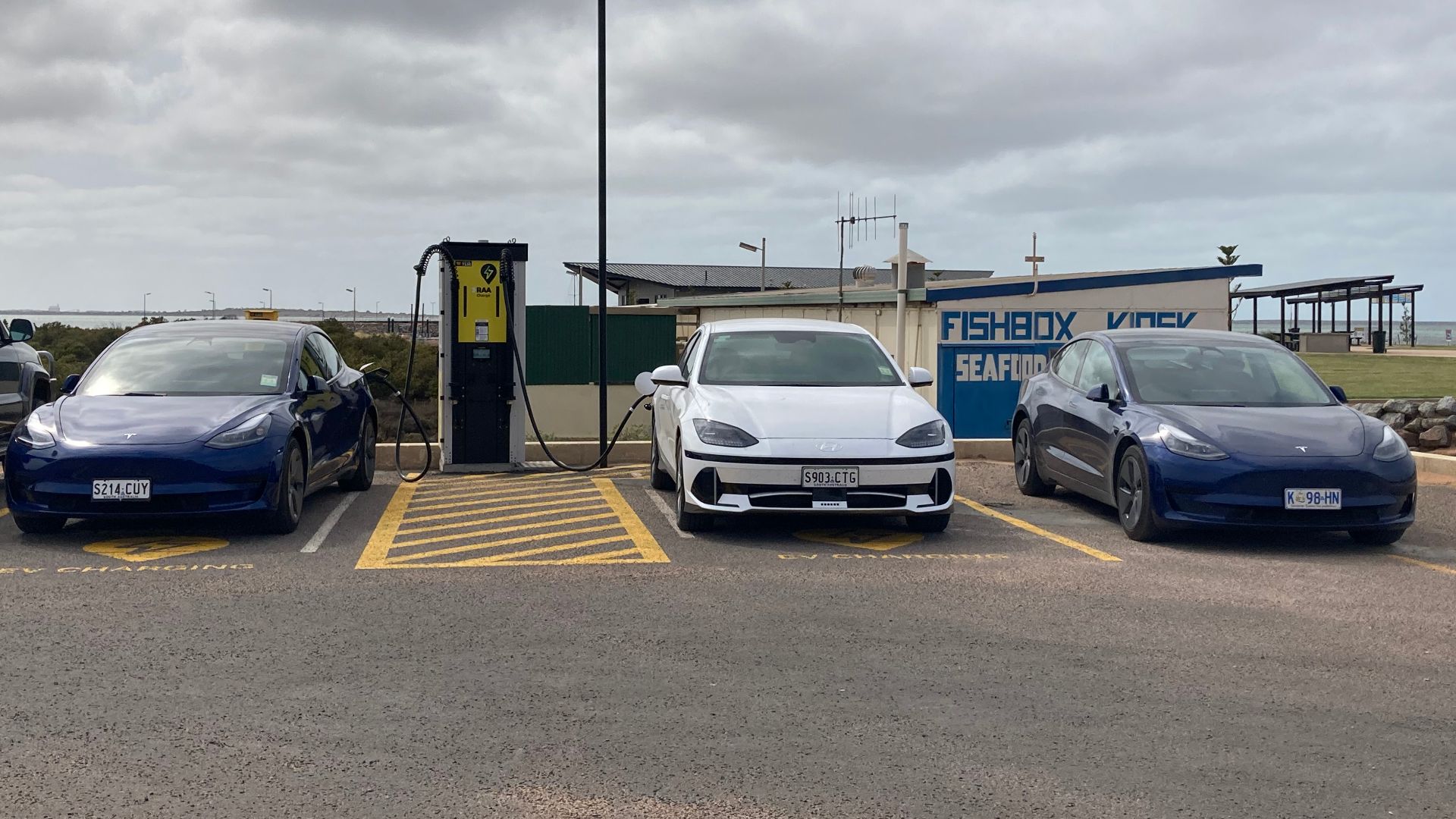
Ford says the Mustang Mach-E battery is covered for eight years or 100,000 miles, whichever comes first, and its warranty protects against the battery falling below 70% of its beginning-of-life capacity during that period. Ford also explicitly says gradual capacity loss with time and use is normal. Only when degradation crosses the stated threshold does the capacity warranty come into play. That is much more specific than simply promising the battery will “last” eight years.

Tesla Has A Similar Catch
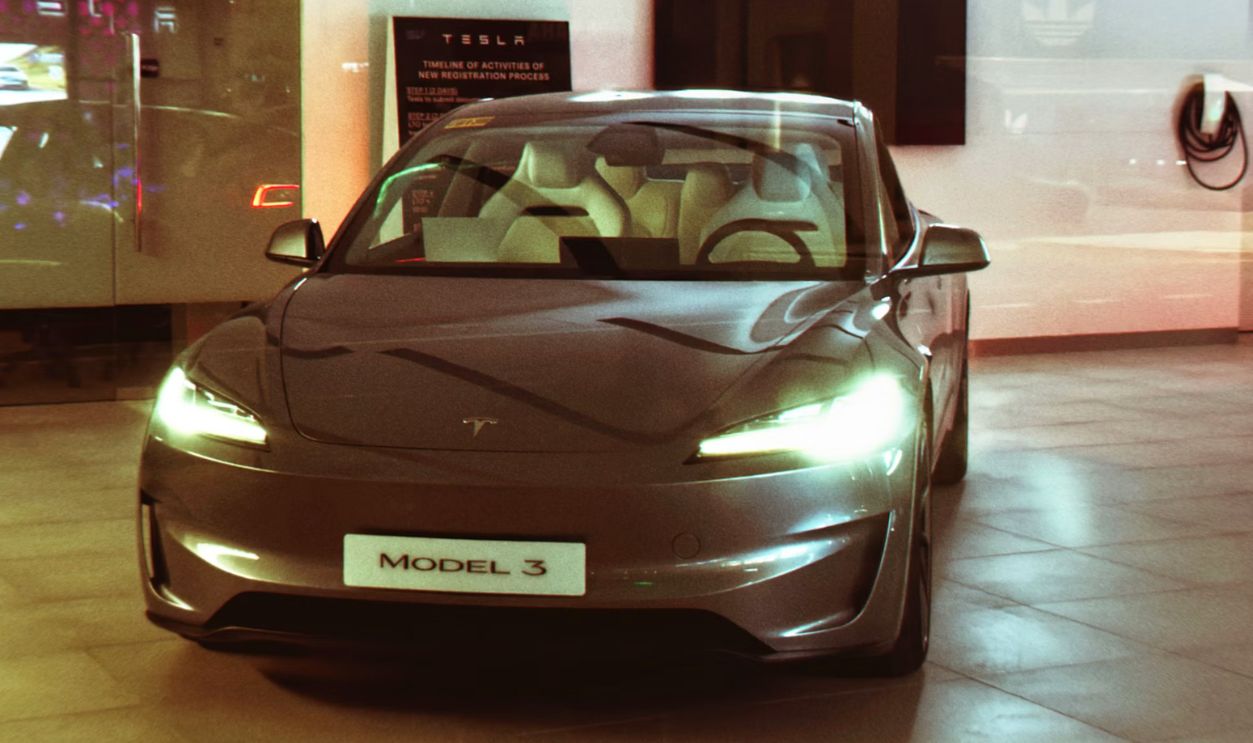
Tesla's current U.S. Battery and Drive Unit Limited Warranty varies by model and configuration, with mileage limits of 100,000, 120,000, or 150,000 miles over eight years. Across that coverage, Tesla specifies minimum 70% battery-capacity retention. Gradual capacity decline above that protected threshold therefore does not automatically qualify an owner for a replacement battery. Tesla also warns that the vehicle’s displayed range is not a perfect measure of battery capacity.
Nissan Took A Different Approach
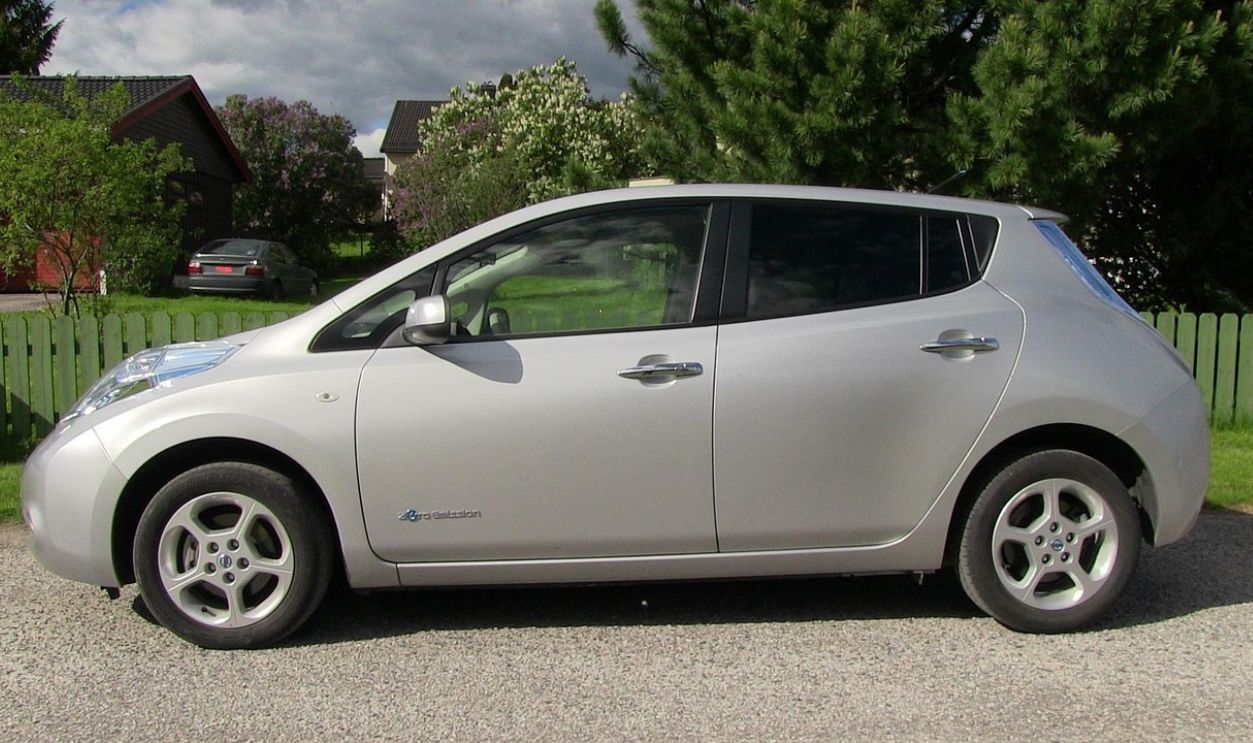
The Nissan Leaf historically made battery capacity unusually visible through a dashboard capacity gauge. Nissan's U.S. warranty information says covered Leaf batteries received protection against the capacity gauge falling below nine bars out of 12 during the applicable eight-year or 100,000-mile period. The measurement looked different from Ford or Tesla, but the basic principle was familiar. Some deterioration could happen without automatically qualifying the battery for warranty work.
Eight Years Sounds Like A Universal Rule
Many EVs sold in the United States come with battery warranties around eight years or 100,000 miles, which has helped make those numbers feel like an industry standard. The Department of Energy describes eight years or 100,000 miles as typical battery coverage, although actual terms vary between manufacturers and vehicles. That variation is why the contract supplied with your particular EV matters. The headline warranty length is only the beginning.
Then I Reached The Really Interesting Fine Print
I initially assumed that if my battery eventually qualified for warranty work, the obvious solution would be a brand-new battery. That is not necessarily what manufacturers promise. Ford says covered battery components may be new, remanufactured, or refurbished depending on the repair. Tesla similarly reserves the right to repair the battery or use new, reconditioned, or remanufactured parts.
A Successful Claim Might Not Reset The Clock
Tesla's warranty language goes even further. A replacement battery provided for a capacity claim only needs to be appropriate for the vehicle's age and mileage and meet or exceed the warranty's minimum capacity requirement. Ford also says refurbished components may be selected to align with a vehicle's age and mileage. A successful warranty claim therefore does not necessarily restore an older EV to brand-new battery capacity.
That Sounds Harsh, But There’s A Reason
A warranty is essentially promising that a covered component will remain above a specified standard for a specified period. It is not necessarily promising to restore an aging car to showroom condition whenever something deteriorates. Once I looked at the battery warranty that way, the replacement rules made more sense. But there was another section of the fine print that owners really should read.

Then I Reached The Really Unpleasant Fine Print
Warranty booklets also contain exclusions that can become extremely important if something goes wrong. Ford lists several situations that can jeopardize battery coverage, including certain modifications, incompatible charging equipment, misuse, flooding, and leaving the high-voltage battery at or near zero charge for an extended period. Owners are also expected to respond appropriately to battery warnings and follow applicable instructions. Suddenly, the boring pages near the back of the booklet can become very expensive pages.
Software Updates Aren’t Just About New Features
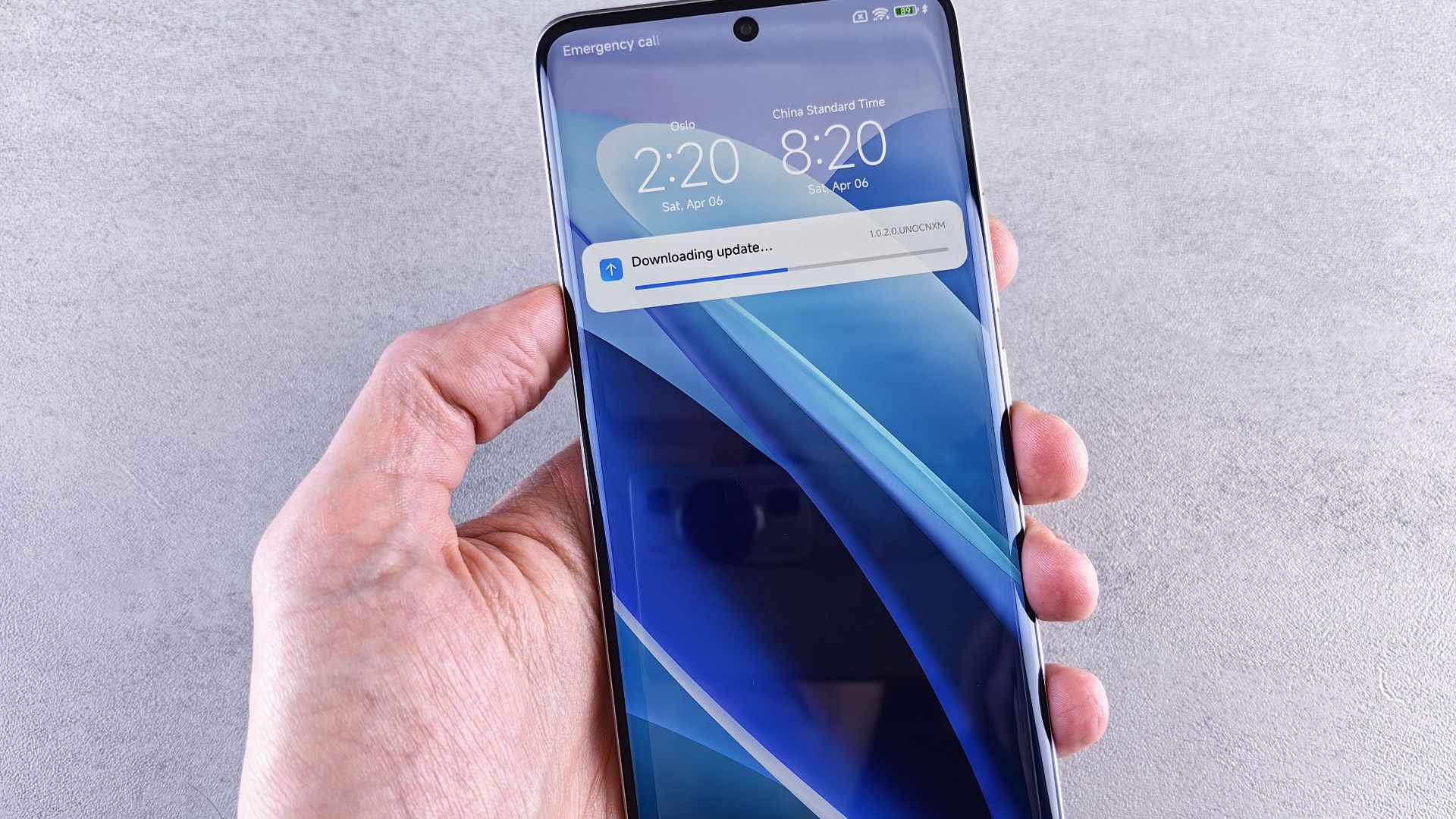
Modern EV batteries are managed extensively by software. Ford warranty materials have warned that battery damage caused by failing to install required battery-system updates within the specified period may not be covered. Software can affect charging, battery protection, thermal management, and how the vehicle operates. Ignoring an important EV software update could potentially matter far more than missing a new infotainment feature.
Could My Charging Habits Come Back To Bite Me?
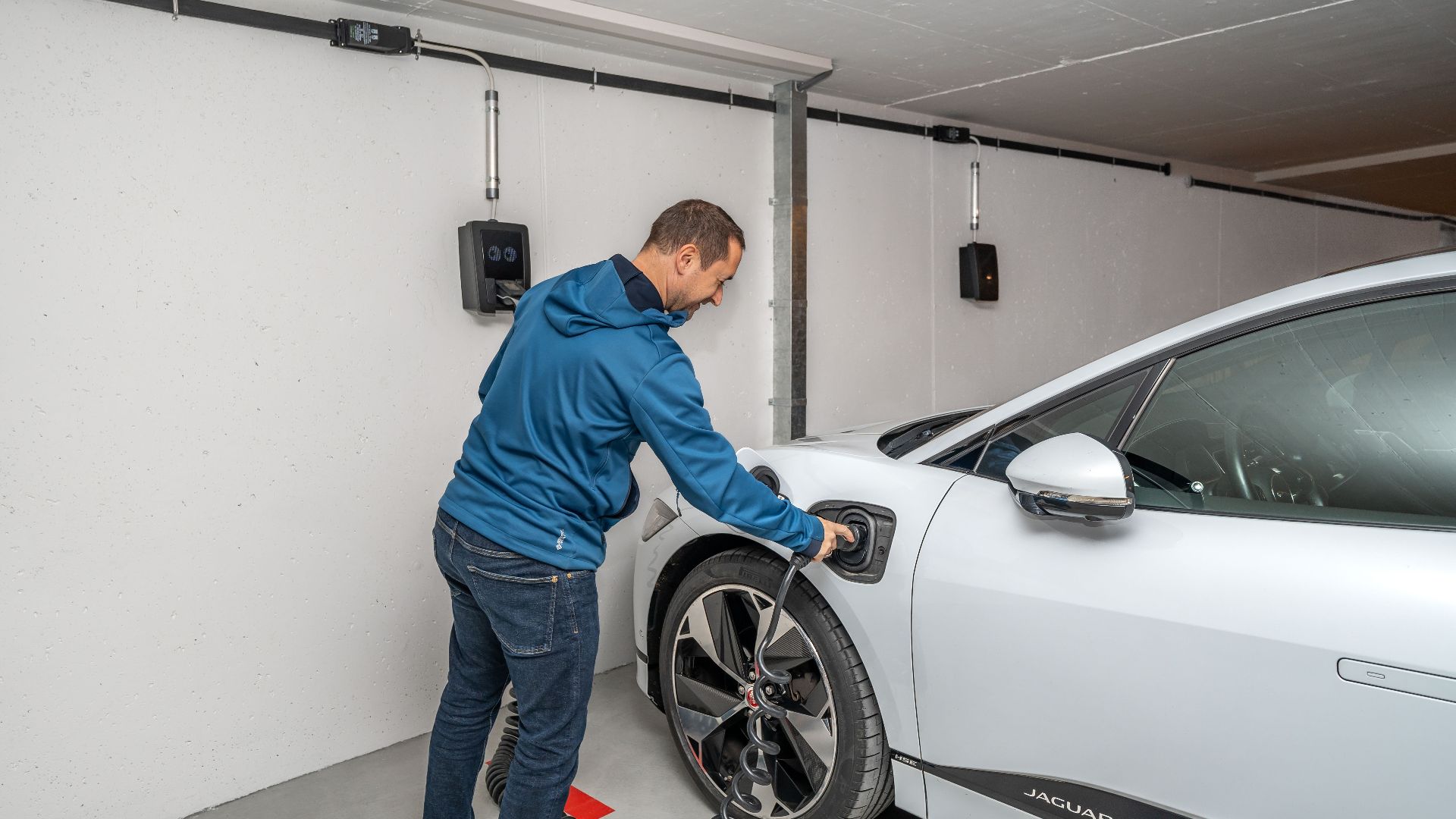
Automakers publish battery-care recommendations because charging patterns, temperature, storage, and state of charge can influence battery life. Ford advises owners of certain battery types not to routinely keep them at 100% when that is unnecessary and notes that frequent DC fast charging can affect battery efficiency and lifespan. Recommendations can differ with battery chemistry, however. The right charging routine for one EV is not automatically the right routine for another.
Heat Matters Too
Temperature is one of several major factors affecting long-term battery aging. The Department of Energy notes that battery life can be influenced by climate, driving patterns, charging behavior, chemistry, and vehicle design. Modern EVs actively manage battery temperature partly to keep the cells within a healthier operating range. There is much more happening underneath an EV than simply storing electricity until you press the accelerator.
The Good News Is Much Less Scary
Reading about 70% warranty thresholds can make it sound as though automakers expect batteries to lose enormous amounts of capacity. Real-world data is generally more reassuring. Battery-data company Recurrent reported in 2026 that EVs in its dataset retained an average of about 95% of their observed original range after five years. Ordinary degradation is real, but reaching a warranty threshold is a very different matter.
Early Loss Can Feel Especially Alarming
Battery degradation also does not necessarily happen in a perfectly straight line. Recurrent's analysis of Tesla Model 3 vehicles found that degradation tended to be faster earlier in the vehicle's life before flattening out. That can make the first noticeable disappearance of range especially unsettling. It does not automatically mean the battery is racing toward failure.
Your Car Might Even Hide Some Degradation
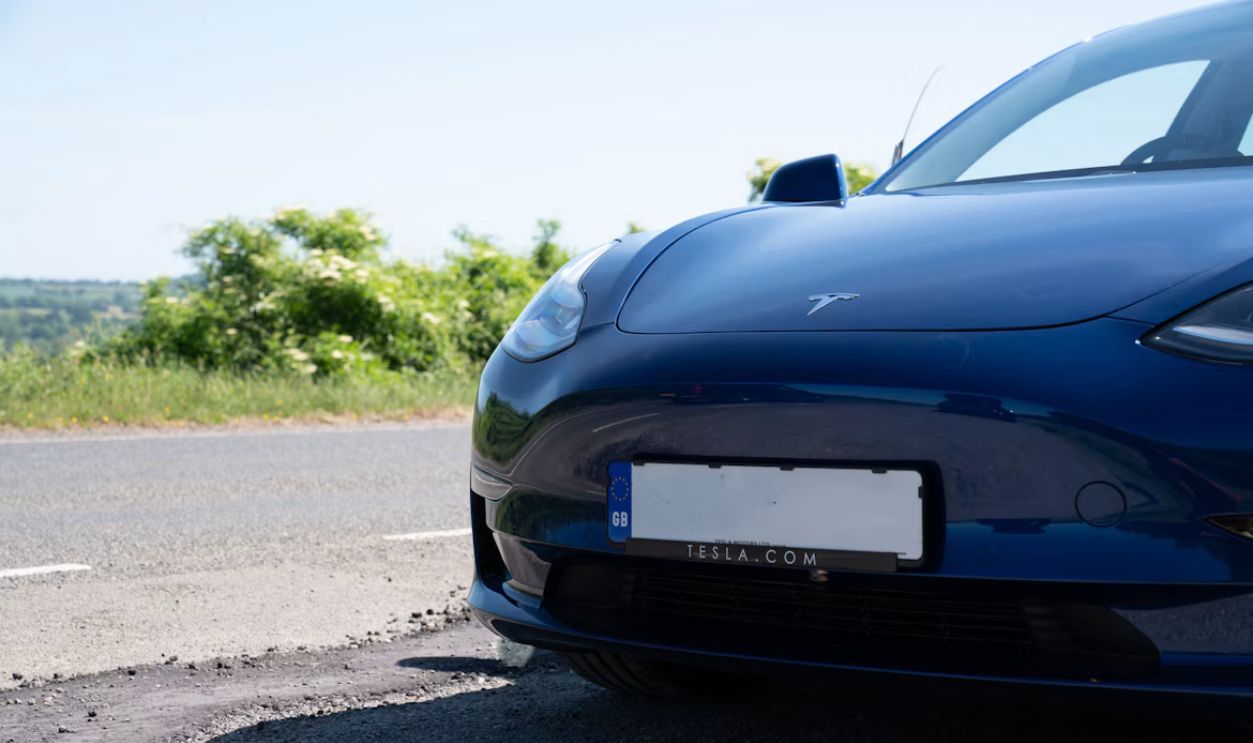
Judging battery health from the driver's seat gets even trickier because manufacturers can reserve some battery capacity outside the portion normally available to the driver. Recurrent has noted that software and battery buffers can help explain why some EVs appear to maintain remarkably stable usable range as their cells age. Two batteries experiencing aging therefore may not present the change to their drivers in exactly the same way. Once again, displayed range and underlying battery health are related without being identical.

This Matters Even More If You’re Buying Used
Remaining battery warranty can be a meaningful part of a used EV's value. Consumer Reports notes that many EV battery warranties transfer to subsequent owners, although buyers should confirm the terms for the specific vehicle. A relatively young used EV might therefore still have years of battery protection remaining. But “it still has a battery warranty” is not enough information on its own.
 Zoriana Zaitseva, Shutterstock
The Range Display Isn’t The Number I’d Ask For
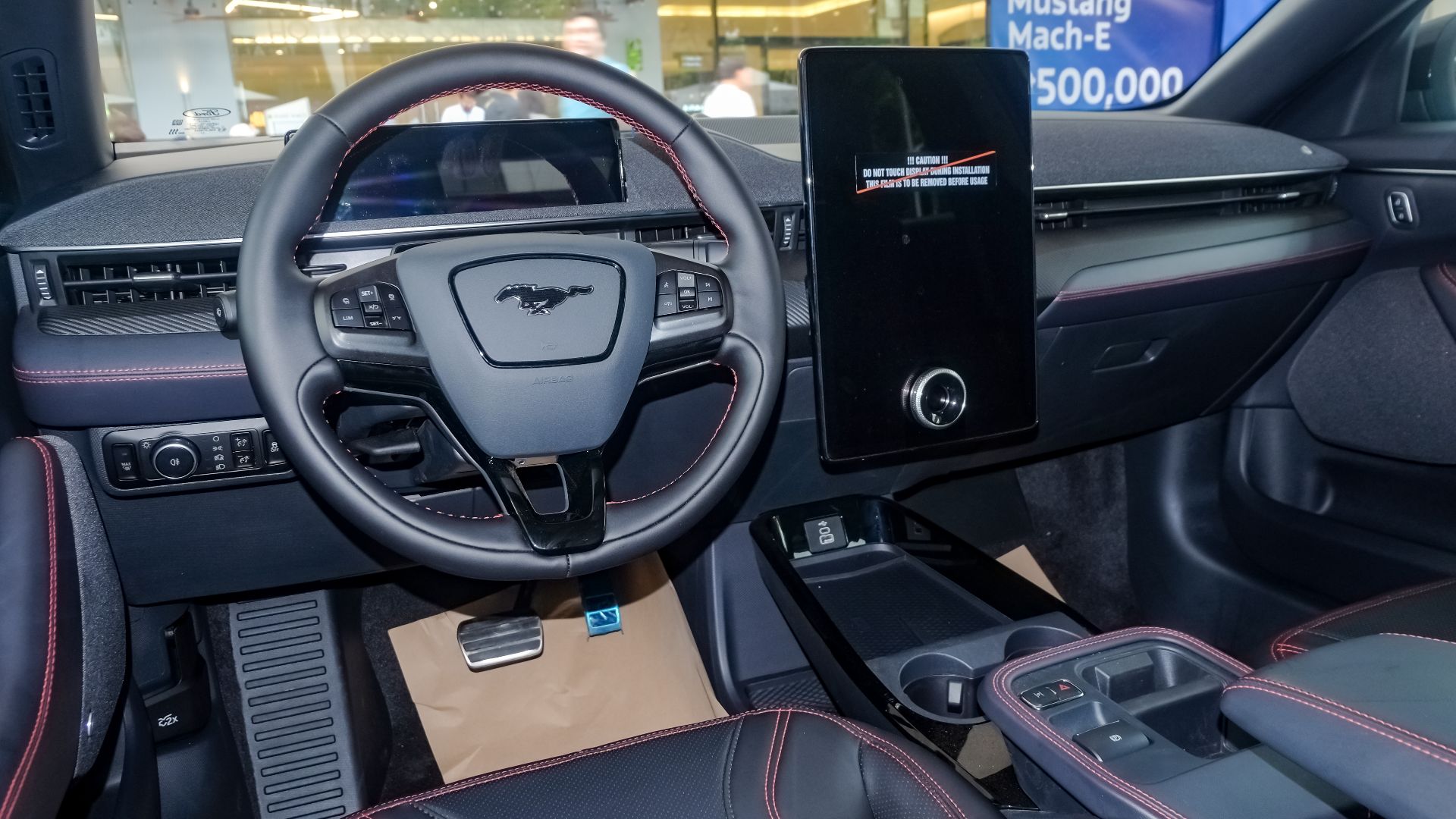
When evaluating a used EV, I would want to know as much as possible about the battery's actual state of health rather than relying solely on the estimated miles displayed after charging. Some newer vehicles make this information easier to access than others. The 2026 Mustang Mach-E, for example, can display battery state of health as a percentage, which Ford defines by comparing current maximum energy storage with the battery when it was new. That is much closer to the kind of measurement that actually matters when discussing degradation.
 Ethan Llamas, Wikimedia Commons
Save The Warranty That Came With Your Car
Warranty terms can change between model years, configurations, markets, and battery types. Tesla explicitly says its general online warranty information is not a substitute for the warranty documentation applicable to the individual vehicle. That is useful advice regardless of what badge is on the hood. Find the warranty booklet for your exact model year and configuration before you actually need it.

Sudden Range Loss Is A Different Warning Sign
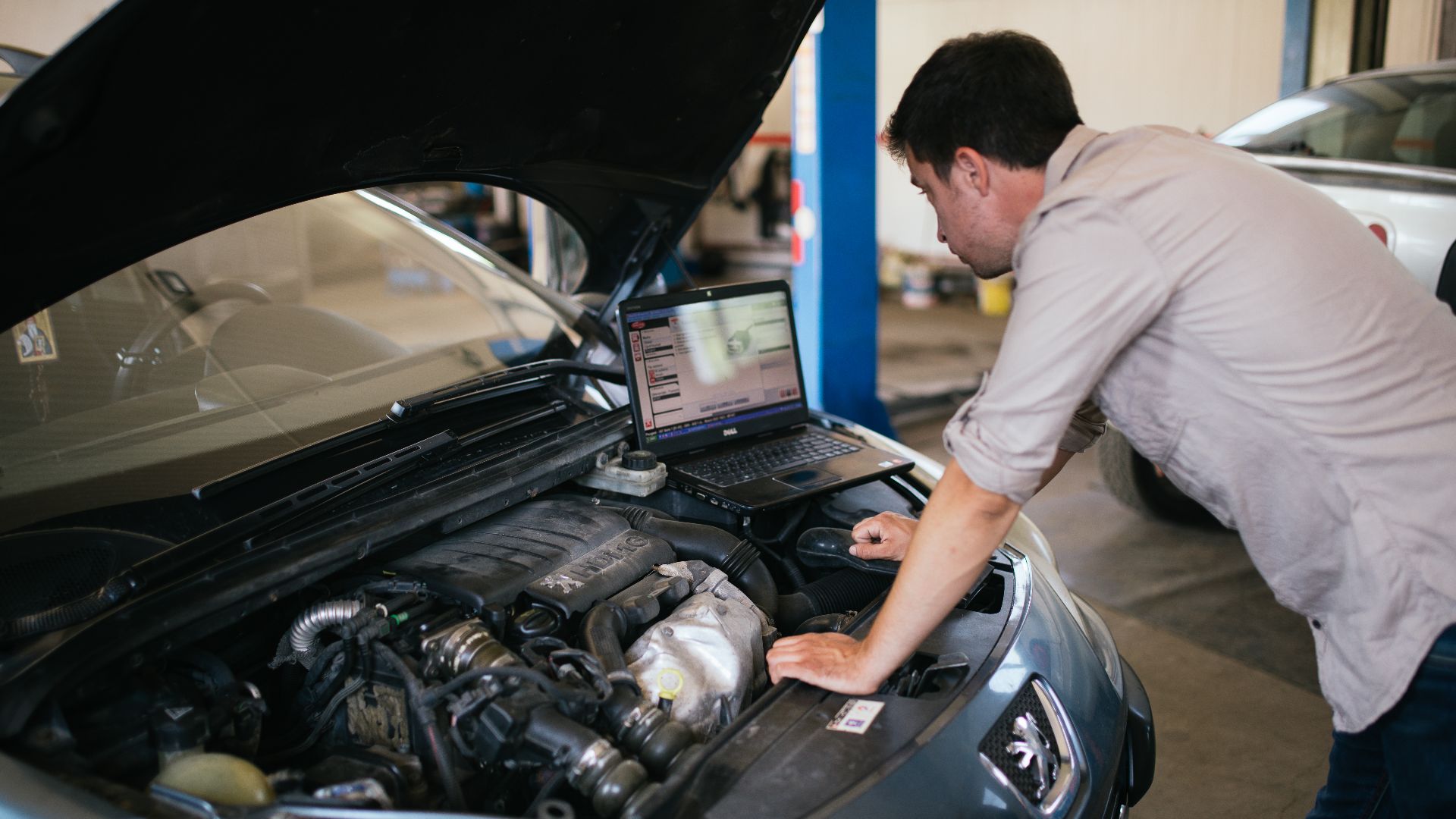
Gradual degradation is one thing, but a sudden major change deserves attention. Unexpected charging behavior, warning messages, reduced power, or an abrupt loss of usable capacity may point toward a problem rather than ordinary aging. Battery warranties can cover defects in the battery or associated high-voltage components without the entire pack first deteriorating below a capacity threshold. The 70% rule should never convince an owner to ignore an obvious malfunction.
 Shixart1985, Wikimedia Commons
The Warranty Is Better Than It First Sounds
After reading all that fine print, I would not call EV battery warranties useless. They protect owners against potentially expensive defects and, on many models, provide a minimum capacity guarantee lasting far longer than the vehicle's basic warranty. Eight years or 100,000 miles of battery coverage is common in the U.S. market. That is meaningful protection, even if it is not quite the protection many drivers initially imagine.

I Was Asking The Wrong Question
I originally wanted to know why the warranty did not seem to cover the range loss I could actually see. The better question is whether that missing range comes from permanent battery-capacity degradation, temporary weather conditions, driving efficiency, software calculations, or an actual defect. Only some of those situations are likely to trigger warranty coverage. Once I understood that distinction, the fine print finally started making sense.

Read The Percentage, Not Just The Years
The headline on an EV warranty might promise eight years and 100,000 miles, but those numbers tell only part of the story. Look for the guaranteed capacity percentage, how capacity is measured, which components are covered, what exclusions apply, and what kind of repair or replacement the manufacturer can provide. An EV battery warranty can be genuinely valuable while still allowing the battery to lose some capacity along the way. For owners worried about disappearing range, that may be the most important piece of fine print in the entire booklet.

You May Also Like: