My Car Knows Everywhere I Go. Who Else Knows?
Most drivers understand that modern cars contain computers. What many don't realize is just how much information those computers collect. Newer vehicles can track location data, driving habits, vehicle performance, phone connections, navigation history, and much more. Once people discover how much information is being generated, a natural question follows: Who actually owns all of it?
Modern Cars Are Data-Collection Machines
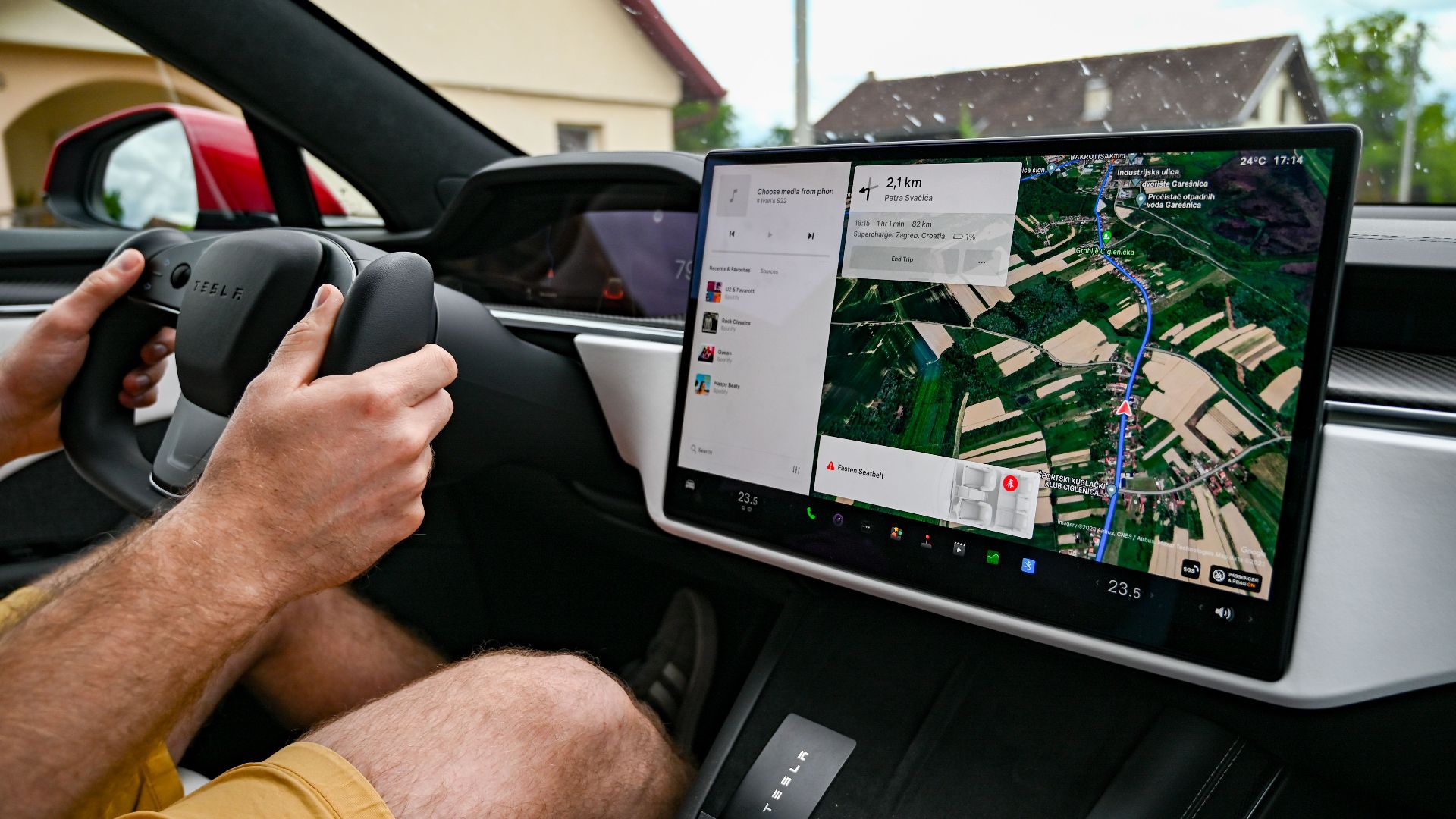
Today's vehicles generate enormous amounts of information. Depending on the make and model, a car may record speed, braking behavior, acceleration, steering inputs, fuel consumption, maintenance information, GPS locations, trip histories, infotainment usage, and driver-assistance activity. Connected vehicles can transmit portions of this data back to manufacturers through built-in cellular connections. For many owners, the sheer volume of information comes as a surprise.
Ownership And Access Are Not The Same Thing
One reason this topic gets confusing is that ownership and access are different concepts. Even if information relates directly to your driving, that doesn't automatically mean you exclusively control it. Companies may collect, store, process, and share data under terms contained in privacy policies and service agreements. Understanding who can access the information is often more important than understanding who technically owns it.

There Is No Single Universal Rule
Many drivers assume there must be a clear law stating who owns vehicle data. In reality, the legal landscape remains fragmented. Different countries, states, provinces, and regulatory bodies approach vehicle data differently. In many places, laws are still evolving because connected vehicles developed faster than the legal frameworks governing them.
Manufacturers Often Collect The Data
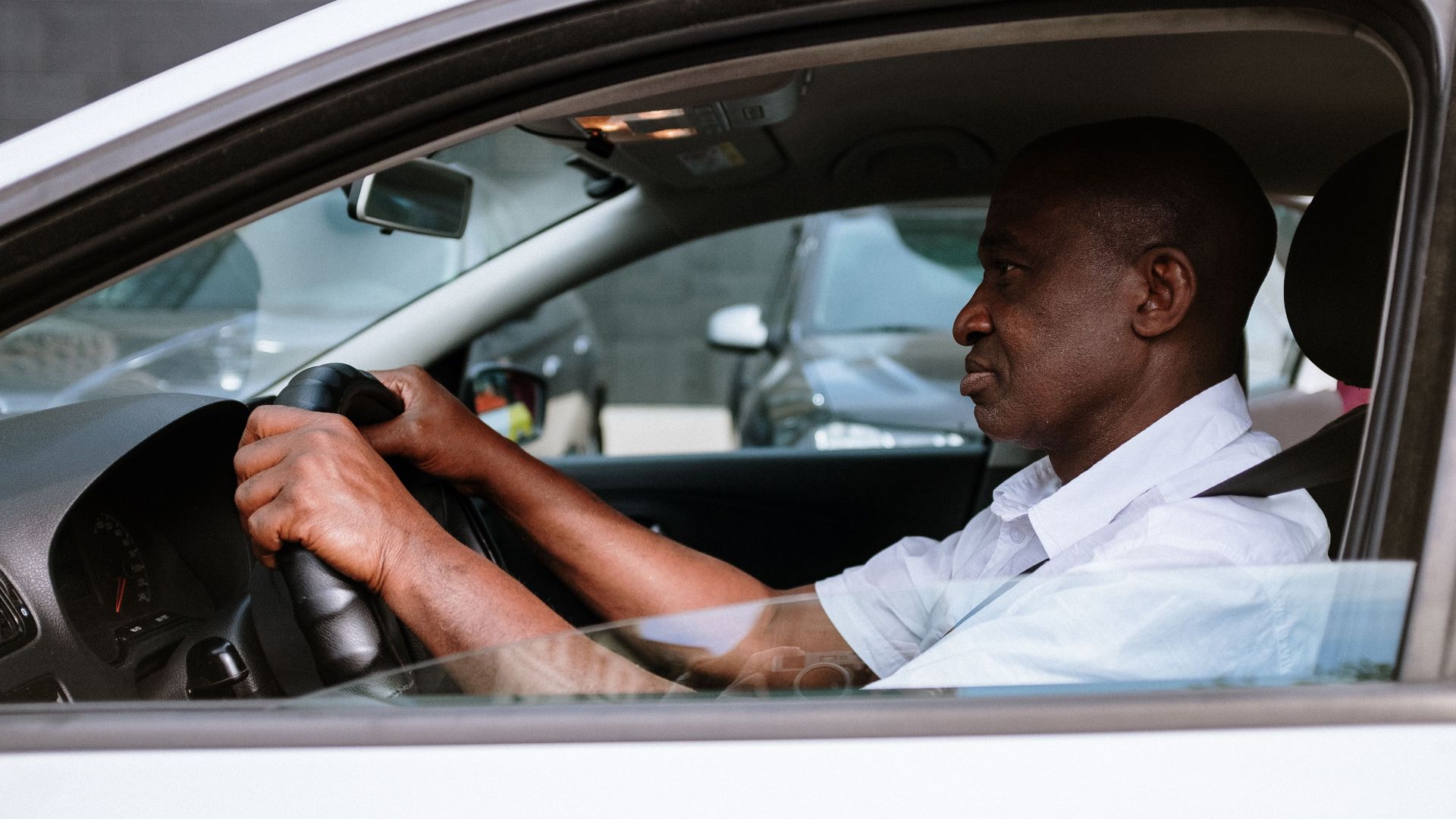
Many connected vehicles automatically transmit information back to the manufacturer. This may occur through telematics systems, connected services, smartphone apps, navigation platforms, or emergency-response systems. The manufacturer may use this information for diagnostics, product development, safety monitoring, customer services, and other purposes described in its privacy policy.

Your Consent Often Comes Through Fine Print
Most drivers never sit down and carefully read the privacy agreements associated with their vehicle. Yet those documents often explain what data is collected, how it is used, how long it is stored, and whether it may be shared. By activating connected services or accepting terms through an app, drivers may be agreeing to far more data collection than they realize.

Connected Services Drive Much Of The Collection
Features like remote start, smartphone controls, vehicle tracking, navigation updates, roadside assistance, and emergency services often depend on data sharing. The convenience is real, but so is the information exchange happening behind the scenes. In many cases, these services simply cannot function without transmitting vehicle data.
Location Data Gets The Most Attention
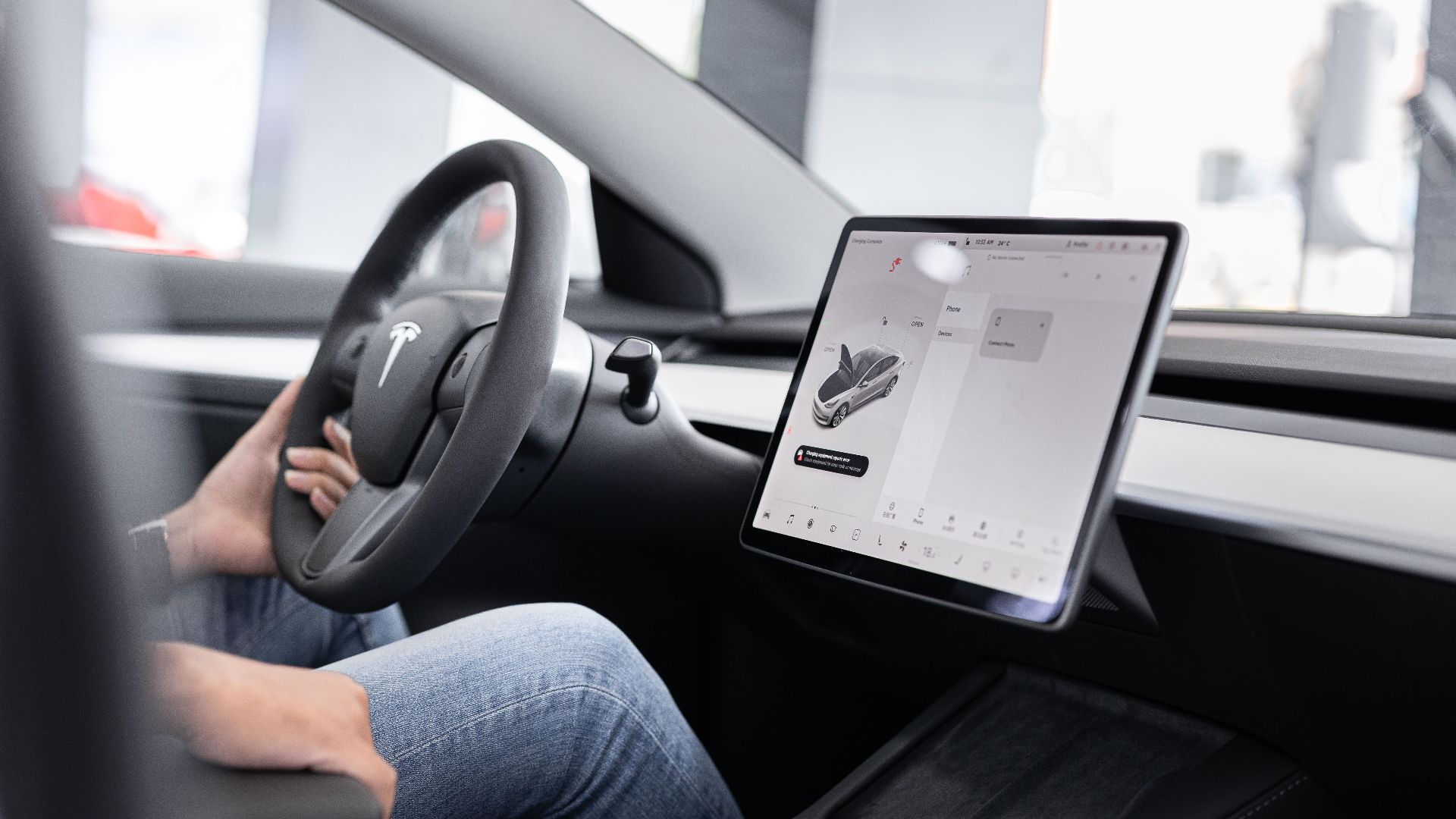
Of all the information vehicles collect, location data tends to make people the most uncomfortable. A vehicle's travel history can reveal where someone lives, works, shops, vacations, worships, and spends time. Even when data is anonymized, location information often raises significant privacy concerns because it can paint a detailed picture of daily life.
Driving Behavior Is Valuable Information
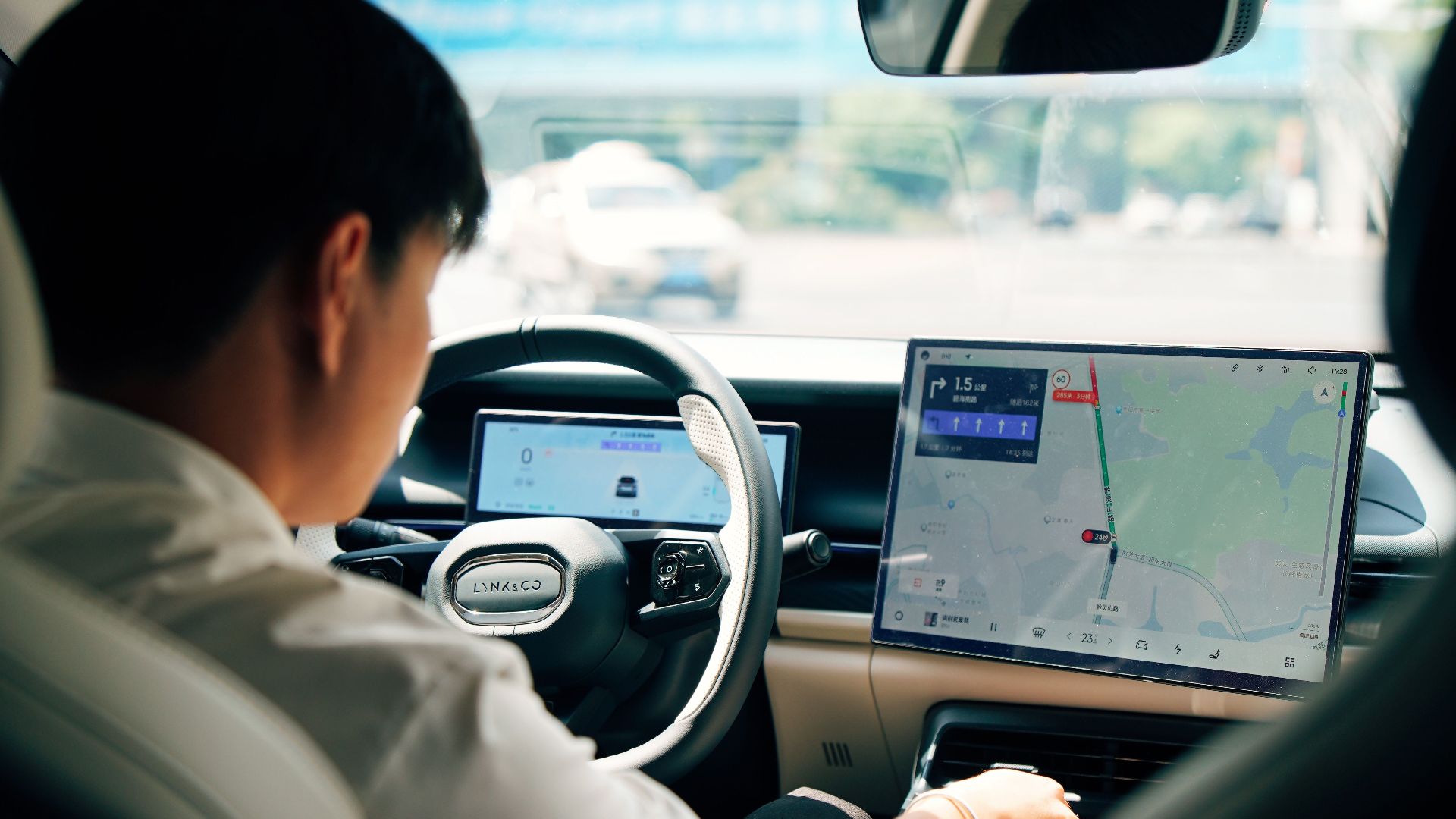
Insurance companies, researchers, manufacturers, and fleet operators all see value in driving-behavior data. Hard braking, acceleration patterns, speed, mileage, and driving times can reveal risk profiles and vehicle usage patterns. This information has become increasingly important as usage-based insurance programs have expanded.

Insurance Companies Sometimes Get Access
Some drivers voluntarily share driving data through telematics programs in exchange for potential discounts. In those situations, the driver generally agrees to provide information to the insurer. However, concerns have grown regarding how driving data may be shared between manufacturers, data brokers, and insurers under various arrangements.

Recent Controversies Increased Awareness
Public attention increased significantly after reports revealed that certain vehicle-generated driving data had been shared with third parties involved in insurance analytics. Many drivers were surprised to learn how much information could potentially move between companies. These reports sparked broader conversations about transparency and consumer consent.

Data Brokers Are Part Of The Conversation
A growing concern involves data brokers, companies that collect, aggregate, analyze, and sell information from various sources. Vehicle data may become more valuable when combined with information from smartphones, apps, purchases, and other digital activities. This possibility has attracted attention from privacy advocates and regulators.

Regulators Are Paying More Attention
Government agencies have become increasingly interested in connected-car privacy issues. Regulators have questioned how vehicle data is collected, shared, disclosed, and protected. While comprehensive rules remain a work in progress, scrutiny has increased significantly in recent years.

California Gives Consumers Additional Rights
California's Consumer Privacy Act provides certain rights involving personal information, including the ability to request access to collected data and request deletion in some circumstances. While the exact application varies, laws like these have influenced broader conversations about vehicle data rights throughout North America.

Europe Has Taken A Different Approach
European privacy regulations generally provide stronger consumer protections regarding personal data. The General Data Protection Regulation, commonly known as GDPR, gives individuals significant rights concerning information collected about them. Vehicle manufacturers operating in Europe must comply with these requirements.

Your Vehicle App May Collect Data Too
Many drivers focus on the car itself while overlooking the manufacturer's smartphone app. These apps often collect additional information involving location, usage patterns, remote commands, account activity, and connected services. Sometimes the app's privacy policy contains important details that differ from the vehicle's documentation.

Rental Cars Create Additional Questions
Vehicle data ownership becomes even more complicated with rental cars. A rental vehicle may collect information about multiple drivers over time. Questions can arise regarding what information is retained, what gets deleted, and what remains associated with previous users after a rental period ends.

Selling The Vehicle Doesn't Always Delete Everything
Many owners assume that selling a vehicle automatically erases stored information. Unfortunately, that is not always true. Navigation histories, connected accounts, paired devices, garage-door settings, contact lists, and other information may remain in the vehicle unless properly removed. Taking time to reset systems before selling is often a smart precaution.
 Anatoliy Cherkas, Shutterstock, Modified
You May Be Able To Limit Collection
Many vehicles allow owners to disable certain connected services or adjust privacy settings. The available options vary significantly by manufacturer. Reviewing privacy menus, account settings, and telematics controls can help drivers better understand what information is being collected and shared.
Read The Privacy Policy Before Enabling Features
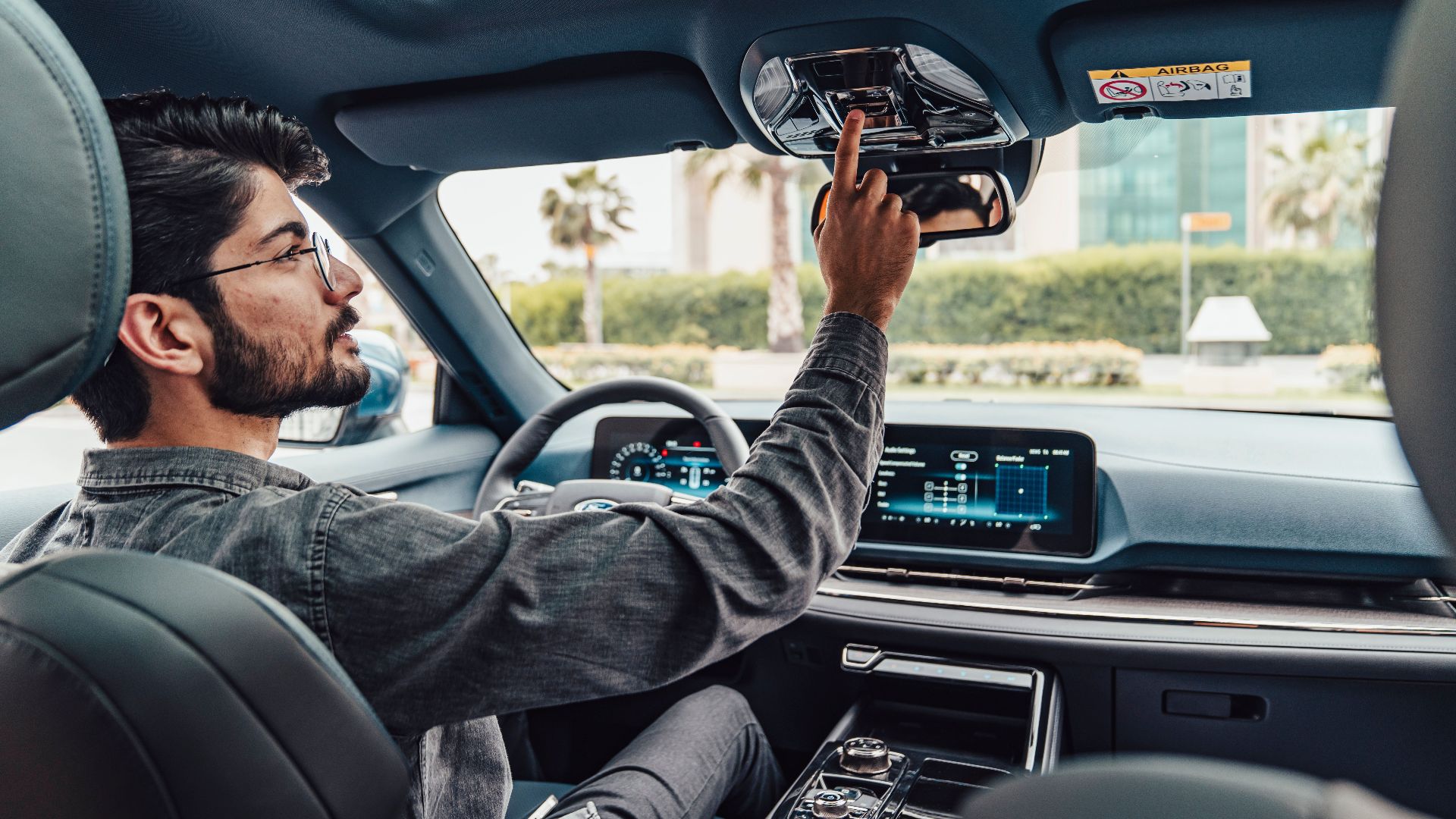
This may not sound exciting, but it is often the most effective step. Before activating connected services, review the privacy disclosures carefully. Understanding the tradeoffs beforehand is far easier than trying to undo data sharing later. Most drivers spend more time researching floor mats than reviewing privacy agreements.

Convenience Usually Comes With A Tradeoff
Many of the features drivers love depend on data collection. Remote vehicle access, predictive maintenance alerts, stolen-vehicle recovery, navigation services, and smartphone integration all require information to move between systems. The challenge is balancing convenience against privacy preferences.

The Right-To-Repair Debate Overlaps Here
Vehicle data also plays a role in the broader right-to-repair movement. Independent repair shops, vehicle owners, and manufacturers continue debating who should have access to diagnostic and repair-related information. As vehicles become more software-driven, data access becomes increasingly important.

Future Rules May Look Very Different
The legal framework surrounding vehicle data continues evolving. Regulators, lawmakers, privacy advocates, manufacturers, insurers, and technology companies are all shaping the discussion. The rules governing vehicle data ownership and access five years from now may look very different from today's environment.

Asking Questions Is Becoming More Important
When shopping for a vehicle, privacy may soon become as important to some buyers as fuel economy or horsepower. Asking what data is collected, how long it is stored, who receives it, and whether sharing can be limited may become a routine part of the buying process. Consumers are increasingly demanding transparency.

The Data May Be About You, But Control Is Often Shared
If your car collects driving data everywhere you go, you're not imagining it. Modern vehicles generate enormous amounts of information, and manufacturers, service providers, insurers, and other parties may all have some level of access depending on the circumstances. While the data may reflect your life and driving habits, control over that information is often shared through privacy agreements, connected services, and evolving legal frameworks. Understanding those agreements and reviewing your privacy settings remains one of the best ways to stay informed about who sees your information and how it's being used.

You May Also Like:
My HOA says I can’t charge my EV overnight in my own driveway. Can they really stop me?