I Parked It To Avoid Wear And Tear, But It Got Worse Anyway
Many owners assume a parked car is a preserved car. After all, if the vehicle was not being driven, how much wear and tear could it really have experienced? Then the mechanic starts listing dead batteries, flat-spotted tires, stale fuel, corroded brakes, dried-out seals, and other expensive problems. Here’s the thing: cars are designed to be driven, and long periods of inactivity can create issues even when the vehicle never leaves the driveway. But the good news is that not every car suffers equally, and there are ways to make bringing a dormant vehicle back to life much easier.
Cars Age Even When They Aren't Moving
One of the biggest surprises for owners is that many vehicle components continue aging regardless of mileage. Rubber seals dry out, fluids degrade, batteries discharge, and fuel can deteriorate over time. In some cases, a vehicle that sits for a year develops more problems than one that was driven regularly during that same period. Time can be just as important as mileage when it comes to maintenance.
The Battery Is Often The First Casualty
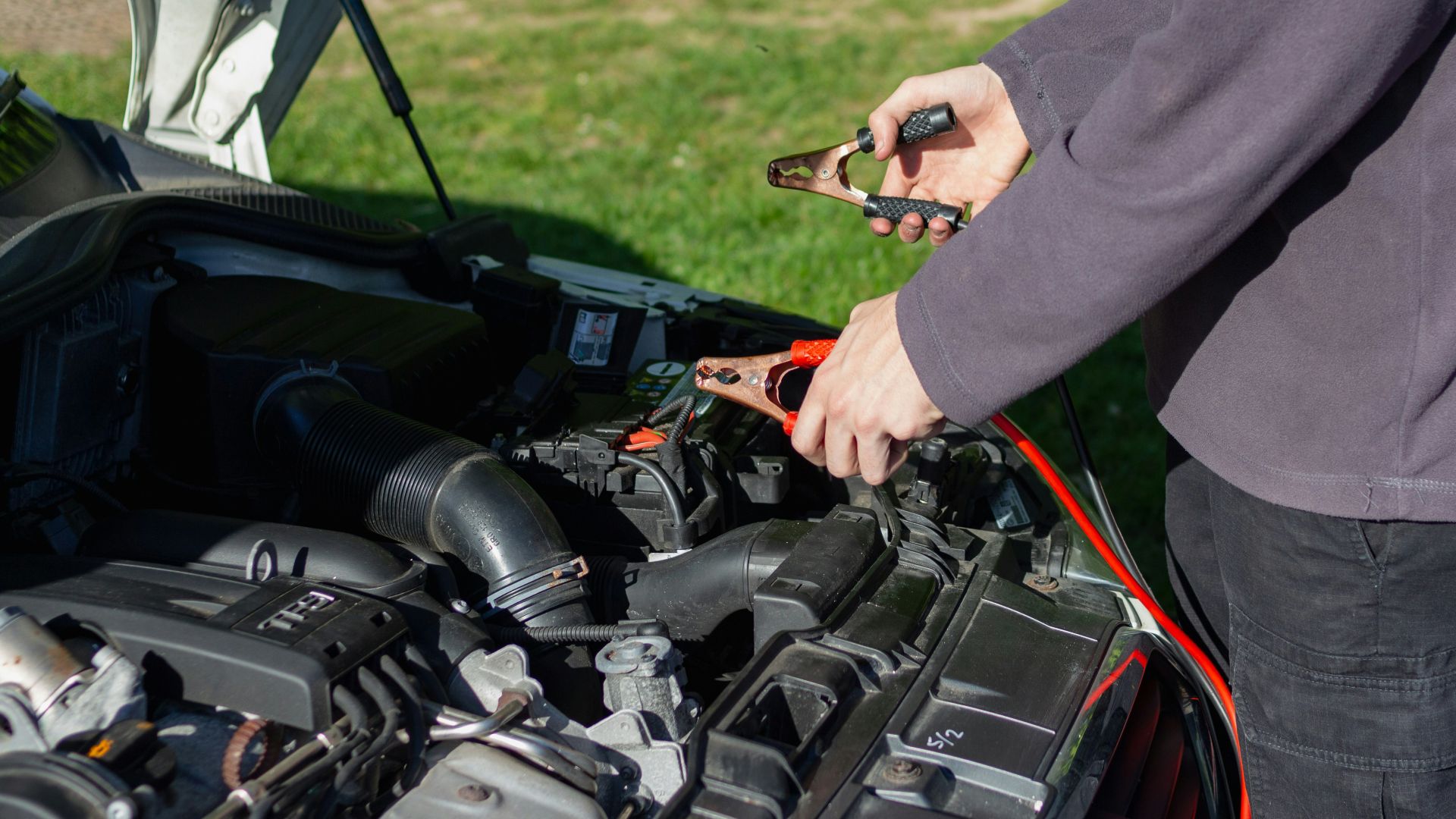
The most common problem after a long storage period is a dead battery. Modern vehicles constantly draw small amounts of power to support computers, security systems, clocks, and memory functions. Over months of inactivity, that drain can completely discharge the battery. In many cases, a battery that has sat dead for an extended period may need replacement rather than a simple jump-start.
 Daniel @ bestjumpstarterreview.com, Unsplash
Fuel Doesn't Last Forever
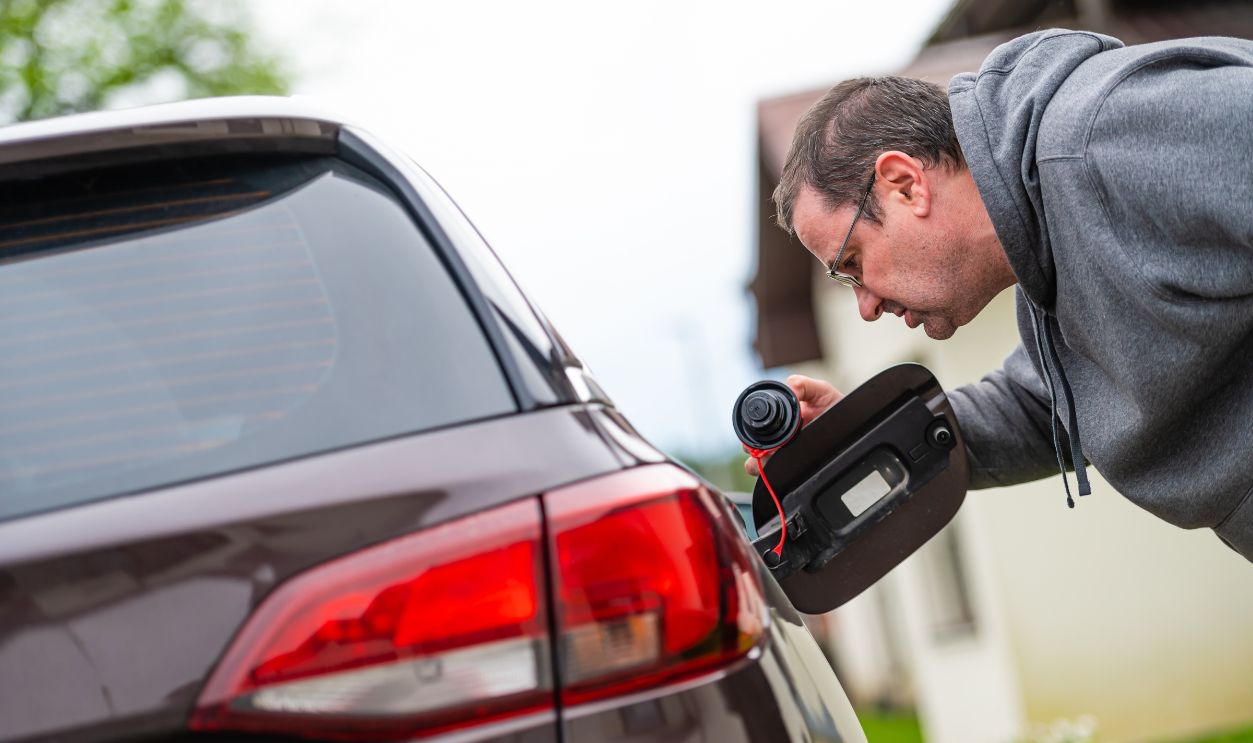
Many owners are surprised to learn that gasoline begins to degrade over time. As fuel ages, it can lose volatility, form deposits, and create problems within the fuel system. Ethanol-blended gasoline can be particularly troublesome because it may absorb moisture. After a year of sitting, the condition of the fuel often becomes one of the first things mechanics evaluate.
Tires Hate Sitting Still
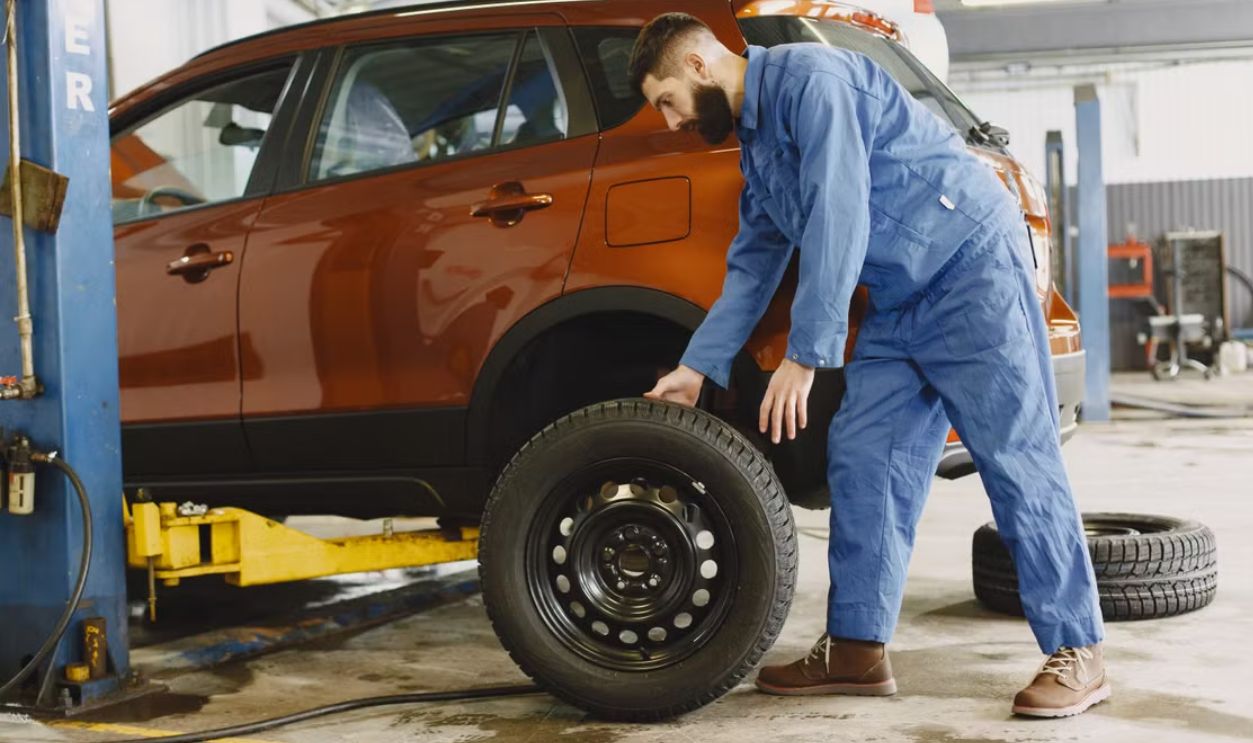
A vehicle's tires are designed to rotate regularly and distribute weight across different sections of the tread. When a car remains parked in one position for months, flat spots can develop. Tire rubber also ages over time regardless of mileage. Even if the tread looks good, prolonged inactivity may affect ride quality and safety.
Brakes Can Rust Surprisingly Fast
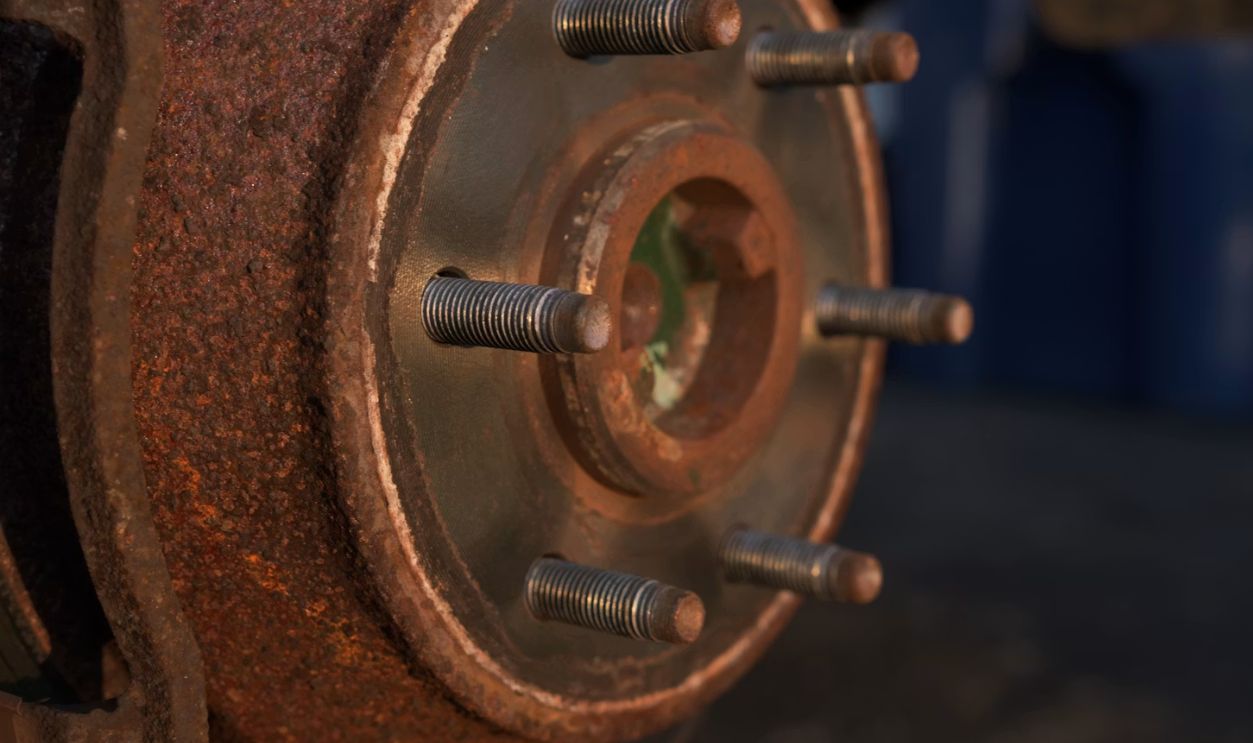
Brake rotors are exposed metal surfaces, and rust begins forming quickly when a vehicle sits unused. Light surface rust often disappears after a short drive. However, severe corrosion can create braking problems and may require resurfacing or replacement. Vehicles stored in humid climates tend to be especially vulnerable.
Rubber Components Don't Like Long Vacations
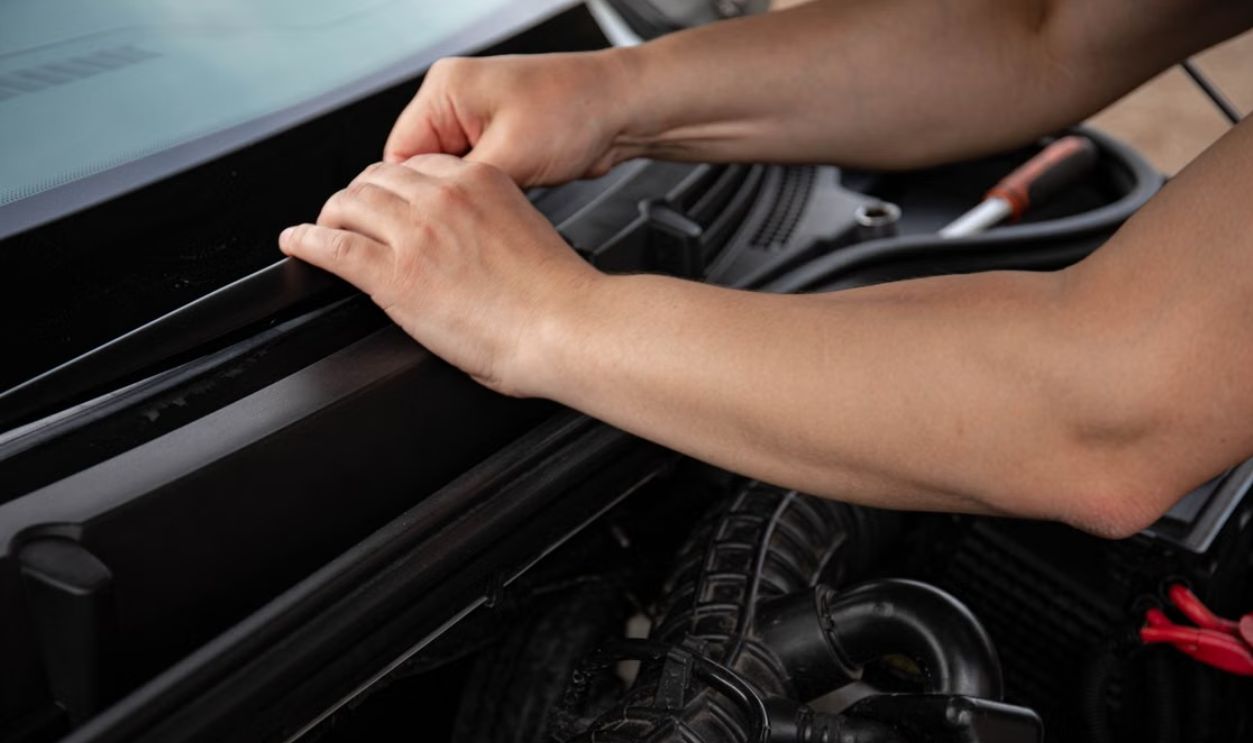
Hoses, belts, gaskets, seals, and weatherstripping all contain rubber materials that age over time. When vehicles are driven regularly, fluids help lubricate many of these components. During long periods of inactivity, seals may dry out and lose flexibility. That can lead to leaks once the vehicle returns to service.
Rodents Love Stored Vehicles
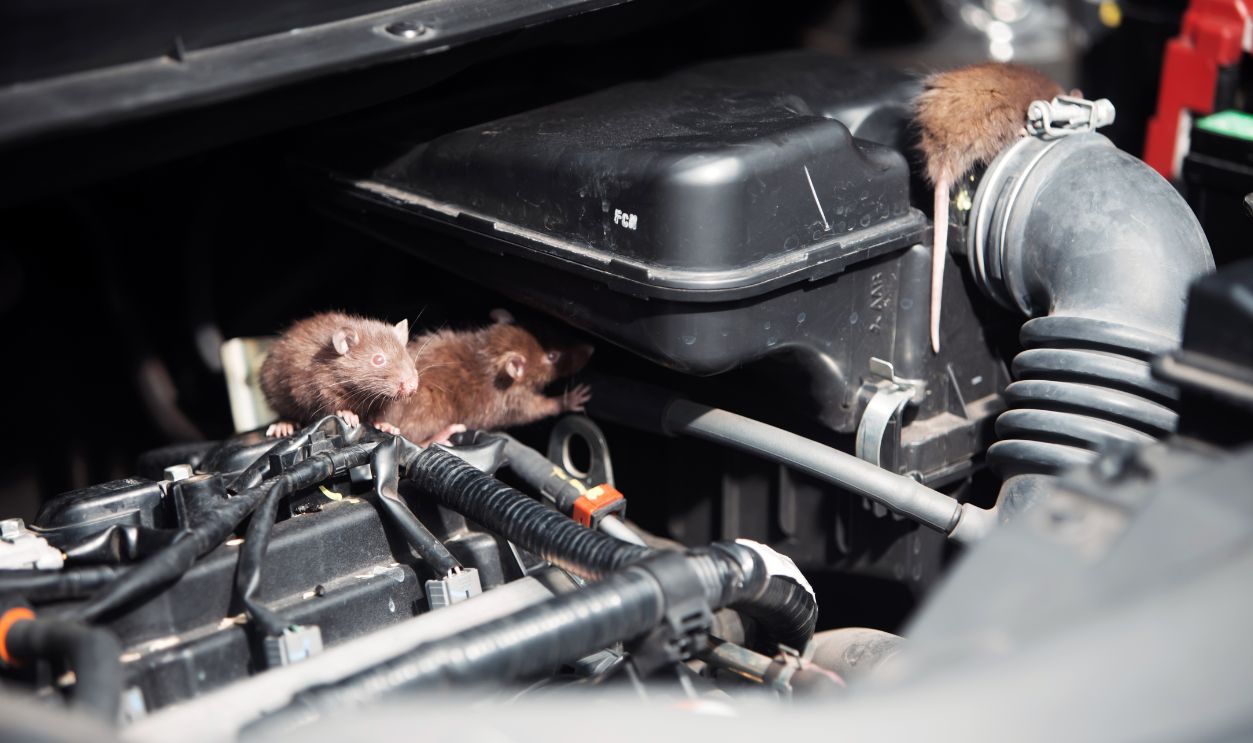
One of the least pleasant surprises involves rodents. Mice and other animals are notorious for nesting in parked vehicles, especially during colder months. They may chew wiring, insulation, filters, and hoses. Some revival projects become expensive not because of mechanical wear, but because animals moved in while the vehicle sat unused.
Fluids May Need Attention
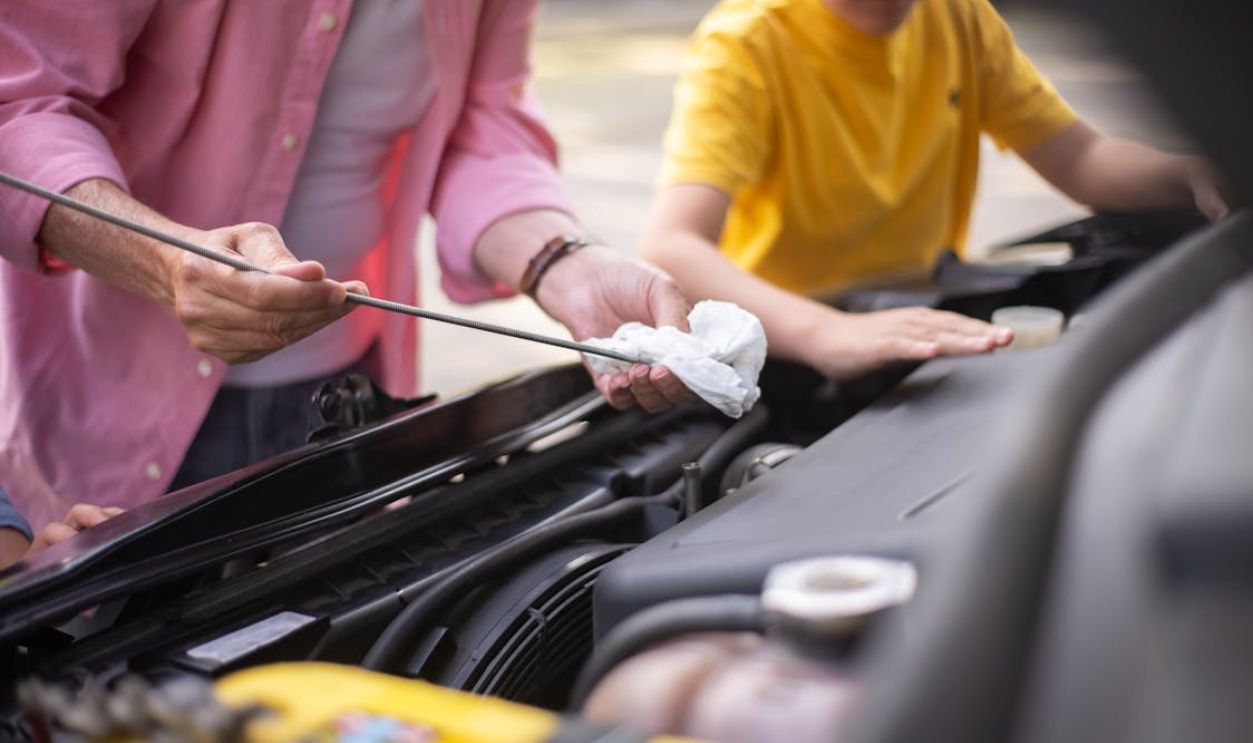
Motor oil, coolant, brake fluid, transmission fluid, and power steering fluid all have service lives that are influenced by both mileage and time. A vehicle that sat for a year may not automatically need every fluid replaced, but it is worth checking their condition carefully. Old or contaminated fluids can contribute to problems after startup.
Not All Cars React The Same Way
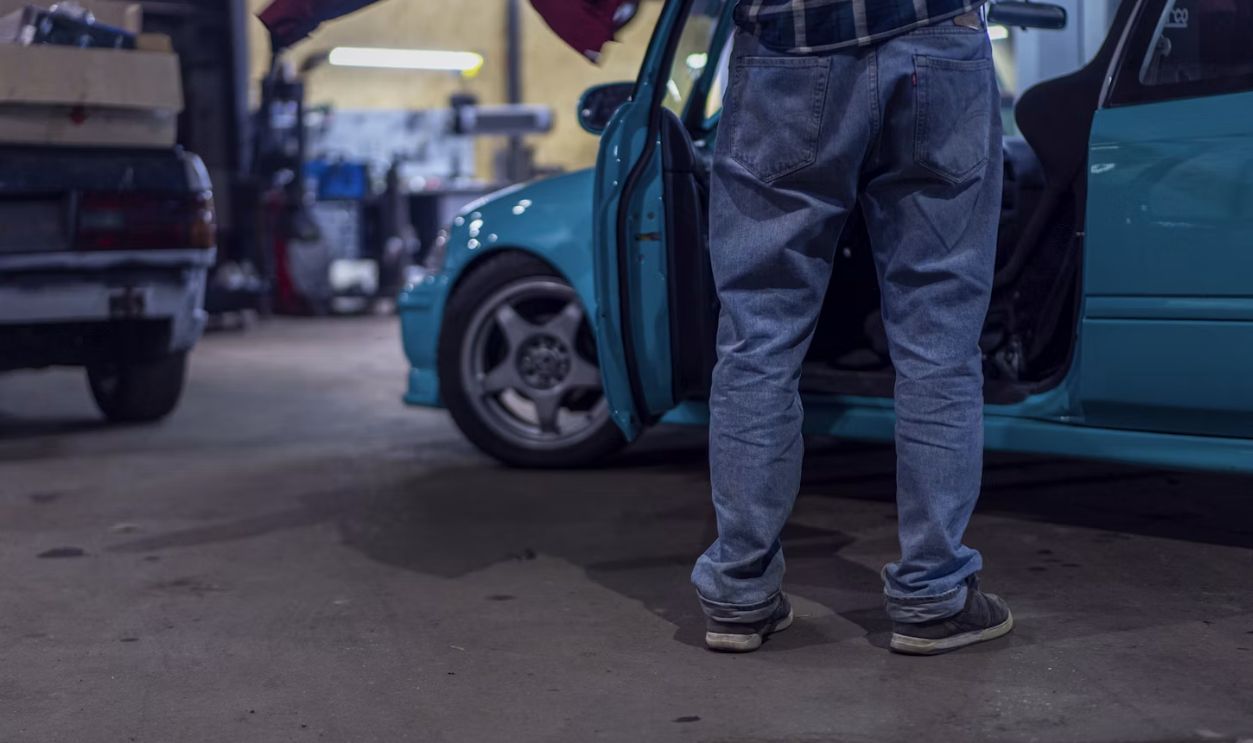
Some vehicles tolerate long storage surprisingly well. Others seem to develop a laundry list of problems after only a few months. Climate, storage conditions, maintenance history, vehicle design, and the age of components all influence the outcome. A well-maintained vehicle stored in a garage often fares much better than one left outdoors.
Luxury Cars Can Be More Sensitive
Modern luxury vehicles often contain numerous electronic systems that remain partially active even when parked. These systems can increase battery drain and create additional complications after long storage periods. While all vehicles can suffer from inactivity, highly computerized models sometimes require more attention when returning to service.

Newer Cars Aren't Immune
Many people assume only older vehicles suffer from storage-related issues. In reality, newer vehicles can experience many of the same problems. Advanced electronics, battery management systems, and sophisticated emissions equipment sometimes make long-term inactivity even more complicated. Age helps, but it is not a guarantee.
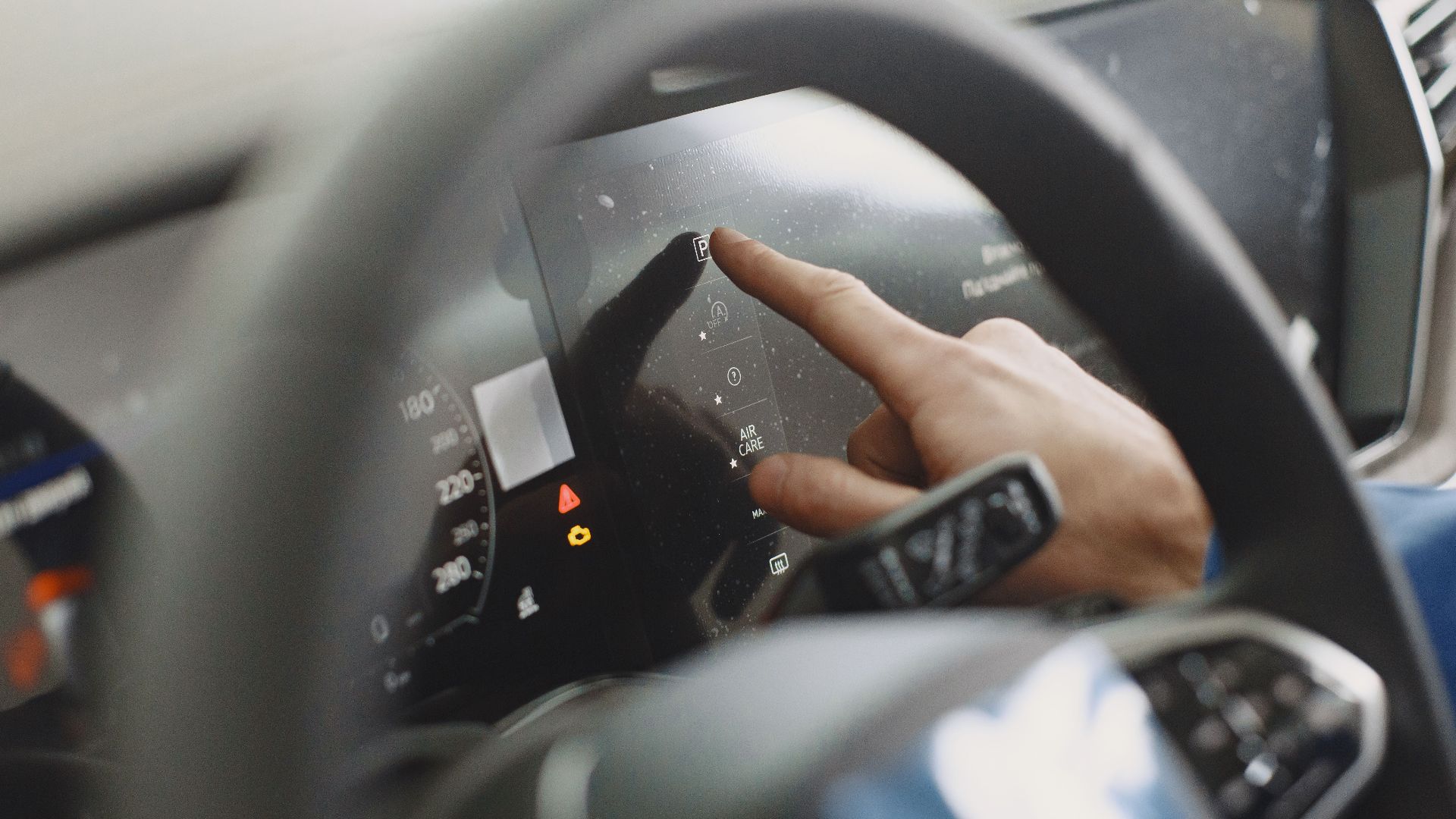
The Storage Environment Matters
Where the vehicle sat often determines how many problems develop. A climate-controlled garage generally provides much better protection than an exposed driveway. Heat, humidity, snow, temperature swings, and direct sunlight can accelerate deterioration. Two identical vehicles stored in different environments may emerge in very different condition.

Starting It Isn't Always Enough
Many owners believe periodically starting the engine prevents storage problems. Unfortunately, short startups without fully warming the vehicle may do more harm than good. Condensation can accumulate, batteries may not fully recharge, and fluids may never reach proper operating temperatures. Regular driving is usually more beneficial than occasional idling.

A Pre-Revival Inspection Can Save Money
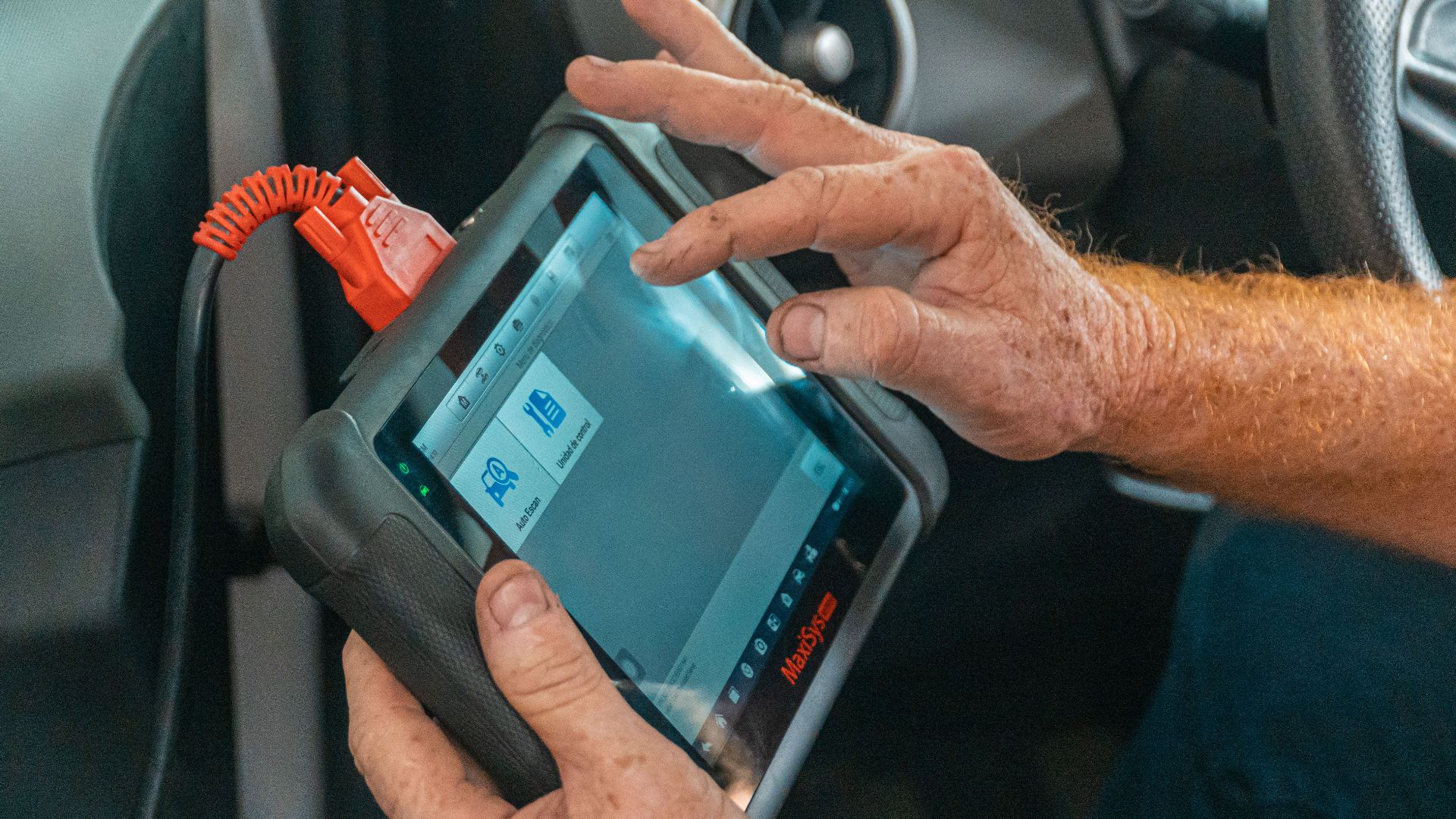
Before attempting to drive a vehicle that has been sitting for a year, perform a thorough inspection. Check fluid levels, battery condition, tire pressure, hoses, belts, wiring, and visible leaks. Identifying problems before driving can prevent more expensive damage later. A little caution often pays off.
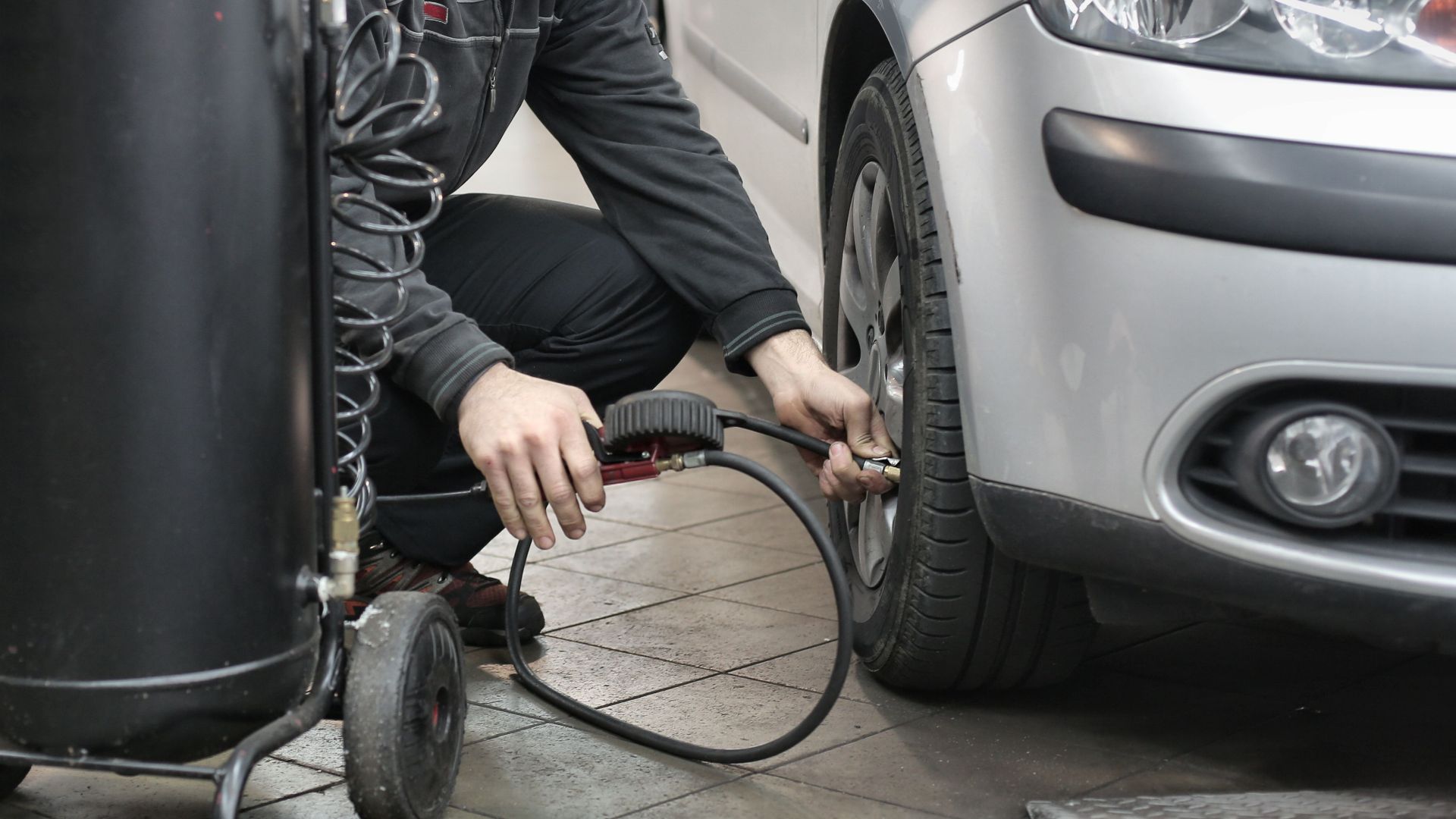
Fresh Fuel Can Make A Difference
If the fuel is old, adding fresh gasoline may improve performance and starting reliability. In some cases, heavily degraded fuel may need to be drained entirely. The longer the vehicle sat, the more important fuel quality becomes. A mechanic can help determine the best approach.
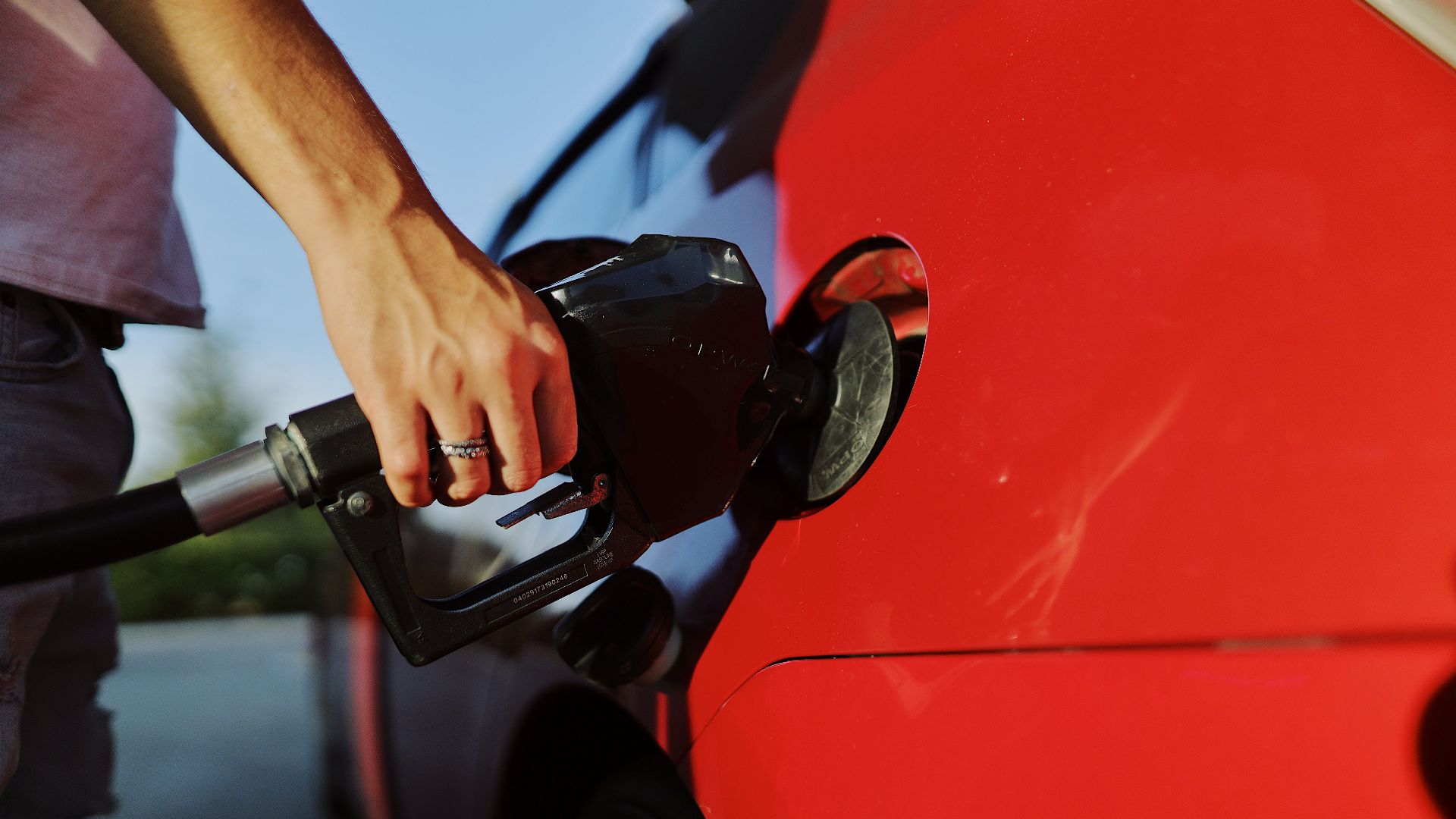
Change The Oil If You're Unsure
Many experts recommend changing the oil before putting a long-stored vehicle back into regular service. Even if the mileage is low, old oil may contain moisture, contaminants, or degraded additives. Compared to major engine repairs, an oil change is relatively inexpensive insurance.
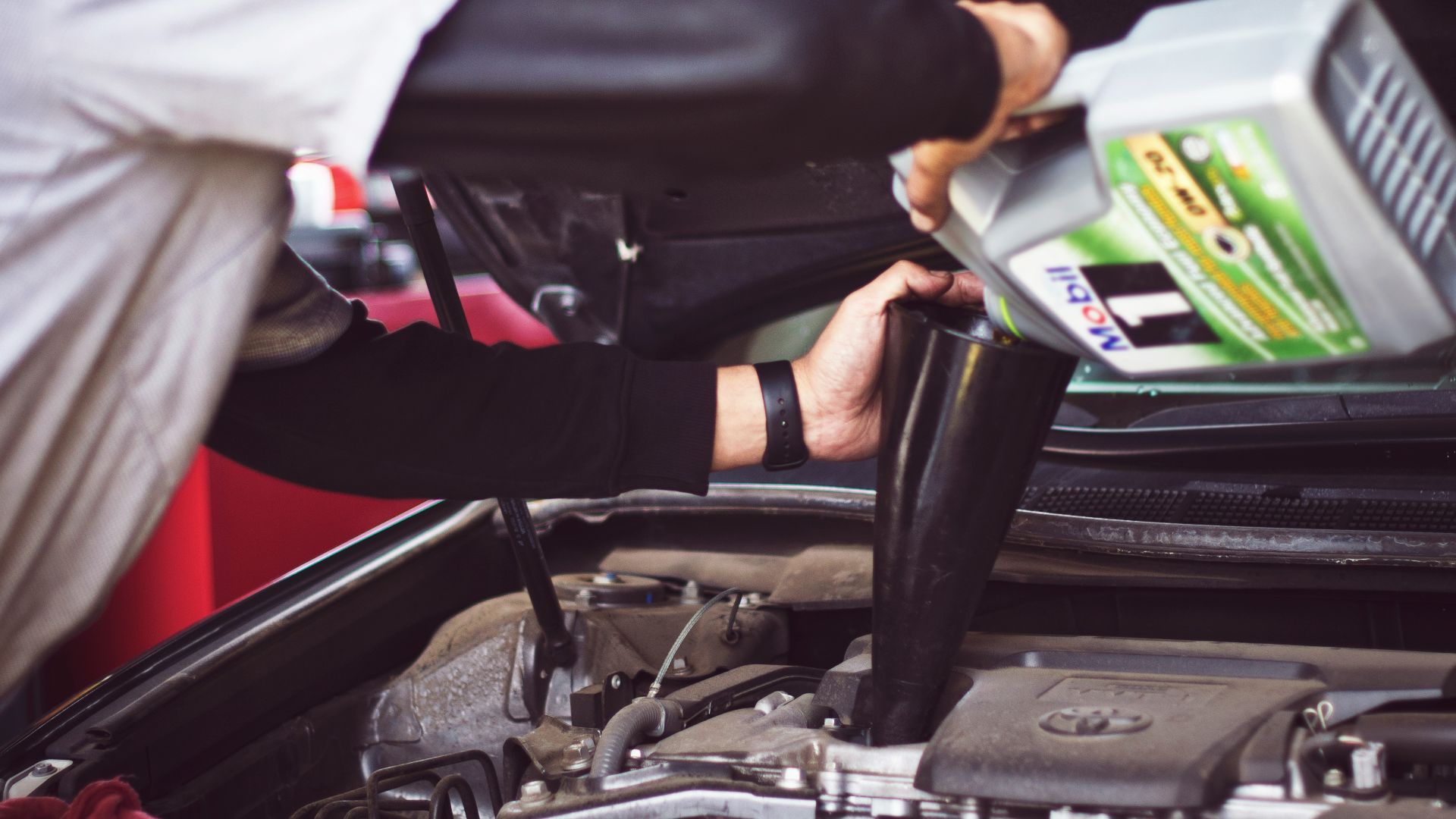
Check The Tires Carefully
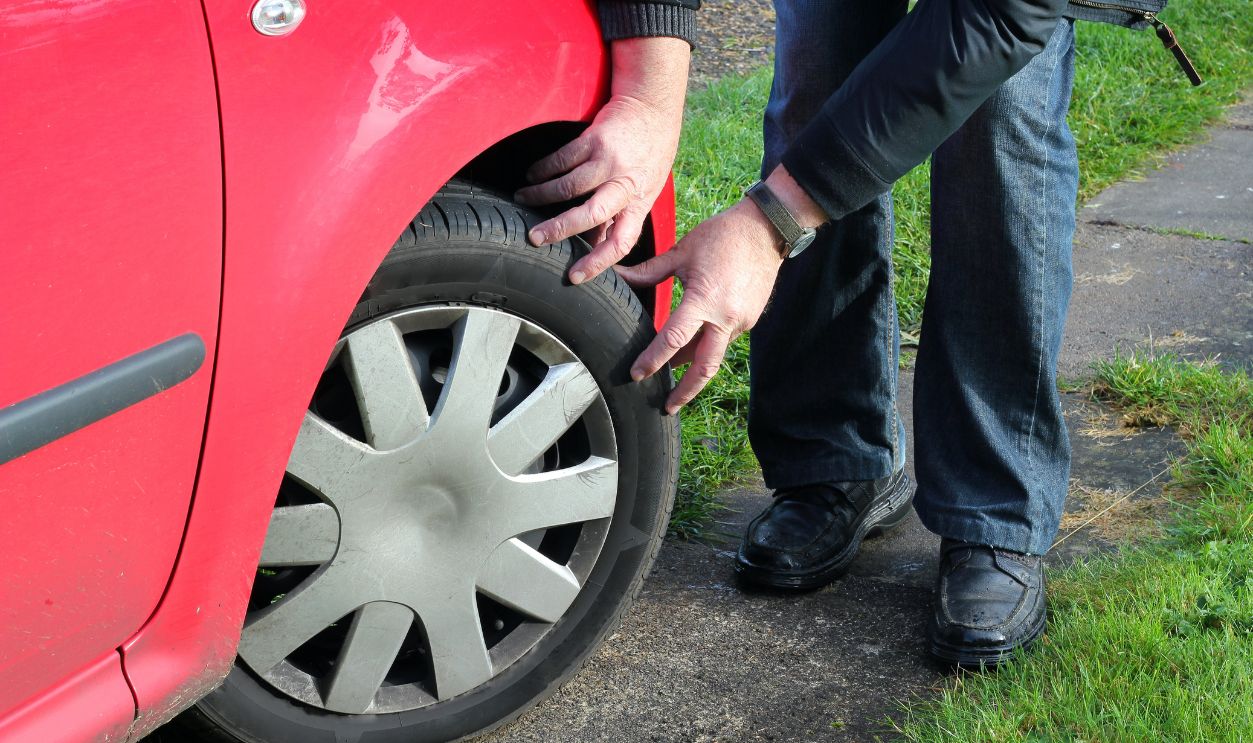
Inflating the tires is only part of the process. Inspect them for cracks, sidewall damage, dry rot, and severe flat spotting. Tires that look acceptable from a distance may still have age-related issues. Safety should come before saving money on replacements.
Drive Gently At First
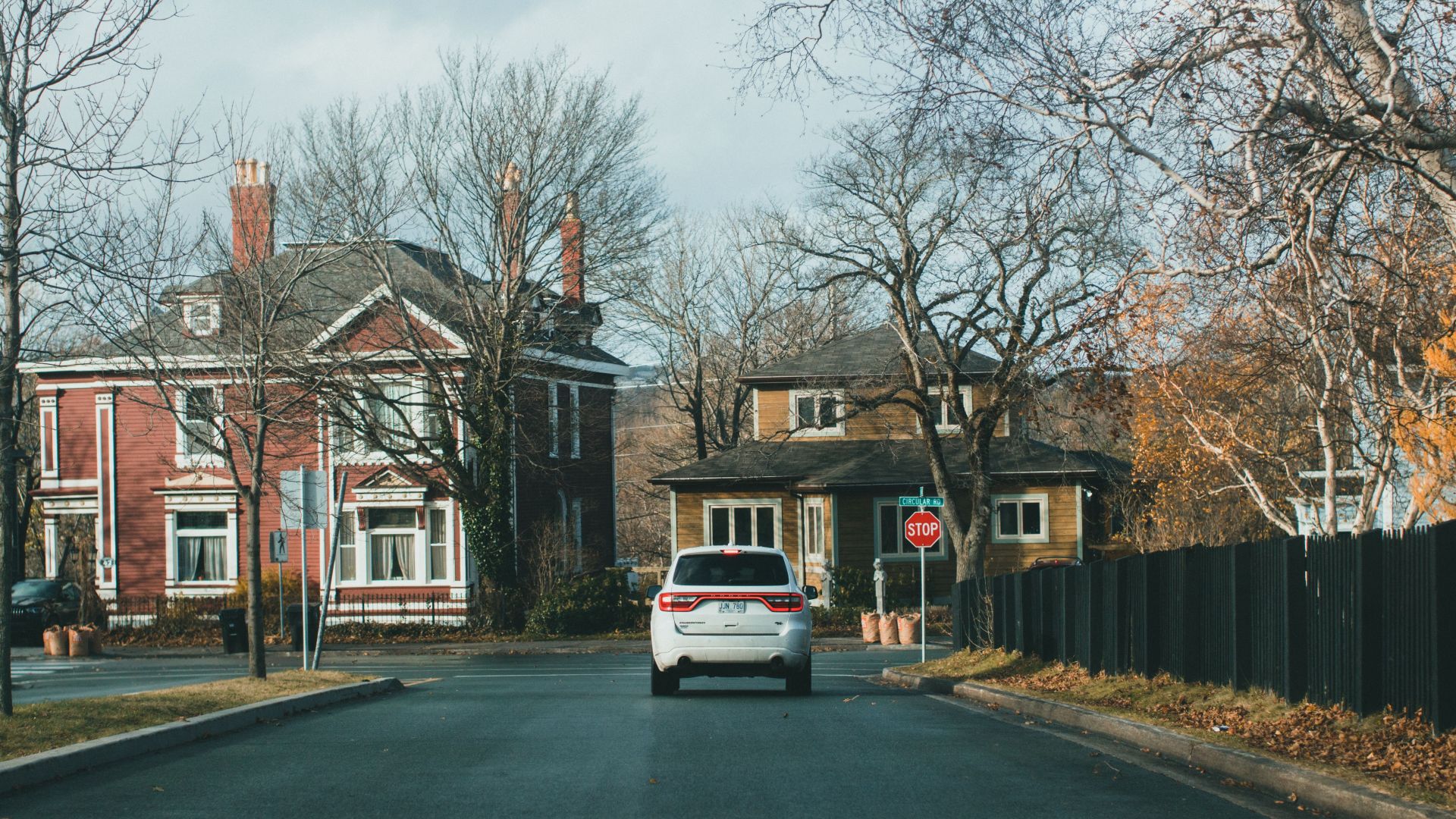
The first drive after a long storage period should not be treated like a normal commute. Start with a short trip close to home while paying attention to noises, vibrations, warning lights, and unusual behavior. A cautious approach allows problems to reveal themselves before they become emergencies.
Preventive Storage Is Much Cheaper
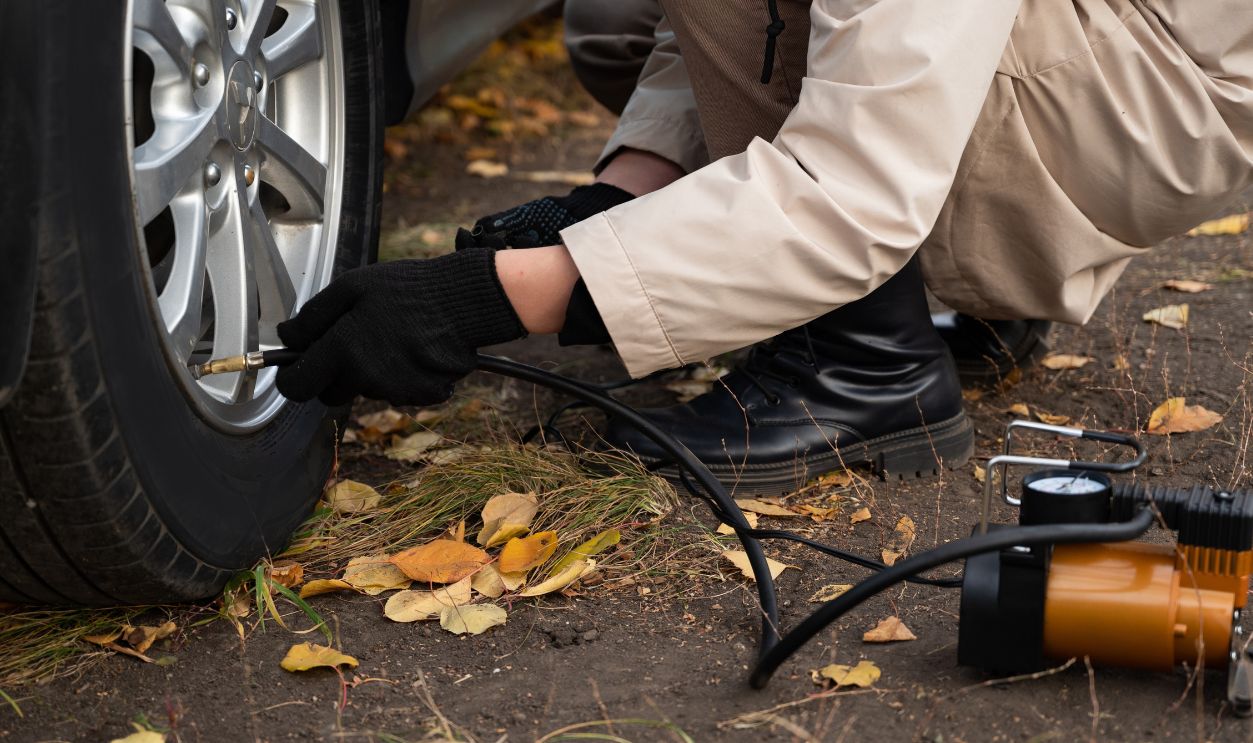
One lesson many owners learn is that preventive storage measures cost far less than revival repairs. Battery maintainers, fuel stabilizers, proper tire inflation, rodent prevention, and occasional movement can dramatically reduce future headaches. A little preparation goes a long way.
 Verbitskaya Svetlana, Shutterstock
Fuel Stabilizer Is Often Worth The Cost
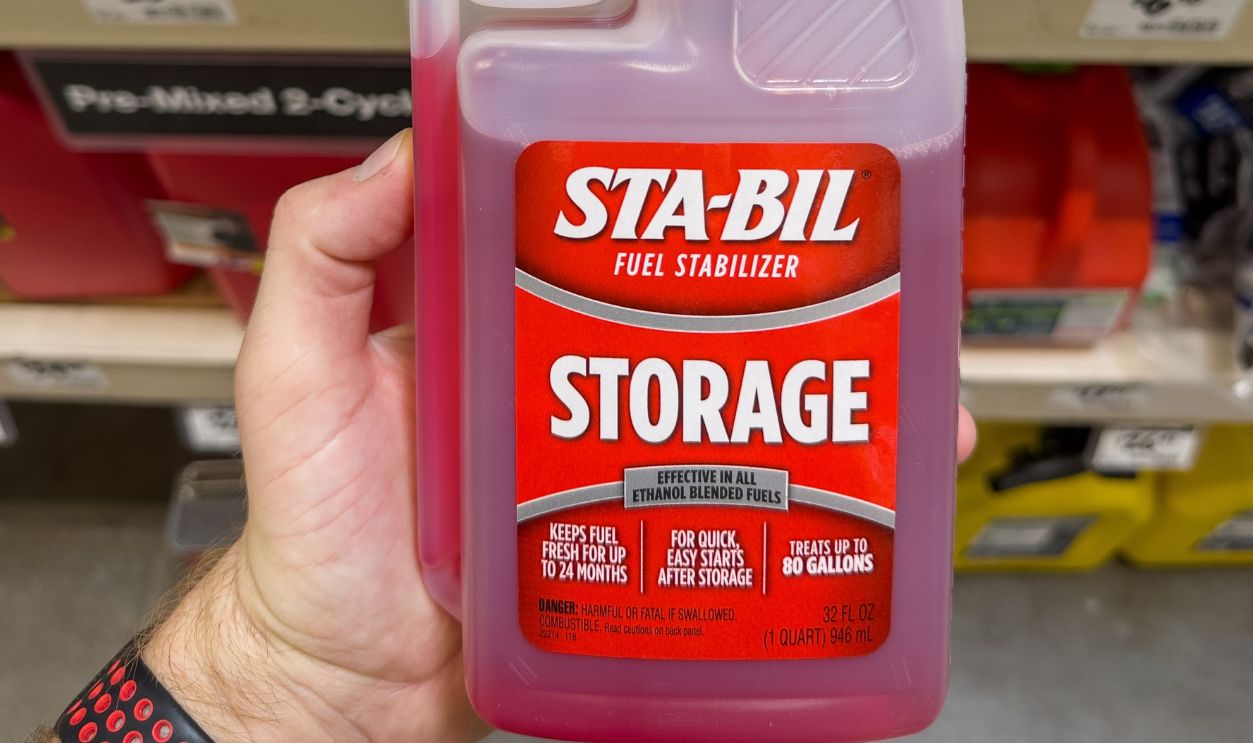
Fuel stabilizers are specifically designed to slow fuel degradation during storage. They are relatively inexpensive and widely recommended for vehicles that may sit for extended periods. Adding stabilizer before storage is much easier than dealing with fuel-system problems later.
Battery Maintainers Can Pay For Themselves
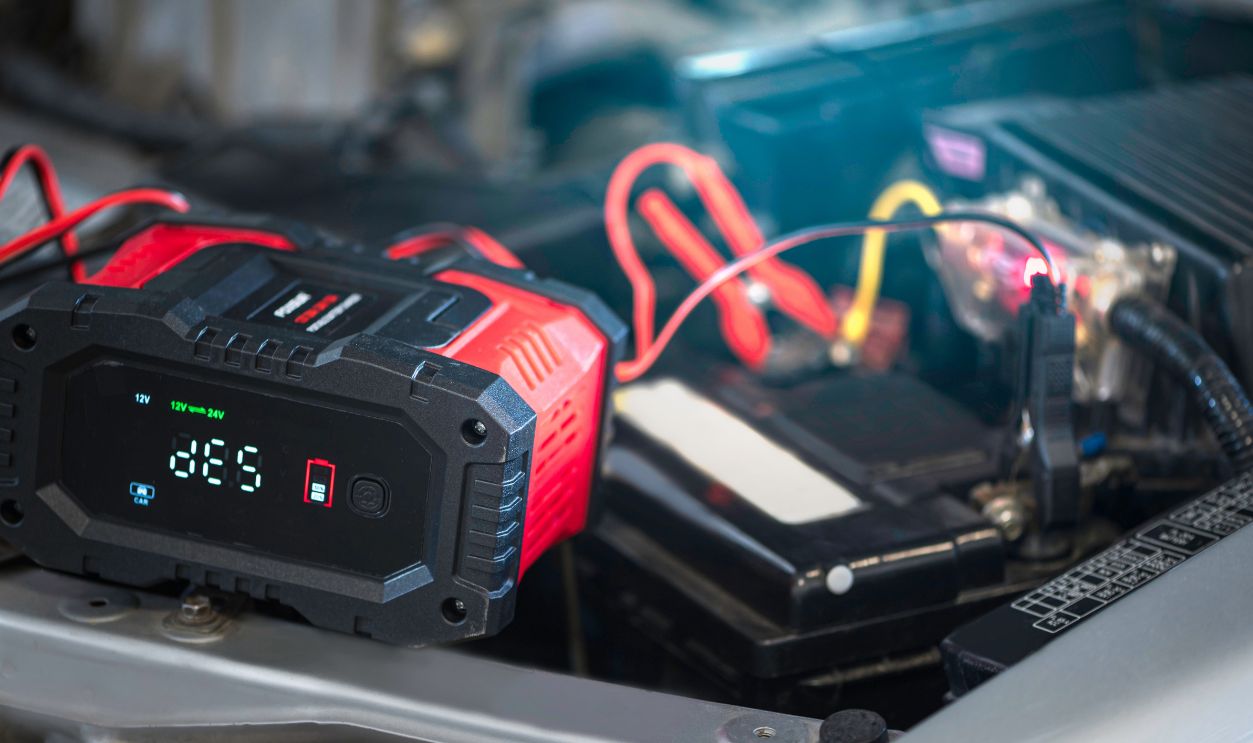
A battery maintainer or trickle charger can keep the battery healthy during long periods of inactivity. Many owners spend hundreds of dollars replacing batteries that might have survived with proper maintenance. For long-term storage, a maintainer is often one of the smartest investments available.
Moving The Vehicle Periodically Helps
If possible, driving the vehicle occasionally during storage is often better than letting it sit completely untouched. A proper drive helps circulate fluids, charge the battery, lubricate seals, and reduce flat spotting. The key is driving long enough for the vehicle to reach normal operating temperature.

Not Every Revival Requires A Fortune
Some owners are fortunate and only need a battery, fresh fuel, and basic maintenance. Others face more extensive repairs involving brakes, tires, fuel systems, or electronics. The outcome depends heavily on how the vehicle was stored and its condition beforehand. A year of inactivity does not automatically mean disaster.
 Jose Ricardo Barraza Morachis, Pexels
Most Cars Can Recover With The Right Approach
If your vehicle sat unused for a year and suddenly needs expensive maintenance, you are not alone. Cars are complex machines that often dislike long periods of inactivity, but that does not mean every vehicle will suffer major damage. By inspecting carefully, addressing fuel and battery issues early, driving gently at first, and using preventive storage techniques in the future, many owners can bring a dormant vehicle back to reliable service without turning the process into a financial nightmare.
You May Also Like:
My neighbor's tree damaged my parked car, but he refuses to pay for it. Is the law on my side?