The Scary Pitch At The Service Desk
You bring your car in for maintenance, and then comes a "friendly warning" that feels like a threat: Service it at the dealership or else your resale value will take a hit. It's an effective line because it blends money worries with confusion about what buyers actually care about—but the real story is more complicated than simple sales pressure.

The Short Answer
Most of the time, that claim is more sales pressure than solid rule. A car usually does not lose value just because routine maintenance was done at an independent shop or by you, as long as the work was done properly and documented. What matters most is the car’s condition, its history, and whether you can show it was maintained on schedule.
What The Law Actually Says
The Federal Trade Commission has been clear about this for years. Under the Magnuson-Moss Warranty Act, a dealer generally cannot require you to use the dealership or branded parts to keep your warranty valid unless those services or parts are provided for free. The law has been in place since 1975, and the FTC still points to it when explaining consumer rights around repairs and maintenance.

Why Dealers Say It Anyway
Dealership service departments make a lot of money. Telling buyers that dealer-only servicing protects resale value helps keep maintenance business in-house long after the car is sold. It sounds official, but the more accurate version is simpler: good records help value, not necessarily dealer records.

Warranty And Resale Are Two Different Things
This is where many owners get tripped up. Warranty coverage is about whether the manufacturer has to pay for a covered repair. Resale value is about what the next buyer is willing to pay. Dealers sometimes blur those together, but they are not the same thing.

The FTC Has Repeatedly Warned Against Tie-In Claims
The FTC says a company usually cannot require consumers to use a specific brand of part or a specific service provider to keep warranty coverage. That is the issue behind many dealership scare tactics. When a service writer makes the claim sound absolute, that is a red flag.

There Is One Big Exception
If the manufacturer includes free maintenance as part of the warranty or sales deal, it can require that specific setup for those free services. And if an outside shop damages the car or does poor work, warranty coverage can be denied for that damage. That is very different from saying all non-dealer maintenance hurts resale value

What Buyers Really Look For
Used-car buyers and appraisers usually want proof that the car was maintained on time. Oil changes, brake service, fluid changes, tire rotations, and major scheduled work all matter because they show a pattern of care. A folder full of receipts from a reputable independent shop can be just as reassuring as a dealer service history.

Condition Still Beats Logo
A clean, well-kept car with complete records will usually beat a neglected one with a dealer logo on every invoice. Paint condition, tire quality, warning lights, interior wear, and how the car drives shape offers right away. Where the service happened can matter a little, but condition is the main story.

Carfax Changed The Game
Vehicle history reports made documentation easier to share with future buyers. Carfax says many service and repair events are reported to its database by participating shops and dealers, which means independent work can still appear in a history report. That weakens the old argument that only dealer maintenance creates a visible paper trail.

AutoCheck And Digital Records Matter Too
Experian’s AutoCheck also compiles vehicle history information that can include reported service-related events, title data, and other records from participating sources. Not every shop reports, and not every maintenance visit will appear. That is why your own receipts and maintenance log still matter.

A Missing Record Is A Bigger Problem Than An Independent Shop
If you cannot prove the maintenance happened, buyers may assume it was skipped. That can hurt trust and lead to lower offers. The real problem is not where the work was done. It is whether the history is complete and believable.

DIY Maintenance Is Allowed, But Proof Matters
You can usually change your own oil, replace filters, and handle other routine maintenance without voiding your warranty. The FTC says consumers do not have to use the dealer to keep warranty coverage in place. But if you do the work yourself, keep dated receipts for parts and fluids and record the mileage and date of the service.
Why Luxury Brands Sometimes Feel Different
With premium or exotic models, dealer history can carry a bit more weight with some buyers. That is often about perception, not a legal requirement. People shopping for a high-end used car may see dealer stamps as a sign of careful ownership, even though a top independent specialist may be just as good or better.

Certified Pre-Owned Adds Another Layer
If you plan to trade in your car and the dealer hopes to sell it later as a certified pre-owned vehicle, they may prefer a clear maintenance trail that matches manufacturer guidelines. That can include dealer-performed work, but it does not automatically rule out independent service if the records are complete. The exact rules vary by automaker and CPO program.

The Fine Print Lives In Your Owner’s Manual
Your owner’s manual and maintenance schedule are the real roadmap. They spell out what service the car needs and when, usually by mileage, time, or severe-use conditions. Following that schedule matters far more than following a dealer’s sales pitch.

Receipts Beat Verbal Promises
A service advisor may confidently tell you dealer maintenance protects your value, but ask for that claim in writing. Most of the time, the conversation changes fast. Broad claims about mandatory dealer servicing are hard to back up with real policy or law.

Independent Shops Are Not The Wild West
Many independent repair shops employ ASE-certified technicians and use factory service information and quality parts. Some focus on one brand and know its common problems better than a busy dealership service lane. A reputable independent shop can make ownership easier and still protect resale confidence.

Bad Service Hurts Value, No Matter Who Did It
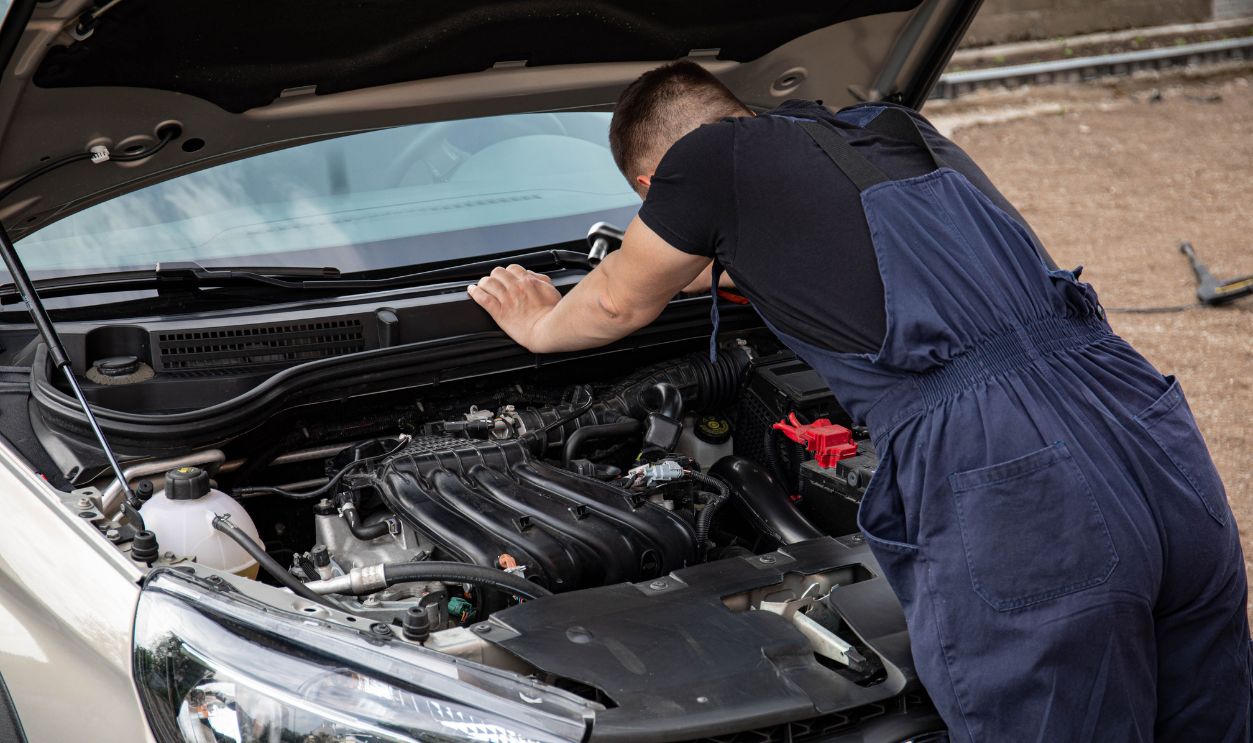
If the wrong oil was used, bolts were left loose, or maintenance was skipped, that can hurt reliability and value. The name on the building does not erase poor workmanship. What protects value is competent service, the right parts or fluids, and records that show the job was done correctly.
 Sergei Gontsarov, Shutterstock
Trade-In Offers Often Reflect Market Reality
When dealers appraise a trade-in, they usually look at age, mileage, condition, accident history, tires, warning lights, and local demand. They may mention dealer service history, but it is usually just one factor among many. A car with worn tires and body damage will not be saved by a stack of dealer invoices.

Private Buyers Think A Little Differently
Private-party shoppers often ask for service records because they want to lower their risk. They may like dealer maintenance, but many are perfectly comfortable with invoices from a trusted local specialist. If the paperwork is organized and the car drives well, that often matters more.

Brand-Name Parts Are Not Always Required
The FTC says companies generally cannot force you to use branded parts to keep warranty coverage. You should still use parts and fluids that meet the specs in the owner’s manual. For resale, informed buyers usually care more about whether the right standards were met than whether every box had the automaker’s logo.
How To Protect Yourself Right Now
Keep every invoice, even for simple services like tire rotations and cabin filters. If you do any work yourself, write down the date, mileage, and what was done. Store digital copies in the cloud so you can hand a buyer a complete history without digging through drawers later.

Questions To Ask When You Hear The Pitch
Ask the advisor whether they are talking about warranty coverage, trade-in policy, or general buyer preference. Ask them to show you where the manufacturer says dealer servicing is required to protect resale value. Then ask whether complete independent records would address the same concern.

When Dealer Service Can Make Sense
There are times when sticking with the dealer is practical. Warranty repairs, software updates, recalls, and brand-specific technical issues may be easier there. Convenience, loaner cars, and a trusted relationship can also make dealer service worth it if the price is fair.

When An Independent Shop May Be The Smarter Move
Once routine maintenance costs start climbing, a respected independent shop can save serious money without hurting value. That is especially true for older cars that are out of warranty. If the shop uses quality parts, follows the service schedule, and gives you clear invoices, your resale story stays strong.

The Real Truth Behind Resale Value
Resale value is built over time, not during one conversation at a service counter. It comes from regular maintenance, honest records, a clean history, and keeping the car in solid cosmetic and mechanical shape. Dealer-only servicing is not a magic shield, and in most cases it is not required.

The Bottom Line
If your dealer says you have to service your car there to protect resale value, treat it as a sales claim, not a universal fact. The verifiable reality is that U.S. consumer law protects your right to choose where routine maintenance is done, and buyers mostly care that the car was looked after properly. In the used-car market, proof and condition speak louder than the logo on the invoice.