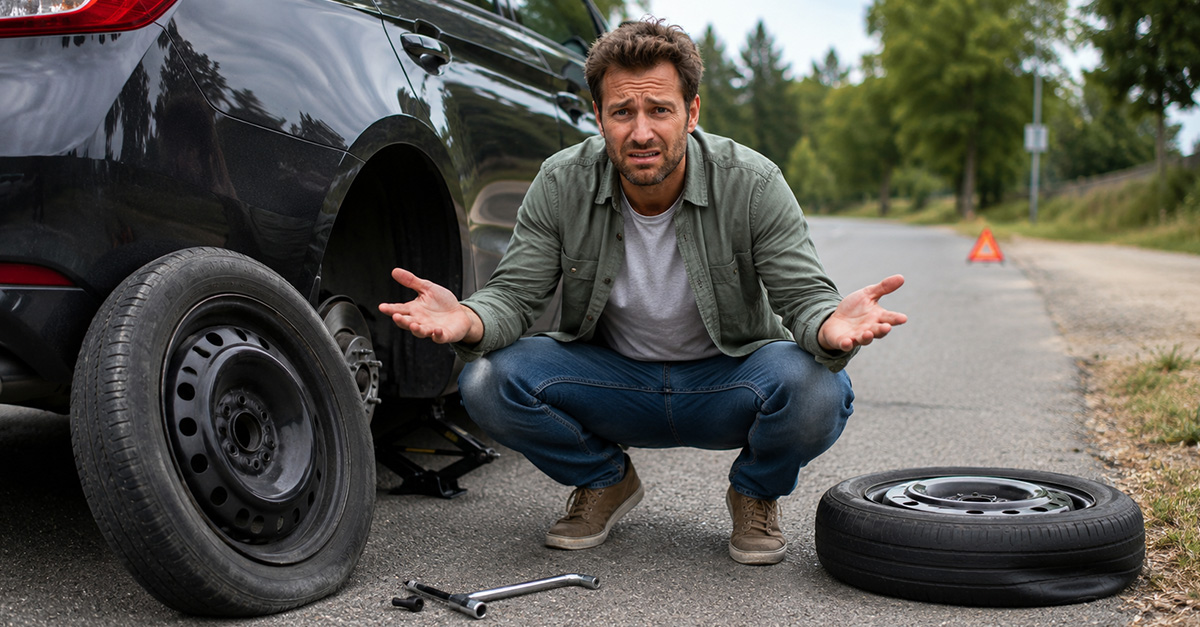
When The Backup Plan Has A Flat
You bought a new car, found the little emergency “dummy tire” tucked neatly in the back, and felt prepared for anything. Then real life arrived with a flat tire, and the spare was flat too. That is like opening an umbrella and finding it has holes. Frustrating? Yes. Hopeless? Not at all.
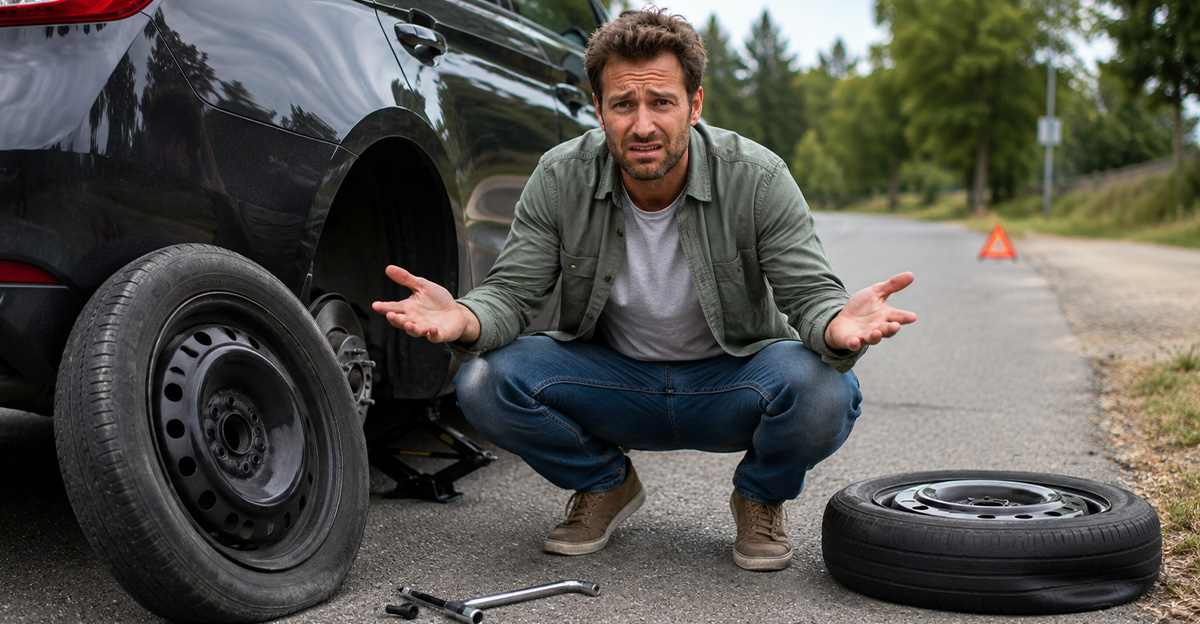
Do Not Put It On The Car
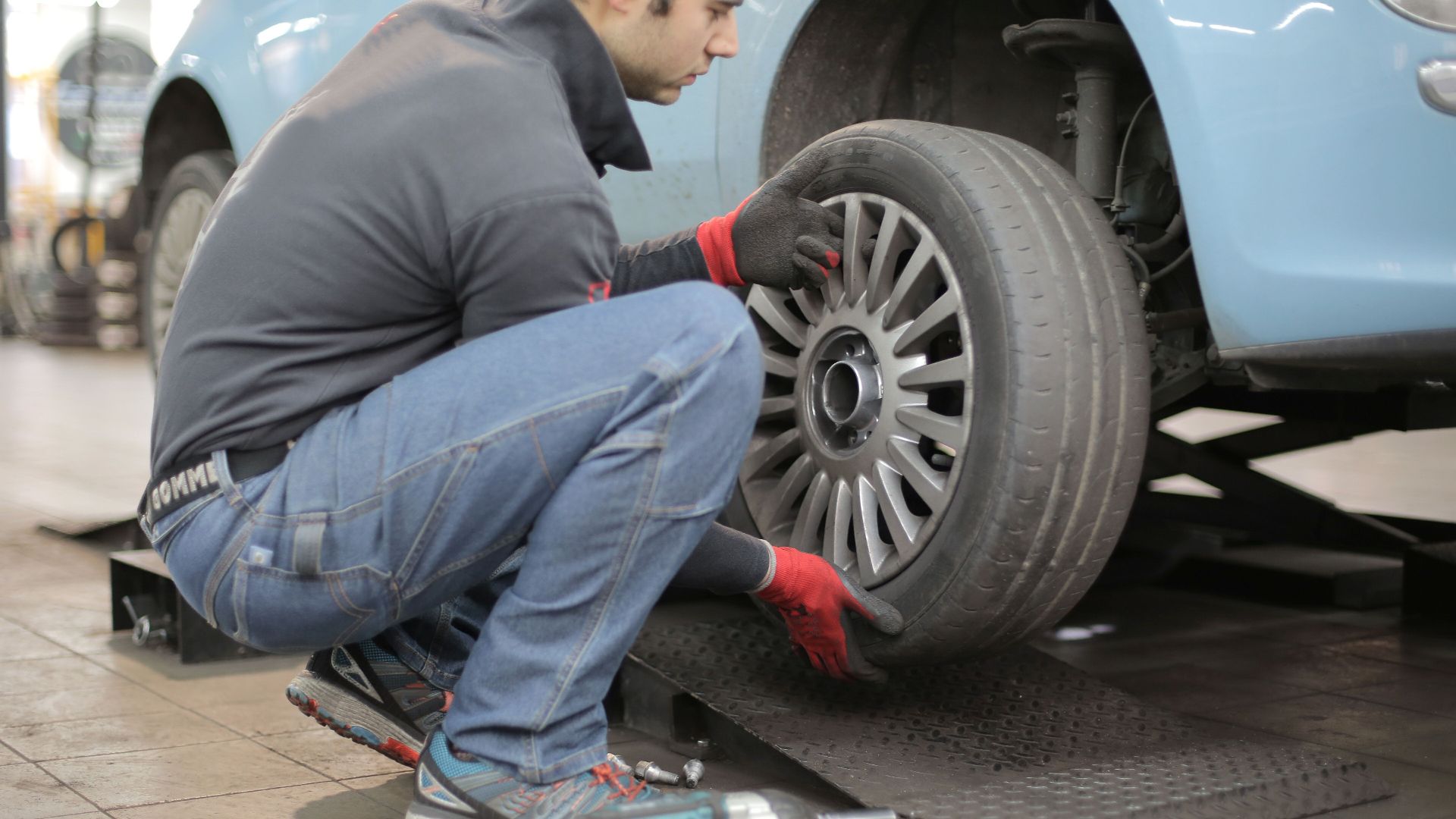
If the spare tire is flat, do not install it and hope for the best. A compact spare needs air to do its job, just like a regular tire. Driving on it while flat can destroy the tire, bend the wheel, and turn a simple flat into an expensive roadside disaster.
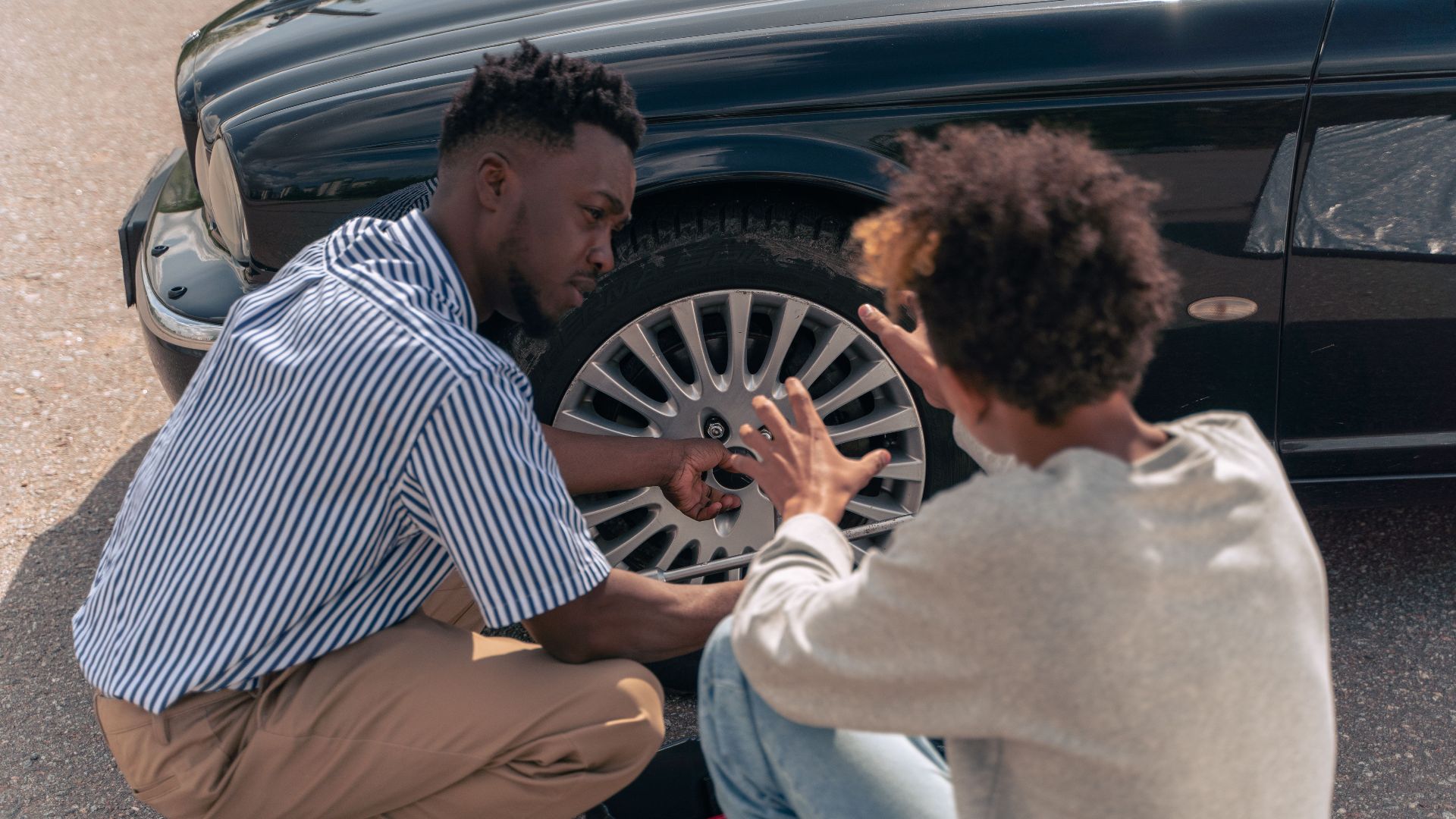
Move To A Safer Spot First
Before worrying about the tire, worry about yourself. If you are near traffic, turn on the hazard lights and move as far from the road as you safely can. If you are on a highway shoulder or in a risky place, skip the hero routine and call for help.

Check How Flat It Really Is
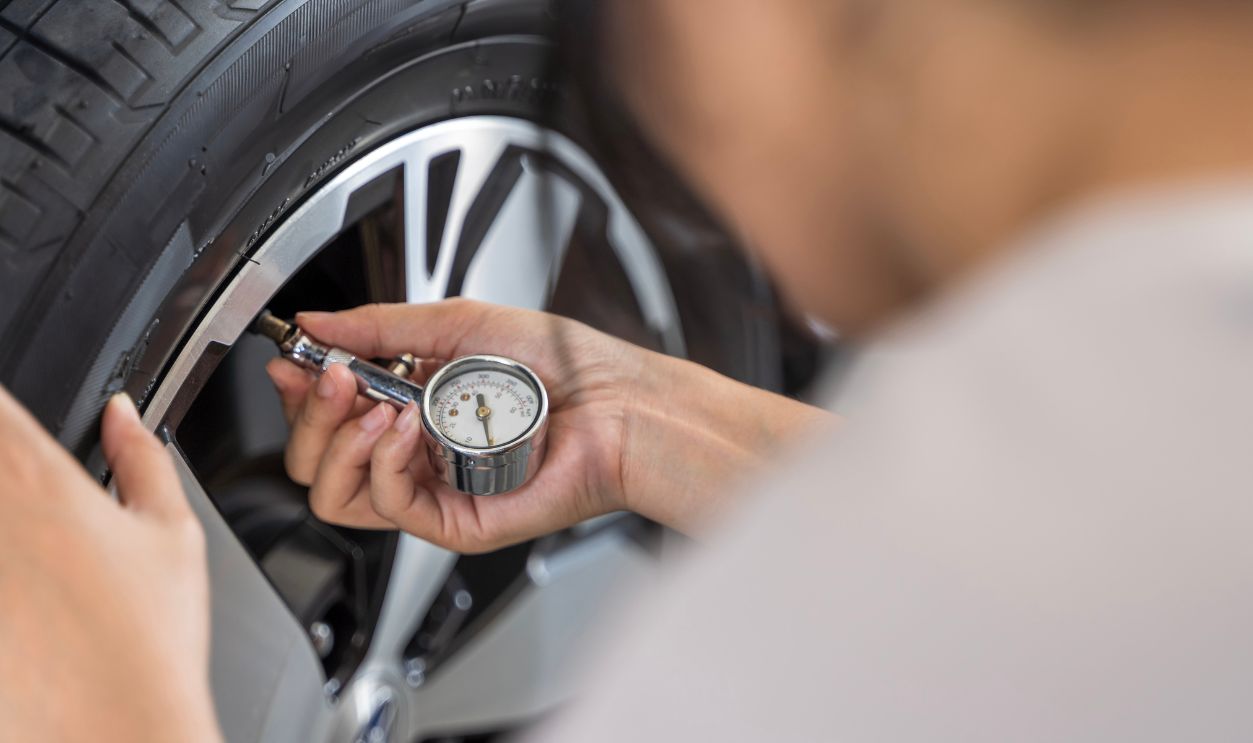
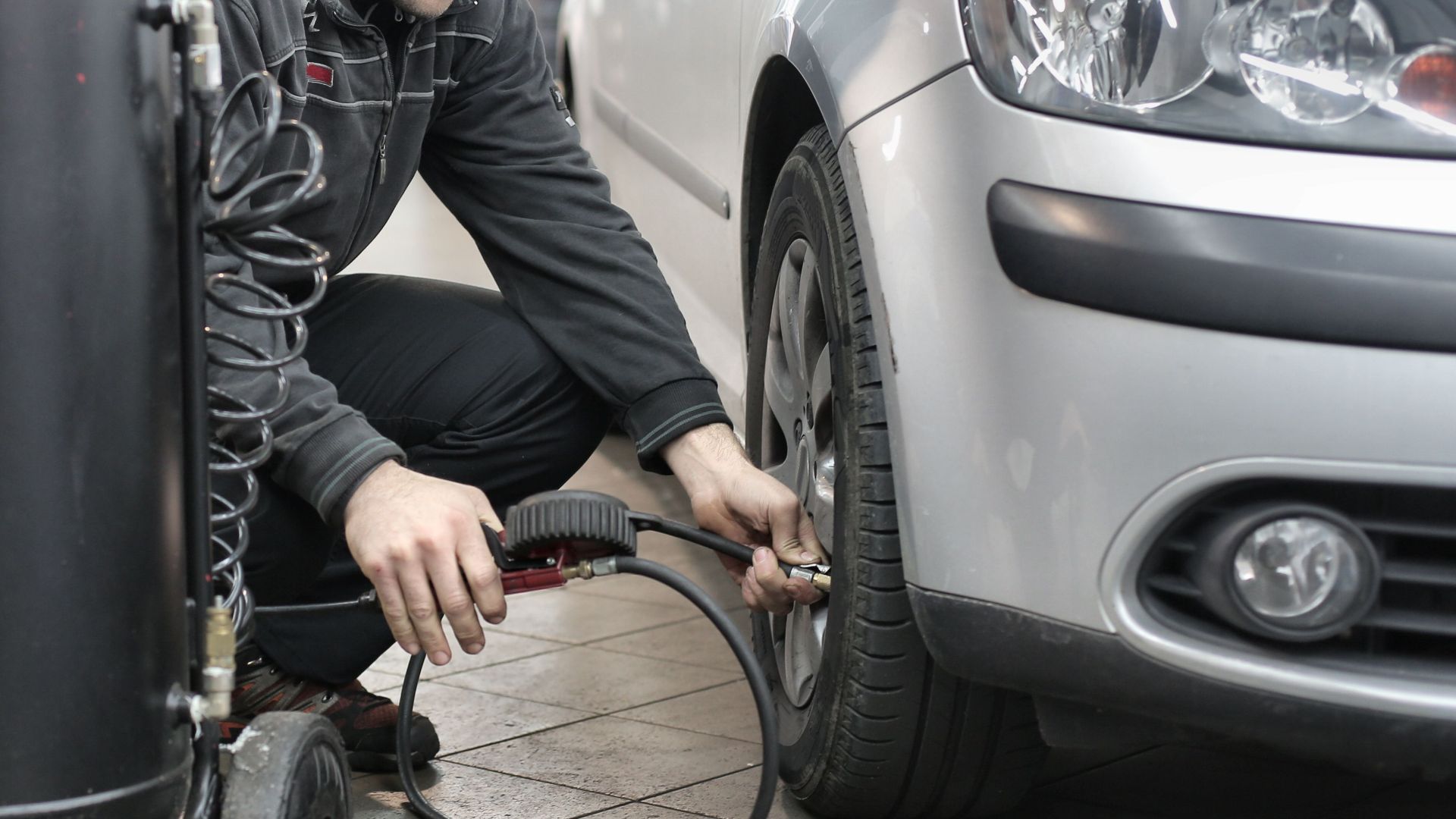
Sometimes a spare looks sad but still has a little air. Use a tire pressure gauge if you have one. Compact spares often require much higher pressure than regular tires, commonly around 60 PSI. The correct number should be printed on the tire or listed in your owner’s manual.
Try Filling The Spare
If the spare is simply low and not damaged, you may be able to inflate it. A portable 12-volt air compressor can plug into your car and bring the tire up to the proper pressure. Once it is filled, wait a few minutes and check whether the pressure drops again.
Look For Leaks And Damage
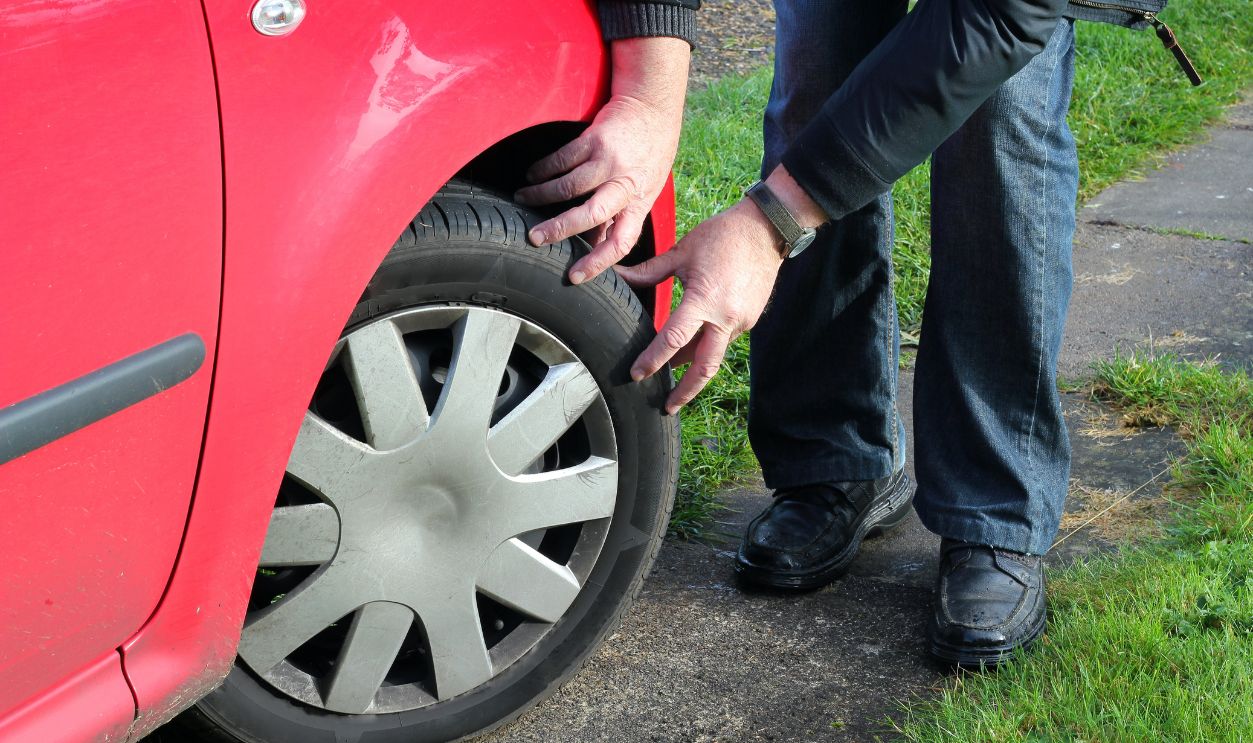
Give the spare a quick inspection. Look for cracks, bulges, nails, cuts, or a damaged valve stem. Also listen for hissing air. If the tire is leaking, dry-rotted, or visibly damaged, do not trust it. A spare tire is supposed to rescue you, not audition for a horror movie.
Call Roadside Assistance
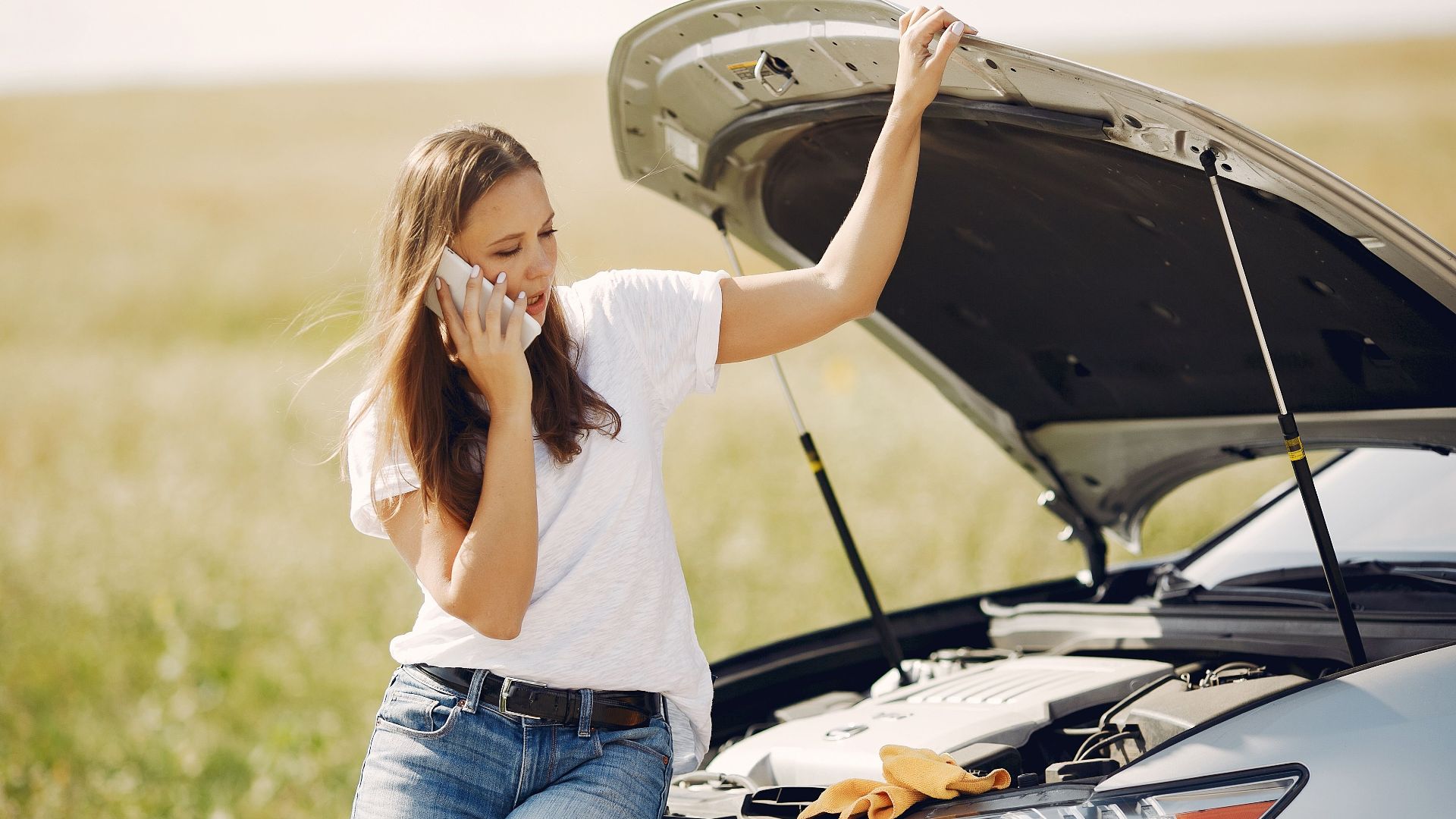
This is the moment roadside assistance earns its keep. Call your automaker’s roadside service, insurance provider, credit card service, or an auto club. Since your car is new, there may already be roadside coverage included. A tow truck is not glamorous, but neither is being stranded with two flat tires.
Contact The Dealer
A new car should not arrive with an unusable emergency tire. Call the dealer and explain what happened. The spare should have been checked during the pre-delivery inspection. Be calm, but do not let them shrug it off. You paid for a car that should be ready for emergencies.

Ask About Warranty Help
Depending on the cause, the dealer may repair or replace the spare. If the tire has a bad valve stem, manufacturing defect, or was delivered flat, it may be covered. Take photos, save receipts, and write down who you spoke with. Documentation is your best friend here.

Do Not Drive Far On A Donut
If you do manage to inflate and install the spare, remember that a compact donut is not a regular tire. It is a temporary fix for short distances and lower speeds. Most are limited to about 50 mph. Its job is to get you to a shop, not finish your road trip.

Read The Owner’s Manual
Yes, the owner’s manual is usually less exciting than a cereal box, but this is its moment to shine. It will tell you the spare tire pressure, speed limits, jack points, and whether your car even has a true spare. Some new vehicles include only inflator kits instead.

Check The Main Tire Too
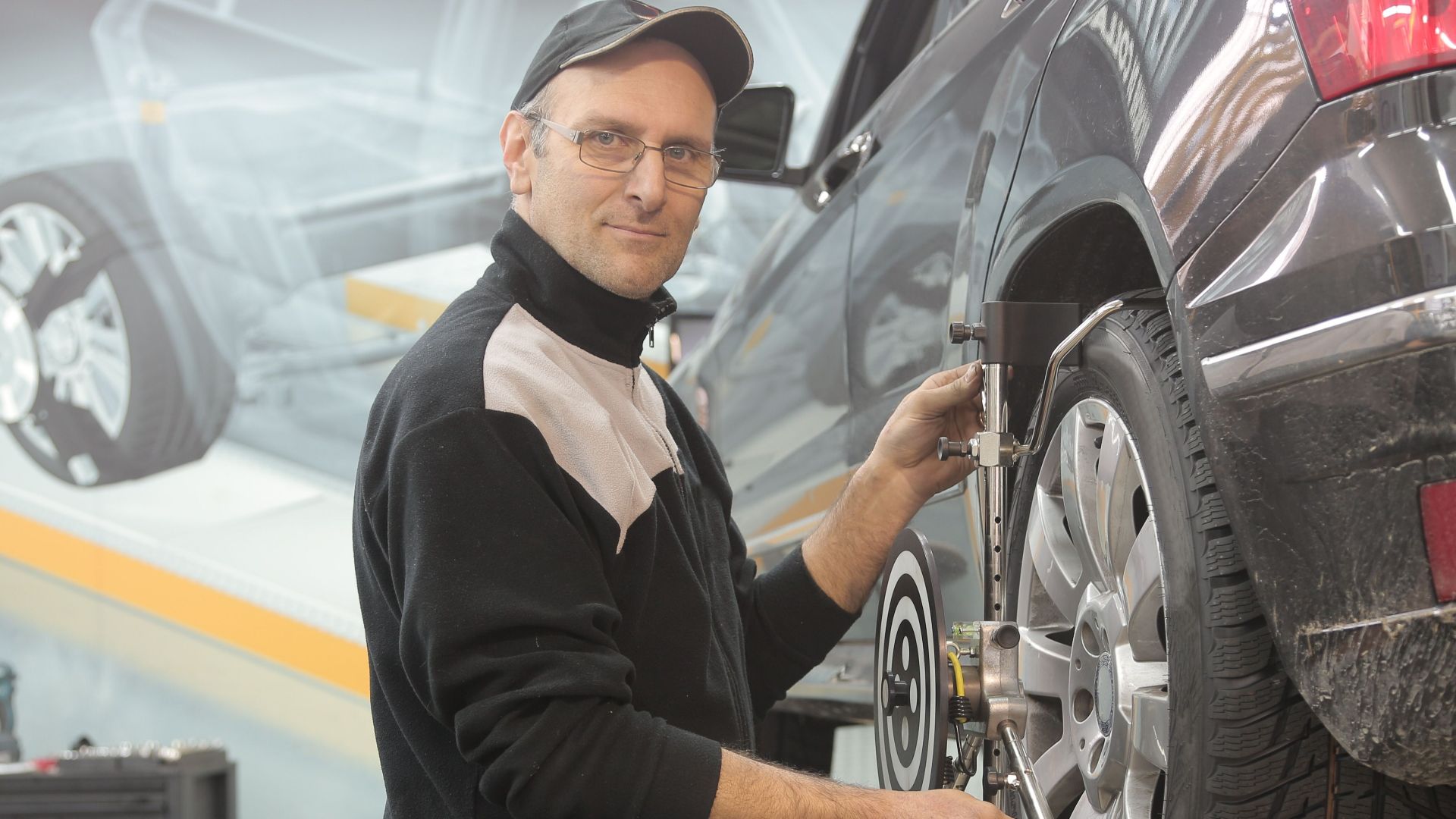
Your original flat matters as well. If the damage is a small nail in the tread, a tire shop may be able to repair it. If the sidewall is torn or the tire shredded, it likely needs replacing. Knowing the damage helps you decide between repair, replacement, towing, or mobile service.
Use A Tire Sealant Kit Carefully
Some cars include sealant and an inflator instead of a spare. If you have one, read the instructions closely. Sealant can help with small tread punctures, but it will not fix major damage. It can also make tire repairs messier later, so treat it as a temporary emergency option.
Consider Mobile Tire Service
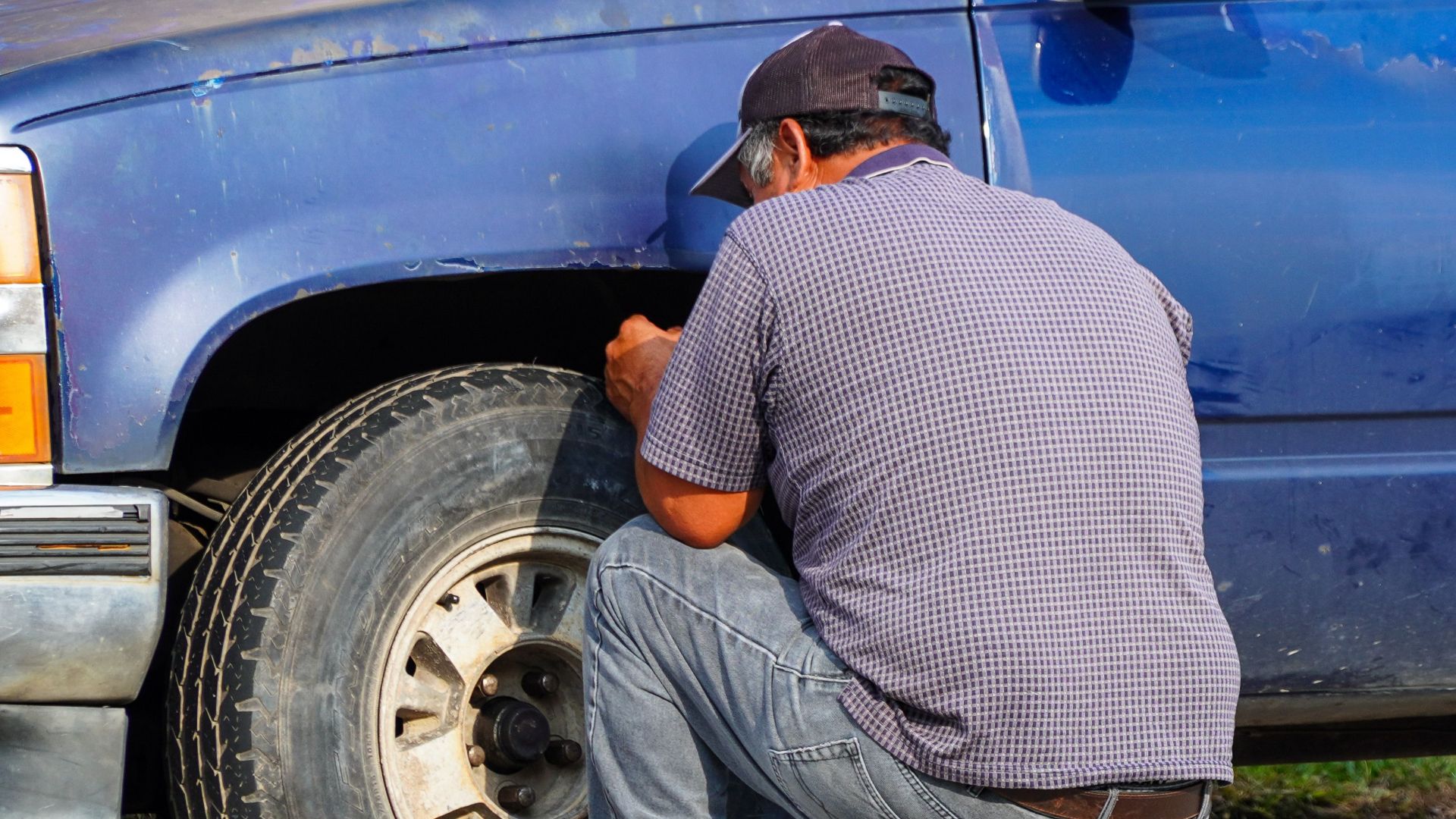
Mobile tire services can come to your driveway, workplace, or roadside spot. They may inflate the spare, repair the flat, or install a replacement tire. It may cost more than visiting a shop, but when both your regular tire and spare are useless, convenience becomes pretty attractive.
Tow The Car If Needed
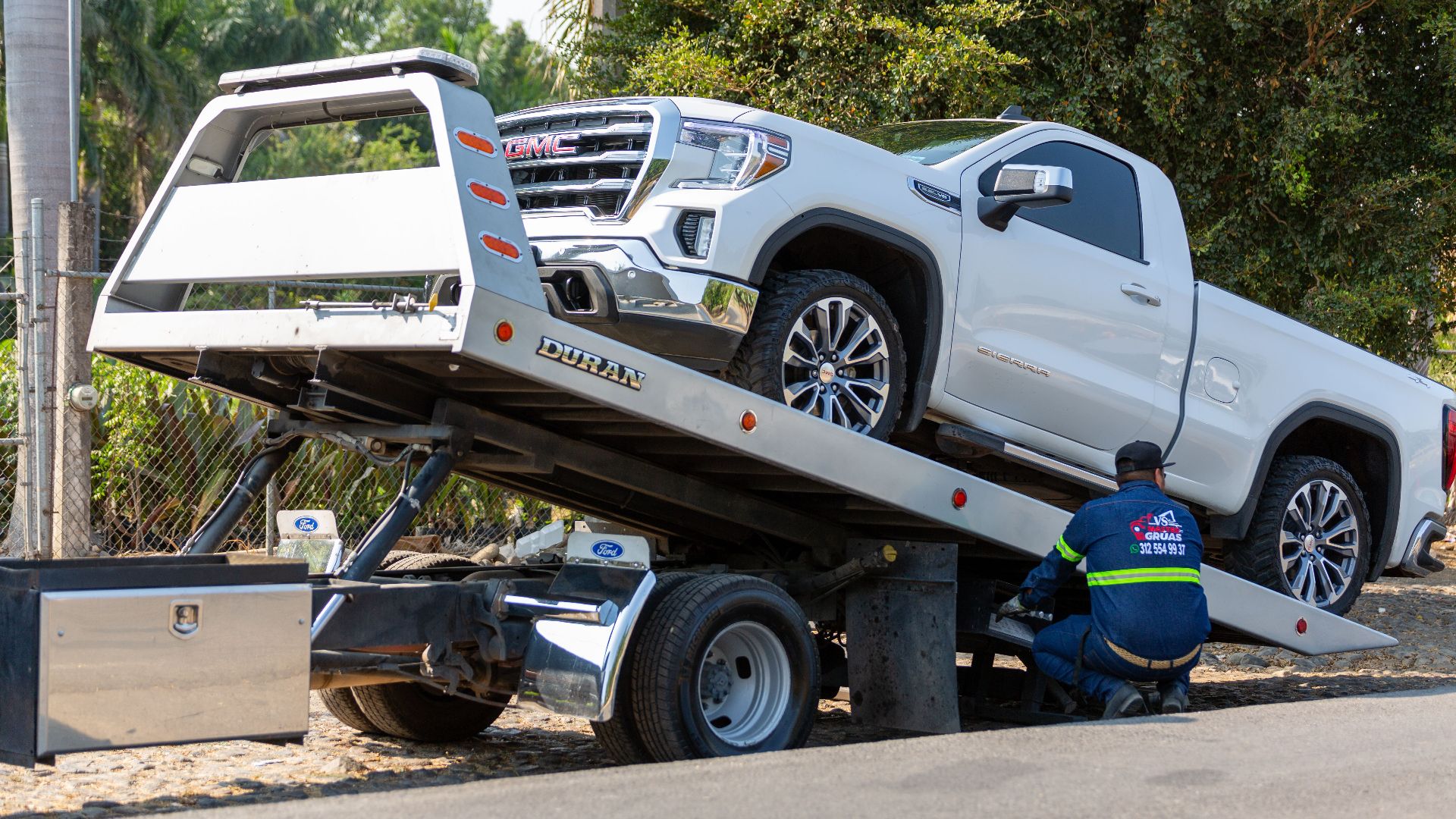
If the spare will not hold air and the original tire cannot be repaired safely on the spot, tow the car. It is annoying, but it is the smart move. Driving on a bad spare or ruined tire can damage the wheel, suspension, brakes, and your wallet all at once.
Check The Valve Stem
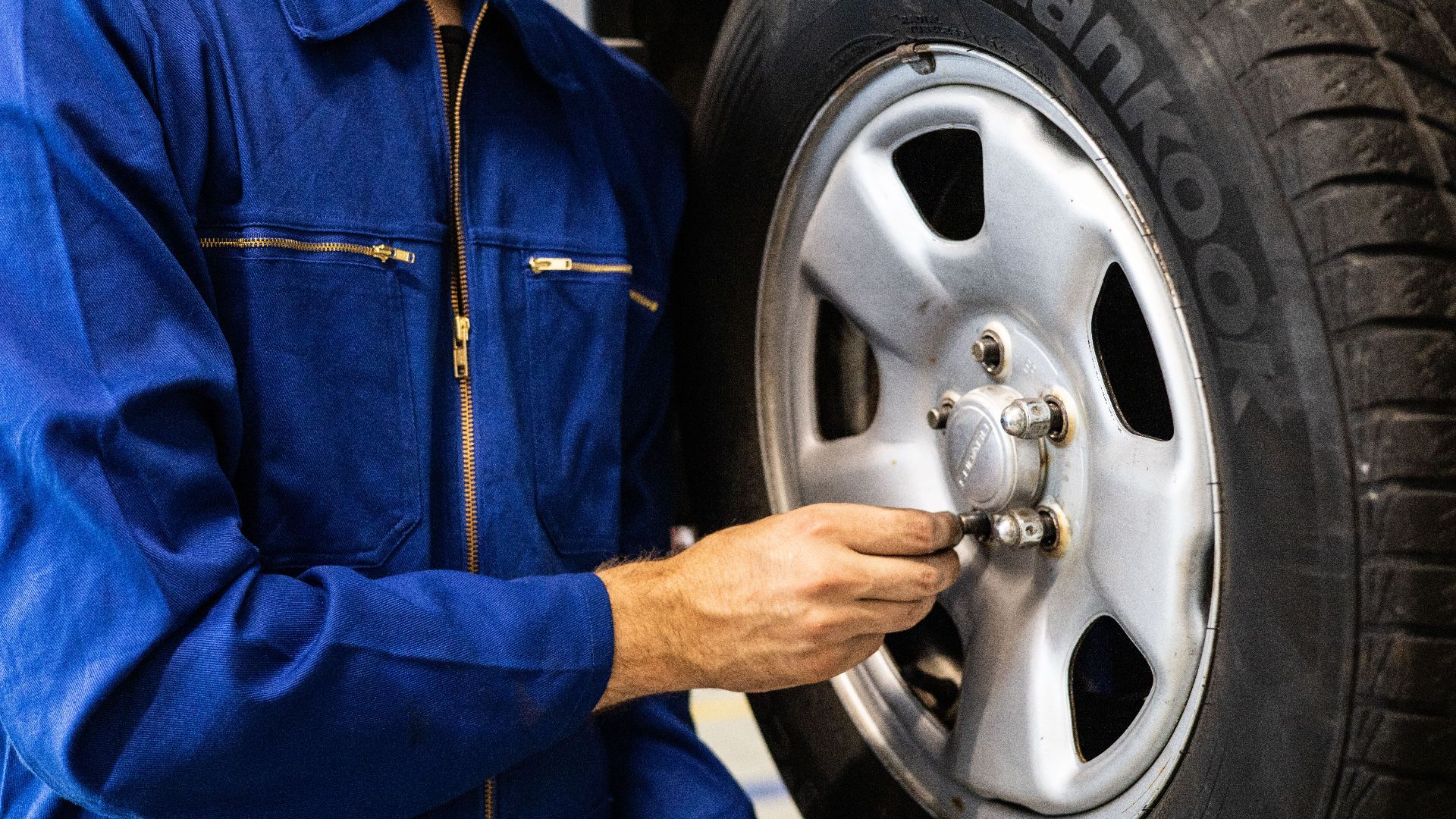
Sometimes the tire itself is fine, and the tiny valve stem is the troublemaker. A loose, cracked, or damaged valve can slowly leak air until the spare is flat. A tire shop can test this quickly. If that is the issue, the fix may be simple and cheap.
Remember That Spares Need Maintenance
Many drivers forget the spare exists until they need it. Unfortunately, air slowly leaks out over time, even from a tire sitting untouched in the trunk. Heat and age can also weaken the rubber. A spare tire is not magic. It needs occasional attention like everything else on the car.
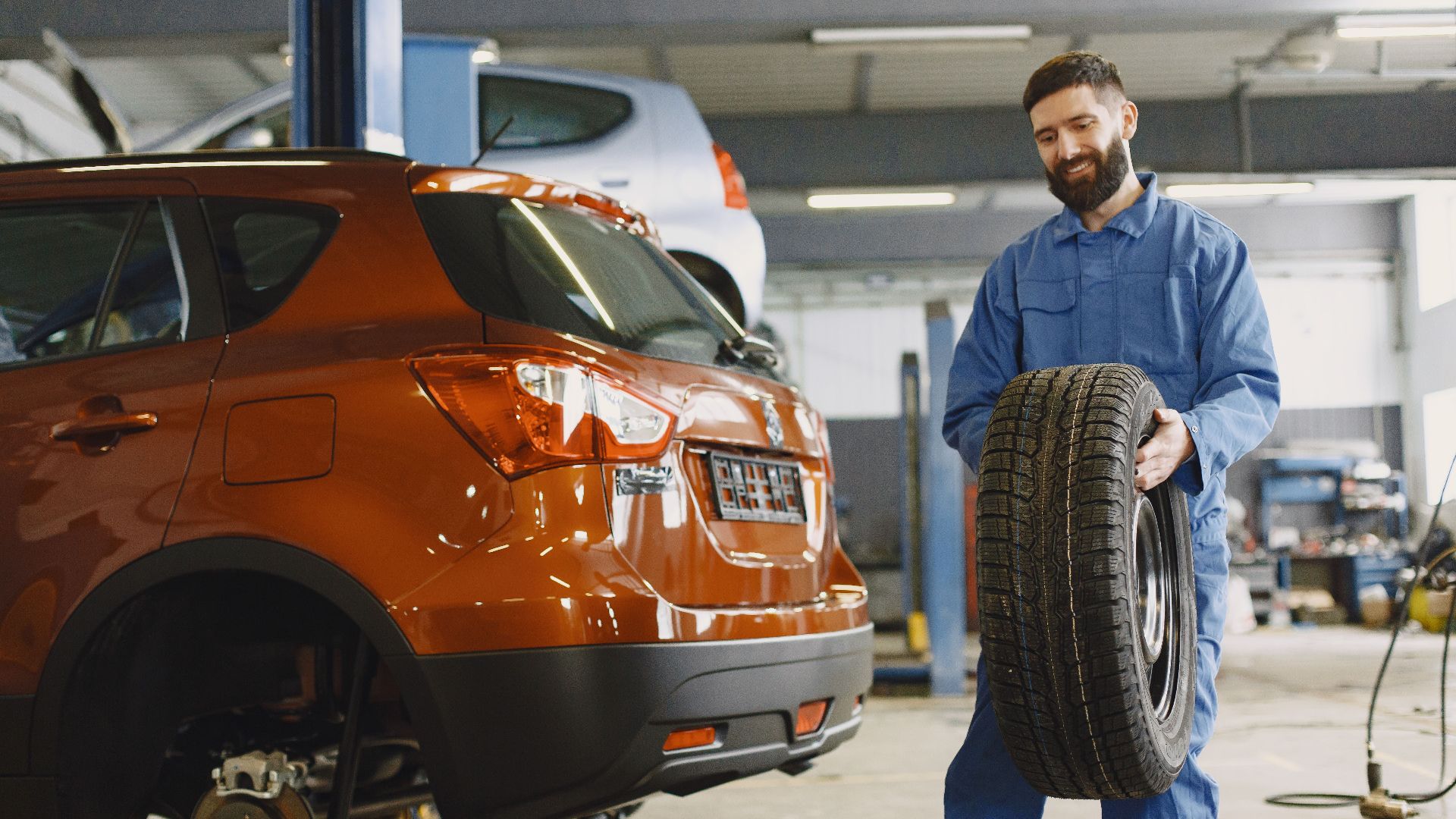
Add A Compressor To Your Car
A small portable air compressor is one of the best emergency tools you can carry. It can top up a low tire, revive a soft spare, and help you reach a safe location. Add a tire pressure gauge too. Together, they take up little space and can save your day.
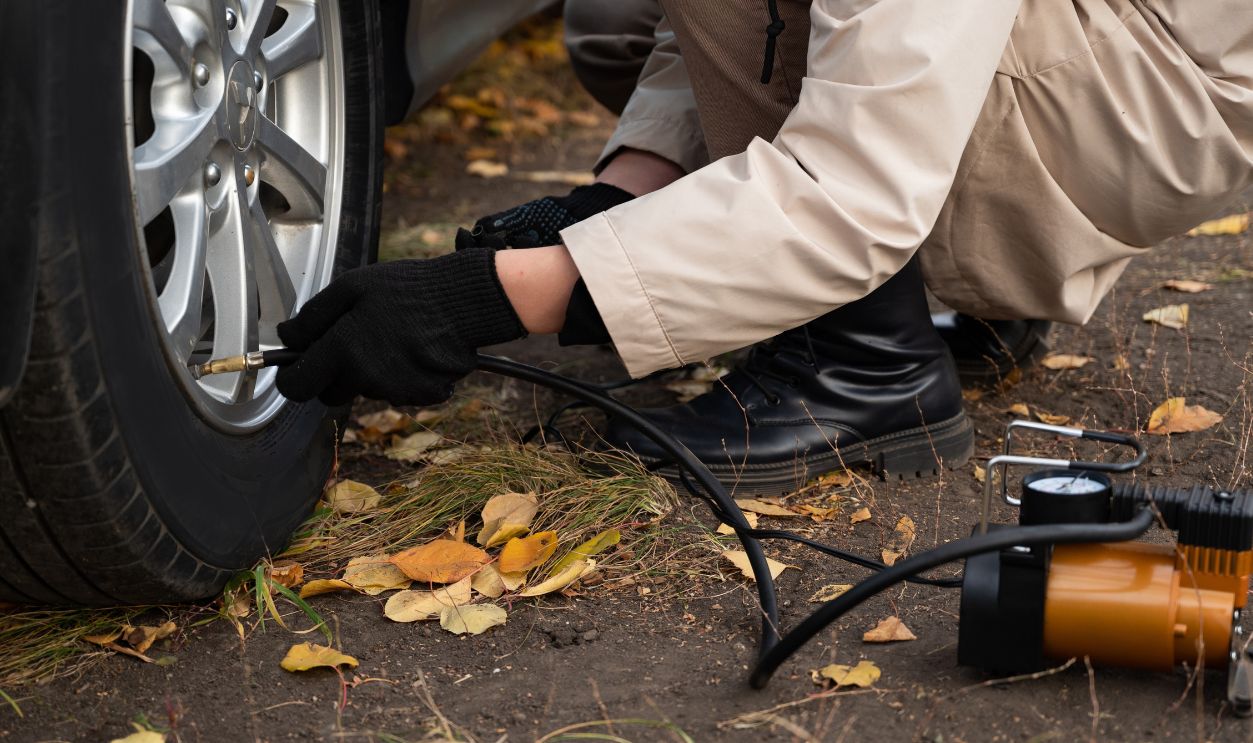 Verbitskaya Svetlana, Shutterstock
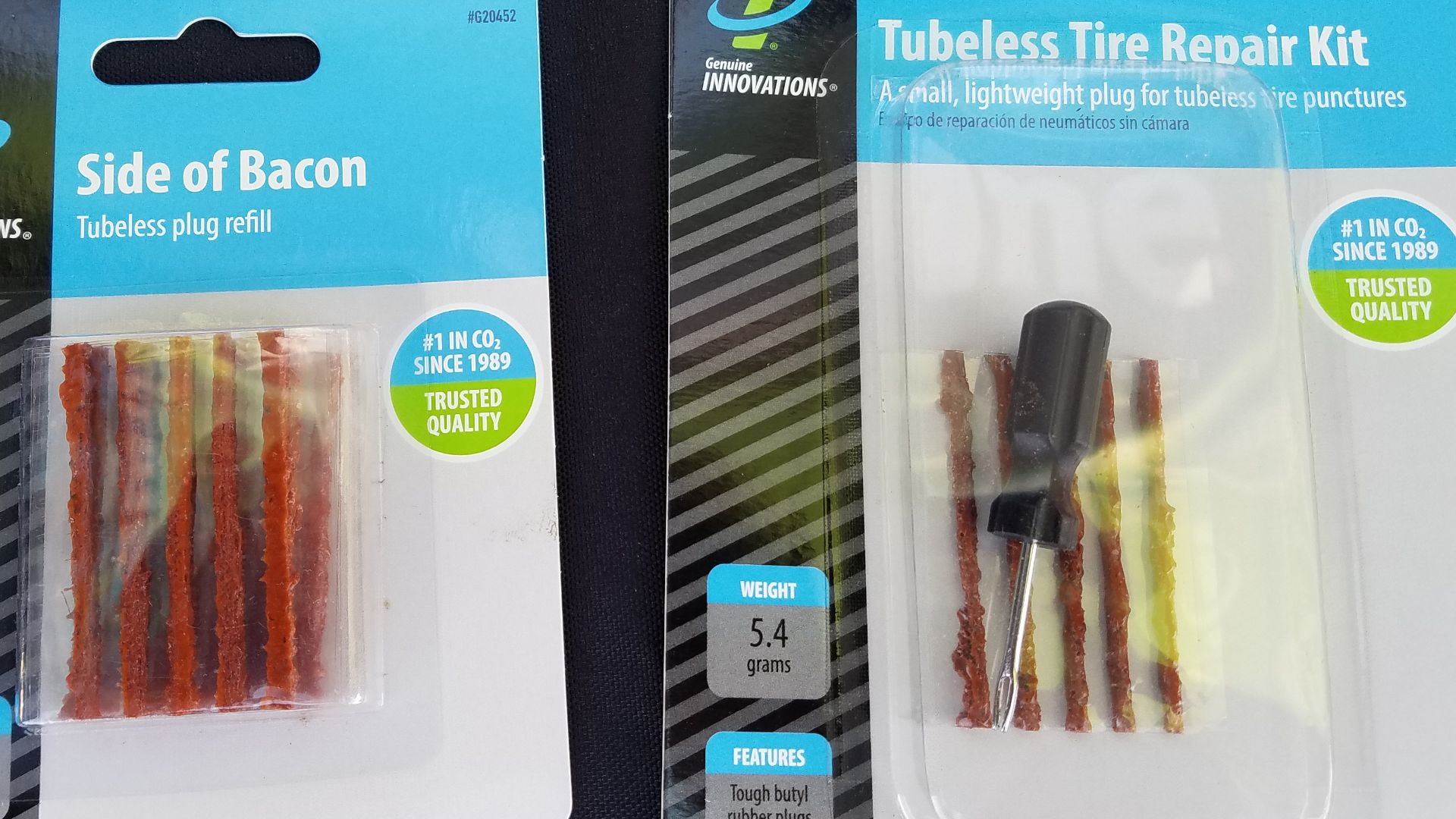
Keep A Plug Kit Handy
A tire plug kit can temporarily repair many simple punctures in the tread, especially from nails or screws. It will not solve every flat, and it is not ideal for sidewall damage, but it gives you another option. When the spare betrays you, extra backup tools suddenly look brilliant.
 Richard Masoner / Cyclelicious, Wikimedia Commons
Inspect The Emergency Tools
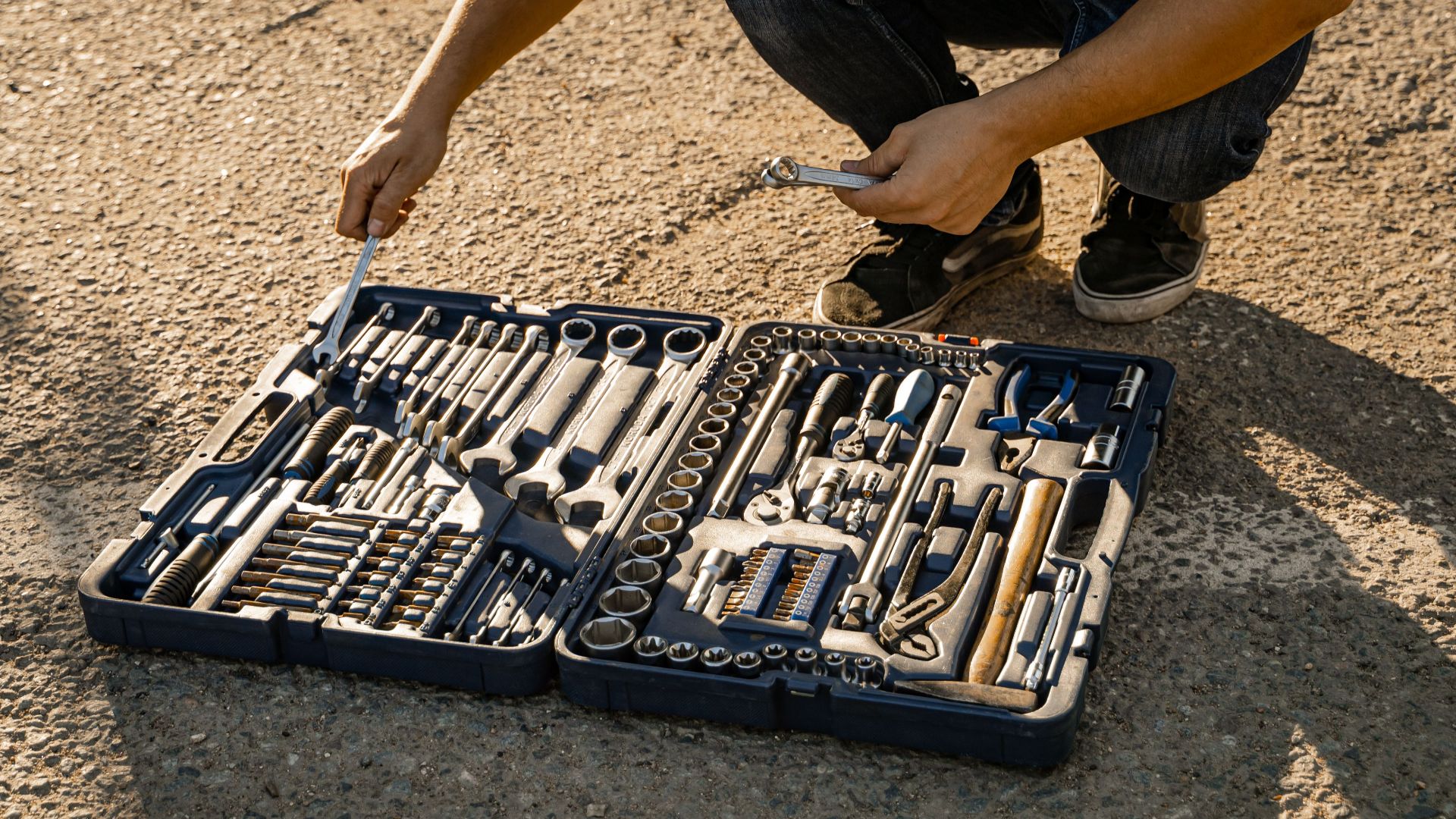
While you are in the trunk, check everything else. Make sure the jack, lug wrench, wheel lock key, tow hook, and inflator kit are all present. A good spare is useless if you cannot remove the wheel. New cars can still leave the lot missing small but important pieces.
Take Photos Of Everything
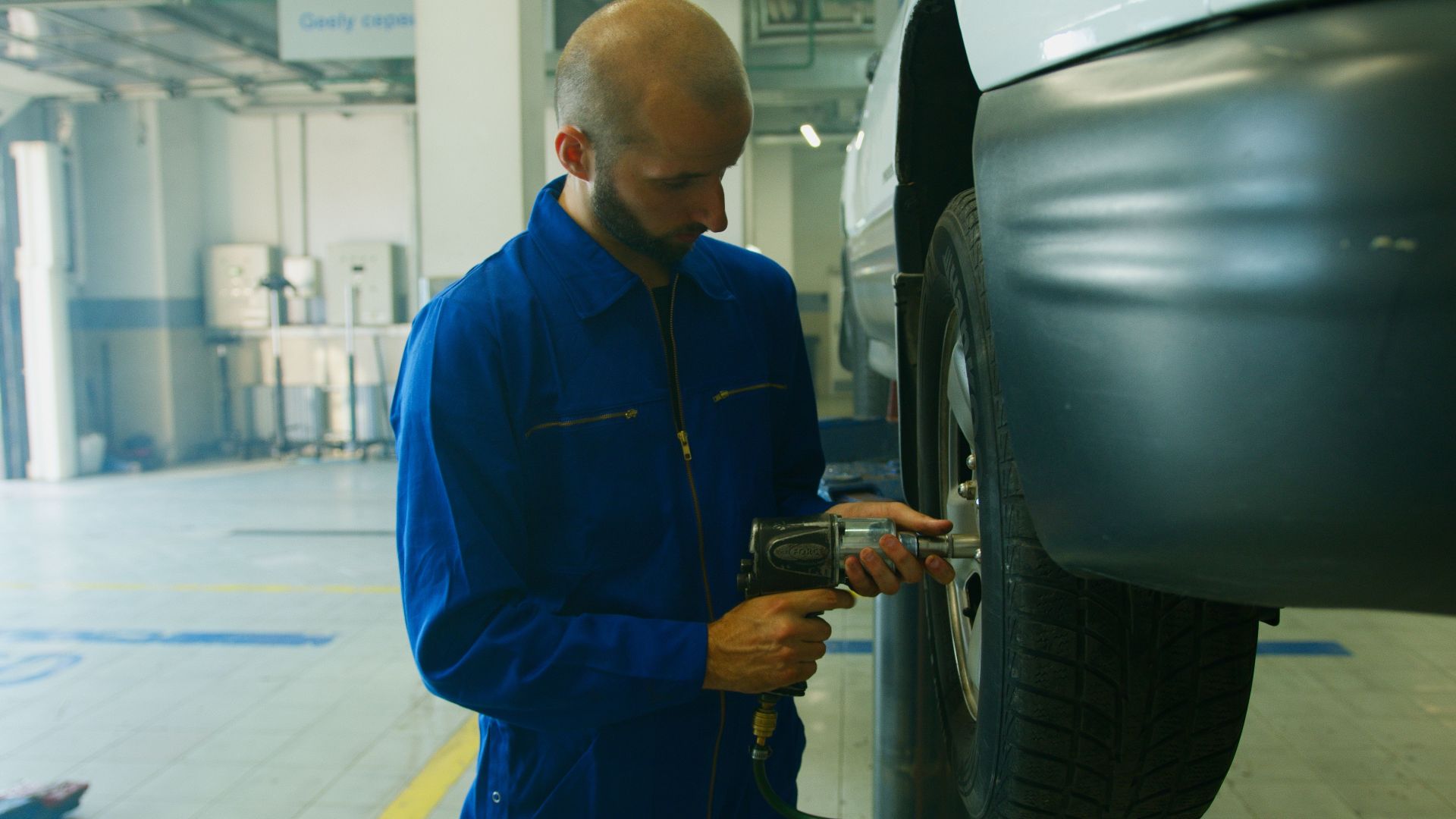
Before the tire shop or dealer changes anything, take photos. Capture the flat original tire, the flat spare, the pressure reading, the tire label, and the trunk storage area. These pictures can help if you ask the dealer for reimbursement or warranty support later.
Ask What Caused The Problem
Do not just accept “we fixed it” and walk away. Ask why the spare was flat. Was it a puncture, a bad valve, a defective tire, or simply never checked before delivery? Knowing the cause helps you avoid the same problem and gives you a stronger case with the dealer.
Make The Dealer Confirm The Kit
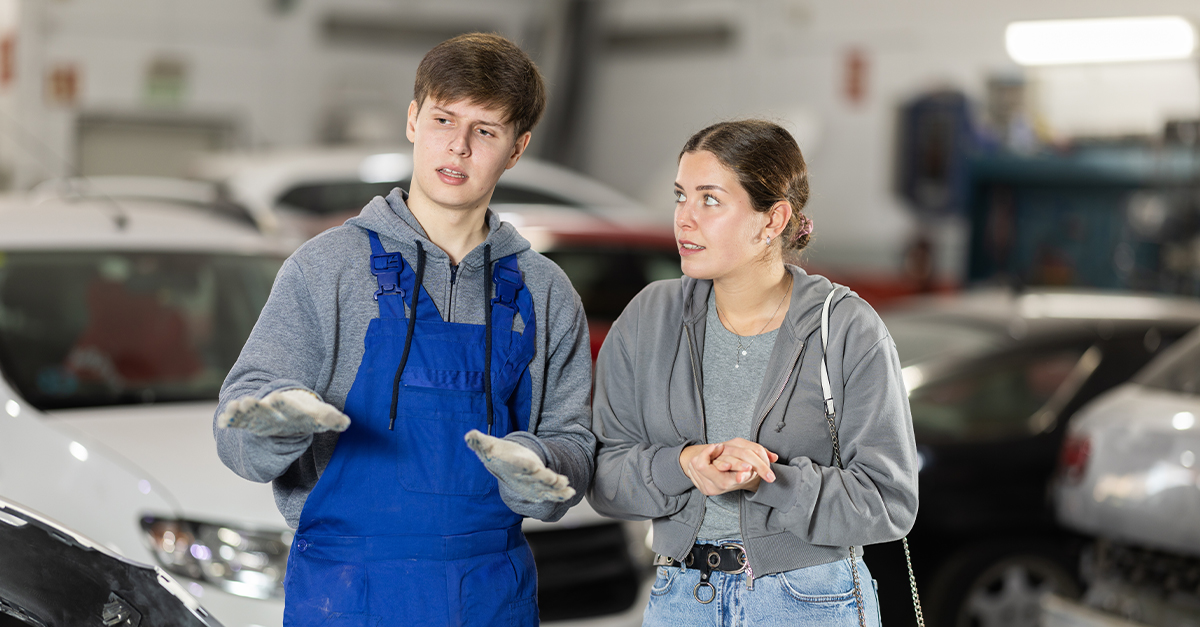
When you return to the dealer, ask them to inspect the entire emergency setup. That means the spare, jack, wrench, valve stem, tire pressure, and any inflator or sealant kit. Since the car is new, they should make sure everything is complete and usable before sending you away again.
 Hryshchyshen Serhii, Shutterstock
Check The Spare Every Month
From now on, include the spare in your monthly tire pressure check. It takes only a minute and can prevent this exact headache. You do not need to stare lovingly at it every weekend, but a quick pressure check now and then keeps your emergency plan alive.
Know Your Car’s Setup
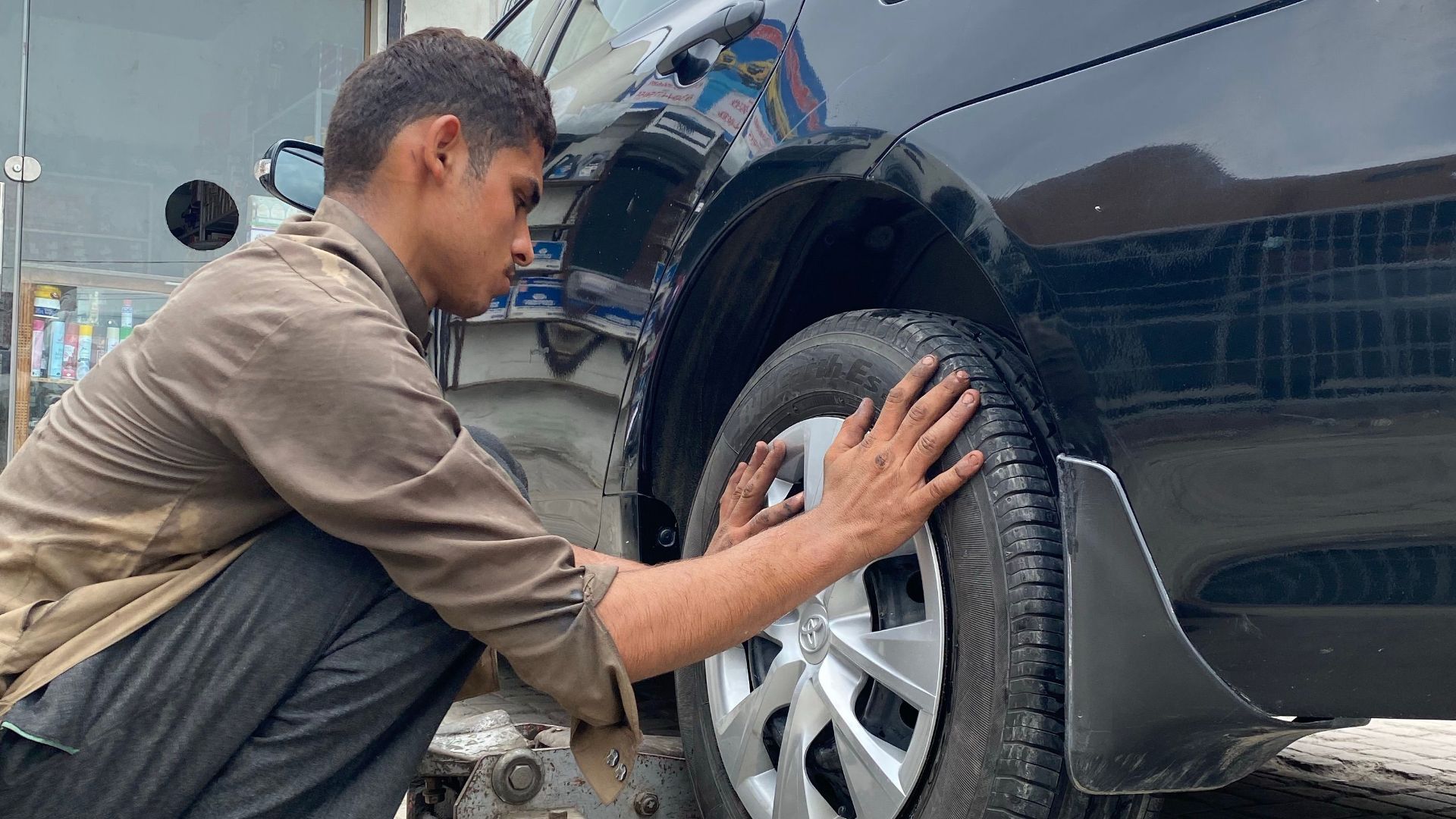
Modern cars are sneaky. Some have compact spares, some have full-size spares, some have run-flat tires, and some only include a sealant kit. The day you buy a car, look under the cargo floor and learn what is there. Future you will be very grateful.
Turn This Into A Lesson
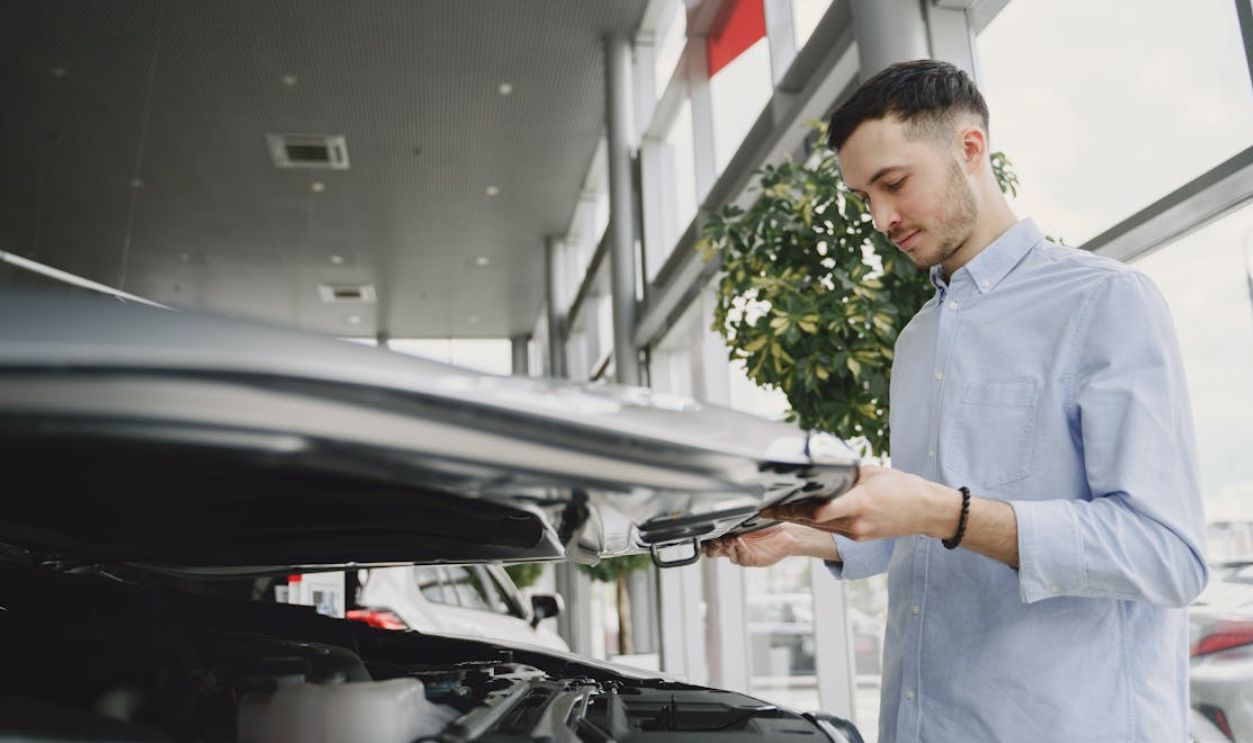
This situation is irritating, but it is also useful. It teaches you to check emergency gear before an emergency arrives. Once the car is sorted, build a better roadside kit with a compressor, gauge, flashlight, gloves, and warning triangles. That way, next time you are ready for the plot twist.

The Bottom Line
If your dummy tire is flat, do not drive on it. Inflate it only if it looks safe and holds pressure, call roadside assistance if needed, and contact the dealer because a new car should not come with a useless emergency spare. A spare tire should end the drama, not join the cast.

You May Also Like: