Too Rusty To Repair?
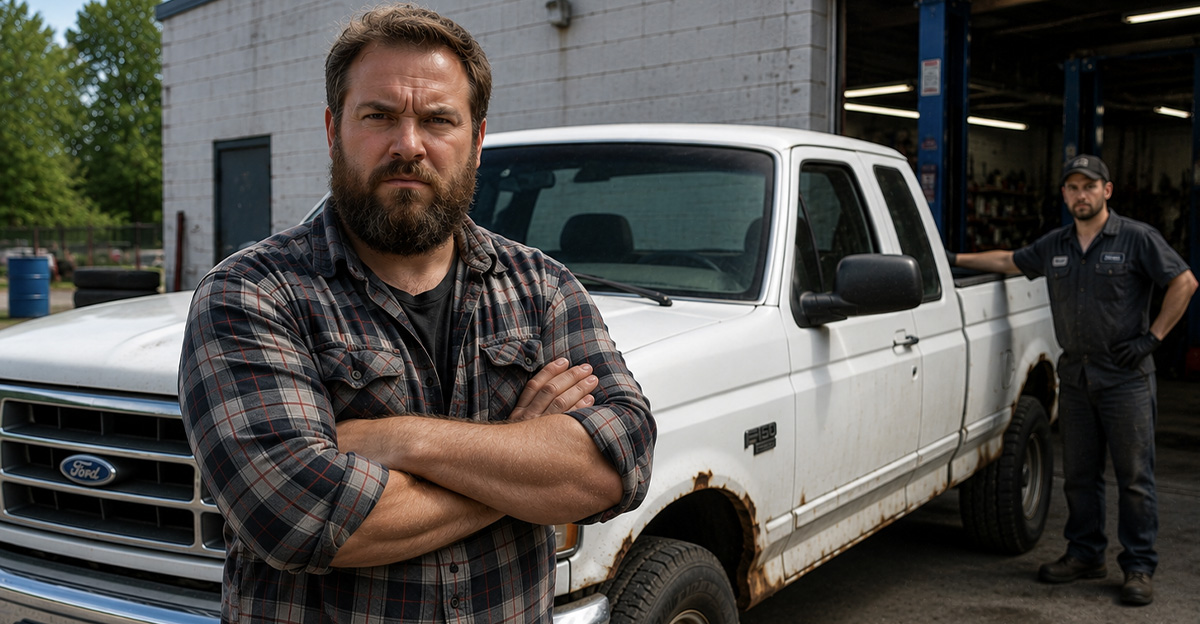
You thought the hardest part would be paying for the repair. Instead, the mechanic wouldn't even put your vehicle on the hoist. If rust is the reason, you may have more options than you think.
Rust Isn't Just Cosmetic
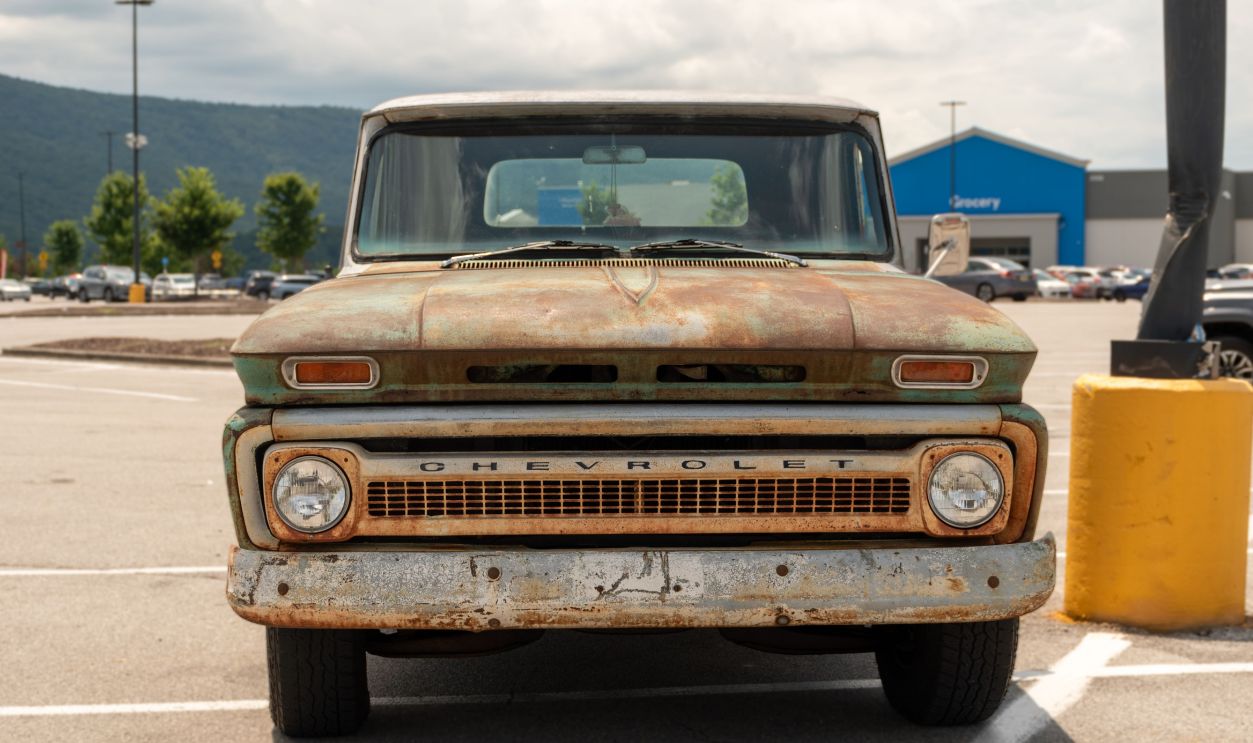
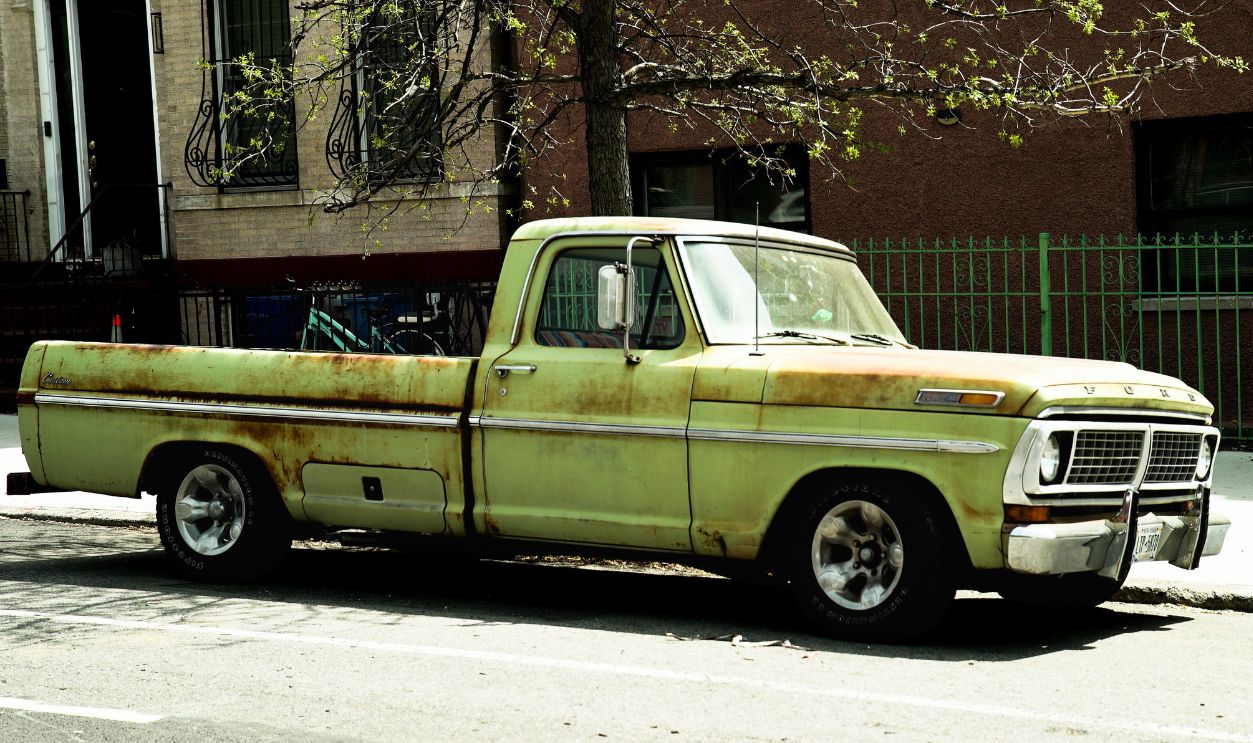
Many people think of rust as an appearance issue. Surface rust on suspension parts, exhaust components, or body panels is common, especially in regions where roads are salted during winter. Structural rust is different. When corrosion affects the frame, lifting points, or other load-bearing areas, the vehicle's strength can be compromised. Fortunately, severe rust isn't the conclusion in every case, and a careful inspection can help determine if repairs are still possible.
The Hoist Relies On Specific Lift Points
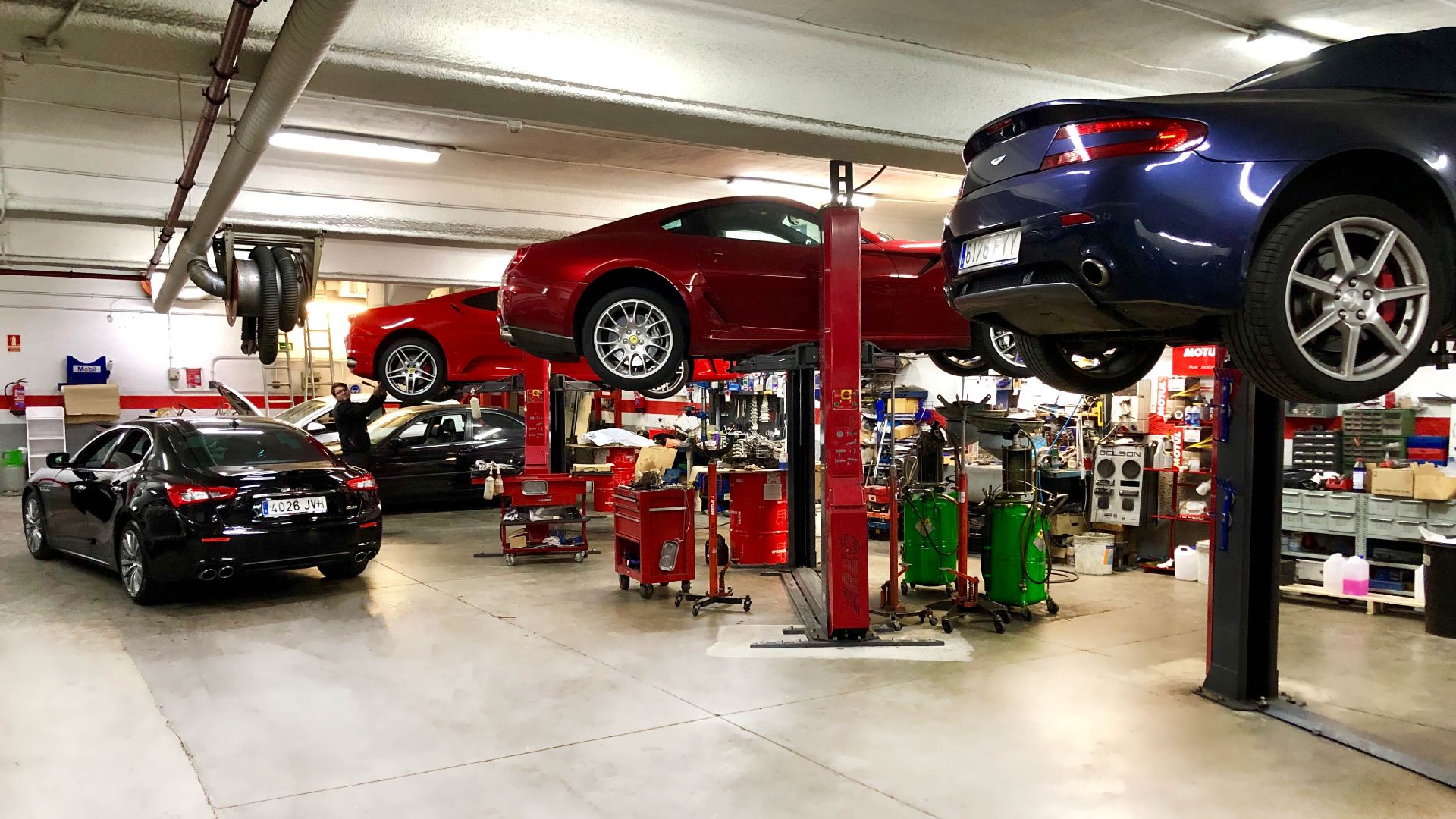
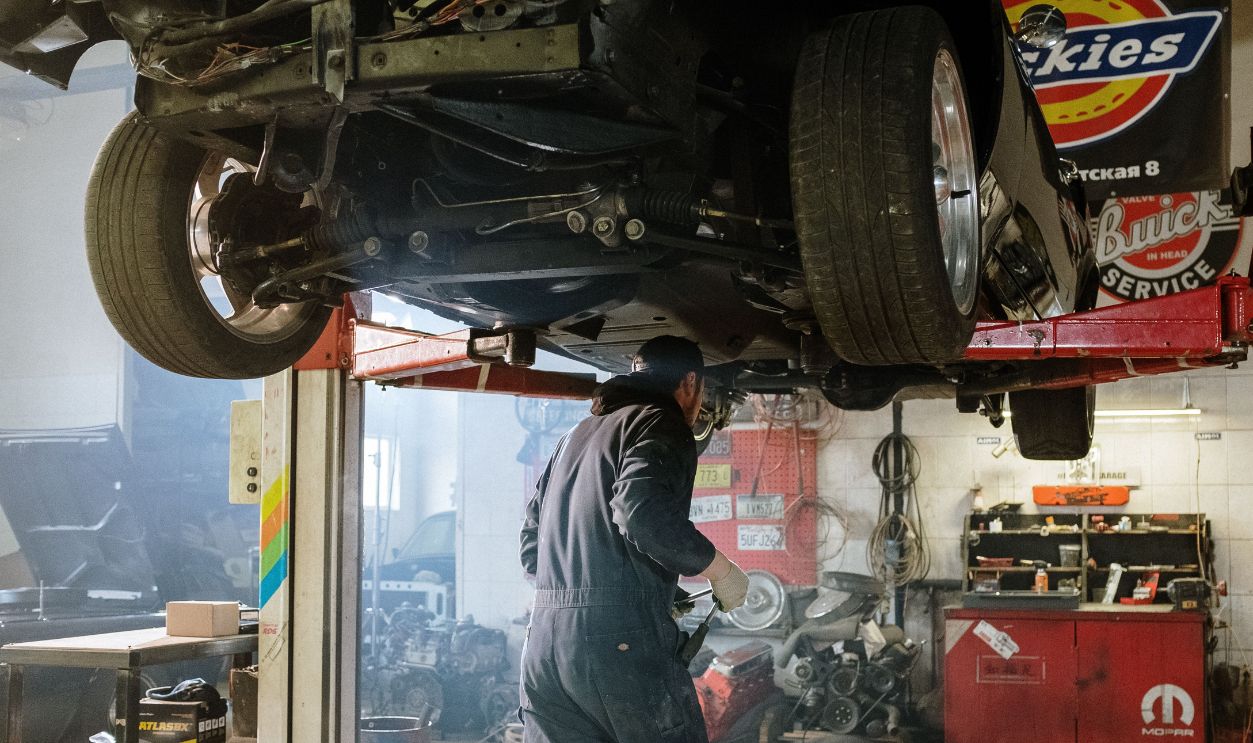
Vehicle lifts are designed to support thousands of pounds safely, but they rely on strong, designated lift points. If those areas have become badly weakened by corrosion, there's a risk the vehicle could shift, bend, or even fall while suspended. No reputable technician wants to take that chance.
 Madridsocialhub, Wikimedia Commons
Shops Have A Duty To Protect Their Employees
Employers have legal obligations to provide reasonably safe working conditions for their technicians. If a mechanic believes lifting a severely rusted truck could put someone at risk, refusing the repair may actually be the responsible decision. Worker safety isn't something most shops are willing to compromise.
Liability Is A Major Concern
If a truck falls from a lift because corrosion caused a structural failure, the consequences can be severe. Employees could be injured, expensive equipment could be damaged, and the shop could face significant legal liability. Even if the risk seems small, most repair businesses won't gamble with employee safety.
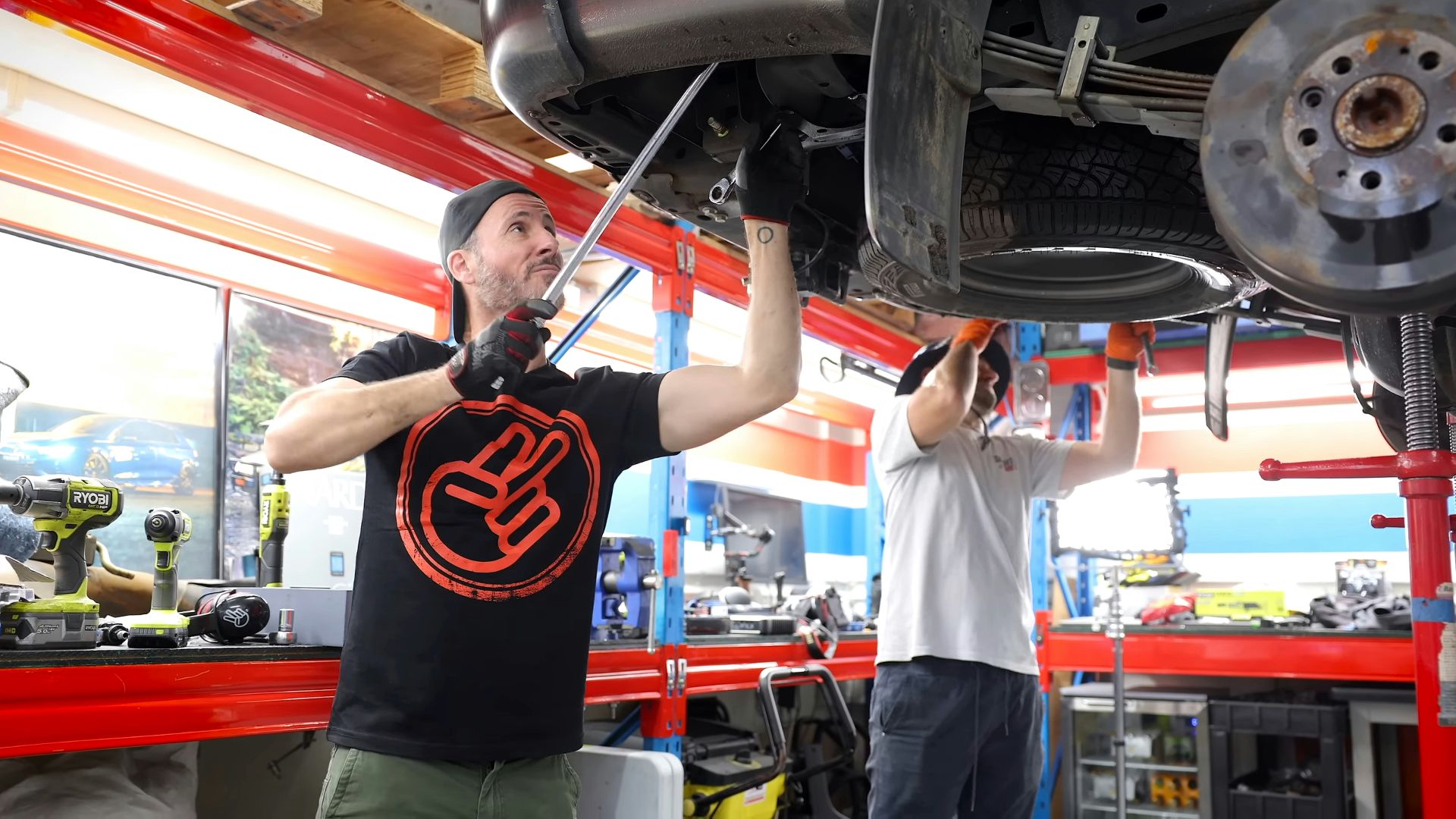 Bengkel Mobil Matic Bandung, Unsplash
Not Every Rusty Truck Is Unsafe
Hearing that your truck is "too rusty" doesn't necessarily mean every shop would reach the same conclusion. Mechanics often use their professional judgment when evaluating corrosion. One shop may consider the vehicle unsafe to lift while another, after a careful inspection, believes it can safely perform certain repairs. That doesn't mean either shop is wrong. They may simply have different comfort levels based on what they see.

Ask The Mechanic To Show You The Problem
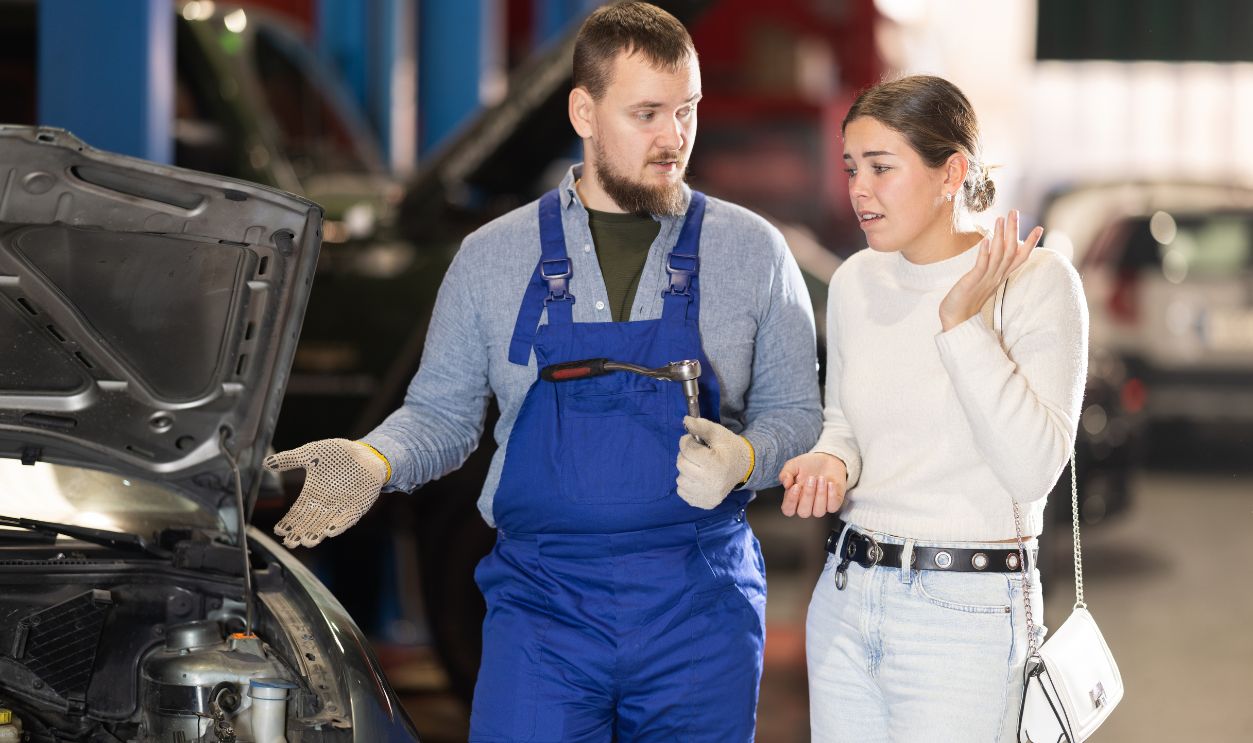
If a shop refuses the repair, ask them to point out the areas that concern them. Many mechanics are happy to show customers weakened frame rails, rusted lift points, cracked metal, or severe corrosion underneath the truck. Seeing the problem firsthand often makes the explanation much easier to understand.

Get Photos If Possible
Take pictures of the areas the mechanic identifies. If you're seeking a second opinion, those photos can help another shop understand the concerns before you even bring the truck in. They also provide useful documentation if you later decide to repair or sell the vehicle.

A Second Opinion Can Be Worthwhile
If you believe the shop may be overly cautious, consider consulting another reputable repair facility that has experience working on older trucks. Explain that another mechanic declined the work because of corrosion. An honest second opinion can help confirm whether the concern is widespread or whether repairs are still feasible.
Different Repairs Carry Different Risks
A mechanic may refuse one repair but agree to perform another. Work requiring the truck to be fully suspended places different stresses on the vehicle than repairs that can be completed with other equipment. Depending on the condition of the truck, some jobs may still be possible while others are not.
Rust Can Spread Faster Than People Expect
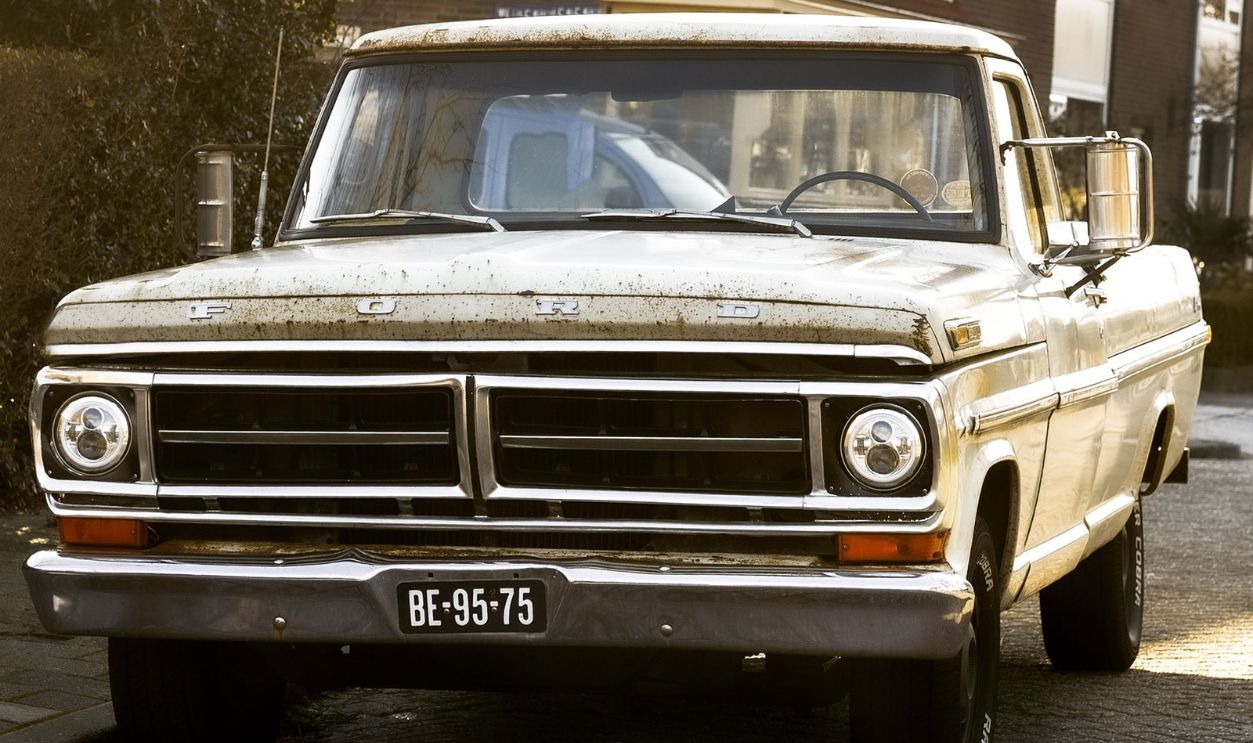
Corrosion often develops from the inside out. What appears to be minor rust on the surface may hide more serious deterioration underneath. Moisture, road salt, and years of exposure can weaken metal long before obvious holes become visible. That's one reason technicians take structural corrosion seriously.
Frame Rust Is Especially Important
Body rust is one thing. Frame rust is another. The frame supports the weight of the vehicle and absorbs tremendous forces during everyday driving. If that structure becomes significantly weakened, the issue goes beyond repair-shop concerns and may affect the truck's overall safety on the road.
Previous Repairs Matter
Some older trucks have already undergone frame repairs or welding. High-quality structural repairs performed correctly may restore strength in certain situations. Poor repairs, however, can sometimes create additional concerns. A mechanic will often consider previous repair work alongside the existing corrosion.
Vehicle Inspections Don't Guarantee Future Repairs
Many owners are surprised because the truck previously passed a safety inspection. Passing inspection doesn't necessarily mean every repair shop must agree to lift the vehicle months or years later. Corrosion can worsen over time, and inspection standards differ from a mechanic's responsibility to safely perform repairs in their own shop.
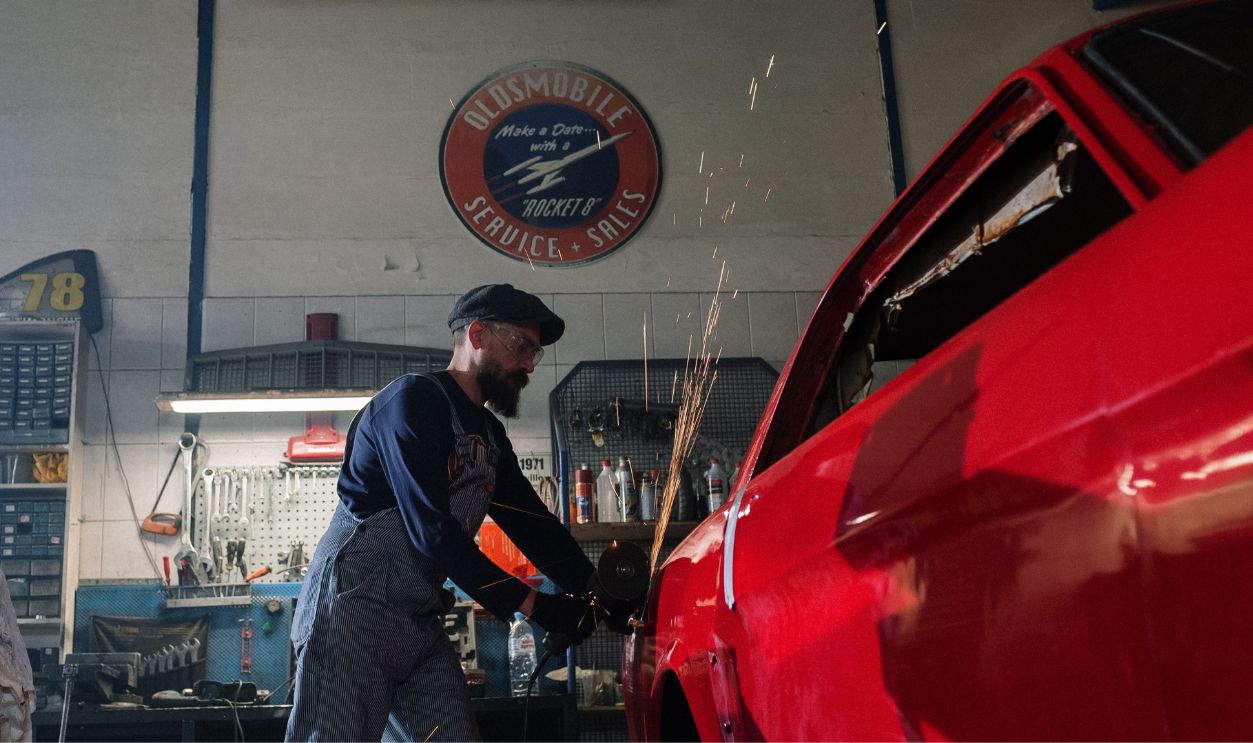
 Sergei Gontsarov, Shutterstock
Insurance Doesn't Usually Decide This
Customers sometimes assume the mechanic's insurance company is forcing the refusal. While insurance considerations certainly matter, the decision often comes from the shop itself. Owners, managers, and technicians generally establish internal safety standards for the vehicles they'll service.

Rust Repair Can Sometimes Be An Option
If the truck has sentimental value or is otherwise worth preserving, structural rust repairs may be possible. Depending on the extent of the damage, specialized welding or frame repair may restore certain areas. However, severe corrosion is often expensive to repair, and not every vehicle is a good candidate.
Ask Whether The Truck Can Be Repaired First
Instead of asking only whether they'll perform the original repair, ask whether the rust itself can be addressed. Some shops specialize in structural repairs or can recommend facilities that do. Solving the corrosion problem first may make future repairs possible.
Don't Ignore Serious Corrosion
It can be tempting to keep driving if the truck still seems to perform normally. However, structural corrosion may affect crash protection, suspension mounting points, steering components, or braking systems. If multiple professionals express concern, it's worth taking the warning seriously.

Maintenance Can Slow Future Rust
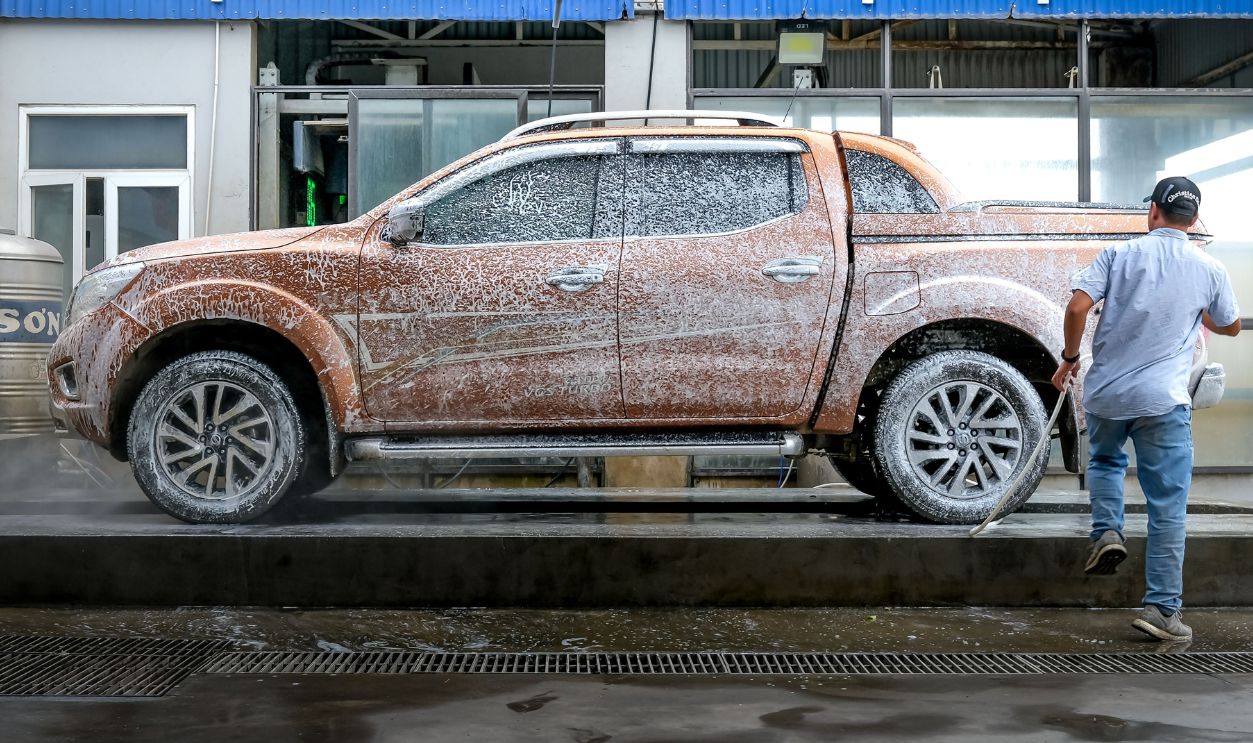
If your truck is still structurally sound, regular washing during winter, underbody cleaning, rustproofing treatments, and prompt repair of damaged coatings can help slow additional corrosion. While these measures won't reverse existing rust, they may extend the life of the vehicle.
Older Trucks Face This More Often
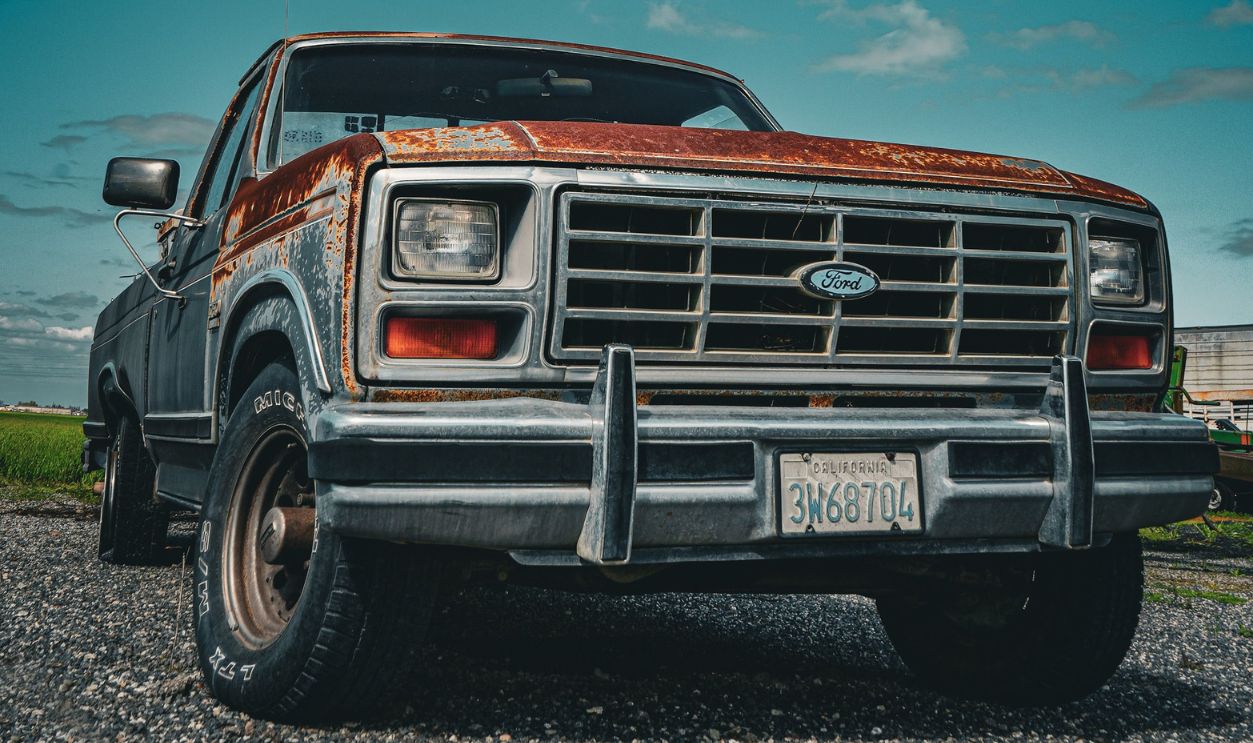
Vehicles that spend years in northern climates, coastal regions, or areas where road salt is heavily used are much more likely to develop significant corrosion. Even well-maintained trucks can eventually reach a point where structural rust becomes a serious concern. Age alone isn't the problem. Long-term exposure to moisture and salt usually is.
Be Honest When Seeking Another Shop
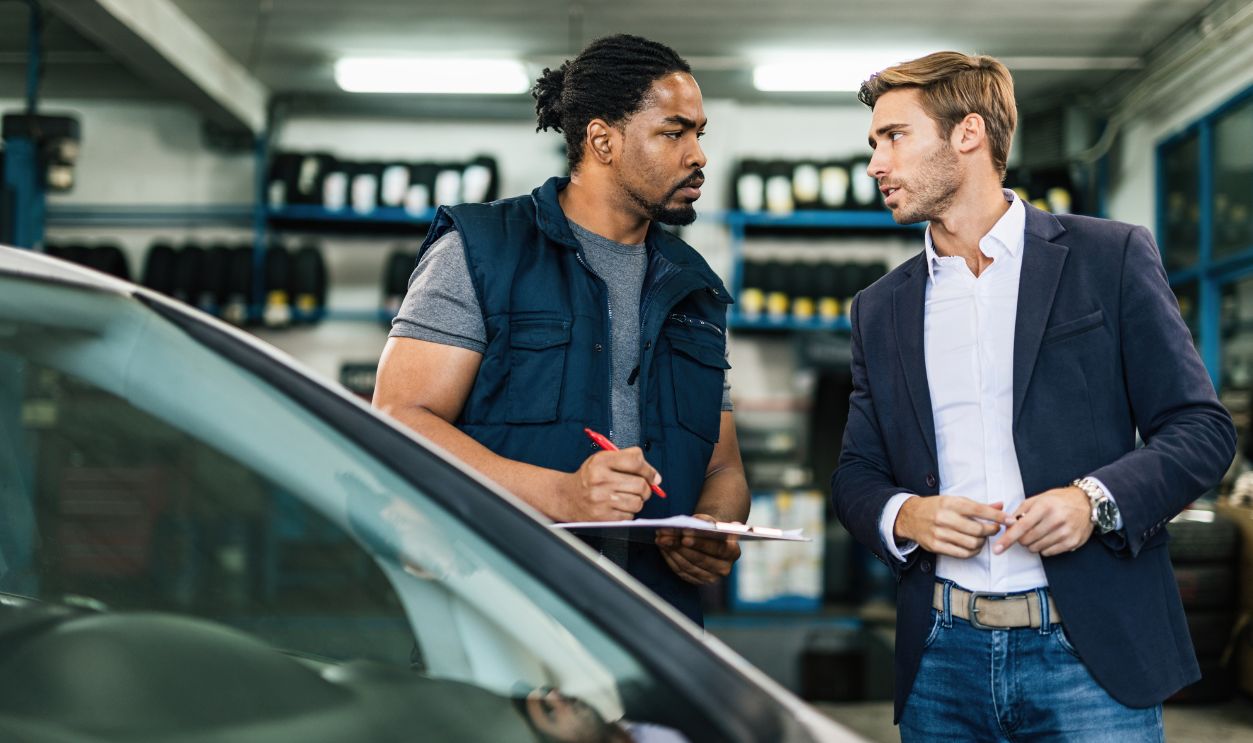
If you decide to get another opinion, tell the second shop exactly why the first mechanic declined the work. Hiding that information wastes everyone's time and may create unnecessary risk. Most reputable technicians appreciate customers who are upfront about previous evaluations.

Don't Pressure A Shop To Proceed
It may be tempting to tell the mechanic you'll "accept the risk" and ask them to do the repair anyway. In most cases, that won't change the answer. A liability waiver generally doesn't eliminate the shop's responsibility to provide a safe workplace for its employees. If the mechanic believes the lift is unsafe, they're unlikely to change their mind.
Sometimes Replacing The Vehicle Makes More Sense
There comes a point where repairing severe structural corrosion simply isn't economical. If the frame requires extensive work and additional major repairs are looming, replacing the truck may ultimately cost less than continuing to restore it. It's a difficult decision, but one worth discussing honestly with a trusted mechanic.

A Refusal Doesn't Mean The Shop Is Being Difficult
Being turned away can feel personal, especially if you've been a loyal customer for years. In reality, the mechanic may be protecting both you and their employees. Refusing unsafe work is often a sign of professionalism rather than poor customer service.
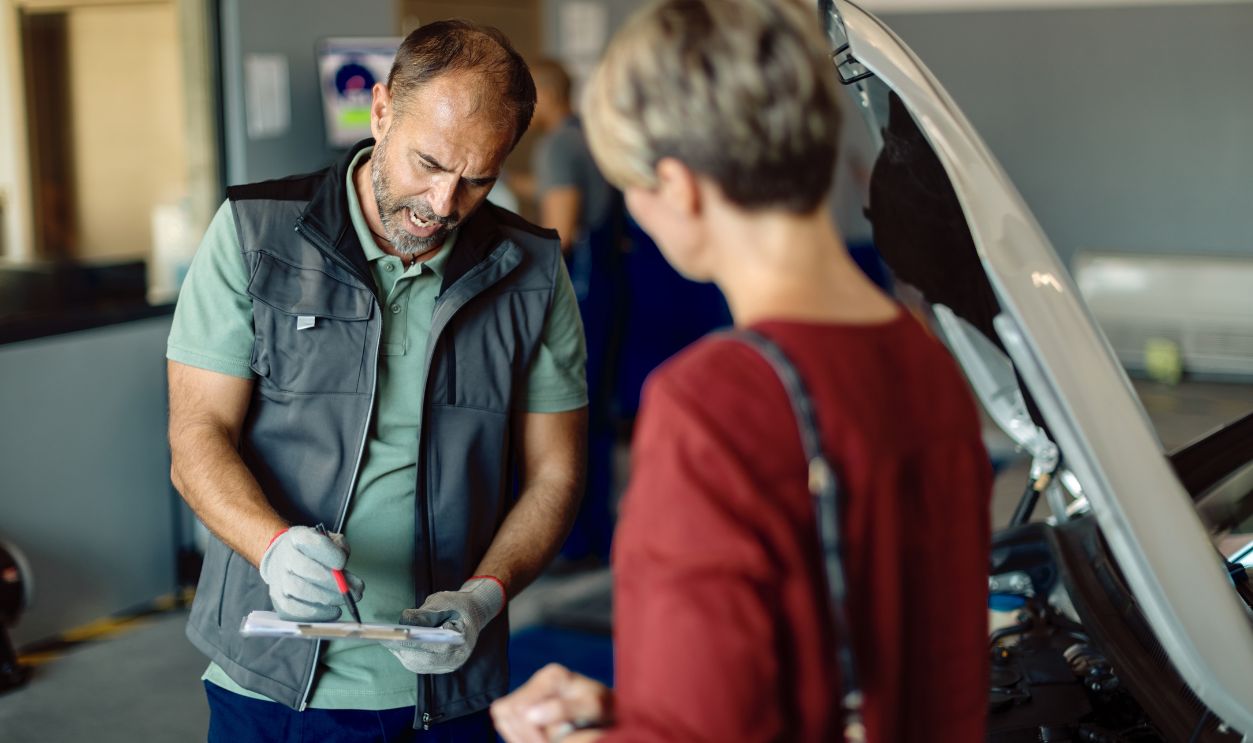
 Hryshchyshen Serhii, Shutterstock
Understanding The Problem Helps You Make Better Decisions
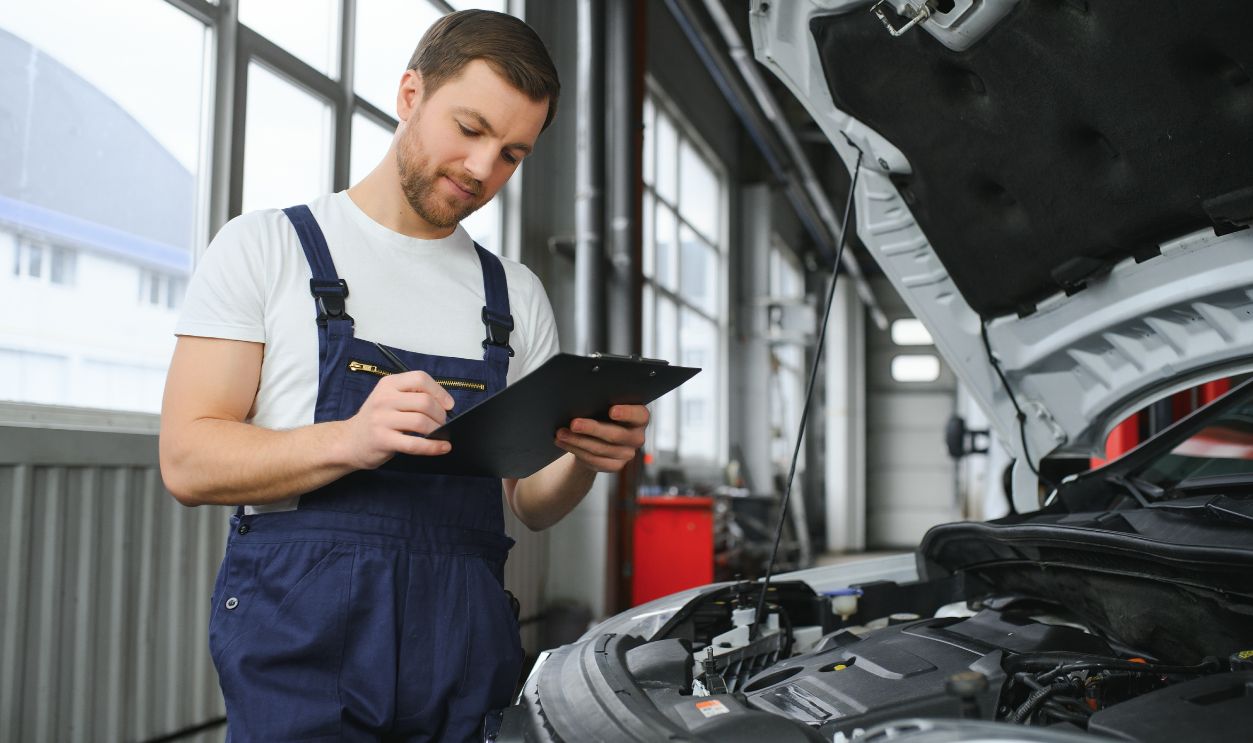
If your mechanic says your truck is too rusty to safely lift on a hoist, they may be entirely within their rights to decline the repair. Their decision is usually based on structural safety, employee protection, and liability rather than convenience. Ask to see the affected areas, get a second opinion if appropriate, explore whether rust repairs are possible, and keep an open mind about the truck's long-term future. Even if the answer isn't the one you hoped for, understanding the reason behind it will help you make the safest decision moving forward.

You May Also Like: