The Vehicle Purchase That Was Supposed To Be Easy
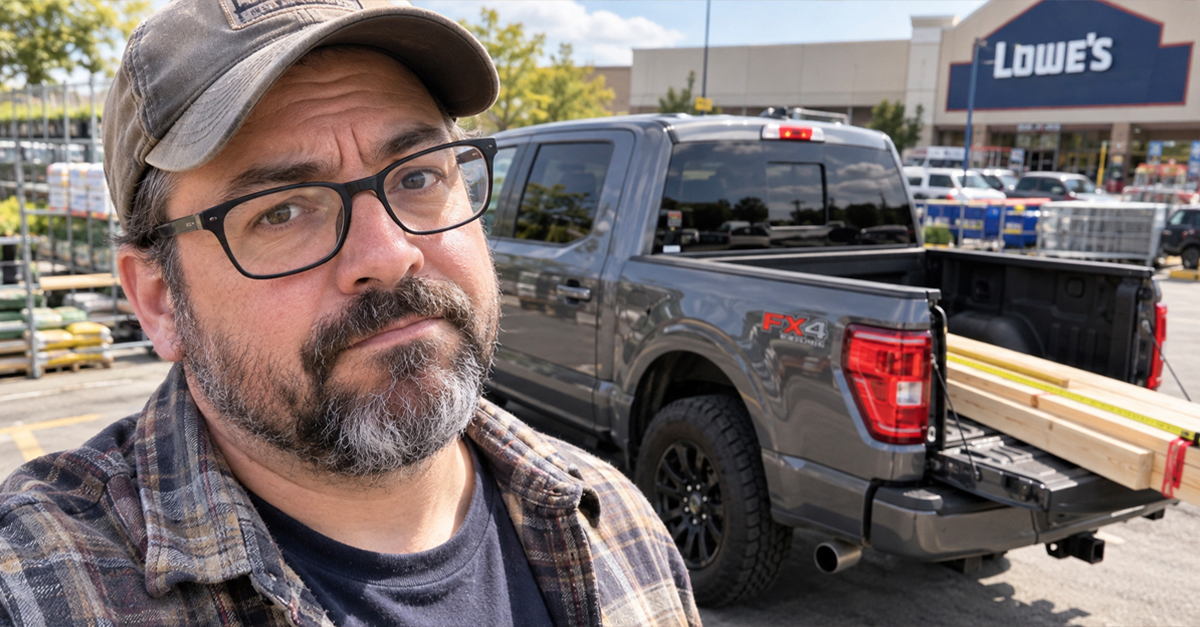
You find the perfect vehicle a few states away. The price is great, the condition looks excellent, and the deal goes smoothly. Then you get home and discover the registration process is somehow more complicated than buying the vehicle itself. Is it always like this?

Many Buyers Get Surprised
People often assume vehicle registration is basically the same everywhere. After all, it's still a car, truck, or SUV. How different can the paperwork really be?

So, Is Every State Like That?
No. Some states make out-of-state registrations fairly straightforward. Others require extra inspections, additional paperwork, and several trips to government offices.

Every State Makes Its Own Rules
This is the biggest reason the process varies so much. Vehicle registration requirements are generally controlled by individual states, not the federal government.
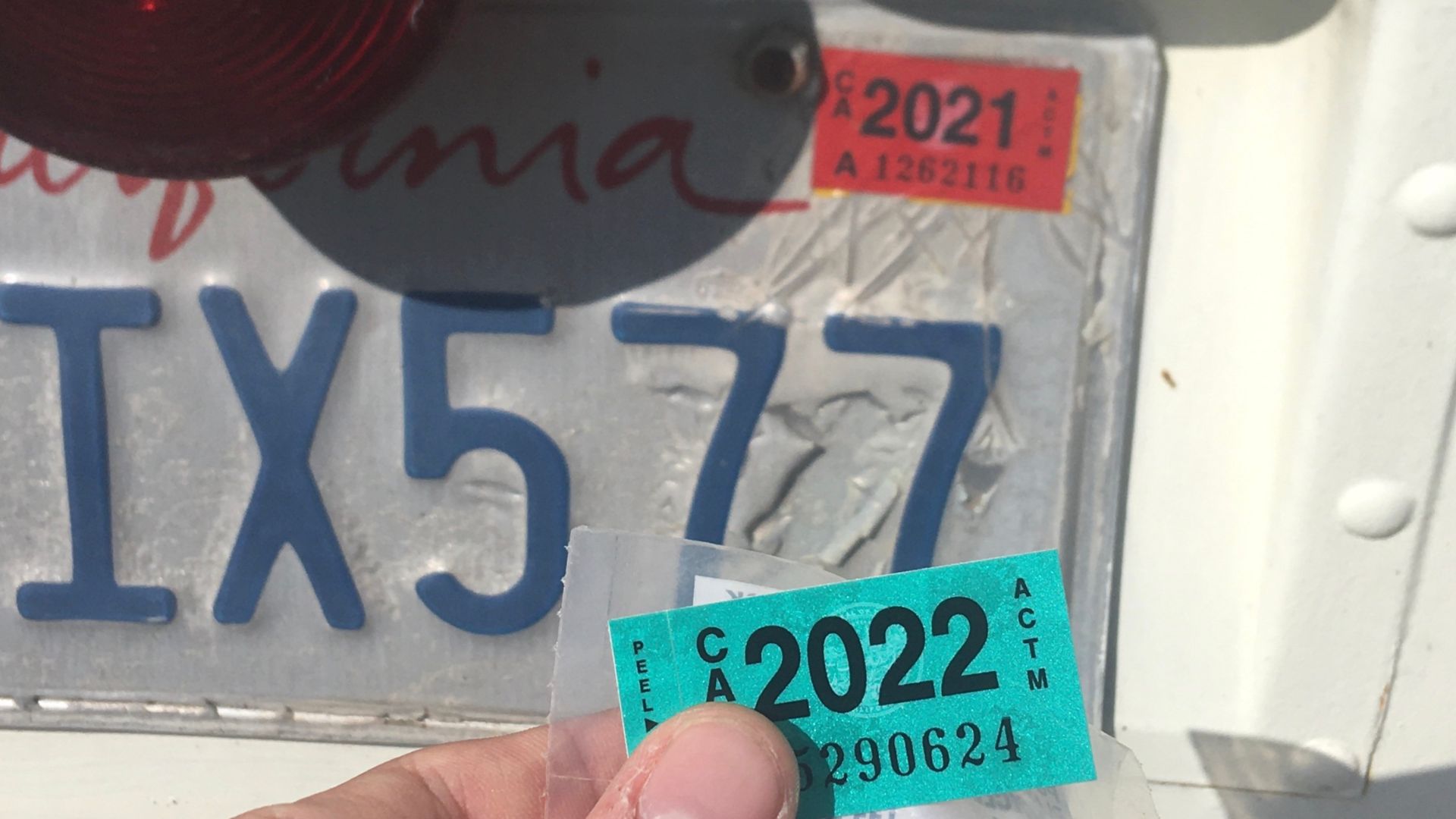 Mrbeastmodeallday, Wikimedia Commons
The Title Is Usually Where Things Start
Before you can register most vehicles, you'll need a properly transferred title. Missing signatures, incorrect dates, or paperwork mistakes can slow everything down quickly.

Some States Require VIN Inspections
A Vehicle Identification Number inspection helps confirm that the vehicle matches the paperwork. Certain states require this for vehicles purchased elsewhere.
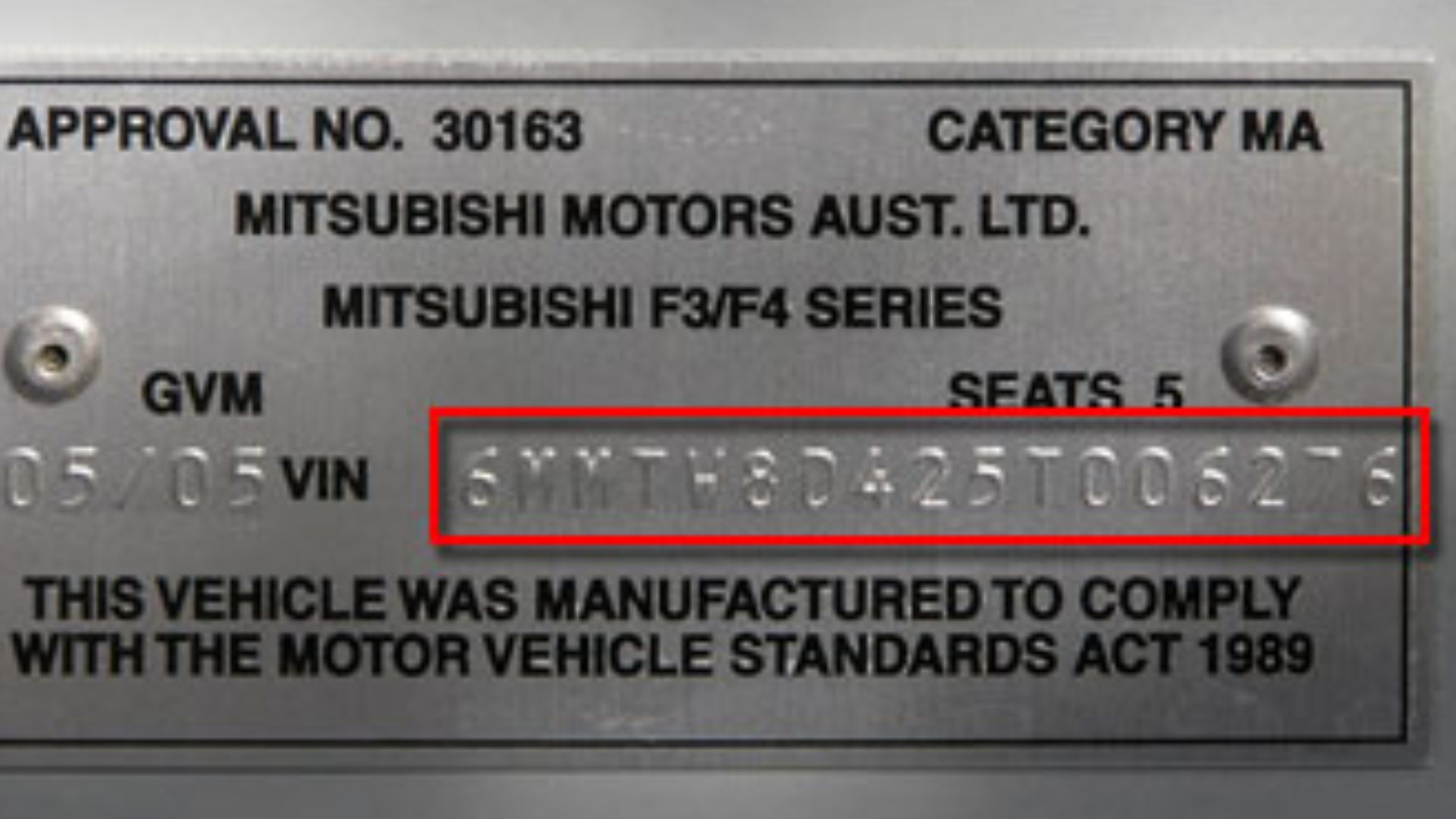 SipleDailyUser, Wikimedia Commons
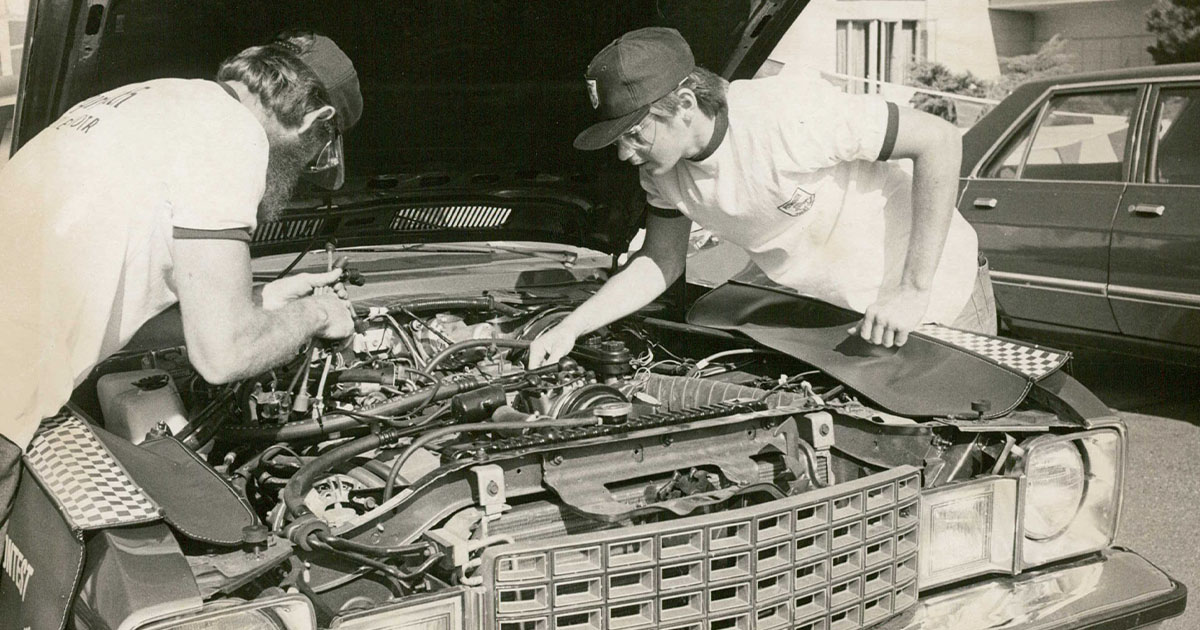
Emissions Testing Can Create Problems
You may have legally purchased the vehicle in another state, but your home state might have different emissions requirements that must be met before registration.
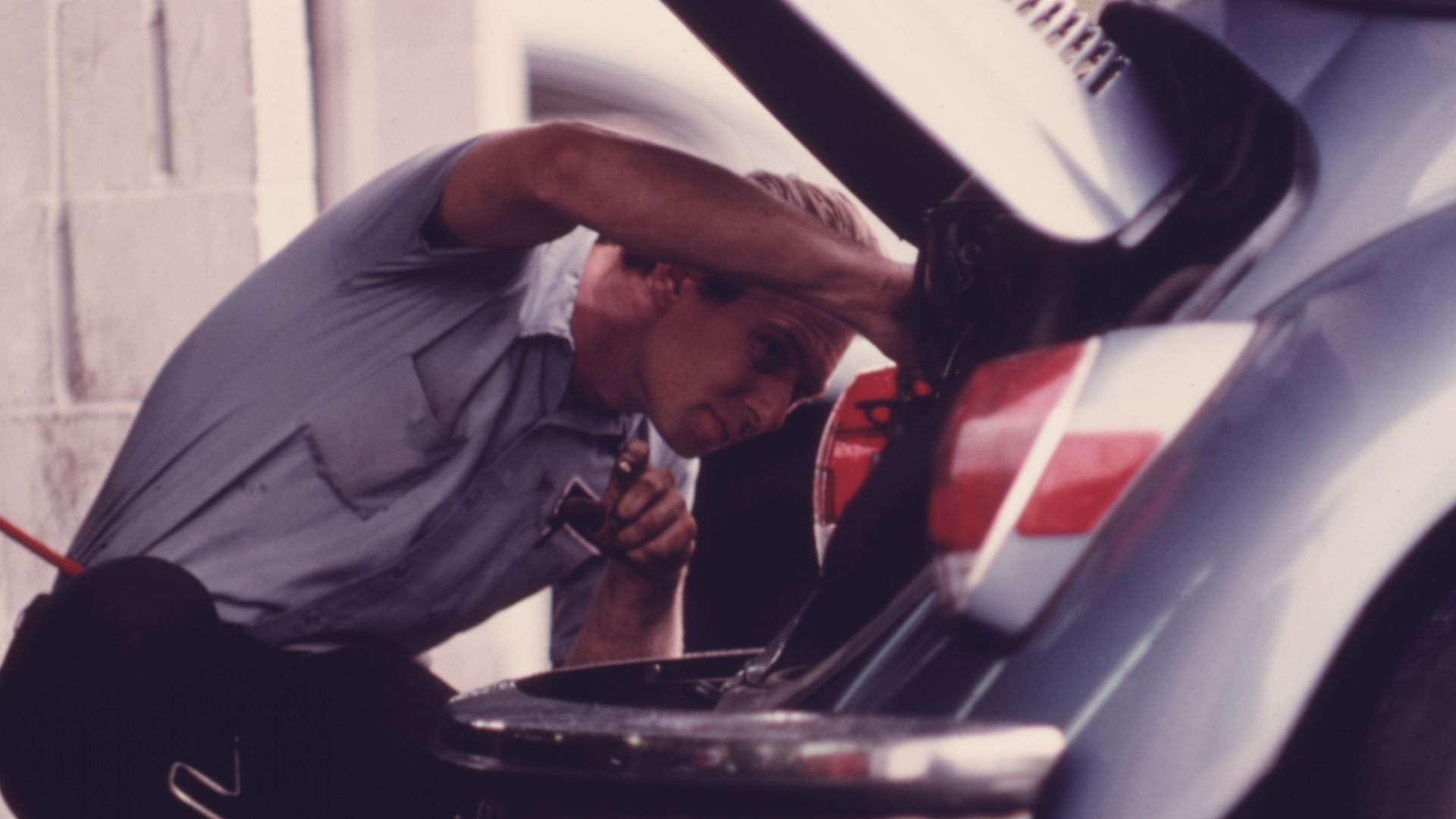 Lyntha Scott Eiler, Wikimedia Commons
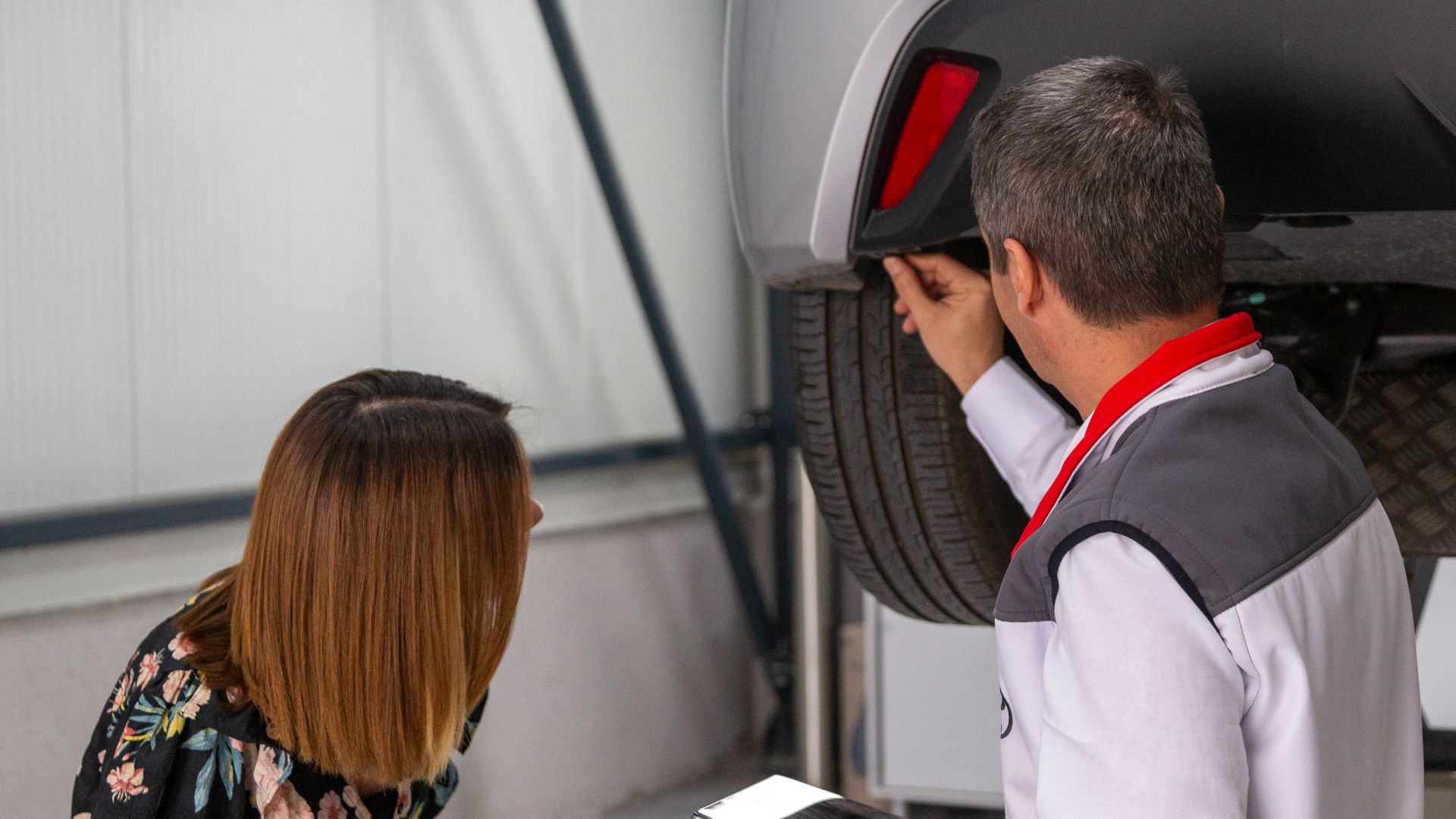
Safety Inspections Sometimes Matter Too
Some states require annual safety inspections, while others don't require them at all. Moving a vehicle between those systems can create extra steps.
Temporary Tags Aren't Always The Same
The temporary registration that worked perfectly in the selling state may not satisfy requirements in your home state. This often confuses first-time buyers.
Taxes Surprise Many Buyers
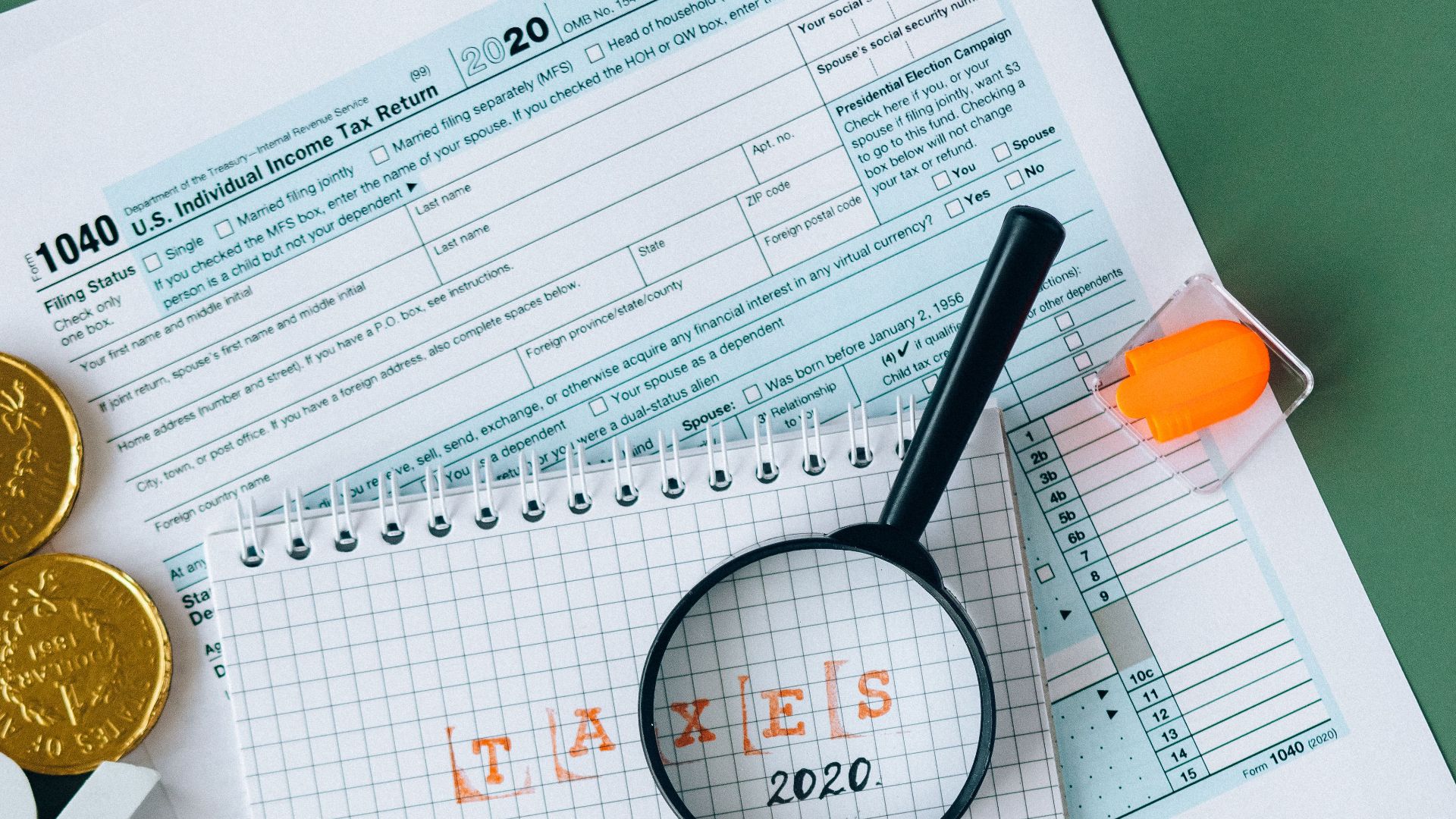
This is one of the biggest shocks. Even if you paid taxes during the purchase, your home state may still have specific tax requirements before registration can be completed.

Fees Can Be Very Different
Registration costs vary dramatically around the country. What costs $100 in one state might cost several hundred dollars somewhere else.

Lienholders Can Slow Things Down
If you financed the vehicle, your lender may hold the title. Coordinating paperwork between the dealership, lender, and state agency can take time.

Private Sales Can Be Trickier
Buying from a private seller often means you're responsible for making sure all paperwork is completed correctly. Mistakes can delay registration significantly.

Dealership Purchases Usually Help
Many dealerships handle a large portion of the paperwork. However, when the vehicle crosses state lines, things can become more complicated.

Timing Matters
Most states give buyers a specific number of days to register newly purchased vehicles. Missing those deadlines can lead to penalties or additional fees.

Online Services Help In Some Places
A growing number of states allow portions of the registration process to be completed online. Unfortunately, not every state has embraced modern technology equally.

Moving States Creates Similar Challenges
People relocating often discover that transferring an existing registration can feel surprisingly similar to registering a newly purchased out-of-state vehicle.

Specialty Vehicles Add More Complexity
Classic cars, imported vehicles, modified vehicles, and reconstructed vehicles often face additional requirements before registration is approved.
 Martin Pettitt from Bury St Edmunds, UK, Wikimedia Commons
Insurance Requirements Vary Too
Your vehicle may need proof of insurance that meets your state's minimum coverage requirements before registration can be finalized.

Some States Are Known For Simplicity
States with streamlined DMV systems and modern online tools often make the process relatively painless. Many buyers complete registration without major headaches.

Others Have More Requirements
States with emissions programs, inspections, local taxes, and multiple verification steps naturally tend to have longer registration processes.

The Biggest Mistake Buyers Make
Many people assume the dealership or seller has already handled everything. In reality, buyers often remain responsible for completing several important steps.
 Zoriana Zaitseva, Shutterstock
Research Before You Buy
One of the smartest things you can do is check your state's registration requirements before purchasing an out-of-state vehicle. A quick phone call or website visit before the purchase can save weeks of frustration afterward. You'll know exactly what documents you'll need.

Keep Every Piece Of Paper
Buyers should save purchase agreements, title documents, inspection records, tax receipts, temporary registrations, and any correspondence related to the transaction.
Delays Aren't Always A Bad Sign
Sometimes registration takes longer simply because documents are moving between agencies, lenders, dealers, and state offices. Even complicated registration issues can usually be resolved once the missing document or required inspection is identified.

So, Is Every State Like That?
Not at all. Some states make out-of-state vehicle registration surprisingly easy, while others require several extra steps. Your experience often depends more on your home state's rules than where you bought the vehicle.
 SuperSonic338, Wikimedia Commons
The Secret Experienced Buyers Already Know
The smartest out-of-state buyers research registration requirements before shopping. It isn't the vehicle that usually creates headaches—it's the paperwork waiting for you after you bring it home.

You May Also Like: