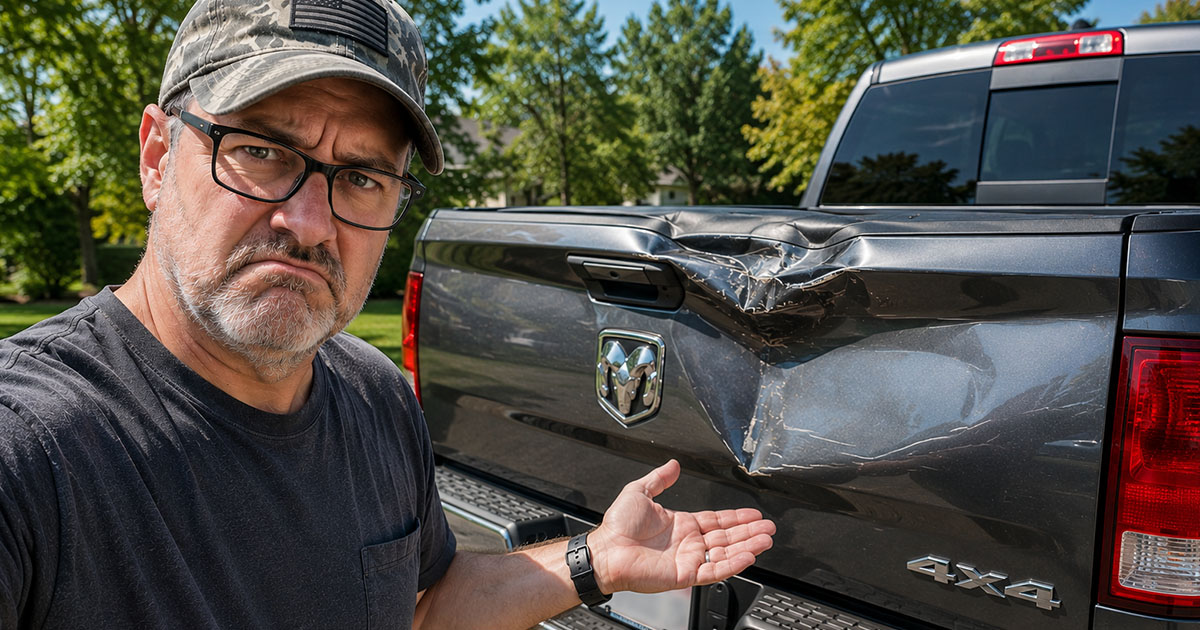
It Seemed Like A Great Deal Until The Repairs Started
Former fleet vehicles often look like bargains on the used-car market. They're usually newer, priced competitively, and often come with extensive maintenance records. Then, a few months after purchase, the repair bills begin piling up and hidden wear starts revealing itself. That experience leaves many buyers wondering whether fleet vehicles are ticking time bombs or whether they simply got unlucky. Fleet vehicles are not automatically bad purchases, but understanding how they were used is often more important than the badge on the hood.

A Fleet Vehicle Is Not Just One Thing
The term "fleet vehicle" covers a surprisingly wide range of vehicles. A former rental car, utility truck, government sedan, corporate sales vehicle, police cruiser, and delivery van may all qualify as fleet vehicles. The way those vehicles were used can vary dramatically. Some lead relatively easy lives, while others experience years of demanding service.
 Jason Lawrence, Wikimedia Commons
High Mileage Is Not Always The Biggest Problem
Many buyers focus on mileage when evaluating a former fleet vehicle. While mileage matters, usage patterns often matter even more. A vehicle that accumulated highway miles from a traveling salesperson may be in far better condition than a low-mileage delivery vehicle that spent years making short trips and idling constantly. The odometer only tells part of the story.

Hidden Wear Can Take Time To Appear
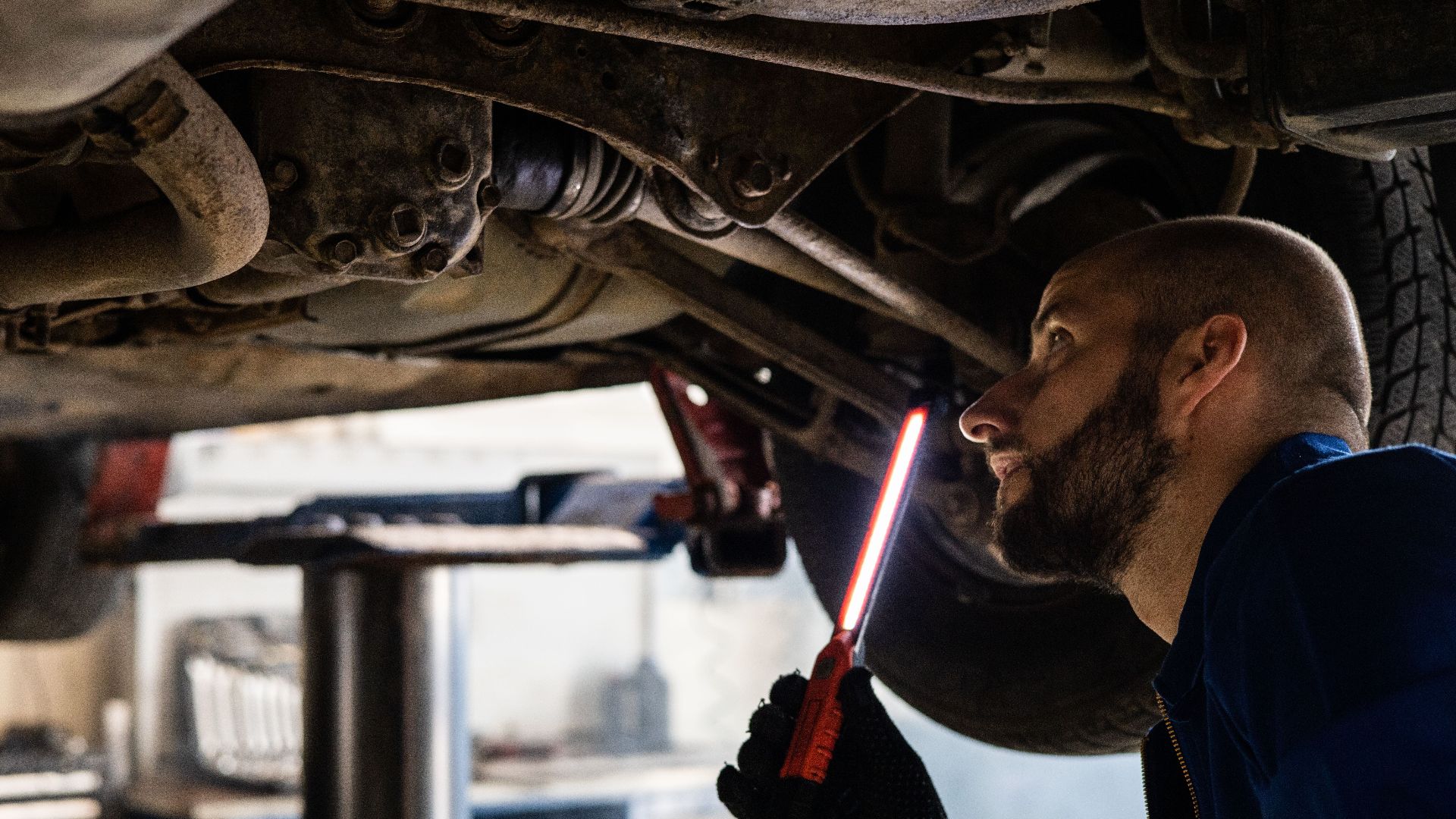
One reason buyers feel blindsided is that fleet-related wear does not always show itself immediately. A vehicle may pass inspection, drive well during a test drive, and appear perfectly healthy. Then suspension components, cooling system parts, electrical systems, brakes, and other wear items begin failing one after another. The problems may have been developing long before the vehicle was sold.
Rental Cars Have A Mixed Reputation
Rental vehicles often receive criticism because many drivers treat them differently than they would treat their own cars. Hard acceleration, abrupt braking, and aggressive driving are common concerns. On the other hand, major rental companies usually follow regular maintenance schedules and replace vehicles relatively early in their lifespan. That combination creates both risks and benefits for used buyers.
Commercial Vehicles Can Live Hard Lives
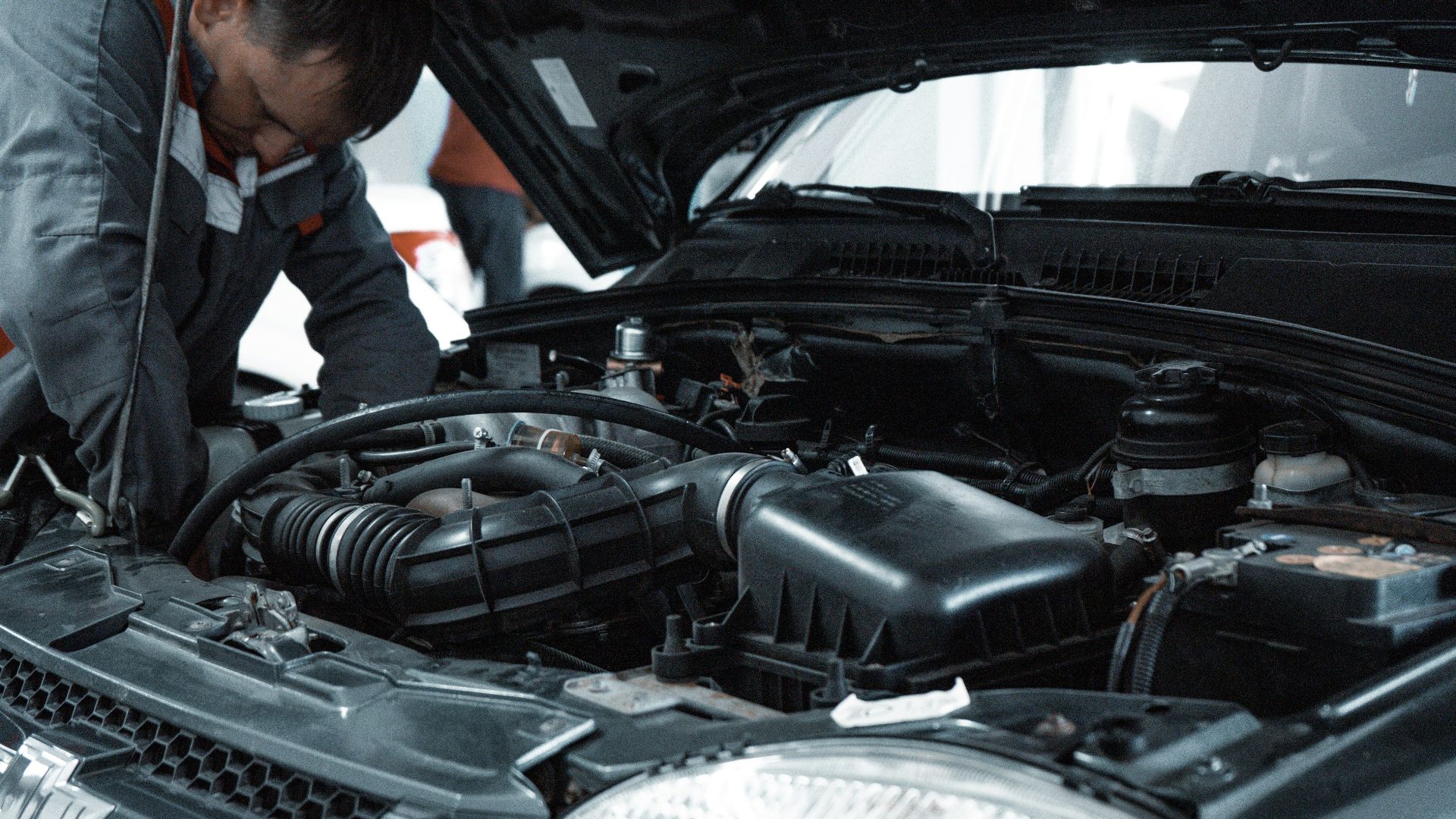
Work trucks, service vans, and delivery vehicles often face demanding daily use. Frequent stops, heavy loads, rough job sites, and extensive idling can create wear that is not always obvious during a purchase inspection. Even when maintenance is performed consistently, the workload itself can accelerate aging. Buyers sometimes underestimate how much punishment these vehicles endure.

Idling Causes More Wear Than Many People Realize
One hidden issue with many fleet vehicles is excessive idling. Police vehicles, utility trucks, service vans, and delivery vehicles may spend thousands of hours running while barely moving. The odometer does not capture that engine time. As a result, some components may have experienced far more use than the mileage suggests.

Maintenance Records Can Be A Huge Advantage
One area where fleet vehicles often shine is documentation. Many fleet operators maintain detailed service records because downtime costs money. Oil changes, tire rotations, inspections, and repairs are frequently documented carefully. Compared to private-party vehicles with missing records, that transparency can be extremely valuable.

Regular Maintenance Doesn't Prevent Everything
A common misconception is that a well-maintained fleet vehicle cannot have hidden problems. Maintenance helps, but it does not eliminate wear. Components still age, bushings still deteriorate, and parts eventually reach the end of their service lives. A vehicle can be both well maintained and heavily used at the same time.
Suspension Problems Are Common
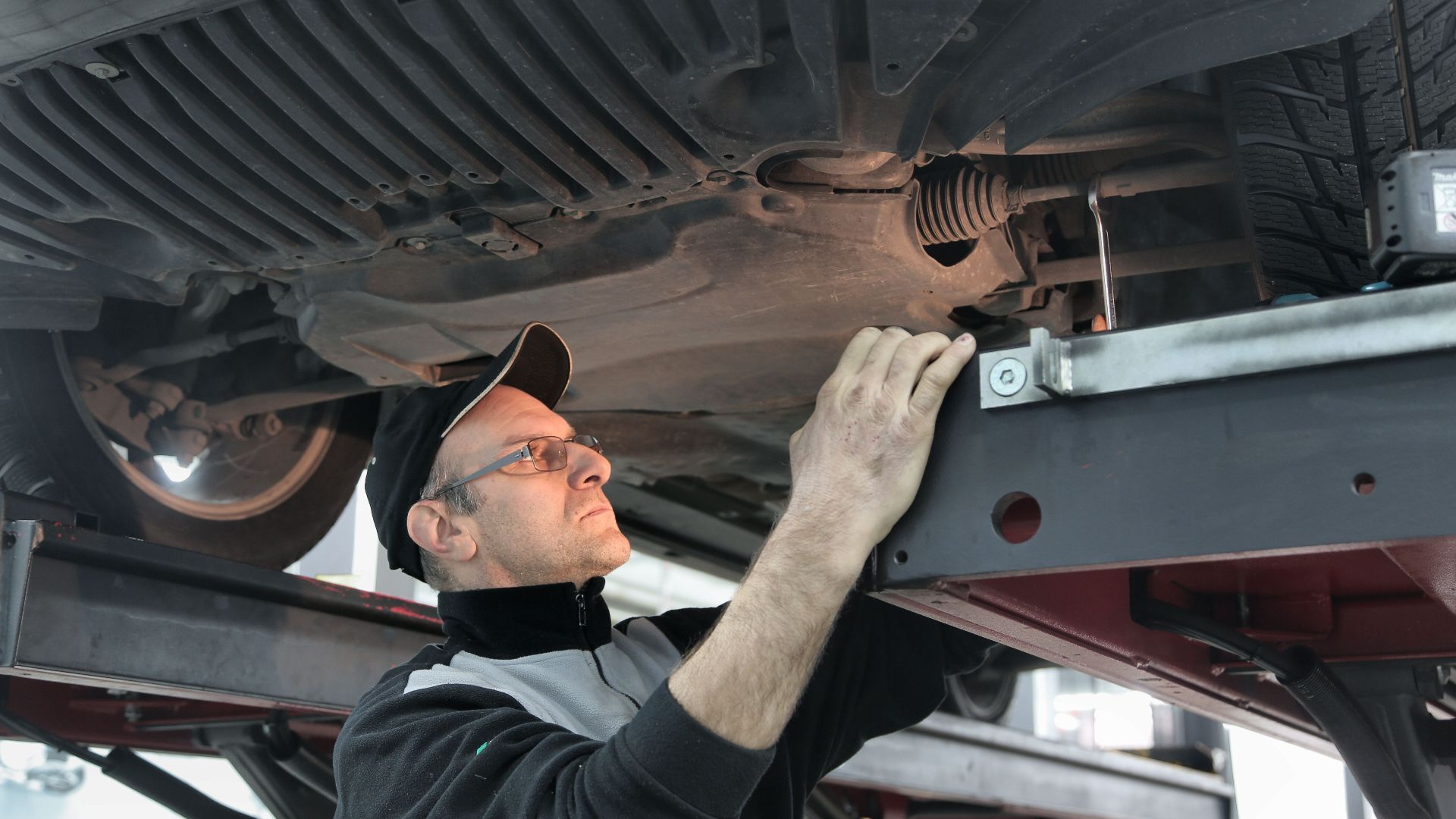
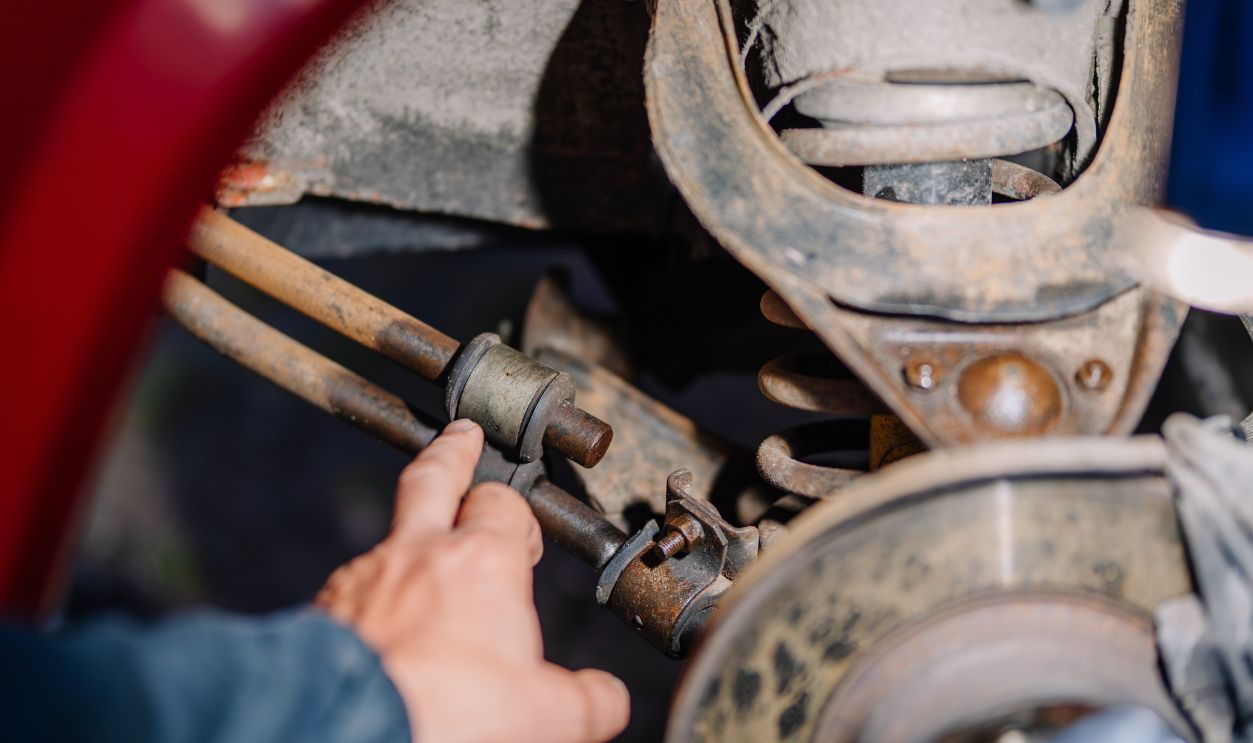
Suspension wear is one of the more frequent surprises after purchasing a former fleet vehicle. Shocks, struts, ball joints, control arms, bushings, and steering components may have endured years of demanding service. These parts often wear gradually, making problems harder to detect during a short test drive.
Interior Condition Can Be Misleading
A clean interior often gives buyers confidence. However, cosmetic condition does not always reflect mechanical condition. Fleet operators may detail vehicles before sale, replace worn seat covers, or perform cosmetic touch-ups. A vehicle can look fantastic while still carrying years of accumulated mechanical wear underneath.

Highway Miles Are Usually Easier Miles
Not all fleet use is bad. Corporate sales vehicles and long-distance company cars often accumulate large amounts of highway mileage. Highway driving generally creates less wear on brakes, transmissions, suspension components, and engines than constant stop-and-go driving. Understanding how the vehicle was used matters far more than simply labeling it a fleet vehicle.

Some Fleet Buyers Focus On Replacement Schedules
Large fleet operators frequently replace vehicles according to strict schedules rather than waiting for major problems to appear. In some cases, a vehicle is sold simply because it reached a predetermined age or mileage threshold. That can benefit used buyers who purchase vehicles before major repairs become necessary.

The Cheapest Fleet Vehicles Can Be Risky
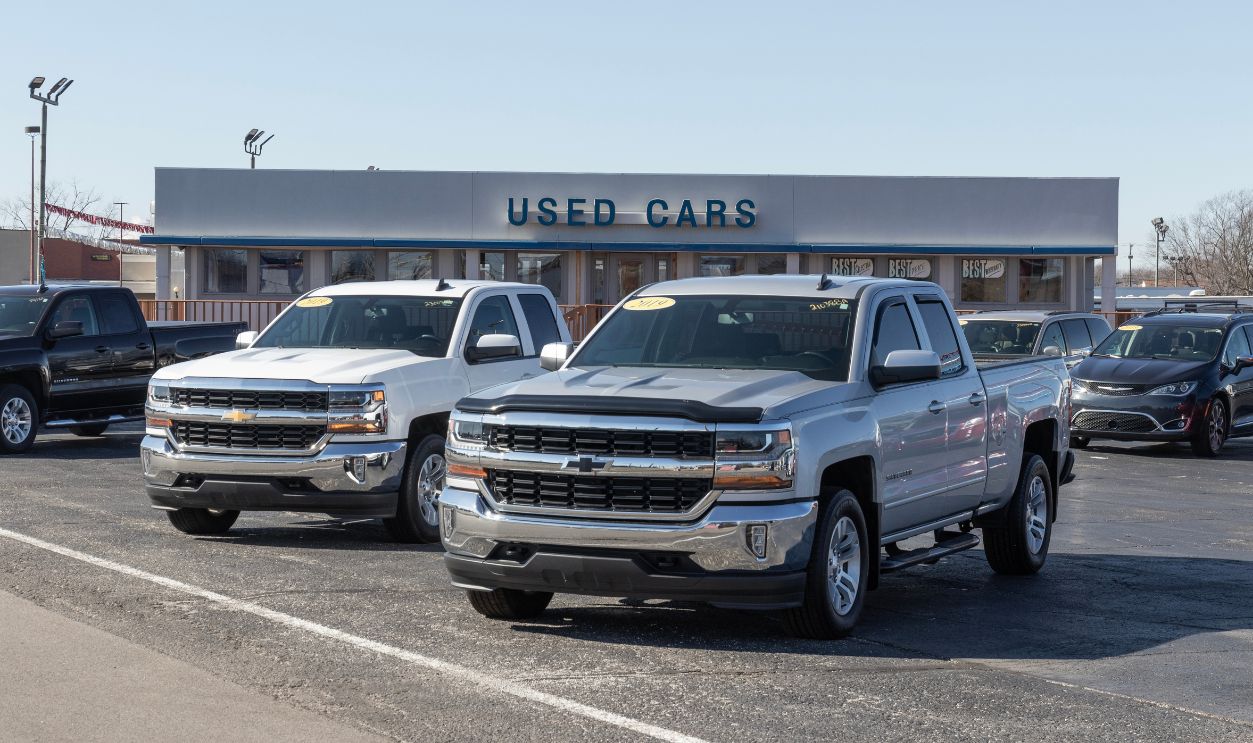
Bargain-priced fleet vehicles sometimes represent the end of a vehicle's useful service life. If the price seems dramatically lower than comparable vehicles, there may be a reason. Deferred repairs, excessive wear, accident history, or difficult operating conditions can all contribute to a lower resale value. Extremely cheap vehicles deserve extra scrutiny.
Vehicle History Reports Help, But Have Limits
Services like Carfax and AutoCheck can provide useful information about ownership history, reported accidents, maintenance records, and fleet usage. However, they do not capture every repair or every type of wear. A clean report should be viewed as one piece of information rather than a guarantee.

Pre-Purchase Inspections Are Especially Important
One of the smartest things a buyer can do is arrange an independent pre-purchase inspection. Experienced mechanics often identify warning signs that ordinary buyers miss. Spending a few hundred dollars before purchase can potentially save thousands later. This step is particularly important when considering former fleet vehicles.

Tires Can Reveal A Lot
Tire wear patterns often tell a story about a vehicle's past. Uneven wear may indicate suspension problems, alignment issues, or heavy-duty usage. Examining the tires carefully can sometimes reveal hidden issues before they become expensive repairs.

Cooling Systems Deserve Attention
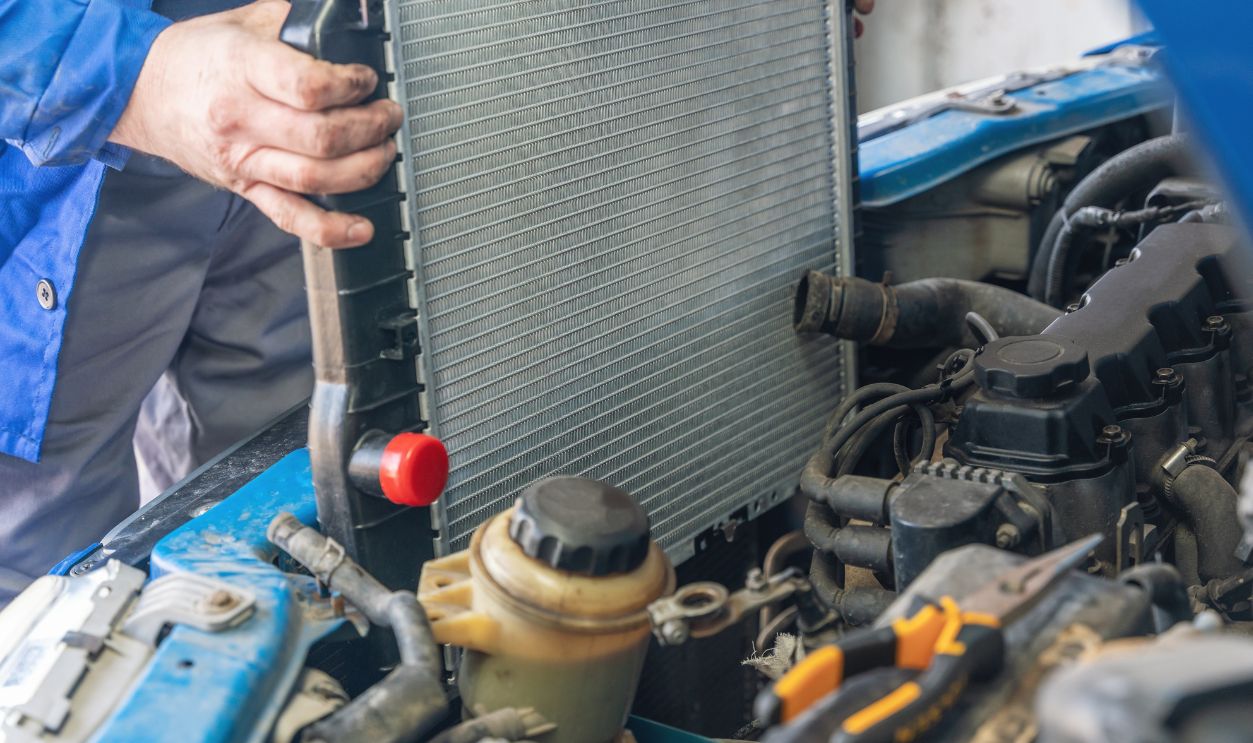
Cooling-system components often begin showing their age after a fleet vehicle enters private ownership. Hoses, water pumps, radiators, and thermostats may have endured years of use. These failures sometimes appear shortly after purchase because components were already approaching the end of their lifespan.
 Afanasiev Andrii, Shutterstock
Brakes May Wear Faster Than Expected
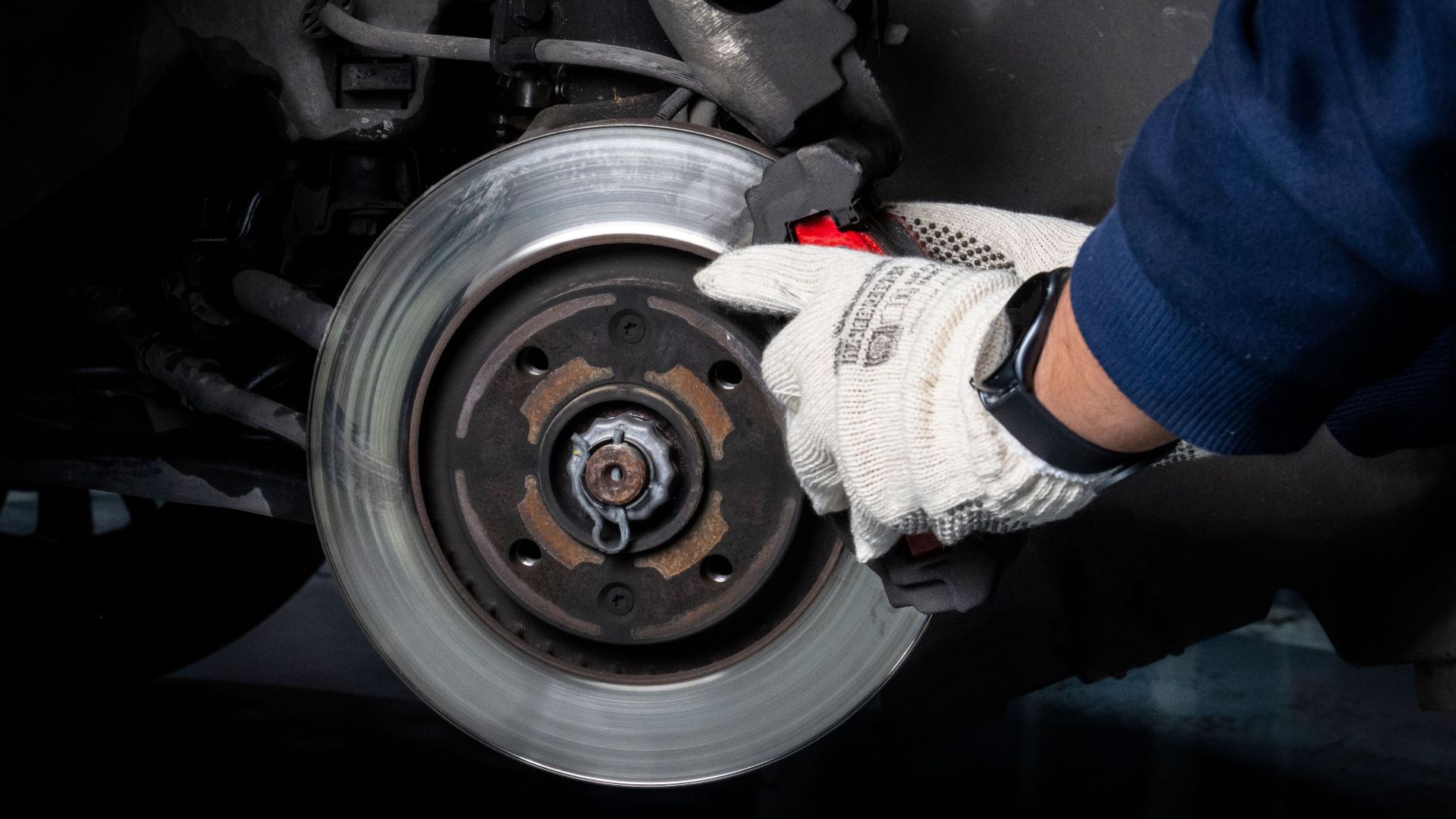
Vehicles used for deliveries, service work, or city driving often experience far more braking cycles than typical passenger vehicles. Even if the brakes pass inspection at purchase, related components may be nearing replacement age. Buyers sometimes mistake normal wear for evidence of dishonesty.
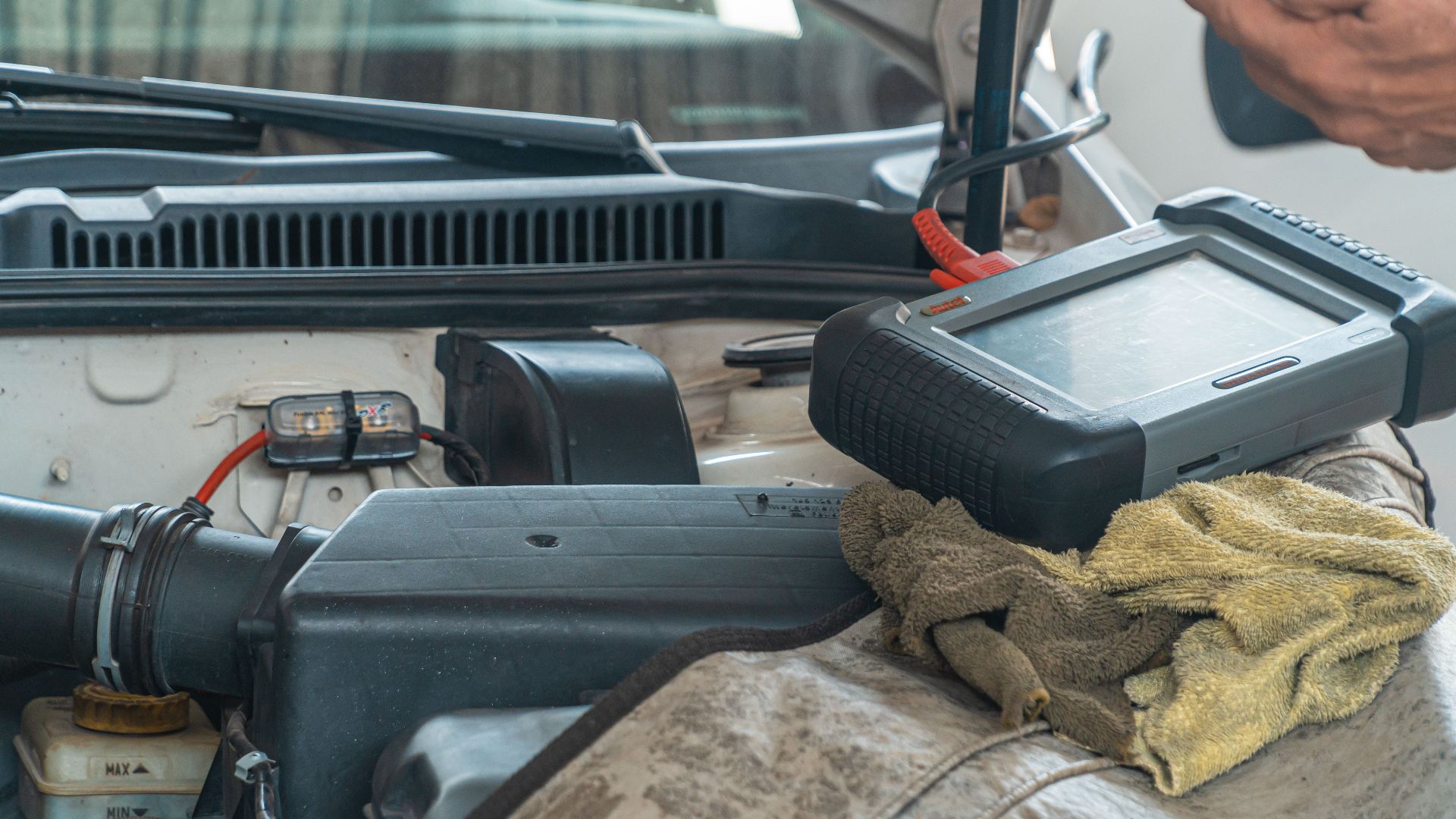
Electrical Systems Can Be Complicated
Many fleet vehicles have aftermarket electronics, communication equipment, GPS systems, lighting packages, or other accessories installed during their service lives. Even when removed before sale, wiring modifications can occasionally create electrical issues later. These problems are not always obvious during the purchase process.
 Jose Ricardo Barraza Morachis, Pexels
Former Government Vehicles Can Be Excellent Or Terrible
Government fleets cover everything from lightly used administrative sedans to heavily utilized police vehicles. Some government vehicles receive meticulous maintenance and relatively gentle use. Others spend years idling, operating in harsh conditions, or performing demanding tasks. The specific history matters more than the government label itself.

Hidden Wear Doesn't Always Mean Anyone Lied
When problems appear shortly after purchase, buyers sometimes assume the seller intentionally concealed defects. While that certainly happens in some cases, many issues are simply difficult to predict. Components that function perfectly during inspection may still fail weeks or months later. Mechanical systems do not always provide advance warning.

A Repair Doesn't Necessarily Mean A Bad Purchase
Many buyers become convinced they bought a lemon after the first major repair. In reality, used vehicles of all types eventually require maintenance. The key question is whether the repair costs remain reasonable relative to the purchase price and overall value of the vehicle. One repair alone does not determine whether the purchase was a mistake.
The Best Fleet Vehicles Often Have Documentation
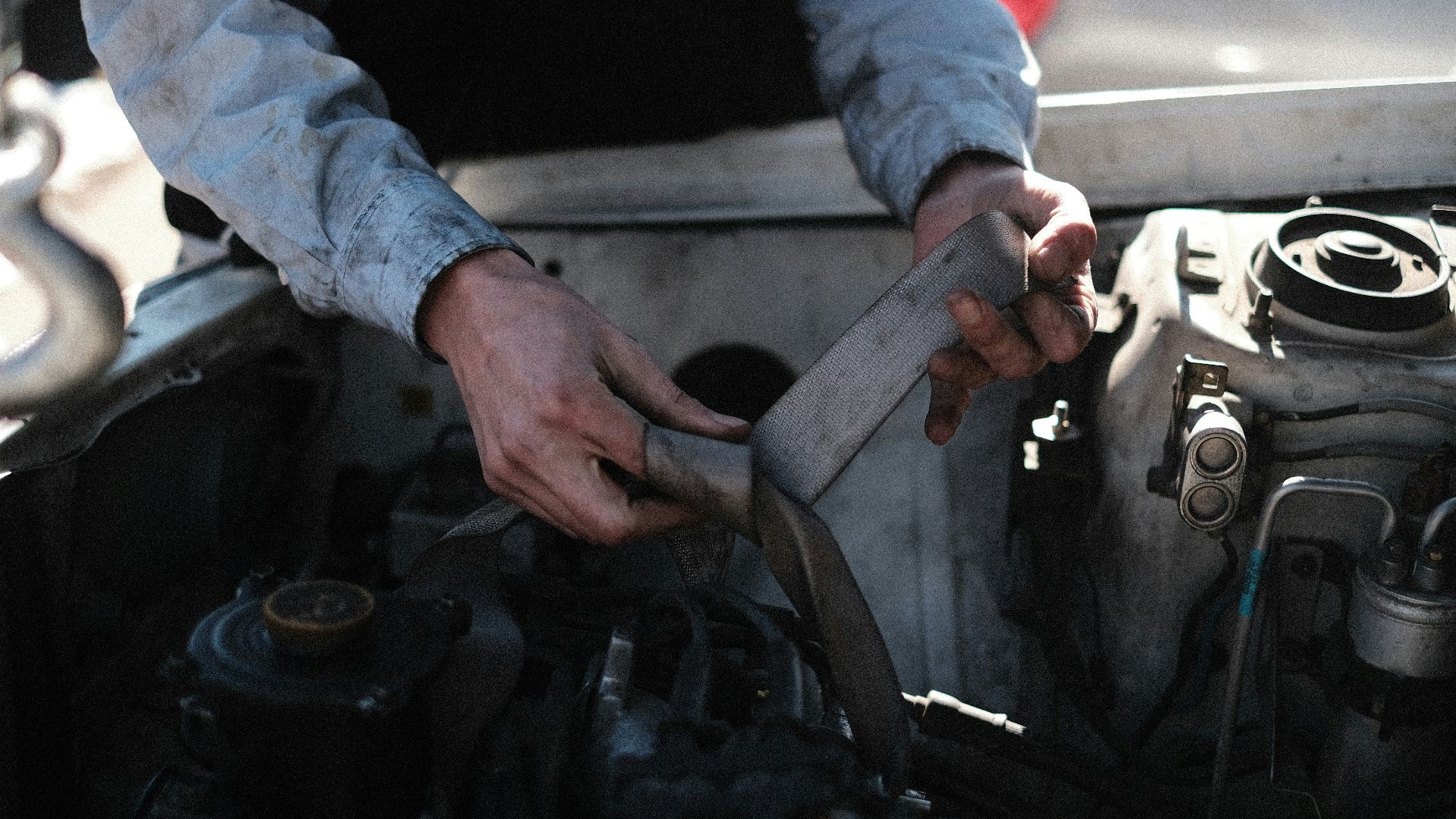
If there is one characteristic that consistently improves the odds of a good fleet purchase, it is documentation. Detailed maintenance records, service histories, inspection reports, and usage information help buyers understand exactly what they are getting. Transparency reduces surprises and makes future maintenance easier to plan.

You Can Trust Some Fleet Vehicles, But Not Blindly
Former fleet vehicles are not automatically bad purchases, and many provide years of reliable service. However, they should not be evaluated the same way as privately owned vehicles with known histories. The key is understanding how the vehicle was used, reviewing maintenance records, obtaining an independent inspection, and budgeting for some catch-up repairs. When approached carefully, a fleet vehicle can be a great value, but blind trust is rarely a good strategy.

You May Also Like: