When Two Shops Tell Two Very Different Stories
It can be frightening when a mechanic tells you, “This vehicle is unsafe to drive,” but it only gets more complicated when another shop tells you the exact opposite. One mechanic may be warning you about a real safety problem. Another may be looking at the same issue and deciding it can wait. It's hard to know who to listen to, but there's a practical way to handle it.
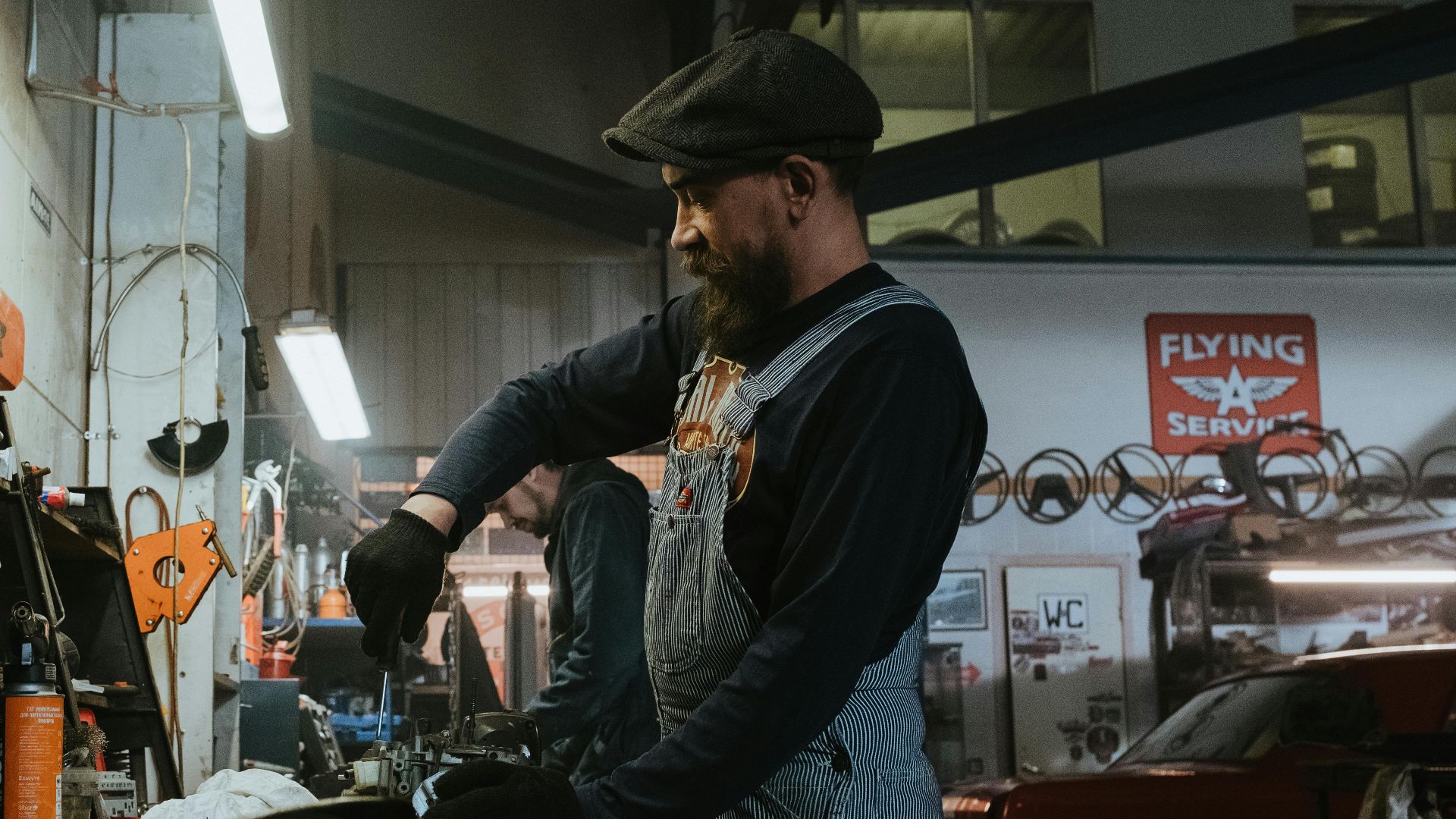
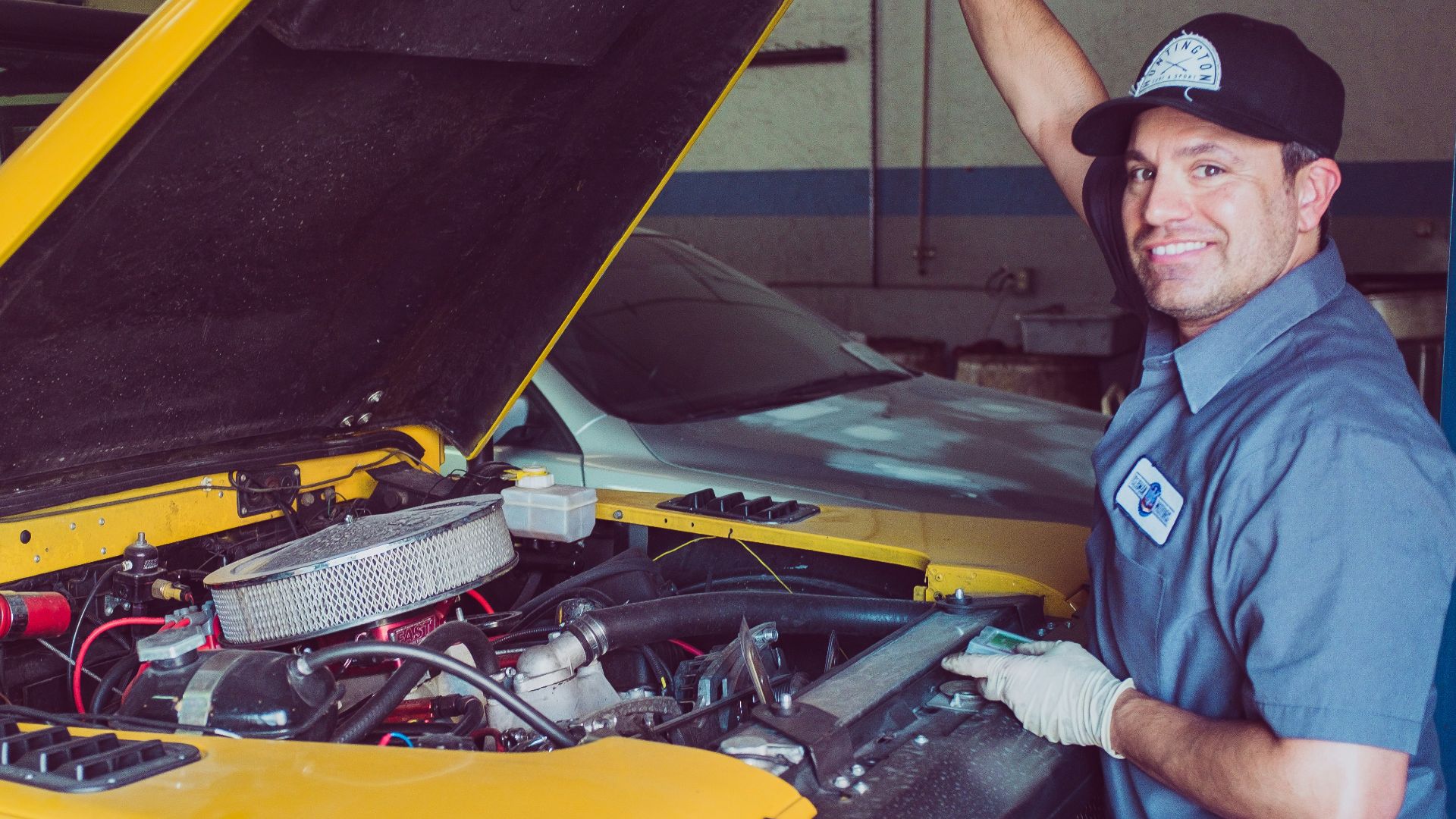
 Gustavo Fring, Pexels, Modified
Start With One Simple Truth
Not every “unsafe” diagnosis means the same thing. Some problems create an immediate crash risk, like badly worn brakes, damaged tires, or failing steering and suspension parts. Other issues may be serious without making the car dangerous for a short drive home or to another inspection.
What “Unsafe To Drive” Usually Means
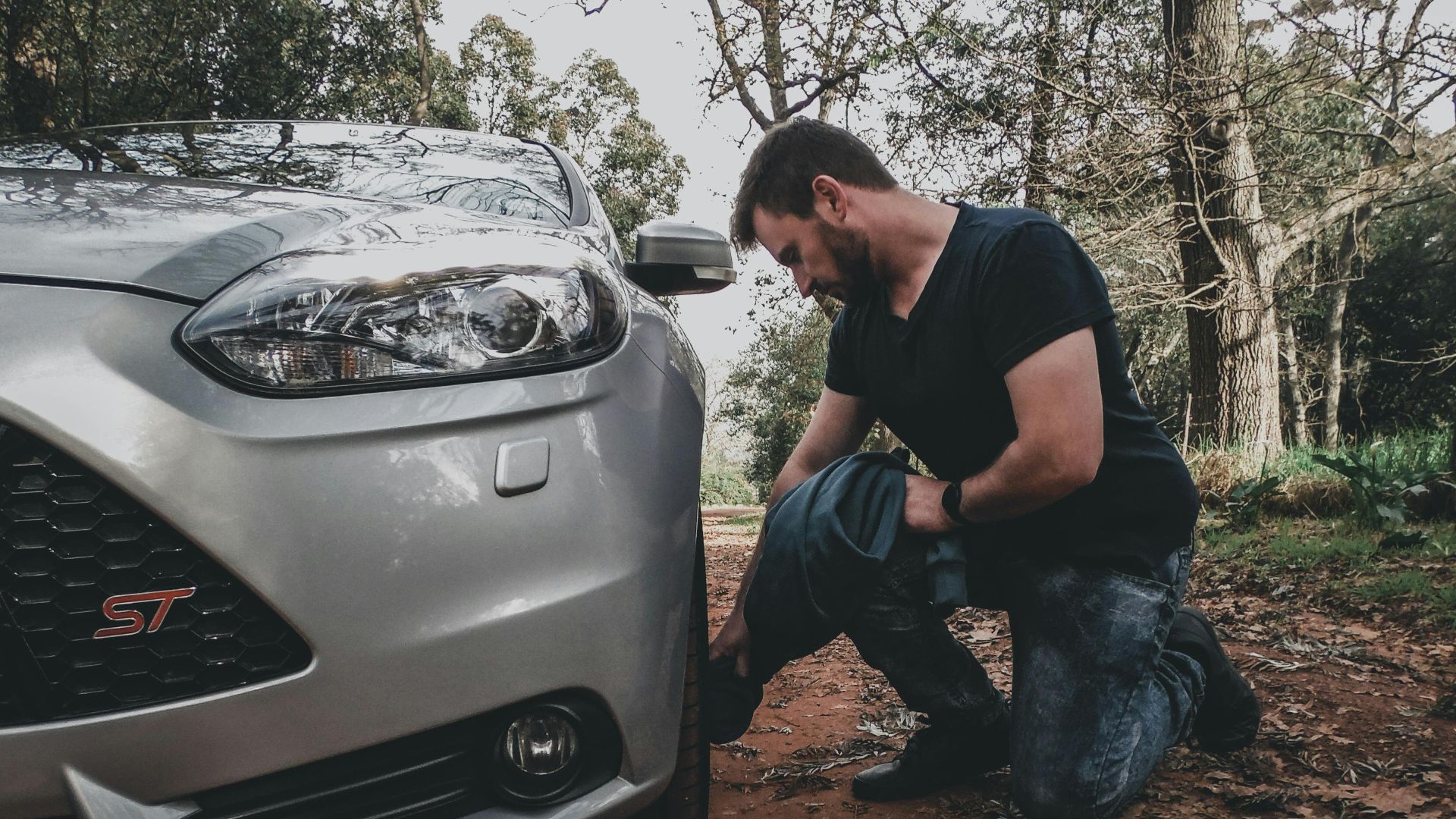
When a mechanic uses that phrase the right way, they usually mean something that affects braking, steering, tire condition, visibility, or your ability to control the car. The National Highway Traffic Safety Administration, or NHTSA, treats tires, brakes, steering, and other core systems as critical to avoiding crashes. If a shop says one of those systems is compromised, pay attention.

Why Honest Shops Can Still Disagree
Cars do not always fail in clear-cut ways. A brake pad can be close to the end of its life without yet being unsafe, and a suspension bushing can be worn without being a same-day emergency. Two technicians can look at the same part and disagree on how urgent it is, especially if one shop is more cautious than the other.
The Biggest Red Flags Are Usually Easy To Name
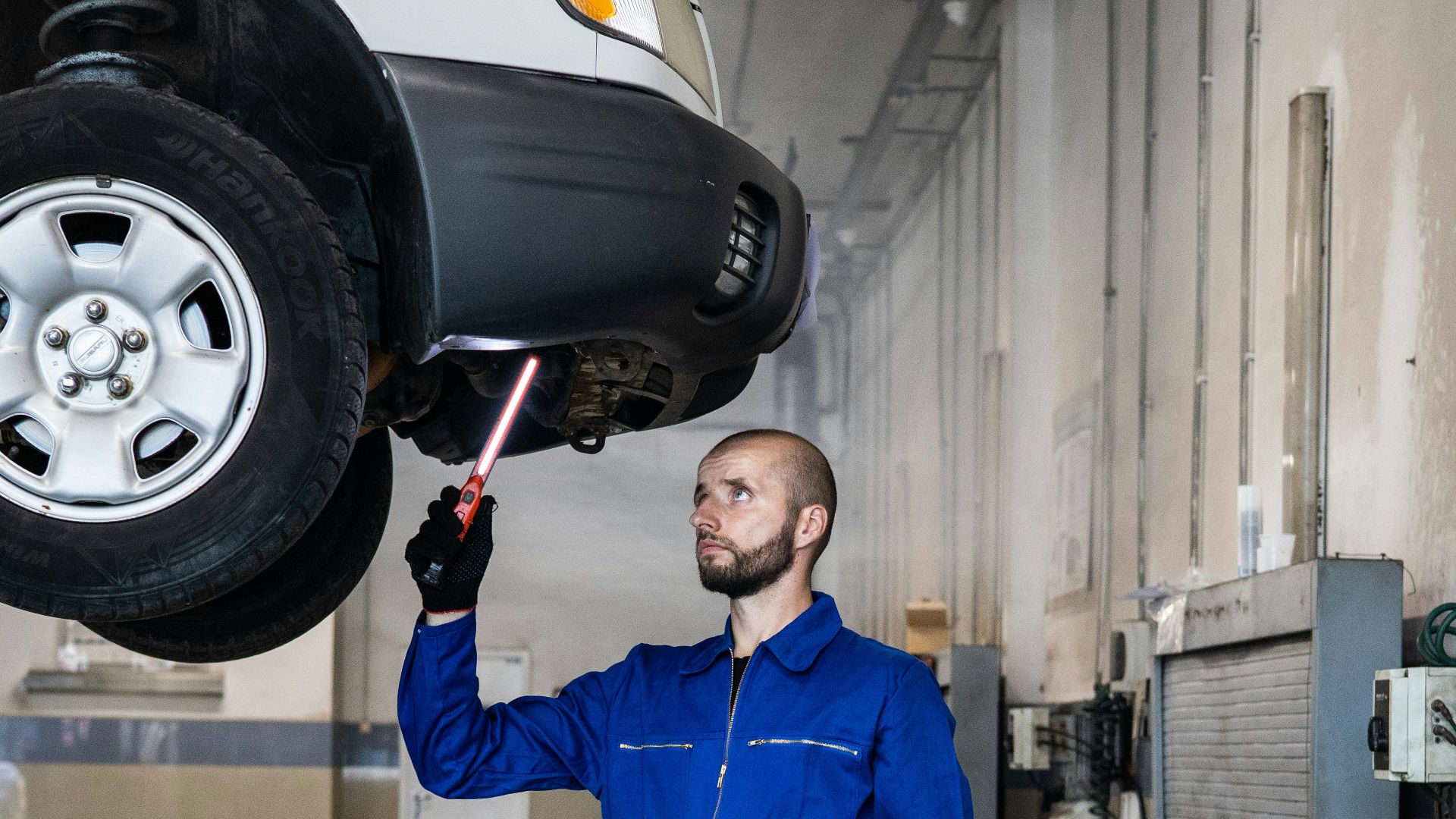
If the warning involves brakes that are metal-to-metal, tires with cords showing, severe sidewall damage, fluid leaks that affect braking, or steering parts with dangerous play, take it seriously. NHTSA and tire safety guidance are clear that structural tire damage and worn-out safety parts can lead to a loss of control. Those are not problems to put off.

Tires Can Turn Into A Safety Problem Fast
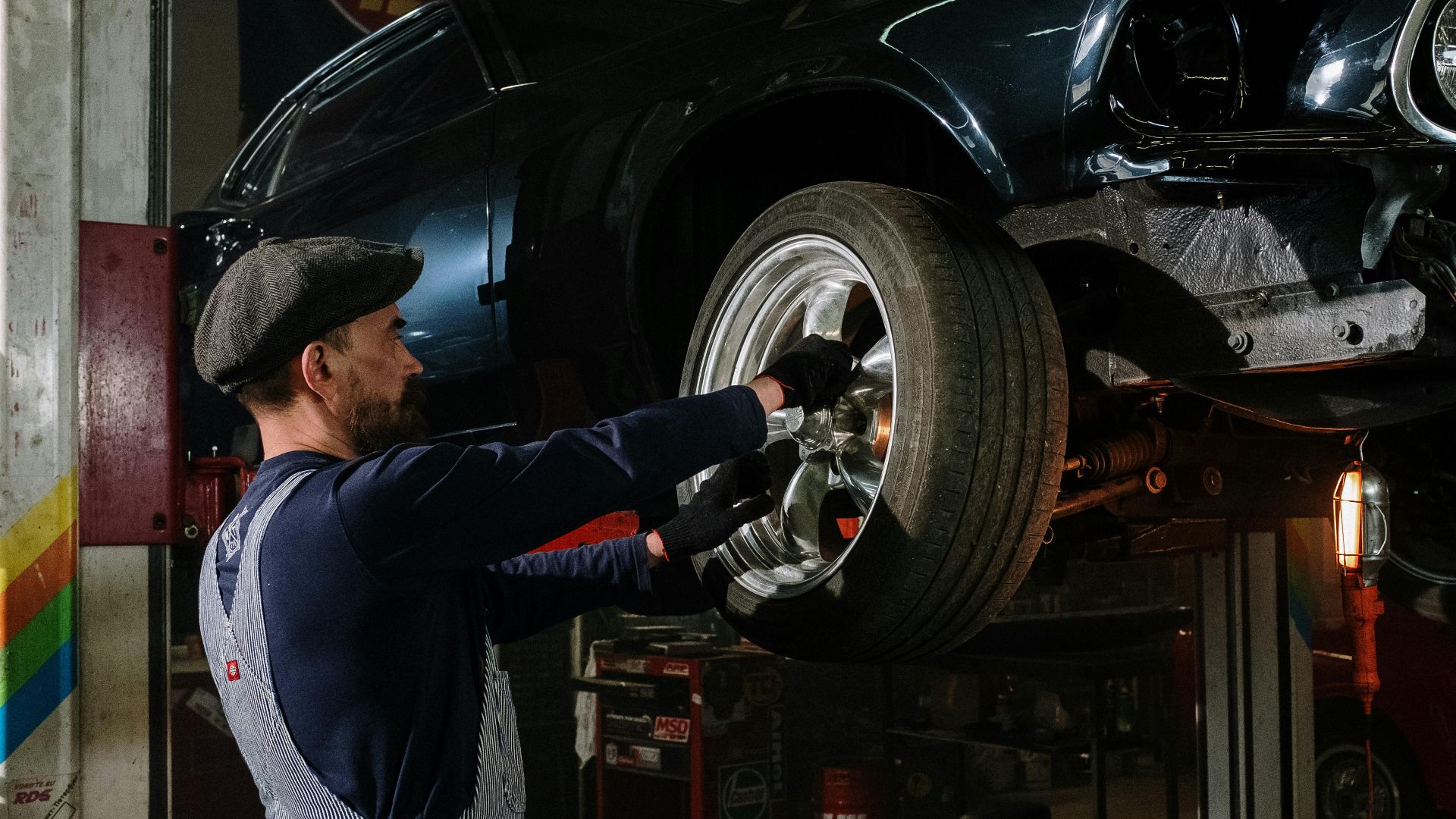
Tire safety is one of the easiest things to verify because the rules are pretty specific. NHTSA says tires should be replaced when tread depth reaches 2/32 of an inch, and it warns against driving on tires with damage like bulges, cracks, or exposed cord. If a shop says your tire is unsafe, ask them to show you the exact damage.
The Penny Test Is Real, But It Is Not The Whole Story
Many drivers know the old penny test, and NHTSA still points to the 2/32-inch replacement point. But tread depth is only part of the picture. A tire can still have enough tread and be dangerous if it has sidewall bubbles, bad puncture damage, or age-related cracking.

Brakes Deserve More Than A Verbal Warning
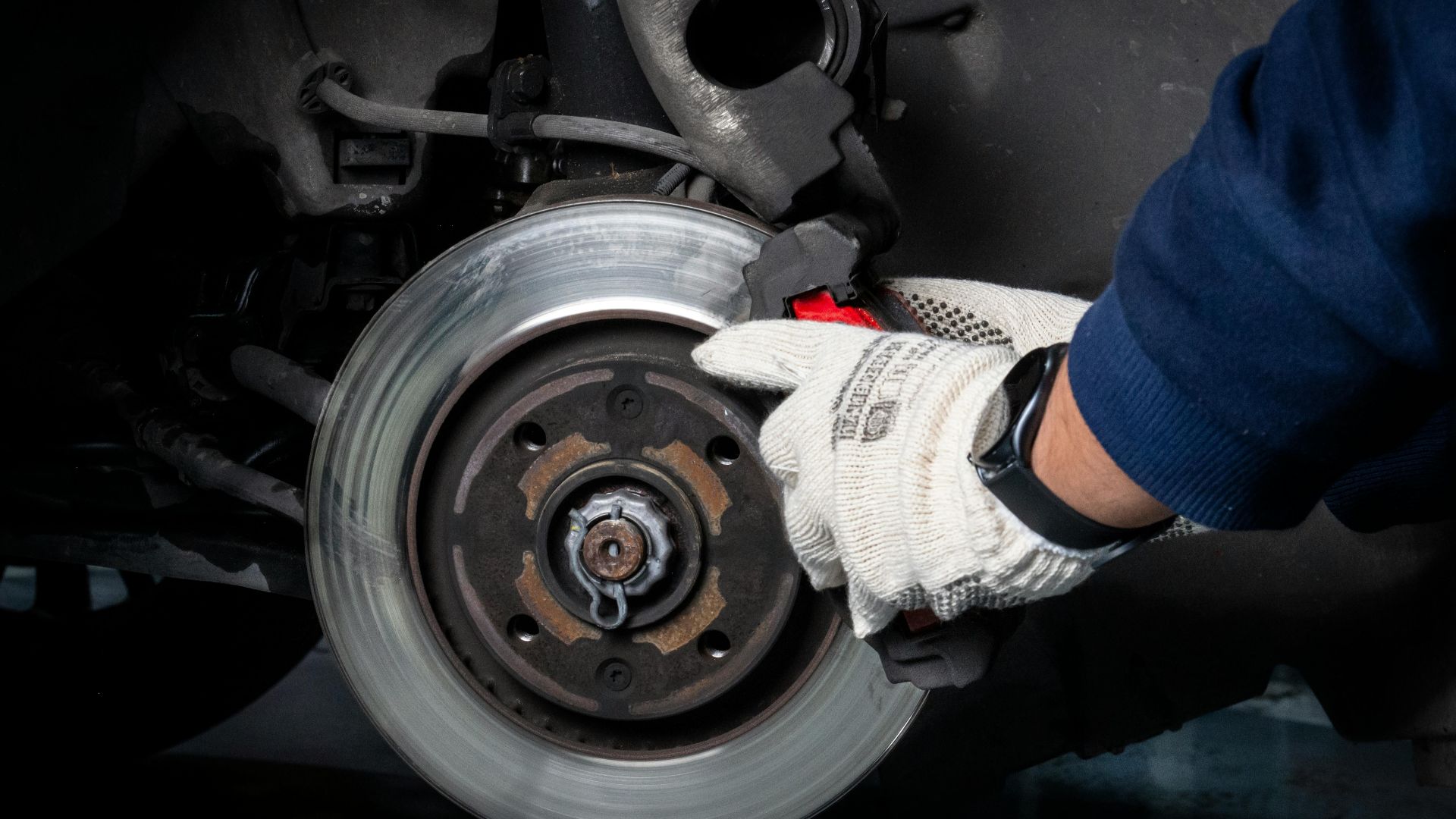
Brakes are another area where second opinions can sound wildly different. Federal brake inspection guidance for commercial vehicles reflects the same basic truth for any vehicle: cracked parts, serious leaks, or friction material worn beyond limits can create immediate danger. Ask for actual measurements on pad thickness and rotor condition, not just vague warnings.
Ask The Shop To Show You The Part
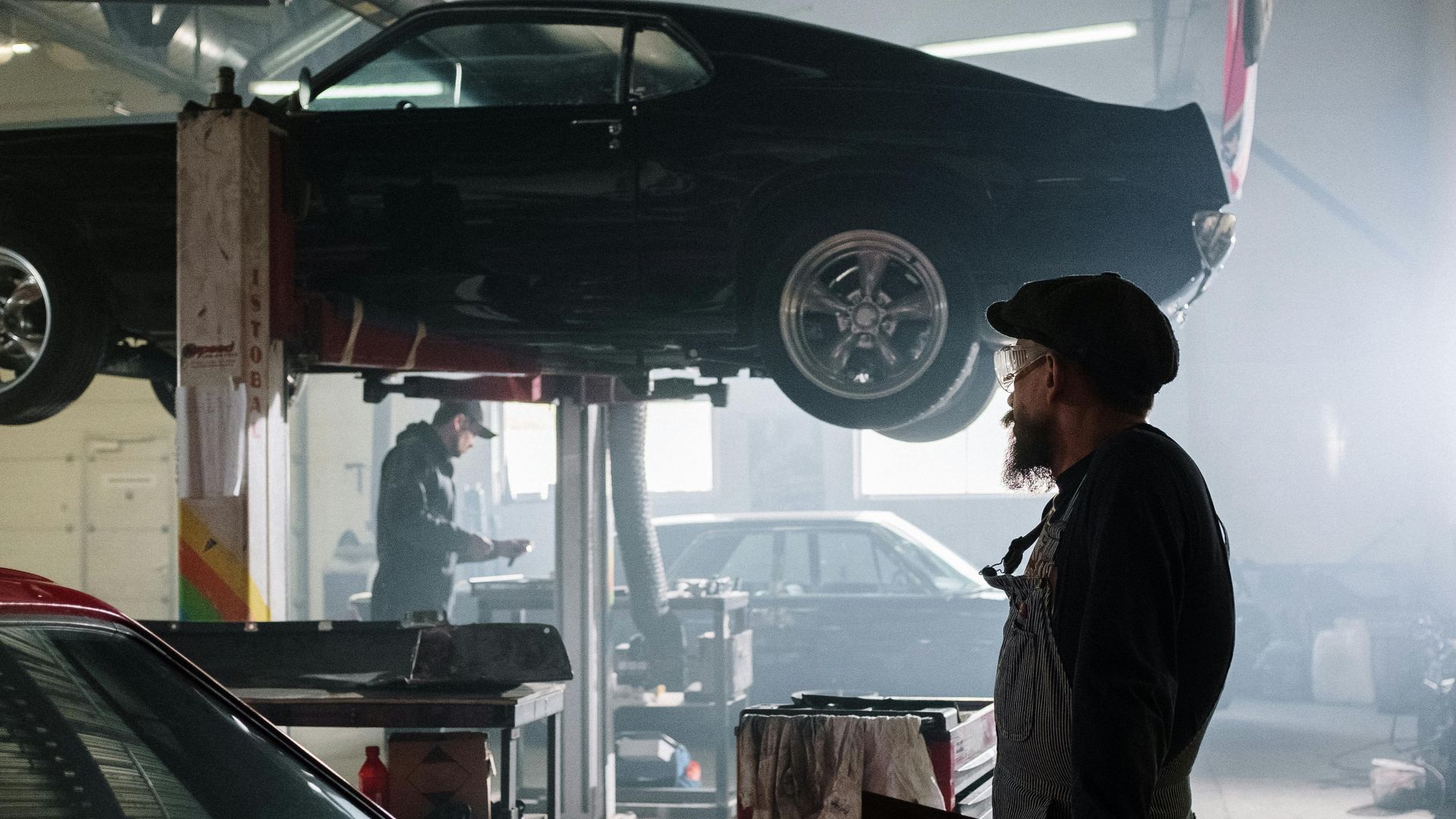
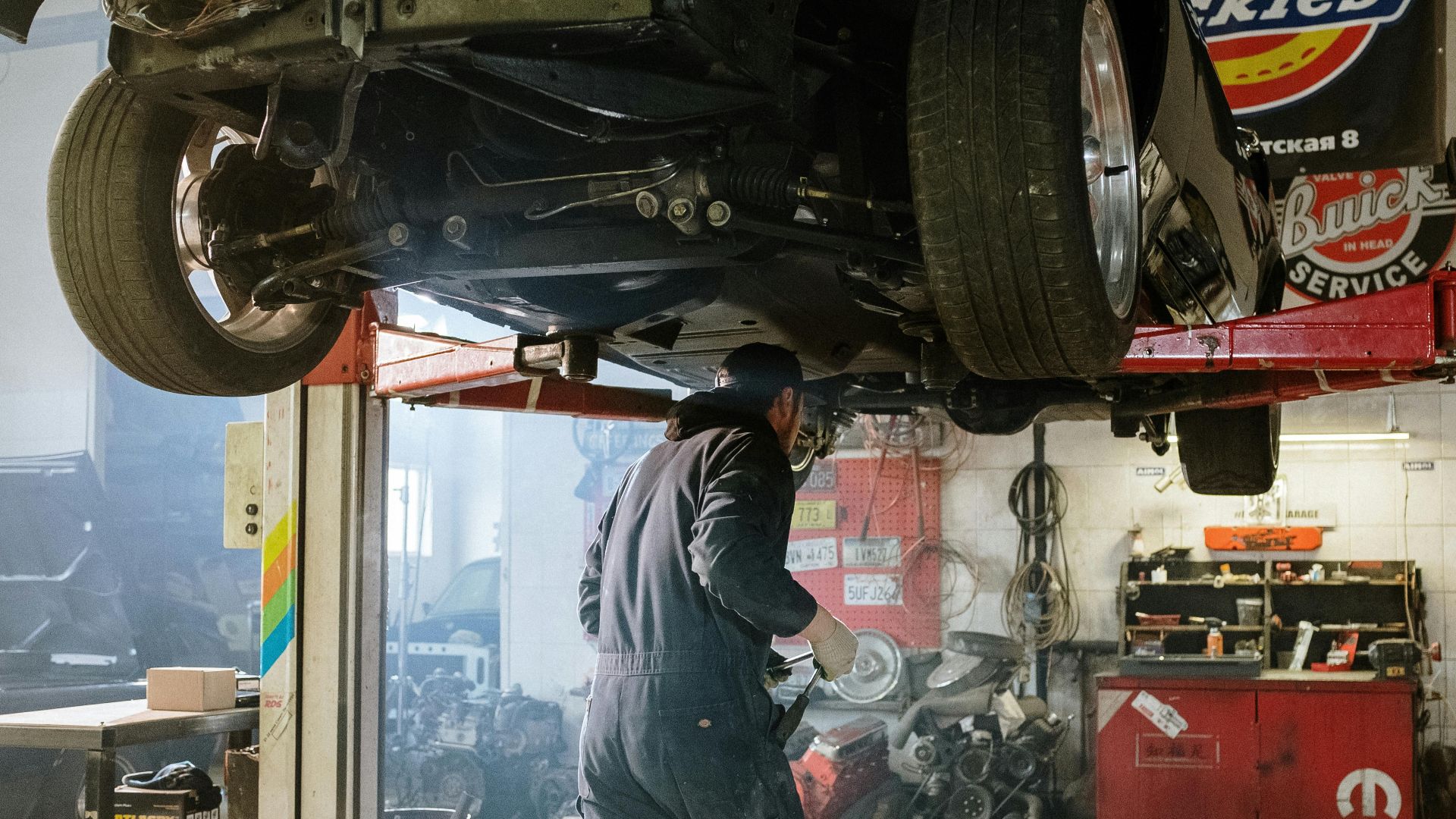
This is one of the smartest things you can do. A good shop should be willing to put the car on a lift, point out the problem, and explain why it matters. If they cannot clearly show the defect, or if the explanation keeps shifting, your skepticism is fair.
Photos And Video Can Cut Through The Noise
Many shops now use digital inspections with photos and short videos. That makes it easier to compare opinions without relying on memory. A picture of a leaking brake hose, a separated tire, or a loose ball joint tells you much more than someone saying, “It looks bad.”

Measurements Matter More Than Vibes
Good safety calls are usually backed by numbers and visible proof. Tire tread depth, brake pad thickness, rotor thickness, fluid leaks, wheel bearing play, and suspension looseness can all be documented. If one shop is specific and the other is vague, the one using hard facts usually deserves more trust.
State Inspections Can Offer A Reality Check
In many states, inspection programs list reasons a car fails for safety issues, including brakes, tires, lights, steering, suspension, and glass. The standards vary by state, which matters because a car can be legal under one inspection system and still be a bad idea to drive. Even so, published inspection rules can help you judge whether a shop’s warning matches recognized safety standards.

Legal To Drive Is Not The Same As Safe To Drive
This is where many disagreements start. A vehicle might barely pass inspection and still have worn parts that a careful technician thinks should be replaced soon. Passing a minimum standard does not mean the car is in great shape, just as one mechanic’s concern does not always mean the car is an immediate hazard.

Watch Out For The Commission Problem
Some shops pay advisors or technicians in ways that reward sold work, and that can create pressure to frame borderline repairs as urgent. That does not mean every warning is a scam. It does mean you should separate true safety hazards from routine maintenance recommendations. A detailed estimate that ranks repairs by urgency is usually a good sign.
A Trustworthy Shop Usually Talks In Categories
The best repair shops often divide findings into immediate safety concerns, near-term repairs, and maintenance items to keep an eye on. That gives you a clearer picture of what needs attention now and what can wait. If a shop treats everything like an emergency, be careful.

Recalls Add A Different Kind Of Urgency
If the problem involves a recalled part, check your vehicle identification number through NHTSA’s recall lookup tool. Safety recalls exist because the manufacturer or NHTSA identified a defect tied to safety risk. If your issue matches an open recall, that is a strong reason to take the warning seriously and get it handled quickly.
Technical Service Bulletins Are Not Recalls
Drivers sometimes confuse technical service bulletins, or TSBs, with recalls. A TSB is manufacturer guidance for diagnosing or repairing a known issue, but it does not automatically mean the car is unsafe. If a shop points to a bulletin as proof of danger, ask whether the vehicle has an actual recall or just a known service issue.
There Are Times You Should Not Drive It Another Mile
If the brake pedal sinks, the steering feels loose, a wheel is wobbling, a tire has a visible bulge or exposed cords, or the car is badly overheating, stop driving and arrange a tow. Those symptoms can go from annoying to disastrous very quickly. When the problem affects stopping, steering, or control, caution wins.

There Are Also Times A Careful Drive To Another Shop Is Reasonable
A minor seep, a noisy but still working suspension part, or brake pads that are low but not yet metal-to-metal may still allow a short, careful trip for another opinion. The key is getting a specific explanation of the risk. If the shop cannot explain what might fail and how soon, the “unsafe” label may be more judgment than hard fact.
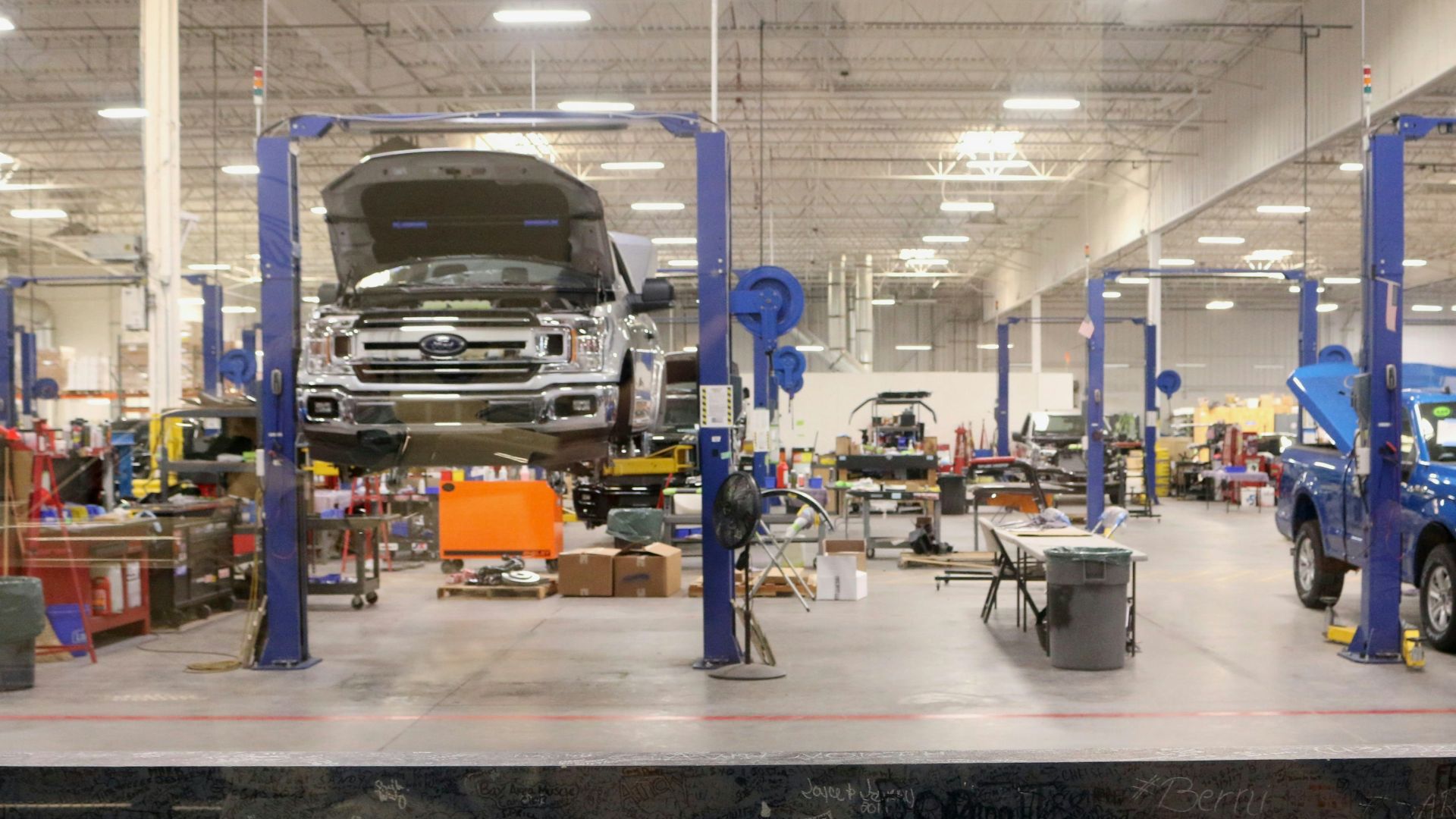 Laurel and Michael Evans, Unsplash
Do Not Ignore What The Car Itself Is Telling You
Your own observations matter. Pulling under braking, vibration in the steering wheel, clunks when turning, grinding noises, warning lights, and sudden changes in handling all support the case that something may really be wrong. A second shop saying “it’s fine” should not cancel out symptoms you can clearly feel.

Ask These Questions Before You Decide Who To Believe
Ask what exact part is unsafe, how the shop verified it, whether they can show you the problem, and what could happen if you keep driving. Then ask whether the concern is immediate, near-term, or just recommended maintenance. That quick conversation can tell you whether the diagnosis is careful and evidence-based or mostly a sales pitch.
Credentials Help, But Process Helps More
ASE certification and manufacturer training are useful signs that a technician has formal training, but they are not a guarantee against bad judgment or upselling. What matters more is whether the shop explains the diagnosis clearly and documents it. A modest shop with a transparent process can be more trustworthy than a polished one with vague claims.
Get A Third Opinion If The Stakes Are High
If the repair is expensive or the safety risk sounds serious, a third inspection is often worth the money. Ideally, choose an independent shop with strong reviews and no connection to the first two. Tell them only the symptoms if possible, not the earlier diagnoses, so you get a cleaner read.
Paperwork Can Tell You A Lot
Read the estimates and inspection reports closely. Look for specific findings, measurements, photos, and a clear list of recommended actions. A shop that writes “unsafe” without details gives you much less to work with than a shop that lists tire tread depth, brake measurements, and the exact part showing dangerous wear.

If You Feel Pressured, Slow The Conversation Down
High-pressure tactics are a warning sign. A reputable shop should be able to explain the safety issue without pushing you into an instant sale. If you feel rushed, ask for the findings in writing and decide whether the safest next step is repair there, a tow, or an immediate second opinion.
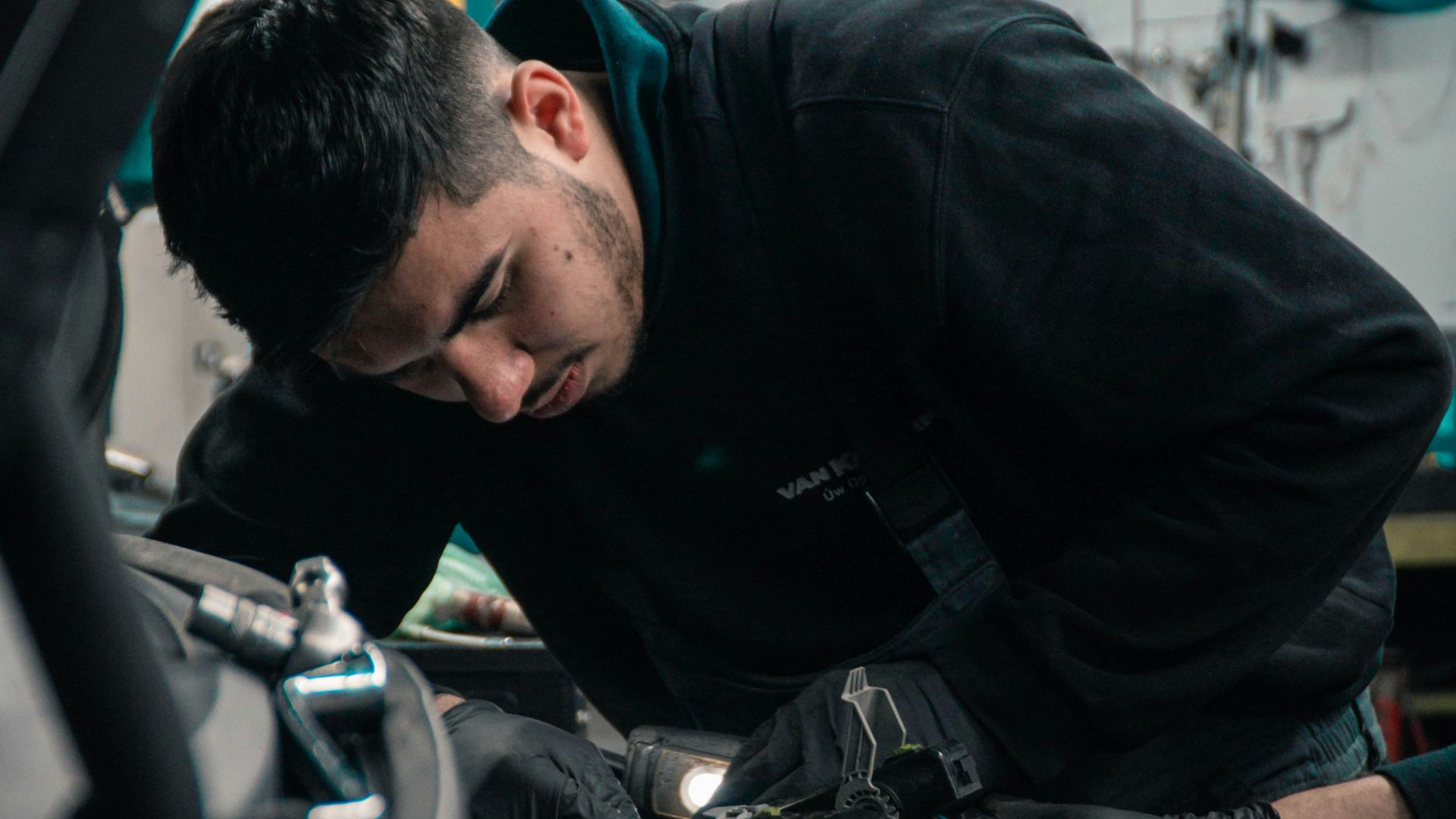
 LinkedIn Sales Solutions, Unsplash
So Who Should You Believe
Believe the shop that can prove its case. The most trustworthy opinion is the one backed by visible evidence, measurements, documented standards, and a calm explanation of the real risk. If the issue involves tires, brakes, steering, suspension, or another control system and the evidence is clear, treat it as real even if another shop sounds more reassuring.
The Best Rule For Drivers Caught In The Middle
When opinions conflict, do not choose the answer you like best. Choose the answer that is best documented and most consistent with established safety guidance from agencies like NHTSA and your state’s inspection standards. Peace of mind is nice, but proof is better.