The $2,000 Surprise Nobody Wants
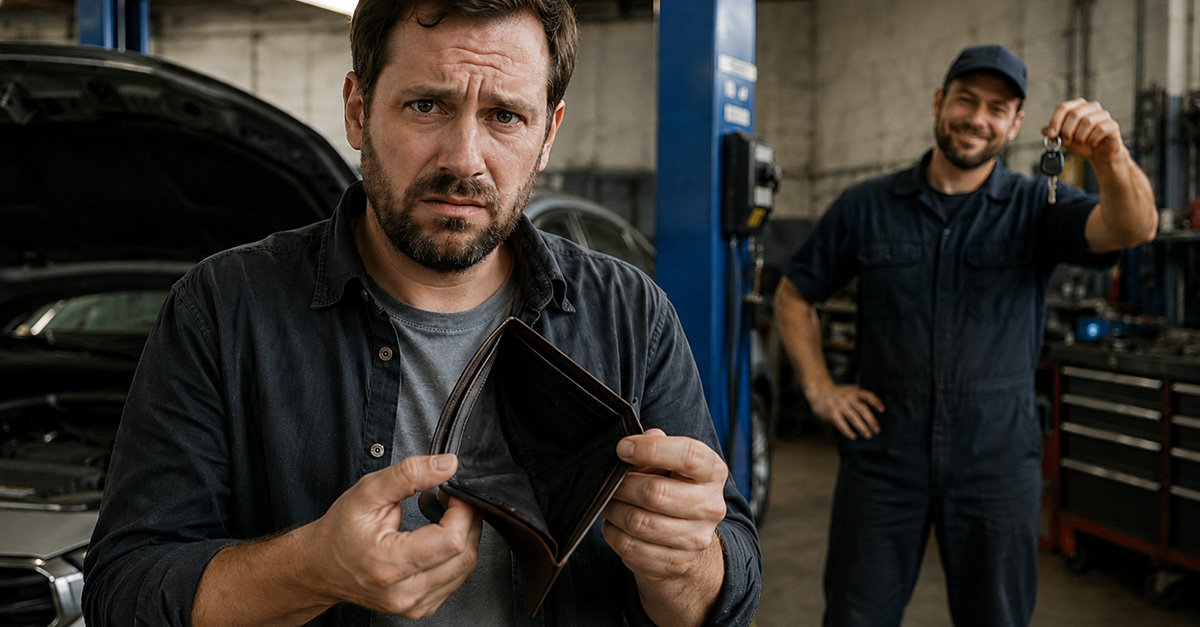
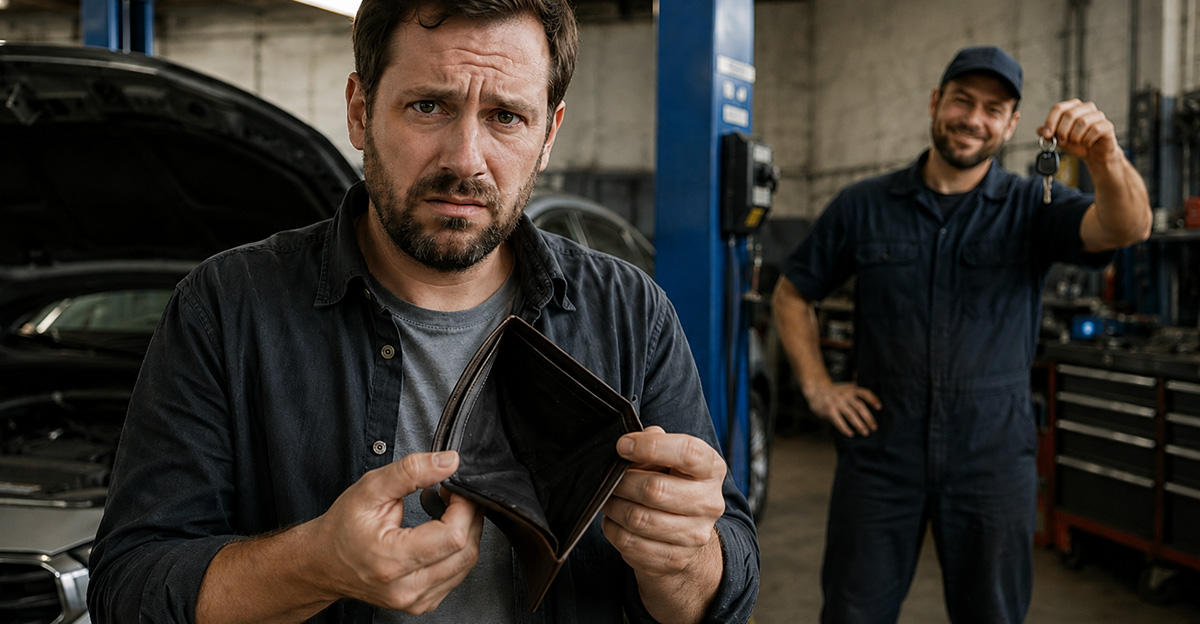
You dropped off your car expecting a diagnosis, maybe a small fix, and suddenly your mechanic says it needs $2,000 in parts. Even worse, they say you cannot take the car back unless you approve the repair. That sounds less like customer service and more like a parking-lot ransom note.
First, Take A Breath
Before you picture your car locked in a dungeon under the shop, know this: the answer depends on what work was approved, what has already been done, and where you live. Mechanics do have rights, but they are not magical car wizards who can invent bills.
The Big Question
Can a mechanic refuse to release your car? Sometimes, yes. But usually that power applies when the shop has performed authorized work and has not been paid. It does not automatically mean they can force you to buy new parts you never agreed to purchase.
What A Mechanic’s Lien Means
Many places recognize something called a mechanic’s lien. In plain English, it can let a repair shop hold your vehicle as security for unpaid repair charges. Think of it like the shop saying, “We fixed your stuff, so pay us before taking it home.”
Authorization Is The Magic Word
The key word here is authorized. If you approved a repair, signed a work order, agreed by text, or clearly told the shop to go ahead, you may owe for that work. If you only asked for an estimate, the shop has a much weaker argument.

Diagnosis Fees Are Different
A shop may charge a diagnostic fee if you agreed to one. That fee covers time spent finding the problem, not fixing it. So, yes, you might owe $150 for diagnosis, but that does not automatically mean you owe $2,000 for parts.

Estimates Matter A Lot
Many consumer-protection rules require repair shops to give estimates, get approval, and explain extra charges before doing major work. If your estimate was $400 and the bill suddenly became $2,000, the shop may need to justify how and when you approved the jump.
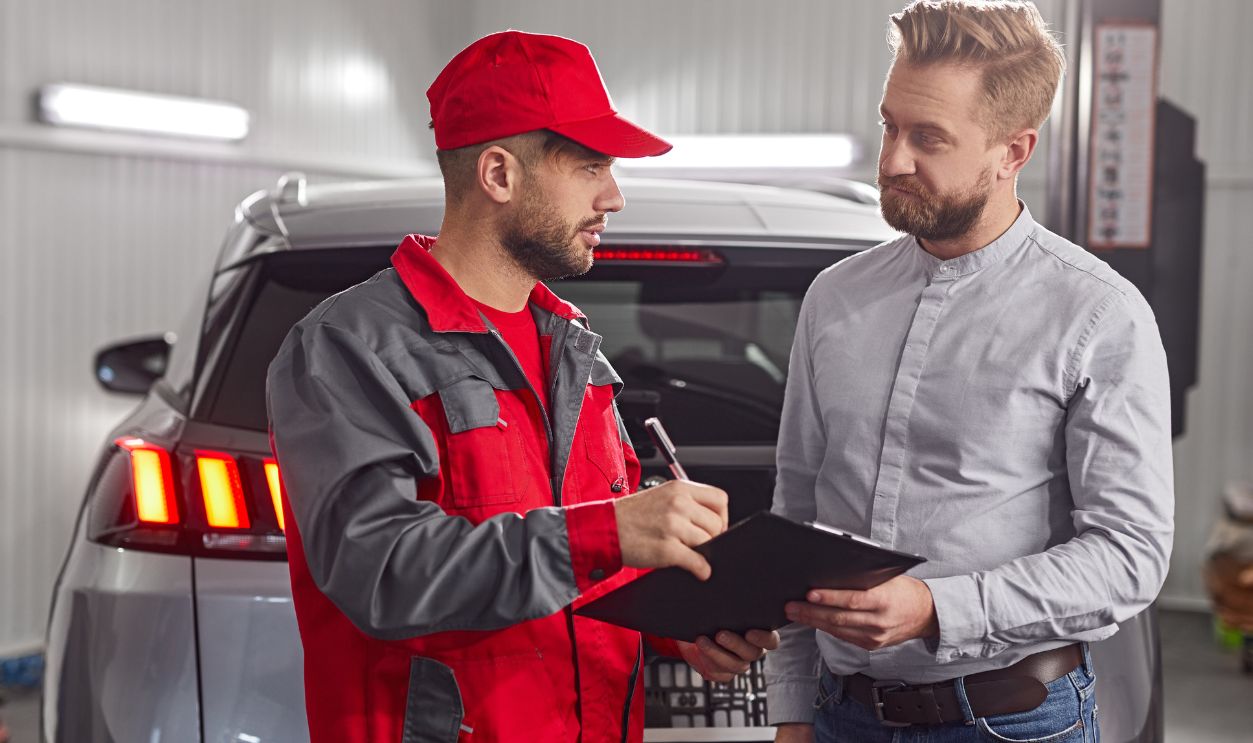
Parts Sitting On A Counter Do Not Count
Here is where things get interesting. If the mechanic merely ordered parts but has not installed them, that is not the same as completed repair work. The shop may want payment for special-order parts, but forcing you to complete the repair is another matter.
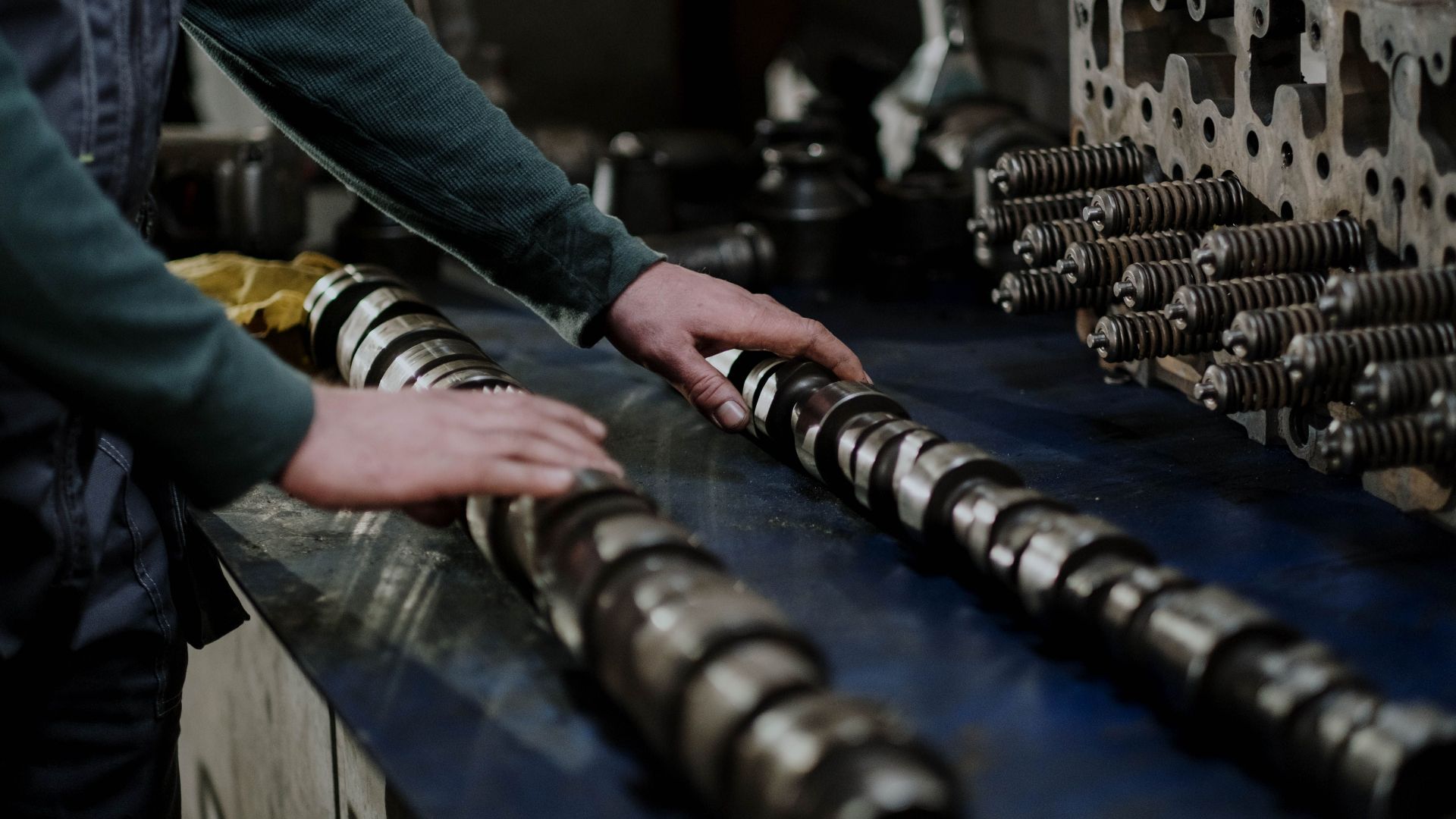
Installed Parts Are A Bigger Deal
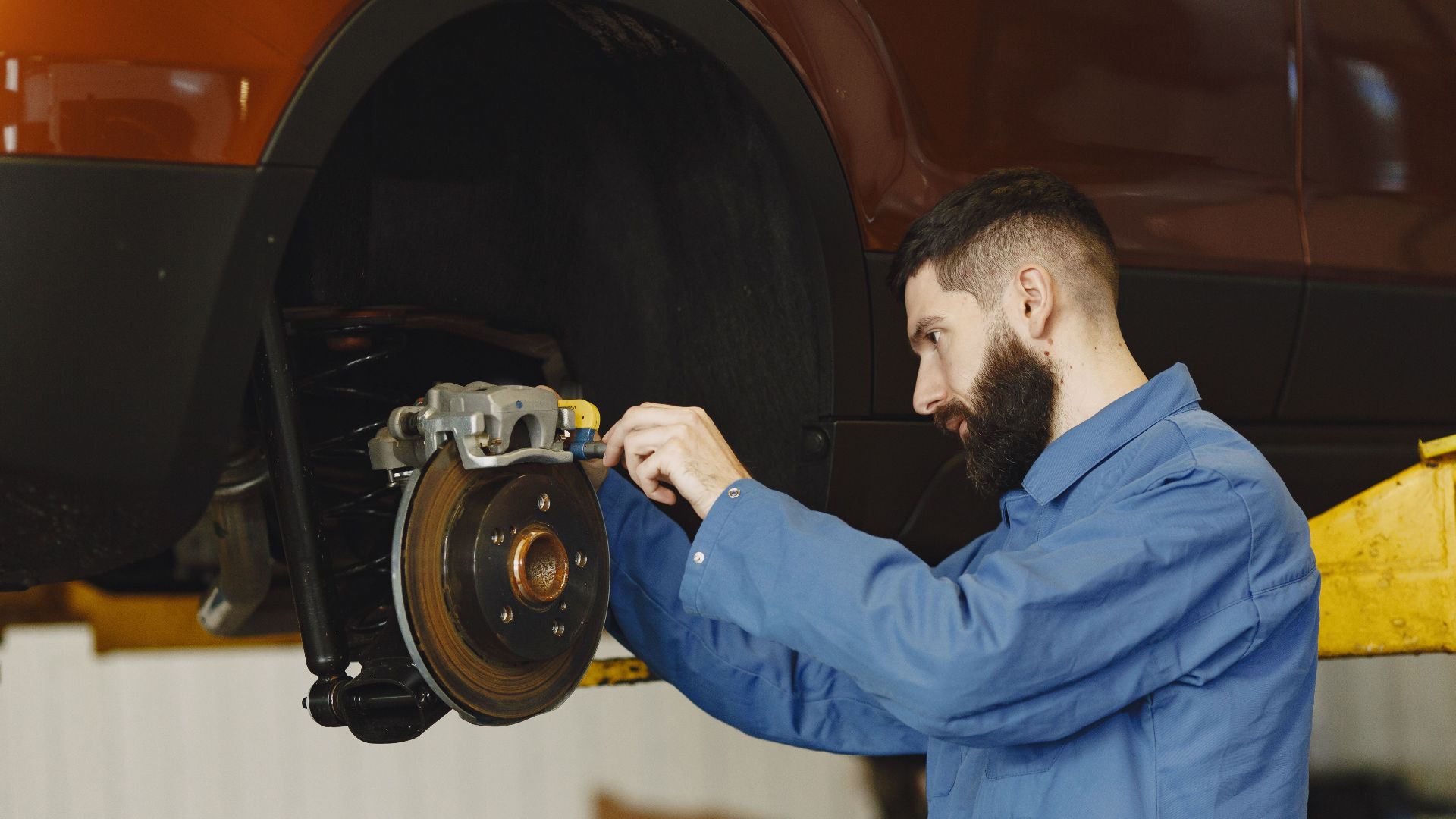
If the mechanic already installed the parts with your permission, the situation changes. Now the shop may have improved the car and can often demand payment before release. That is the classic repair-lien situation, and it is much harder to shrug off.
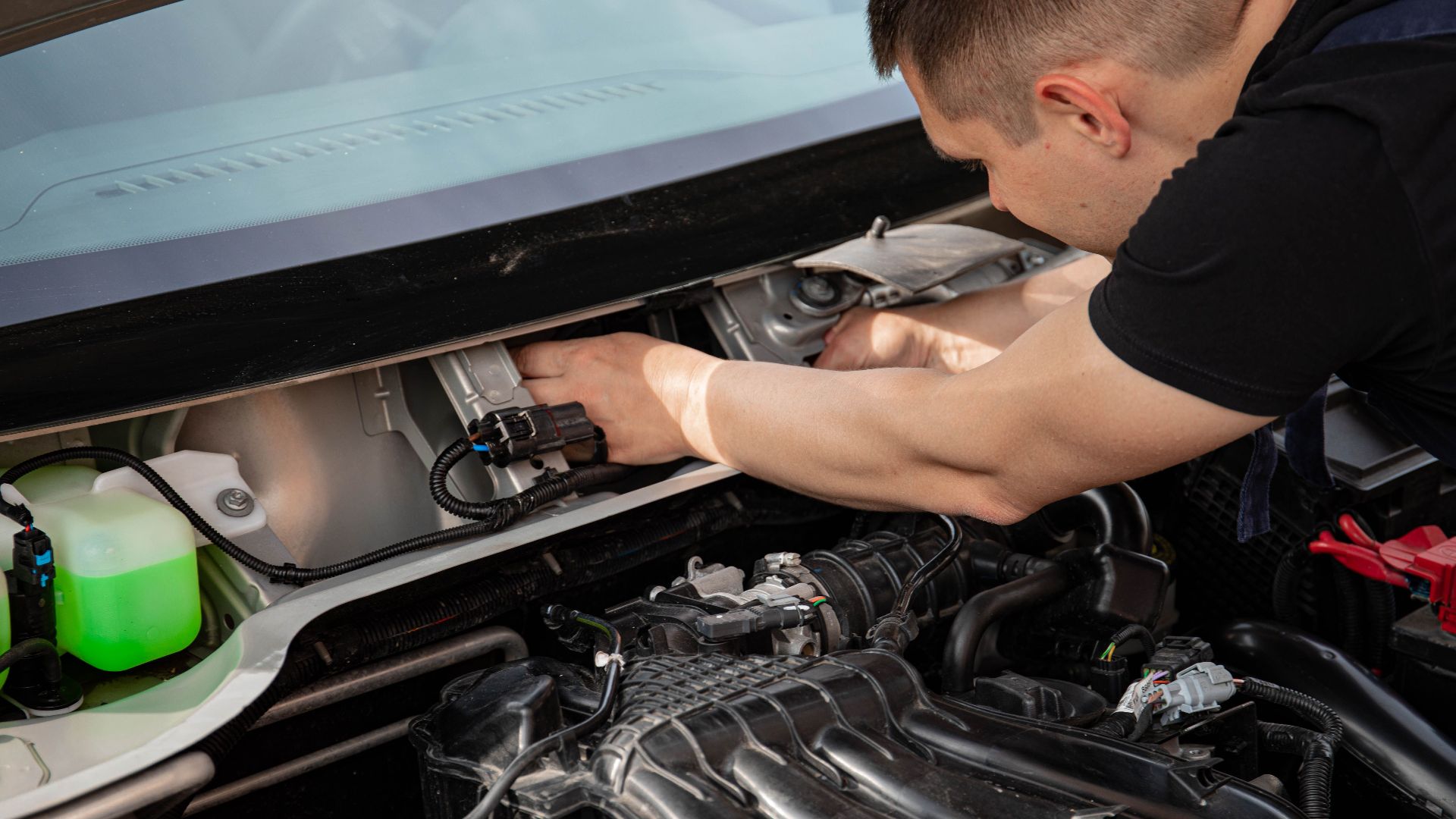
No Permission, Big Problem
If the shop installed parts without your approval, do not panic, but do not ignore it either. Ask for proof of authorization. A good shop should have a signed work order, recorded approval, email, text message, or some clear paper trail showing you said yes.

Ask For The Paperwork
Your first move should be boring but powerful: ask for the written estimate, final invoice, parts list, labor charges, and any authorization records. Paperwork turns a shouting match into a real dispute. It also tells you whether the shop is confident or just bluffing.
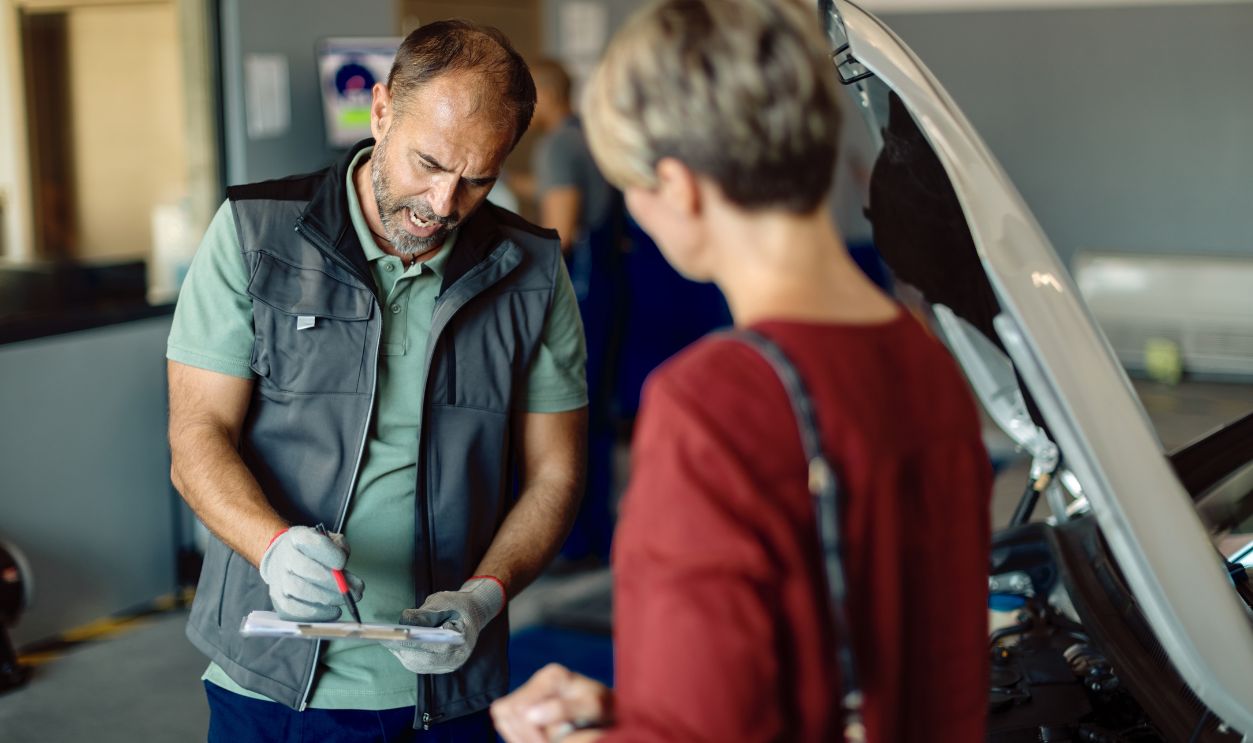
Do Not Authorize Under Pressure
If the mechanic says, “Approve this right now or you cannot have your car,” slow everything down. Ask them to separate what you already owe from what they want to do next. Paying a legitimate diagnostic fee is different from approving a huge repair.

Storage Fees Can Sneak Up
Some shops charge storage fees if a vehicle sits too long after a dispute. These fees can be legal, but they usually must be reasonable and properly disclosed. Ask immediately whether storage fees are being added, how much they are, and when they started.

Keep Everything In Writing
Phone calls are fast, but written messages are your friend. Send a calm text or email saying you do not authorize additional repairs and that you want an itemized bill. This creates a timeline, which can matter if the dispute goes to court or a regulator.

Ask To Pay The Undisputed Amount
One smart move is to offer payment for any amount you genuinely owe, such as an approved diagnostic charge. Make it clear you dispute the $2,000 repair requirement. This shows you are not dodging the bill; you are challenging the part you never approved.

Be Careful With Chargebacks
A credit-card chargeback can feel like a magic escape button, but use it carefully. If the shop actually performed authorized work, a chargeback could escalate the fight. It is better to gather paperwork first, then dispute only charges that are inaccurate or unauthorized.
 AI25.Studio AI GENERATIVE, Pexels
Get A Second Opinion
If the car is safe and movable, ask to take it elsewhere for a second opinion. If the shop refuses, ask exactly what legal basis they are using to hold it. “Because we said so” is not a legal explanation, even if delivered with confidence.
Call Your Local Consumer Office
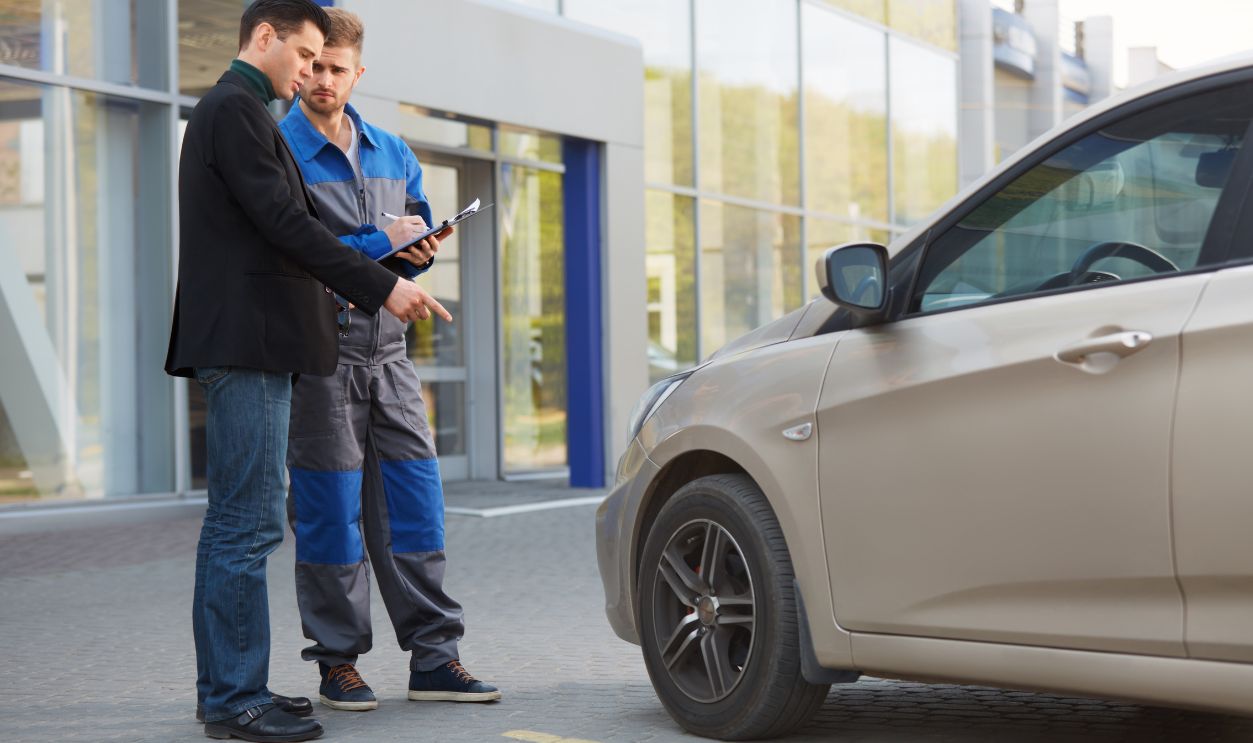
Auto repair rules are local, so your state, province, or country matters. Consumer-protection agencies often explain repair estimate rules, lien rights, and complaint steps. They may also tell you whether the shop needed written approval before ordering or installing expensive parts.

Small Claims Court May Help
When a shop will not release a car and the bill is disputed, small claims court can be an option. In some places, you may be able to pay the disputed amount into court and get the vehicle released while the fight continues legally.
Do Not Sneak The Car Away
Even if you are furious, do not grab the spare key and stage a midnight rescue mission. That can create bigger legal trouble. Handle the dispute through paperwork, payment offers, regulators, court, or legal advice. Revenge rarely looks good in front of a judge.

Watch For Red Flags
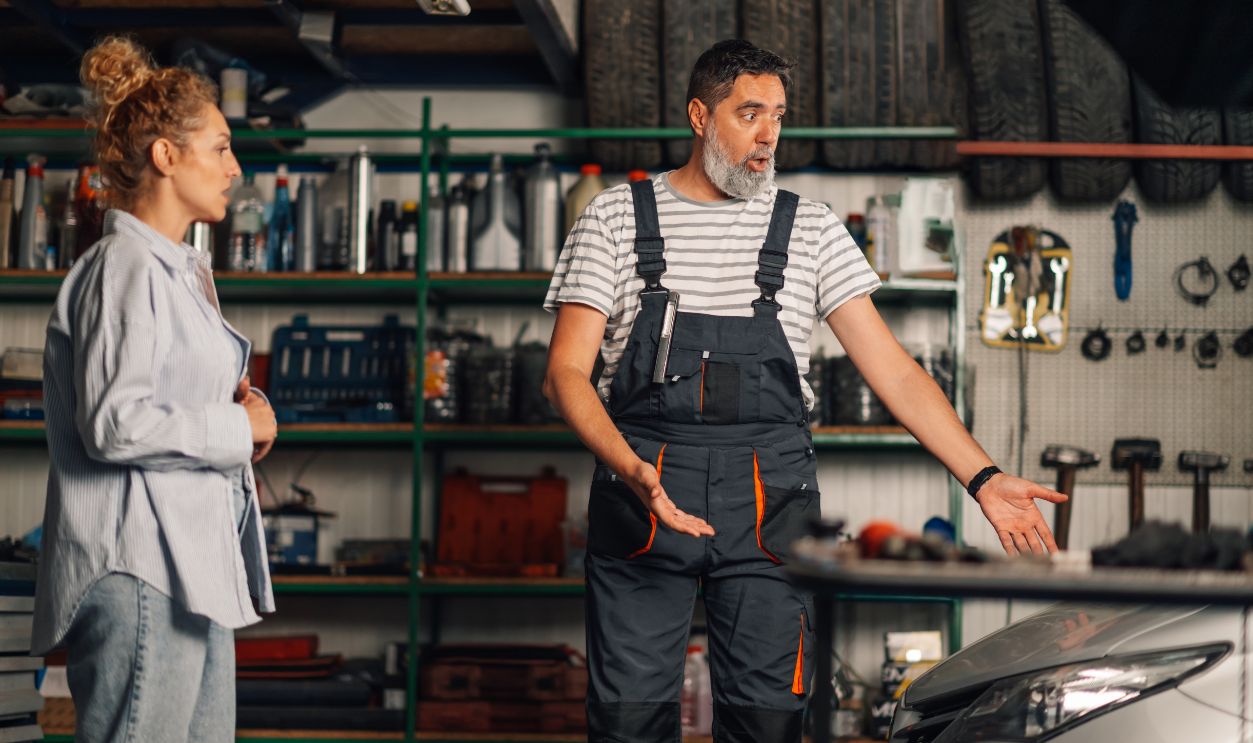
Be cautious if the shop refuses to provide an invoice, changes the story, demands cash only, blocks you from seeing the car, or adds mystery fees. Good repair shops explain problems clearly. Bad ones hide behind pressure, confusion, and the smell of burning wallets.
 Zamrznuti tonovi, Shutterstock
Good Shops Communicate Early
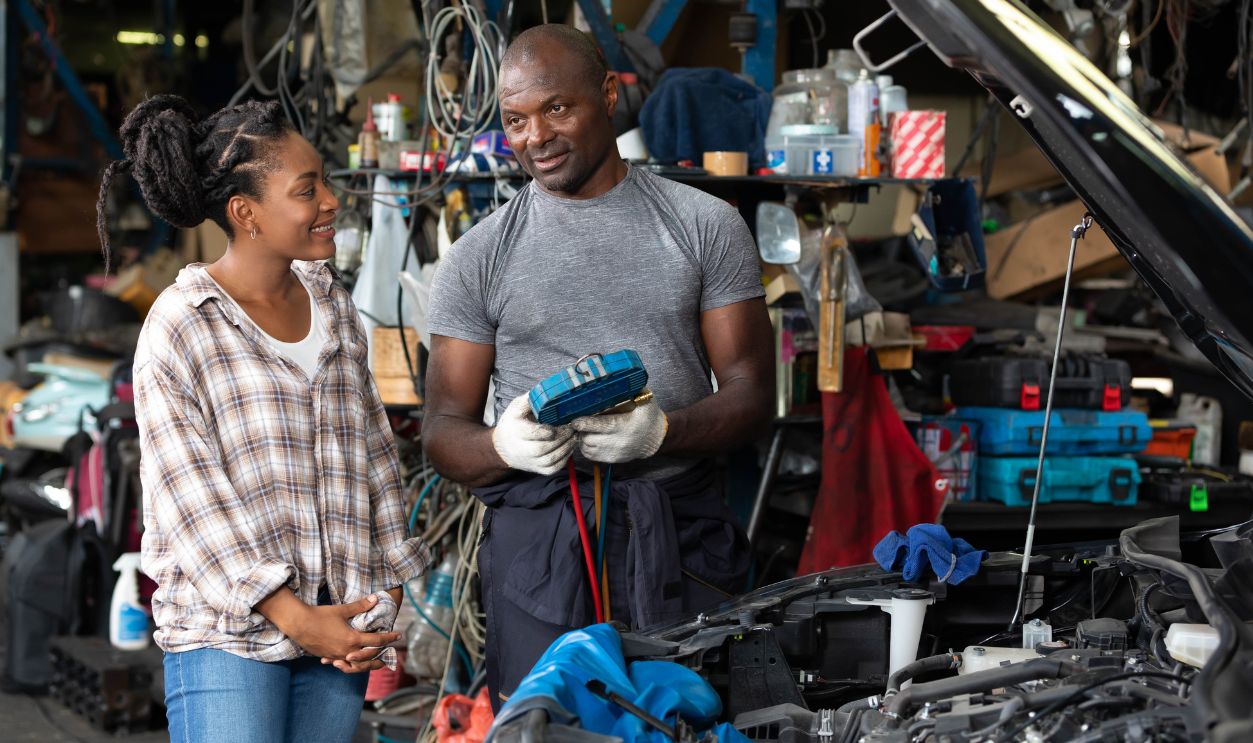
A reputable mechanic usually calls before the bill explodes. They explain what failed, what parts cost, whether the repair is urgent, and what happens if you decline. They may not be cheap, but they should make you feel informed, not trapped.
 Mangkorn Danggura, Shutterstock
What To Say To The Mechanic
Try this: “Please send me the written estimate, itemized invoice, proof of authorization, and the legal basis for holding my vehicle. I do not authorize additional repairs at this time.” It is calm, clear, and much better than yelling over an air compressor.

What You Might Actually Owe
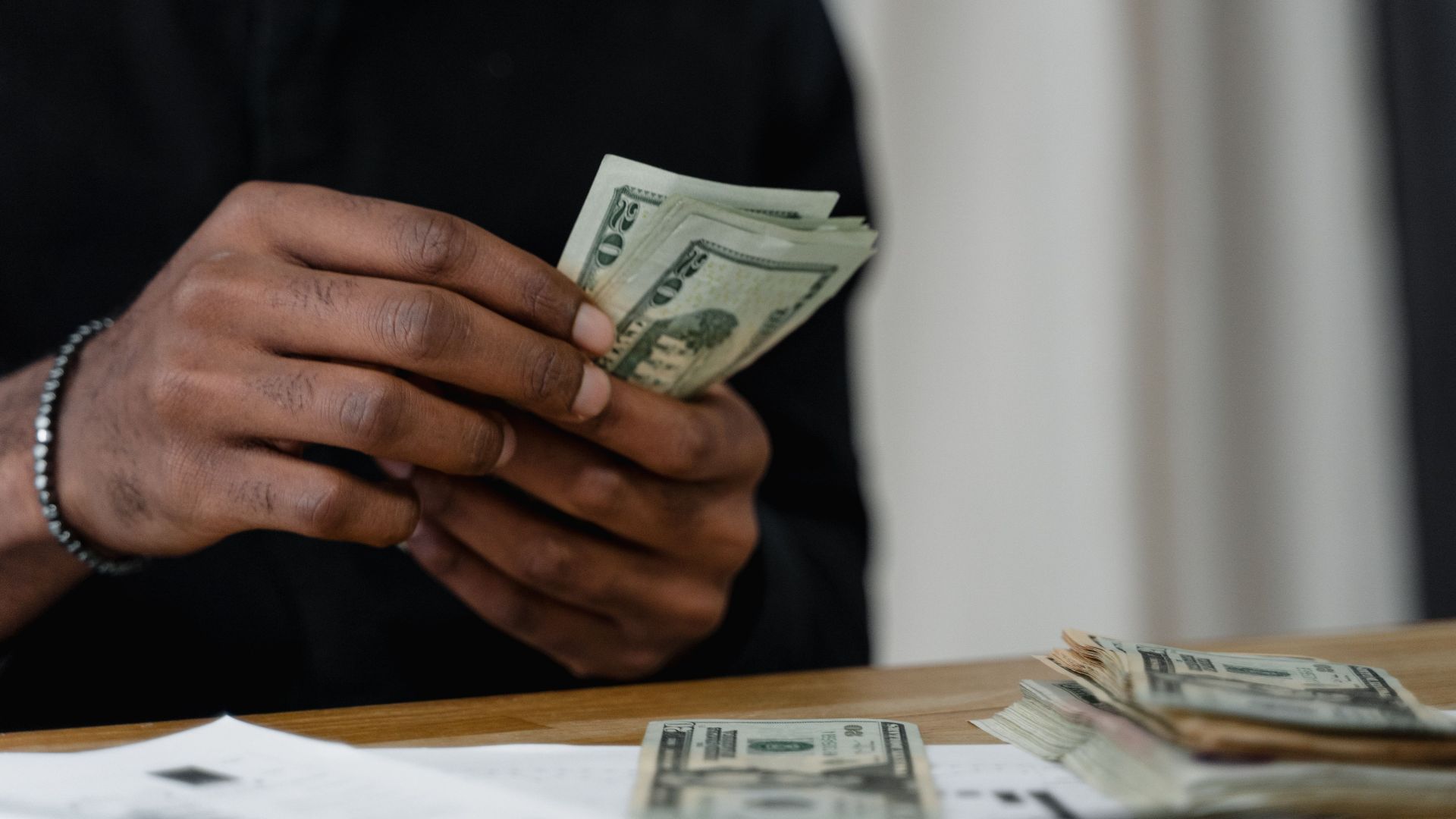
You may owe for diagnosis, approved labor, approved parts, teardown work, or storage fees that were properly disclosed. You probably do not owe for surprise repairs you never authorized. The tricky part is proving which category the $2,000 bill belongs in.
When To Call A Lawyer
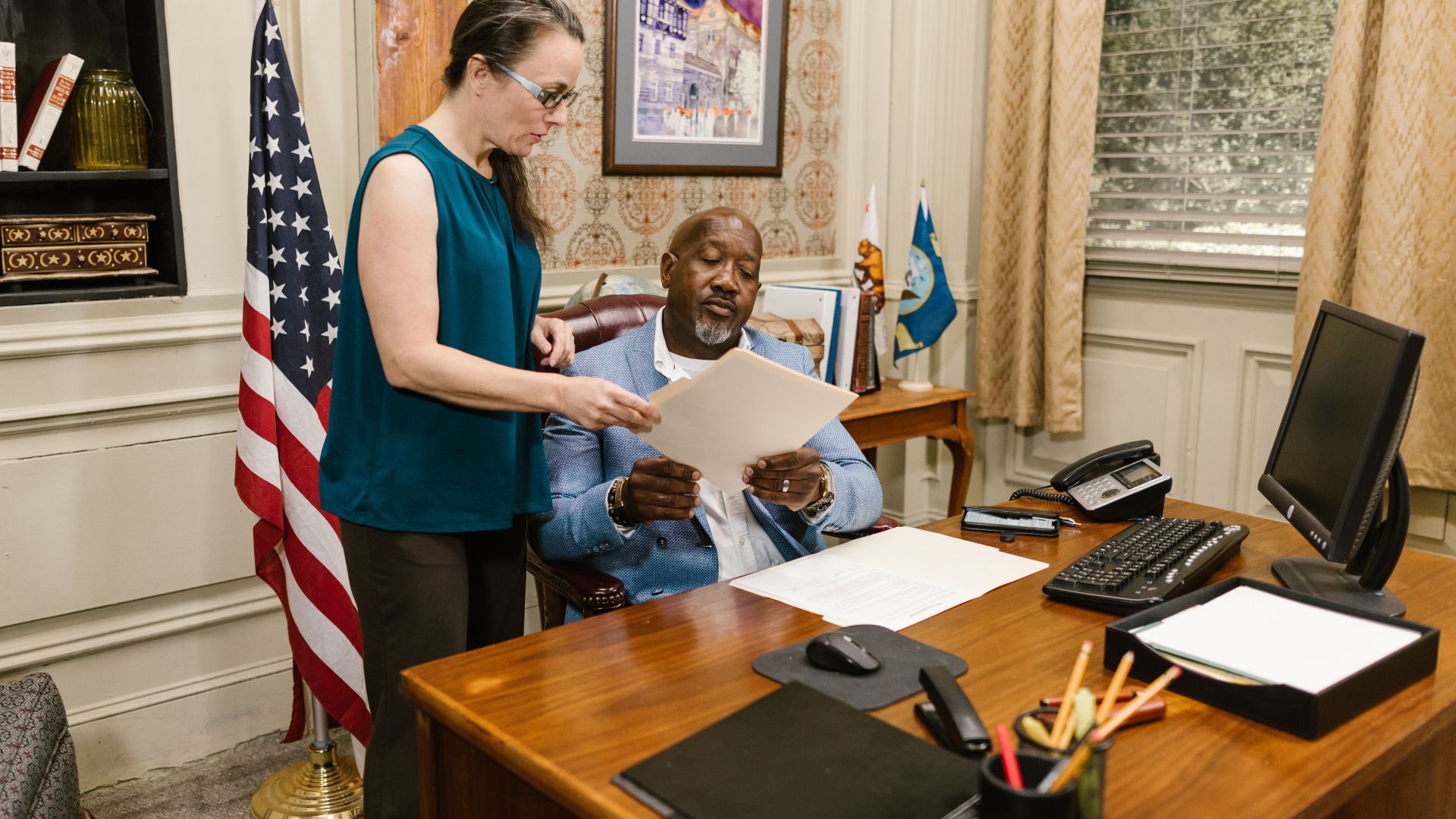
If the vehicle is valuable, the shop threatens to sell it, or the bill keeps growing, talk to a consumer lawyer quickly. A short legal consultation can be cheaper than letting the car sit while fees stack up like pancakes at a roadside diner.
The Bottom Line
A mechanic may be able to hold your car for unpaid, authorized work. But they usually cannot force you to approve a $2,000 repair just because they recommend it. Ask for documents, stop new work in writing, pay only what is clearly owed, and get local help fast.
Your Car Is Not A Hostage
The best defense is staying calm and getting specific. What was approved? What was done? What is the legal reason for holding the car? Once you ask those questions in writing, the fog starts to clear—and your mechanic’s “because I said so” loses horsepower.
You May Also Like: