So Your Mechanic Used AI
You went in expecting a mechanic with a scanner, a lift, and maybe a suspiciously stained coffee mug. Then you found out AI helped diagnose your car. That sounds odd at first, like your sedan just got evaluated by a chatbot in coveralls. But before you panic, there’s a bit more to it.

This Is Not As Sci-Fi As It Sounds
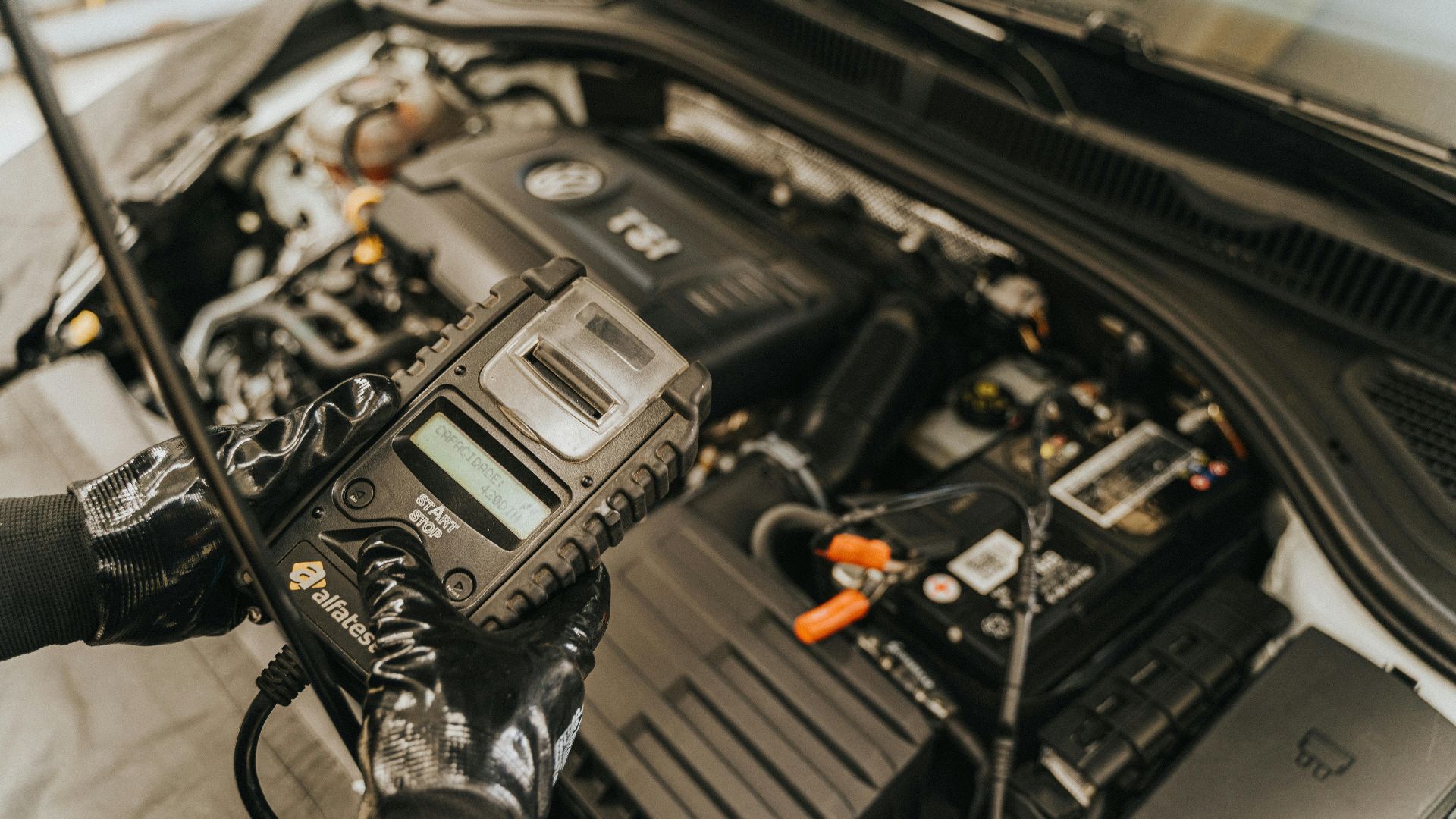
When shops say they use AI, they usually don’t mean a robot is standing in the bay making life choices for your alternator. Most of the time, it means diagnostic software is helping sort through codes, symptoms, repair history, and likely causes. It is a tool, not a tiny digital mechanic.
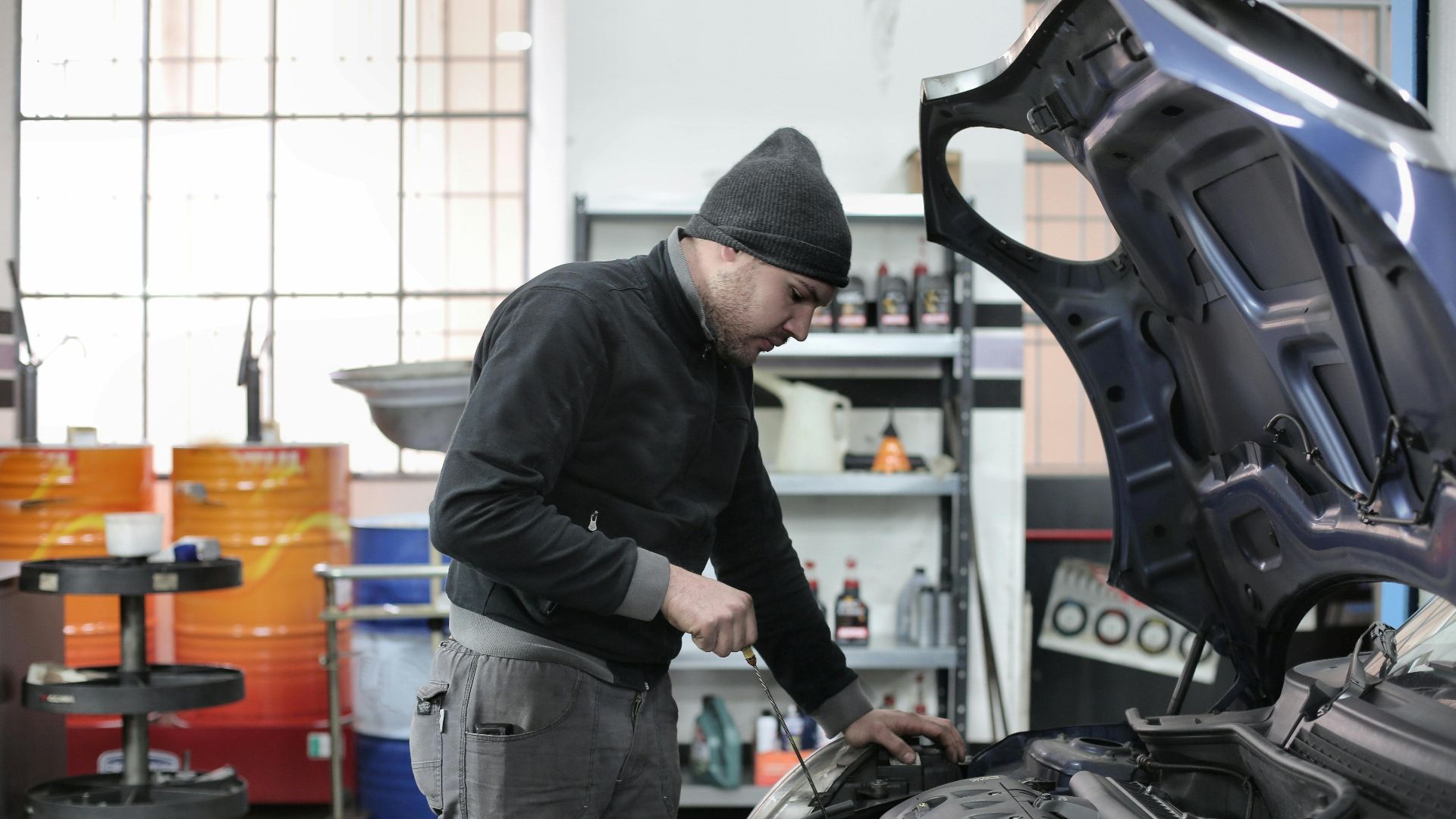
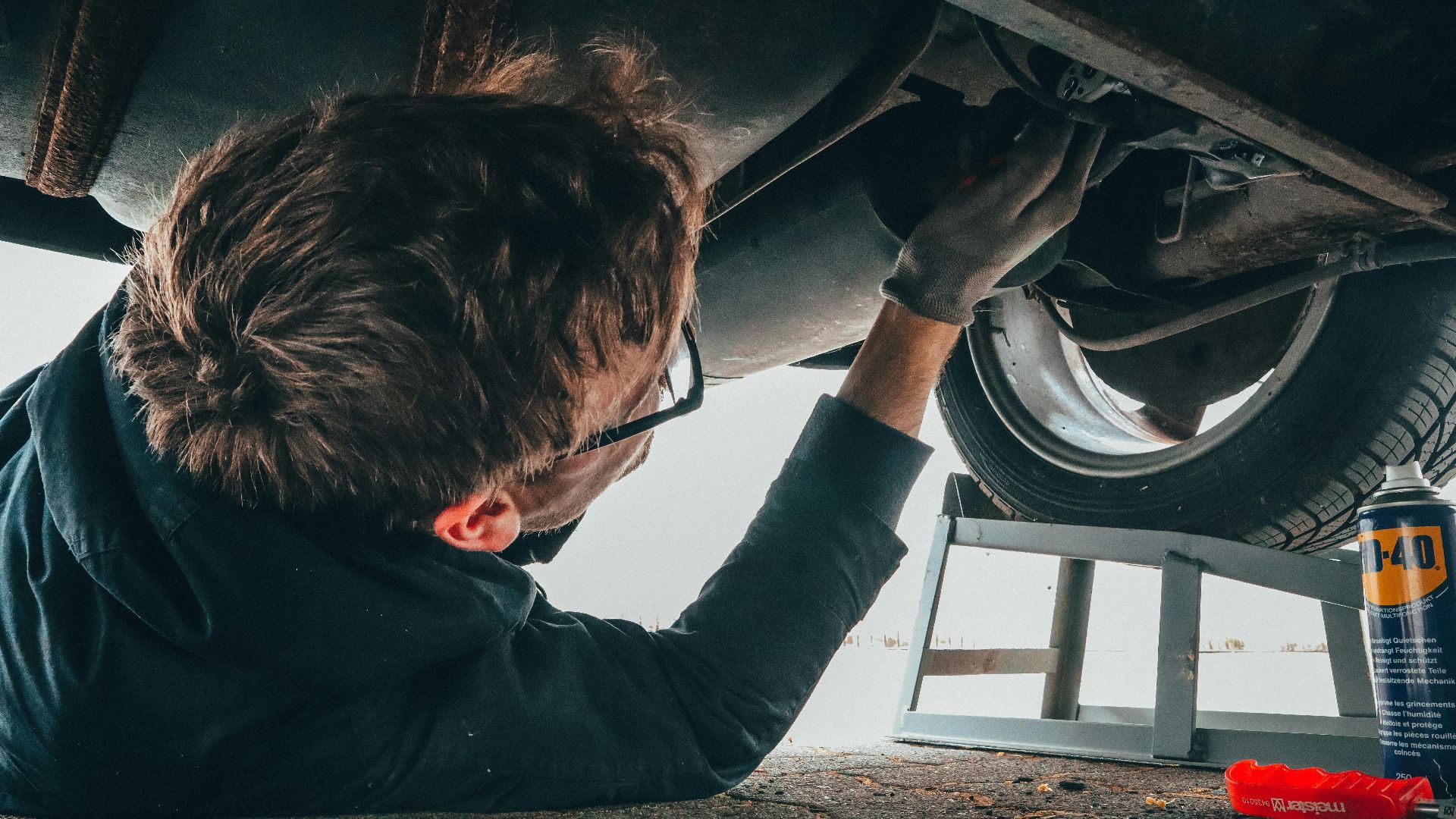
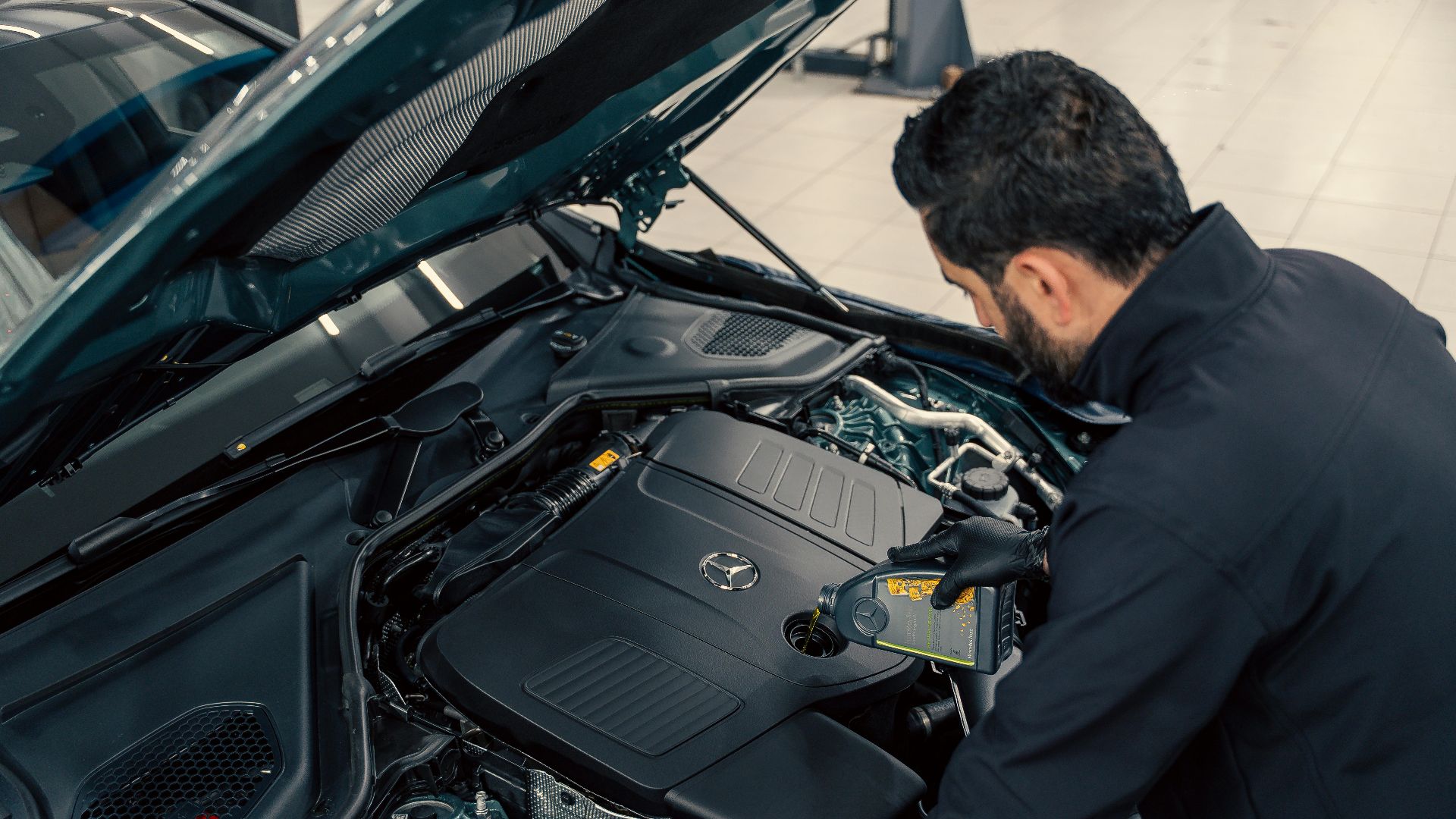
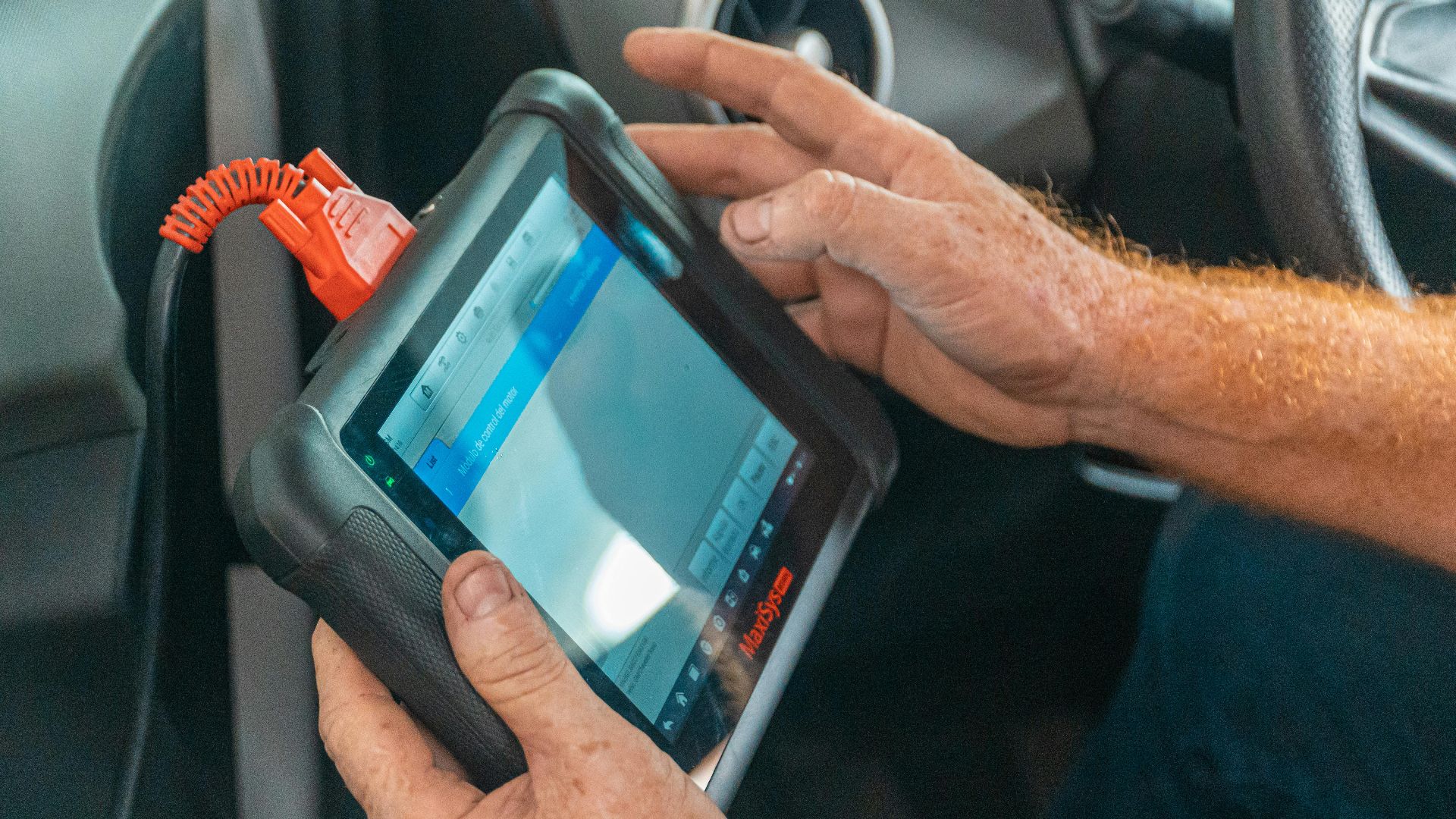 Jose Ricardo Barraza Morachis, Pexels
Modern Cars Are Complicated Little Beasts
Cars used to be mostly mechanical. Now they are rolling networks of sensors, computers, cameras, modules, and wiring that snakes through the body like spaghetti. One warning light can come from several possible problems. So yes, a computer-assisted tool can be genuinely useful when the car itself is already full of computers.
The Scanner Is Only The Beginning
A trouble code is not the same thing as a final diagnosis. It is more like your car saying, “Hey, something over in this area seems wrong.” A good mechanic takes that clue and starts testing. A lazy one just replaces whatever part the tool mentions first and hopes for the best.
AI Should Not Get The Final Vote
This is the part that matters most. AI can suggest what might be wrong, but your mechanic should still prove it. If the software says the mass airflow sensor looks suspicious, the mechanic should test it, inspect related parts, and make sure the real problem is not a cracked hose or dirty connector.
Good Mechanics Still Use Their Ears
There are things software cannot do from behind a screen. It cannot hear a weird bearing growl the way a mechanic can. It cannot smell burning oil, feel a vibration through the wheel, or notice that a previous repair was done with the enthusiasm of a raccoon in a tool drawer.
The Best Diagnosis Mixes Tech And Instinct
The ideal situation is not old-school versus new-school. It is both. A good technician uses scan data, service information, experience, and common sense. The computer can point toward a pattern. The mechanic figures out whether that pattern actually fits your car sitting right there in the bay.
AI Can Actually Save You Money
Nobody enjoys paying diagnostic time, but guessing is usually more expensive. If AI helps a mechanic narrow down the issue faster, that can mean fewer hours chasing dead ends. It can also reduce the dreaded “let’s try this part and see what happens” routine, which is rarely fun for your wallet.
But It Can Also Point The Wrong Way
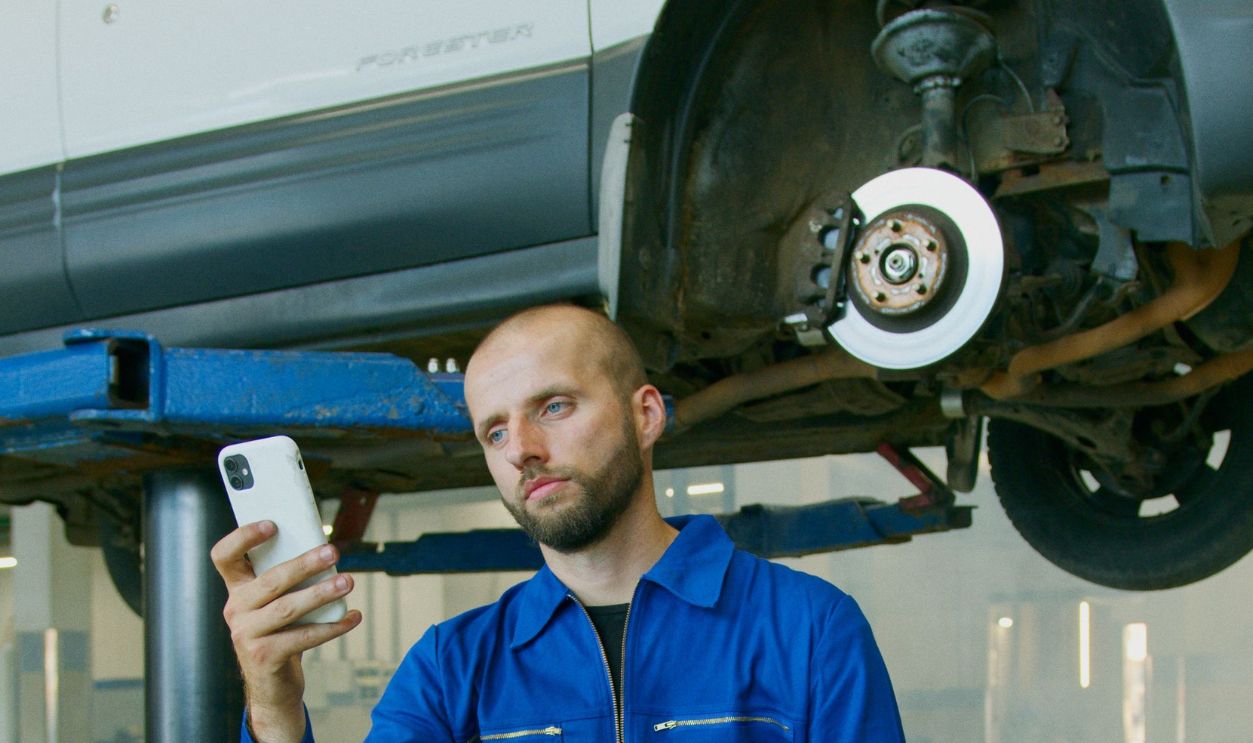
AI is only as good as the information it has and the person using it. It might recommend the most common repair, not the right repair. Your car could have a weird wiring issue, a failing ground, an aftermarket part causing trouble, or some previous owner’s mystery modification hiding under the hood.
Ask How They Confirmed It
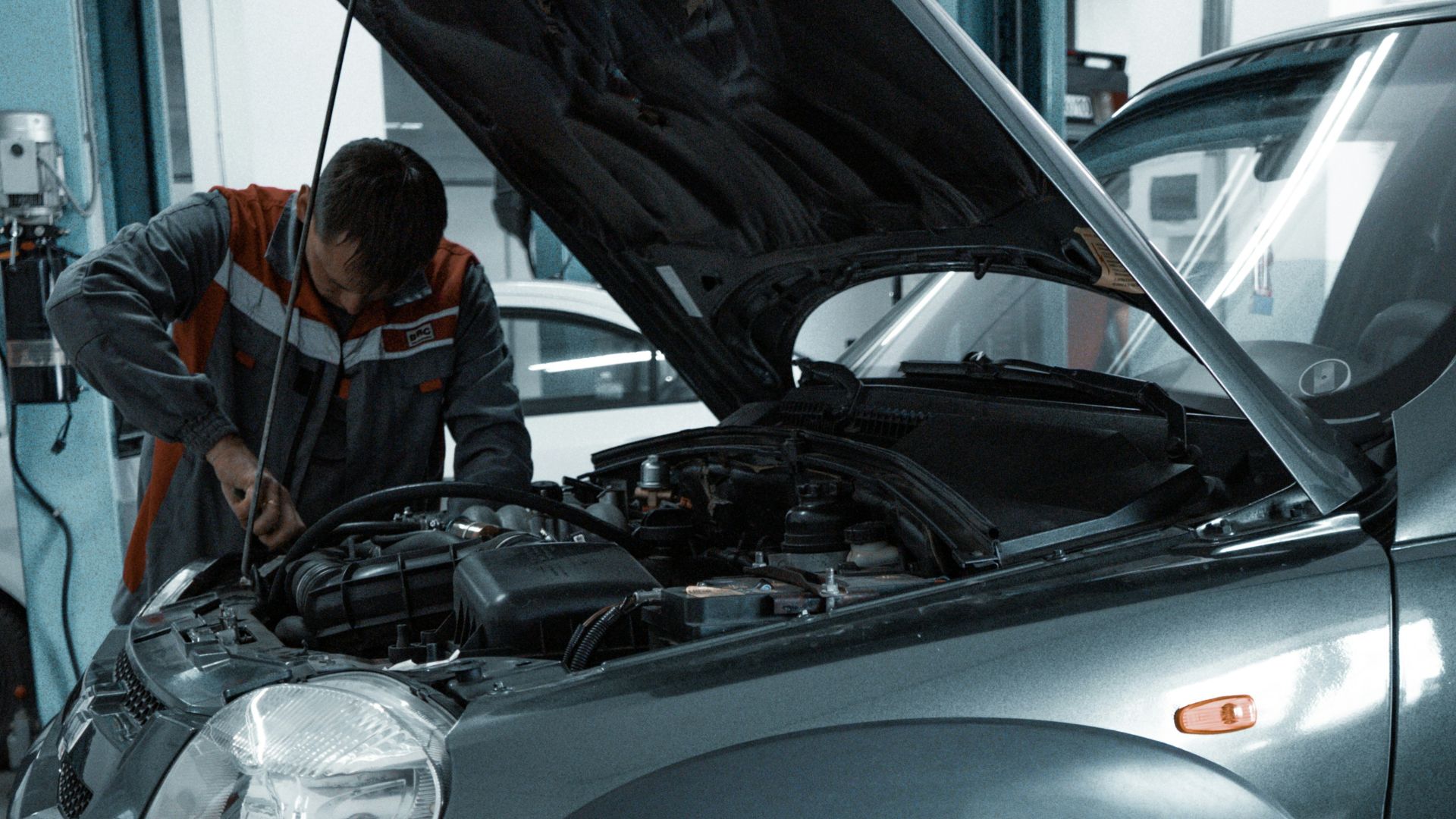
You do not need to turn into a courtroom lawyer. Just ask, “How did you confirm that was the problem?” That one question tells you a lot. A solid mechanic will explain the tests. A shaky one may hide behind “the computer said so,” which is not the strongest argument in the world.

Watch Out For The Magic Box Routine
Some shops act like diagnostic tools are sacred objects that cannot be questioned. They plug in the scanner, stare at the screen, and announce a repair like they just received a prophecy. That is not good enough. The tool should support the diagnosis, not become the whole diagnosis.
Codes Are Clues, Not Confessions
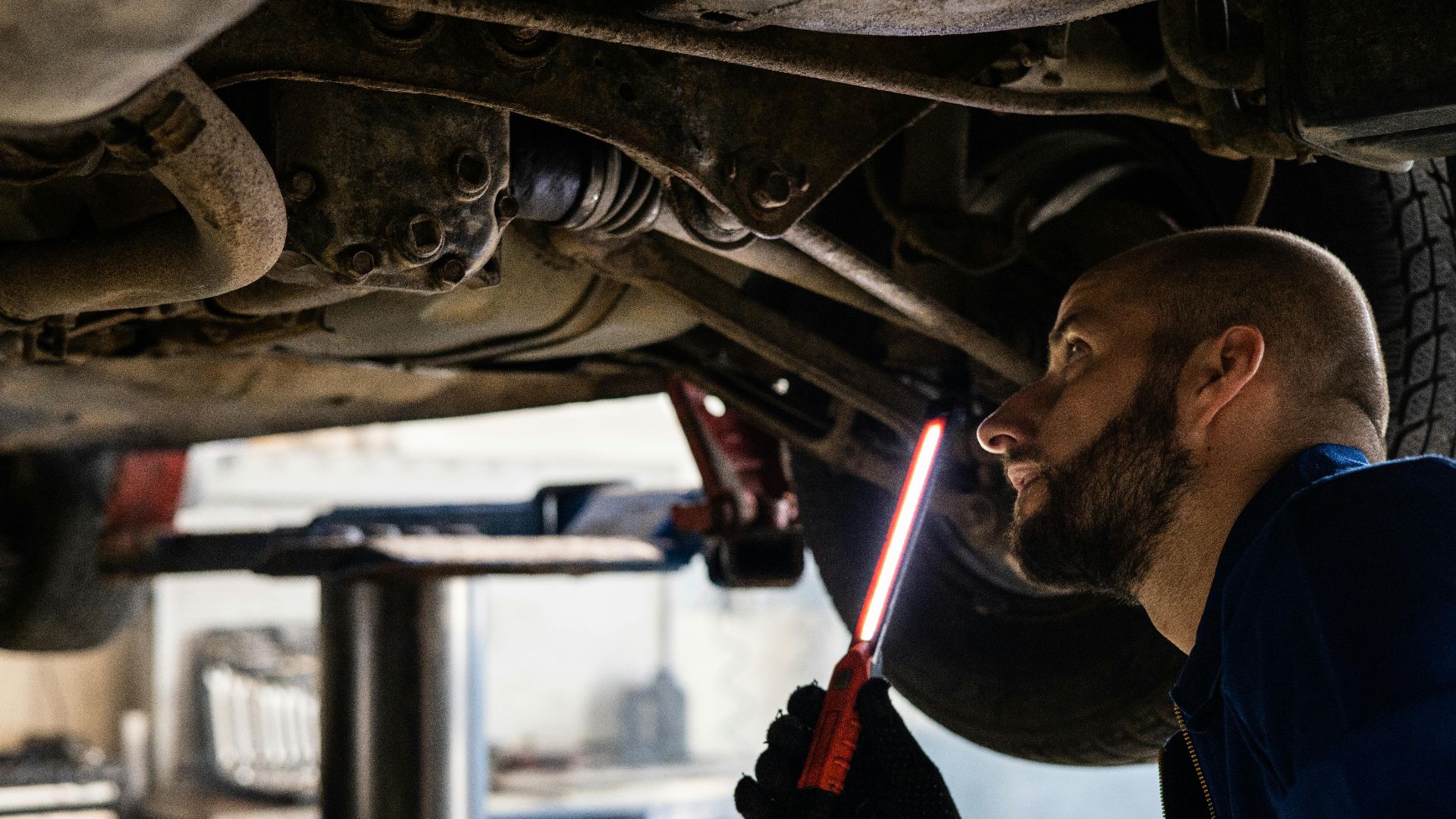
A code for a lean condition does not automatically mean one specific part failed. It could be an air leak, fuel delivery issue, sensor problem, exhaust leak, or something else entirely. That is why replacing parts based only on codes is like blaming the first person who looks suspicious in a mystery movie.
Clear Explanations Are A Good Sign
A mechanic you can trust should be able to explain the problem in normal human language. You should understand what failed, why it matters, and what happens if you ignore it. You do not need a lecture in electrical engineering. You just need enough information to feel the repair makes sense.

Photos And Test Results Help
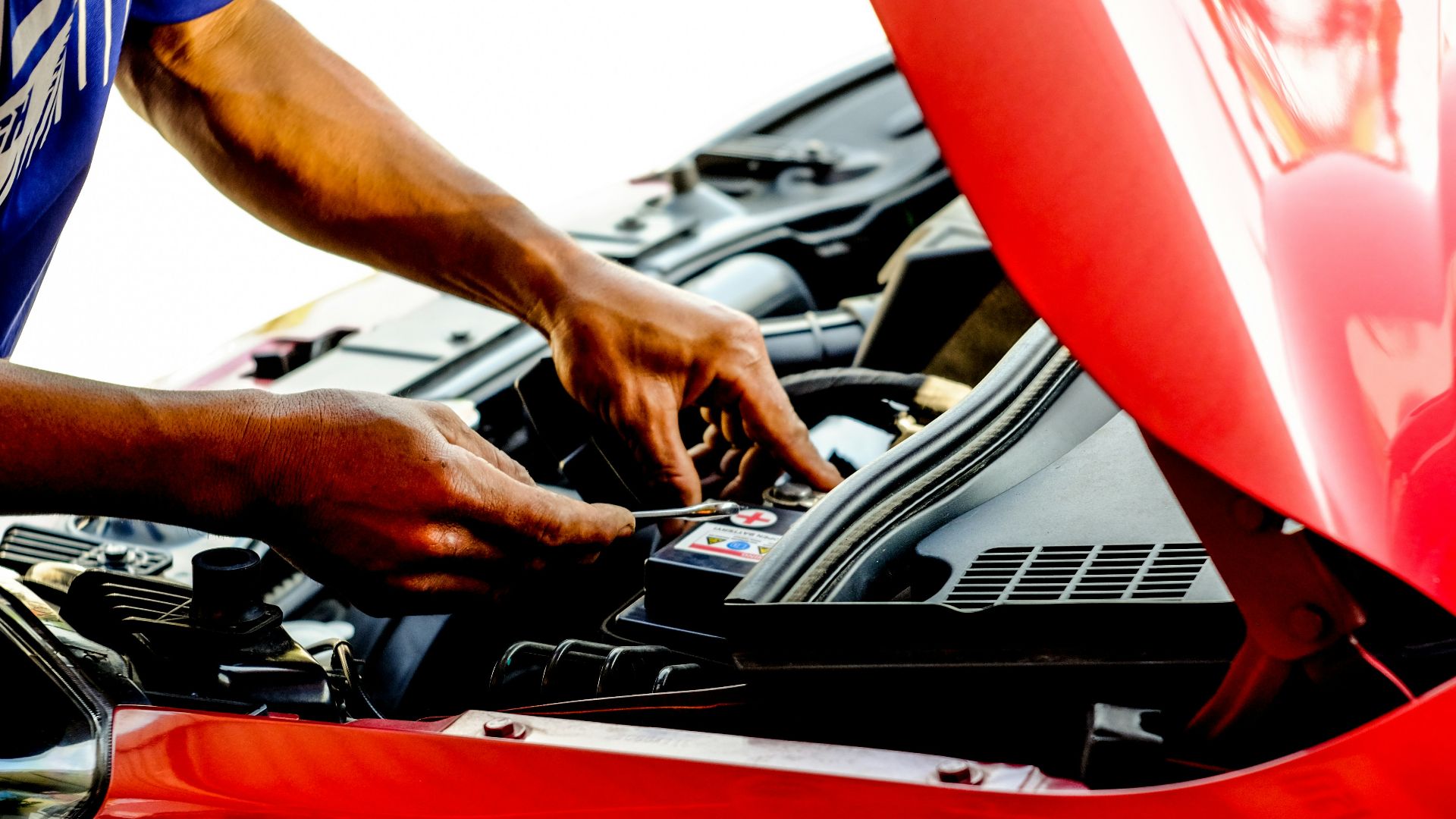
The best shops often show you evidence. Maybe it is a scan report, a failed test reading, a cracked hose, a leaking part, or a photo from under the car. That little bit of proof goes a long way. It turns “trust me” into “here’s what we found.”
Be Careful With Big Repairs
If the proposed repair is expensive, take a breath. Engine work, transmission repairs, hybrid batteries, and major electrical jobs should be backed by proper testing. AI may help guide the process, but big-money repairs deserve more than a quick scan and a confident nod from across the counter.
A Second Opinion Is Not Rude
Some car owners feel awkward asking another shop to take a look. Don’t. It is your car and your money. A second opinion is especially reasonable when the repair is expensive or the explanation feels thin. A good first shop should not be offended by you wanting peace of mind.
Newer Mechanics Can Still Be Good Mechanics
There is also nothing wrong with younger technicians using advanced tools. Cars have changed, and so has the job. A mechanic using AI-assisted software is not automatically inexperienced or lazy. They may simply be using every resource available, which is exactly what you want when your dashboard lights up like a Christmas tree.
Old-School Pride Can Be Overrated
We all love the image of the grizzled mechanic who can diagnose an engine by listening to it idle for six seconds. Those people exist, and they are wonderful. But refusing modern diagnostic help just to prove a point is not noble. It is stubborn, especially with today’s electronics-heavy vehicles.
The Real Question Is Trust
The AI part is almost a distraction. The real question is whether you trust the shop. Do they communicate clearly? Do they show their work? Do they pressure you? Do they separate urgent repairs from things that can wait? Those answers matter more than whether a laptop was involved.
Look At Their Track Record
Has this mechanic treated you fairly before? Have previous repairs solved the problem? Do people in reviews mention honesty, good communication, and reasonable pricing? A reliable shop that uses modern diagnostic tools is not something to fear. In fact, that may be exactly the kind of shop you want.
Ask About The Warranty
A shop that is confident in its work should be willing to stand behind it. Ask about the parts and labor warranty before approving the repair. Even good mechanics can run into tricky problems, but a fair warranty shows they are not just tossing parts at your car and waving goodbye.

Pressure Is A Bigger Red Flag Than AI
If someone tries to scare you into approving a repair immediately, that is a problem. If they will not answer questions, that is a problem. If the explanation keeps changing, that is definitely a problem. AI did not cause those issues. Bad shop behavior did.

Do Not Fear The Laptop
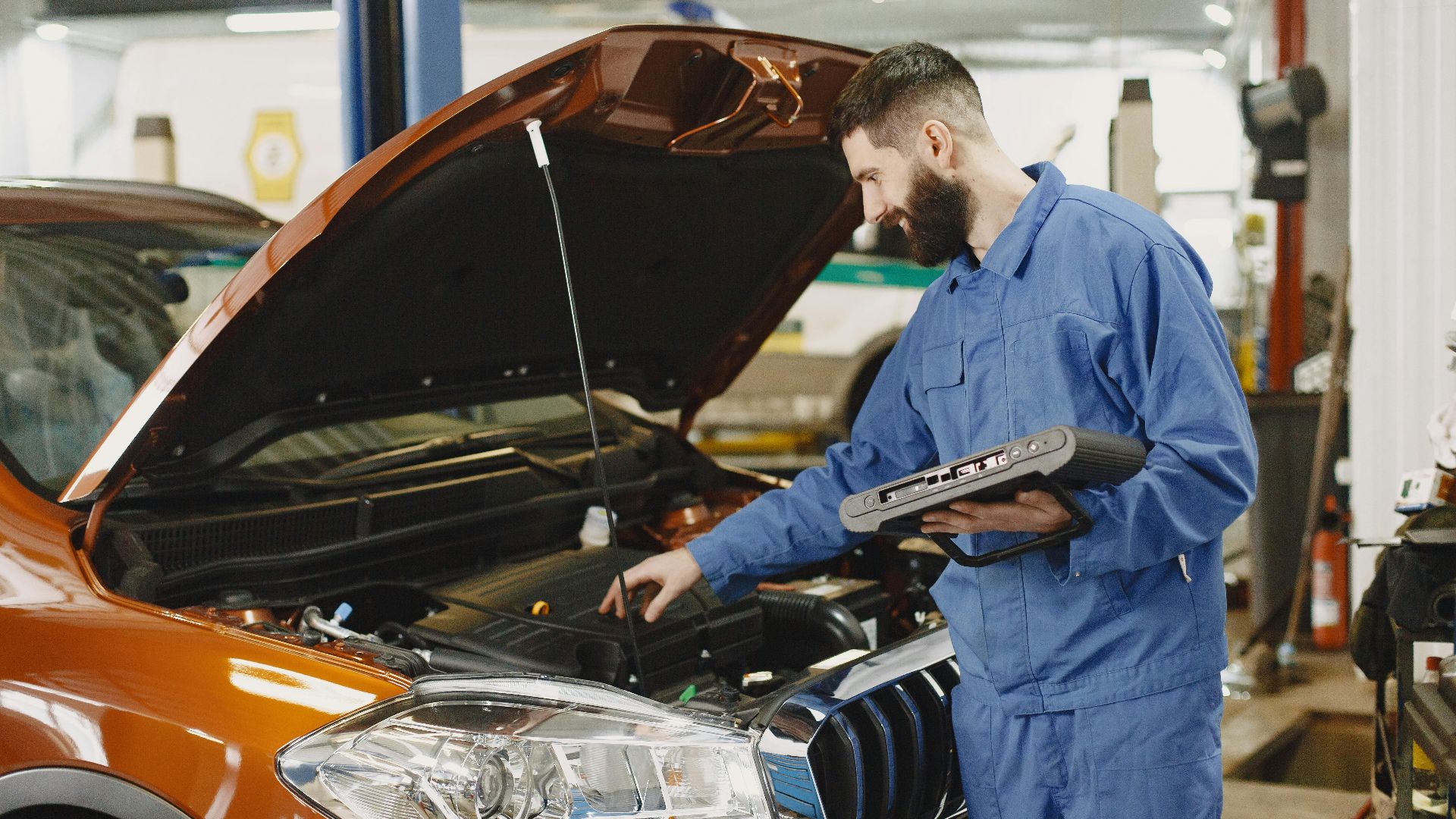
Seeing a tablet or laptop in the repair bay should not make you nervous. That is normal now. Mechanics use digital service manuals, scan tools, wiring diagrams, technical bulletins, and diagnostic databases. Your car is high-tech, so the tools used to fix it are going to be high-tech too.
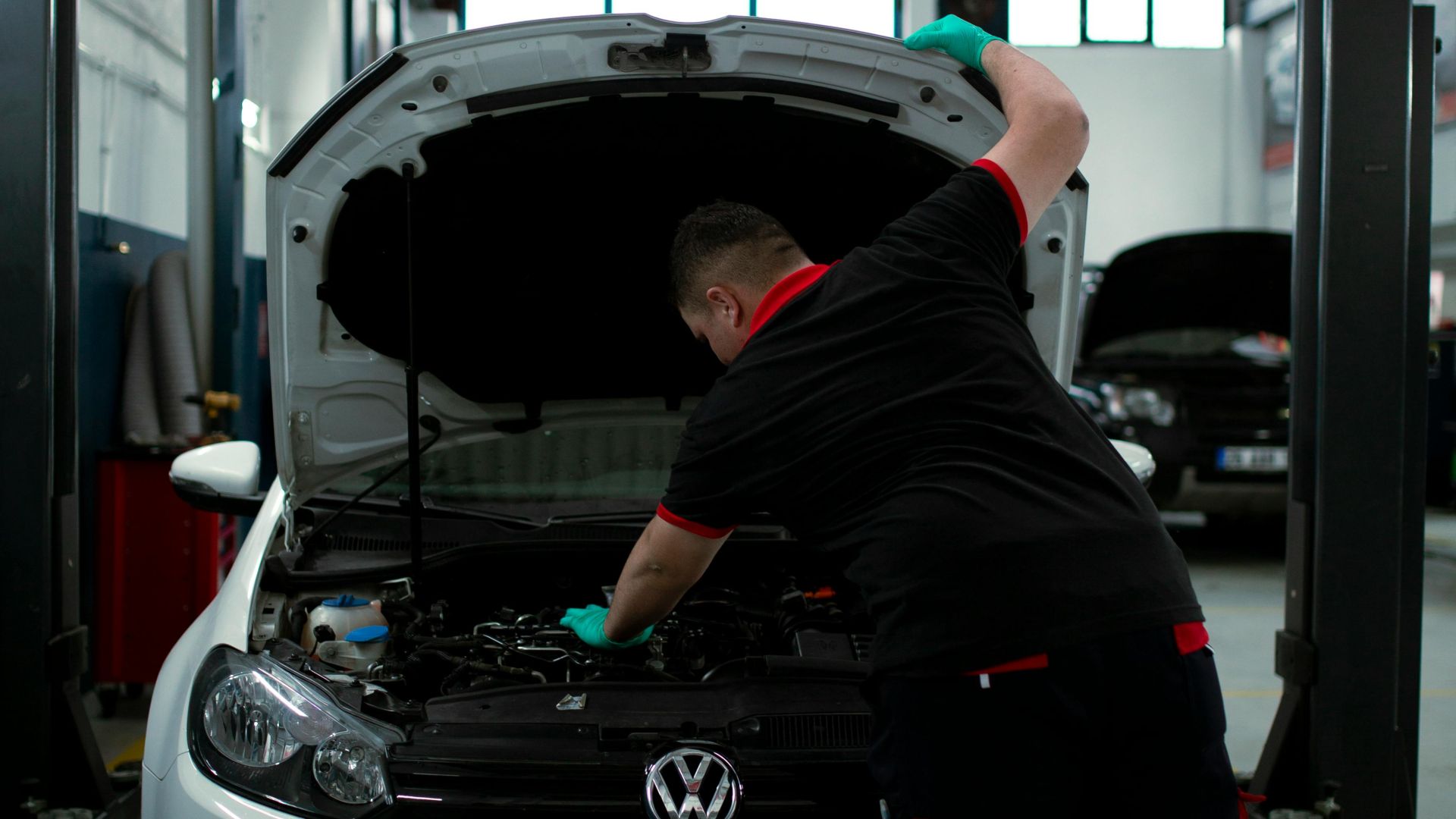
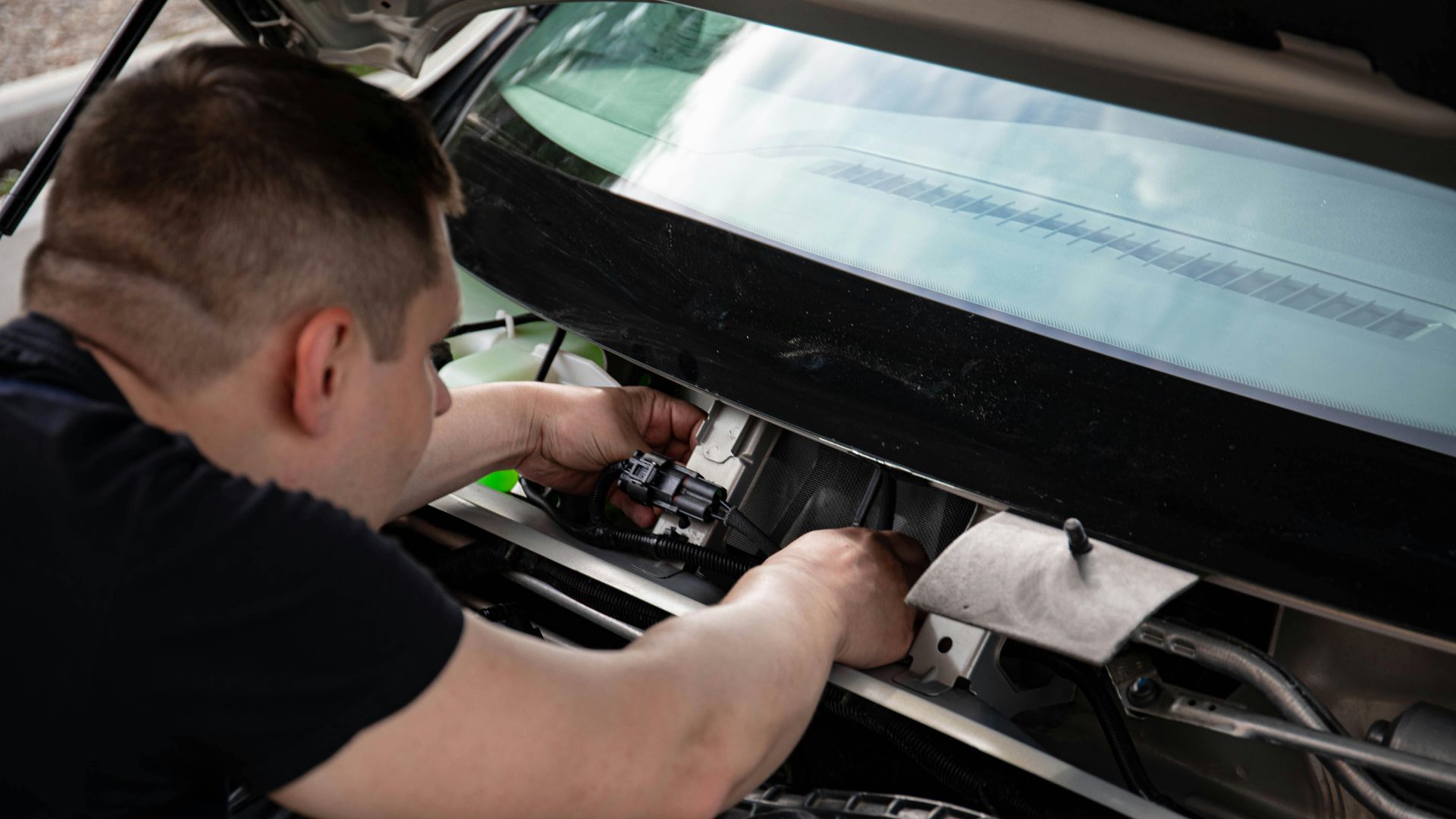
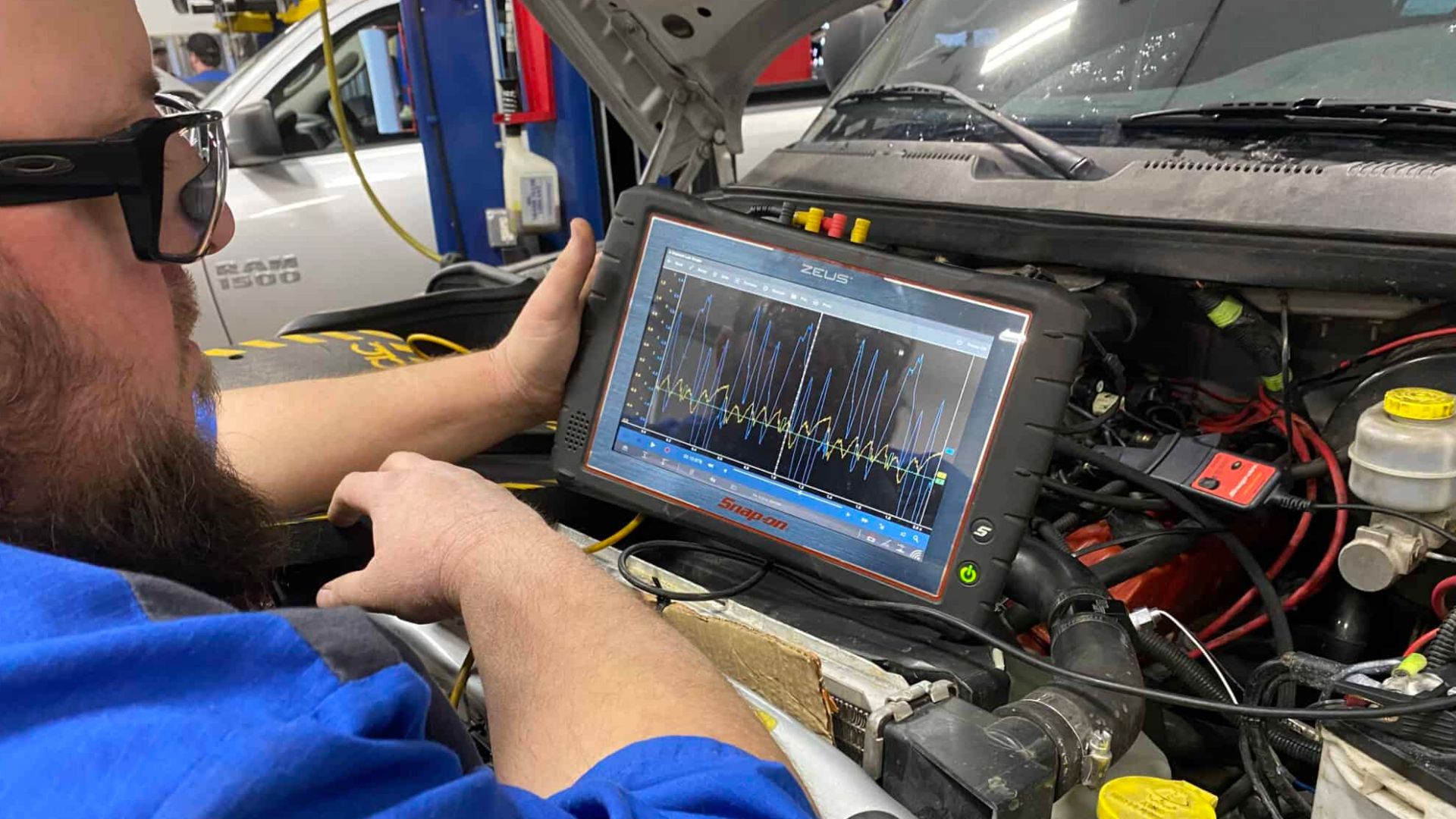 Modern Auto Service: Advanced Vehicle Diagnostics in Fruitland, ID, Wikimedia Commons
Trust Evidence, Not Vibes
It is tempting to judge based on how confident someone sounds. But confidence and accuracy are not the same thing. The better question is whether the diagnosis is backed by evidence. If the mechanic can show why the repair is needed, that matters more than whether AI helped point them in that direction.

When You Should Stay
You can probably stick with your mechanic if they used AI as a helper, not a replacement for thinking. If they tested the issue, explained it clearly, gave you options, and did not pressure you into a giant repair, that is a pretty good sign. Modern tools plus honest work is a solid combination.
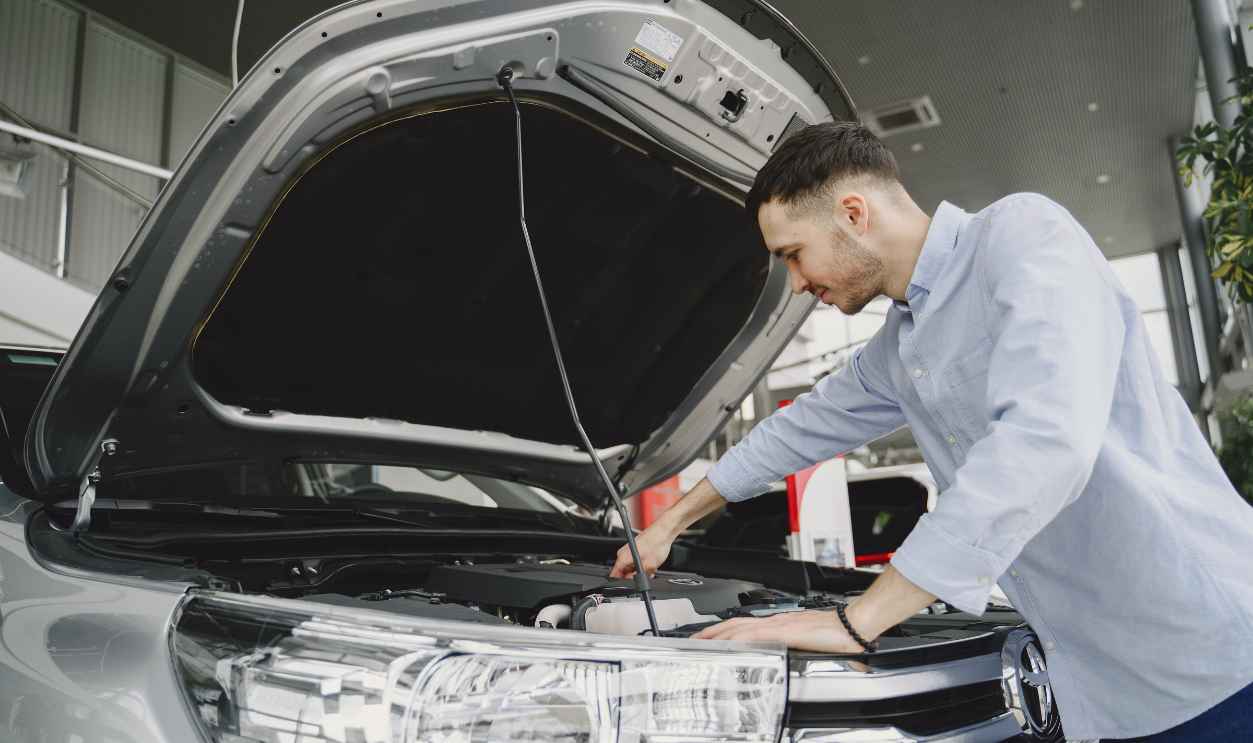
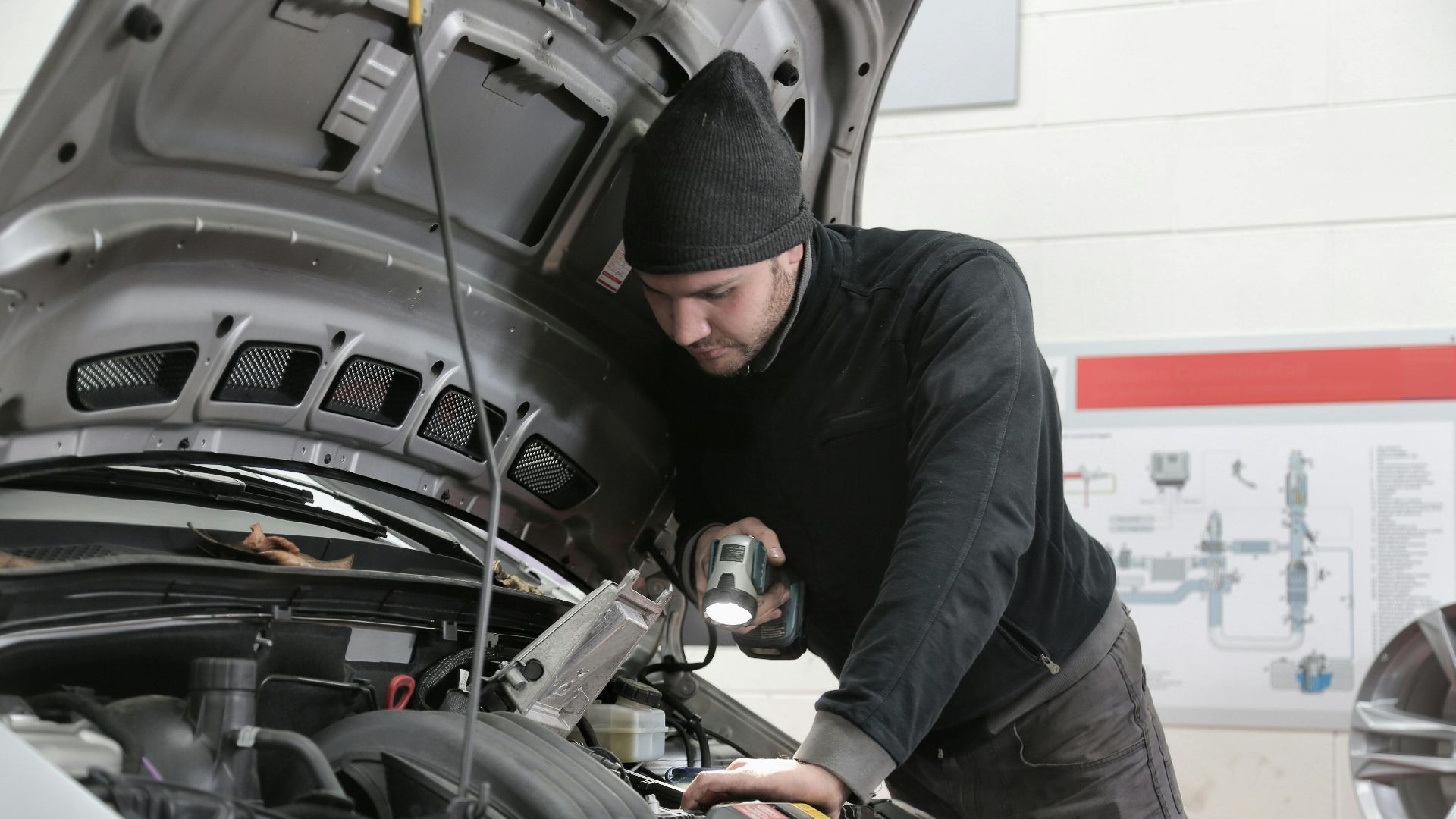
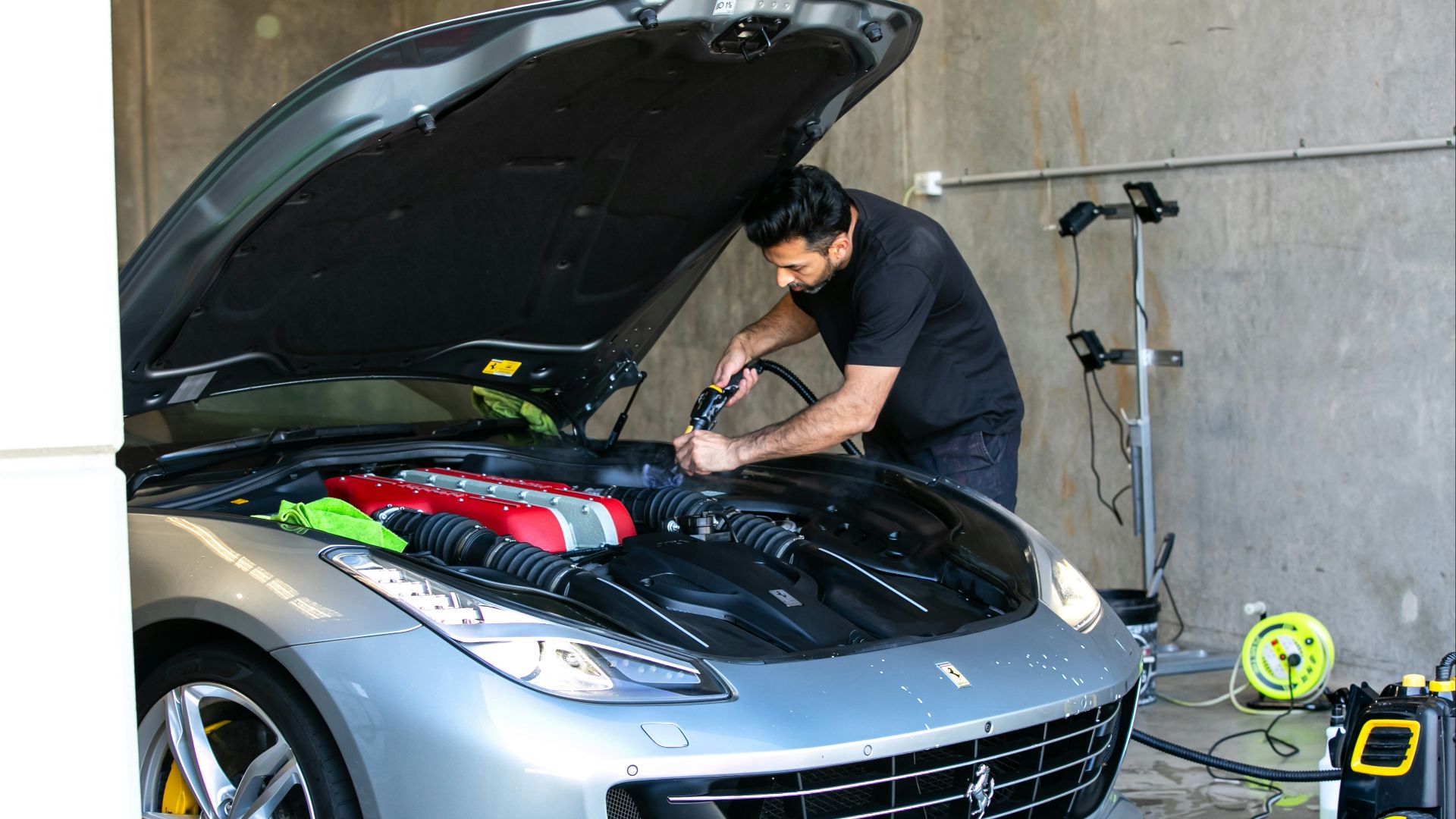 Fine Automotive Detailing, Unsplash
When You Should Leave
Go somewhere else if the mechanic cannot explain the diagnosis, refuses to show any evidence, relies only on the software, or acts annoyed when you ask basic questions. The problem is not that AI was used. The problem is that the shop is asking for trust without earning it.
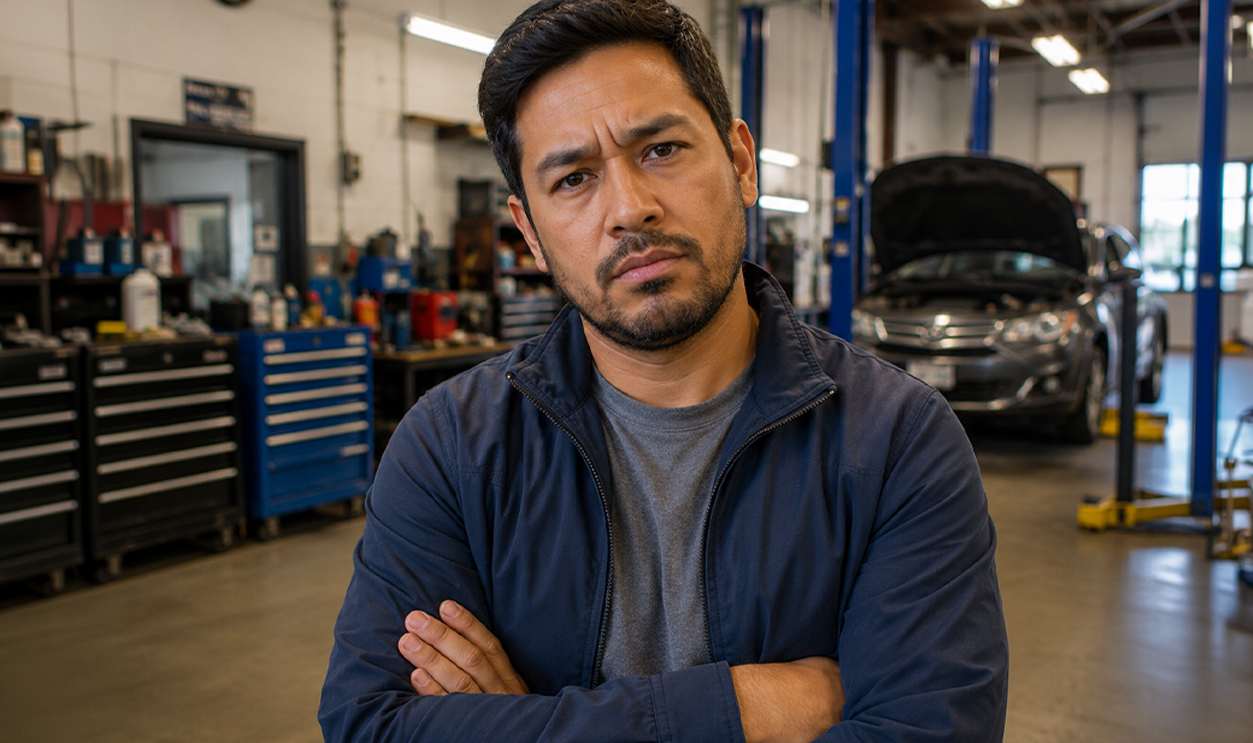
The Tool Is Fine, But The Human Still Matters
So, can you trust a mechanic who uses AI? Yes, if they are using it the right way. AI can be a useful diagnostic helper, especially on modern cars. But the mechanic still needs to test, inspect, explain, and stand behind the work. Trust the process, not just the screen.

You May Also Like: