
A rumor that won't go away
If you’ve spent any time car shopping—or scrolling forums—you’ve probably heard it: CVT transmissions don’t last. Some people swear they’re basically disposable, doomed to fail well before 100,000 miles. It’s a scary claim, especially if your car already has one under the hood.

Why 100,000 miles became the magic number
The 100,000-mile mark didn’t come out of nowhere. Early CVT designs from the late 90s and early 2000s did have higher failure rates, and many problems showed up around that mileage range. Those early stories stuck—and kept spreading, even as technology changed.
What a CVT actually is (quick refresher)
A CVT, or continuously variable transmission, doesn’t use fixed gears like a traditional automatic. Instead, it relies on a belt or chain running between adjustable pulleys. That design improves fuel economy and smoothness—but it also means wear happens differently than drivers expect.
Early CVTs really did earn some of this reputation
Let’s be fair: some manufacturers struggled badly with first-generation CVTs. Heat management, belt materials, and software calibration weren’t always up to the task. When failures happened, repairs were expensive—and that burned a lot of owners.
Why those early failures get over-generalized
Many of the loudest CVT horror stories come from a relatively small group of older models. But online, those stories get applied to every CVT ever made. The nuance—who built it, when, and how it was maintained—often gets lost.
 Andrew Bone from Weymouth, England, Wikimedia Commons
What real-world lifespan estimates actually show
Independent repair data and industry estimates typically put modern CVT lifespan in the 100,000–160,000 mile range, with many units lasting 180,000 miles or more when properly maintained. That range overlaps heavily with traditional automatics—and already complicates the idea of a hard failure cutoff.
 Karolina Grabowska www.kaboompics.com, Pexels
Modern CVTs are not the same machines
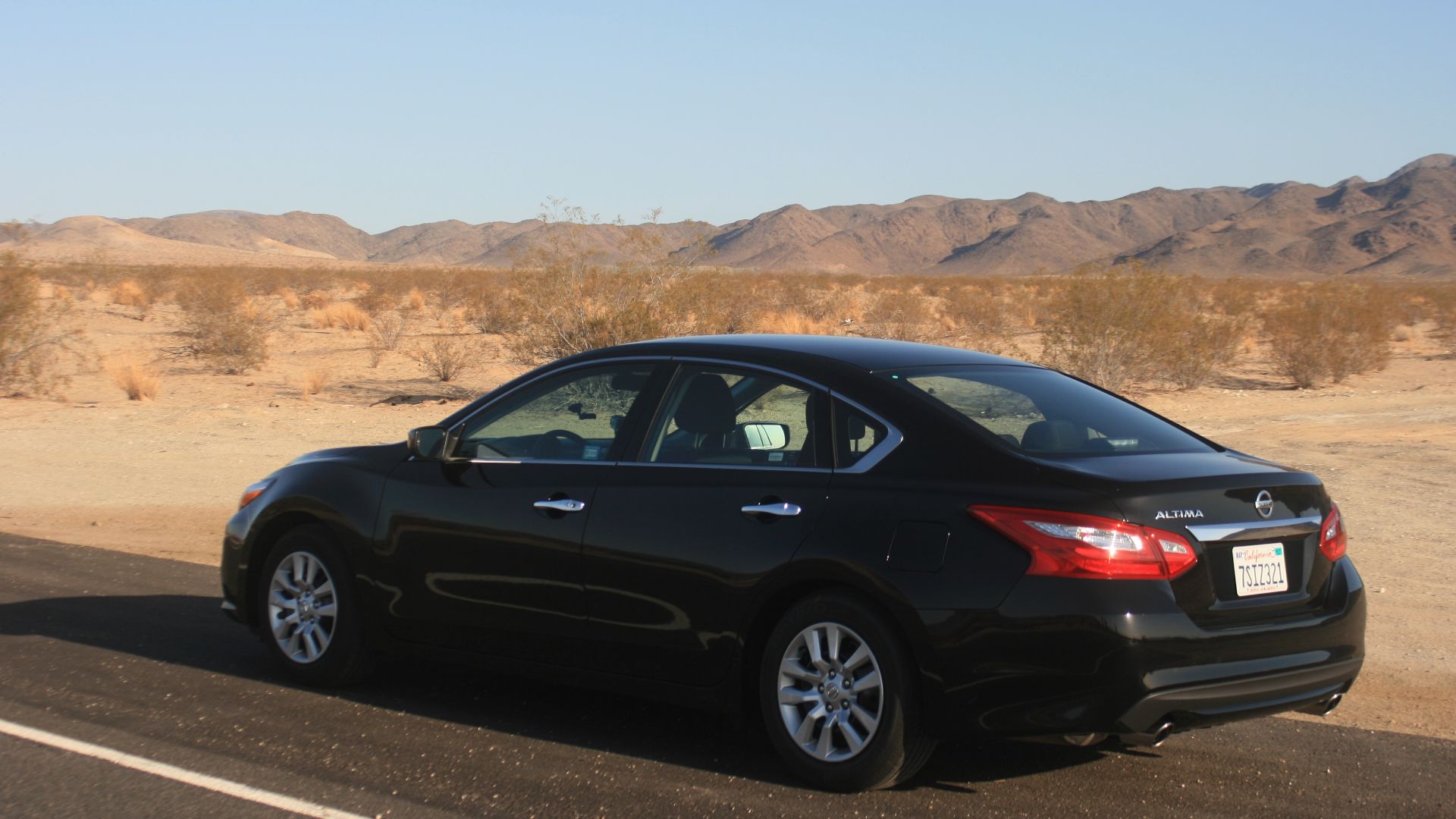
Over the last decade, CVT designs have improved significantly. Stronger belts, better cooling, smarter programming, and stricter fluid requirements have all helped. A 2015-plus CVT is a very different animal than one built in 2003.
 Westkuste-USA, Wikimedia Commons
Why some CVTs make it past 200,000 miles
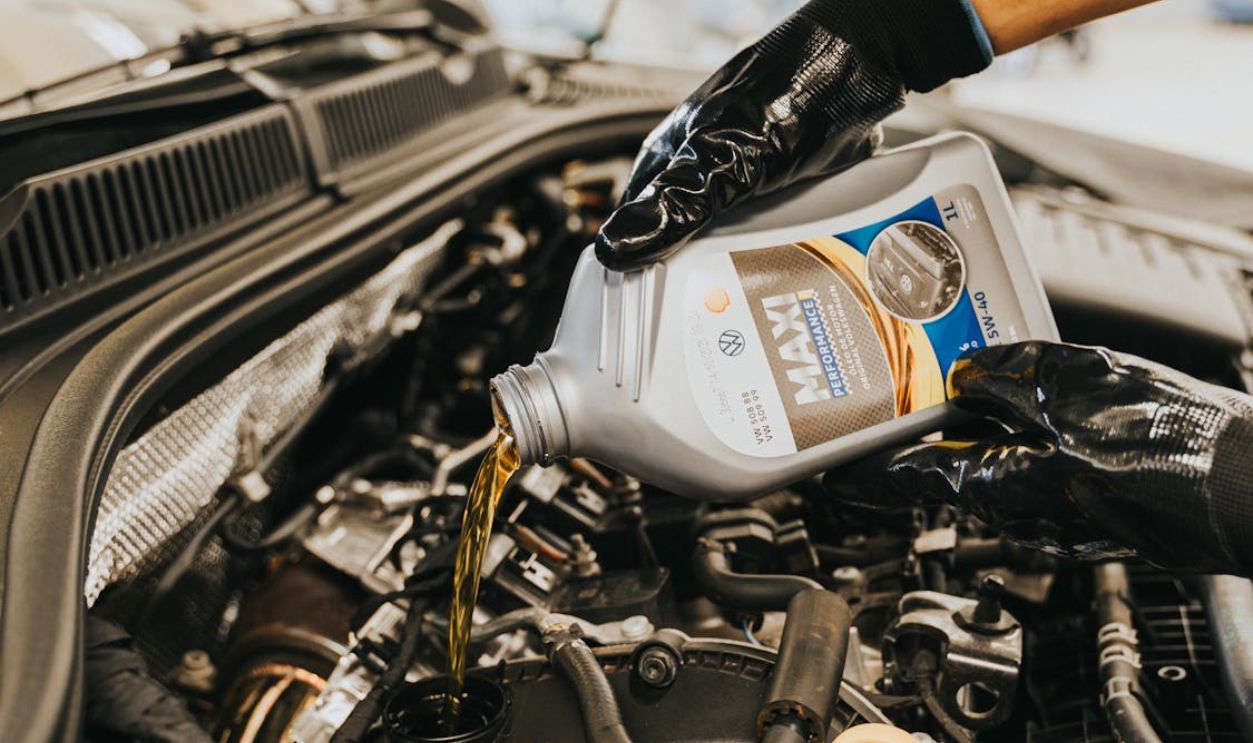
There are documented cases of modern CVTs reaching well beyond 150,000 miles with regular fluid changes and conservative driving, particularly from manufacturers that refined their designs over time. These high-mileage examples aren’t guaranteed or typical—but they show that early failure isn’t inevitable when a CVT is well maintained.
But failure rates do vary by brand
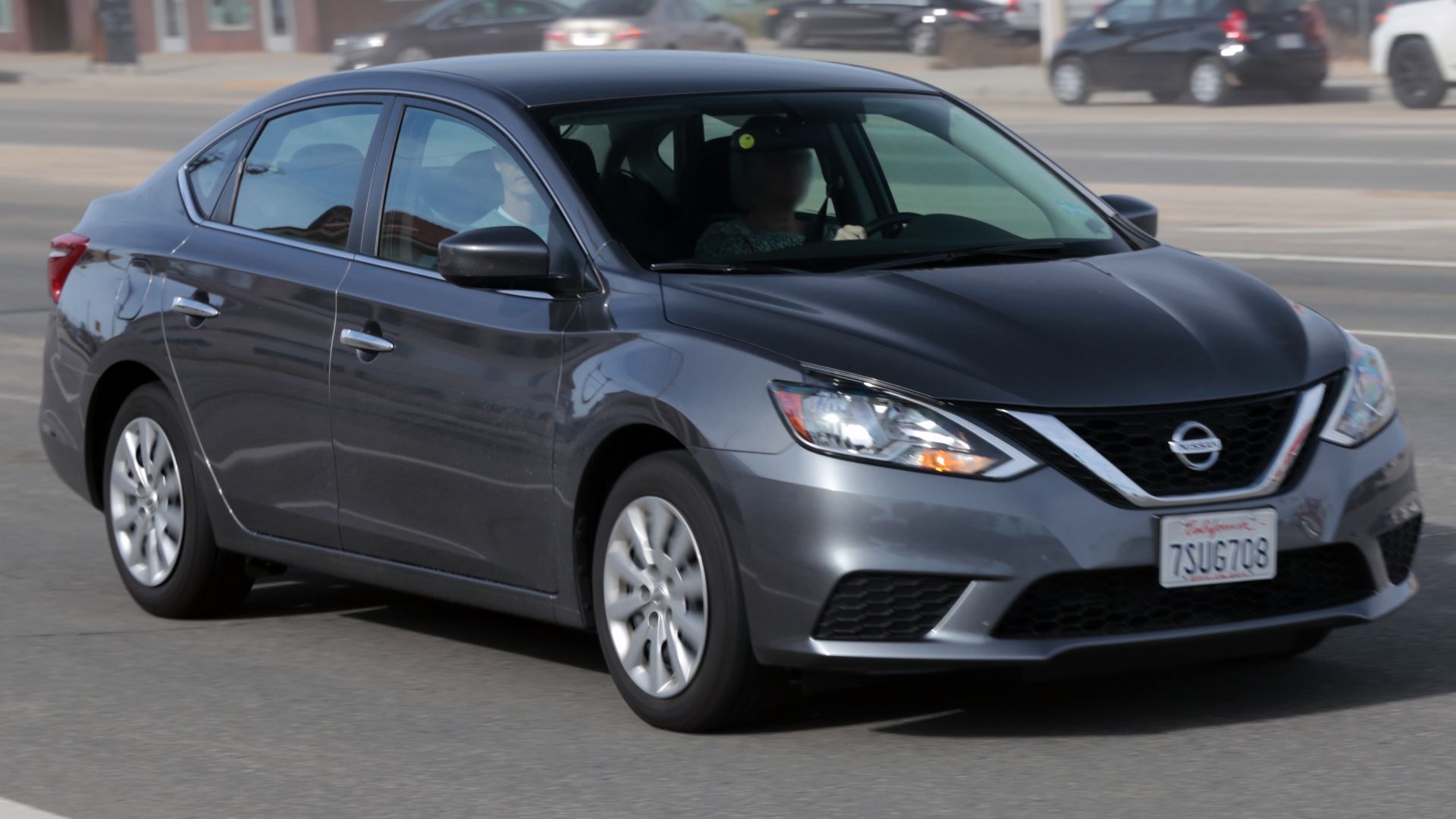
This is where things get uncomfortable. CVT reliability isn’t uniform across manufacturers. Some brands invested heavily in refining their systems, while others learned the hard way. Blanket statements about CVTs ignore these very real differences.
 Mr.choppers, Wikimedia Commons
Maintenance matters more with CVTs
CVTs are less forgiving than traditional automatics when it comes to maintenance. Skipping fluid changes—or using the wrong fluid—can dramatically shorten lifespan. Many early failures trace back to neglect rather than design alone.

Why CVT fluid changes are often misunderstood
Some owners are told their CVT has “lifetime fluid.” In practice, that usually means lifetime of the warranty. Heat and friction still break fluid down, and ignoring service intervals can quietly do long-term damage.

Driving style plays a bigger role than people realize
Aggressive acceleration, heavy towing, and constant stop-and-go driving can stress a CVT more than a conventional automatic. These transmissions reward smooth, steady driving—and punish abuse faster.

Why CVT failures feel more dramatic
When a traditional automatic has a problem, it may slip or shift poorly for months. CVTs often fail more abruptly. That sudden failure makes the experience feel worse—even if the mileage isn’t unusually low.

Repair cost is the real fear factor
One reason CVTs scare people is cost. Repairs are often limited, and full replacement can run $3,000–$4,000 or more. That doesn’t mean failure is guaranteed—but when it happens, it gets attention.

Fuel economy is the trade-off most people forget
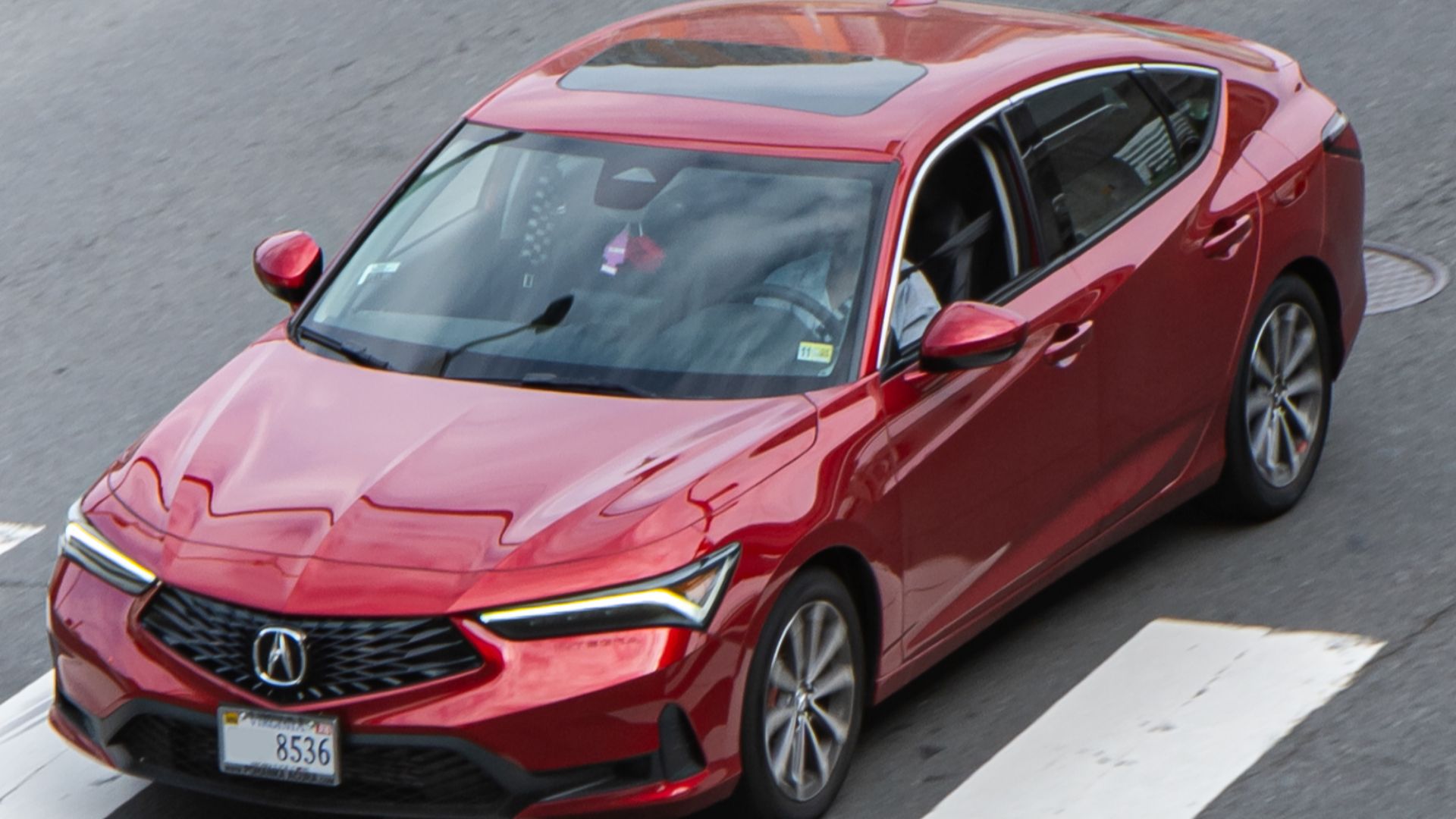
CVTs are widely used because they typically deliver better fuel economy than comparable traditional automatics. By keeping the engine operating in a more efficient range, they can reduce fuel consumption in everyday driving. That efficiency gain isn’t dramatic in every case—but it’s real, and it’s one reason automakers continue using them despite the controversy.
 OWS Photography, Wikimedia Commons
Used CVTs deserve extra scrutiny
Buying a used CVT car isn’t automatically a bad idea, but history matters. Service records, driving habits, and mileage are far more important here than with many traditional automatics.

Why forums make the problem seem universal
People rarely post when their transmission works fine. They post when it fails. Over time, that creates a skewed picture where failures feel constant—even if most owners never experience one.
Warranty length tells a quiet story
Manufacturers don’t extend powertrain warranties out of generosity. Longer CVT warranties often reflect confidence that early failure isn’t inevitable. That alone undermines the harshest versions of the myth.

What the data actually suggests
While CVTs may have higher failure rates in certain models and years, there’s no evidence that they universally fail before 100,000 miles. Reliability depends on design generation, maintenance, and use—not just the transmission type.

Why the myth keeps surviving anyway
Simple stories spread better than nuanced ones. “CVTs always fail early” is easy to repeat, easy to remember, and easy to fear—even if it’s outdated.
So should a CVT be a deal-breaker?
Not automatically. Service history, manufacturer track record, and how the car was driven matter far more than whether it has a CVT. A well-maintained, modern CVT from a reliable manufacturer can be a perfectly reasonable long-term ownership choice—while blind fear often leads buyers to overlook the bigger picture.

The bottom line
CVT transmissions do not “always” fail before 100,000 miles. Some fail early, some last a very long time, and most live somewhere in between. The rumor survives—but the reality is far more complicated.

You Might Also Like:
Want To Be Better With Money This Year? Avoid These Value-Dropping Cars
The Porsche 914 Wasn’t Like The Others And That Was The Point