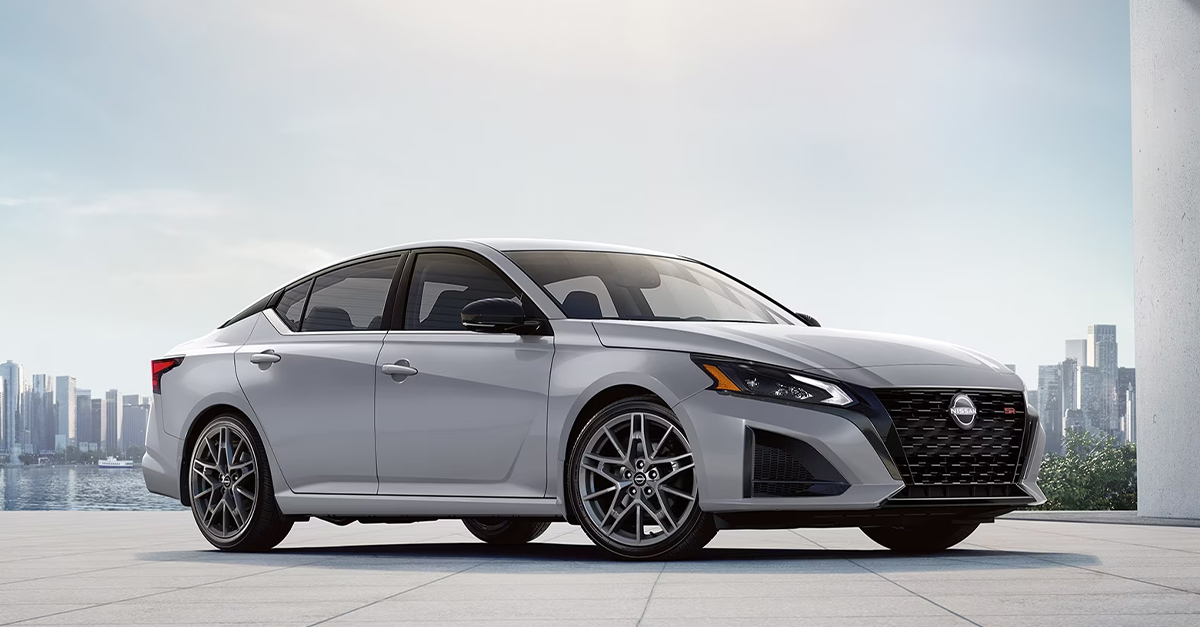
So You Bought A Used Car And The Engine Just Gave Up
There are few automotive heartbreaks like buying a used car, celebrating your great deal, and then watching the engine fail three months later while the seller refuses to help. It feels unfair and expensive, especially when people ask how the “new” car is running. The question echoing in your mind is simple: are you financially doomed, or do you still have options?

First, Don’t Panic And Torch The Thing
Before you spiral into worst-case thinking or swear off cars forever, take a breath and accept one truth about used vehicles: sometimes they break, and sometimes they break badly. An engine failure feels catastrophic because of the cost, but panic clouds judgment. The situation may be ugly, but ugly does not automatically mean hopeless.

The Magic Words: Sold As-Is
The most important phrase in this story is “as-is,” because if the car was sold under those words, the legal picture shifts fast. In most private sales, unless a warranty is written into the agreement, the vehicle is presumed as-is, meaning once you pay, the risk becomes yours. That clause feels harsh, but it is extremely common.

Dealer Or Private Seller Changes Everything
Where you bought the car matters almost as much as what you paid, because dealerships are often held to higher standards than private sellers. Many states impose disclosure requirements or limited warranties on dealers, while private sellers operate under looser rules. If your seller had a storefront, you may have more leverage than you think.

Time To Read The Fine Print
Now is the moment to gather every document you signed and read it carefully, because buried in that paperwork could be a short-term warranty or limited powertrain coverage you forgot about. Even a thirty-day clause could matter if your engine failed within that window. The answer to your problem may already be in writing.

Used Car Lemon Laws Aren’t Mythical Creatures
Some states extend lemon law protections to used cars, particularly those purchased from dealers, and those laws often focus on major failures within a specific time or mileage limit. Three months might qualify depending on your location. It is worth checking your state’s official resources, because a little research could mean significant savings.

Misrepresentation Changes The Game
Even if the car was sold as-is, the seller cannot legally lie about its condition, and that distinction matters. Fraud or intentional deception can override as-is language in many places, but you need proof rather than suspicion. If you can show the seller knowingly hid a serious defect, your position becomes much stronger.

What Counts As A Lie?
If the seller claimed the engine was flawless while ignoring obvious mechanical problems, that could cross into misrepresentation depending on the evidence. Tampering with the odometer or hiding major prior damage also shifts the situation from bad luck to possible fraud. The difference lies in whether you were unlucky or deliberately misled.

Get A Proper Diagnosis Before Declaring It Dead
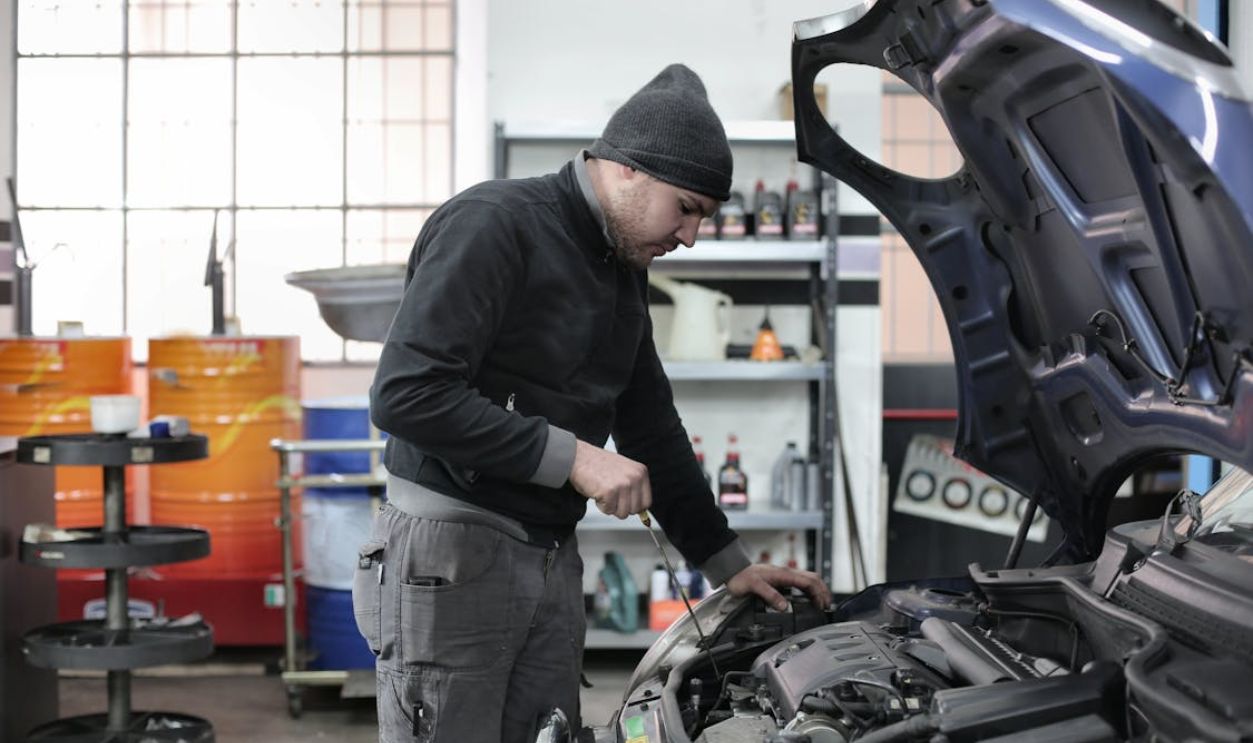
Before accusing anyone of selling you a disaster, confirm that the engine is truly beyond saving and not suffering from a major but repairable issue. What feels like total failure could sometimes be a significant component problem instead. A written diagnosis from a trusted mechanic gives you clarity and something concrete to rely on.
Repair Or Replace: The Expensive Fork In The Road
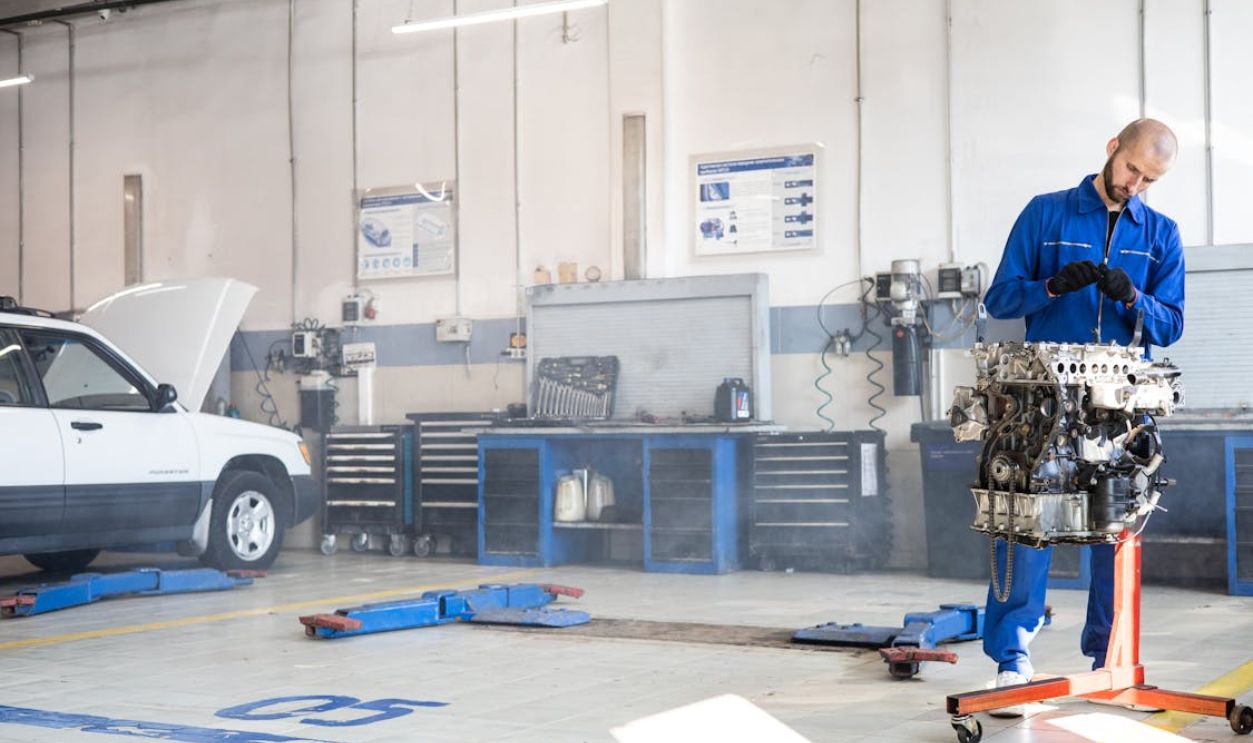
If the engine is finished, you are choosing between installing a used engine, rebuilding it, or walking away from the car. Costs vary widely depending on the vehicle and labor rates, and they add up quickly. The right decision depends less on frustration and more on the car’s overall value and condition.
Does The Repair Make Financial Sense?
If repair costs approach or exceed what you paid, the math becomes uncomfortable, but if the car still holds strong resale value, replacing the engine might be reasonable. Compare repair estimates to current market value and expected longevity. Numbers, not emotions, should guide what happens next.

Hidden Warranty Surprises
Sometimes buyers forget an extended warranty was included in financing or offered during the sale, and those contracts often cover major powertrain failures for a limited time. If you suspect you purchased one, review your paperwork and make the call. Even partial coverage could dramatically reduce your financial hit.

Payment Method Can Matter
If you paid using a credit card or financed through a dealership, you might have dispute options or contractual protections available. While these routes are not guaranteed solutions, they can provide leverage in certain situations. Structured transactions sometimes offer more recourse than simple cash exchanges between individuals.

Negotiation Is Not Weakness
Even if the seller is technically protected, approaching them calmly with a mechanic’s report and a reasonable proposal to share repair costs can sometimes lead to compromise. Many people prefer a partial solution over legal conflict. A measured conversation may accomplish more than a heated confrontation.

Small Claims Court As Leverage
If you believe the seller misrepresented the car, small claims court may be an option because it usually involves modest fees and simplified procedures. However, you must prove deception rather than simple mechanical failure. Even winning a judgment does not always guarantee easy collection.

The Pre-Purchase Inspection Question
If you skipped a pre-purchase inspection, this experience becomes an expensive reminder of why that step exists. An independent mechanic might have identified warning signs before you bought the car. While that does not excuse dishonesty, it can weaken arguments that the defect was hidden.

Warning Signs You Might Have Missed
Think back to whether there were subtle hints such as smoke, knocking sounds, fluid loss, or warning lights that seemed minor at the time. If symptoms appeared soon after purchase, that timing could support the idea the issue existed earlier. Patterns often matter in disputes over responsibility.

Selling It As-Is Yourself
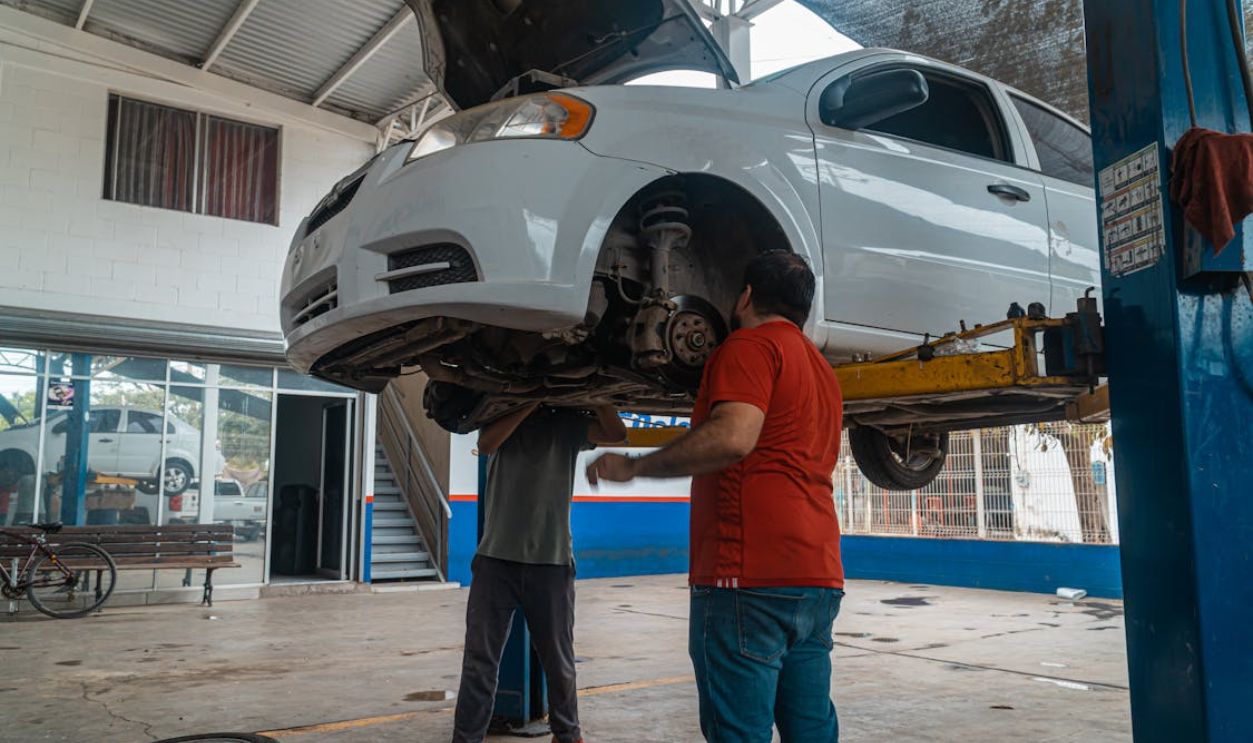
If the repair does not make financial sense, selling the car in its current condition to a salvage yard or project buyer can help you recover part of your investment. You will not recoup everything, but you can reduce the loss and move forward instead of sinking more money into it.

Parting It Out For Maximum Recovery
If you have the time and tools, dismantling the car and selling valuable components individually can sometimes generate more money than selling it whole. Items such as wheels, interior parts, and electronics may still hold value. Effort can translate into meaningful recovery.
 Jose Ricardo Barraza Morachis, Pexels
Insurance Won’t Ride To The Rescue
Standard auto insurance policies cover accidents and external damage, not internal mechanical breakdowns caused by wear or hidden defects. Unless an outside event caused the failure, your insurer will almost certainly decline coverage. Mechanical problems are typically the owner’s responsibility.

Manufacturer Goodwill Is A Long Shot
If the car is relatively modern and known for recurring engine defects, contacting the manufacturer to request goodwill assistance may be worth a try. This works best when the issue is widely documented and service history is solid. It is uncommon, but not impossible.
 Karolina Grabowska www.kaboompics.com, Pexels
Reputation Pressure For Dealer Sales
If a dealership is refusing to cooperate, leaving factual, calm public reviews or filing formal complaints can sometimes prompt renewed discussion. Businesses often care about their reputation enough to reconsider. The key is sticking to verifiable details rather than emotional accusations.

Emotions Versus Math
Feeling angry is natural when a major purchase fails so quickly, but decisions driven by frustration often cost more. Taking time to compare repair costs, resale value, and alternatives allows you to make a rational choice. Clear thinking protects your wallet.
 Karolina Grabowska www.kaboompics.com, Pexels
Private Sales Are Always A Gamble
Lower prices in private sales reflect reduced protections, and that tradeoff is built into the used car market. Sometimes you save money and drive happily for years, and sometimes you inherit hidden trouble. Risk is part of the bargain.

When You Might Truly Be On The Hook
If the sale was clearly as-is, no warranty exists, there is no evidence of deception, and the vehicle has significant mileage, you may ultimately be responsible for repairs. That outcome is common with aging machines, even if it feels deeply unfair.
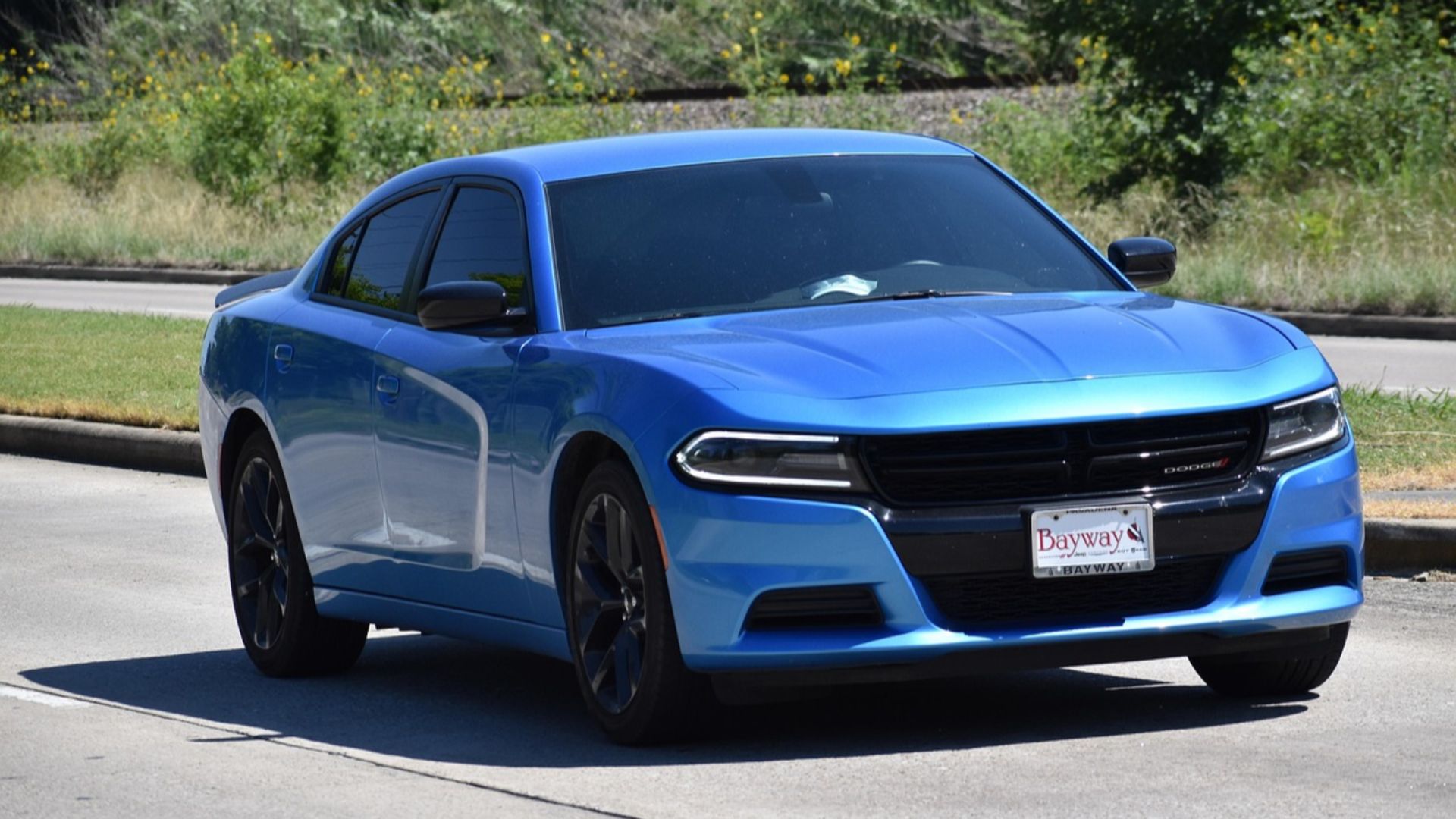
The Unexpected Silver Lining
Replacing a failed engine with a properly installed unit can extend the life of an otherwise solid car, potentially giving you reliable transportation for years. While no one plans for this expense, the repair can function as a reset if the rest of the vehicle is sound.
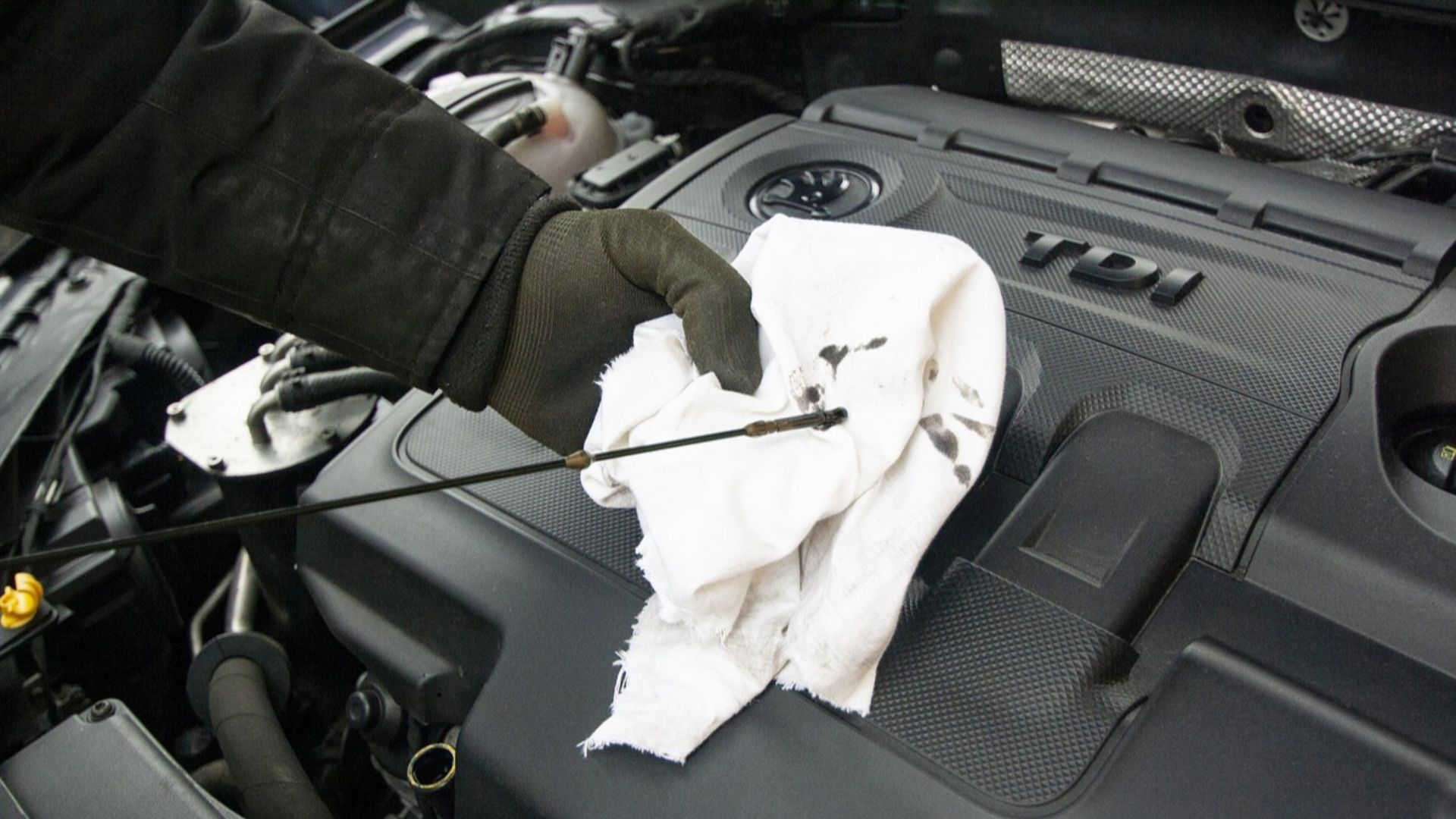
So, Are You Actually Screwed?
You are not automatically doomed, but your options depend on the details of the sale, the available evidence, and the financial math. By reviewing paperwork, confirming the diagnosis, and researching your protections, you can shift from panic to strategy. Used cars carry risk, but informed decisions limit the damage.

You May Also Like: