Small Car Hacks That Make A Big Difference
Most drivers think car hacks are about saving money or keeping things tidy. Mechanics know better. Some of the smartest, simplest car habits can genuinely keep you safer when things go wrong—on the highway, in bad weather, or during an unexpected breakdown. The best part? You don’t need advanced tools, deep mechanical knowledge, or a massive budget. These are practical, mechanic-approved tricks that experienced technicians actually use or recommend to their own families. From improving visibility to preparing for emergencies you hope never happen, these car hacks could save your life one day.
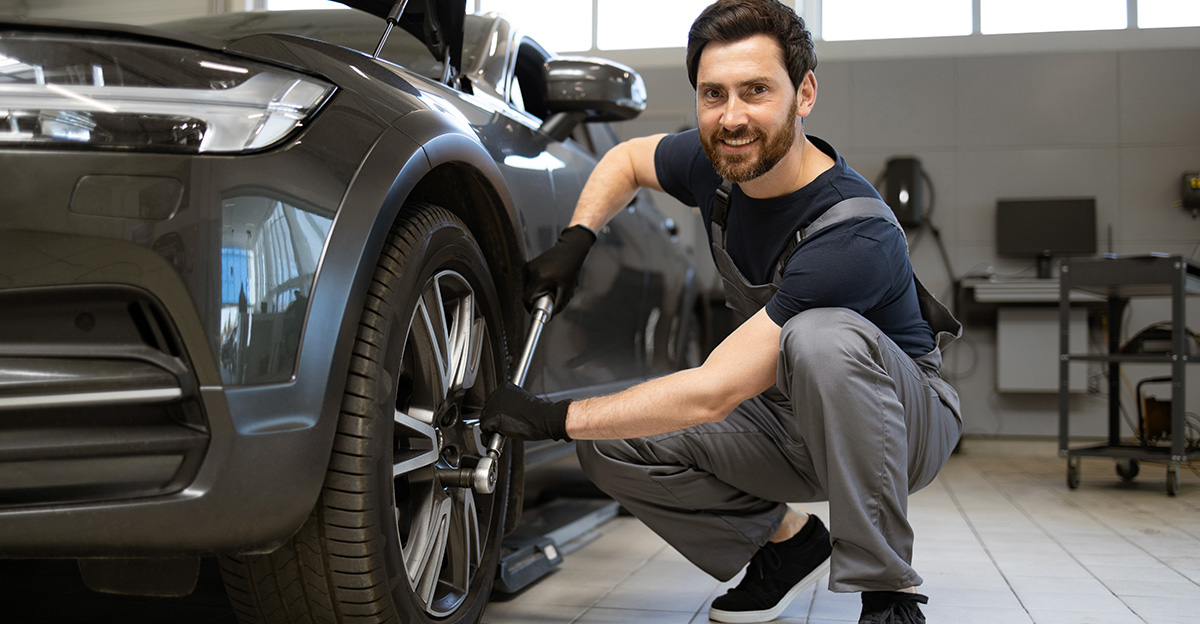
Adjust Your Headrest To Prevent Whiplash
Most people don’t realize their headrest is a safety device, not a comfort feature. Mechanics often see preventable neck injuries after minor rear-end collisions simply because the headrest was positioned incorrectly. The top of the headrest should be level with the top of your head, and it should sit as close to the back of your head as possible. This positioning limits how far your head snaps backward during impact, dramatically reducing the risk of whiplash.

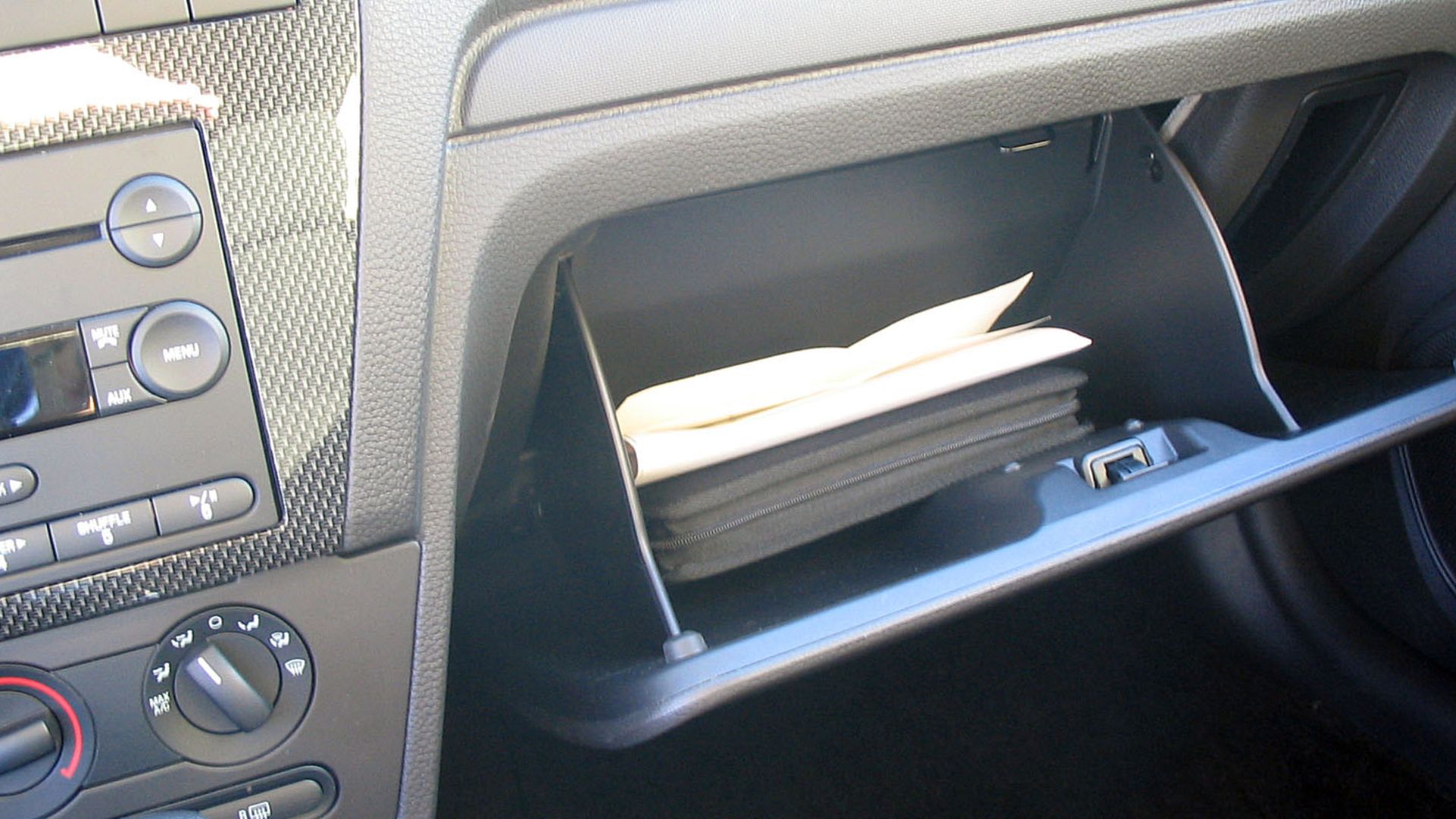
Keep A Tire Pressure Gauge In Your Glove Box
Dash warning lights don’t always tell the full story. Mechanics recommend manually checking tire pressure at least once a month, especially before long trips. Underinflated tires can overheat, blow out, and cause sudden loss of control at highway speeds. A simple pocket gauge lets you catch dangerous pressure drops early—often before your car’s sensors even notice.
Use Your Parking Brake More Often Than You Think
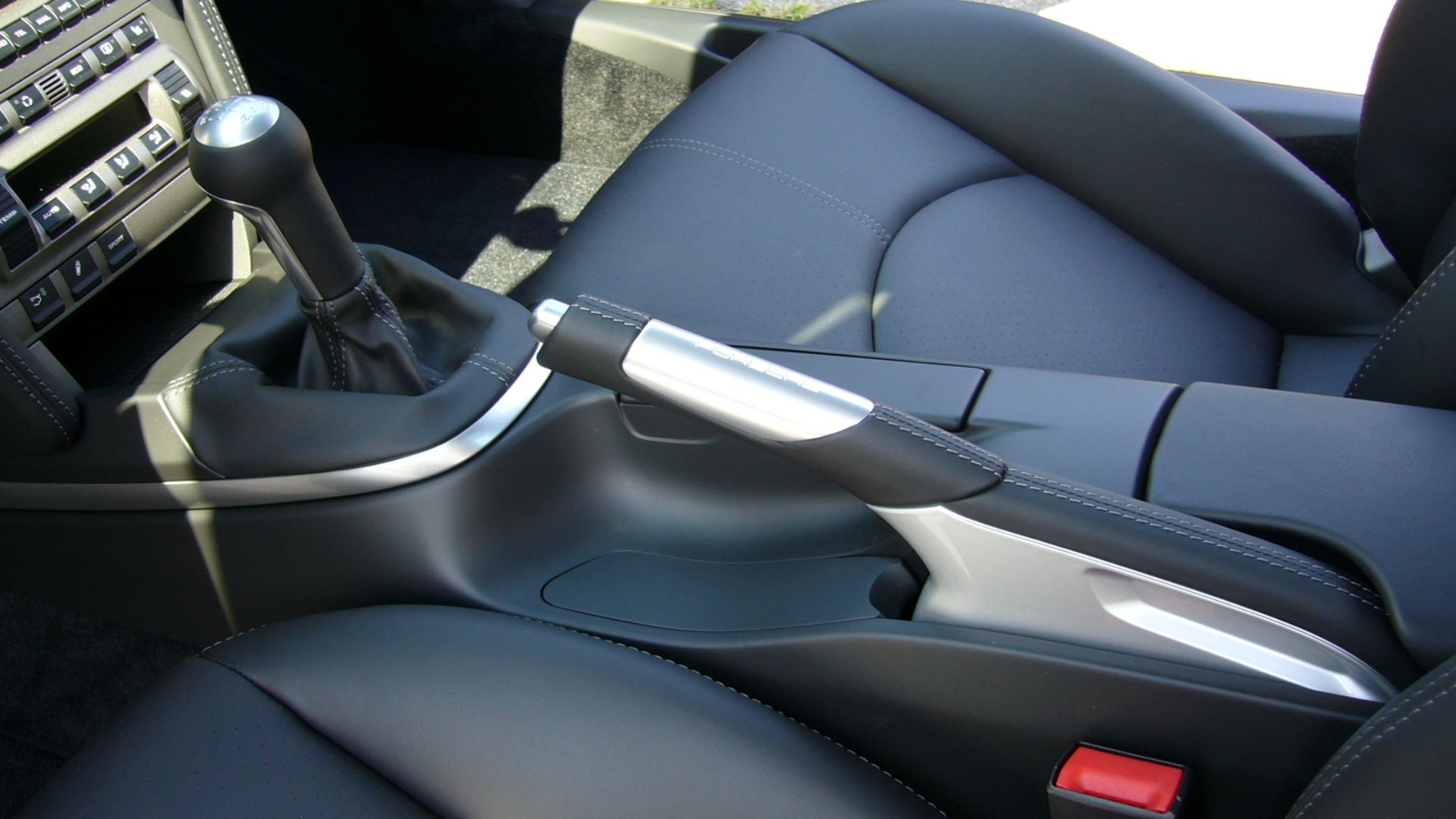
Many drivers only use the parking brake on steep hills, but mechanics know it serves another purpose: protecting your transmission. Using the parking brake every time you park reduces stress on the transmission’s parking pawl. If that pawl fails, your car can roll unexpectedly. Regular use keeps the system functioning properly and adds an extra layer of security.
 Cerafino~commonswiki, Wikimedia Commons
Store A Flashlight Where You Can Reach It Fast
Phone flashlights are handy—until your battery is dead. Mechanics recommend keeping a small LED flashlight in the glove box or center console. If you break down at night, proper lighting helps you stay visible, inspect damage safely, and signal for help. Bonus points if it’s a rechargeable or hand-crank model.

Turn Your Wheels The Right Way When Parking On Hills
This is an old-school mechanic trick that still saves lives. When parking downhill, turn your wheels toward the curb. When parking uphill without a curb, turn them away from the road. If your brakes fail, the car will roll into the curb or shoulder instead of traffic. It takes two seconds and could prevent a serious accident.
Keep Your Windshield Spotlessly Clean—Inside And Out
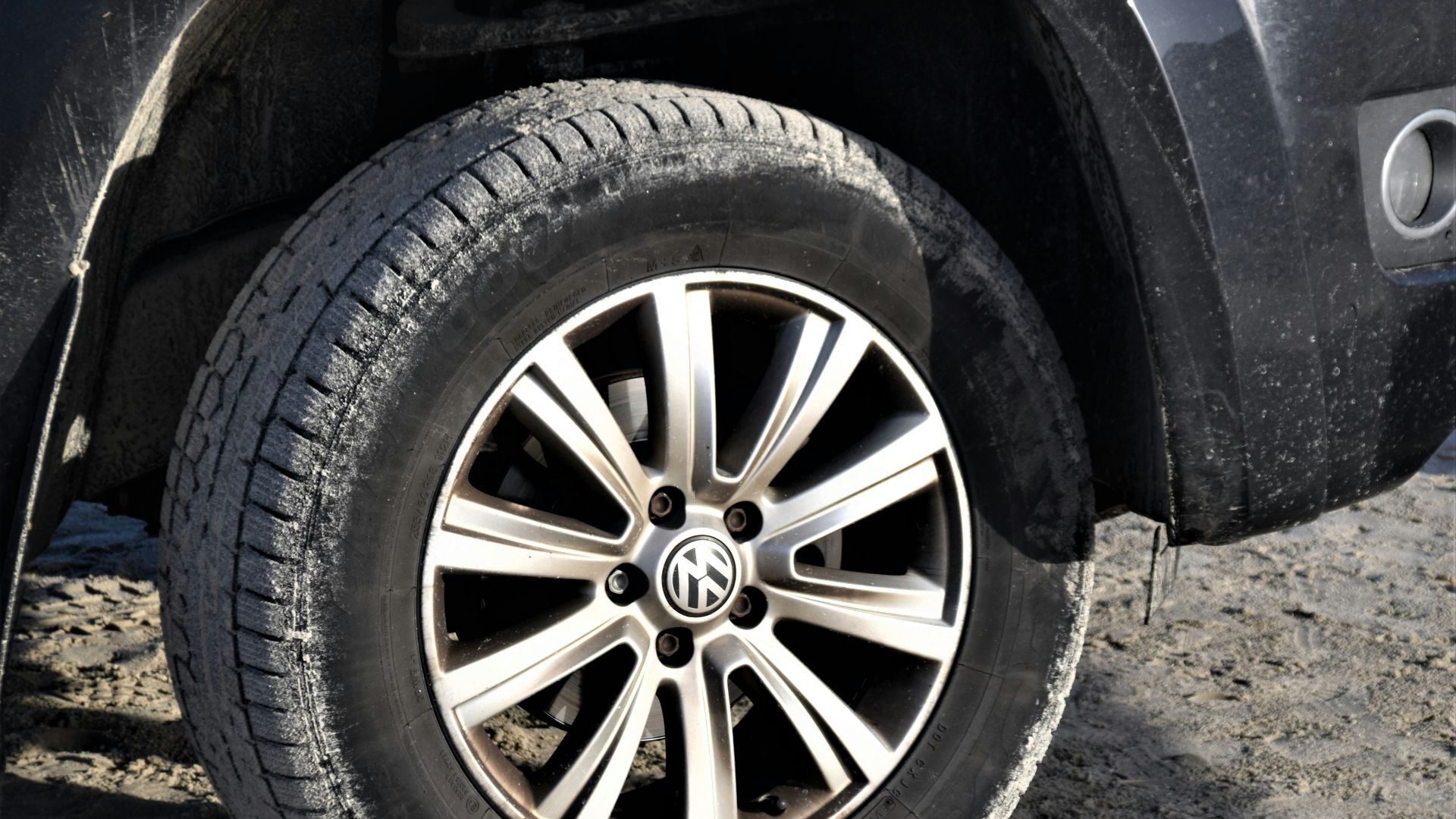
Most drivers clean the outside of their windshield and ignore the inside. Mechanics know interior film buildup causes glare, especially at night. Clean both sides regularly using proper glass cleaner and a microfiber cloth. Better visibility means faster reaction times when something unexpected happens.
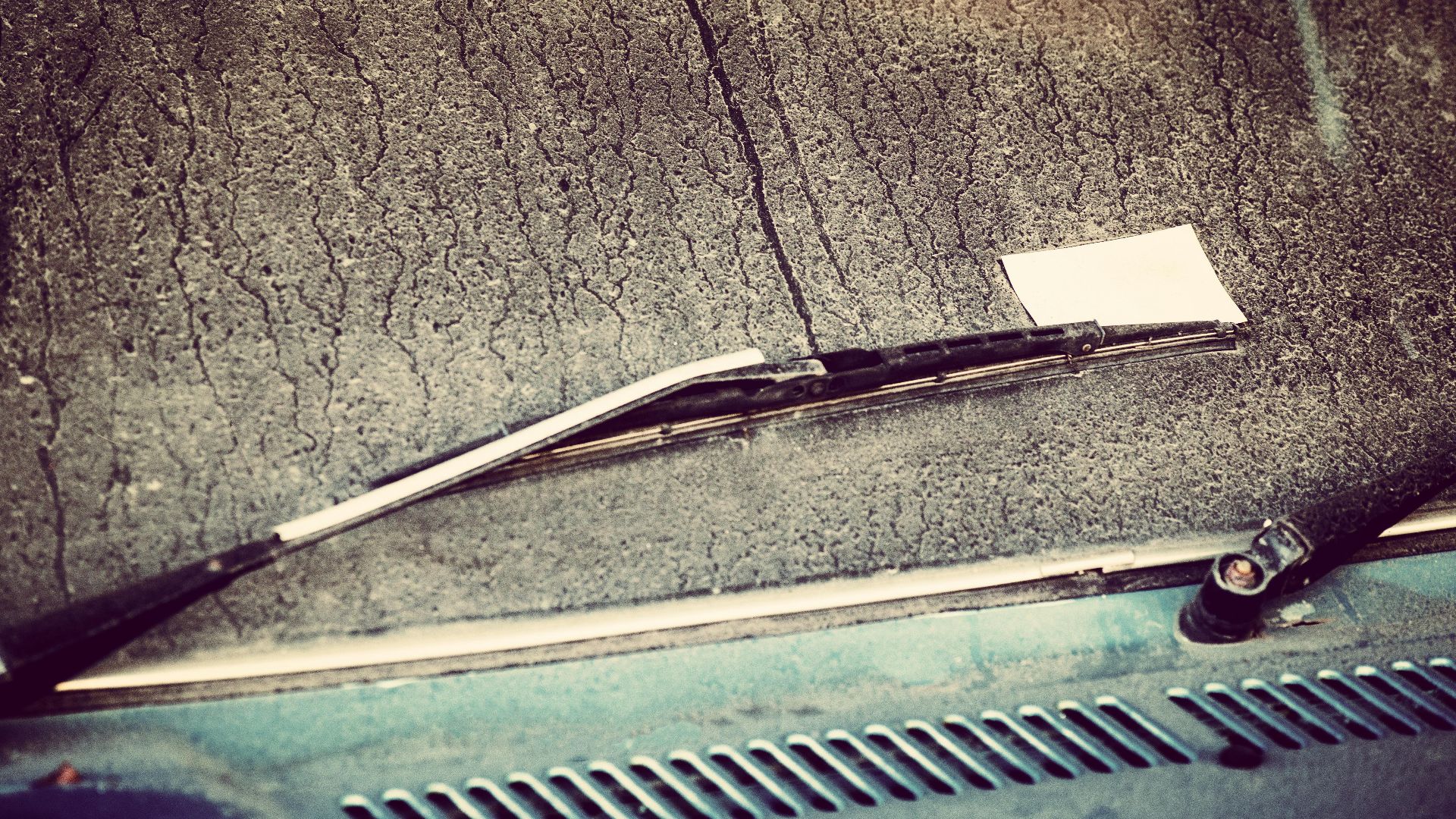
Replace Wiper Blades Before They Look Worn
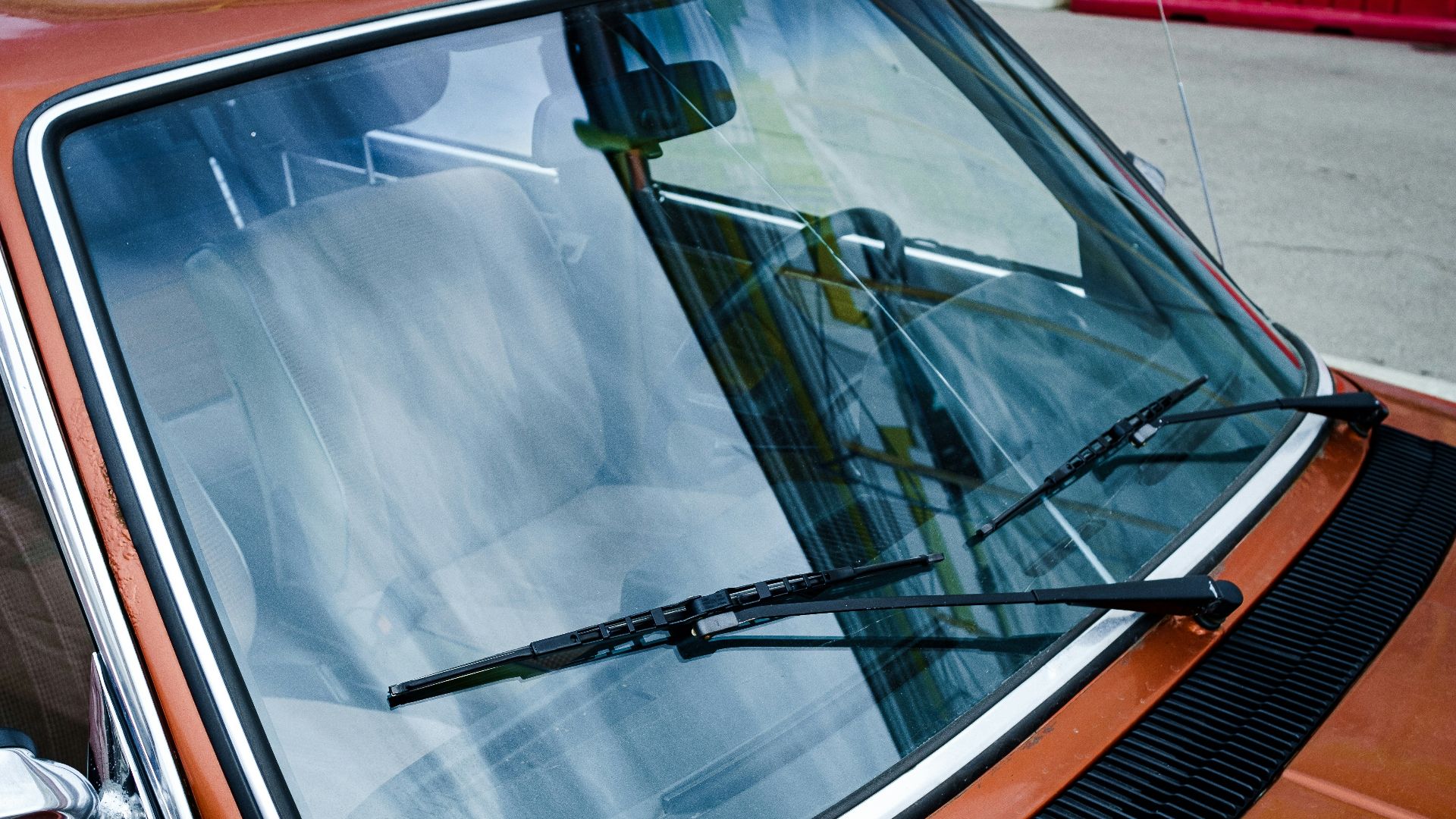
If your wipers streak, chatter, or skip, they’re already overdue. Mechanics recommend replacing them every six to twelve months. In heavy rain or snow, worn blades can instantly reduce visibility to near zero. Fresh wipers are one of the cheapest safety upgrades you can make.
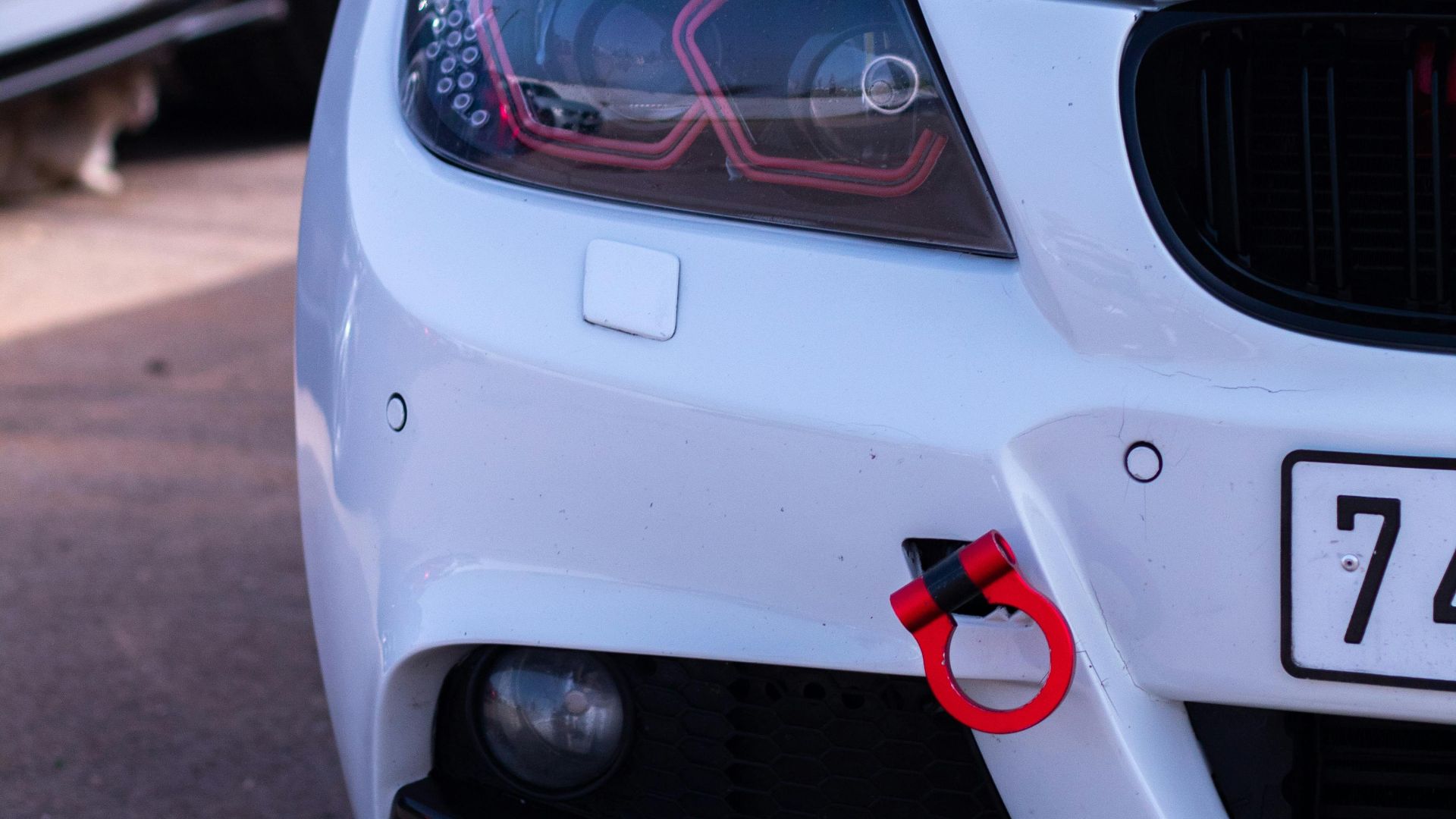
Learn Where Your Tow Hook Is Before You Need It
Most modern cars hide the tow hook in the trunk or under the floor. Mechanics see drivers waste precious time searching for it during breakdowns or accidents. Locate it ahead of time and learn how it threads into the bumper. When help arrives, you’ll be ready.
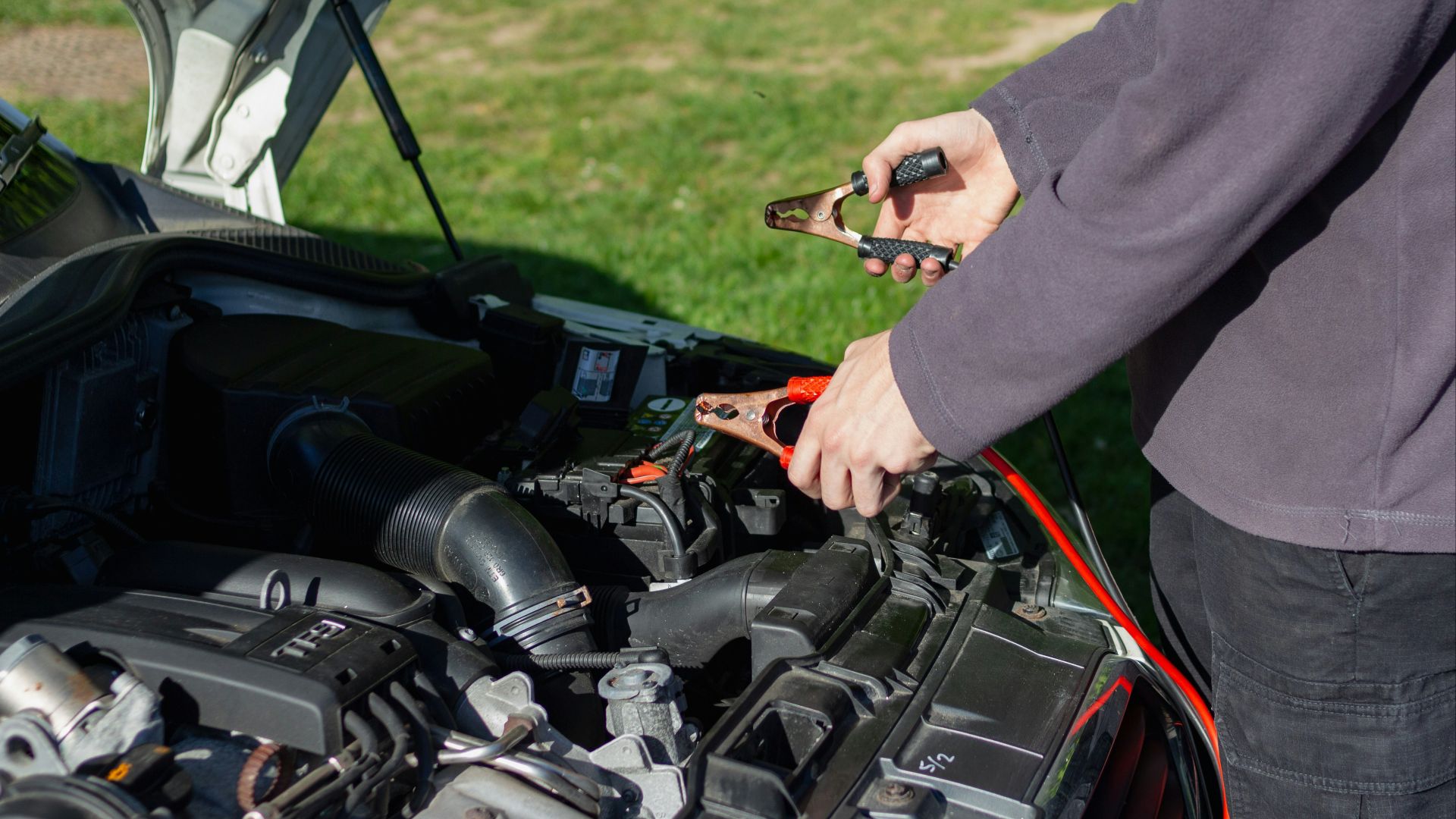
Keep Jumper Cables That Are Actually Long Enough
Short, cheap jumper cables often fail in real-world situations. Mechanics recommend cables at least 12 feet long with thick insulation. This allows safer positioning of vehicles and better current flow. When your battery dies in traffic or bad weather, good cables can get you moving fast.
 Daniel @ bestjumpstarterreview.com, Unsplash
Don’t Ignore Weird Smells—They’re Early Warnings
Burning rubber, sweet syrupy odors, or sharp chemical smells are red flags mechanics take seriously. These scents often appear before a major failure or fire. If something smells off, pull over safely and investigate. Trust your nose—it often detects danger before your dashboard does.
Use Your Hazard Lights Strategically
Hazard lights aren’t just for breakdowns. Mechanics recommend using them when traffic suddenly slows on highways or during low-visibility conditions. They alert drivers behind you sooner, reducing rear-end collision risk. Just remember to turn them off once conditions normalize.

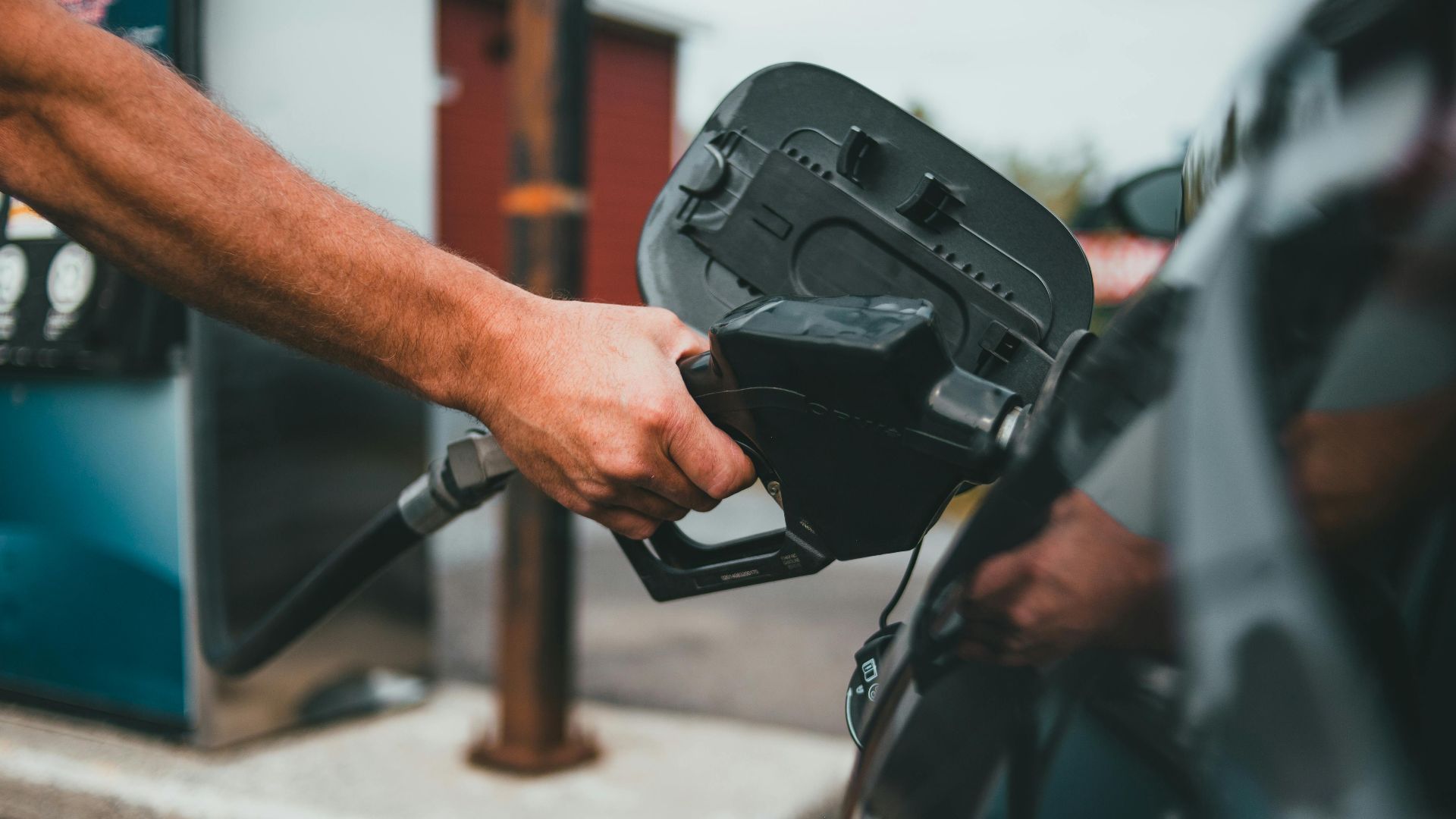
Keep Your Gas Tank Above One-Quarter Full
Running on fumes isn’t just inconvenient—it can be dangerous. Mechanics warn that fuel pumps rely on gasoline for cooling. Low fuel levels increase the risk of pump failure and leave you stranded in unsafe areas. In emergencies, having fuel gives you options.
Practice Finding Controls Without Looking
In stressful situations, you won’t have time to search. Mechanics suggest practicing muscle memory for hazard lights, headlights, windshield defrosters, and door locks. Knowing where everything is without looking keeps your eyes on the road when seconds matter.

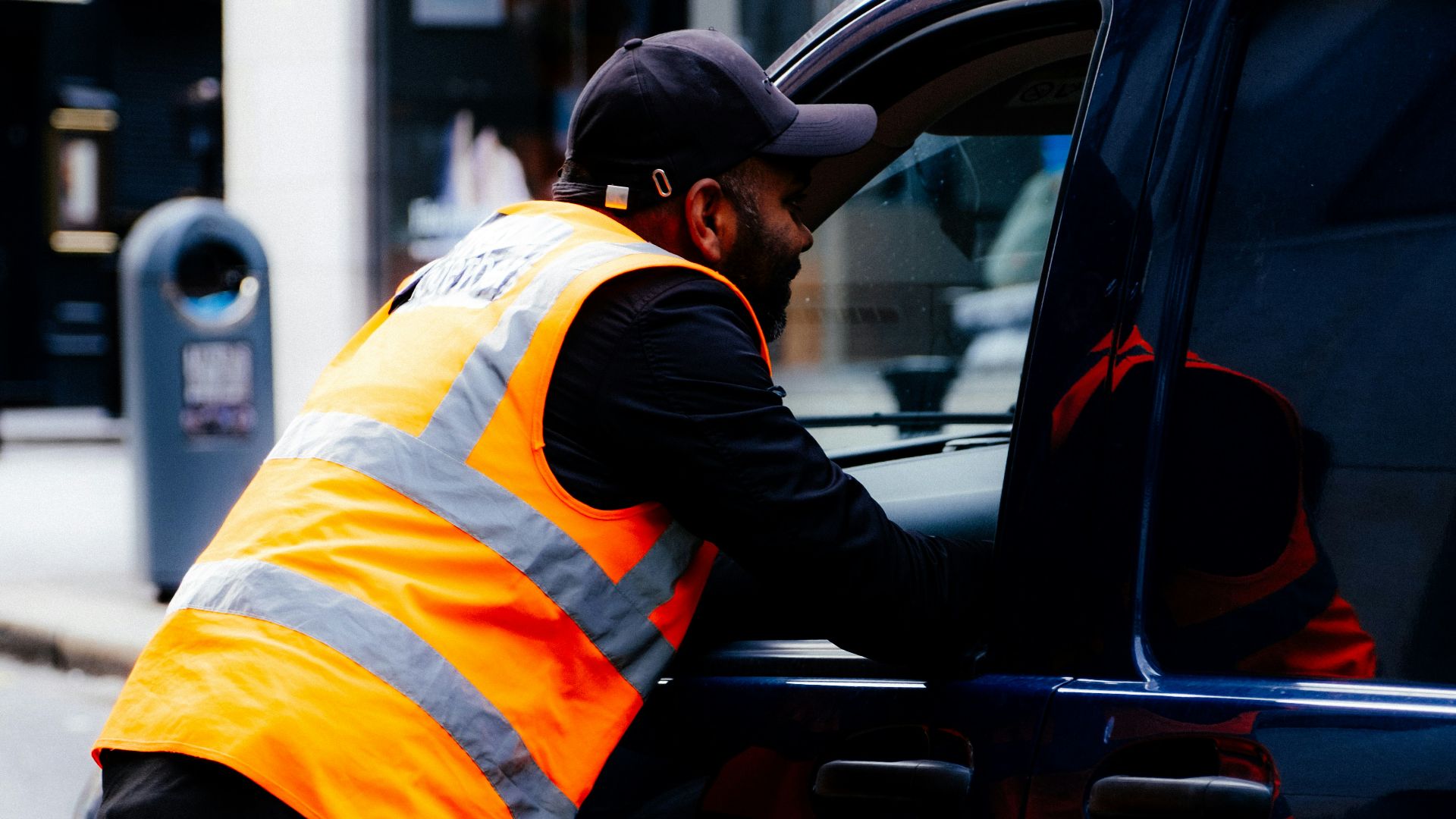
Carry A Reflective Vest Or Bright Jacket
Technicians who work roadside know visibility saves lives. If you exit your car on a busy road, a reflective vest or bright jacket makes you visible to passing drivers. This is especially critical at night or in poor weather conditions.
 atelierbyvineeth ..., Unsplash
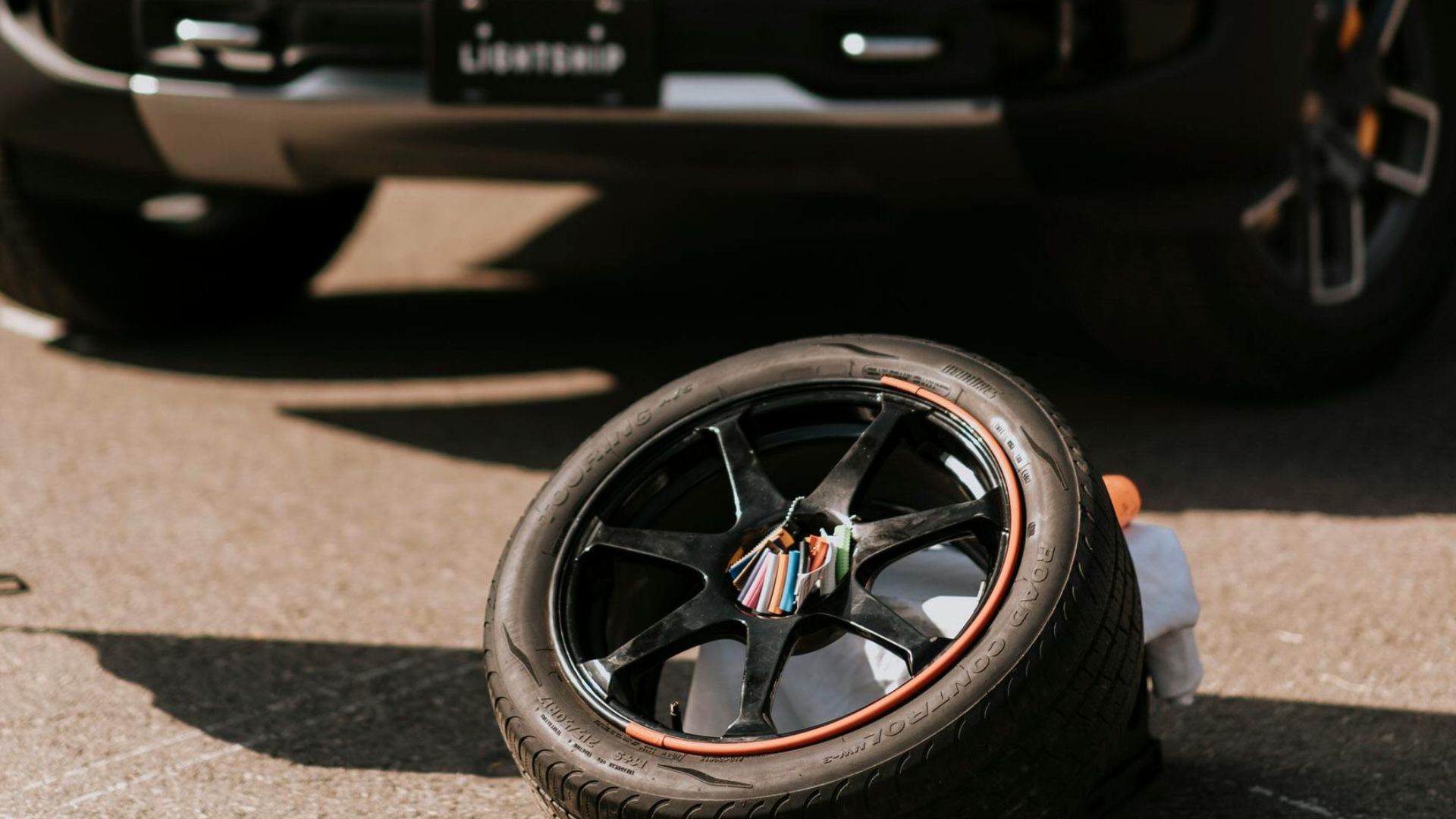
Check Your Spare Tire—Yes, Really
Mechanics frequently find spare tires that are flat, dry-rotted, or missing entirely. Check the pressure and condition of your spare every few months. A useless spare turns a minor inconvenience into a dangerous roadside situation.
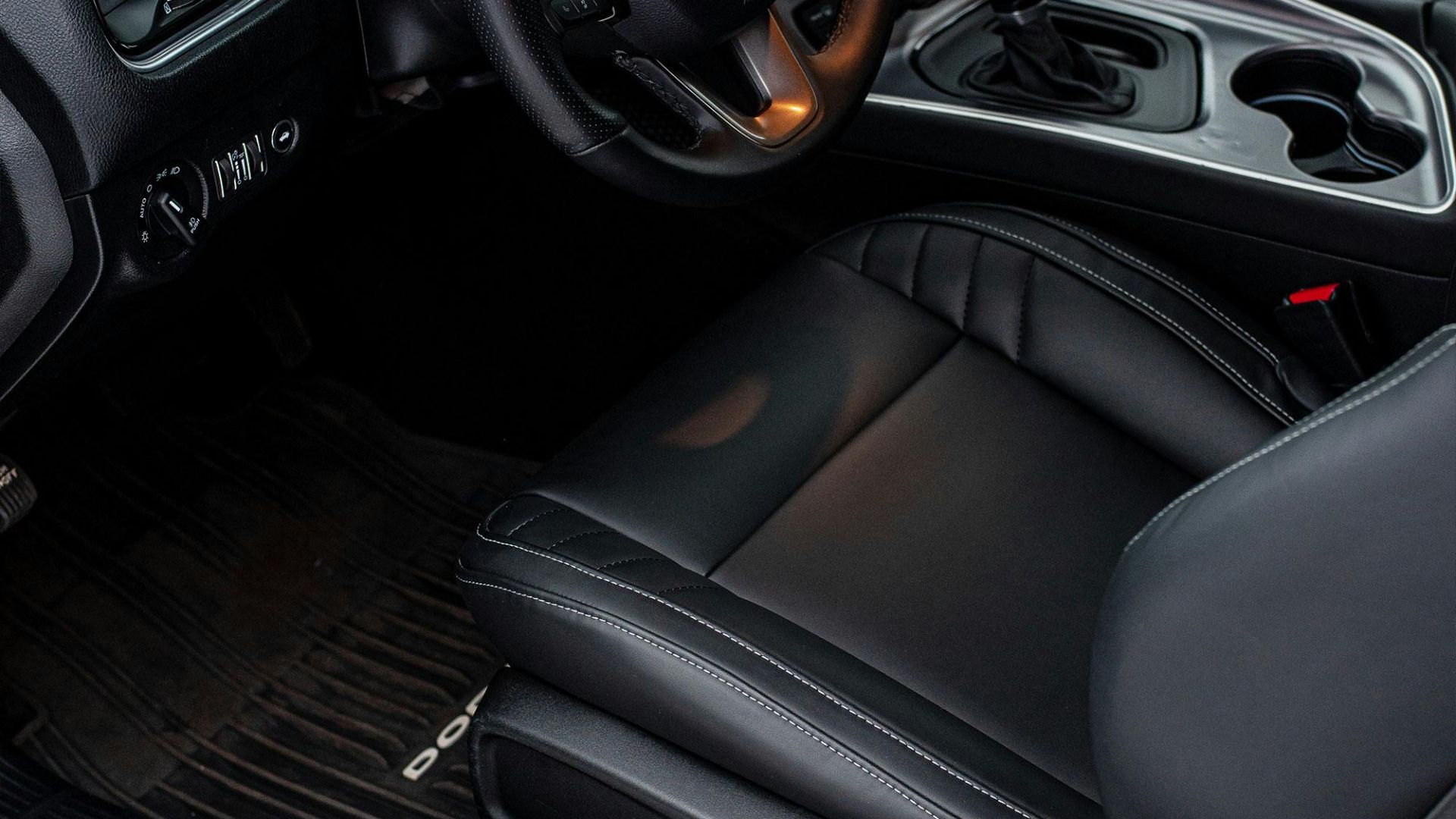
Use Floor Mats Designed For Your Vehicle
Ill-fitting floor mats can slide forward and interfere with pedals. Mechanics have seen real accidents caused by this. Use mats designed specifically for your car and secure them properly. If a mat shifts while driving, pull over and fix it immediately.
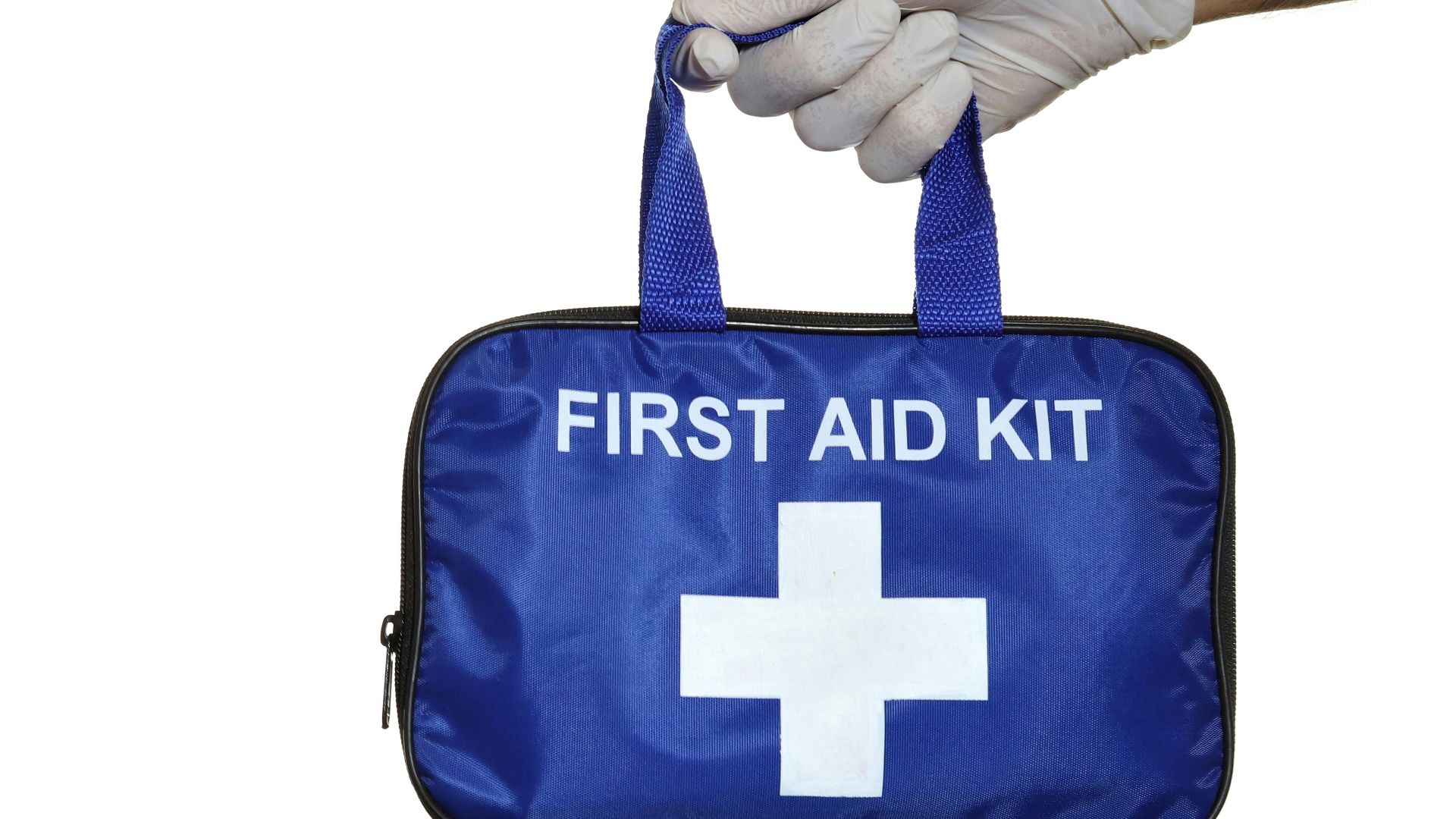
Keep A Simple First Aid Kit In The Car
You don’t need a full trauma kit, but mechanics recommend basics: bandages, antiseptic wipes, gloves, and pain relievers. After minor accidents, quick first aid can prevent injuries from worsening while waiting for help.
Listen To Your Car During The First Five Minutes
Many serious problems reveal themselves right after startup. Mechanics advise driving with the radio off for the first few minutes occasionally. Listen for unusual noises, vibrations, or warning sounds. Catching issues early can prevent dangerous failures later.

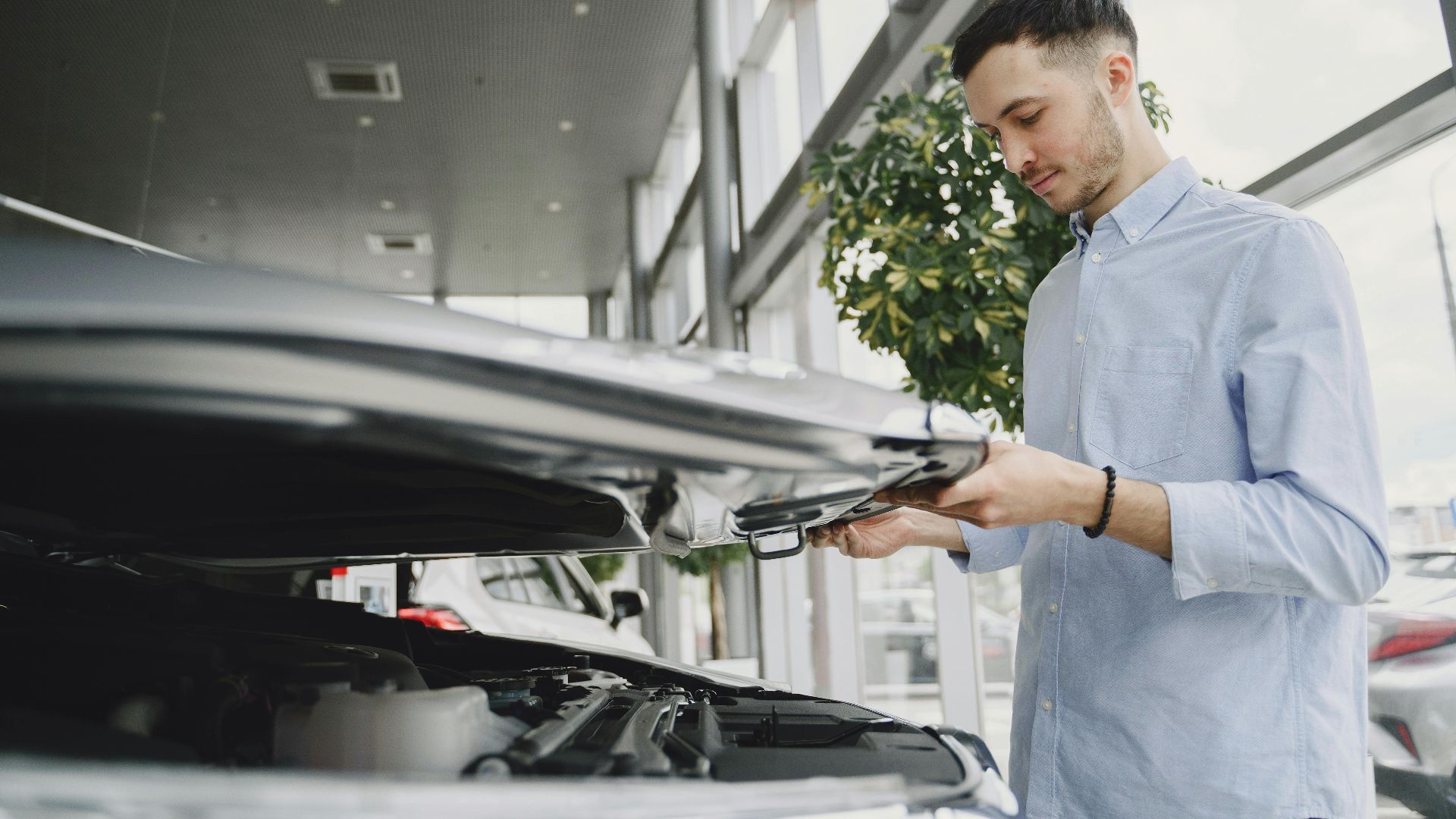
Learn How To Pop The Hood Quickly
In the event of smoke or steam, opening the hood carefully can help diagnose the problem—but only if done safely. Mechanics recommend knowing how to release the hood quickly and staying clear if fire is suspected. Never open a hood if flames are visible.
Avoid Cruise Control In Bad Weather
Even though it feels convenient, mechanics warn against using cruise control in rain, snow, or icy conditions. Cruise control can delay your reaction if traction is lost. Keeping full manual control improves response time when conditions suddenly change.

Keep A Window-Breaking Tool Within Reach
A small window-breaking and seatbelt-cutting tool can be a literal lifesaver. Mechanics recommend mounting it within arm’s reach of the driver. In water submersion or post-crash scenarios, seconds matter.
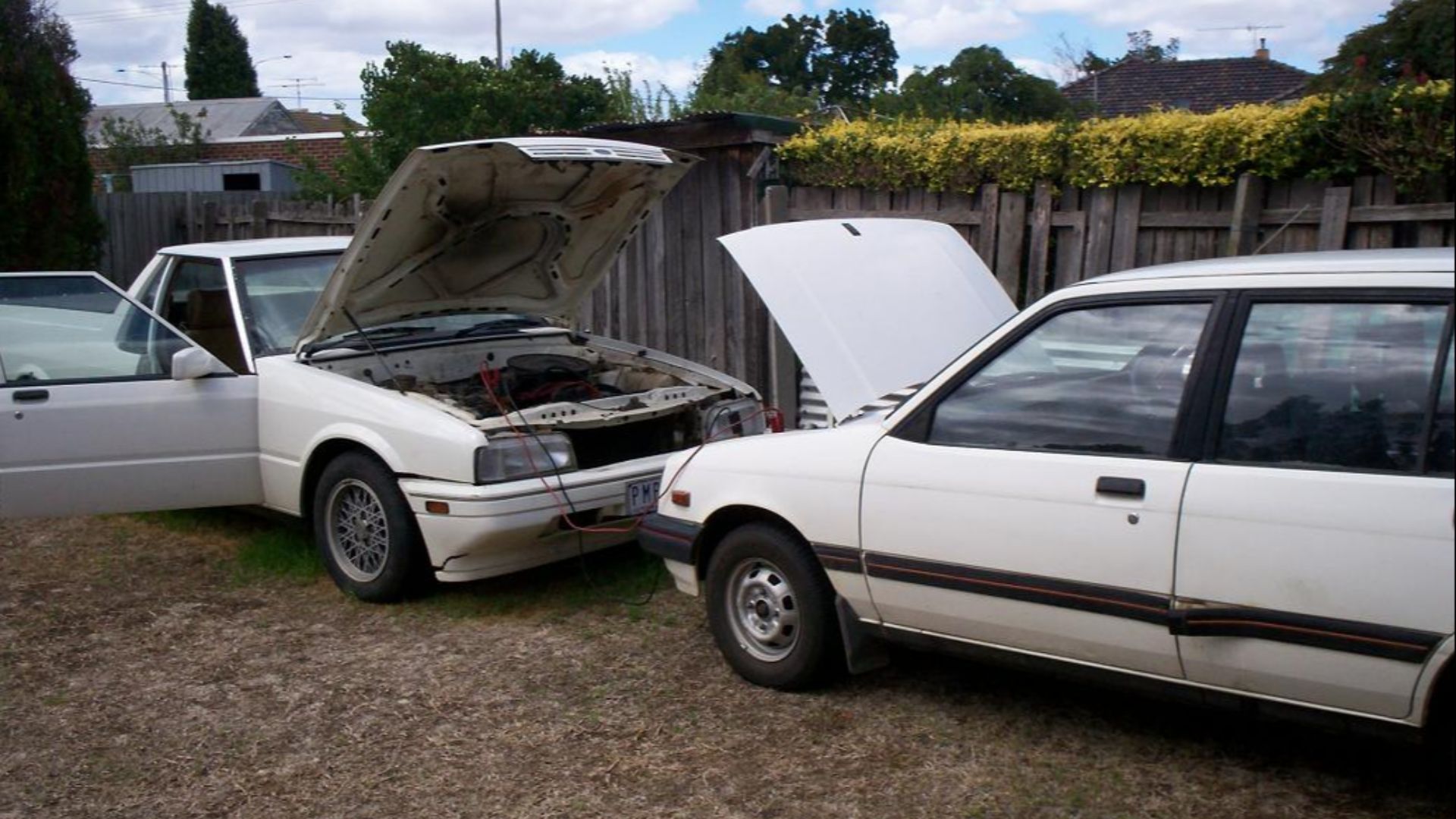
Know How To Safely Jump-Start A Car
Incorrect jump-starting can damage electronics or cause sparks. Mechanics advise learning the correct cable order and ground point for your vehicle. Knowing the process ahead of time prevents panic and reduces risk during roadside emergencies.
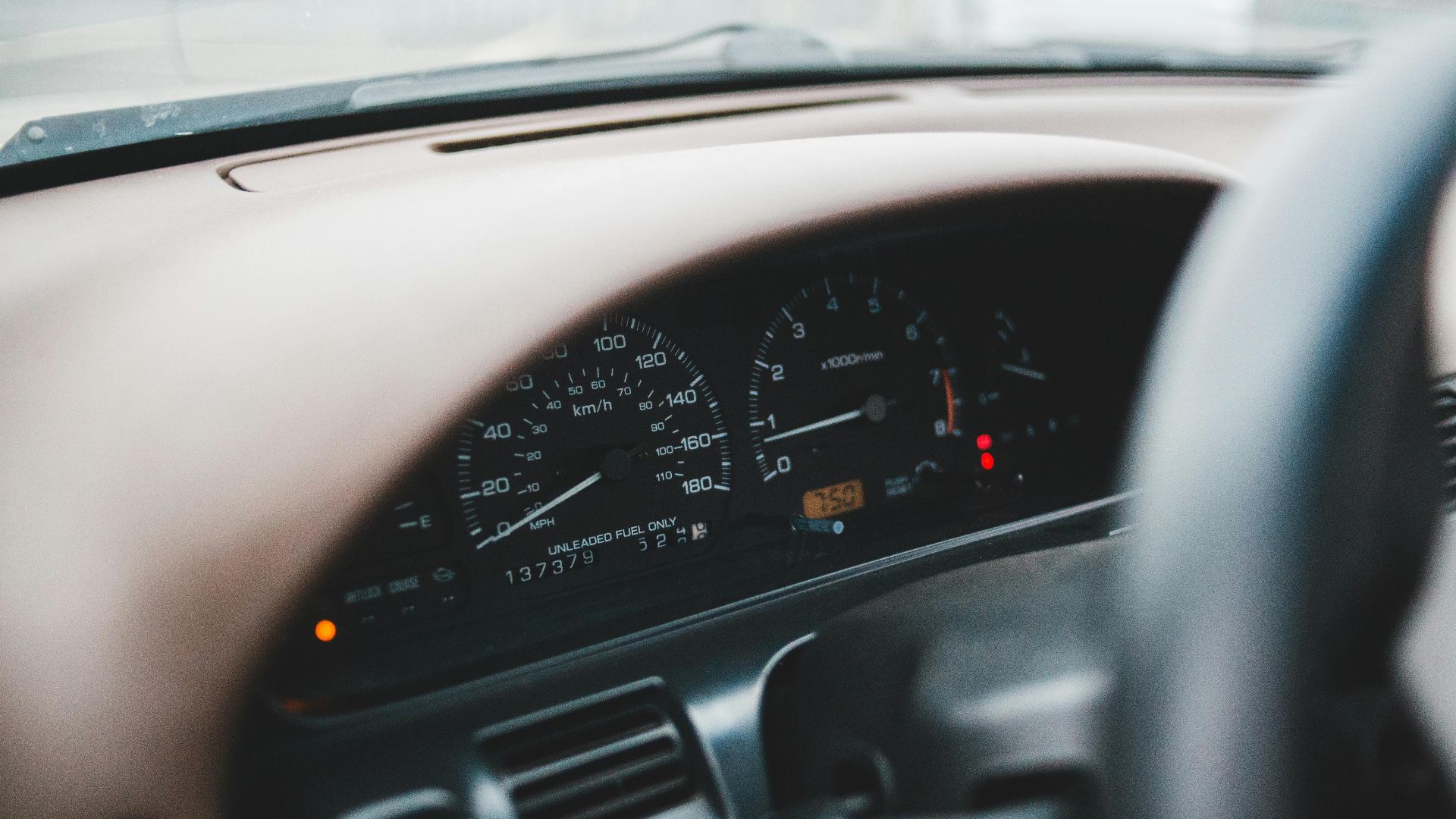
Don’t Delay Dashboard Warning Lights
Not all warning lights mean “stop immediately,” but none should be ignored. Mechanics say small issues often escalate into dangerous failures when neglected. If a warning light appears, consult your manual and address it promptly.
Keep Emergency Contacts Written Down
Phones fail, batteries die, and screens break. Mechanics recommend keeping emergency contact numbers written on a card in your glove box. In stressful moments, having physical backup can make all the difference.
Learn How Your Car Handles A Blowout
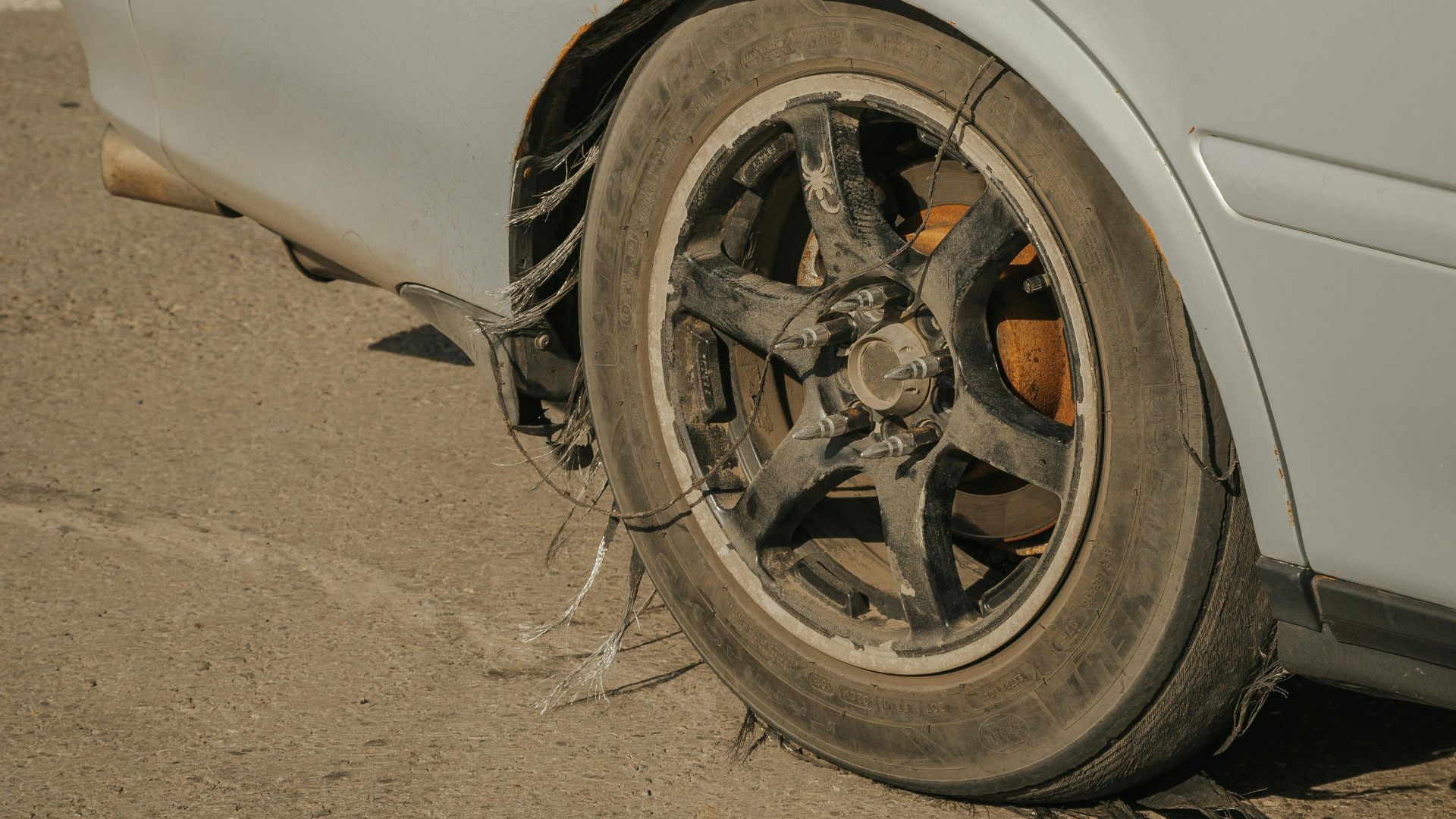
Many drivers panic during a tire blowout, making things worse. Mechanics suggest practicing controlled braking and steering techniques in a safe environment. Knowing to keep the wheel straight and ease off the accelerator can help you maintain control.
Simple Habits That Could Save Your Life
You don’t need to be a mechanic to drive like one thinks. These safety-focused car hacks aren’t flashy, but they’re built on years of real-world experience and close calls. By adopting a few of these habits, you’re not just protecting your vehicle—you’re protecting yourself, your passengers, and everyone else on the road. One day, when something goes wrong, you’ll be glad you took the time to prepare.

You May Also Like:
Baby boomers are all stunned at young drivers’ inability to perform these basic driving tasks.