
Extra Money And Effort For Nothing
Over the years a lot of drivers have been in this same exact situation: you bought replacement parts yourself because they were cheaper to buy online or you already had a preferred brand. But then when you take your car into the shop, the mechanic refuses to install them, saying that it’s against company policy. You may be wondering: can they really do that?

Why Mechanics Sometimes Say No
When you try to supply your own parts, the shop may refuse because they can’t guarantee where the parts came from or whether they meet manufacturer specifications. Mechanics put their reputation and liability on the line when they work on a vehicle. Installing parts they didn’t supply means they’re taking responsibility for something they didn’t sell or choose themselves.

Liability And Legal Exposure
If the part you supplied fails and/or causes damage, an accident, or even more expensive repairs later, the shop could still be on the hook. Even if you bought the part, the mechanic who installed it is the professional. Mechanics generally avoid installing customer-provided components to limit their legal risk. That’s why so many shops write this into insurance policies or store rules.

Warranty Complications For Both Sides
This isn’t just about the shop protecting itself; it’s also about warranties. Parts sold by the mechanic usually come with a warranty that covers both the part and the labor. Your own parts typically don’t have this protection. If the part you supplied fails a month later, the mechanic doesn’t want to be responsible for doing the job without being paid.

Quality Control Issues
The mechanic has no idea of the age, storage conditions, or authenticity of the part you’re providing. They also don’t know if it’s compatible. Online marketplaces are filled with cheap knockoffs and incorrectly listed items. If they install your part and it later fails, the customer usually blames the shop, not the website or seller.
Shops Must Protect Their Reputation
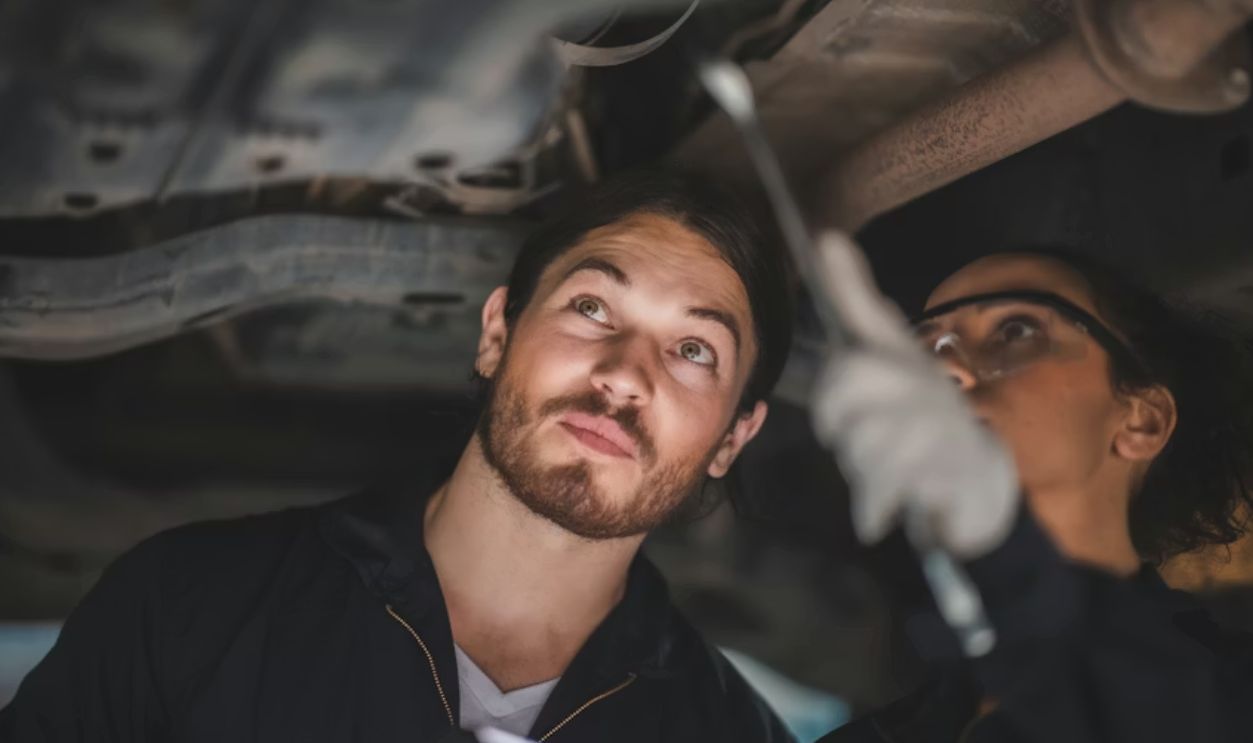
A mechanic’s reputation matters more than you might think; in fact, it’s everything. If a part you provided fails and starts causing noise, leaks, or other problems, you might return demanding they fix it. Customers sometimes forget that they were the ones who supplied the part in the first place. Shops can do away with all that drama by only using parts they trust and can trace.

Many States Allow Shops To Refuse Customer Parts
There is no law forcing a business to use parts you bring in. Most states give companies the right to determine their own policies. Auto shops fall into the same category as restaurants that refuse to allow you to bring in outside food. It’s their business, therefore their rules—within reason, of course.
Franchise And Dealer Service Departments Are Strictest
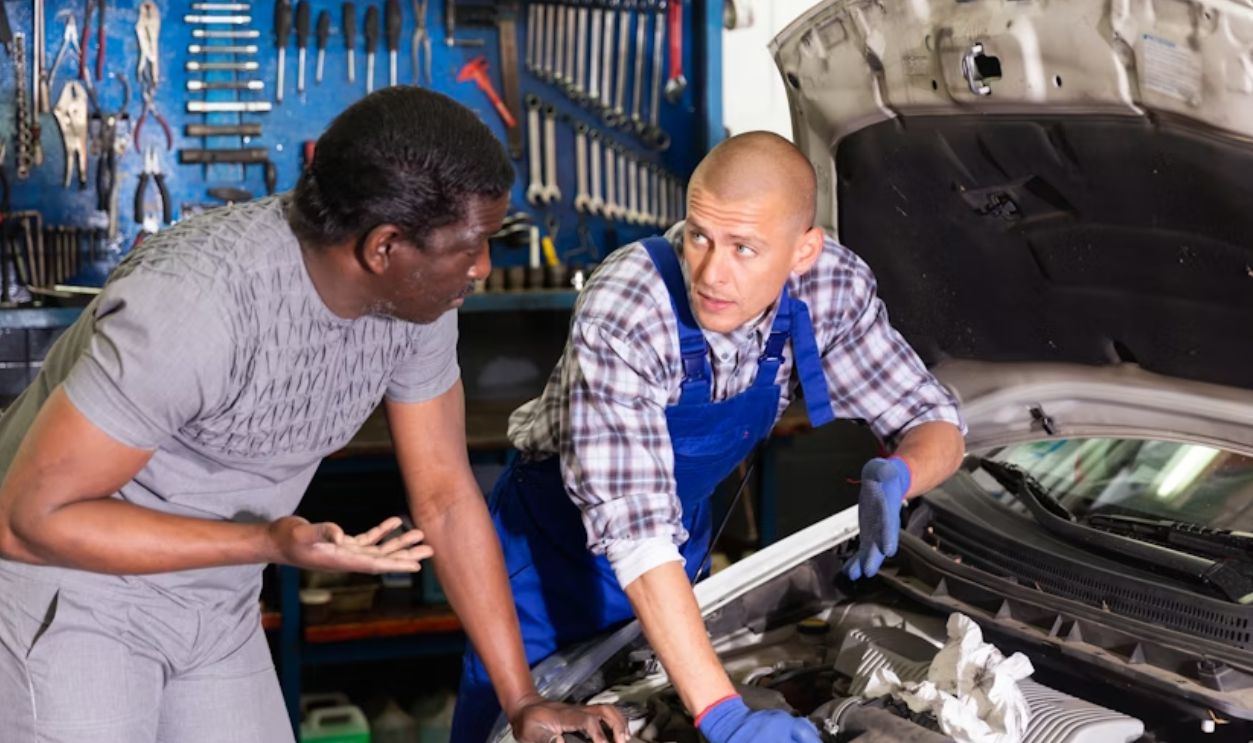
Dealerships and national chains are often under corporate rules that prohibit installing any outside parts. This is to follow brand standards and also to maintain insurance compliance. Independent shops tend to be more flexible, but even they usually balk at using customer-provided components. Again, it’s for liability reasons.

You Might Still Find Shops That Allow It
Some independent mechanics do allow customer-provided parts, especially if it’s for an older car or a vehicle with limited aftermarket part availability. Small shops often feel confident in their ability to evaluate parts and are willing to take on the job for a labor-only cost. In this case you need to call around and ask; don’t assume that every shop has the same policy.

Ask About A Labor-Only rate
A good compromise maneuver is to ask whether the shop will let you pay for labor only. Some businesses have a separate pricing structure for jobs where the customer brings parts. You may pay more per hour, but the mechanic saves money on sourcing parts, so it sometimes works out in your favor.

Can You Sign A Waiver?
Many drivers think they can sign a liability waiver that lets the shop off the hook. The fact is, some shops accept waivers, and some don’t. Waivers don’t always hold up legally if something goes wrong, so even if you do offer to sign one, the mechanic still gets to decline to do the work.
Ask If The Shop Will Inspect Your Part
Some mechanics are willing to install your parts after they give them a thorough inspection first. But if they think the part is cheap, the wrong one, or poorly made, they may still refuse. But if it’s a known brand, sealed in the original box and compatible, they may be more flexible about it.

You Can Comparison-Shop Labor And Parts
You don’t have to take “no” for an answer. Go ahead and get quotes from other shops. Some shops only refuse certain categories of customer-provided parts. Others don’t care. You can call several mechanics in your area. We bet you’ll easily find someone willing to take on the job.

Are The Savings Are Even Worth It?
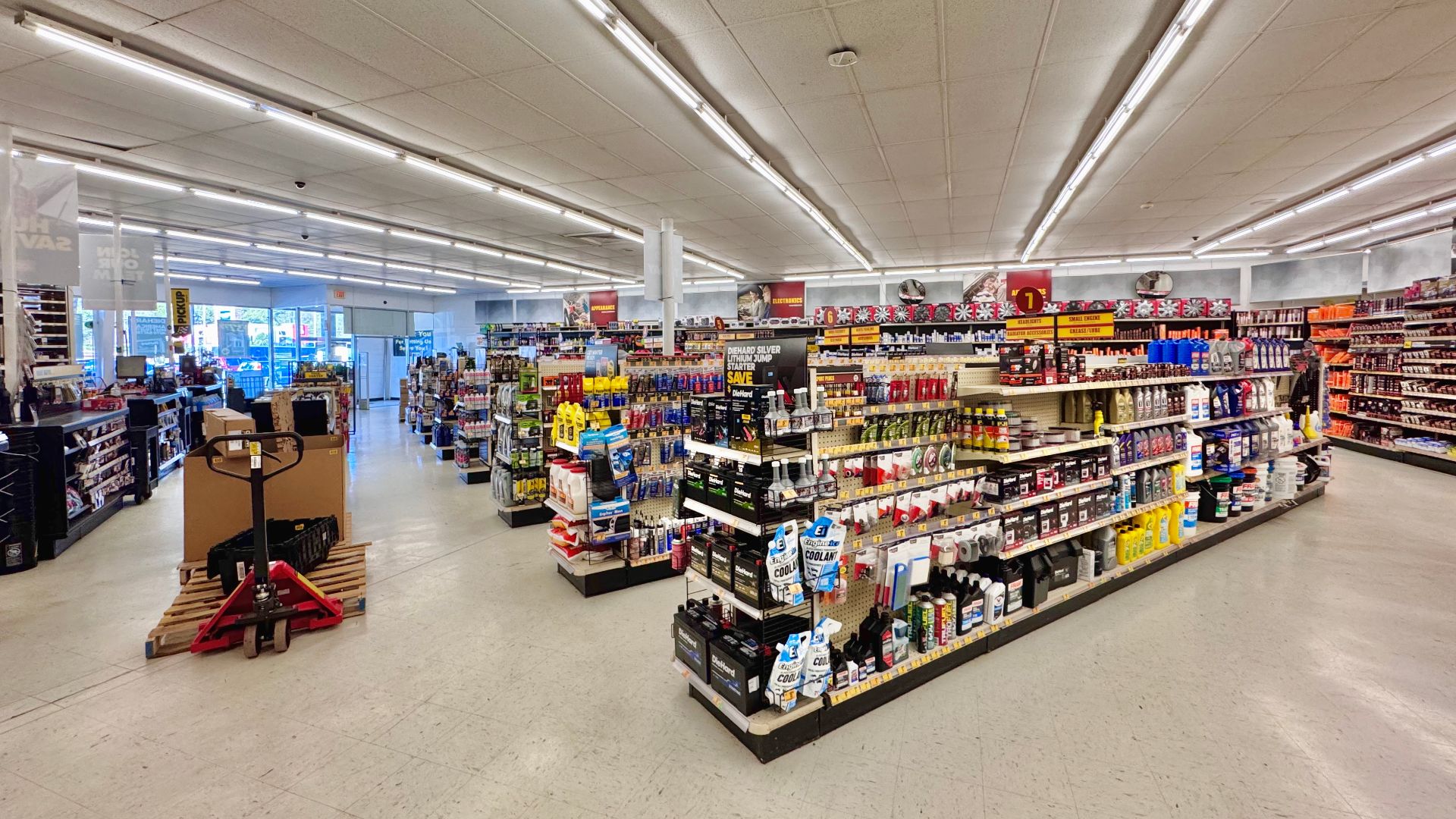
Sometimes the part you bought online isn’t even that much cheaper than the one the shop orders in. Shops also might have wholesale accounts that gets better prices than what you may be able to get retail. Always compare total cost, not just the price of the individual part. It might cost less or the same amount to let the shop supply everything.
 Harrison Keely, Wikimedia Commons
When The Shop Is Protecting You
Sometimes these instances are just a case of a mechanic that doesn’t want to get stuck working with a poor-quality part, especially for more safety-related jobs like brakes, tie-rod ends, suspension, and airbags. They’ve seen all too many problems come from sketchy parts. In cases like this, the refusal may truly be for your long-term benefit.
Try Negotiating Instead Of Arguing
Instead of trying to order your mechanic around with remarks like, “Just install my part,” try to take the diplomatic approach: “I understand your policy. Can you price your parts for me?” or “Can you recommend a safe aftermarket alternative?” Showing respect gets you a lot further. The mechanic may find a compromise or alternative option for you.
DIY Is Always An Option
If you’re confident in your mechanical skills, you can always install the part yourself. YouTube, service manuals and DIY forums have made a lot of repairs more approachable, even for beginners. Just be honest with yourself about the job difficulty and safety risks, and always make sure you have the proper tools before you try doing anything major.

Mobile Mechanics Are Often More Flexible
Mobile mechanics and freelance techs tend to work with customer-supplied parts a lot more frequently. They also tend to be more affordable and not bound by corporate rules. This can be a great solution for more simple jobs like alternators, coils, starters or brakes.

Don’t Forget That It’s Still Your Car
Even if shops have the right to refuse, you still have the right to choose where and how your car gets repaired. No mechanic can force you into using their parts or pricing. If you don’t like their policy, you wield the ultimate power in your hands to go elsewhere.

When It’s Worth Switching Mechanics
If a shop isn’t willing to explain their policy or treat you with the respect you’re entitled to, that’s plenty reason enough to find someone new. A good mechanic should be transparent, willing to discuss all the options, and willing to help you make informed decisions, even if the final answer is no.

You Have Choices
A mechanic can always refuse to install your parts, but that doesn’t leave you stuck. You can compare shops, negotiate, bring a waiver, hire a mobile mechanic, or even handle the repair work yourself. It’s your car, and you control what and how it gets repaired; you just need to work with the right shop.
You May Also Like:
My dealership voided my warranty because I changed my own oil. Seriously, can they do this?
The Worst Cars Ever Made, According To Mechanics
I caught my mechanic test-driving my car all the way across town. Is he allowed to do this?