The Cheapest Classic Can Become The Most Expensive One
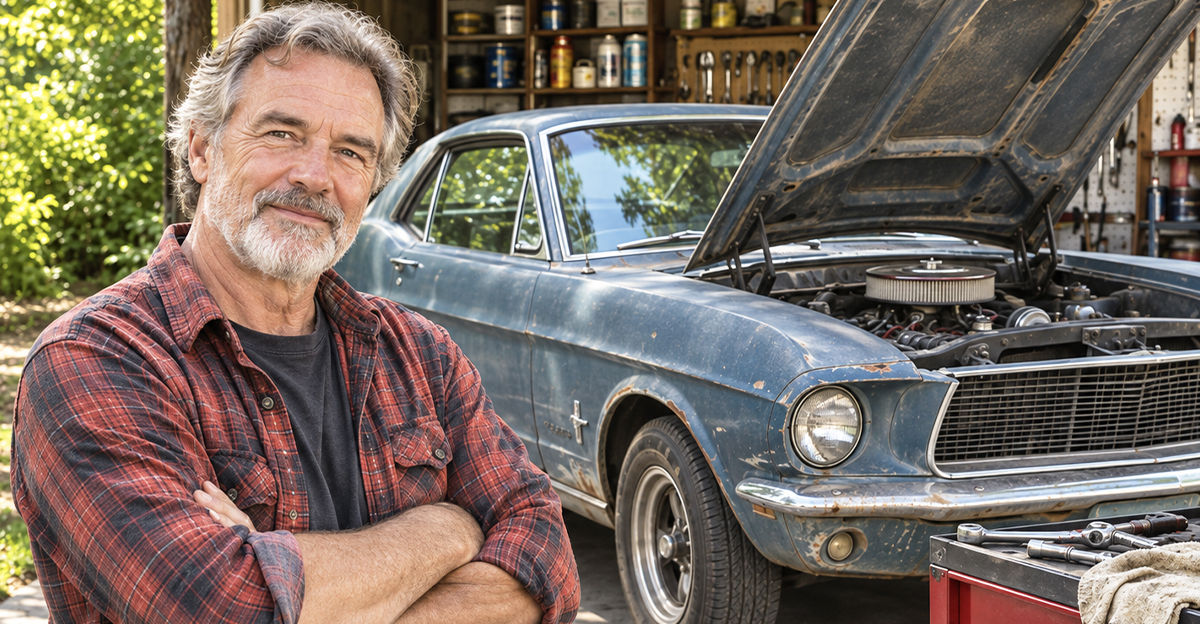
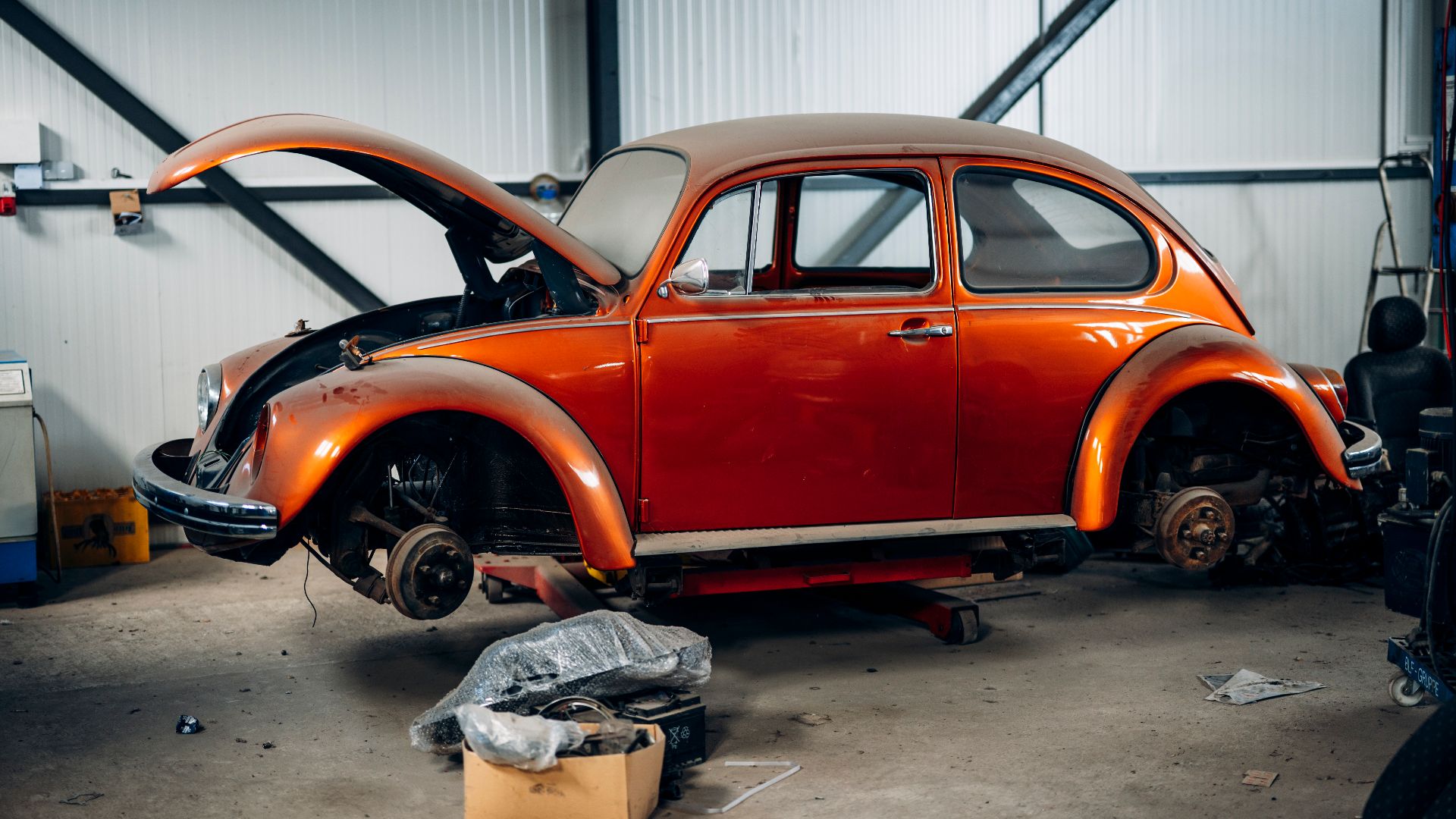
That $4,000 project sitting in someone's garage can look far more tempting than the $18,000 running example down the road. But the purchase price is only the admission fee. Rust, paint, missing trim, engine work, upholstery, tools, shipping, and professional labor can quickly turn the bargain into the more expensive car. Before buying, you need a budget for the finished project, not just the car sitting in front of you.
Start With What The Finished Car Is Actually Worth
Work backward from the market value rather than forward from the asking price. Look at recent sales of the same year, engine, body style, transmission, and trim in the condition you're realistically hoping to achieve. A beautifully restored six-cylinder coupe may be worth dramatically less than an identical-looking V8 version, even though much of the restoration work costs roughly the same.
 Shixart1985, Wikimedia Commons
Decide What “Restored” Means To You
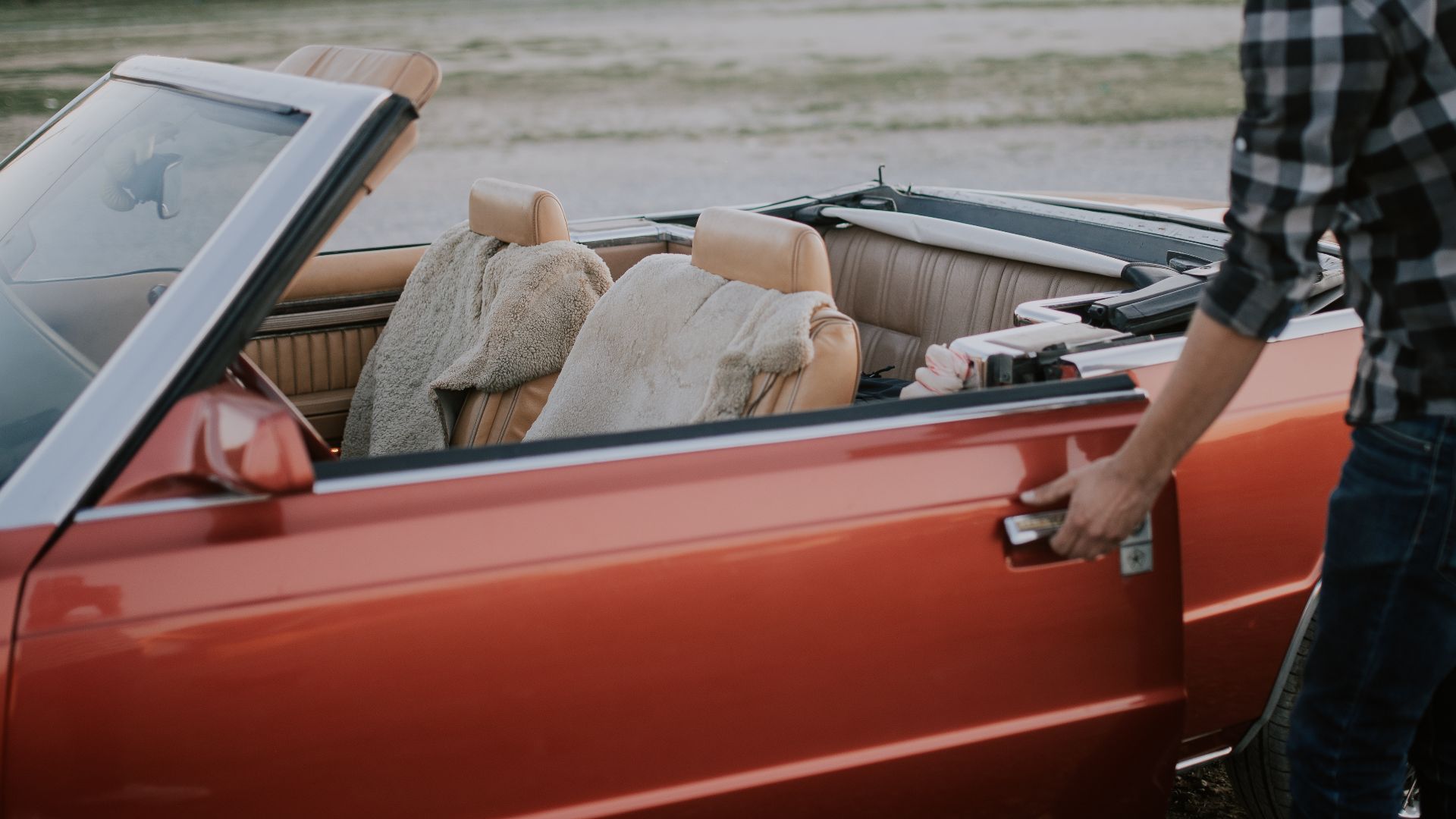
A weekend cruiser and a concours restoration are completely different financial projects. Maybe you only want safe brakes, reliable mechanicals, decent paint, and an interior you aren't embarrassed to sit in. That's much cheaper than stripping the car to bare metal and rebuilding everything to factory-new standards. Define the finish line before pricing the journey.
 Shixart1985, Wikimedia Commons
A Complete Car Is Usually Worth Paying More For
Missing pieces can destroy a project budget one small purchase at a time. A car with tired bumpers, worn trim, old seats, and a complete dashboard may be easier to restore than a cheaper shell missing half of those items. Obscure brackets, moldings, switches, lenses, and interior pieces can cost far more than you'd expect if replacements are scarce.
Rust Should Be Your Biggest Fear
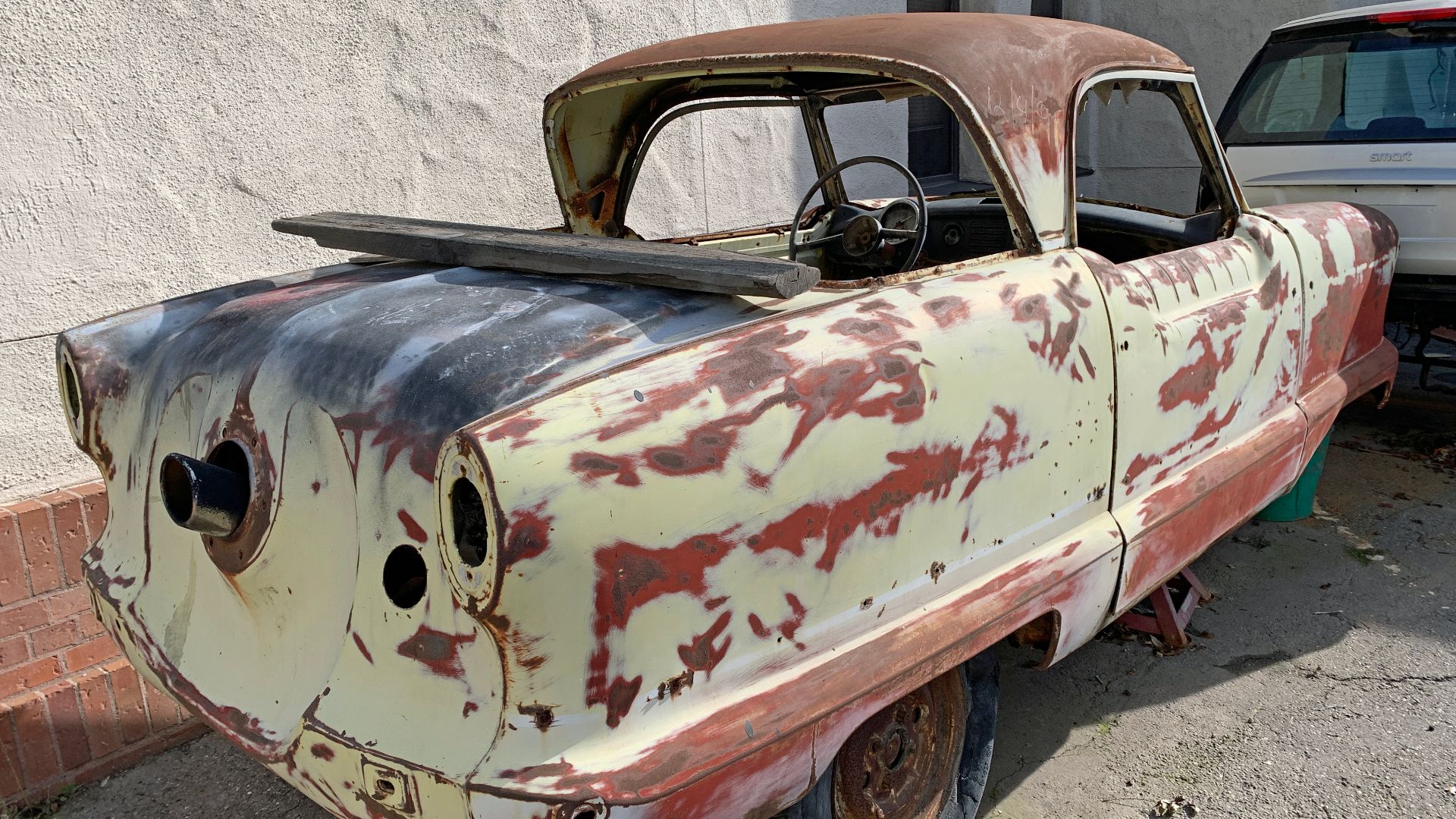
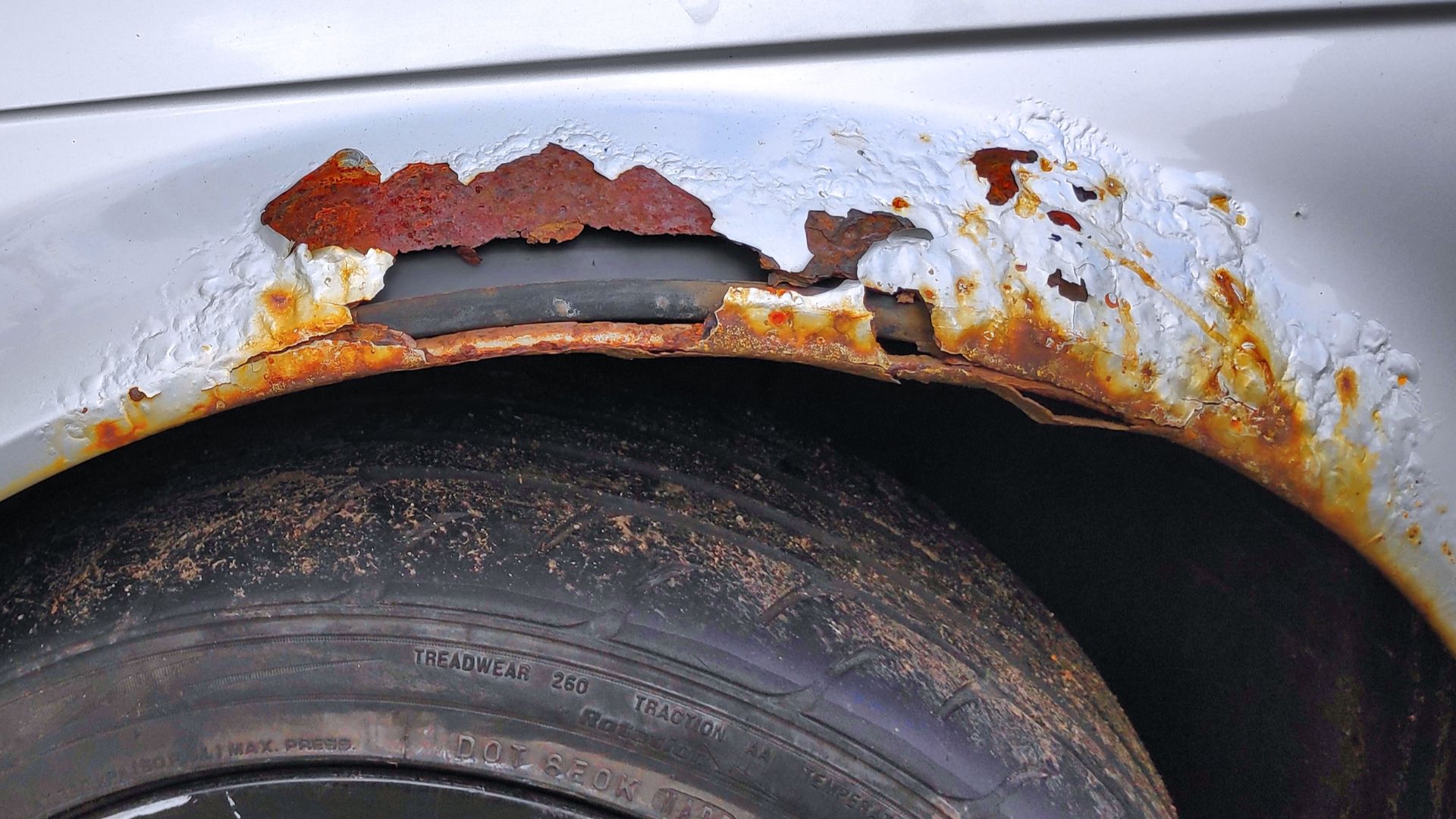
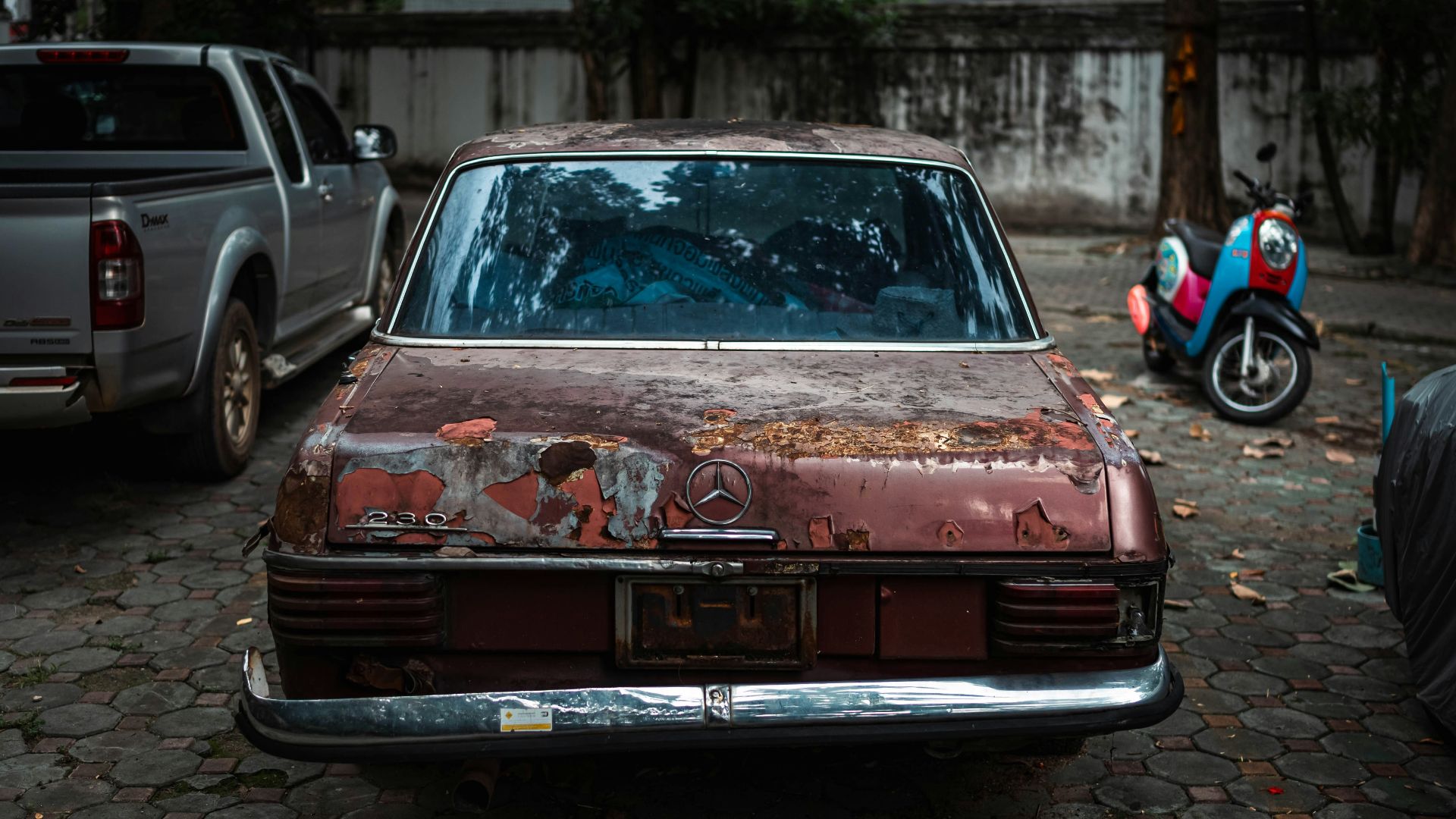
A dead starter is easy to price. Rust isn't. Corrosion can hide beneath vinyl roofs, carpeting, body filler, rocker panels, windshield seals, quarter panels, and undercoating. Once the car is stripped, a few visible bubbles can become floors, braces, wheelhouses, and structural metal. That's how a cheap project suddenly develops a fabrication bill nobody saw coming.
 Marek Slusarczyk (Tupungato) Photo portfolio, Wikimedia Commons
Paint Isn't Just The Cost Of Paint
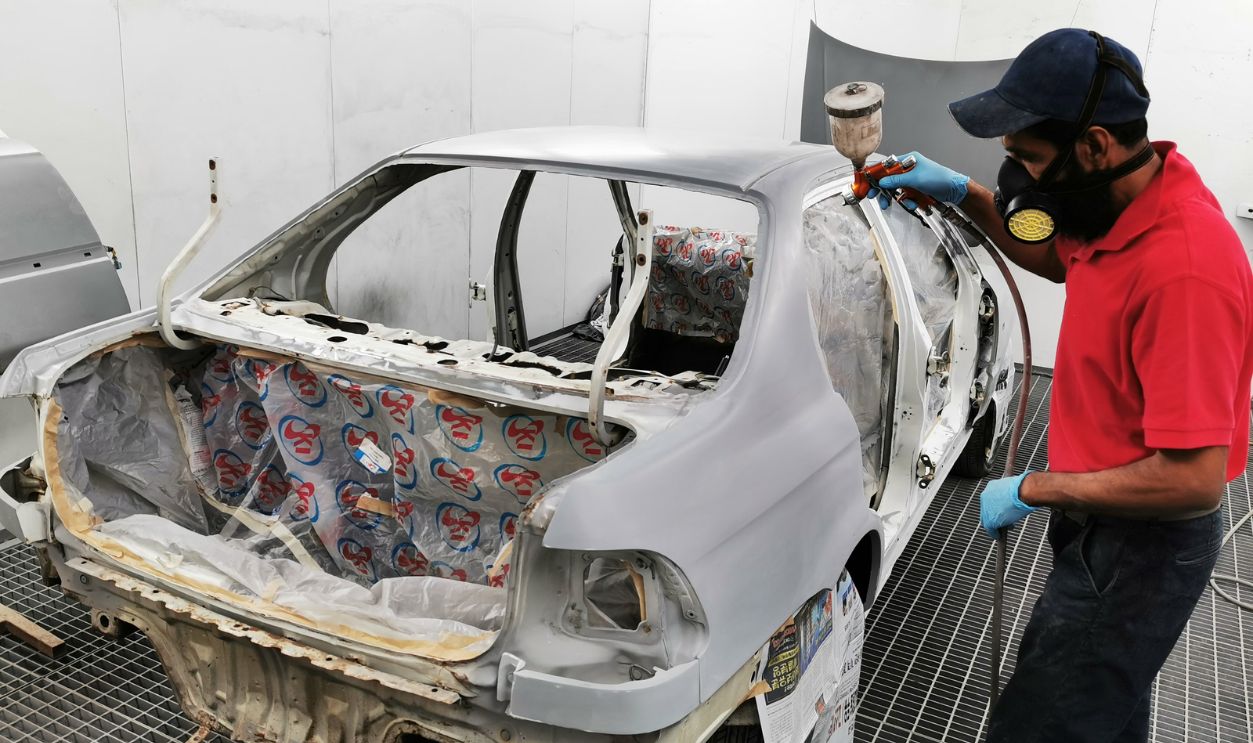
A good paint job involves disassembly, stripping, rust repair, welding, panel alignment, filling, blocking, priming, sanding, masking, spraying, polishing, and reassembly. The shiny color is almost the last step. That's why paint and bodywork can consume a huge portion of a restoration budget even on a fairly ordinary classic.
Structural Rust Changes The Entire Calculation
Surface rust on a fender is one thing. Corrosion around frame rails, suspension mounting points, floors, subframes, or unibody structure is another. Those repairs can require extensive cutting, welding, bracing, and fabrication before cosmetic work even begins. If you're new to restoration, serious structural rust is usually a reason to either renegotiate aggressively or find another project.
Price The Mechanical Work System By System
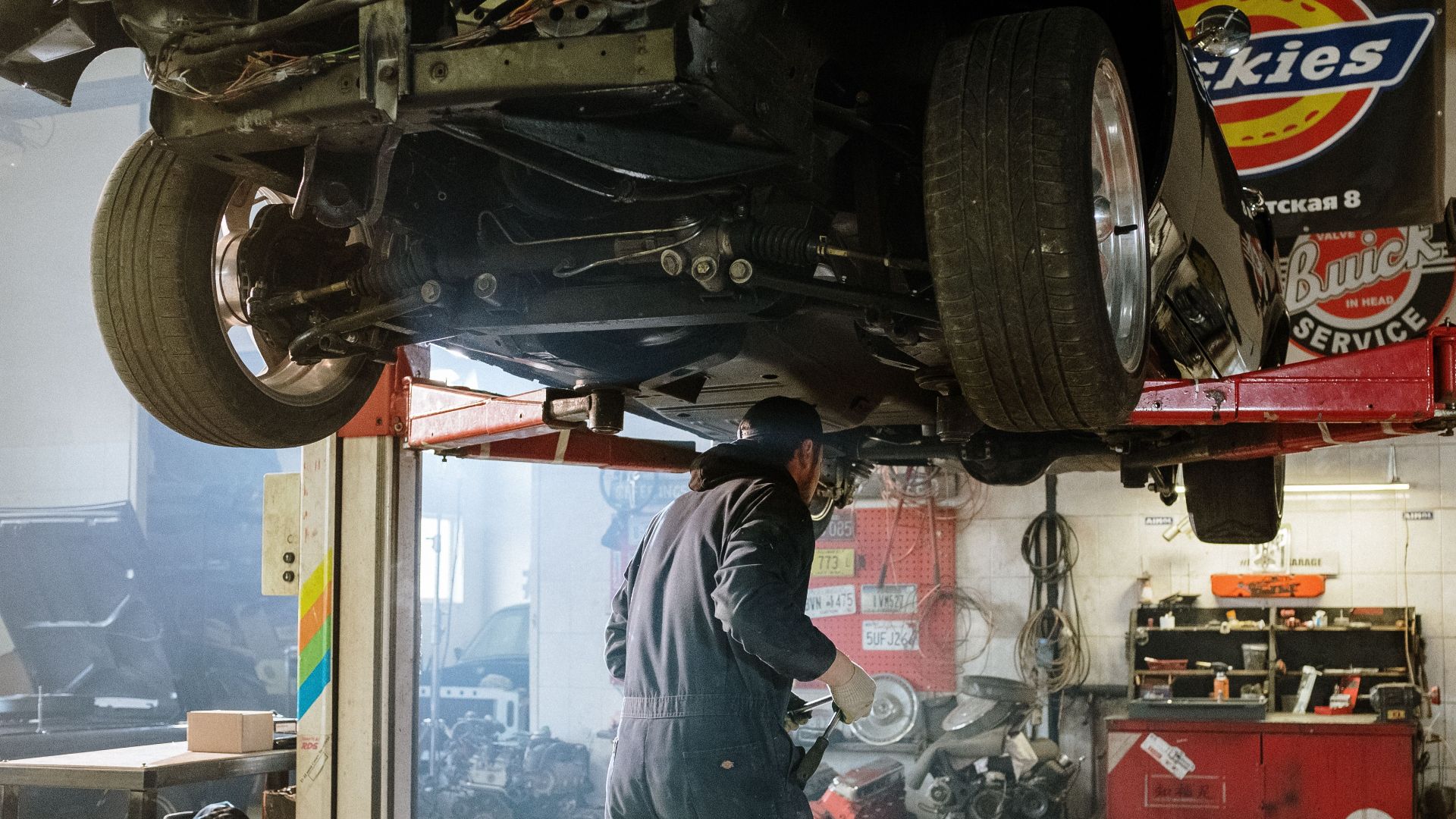
Don't write “mechanical repairs: $5,000” and hope it works out. Break the car into systems: engine, cooling, fuel, transmission, differential, brakes, steering, suspension, exhaust, electrical, tires, and air conditioning if equipped. Get realistic prices for each one. Suddenly the supposedly small jobs become much easier to see.
An Engine That “Just Needs A Tune-Up” May Need Much More
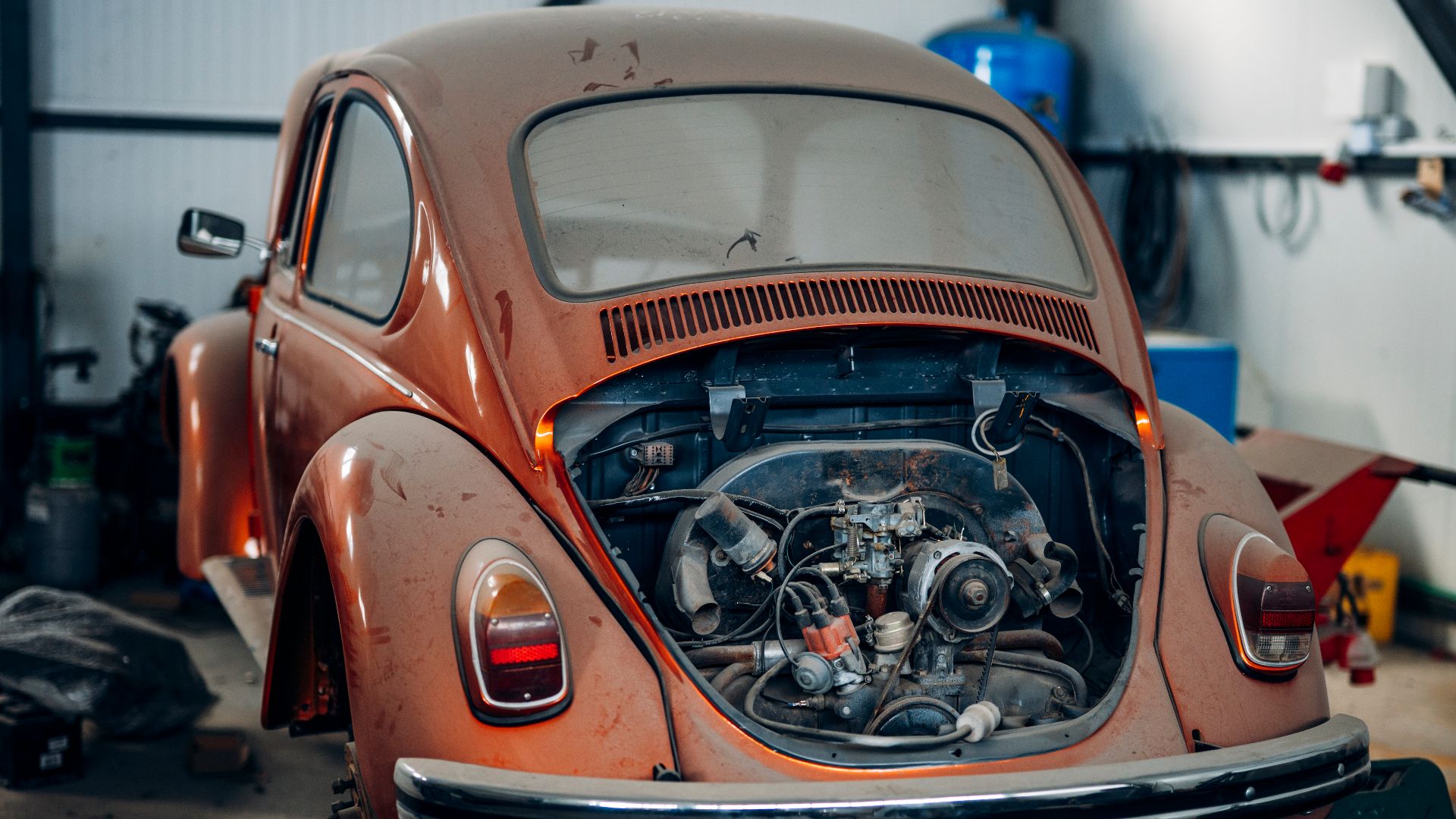
Project cars are often advertised with wonderfully vague diagnoses. An engine that hasn't run in 10 years may need fuel-system work, cooling repairs, ignition components, seals, hoses, mounts, machine work, or a complete rebuild. If you can't hear it run and perform basic checks, budget as though the mechanical problem could be considerably worse than the seller claims.
 Shixart1985, Wikimedia Commons
Don't Forget The Transmission And Driveline
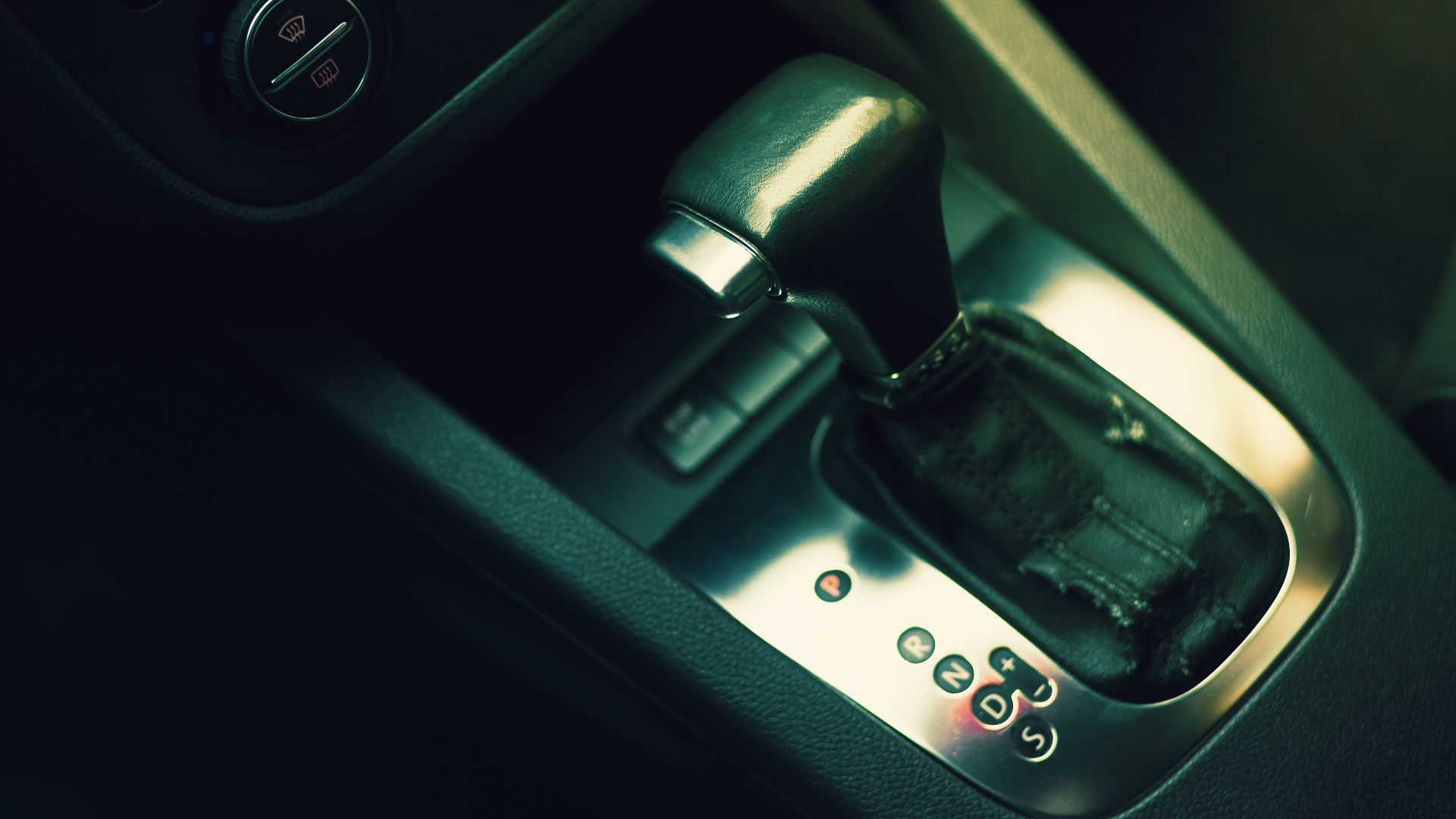
Even when the engine sounds healthy, an old transmission can slip, leak, grind, or refuse to shift properly. Clutches, torque converters, driveshafts, universal joints, differentials, axles, and wheel bearings can add another layer of expense. A project that moves under its own power is generally easier to evaluate than one that arrives on a trailer.
 Dejan Krsmanovic, Wikimedia Commons
Brakes And Suspension Should Come Before Cosmetic Upgrades
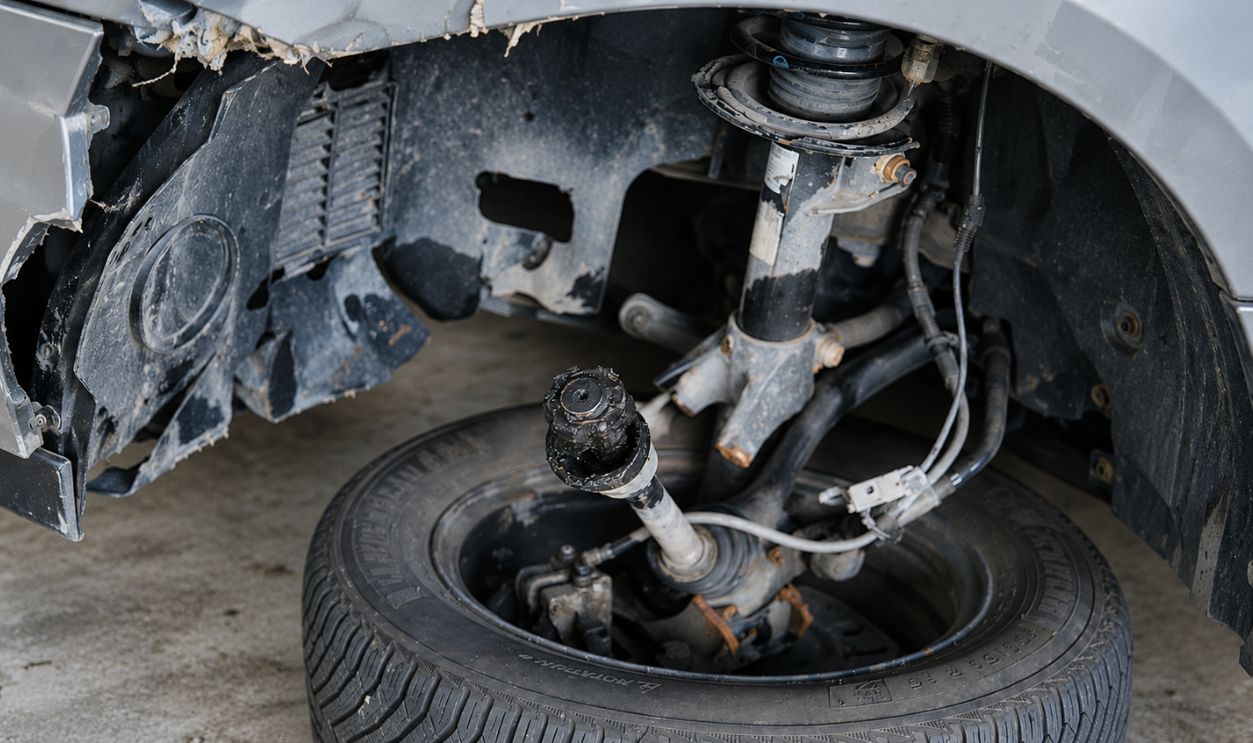
If the car has been sitting for years, assume the safety systems deserve serious attention. Brake hoses, wheel cylinders, calipers, master cylinders, bushings, ball joints, shocks, tie rods, and old tires may all need work. A gorgeous interior doesn't help much if the first drive reveals that the car wanders across the road and barely stops.
 Shixart1985, Wikimedia Commons, Modified
Electrical Problems Can Consume More Time Than Parts
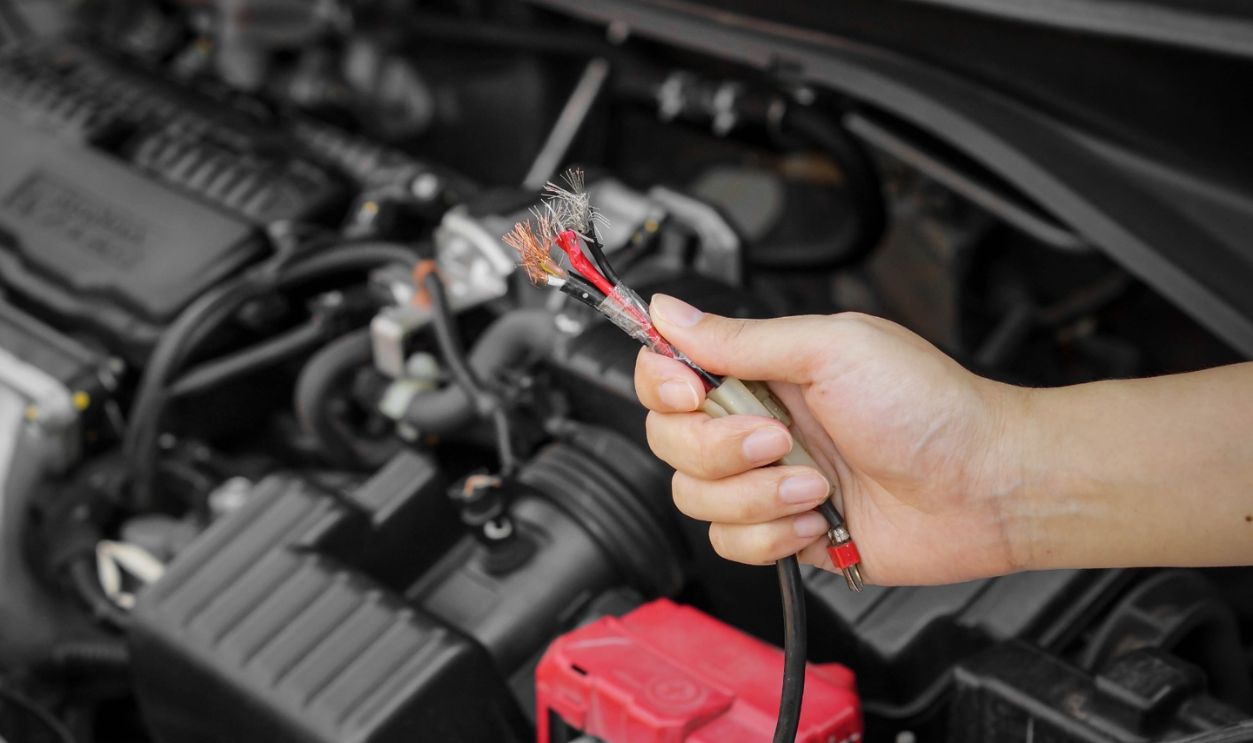
Old wiring becomes brittle, grounds corrode, connectors loosen, and previous owners sometimes leave behind decades of questionable modifications. The individual pieces may be inexpensive, but diagnosing them can take hours. A badly modified wiring harness can turn into either a major DIY headache or a substantial professional labor bill.
Interiors Add Up Faster Than They Look
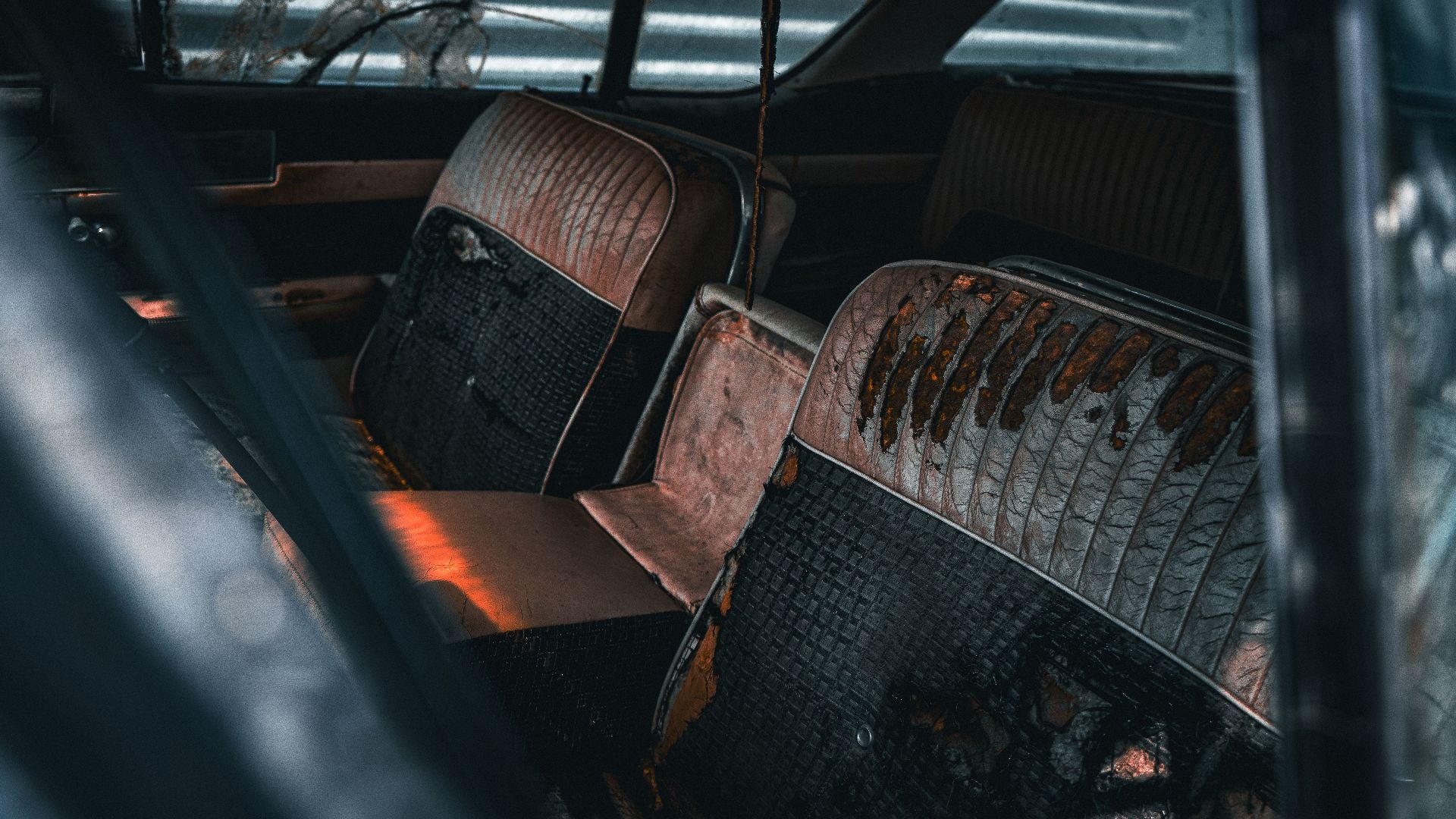
A torn driver's seat may seem harmless until you price seat foam, upholstery, carpet, headliner, door panels, dash pads, weatherstripping, sound insulation, and hardware. Convertible tops can add another major expense. If the interior is complete and reasonably presentable, preserving it can save a surprising amount of money.
Chrome, Glass, And Trim Can Be Budget Killers
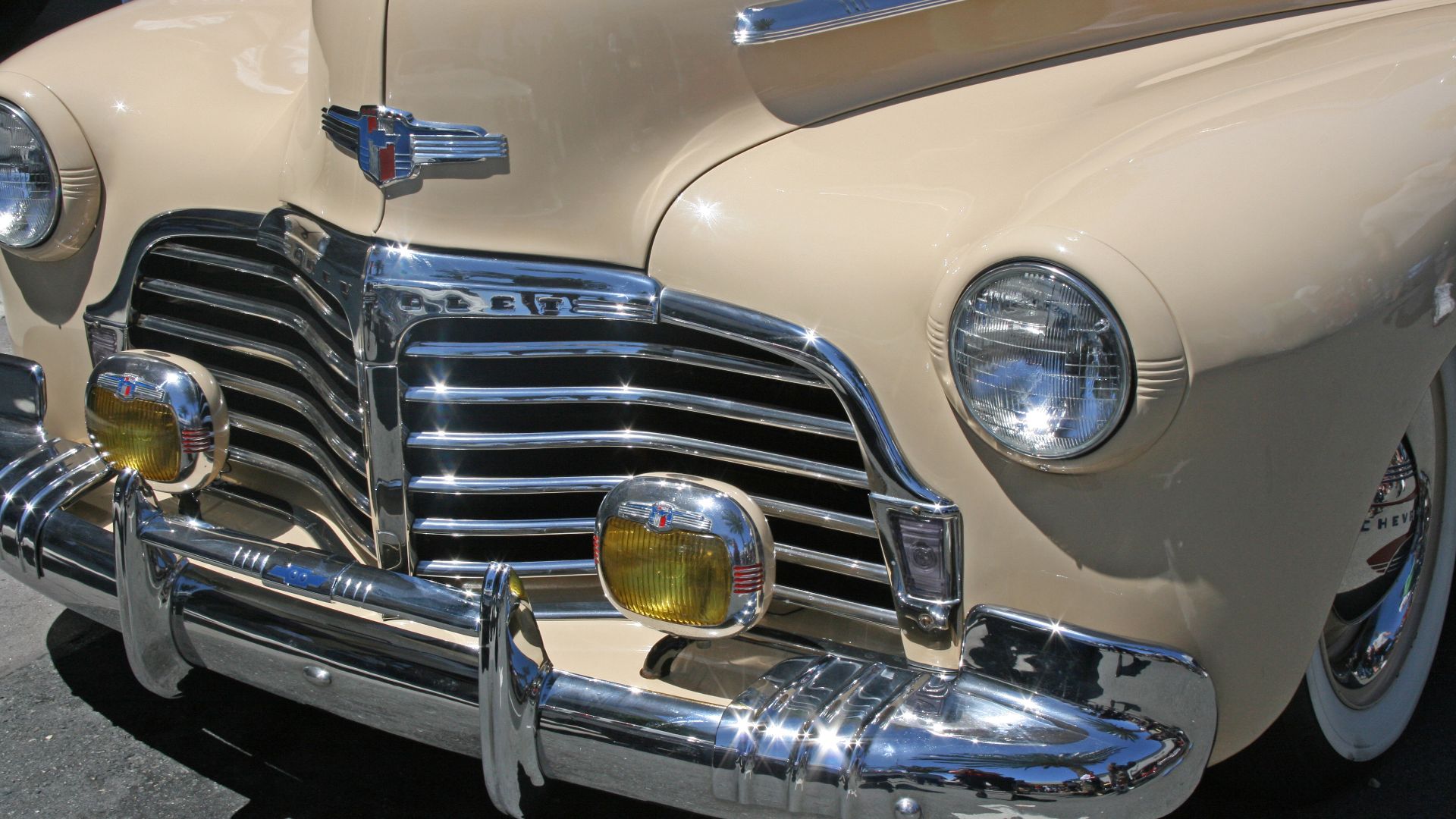
Mechanical components for popular classics are often readily available. The harder pieces can be decorative ones. Rechroming bumpers, replacing stainless trim, finding model-specific glass, restoring gauges, or sourcing a missing grille can cost far more than a generic brake or ignition component. Inventory every missing cosmetic piece before buying.
 Jill Clardy, Wikimedia Commons
Parts Availability Matters Almost As Much As Condition
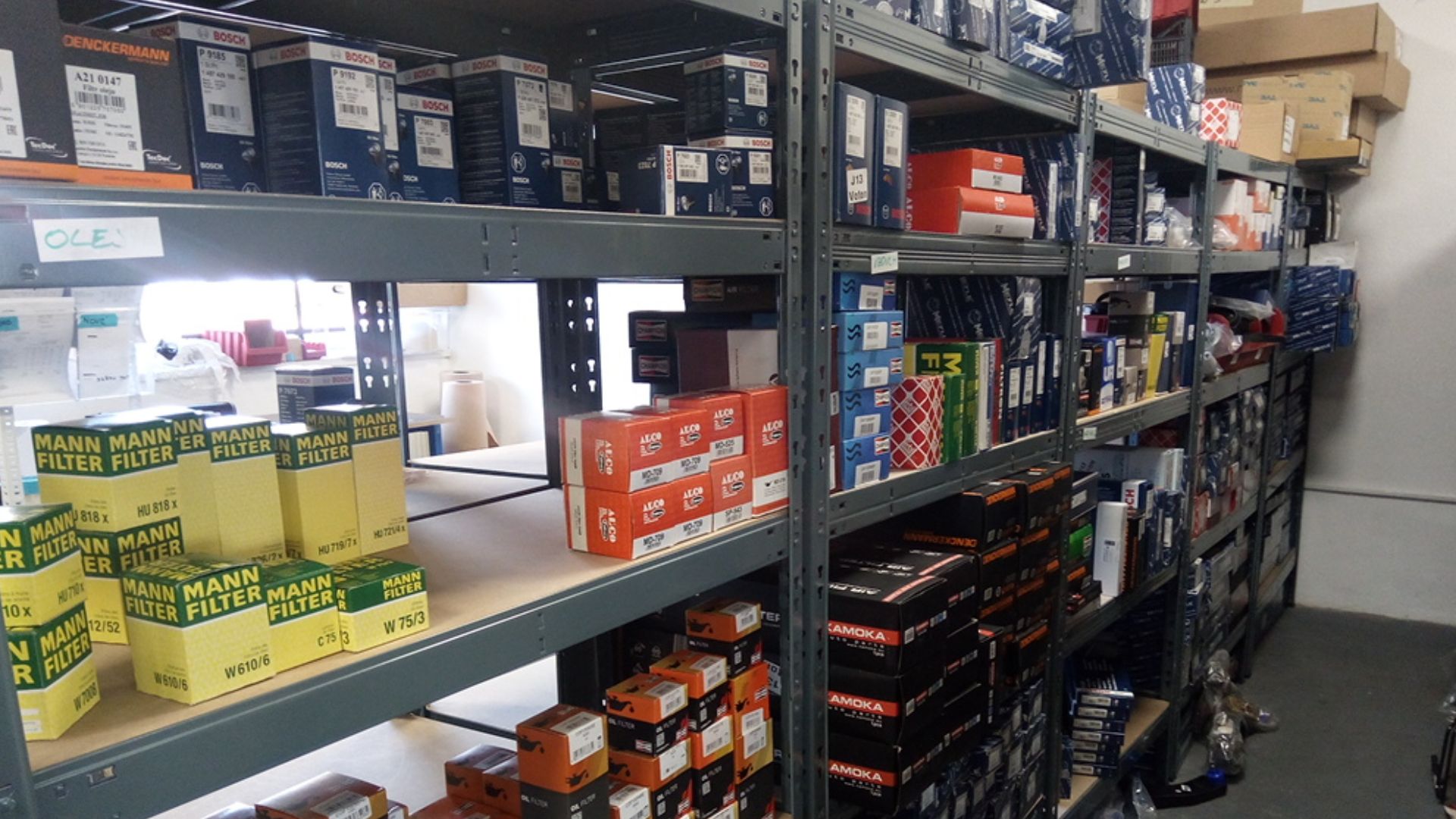
A rough Mustang, Camaro, Beetle, or popular pickup may have an enormous reproduction-parts industry behind it. A rare sedan that seems cheaper could require months of searching for used components or custom fabrication. Classic Motorsports specifically advises considering parts supply when choosing a project because rare cars can turn ordinary mistakes into expensive searches.
Shipping, Hardware, And Supplies Deserve Their Own Budget
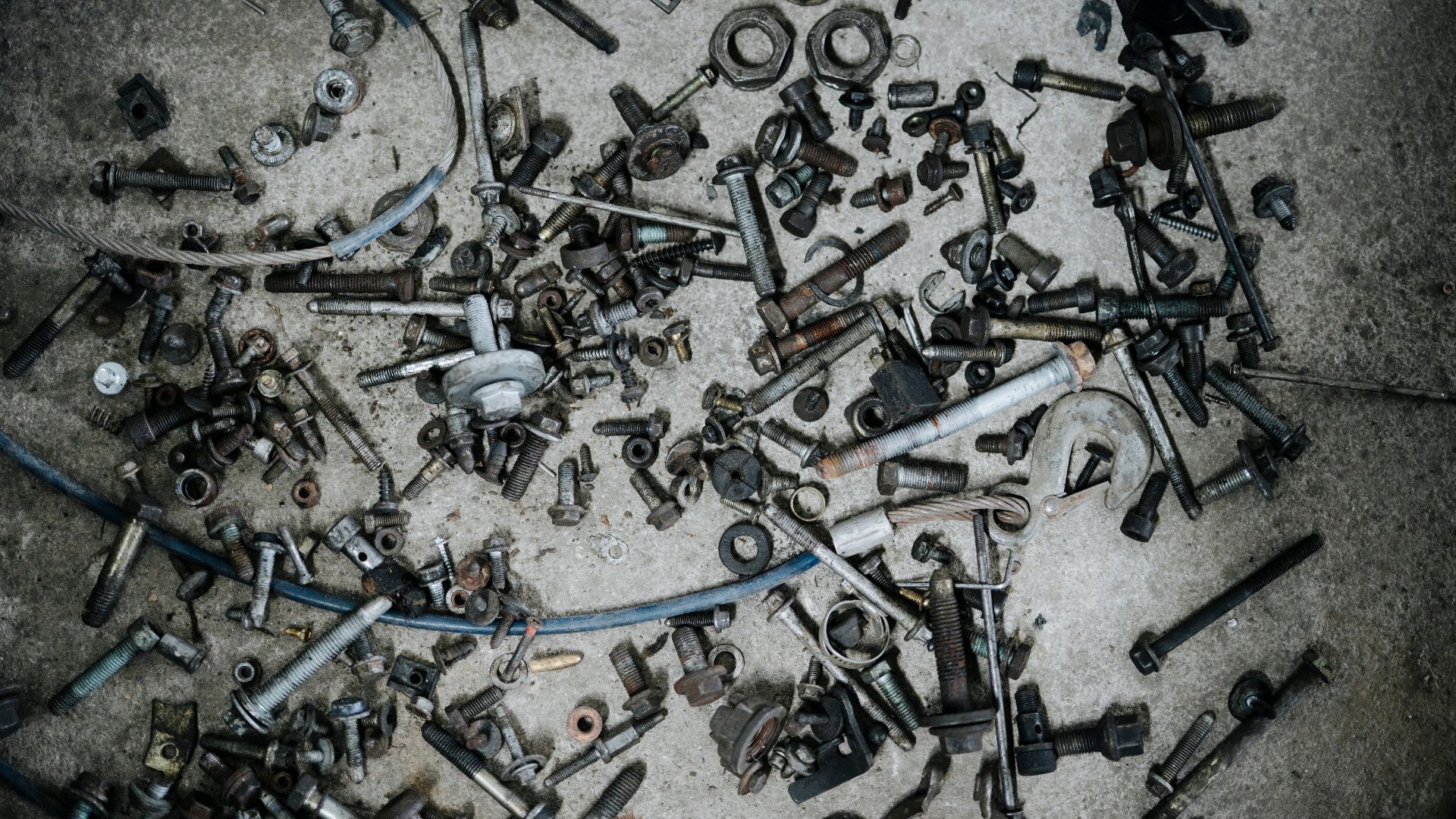
Restorations consume endless small items: bolts, clips, clamps, sealants, fluids, sandpaper, abrasives, paint supplies, welding gas, cleaners, gaskets, and shipping charges. None seems financially important by itself, but together they can become thousands of dollars. Classic Motorsports specifically warns that repeated parts shipments can quietly inflate project costs.
 Shixart1985, Wikimedia Commons
Professional Labor Is Where The Numbers Can Explode
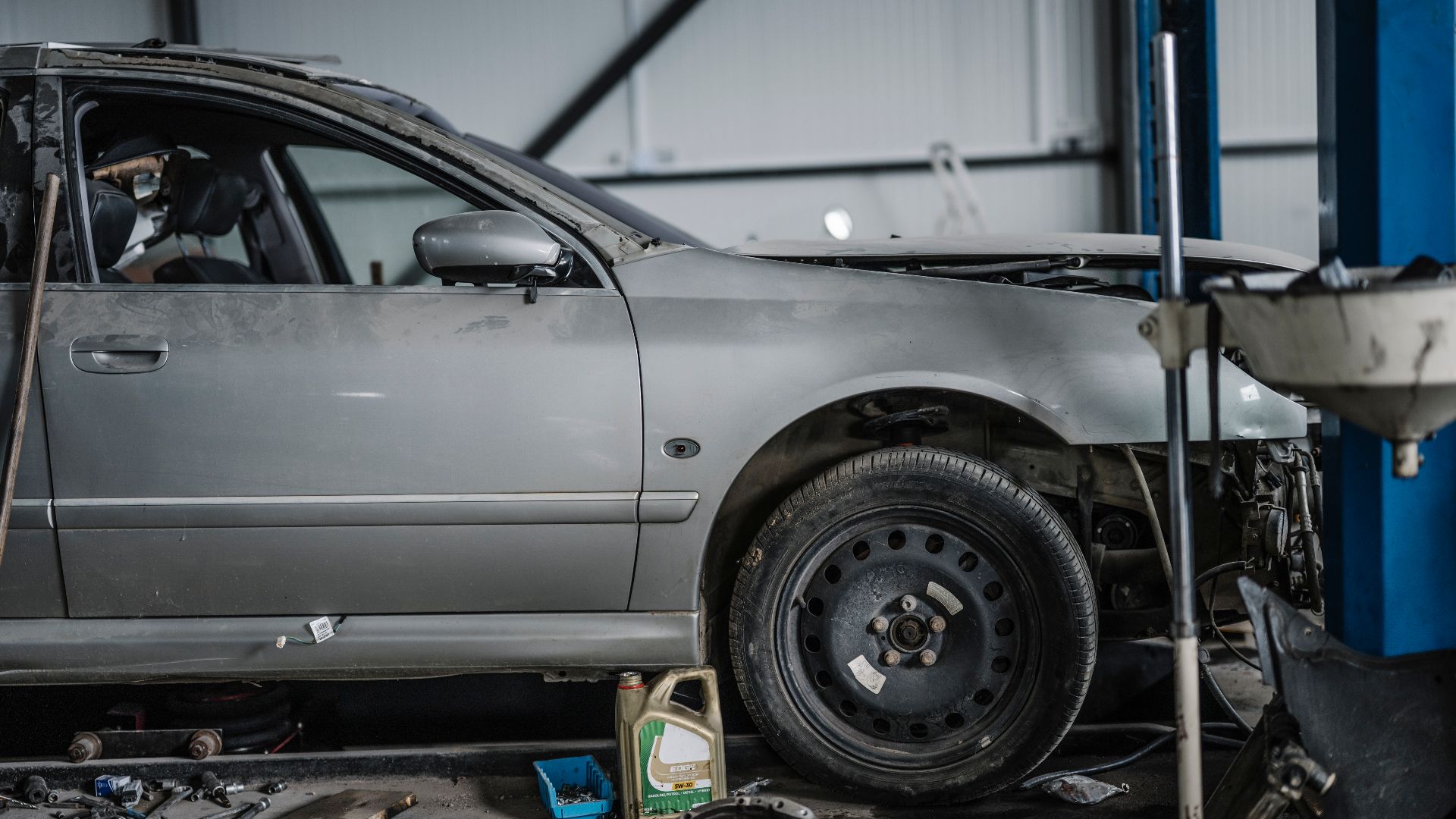
If you can't weld, paint, rebuild an engine, install upholstery, or diagnose electrical problems yourself, someone else has to do it. Restoration work can involve hundreds of labor hours, and specialized shops aren't cheap. Hagerty warns that labor is one of the biggest factors in restoration costs and that unexpected problems often appear only after disassembly begins.
 Shixart1985, Wikimedia Commons
Your Own Labor Isn't Actually Free
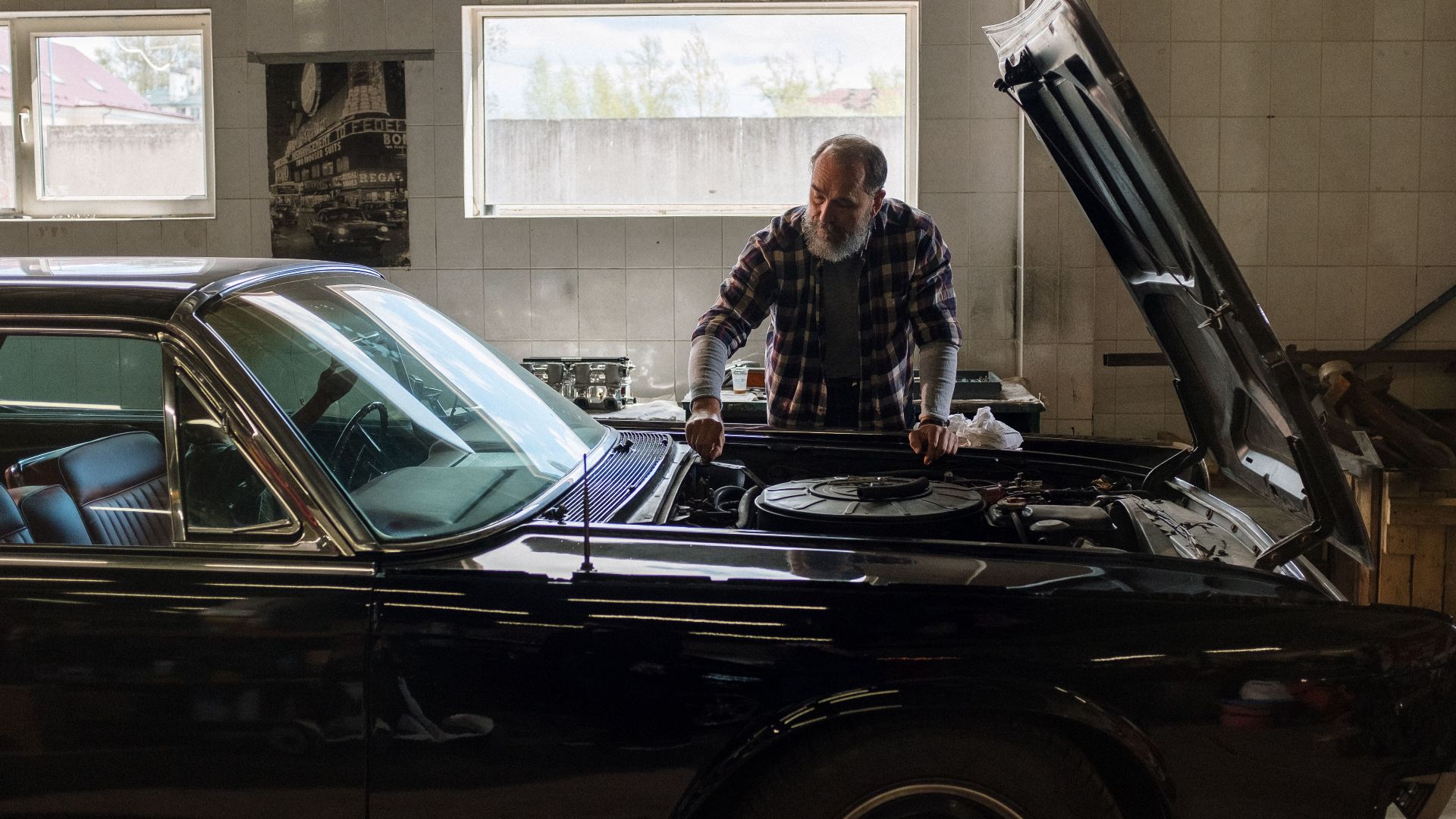
You may not write yourself a paycheck, but your weekends still have value. If a project takes 600 hours and you enjoy every one of them, that's part of the hobby. If you're doing 600 hours of miserable work solely because you think you're saving money, calculate what that time is really costing you. A cheap restoration isn't much of a bargain if you stop enjoying the project halfway through.
Tools And Workspace Count Too
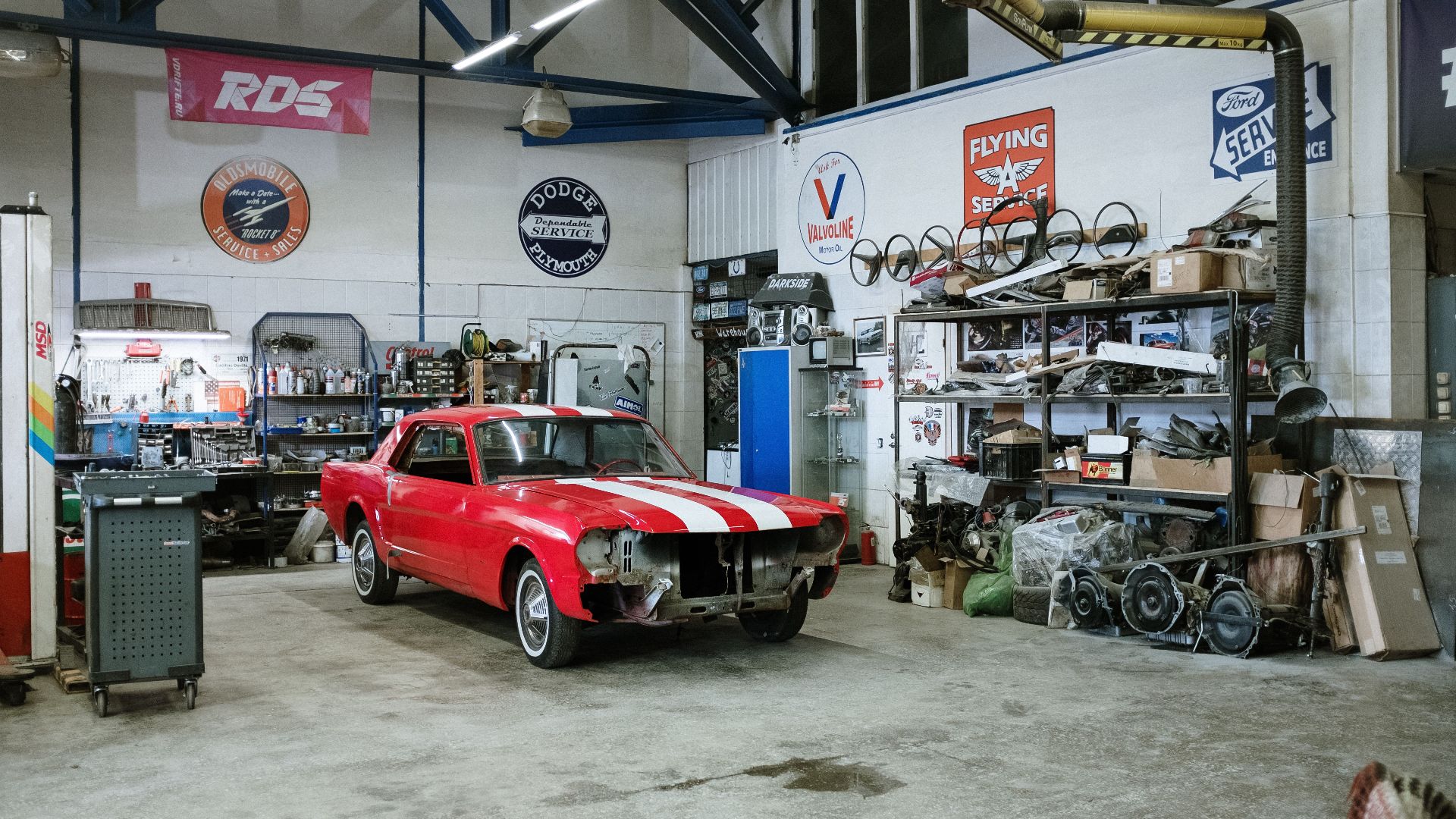
A basic socket set isn't enough for every restoration. You may eventually need an engine hoist, jack stands, welder, compressor, specialty pullers, torque wrenches, body tools, storage racks, and dozens of smaller items. You also need somewhere to keep the car while it's disassembled. Paying for storage can quietly become another monthly project expense.
Check The Title Before Spending A Dollar On Restoration
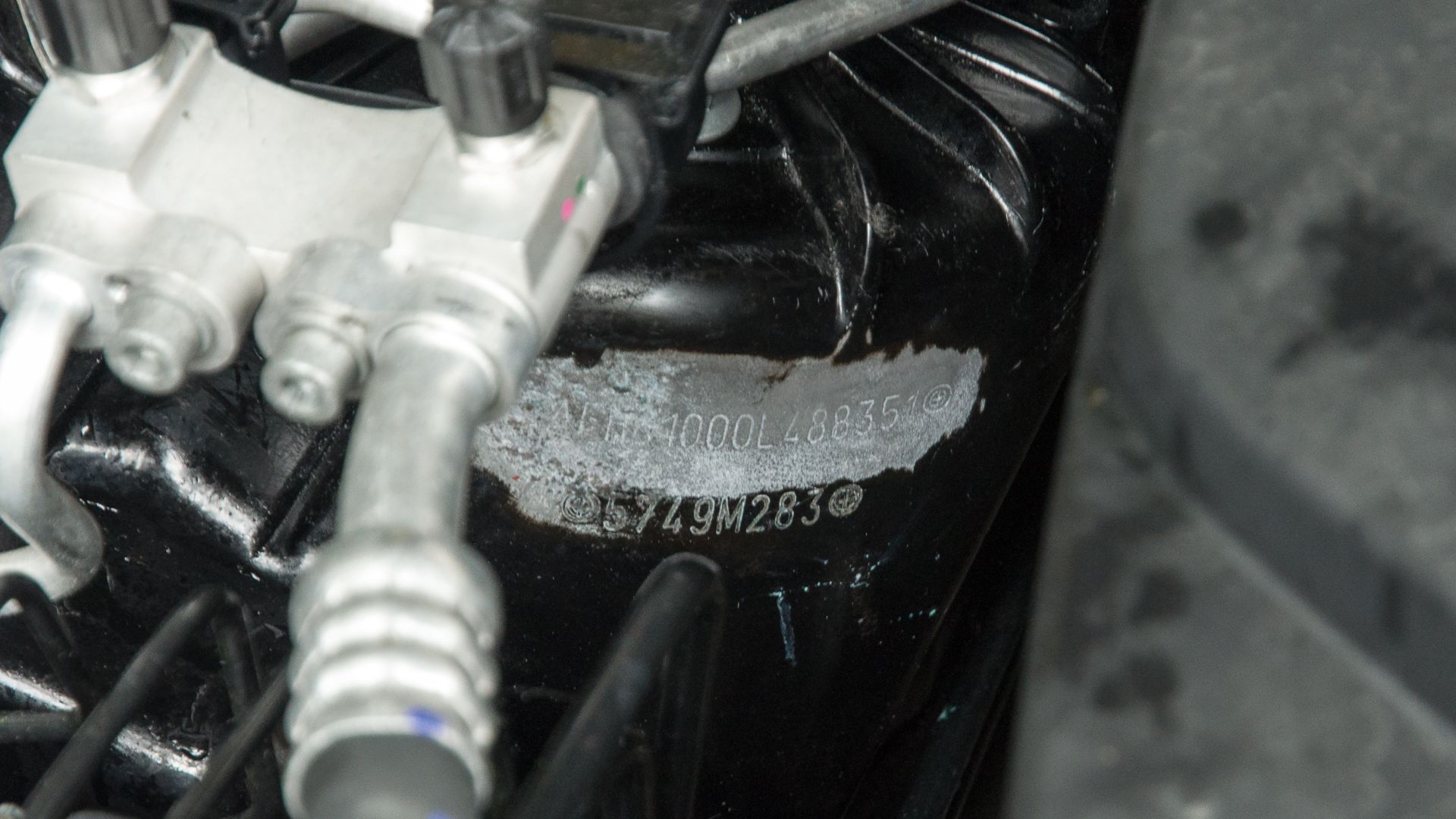
Make sure the VIN, title, seller, and vehicle all match before bringing home a project. A missing title, salvage history, unclear ownership chain, or incorrect VIN can create registration problems after you've already invested thousands. Paperwork isn't exciting, but fixing it after restoration can be considerably harder than sorting it out before purchase.
Pay For A Pre-Purchase Inspection
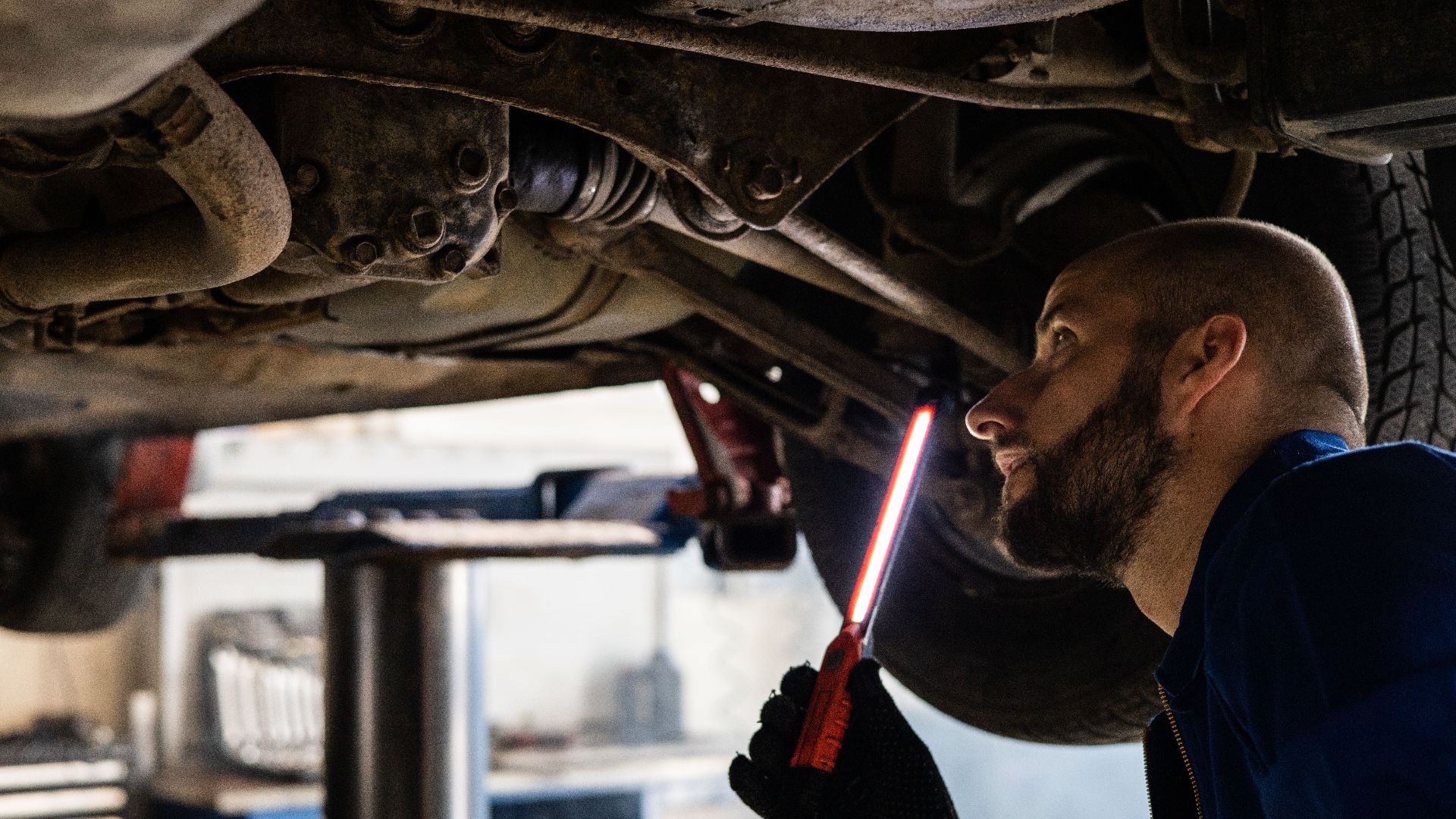
If you're serious about a particular car, hiring someone familiar with classics to inspect it can be some of the best money you spend. Put it on a lift. Check structural areas, previous collision repairs, filler, leaks, compression if appropriate, and the condition of expensive components. One hidden rust problem discovered before purchase can pay for the entire inspection several times over.
Add A Contingency Fund For What You Can't See
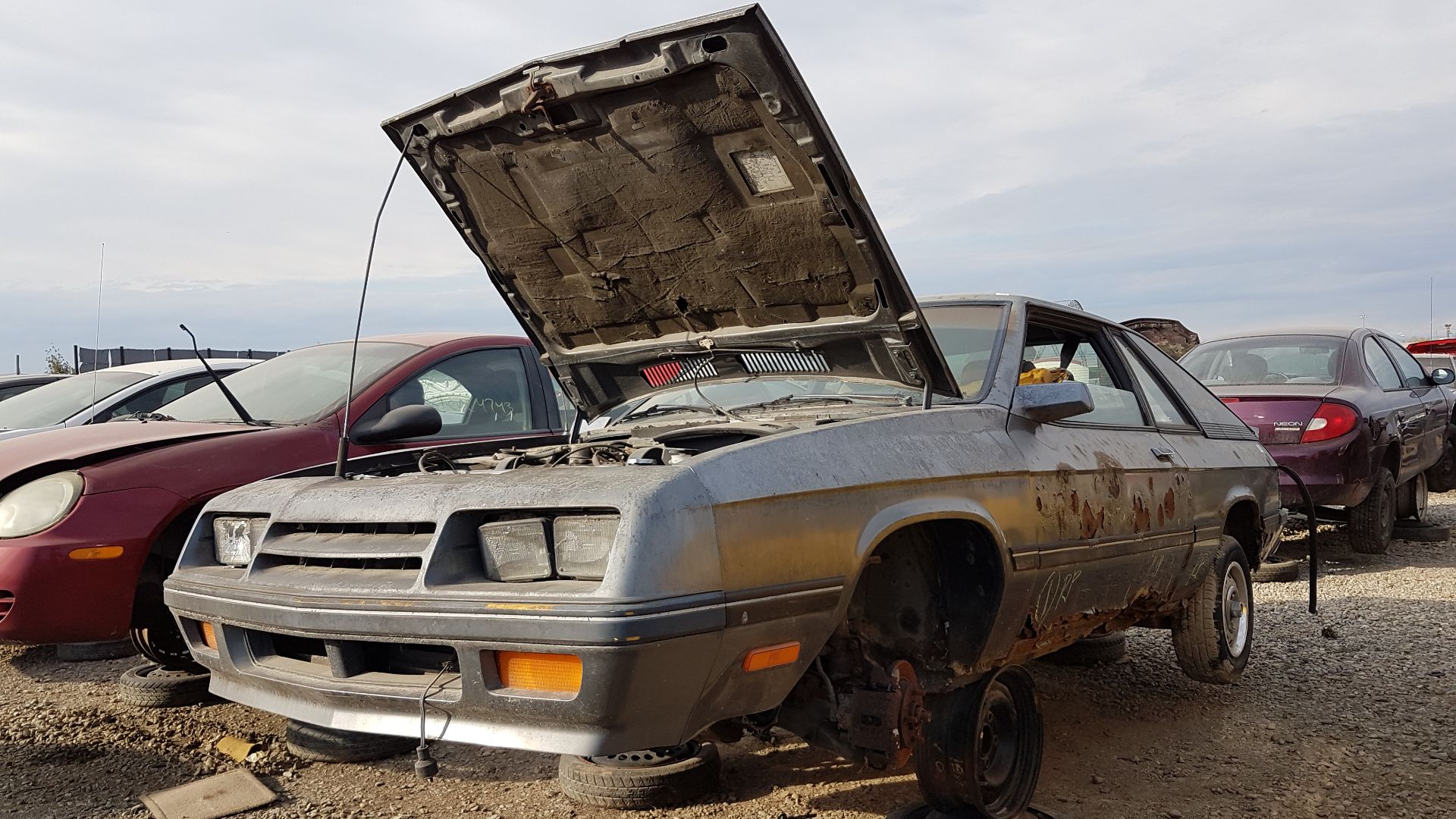
Even a careful estimate will miss something. Once the carpet comes out, the floors may be worse. Once the engine is opened, the machine shop may find damage. Once the windshield comes out, the surrounding metal may need repair. Build a healthy contingency into the budget rather than spending every available dollar on the planned work.
 dave_7 from Canada, Wikimedia Commons
Build A Spreadsheet Before Buying The Car
Create columns for purchase price, transportation, bodywork, paint, engine, transmission, brakes, suspension, electrical, interior, trim, tires, tools, professional labor, shipping, and contingency. Then add everything. Compare that total with what a finished example actually sells for. Seeing the entire project on one page can quickly turn emotion into arithmetic.
 Joseph Christanto, Shutterstock
Sometimes The More Expensive Car Is The Cheaper Project
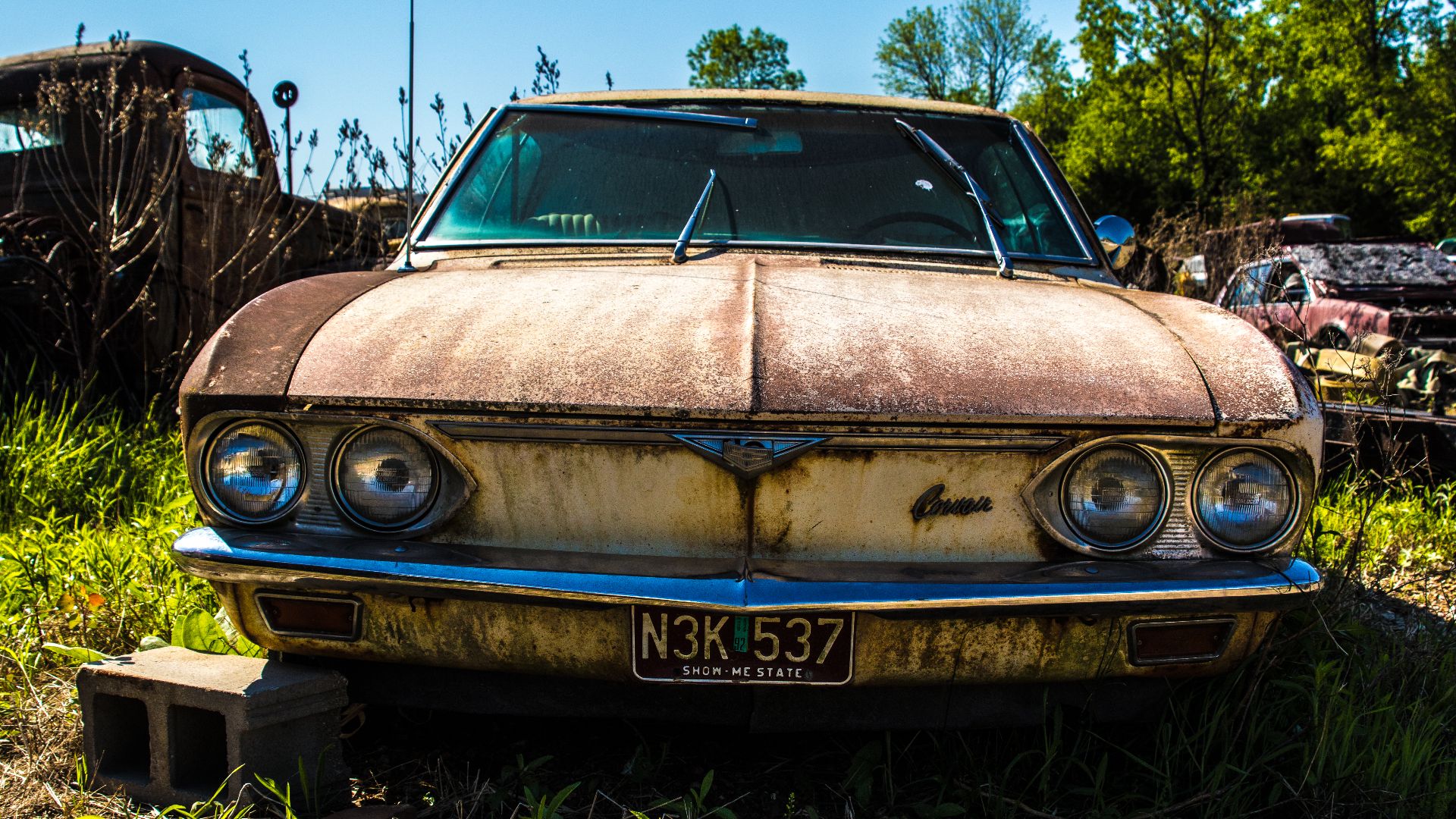
Suppose the project costs $6,000 but needs $18,000 of work to become a good driver. A nicer $16,000 example that needs only $3,000 may ultimately cost less while letting you enjoy the car immediately. This is why Hagerty cautions that major restorations often don't return their full cost when the finished car is sold.
 Sean Stratton seanstratton, Wikimedia Commons
It Doesn't Have To Make Financial Sense If You Know That Going In
Restoring a classic can still be worthwhile even when the spreadsheet says you'll never recover every dollar. Maybe it's your dream model, you enjoy the work itself, or you plan to keep the car for decades. Classic Motorsports makes essentially the same point: restorations frequently don't make strict financial sense, but that doesn't mean enthusiasts shouldn't do them.
Buy The Project Only After You Price The Project
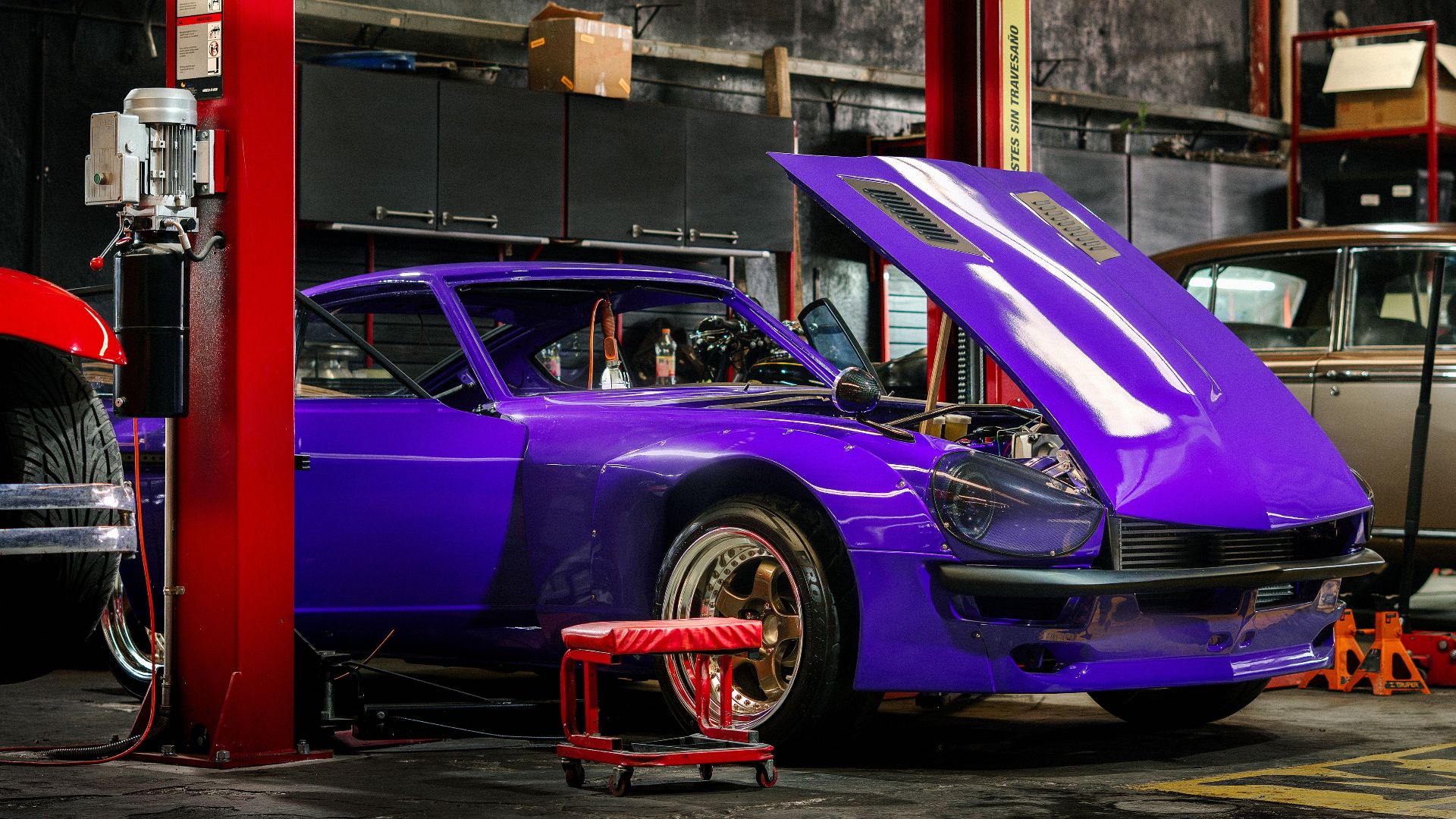
The asking price should be one of the last numbers you focus on, not the first. Estimate the car's realistic finished value, decide how nice you actually want it, inspect it for rust, inventory what's missing, price every major system, separate DIY work from professional labor, and add a contingency fund. If the total still works for you, you've found a project. If the math only works by assuming nothing unexpected will happen, you're probably looking at a very expensive cheap car.
You May Also Like:
My Classic Car Sits All Winter. Should I Start It Every Week Or Leave It Alone?
Classic Car Colors That You Used To Be Able To Buy, But Would Make Dealers Today Faint