The Empty Garage Space Says A Lot
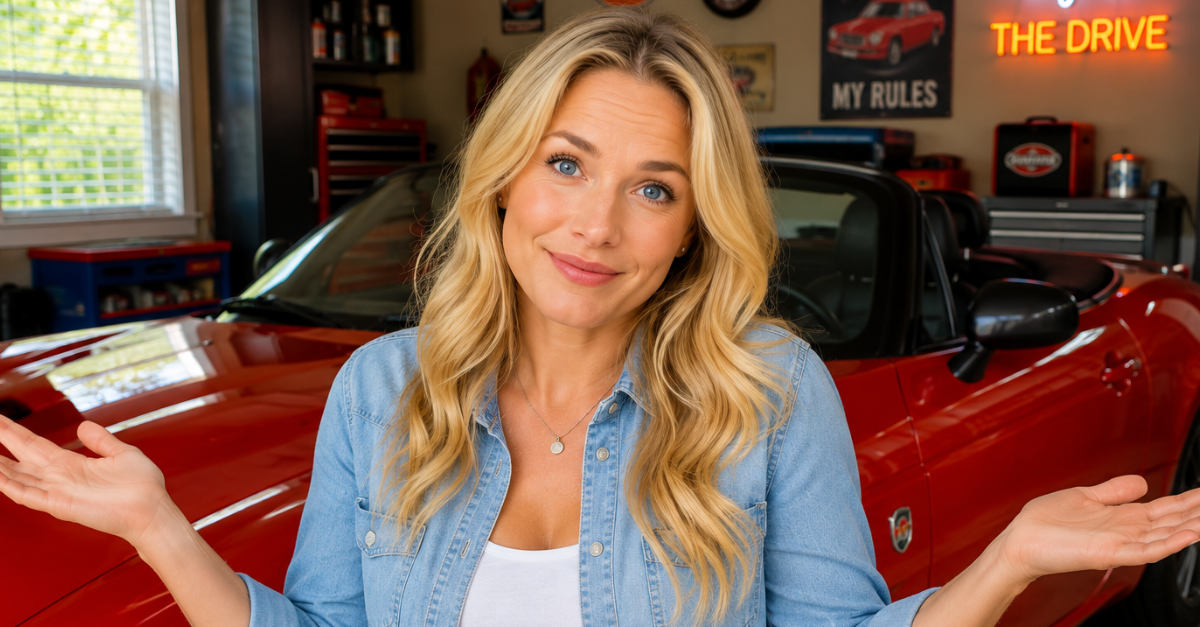
A convertible purchased for pleasure does not need to cover thousands of miles to justify itself. However, seeing it remain parked through one good weekend after another can create guilt instead of excitement. The question is whether the car still improves your life enough to earn the money, space, and attention it consumes.
Start With The Actual Mileage
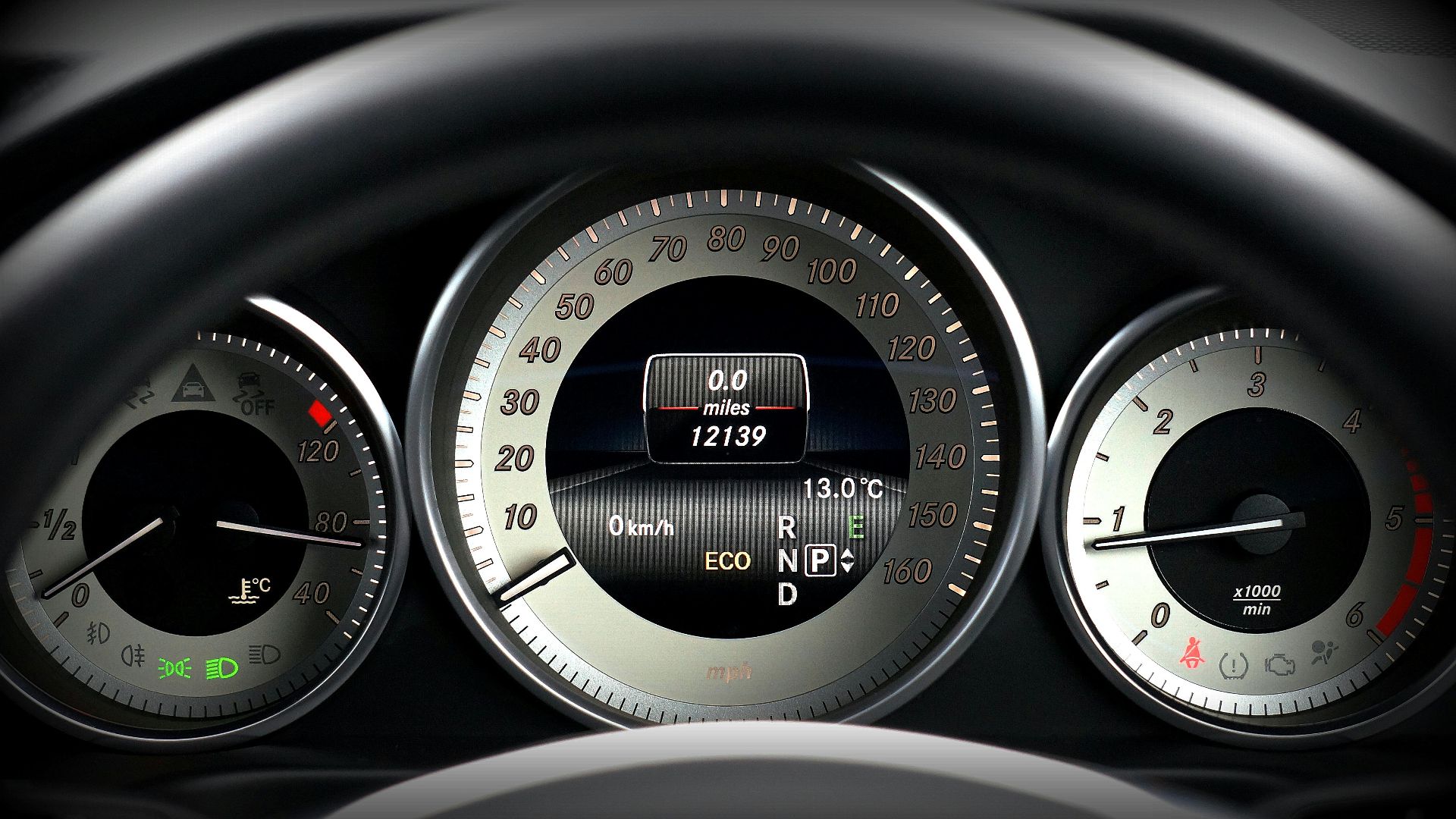
Check how many miles you have driven since buying the convertible and separate necessary trips from recreational ones. Then count the days when you genuinely wanted to drive it but could not because of work, weather, passengers, or other obligations. This reveals whether the problem is a temporary scheduling crunch or a lasting mismatch between the car and your routine.
Calculate The Cost Per Enjoyable Drive
Add the annual insurance, registration, financing, maintenance, storage, and estimated depreciation connected to the car. Divide that total by the number of drives you genuinely enjoyed during the same period. The resulting figure may look alarming, but it gives you a clearer measure than simply staring at the monthly payment.

Low Mileage Does Not Stop Ownership Costs
A parked car still depreciates, requires insurance, occupies storage, and may need maintenance. AAA’s ownership-cost methodology includes depreciation, financing, insurance, registration, taxes, fuel, maintenance, repairs, and tires. Driving fewer miles reduces some variable expenses, but it does not eliminate the large fixed ones.

Depreciation May Be The Largest Expense
Owners notice gasoline purchases because they happen repeatedly, but depreciation can quietly remove more value. AAA identifies depreciation as one of the major components of new-vehicle ownership cost. A nearly new convertible that sits in the garage may therefore lose value even while accumulating very little mileage.
A Small Payment Can Hide A Big Commitment
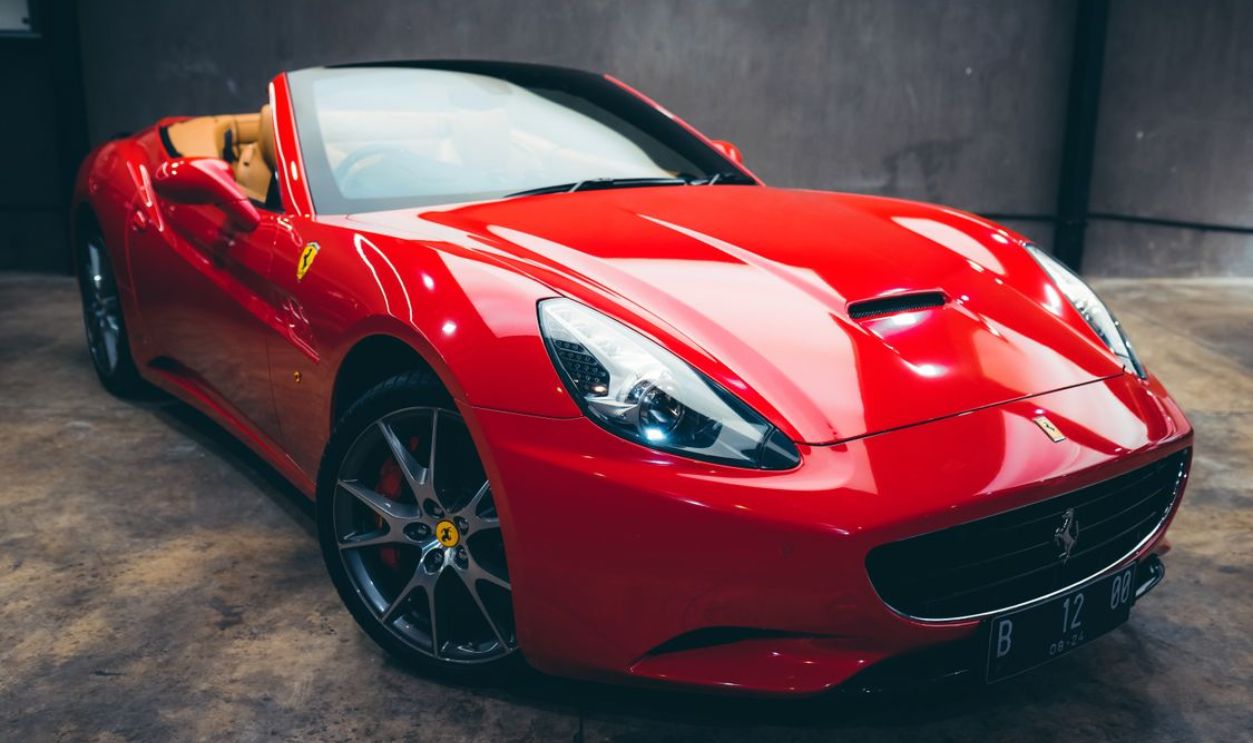
A long loan term can make a recreational car appear inexpensive from month to month. The Consumer Financial Protection Bureau advises comparing the amount financed, interest rate, term, monthly payment, and total loan cost. Longer terms generally increase total interest and can raise the risk of owing more than the car is worth.

Insurance Continues Between Drives
The convertible needs coverage even when it spends most of the month parked. Removing insurance completely can leave the owner exposed to theft, fire, storm damage, or another loss during storage. Specialty policies may accommodate limited pleasure use, but eligibility and usage restrictions must match the way the vehicle is actually driven.

Storage Has A Real Value
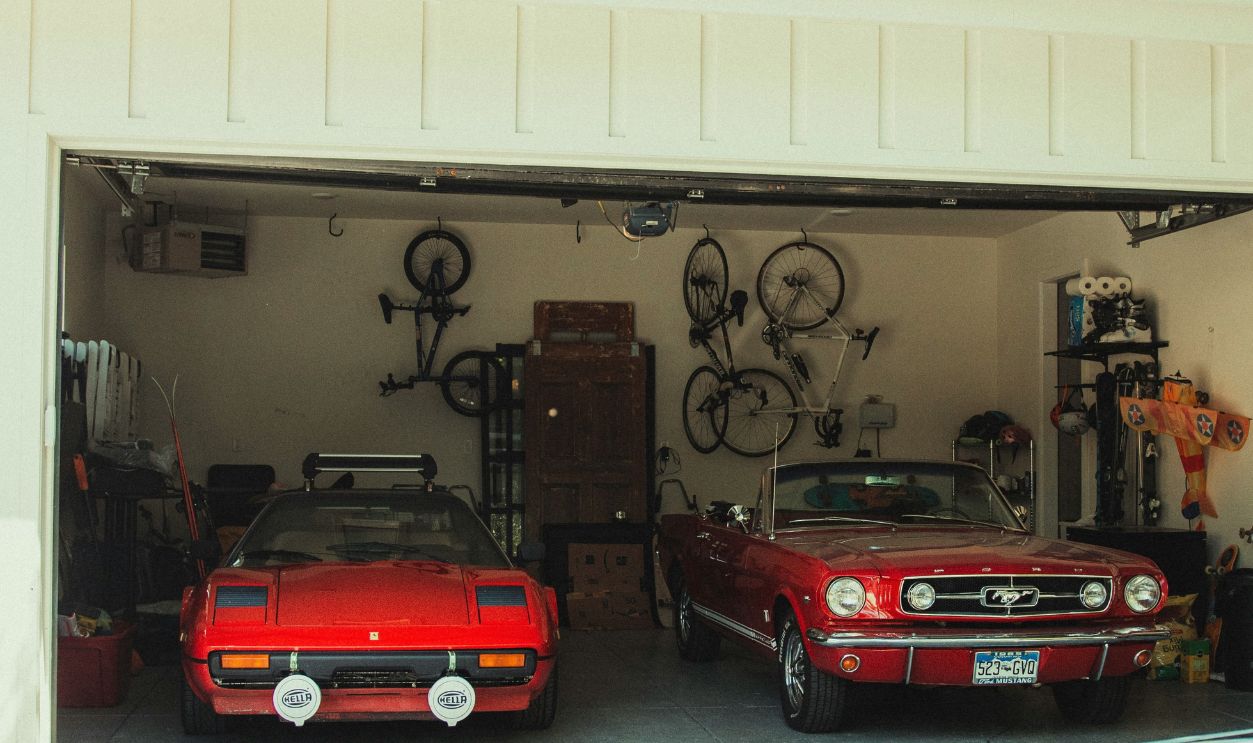
A garage space is not free merely because you already own the garage. The convertible may force another vehicle outdoors, occupy room needed for household storage, or require paid off-site space. Secure enclosed storage can also matter when qualifying for certain collector or specialty insurance programs.
Sitting Still Creates Its Own Maintenance
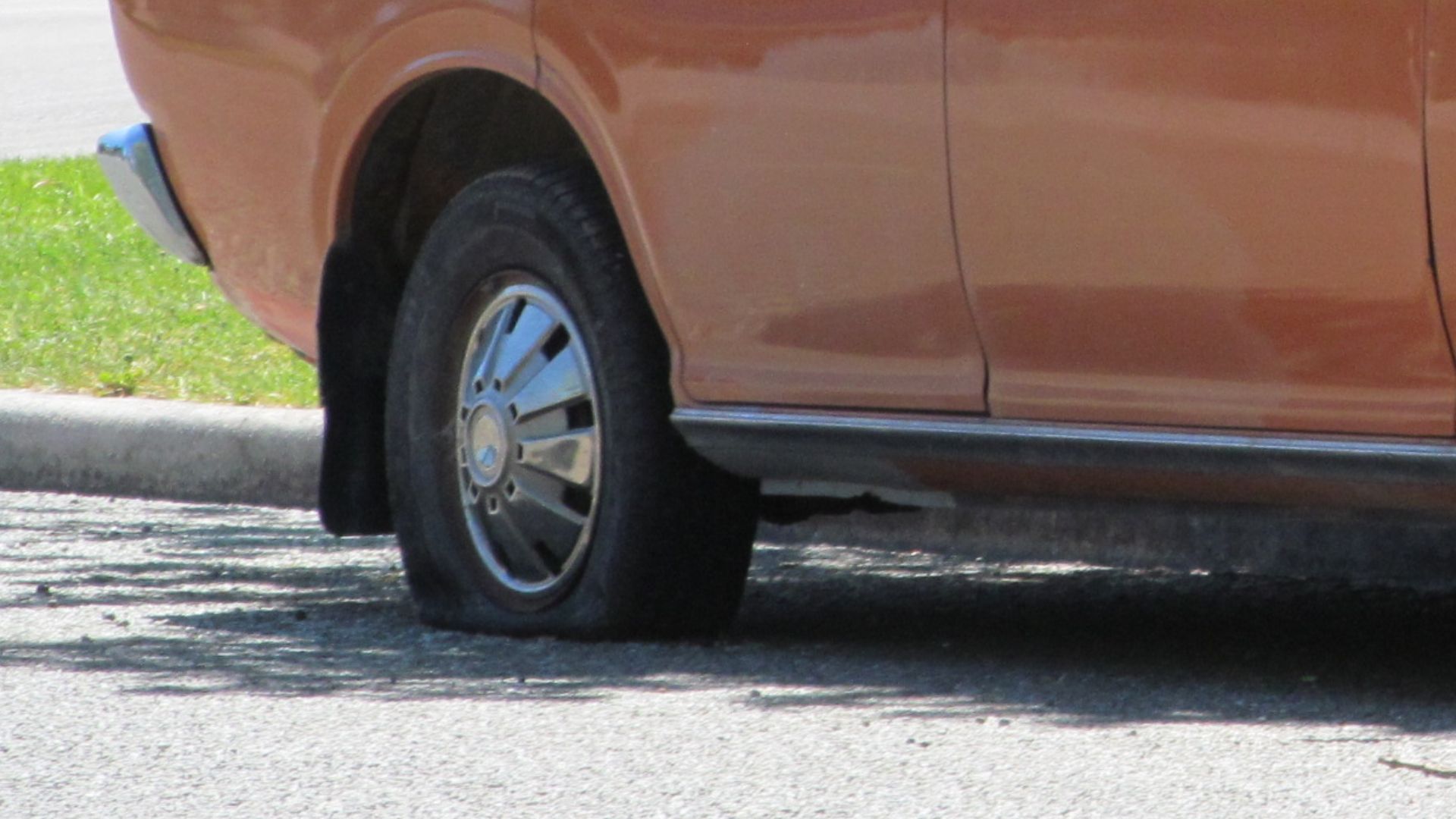
Vehicles are designed to operate, warm up, circulate fluids, and move their tires. Hagerty notes that long periods of storage can contribute to battery discharge, fuel deterioration, tire flat-spotting, and other age-related problems. A low odometer does not guarantee a trouble-free car when long inactive periods dominate its life.
 Riley from Christchurch, New Zealand, Wikimedia Commons
The Battery Does Not Know It Is A Weekend Car
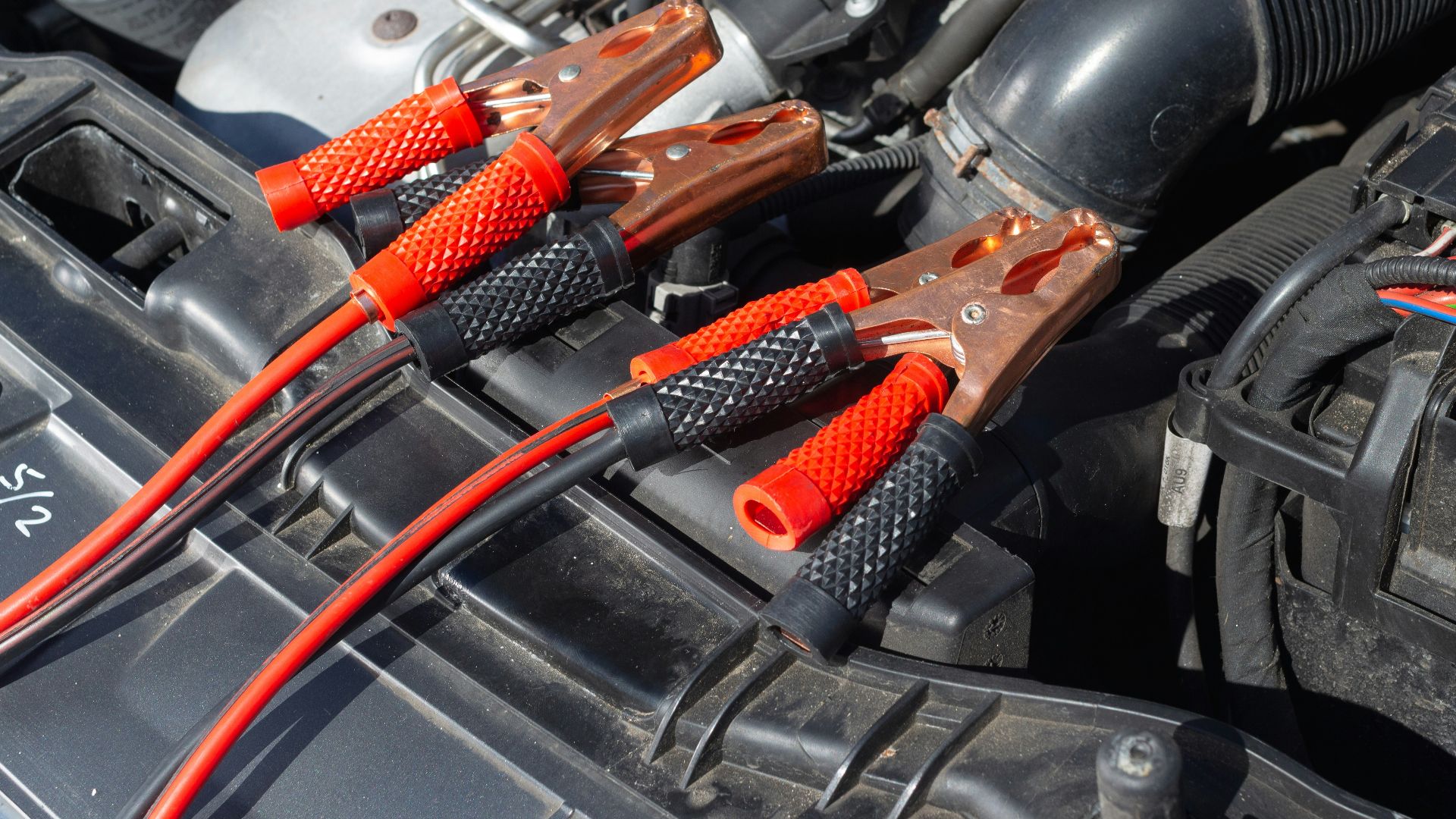
Modern vehicles can draw a small amount of power while parked to support security, keyless-entry, and electronic systems. Extended inactivity can leave the battery too weak to start the car when a rare free afternoon finally appears. A manufacturer-approved battery maintainer can help, but its use and connection procedure should follow the owner’s manual.
 Daniel @ bestjumpstarterreview.com, Unsplash
Tires Can Age Before They Wear Out
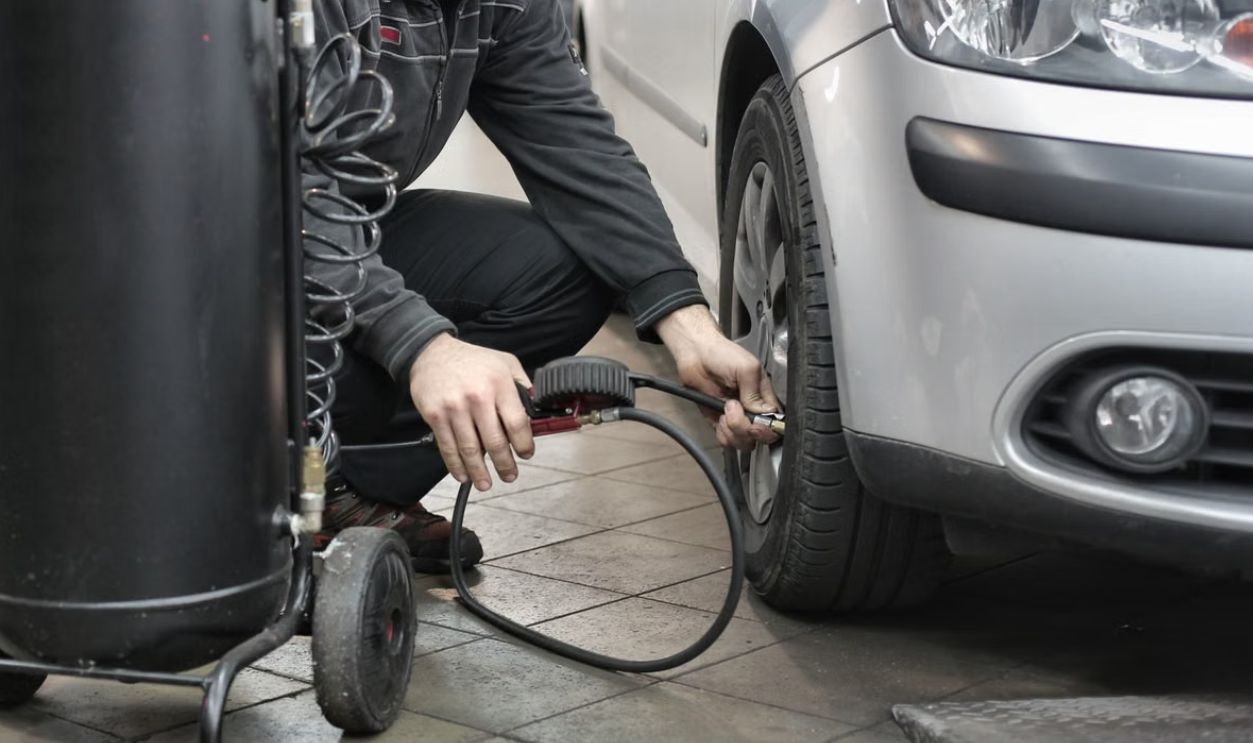
A lightly used convertible may retain plenty of tread while its tires continue aging. Long periods in one position can also contribute to temporary or lasting flat spots. Tire condition should be evaluated through age, cracking, pressure, damage, and manufacturer guidance rather than mileage alone.
Old Fuel Can Spoil The Perfect Day
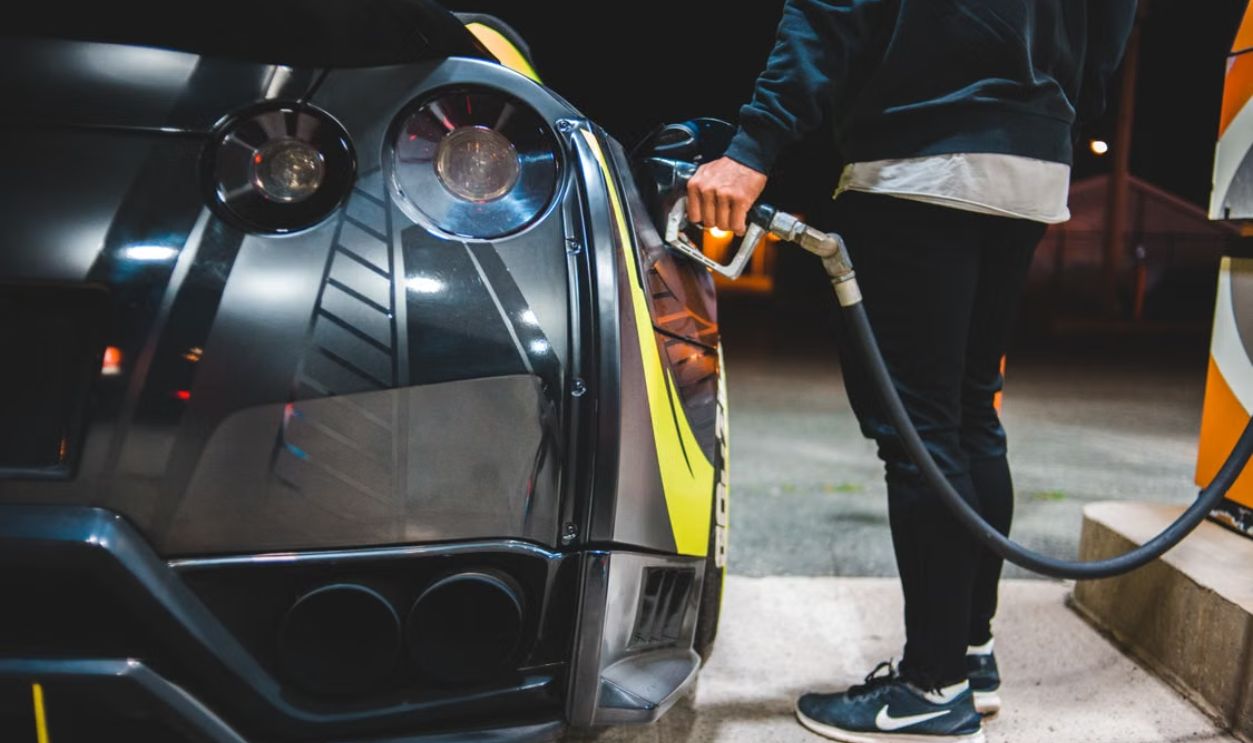
Fuel can deteriorate during extended storage, particularly when the car sits for an entire season. Hagerty recommends appropriate preparation before seasonal storage and notes that fuel-system concerns become more serious as inactivity lengthens. The exact procedure depends on the car, fuel type, storage duration, and manufacturer instructions.
The Roof Needs Attention Too
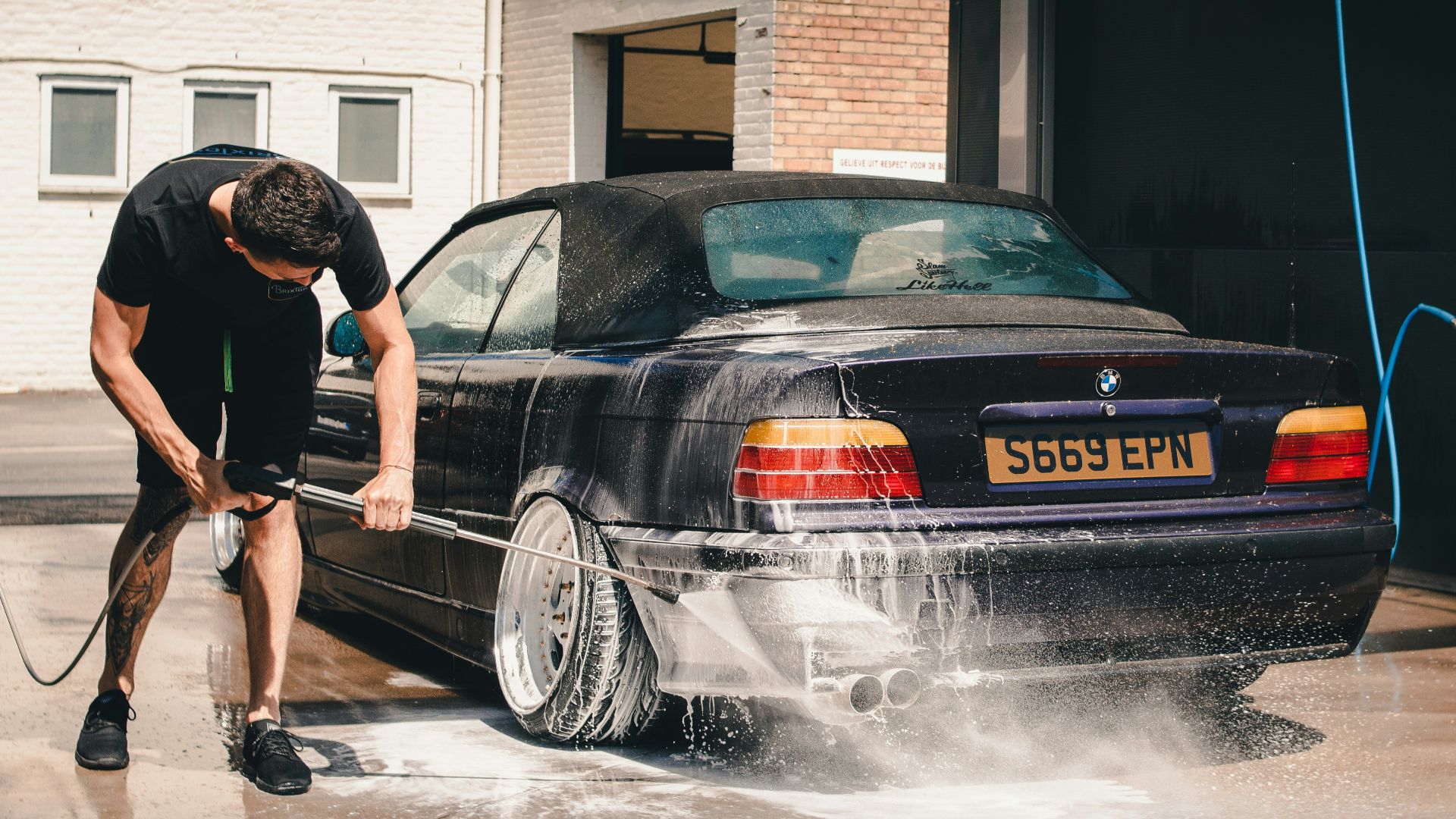
A fabric top requires careful cleaning and inspection for wear, staining, seal damage, and water intrusion. Hagerty advises storing a convertible with the top raised because leaving it folded for long periods can allow it to shrink or become damaged. The correct cleaning products and procedures should come from the vehicle manufacturer.
Folding Hardtops Add More Machinery
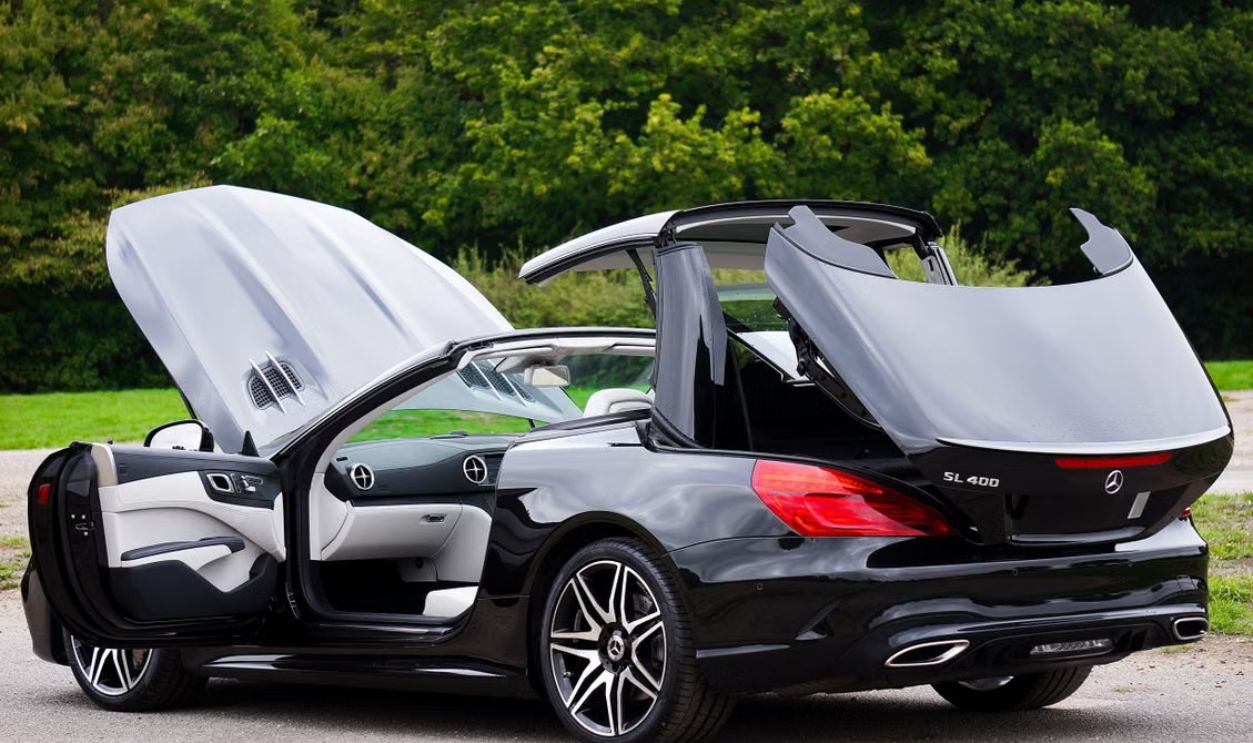
A power-folding hardtop can provide better weather and noise insulation than some fabric roofs. It also introduces panels, motors, sensors, hinges, seals, and a complicated storage sequence. Cars.com notes that many manufacturers moved away from folding metal roofs, while Consumer Reports identifies the retractable hardtop as a major feature of models such as the Mercedes-Benz SLK.
Perfect Weather Is A Narrow Target
Top-down driving is less appealing during heavy rain, intense heat, freezing temperatures, poor air quality, or strong midday sun. Even pleasant days can be lost to errands, childcare, chores, and fatigue. A convertible owner who waits for an empty schedule and flawless weather may discover that the ideal opportunity rarely arrives.
Comfort Technology Can Extend The Season
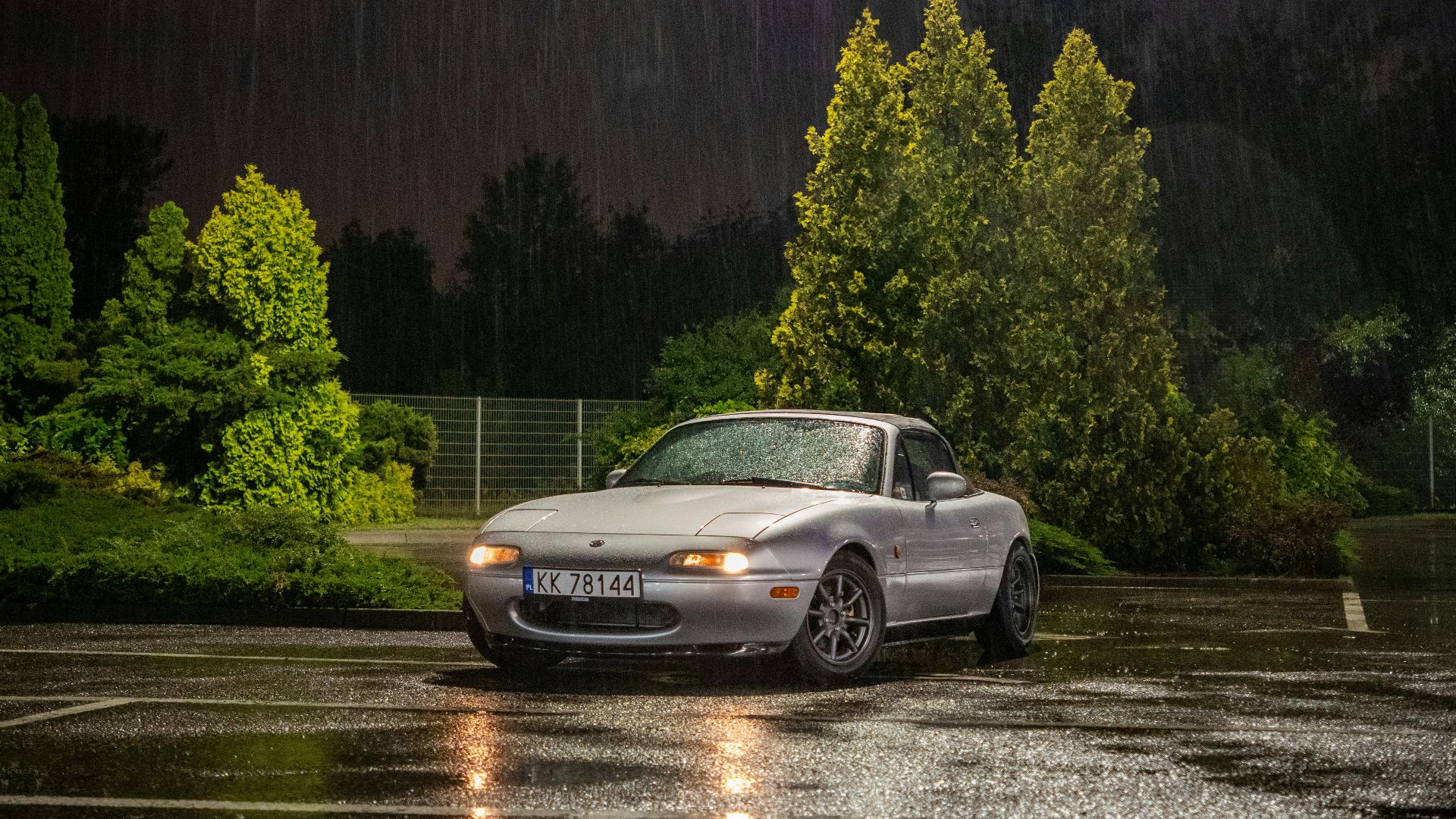
Heated seats, strong climate control, wind deflectors, and neck-level warm-air systems can make open-air driving comfortable in cooler conditions. Consumer Reports notes that some convertibles offer warm-air vents in the head restraints. Using the roof more often may require accepting less-than-perfect weather rather than reserving the car for a narrow summer temperature range.

Convertibles Demand Everyday Compromises
Consumer Reports identifies limited passenger space, restricted cargo room, increased noise, and a firm ride among common convertible compromises. Many models also sit low to the ground, which can make entry and exit more difficult. Those drawbacks matter more when the car must serve as regular transportation instead of an occasional toy.

The Trunk May Change With The Roof
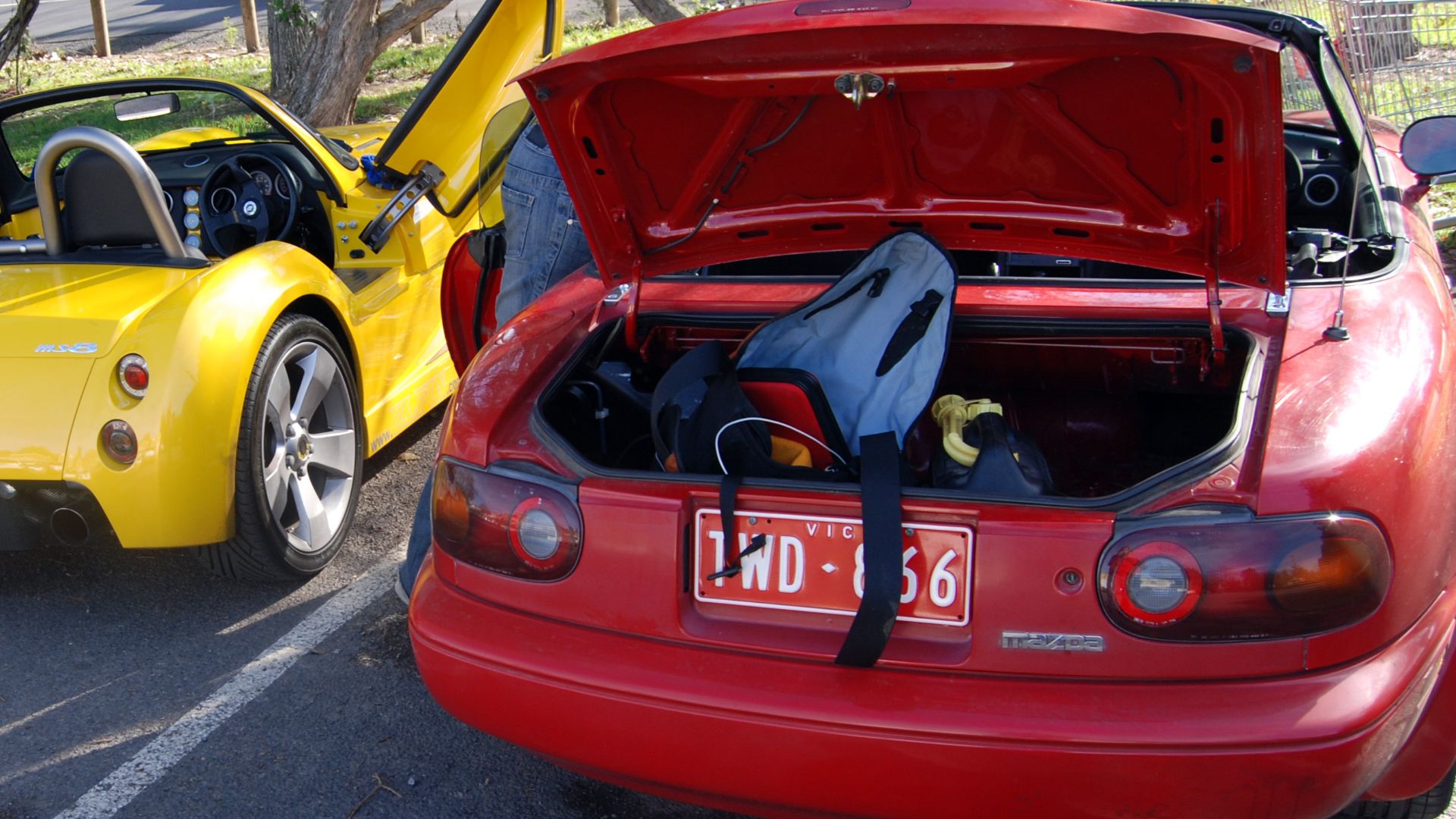
Some convertibles preserve their trunk space when the roof is raised or lowered, while others sacrifice cargo room to store the folded top. Retractable hardtops can require especially elaborate packaging. Owners should test whether groceries, luggage, golf clubs, or other regular cargo fit with the roof in its stowed position.
 Tom Reynolds from Melbourne, Australia, Wikimedia Commons
Rear Visibility Can Be Frustrating
A raised fabric roof often creates thick rear pillars and a smaller rear window than a fixed-roof car. Consumer Reports notes that rear visibility is commonly restricted when a convertible’s top is up. Cameras and parking sensors can help, but they do not provide the same continuous view as well-designed glass.
A Convertible Is Not Automatically Unsafe
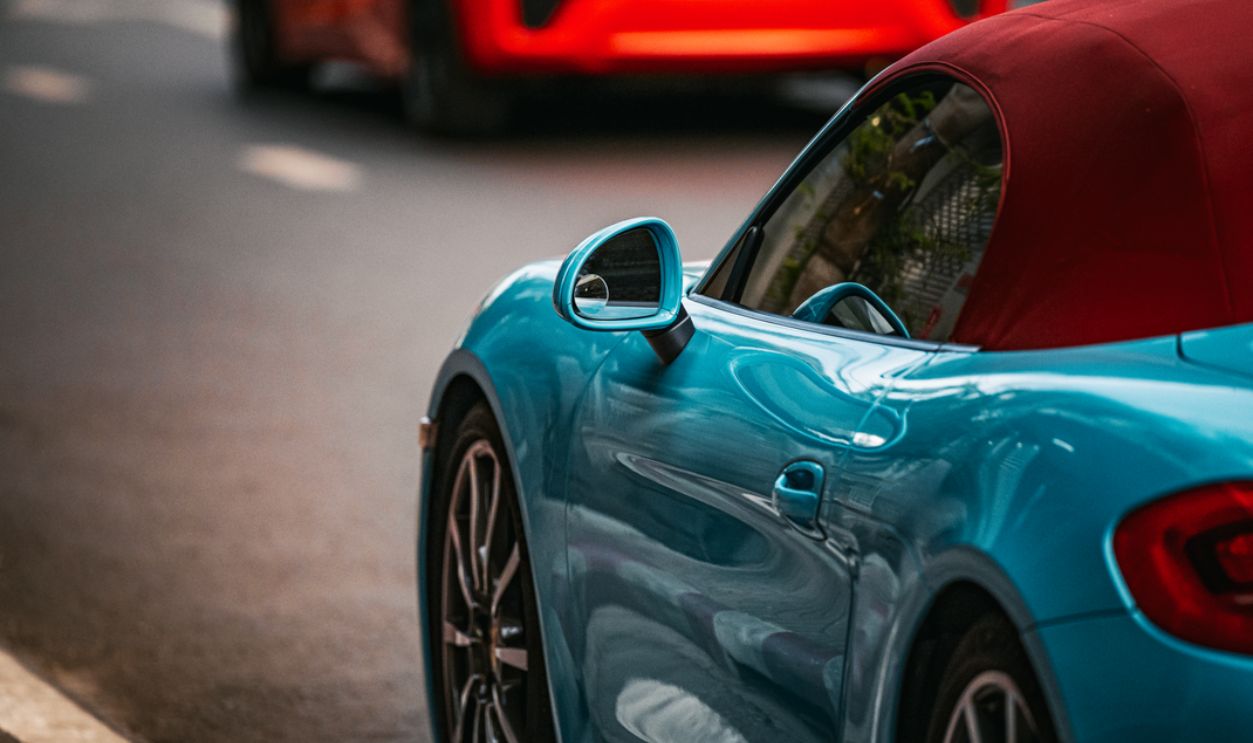
The absence of a fixed metal roof can make a convertible seem inherently dangerous. An IIHS study comparing recent convertibles with fixed-roof versions found no evidence that convertibles had higher real-world crash or driver fatality rates. Safety performance still varies by model, year, equipment, size, and crash type, so specific ratings matter.

Rollover Protection Still Deserves Attention
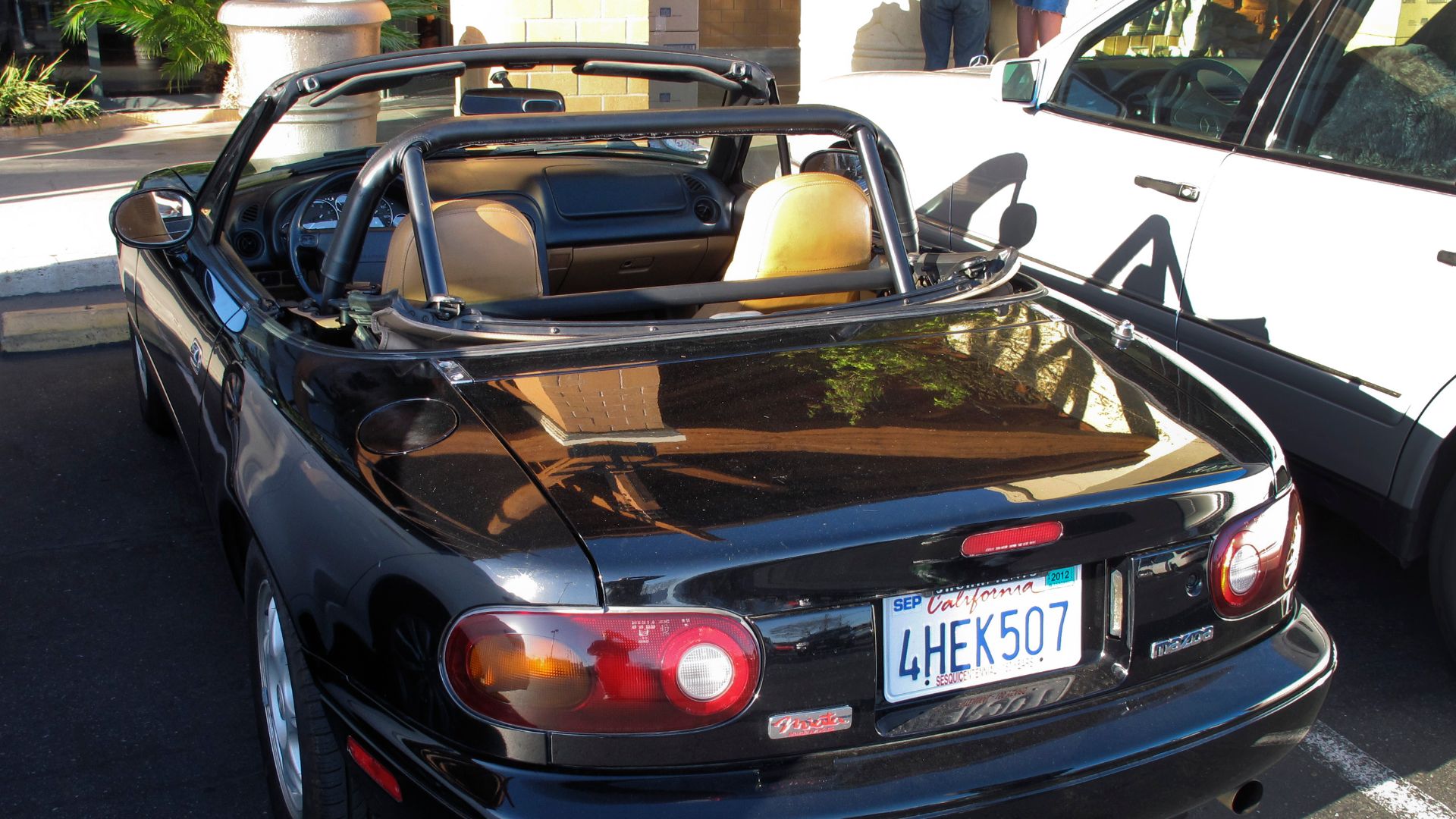
Strong windshield pillars, reinforced structures, rollover bars, and restraint systems can help preserve occupant space. NHTSA’s standards and interpretations show that convertibles are handled differently in certain roof-crush requirements, although they remain subject to broad federal safety standards. Wearing a seat belt is especially important because occupant containment is critical in a rollover.
 Robert Couse-Baker, Wikimedia Commons
Family Needs Can Crowd Out The Fantasy
Many convertibles provide only two seats or a very small rear seat. That limits their usefulness when children, pets, older relatives, or bulky equipment must come along. If nearly every weekend activity requires another vehicle, the convertible becomes easier to admire than to integrate into real life.

Stop Waiting For A Grand Adventure
The car does not need a mountain road or a completely free Sunday to be worthwhile. A short evening drive, coffee run, lunch trip, or scenic route home can provide the same sensory appeal in a smaller block of time. Treating every outing as a special event can unintentionally prevent the car from being used at all.

Put Convertible Time On The Calendar
Choose one or two realistic driving windows each month and protect them like any other leisure activity. The plan could be as simple as a Saturday breakfast drive or an hour after work. After several months, you will know whether scheduling solves the problem or merely confirms that the car no longer fits your priorities.

Renting Could Preserve The Experience
Drivers who want occasional open-air motoring without permanent ownership can rent a convertible for vacations or special weekends. Renting transfers many fixed costs and long-term maintenance concerns to someone else. Availability, pricing, mileage limits, insurance, and vehicle condition vary, but the option can be cheaper when use is genuinely rare.
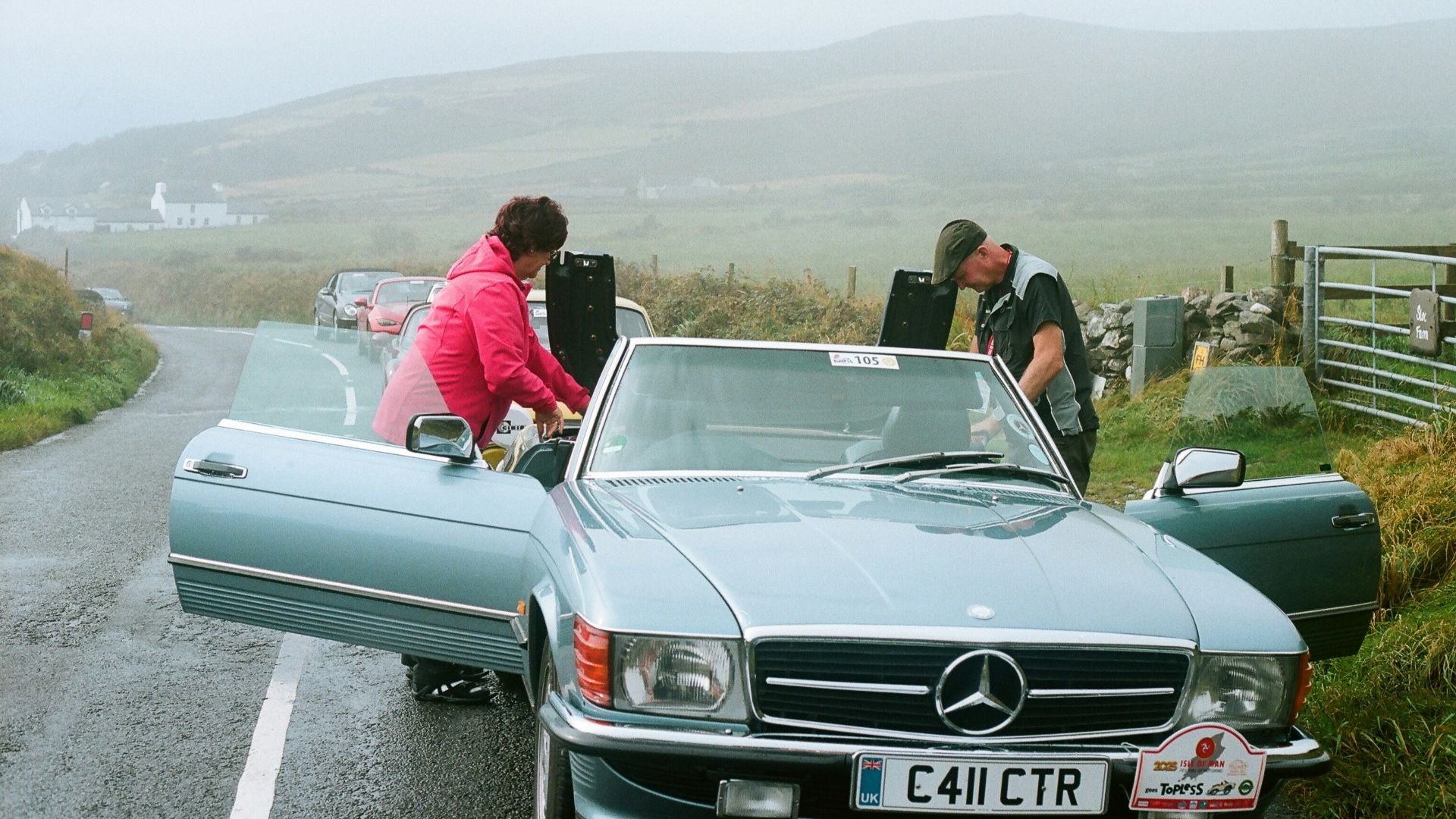
Selling Is Not Admitting Defeat
A car can have been the right purchase at one stage and the wrong possession later. Before selling, compare credible offers with the loan payoff, transaction costs, expected depreciation, and the cost of keeping it another year. Avoid replacing the convertible immediately with another fantasy purchase simply because an empty garage feels uncomfortable.

The Fantasy Was Not Necessarily A Mistake
The car was an expensive fantasy only if the imagined life mattered more than the actual ownership experience. Keeping it can make sense when the costs are comfortable and even a few drives bring genuine happiness. Selling can make equal sense when guilt, maintenance, and financial pressure have replaced the pleasure that justified buying it.

You May Also Like:
Classic Convertibles Everyone Dreams About
Classic Muscle Cars That Are Impossible To Find Now
Overpriced Classic Cars That Don't Live Up To The Legend
Sources: 1, 2, 3, 4, 5, 6, 7, 8, 9, 10, 11, 12, 13, 14, 15, 16, 17, 18, 19, 20, 21, 22, 23, 24, 25, 26, 27, 28