
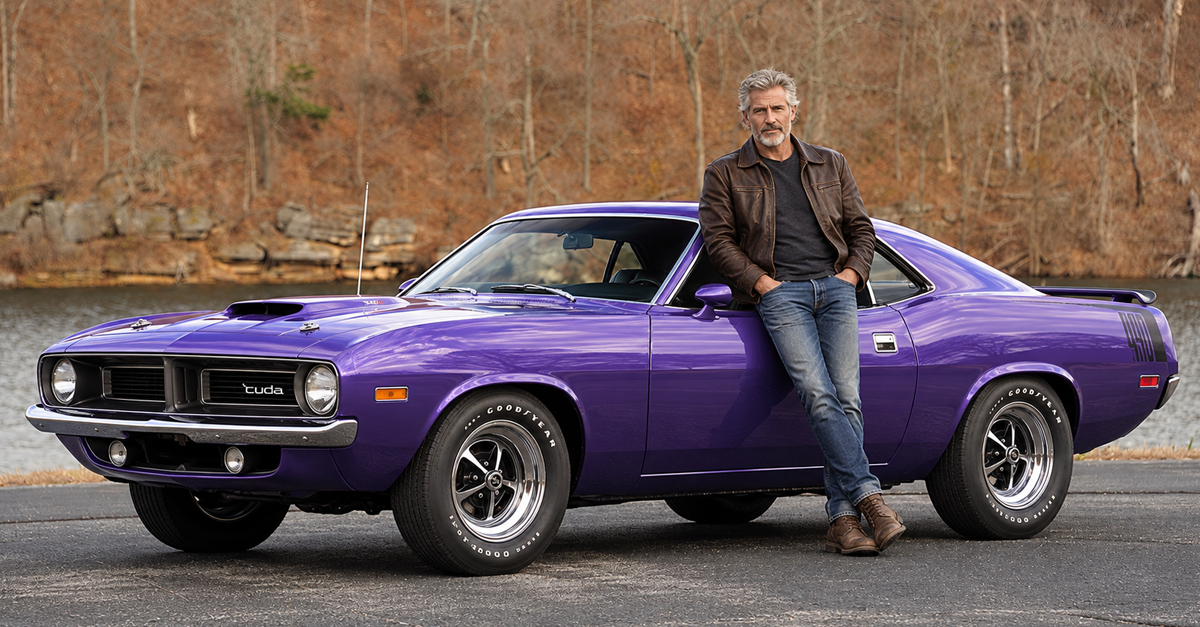
When Detroit Completely Lost Its Mind
Imagine walking into a dealership today and ordering a hot pink Challenger, a lime-green Mustang, or a Buick so yellow that even its wheels matched. Sounds ridiculous, but these were actual factory paint options. During the 1960s and 1970s, automakers unleashed colors so outrageous that some buyers tried to tone them down.
Which of these wild factory colors would you actually dare to drive today?
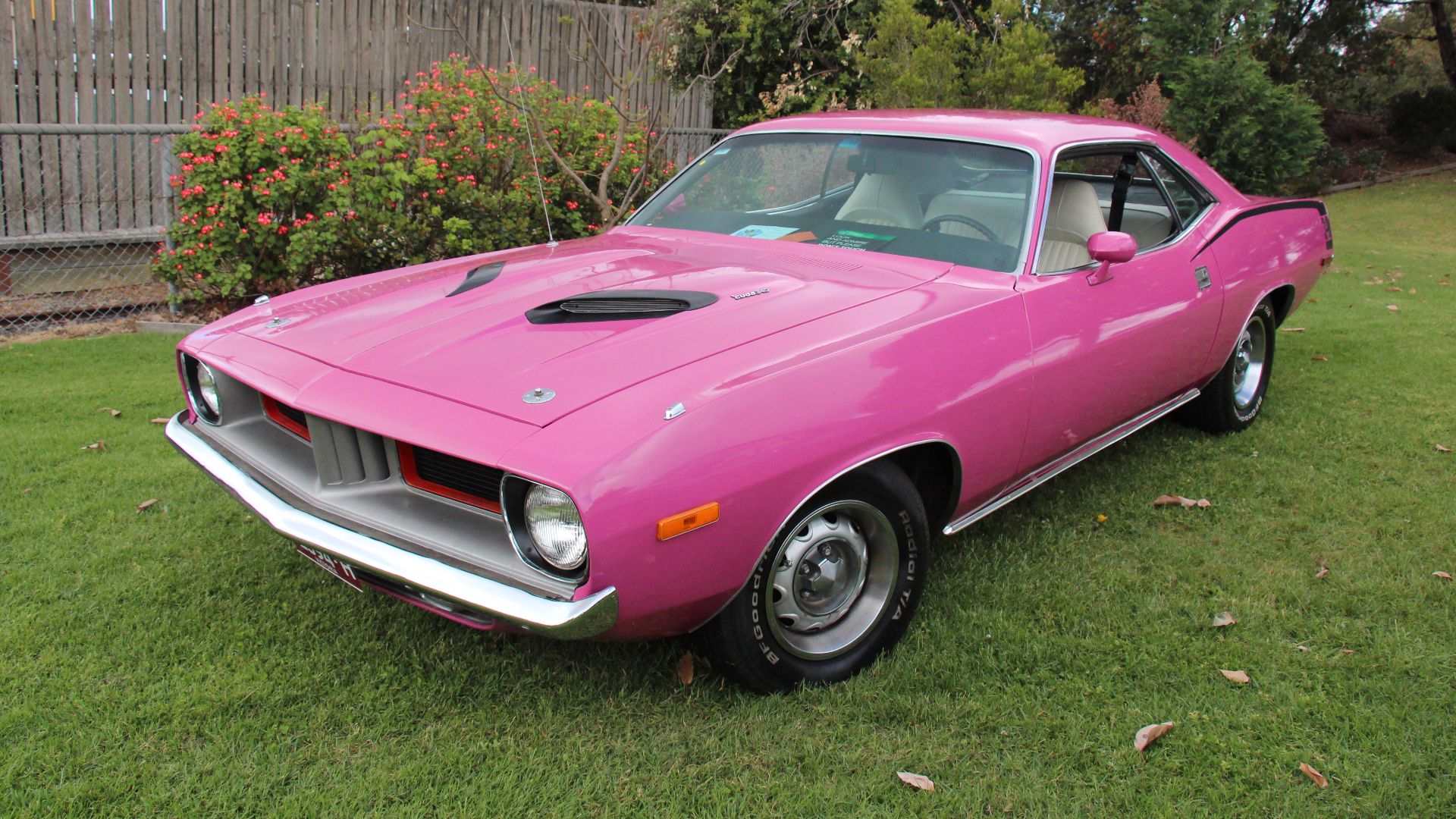
Panther Pink
In 1970, Dodge introduced Panther Pink, one of the wildest muscle car colors ever offered. Plymouth sold the same shade as Moulin Rouge, including on the 'Cuda. Some owners later repainted their pink cars in more conventional colors. Imagine asking a modern salesperson for a bright pink Challenger.
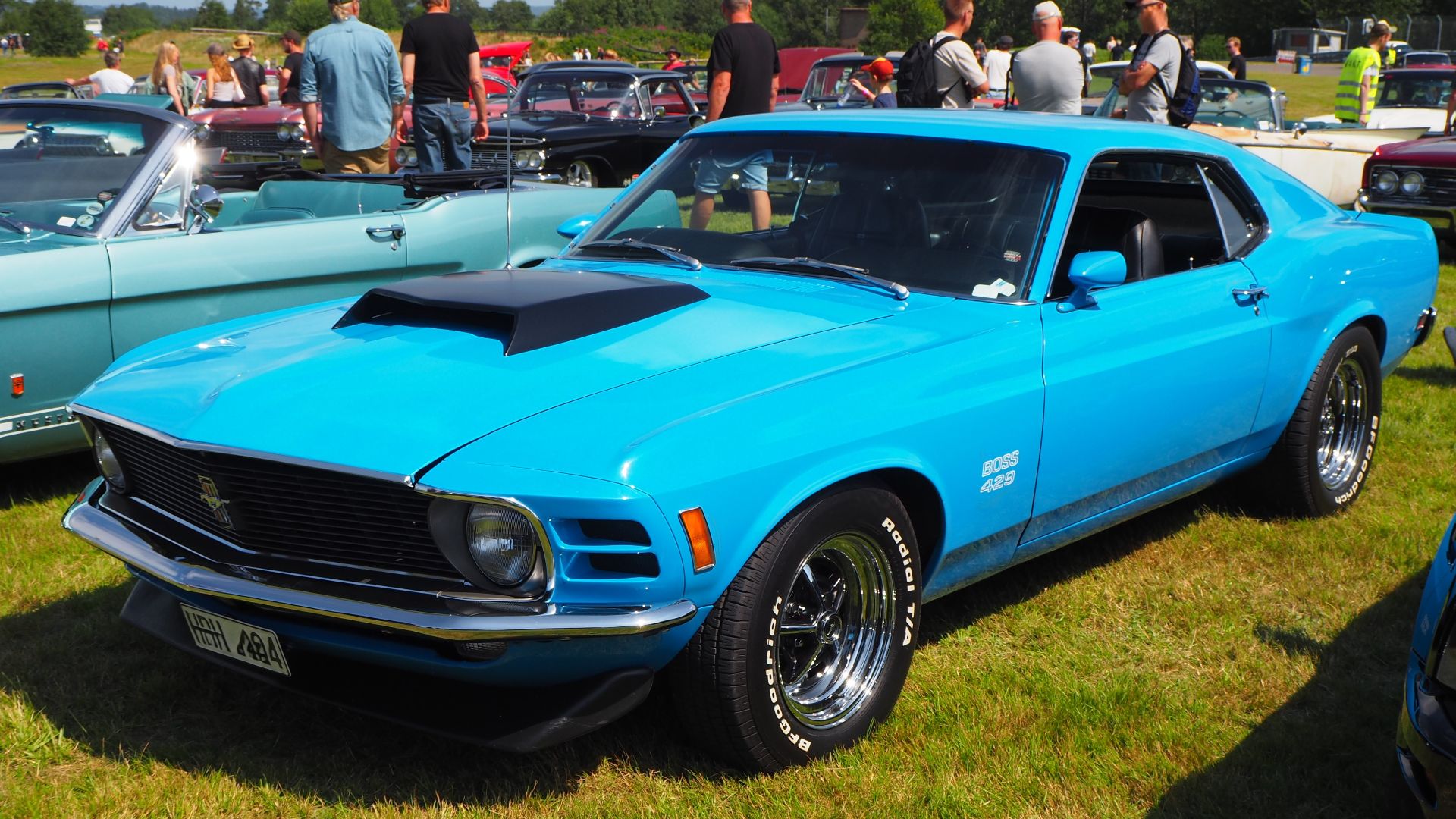
Grabber Blue
Ford's Grabber Blue became a signature performance color of the early 1970s. Available on Mustangs including the Boss 302 and Boss 429, it was impossible to overlook. Mercury also used the shade under the name Competition Blue. Ford has revived Grabber Blue several times, keeping its muscle car connection alive.
 Herranderssvensson, Wikimedia Commons
Sebring Yellow
Oldsmobile took yellow to an extreme with the 1970 Rallye 350. Every example wore Sebring Yellow, including the bumpers and wheels. Some dealers modified the cars with chrome bumpers and different wheel trim to reduce the overwhelming yellow appearance. Apparently, even Oldsmobile's own showrooms weren't always ready for that much color.
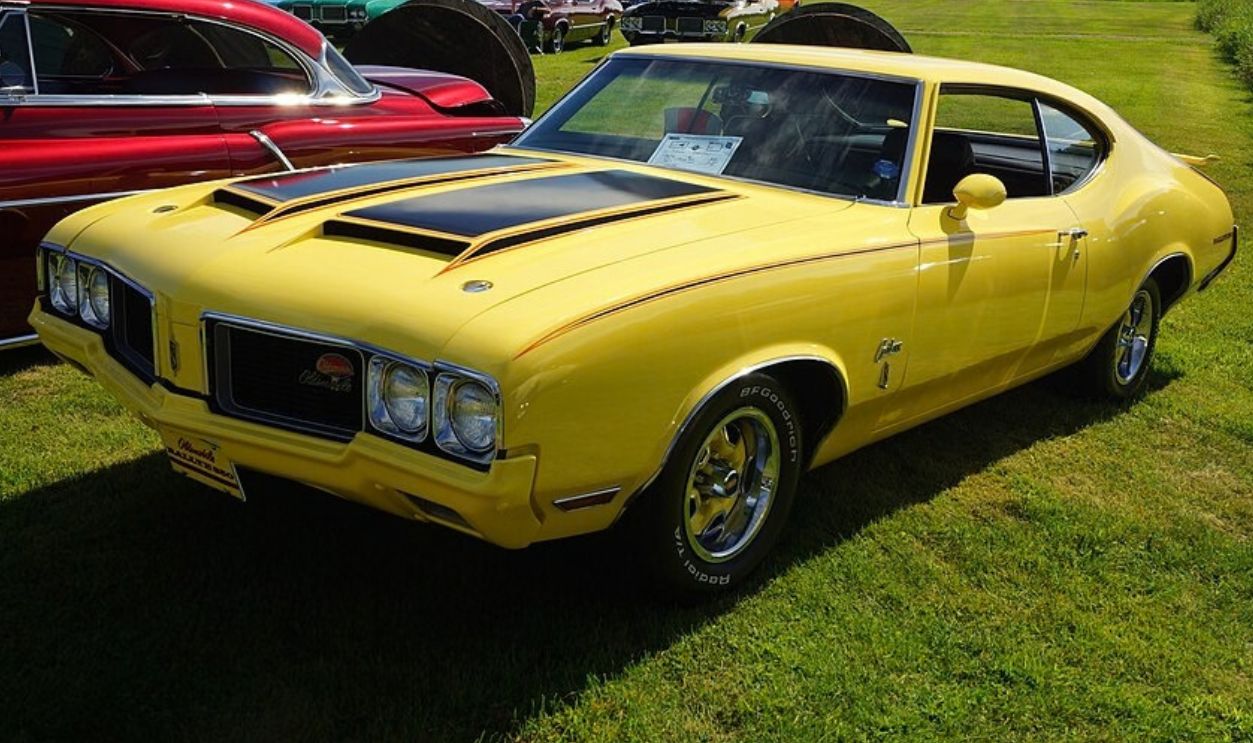 Greg Gjerdingen from Willmar, USA, CC BY 2.0, Wikimedia Commons
Plum Crazy Purple
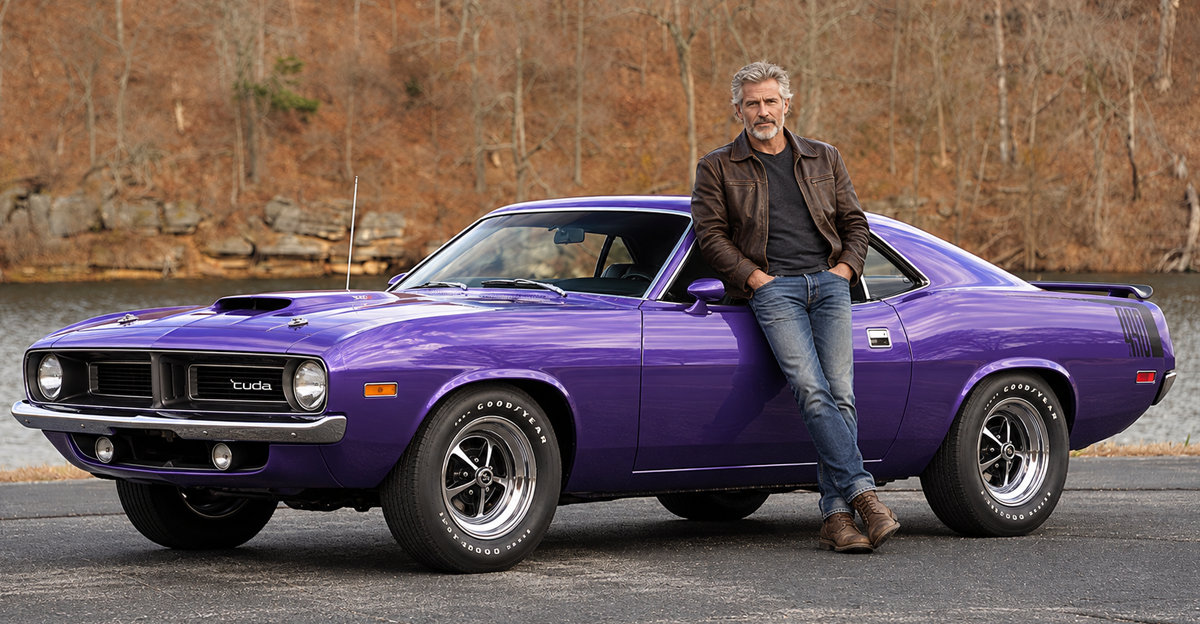
Dodge introduced Plum Crazy in 1970, giving its muscle cars an unmistakable personality. Plymouth called the same shade In-Violet, offering it on models including the 'Cuda and Road Runner. The rich purple became one of Chrysler's most recognizable High Impact colors. Dodge later revived it for modern performance cars.
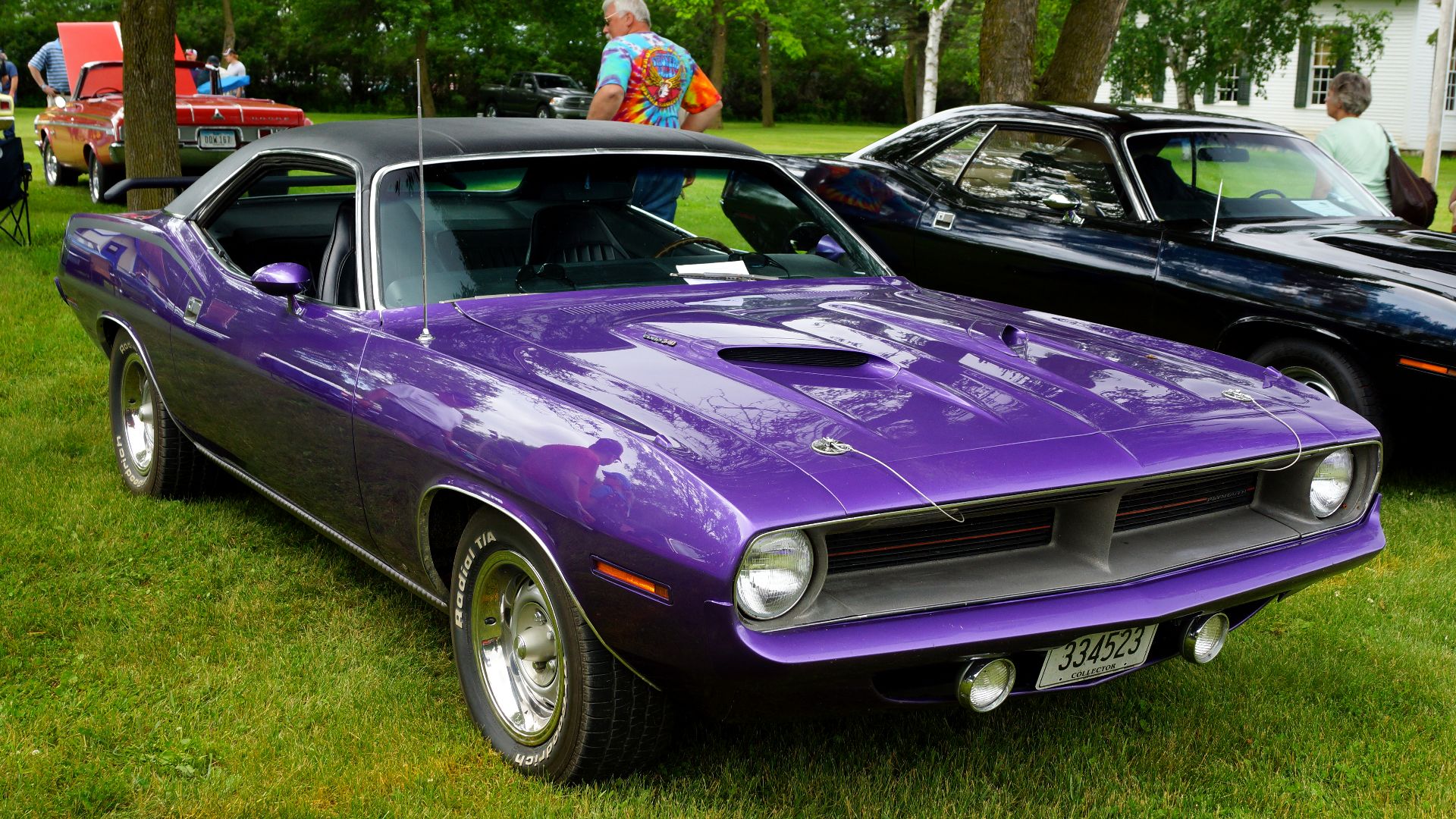 Greg Gjerdingen, Wikimedia Commons
Big Bad Orange
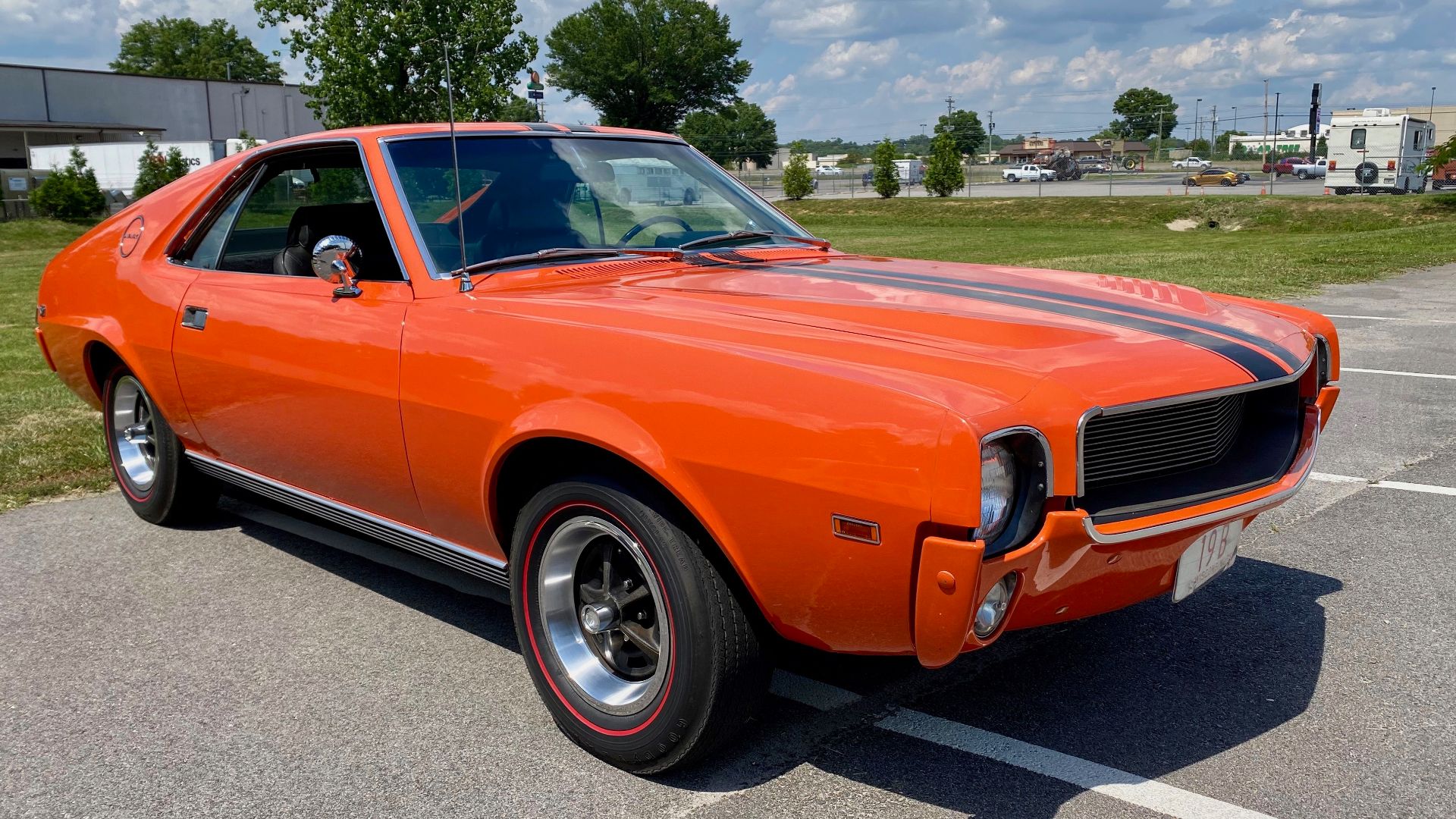
AMC joined the colorful muscle car competition with Big Bad Orange in 1969. Available on the AMX and Javelin, it featured matching painted bumpers instead of traditional chrome. The unusual treatment made these already distinctive cars even harder to overlook. AMC proved that Detroit's smaller manufacturers could be just as adventurous.
Playboy Pink
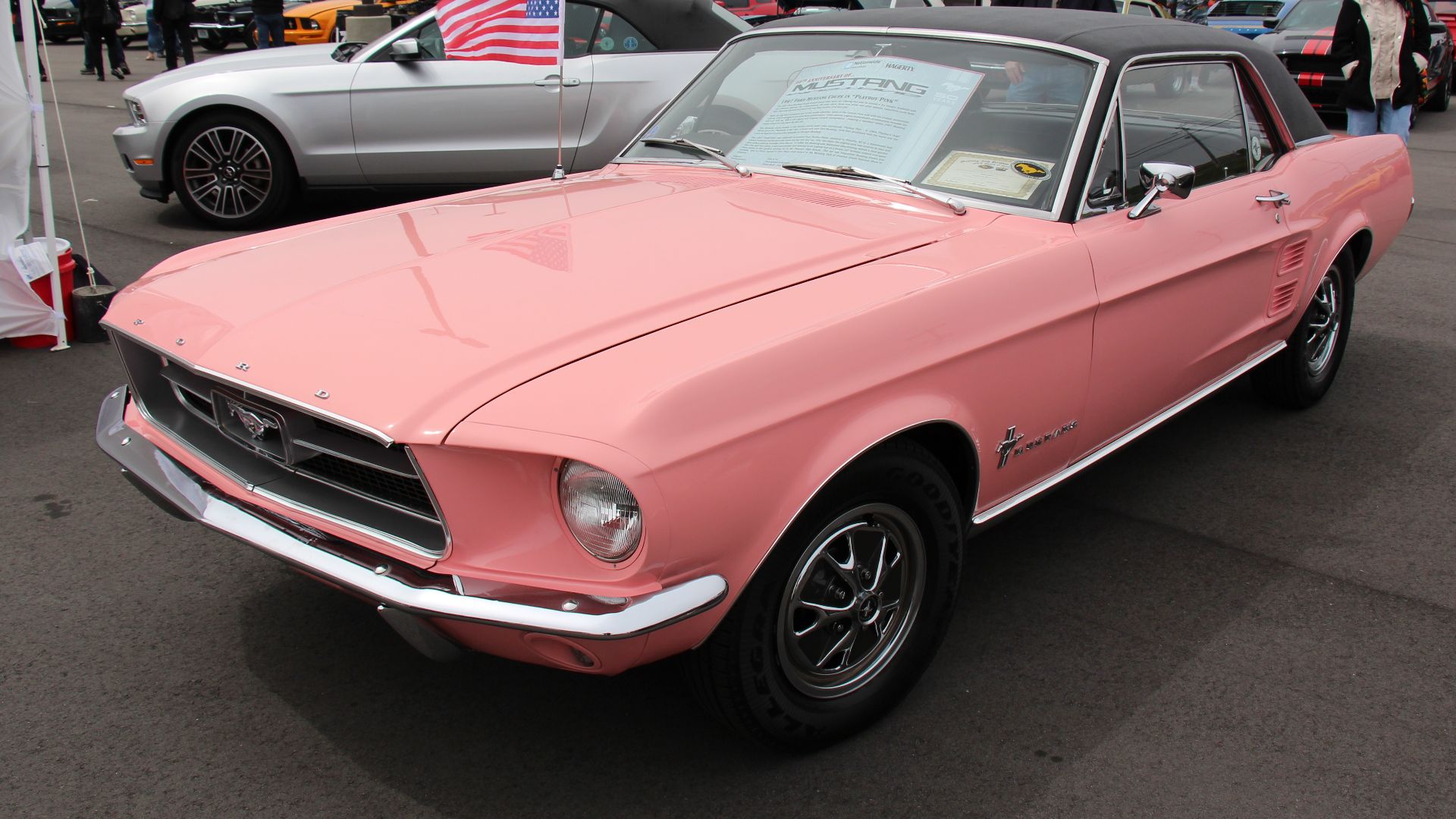
Ford experimented with pink Mustangs long before Dodge introduced Panther Pink. Special-order finishes included Playboy Pink in 1967, alongside other unusual pink shades offered during the decade. These weren't ordinary colors available throughout the Mustang lineup. Today, a factory-painted pink Mustang is a fascinating reminder of Ford's more adventurous side.
Sublime Green
Dodge introduced Sublime in 1970, while Plymouth marketed the same shade as Limelight. The brilliant yellow-green looked nothing like the muted greens on ordinary family cars. It appeared on performance models including the Challenger and Charger. Dodge later revived Sublime, proving the outrageous finish still had fans.
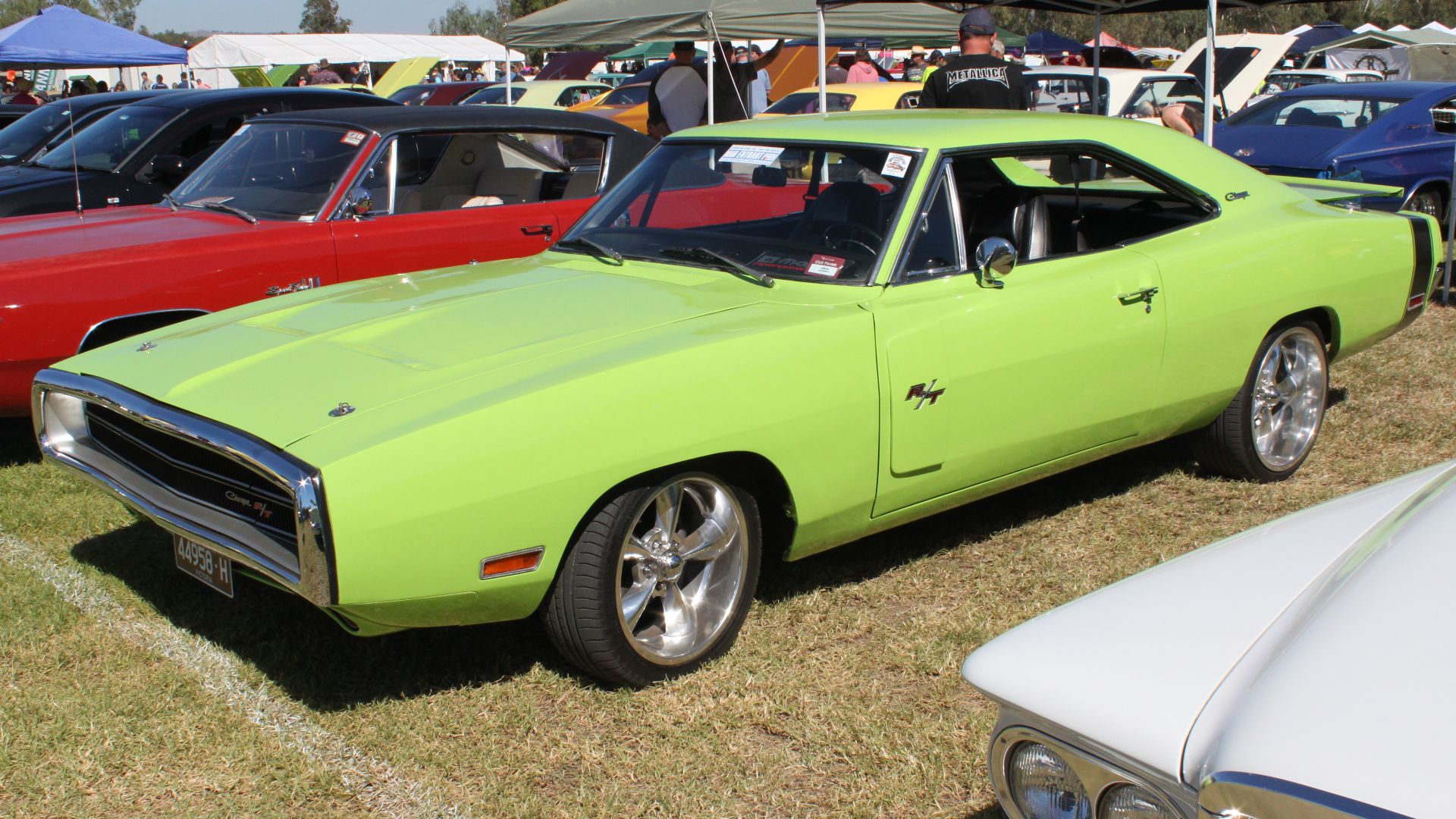 Jeremy from Sydney, Australia, Wikimedia Commons
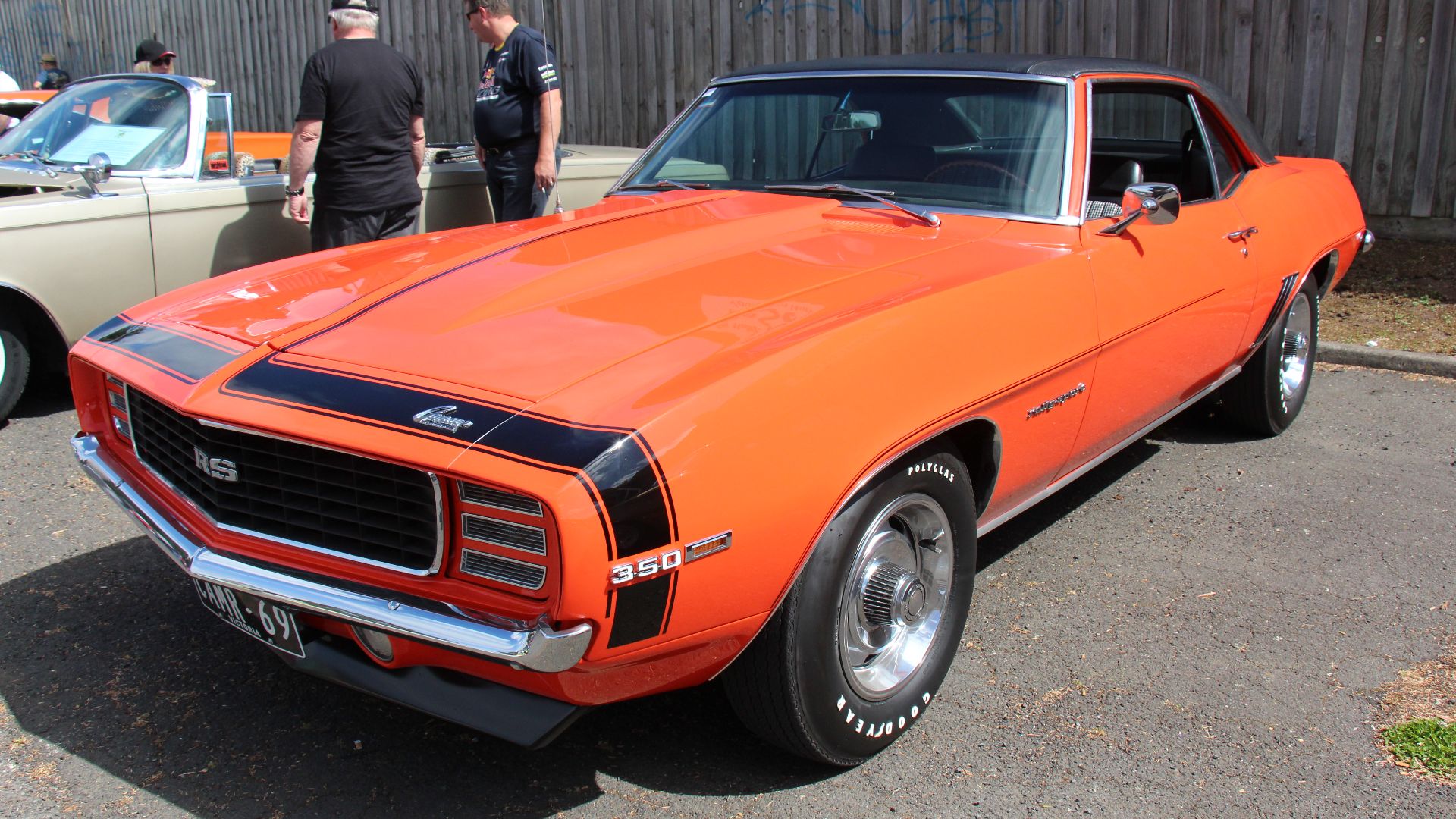
Hugger Orange
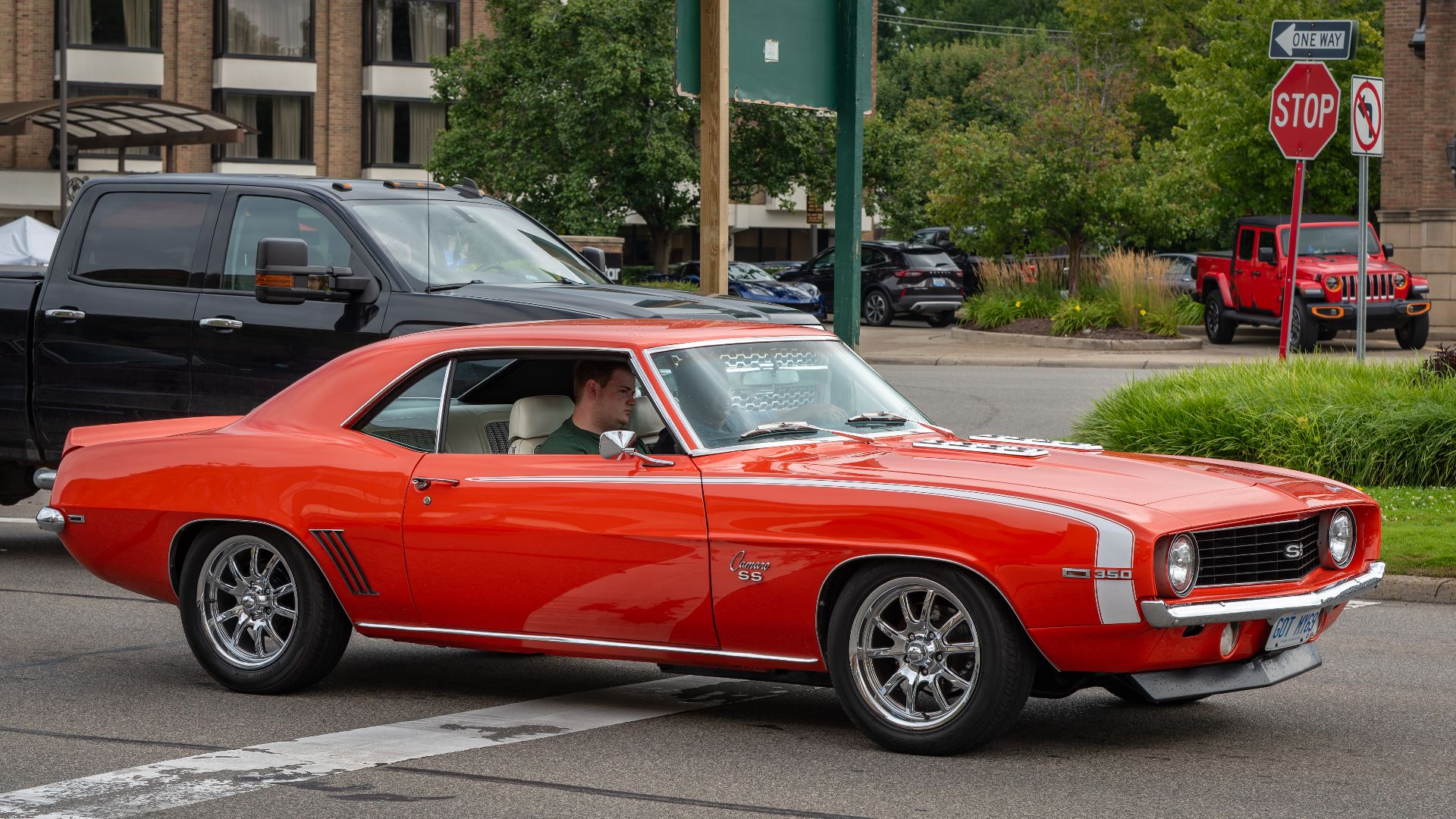
Few shades define the 1969 Chevrolet Camaro better than Hugger Orange. Chevrolet offered it under paint code 72, while certain other models called the same shade Monaco Orange. It became especially recognizable on performance Camaros with contrasting graphics. The vivid finish remains closely associated with the first-generation Camaro.
Competition Gold
Mercury wasn't usually associated with outrageous colors, but the 1970 Cougar Eliminator changed that. Competition Gold gave the performance-oriented Cougar a surprisingly bold appearance. Combined with spoilers and distinctive graphics, it looked nothing like an ordinary luxury car. Even Mercury was willing to abandon restraint during the muscle car boom.
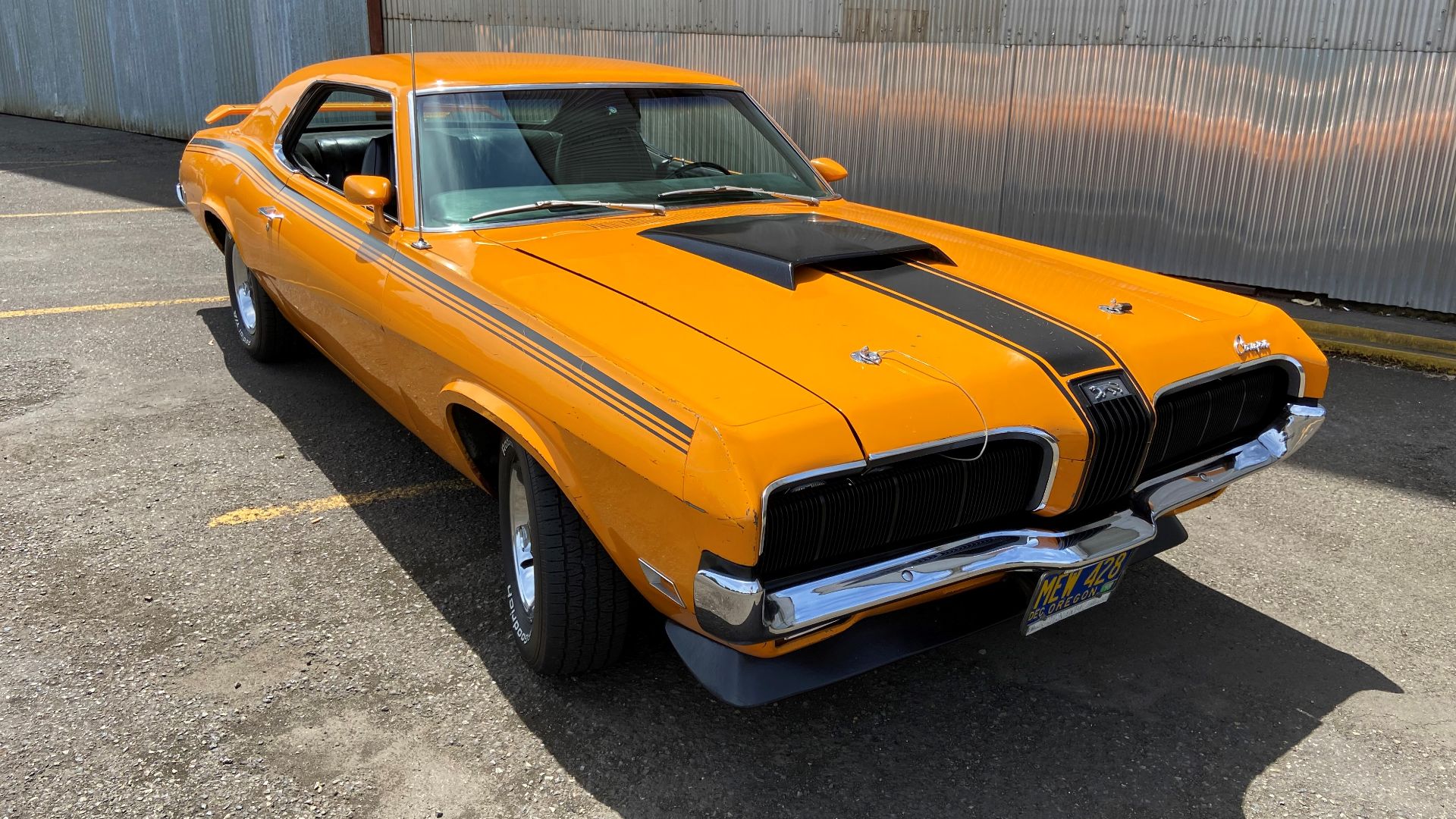 A1970Eliminator, Wikimedia Commons
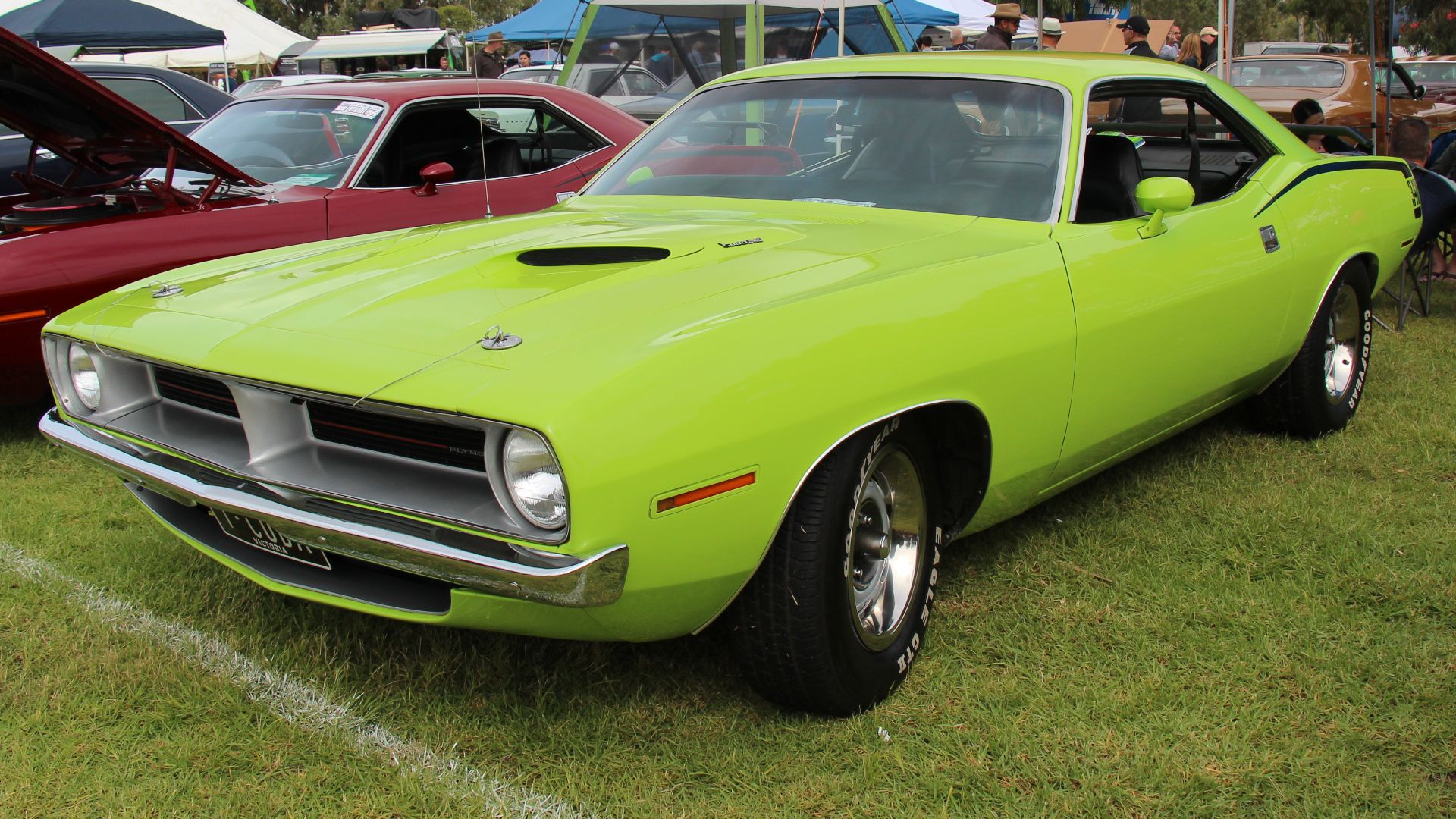
Sassy Grass Green
Plymouth introduced Sassy Grass Green during the 1970 model year. Dodge sold the same finish as Green Go, giving both brands memorable names. The vivid shade appeared on models including the Plymouth 'Cuda. Few factory colors captured the playful attitude of the muscle car era quite so well.
Carousel Red
Pontiac's Carousel Red became famous on the 1969 GTO Judge. Despite its name, the color was bright orange, sharing its basic formula with Chevrolet's Hugger Orange. Pontiac paired it with bold graphics and a prominent rear spoiler. The name might have been misleading, but the finished car was unmistakable.
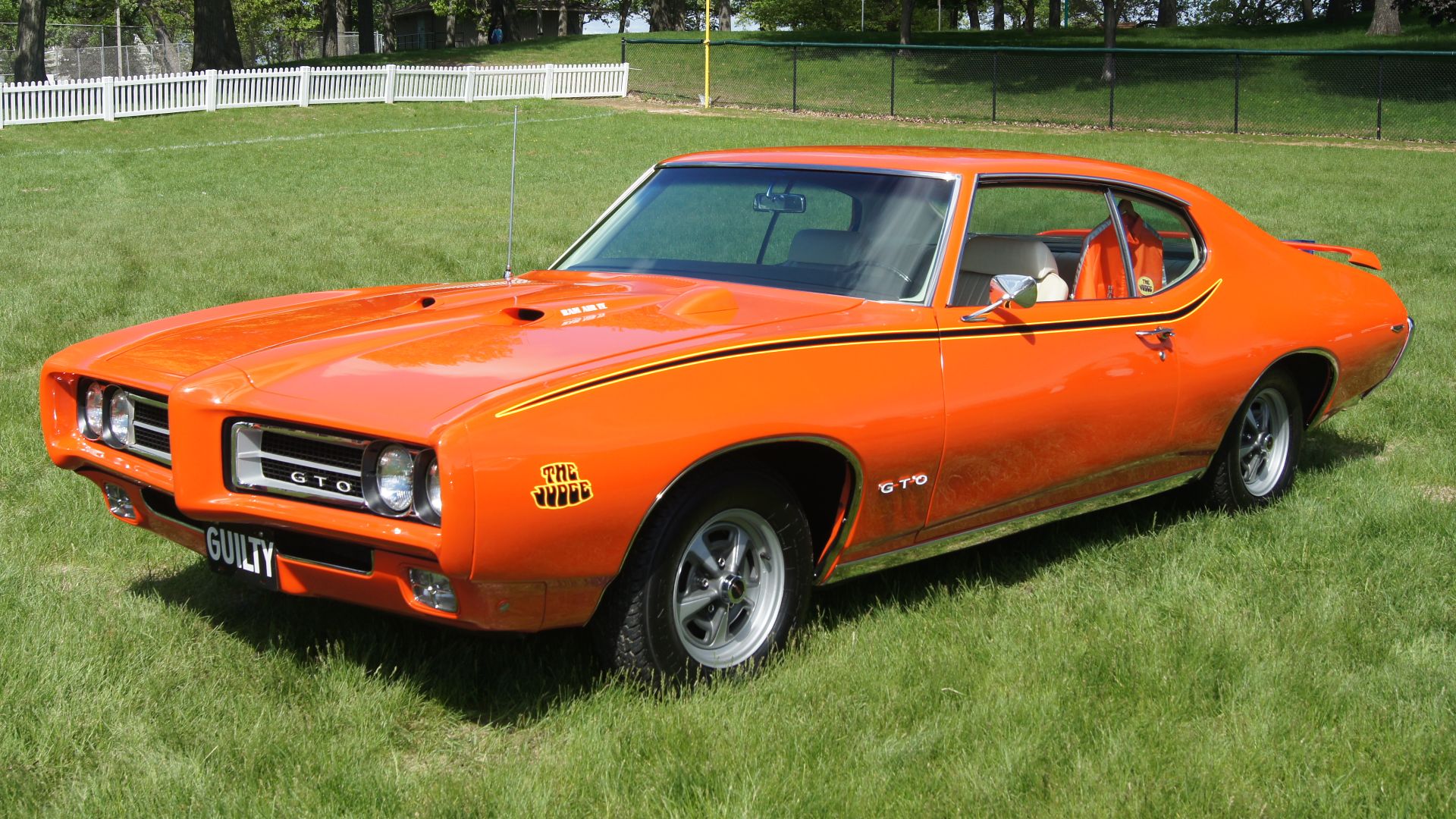 Greg Gjerdingen from Willmar, USA, Wikimedia Commons
Grabber Green
Ford offered Grabber Green on the 1970 Mustang, giving buyers another striking choice. It joined Grabber Blue and Grabber Orange in the performance-oriented palette. For 1971, Ford introduced Grabber Green Metallic, changing the finish's appearance. The two versions show how quickly Detroit's color fashions were evolving.
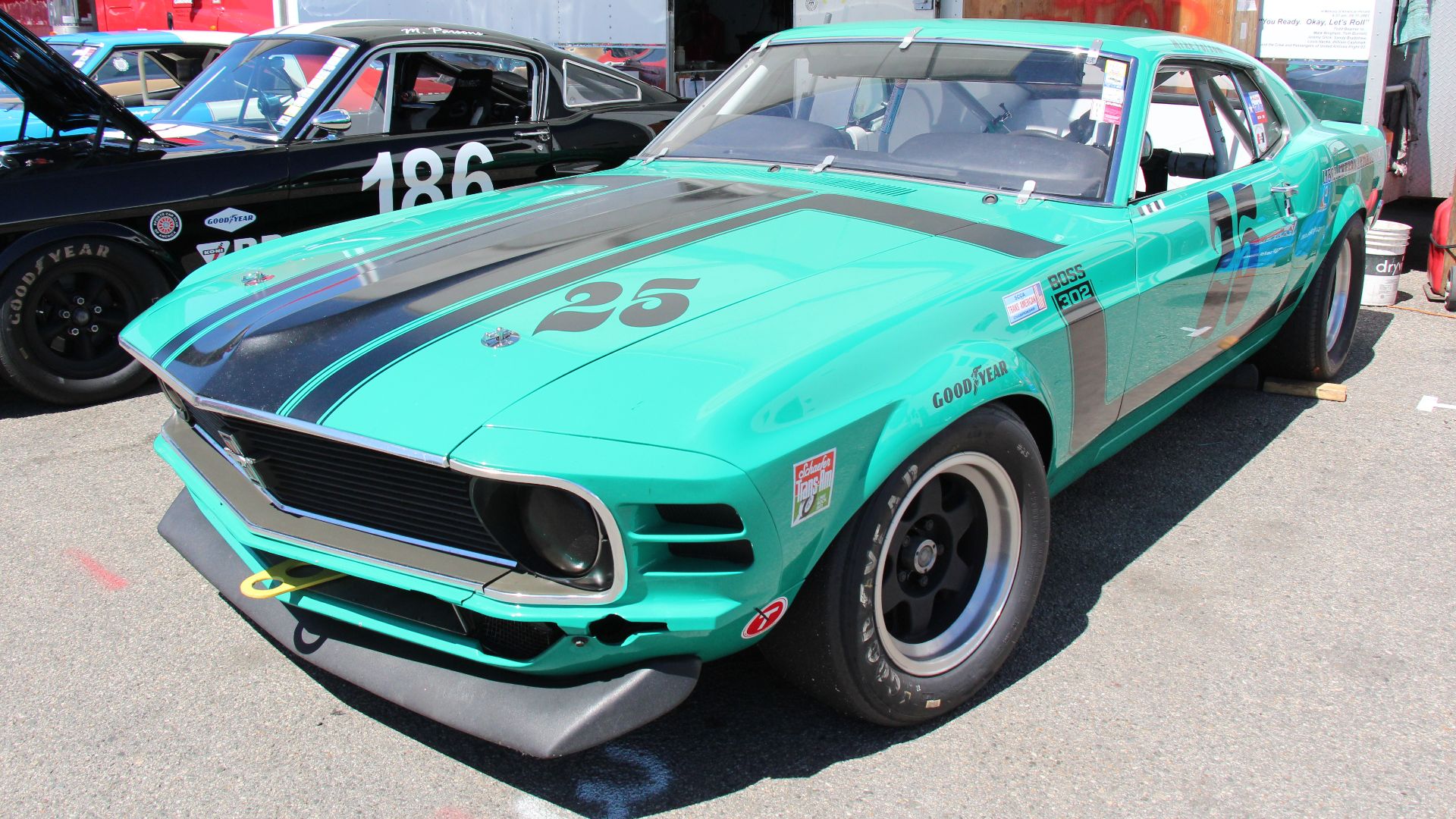
Saturn Yellow
Buick's 1970 GSX was a spectacular departure from the brand's restrained image. Buyers could choose Saturn Yellow or Apollo White, both with contrasting black graphics. Of the 678 GSXs built that year, 500 wore Saturn Yellow. It was an unexpectedly outrageous look for a company better known for comfortable luxury cars.
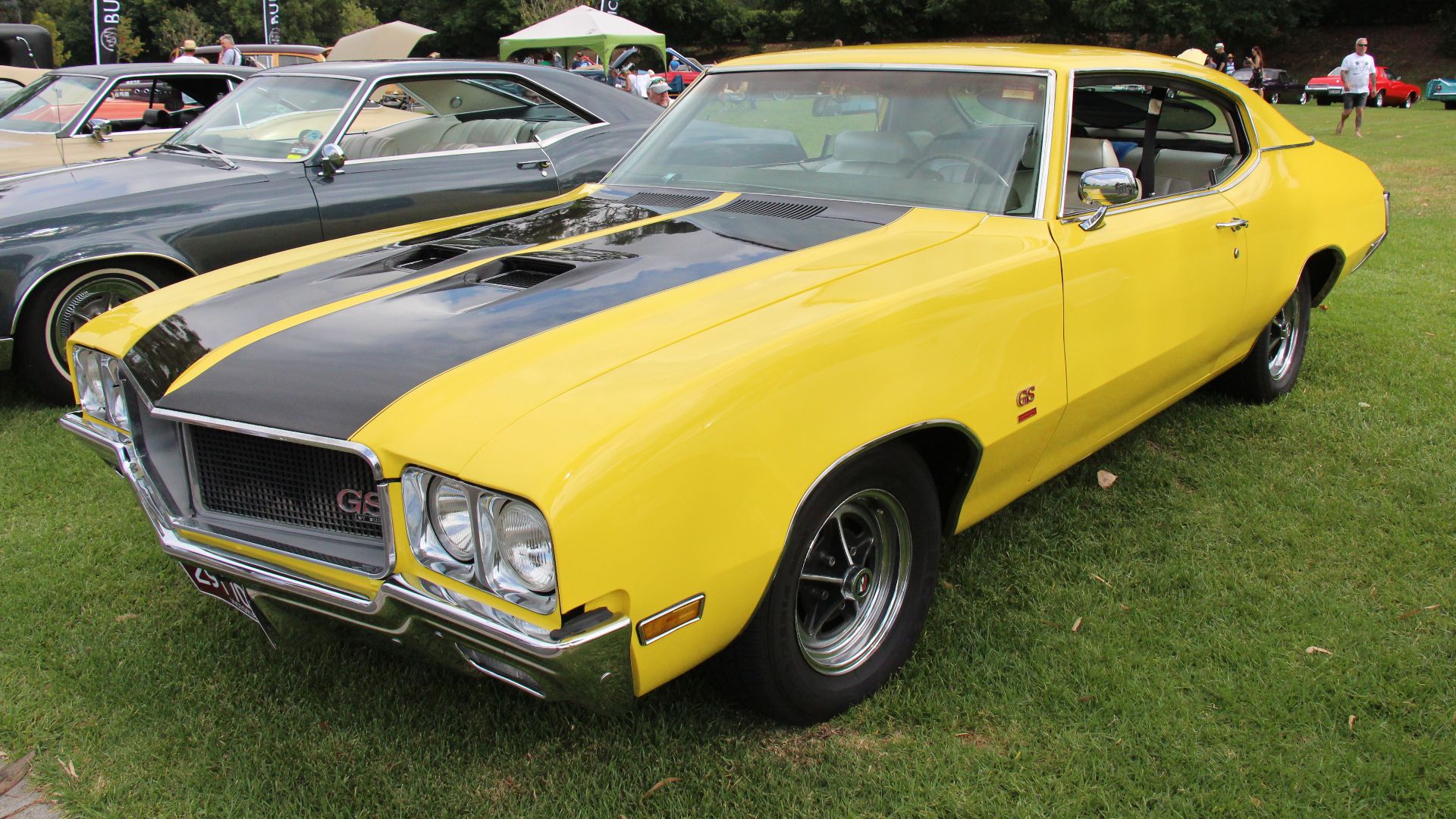
Go Mango
Dodge introduced Go Mango in 1969 and continued offering it through 1970. Plymouth sold the equivalent bright orange shade as Vitamin C. Both names reflected the playful marketing surrounding Detroit's muscle cars. Dodge eventually revived Go Mango, proving the name was almost as memorable as the paint.
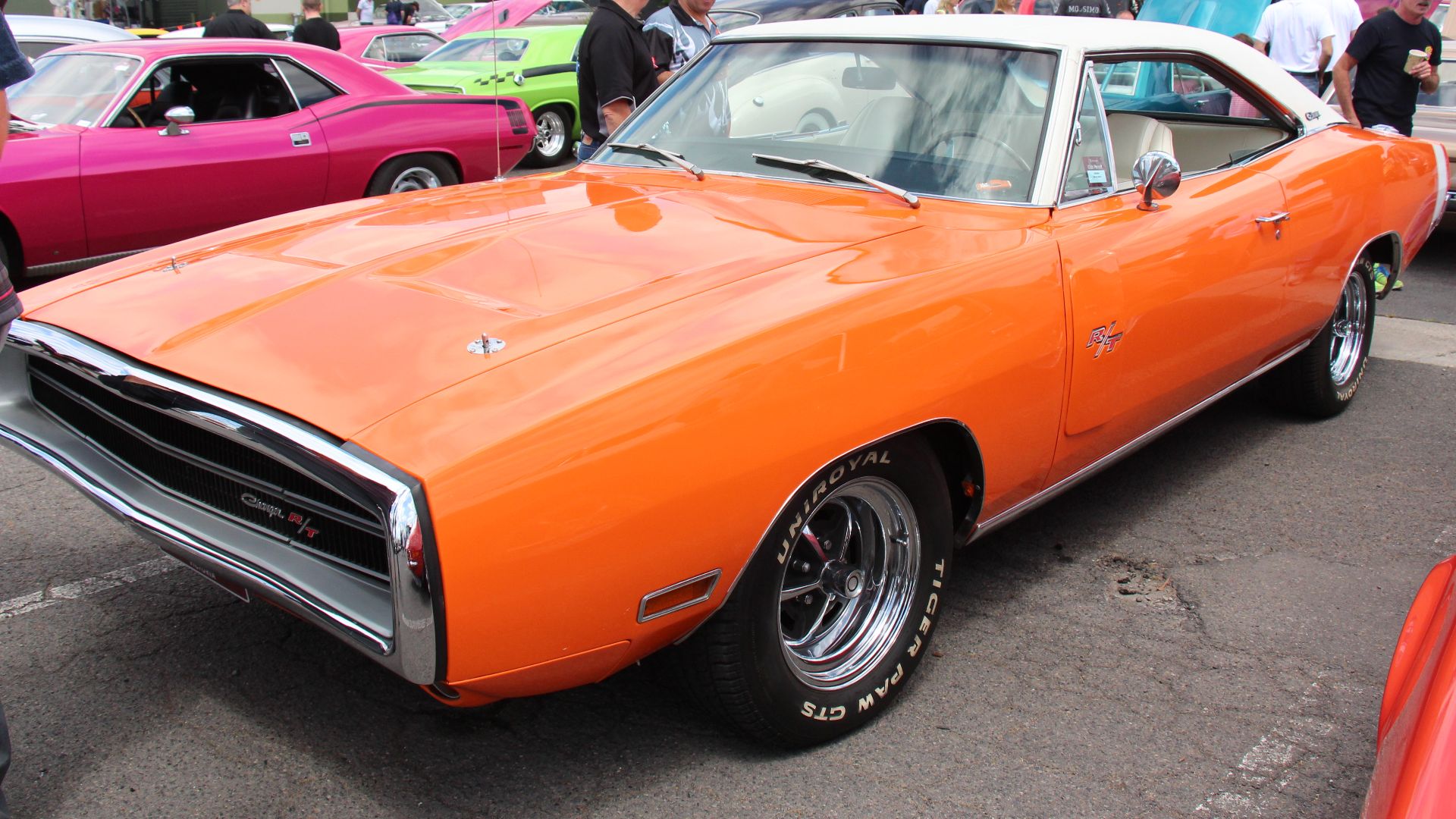
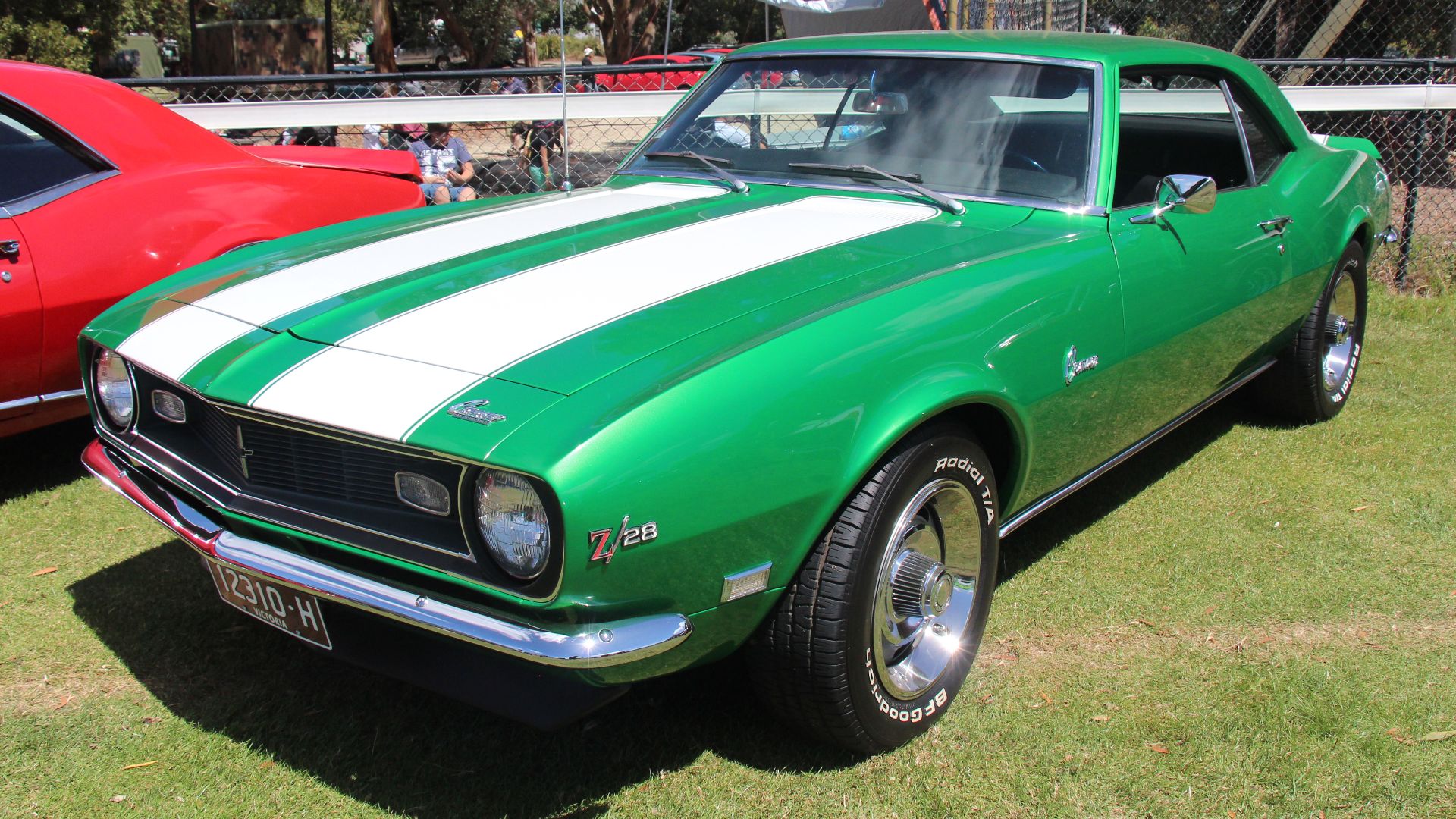
Rallye Green
Chevrolet added Rallye Green to the Camaro lineup during the 1968 model year. The metallic finish offered something different from the brighter, almost fluorescent greens that followed. Its deeper appearance suited the first-generation Camaro's muscular styling. Today, the relatively brief original availability makes it particularly interesting to enthusiasts.
Curious Yellow
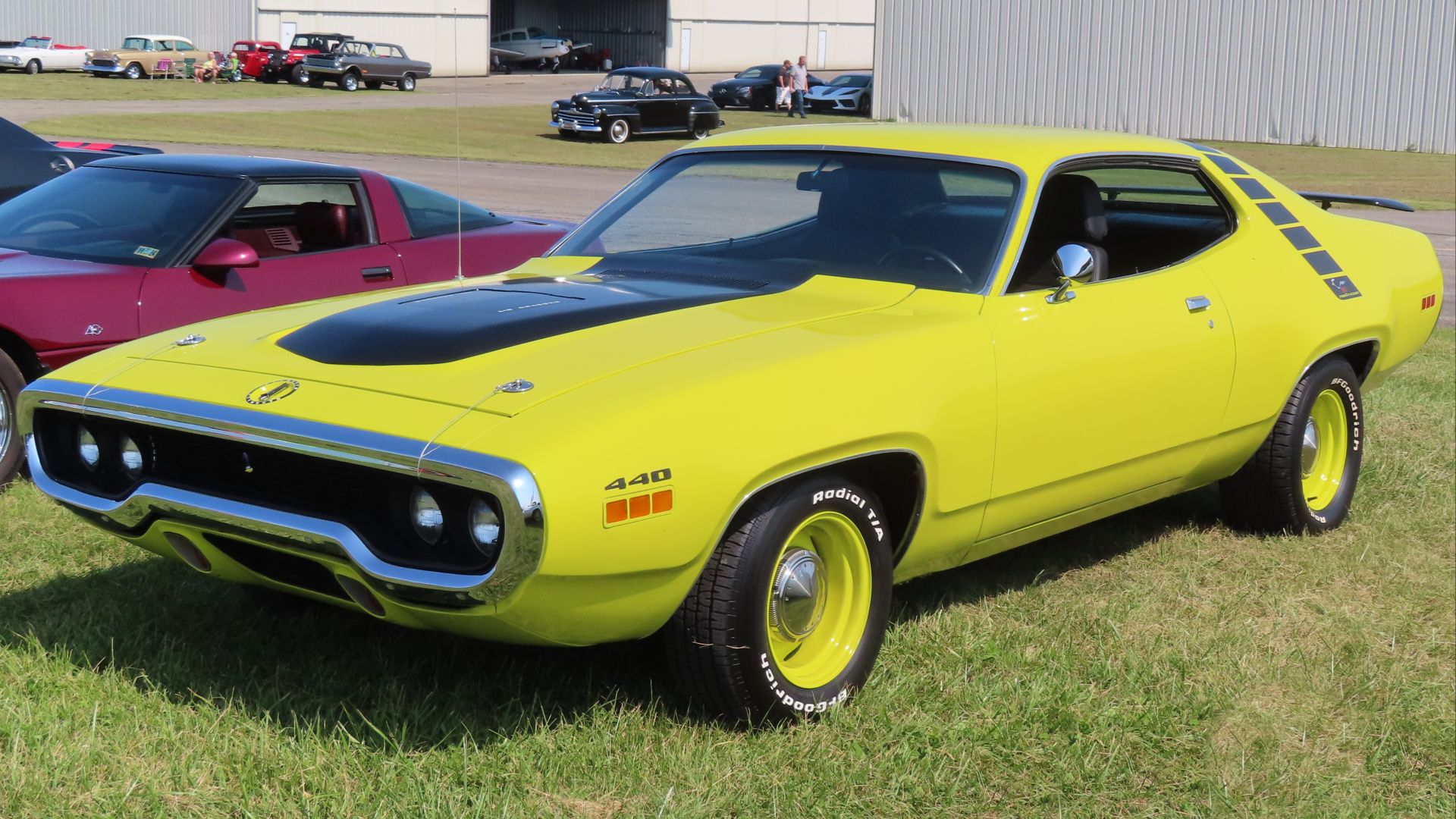
Plymouth introduced Curious Yellow for 1971, while Dodge called the same shade Citron Yella. Despite its name, the finish leaned noticeably toward yellow-green. Its appearance could shift depending on the lighting, making it difficult to describe with one color. Even among Chrysler's High Impact finishes, Curious Yellow was unusual.
 MercurySable99, Wikimedia Commons
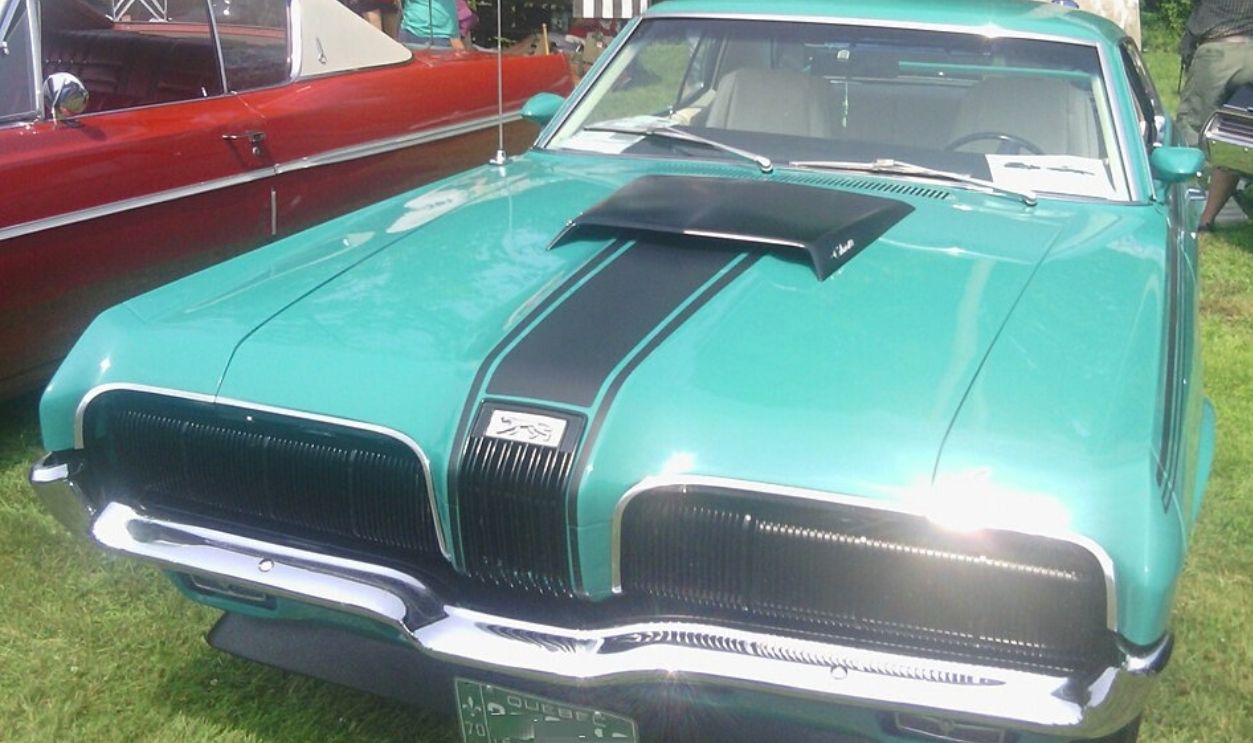
Competition Green
Mercury offered Competition Green on the 1970 Cougar Eliminator. The color shared its basic formula with Ford's Grabber Green but carried a different name. It gave the performance-oriented Cougar a much bolder appearance than ordinary models. Mercury adopted a metallic green finish for 1971 as its color offerings evolved.
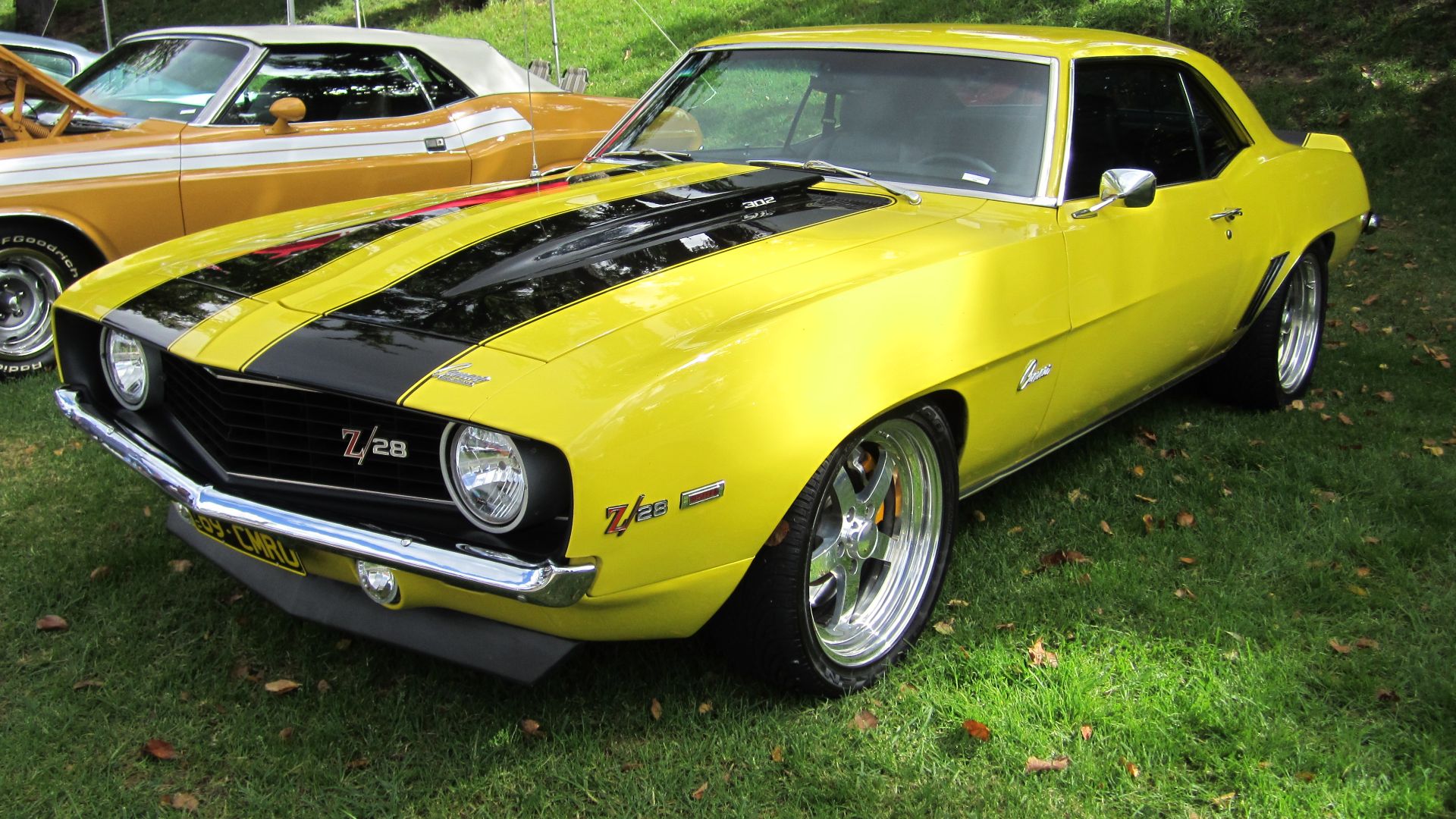
Daytona Yellow
Chevrolet offered Daytona Yellow on the 1969 Camaro, creating one of its boldest factory finishes. Pontiac marketed an equivalent shade as Goldenrod Yellow. Chevrolet also used Daytona Yellow on Corvettes, extending its appeal beyond the Camaro. Few colors captured the bright spirit of late-1960s performance cars more effectively.
Hemi Orange
Dodge's Hemi Orange could appear orange or reddish depending on the lighting. Plymouth marketed the same finish as Tor Red, despite its distinctly orange character. Available from 1969 through 1972, it became closely associated with Chrysler muscle cars. Even the two brands couldn't agree on what color to call it.
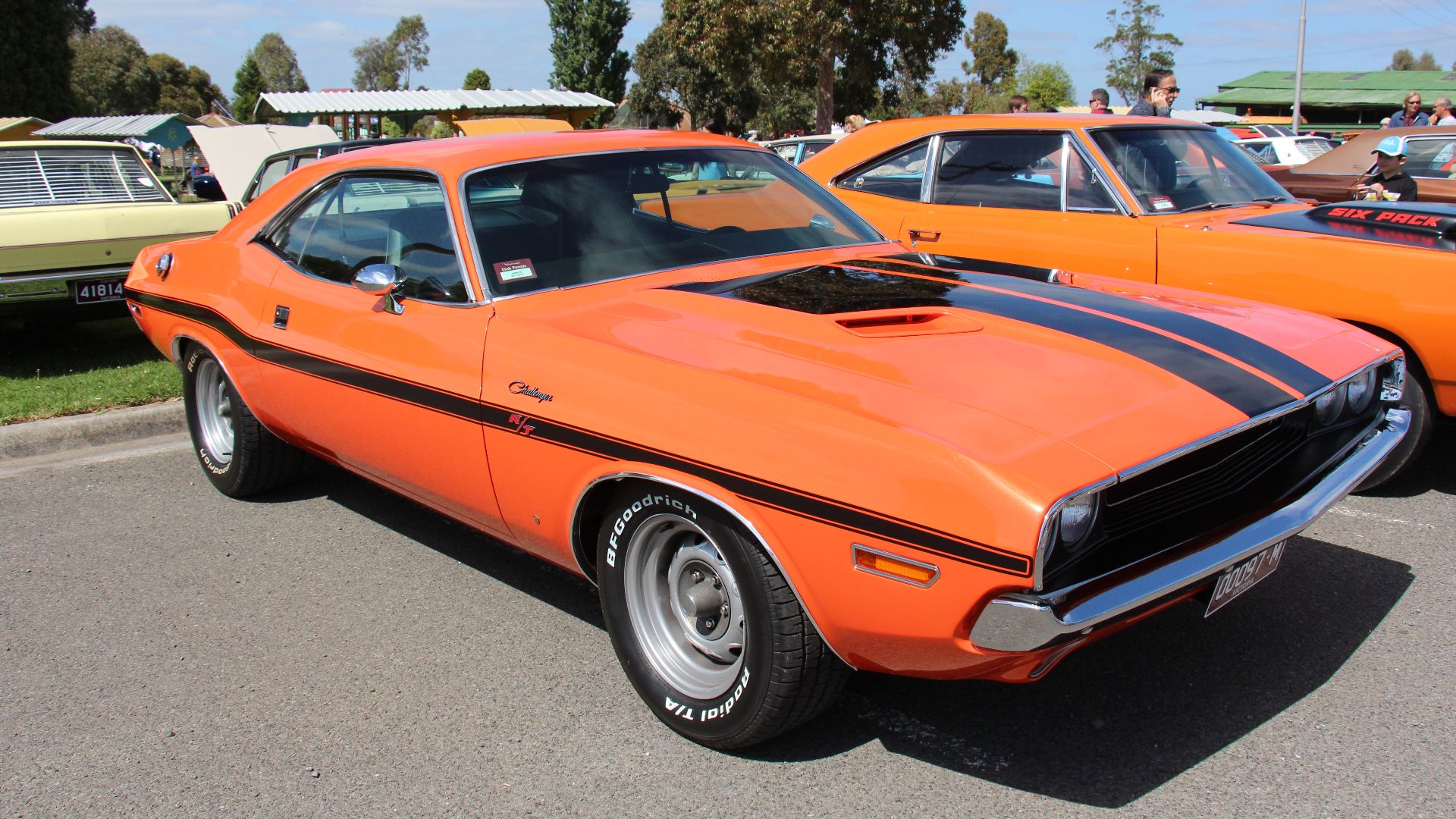
Big Bad Green
AMC introduced Big Bad Green alongside Orange and Blue in 1969. The AMX and Javelin could wear matching painted bumpers instead of conventional chrome. That unusual detail gave the cars a surprisingly coordinated appearance. AMC continued offering the color in 1970, although the special bumper treatment disappeared.
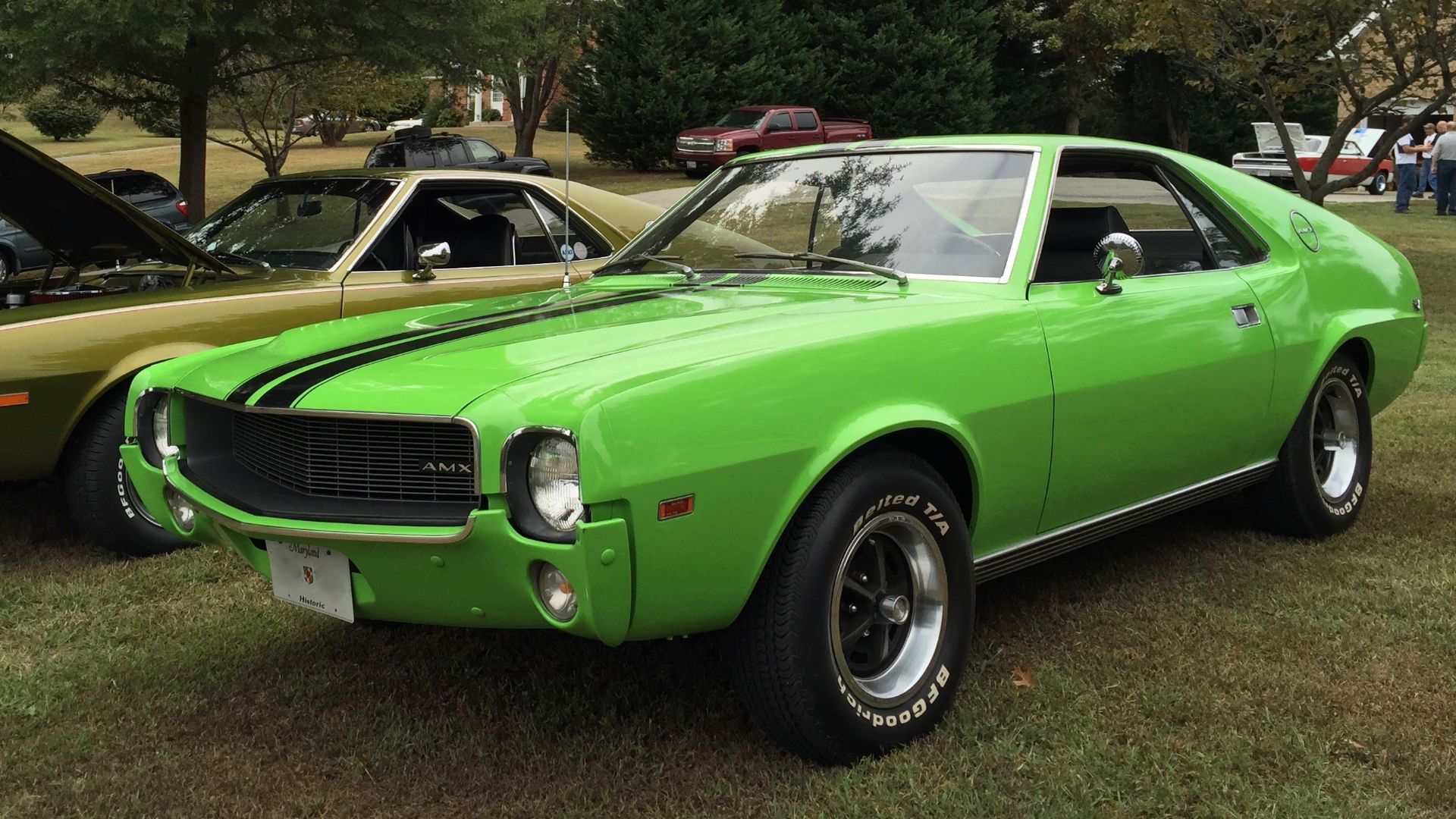
Calypso Coral
Ford's Calypso Coral sat somewhere between orange and red. Available on the 1969 Mustang, including the Boss 302, it also appeared under different names on related Ford products. Shelby used the name Competition Red for a closely related finish. The color showed how dramatically marketing could change the identity of a paint shade.
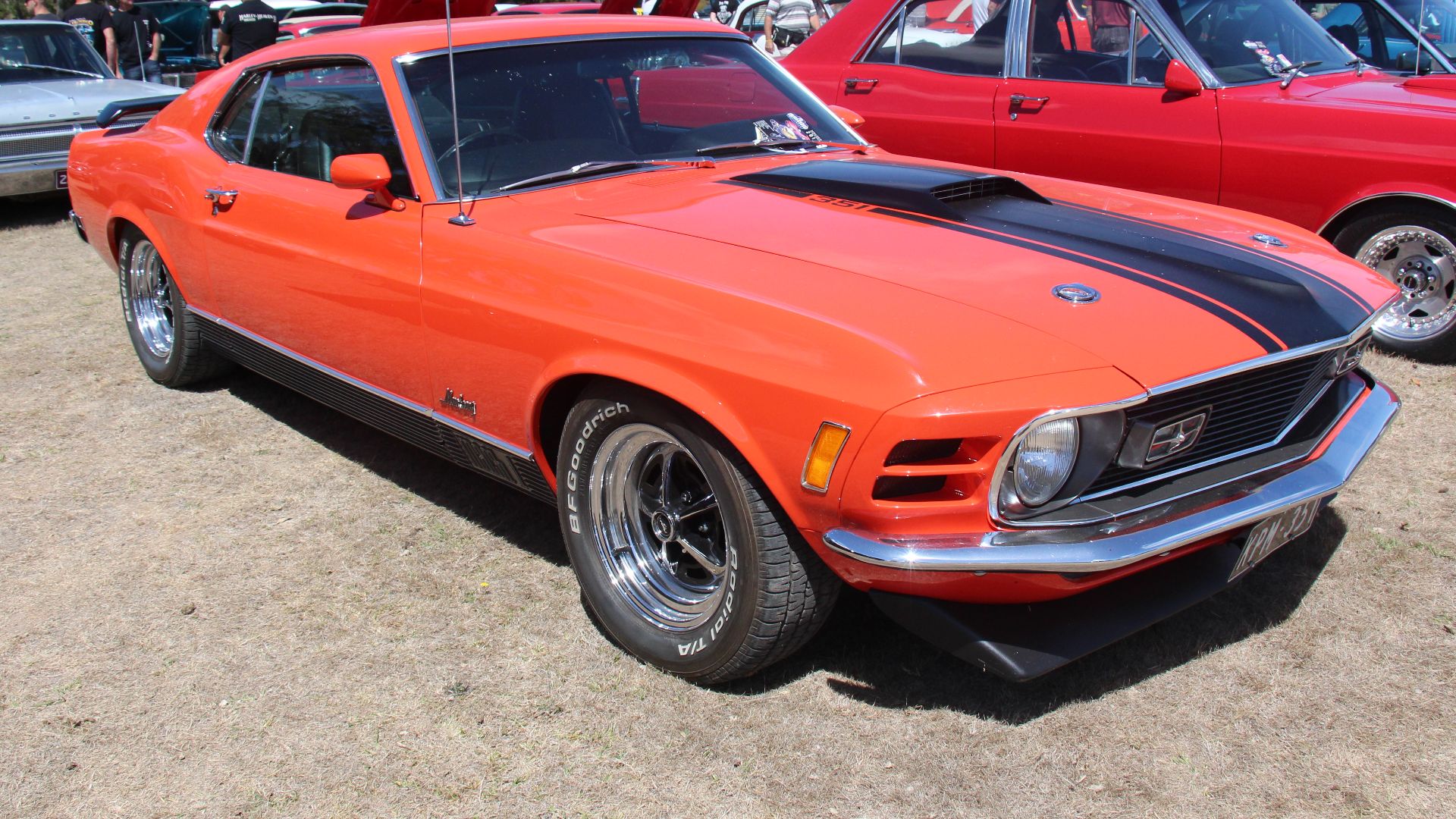
Orbit Orange
Pontiac introduced Orbit Orange for the 1970 GTO Judge. Compared with the previous year's Carousel Red, it leaned much closer to a brilliant yellow-orange. The finish complemented the Judge's dramatic stripes and styling. Pontiac had already embraced outrageous colors, but Orbit Orange pushed things further.
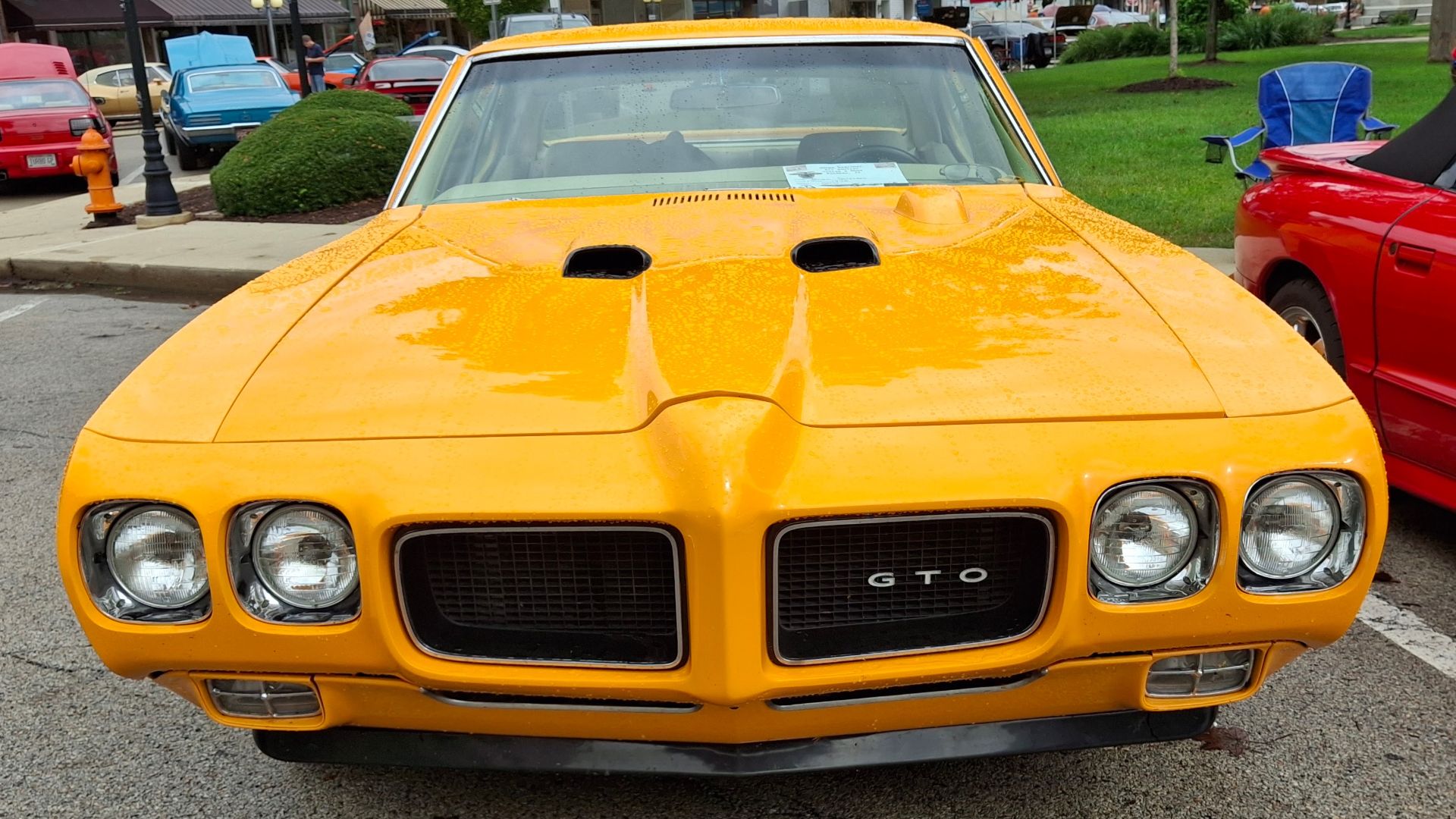
Top Banana Yellow
Dodge offered Top Banana Yellow beginning in 1970, while Plymouth called it Lemon Twist. The vivid finish remained available through 1973, outlasting many other High Impact colors. It wasn't restricted to expensive performance models, either. Even ordinary Chrysler products could receive paint better suited to a muscle car advertisement.
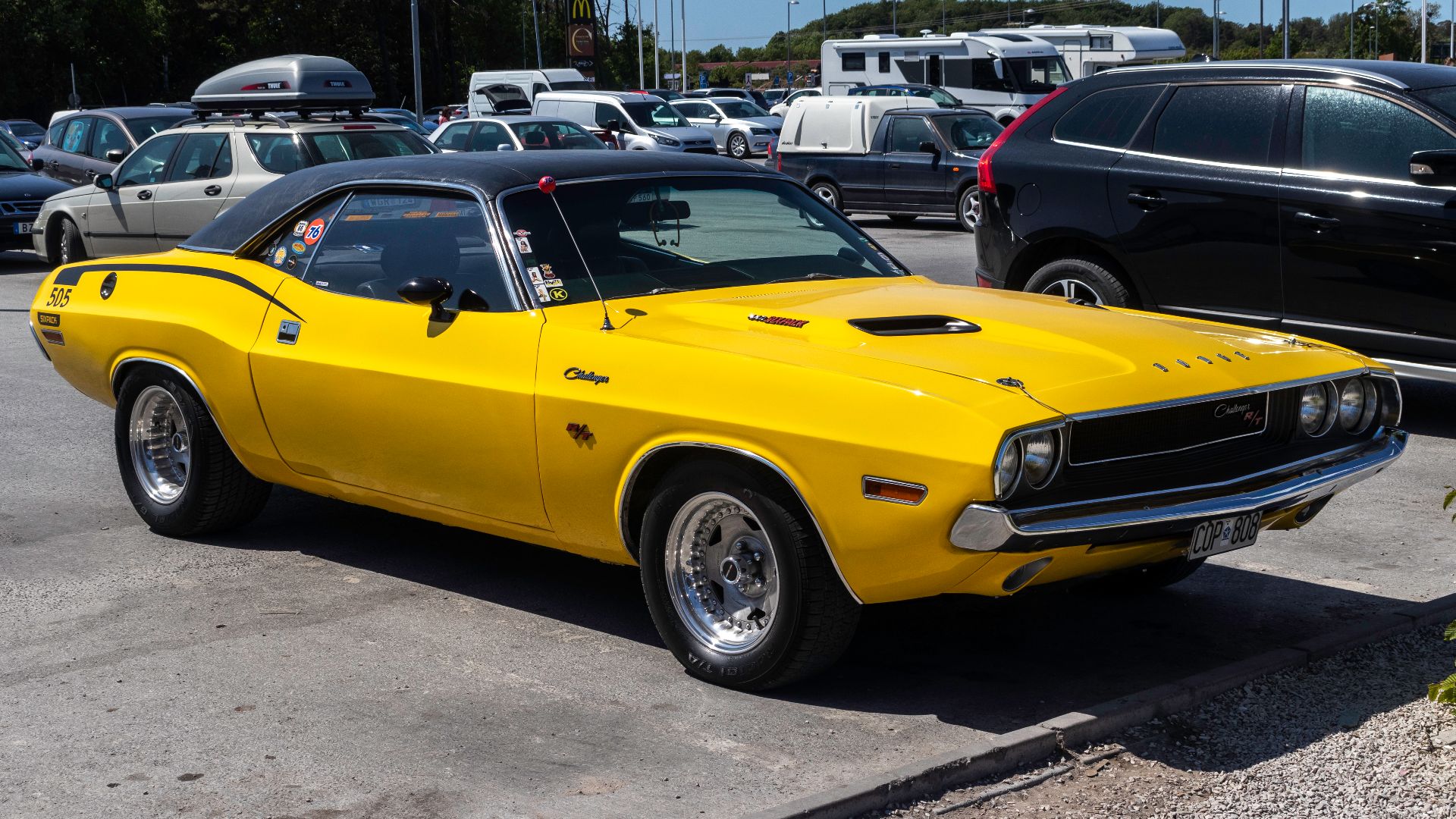
Grabber Orange
Ford's 1970 Mustang lineup included the brilliant Grabber Orange. It appeared on performance models, including examples of the powerful Boss 429. Unlike the reddish Calypso Coral, Grabber Orange was unmistakably orange. Ford clearly wasn't leaving the bright-paint competition to Chevrolet and Chrysler.
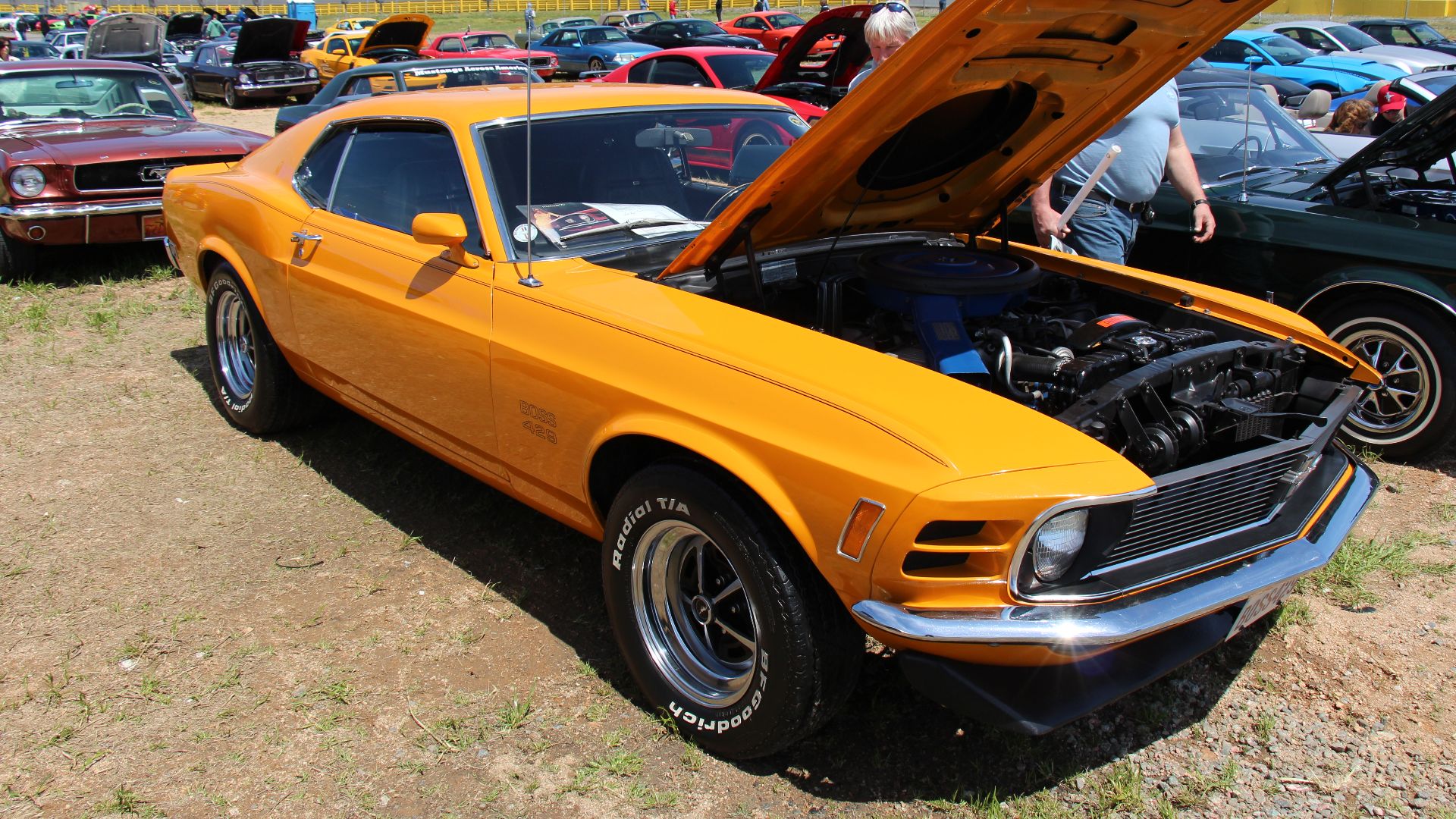
Flower Power Red
Ford's 1969 Mustang Limited Edition 600 promotion included a special color called Flower Power Red. The regional campaign reflected the youth-oriented marketing surrounding the Mustang. Its unusual name fit perfectly with the cultural atmosphere of the late 1960s. Few factory paint names captured the era's personality quite so directly.
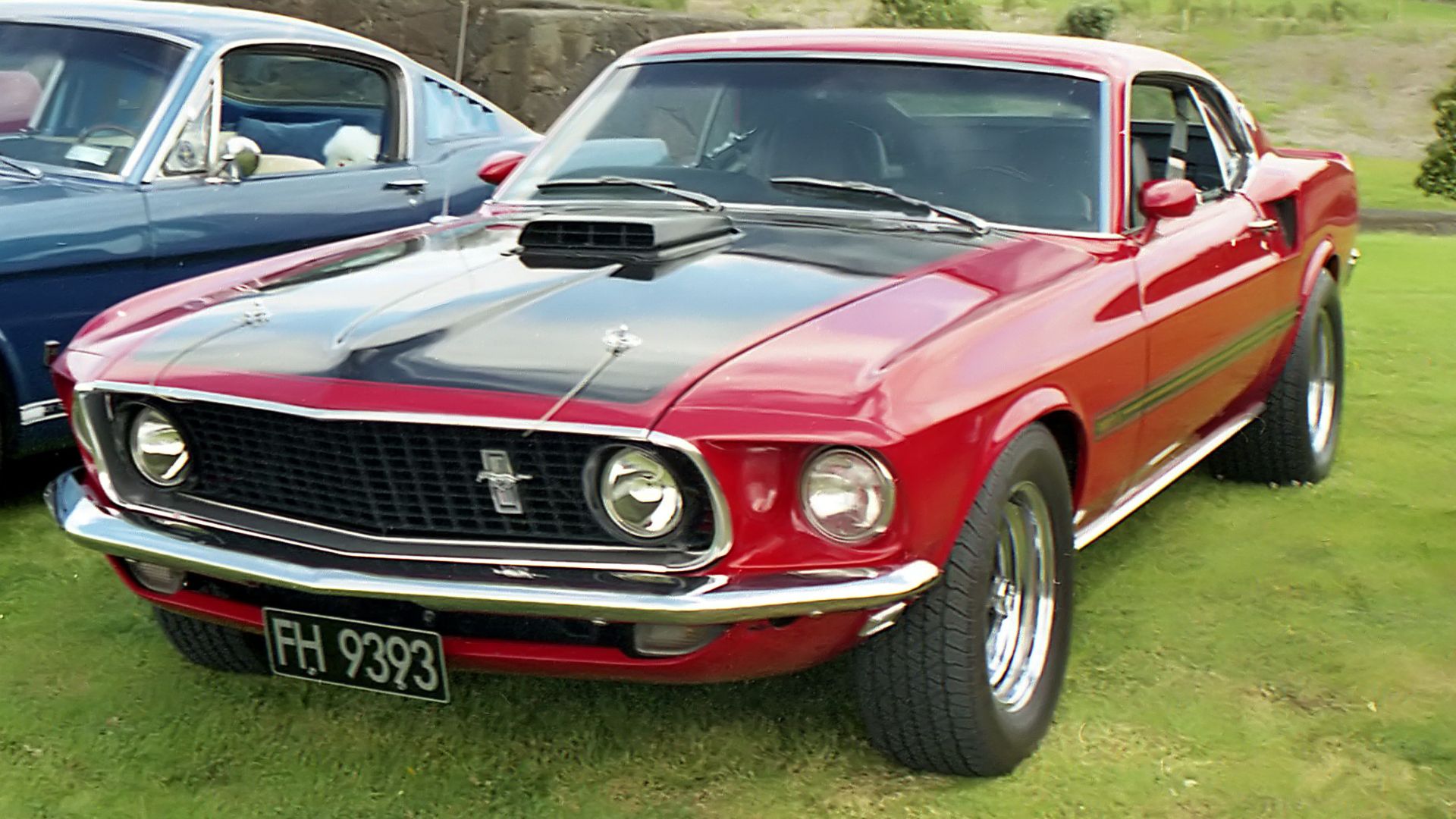 GPS 56 from New Zealand, Wikimedia Commons
Groovy Green
The same 1969 Mustang Limited Edition 600 promotion offered another unusual shade called Groovy Green. It was part of a regional sales campaign rather than Ford's regular nationwide color selection. The name borrowed directly from the popular slang of the period. Today, it's almost unbelievable that a factory Mustang could be ordered in something called Groovy Green.
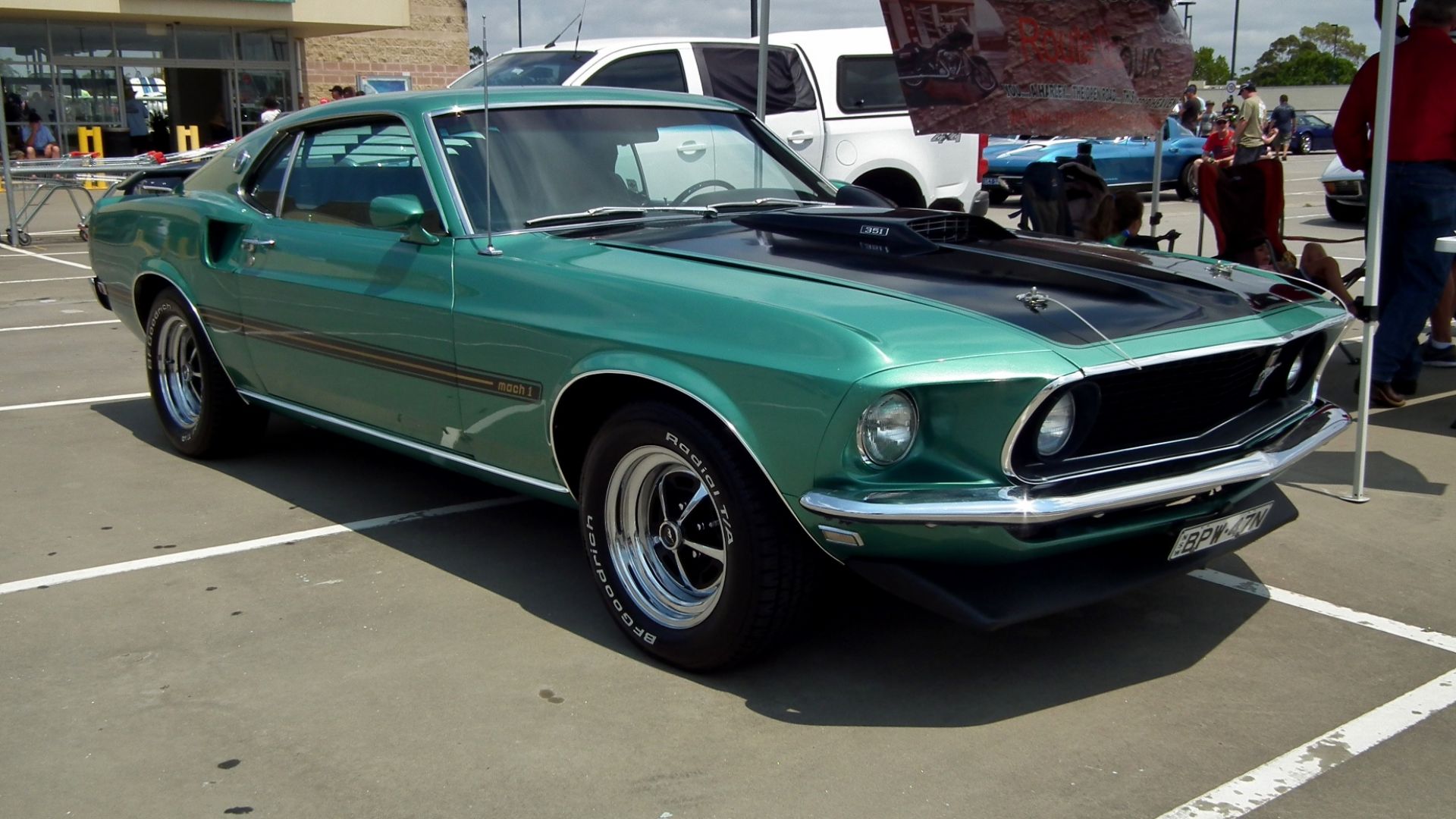
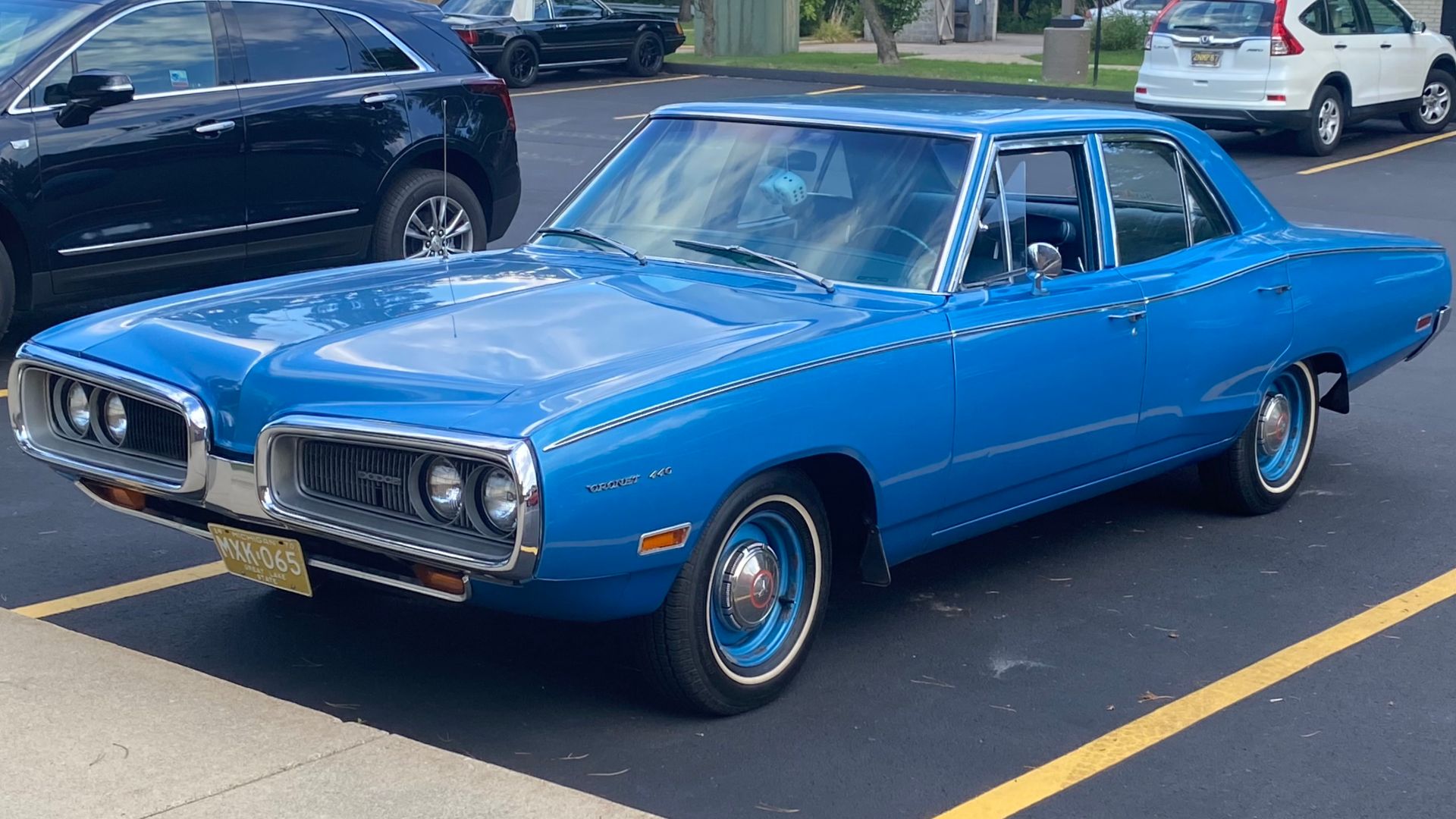
Even Ordinary Family Cars Could Wear Wild Colors
Chrysler's High Impact paint program wasn't limited to muscle cars. Depending on the model and year, some bright shades could appear on ordinary sedans and other practical vehicles. A family car could leave the dealership wearing a finish associated with a Challenger or 'Cuda. Imagine encountering a four-door commuter in Plum Crazy or Sublime today.
The Wildest Colors Didn't Last Forever
By the early 1970s, Chrysler was gradually reducing its High Impact paint selection, with the original program ending after 1973. Other manufacturers also moved away from many of their most outrageous finishes. Some colors eventually returned as heritage options, while others remained tied to their original eras. Looking back, it's remarkable how much personality Detroit once packed into a factory paint chart.
 Mustang Joe, Wikimedia Commons
You May Also Like:
Ford Used The Mustang Name On An Electric SUV—Did Their Gamble Pay Off?
Kevin Hart Named His Cars Hellraiser, Dark Knight And Michael Myers—And The Rides Live Up To Them
.jpg)
.jpg)