Your Classic Car Deserves A Winter Break
You've polished the chrome, topped off the fluids, and parked your pride and joy in the garage until spring. But now you're wondering whether you should fire up that old V8 every Sunday or leave it untouched. Surprisingly, one of those choices could do more harm than good.
The Answer Might Surprise You
Most classic car specialists recommend leaving a properly prepared vehicle alone during winter storage rather than starting it every week. Although hearing that familiar engine rumble might make you feel better, short periods of idling can actually create problems. The secret is knowing what happens inside an engine when it's cold.
Why Weekly Startups Seem Like A Good Idea
Plenty of classic car owners grew up hearing that engines need regular exercise. The thinking seems reasonable: starting your car circulates oil, keeps everything moving, and prevents mechanical parts from sitting too long. Unfortunately, an engine running for five minutes in the garage isn't getting the workout you think it is.

Cold Starts Are Harder On Old Engines
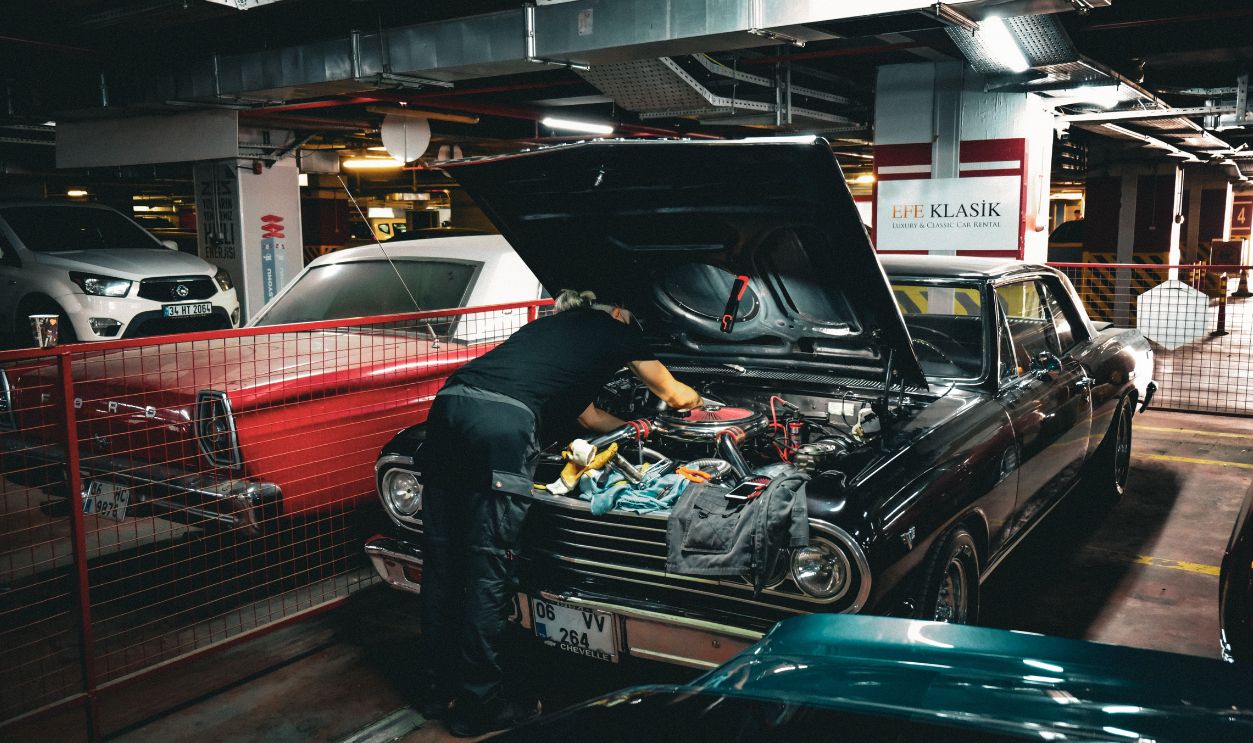
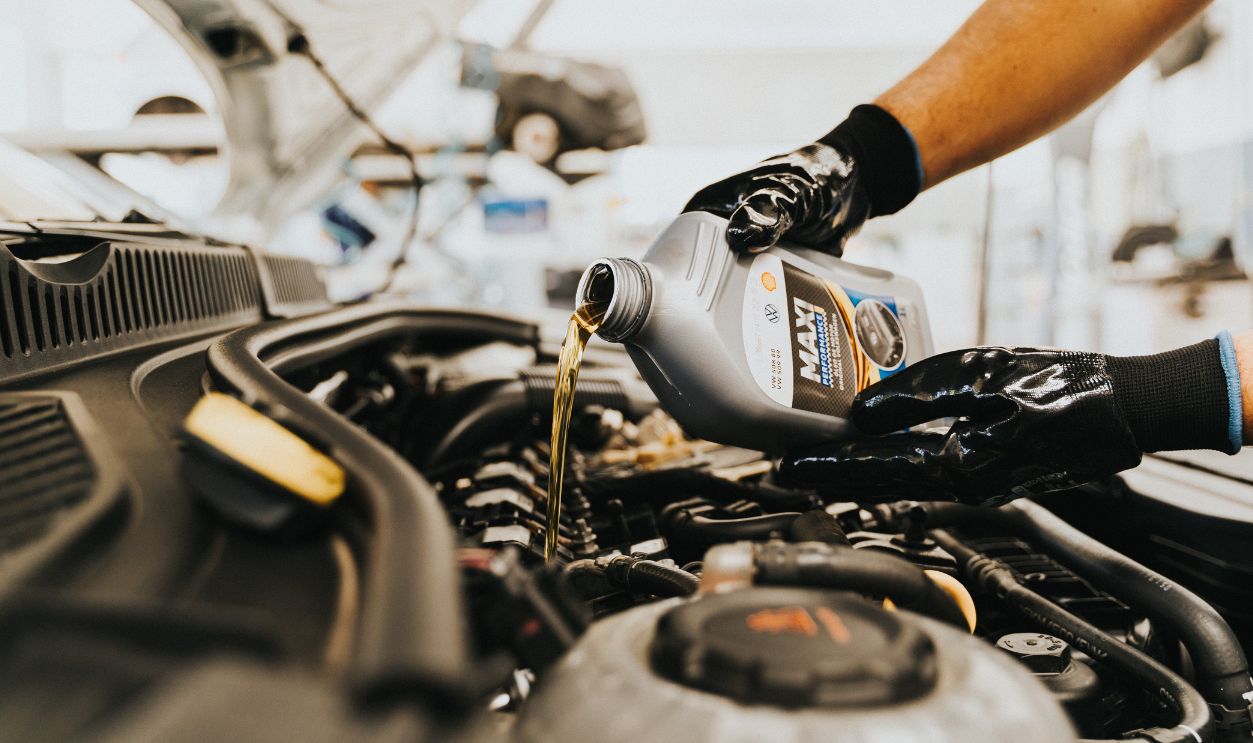
Every time you start a cold engine, its oil needs to circulate and build pressure. During those first moments, some components receive less lubrication than they do at normal operating temperature. Older engines can be especially sensitive to repeated cold starts, making unnecessary winter startups something worth avoiding.
The Hidden Problem Is Moisture
Here's something many classic car owners overlook. Combustion produces water vapor, and when an engine is cold, some moisture can condense inside the crankcase and exhaust system. Normally, a thoroughly warmed engine helps drive this moisture away. But a quick winter startup might leave much of it behind.
Five Minutes Isn't Enough
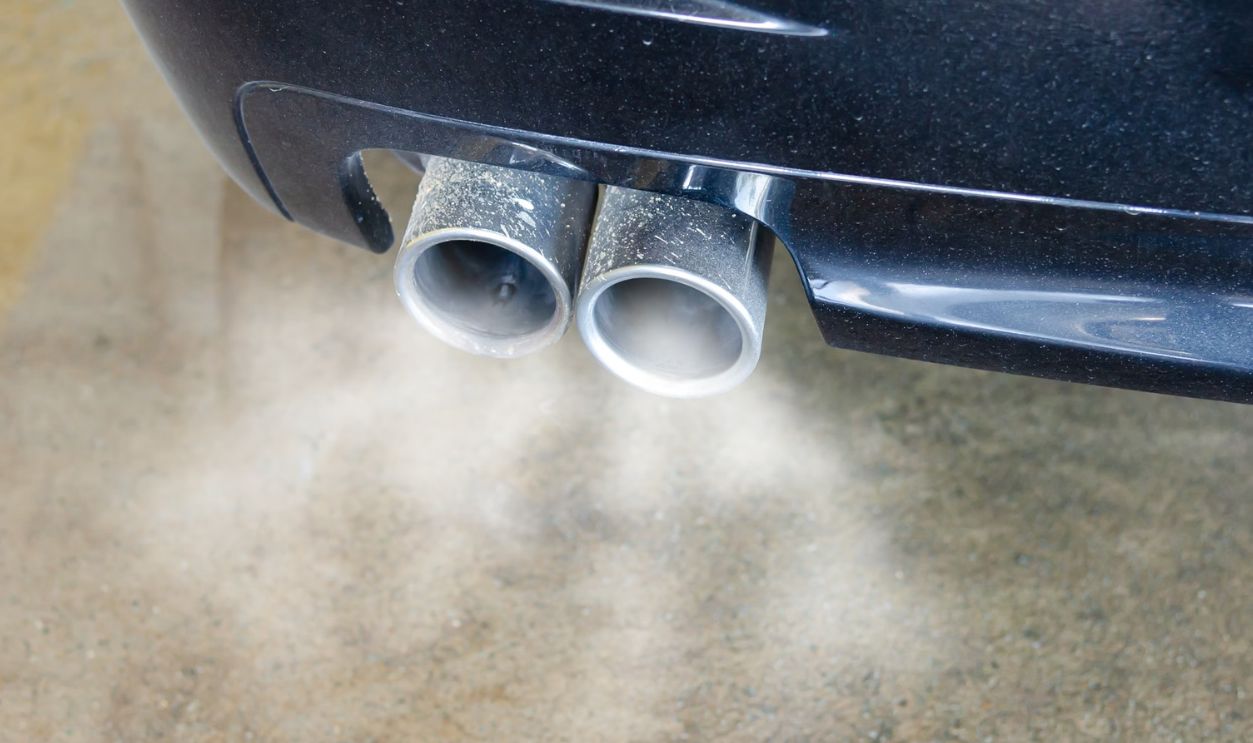
Starting your classic, watching the temperature gauge climb slightly, and switching it off doesn't accomplish much. The coolant might begin warming, but the engine oil and exhaust system can remain relatively cold. That's why a few minutes of idling every Sunday can become a surprisingly bad winter habit.
Your Exhaust System Could Suffer Too
Remember those beautiful chrome exhaust tips you spent hours polishing? Moisture can collect farther inside the exhaust system when a cold engine runs briefly. Repeated short startups may contribute to internal corrosion, especially in older steel mufflers and pipes. Unfortunately, that damage can develop long before anything looks wrong.
What About Keeping The Oil Moving?
It's reasonable to worry about engine oil draining away while your classic sits. However, a protective film generally remains on internal engine surfaces after shutdown. A properly maintained engine can normally tolerate several months of storage without being started. Regular cold starts aren't necessary simply to circulate oil.
There's A Better Way To Exercise Your Classic
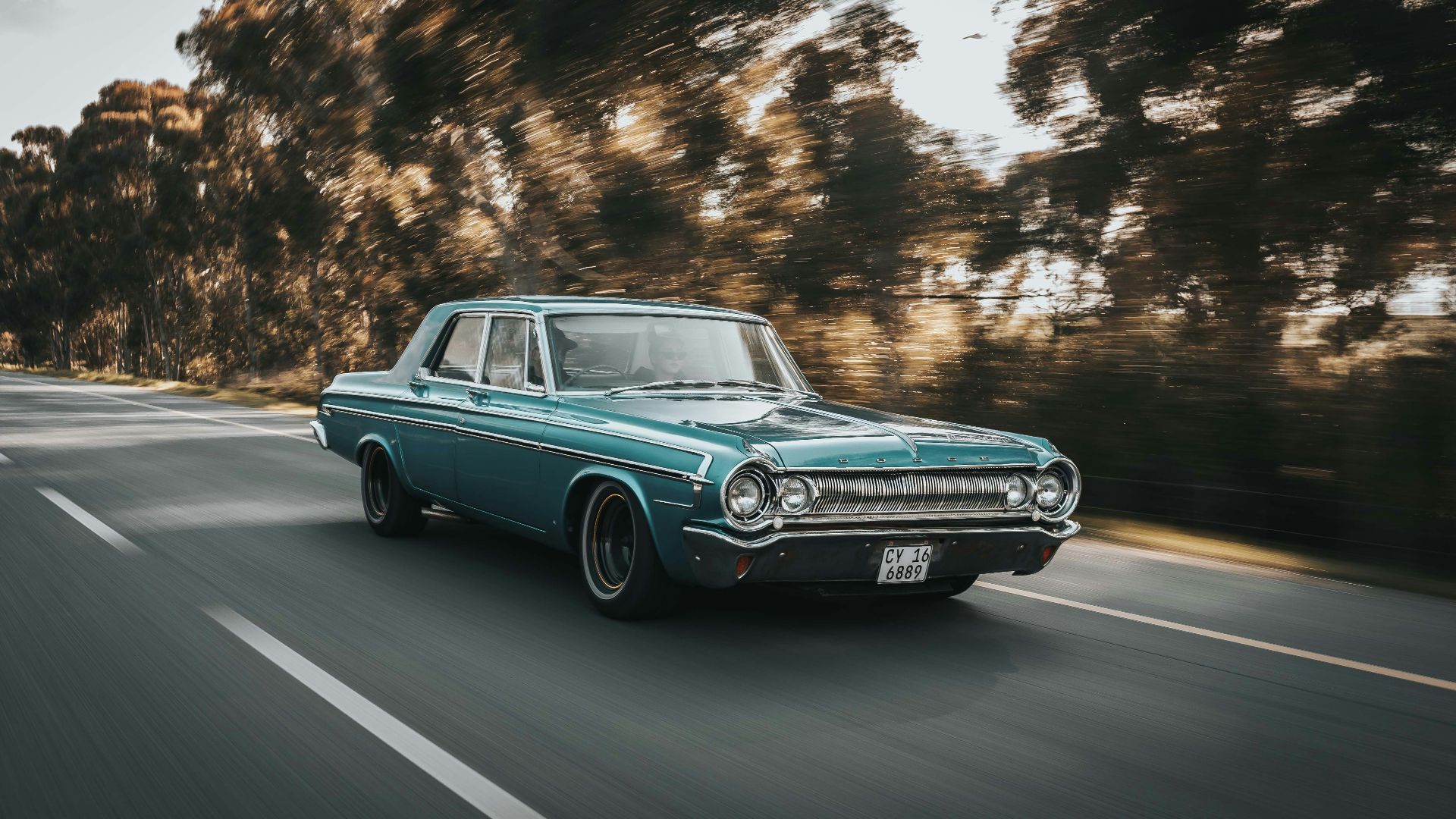
If you really want to start your car during winter, the better option is to take it for a proper drive. Driving allows the engine, transmission, differential, and other components to reach operating temperatures. A leisurely trip of 20 to 30 minutes may be worthwhile when conditions permit.
But Don't Forget About Road Salt
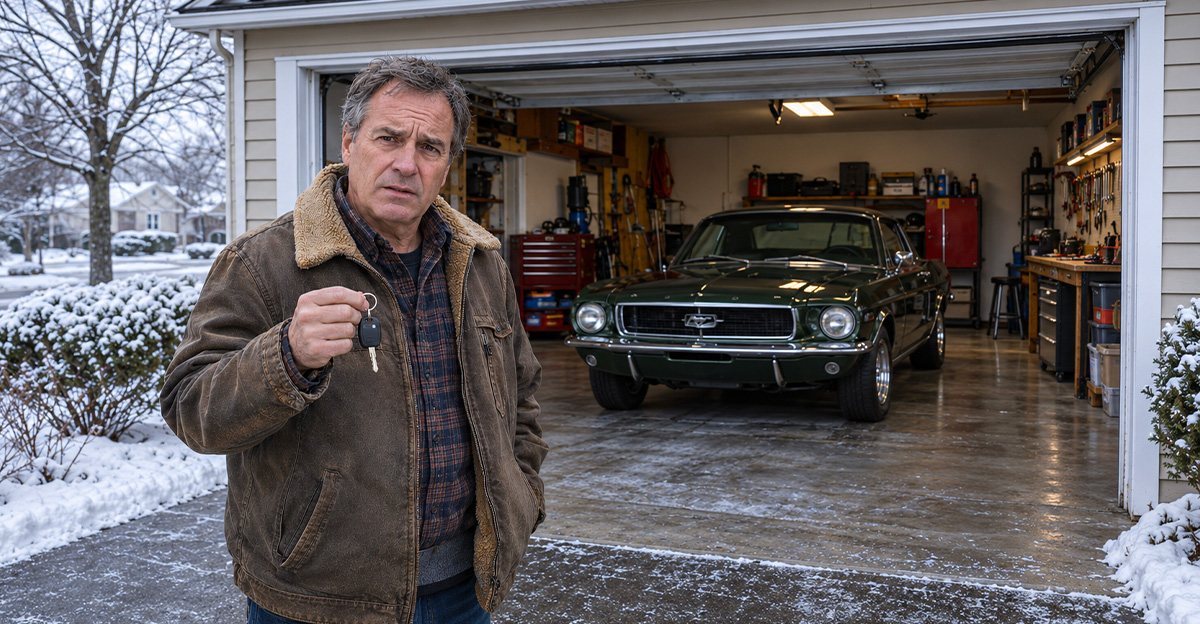
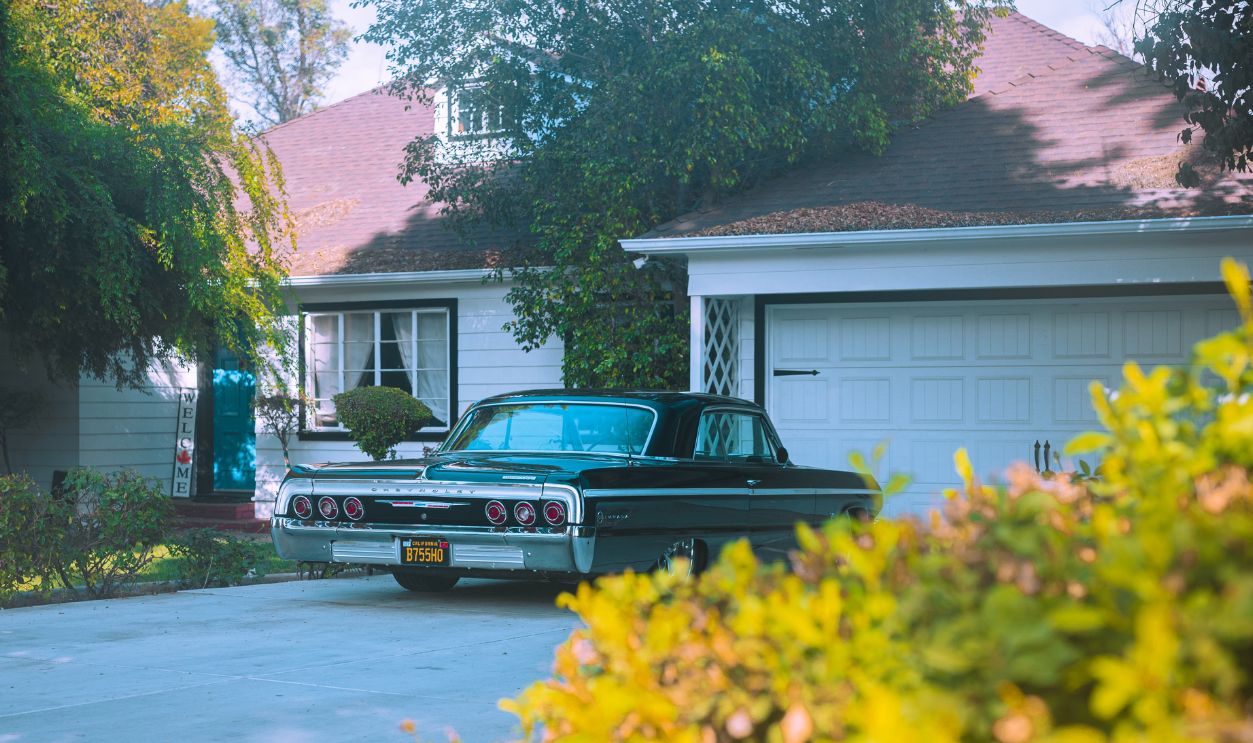
Before taking that beautiful 1967 Mustang or 1970 Chevelle out for a winter spin, consider what's covering the roads. Salt and chemical deicers can attack body panels, frames, and suspension components. If the roads are salty, leaving your classic in the garage is usually the smarter decision.

Never Idle Your Classic Inside The Garage
Even with the garage door open, running a gasoline engine in or near an attached garage can allow dangerous carbon monoxide to accumulate or enter your home. Never idle the engine inside the garage. If you're planning a winter drive, move the vehicle completely outdoors before allowing it to warm up.
Preparation Matters More Than Starting
The best winter maintenance actually begins before you park the car. A thorough cleaning, fresh or serviceable fluids, stabilized fuel, and proper battery care can make a tremendous difference. Think of winterizing your classic like putting away expensive tools. A little preparation prevents trouble when you need them again.
Give Your Engine Fresh Oil
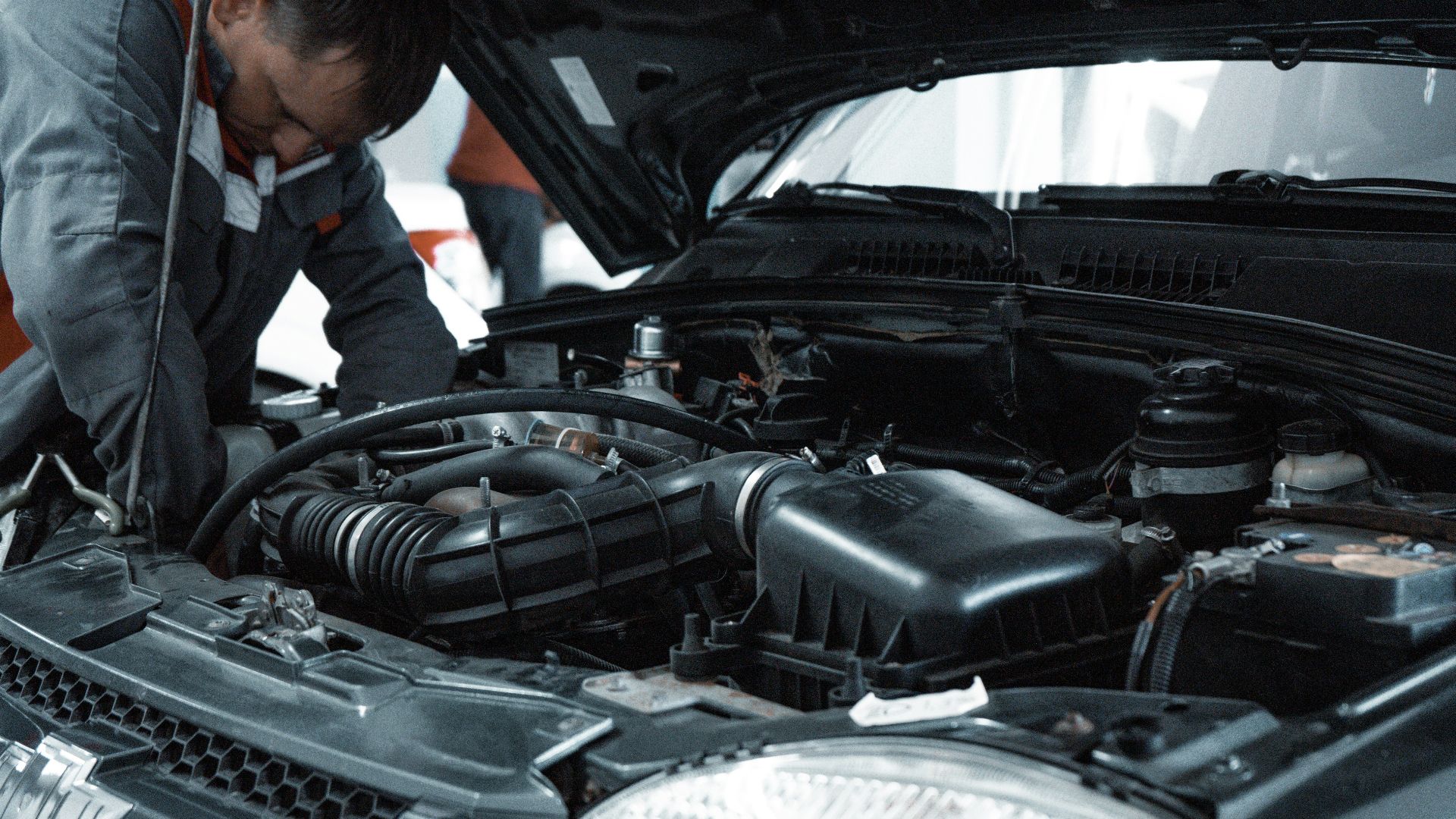
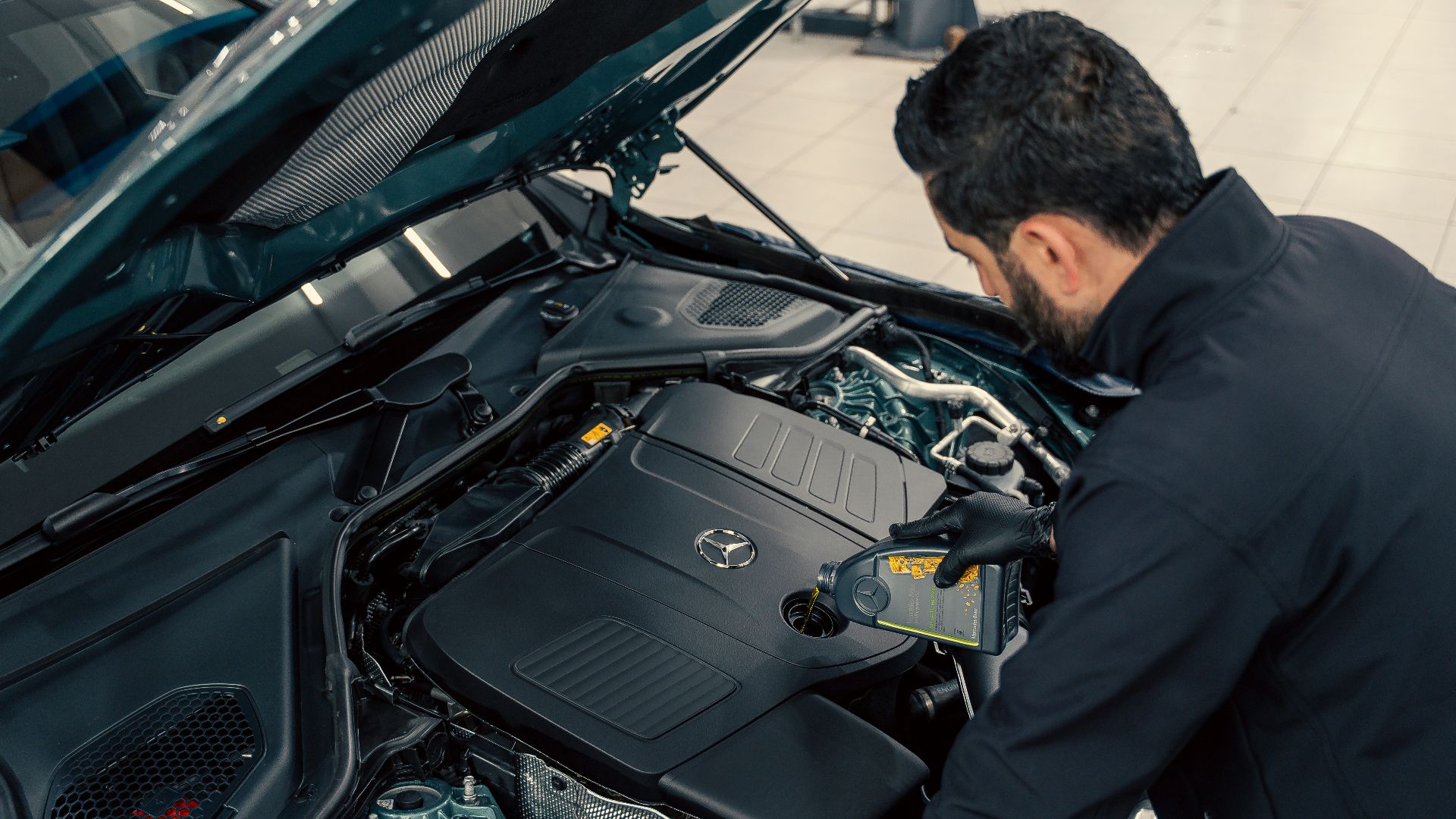
If your classic's oil is due for a change, replace it before storage rather than leaving contaminated oil sitting inside the engine. Used oil can contain moisture, fuel, and combustion byproducts. Fresh oil and a new filter help protect internal components throughout winter, especially in older engines.
Don't Ignore The Gas Tank
Gasoline doesn't stay fresh forever. Before storing your classic, fill the tank with fresh fuel and add a suitable fuel stabilizer according to its instructions. This helps slow fuel deterioration and protects the fuel system. Run or drive the car afterward so treated gasoline reaches the carburetor or injectors.

Carburetors Need Special Attention
If your classic has a carburetor, stale gasoline can leave troublesome deposits in its tiny passages. Some owners prefer draining carburetor bowls for extended storage, while others use stabilized fuel throughout the system. The right approach depends on your carburetor and storage conditions. Follow the manufacturer's recommendations where available.
Your Battery Needs Some Love
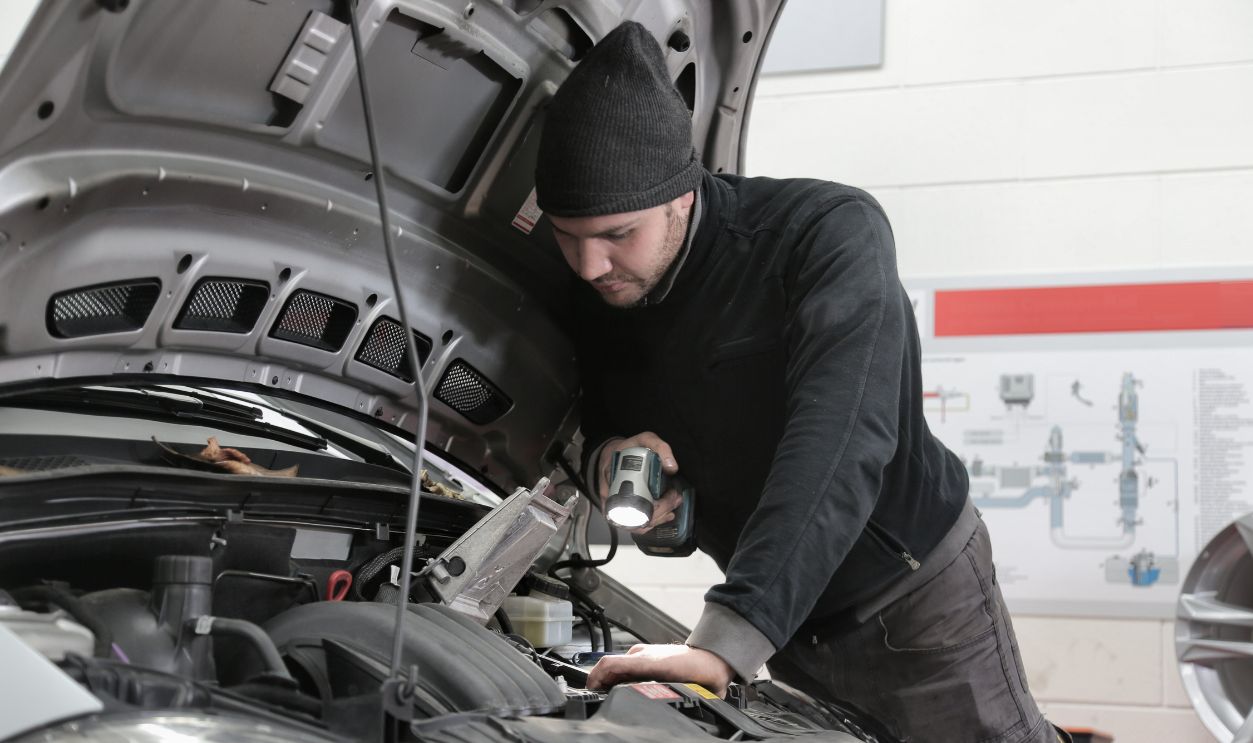
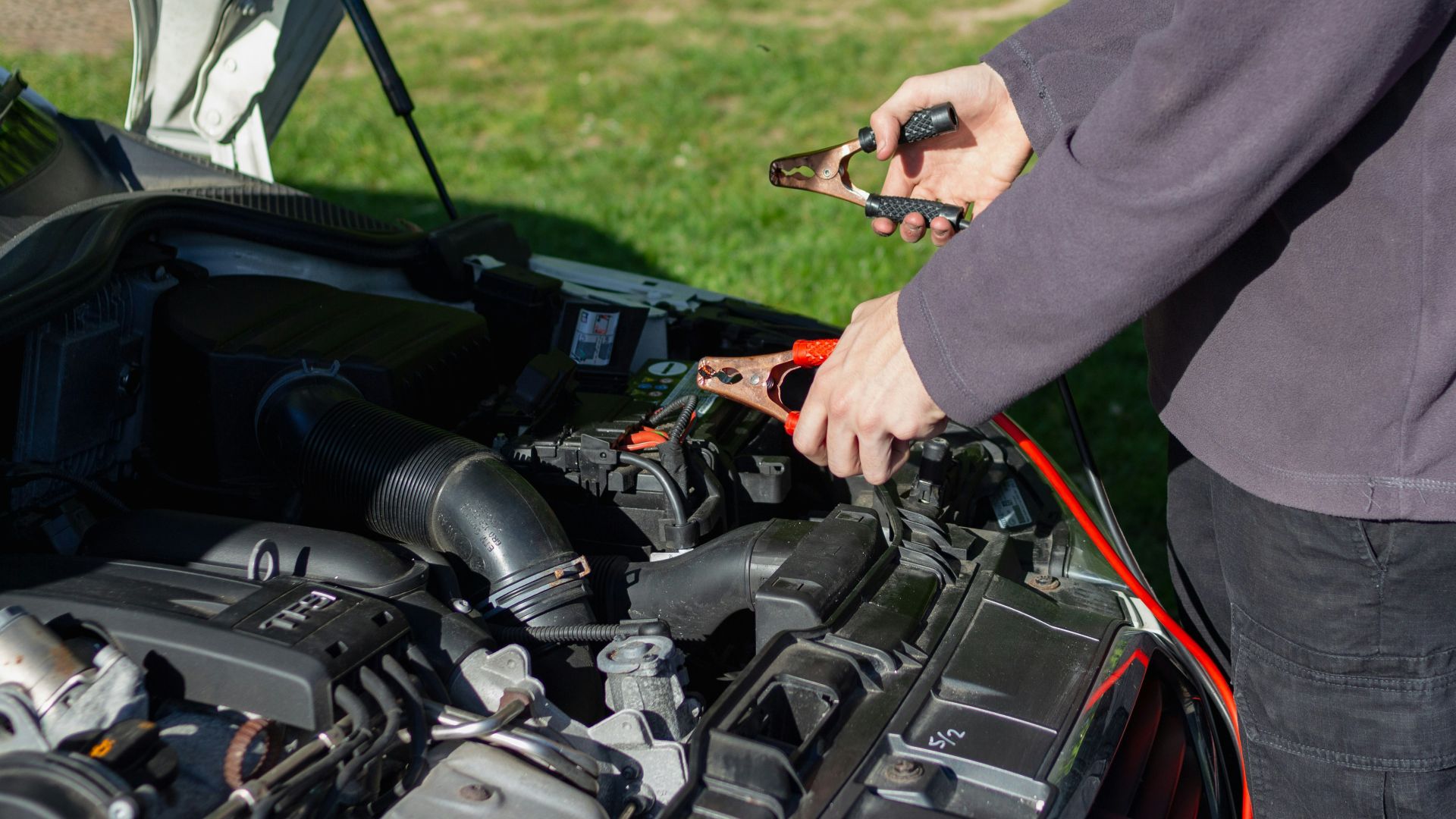
One of the most common springtime disappointments is turning the key and hearing absolutely nothing. Batteries naturally lose charge while sitting, particularly in cold conditions. A compatible smart battery maintainer can help keep yours ready. Alternatively, disconnect the battery and store and maintain it according to the manufacturer's instructions.
 Daniel @ bestjumpstarterreview.com, Unsplash
A Battery Maintainer Isn't An Ordinary Charger
Don't confuse an old-fashioned battery charger with a modern battery maintainer. A suitable automatic maintainer monitors the battery and controls charging to reduce overcharging risks. Choose one designed for your battery's chemistry and voltage, and follow its safety instructions. That's especially important with older six-volt electrical systems.
Your Tires Don't Like Sitting Either
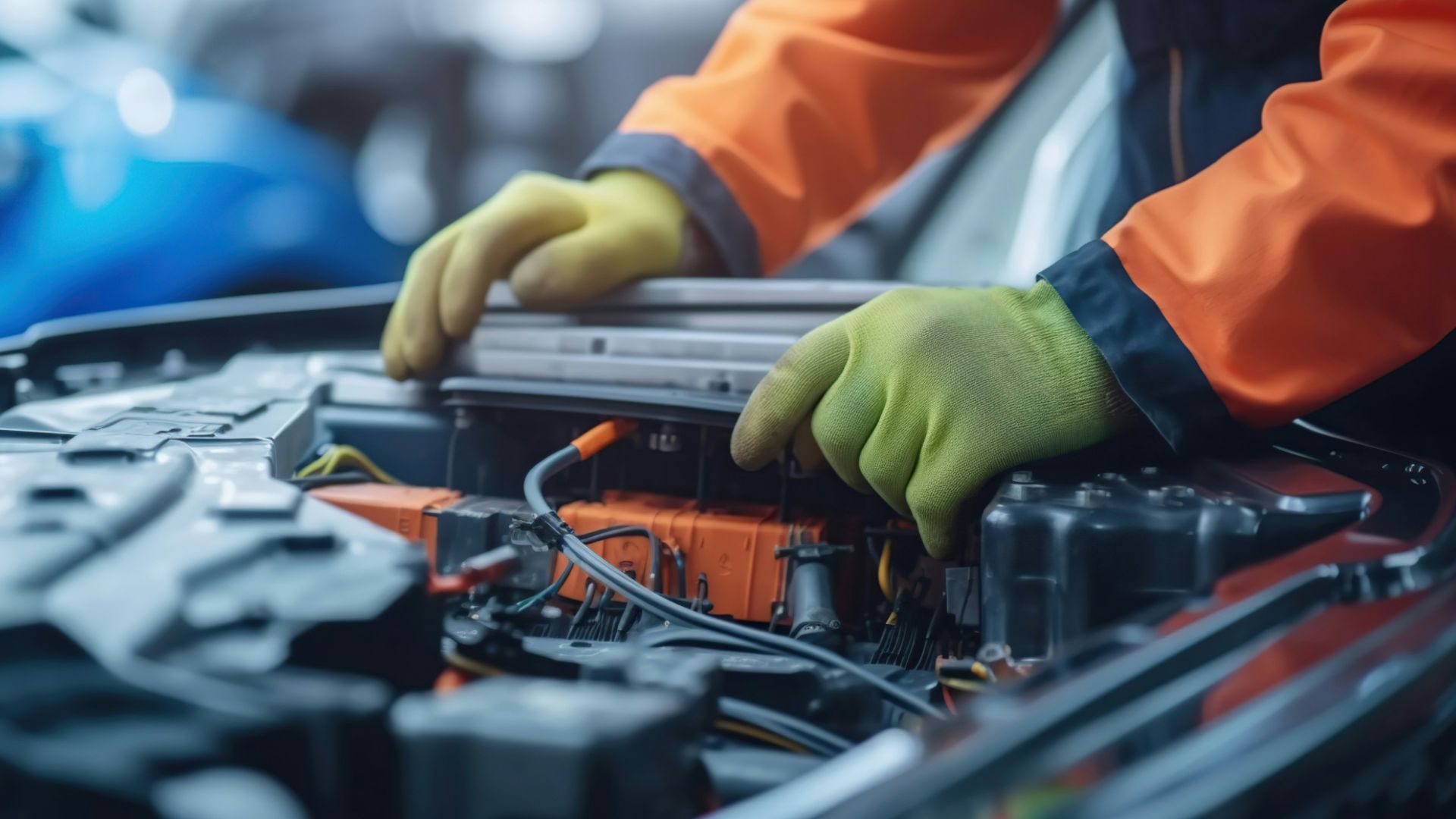
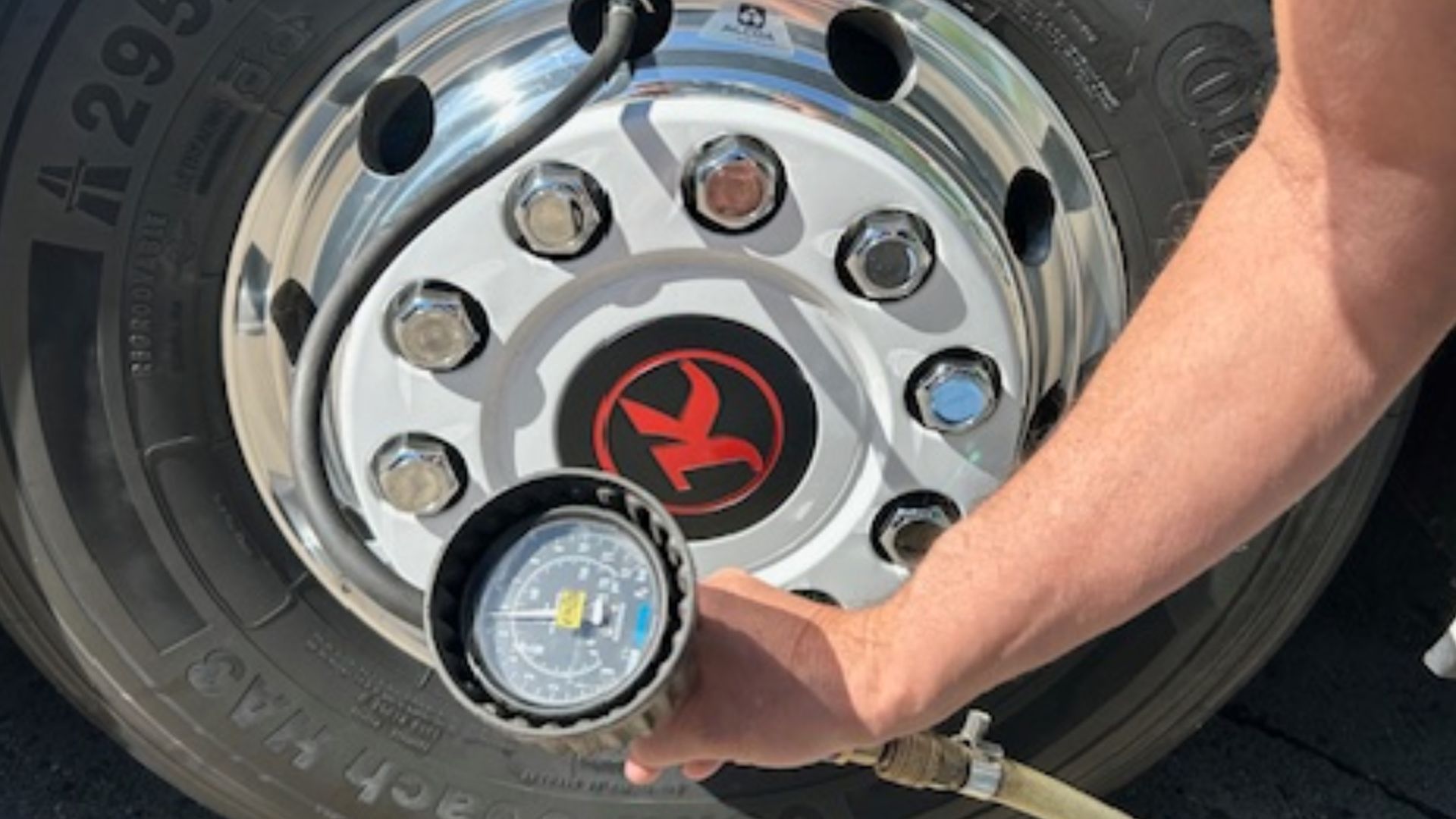
Classic car tires can develop temporary flat spots when they remain in the same position for months. Before storage, check their pressures and inflate them to the correct specifications. Properly rated tire supports may also help. Don't exceed the tire manufacturer's pressure limits in an attempt to prevent flat spotting.
Should You Move The Car Occasionally?
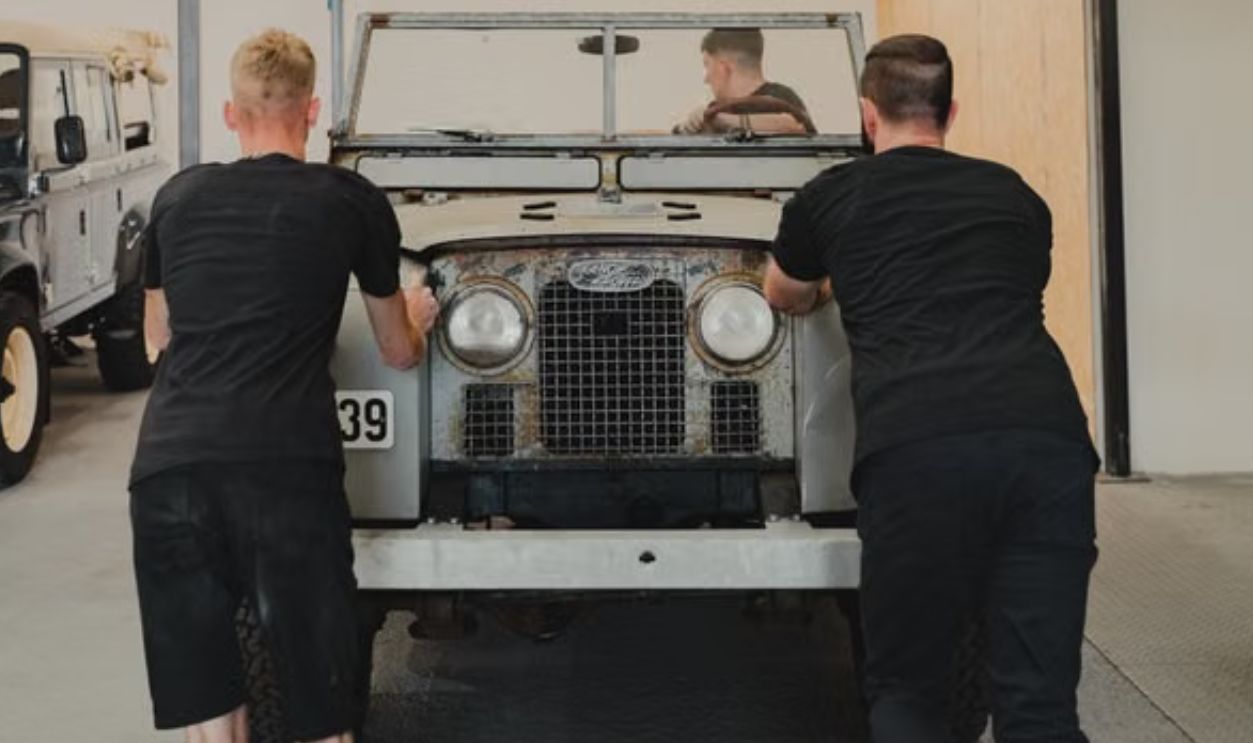
Some owners like rolling their classics a short distance to change the tires' contact patches. That can be helpful, provided there's enough space and the vehicle can be moved safely. But don't feel obligated to start the engine just to reposition the car. A few feet of movement won't warm the drivetrain.
Don't Leave The Parking Brake Engaged
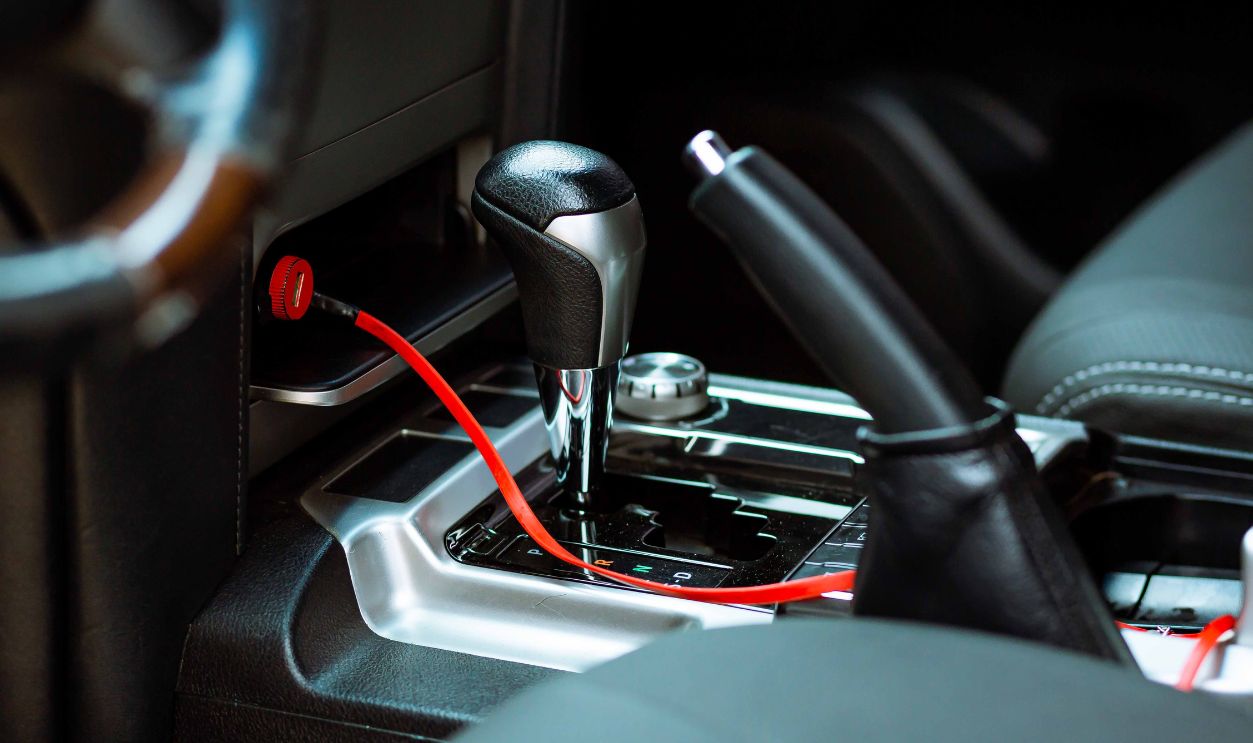
Here's another trick experienced collectors swear by. Leaving the parking brake engaged for months can sometimes cause brake components to stick, especially in damp conditions. On a level storage surface, use suitable wheel chocks and leave the parking brake released when safe. Follow any model-specific storage guidance.
Check Your Coolant Before The Freeze
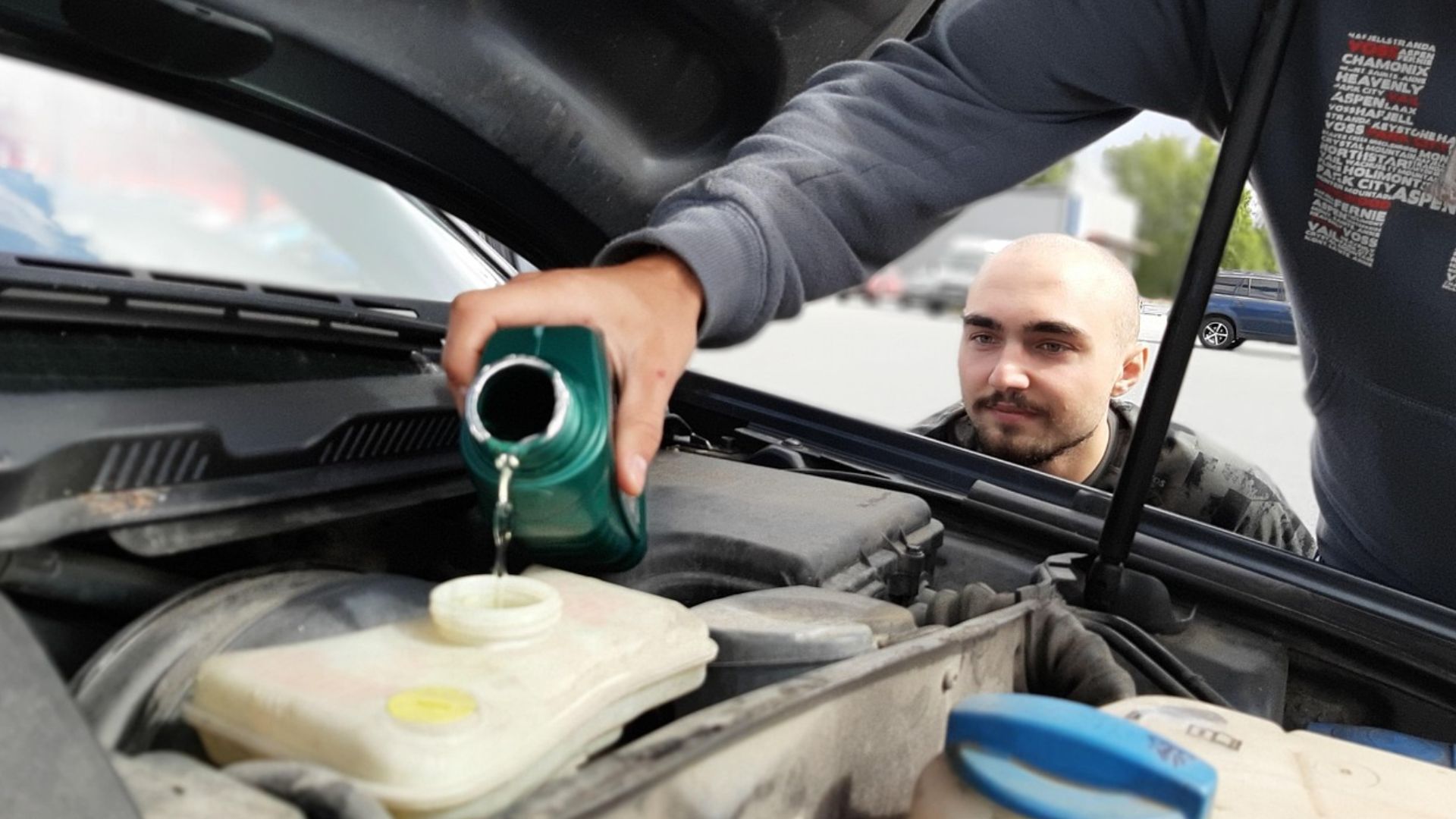
A beautiful classic with a cracked engine block is nobody's idea of a happy spring. Check that your cooling system contains the correct coolant mixture and adequate freeze protection. Older cars may require particular coolant formulations. If you're unsure, consult a mechanic familiar with your engine before the temperatures drop.
Watch Out For Uninvited Garage Guests
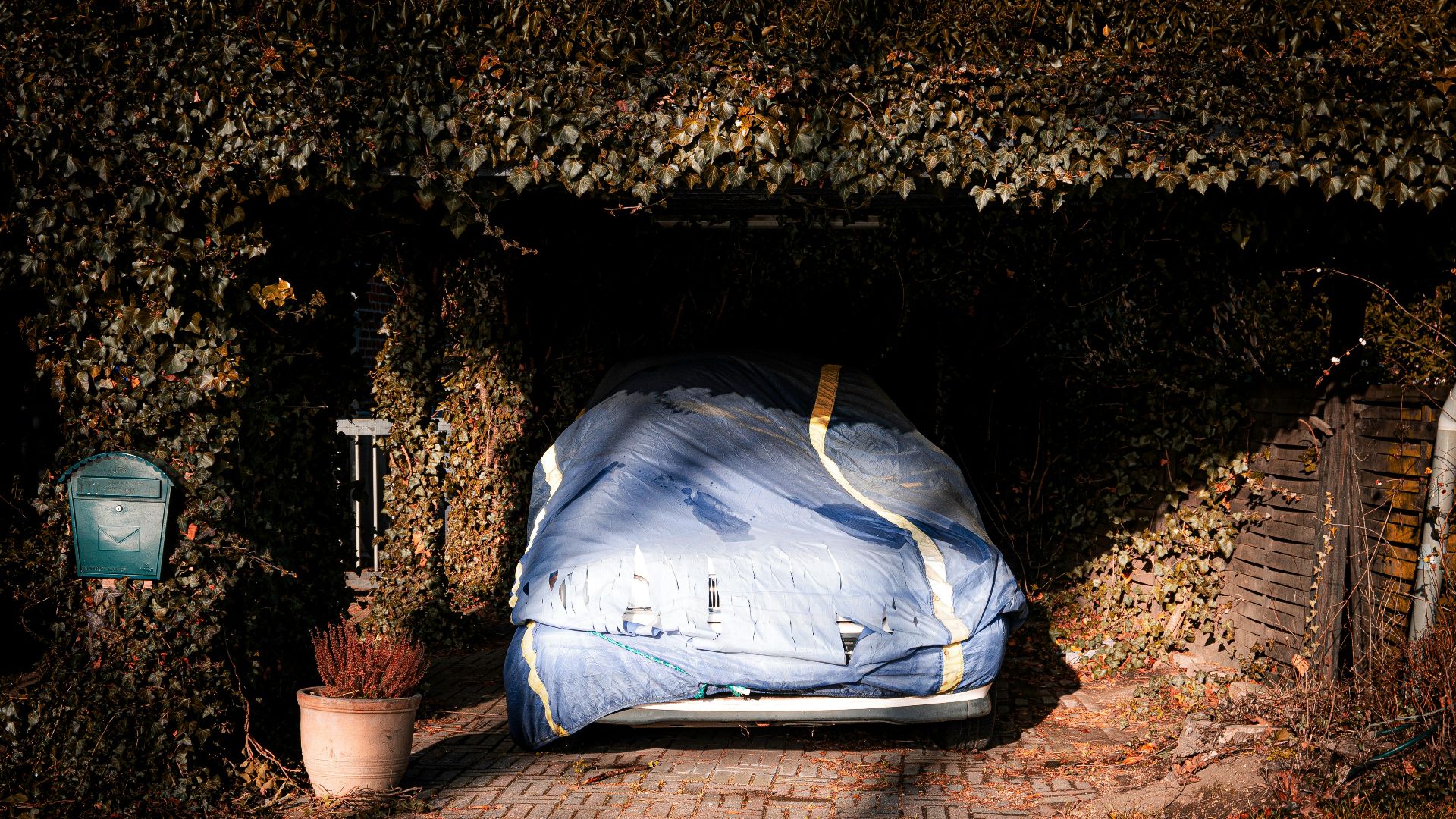
Mice can cause surprisingly expensive damage while your classic sleeps. They love upholstery, insulation, and occasionally electrical wiring. Keep the garage clean, eliminate nearby food sources, and inspect for entry points. Some owners temporarily cover exhaust outlets and air intakes, but those covers must be removed before starting the engine.
 PuroClean of Fort Worth, Unsplash
Your Garage Environment Makes A Difference
A dry garage can be more valuable than a warm but damp one. Excessive moisture encourages rust, mildew, and corrosion. Consider using a dehumidifier where appropriate, especially if your garage experiences condensation. A clean, breathable indoor car cover can also protect the finish without trapping moisture against the paint.
Give Your Classic A Monthly Inspection
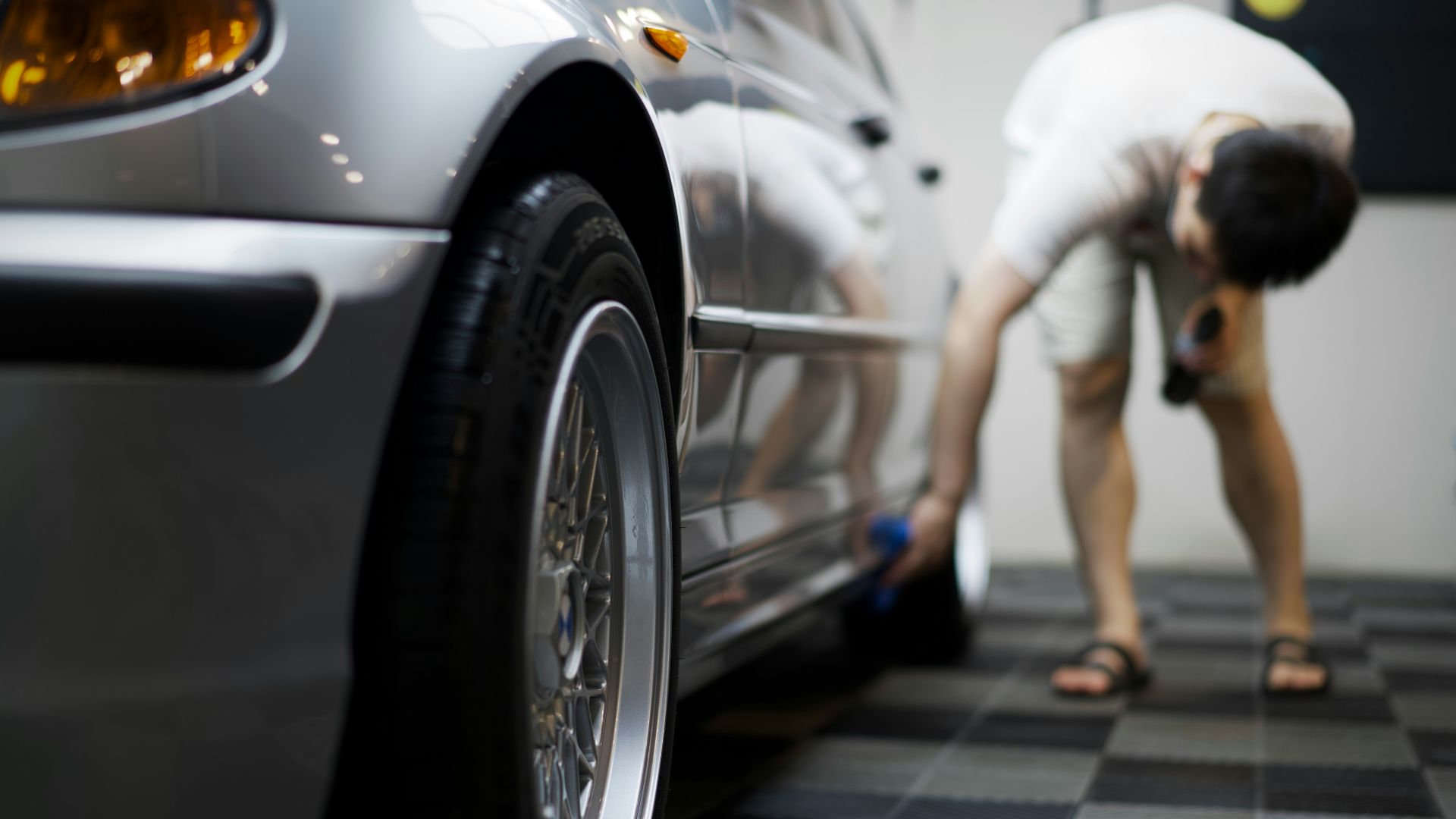
Leaving the engine alone doesn't mean forgetting about the car entirely. Every few weeks, check for fluid leaks, signs of rodents, tire-pressure changes, and unwanted moisture. Look over the battery and storage equipment, too. These simple inspections can identify developing problems without putting the engine through unnecessary cold starts.
What If Your Classic Has Special Requirements?
Not every collector car follows the same rules. Prewar vehicles, competition engines, unusual lubrication systems, and heavily modified classics may require specialized storage procedures. Some experts also support occasional operation when the engine and drivetrain can be warmed thoroughly. If your vehicle has unique mechanical needs, consult a specialist familiar with it.

Waking Up Your Classic In Spring
When warmer weather finally arrives, don't immediately jump behind the wheel. Check your fluids, tires, belts, hoses, battery, and brakes. Look for leaks and rodent damage, and remove any intake or exhaust covers. Once everything checks out, start the engine, monitor oil pressure, and take a gentle first drive.

So, Should You Start It Every Week?
For a properly winterized classic spending a few months in storage, the answer is generally no. Leave the engine alone, protect the battery, monitor the garage, and concentrate on proper preparation. If you do start it, make it part of a genuine drive when conditions are suitable. Your classic will be better prepared for another glorious driving season.
You May Also Like:
I bought a prepaid maintenance plan, but the dealership closed. Who has to honor it?
Old Truck Cab Features That Made Perfect Sense In The 1980s And Look Strange Today
Small Pickup Trucks From The 1970s That Worked Hard Before Trucks Became Huge. Did You Ever Own One?